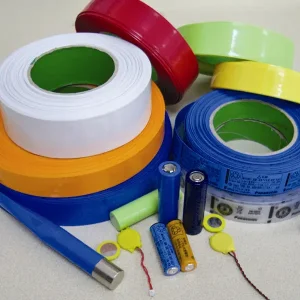
Expertly formulated viscoelastic tapes, hot-melt sticks, and specialty repair solutions engineered for optimal field application and long-term durability.
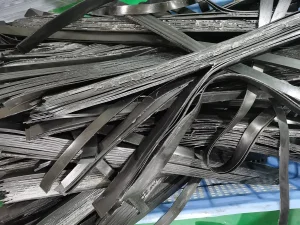
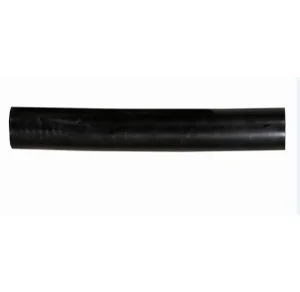
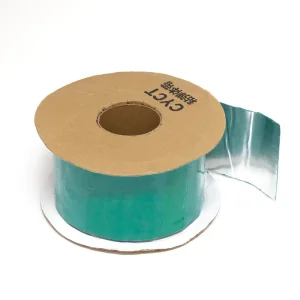
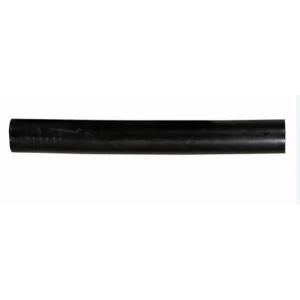
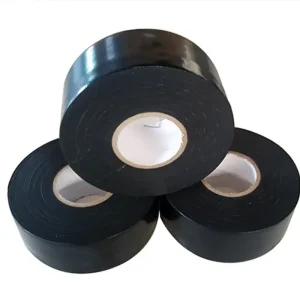
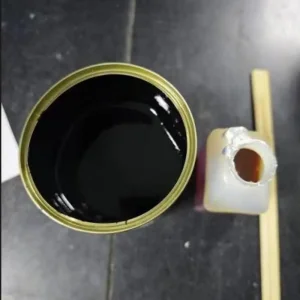
In modern pipeline infrastructure engineering, the preservation of asset integrity against subsurface aggressive corrosive elements is a paramount technical imperative. Under the broad category of adhesive elastics, viscoelastic anti-corrosion tapes, polyolefin mastic formulations, and specialized hot-melt repair materials form the vanguard of proactive defense barriers.
These advanced polymers behave with both fluid viscosity (allowing perfect wetting and intimate molecular contact with steel profiles) and solid elasticity (permitting energy storage, recovery, and resistance to shear stresses). Operating at the boundary of polymer chemistry and mechanical surface engineering, they ensure absolute moisture exclusion and self-healing performance under dynamic subterranean pressures.
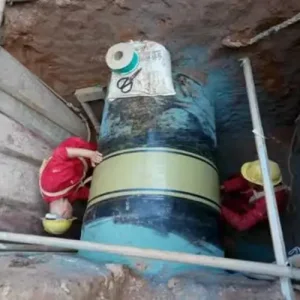
Whether addressing in-situ field joint coatings for oil and gas trunklines, protecting complex fittings on city gas networks, or facilitating high-integrity repairs for damaged 3LPE/3LPP coatings up to 85°C, adhesive elastics supply reliable, permanent interfaces. By preventing water infiltration, oxygen ingress, and bacterial colonization, they successfully address the primary causes of pipeline localized corrosion.
Founded in 2000, CYCT has developed from an industry innovator into a leading provider of pipeline corrosion protection systems.
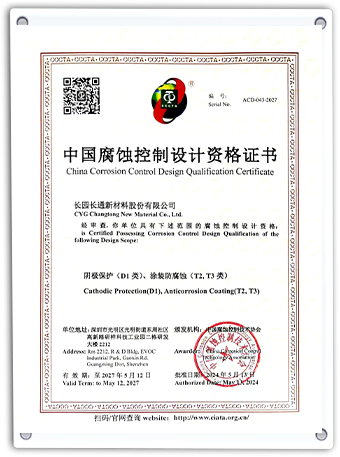
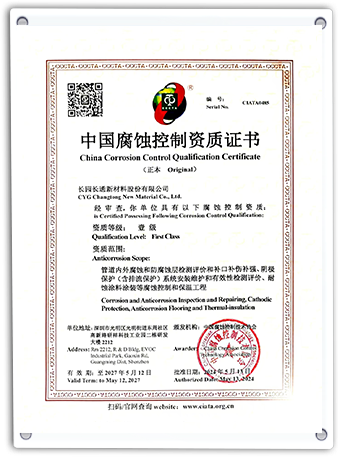
CYCT New Materials Company Limited (for short, CYCT) is a state-level high-tech enterprise integrating R&D, production, and sales of pipeline corrosion protection materials. Our scope also spans buried pipeline detection services and pipeline coating field application service into a unified, turnkey customer workflow.
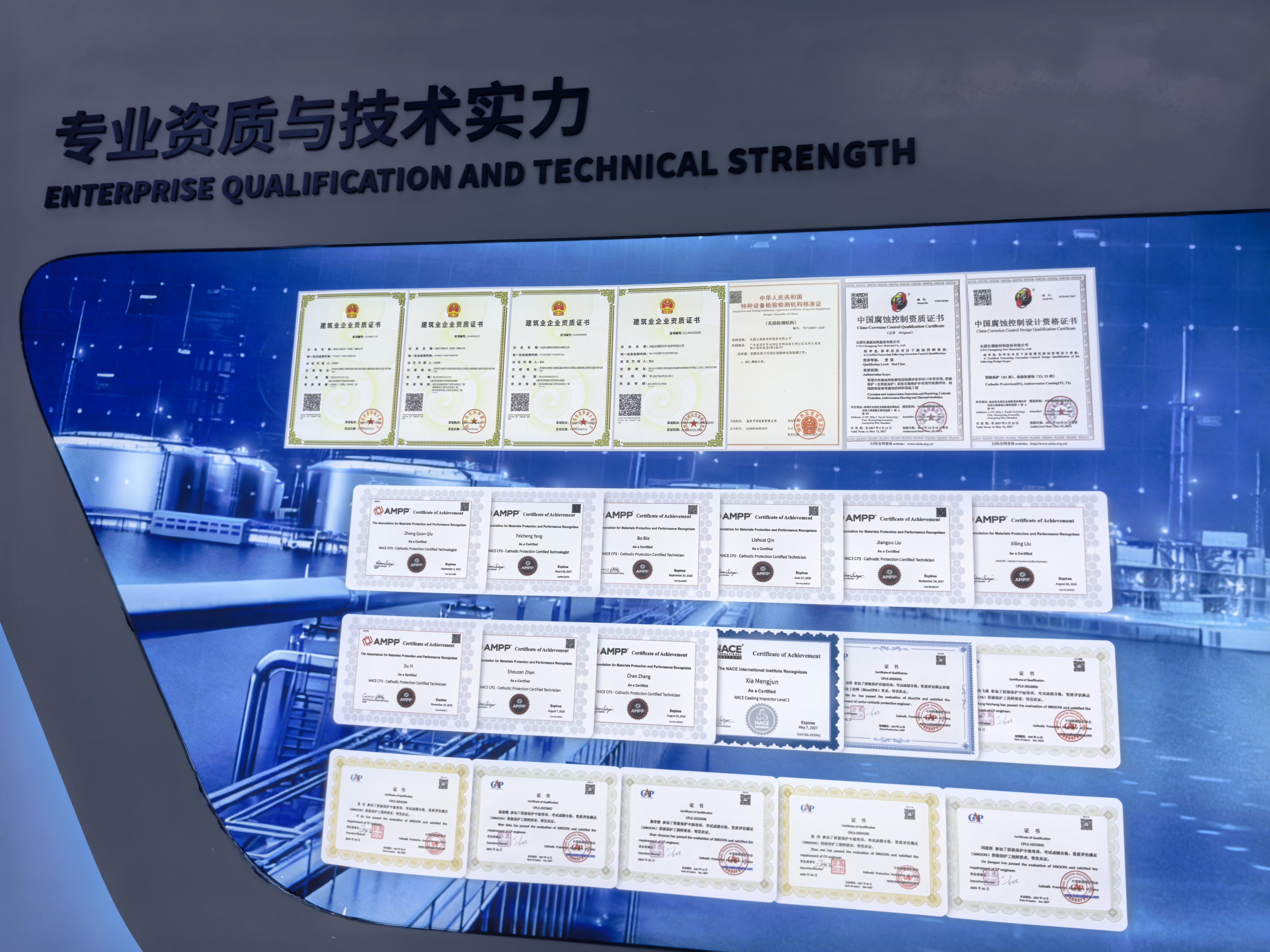
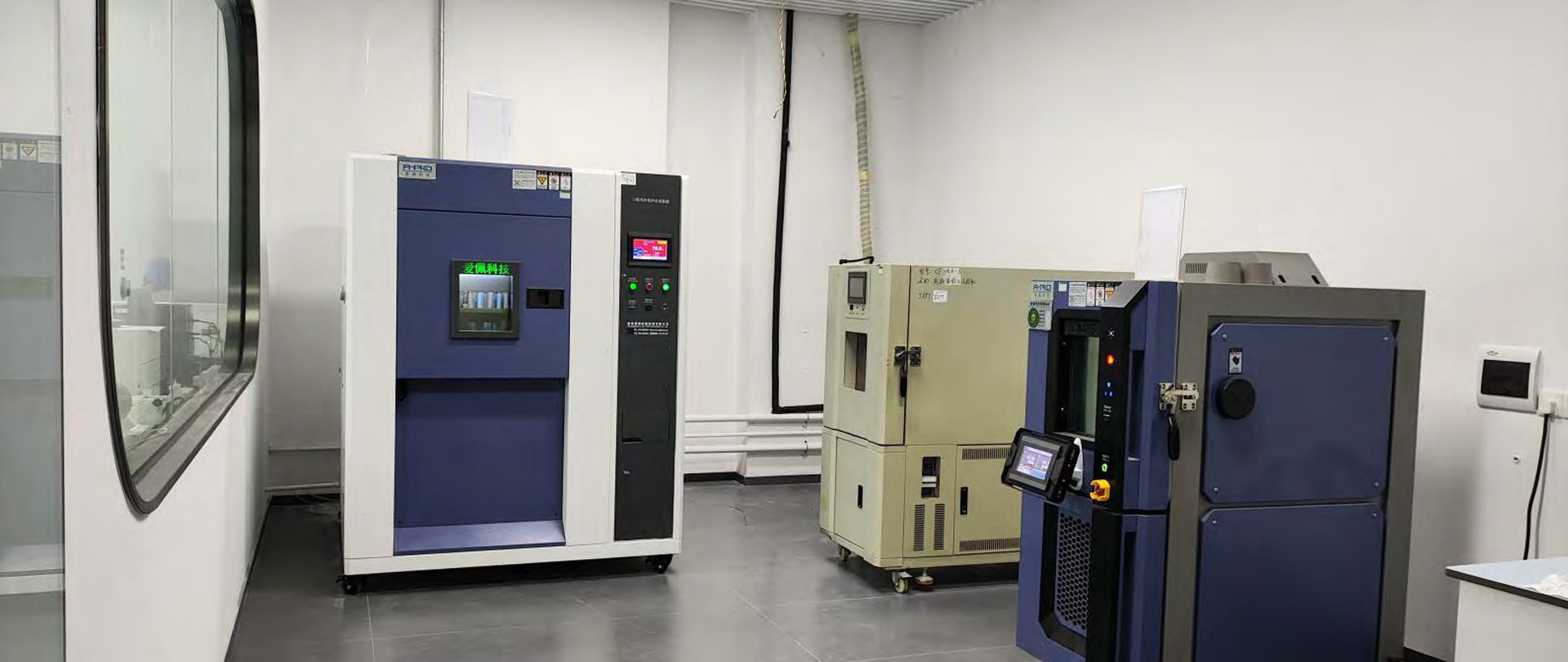
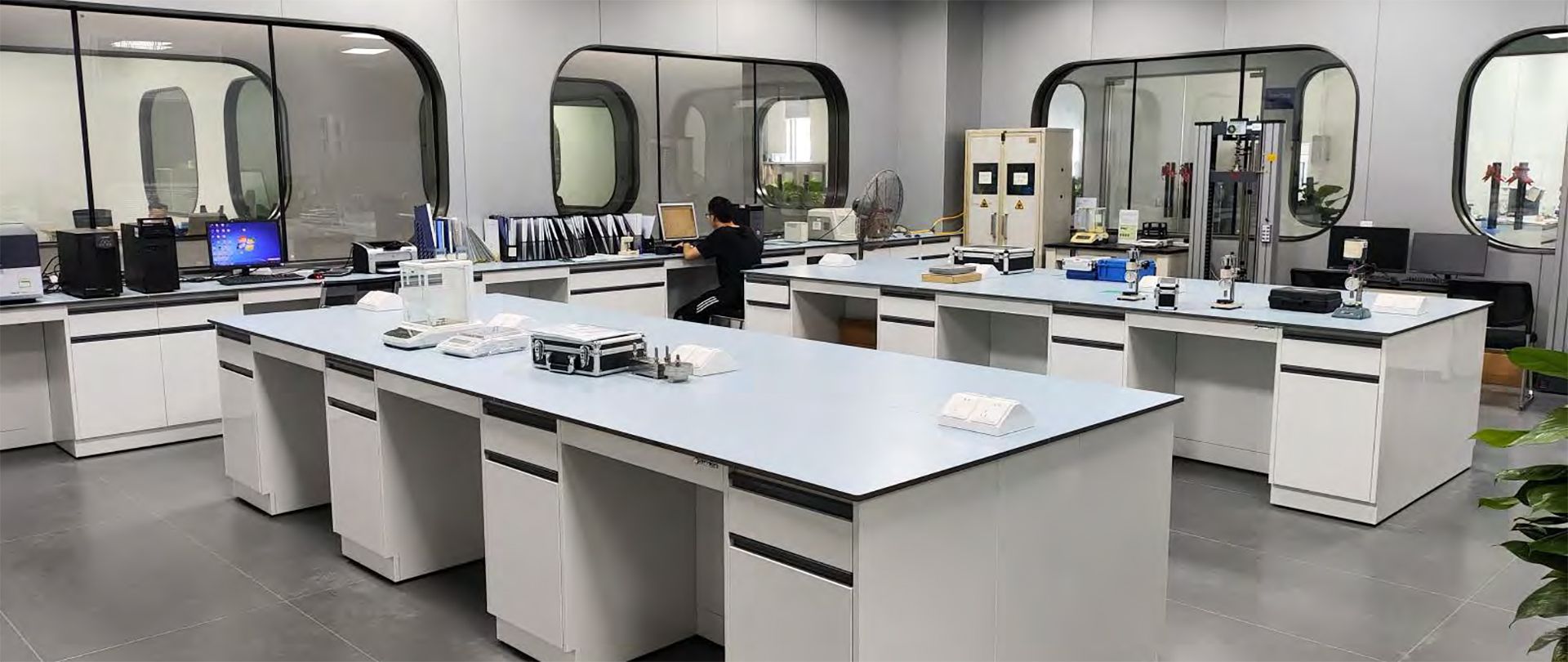
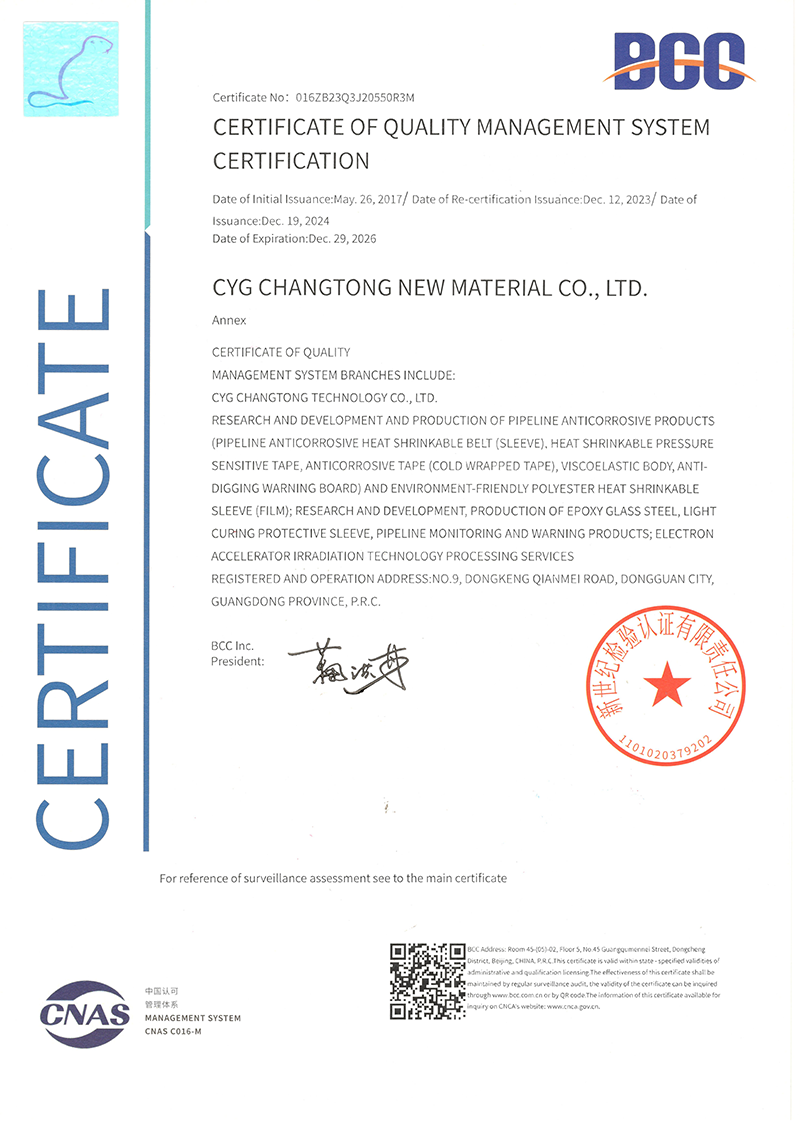
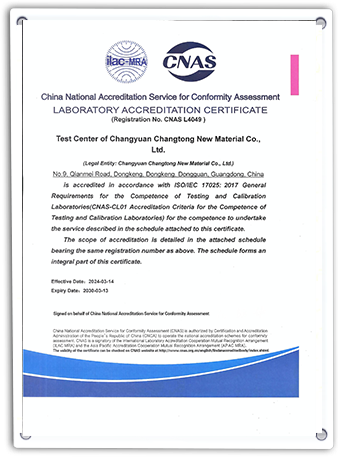
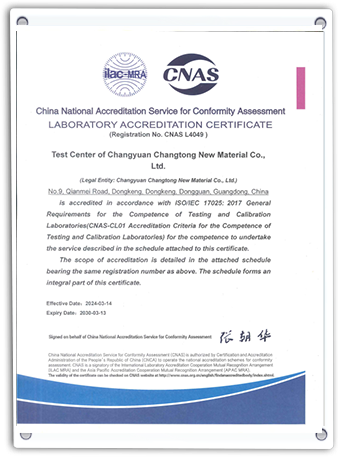
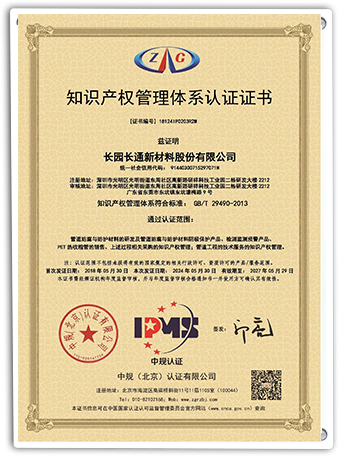
With a continuous focus on research and development for over two decades, CYCT operates leading testing and R&D facilities. This infrastructure features a national CNAS-accredited laboratory and a dedicated team of polymer chemists, anti-corrosion engineers, and field technicians.
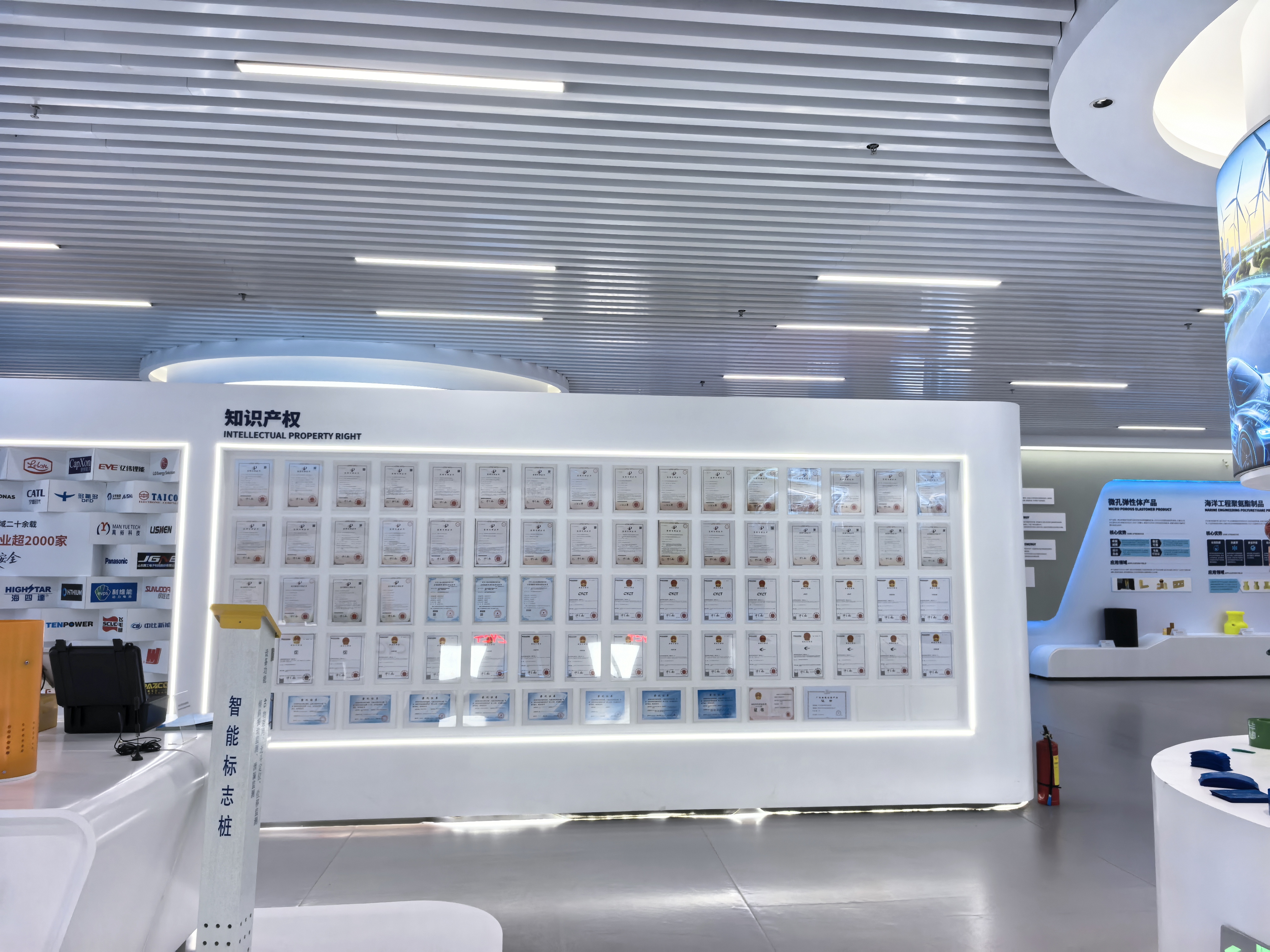
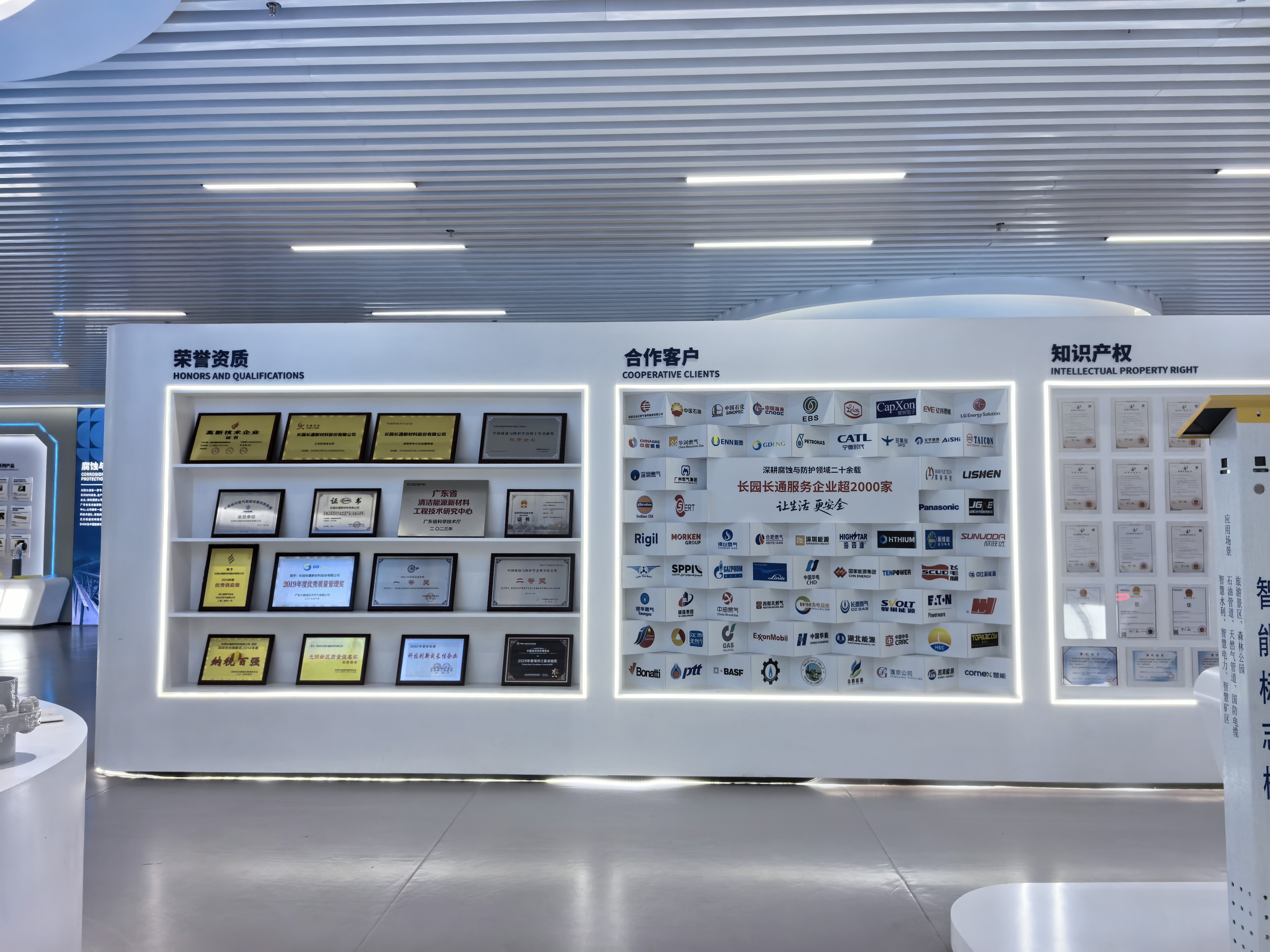
CYCT is a stable, long-term supplier of field joint coatings to energy enterprises including PetroChina, Sinopec, PipeChina, and various local gas distribution networks. Our products are used across critical pipeline infrastructure, commanding high market share in domestic projects.
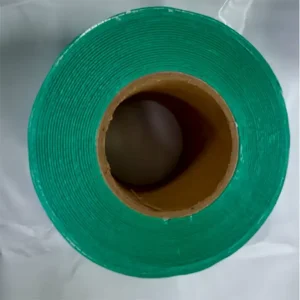
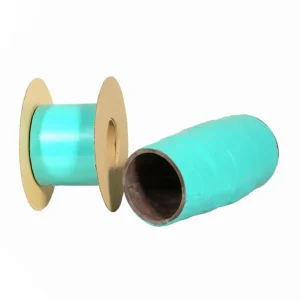
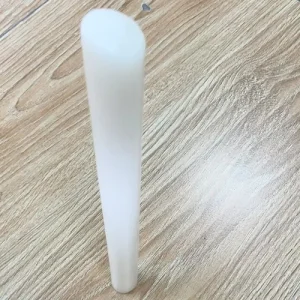
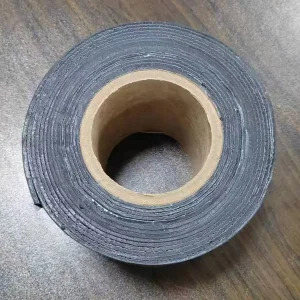
To support global infrastructure expansion, CYCT has developed and introduced high-performance specialty protection products, including fabric viscoelastic tapes (FVT95), polyolefin viscoelastic tapes (VT95), hot-melt sticks for 3LPP/3LPE coating repairs, photo-curing sleeves for HDD protection, and spray-applied polyurea coatings.
Addressing the complex engineering, logistical, and commercial requirements of pipeline operators and EPC contractors.
Global procurement teams face strict regulatory oversight, challenging environmental conditions, and the need to extend asset lifespans. Traditional field joint coatings can suffer from poor surface preparation, complex field mixing, and lengthy cure times, which can lead to early coating failures.
Viscoelastic adhesive elastics help mitigate these risks by simplifying installation requirements. With a minimal surface preparation threshold (ISO 8501-1 St 2/3), these materials eliminate the need for abrasive grit blasting in field repairs. They do not require primers, provide immediate adhesion, and feature cold-flow properties that allow them to self-heal minor installation defects.
Field repair delays translate directly to capital losses. Utilizing CYCT's viscoelastic mastic tapes and hot-melt stick repair solutions helps operators optimize schedules:
A deep dive into the polymer engineering behind our self-healing, high-adhesion protection materials.
CYCT's adhesive elastics maintain a balance between fluid flow and elastic memory. This allows the compound to flow into anchor patterns on the steel surface while retaining mechanical strength to resist soil stress.
When subjected to minor mechanical punctures or shear displacement during backfilling, the viscoelastic material slowly flows back to reseal the breach, maintaining a continuous barrier against water ingress.
Our aluminum foil viscoelastic tapes and specialized hot-melt fillers operate reliably from -45°C to 85°C, ensuring protection in both sub-zero permafrost environments and hot pipeline discharge areas.
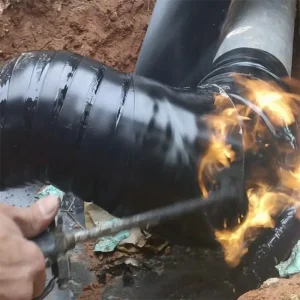
Standard PE coatings on high-operating-temperature gas pipelines can degrade or experience stress cracking. For repairs, typical hot-melt sticks often lack the necessary high-temperature shear resistance, leading to adhesive failure.
CYCT's OEM High-Temperature Hot Melt Sticks address this issue by using modified block copolymers and tackifying resins. This formulation provides thermal stability up to 85°C, preventing sagging and maintaining adhesion under continuous operational heat.
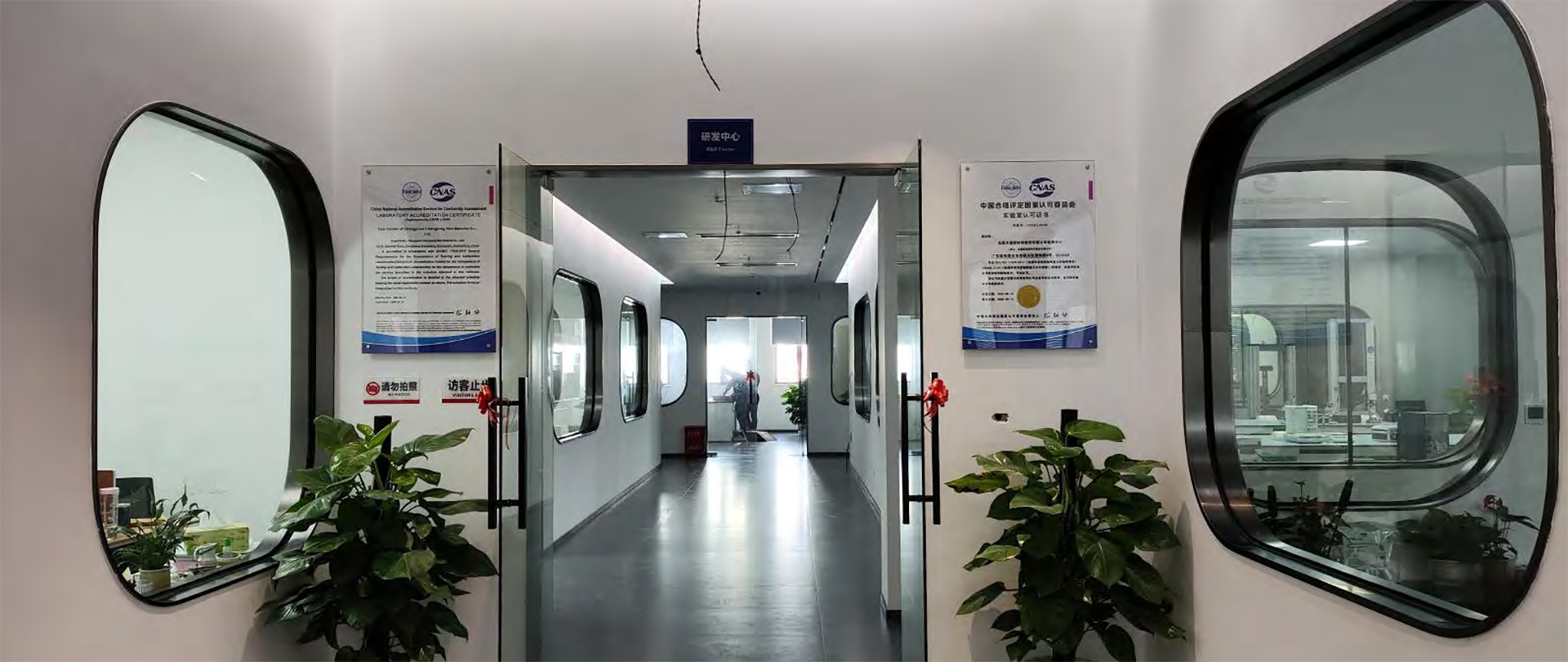
Ensuring compliance with global pipeline standards through strict testing protocols in our CNAS laboratory.
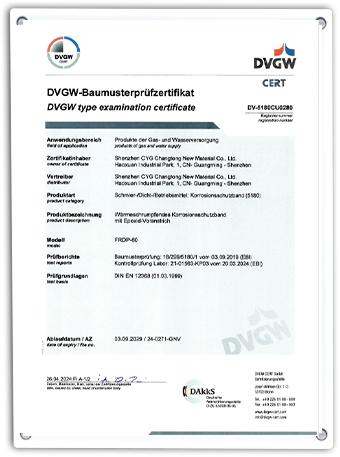
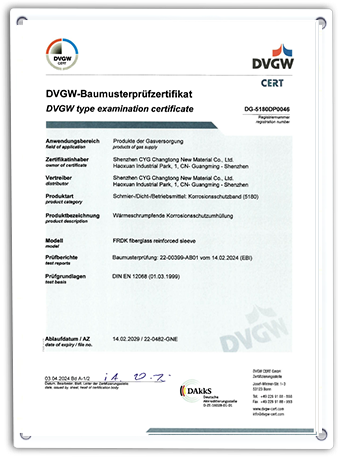
Every batch of adhesive elastic, viscoelastic tape, and repair stick undergoes strict laboratory testing before dispatch. Our testing protocols align with international pipeline coating standards (ISO 21809-3, EN 12068, and AMPP / NACE standards):

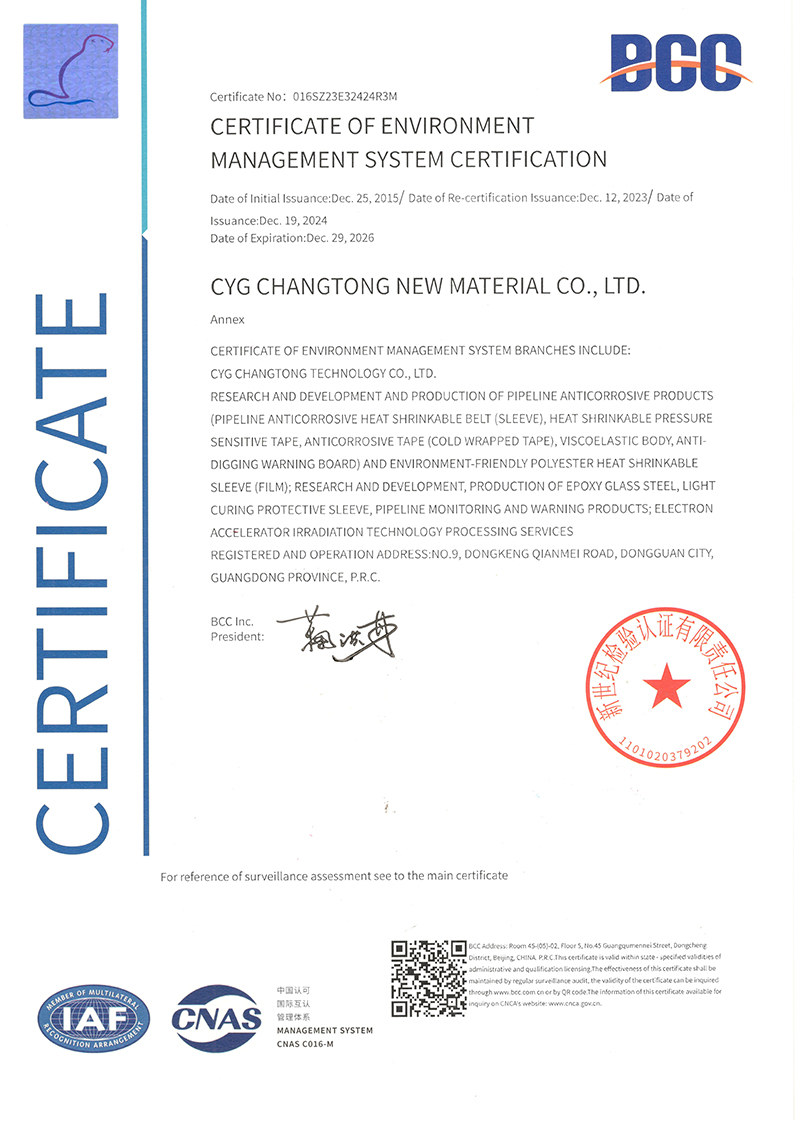
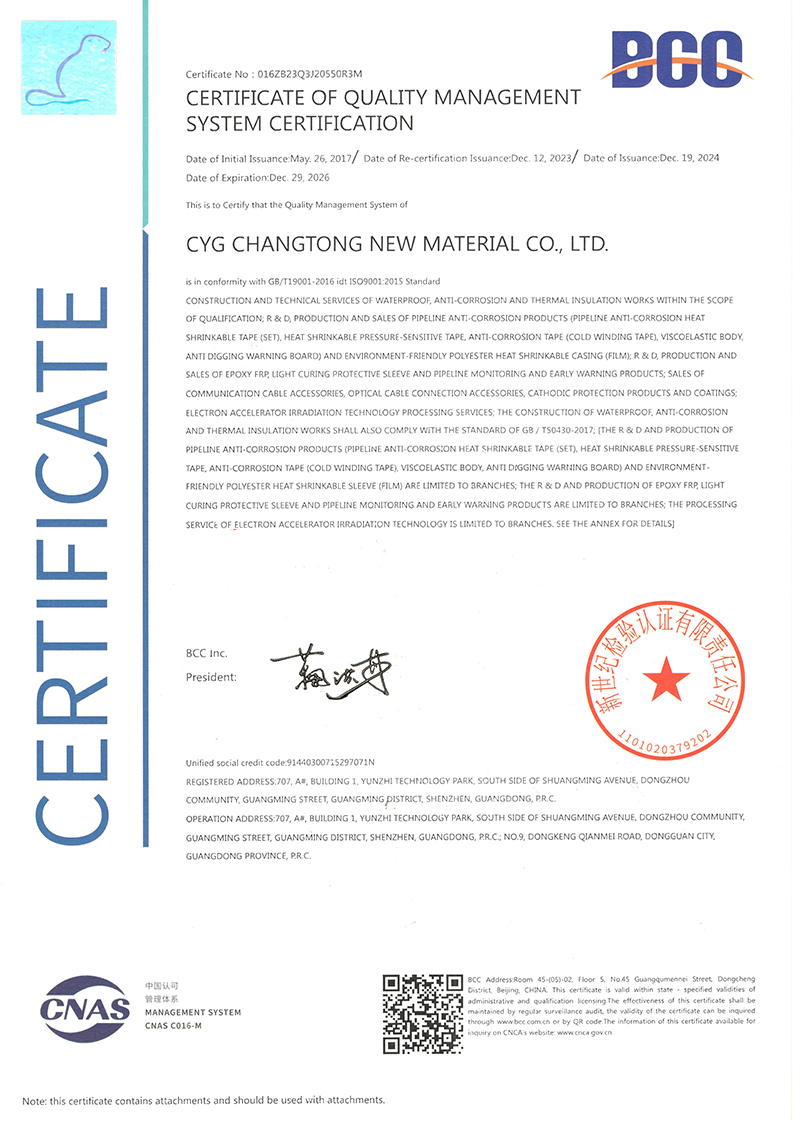
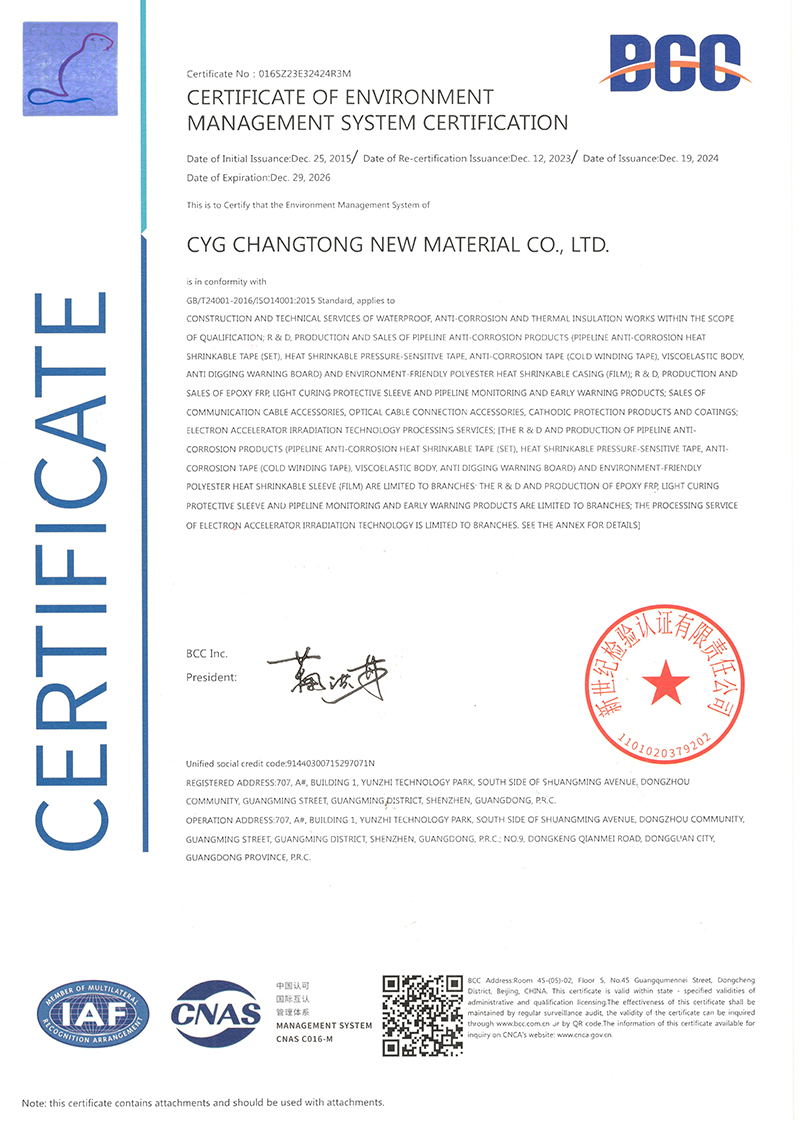
Technical answers to common questions about viscoelastic systems and pipeline field repairs.
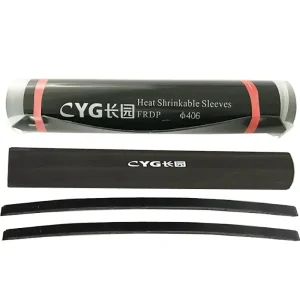
Explore our high-performance polyolefin, fabric, mastic, and heat-shrinkable solutions designed to meet strict field joint specifications.
 CYCT
CYCT