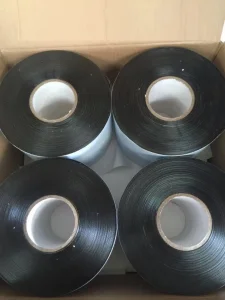
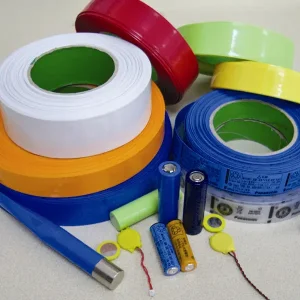
Engineered to protect field joints, repair damaged coatings, and maintain long-term barrier integrity under extreme conditions.
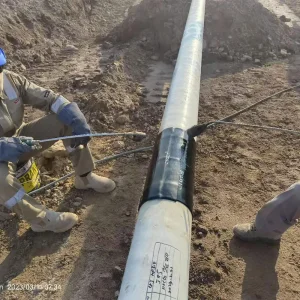
An Industrial Guide on Field Joint Protection, Coating Chemistry, and Cathodic Compatibility
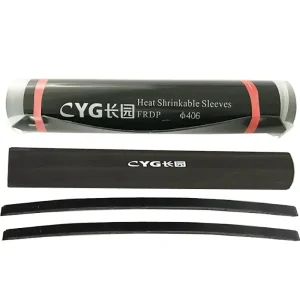
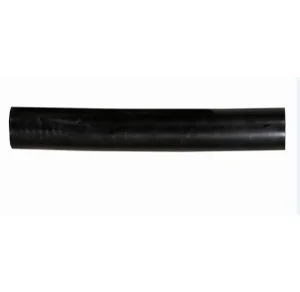
In midstream energy development and large-scale pipeline transport, structural steel is vulnerable to relentless corrosive attacks. Whether submerged in marine sediments or buried in saline soil, steel pipelines require absolute isolation from moisture, oxygen, and electrolytes. Factory coatings, such as 3-Layer Polyethylene (3LPE) and 3-Layer Polypropylene (3LPP), protect the main run. However, the girth weld area—where pipes are welded together in the field—presents a vulnerability. Heat shrinkable sleeves (HSS) provide the primary defense for this critical region, functioning as a continuous field-applied barrier matching the performance of the mill-applied parent coating.
Did you know? NACE international studies suggest that pipeline failures due to external corrosion cost operators billions annually. Over 90% of these localized corrosion issues initiate at field joints, valves, or fittings where field joint coatings (FJC) were incorrectly applied or selected.
At the core of a premium heat shrinkable sleeve is cross-linked polyolefin backing material combined with high-shear hot-melt adhesives or viscoelastic mastic sealants. Radiation cross-linking alters the molecular structure of the backing. High-energy electron beams break the covalent carbon-hydrogen bonds in polyethylene chains, prompting carbon-to-carbon bonds to crosslink. This gives the polymer a physical "memory" effect. Upon heating during installation, the sleeve shrinks back to its original extruded dimensions, creating a tight radial compression around the joint. Simultaneously, the heat melts the internal adhesive layer, filling surface profile variations and creating an impermeable mechanical bond.
Market Realities, Compliance Protocols, and Critical Performance Criteria
International pipeline systems require strict compliance. Modern heat-shrinkable sleeves must meet ISO 21809-3 (standards for field joint coatings) and EN 12068 class C specifications, ensuring high resistance to mechanical penetration, impact, and soil stress.
Operating temperatures of production lines continue to rise. Standard sleeves operate comfortably at 60°C. However, heavy crude, steam-assisted gravity drainage (SAGD), and high-flow natural gas networks demand specialty sleeves that withstand continuous temperatures up to 80°C, 100°C, or 120°C.
Cathodic protection (CP) is the secondary defense for underground steel assets. A sub-standard coating can shield the CP current while letting water reach the steel, leading to localized corrosion. High-quality sleeves are engineered with balanced electrochemical properties to prevent cathodic disbondment (CD) while supporting efficient CP systems.
Comparing performance profiles of pipeline field joint coating systems
Different installation dynamics and operational environments require distinct material pathways. The following table provides a comparative analysis of backing and adhesive options for heat-shrinkable sleeves, field joint wraps, and viscoelastic putties.
| Property Parameter | Polyethylene (PE) Backing | Polypropylene (PP) Backing | Viscoelastic Putty systems |
|---|---|---|---|
| Operating Temperature Limit | -40°C to +80°C | -20°C to +120°C (High-Temp) | -45°C to +60°C |
| Tensile Strength (min) | 12 - 15 MPa | 20 - 25 MPa | N/A (Cold-Flow Viscoelastic) |
| Peel Strength to Steel / FBE | > 80 N/cm at 23°C | > 120 N/cm at 23°C | Fully cohesive failure mode |
| Primary Application Area | Standard buried/offshore pipelines | Deep ocean pipelines, HDD runs | Flanges, T-joints, irregular profiles |
| Soil Stress Resistance | Excellent | Ultra-High | Requires structural outer-wrap |
The backing thickness, adhesive thickness, and pre-heat temperatures are critical indicators of performance. Polypropylene field joint systems offer higher shear resistance, whereas Polyethylene systems provide better flexibility at lower temperatures. When selecting a system, engineers must match the joint coating system with the main pipeline's mill-applied coating (e.g., matching a 3LPP main line coating with a PP-based heat shrinkable field joint system) to ensure matching performance profiles.
Tailored protection systems engineered for challenging installation and environmental conditions
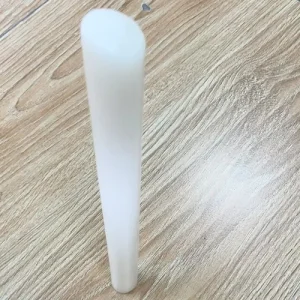
Pipelines installed via trenchless HDD face high shear stresses from soil and rock. Standard sleeves can tear or slip. Our specialty solutions, including Epoxy FRP (Fiberglass Reinforced Plastic) and heavy-duty shrinkable wraps, provide robust mechanical shielding for HDD crossings.
Offshore lay-barge operations demand rapid cycle times. Our heat shrinkable sleeves feature short installation times and quick cooling. Combined with liquid epoxy primers, they form a 3-layer system with strong water barrier properties for deep subsea installations.
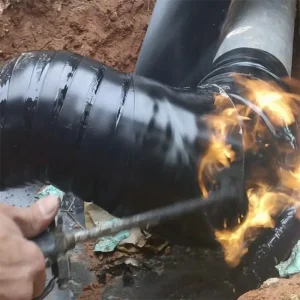
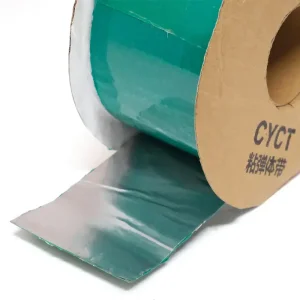
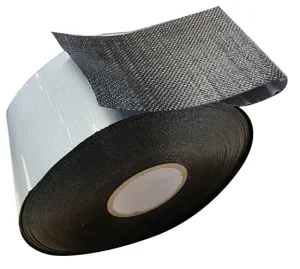
For existing pipelines with failing mastic coatings, cold-applied PE tapes and viscoelastic repair fillers offer high-performance solutions. These materials require minimal surface preparation and conform to complex shapes, extending the operational life of legacy assets.
A trusted, state-level high-tech enterprise protecting major energy transmission networks since 2000.
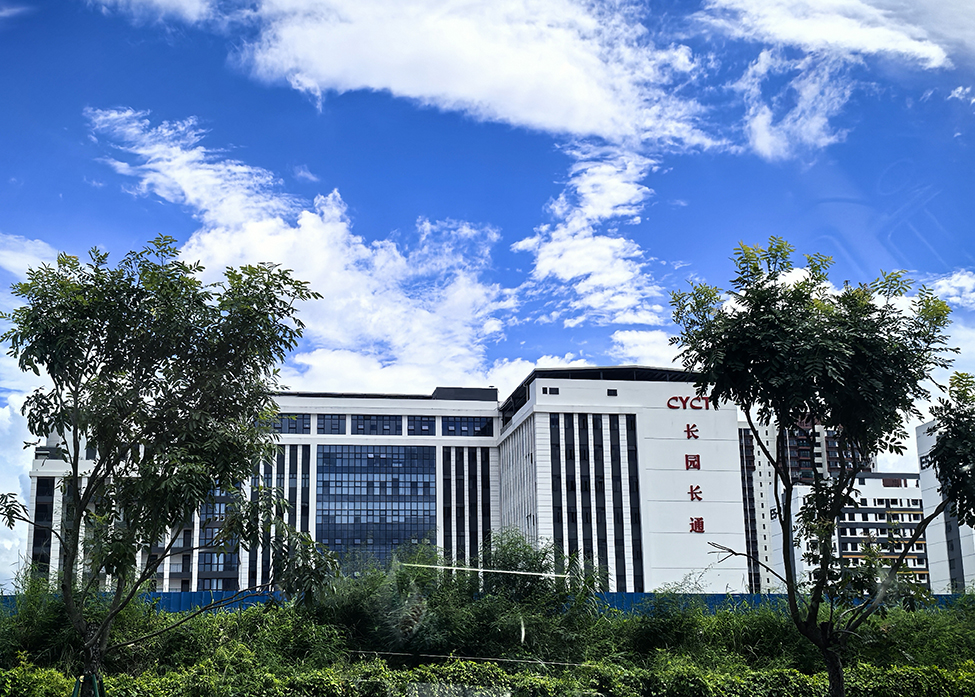
CYCT New Materials Company Limited (CYCT) is a state-level high-tech enterprise integrating R&D, production, and sales of pipeline corrosion protection materials. We also provide buried pipeline detection services and pipeline coating field application services. Established in 2000, CYCT has spent over two decades developing corrosion protection solutions for major global infrastructure initiatives.
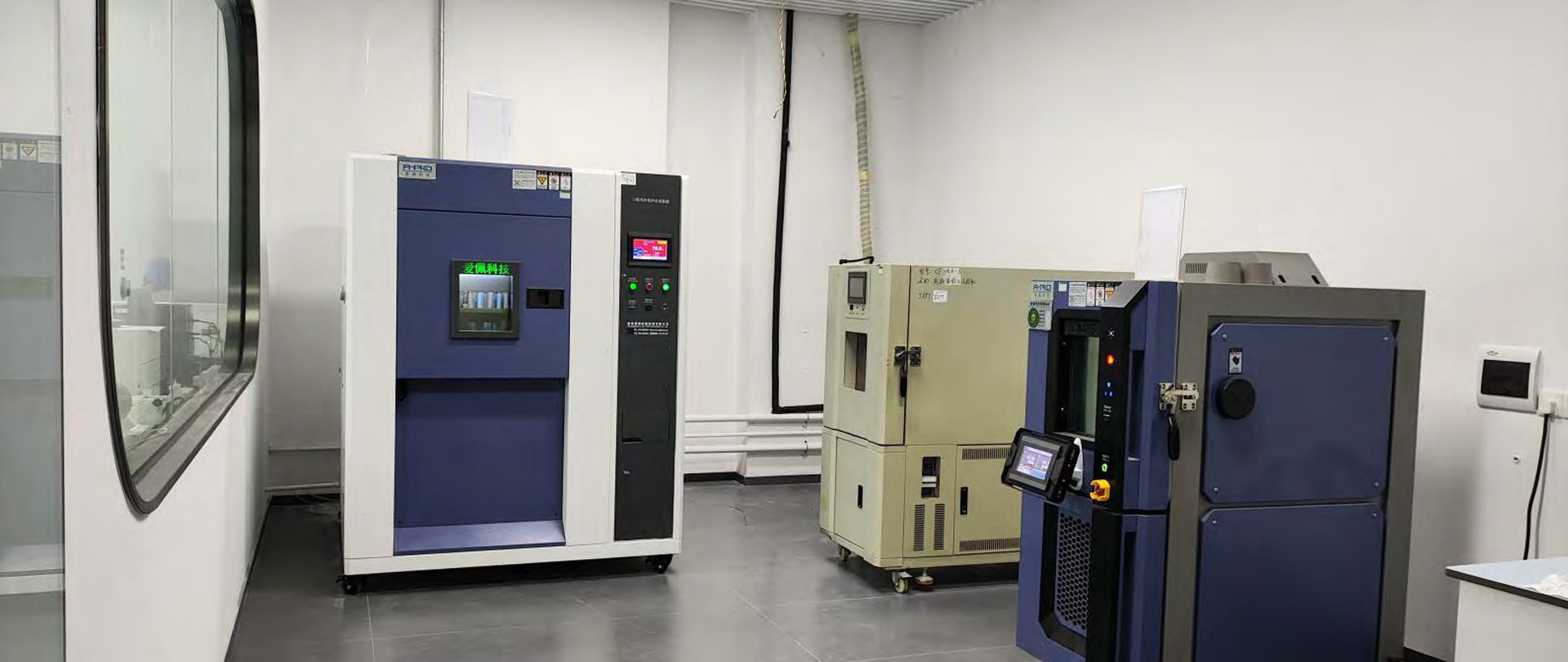
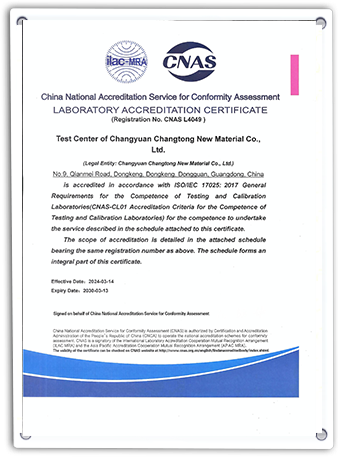
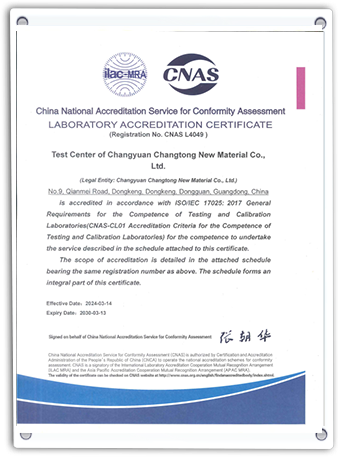
With an advanced CNAS-accredited testing laboratory and a professional research team, CYCT maintains close technical partnerships with leading institutions, including the CNPC Pipeline Science Research Institute. This collaboration enables us to provide complete design schemes, cathodic protection system support, and rehabilitation services for operational pipeline networks globally.
Our solutions are field-proven through long-term partnerships with leading energy entities, including PetroChina, Sinopec, PipeChina, and Indian Oil. In addition to high-performance heat-shrinkable sleeves, we have introduced a comprehensive line of viscoelastic anti-corrosion products, photo-curing sleeves for HDD protection, polyurea coatings, and high-strength repair patches.
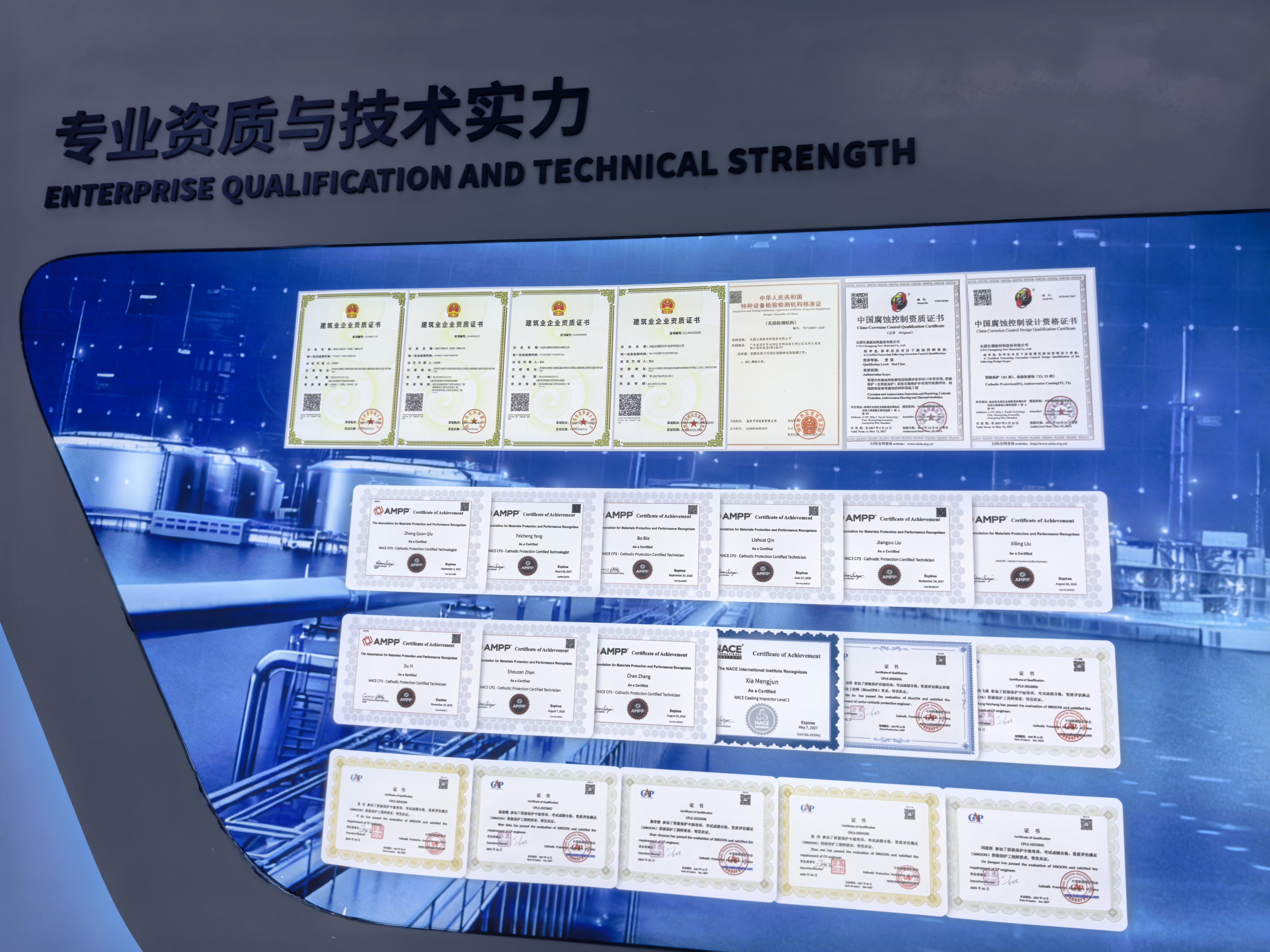

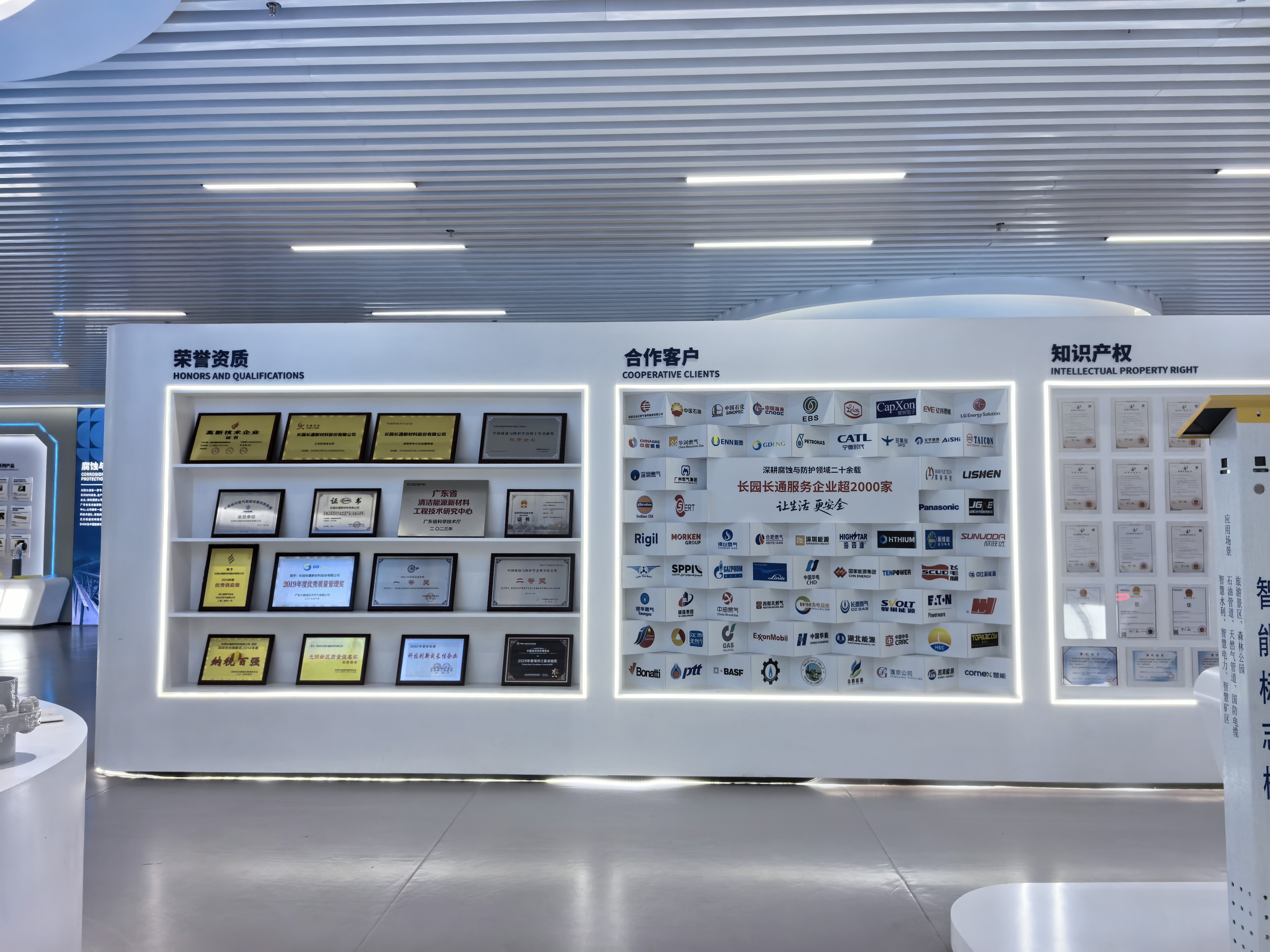
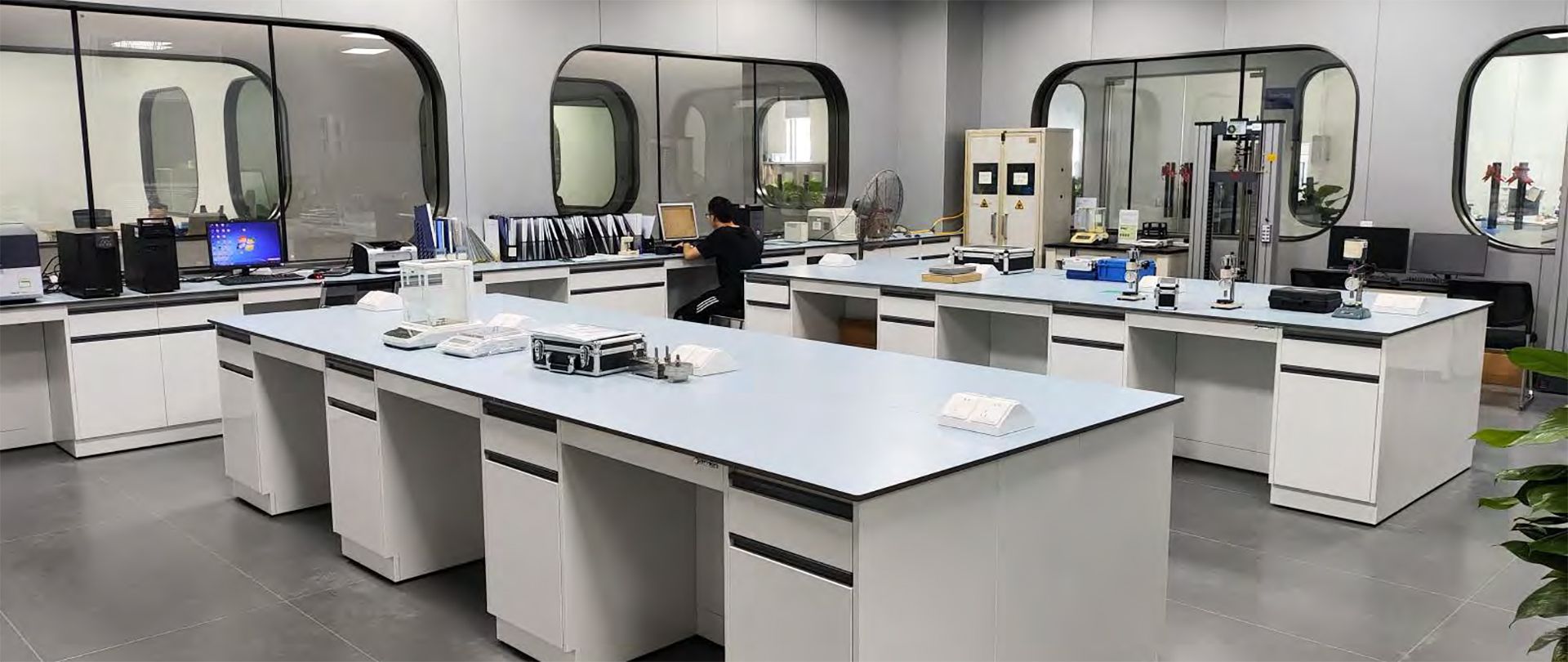
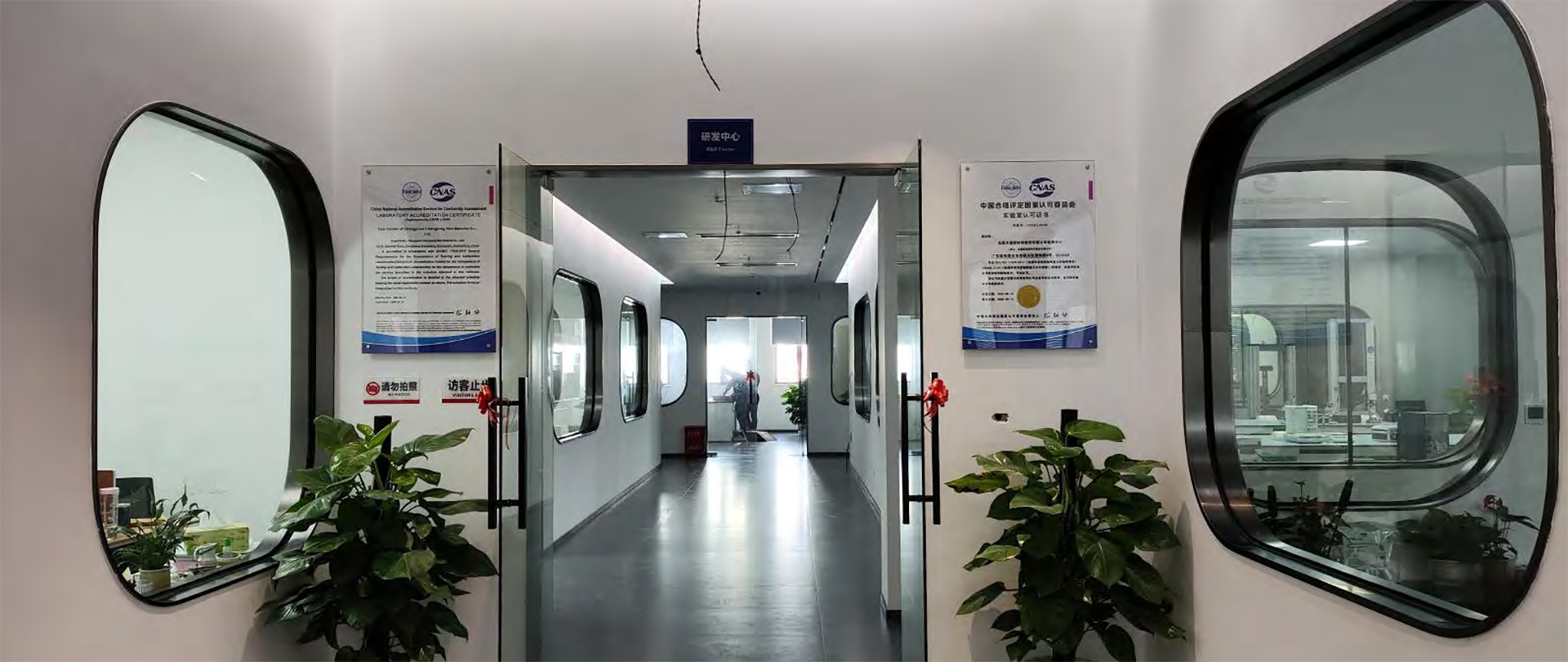

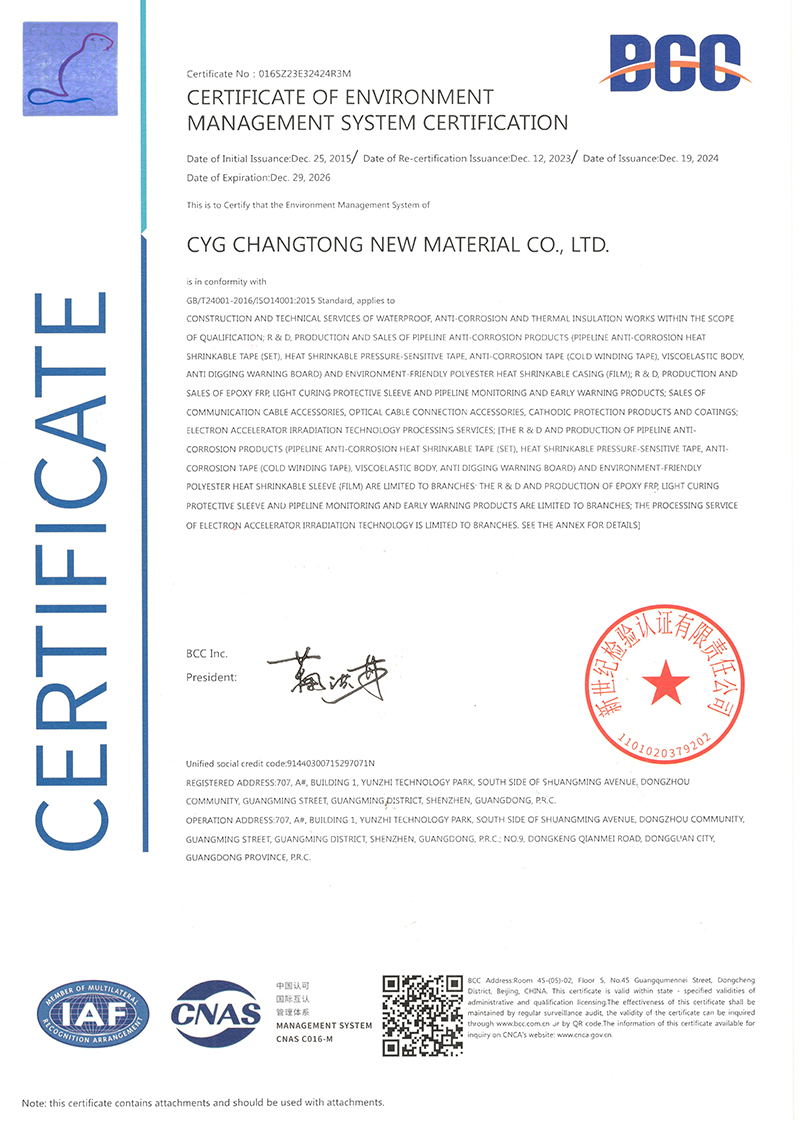
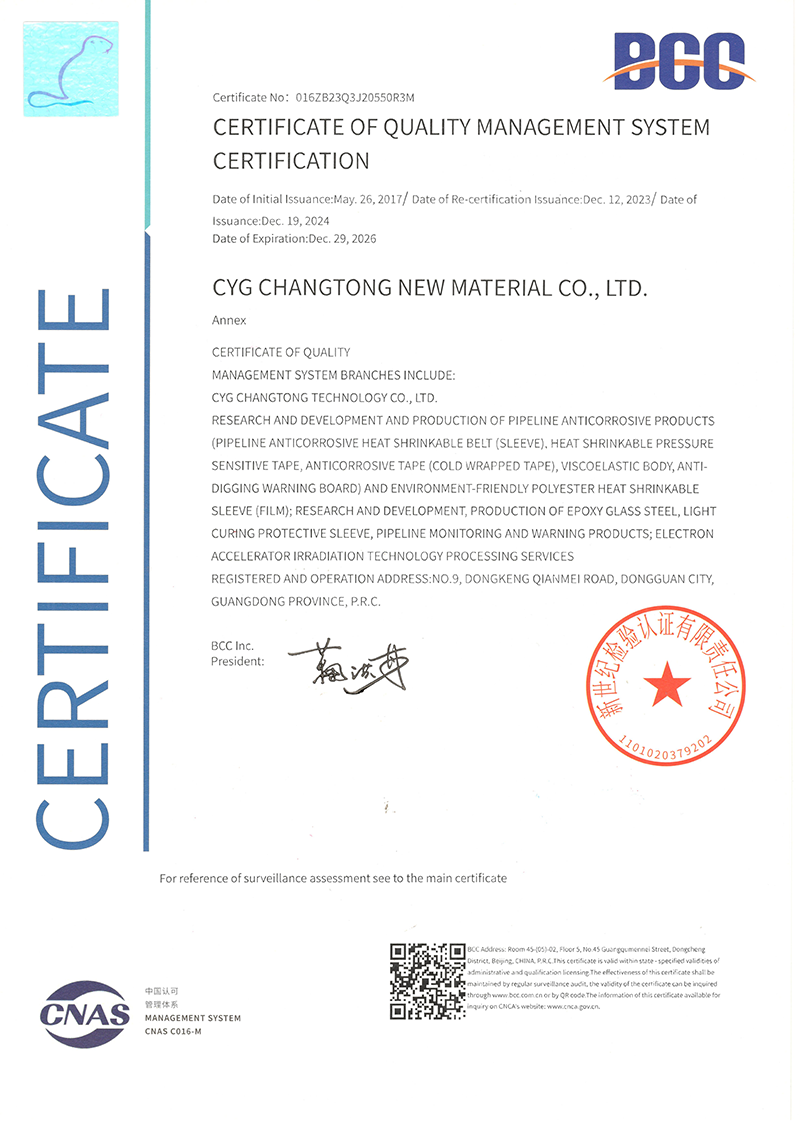
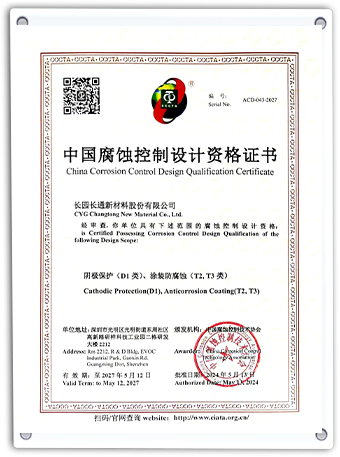
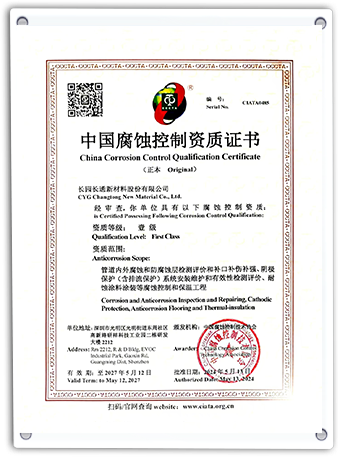
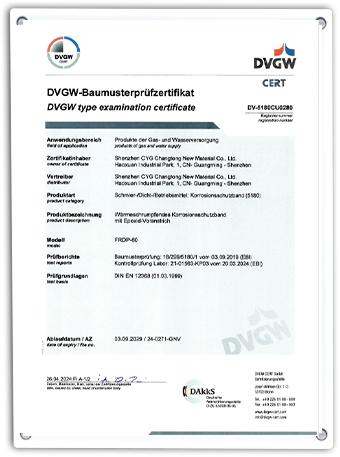
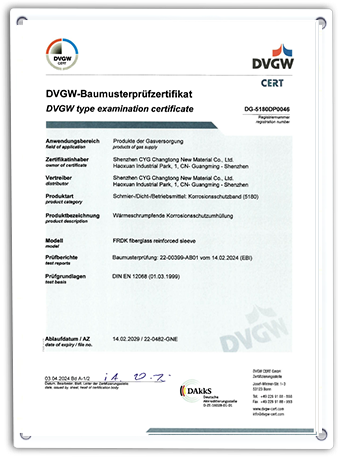
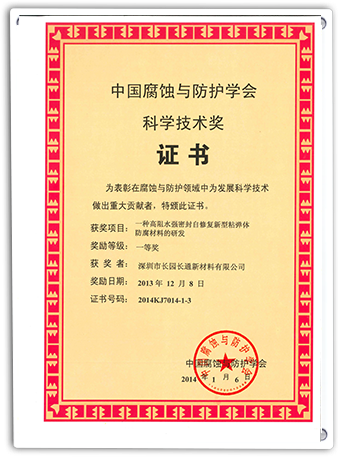
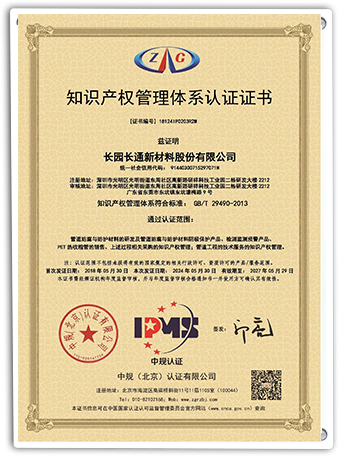
Council Member of the Chinese Society for Corrosion and Protection (CSCP) | Qualification Certificate of Corrosion Protection Construction & Pipeline Detection | Corporate Member of China Association of Petroleum Engineering Construction (CAPEC) | State-Level High-Tech Enterprise with over ten proprietary intellectual property rights.
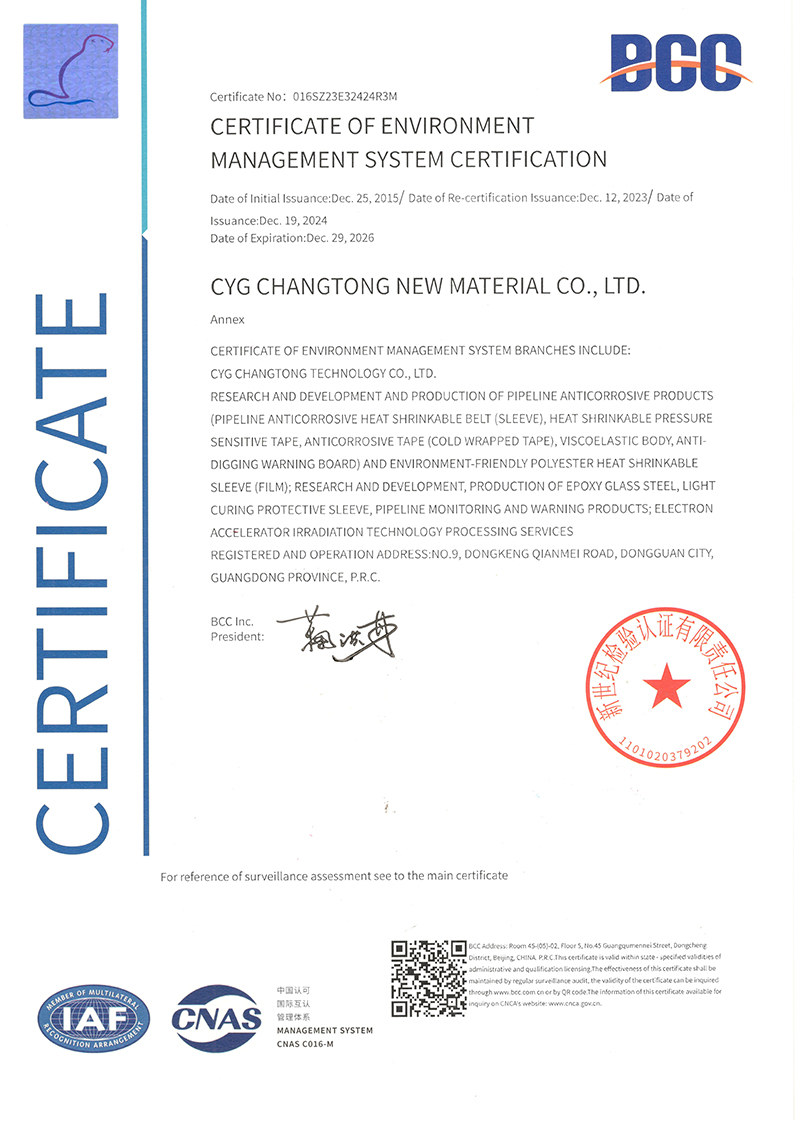
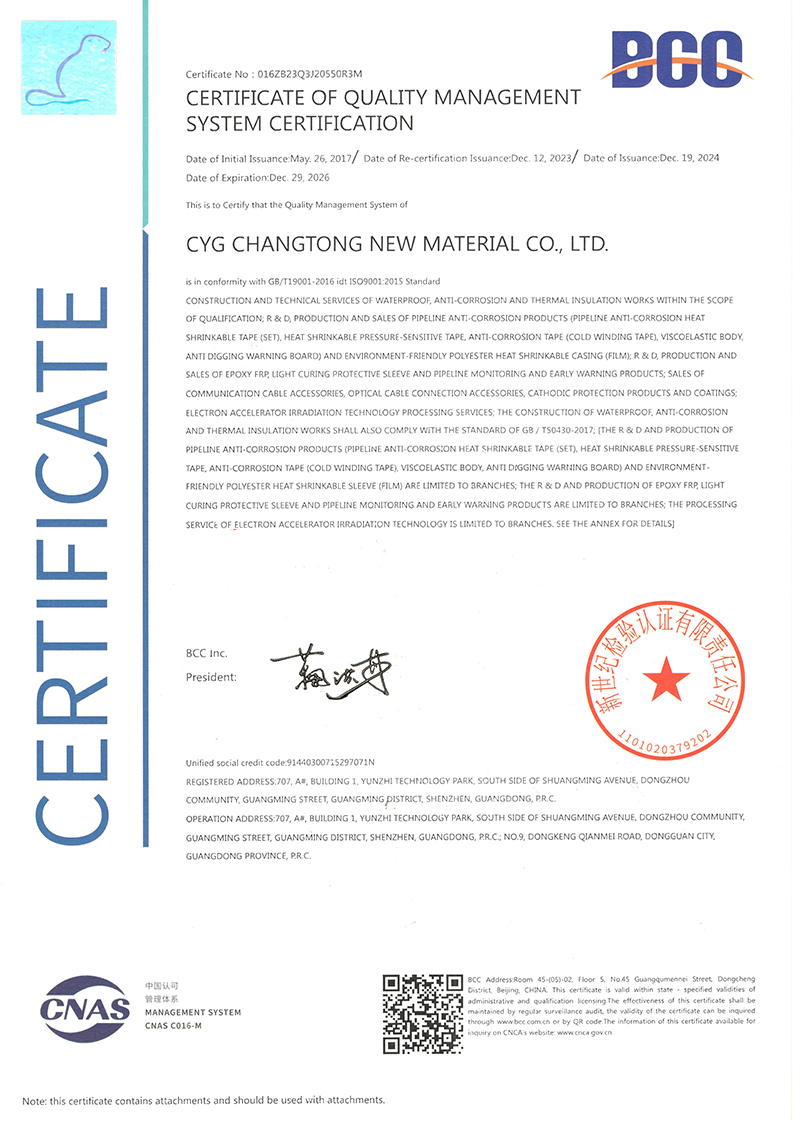
Aligning with digital transformation, energy transitions, and advanced materials engineering
The pipeline industry is shifting towards digitalization, carbon neutrality, and long-term asset life extensions. Standard anti-corrosion methods are evolving into integrated protection systems. CYCT's R&D division is focused on three primary areas for the next generation of corrosion protection:
Technical answers to common engineering questions regarding sleeve application and inspection.
High-integrity tapes, sleeves, and fillers designed for high-temperature service and mechanical protection.
 CYCT
CYCT