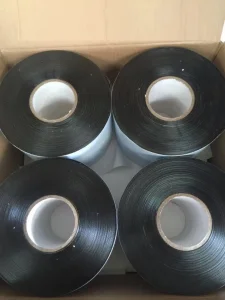
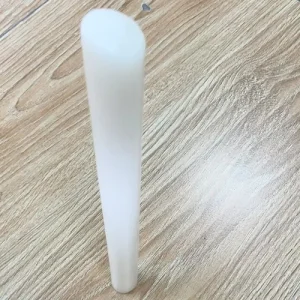
Direct supply from state-of-the-art cold applied tape manufacturing facilities matching ISO, AWWA, and EN standards.
Year Founded
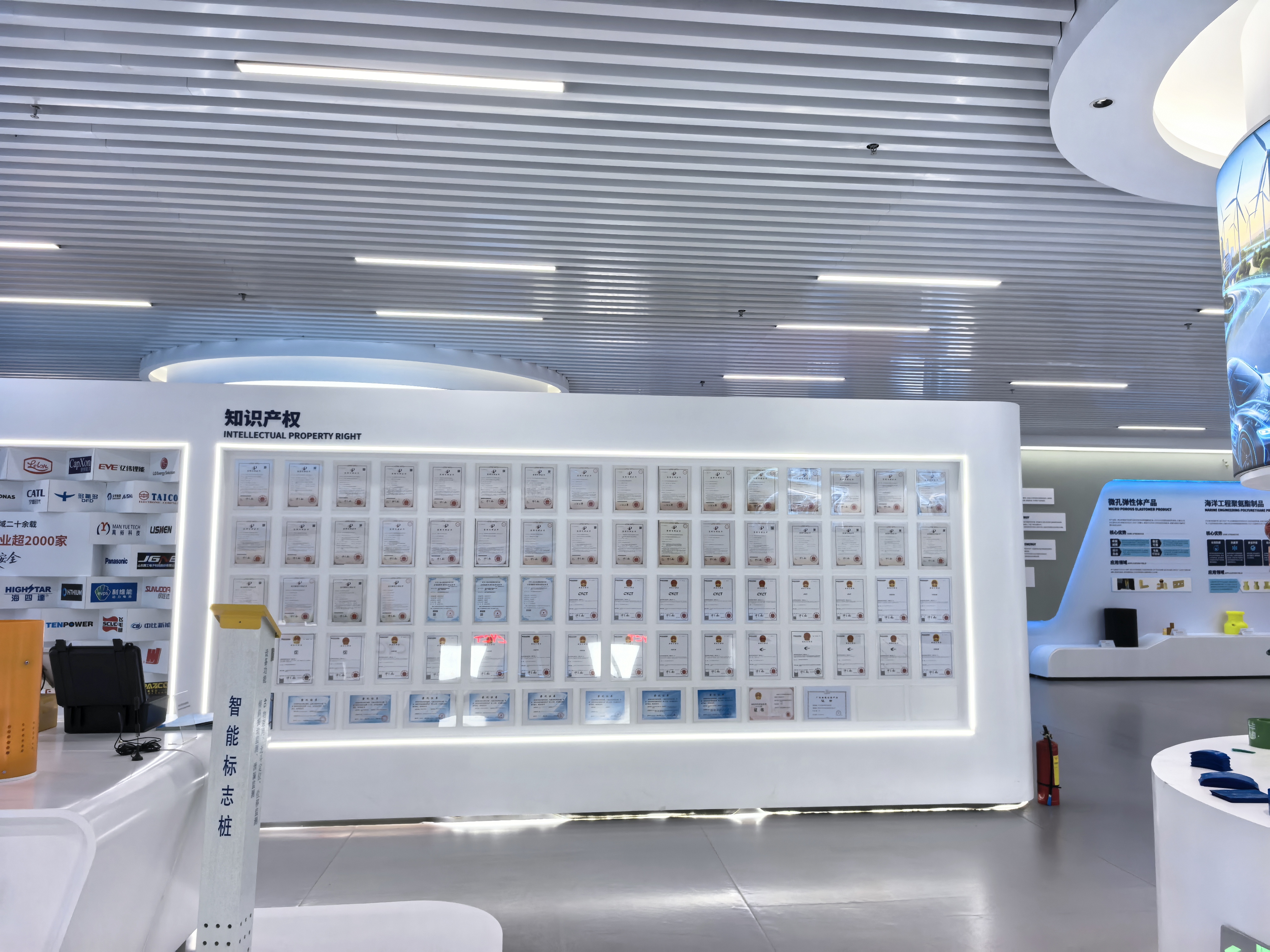
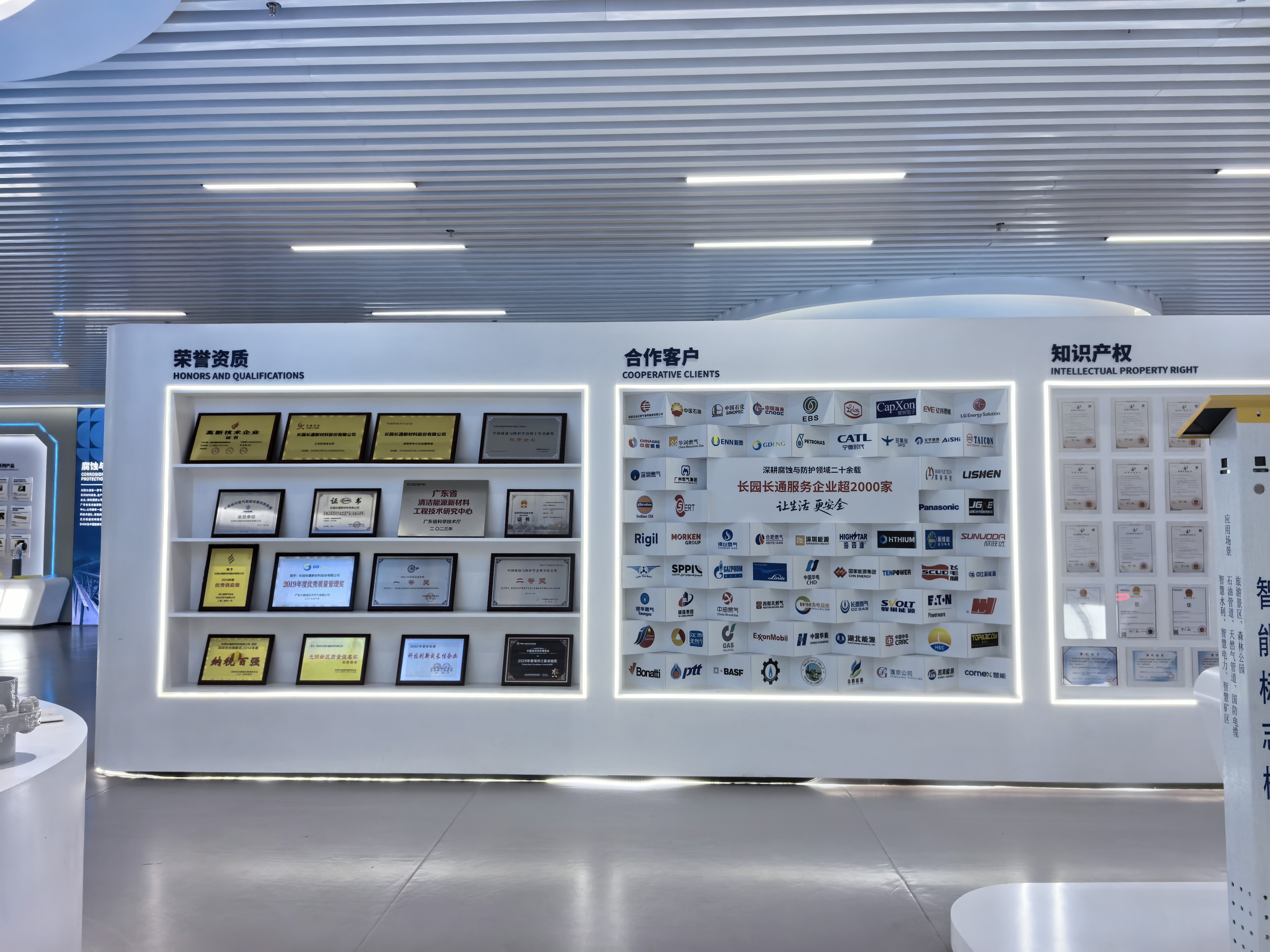
Proprietary IP Rights
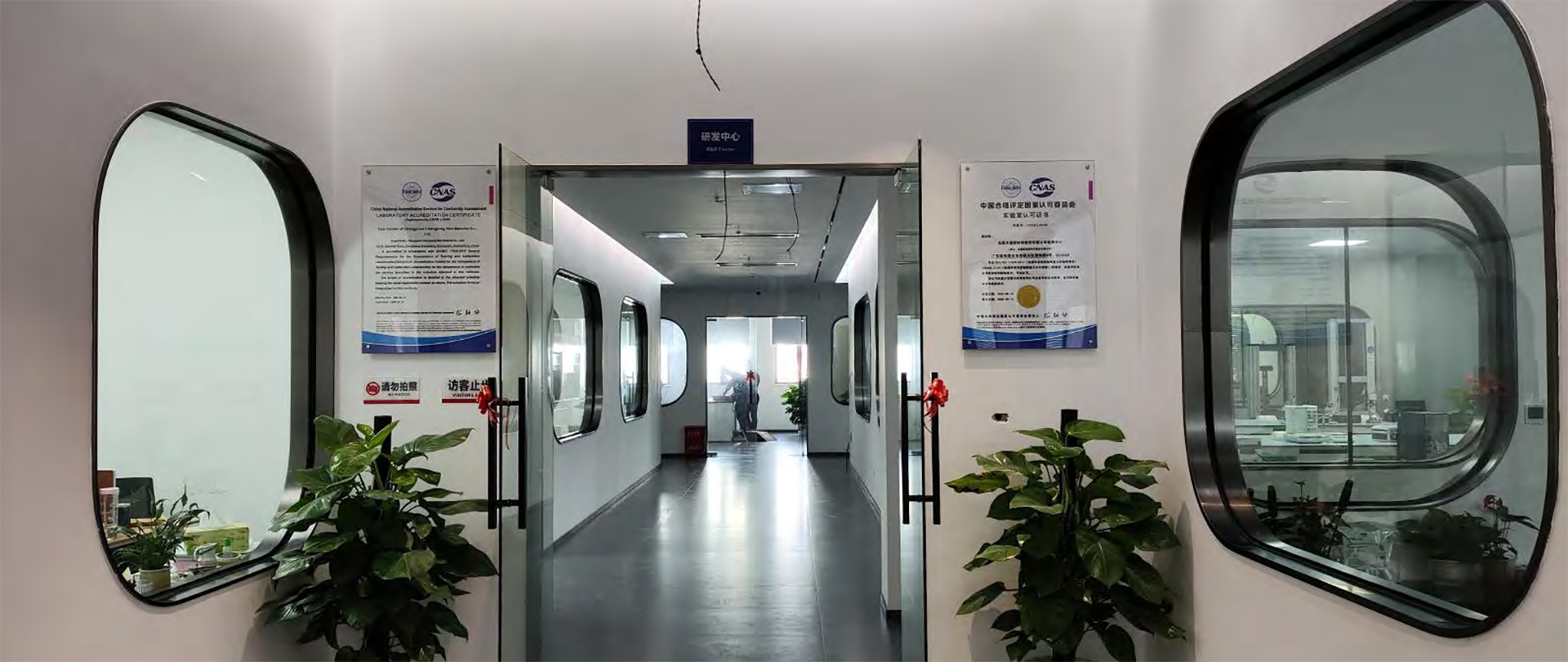
Accredited Lab
Global Membership
In modern hydrocarbon, hydrogen, and municipal water transmission systems, corrosion mitigation is paramount. Pipeline systems buried under dynamic soil environments suffer continuously from chemical, physical, and electrolytic interactions. As a result, global engineering protocols dictate strict multi-layer defense mechanisms.
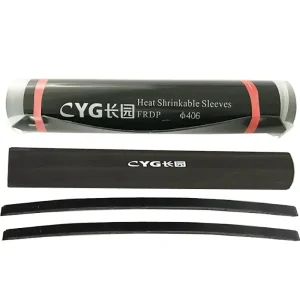
Among these, cold-applied polymeric wraps, viscoelastic barriers, and heat-shrinkable materials stand as industry-standard solutions. A dedicated cold tape factory must fulfill not only basic mechanical requirements but complex shear, peel, and indentation resistance criteria governed by organizations like ISO, AWWA, and DIN.
As mega-infrastructure projects scale across extreme terrains—from the freezing sub-arctic permafrost to high-temperature desert soils—manufacturers are pushed to innovate viscoelastic elastomer compounds and heavy-duty polyolefin backing films to prevent catastrophic stress corrosion cracking (SCC).
Uncompromising material screening and automated production methodologies define our enterprise class.
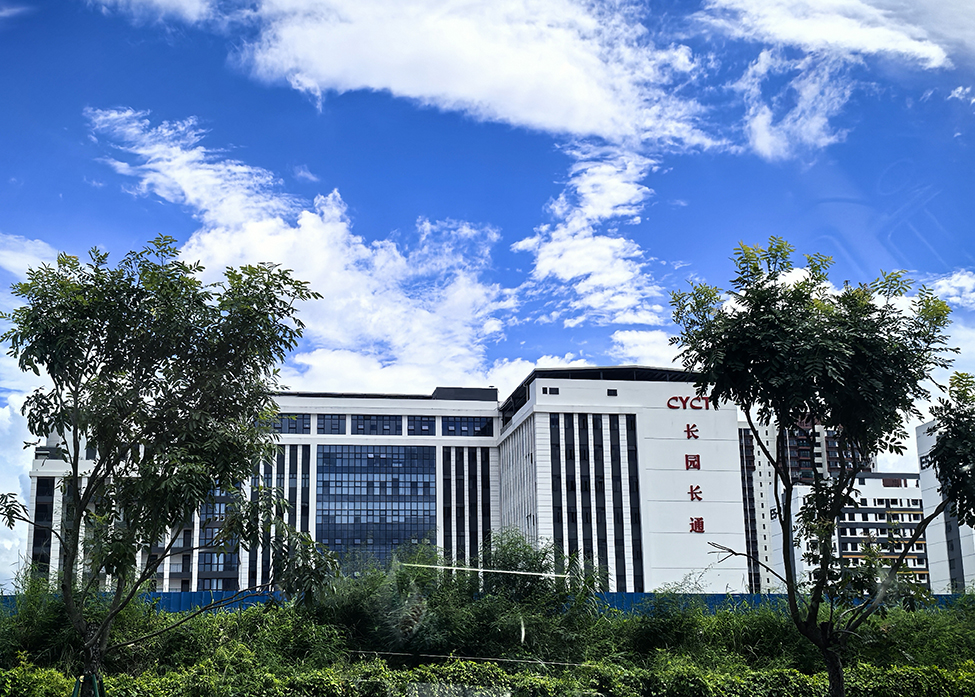
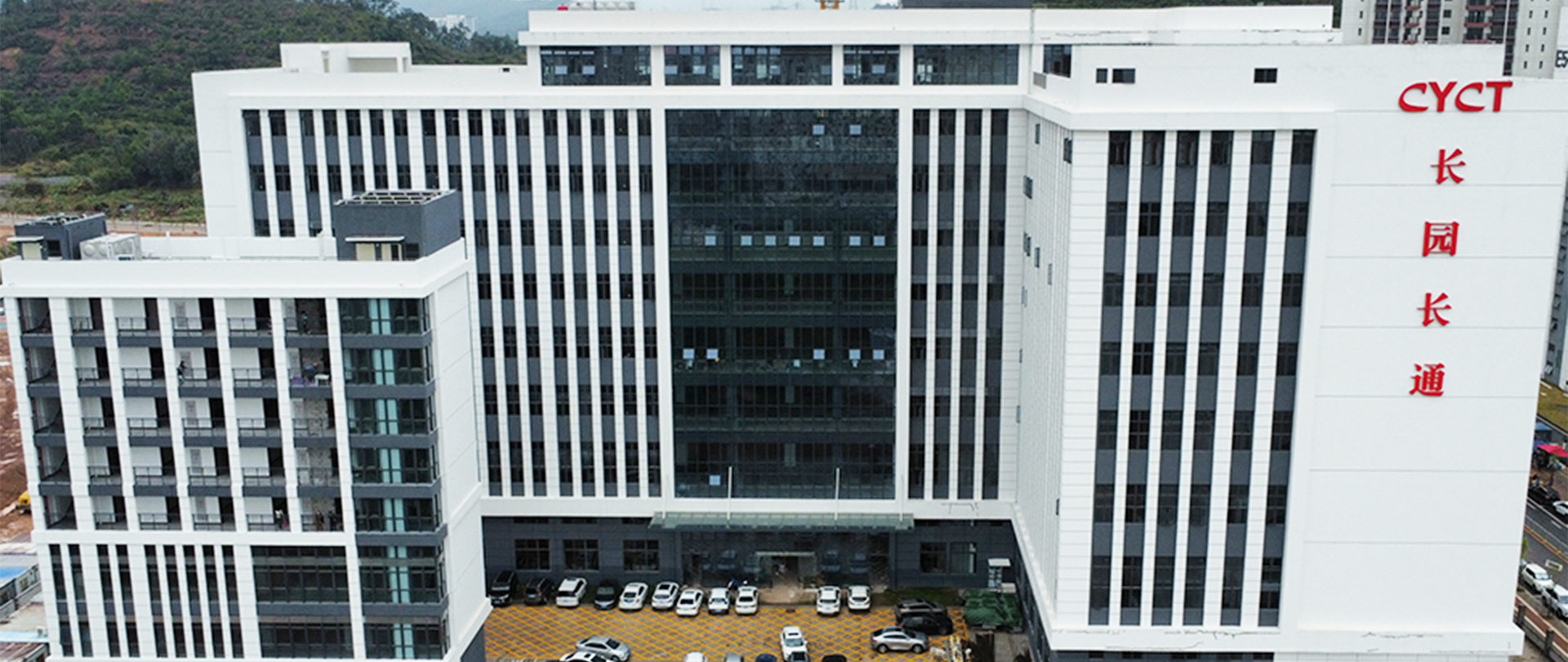
CYCT New Materials Company Limited (CYCT), founded in 2000, has grown into a leading state-level high-tech enterprise. Integrating advanced R&D, high-volume production, and custom sales of pipeline corrosion protection systems, CYCT also provides buried pipeline detection services and field coating application design.
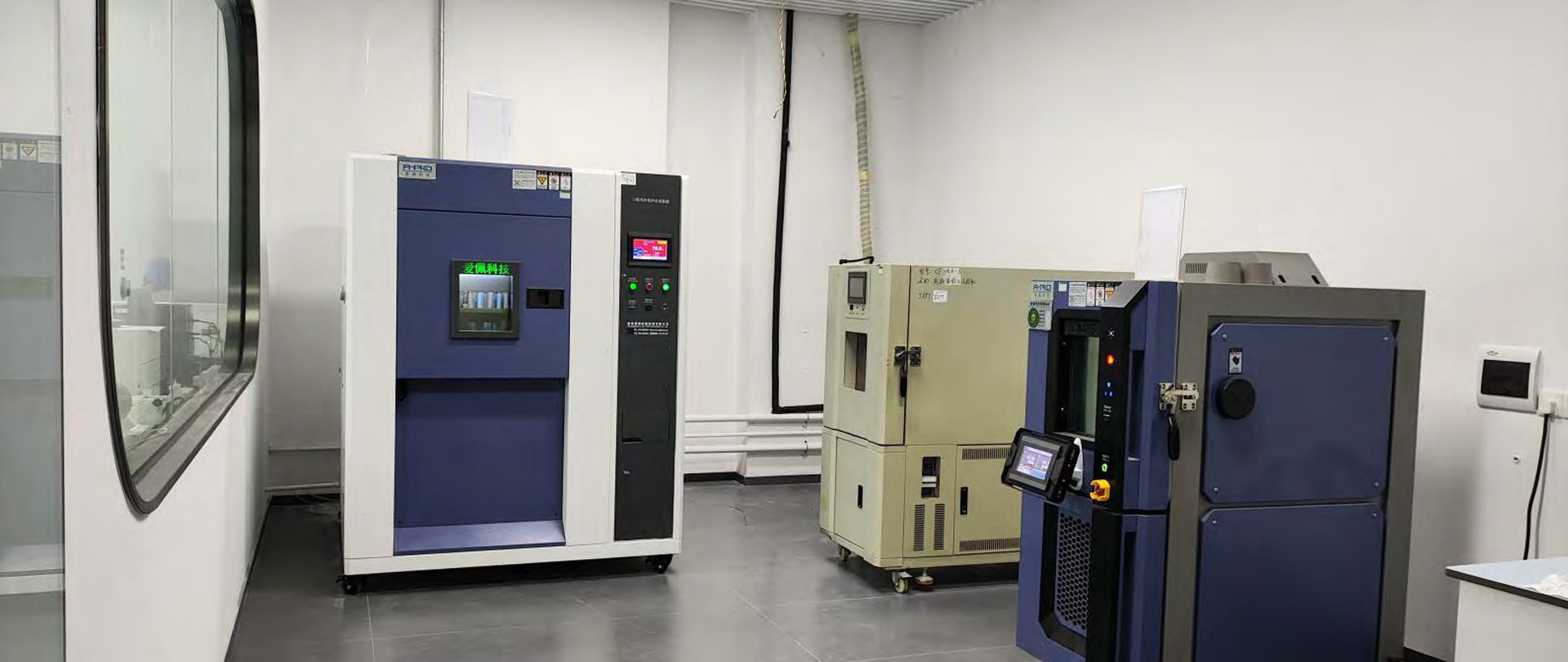
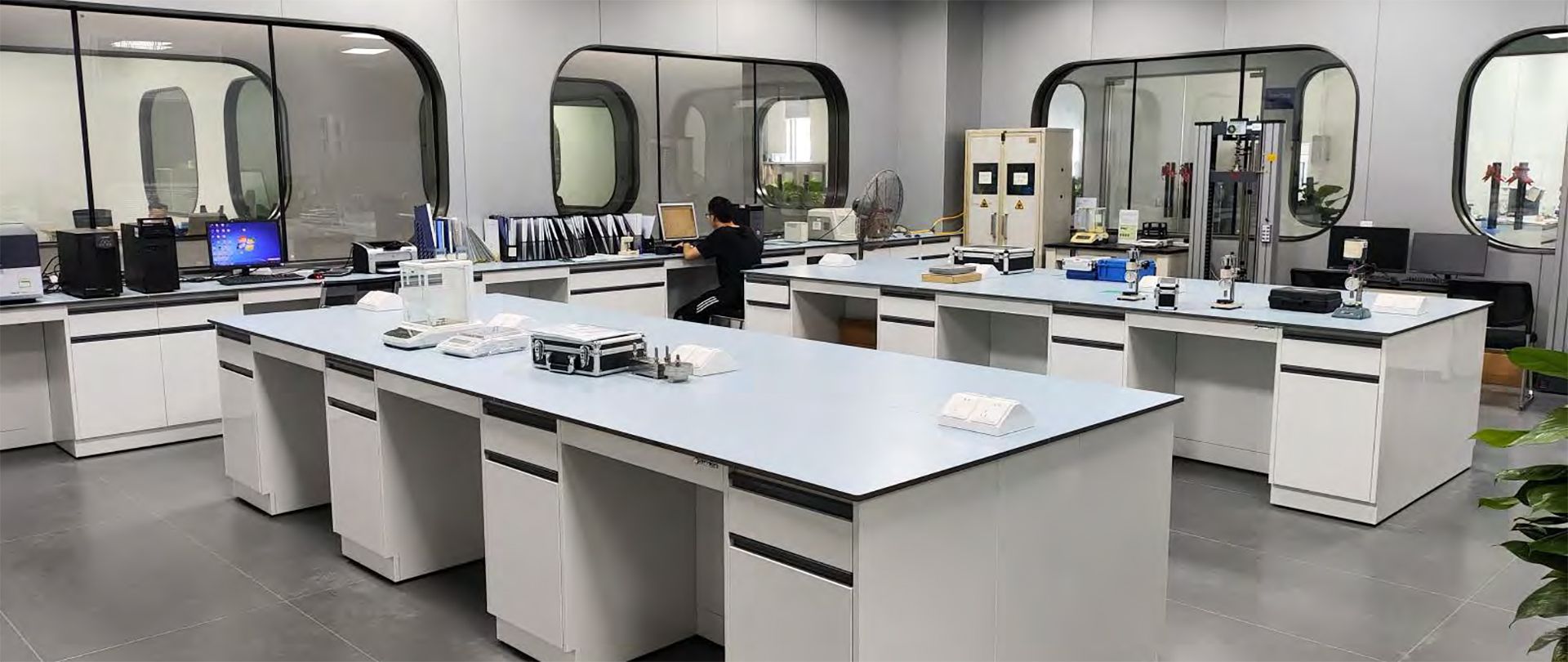
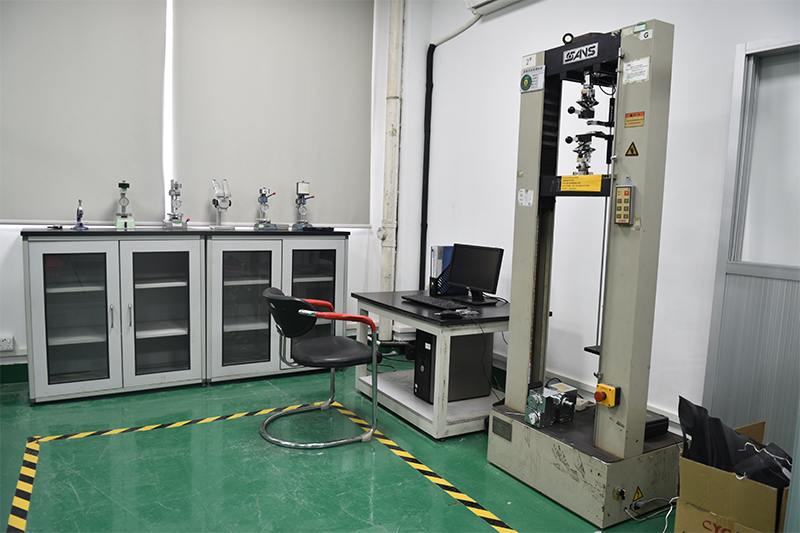
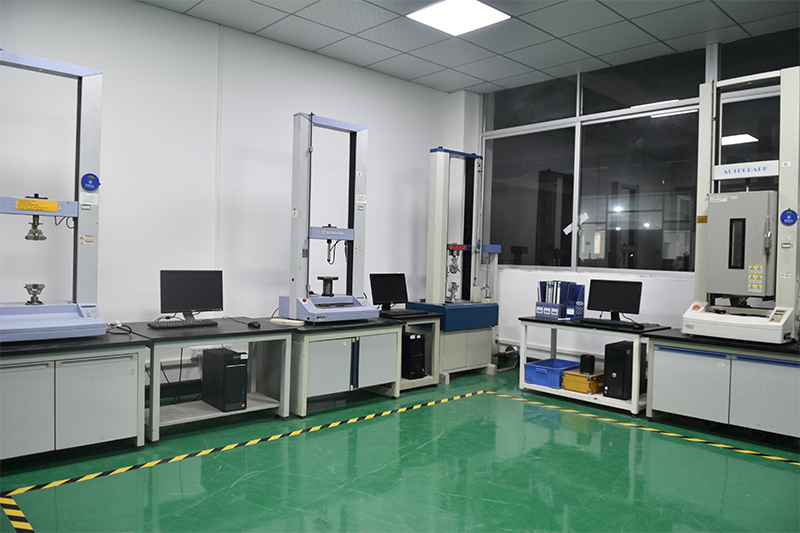
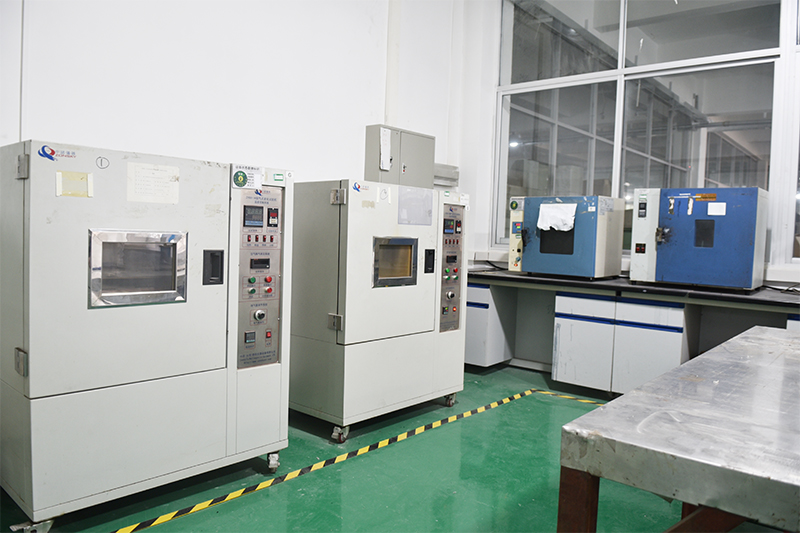
To achieve our status as a trusted supplier for pipeline operations, CYCT maintains a national CNAS-accredited laboratory. This facility conducts critical verification of polymer properties, verifying peel strength under variable temperatures, cathodic disbondment limits, dielectric insulation behavior, and impact toughness.
Through robust technological alliances with premier institutes, such as the CNPC Pipeline Science Research Institute, CYCT delivers integrated lifecycle support. This extends from cathodic design and coating selection to long-distance pipeline rehabilitation projects.
Understanding the layers, adhesives, and self-healing structures engineered within cold wrap systems.
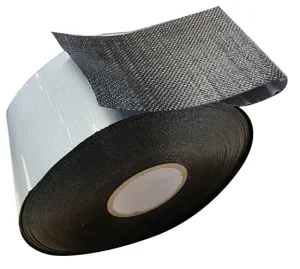
High-density PE and PP outer layers that undergo precise stabilization to resist UV degradation, tensile stress, and soil settlement loads.
Formulated with self-healing polar polymers that flow into micro-crevices on the steel surface, achieving complete moisture-barrier sealing.
Engineered cold-applied tapes operate reliably from -40°C in freezing conditions up to +80°C / +100°C for high-temperature flowlines.
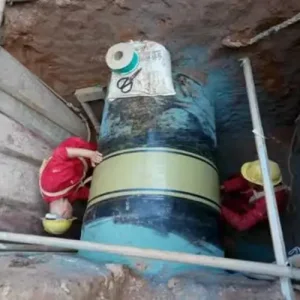
One of the primary failure modes for pipeline systems is the field joint area (FJT), where individual pipe segments are welded on-site. Traditional plant-applied coatings (such as 3-layer polyethylene/polypropylene or fusion-bonded epoxy) must be stripped back at the pipe ends, exposing raw steel to environmental conditions.
CYCT provides optimized field joint solutions: visco-elastic tapes, PE outer tapes, polypropylene outer wraps, and special photo-curing sleeves designed specifically for horizontal directional drilling (HDD) pulls.
Our systems satisfy the intense frictional stresses of trenchless pipeline installations, preventing coating displacement during soil insertion. Over decades, CYCT has served as an approved supplier for major energy operators including PetroChina, Sinopec, PipeChina, China Gas Group, and Indian Oil.
A corporate structure supported by global safety approvals and authoritative industry memberships.
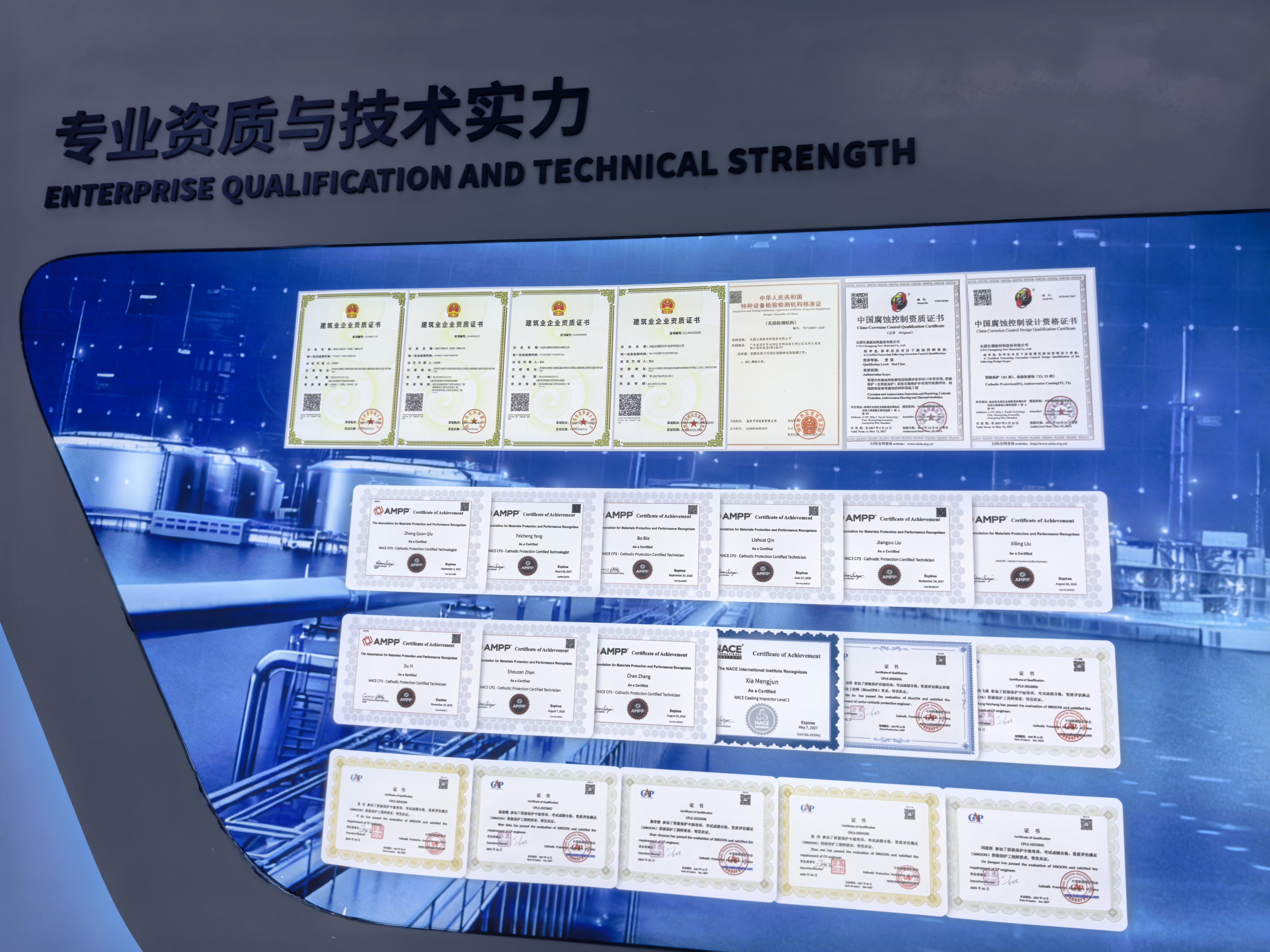
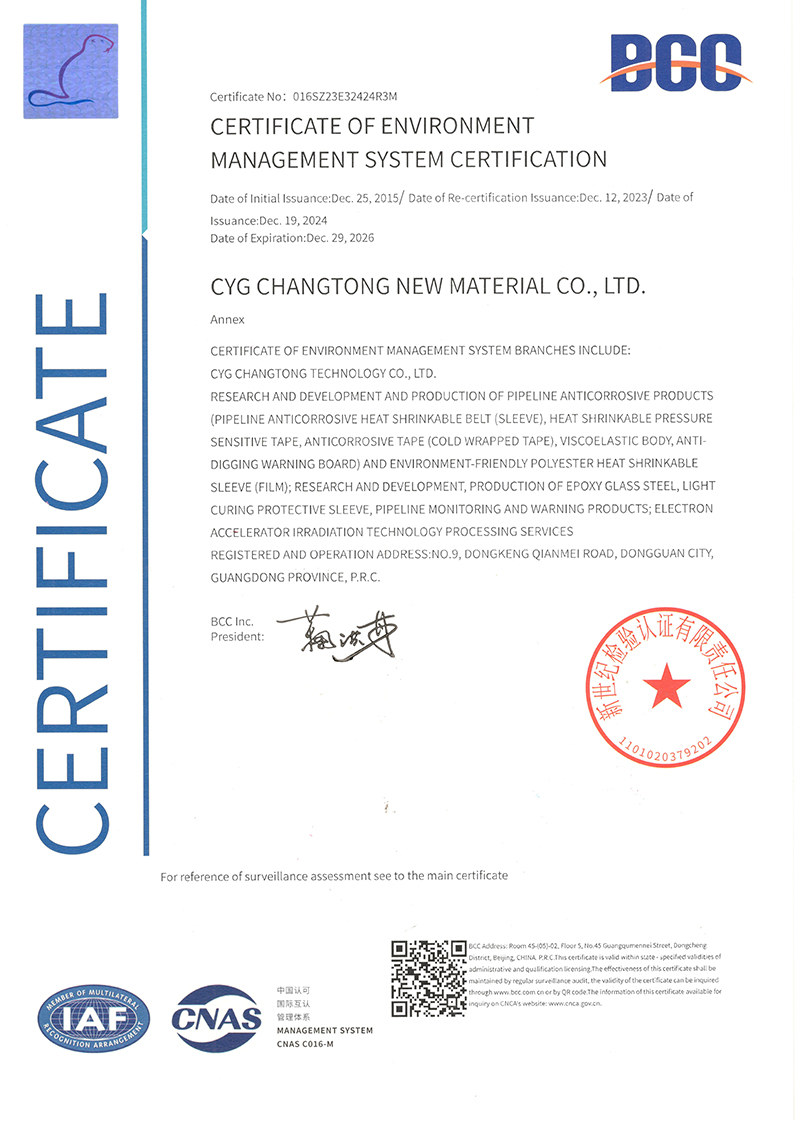
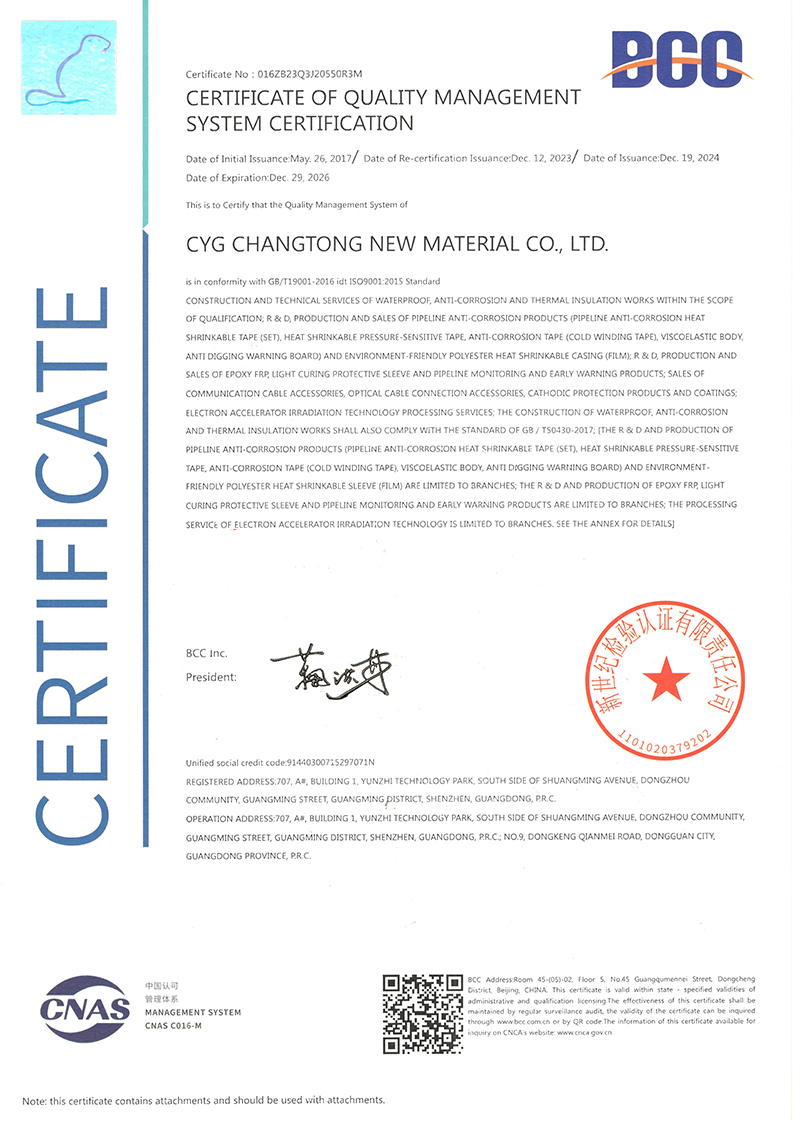
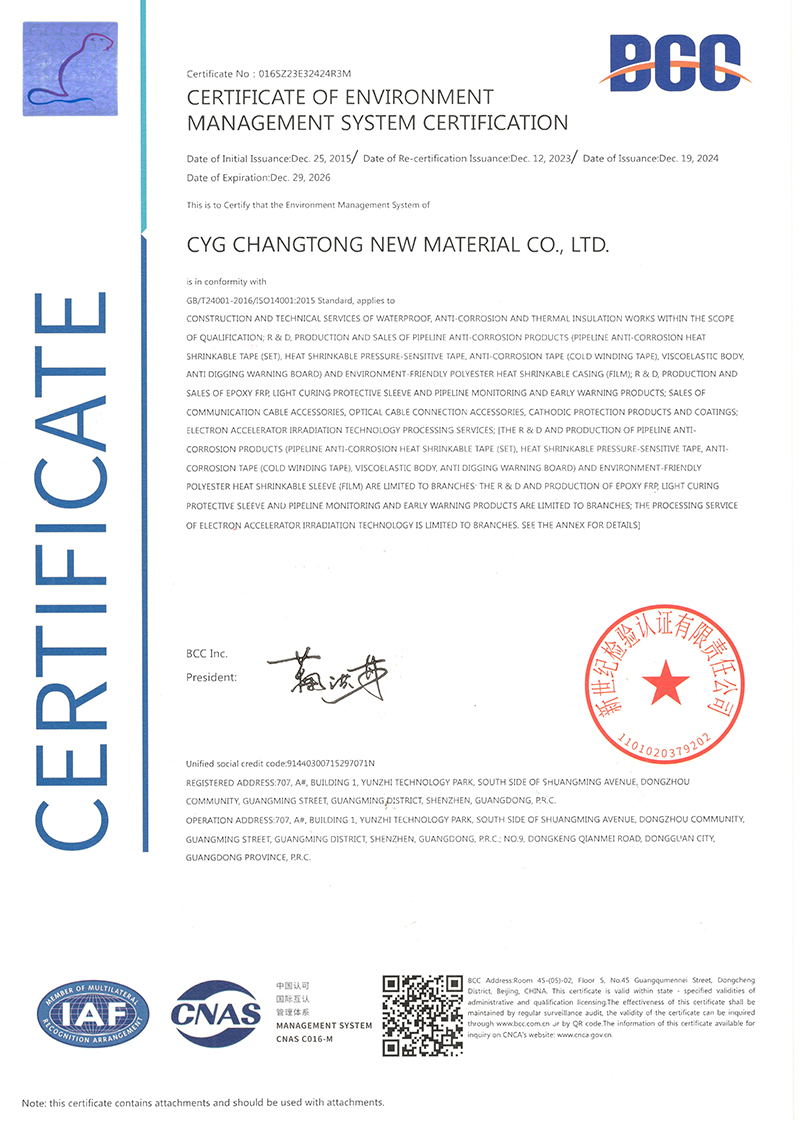
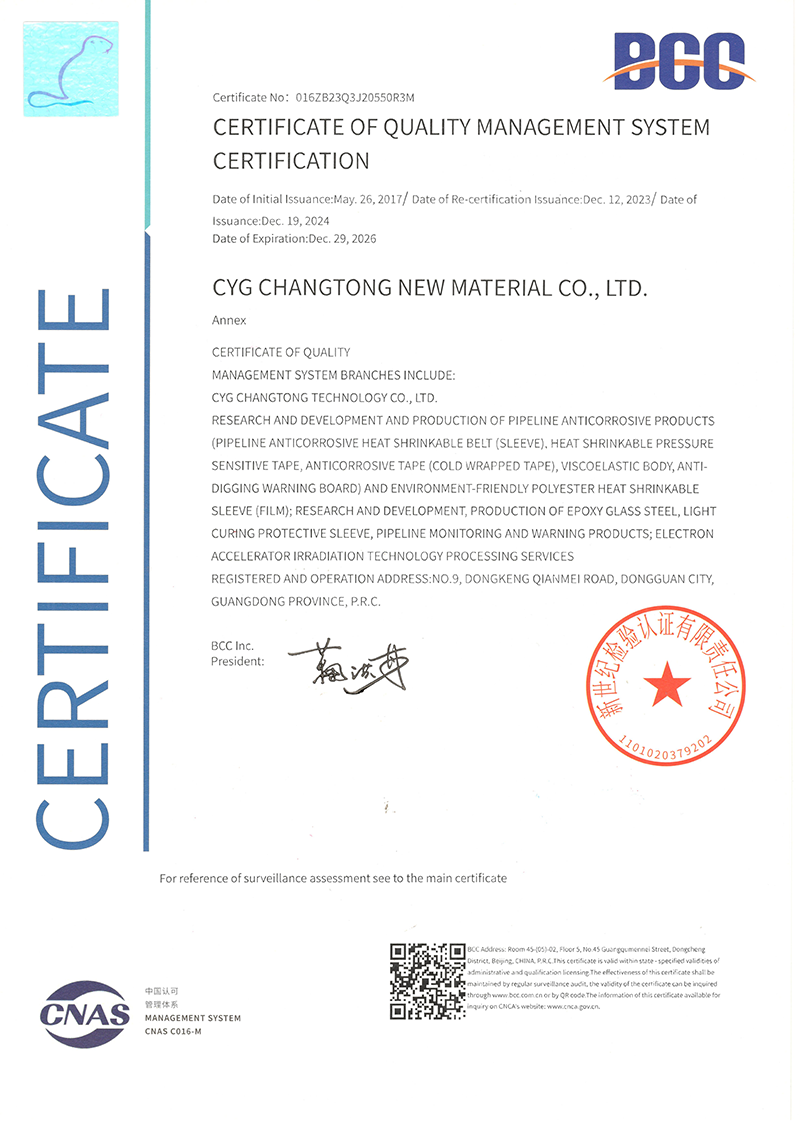
CYCT is a Council Member of the Chinese Society for Corrosion and Protection (CSCP), holds the Qualification Certificate of Corrosion Protection Construction, Qualification Certificate of Pipeline Detection, and is recognized as a Well-known Brand of Pipeline Corrosion Protection in China. As a corporate member of the China Association of Petroleum Engineering Construction (CAPEC), we hold multiple international certifications.
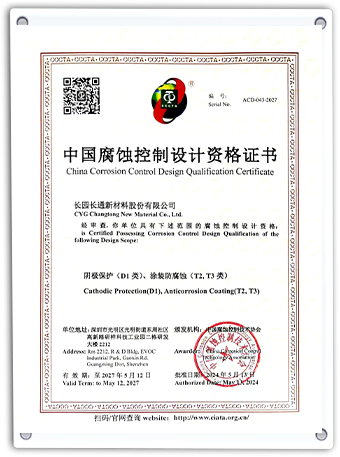
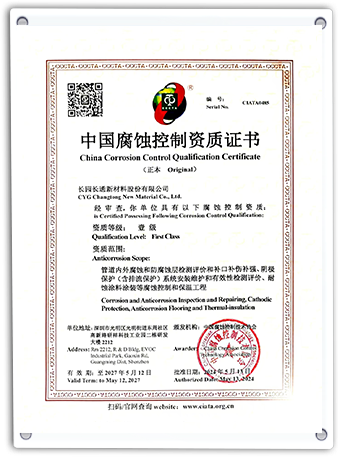
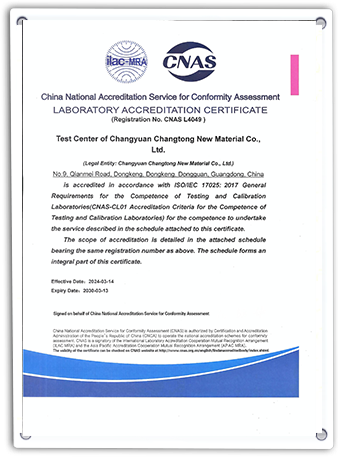
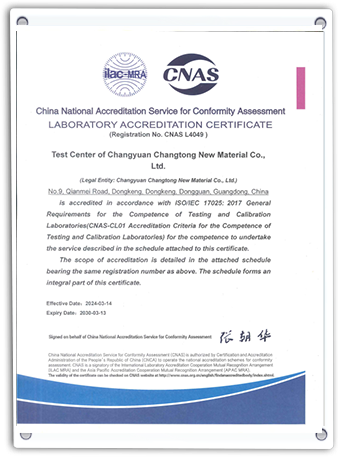
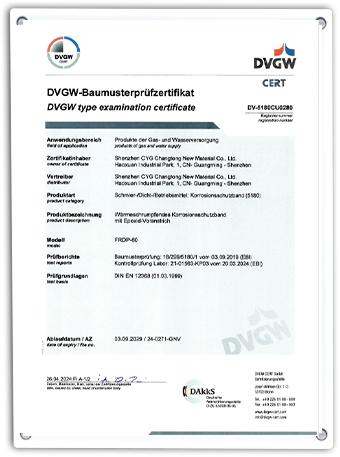
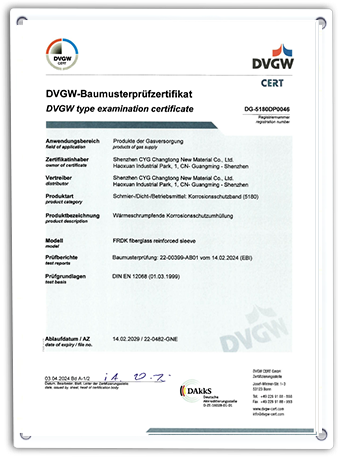
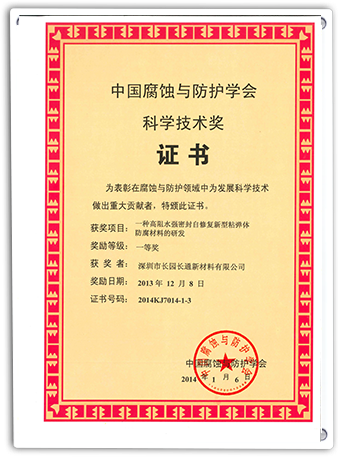
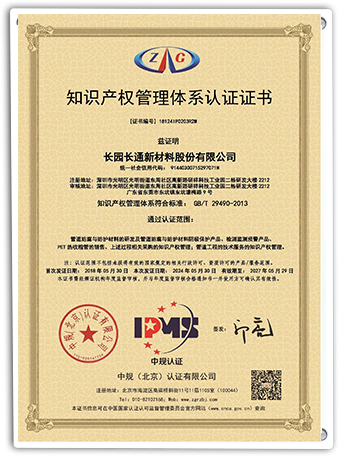
High-integrity repair systems, viscoelastic foil wraps, and specialty composites for critical pipelines.
Direct answers from our senior corrosion specialists to support your procurement, inspection, and design processes.
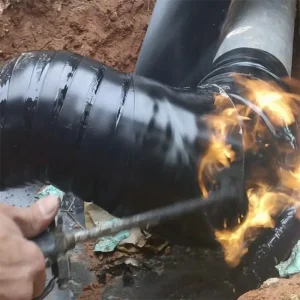
Cold-applied tapes do not require preheating or open flames for installation. They rely on cold-flow viscoelastic compounds or pressure-sensitive butyl rubber adhesives that bond directly to the metal substrate upon application. Heat shrinkable sleeves, conversely, utilize a cross-linked backing that must be heated with a torch to activate the hot-melt adhesive and shrink the sleeve into position.
Proper surface prep is critical for long-term performance. In accordance with ISO 8501-1 and NACE guidelines, the pipe surface should be cleaned to a minimum of Sa 2.5 (white metal blast cleaning) or St 3 (hand/power tool cleaning) for repair areas. Removing all dust, moisture, mill scale, and greasy residue guarantees the pressure-sensitive adhesive achieves maximum peel strength and avoids cathodic disbondment.
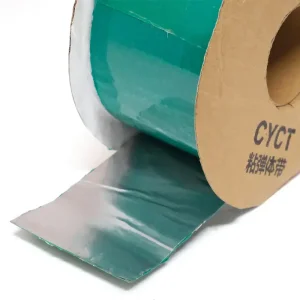
Viscoelastic tapes offer self-healing properties. The core compound behaves like a viscous liquid, flowing into mechanical micro-abrasions, but retains the elasticity of a solid. This eliminates the risk of internal void formation. It is highly resistant to water vapor transmission, biological soil activity, and chemicals over a wide pH range, with no curing time required.
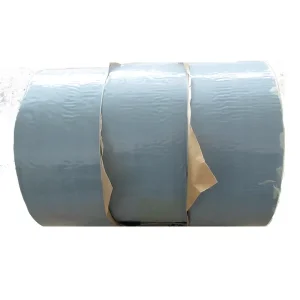
Polypropylene (PP) possesses a higher crystalline melting point than traditional polyethylene (PE). Consequently, PP cold-applied outer wrap tapes are ideal for pipelines carrying warm fluids (up to +80°C / +100°C) and provide superior resistance to soil stress, shear deformation, and indentation under rocky backfill conditions.
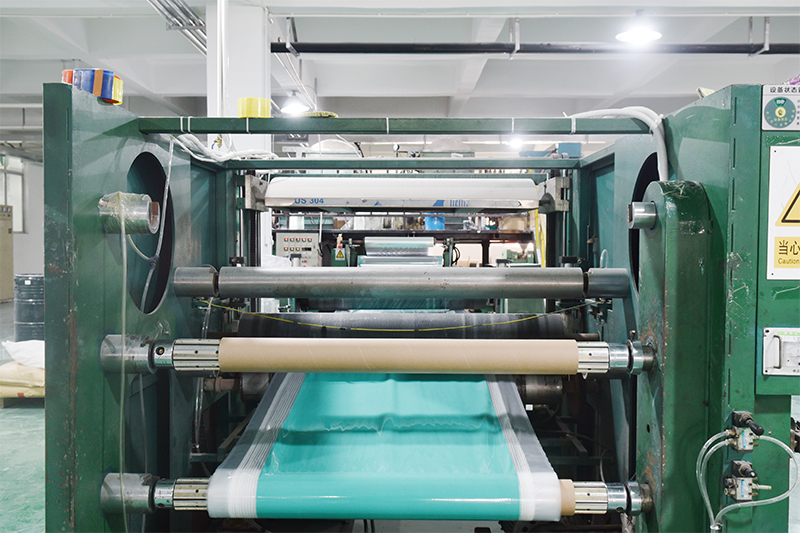
At the CYCT factory, we employ co-extrusion technology where the polymer backing and the butyl rubber adhesive layer are thermal-bonded during the extrusion process. This prevents adhesive migration and backing film separation during storage, handling, or under severe soil shear stresses after burial.
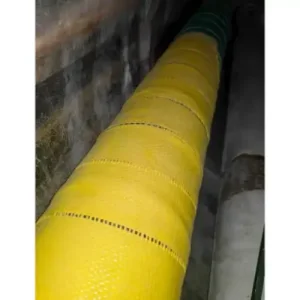
For trenchless installations (such as horizontal directional drilling - HDD), the pipeline experiences extreme friction and soil abrasion. CYCT offers specialty fiber-reinforced shields, photo-curing sleeves (GFRS), and heavy-duty moisture-curing wraps. These form a hard, high-impact barrier over the anti-corrosion layer, preventing damage during pipe pull-back.
 CYCT
CYCT