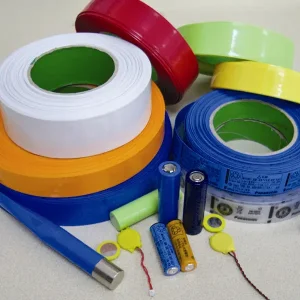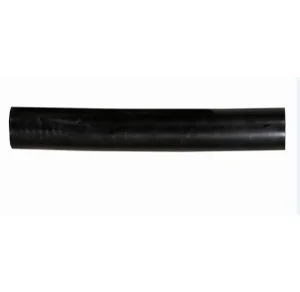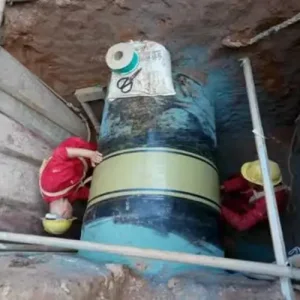
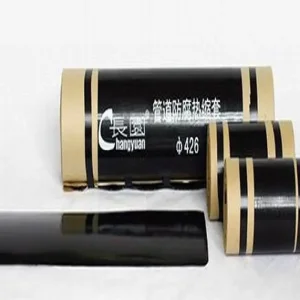
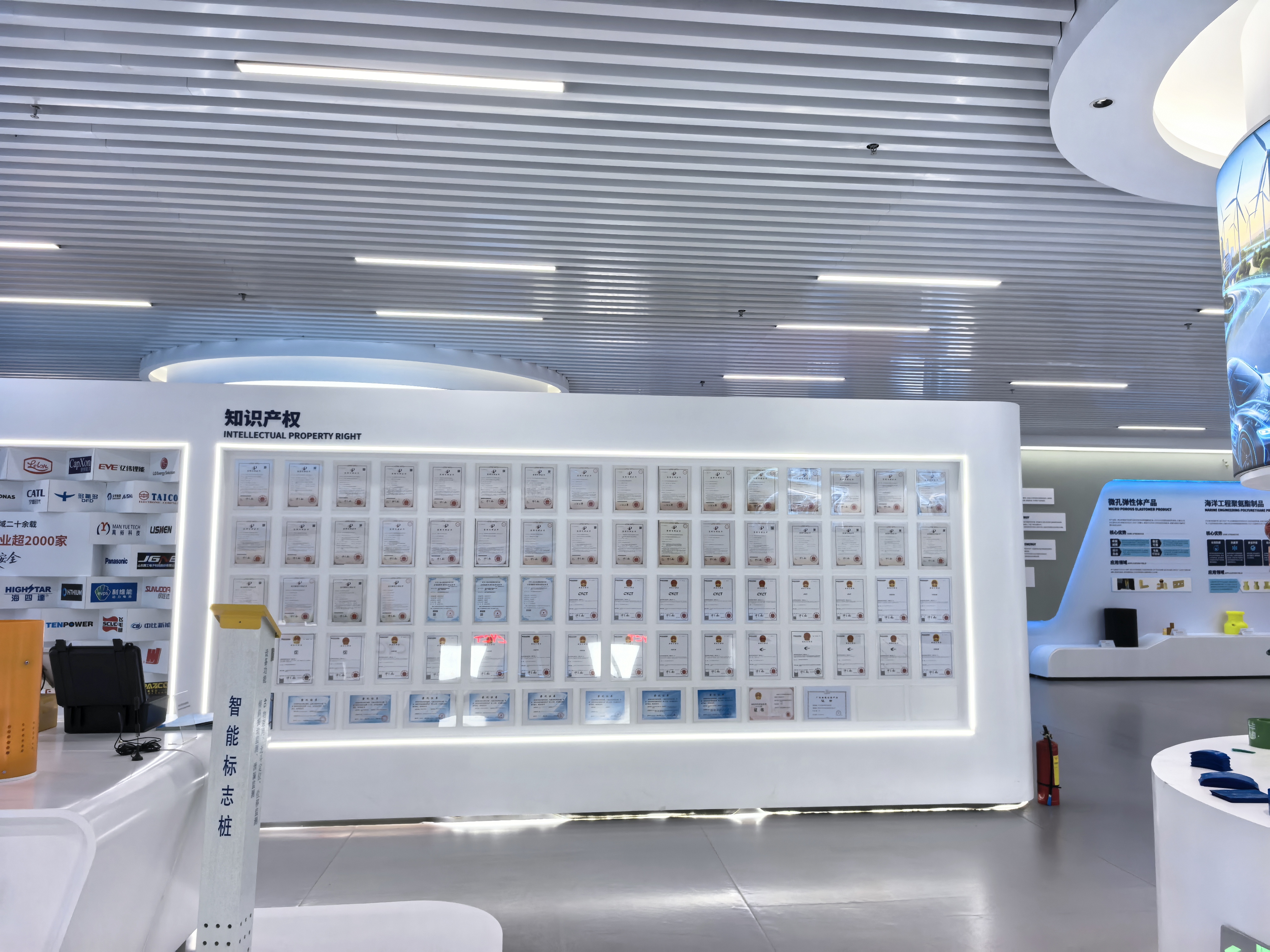
CYCT New Materials Company Limited (for short, CYCT) is a state-level high-tech enterprise integrating R&D, production and sales of pipeline corrosion protection materials, buried pipeline detection services, and pipeline coating field application services into a cohesive, client-focused business model. Founded in 2000, CYCT has dedicated itself to the design and refinement of world-class protective sleeve systems, hot melt adhesives, and viscoelastic tapes.
Through strategic and long-term collaboration with leading R&D institutes—such as the CNPC Pipeline Science Research Institute—CYCT delivers end-to-end reliability for complex, cross-regional pipeline initiatives. We do not simply sell heat-shrinkable sleeves; we design integrated solutions encompassing cathodic protection compatibility, field joint coating, rehabilitation, and structural defense against environmental stress.
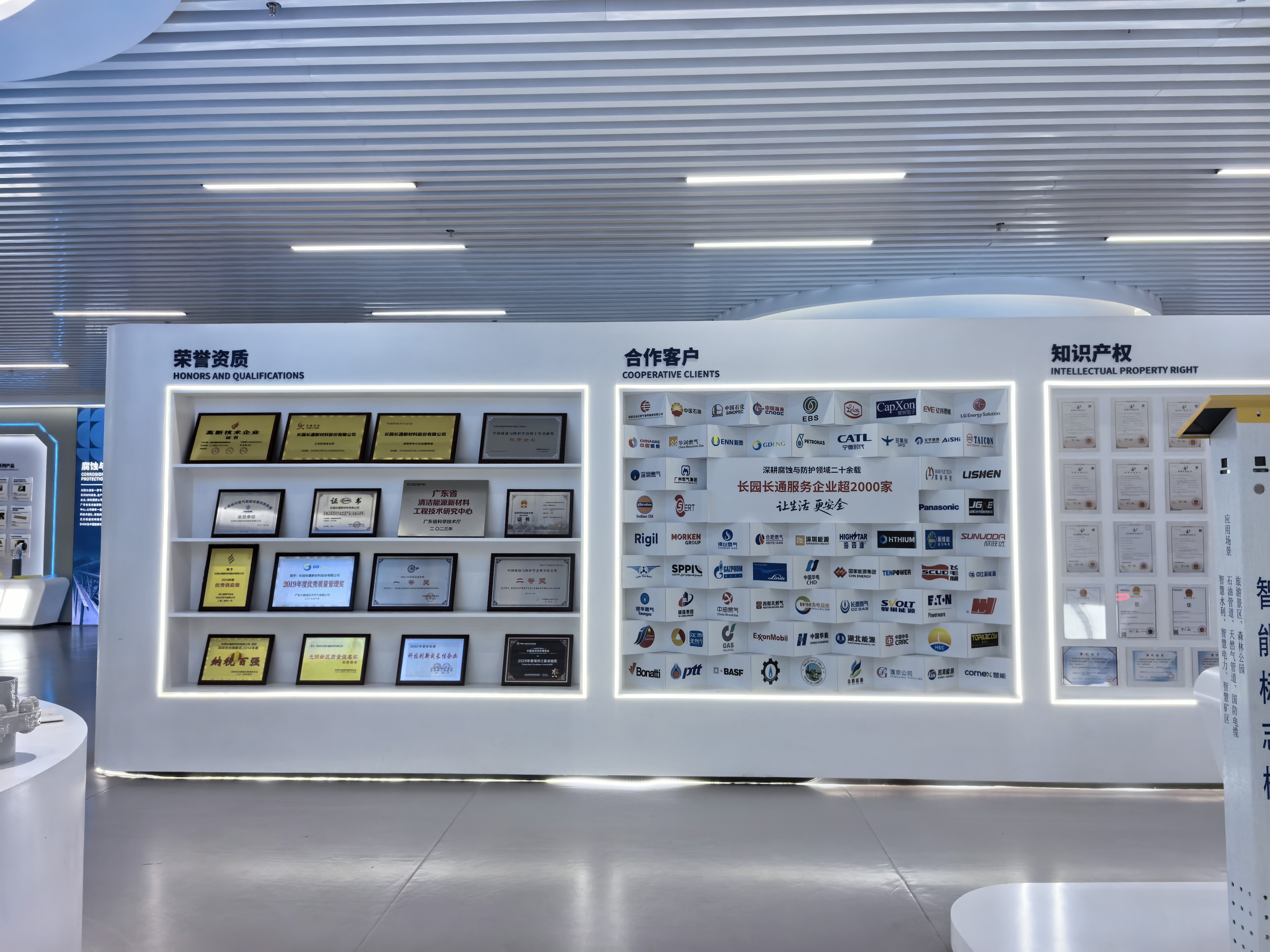
CYCT has earned its place as a trusted, long-term partner and supplier of field joint coatings for industrial giants including PetroChina, Sinopec, PipeChina, China Gas Group, and Indian Oil. Holding a significant domestic market share, we expand our innovations globally, delivering solutions customized for high-temperature and harsh-environment requirements.
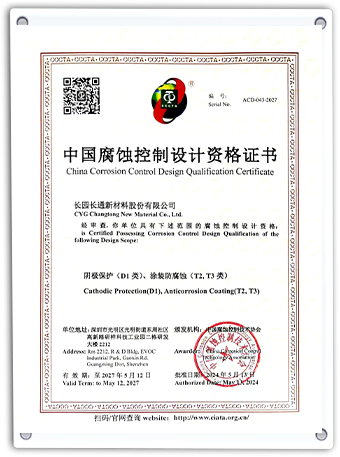
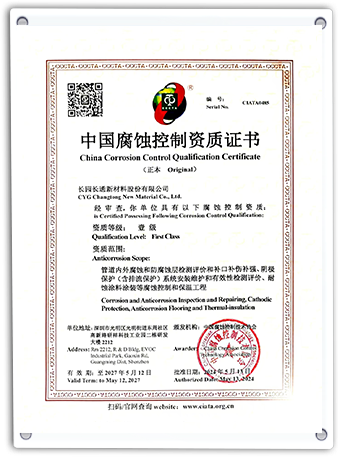
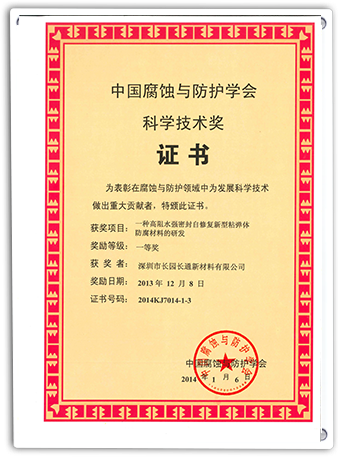
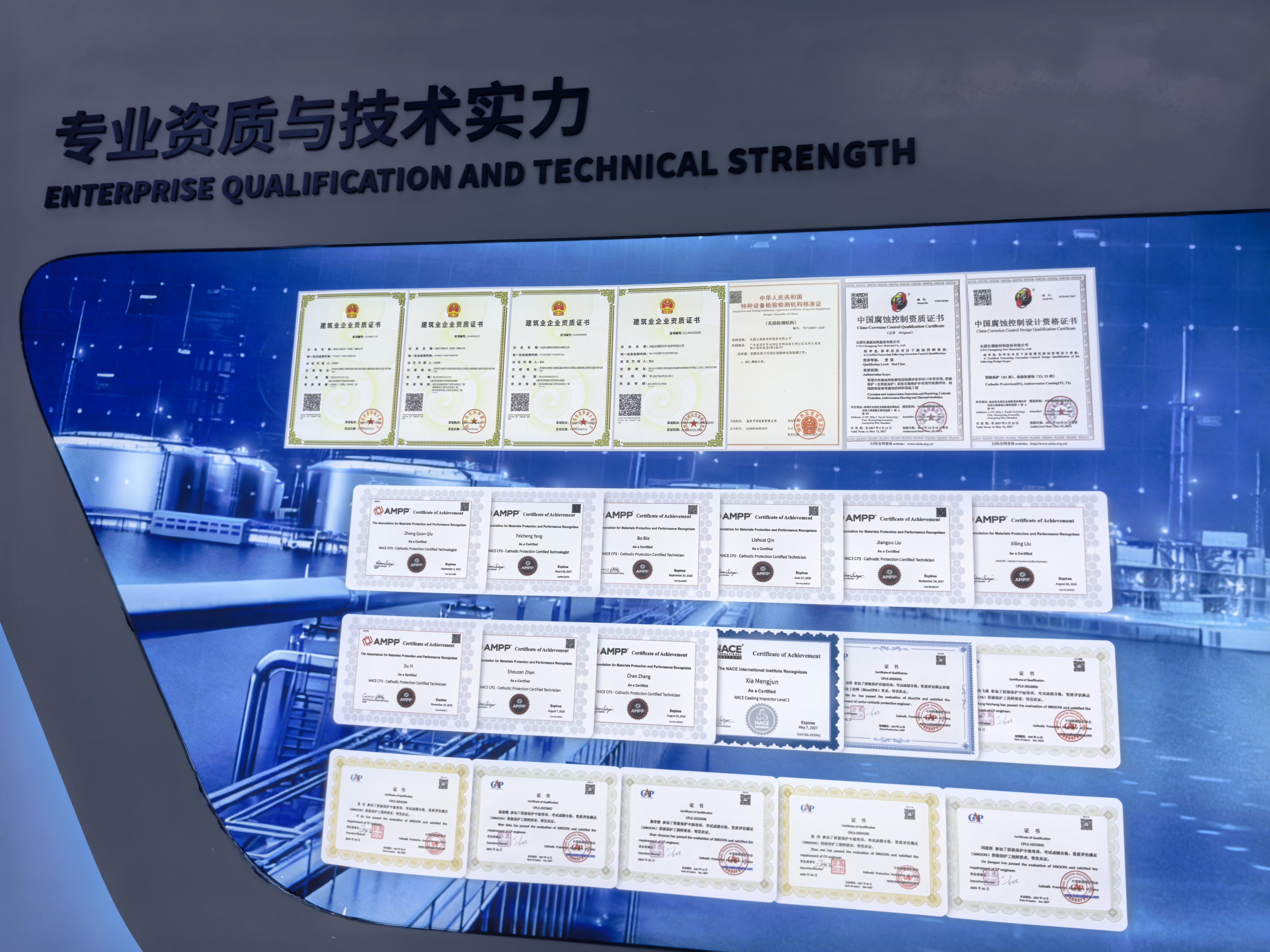
CYCT is a Council Member of the Chinese Society for Corrosion and Protection (CSCP), holds official Qualification Certificates for Corrosion Protection Construction and Pipeline Detection, and is a corporate member of the China Association of Petroleum Engineering Construction (CAPEC).
Our manufacturing units comply with rigorous international criteria, ensuring that every batch of heat shrinkable materials, PE coatings, and viscoelastic tapes adheres strictly to industry standards.
The global energy landscape is undergoing a profound structural transition. As clean energy vectors—such as gaseous and liquid hydrogen, blended natural gas, high-pressure LNG, and supercritical carbon dioxide ($CO_2$) for CCUS—become pillars of zero-emission industrial strategies, they expose transmission infrastructure to unprecedented physical and chemical strains. Pipelines carrying hydrogen, for instance, operate under highly variable dynamic pressures and are subject to hydrogen permeation, which demands exceptional mechanical integrity at every field joint and fitting. Heat-shrinkable polymer tubes and sleeves must perform as active barrier systems, preventing soil moisture ingress while accommodating thermal cycling without degradation.
CYCT addresses this challenge by engineering protective materials at the molecular level. Our high-density polyethylene (HDPE) and polypropylene (PP) backing matrices undergo precise radiation-induced cross-linking to establish a shape-memory polymer network. This polymer network exerts a continuous, uniform radial compressive force over the underlying pipe coating upon heating, mitigating the risks of cold-flow displacement. Integrated with high-shear-resistant hot-melt adhesives or viscoelastic mastic layers, CYCT's heat-shrinkable systems form a seamless barrier that resists shear stresses from soil expansion and contracting cycles. This prevents cathodic disbondment—a key focus of Google's Search Quality Raters evaluating engineering reliability and field safety.
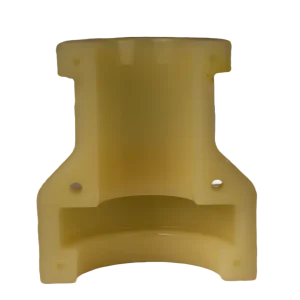
Additionally, modern pipeline networks operate in increasingly challenging terrains. Offshore deepwater pipelines encounter high hydrostatic pressures and sub-zero seabed temperatures, while geothermal pipe networks convey fluids at temperatures exceeding 100°C. CYCT’s PP-based heat shrink sleeves and high-performance polyurethane bend restrictors are specifically formulated to survive these extreme conditions. By focusing on multi-layered protection, we ensure that modern energy pipelines remain intact, safe, and efficient throughout their targeted service lifespans of 30 to 50 years.
Advanced backing formulation and high-density molecular barrier structures reduce gas permeation rates and resist rapid gas decompression (RGD) stress cycles at pipe joints.
Specially engineered thick-wall sleeves designed to absorb thermal shock and high-force mechanical expansions resulting from phase shifts in carbon capture pipelines.
Extreme-temperature PP coatings and heavy-duty bend restrictors protect pipelines from subsea currents, mechanical stress, and high-salinity corrosion cells.
The global market for pipeline anti-corrosion materials is valued at billions of dollars annually, driven by the expansion of natural gas distribution loops, municipal water grids, and industrial chemical pipelines. Field joint coatings (FJC) represent only a fraction of initial construction budgets but are responsible for over 80% of pipeline integrity failures if improperly specified or applied. Because field joints are completed onsite under unpredictable weather conditions, the industry demands heat-shrinkable materials that offer high tolerance to variable application parameters while maintaining structural performance.
In mature markets like North America and Europe, pipeline operators focus on long-term rehabilitation and compatibility with legacy coatings such as coal tar enamel, fusion-bonded epoxy (FBE), and three-layer polyolefin (3LPE/3LPP) structures. In rapidly developing industrial zones across Asia-Pacific, the Middle East, and Latin America, the construction of cross-country trunklines requires high-throughput field joint systems. This demand has spurred the development of automated application machinery, inductive preheating technologies, and rapid-curing liquid epoxy primers. These innovations reduce cycle times per joint, lowering labor costs while ensuring consistent quality control.
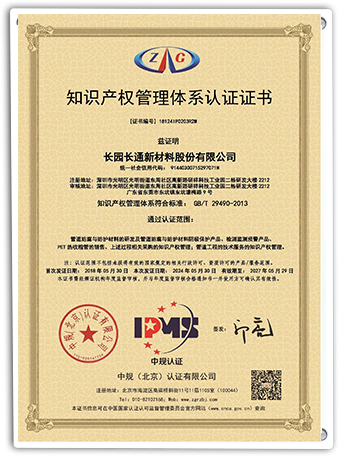
As a key supplier, CYCT positions itself at the center of this industrial landscape. Our high-capacity manufacturing lines process premium polyolefin resins, combining chemical compounding with advanced radiation cross-linking. Our products are engineered for compatibility with multi-layer coating systems worldwide, giving engineering, procurement, and construction (EPC) contractors a reliable, globally certified alternative. This technical capability minimizes supply chain risks for critical energy infrastructure projects.
Our facility houses dual-screw compounding extruders, high-dosage electron beam cross-linking accelerators, and custom adhesive coating lines. This vertical integration allows CYCT to control every manufacturing step—from raw resin compounding to final adhesive lamination—ensuring consistent quality across production batches.
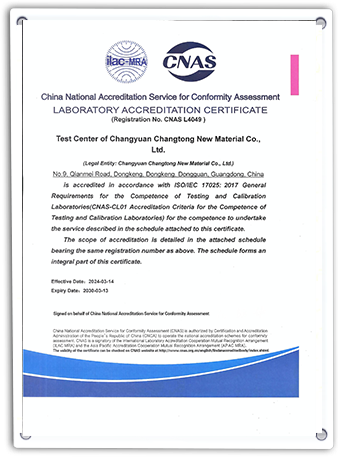
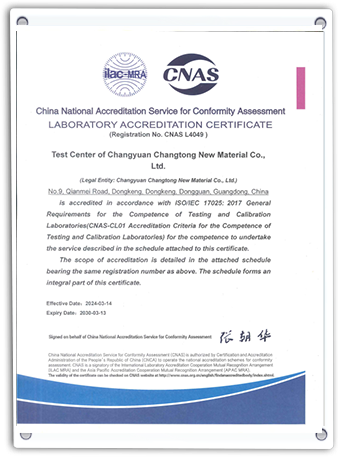
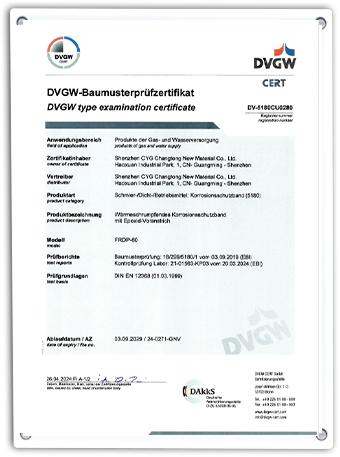
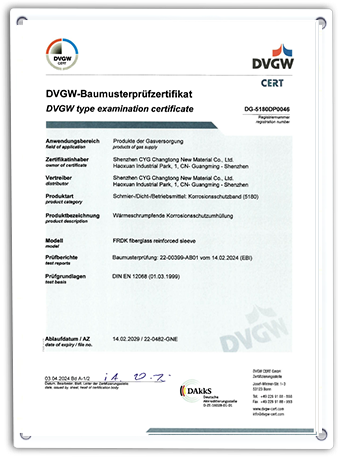
Pipeline engineering is highly regulated, requiring compliance with stringent national and international standards. A key marker of CYCT’s authority is our national CNAS-accredited laboratory, which verifies that all pipeline corrosion protection materials meet or exceed global standards. Our research team aligns product designs with major international specifications, including ISO 21809-3 (specifying field joint coatings for pipeline transportation systems), EN 12068, and DIN 30672.
We recognize that regulatory compliance requires local support. CYCT provides localized documentation, design review services, and onsite training for contractor crews to ensure proper installation. This support is vital because field joint longevity depends heavily on surface preparation (typically ISO 8501-1 Sa 2½ cleanliness) and precise preheat temperatures. Our technical field service teams assist operators worldwide, ensuring field joint installations meet design standards and pass inspections, including holiday testing at 15kV to 25kV.
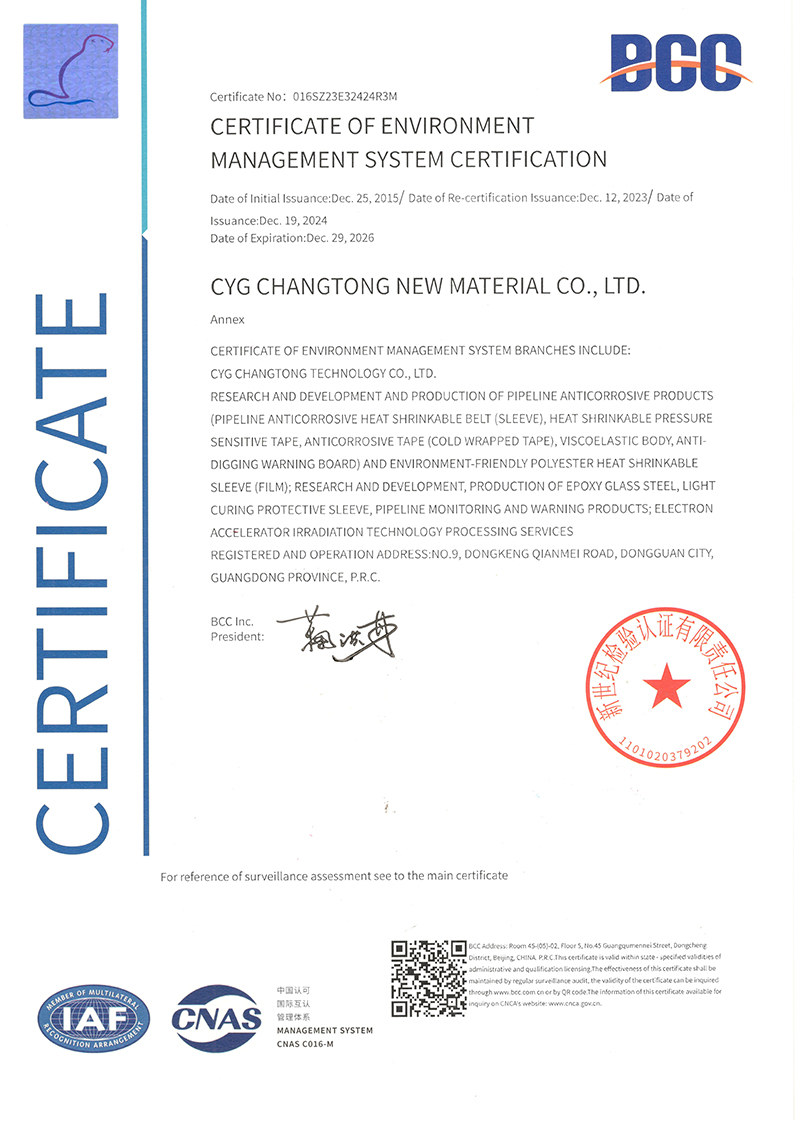
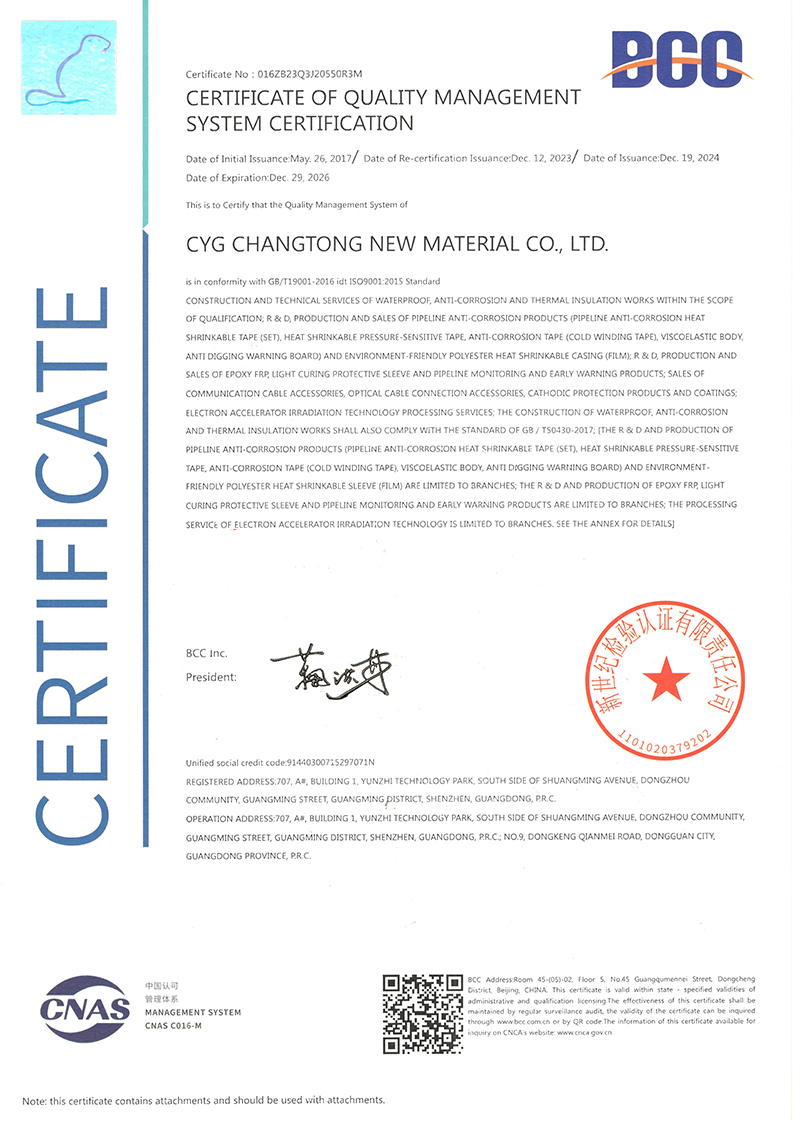
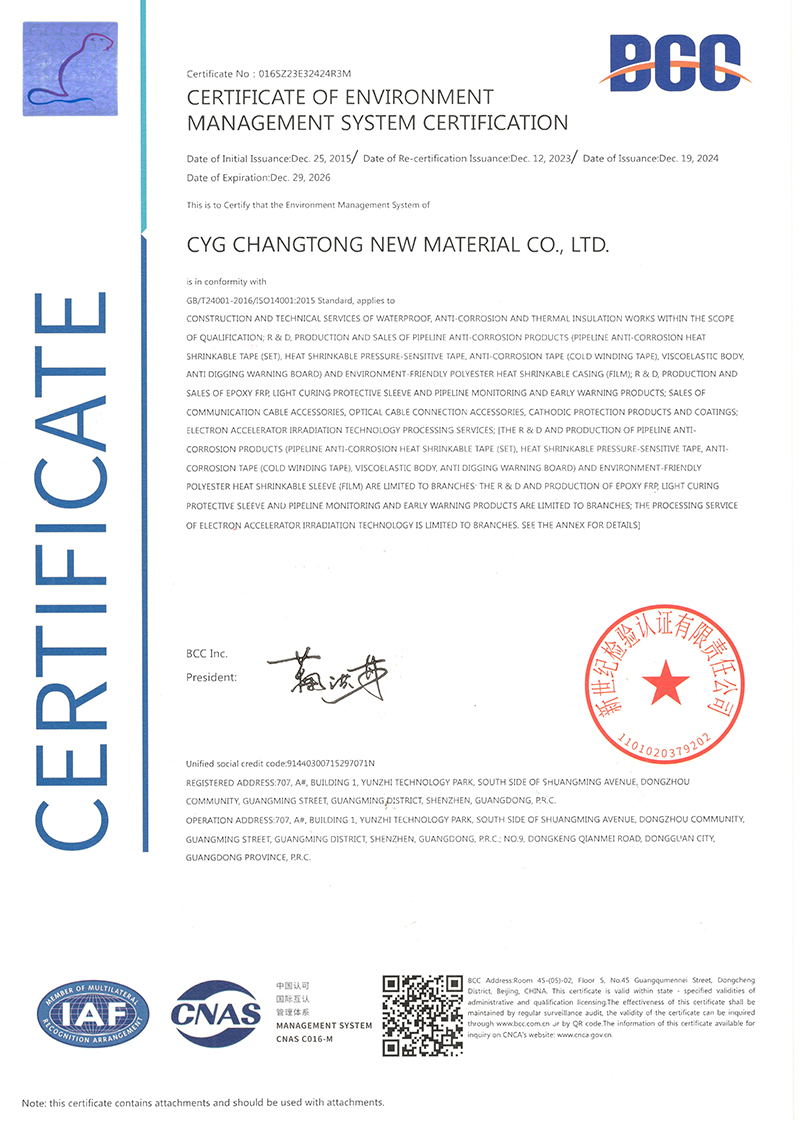
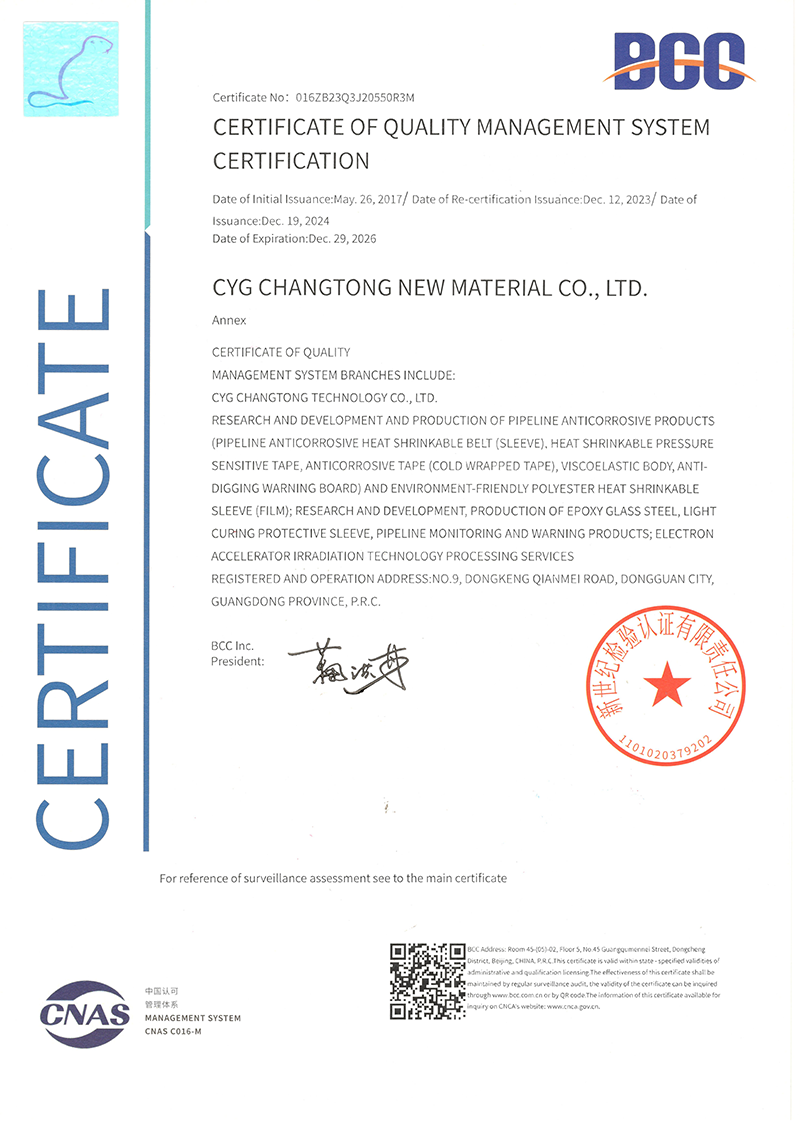
Our environmental and safety commitment is backed by certifications under ISO 9001:2015 (Quality Management), ISO 14001:2015 (Environmental Management), and ISO 45001:2018 (Occupational Health and Safety). As an active corporate member of AMPP (Association for Materials Protection and Performance, formerly NACE), we participate in developing global corrosion protection standards, ensuring our products continue to meet the evolving needs of the industry.
Full testing verification for Type 1A (standard temperature PE), Type 1B (high temperature PE), and Type 1C (PP-based) heat-shrinkable sleeves.
Onsite testing facilities perform independent quality audits, raw material verification, and finished-product performance testing.
Comprehensive training programs for operators, covering induction heating setup, sleeve alignment, and inspection procedures.
Corrosion protection is highly site-specific. Materials must be matched to localized stresses, installation methods, and environmental conditions. Below are four key scenarios where CYCT’s product range provides high-performance protection:
The Challenge: Pulling steel pipelines through rocky boreholes exposes coatings to severe abrasion, gouging, and shear stress, which can damage standard three-layer polyolefin systems.
The Solution: CYCT’s FRDP Heat-Shrinkable Fiberglass Reinforced Sleeve, combined with our Epoxy FRP (Fiberglass Reinforced Polymer) protection systems, creates a high-hardness outer layer. This composite barrier resists mechanical impact during the pull-back process, preserving the underlying corrosion-resistant coatings.
The Challenge: Heavy oil transmission pipelines and geothermal flowlines operate at temperatures up to 110°C or 120°C, causing standard PE adhesives to soften, lose shear strength, and fail.
The Solution: CYCT’s High-Temperature PP (Polypropylene) Heat Shrink Sleeve utilizes a specialized polypropylene backing and high-shear hot-melt adhesive. This combination maintains mechanical strength at elevated temperatures, resisting soil stress and thermal expansion.
The Challenge: Excavating and repairing aged coatings on in-service pipelines requires fast, simple installation with minimal surface preparation to minimize downtime.
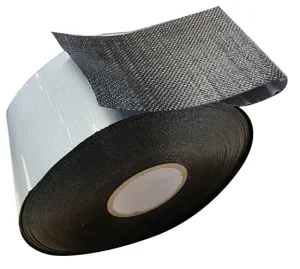
The Solution: CYCT’s Viscoelastic Coating System (including Viscoelastic Tapes, PP Outer Tapes, and FVT95 Fabric Tape) requires only basic wire brushing (St 2 or St 3). The cold-applied viscoelastic compound flows into surface profile variations, providing instant, self-healing corrosion protection that requires no primer or preheating.
The Challenge: Small defects, rock punctures, or gouges in main-line 3LPE coatings must be repaired before burial to maintain cathodic protection compatibility.
The Solution: Our PP Repair Patches and FRDX Hot Melt Fillers/Sticks fill voids and bond with the factory polyolefin coating. This restores the chemical and physical barrier without requiring the installation of a full circumferential sleeve.
The future of pipeline protection lies in developing materials that combine smart diagnostics, high thermal stability, and reduced environmental impact. CYCT’s R&D team, in partnership with academic institutions, focuses on the next generation of polymer coatings to meet these industry needs:
Developing heat-shrinkable sleeves that change color when they reach their target temperature. This visual indicator helps prevent under-heating (which causes poor adhesion) or over-heating (which can damage the polymer matrix).
Synthesizing hot-melt adhesives from bio-based feedstocks. This reduces the carbon footprint of the manufacturing process while maintaining the peel strength and shear resistance of traditional petroleum-based polymers.
Refining viscoelastic compounds to incorporate micro-encapsulated corrosion inhibitors. If the outer barrier is mechanically punctured, the compound flows to reseal the breach while releasing active compounds that passivate the steel surface.
Embedding thin, flexible sensor arrays between the pipe surface and the heat-shrinkable backing. These sensors monitor moisture ingress, localized pH shifts, and temperature variations, sending real-time health updates to the operator.
 CYCT
CYCT