 CYCT
CYCT
1 / 2
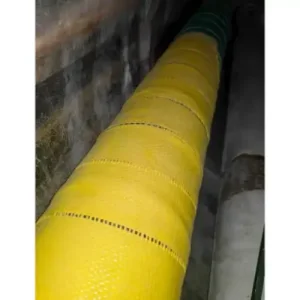
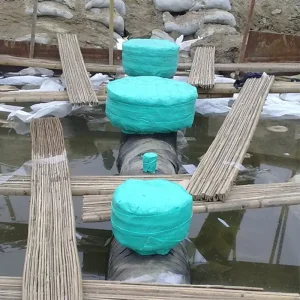
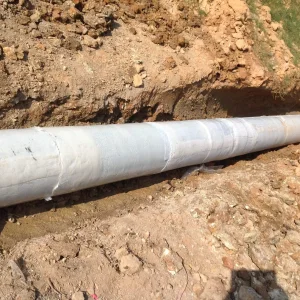
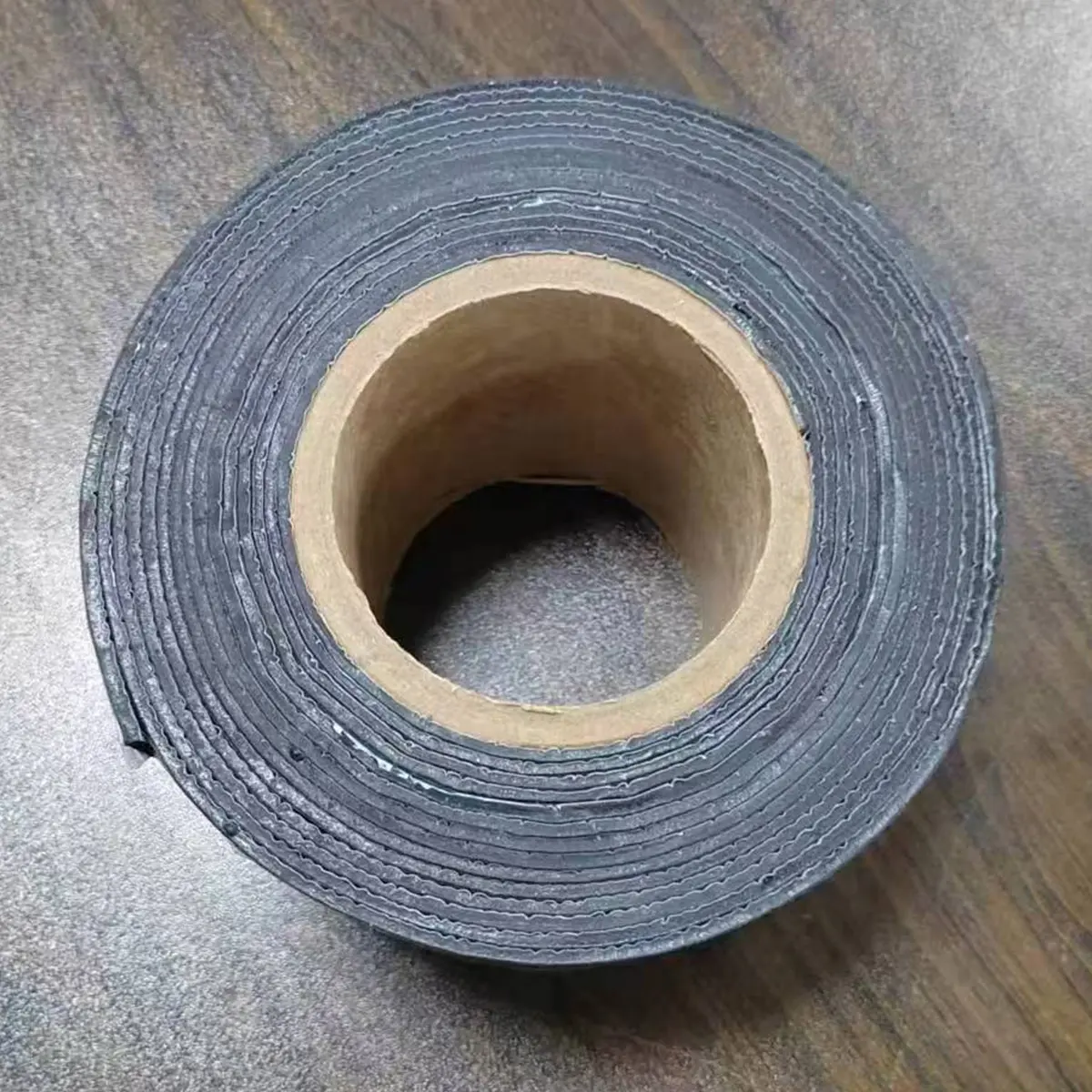
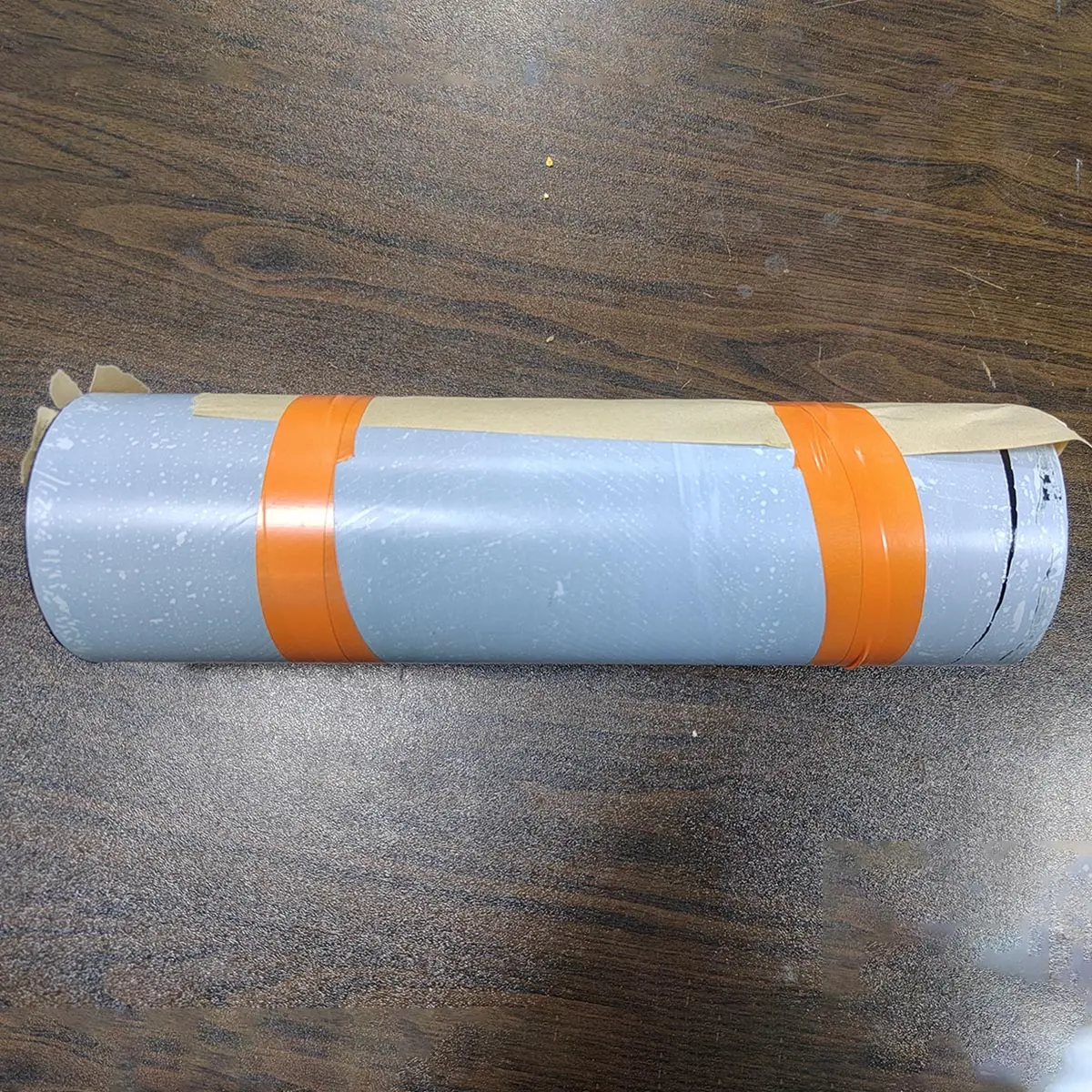
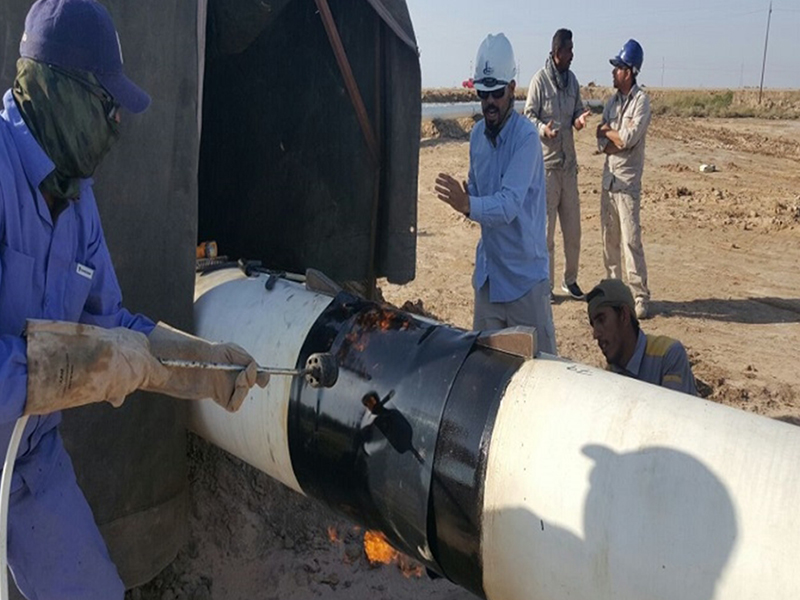
This tape has excellent compatibility with the polyethylene layer of the 2LPE coating. After bonding, there is no easy delamination or edge lifting. It can adapt to the common working environments of 2LPE steel pipes—whether it is soil extrusion and microbial corrosion in buried scenarios or ultraviolet radiation and temperature-humidity fluctuations in overhead scenarios, it can stably play a corrosion-protection role and withstand the maximum pipeline operating temperature of 80°C, jointly building a long-term protective barrier with the 2LPE coating.
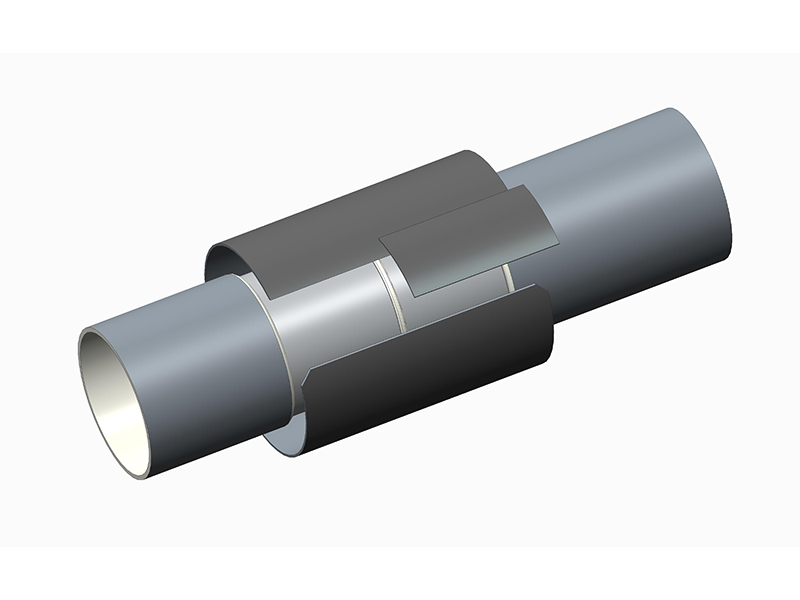
During construction, there is no need for complex pretreatment of the 2LPE coating surface. It can be directly bonded after conventional cleaning and drying. Its mastic adhesive can closely penetrate the tiny lines on the surface of the 2LPE coating and form a continuous and airtight sealing structure with the exposed metal of the steel pipe and the 2LPE coating, effectively blocking the intrusion of corrosive media such as moisture and salt.
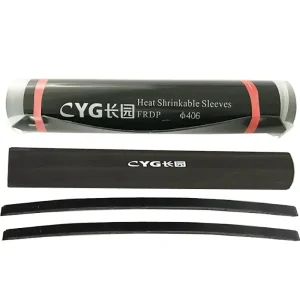
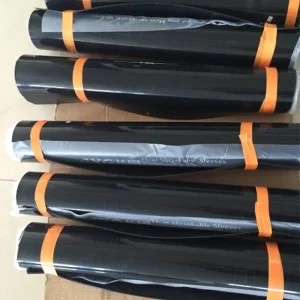
At the same time, this tape can be used in combination with auxiliary materials commonly used for 2LPE steel pipe joint coating, such as heat-shrink sleeves and anti-corrosion primers, to further improve the impact resistance and peel strength of the joint coating parts, meeting the strict standards for 2LPE steel pipe joint coating in fields such as oil and gas transportation and municipal water supply.
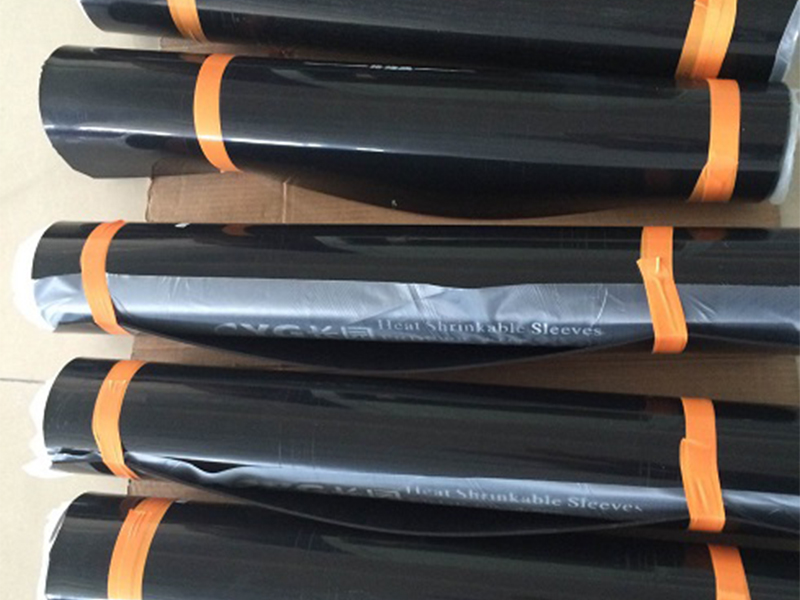
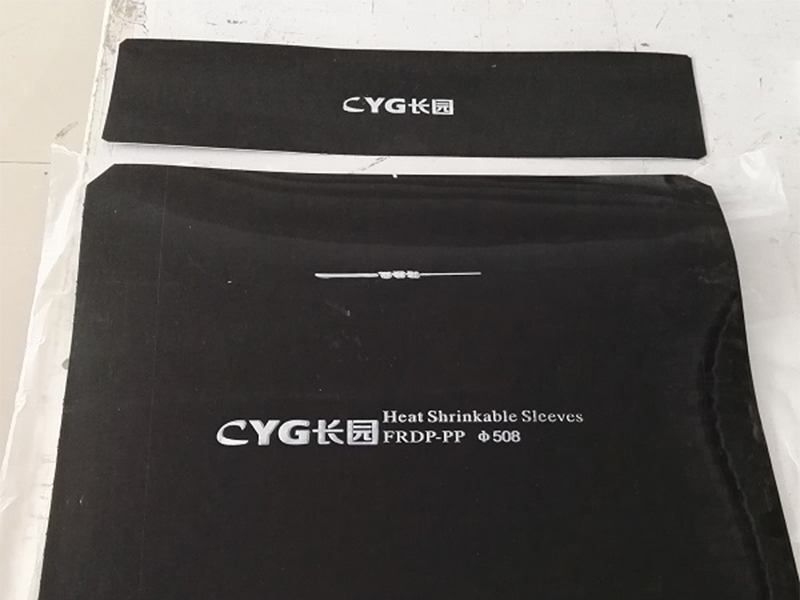
In terms of specifications, it can be flexibly customized: For different diameters of 2LPE steel pipes (such as common specifications from DN100 to DN2500), width options from 50 mm to 1200 mm are provided. Wide-width models can reduce the number of joint coating seams; in addition to the standard thickness of 2.5 mm, thicker specifications can also be customized according to the thickness of the 2LPE coating and the anti-corrosion grade of the joint coating to enhance the protection ability, meeting the needs of different engineering scenarios.
| Property | Test Temp. | Unit | Requirement | Test Result | Test Method |
|---|---|---|---|---|---|
| Thickness | — | mm | ≥ 0.85 × nominal value | - | Annex B ISO21809-3 |
| Holiday detection at 5 kV/mm + 5 kV | — | — | no holiday | no holiday | Annex C ISO21809-3 |
| Peel strength to pipe surface and to plant applied coating | 23℃ | N/mm | ≧ 1.0 | 1.5 | Annex H ISO21809-3 |
| 80℃ | N/mm | ≧ 0.1 | 0.2 | Annex H ISO21809-3 |
|
| Peel strength to pipe surface and to plant applied coating after 100-day hot-water immersion test at Tmax limited as per Annex I | 23℃ | P100/P0 | ≧ 0.75 | 0.85 | Annex I and Annex H ISO21809-3 |
| Lap shear strength at 10 mm/min | 23℃ | N/mm2 | ≧ 0.1 | 0.13 | Annex J ISO21809-3 |
| 80℃ | N/mm2 | ≧ 0.01 | 0.03 | ||
| Thermal ageing resistance (aged at Tmax + 20 °C) – Elongation at break (E100/E0) – Peel strength to pipe surface (P100/P100) |
23℃ | E100/E0 E100/E70 |
≧ 0.75 ≧ 0.8 |
0.80 0.92 |
Annex M ISO21809-3 |
| 23℃ | P100/P0 P100/P70 |
≧ 0.75 ≧ 0.8 |
0.87 0.94 |