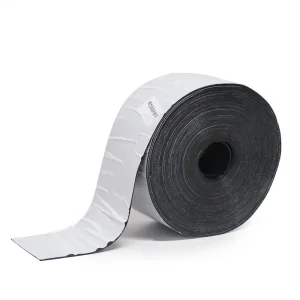
Explore our premier range of heavy-duty composite reinforcement wraps, PE/PP repair patches, viscoelastic coatings, and high-performance hot melt sticks engineered for maximum structural reliability.
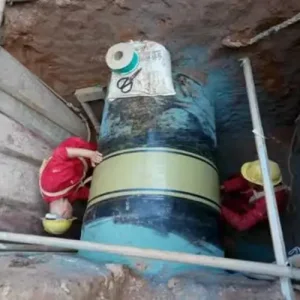
Industrial transmission pipelines form the circulatory system of modern energy, municipal, and petrochemical infrastructures. With over 3.5 million kilometers of active oil and gas pipelines globally, the rate of aging and degradation represents a multibillion-dollar engineering challenge. Factors such as environmental chemical attacks, microbiologically influenced corrosion (MIC), soil movements, and operational pressure surges stress outer pipe coatings, causing micro-fractures, delamination, and severe steel wall loss.
Under international maintenance standards (such as ASME B31.4, ASME B31.8, and ISO 21809), immediate rehabilitation of coating anomalies is mandated to prevent catastrophic structural failure. Traditional methods, including cutting out pipe sections and welding structural split sleeves, require costly operational shutdowns, high labor costs, and elevated safety hazards. Modern material science has transitioned the industry towards composite reinforcement systems and high-performance heat-shrinkable polymer repair patches. These field-applied solutions restore structural integrity and long-term corrosion barrier defense under live pipeline flow conditions.
Working in conjunction with major energy operators globally, certified repair suppliers must guarantee materials capable of resisting cathodic disbondment, high thermal shifts, and mechanical shear stresses during installation and operation.
How local production optimization meets stringent international requirements at scale.
By leveraging local upstream chemical clustering, Chinese factories maintain steady, cost-efficient access to advanced crosslinked polyethylene (PE), specialty polypropylene (PP) resins, structural glass fibers, and proprietary elastomer adhesives. This limits supply chain disruptions and volatile price hikes.
Global operators face unique, project-specific requirements, such as custom widths, variable adhesive thicknesses, and high operating temperature ratings. Flexible assembly lines in Chinese manufacturing centers enable custom design iterations, pilot sample manufacturing, and third-party certifications rapidly.
Top-tier Chinese manufacturers utilize automated inline thickness gauges, infrared adhesion testers, and laser-guided cutting equipment. Every product lot undergoes differential scanning calorimetry (DSC) and peel-strength validation to match international design benchmarks.
CYCT New Materials Company Limited (for short, CYCT) is a state-level high-tech enterprise integrating R&D, production and sales of pipeline corrosion protection materials as well as buried pipeline detection service and pipeline coating field application service into one. CYCT has dedicated itself to the R&D, production, and sales of pipeline corrosion protection materials for decades.
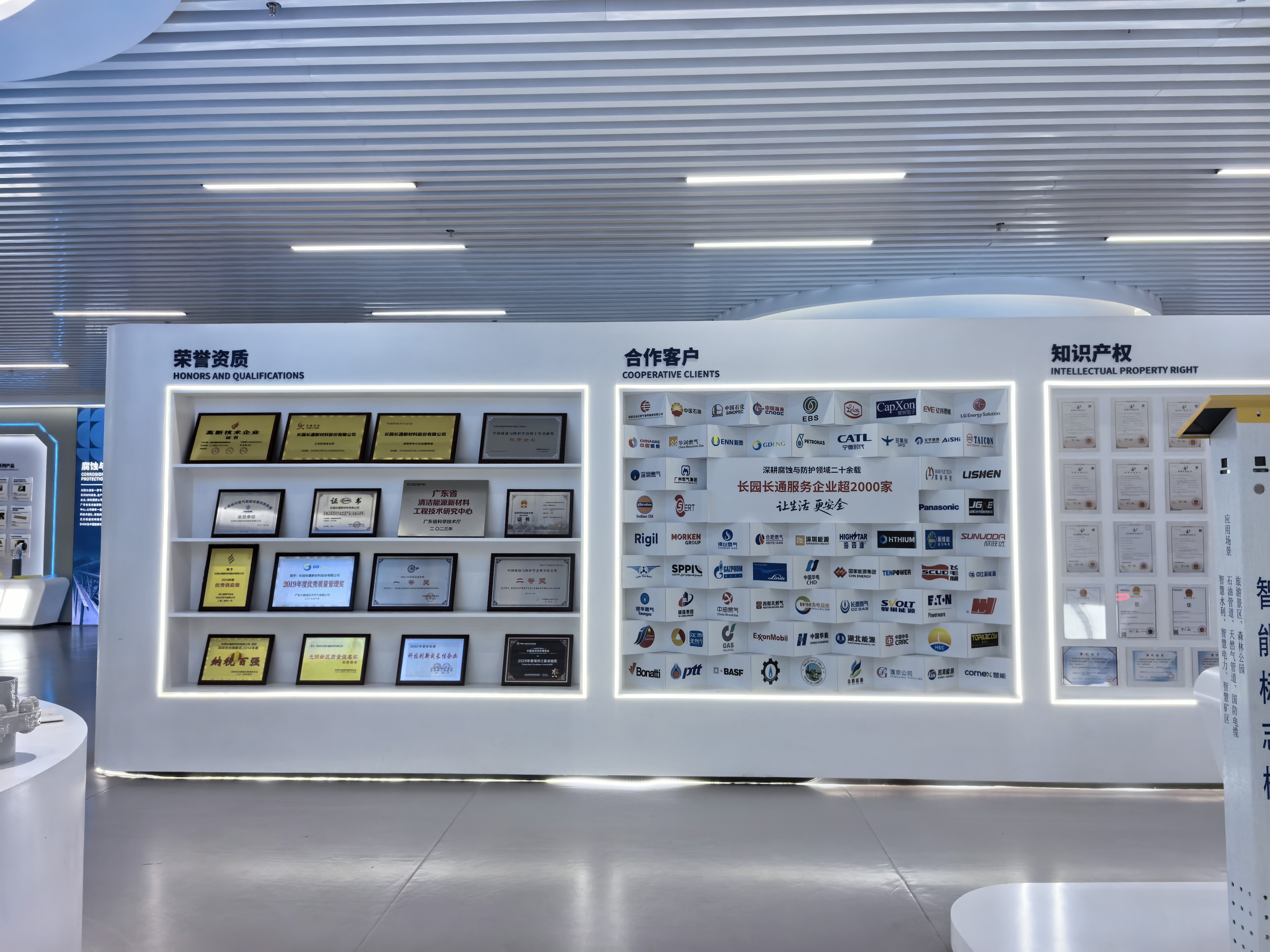
CYCT possesses leading testing and R&D capabilities, supported by a professional engineering team and a national CNAS-accredited laboratory. The company has become a stable supplier of field joint coatings for years to PetroChina, Sinopec, PipeChina, Indian Oil, and local pipeline networks, capturing a prominent market share. Furthermore, CYCT has successfully developed and introduced a number of specialty corrosion protection materials, such as visco-elastic anticorrosion materials, special photo-curing sleeves for HDD protection, and polyurea coatings.
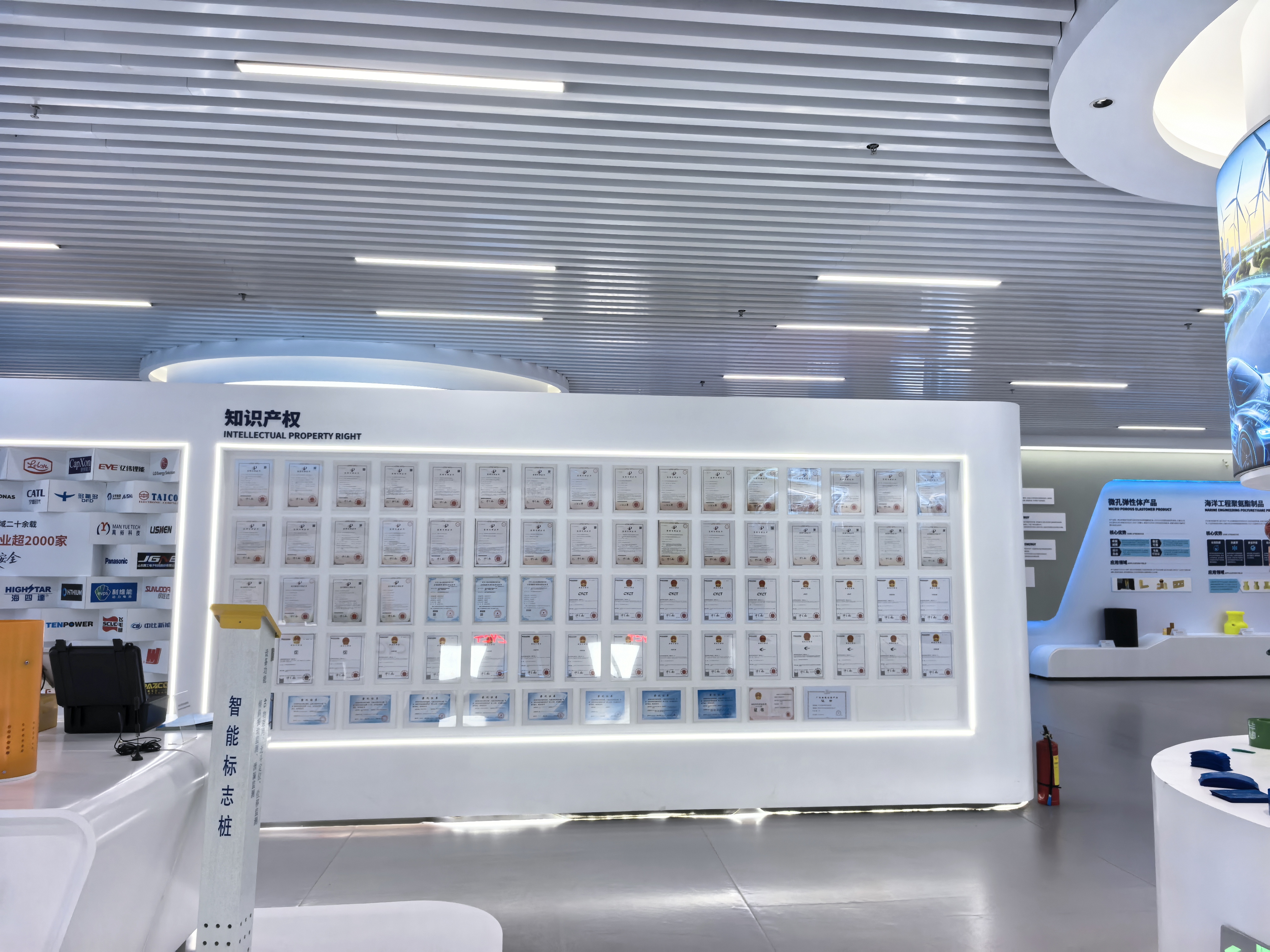
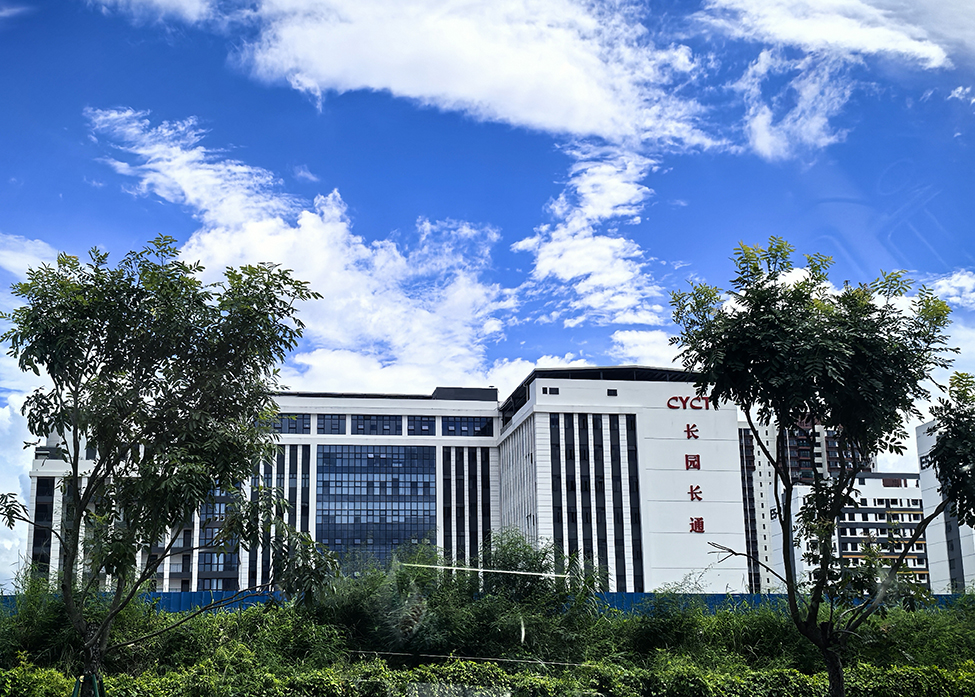
Comprehensive field joint coating and rehabilitation systems developed through institutional R&D partnership.
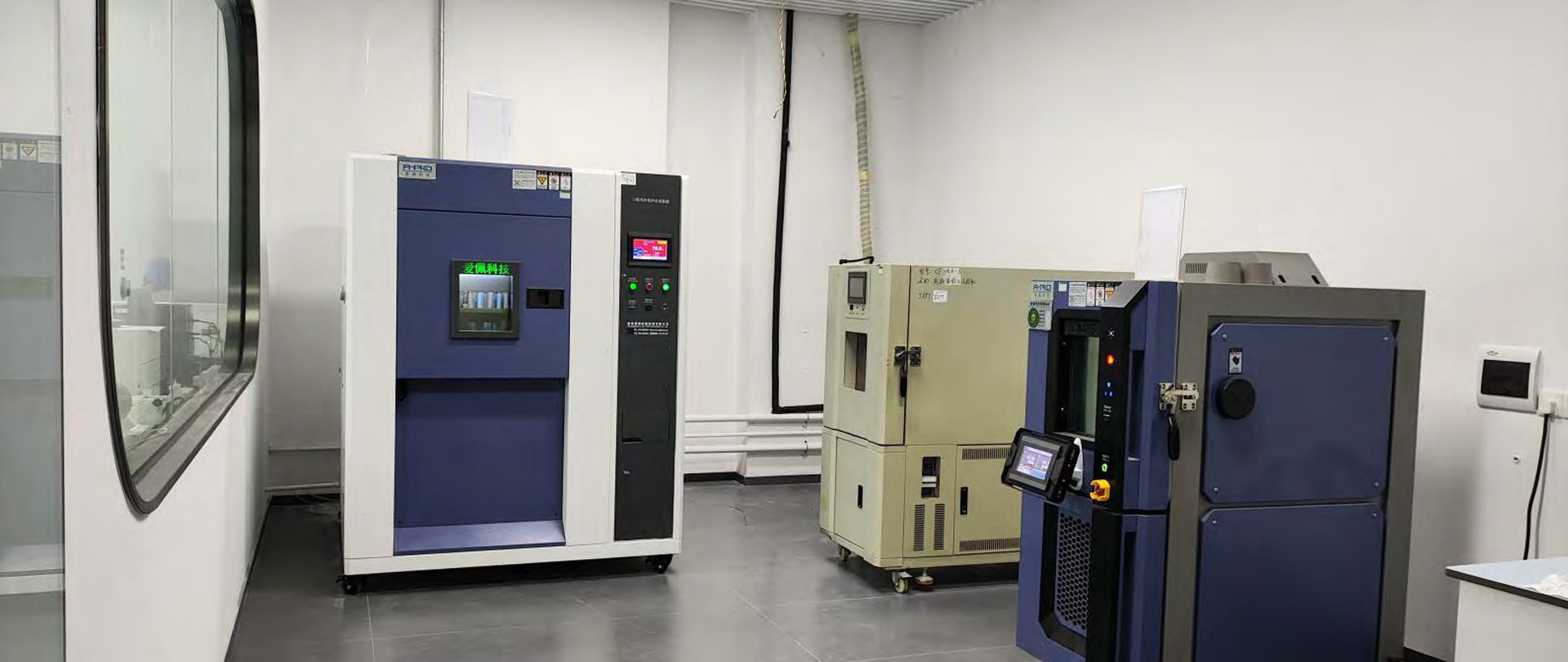
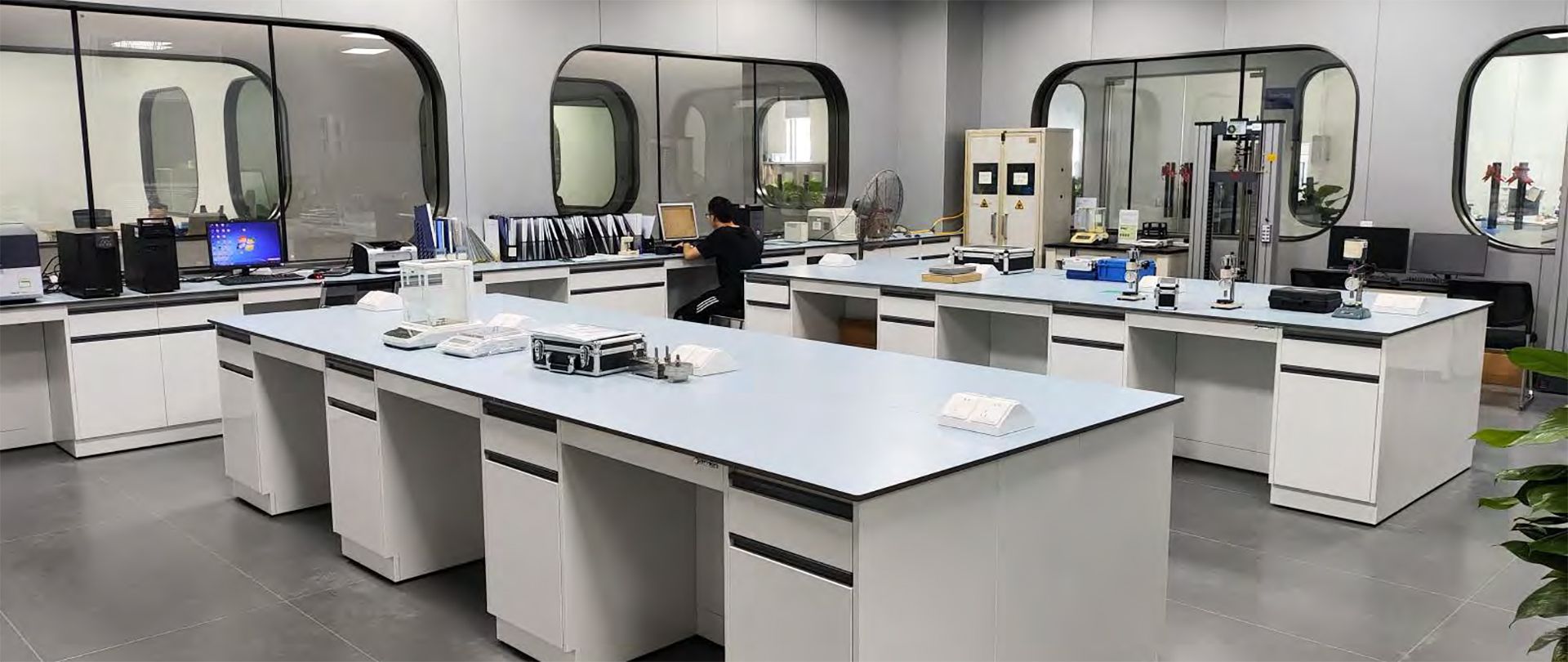
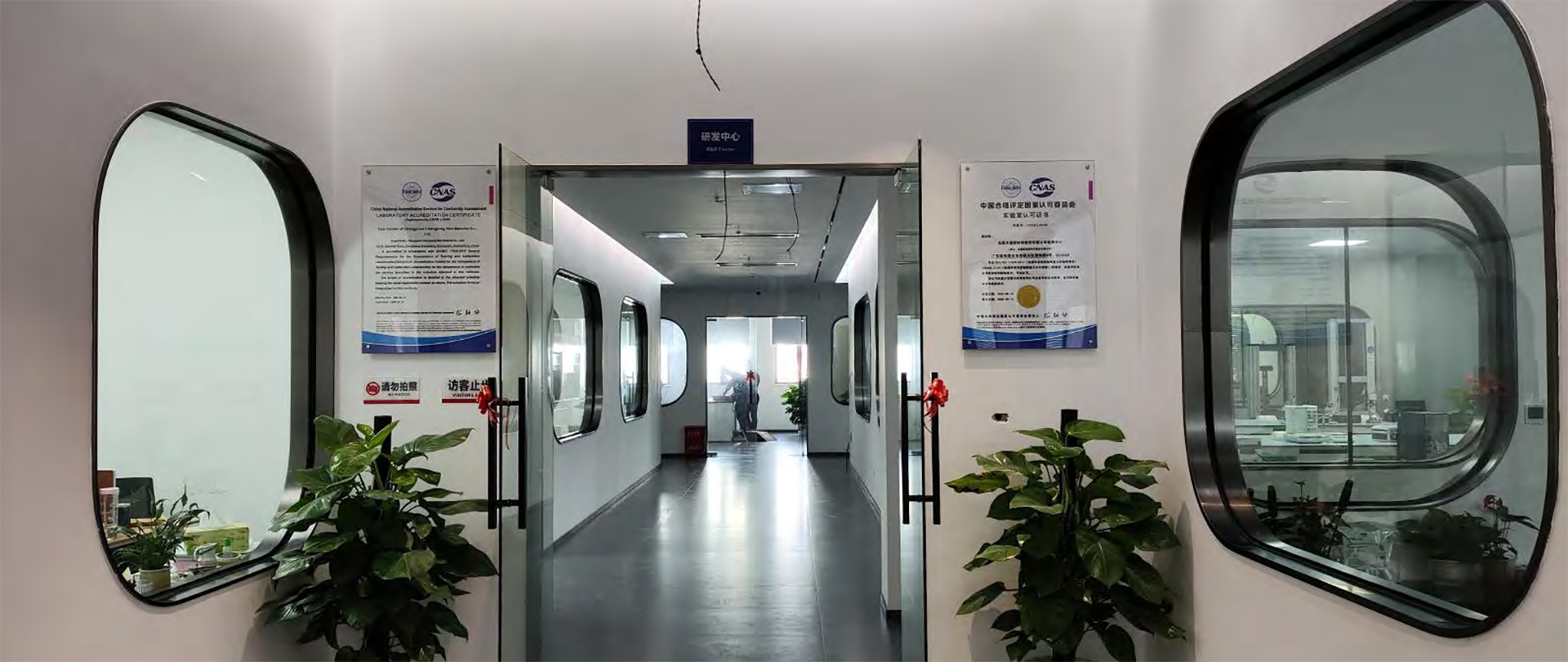
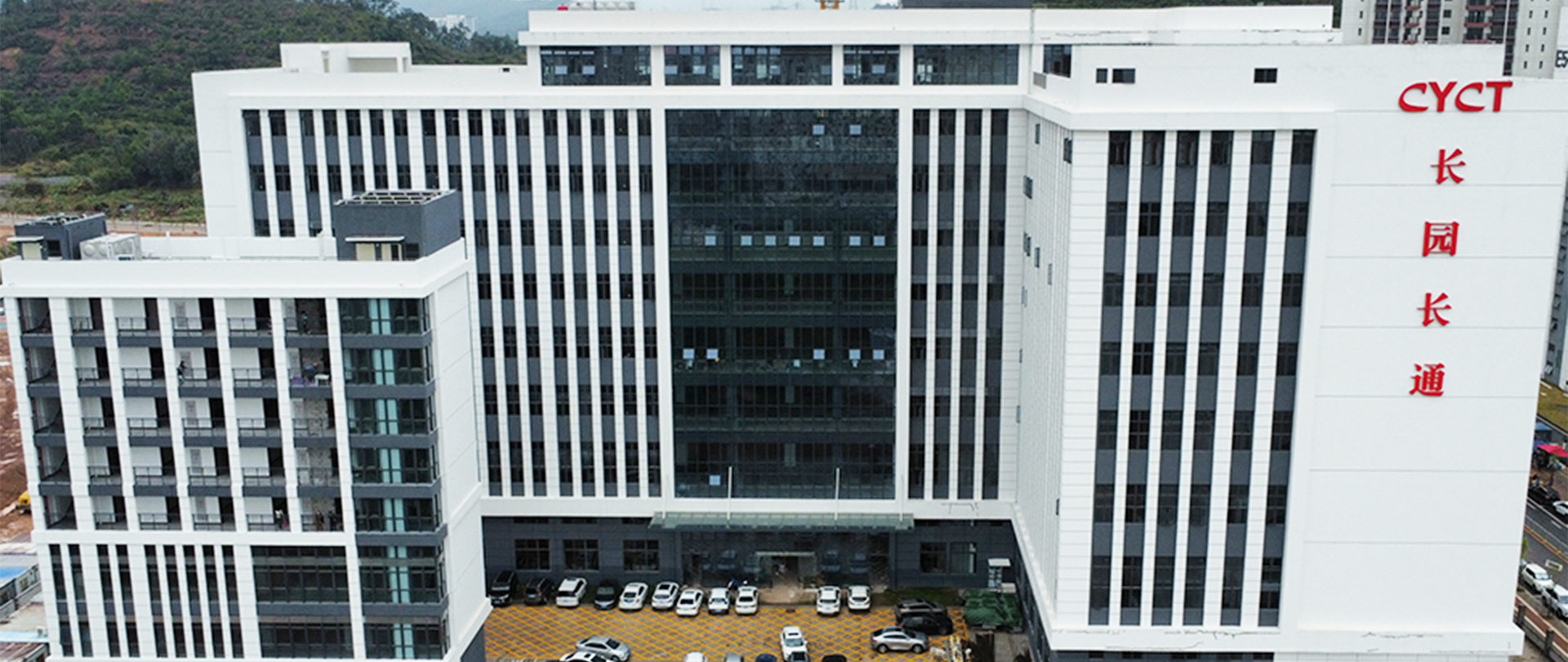
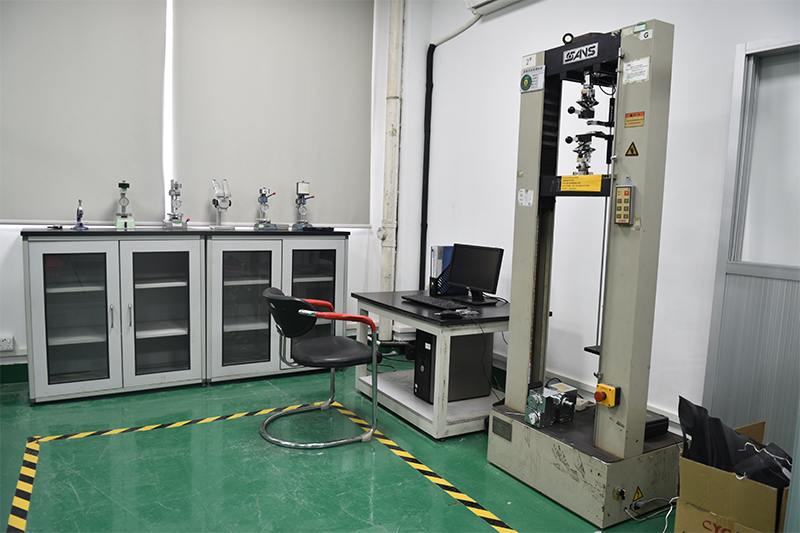
By establishing strong R&D cooperation with leading scientific institutions, such as the CNPC Pipeline Science Research Institute, CYCT is fully capable of providing in-service pipeline networks with comprehensive field technical support. Our integrated scope of services includes:
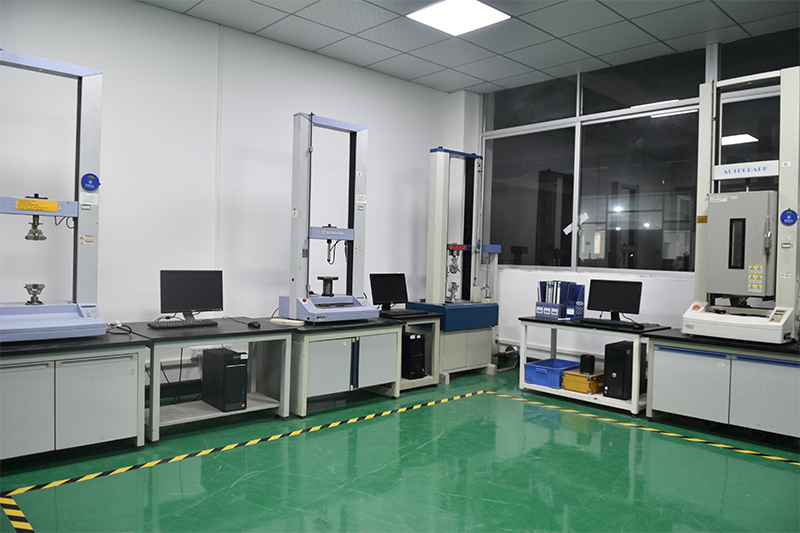
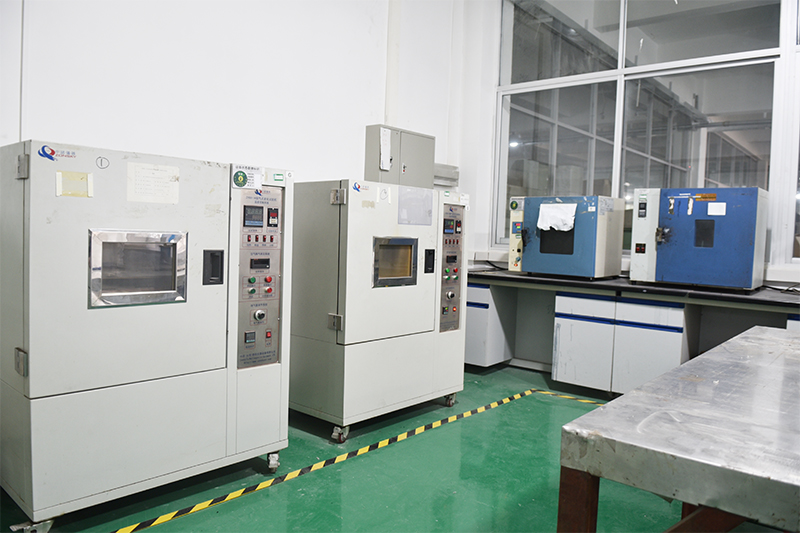
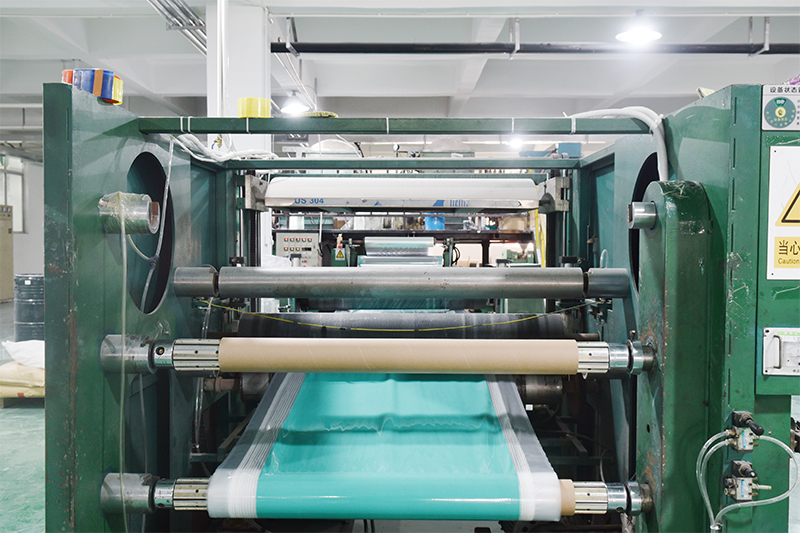
Engineered protection materials deployed across diverse climatic zones and geological environments.
Oil transmission lines and gas mains operating near compressor stations run at high temperatures (up to 80°C). Our FRDX HT PE Repair Patches and specialty high-temperature hot melt fillers are designed to withstand high operational thermal cycles without softening, flow deformation, or adhesive peel failure.
Trenchless construction exposes pipeline coatings to severe mechanical wear from gravel, shale, and rock formations. The application of our Epoxy FRP wraps and moisture-cured fiberglass shields protects the primary anticorrosion coating, ensuring holiday-free pipe installation through deep crossings.
Clay-rich soils experience moisture swelling and shrinking cycles that exert severe axial shear forces on pipeline field joints. The viscoelastic adhesive layer on CYCT's PP/PE repair patches resists high-shear displacement, ensuring the underlying steel remains isolated from moisture.
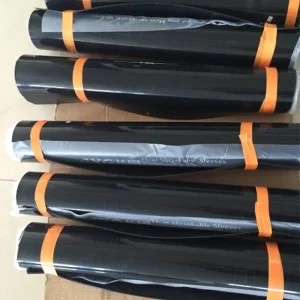
For pipeline defects involving localized external wall thinning, non-metallic GFRP (Glass Fiber Reinforced Polymer) composite systems are applied wraps. Designed in accordance with ASME PCC-2 Article 4.1, they distribute mechanical stresses, helping restore the pipe's maximum allowable operating pressure (MAOP).
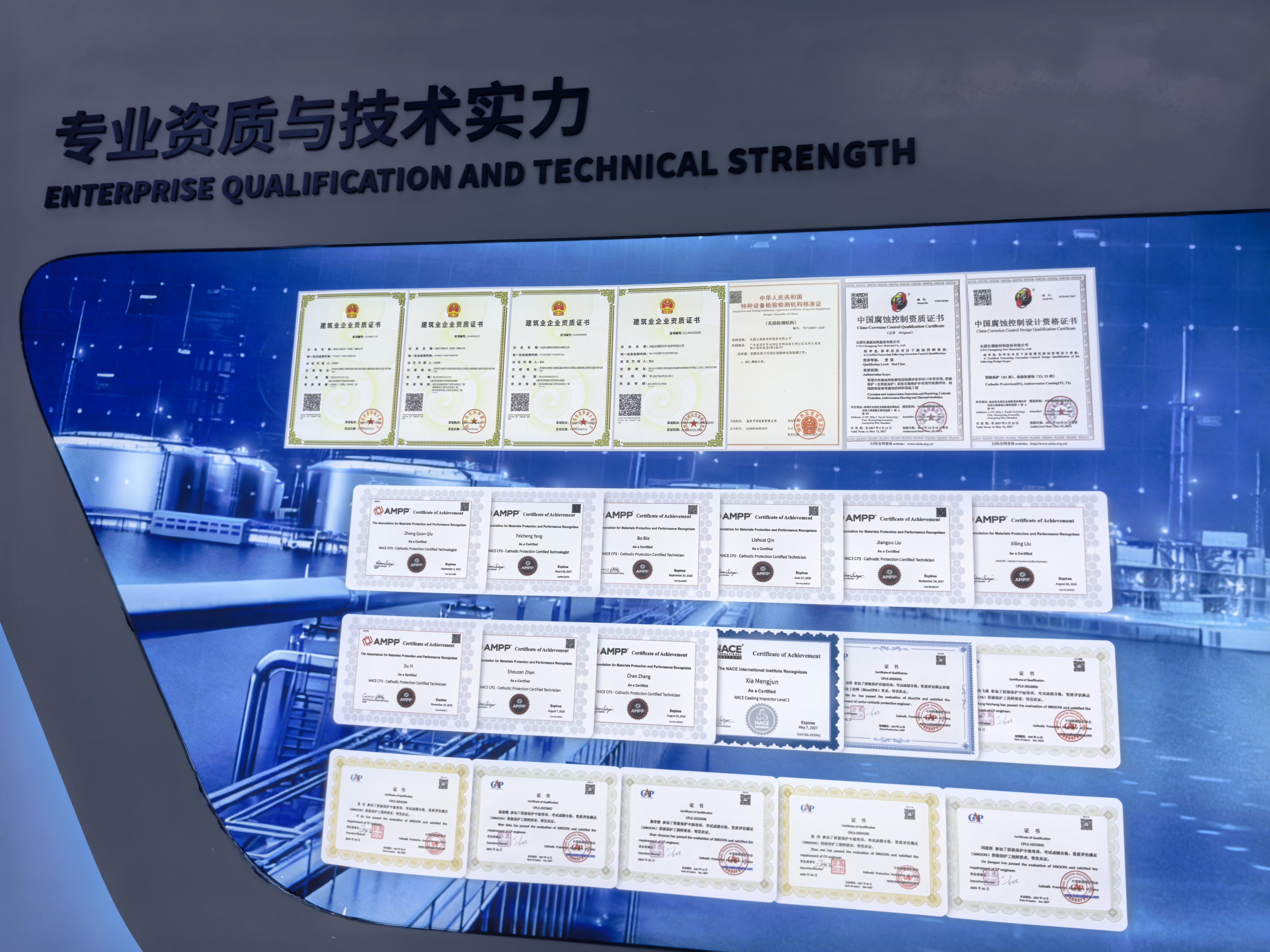
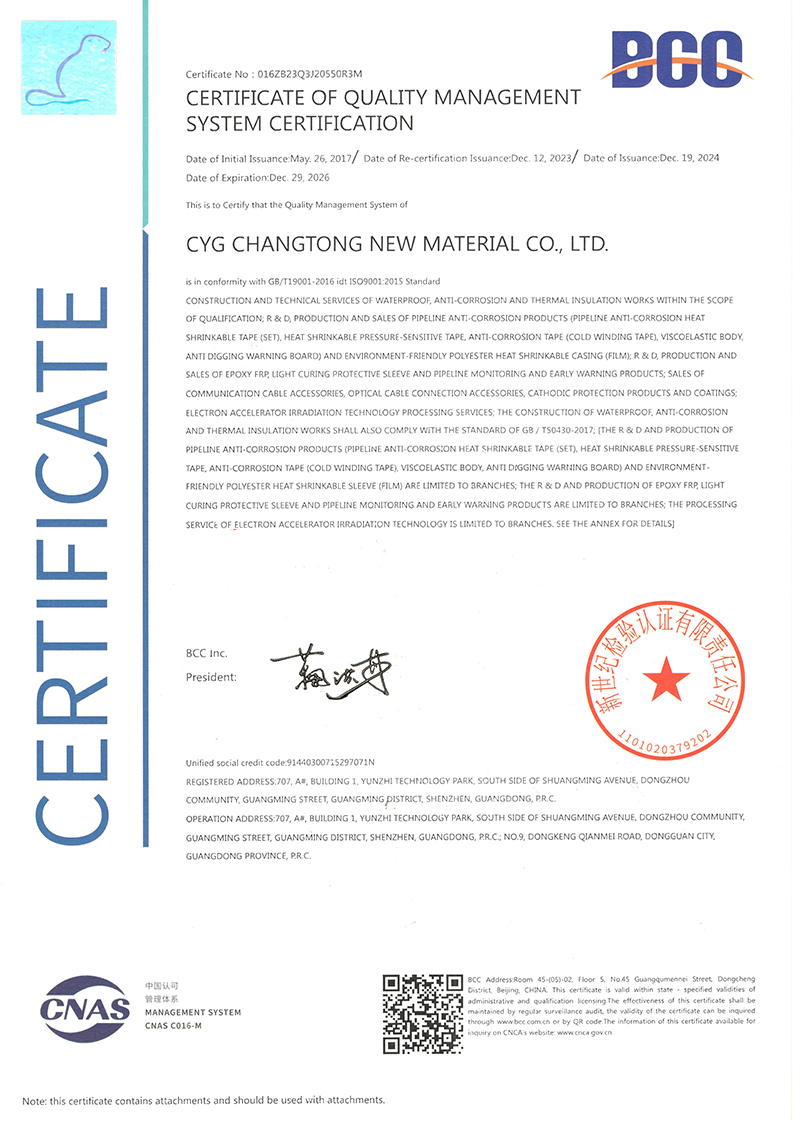
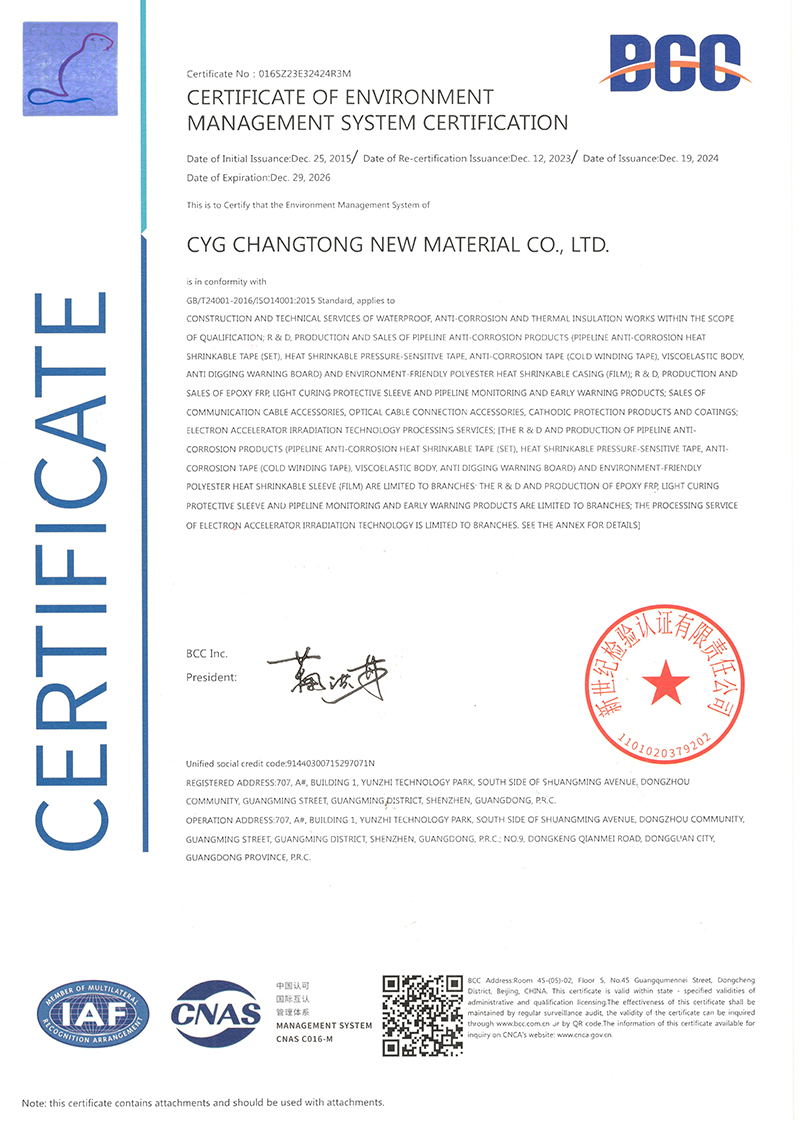
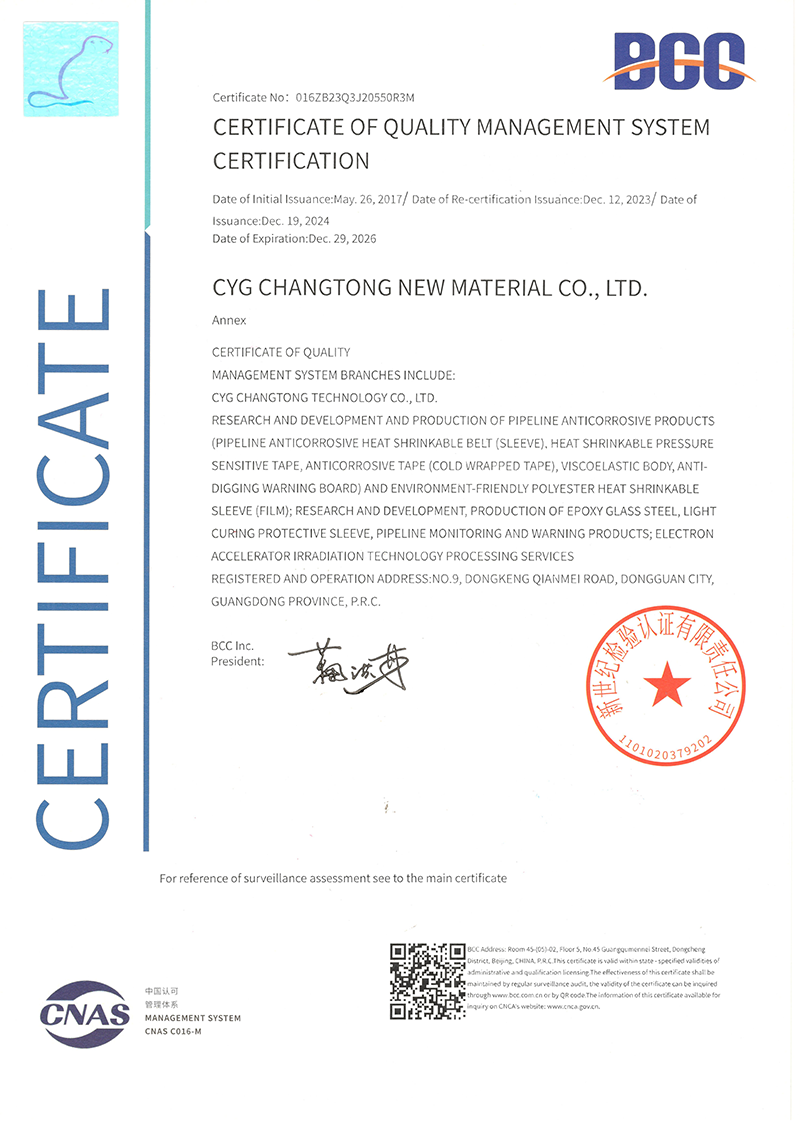
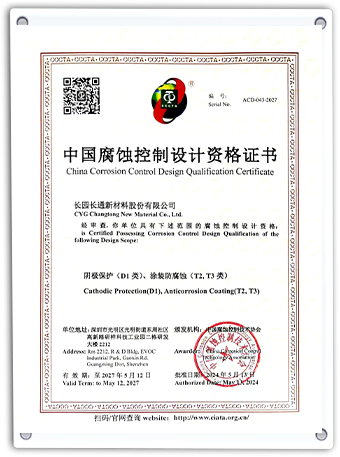
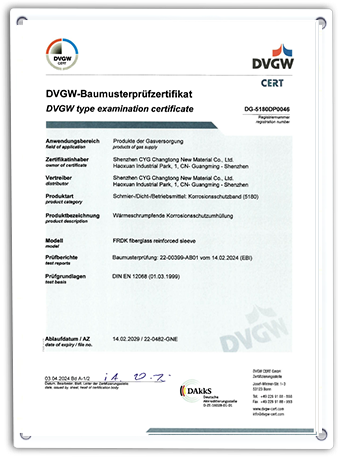
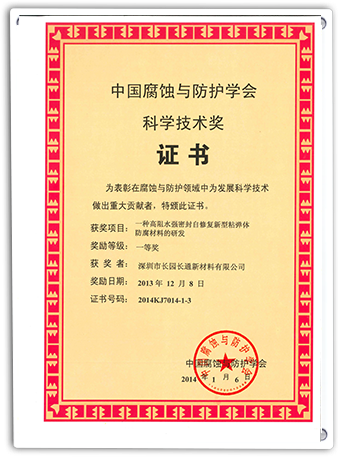
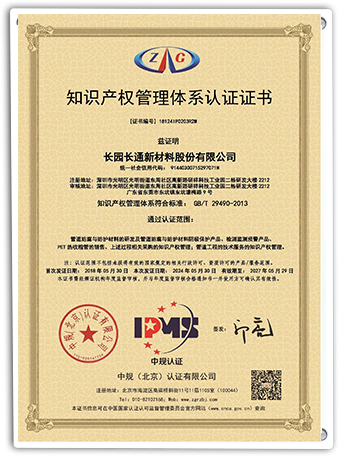
Our commitment to pipeline safety is backed by prominent national and international certifications. As a council member of the Chinese Society for Corrosion and Protection (CSCP) and an AMPP affiliated organization, CYCT adheres to strict quality controls from raw material testing to final product delivery.
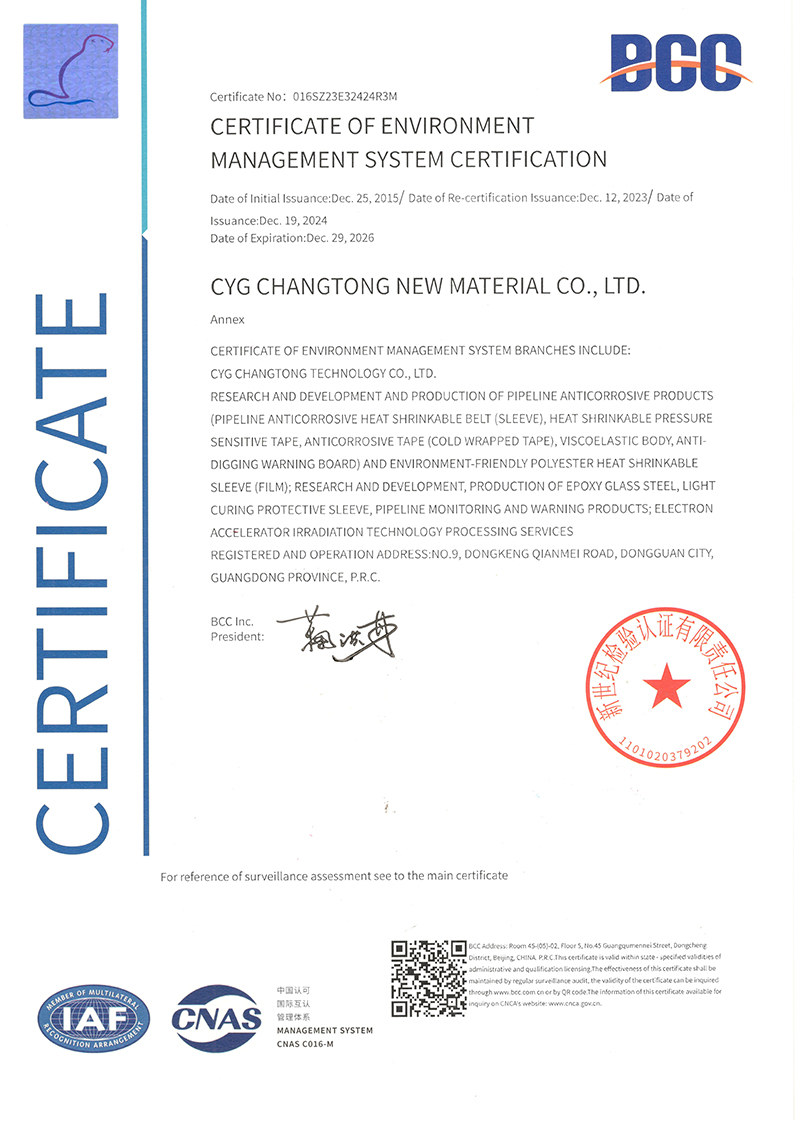
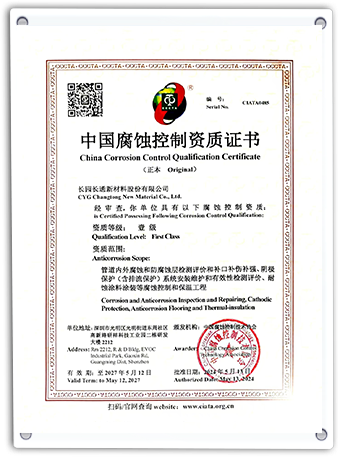
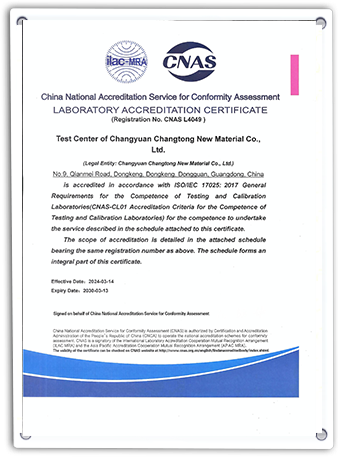
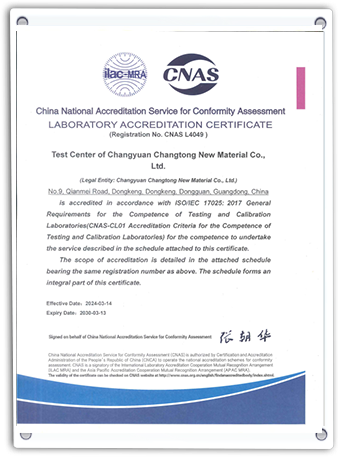
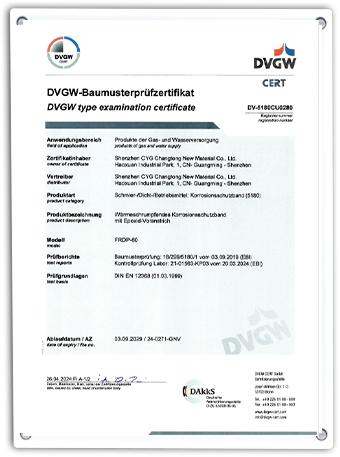
Crucial metrics and engineering requirements when sourcing field-applied coating and reinforcement repair materials.
Procuring agents must evaluate peel strength to both the mill-applied steel surface and the factory PE/PP coating. Systems like the FRDX Heat Shrinkable Patch or Hot Melt Fillers must maintain peel strength exceeding 80 N/cm at 23°C and 20 N/cm at their maximum rated operating temperatures to ensure seal longevity under wet soil stresses.
Under active cathodic protection (CP), micro-holidays in coatings can experience cathodic disbondment. Sourced repair patches must demonstrate low cathodic disbondment values (e.g., < 10 mm at 60°C over 28 days, or < 15 mm at 80°C) to prevent chemical degradation at the margins of the repair zone.
For high-temperature pipeline sections (PP coatings up to 110°C), backing material performance and adhesive flow characteristics must remain stable. The procurement specification should match the project design temperature limits, selecting specialized PP Repair Patches and high-temp hot melt adhesive sticks to prevent thermal creep.
Backfilling and backfill settling subject repaired areas to concentrated stone and root loading. Sourced repair patches require a high-density, radiation-crosslinked backing to achieve mechanical resistance, safeguarding the holiday integrity of the primary corrosion barrier.
Get authoritative answers on pipeline repair application, testing standards, and material specifications.
Select from our specialized line of heat-shrinkable sleeves, viscoelastic tapes, and composite repair solutions for long-term corrosion prevention.
 CYCT
CYCT