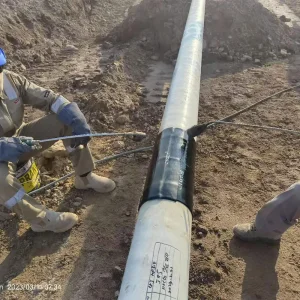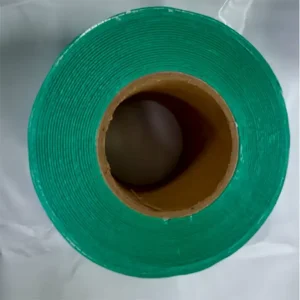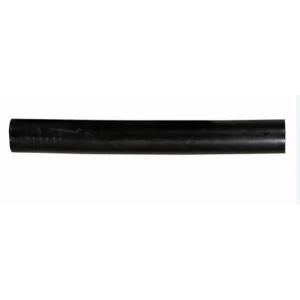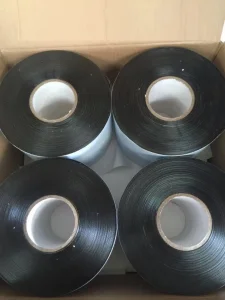
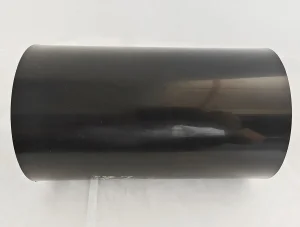
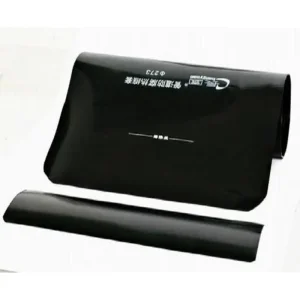
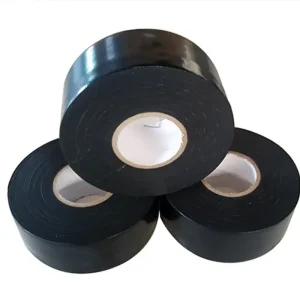
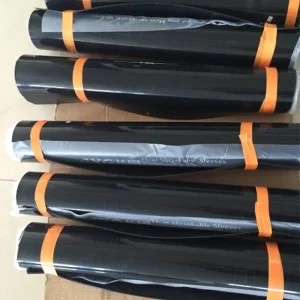
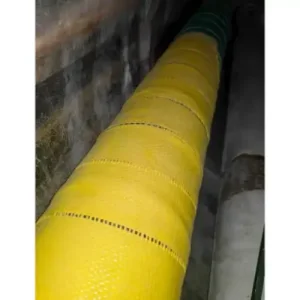
In modern energy, municipal, and chemical transportation networks, buried and subsea pipelines form the arteries of national infrastructure. Protecting these metal conduits against moisture ingress, aggressive soils, galvanic corrosion, and mechanical stress is paramount. This is where waterproof heat shrinkable sleeves (HSS) and modern polymeric systems serve as the ultimate defense mechanism, particularly at field joints and bends where factory-applied coatings end.
EPC contractors, asset owners, and pipeline engineers do not look for generic wrap-around sleeves; they seek highly verified, compliant, and custom-tailored polymer materials designed for specific temperature profiles, pipeline diameters, and soil stresses. As an OEM manufacturer, CYCT focuses on resolving core performance bottlenecks such as cathodic disbondment, shear stress failure, and inadequate thermal recovery. By control-stretching radiation-crosslinked high-density polyethylene (HDPE) backing and coupling it with high-shear-resistant hot-melt adhesives or viscoelastic mastics, CYCT delivers permanent sealing solutions that comply with international standards like ISO 21809-3, EN 12068, and ASTM G42.
Deep-water infrastructure requires materials capable of withstanding immense hydrostatic pressures, localized temperature drops, and dynamic offshore laying processes. CYCT's specialized PP heat shrink sleeves and moisture-curing shields ensure high-build barrier resistance.
Compressor stations and heavy crude pipelines operate at elevated temperatures. Our hot-melt fillers and high-temp heat shrinkable sleeves are designed to resist continuous operating temperatures up to 85°C and above, maintaining high peel strength.
Trenchless pipeline installations subject coatings to extreme shear and abrasion. CYCT incorporates photo-curing sleeves and GFRP reinforcement wraps to protect against rocky terrains and directional pull stress.
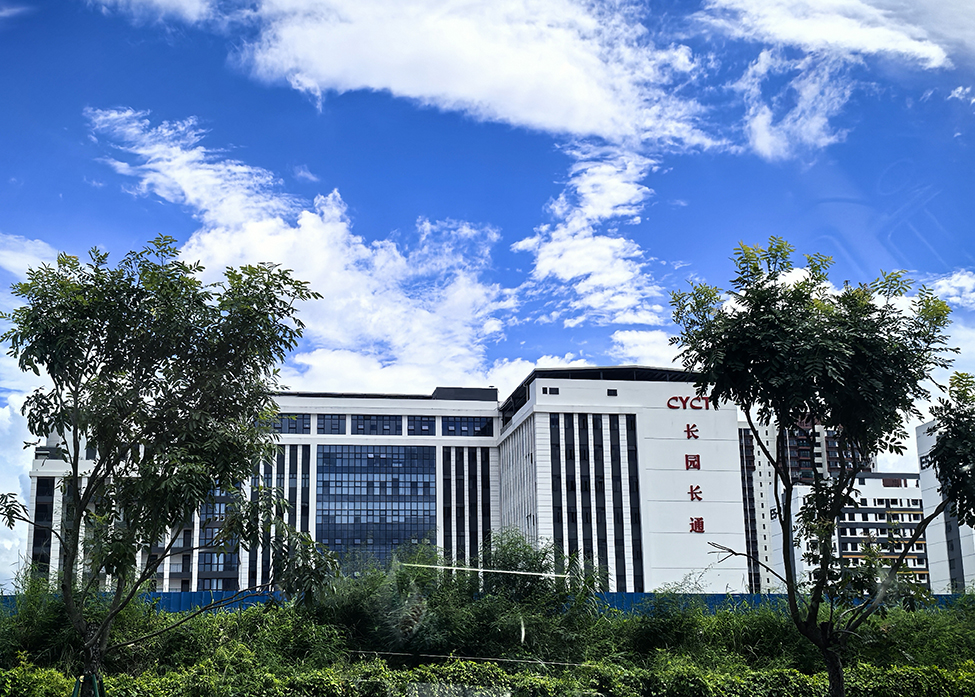
CYCT New Materials Company Limited (CYCT), founded in 2000, is a state-level high-tech enterprise integrating R&D, manufacturing, and technical sales of high-performance pipeline corrosion protection materials. Over the last two decades, CYCT has established itself as a leading supplier of field joint coatings and pipeline rehabilitation solutions.
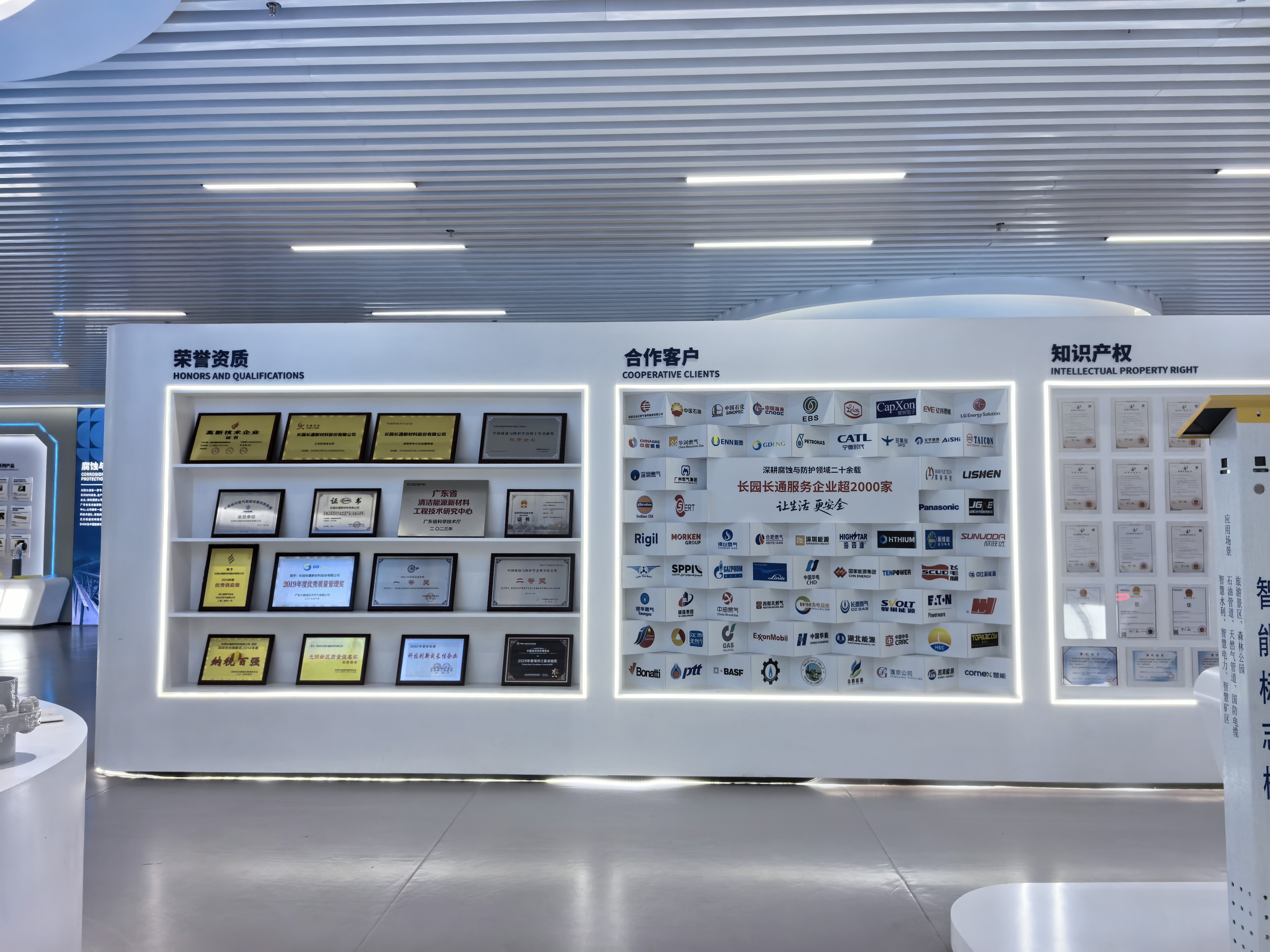
Equipped with a national CNAS-accredited laboratory and partnering closely with research institutes like the CNPC Pipeline Science Research Institute, CYCT develops innovative polymeric coatings that protect thousands of kilometers of buried lines. We serve major global networks, maintaining key supply relationships with PetroChina, Sinopec, PipeChina, China Gas Group, and Indian Oil.
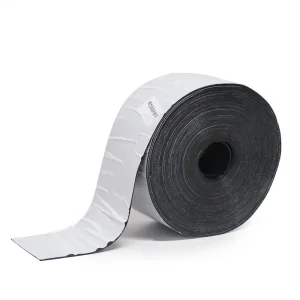
Our material portfolio extends beyond traditional heat-shrinkable sleeves to include advanced visco-elastic materials, special photo-curing sleeves for HDD protection, PP field joint systems, and high-performance polyurea coatings.
Procurement directors and pipeline integrity managers face a landscape governed by rigid quality guidelines and environmental requirements. Selecting the correct heat shrink sleeve (HSS) factory requires looking beyond price per meter. To ensure a 30-year design life, key procurement considerations include:
Soil weight and movement exert continuous shear forces on buried pipelines. Heat shrink sleeves must demonstrate high resistance to shear, indentation, and soil stresses. A heavy-duty, radiation-crosslinked backing provides high mechanical toughness, preventing damage from rocky backfills.
Operating temperatures dictate adhesive selection. While standard mastic-coated sleeves are ideal for lower-temperature gas/water distributions (up to 50°C), pipelines transporting hot hydrocarbons require specialized semi-crystalline hot-melt adhesives capable of resisting thermal degradation up to 85°C or higher.
Above-ground pipeline joints require UV stabilizers in the polyethylene backing. In subsea installations, the chemical resistance of the backing against saline water and microbial attack is evaluated under strict offshore protocols (e.g., ISO 21809-3 Section 14).
Every pipeline project has unique requirements. CYCT offers customized backing thicknesses (from 1.0mm to 2.2mm) and varying adhesive layers (mastic or hot-melt, from 0.8mm to 2.0mm). This ensures optimal performance based on field conditions and pipe diameters ranging from 2 inches up to 120 inches. By maintaining control over the radiation-crosslinking dose and stretching parameters, CYCT guarantees uniform shrink ratios and tight wrap profiles.
As the world pivots toward alternative energy sources, including green hydrogen and carbon capture, transport systems must evolve. Hydrogen pipelines operate under high pressures and are subject to localized cooling effects, requiring flexible, high-barrier coating systems.
Next-generation shrinkable materials feature customized co-extruded barrier layers that minimize molecular hydrogen diffusion, reducing the risk of structural hydrogen embrittlement in pipelines.
R&D at CYCT is focused on introducing bio-based raw materials into the adhesive matrix, lowering carbon footprint profiles without compromising peel strength or thermal resistance.
Integrating corrosion-inhibiting molecules within viscoelastic and mastic layers creates a self-healing barrier that helps neutralize local electrolyte activity upon mechanical damage.
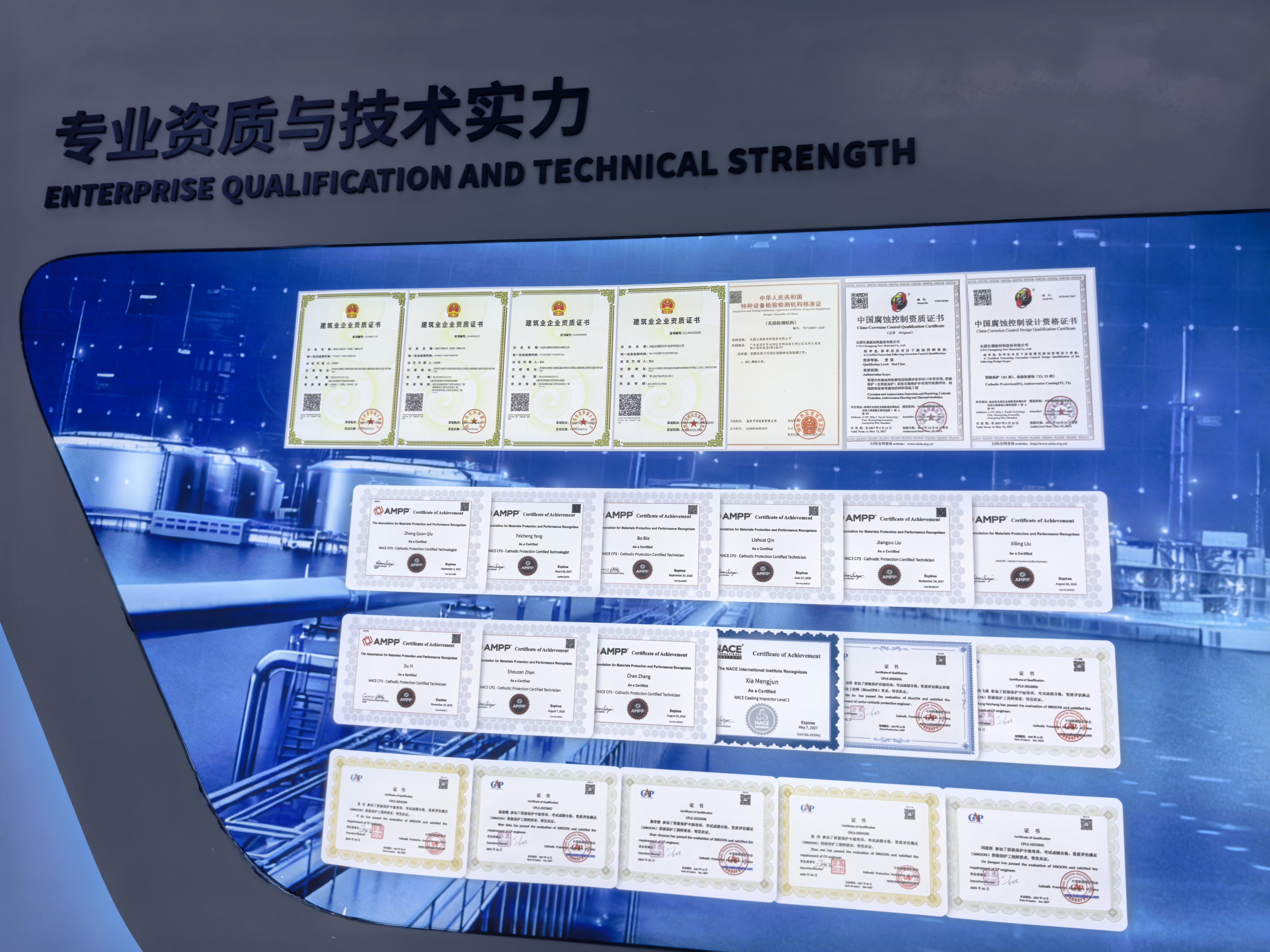
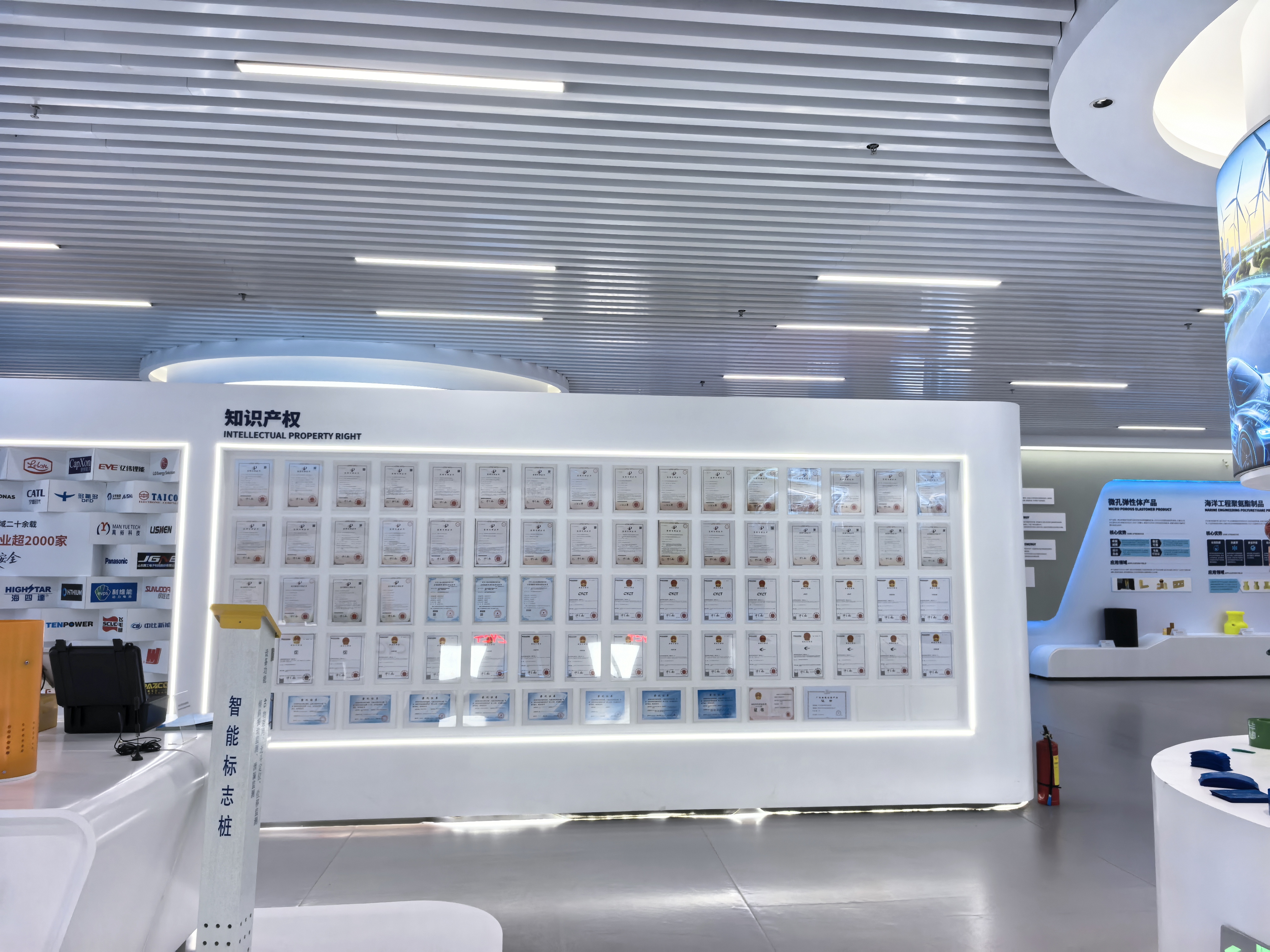
CYCT operates under strict international quality guidelines, ensuring all raw materials and end-products undergo testing. Our laboratory is CNAS-accredited, and we maintain key memberships and certifications:
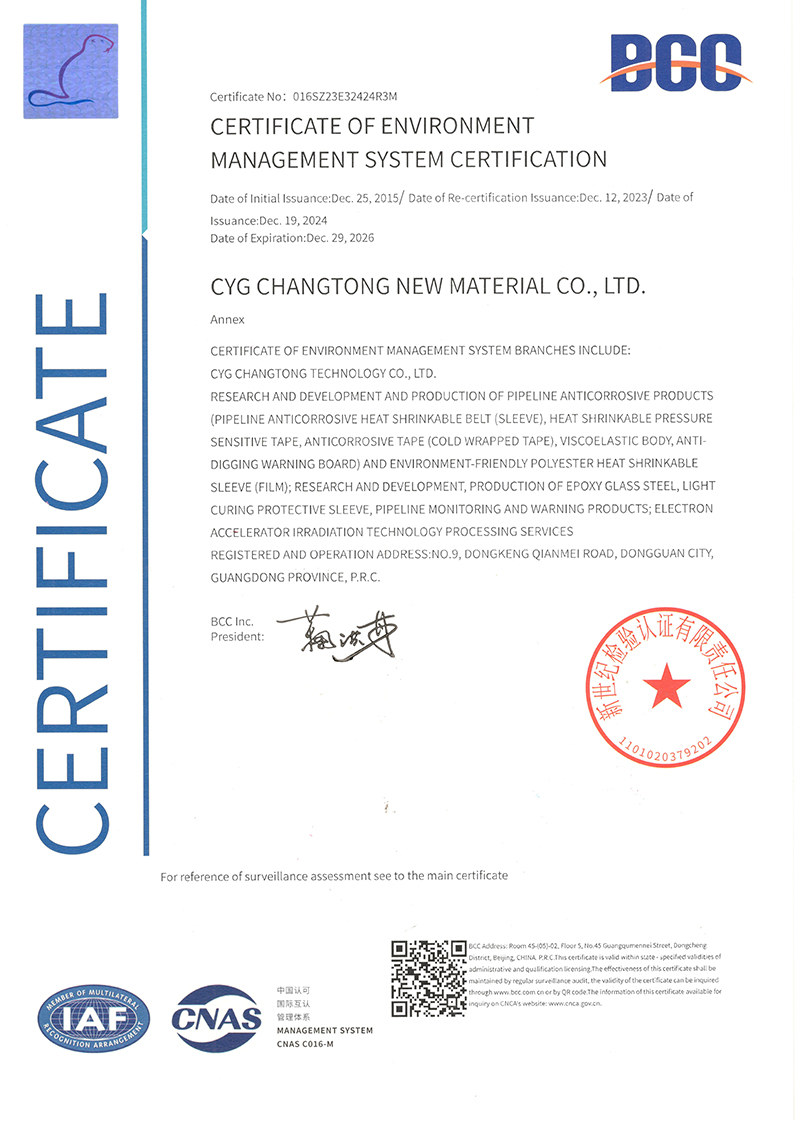
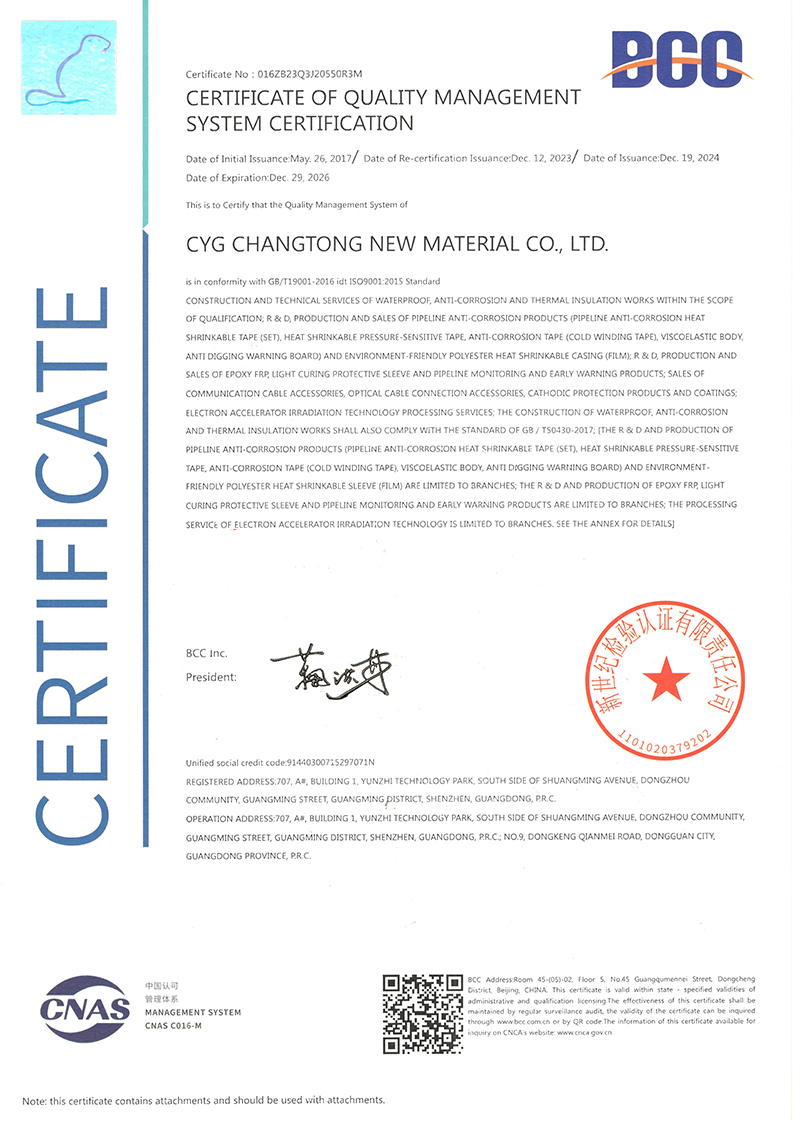
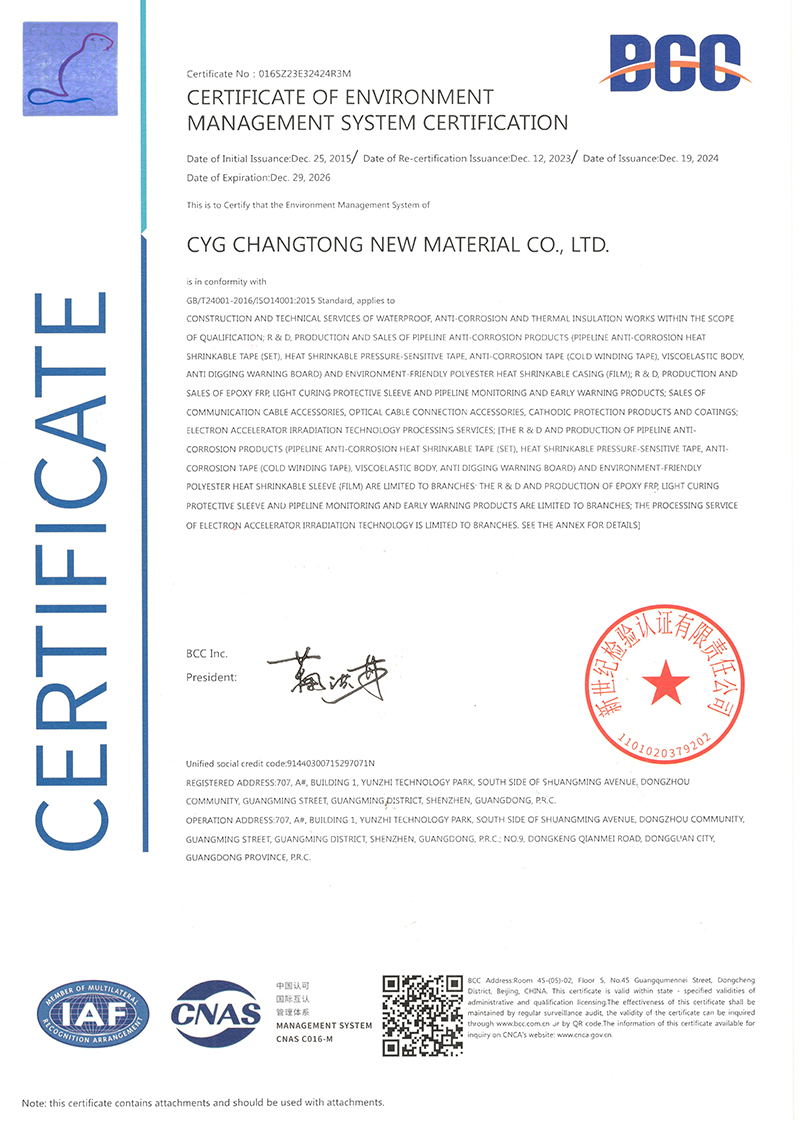
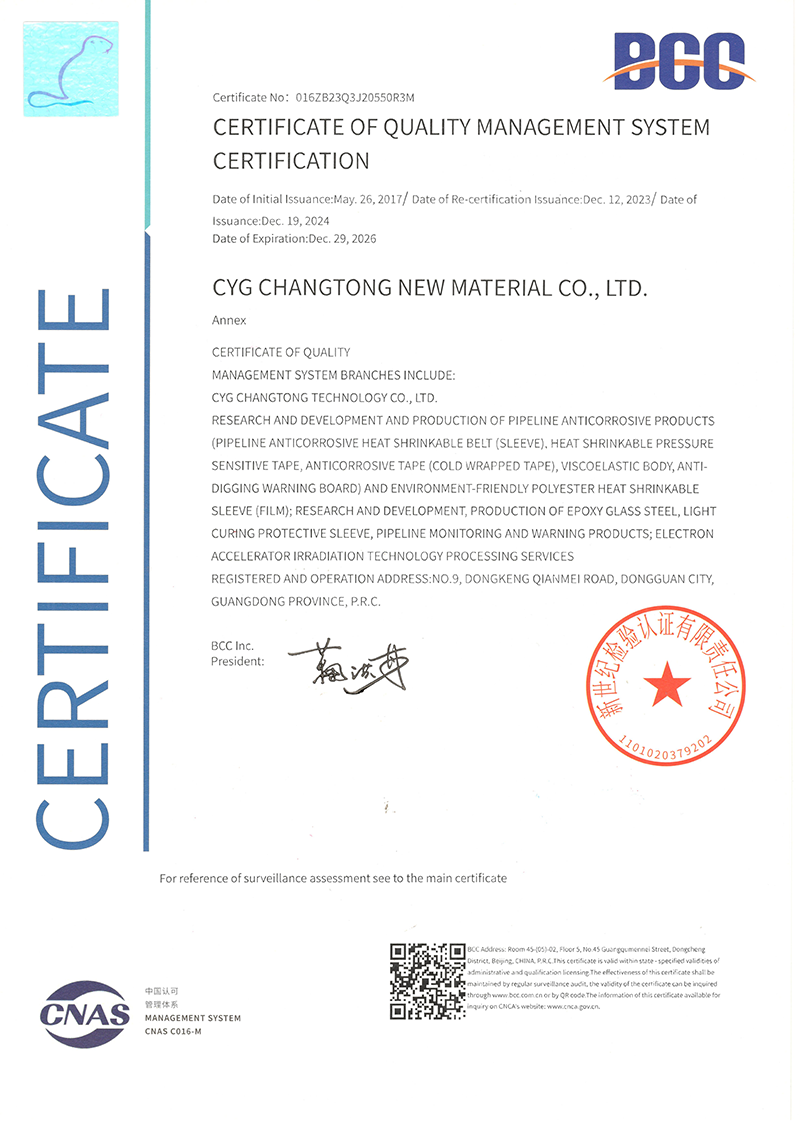
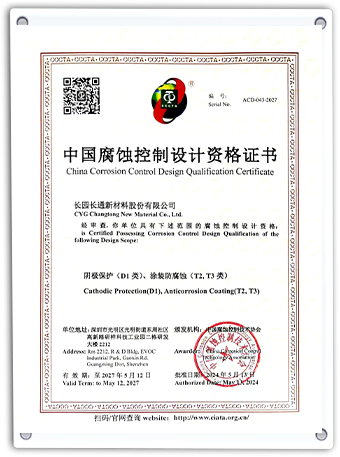
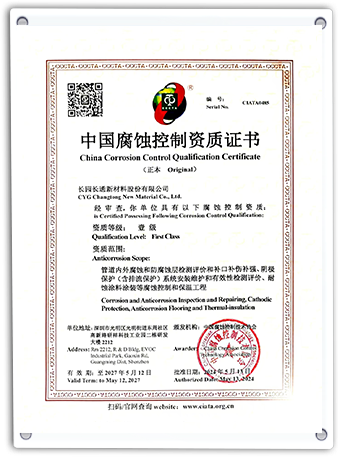
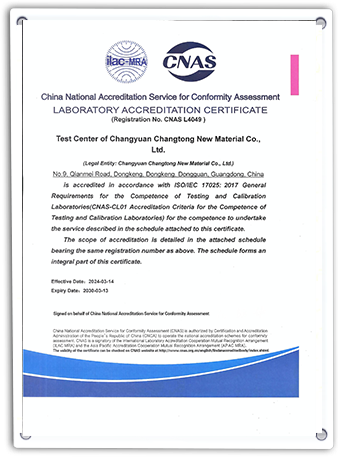
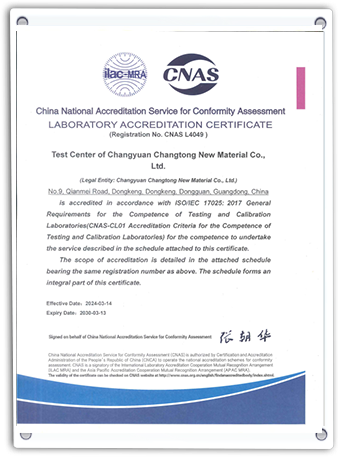
Recognitions & Memberships: Council Member of the Chinese Society for Corrosion and Protection (CSCP) | Qualification Certificate of Corrosion Protection Construction | Corporate Member of China Association of Petroleum Engineering Construction (CAPEC) | Certified Supplier to PetroChina, Sinopec, China Gas Group, and Indian Oil.
 CYCT
CYCT