Frequently Asked Questions
?
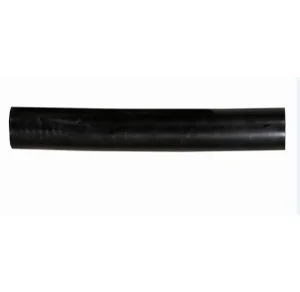
What is PET heat shrink tubing used for?
PET heat shrink tubing is widely used for electrical insulation, wire bundling, mechanical protection, and component identification in electronics, automotive, and industrial applications. It provides excellent protection against abrasion, moisture, and chemicals.
?
What temperature range can PET heat shrink tubing withstand?
PET heat shrink tubing can operate continuously in temperatures ranging from -40℃ to +125℃, with a melting point above 220℃. This makes it suitable for most standard electrical and industrial applications.
?
What is the shrinkage ratio of PET heat shrink tubing?
The transverse shrinkage ratio is typically 45-48%, while the longitudinal shrinkage ratio is 8±3%. At high temperatures (180±2℃ for 15 minutes), the longitudinal shrinkage ratio is 12±3%. This ensures a tight, secure fit around components.
?
How do I choose the right size of PET heat shrink tubing?
Select a tubing size with a nominal diameter slightly larger than the component you need to cover. After heating, the tubing will shrink to approximately 50% of its original diameter, providing a snug fit. Refer to our specification table for detailed sizing information.
?
What are the electrical properties of PET heat shrink tubing?
PET heat shrink tubing offers excellent electrical insulation with a dielectric strength greater than 80 KV/mm, surface current resistance above 10⁹Ω, and volume current resistance exceeding 10¹⁴Ω·cm. These properties make it ideal for electrical protection applications.
?
Is PET heat shrink tubing resistant to water and chemicals?
Yes, PET heat shrink tubing has excellent resistance to water absorption (less than 2.0%) and provides good protection against various chemicals and environmental factors. This makes it suitable for both indoor and outdoor applications.
 CYCT
CYCT