Explore our state-of-the-art field-proven solutions developed for global transmission and distribution networks.
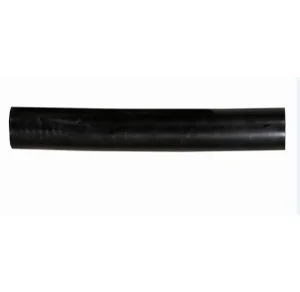
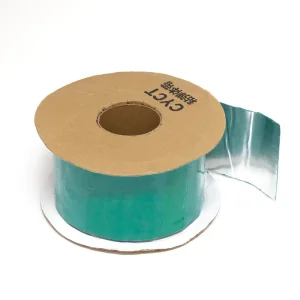
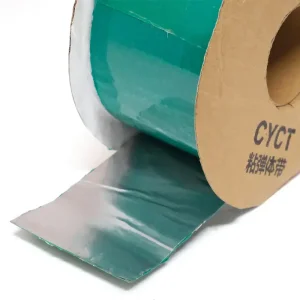
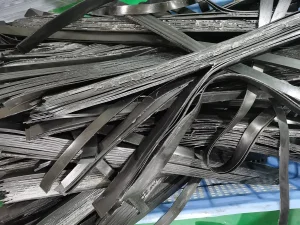
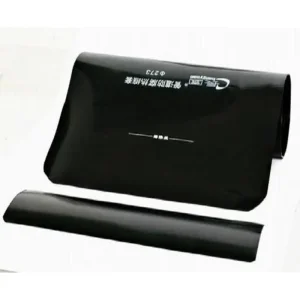
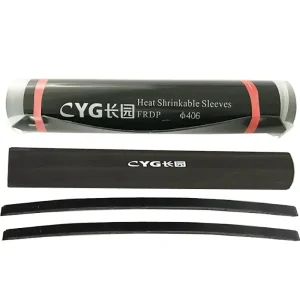
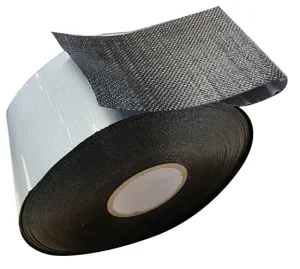
In global pipeline engineering, field joint coating (FJC) is universally recognized as the critical line of defense for steel pipelines. While standard mill-applied coatings like Three-Layer Polyethylene (3LPE) protect the pipe body, the field welded joints are highly vulnerable to cathodic disbondment, soil stress, and moisture ingress. Heat shrinkable PE pipeline sleeves function as a robust barrier, creating a continuous protective layer over the field joints.
Historically, PE pipeline sleeves have transitioned from basic mastic-coated wraps to highly engineered systems featuring radiation-crosslinked high-density polyethylene backing coupled with advanced hot-melt copolymer adhesives. Today's industrial environments demand that these materials withstand high operational temperatures, high shear forces, and challenging geologic conditions. Leading suppliers provide customized OEM options that dynamically match the shear resistance, mechanical thickness, and installation thermal requirements of specific regional projects.
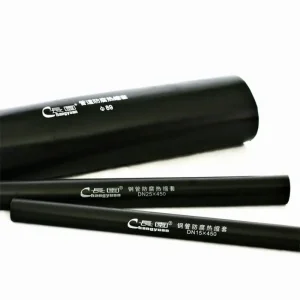
With the rapid growth of high-temperature transmission lines, particularly in natural gas and refined product transit, material specifications like those found in the FRDP-60 and FRDP-80 series are setting new benchmarks. These crosslinked sleeves combine high recovery forces with thermal stability, ensuring long-term adhesion that mitigates the risks of micro-leakage and microbiologically induced corrosion (MIC).
Addressing technical challenges in modern pipeline construction and procurement strategies.
Modern networks traverse harsh terrains, from hyper-arid deserts to permafrost environments. Procuring agencies look for wide-temperature viscoelastic and polypropylene heat shrinkable systems that maintain elastomeric properties at extreme lows and structural shear strength up to 80°C.
A major cause of joint failures is incompatibility between the factory-applied line coating (e.g., 3LPE, 3LPP, FBE) and the field joint sleeve. Specifying high-performance hot-melt sticks, primers, and PE sleeves designed to act as a cohesive system is now standard in EPC specifications.
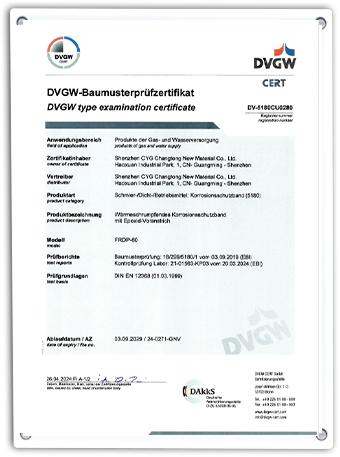
Global operators mandate strict alignment with international quality controls including ISO 21809-3, EN 12068, and NACE/AMPP guidelines. Suppliers must possess accredited laboratory testing capabilities to provide verifiable batch test data sheets (MTRs).
CYCT was founded in 2000 • Leading State-Level High-Tech Enterprise in Pipeline Corrosion Protection
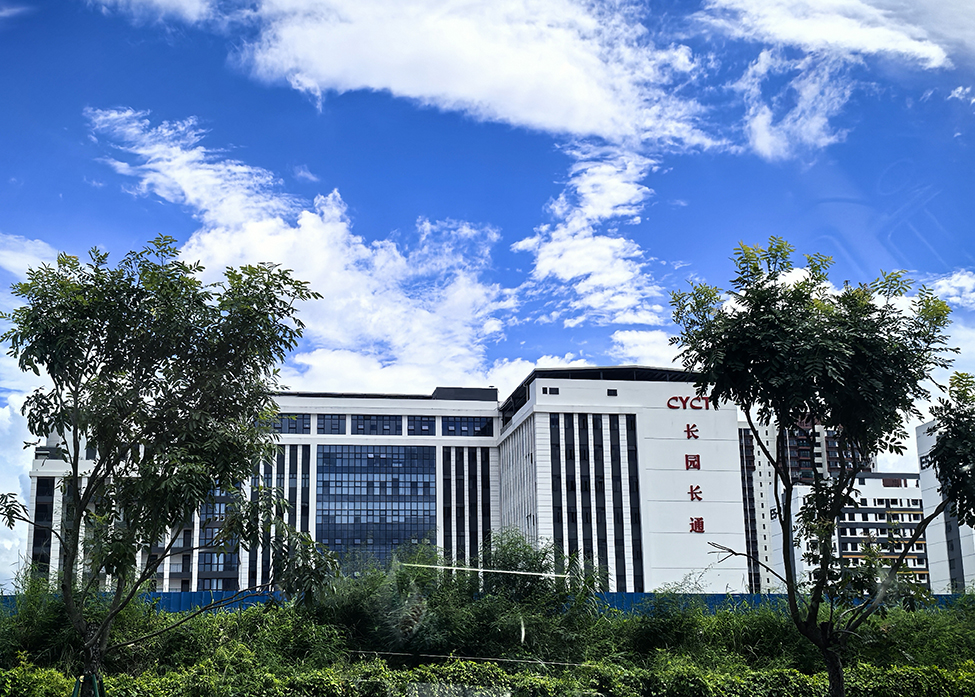
CYCT New Materials Company Limited (for short, CYCT) is a state-level high-tech enterprise integrating R&D, production and sales of pipeline corrosion protection materials as well as buried pipeline detection service and pipeline coating field application service into one. CYCT has devoted itself to the R&D, production, and sales of pipeline corrosion protection materials for decades.
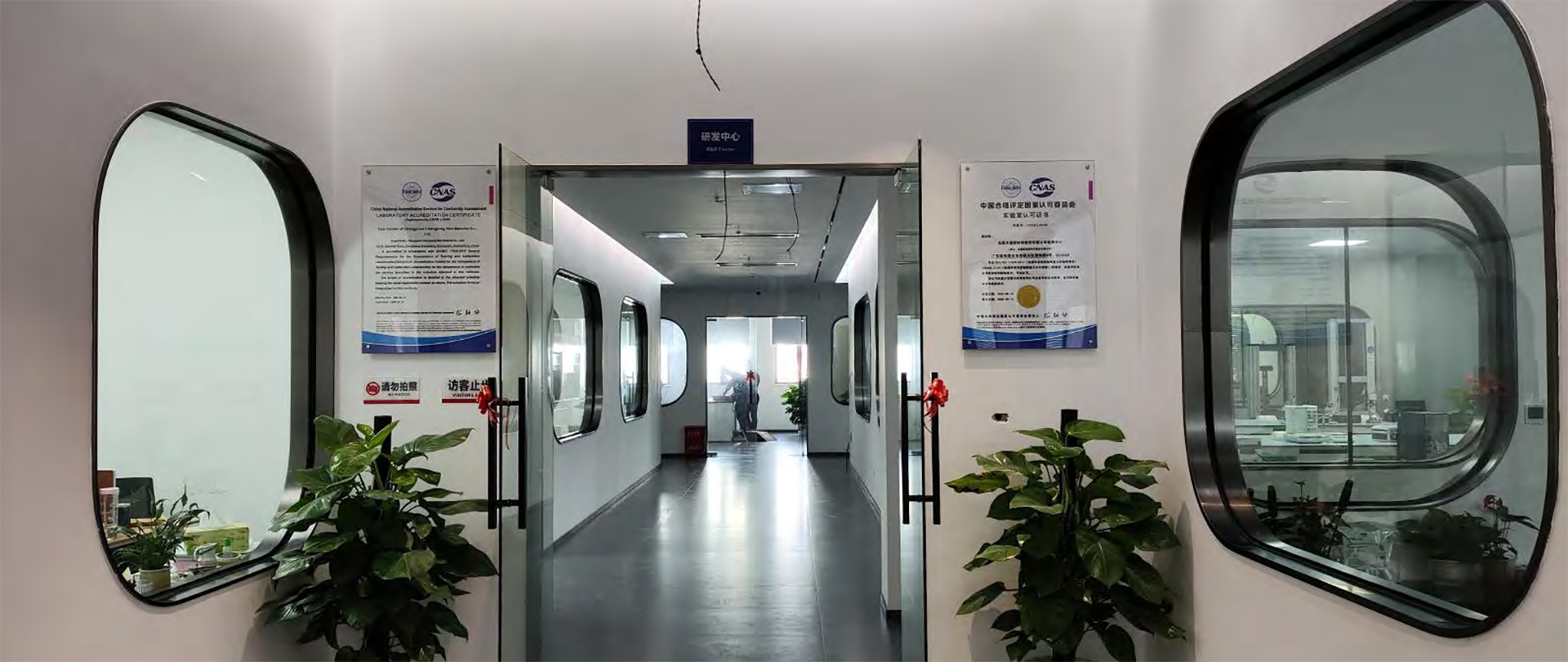
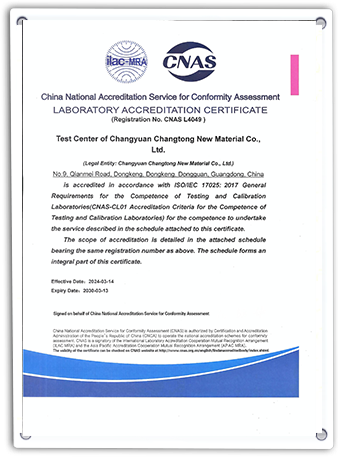
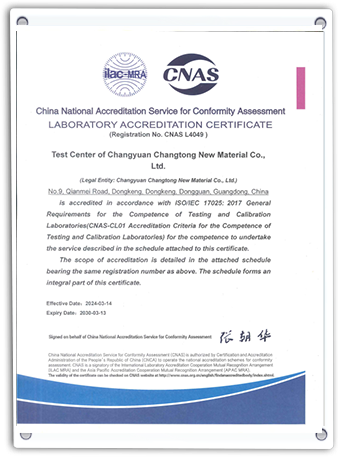
CYCT owns leading testing and R&D capabilities, a professional R&D team, and a national CNAS-accredited laboratory. This high-tier research setup enables continuous material updates to meet changing industrial demands, offering structural innovations in high-temperature polymers and specialty viscoelastic coatings.
Through strategic cooperation with leading R&D institutes such as the CNPC Pipeline Science Research Institute, CYCT is capable of providing in-service pipelines with varied technical services, including buried pipeline detection, bespoke design schemes, cathodic protection analysis, rehabilitation projects, and integrated solutions for the safety protection of pipelines.
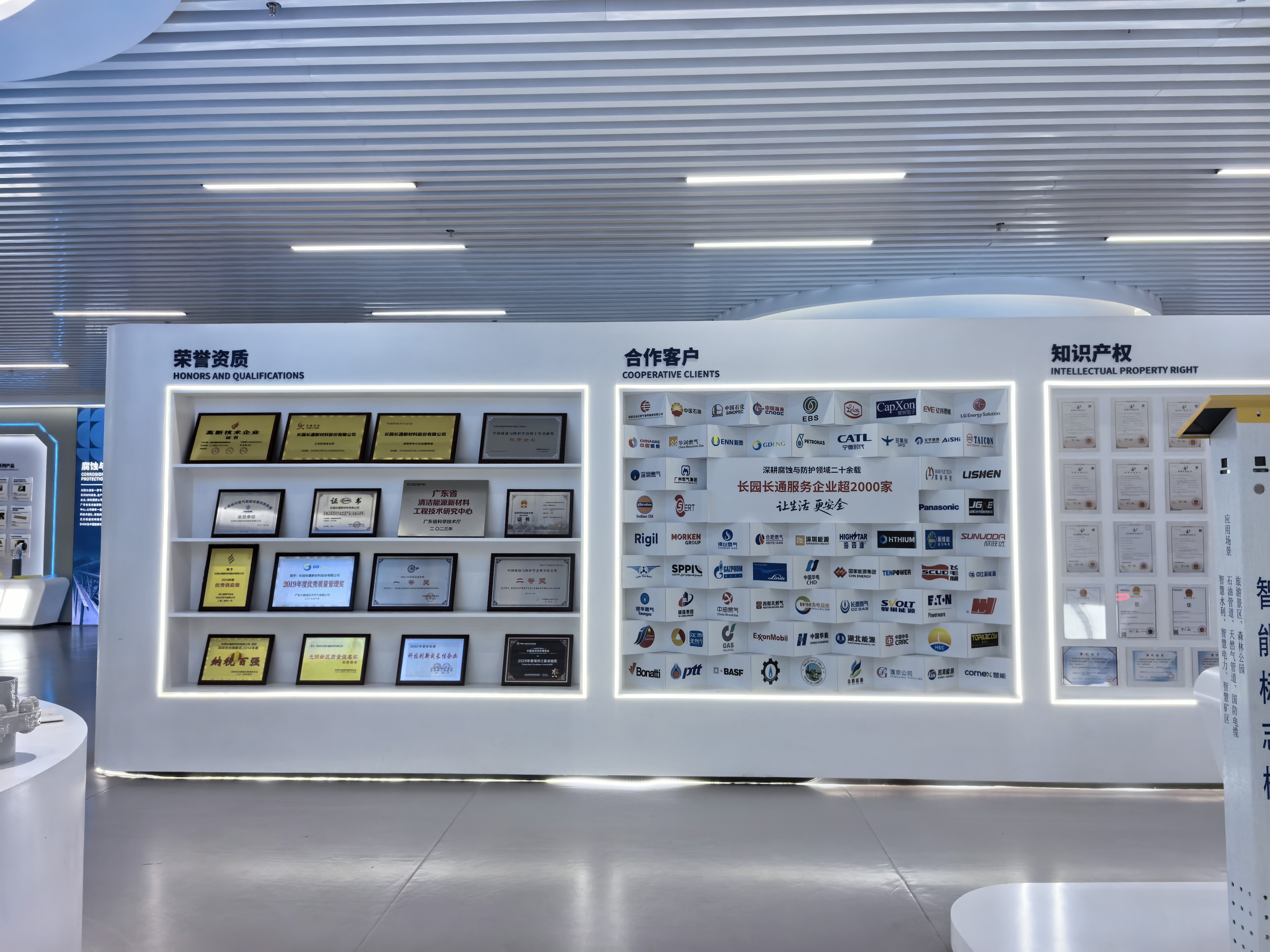
CYCT has been a stable supplier of field joint coatings for years to prominent energy giants including PetroChina, Sinopec, PipeChina, China Gas Group, and Indian Oil, securing a very high market share. Furthermore, CYCT has successfully developed and introduced a number of specialty corrosion protection materials such as visco-elastic anticorrosion materials, special photo-curing sleeves for HDD protection, and polyurea coatings.

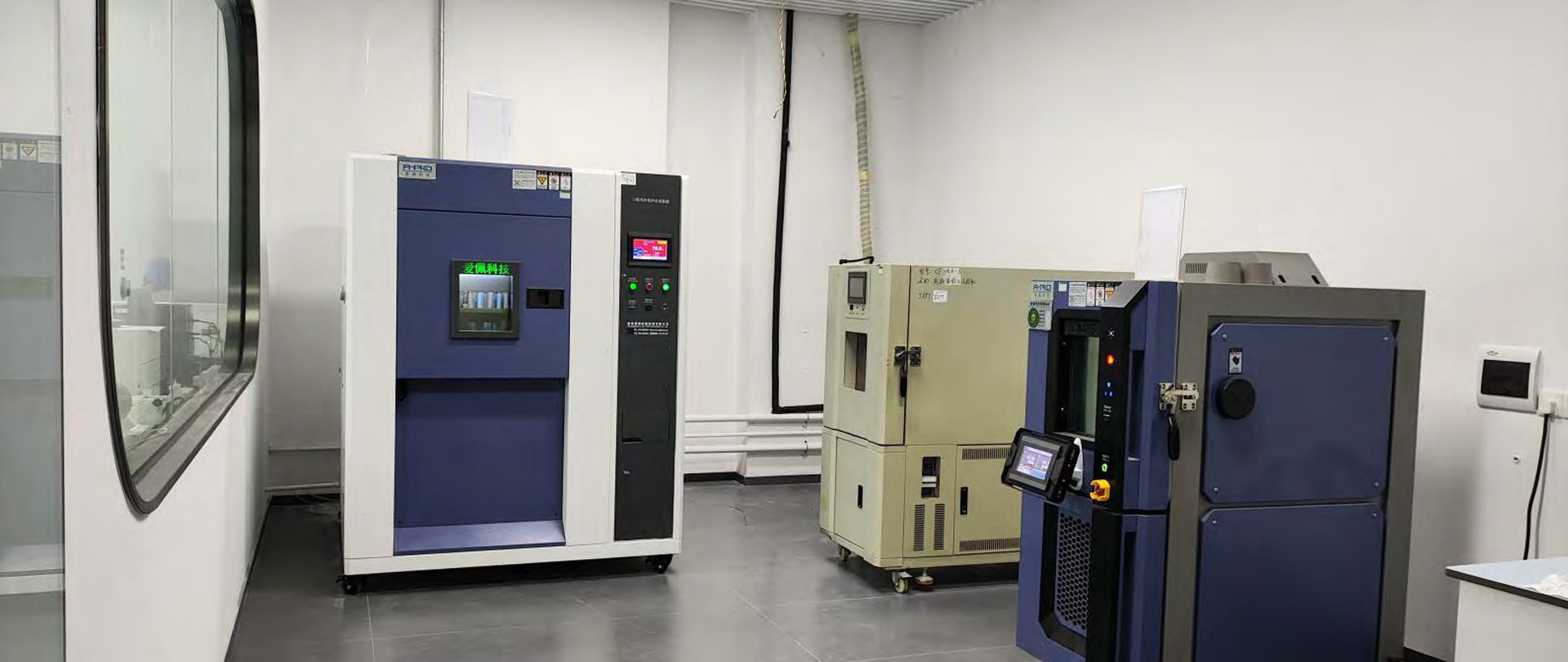
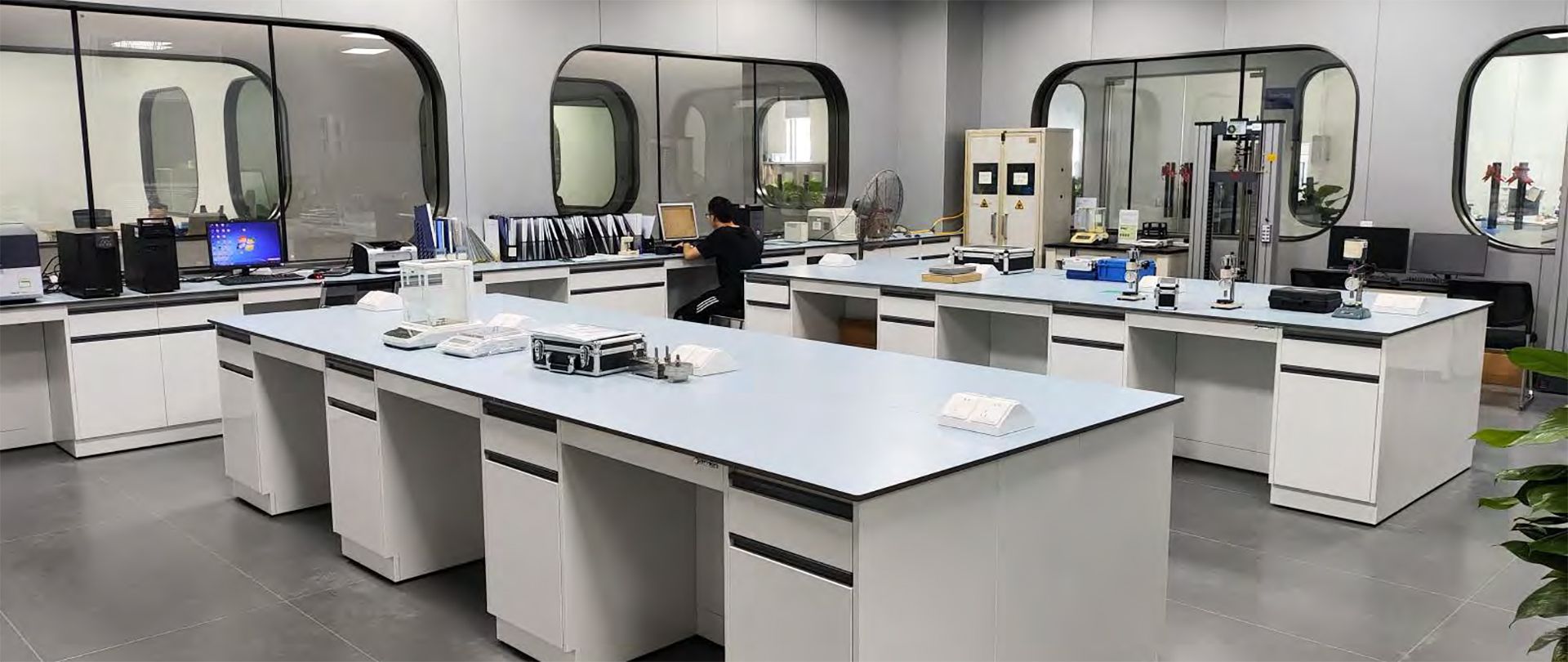

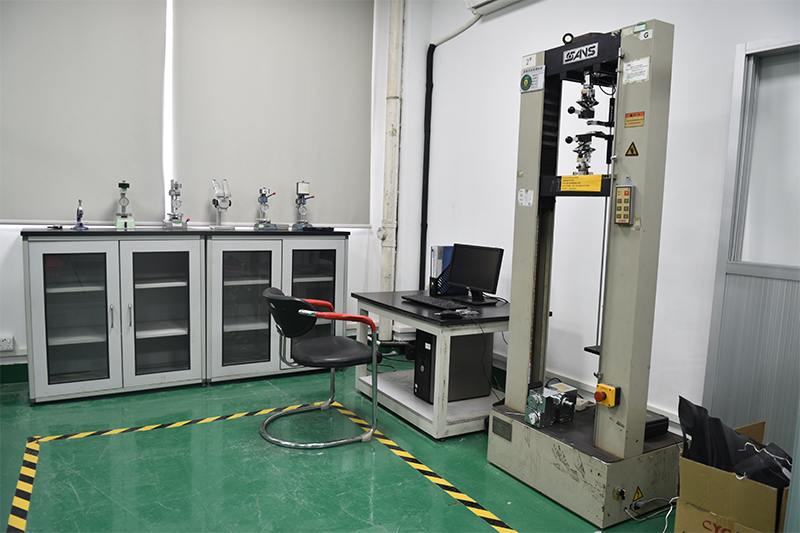
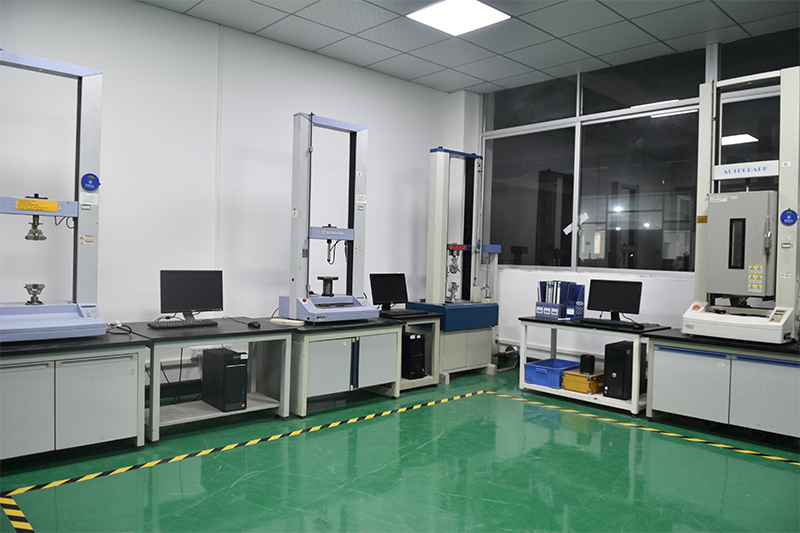
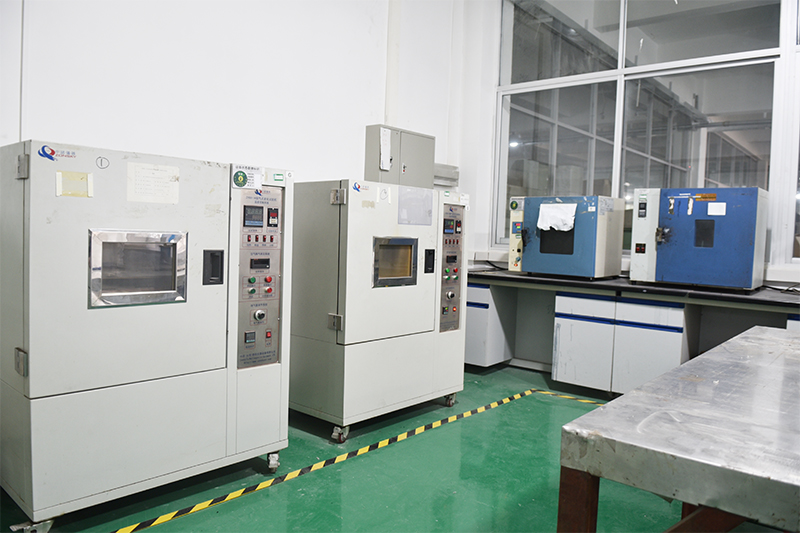
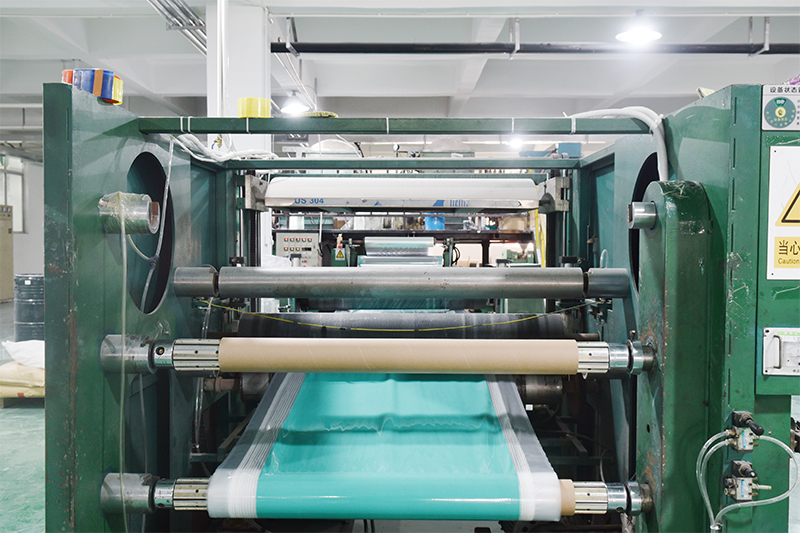
The modernization of China's pipeline accessory industry is driven by the application of Industry 4.0 manufacturing protocols. In CYCT's facility, digital control begins at the polymer formulation stage. Linear low-density and high-density polyethylenes are blended with custom stabilizers and anti-oxidants using automated loss-in-weight feeders to ensure precise composition batch-to-batch.
Radiation cross-linking is another area where technological maturity delivers significant advantages. By applying controlled electron beam (E-beam) processing, the molecular structure of the PE backing is modified, transitioning from a thermoplastic state to an elastomeric state with a high "elastic memory." This ensures that when heat is applied in the field, the sleeve shrinks uniformly, establishing high radial pressure without tearing or thinning.
Furthermore, supply chain resilience is guaranteed by CYCT’s localized supplier integration. Backed by stable relationships with major petrochemical hubs, production flow remains uninterrupted regardless of fluctuations in international freight. Large-scale extrusion lines combined with automated hot-melt coating machinery allow CYCT to maintain rapid lead times for global projects, even for high-volume pipelines crossing thousands of kilometers.
How distinct engineering environments dictate the selection of pipeline protection systems.
When pipes are pulled through boreholes beneath rivers or highways, the joints experience extreme shear stress and abrasion. The application of photo-curing sleeves or GFRP (Glass Fiber Reinforced Plastics) reinforcement layers ensures that the underlying PE sleeve remains intact, avoiding mechanical tearing during pull-back.
Marine environments require barriers that prevent saltwater penetration under high hydrostatic pressure. Systems such as the CYG Changtong GRF Moisture Curing Shield provide active offshore protection by utilizing high-strength composite wraps that cure in moisture, protecting risers and subsea field joints from aggressive chloride attacks.
In highly congested municipal regions, installing heat shrinkable sleeves must be quick, requiring minimal open flame exposure. Here, cold-applied viscoelastic tapes or low-temperature-activation shrink sleeves with solvent-free epoxy primers are chosen to ensure safe and efficient installation in tight trench conditions.
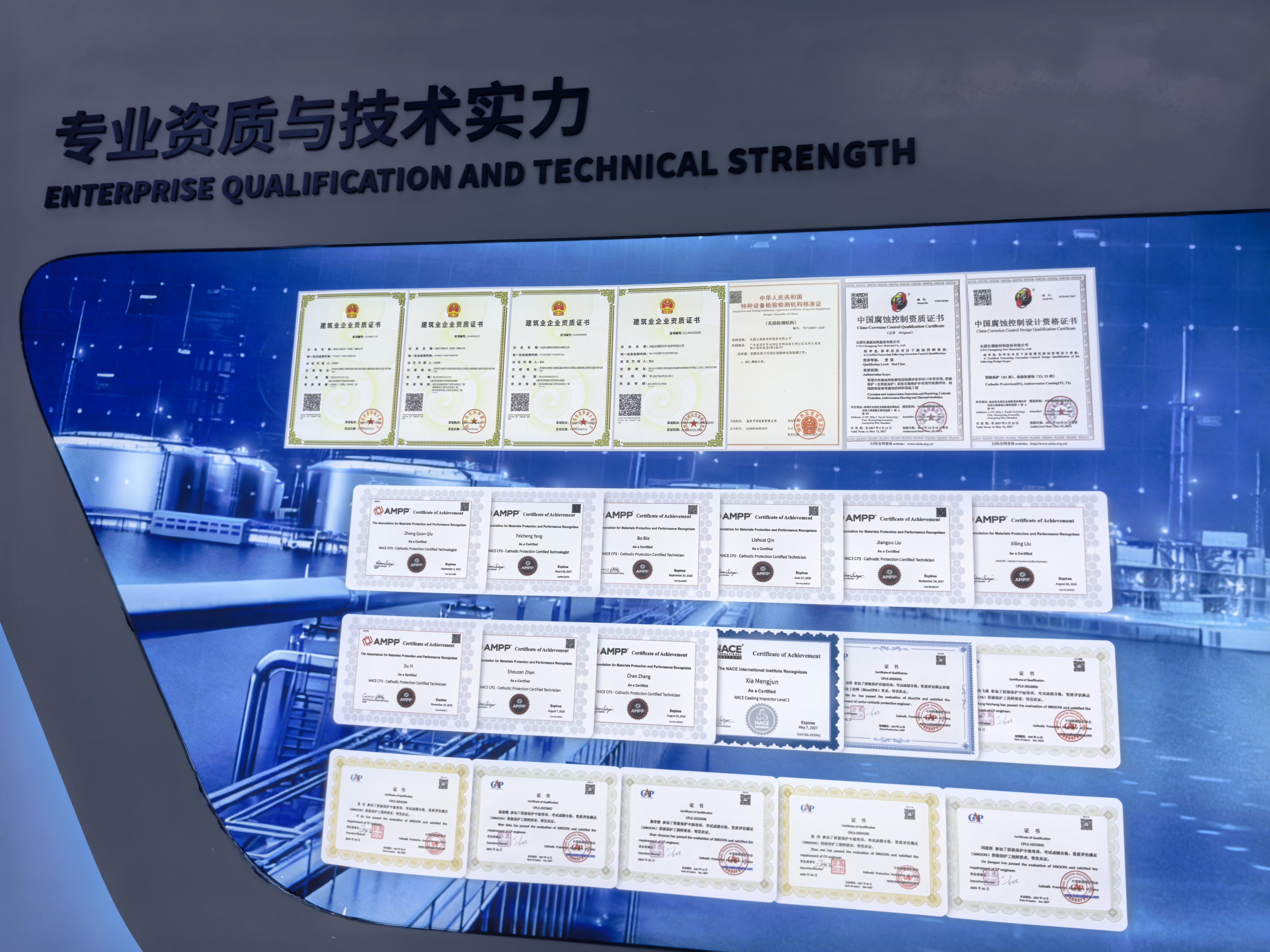
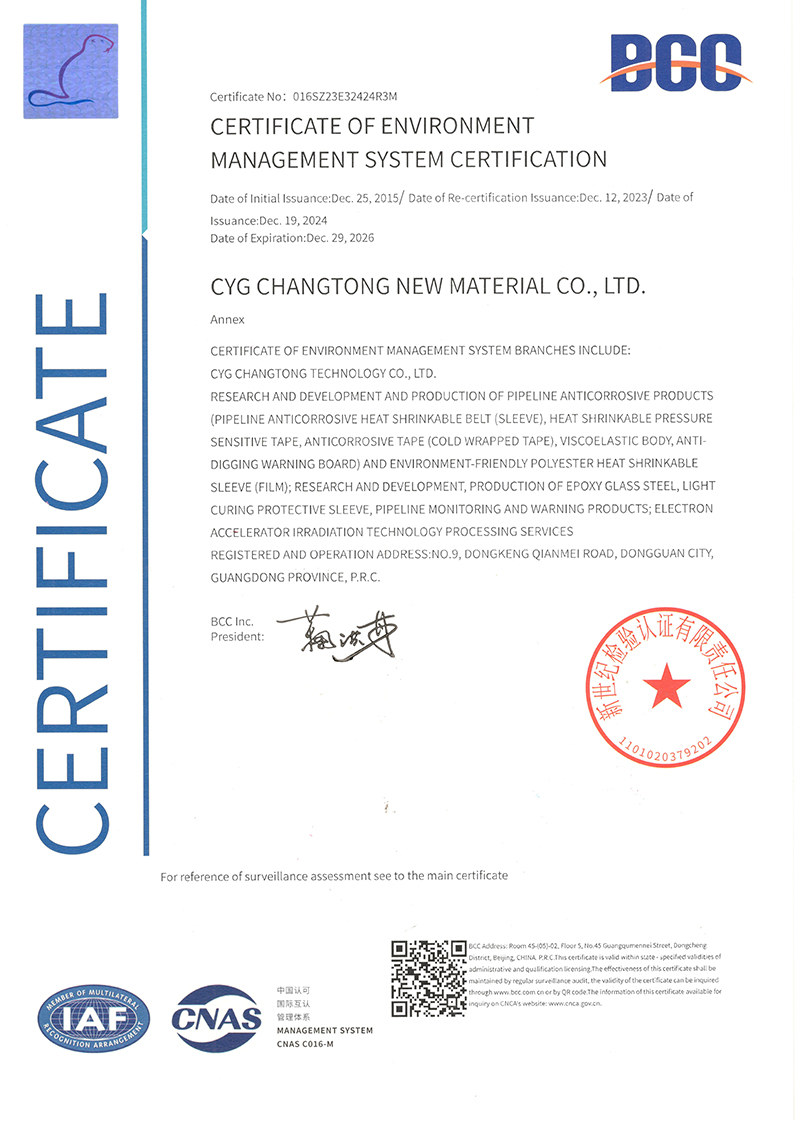
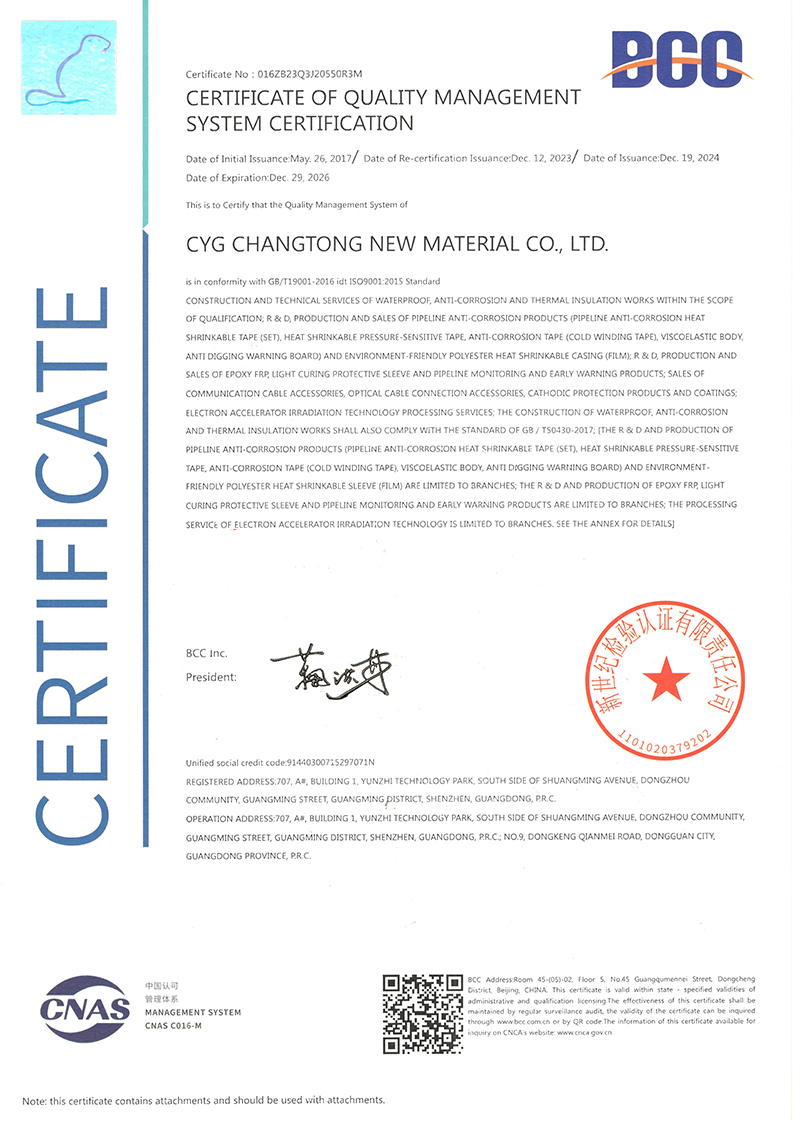
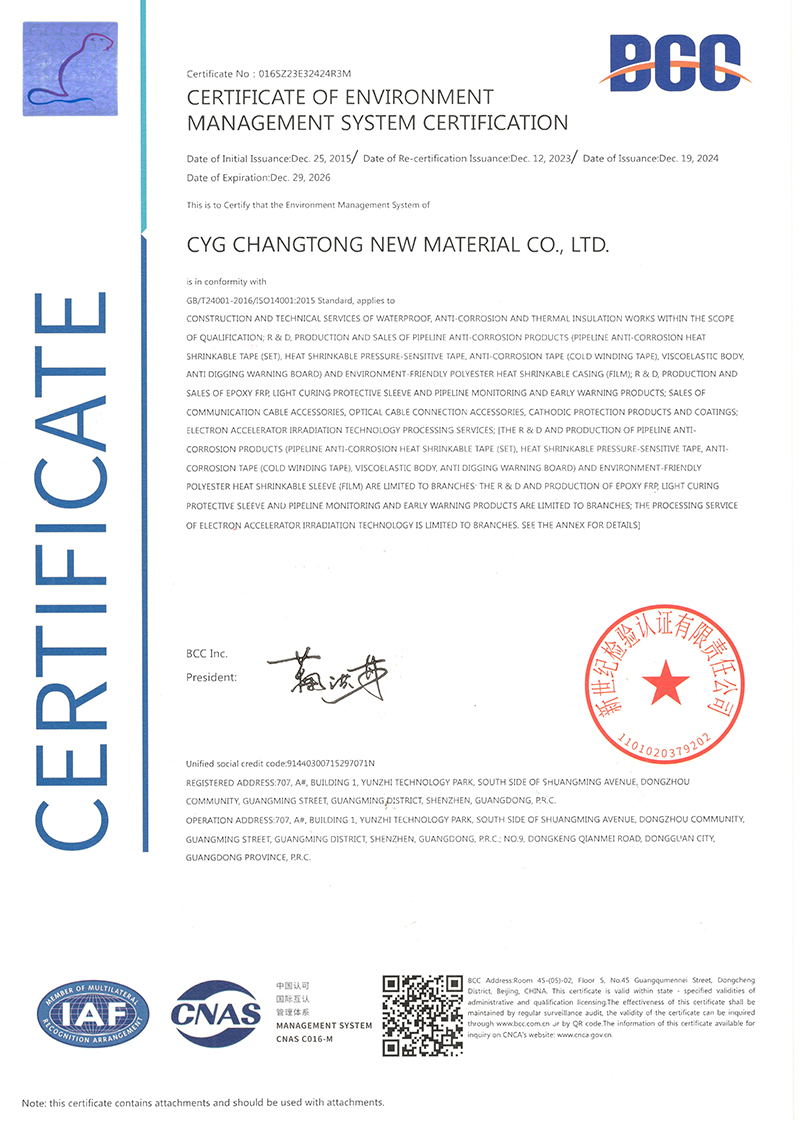
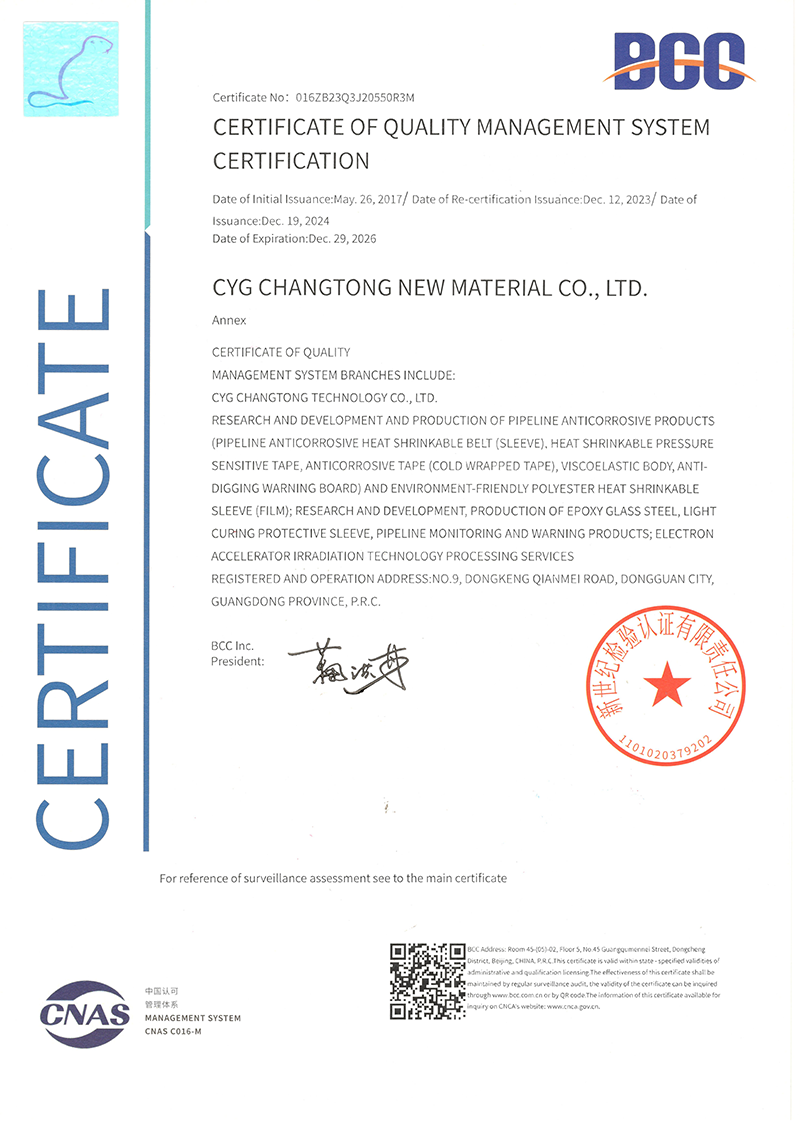
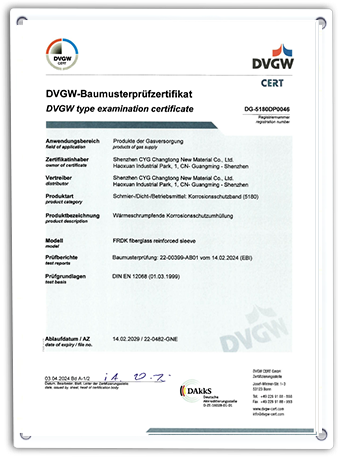
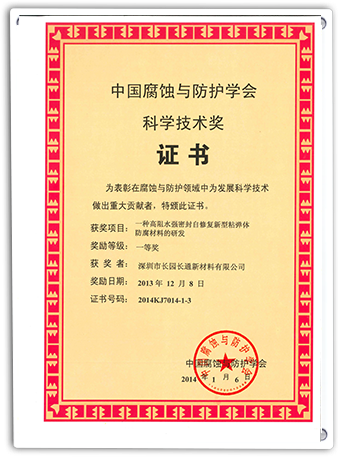
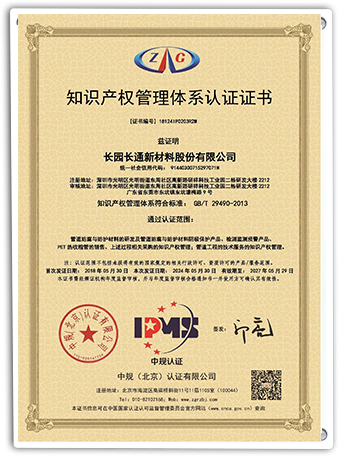
CYCT's products and systems conform to major national and international regulatory standards, verifying our status as a trusted Tier-1 supplier.
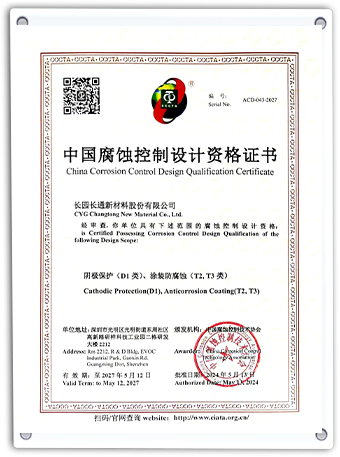
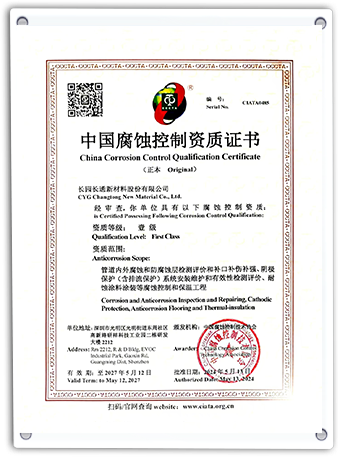
As an active Member of Council in the Chinese Society for Corrosion and Protection (CSCP), and holding a Qualification Certificate of Corrosion Protection Construction & Pipeline Detection, CYCT is globally recognized. We are a corporate member of the China Association of Petroleum Engineering Construction (CAPEC) and hold more than ten proprietary intellectual property rights.
Technical clarifications on performance, selection, and installation of PE pipeline sleeves.
Cathodic disbondment occurs when the electrical current from cathodic protection systems produces hydrogen gas or alkalinity at the steel-adhesive interface, forcing the sleeve to detach. This is mitigated by applying a high-performance solvent-free liquid epoxy primer (such as the CYCT high-temperature epoxy primer) before sleeve installation. This creates a strong chemical bond that resists electrical displacement and moisture creep.
A 2-layer system consists of a radiation-crosslinked PE backing coated directly with a thick layer of mastic or hot-melt copolymer adhesive. A 3-layer system includes a liquid epoxy primer applied to the bare steel, followed by a copolymer hot-melt adhesive layer, and topped with the crosslinked PE backing. The 3-layer system offers superior resistance to cathodic disbondment and higher shear resistance, making it suitable for high-stress applications.
Higher operating temperatures lower the shear strength of standard adhesives. Operating a line above the adhesive's rated temperature can lead to slippage caused by soil movement. For pipelines transporting warm crude or gas (up to 80°C), specialized systems like the 80°C FRDP Heat Shrinkable Sleeve are required, using high-viscosity copolymer adhesives that retain structural properties at high temperatures.
To achieve the design adhesion limits, the steel surface must be abrasive blasted to a near-white finish (Sa 2.5 or SSPC-SP10) with an anchor profile of 50-75 microns. Any residual dust, rust, or moisture will prevent the hot-melt adhesive from bonding properly, creating micro-voids where water can collect and cause corrosion under the insulation (CUI).
Viscoelastic coatings are cold-applied materials that exhibit cold flow and self-healing properties. Unlike heat shrinkable sleeves, they do not require preheating or open flames to activate. This makes them ideal for complex shapes like valves, flanges, and tees, or in zones where open flames are restricted, though they typically require a mechanical outer wrap to protect against soil stress.
Extended catalog featuring viscoelastic, polypropylene, and composite reinforcement systems.
 CYCT
CYCT