Product Introduction
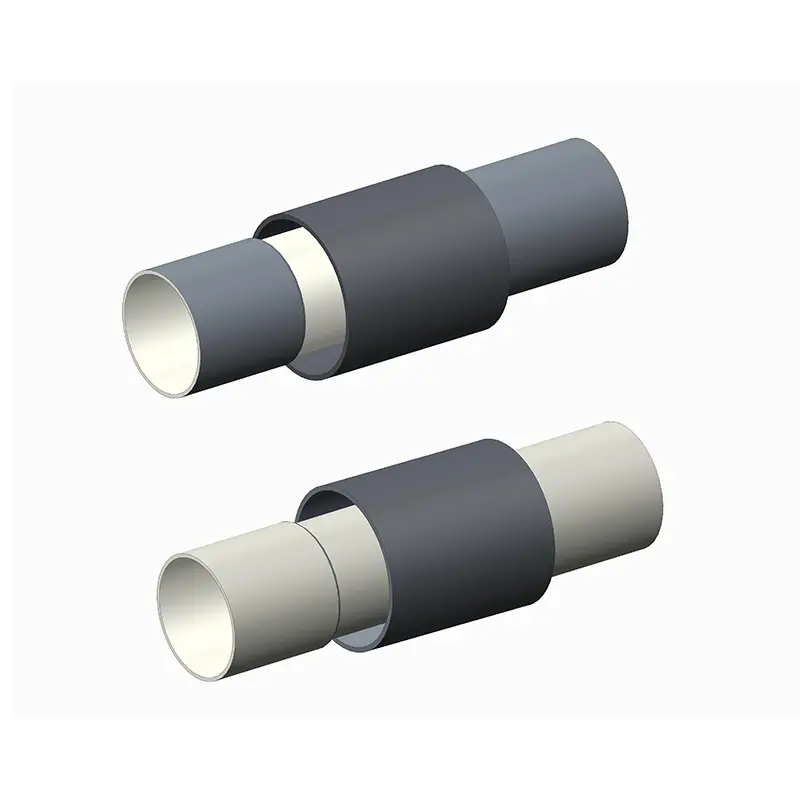
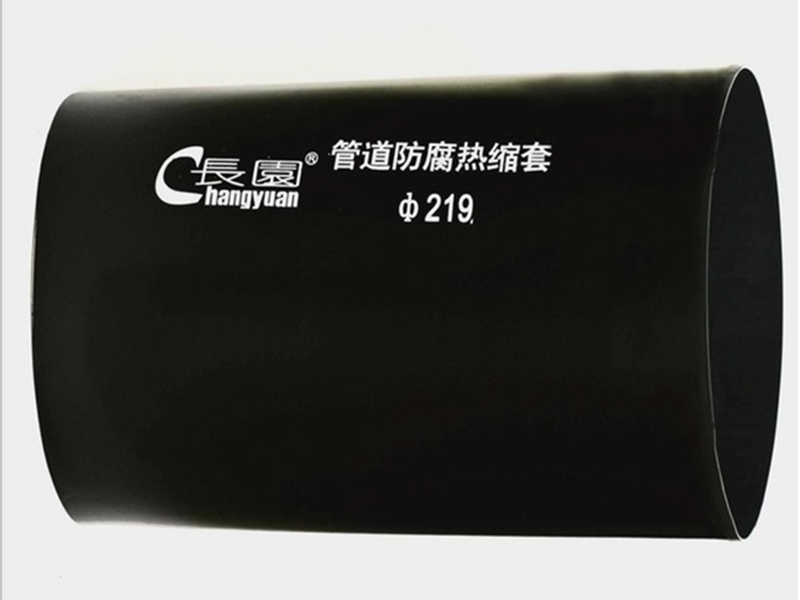
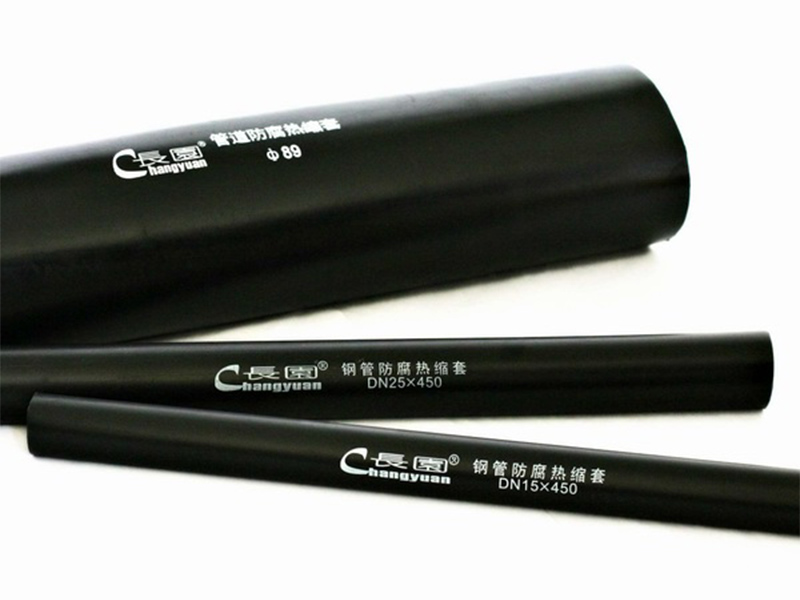
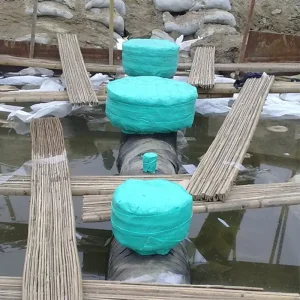
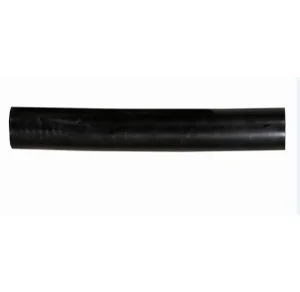
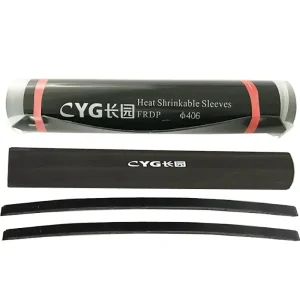
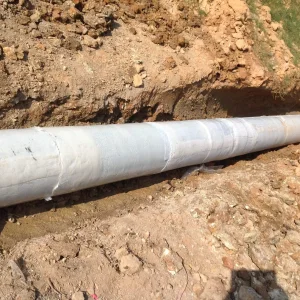
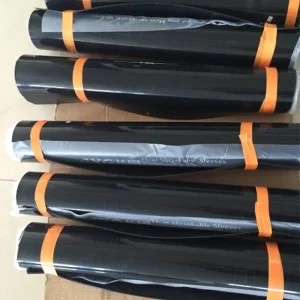
A key advantage of the FRY heat-shrinkable tubular sleeve is its broad compatibility: it complies with mainly standard pipeline coatings (such as 2LPE, FBE, and mastic coatings) and outer jackets. It eliminates the risk of coating incompatibility and ensures the integrity of the entire pipeline anti-corrosion system, reducing maintenance costs for later repairs.
Frequently Asked Questions
What is the maximum operating temperature for FRY heat-shrinkable tubular sleeves?
The maximum operating temperature is 50℃, making it suitable for most standard pipeline applications in oil, gas, and water transportation systems.
What pipeline coatings are compatible with FRY heat-shrinkable sleeves?
FRY sleeves are compatible with standard pipeline coatings including 2LPE, FBE (Fusion Bonded Epoxy), Coal Tar, and mastic coatings, ensuring broad applicability and eliminating coating incompatibility risks.
How does the three-layer structure enhance corrosion protection?
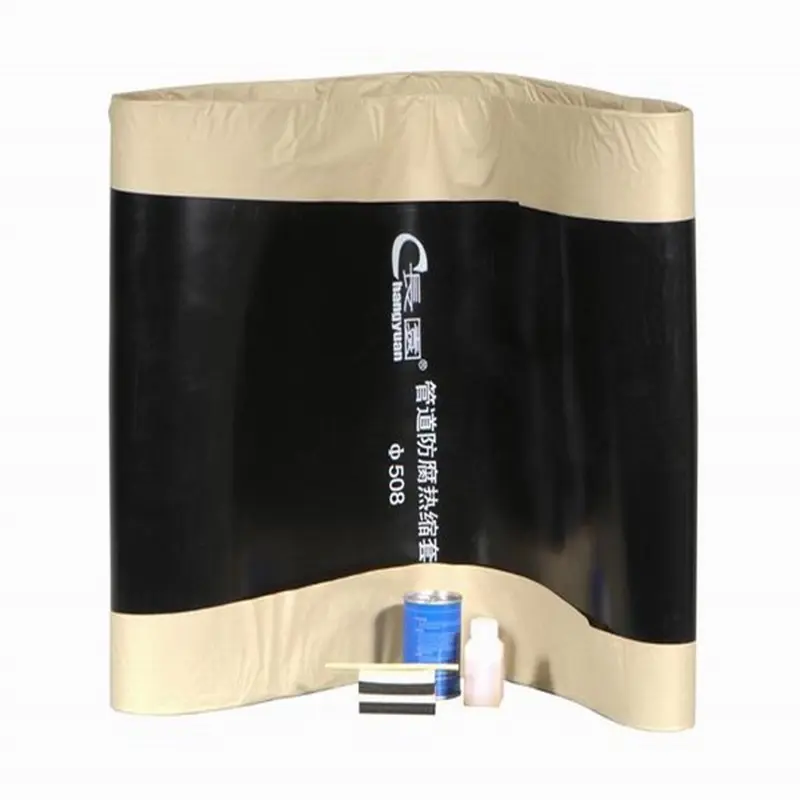
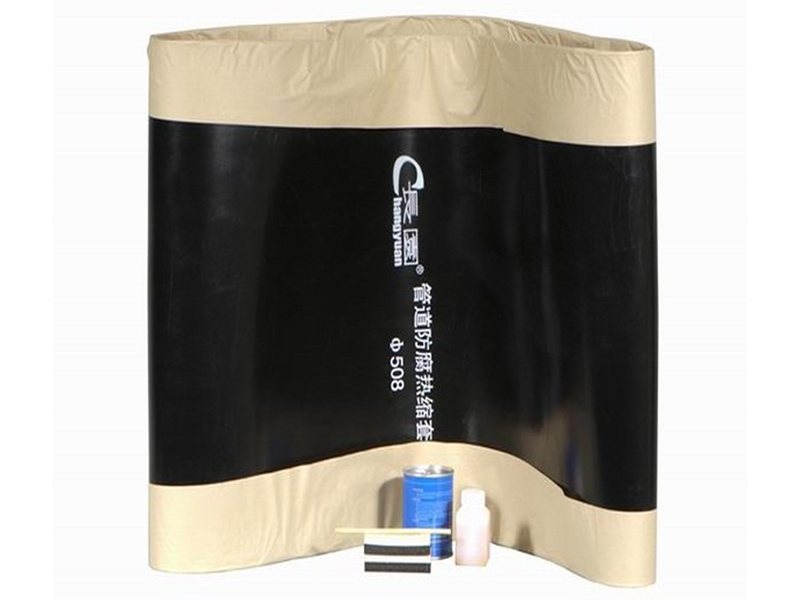
The three-layer design combines a solvent-free epoxy primer for chemical resistance, a high shear strength copolymer adhesive for secure bonding, and a radiation cross-linked polyethylene backing for mechanical protection, creating a comprehensive anti-corrosion barrier.
What pipe diameter range can FRY heat-shrinkable sleeves accommodate?
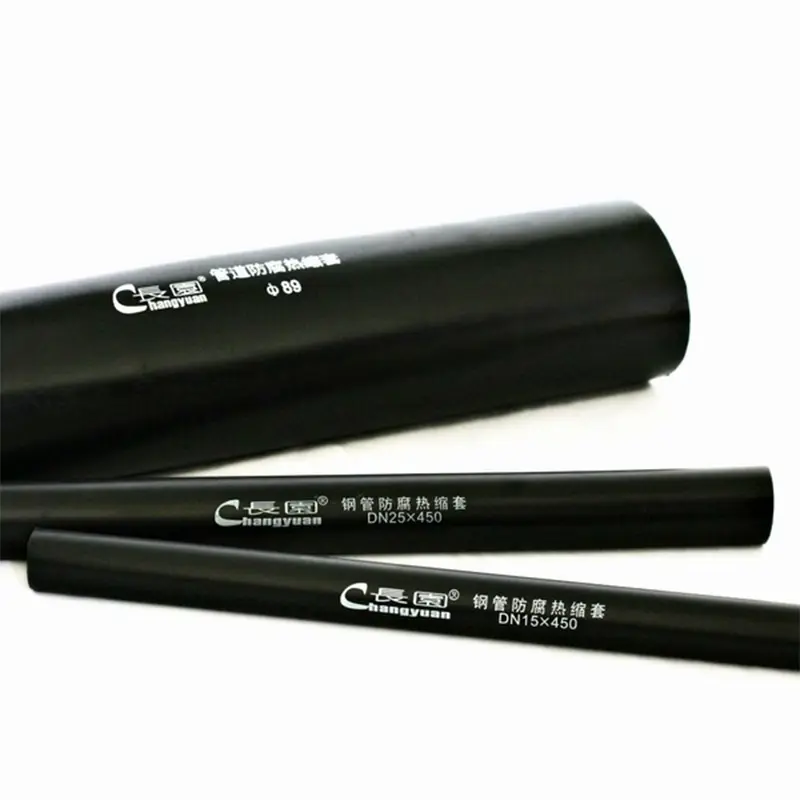
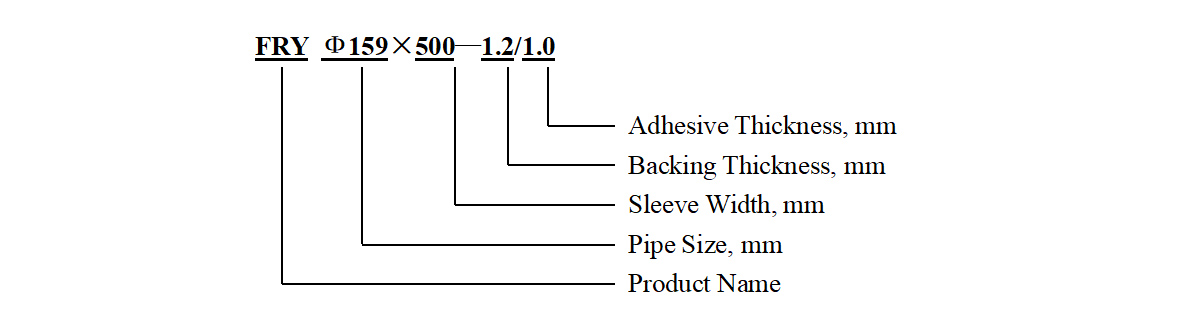
FRY sleeves are available for pipes ranging from DN15 (22mm outer diameter) up to Φ1350mm, covering small to large diameter pipelines with various length options from 250mm to 500mm.
What is the typical peel strength of installed FRY sleeves?
The installed system achieves a peel strength of 56N/cm at 23℃ according to ISO21809-3 testing standards, ensuring strong adhesion to the pipeline surface under normal operating conditions.
Are FRY heat-shrinkable sleeves resistant to cathodic disbondment?
Yes, testing shows a cathodic disbondment radius of only 13mm after 28 days at 23℃ per ISO21809-3 standards, demonstrating excellent resistance to coating separation under cathodic protection systems.
 CYCT
CYCT