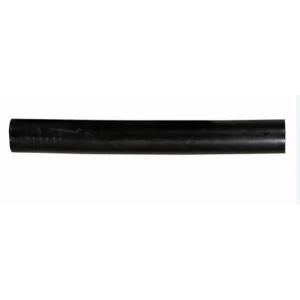
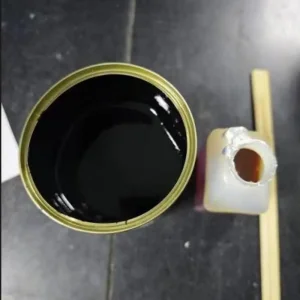
Explore our field-tested heat shrink sleeves, viscoelastic coatings, and repair solutions optimized for global infrastructure.
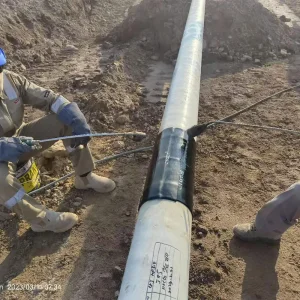
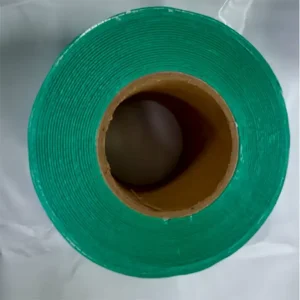
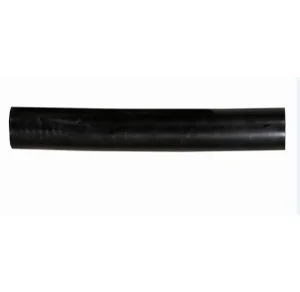
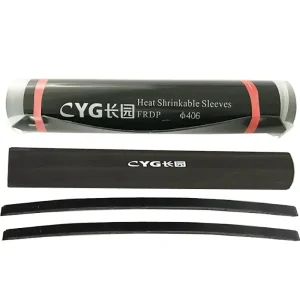
Technical insight into the structural mechanics, thermal recovery phase changes, and shear resistance of industrial anti-corrosion materials.
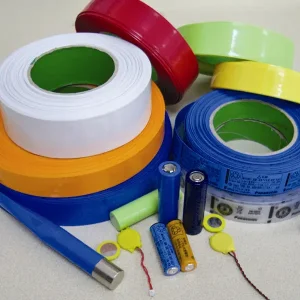
In modern pipeline corrosion protection, heat-shrinkable materials operate under the physics of "elastic memory." Through high-energy electron beam radiation or chemical cross-linking agents, the linear molecular chains of polyethylene (PE) or polypropylene (PP) are linked to form a robust three-dimensional network structure. When heated past the polymer's melting point, the crystalline zones dissolve, but the chemical cross-links prevent liquid flow. This allows the material to be stretched and oriented under tension, then frozen in its temporary state by rapid cooling.
Upon field installation, heating the material beyond its transition temperature triggers the elastic recovery process. The crystalline structure melts again, and the internal cross-linked network forces the backing to shrink back to its original extruded dimensions. This ensures a tight, continuous radial compression force around the pipeline joint, critical for keeping moisture and corrosive substances away from the steel surface.
A heat-shrinkable backing is only as good as the adhesive lining it. At CYCT, we engineer specialized hot-melt copolymer adhesives and viscoelastic mastics designed to survive extreme environment exposures. Our PP (Polypropylene) heat shrink sleeves utilize advanced copolymer adhesives rated for operating temperatures up to 110°C to 120°C, matching the demands of high-temperature deep water or heavy crude pipelines. Conversely, our PE (Polyethylene) sleeves rely on high-performance mastic adhesives that provide self-healing properties. If mechanical damage occurs during pipeline laying or backfilling, the mastic flows slowly to seal minor voids and punctures, preventing localized corrosion cells from forming.
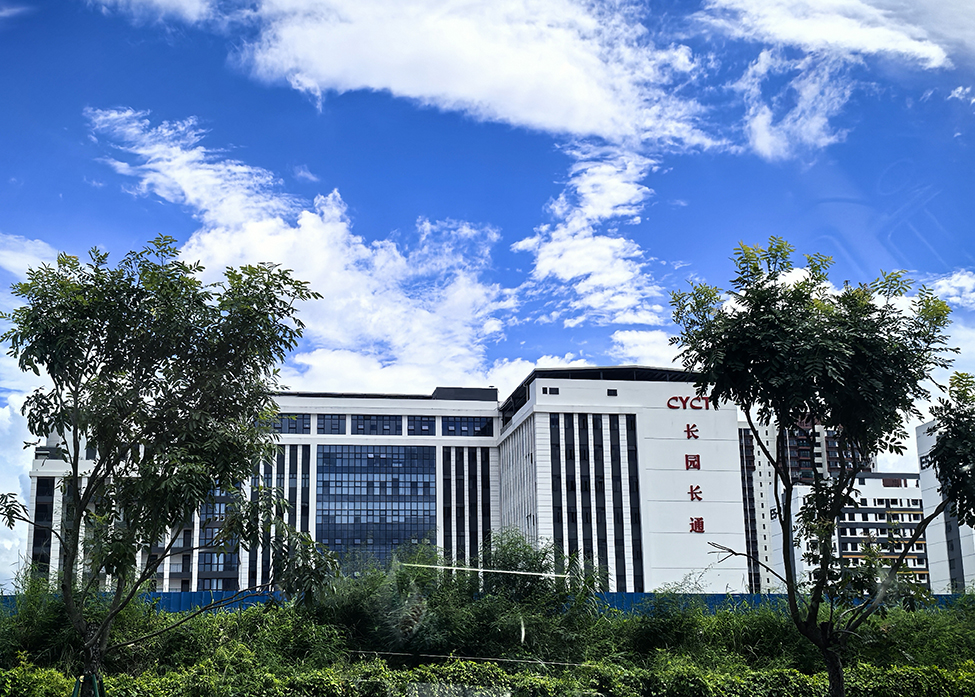
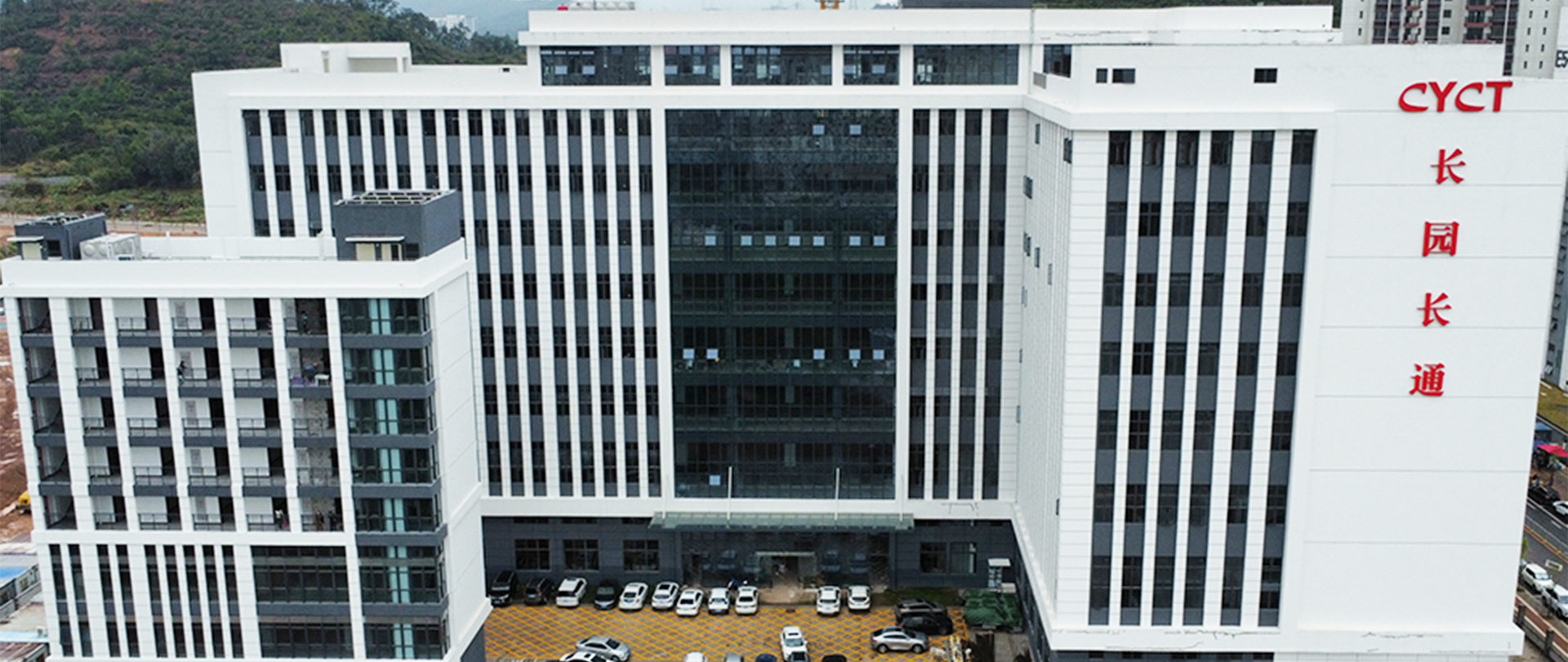
Founded in 2000, CYCT New Materials has grown into a leading state-level high-tech enterprise.
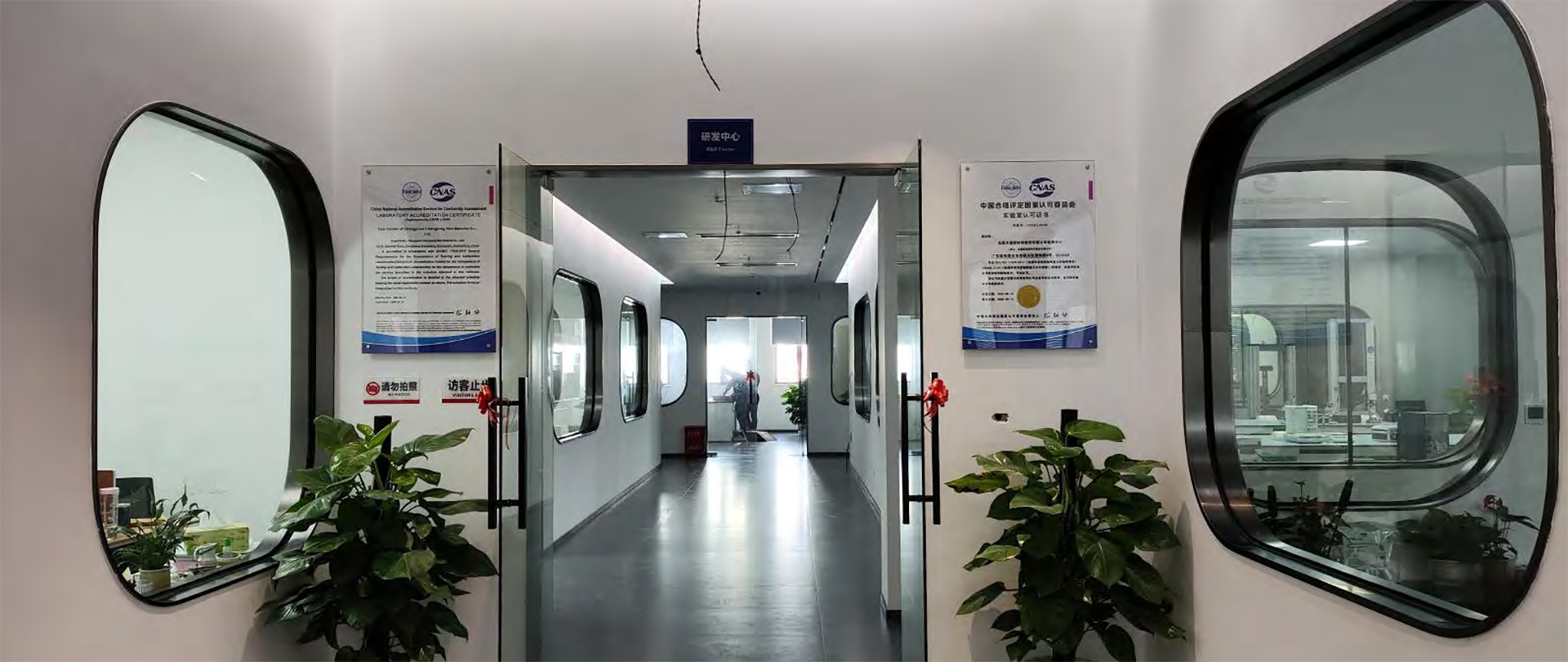
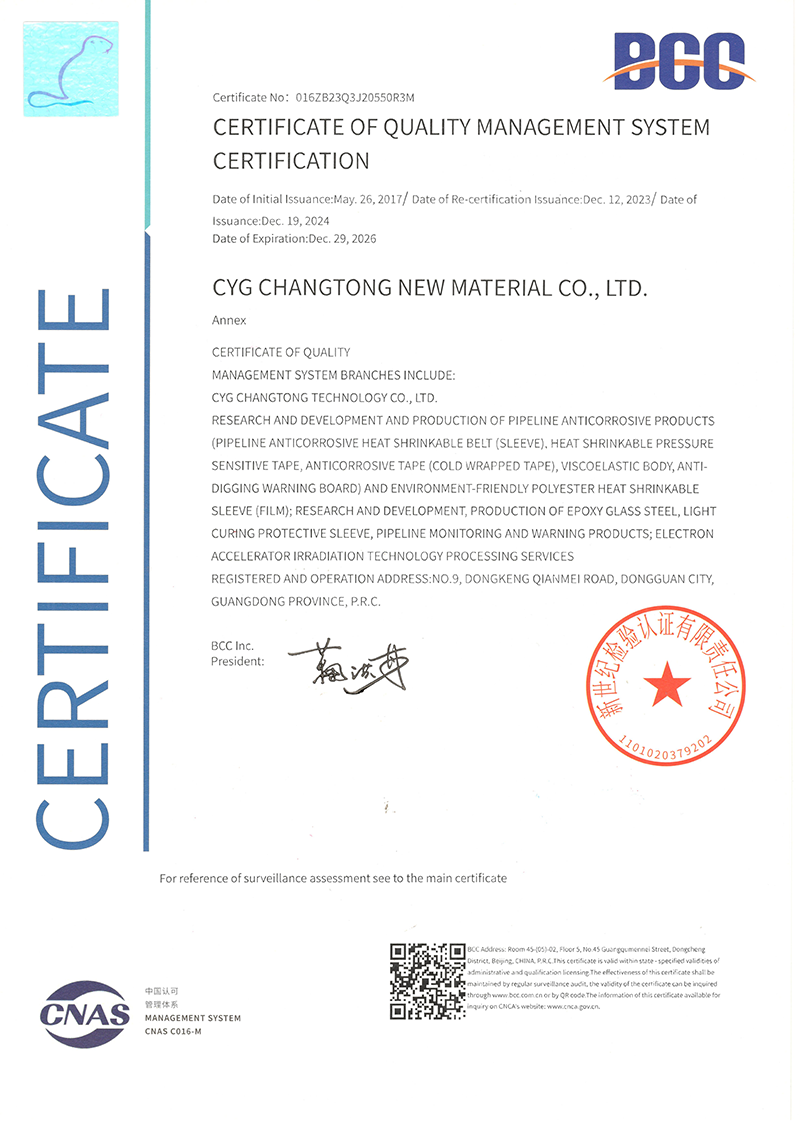
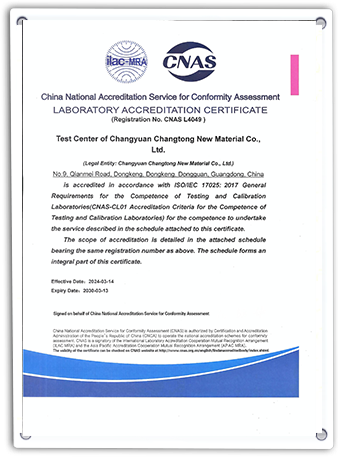
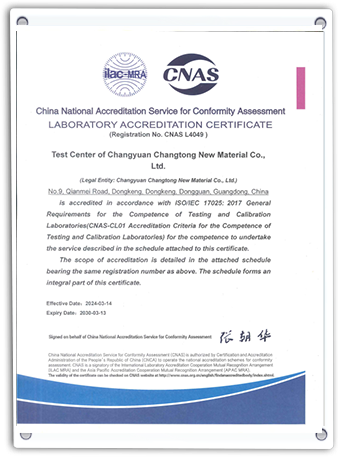
CYCT New Materials Company Limited (for short, CYCT) is a state-level high-tech enterprise integrating R&D, production, and sales of pipeline corrosion protection materials, buried pipeline detection services, and pipeline coating field application services. With over two decades of dedicated investment in research, CYCT owns leading testing and R&D capabilities, a professional R&D team, and a national CNAS-accredited laboratory.
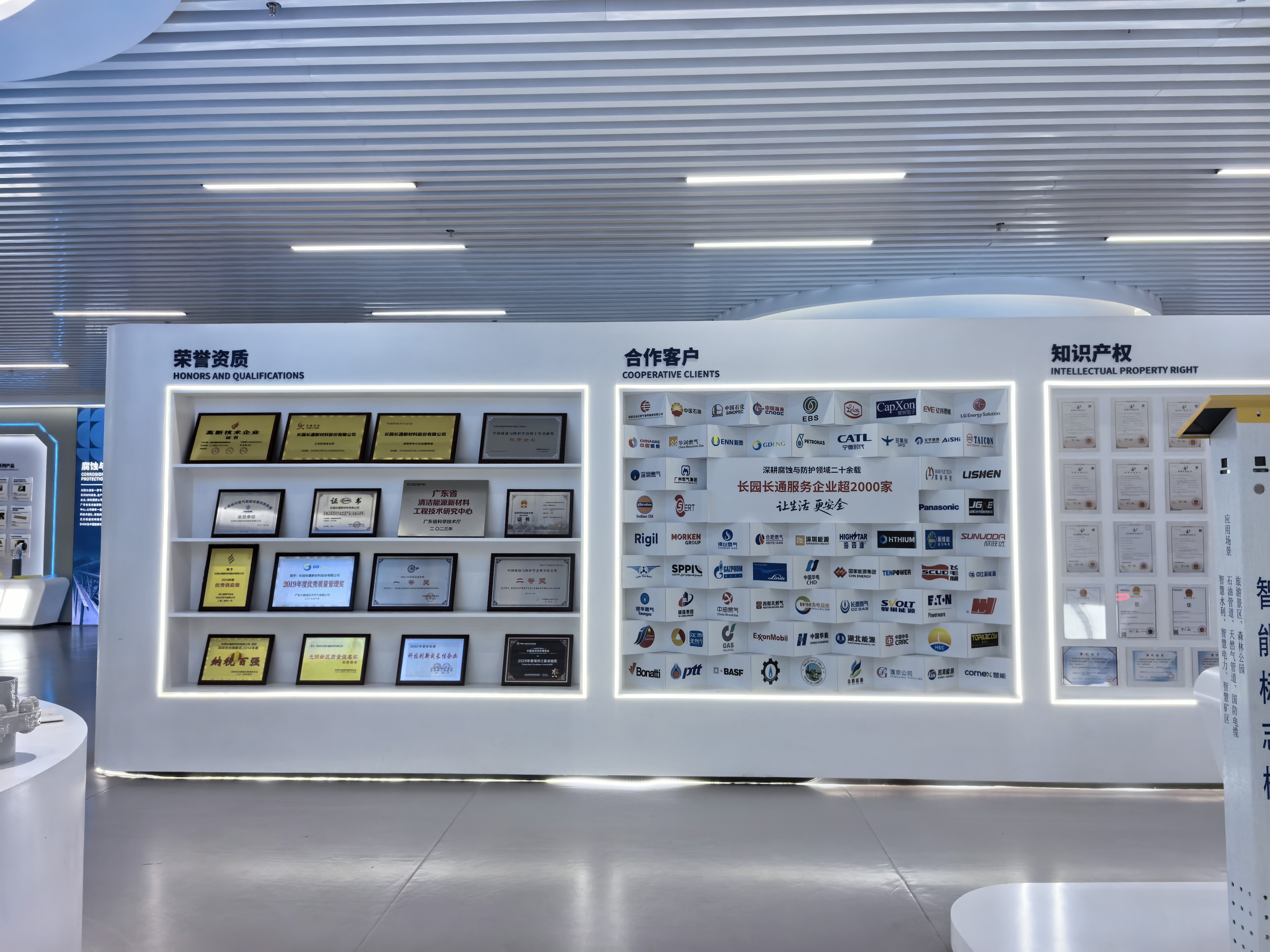
By cooperating closely with leading research institutes such as the CNPC Pipeline Science Research Institute, CYCT is capable of providing in-service pipelines with varied technical services, including design schemes, cathodic protection, rehabilitation projects, and integrated safety systems. This deep expertise has made us a stable supplier of field joint coatings for oil, gas, and water distribution networks globally, including PetroChina, Sinopec, PipeChina, Indian Oil, and China Gas Group.
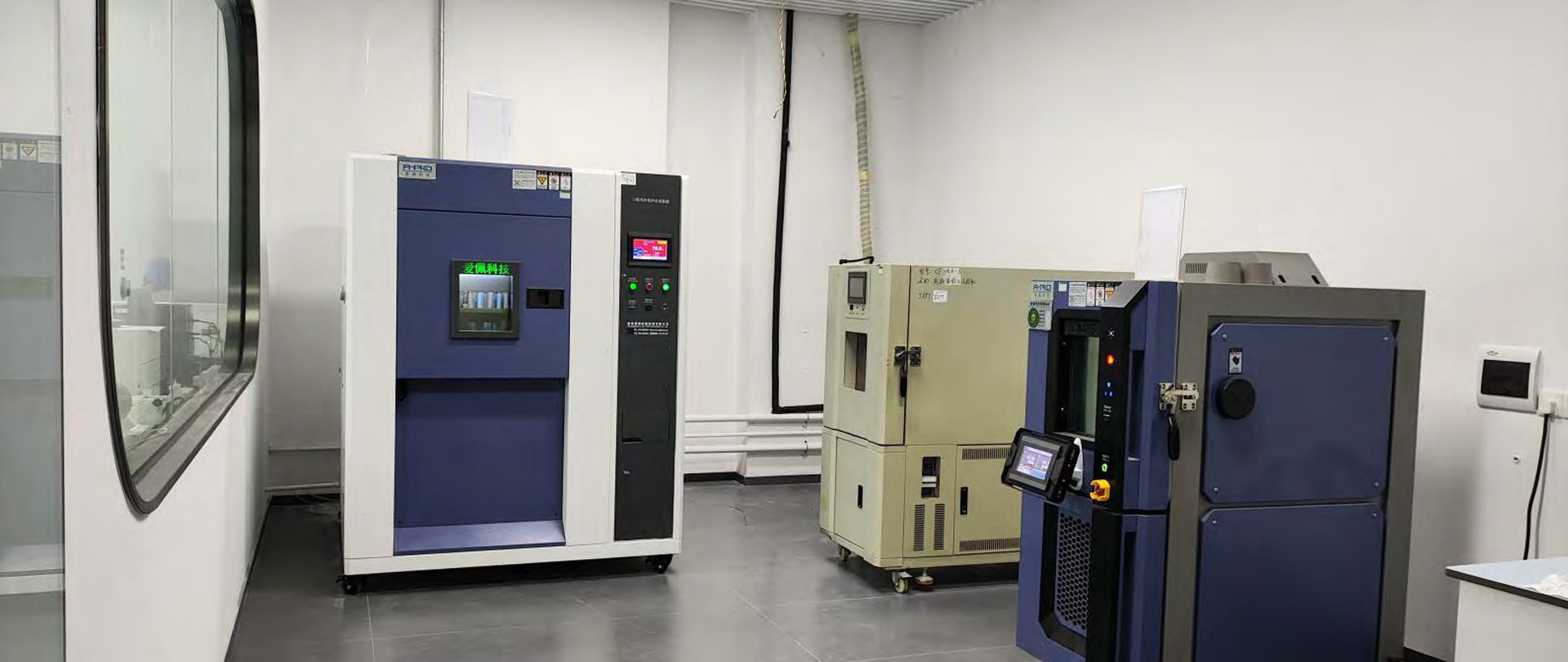
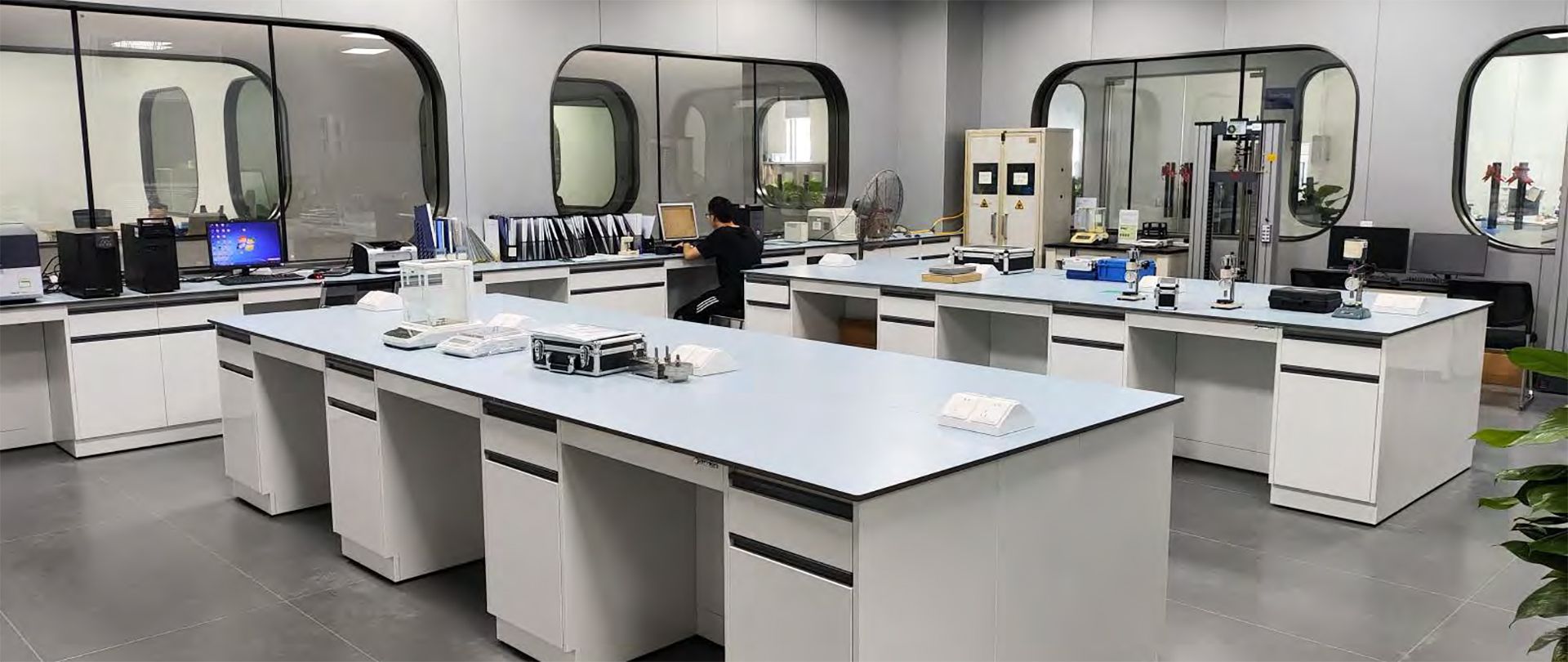
Analyzing production efficiencies, localized raw material ecosystems, and advanced processing capability.
By leveraging partnerships with domestic chemical giants like Sinopec and PetroChina, Chinese suppliers secure high-performance base polymers at stable pricing, insulating global projects from raw material fluctuations.
CYCT employs state-of-the-art high-energy electron beam accelerators. This equipment provides uniform energy dosage across the polymer film, ensuring consistent longitudinal and radial shrink ratios.
In-house testing in our CNAS laboratory covers peel strength, lap shear strength, cathodic disbondment, water absorption, and heat aging tests. This guarantees compliance with global requirements like ISO 21809-3.
Engineered products optimized for specific environmental challenges across global construction zones.
Modern petrochemical pipelines run hotter to maintain oil viscosity. For these environments, traditional mastic-based sleeves will flow and degrade. CYCT's PP field joint systems utilize high-temperature copolymer hot melts that maintain mechanical shear strength even at sustained 110°C environments, preventing axial movement due to thermal expansion.
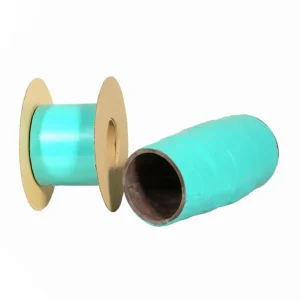
When installing pipelines under rivers, highways, or urban obstacles using trenchless technology, the joint coating is exposed to intense shear and abrasive friction against rock and soil. Traditional PE wraps can tear. CYCT's photo-curing sleeves provide hard, fiberglass-reinforced outer shells that shield the joint from puncture and abrasion during pull-back operations.
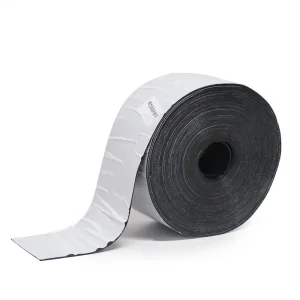
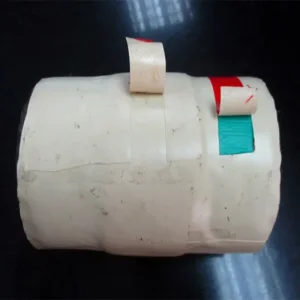
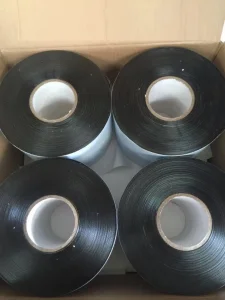
For rehabilitation of operating lines, sandblasting is not always feasible. This is where viscoelastic systems excel. Tapes like the FVT95 Fabric Viscoelastic Tape do not require primers and adhere to surfaces with low cleanliness profiles (St2/St3). They flow into micro-grooves on the steel surface, forming a self-healing barrier that blocks air and water ingress.
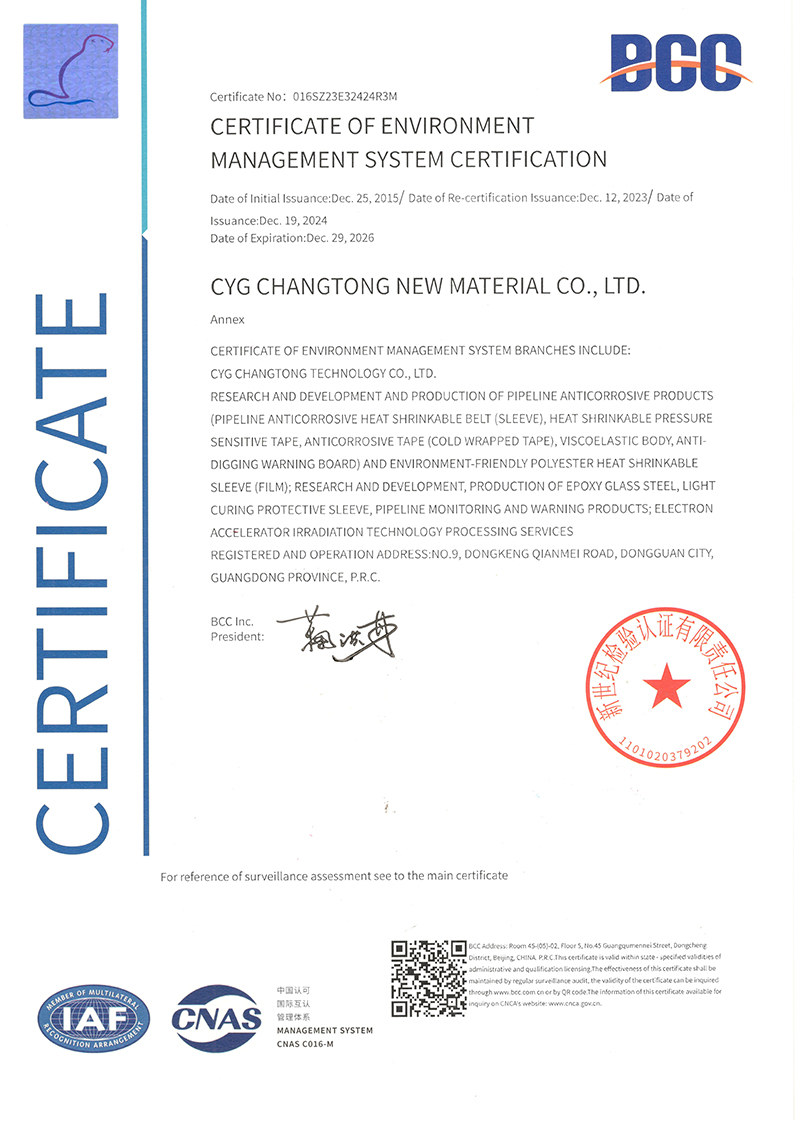
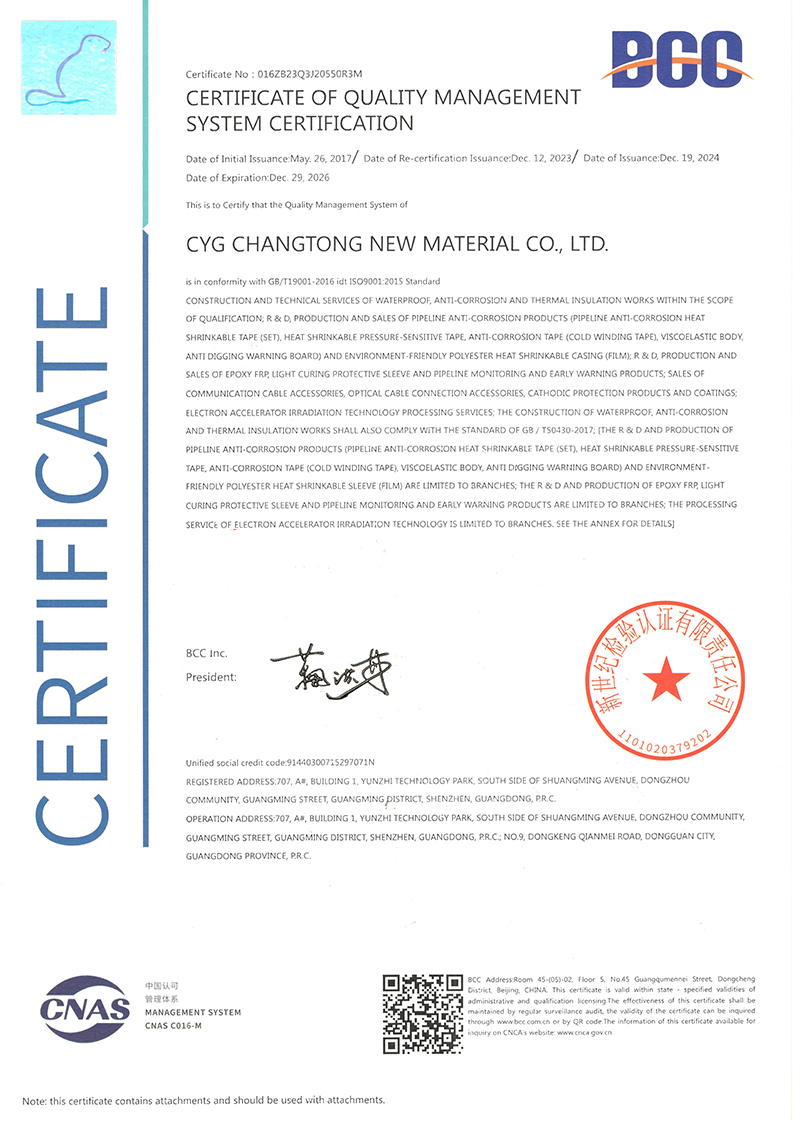
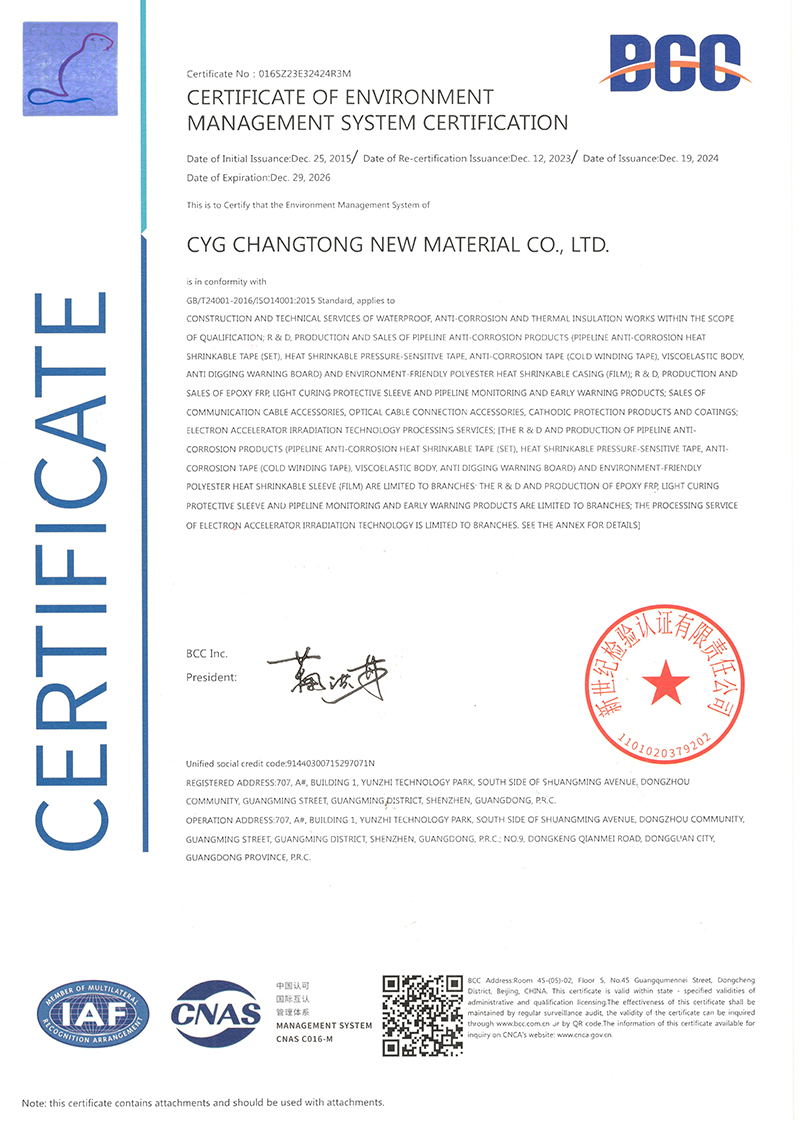
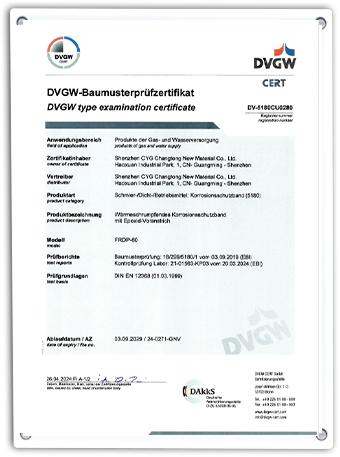
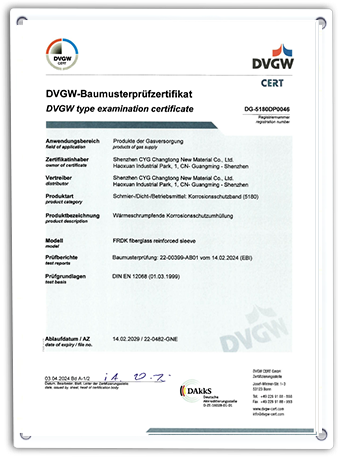
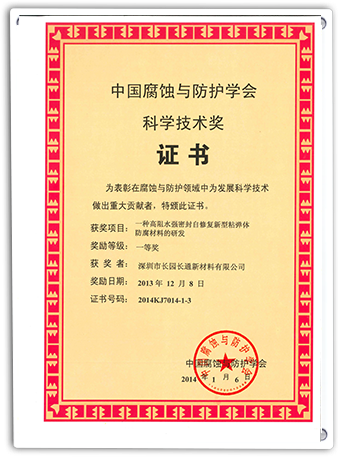
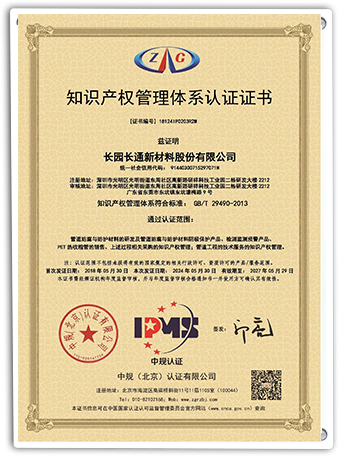
Certifications affirming CYCT's leadership and commitment to rigorous quality control.
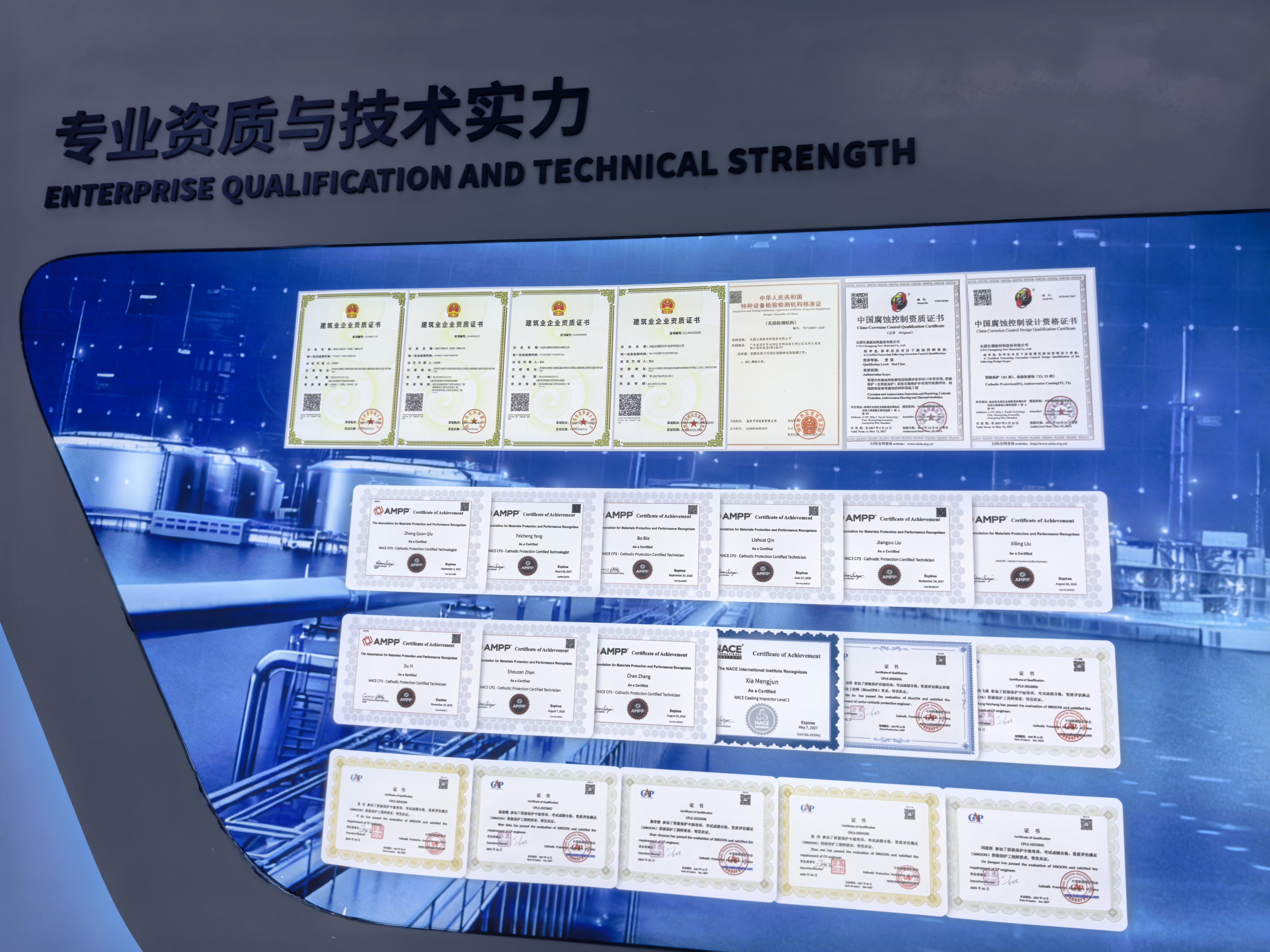
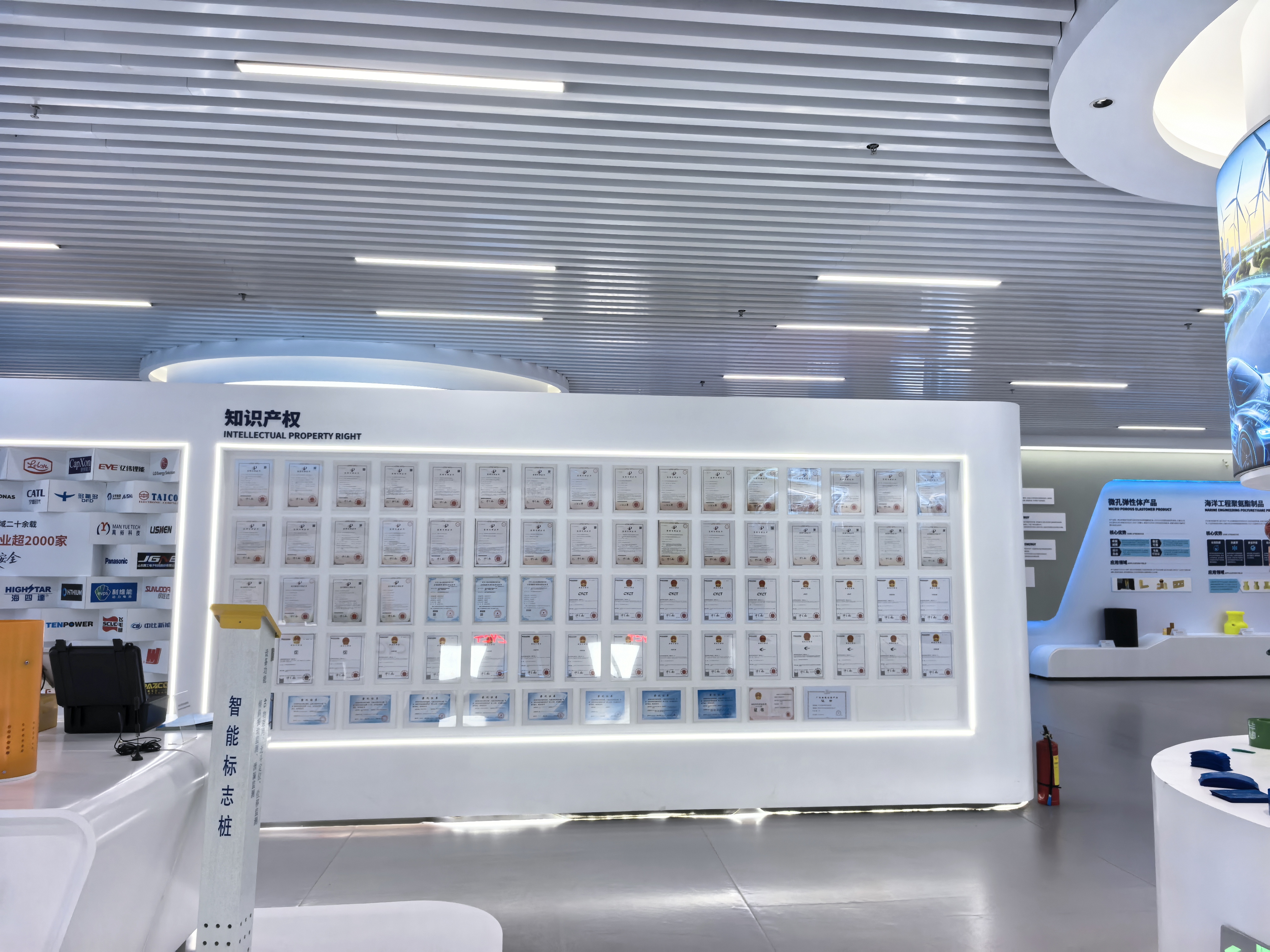
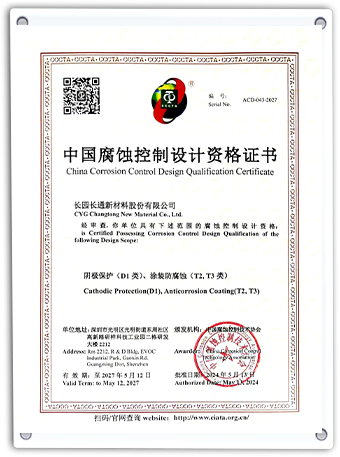
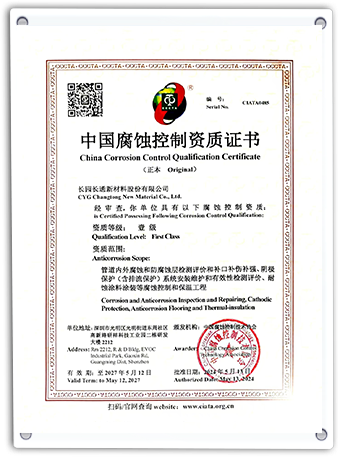
CYCT is a Council Member of the Chinese Society for Corrosion and Protection (CSCP), and holds premium qualifications for corrosion protection construction and buried pipeline detection. As a corporate member of the China Association of Petroleum Engineering Construction (CAPEC) and AMPP (formerly NACE), CYCT ensures products meet global performance benchmarks.
Expert technical insights to assist procurement engineers and project managers in decision making.
A: The primary differences lie in operating temperature limits and mechanical strength. PE sleeves are typically used on lines operating from sub-zero temperatures up to 60°C or 80°C. PP sleeves have a higher crystalline melting point, enabling performance at temperatures up to 110°C or 120°C. PP backings are also harder and offer higher resistance to soil stress and impact, though they require higher installation temperatures and precise pre-heating of the steel substrate.
A: The liquid epoxy primer acts as the primary chemical bonding layer to the steel surface, providing protection against cathodic disbondment. When the hot-melt adhesive on the backing shrinks onto the wet epoxy primer, they co-cure and chemically cross-link. This creates a monolithic barrier combining the chemical resistance of epoxy with the physical barrier protection of the polyolefin backing.
A: Viscoelastic tape remains in a cold-flow, amorphous paste-like state. It does not require primer or pre-heating, and it naturally flows into surface profiles. It is ideal for pipeline repairs, valves, and complex geometries. Heat shrink sleeves, however, offer superior mechanical toughness, soil shear resistance, and structural strength, making them the preferred choice for main line field joint coatings during new construction.
A: For compliance with standards like ISO 21809-3, critical tests include backing tensile strength, elongation at break, heat shock resistance, peel strength (to both steel and plant coating), and cathodic disbondment resistance. Field inspections must also verify the sleeve's heat shrink ratio and backing thickness to ensure minimum design criteria are met.
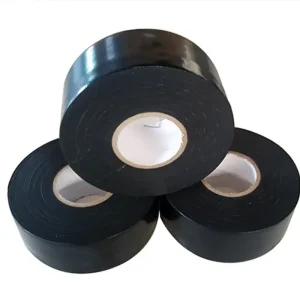
A: Yes. Cold-applied PE outer tapes are often used to wrap over viscoelastic tapes or heat-shrinkable sleeves to provide additional mechanical protection, UV resistance, and shielding against soil stresses during thermal cycling.
Explore our specialized polyolefin sleeves, custom adhesives, and high-temp corrosion solutions.
 CYCT
CYCT