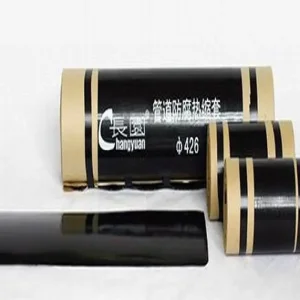
Explore our field-tested heat shrink adhesive wraps, repair patches, and specialized viscoelastic coatings designed for global pipeline networks.
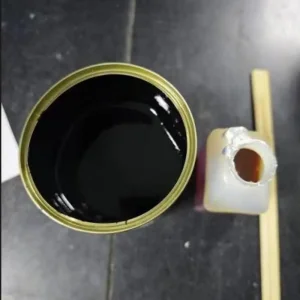
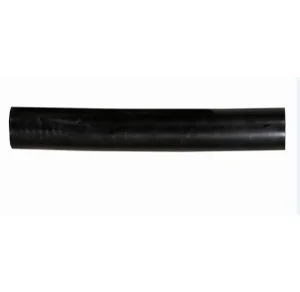
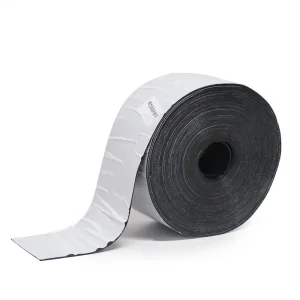
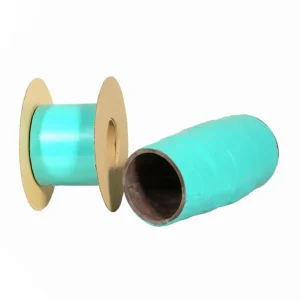
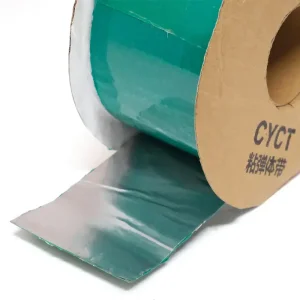
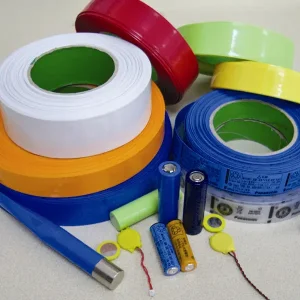
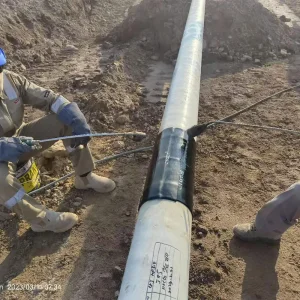
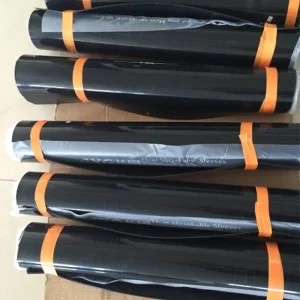
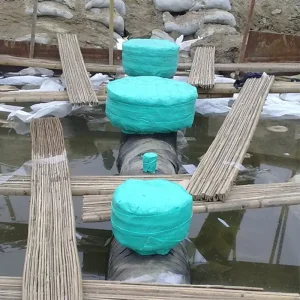
As international energy grids, localized municipal pipelines, and industrial process structures expand across increasingly harsh geological terrains, mitigating sub-surface corrosion has moved from a maintenance schedule concern to a critical geopolitical security priority. The application of Heat Shrink Adhesive Wraps stands as one of the most reliable methods for securing structural steel and field joints against cathodic disbondment, mechanical impact, and biochemical decomposition. Without adequate field joint coating systems, primary transmission lines carrying petrochemicals, hydrogen gas, and municipal water suffer from premature structural failures, resulting in significant ecological damage and financial liability.
OEM solutions allow global pipeline operators to customize these systems to match precise geotechnical profiles. For example, high-salinity marine interfaces, sandy desert soils, and frozen permafrost demand distinct polymeric densities and adhesive shear strengths. CYCT's comprehensive research and development focus heavily on engineering specific configurations that perform reliably over multi-decade cycles, ensuring structural integrity is maintained globally.
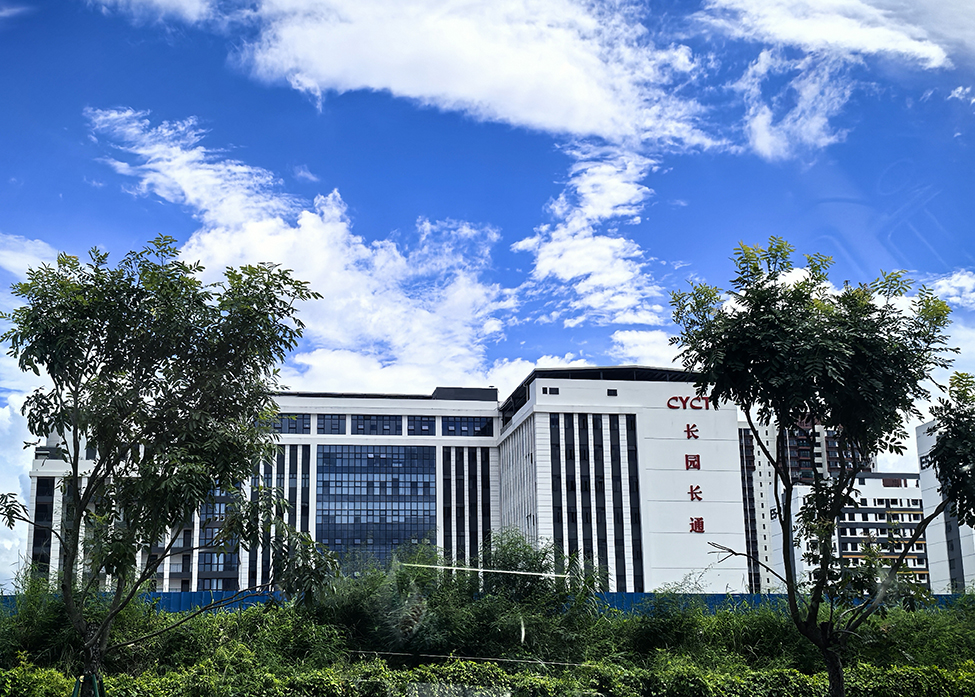
CYCT New Materials Company Limited (for short, CYCT) is a state-level high-tech enterprise integrating the R&D, production, and sales of pipeline corrosion protection materials, as well as buried pipeline detection services and pipeline coating field application services into one unified system. We have devoted decades to the R&D, production, and sales of pipeline corrosion protection materials.
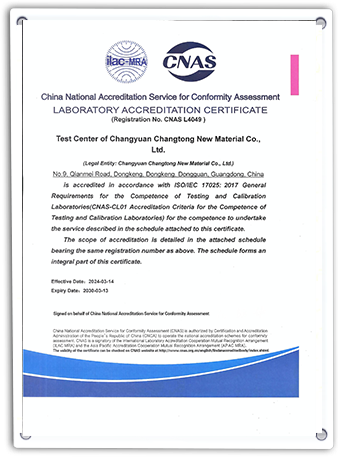
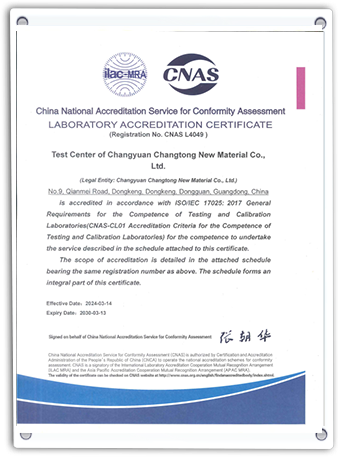
CYCT owns leading testing and R&D capabilities, supported by a professional R&D team and a national CNAS-accredited laboratory. By maintaining close cooperation with leading research institutes like the CNPC Pipeline Science Research Institute, CYCT provides in-service pipelines with varied technical services, including buried pipeline detection, design schemes, cathodic protection, rehabilitation projects, and integrated pipeline safety protection solutions.
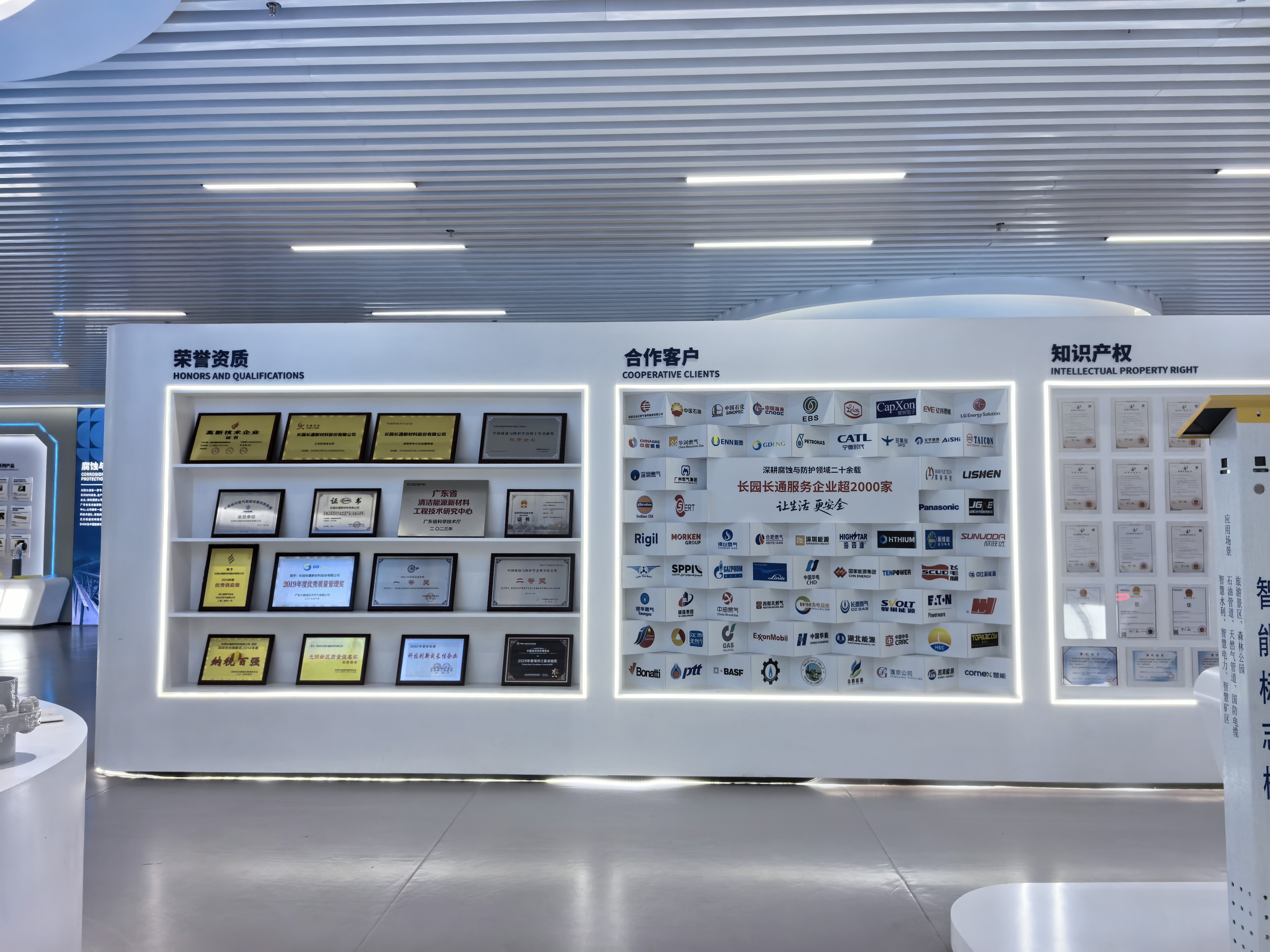
Over the years, CYCT has become a stable supplier of field joint coatings for PetroChina, Sinopec, PipeChina, and various regional pipeline networks, commanding a high domestic market share. We have also successfully developed and introduced specialized corrosion protection materials, including viscoelastic anticorrosion materials, special photo-curing sleeves for HDD protection, and polyurea coatings.

The performance of heat shrink wraps relies on polymer physics. At CYCT, our high-density polyethylene (HDPE) and polypropylene (PP) backing materials undergo electron-beam cross-linking. This process alters the polymer's molecular architecture, converting linear molecular chains into a robust three-dimensional network. This cross-linking gives the polymer "elastic memory." When heated above its crystalline melting point, the wrap shrinks toward its original extruded dimensions, creating tight, uniform compression around the substrate.
Simultaneously, the high-performance shear-resistant hot-melt adhesive or viscoelastic layer becomes active. Standard adhesives often degrade or slip under high operating temperatures, leading to sagging or void formation. CYCT's proprietary hot-melt copolymer formulation maintains cohesive strength even under continuous high temperatures (up to 80°C or 120°C for specialized lines). This prevents soil stress displacement, a major cause of field joint failure during pipe installation and operation.
Engineered to operate in temperatures ranging from -50°C to +120°C, maintaining flexibility without cracking or slipping.
Exceptional mechanical resistance against soil stress, axial movement, and shifting geological strata.
Zero moisture permeation under high pressure, preventing localized atmospheric or microbial corrosion.
Corrosion mitigation needs vary significantly by geography. In North America and Europe, stringent environmental protection rules place high demand on pipeline monitoring and long-term durability. Operators prioritize wraps that prevent cathodic disbondment and reduce pipeline maintenance lifecycles. Meanwhile, across rapid infrastructure projects in East Asia, Central Asia, and the Middle East, high installation speeds and compatibility with varied terrains drive the need for robust OEM solutions.
CYCT's products address these localized challenges across major sectors:
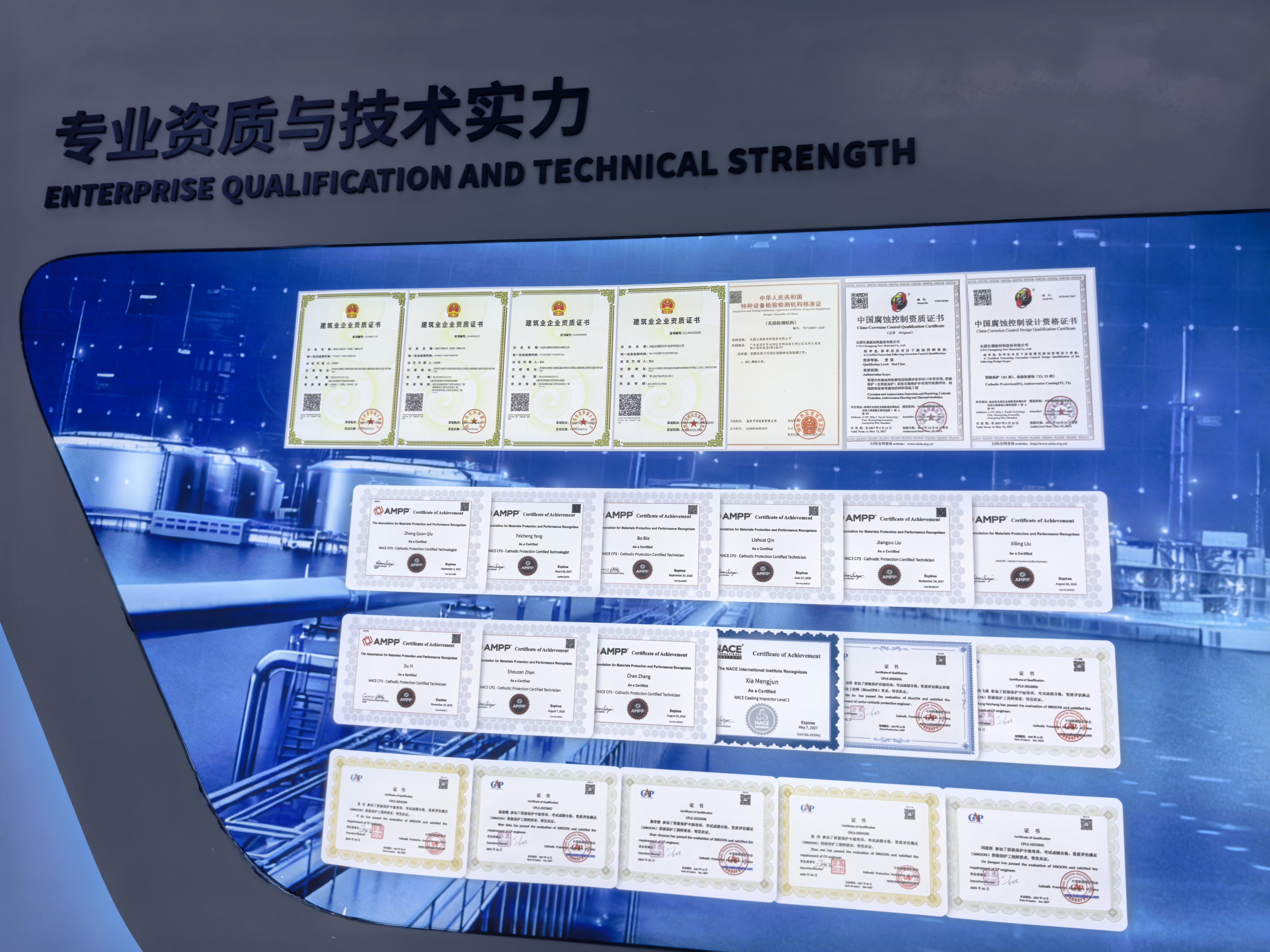
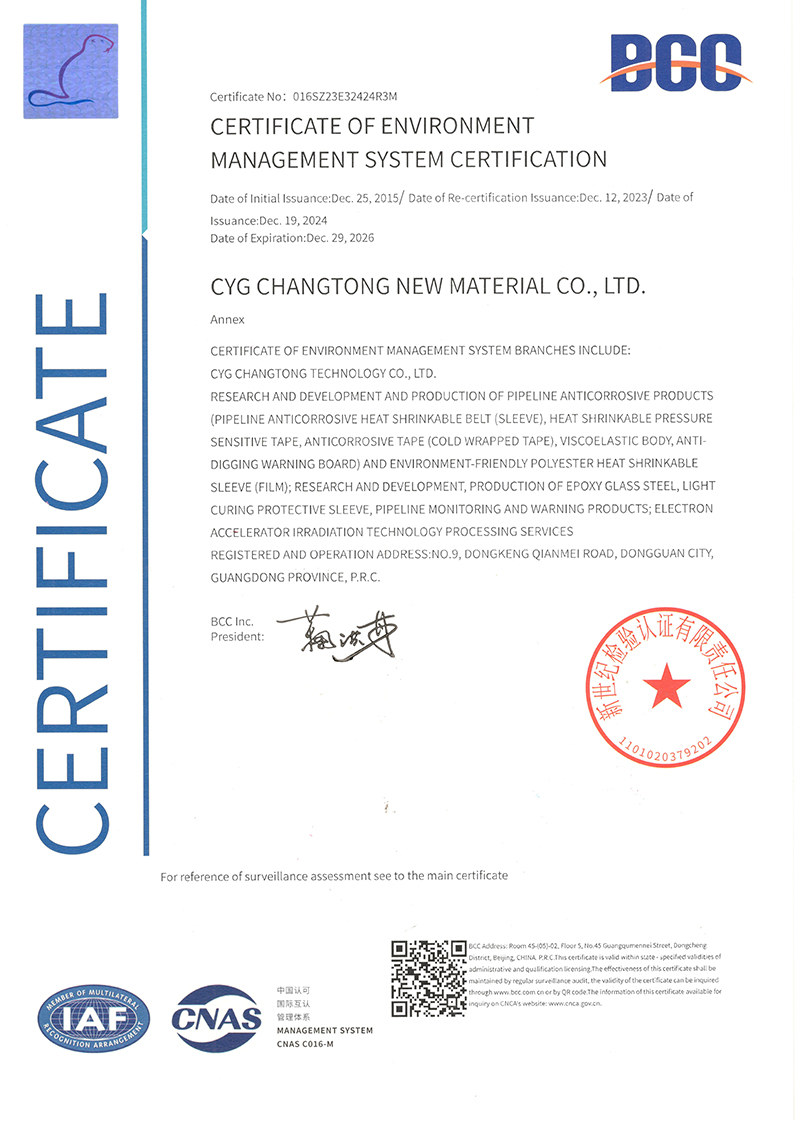
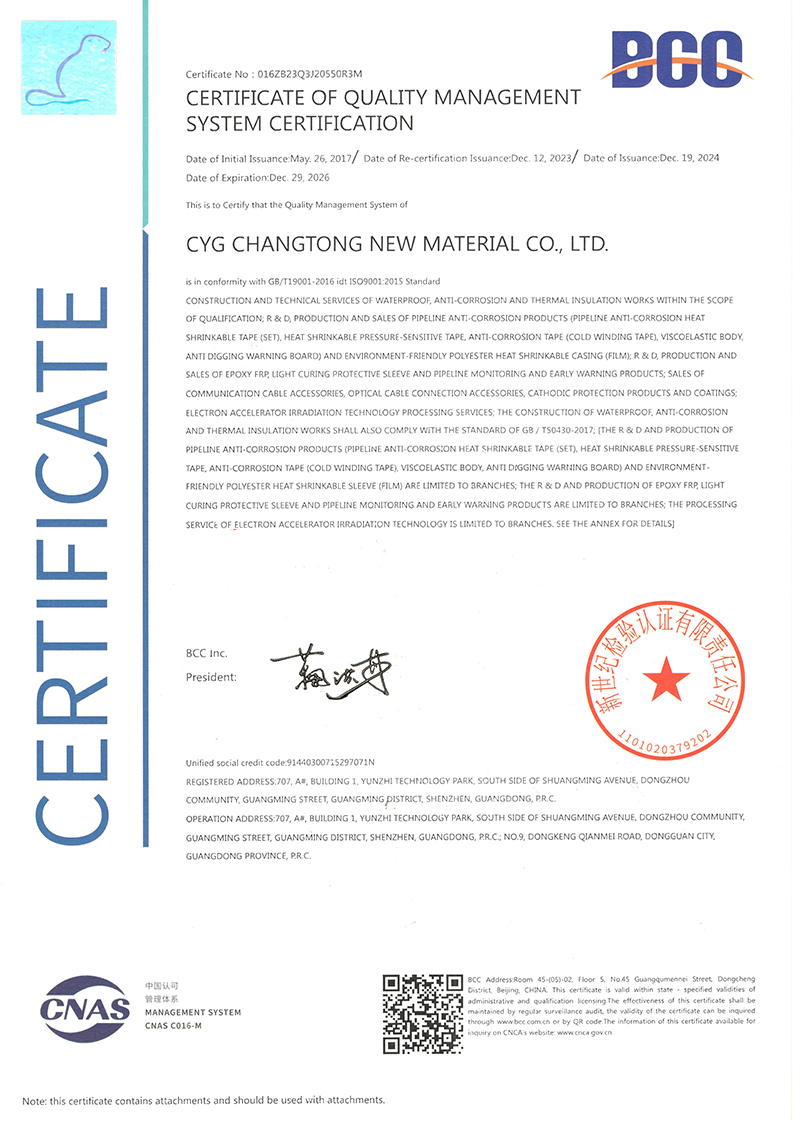
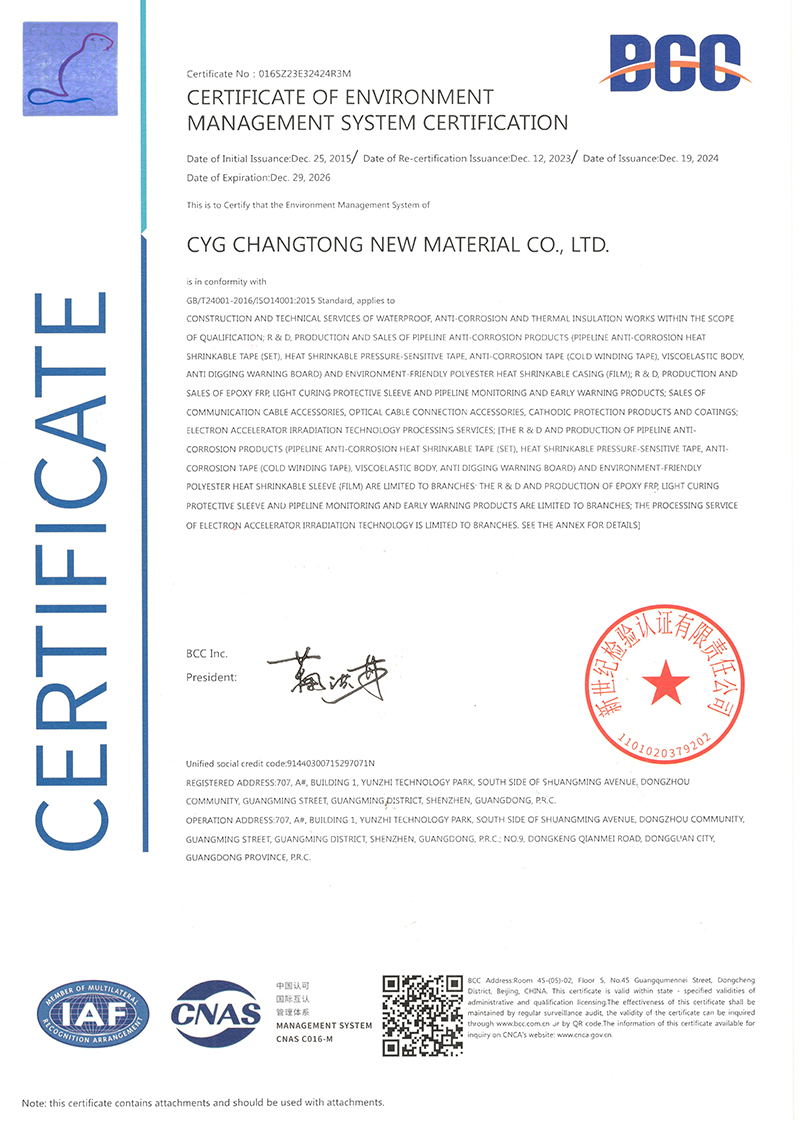
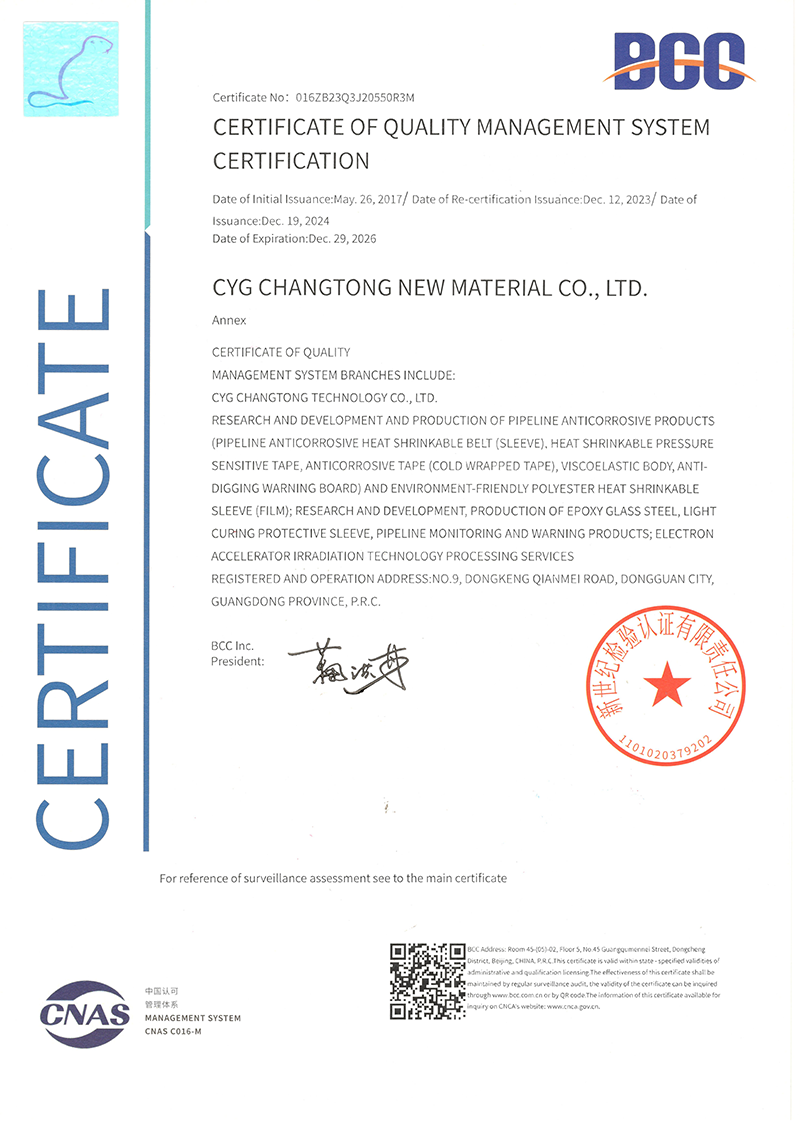
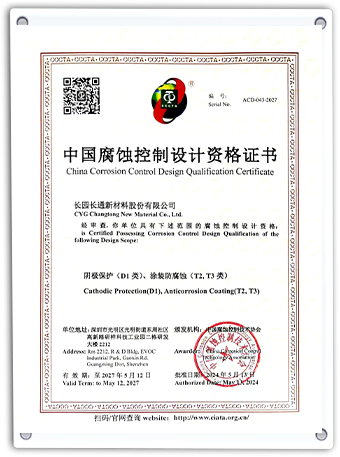
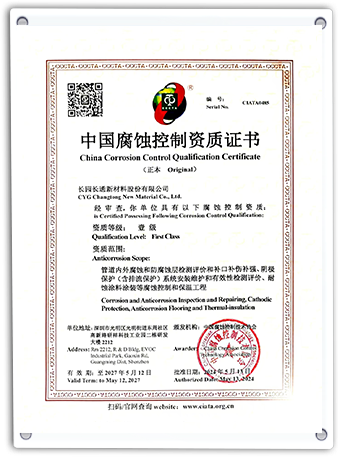
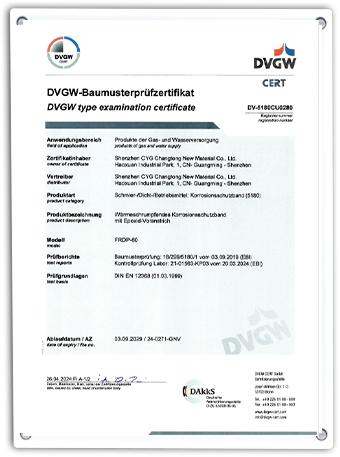
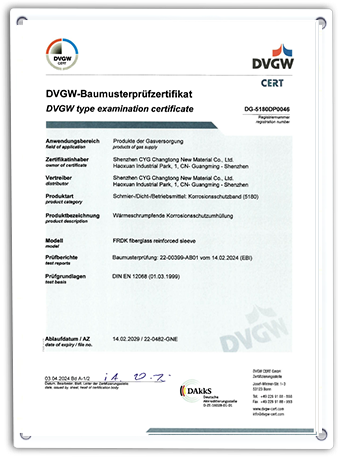
As a leading state-level high-tech enterprise and an active Council Member of the Chinese Society for Corrosion and Protection (CSCP), CYCT maintains strict quality controls and aligns with major international engineering standards. We verify all product runs in our national CNAS-accredited laboratory. Our certifications and memberships showcase our technical expertise and commitment to product safety.
Our solutions comply with the following global standards:
As the energy sector transitions toward hydrogen and carbon capture, transport conditions are changing. CO2 pipelines operate at high pressures and undergo temperature drops during depressurization, while hydrogen causes steel embrittlement and requires higher pipeline monitoring precision. CYCT is preparing for these shifts with several ongoing initiatives:
Developing molecularly structured polymer chains that remain stable under thermal expansion and contraction, preventing disbondment on high-temp lines.
Integrating chemical inhibitors directly into our hot-melt adhesives. If a mechanical breach occurs, the adhesive slowly releases active compounds to protect the steel substrate.
Developing bio-sourced polymers to lower the carbon footprint of pipeline coatings while keeping technical specifications aligned with ISO standards.
Professional engineering answers to technical inquiries regarding heat shrink wraps, installation, and performance standards.
Explore additional advanced solutions, including viscoelastic outer wraps, weather-resistant tapes, and heavy-duty repair systems.
 CYCT
CYCT