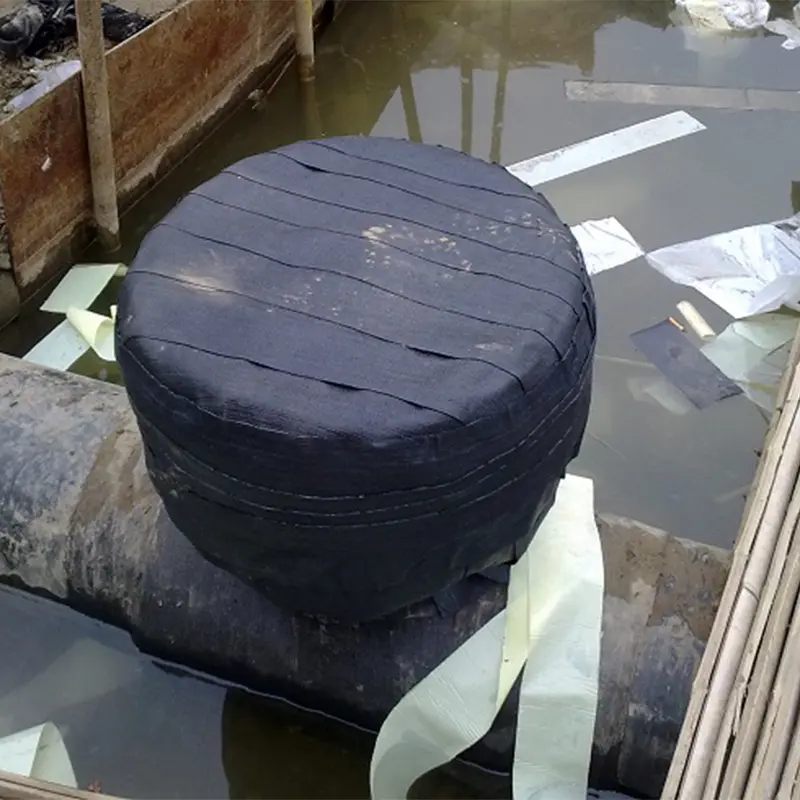
China Viscoelastic Anticorrosion Coating for Valve Protection - China Suppliers & Factory Solutions Manufacturer, Supplier

Discover CYCT viscoelastic anticorrosion coating, a top-quality product from a leading China factory. Our self-adhesive tapes are crafted using imported polyisobutylene, ensuring exceptional chemical stability and remarkable flexibility. These viscoelastic tapes maintain their properties over time, providing strong adhesion to both metallic and non-metallic surfaces. With extremely low permeability to moisture, oxygen, and air, they deliver outstanding protection against corrosion for pipelines and metal facilities. As trusted suppliers, we guarantee long-lasting and effective anticorrosion solutions to meet your needs

Product Description

Features & Benefits

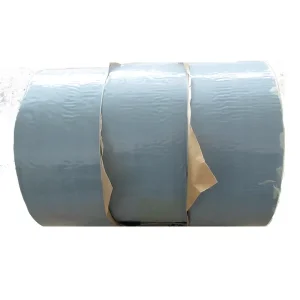
The viscoelastic anticorrosion coating series includes viscoelastic anticorrosion tape, viscoelastic anticorrosion paste, and polymeric outer protective tape. They are suitable for the anticorrosion of irregular components such as pipeline valves, flanges and tees; the joint coating of pipelines in water networks and tunnels; the repair of anticorrosion coatings and joint coatings for in-service pipelines; and other special fields.

Application in Valve Corrosion Protection

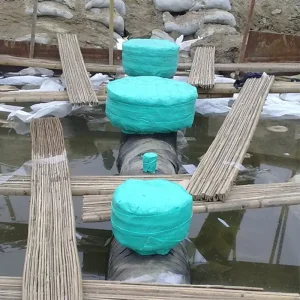
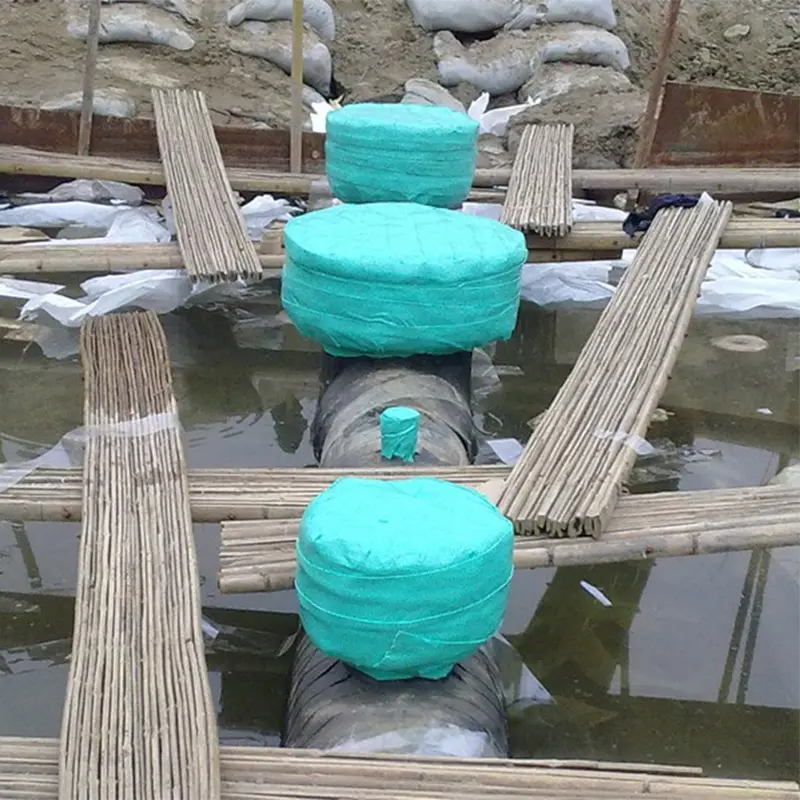
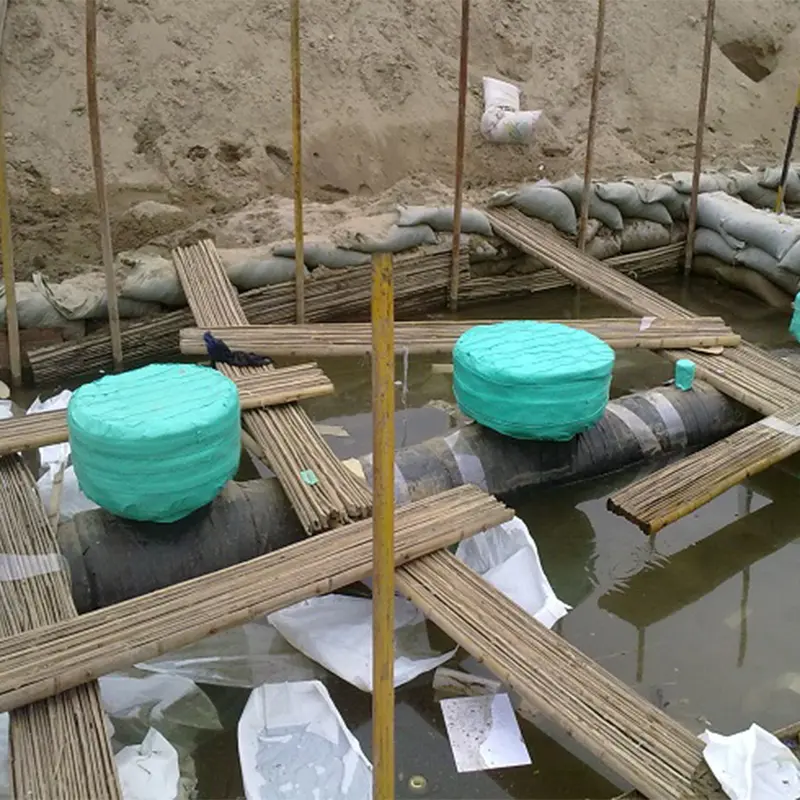
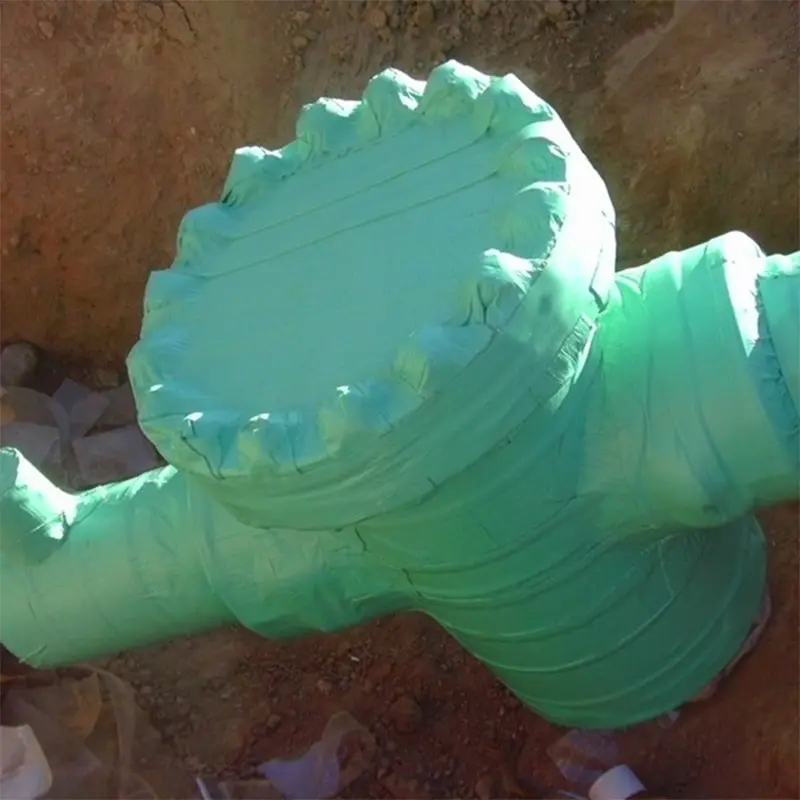
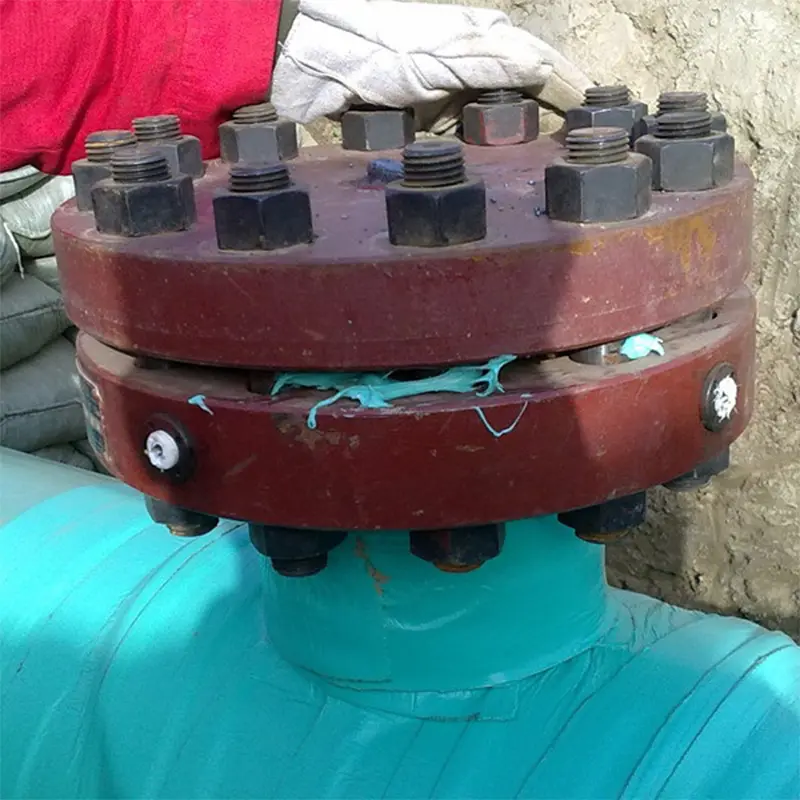
Viscoelastic coating is used to safeguard valves against corrosion. Typically, viscoelastic anticorrosive tape and viscoelastic anticorrosive paste are used together. The specific operation procedure is as follows:
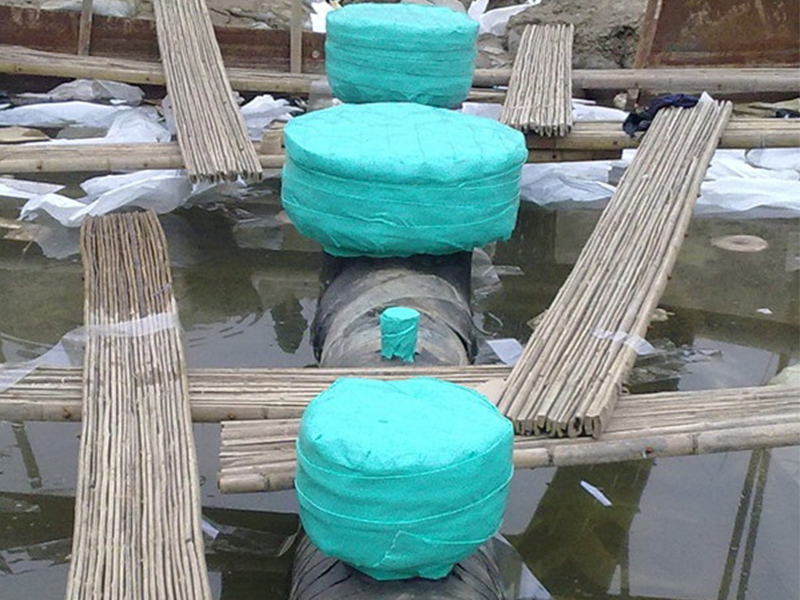
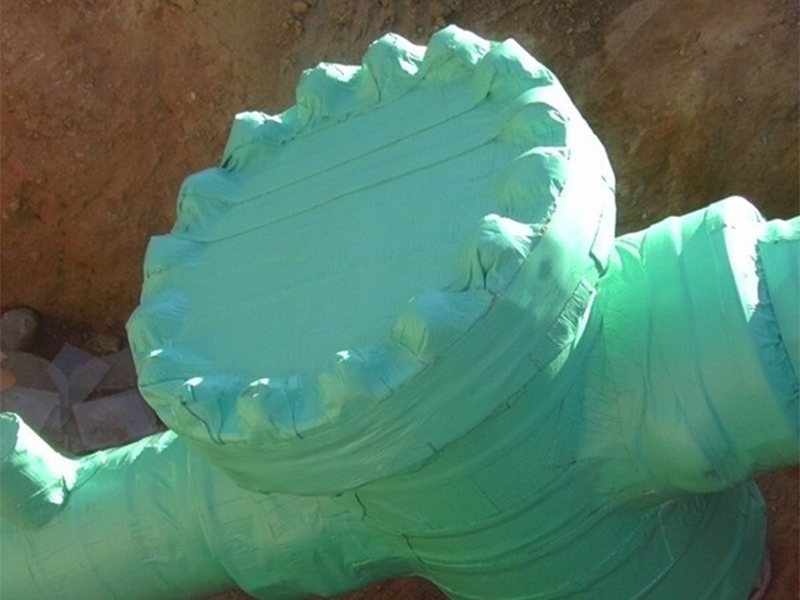
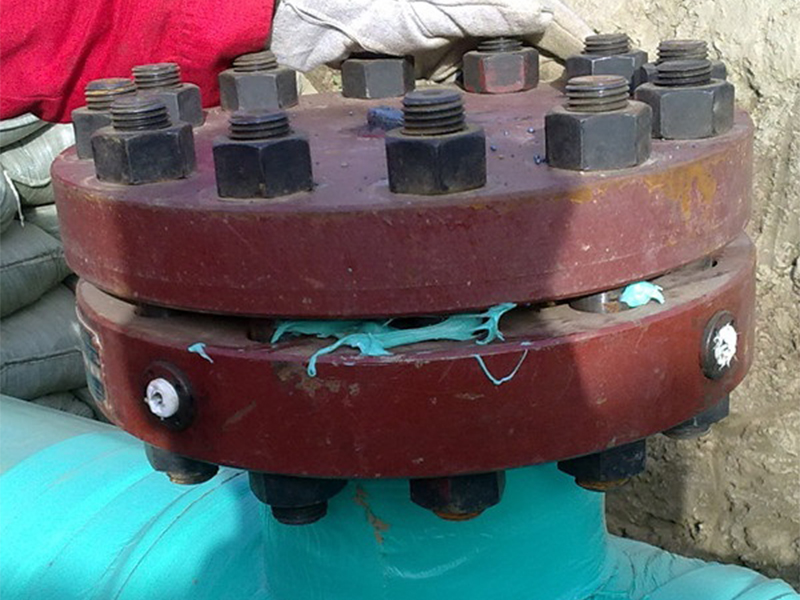
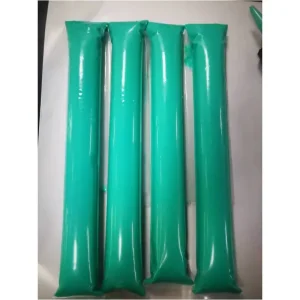
  • Fill the valve with viscoelastic paste.
  • Manually fill the grooves and bolts of flange parts with the visco-elastic paste.
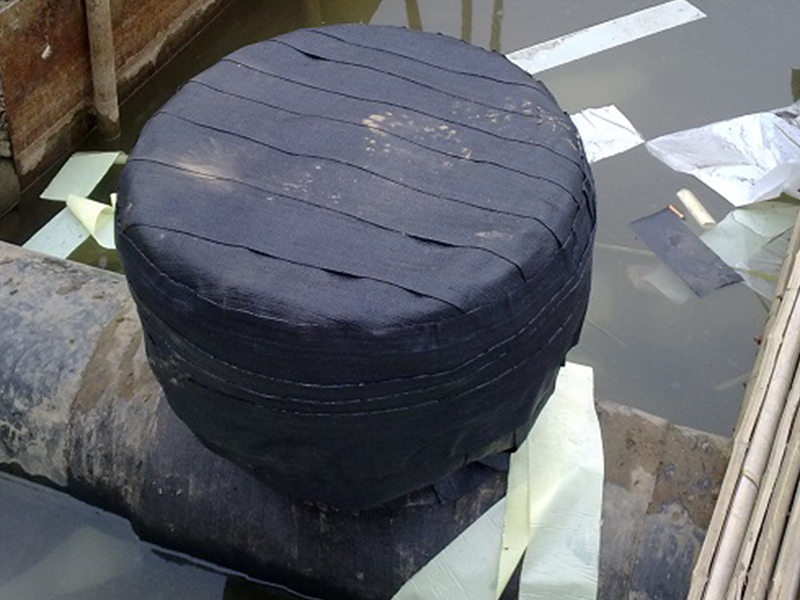
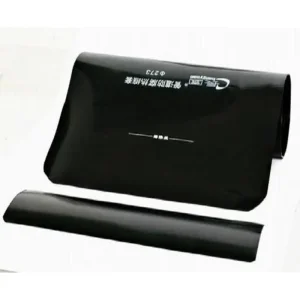
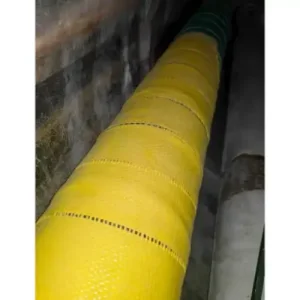
  • Wrap the valve surface with viscoelastic anticorrosive tape.
  • If the valve is to be buried, it is also suggest to wrap cold-applied PE/PP/PVC tape on the outer surface as an additional protective layer.

Performance of Viscoelastic Coating for Valve Protection

Item Test method Performance
color Visual estimation green
thickness ISO21809-3 ≥1.8mm
Glass transition temperature ISO11357-2 -20°C min
Crystallization temperature ISO11357-3 No evidence of crystallization
Holiday detection at 5KV/mm, max. 25KV ISO21809-3 No holiday
Drip resistance ISO21809-3 No dripping
Lap shear strength at 23°C ISO21809-3 0.027 N/mm2
Lap shear strength at 70°C ISO21809-3 0.005N/mm2
Impact resistance EN12068 15 J
Indentation resistance EN12068 0.6mm remaining
Self healing ISO 21809-3 <24 hours@23°C
Cathodic disbondment resistance at 23°C ISO21809-3 0mm self healing <24 hours
Cathodic disbondment resistance at 70°C ISO21809-3 0mm self healing <24 hours
Electrical resistance EN12068 >10^15 ohm/cm
Low temp. Flexibility @-30°C EN12068 No separation, tears or cracks

Frequently Asked Questions

What is viscoelastic anticorrosion coating?
Viscoelastic anticorrosion coating is a protective system consisting of viscoelastic tape, paste, and polymeric outer protective tape designed to prevent corrosion on irregular pipeline components such as valves, flanges, and tees.
What are the main applications of viscoelastic coating?
The coating is suitable for anticorrosion of irregular pipeline components, joint coating of pipelines in water networks and tunnels, repair of anticorrosion coatings for in-service pipelines, and other special industrial applications.
How do you apply viscoelastic coating to valves?
The application process involves filling the valve with viscoelastic paste, manually filling grooves and bolts with the paste, wrapping the valve surface with viscoelastic anticorrosive tape, and optionally adding cold-applied PE/PP/PVC tape as an outer protective layer for buried valves.
What is the minimum thickness of the viscoelastic coating?
According to ISO21809-3 standards, the minimum thickness of the viscoelastic coating is ≥1.8mm to ensure adequate corrosion protection.
What is the self-healing capability of viscoelastic coating?
The viscoelastic coating has excellent self-healing properties, with the ability to heal in less than 24 hours at 23°C according to ISO 21809-3 testing standards.
What temperature range can viscoelastic coating withstand?
The coating has a glass transition temperature of -20°C minimum and maintains flexibility at -30°C without separation, tears, or cracks. It also performs well at elevated temperatures up to 70°C.

Related Products