Engineered for extreme soil stress resistance, chemical isolation, and thermal integrity under buried operating conditions.
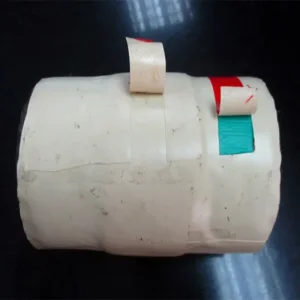
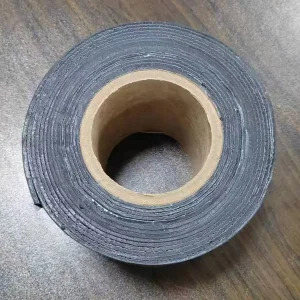
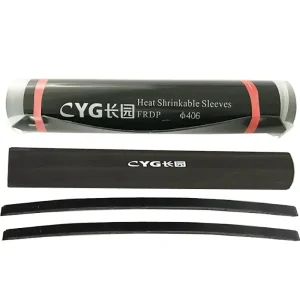
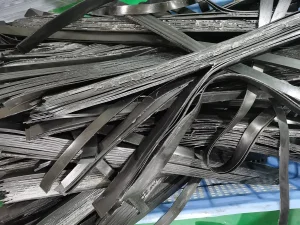
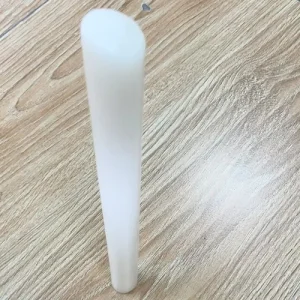
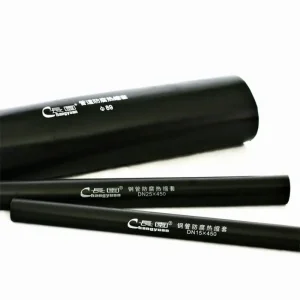
Underground pipeline systems constitute the vascular network of modern civilization, driving the long-distance transportation of crude oil, high-pressure natural gas, municipal water, and hazardous petrochemical materials. Because these conduits operate in buried subterranean ecosystems, they face unrelenting mechanical shear stress, microbial biodegradation, chemical corrosion from groundwater, and thermal variations from soil cycles. Over $20 Billion USD is lost annually globally due to sub-surface pipe corrosion issues that could have been mitigated via robust field joint coatings.
As the core insulation layer at the welded interfaces of 3LPE (Three-Layer Polyethylene) and 3LPP (Three-Layer Polypropylene) pipelines, heat-shrinkable sleeves and viscoelastic wraps form an absolute seal. Globally, the energy transition and rising investments in cross-border hydrogen-gas blended pipelines have expanded the structural requirements for underground heat shrink systems. Operating standards such as ISO 21809-3 and EN 12068 dictate high mechanical strength, chemical inertness, and low cathodic disbondment values.
Established Year
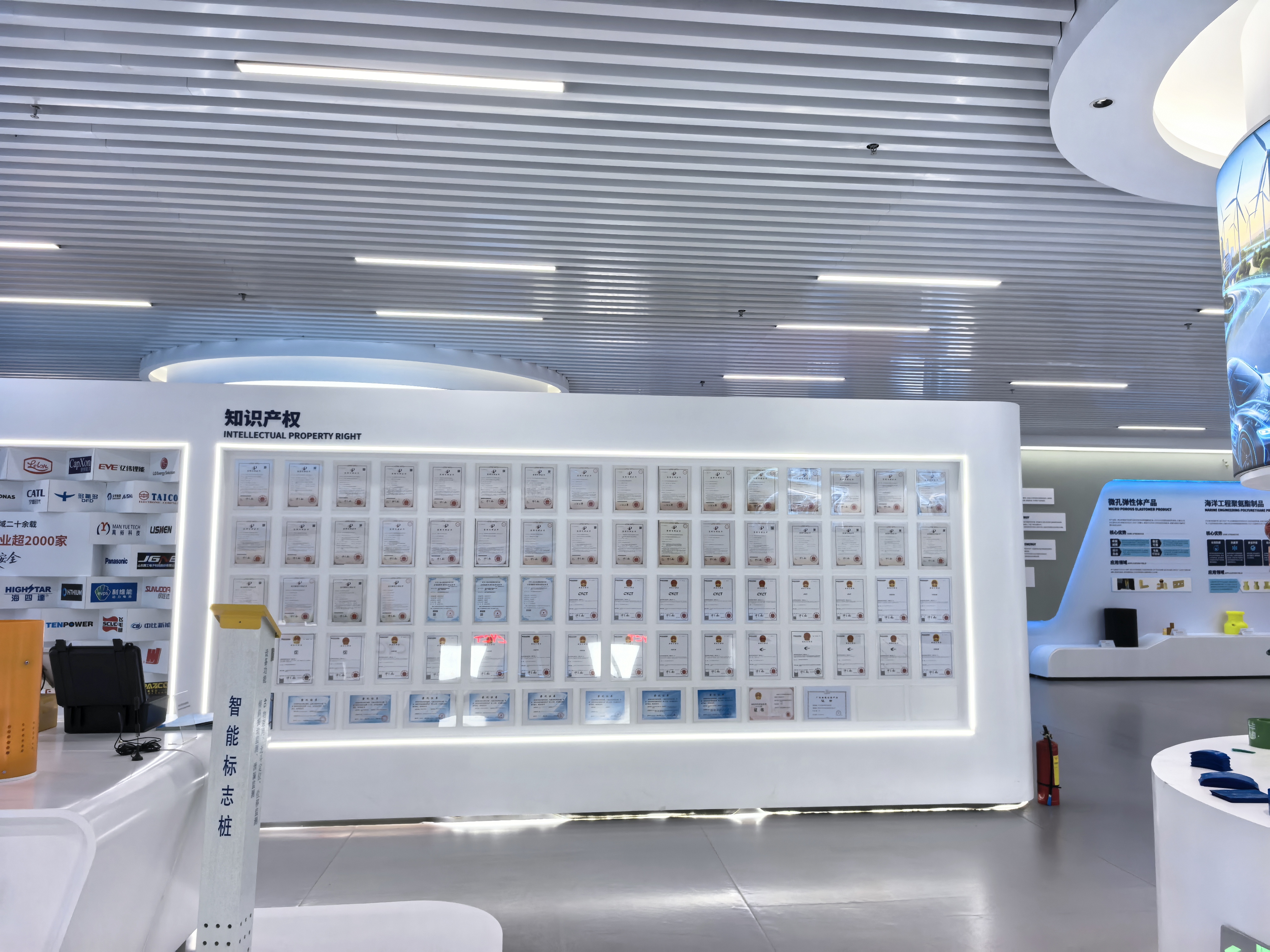
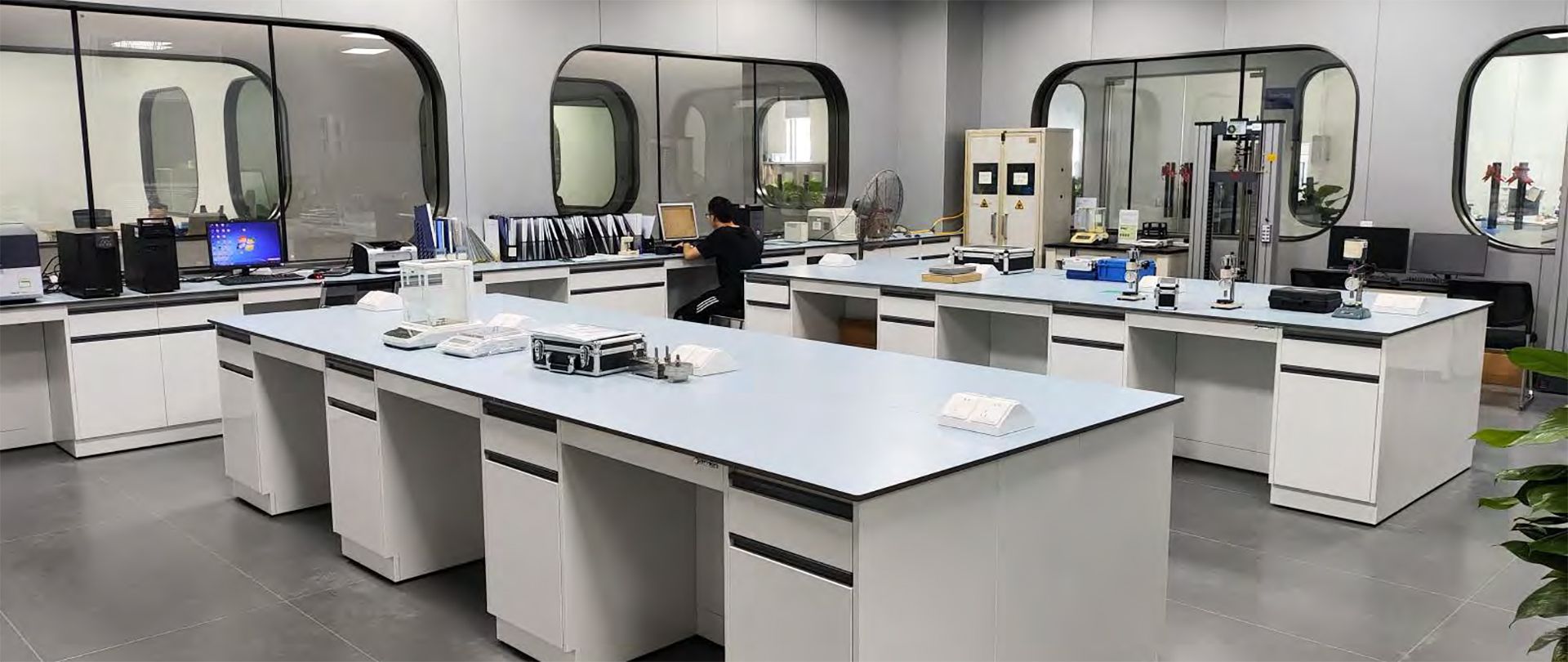
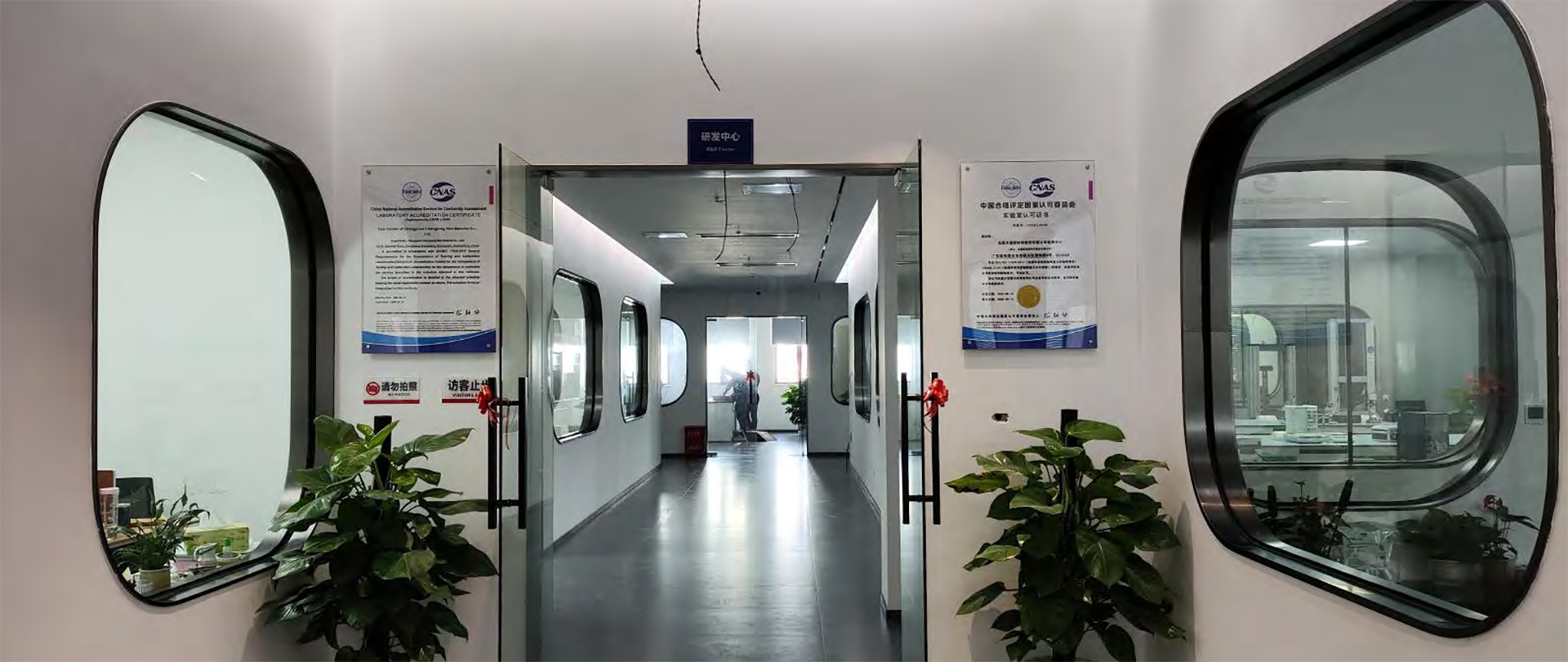
Accredited National Lab
Countries Reached
Standards Compliant
How our polymer engineering creates an impenetrable barrier against cathodic disbondment and mechanical impact.
By exposing raw polyethylene backing to a high-energy electron beam, we modify the polymer structure from a linear chain to a stable three-dimensional cross-linked network. This molecular memory enables the heat-shrinkable sleeve to return to its original extruded dimensions upon heating, applying uniform radial compression around the joint.
Unlike traditional coatings that crack under micro-movements, our viscoelastic adhesive maintains a non-crystalline, liquid-like cold flow state. It continuously wets the underlying steel surface, automatically self-healing micro-scratches and preventing water ingress even if the outer protective shield is punctured.
For high-temperature pipeline sections (up to 85°C), our copolymer hot-melt adhesive provides strong mechanical interlocking and chemical bonding with both the steel pipe and factory-applied PE/PP coatings, resisting heavy soil movement stresses.
CYCT New Materials Company Limited (for short, CYCT) is a state-level high-tech enterprise integrating R&D, production and sales of pipeline corrosion protection materials as well as buried pipeline detection services and pipeline coating field application services into one. CYCT has devoted itself to the R&D, production, and sales of pipeline corrosion protection materials for decades.
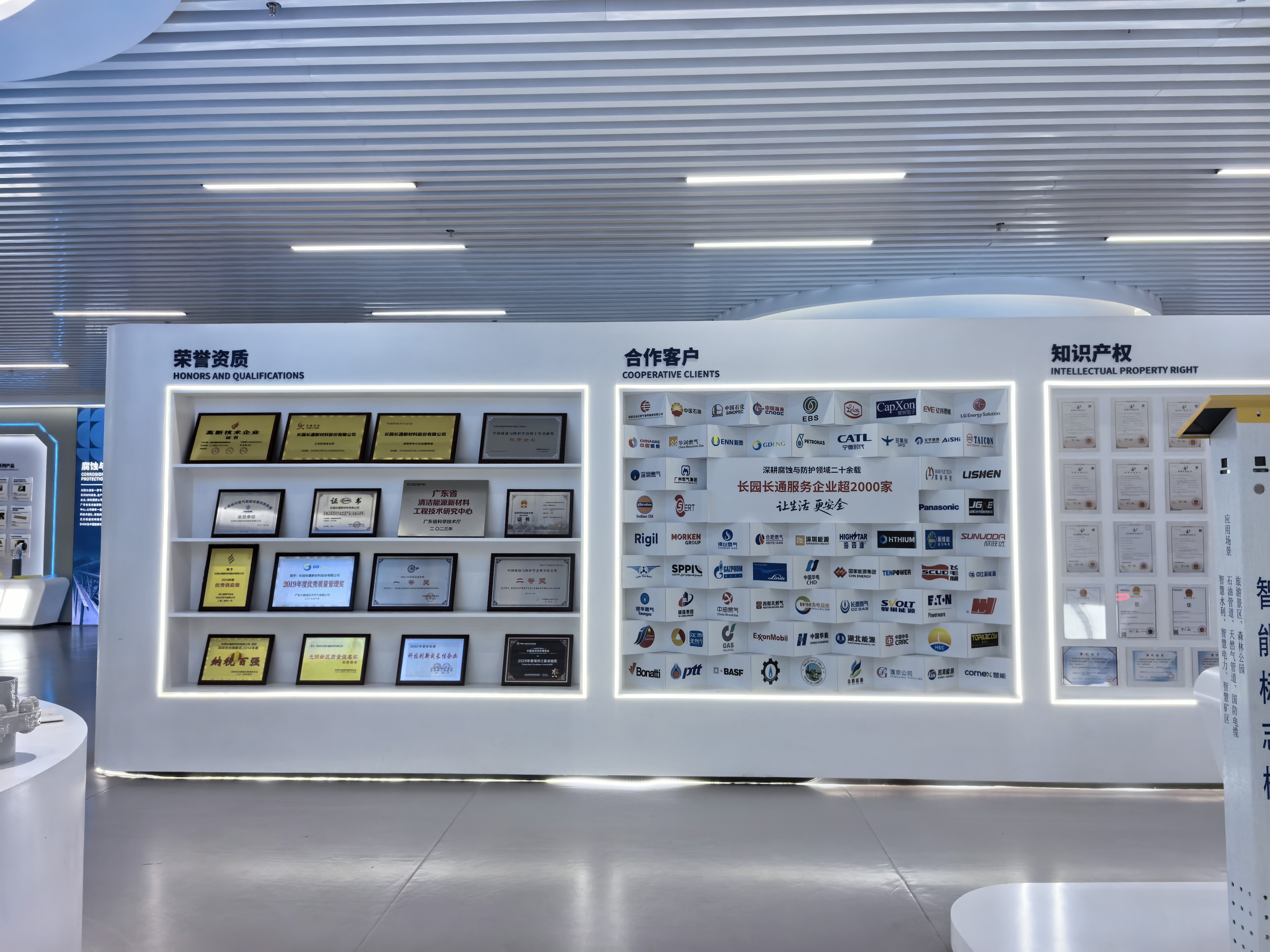
Equipped with a professional research division and a national CNAS-accredited laboratory, CYCT is a key strategic partner and stable field joint coating supplier to energy organizations like PetroChina, Sinopec, PipeChina, China Gas Group, and Indian Oil. We offer custom viscoelastic systems, photo-curing sleeves for HDD protection, and specialized polyurea coatings.
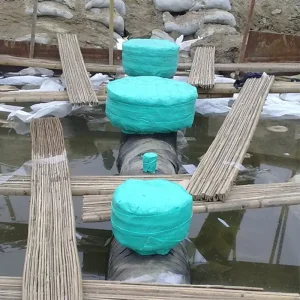
From trenchless HDD pull-back protection to deep underground moisture isolation, explore our site application blueprints.
Steel surface grit-blasted to Sa 2.5 grade according to ISO 8501-1, ensuring a profile of 50-75 microns for chemical anchoring.
The bare metal joint is preheated to specified induction levels (typically 65°C - 70°C for mastic or up to 200°C for liquid epoxy primers).
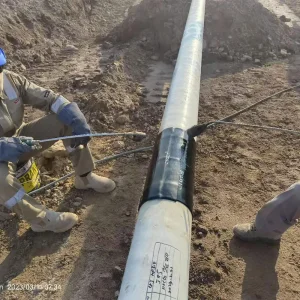
Wraparound sleeve is positioned with a closure patch. Torch application shrinks the backing radially, driving out all air pockets.
Holiday detection (typically 15-25kV) and peel-strength testing verify a void-free structural bond before burial.
Empirical parameters comparing Viscoelastic, Mastic, and Polyolefin Hot-Melt systems for underground conditions.
| Performance Criteria | Viscoelastic Coating System | Mastic Adhesive Sleeves (2LPE) | Copolymer Hot-Melt Sleeves (3LPE) | PP Heat Shrink Sleeves (3LPP) |
|---|---|---|---|---|
| Operating Temperature | -30°C to 60°C | -20°C to 60°C | -20°C to 80°C / 85°C | -10°C to 110°C / 120°C |
| Surface Prep Requirement | St 2 / Sa 2.0 (Low demand) | Sa 2.5 (Medium demand) | Sa 2.5 + Primer (High demand) | Sa 2.5 + Epoxy Primer |
| Peel Strength (to Steel) | Cohesive failure (Self-healing) | ≥ 1.5 N/mm | ≥ 80 N/cm (at 23°C) | ≥ 120 N/cm (at 23°C) |
| Cathodic Disbondment | 0 mm (tested at 23°C) | ≤ 10 mm (at 60°C) | ≤ 8 mm (at 60°C / 80°C) | ≤ 5 mm (at 95°C / 110°C) |
| Trenchless HDD Suitability | Not Recommended (needs shield) | Moderate (light sand soils) | Highly Recommended | Outstanding (with PP backup) |
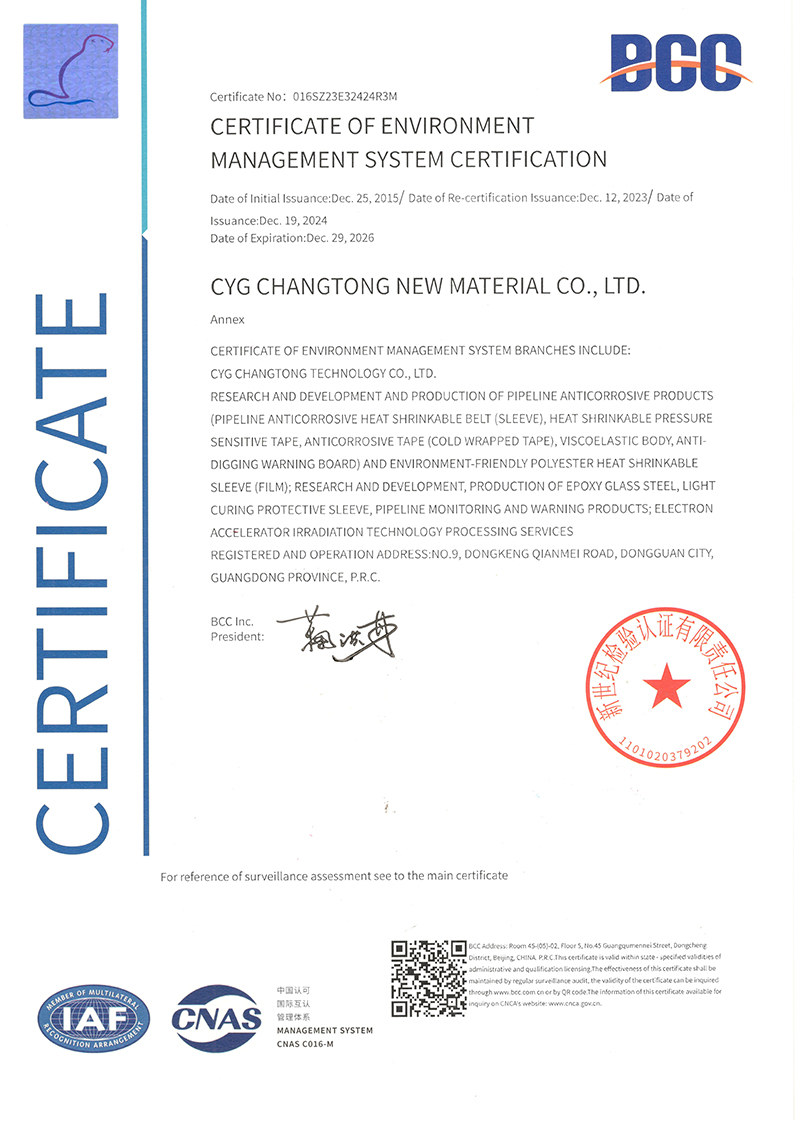
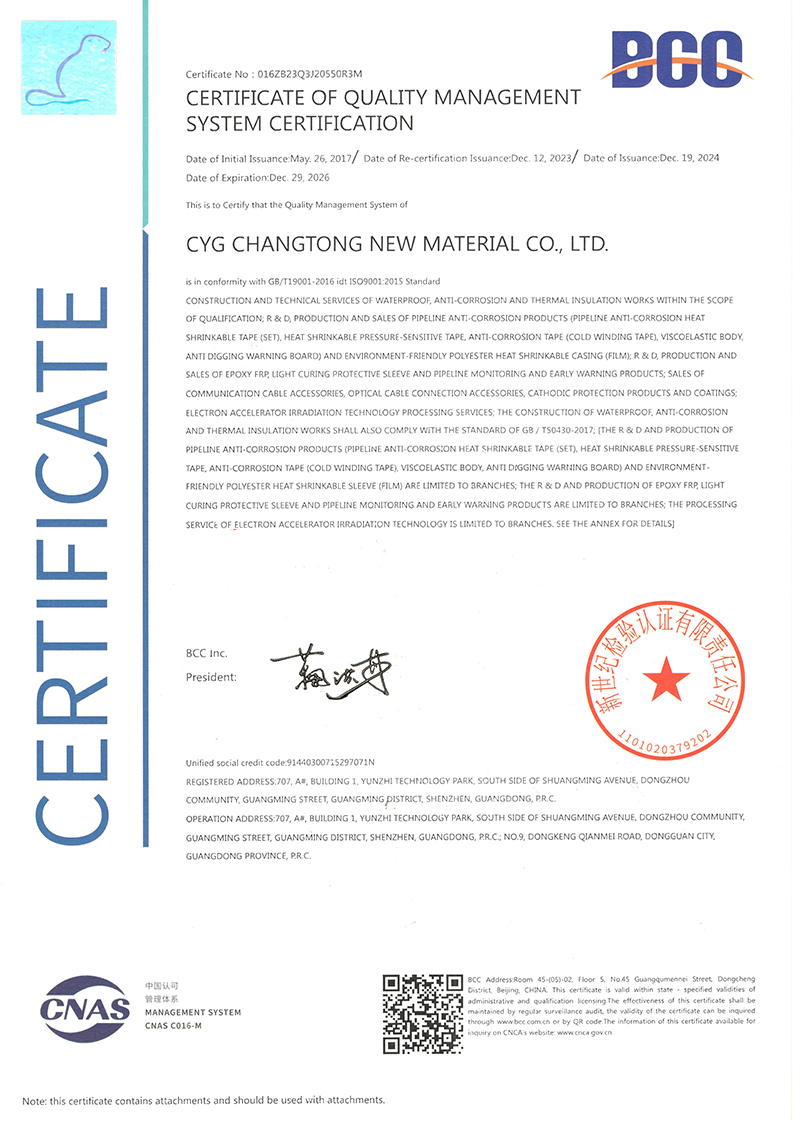
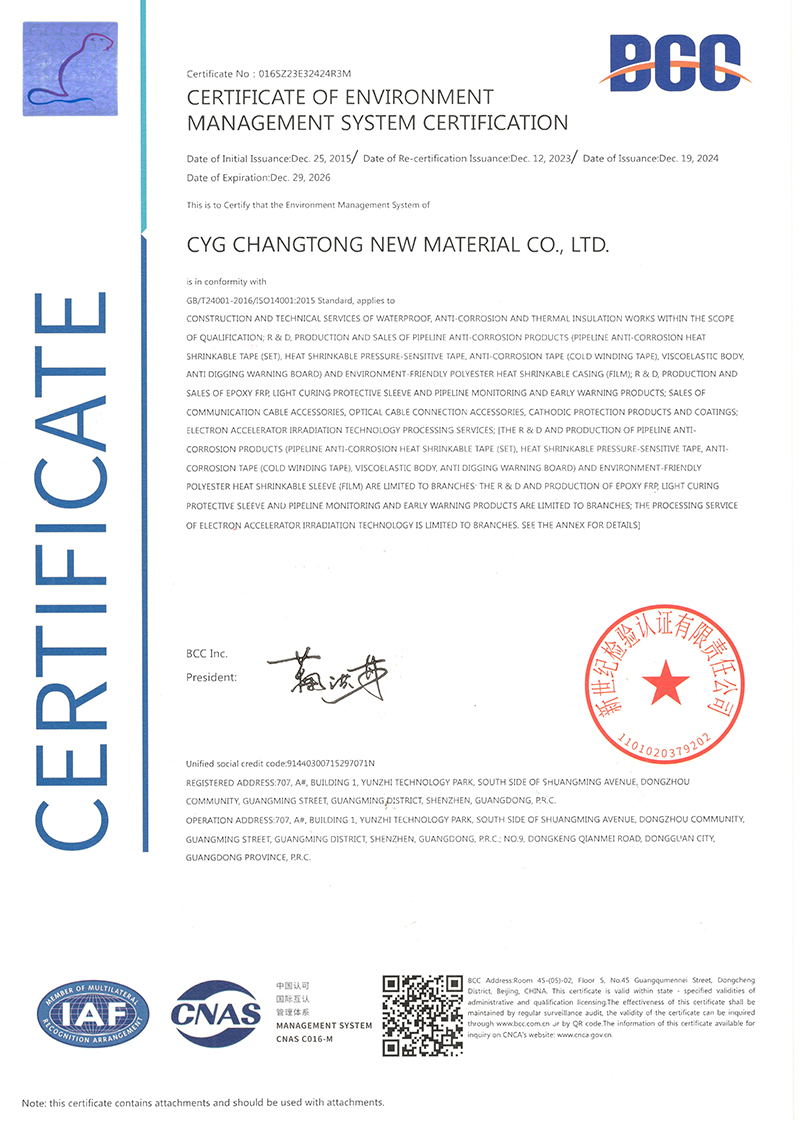
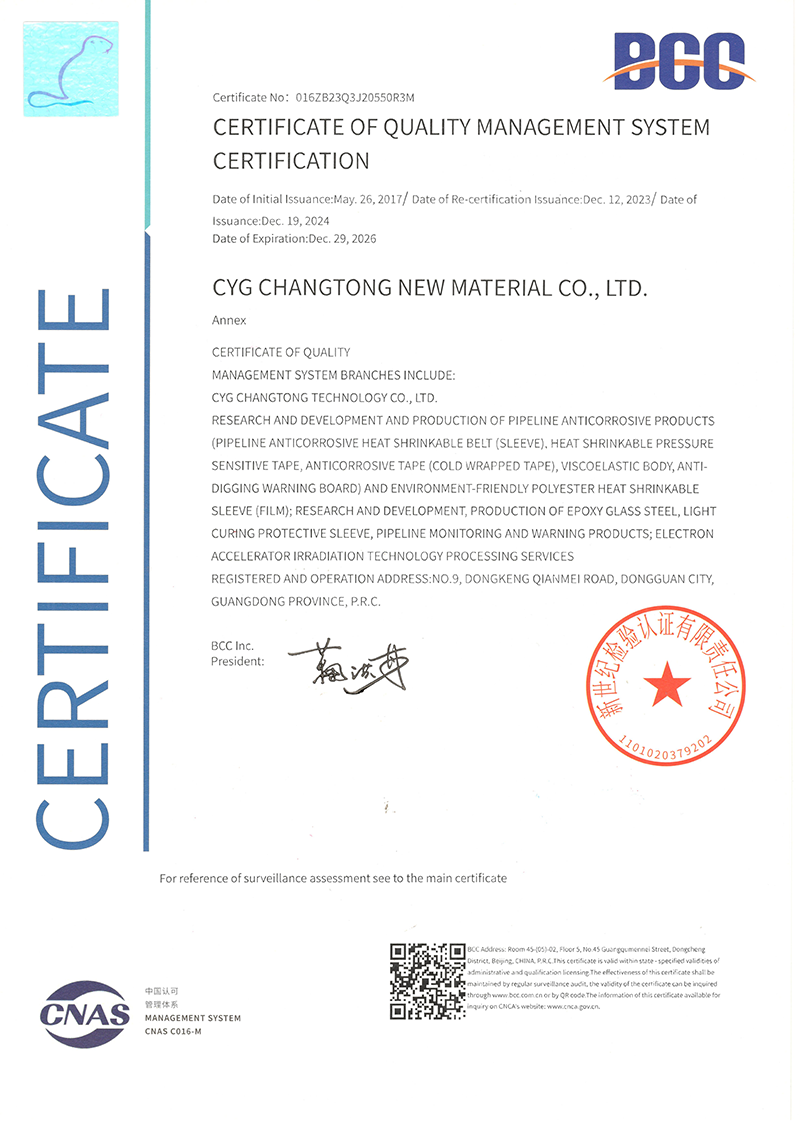
Our processes are certified to international pipeline standards, guaranteeing high reliability in heavy-duty utility projects.
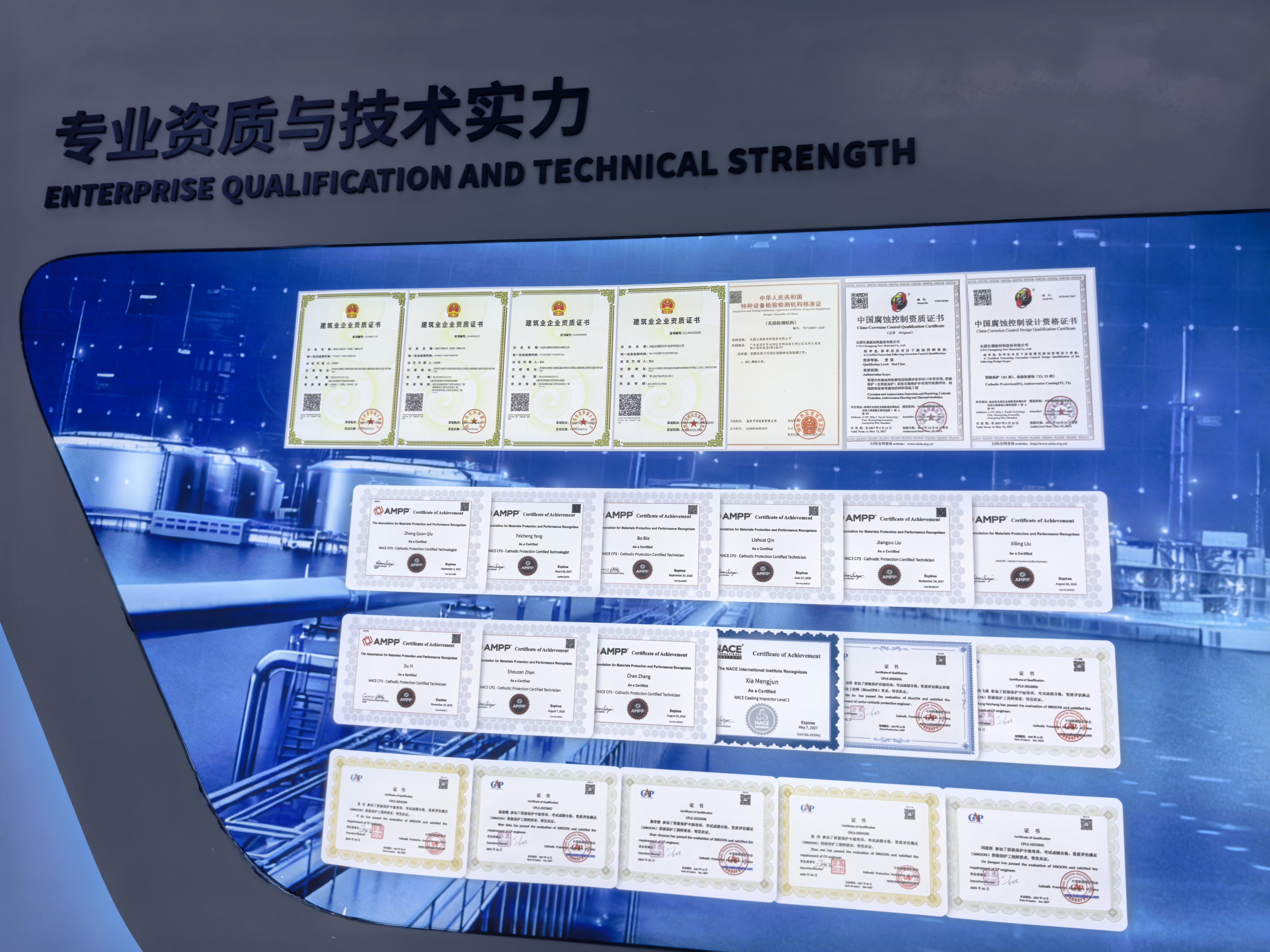
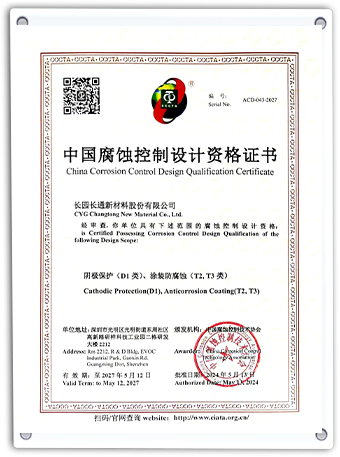
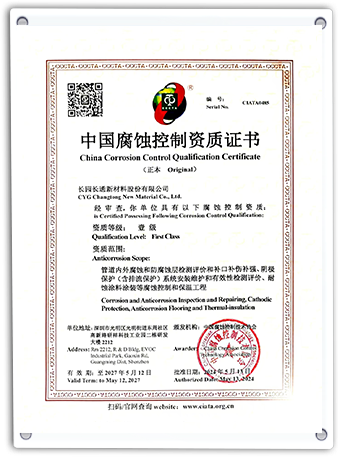
CYCT has established a leading quality management system. We are a recognized Member of Council in the Chinese Society for Corrosion and Protection (CSCP), hold qualifications for Pipeline Detection and Corrosion Protection Construction, and are designated a State-Level High-Tech Enterprise with more than 10 proprietary intellectual property patents.
Expert technical responses to critical questions about field joint coatings and viscoelastic sealing systems.
Hot-melt adhesive sleeves require higher preheat temperatures (typically 60°C to 100°C, and up to 200°C if liquid epoxy primer is used) and form a semi-rigid bond designed to resist high soil shear stresses. Viscoelastic mastic sleeves can be applied at ambient temperatures without preheating; they remain in a cold-flow, self-healing state that continuously wets the steel to prevent moisture migration.
Radiation cross-linking converts linear polymer chains into a stable three-dimensional cross-linked network. This molecular change prevents the polyolefin from melting or flowing at high temperatures, improves tensile strength, and provides elastic memory, allowing the sleeve to shrink tightly and apply uniform pressure onto the pipeline joint.
Under ISO 21809-3, field joint coatings must undergo: Holiday Detection (typically 15-25 kV) to verify electrical isolation; Peel Strength Testing to confirm adhesive bond to steel and mill-applied PE/PP; and Cathodic Disbondment Testing (CD) to measure displacement under electrical stress. Impact and indentation tests may also be required depending on soil parameters.
Preheating pre-activates the hot-melt adhesive layer and removes condensation and surface moisture. This allows the adhesive to flow into the microscopic anchor patterns of the sandblasted steel surface, achieving strong chemical and mechanical bonding and preventing voids or air bubbles.
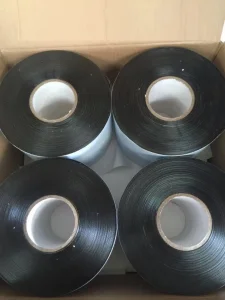
High-temperature hot melt sticks, repair patches, and specialized wraps designed for quick and reliable installation.
 CYCT
CYCT