 CYCT
CYCT
1 / 5
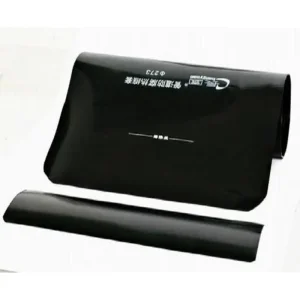
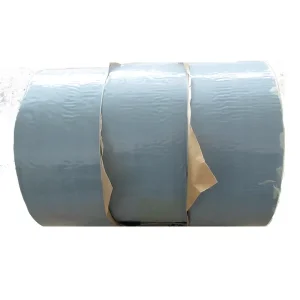
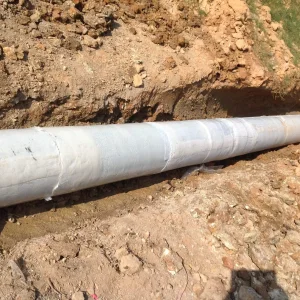
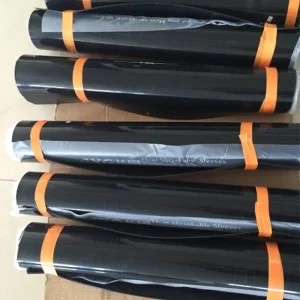
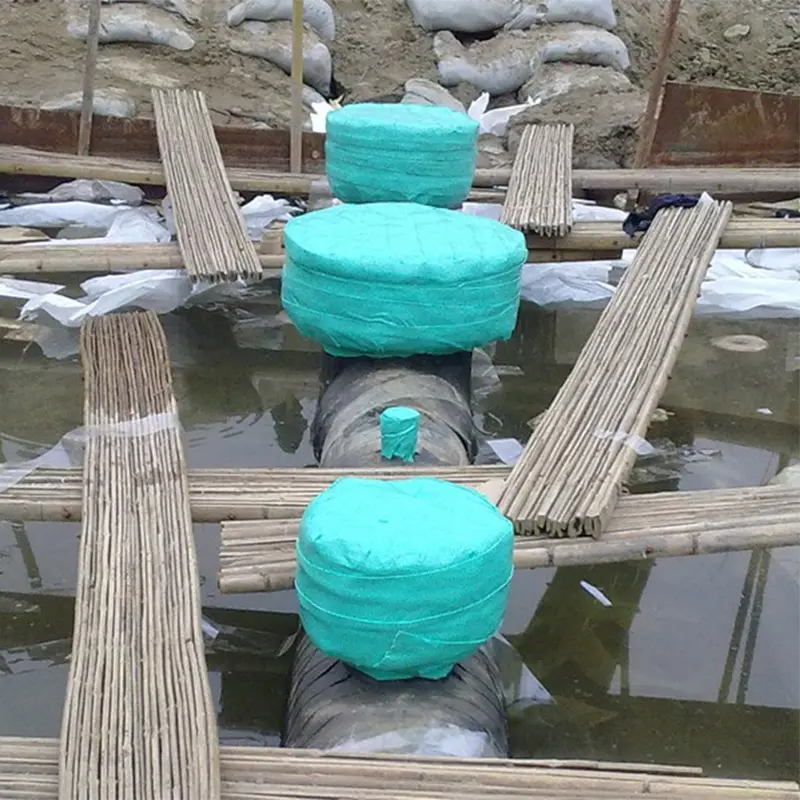
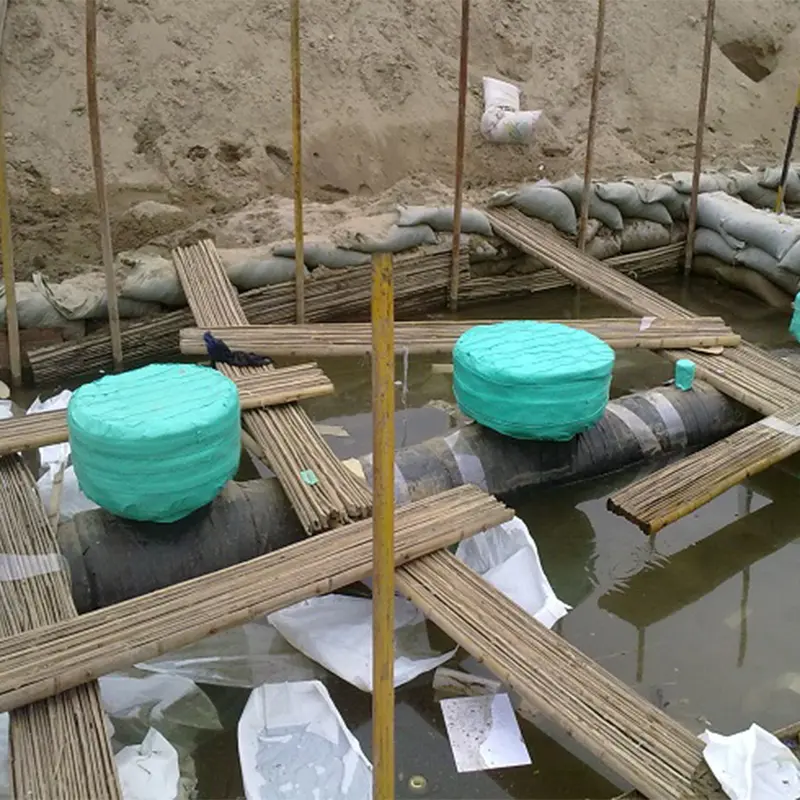
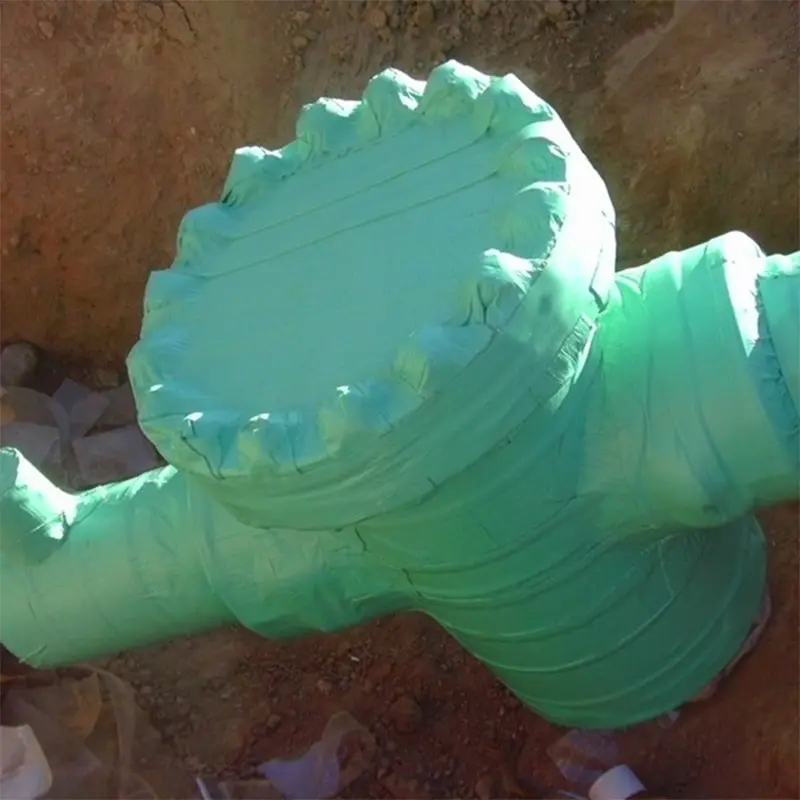
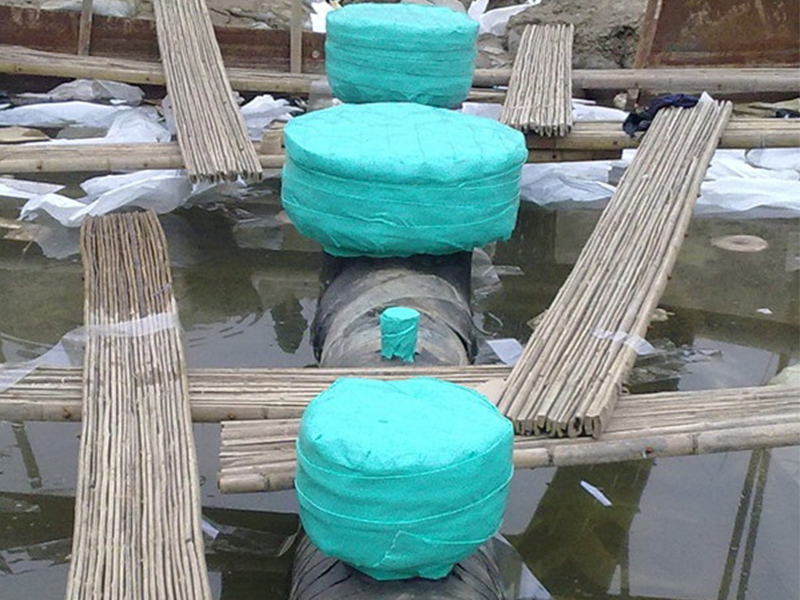
The viscoelastic anticorrosion coating series includes viscoelastic anticorrosion tape, viscoelastic anticorrosion paste, and polymeric outer protective tape. They are suitable for the anticorrosion of irregular components such as pipeline valves, flanges and tees; the joint coating of pipelines in water networks and tunnels; the repair of anticorrosion coatings and joint coatings for in-service pipelines; and other special fields.
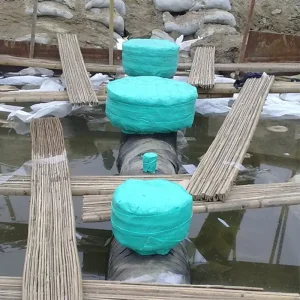
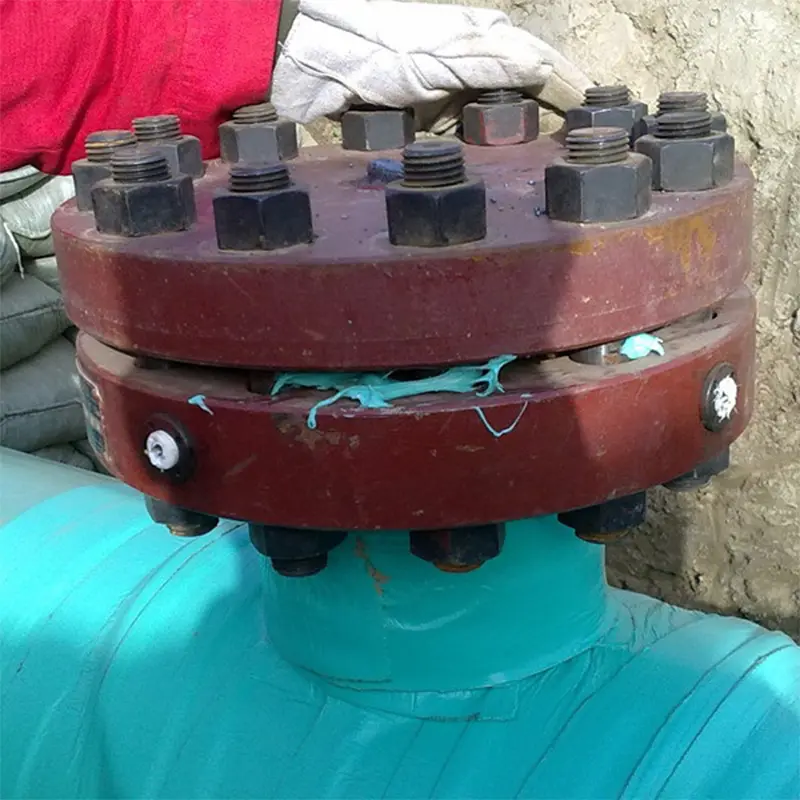
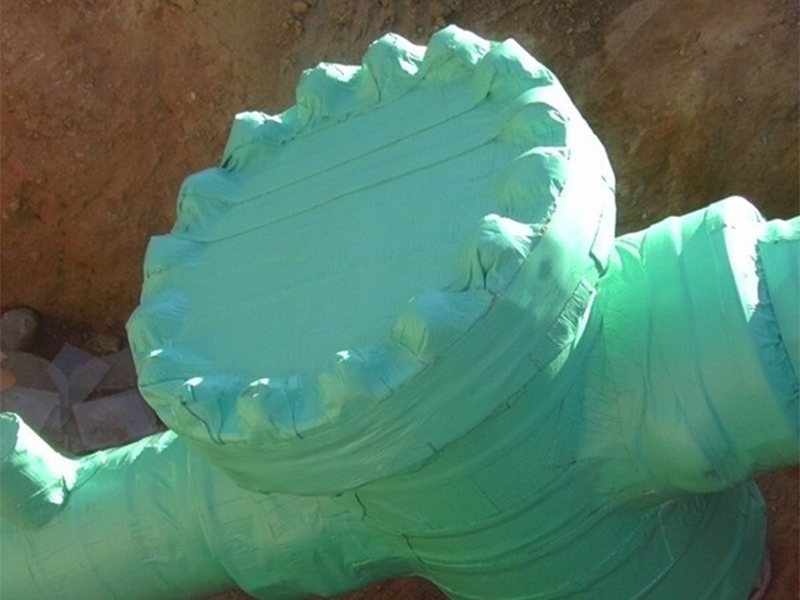
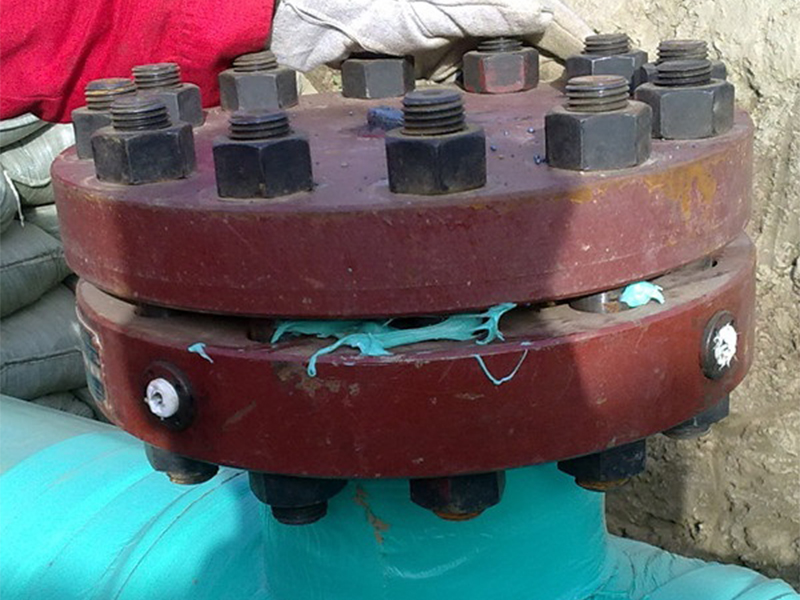
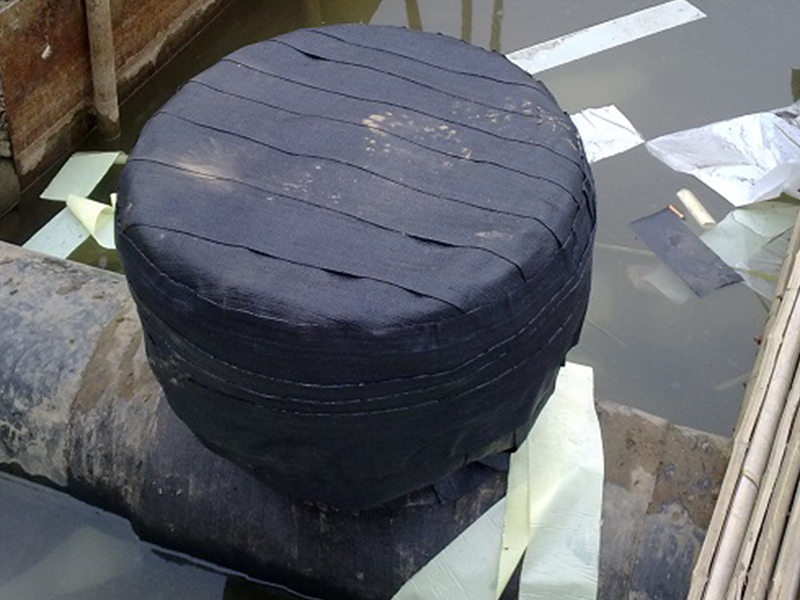
Viscoelastic coating is used to safeguard valves against corrosion. Typically, viscoelastic anticorrosive tape and viscoelastic anticorrosive paste are used together. The specific operation procedure is as follows:
| Item | Test method | Performance |
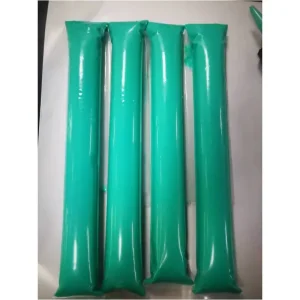
| color | Visual estimation | green |
| thickness | ISO21809-3 | ≥1.8mm |
| Glass transition temperature | ISO11357-2 | -20℃min |
| Crystallization temperature | ISO11357-3 | No evidence of crystallization |
| Holiday detection at 5KV/mm, max. 25KV | ISO21809-3 | No holiday |
| Drip resistance | ISO21809-3 | No dripping |
| Lap shear strength at 23℃ | ISO21809-3 | 0.027 N/mm2 |
| Lap shear strength at 70℃ | ISO21809-3 | 0.005N/mm2 |
| Impact resistance | EN12068 | 15 J |
| Indentation resistance | EN12068 | 0.6mm remaining |
| Self healing | ISO 21809-3 | <24 hours@23℃ |
| Cathodic disbondment resistance at 23℃ | ISO21809-3 | 0mm self healing <24 hours |
| Cathodic disbondment resistance at 70℃ | ISO21809-3 | 0mm self healing <24 hours |
| Electrical resistance | EN12068 | >10^15 ohm/cm |
| Low temp. Flexibility @-30℃ | EN12068 | No separation, tears or cracks |
Viscoelastic anticorrosion coating is a protective system consisting of viscoelastic tape, paste, and polymeric outer protective tape designed to prevent corrosion on irregular pipeline components such as valves, flanges, and tees.
The coating is suitable for anticorrosion of irregular pipeline components, joint coating in water networks and tunnels, repair of anticorrosion coatings on in-service pipelines, and other special industrial applications.
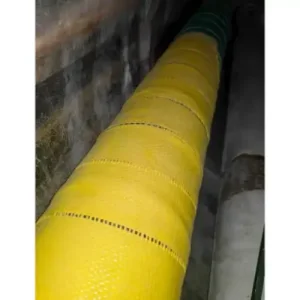
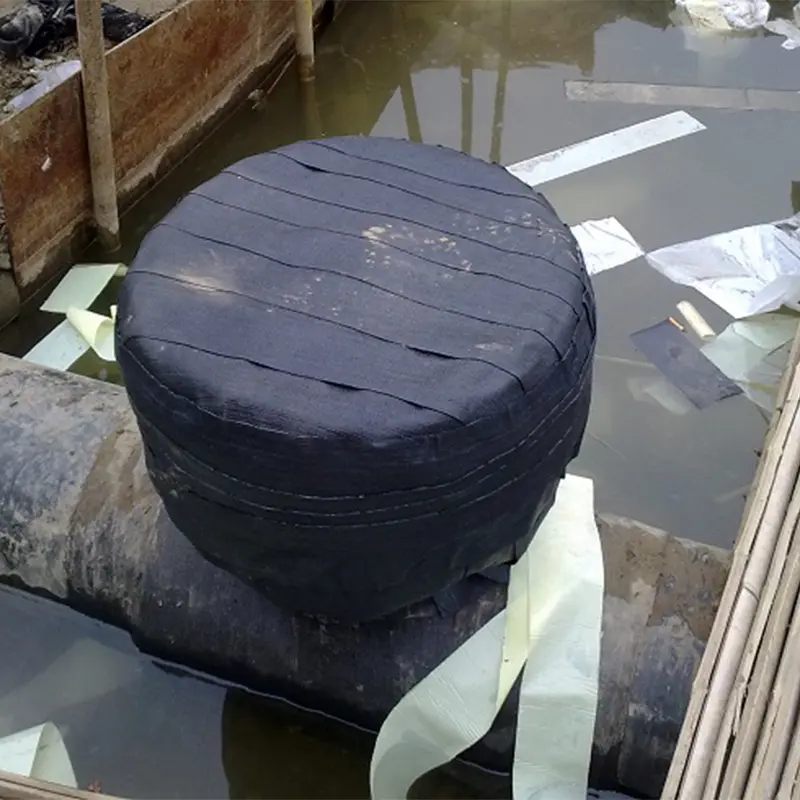
First, fill the valve with viscoelastic paste. Then manually fill grooves and bolts of flange parts with the paste. Next, wrap the valve surface with viscoelastic anticorrosive tape. For buried valves, add an outer layer of cold-applied PE/PP/PVC tape for additional protection.
According to ISO21809-3 standards, the minimum thickness of the viscoelastic coating is ≥1.8mm to ensure effective corrosion protection.
The coating has a glass transition temperature of -20℃ minimum and maintains flexibility at -30℃. It also performs effectively at elevated temperatures up to 70℃, making it suitable for various environmental conditions.
Yes, the viscoelastic coating has excellent self-healing properties. According to ISO 21809-3 testing, it can self-heal in less than 24 hours at 23℃, providing continuous protection even after minor damage.