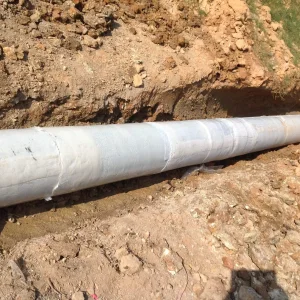
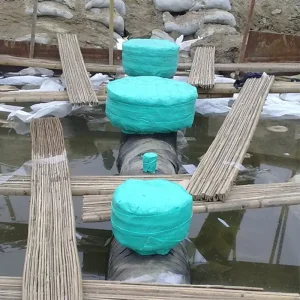
In the high-stakes arena of global energy transit, infrastructure durability defines financial and ecological sustainability. As pipelines span increasingly hostile terrains—ranging from high-salinity marine environments to high-temperature thermal corridors—the demand for reliable, long-lasting joint coating protection has surged. The Two-Layer Heat-Shrinkable Sleeve (2LPE Sleeve) has long served as a baseline system for preventing external corrosion on field joints, providing both active and passive insulation for welded steel lines.
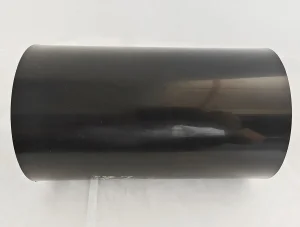
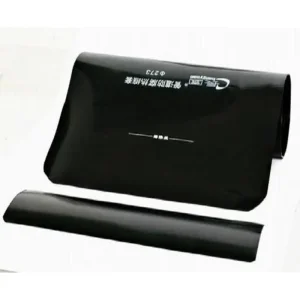
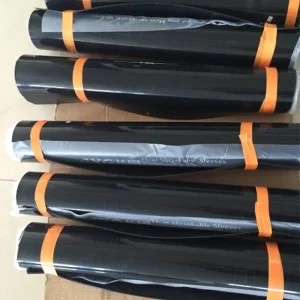
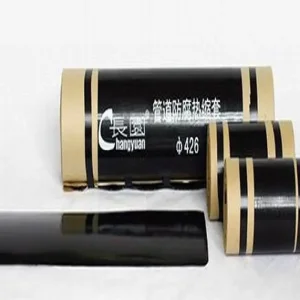
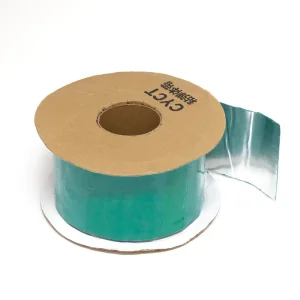
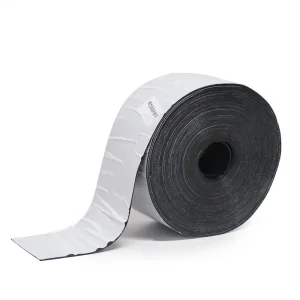
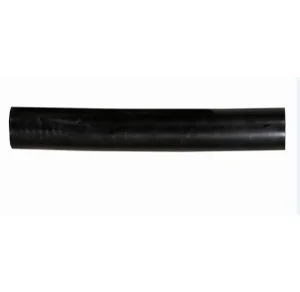
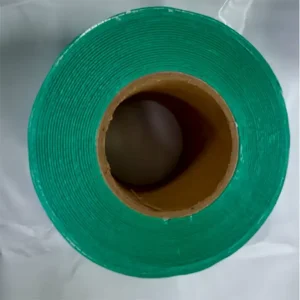
Technical Distinction: The 2-Layer Heat-Shrinkable Sleeve system comprises a thick, cross-linked high-density polyethylene (HDPE) backing coupled with a high-performance, visco-elastic mastic adhesive layer or a heavy-duty copolymer hot-melt adhesive. The thermal recovery properties of the radiation-crosslinked backing compress the soft adhesive layer, ensuring a solid, void-free contact interface directly with the steel substrate and adjacent pipeline coatings.
The global pipeline coating industry is witnessing a structural shift toward standardized, zero-defect installation procedures. Major operators across Europe, the Americas, and the Asia-Pacific region are prioritizing systems that offer not only superior cathodic disbondment resistance but also simplified, repeatable field installations. Key industry drivers include:
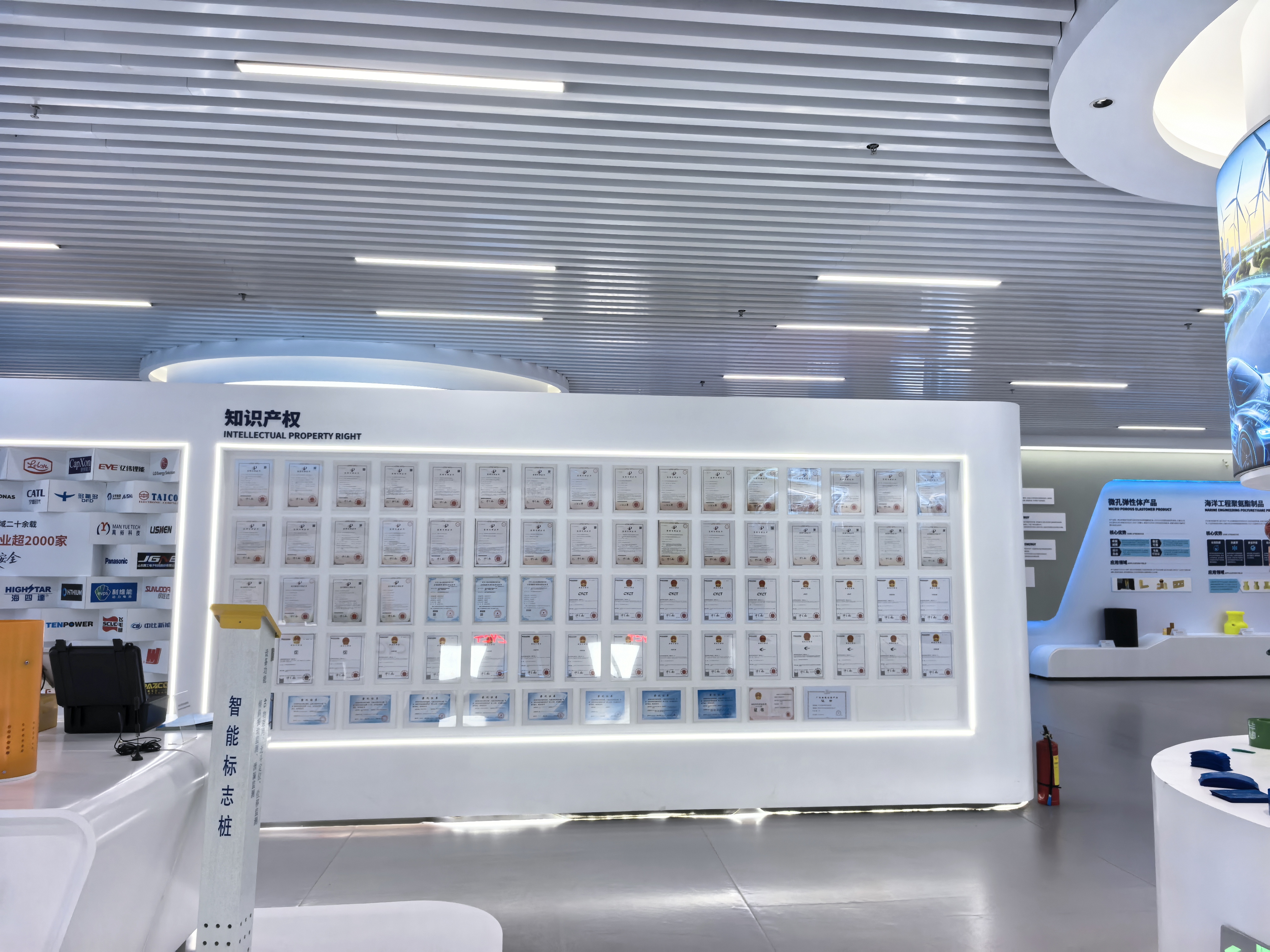
CYCT New Materials Company Limited (CYCT), founded in 2000, is a premier state-level high-tech enterprise integrating R&D, manufacturing, and sales of pipeline corrosion protection materials, coupled with field detection and coating engineering services. For over two decades, CYCT has committed to securing global infrastructure through cutting-edge chemical formulations and precise manufacturing processes.
Our long-standing collaborative partnerships with premium national entities like the CNPC Pipeline Science Research Institute enable us to engineer complete lifecycle protection models. From initial design consulting and cathodic protection compatibility audits to active field joint coating application services, CYCT provides turnkey assurance.
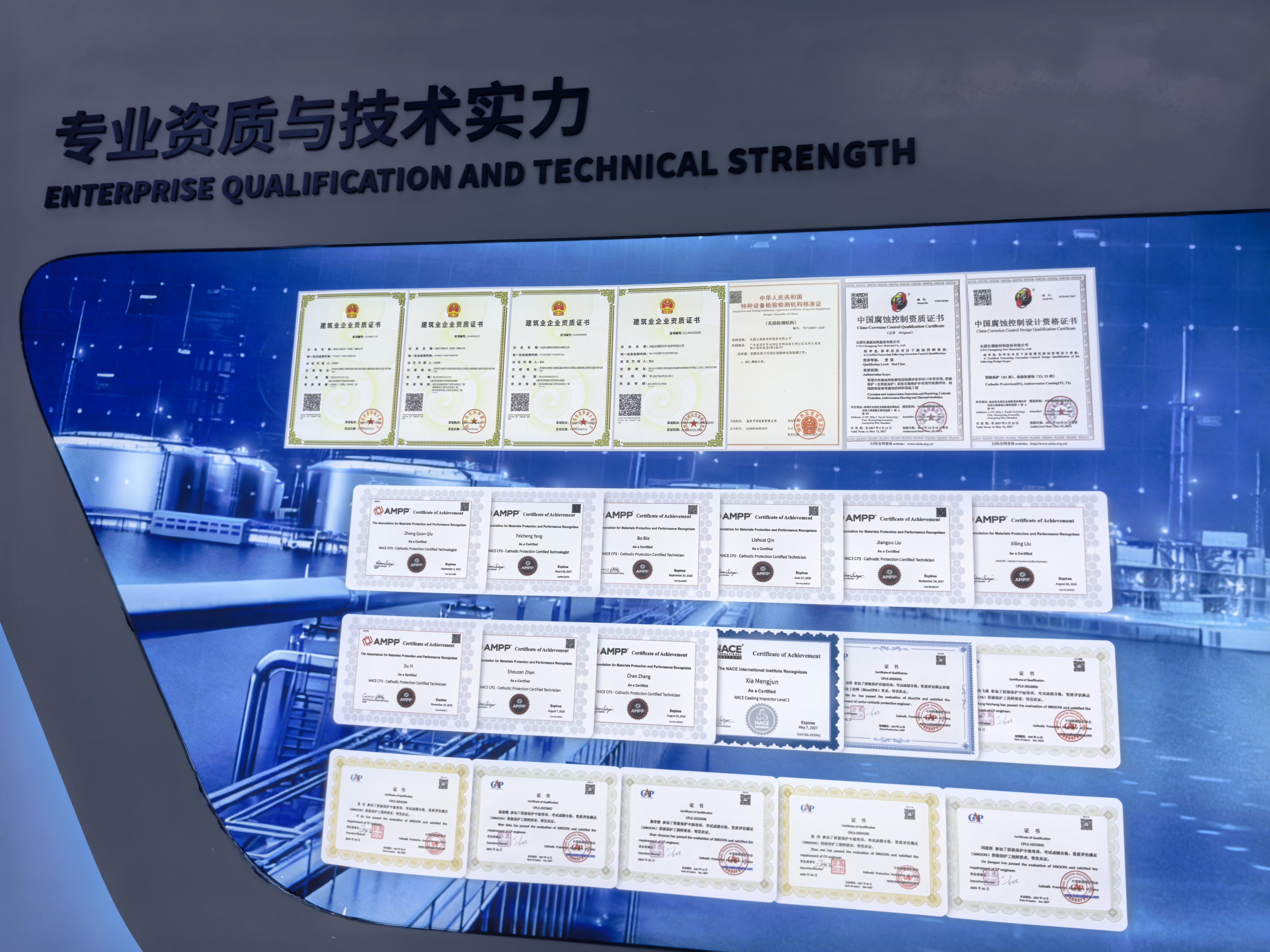
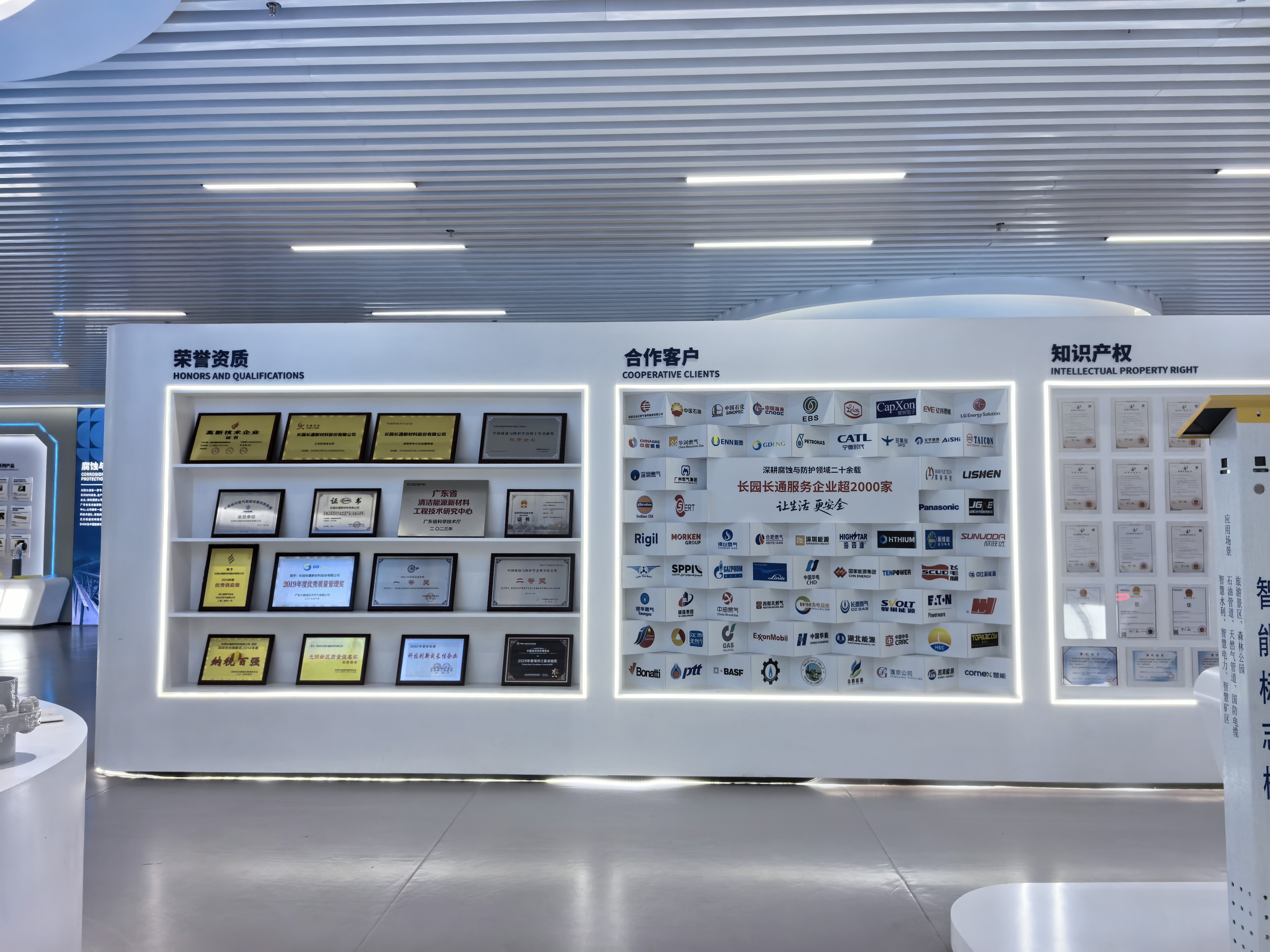
As a council member of the Chinese Society for Corrosion and Protection (CSCP) and a verified corporate member of the China Association of Petroleum Engineering Construction (CAPEC), CYCT stands as an authoritative standard-setter. Our products are fully integrated into the procurement directories of PetroChina, Sinopec, PipeChina, Gas Authority of India Limited (GAIL), and other prominent global energy utility providers.
The performance of a Two-Layer Heat-Shrinkable Sleeve relies entirely on the quality of its two constituents: the crosslinked backing and the adhesive compound. At CYCT, we control the production cycle from raw polymer compounding to electron-beam radiation crosslinking, ensuring consistent material memory and thermal contraction ratios.
Our backing utilizes proprietary polyethylene formulations that are subjected to precise radiation dosages. This crosslinking process modifies the linear molecular structure into a three-dimensional network, giving the polymer its "elastic memory." When heated during installation, the backing shrinks forcefully and applies uniform radial pressure, displacing any air and ensuring full contact over irregular weld beads.
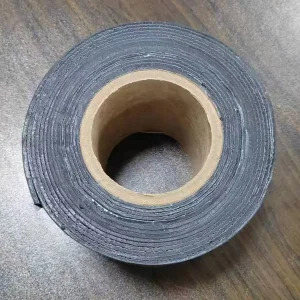
For applications where immediate adhesion and minor surface preparation flexibility are key, our mastic adhesive formulations flow into steel imperfections, sealing against water ingress even in low-temperature environments. Conversely, our copolymer hot-melt adhesives offer superior shear resistance under high soil stresses, making them ideal for deep-buried pipelines, high-temperature operations, and clay-heavy backfill conditions.
| Property | Standard Reference | CYCT Nominal Values |
|---|---|---|
| Tensile Strength | ASTM D638 | ≥ 17 MPa |
| Elongation at Break | ASTM D638 | ≥ 400% |
| Peel Strength to Steel | ISO 21809-3 | ≥ 35 N/cm (at 23°C) |
| Cathodic Disbondment | ASTM G8 (30 days) | ≤ 8 mm radial displacement |
| Impact Resistance | EN 12068 | ≥ 15 J |
Global procurement directors face major challenges when selecting pipeline protection materials: balancing initial material costs with the risk of future corrosion failures. A single failure at a pipeline field joint can lead to environmental penalties, operational shutdowns, and remediation costs that far exceed the initial coating budget.
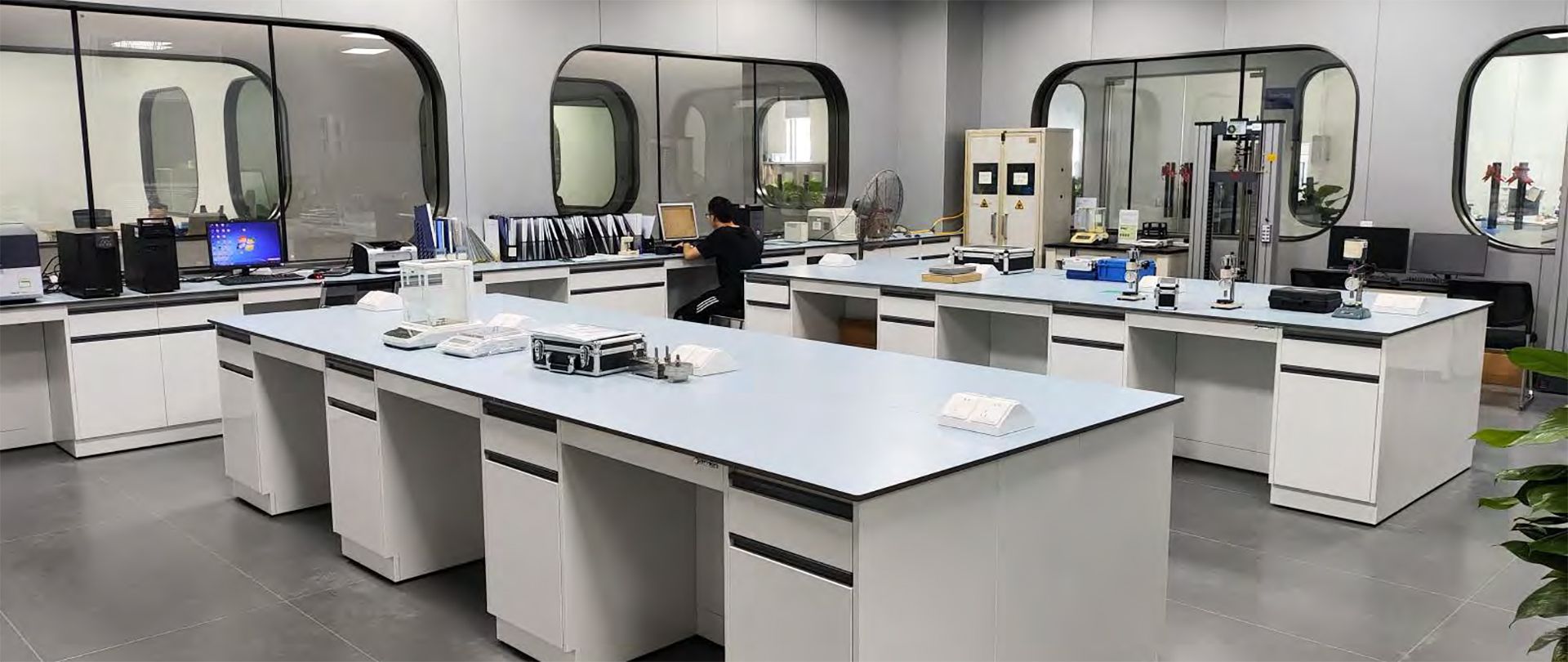
CYCT addresses these concerns through structured logistical planning, material traceability, and comprehensive documentation. Every batch of CYCT heat-shrinkable materials undergoes strict quality control at our CNAS-accredited laboratory, checking tensile values, gel content, and peel parameters before shipment. This level of quality control ensures compliance with international standards such as ISO 21809-3, EN 12068, and NACE SP0169.
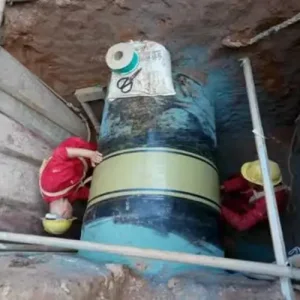
A high-performance coating can still fail if applied incorrectly on site. To prevent installation defects, CYCT offers comprehensive support packages:
As the energy industry transitions toward sustainability, pipeline coatings are evolving to offer both higher performance and lower environmental impact. CYCT's R&D efforts focus on several upcoming areas:
1. Smart Coatings with Corrosion Sensing: We are researching the integration of micro-sensors and active chemical indicators within the adhesive matrix. These systems will detect moisture ingress and localized pH changes, alerting operators before major corrosion occurs.
2. Bio-Based Polymers and Low-Emission Adhesives: In line with global ESG goals, CYCT is developing eco-friendly backing materials and hot-melt adhesives derived from renewable resources, reducing carbon emissions during manufacturing without compromising long-term protection.
3. Extreme Cold and Desert Thermal cycling: Global pipelines are increasingly built in extreme climates, from Siberian permafrost to Saharan sand dunes. Our next-generation visco-elastic and copolymer systems are designed to maintain flexibility at -40°C while resisting shear at +120°C.
 CYCT
CYCT