Engineered to withstand Hanoi's high humidity and demanding ground conditions
Hanoi, the administrative heart of Vietnam, is undergoing an unprecedented wave of infrastructure and industrial transformation. From the expansion of the Nam Thang Long Industrial Park and Quang Minh Industrial Zone to the massive municipal pipeline networks bringing natural gas, clean water, and petrochemicals across the Red River Delta, pipeline integrity has become a primary national asset protection concern.
Hanoi’s unique climate profile features a humid subtropical climate (Köppen Cwa) characterized by intense summer rainfall, high humidity levels exceeding 85% year-round, and fluctuating underground water tables. In addition, the deltaic soils are rich in clay, high in organic acid content, and frequently subject to electrical interference from Hanoi’s rapidly developing urban transit system (such as the Cat Linh–Ha Dong Metro Line).
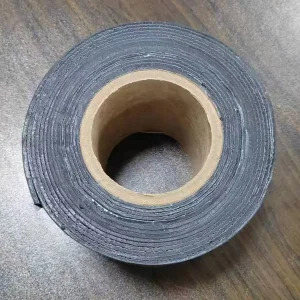
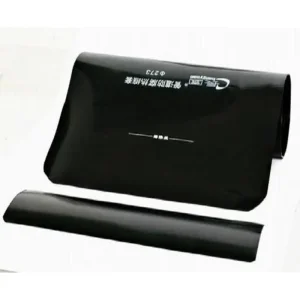
Under these demanding environmental stresses, conventional corrosion protection coatings such as bitumen, liquid epoxies, and standard heat-shrinkable materials face accelerated degradation rates. Hanoi's underground pipelines are prone to cathodic disbondment, soil stress shear deformation, and microscopic water permeation. This is where Visco-Elastic Tape offers a revolutionary engineering solution. With its fluid-like cold-flow characteristics, it exhibits 100% wetting performance on steel, completely sealing microscopic gaps, filling surface anomalies, and remaining permanently flexible from -35°C to 130°C.
Engineers and procurement teams sourcing anti-corrosion materials for projects in the Hanoi capital region must evaluate total cost of ownership (TCO), surface preparation requirements, and long-term durability. Viscoelastic tape consists of non-crystalline, low-viscosity, non-crosslinked polyisobutene (PIB) based polymers that never cure, providing unique "self-healing" properties if punctured.
| Performance Characteristic | CYCT Visco-Elastic Tape System | Traditional Heat Shrinkable Sleeve (HSS) | Liquid Epoxy Coating (FBE/2-part) |
|---|---|---|---|
| Surface Preparation Required | ISO 8501-1 St 2 / St 3 (No blast cleaning required) | ISO 8501-1 Sa 2.5 (High abrasive blasting required) | ISO 8501-1 Sa 2.5 & Anchor Profile > 50μm |
| Cathodic Disbondment Resistance | Excellent (Self-healing, 0mm disbondment) | Moderate (Vulnerable to moisture ingress under edge) | Excellent (When applied under controlled conditions) |
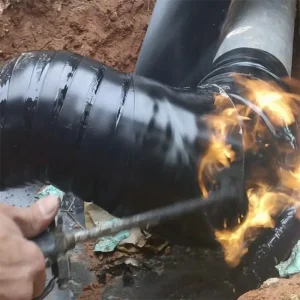
| Application in High Humidity | High Tolerance (No primer or preheating needed) | Poor (Prone to moisture entrapment, causing blisters) | Extremely Poor (Moisture halts cure, causing failure) |
| Design Service Life | Over 30 Years in underground saturated soils | 15 - 20 Years (Degrades due to soil shear stress) | 20 - 25 Years (Brittle over time under cyclic temp) |
| TCO (Labor + Equipment + Time) | Lowest (Immediate installation & backfill) | Medium (Requires preheat torches & multi-crew) | High (Requires long cure time, wet testing, safety) |
From an installation perspective, the St 2/St 3 surface preparation standard allowed by viscoelastic tape systems translates to enormous savings for Hanoi contractors. Pipeline repairs and joint coating field applications often occur in muddy trenches with restricted access. The elimination of dry grit-blasting equipment drastically reduces noise pollution, dust, and toxic waste, conforming to Hanoi's municipal urban air quality standards.
Heavy-duty structural integrity and trenchless rehabilitation solutions
Established in 2000 · A National Leader in Pipeline Corrosion Prevention
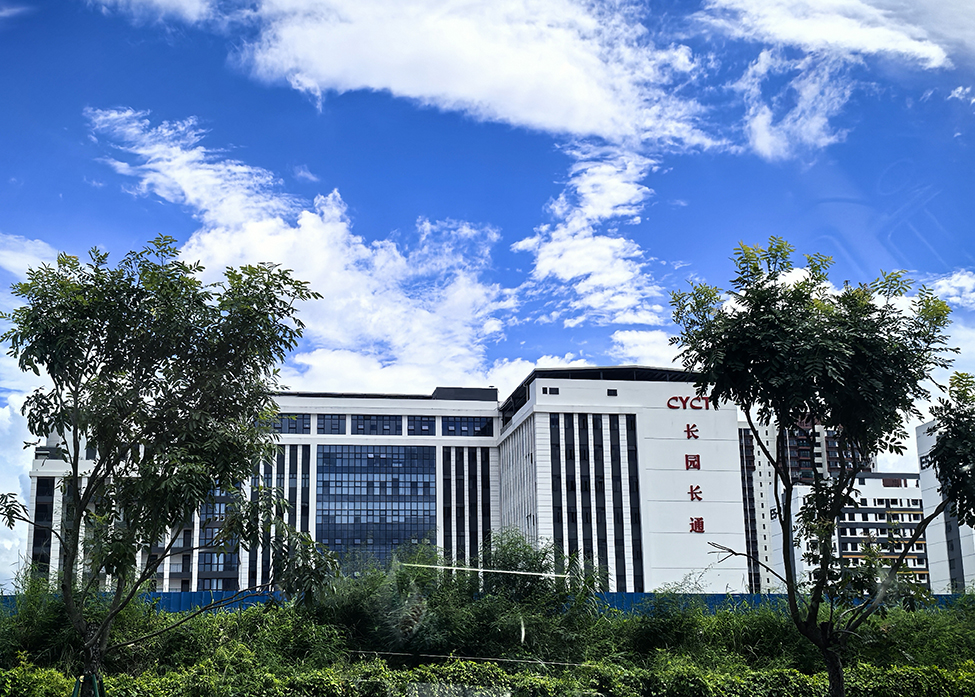
CYCT New Materials Company Limited (CYCT) is a state-level high-tech enterprise integrating R&D, production, and sales of pipeline corrosion protection materials, buried pipeline detection services, and field application engineering. For over two decades, CYCT has committed to solving the most difficult corrosion issues in energy infrastructure worldwide.
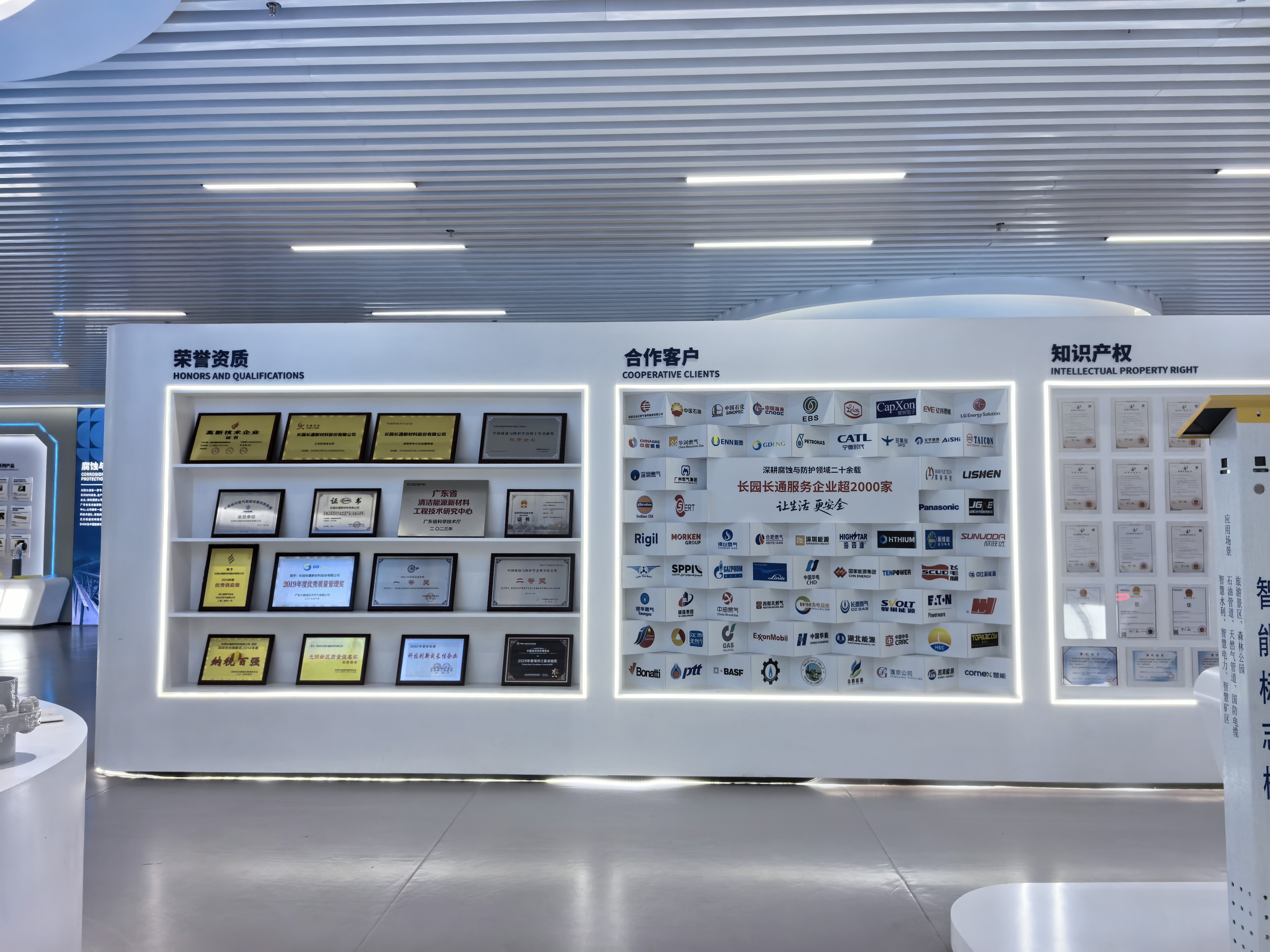
"CYCT is a stable supplier of field joint coatings for PetroChina, Sinopec, PipeChina, Indian Oil, and regional pipeline projects in Vietnam, securing a leading market share through unmatched product quality and technical support."
By partnering with world-class scientific institutions—including the CNPC Pipeline Science Research Institute—we deliver tailored pipeline health monitoring, cathodic protection designs, rehabilitation methodologies, and turnkey protection systems. Our product suite includes visco-elastic materials, photo-curing sleeves for Horizontal Directional Drilling (HDD), and solvent-free high-temperature epoxies.
CYCT operates a national CNAS-accredited testing facility equipped with differential scanning calorimeters (DSC), universal testing machines, cathodic disbondment bath setups, and environmental chambers for accelerated aging. This state-of-the-art laboratory enables us to conduct rigorous quality control from raw polymeric material validation to finished product performance verification. We test and guarantee adhesion strength, water vapor permeability, electrical resistance, and thermal stability to meet international ASTM, ISO, and EN specifications.
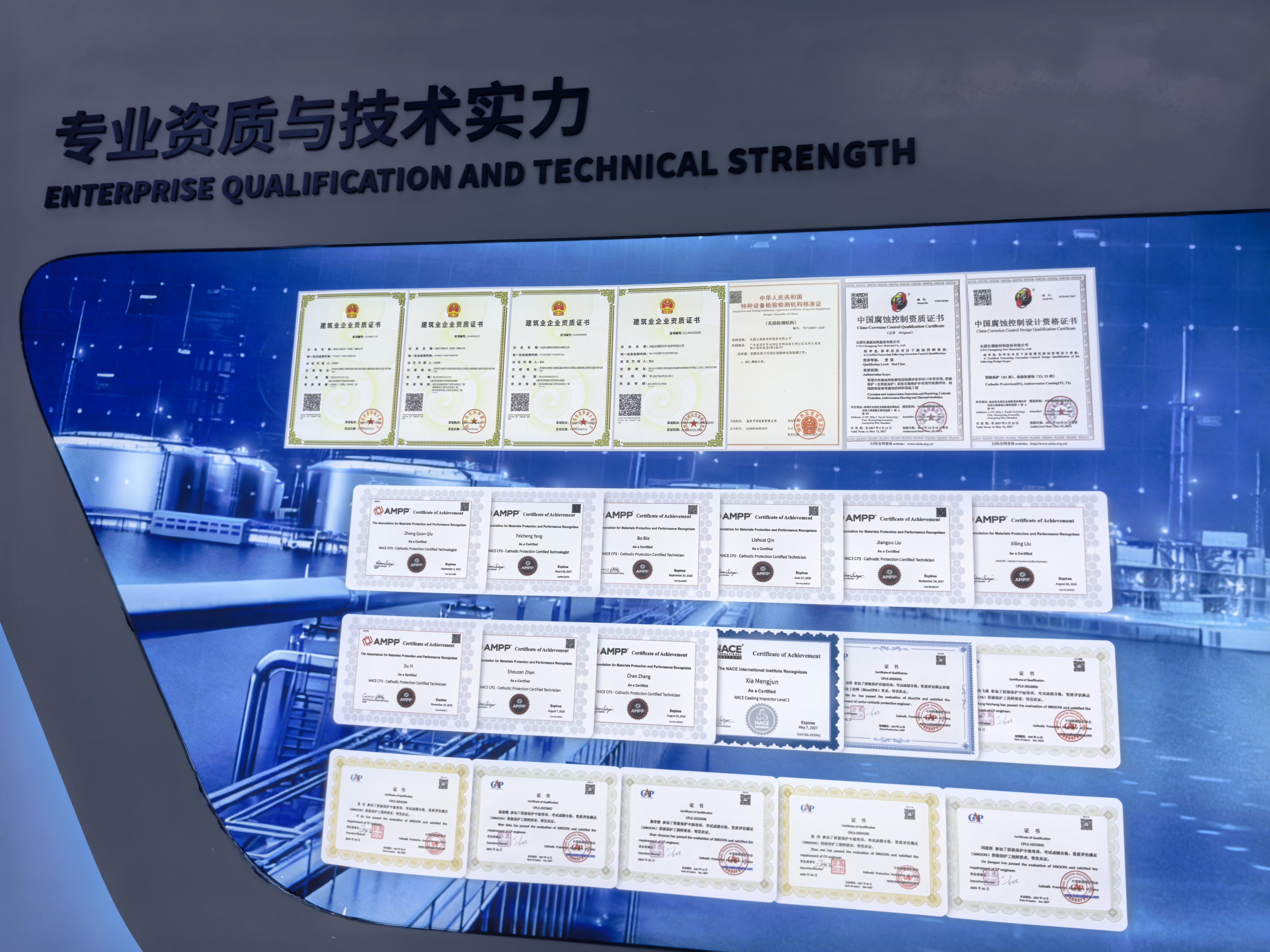
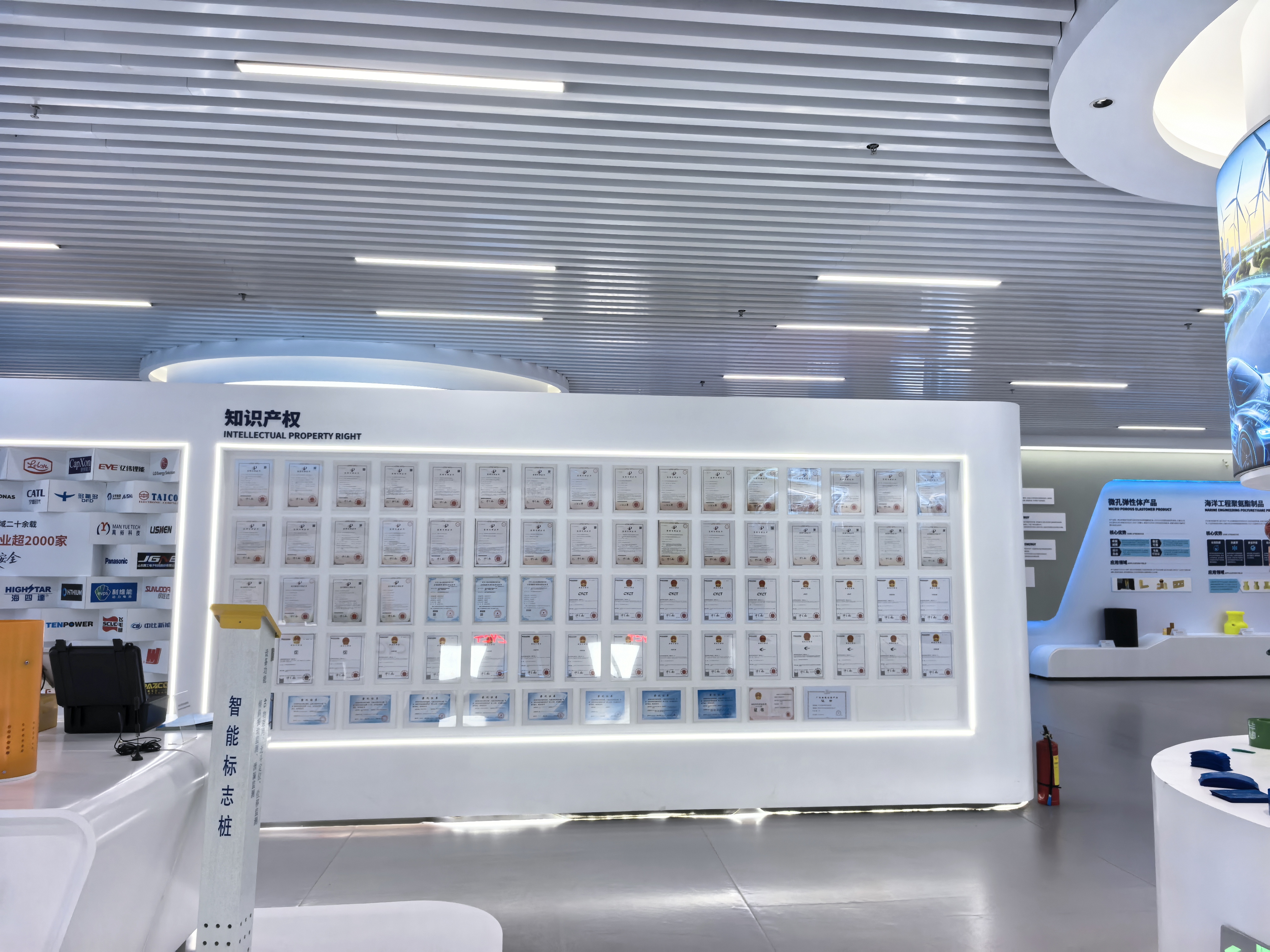
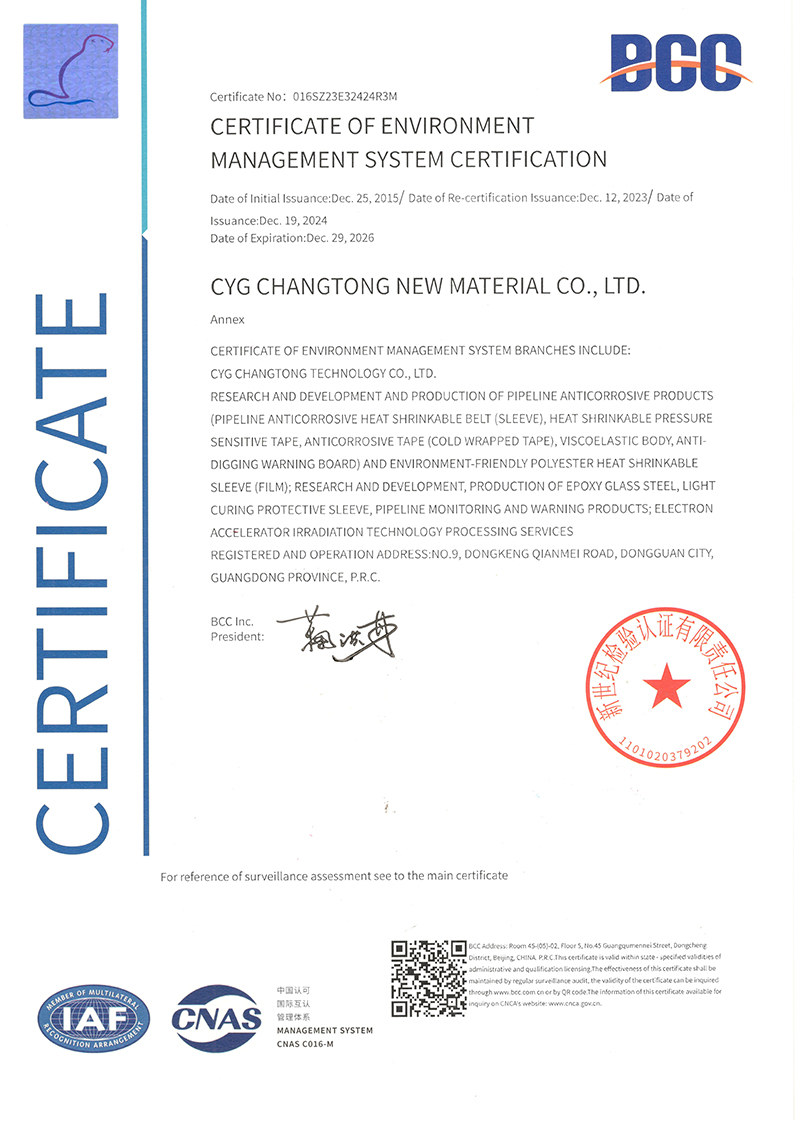
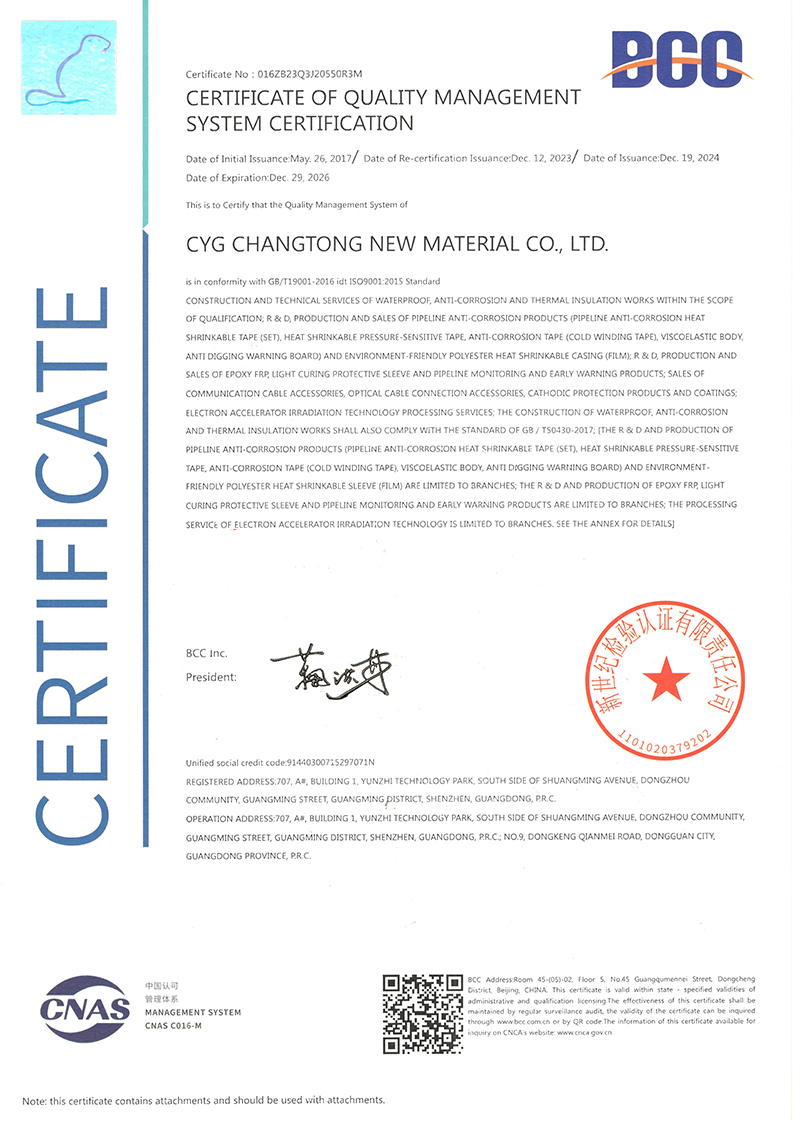
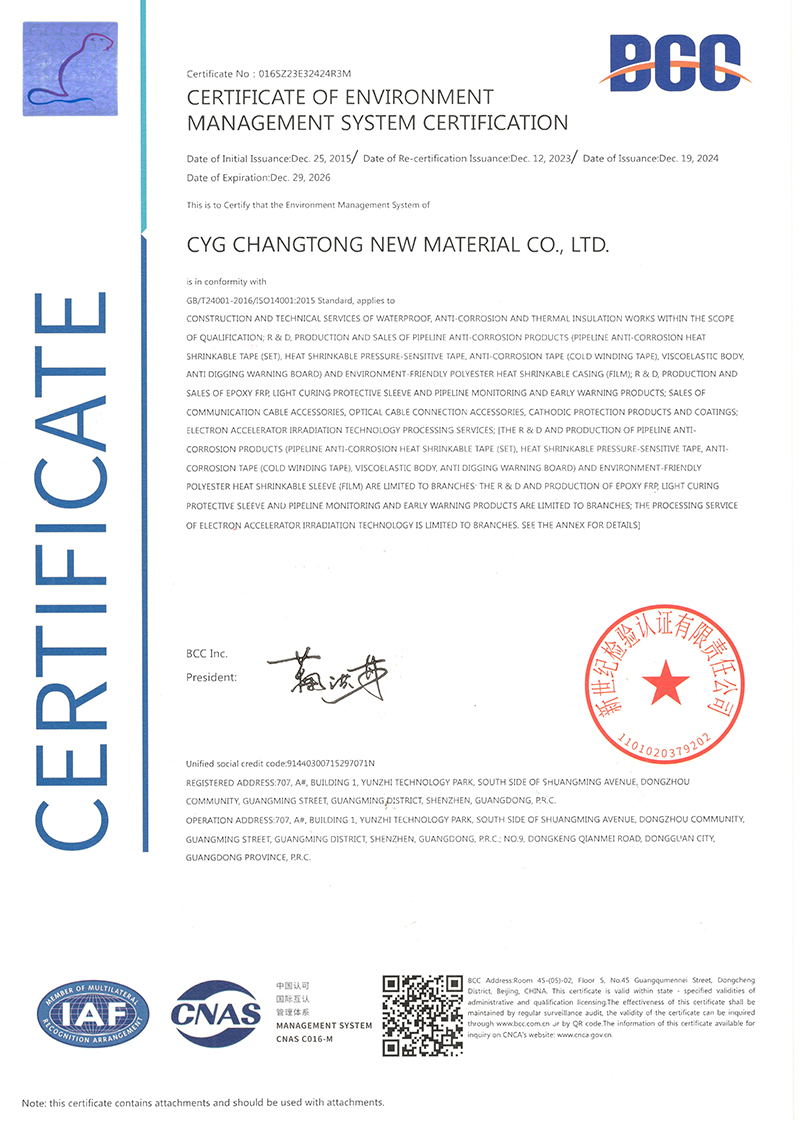
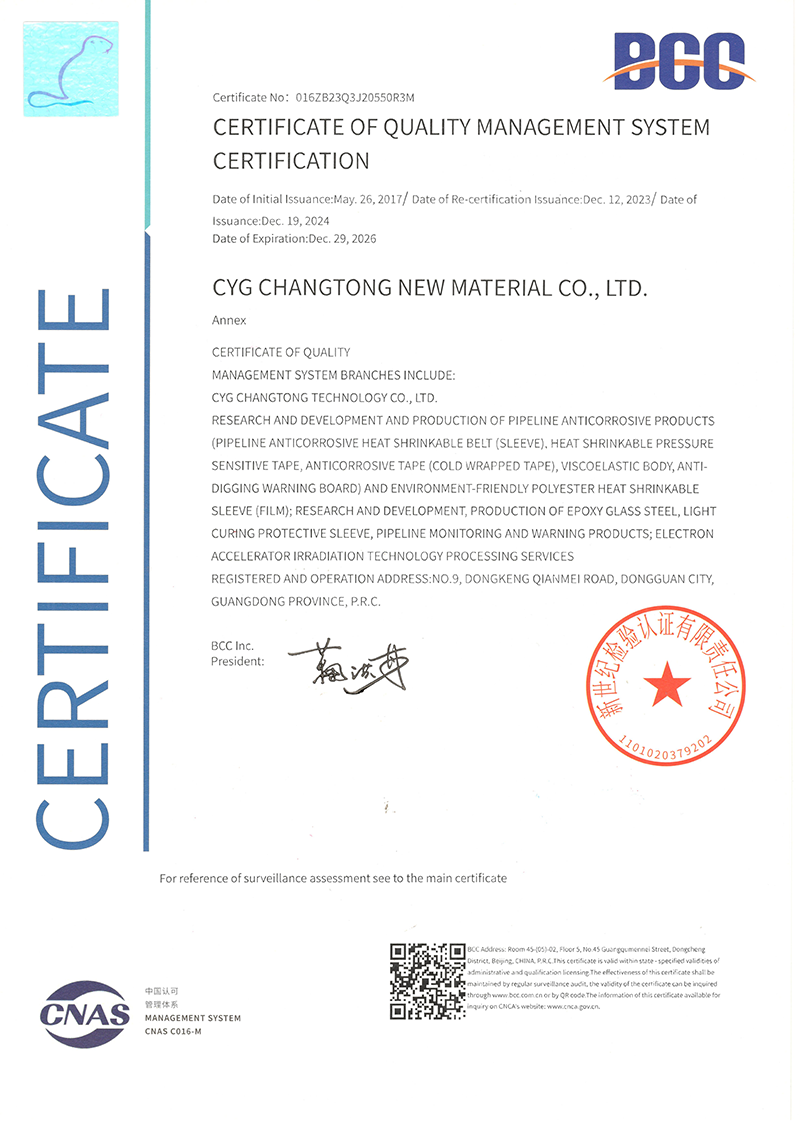
CYCT is proud to be a Council Member of the Chinese Society for Corrosion and Protection (CSCP). We hold certifications in Corrosion Protection Construction and Buried Pipeline Detection, recognizing our status as a trusted brand for pipeline security. Backed by over 10 proprietary intellectual property rights, CYCT is a qualified supplier to major global and national operators, including PetroChina, Sinopec, China Gas Group, and Indian Oil.
Procuring raw corrosion protection materials for massive projects in Southeast Asia, and specifically Hanoi, presents logistic, regulatory, and quality challenges. EPC (Engineering, Procurement, and Construction) companies require manufacturers who understand local standards, such as Vietnam's Ministry of Construction (MOC) guidelines and TCVN standards, while providing robust shipping links.
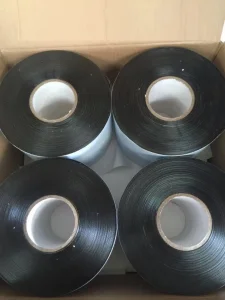
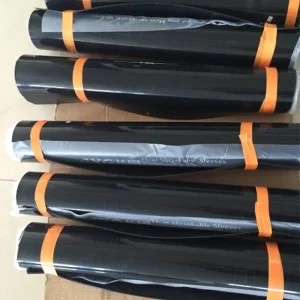
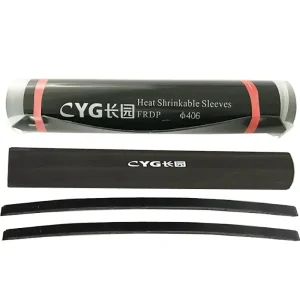
CYCT operates dedicated shipping lanes to major Vietnamese maritime gateways such as Haiphong Port, enabling fast overland transport to Hanoi via the CT.04 express route. This logistic proximity guarantees that large consignments of visco-elastic tape, mastic paste, and heat-shrinkable sleeves arrive at project yards in Hanoi within optimal timeframe conditions, maintaining strict ambient temperature storage requirements.
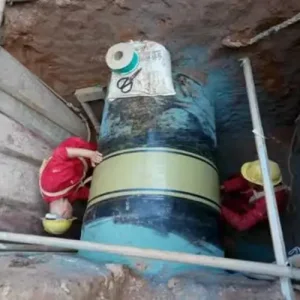
For Hanoi municipal infrastructure projects, installing viscoelastic tape systems follows a streamlined, fail-safe roadmap, optimizing schedule times for local pipeline contractors.
Step 1: Surface Preparation. Clean the substrate to remove heavy rust, loose dirt, and debris. The surface only needs to be prepared to St 2 or St 3 standard using wire brushes or power tools. Wipe with solvent to remove any residual grease or oils.
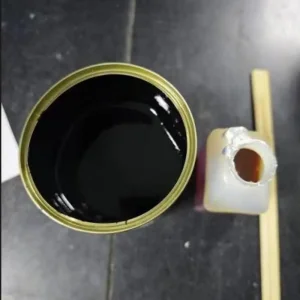
Step 2: Viscoelastic Paste Application. At flanges, valves, bolts, or weld beads, apply CYCT Visco-elastic Putty (VE Putty) to smooth out sharp transitions. This prevents air pocket formation during tape wrapping.
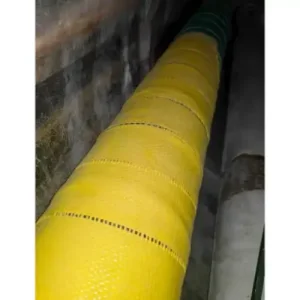
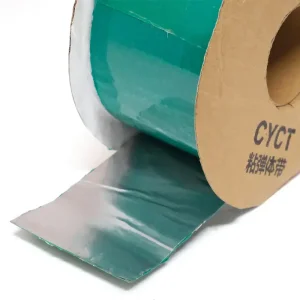
Step 3: Tape Wrapping. Wrap the viscoelastic inner tape with a constant tension, ensuring a minimum 50% overlap. The tape conforms to irregular geometries, immediately wetting the steel surface to form an air- and moisture-tight seal.
Step 4: Mechanical Protective Outerwrap. Wrap a secondary, heavy-duty outerwrap (such as PE/PVC outer tape or GRF moisture-curing shield) over the viscoelastic layer. This outer wrap provides structural rigidity, shielding the inner corrosion protection layer from mechanical damage, soil shear stresses, and backfill impacts.
Durable coatings, field-joint primers, and heat-shrinkable wrapping tapes
Expert technical insights from CYCT’s Chief Corrosion Engineers
 CYCT
CYCT