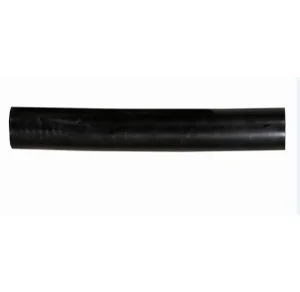
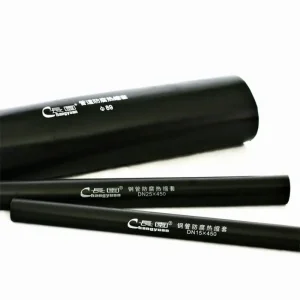
Explore our engineering-grade heat shrinkable sleeves, viscoelastic coatings, and high-performance pipeline repair systems.
In the modern industrial landscape, pipelines serve as the arterial networks for transporting critical assets such as crude oil, natural gas, chemical raw materials, potable water, and wastewater. These systems span thousands of miles across harsh geographical environments, encountering aggressive soils, dynamic marine currents, high temperatures, and structural loads. The vulnerability of steel pipes to electrochemical and mechanical corrosion is a primary challenge. Field joint coatings (FJC) are critical, as welded joints represent the most susceptible regions of an in-service pipeline.
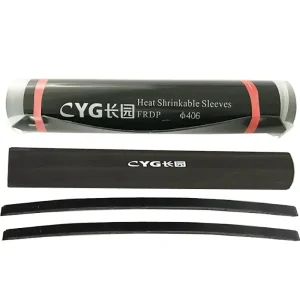
Wrap Around Heat Shrink Sleeves (WAHSS) have emerged as the global standard for protecting field joints in modern pipeline engineering. These sleeves feature a dual-layer or triple-layer composite configuration: a radiation cross-linked high-density polyethylene (HDPE) backing and a high-shear-strength co-polymer hot-melt adhesive or mastic layer. When heat is applied using a propane torch or induction heater, the polymer backing exhibits elastic memory properties, shrinking to conform to the pipe geometry. Concurrently, the adhesive melts and flows, filling surface imperfections on the steel and the parent factory-applied coatings (such as 3LPE, 3LPP, FBE, or asphalt enamel).
"According to NACE International statistics, pipeline corrosion costs the global energy industry over $2.5 trillion annually. Properly specified and professionally installed field joint coatings, like CYCT's OEM Wrap Around Heat Shrink Sleeves, can mitigate joint failure rates by up to 98.7% over a 30-year operational life cycle."
The performance of wrap-around heat shrinkable sleeves is determined by the molecular structure of the backing material. During manufacturing, polyethylene is subjected to high-energy electron beam irradiation. This process replaces weak physical bonds with strong covalent chemical cross-links between the polymer chains.
This cross-linking alters the behavior of the material at elevated temperatures. While standard polyethylene melts into a liquid state above 110°C, cross-linked polyethylene (XLPE) transitions into an elastomeric phase. It retains its structural shape and contracts forcefully when heated, providing the high radial tension required to prevent water ingress and resist soil stress.
Pipeline designers balance environmental conditions, installation feasibility, and material compatibility when selecting coating systems. The table below outlines how Wrap-Around Heat Shrink Sleeves compare to alternative coating methods:
| Coating Type | Key Advantages | Application Limitations | Cathodic Disbondment Resistance |
|---|---|---|---|
| Wrap-Around Heat Shrink Sleeves (WAHSS) | High mechanical strength, excellent water barrier, fast field installation, works on wet soils. | Requires skilled torch operator or precise induction heating parameters. | Excellent (Grade A) |
| Liquid Epoxy / Polyurethane Coatings | Seamless finish, high chemical resistance, cold-applied. | Long curing times, highly sensitive to ambient humidity and mixing ratios. | Moderate (Grade B) |
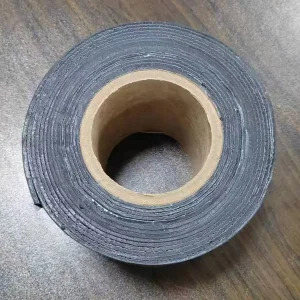
| Cold-Applied Polymeric Tapes | No heating tools needed, easy manual winding, low initial cost. | Low resistance to soil shear stress, prone to sliding and wrinkling under ground movement. | Poor (Grade C) |
State-level High-Tech Enterprise Specialize in Corrosion Protection & Pipeline Detection Services
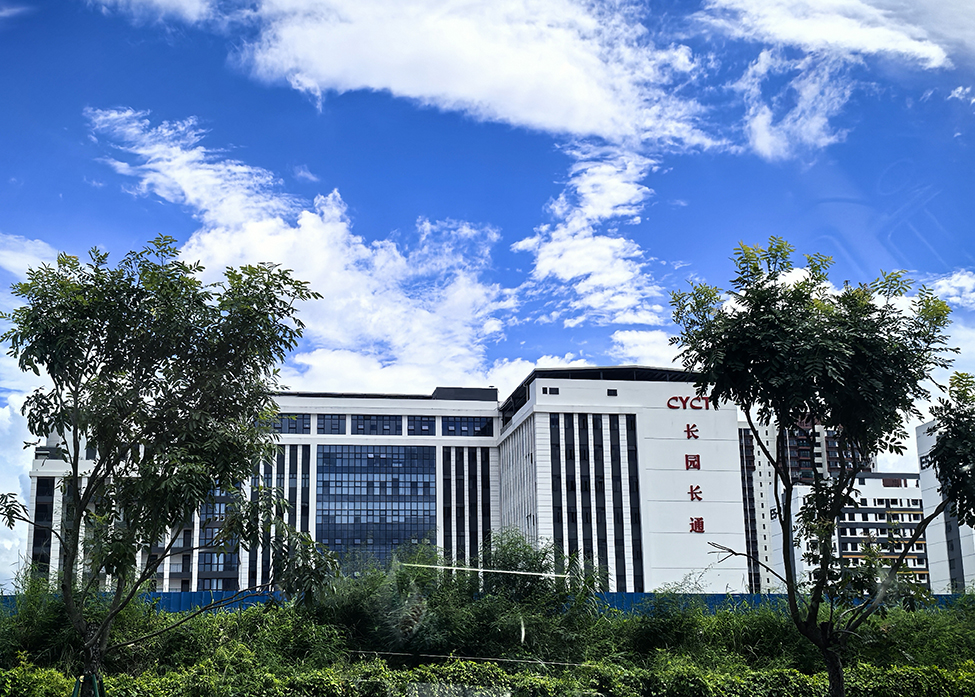
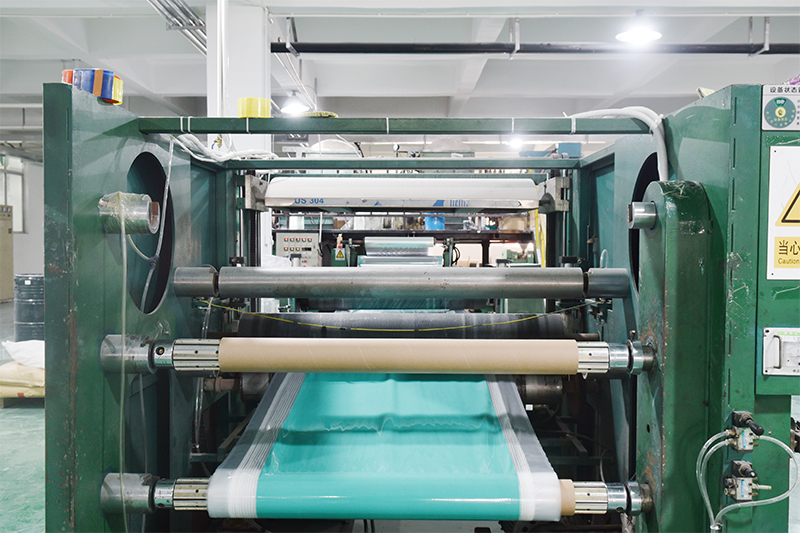
CYCT New Materials Company Limited (for short, CYCT) is a state-level high-tech enterprise integrating R&D, production and sales of pipeline corrosion protection materials as well as buried pipeline detection service and pipeline coating field application service into one. CYCT has devoted itself to the R&D, production, and sales of pipeline corrosion protection materials for decades.
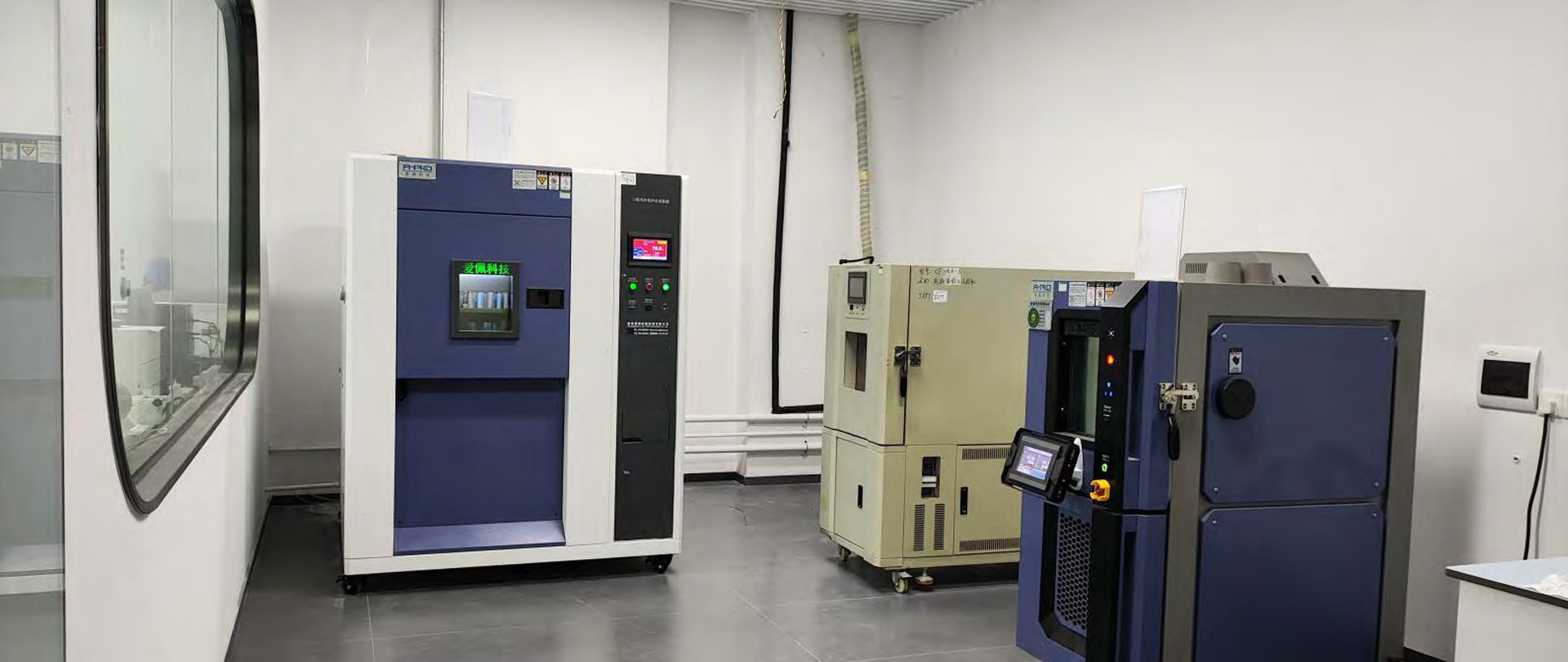
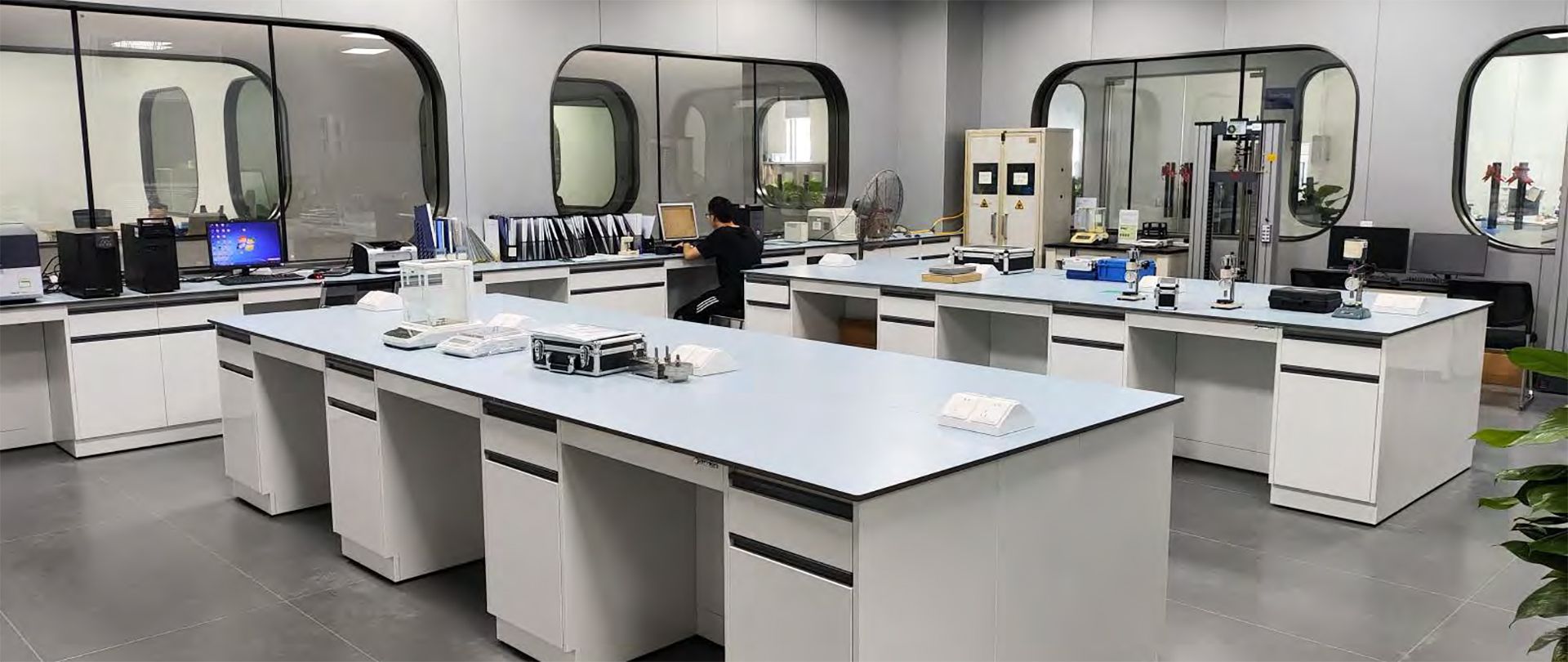
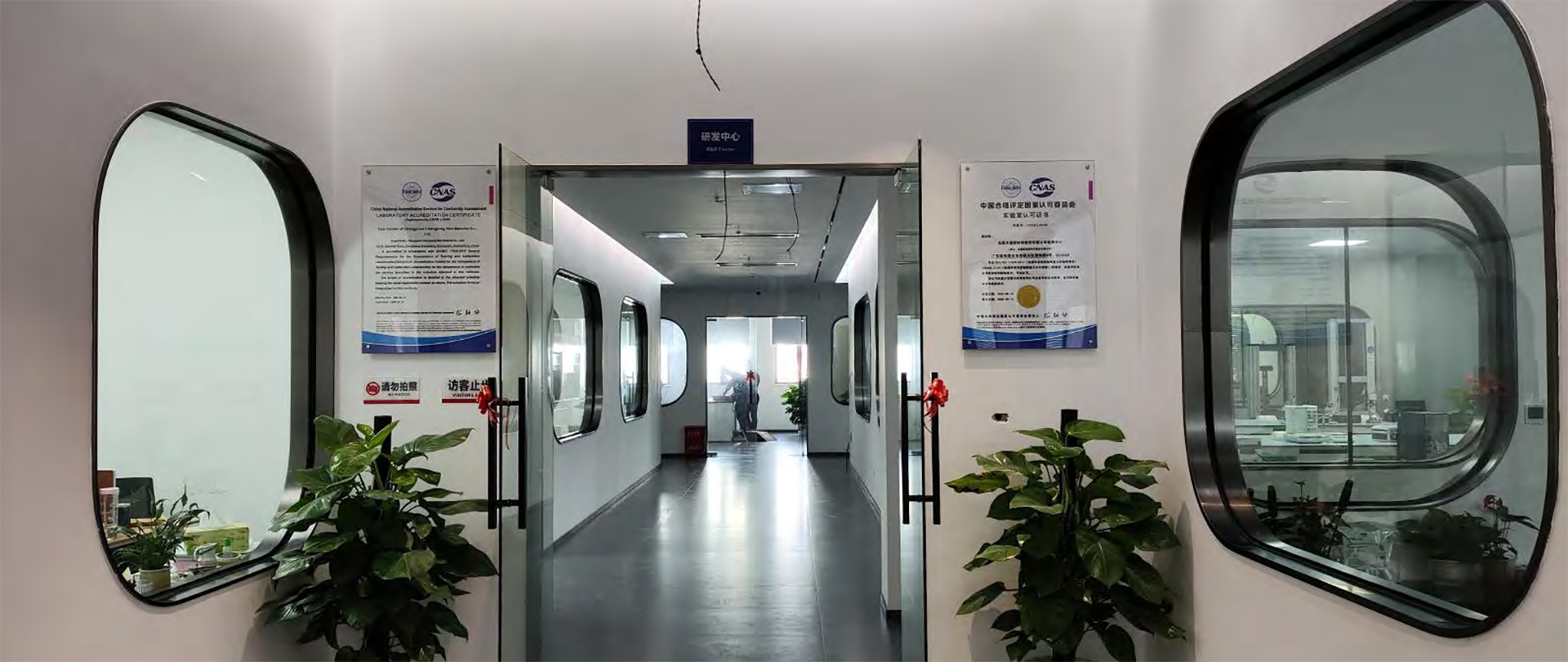
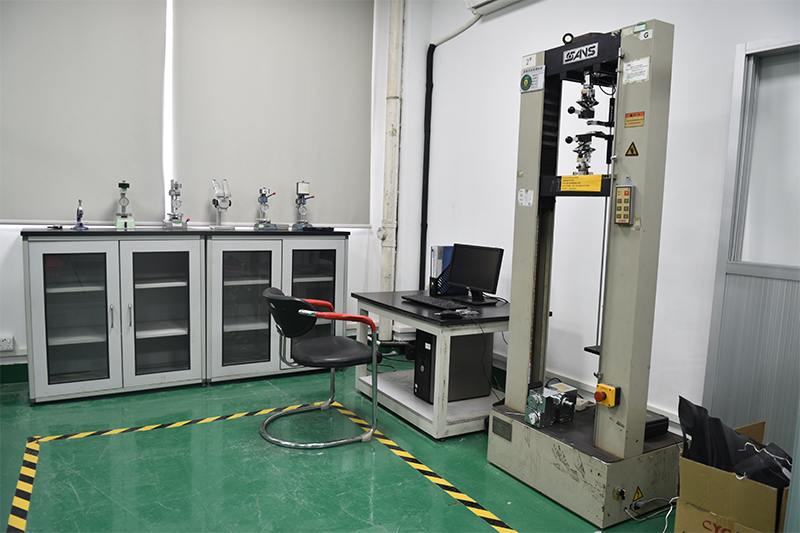
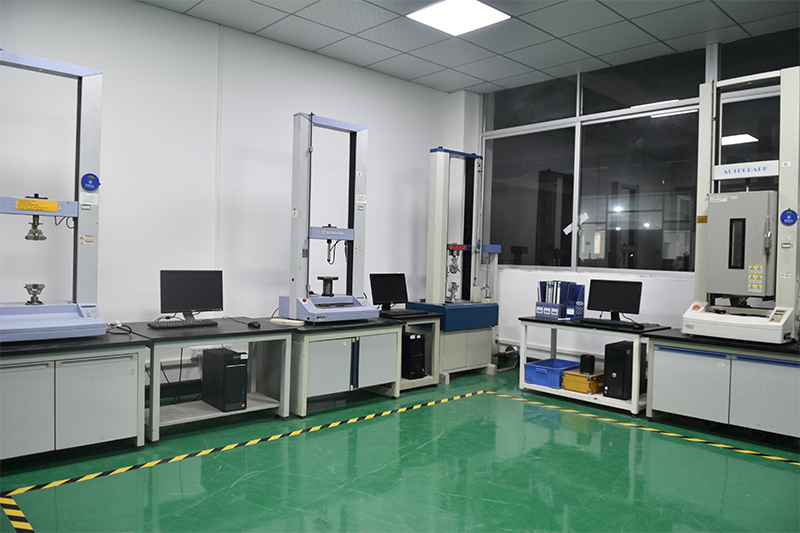
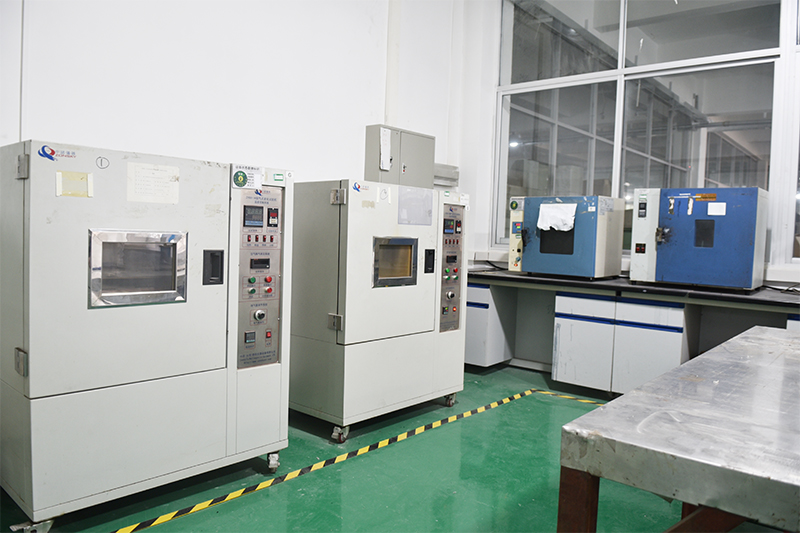
CYCT owns leading testing and R&D capabilities, a professional R&D team, and a national CNAS-accredited laboratory. Through close collaboration with leading research institutes such as the CNPC Pipeline Science Research Institute, CYCT is capable of providing in-service pipelines with varied technical services, including buried pipeline detection, design schemes, cathodic protection, rehabilitation projects, and integrated safety protection solutions.

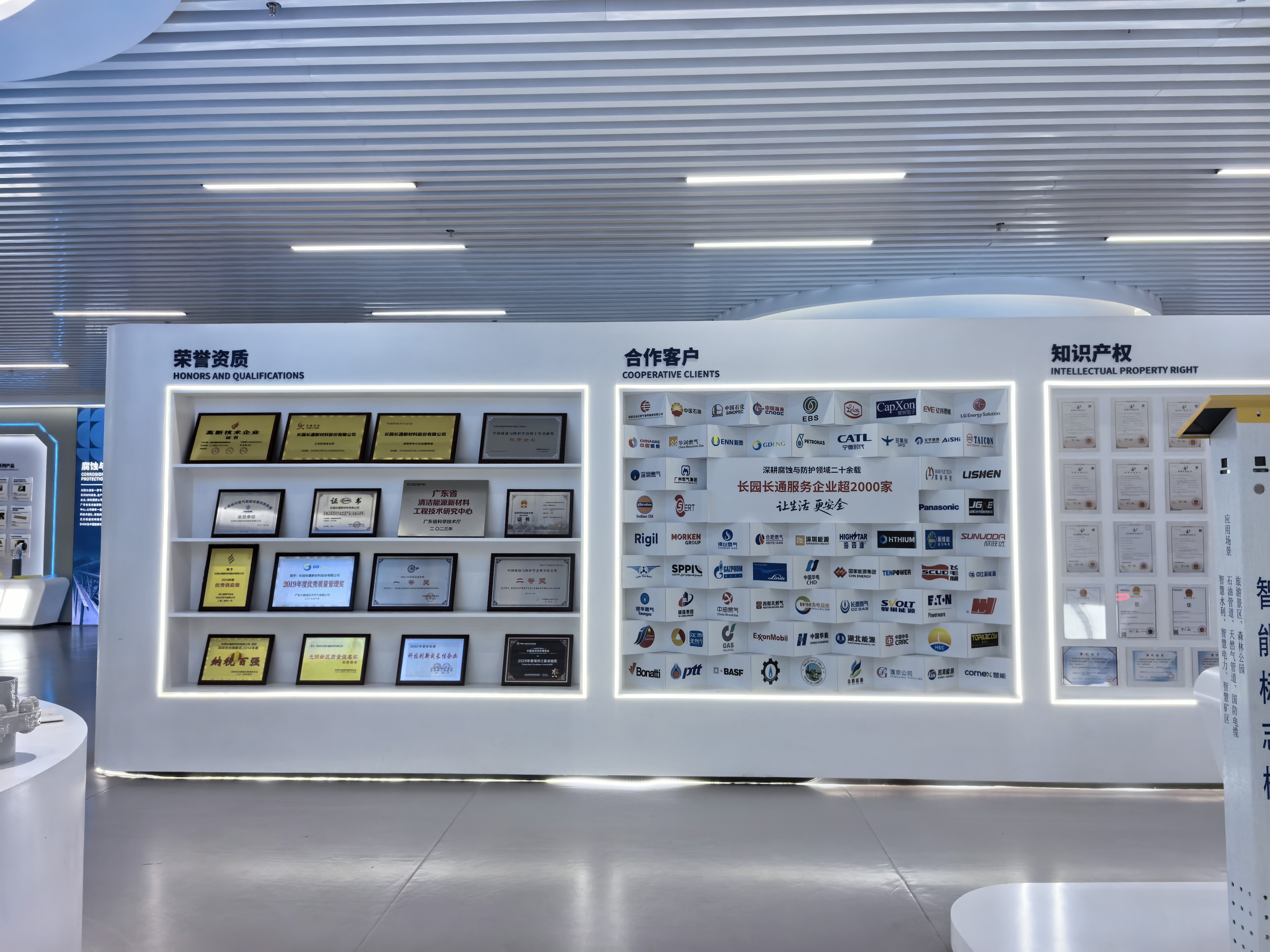
CYCT has been a stable supplier of field joint coatings for years to PetroChina, Sinopec, PipeChina, and local pipeline operators, securing a high market share. Furthermore, CYCT has developed and introduced a number of specialty corrosion protection materials, such as viscoelastic anticorrosion materials, special photo-curing sleeves for HDD protection, and polyurea coatings.

As the energy sector moves toward decarbonization, pipelines are increasingly being retrofitted or built to transport blended hydrogen, carbon dioxide (CCUS), and biofuels. Hydrogen pipelines operate at high pressures and are susceptible to hydrogen embrittlement. This requires external coatings that minimize thermal fluctuations and prevent microscopic gas migration. Next-generation wrap-around heat shrinkable sleeves are designed with co-polymer barrier membranes to prevent chemical ingress and maintain pipeline integrity.
Trenchless crossing methods (HDD) require materials that can withstand high mechanical stress. Traditional heat shrinkable sleeves can peel or tear due to friction when a pipe is pulled through rock or soil. To address this, CYCT engineered the **Special Photo-Curing Sleeve** and **Epoxy FRP (Fiberglass Reinforced Polymer) Solution**. This system reinforces the joint, creating a protective shield over the primary corrosion coating that resists shear and impact forces.
Valves, flanges, and tees have complex geometries that are difficult to protect with traditional heat shrink sleeves. Cold-applied viscoelastic coatings, including viscoelastic pastes and putties, flow into irregular surface features to provide a water-resistant seal. These systems do not require curing, maintain a constant thickness, and provide self-healing protection if the surface is damaged.
The future of pipeline integrity lies in smart monitoring systems. We are researching the integration of micro-sensors and conductive layers into the adhesive backing of wrap-around sleeves. These sensors can detect water ingress, shear movement, and localized corrosion in real time. They transmit diagnostic data directly to operators, enabling preventative maintenance before structural failures occur.
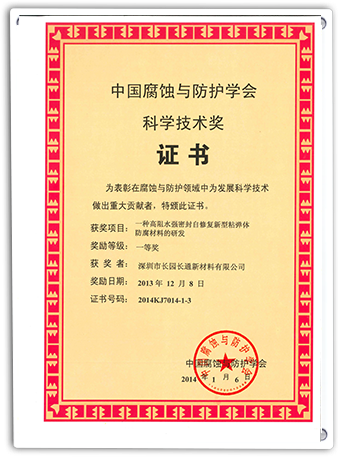
Member of Council in Chinese Society for Corrosion and Protection (CSCP)
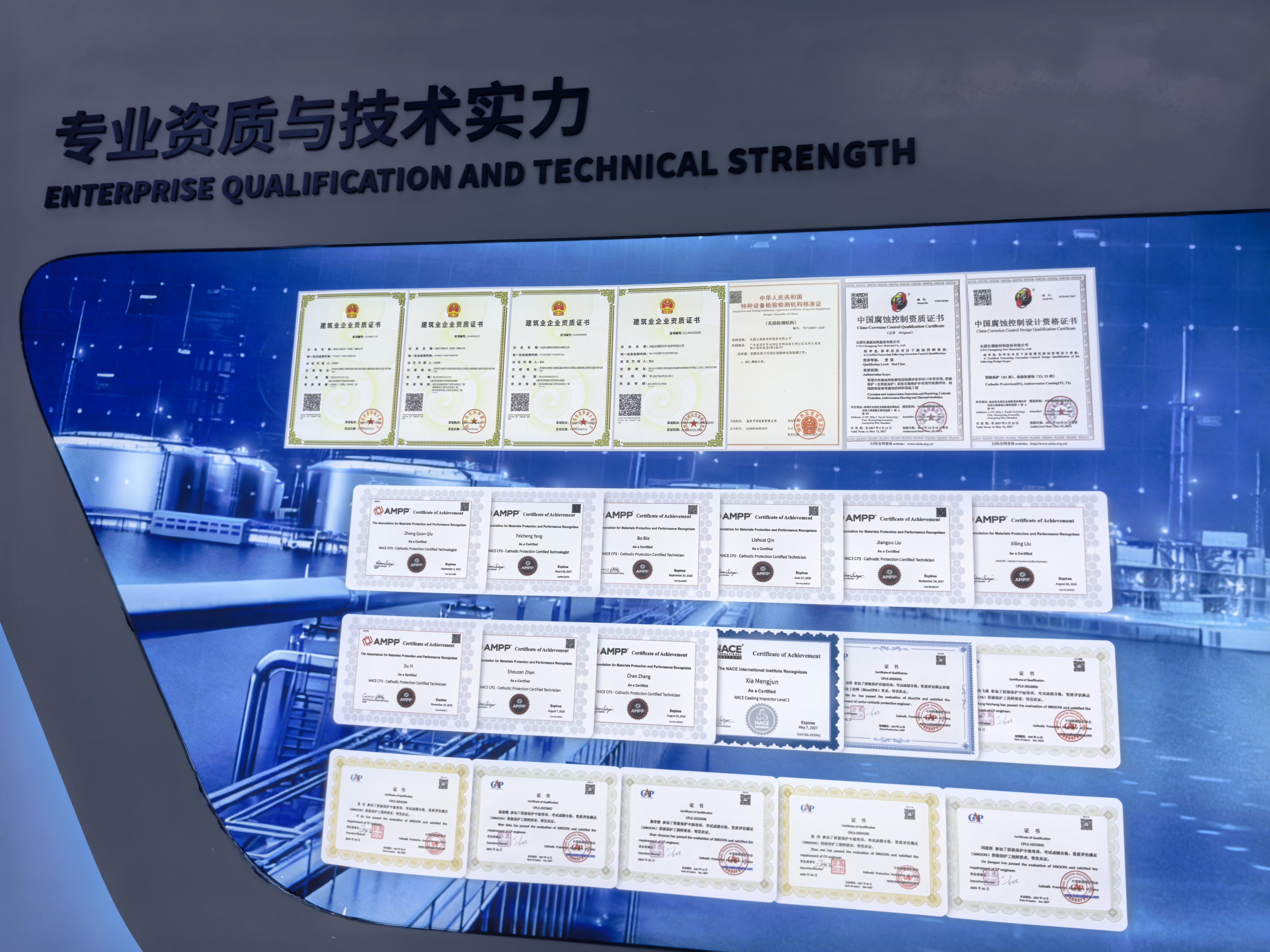
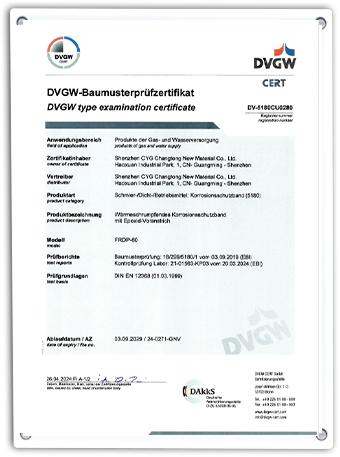
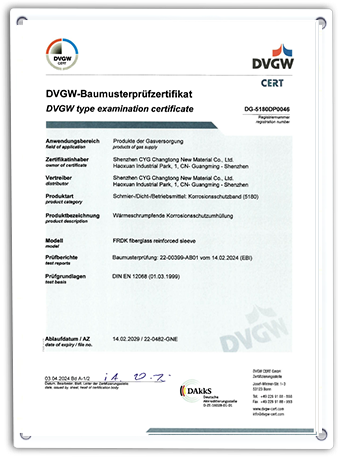
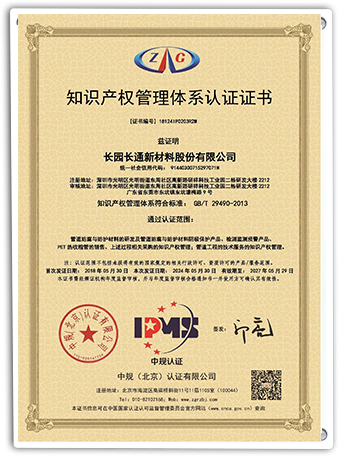
CYCT has earned numerous accolades, including the Qualification Certificate of Corrosion Protection Construction, Qualification Certificate of Pipeline Detection, Well-known Brand of Pipeline Corrosion Protection in China, and Corporate Membership in the China Association of Petroleum Engineering Construction (CAPEC). As a State-Level High-Tech Enterprise with over ten proprietary intellectual property rights, CYCT is a stable supplier for PetroChina, Sinopec, China Gas Group, and Indian Oil.
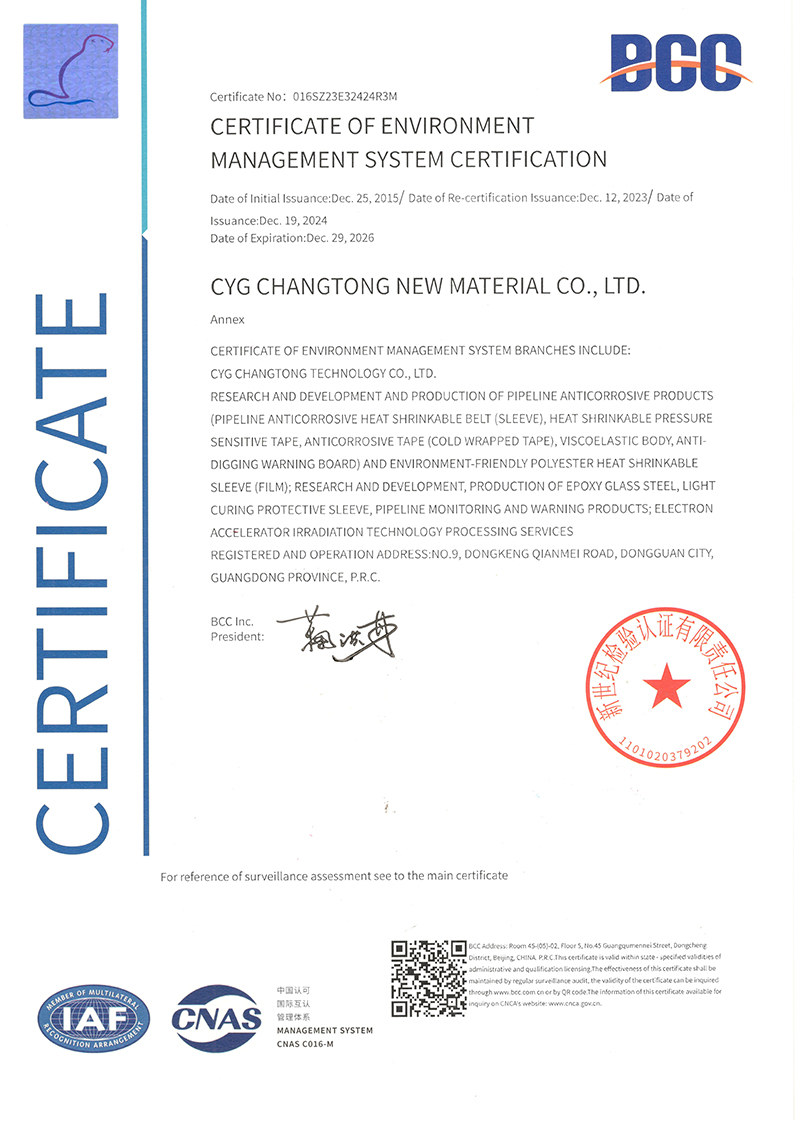
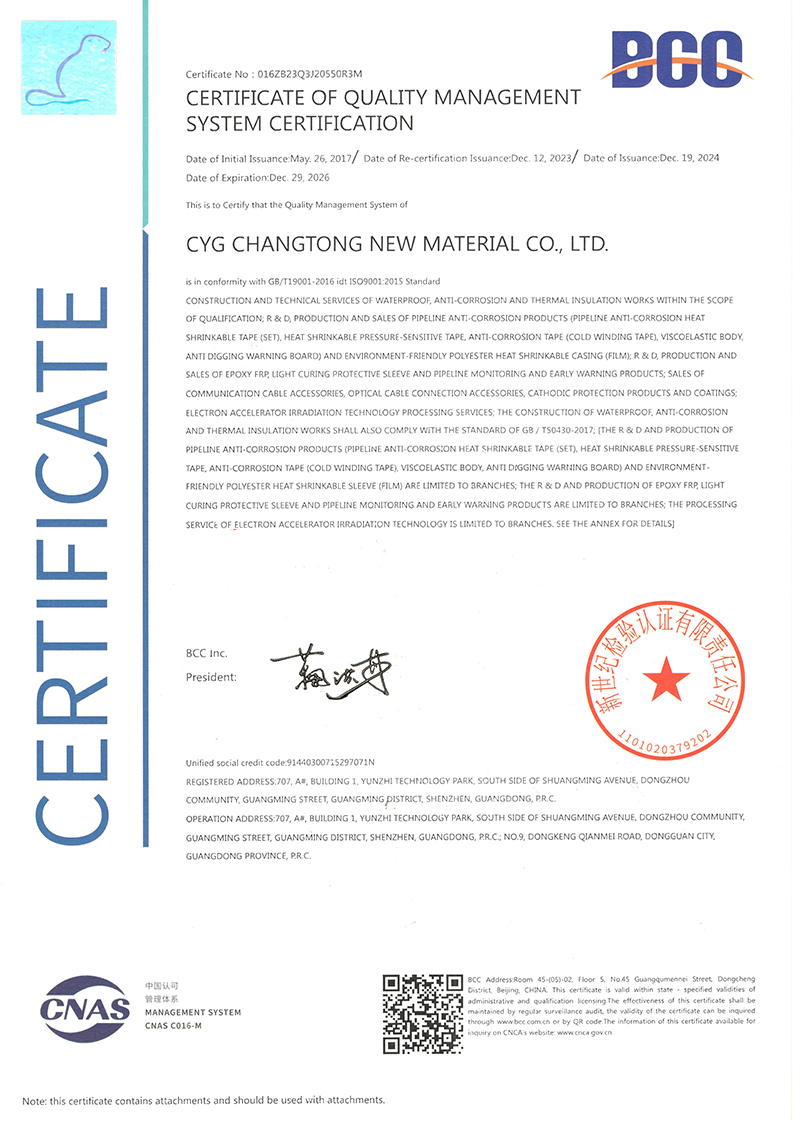
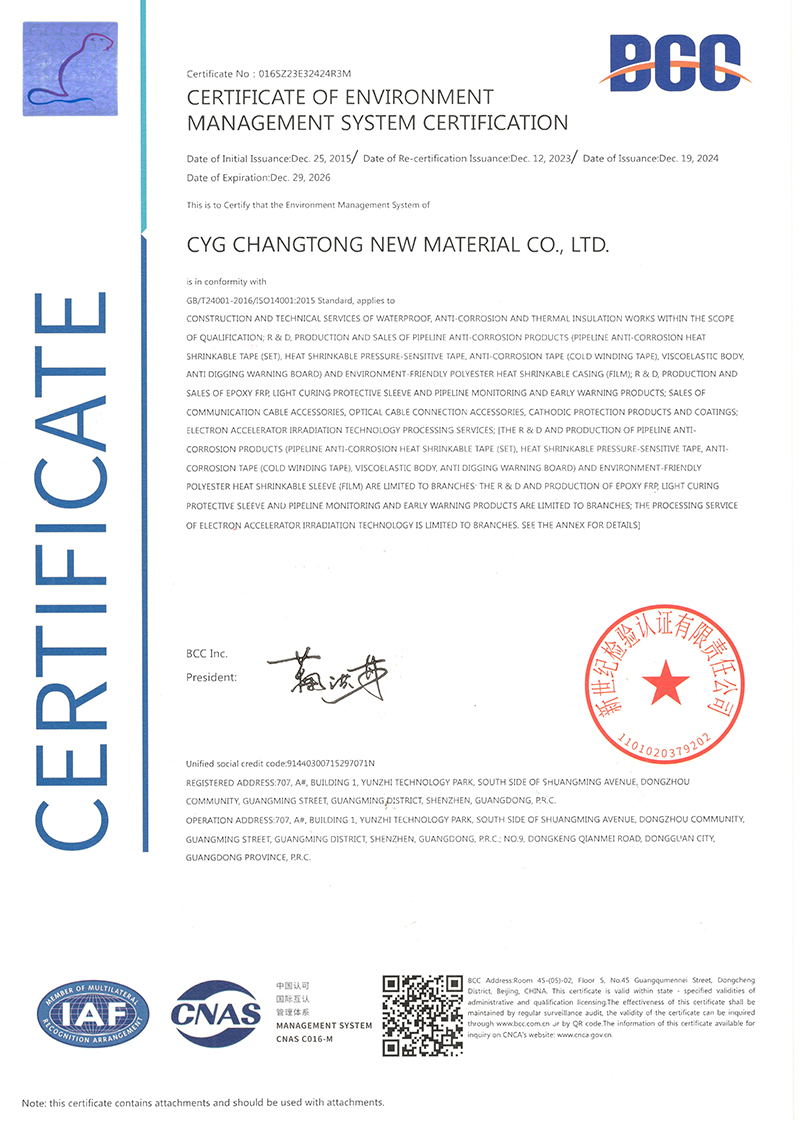
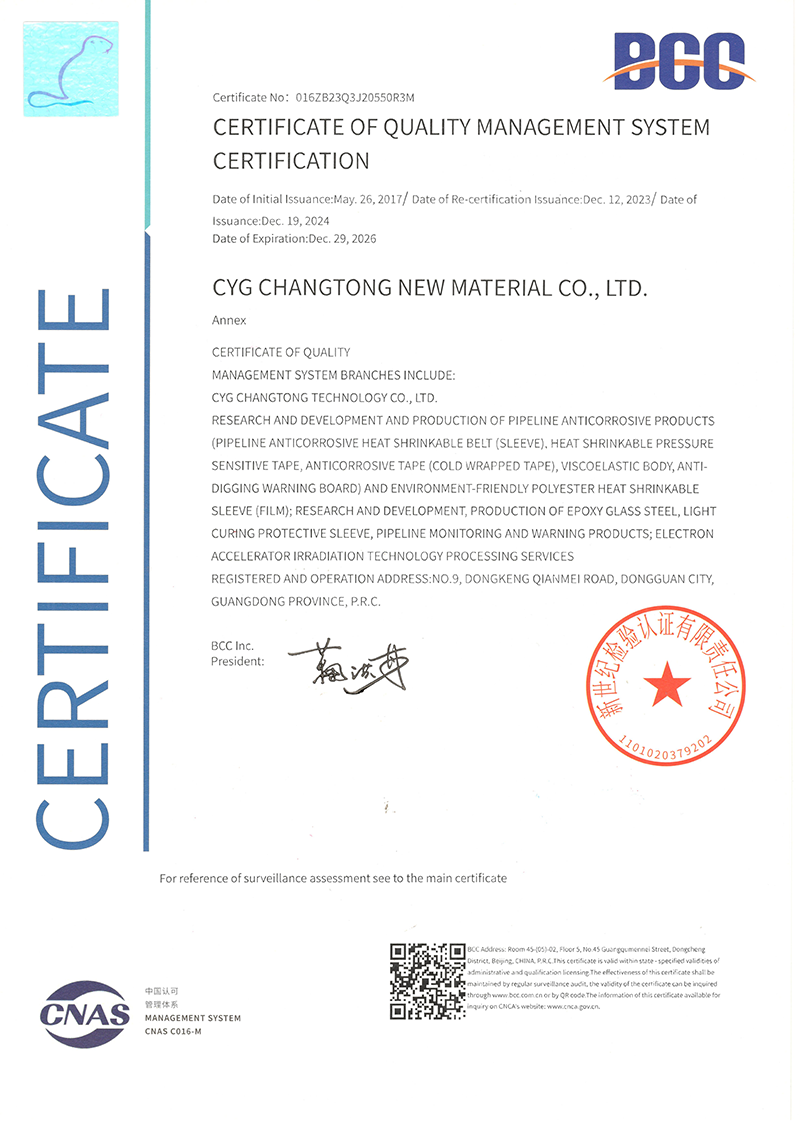
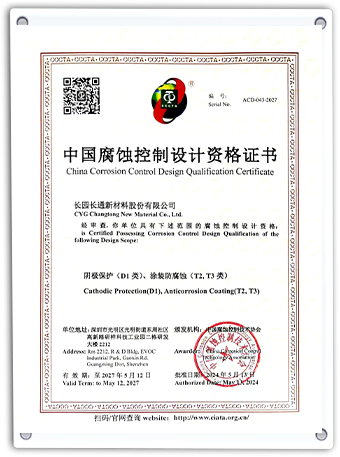
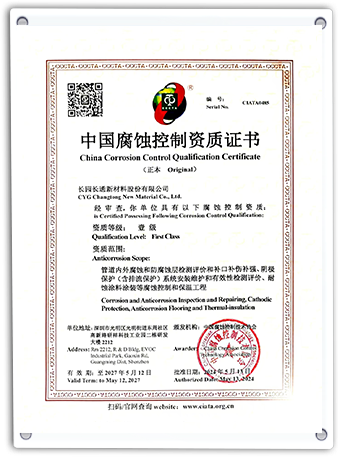
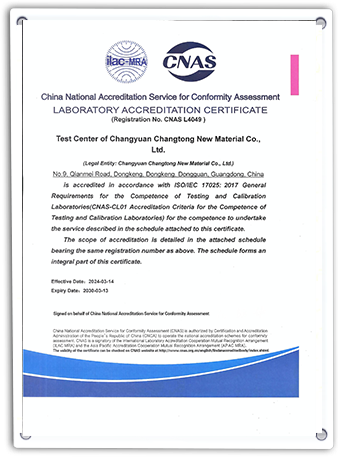
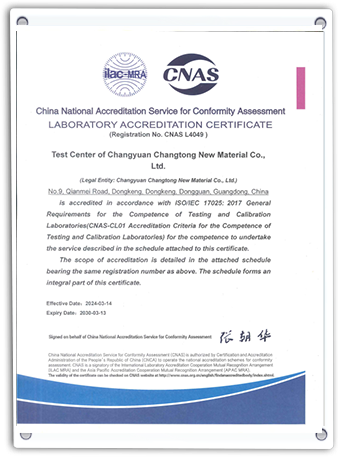
Technical guidance from CYCT’s R&D department on pipeline protection.
Tubular sleeves are continuous tubes that must be slid onto the pipe before welding the joint. This requires careful planning and can disrupt operations if the sleeve is damaged before shrinking.
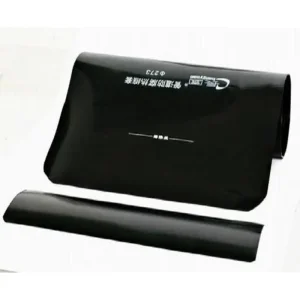
Wrap-around sleeves are wrapped around the completed weld joint and secured with a closure patch. This allows them to be installed at any time, making them ideal for field repairs, retrofits, and tie-ins where the line cannot be uncoupled.
Polymer cross-linking modifies the molecular structure of the backing. When heated, the material does not melt into a liquid state; instead, it behaves like an elastomer with "elastic memory."
As heat is applied, the sleeve shrinks to fit the joint. This contraction applies radial pressure, forcing the adhesive to bond with the substrate and create a seal that resists soil stress and environmental factors.
A 3-layer system consists of a liquid epoxy primer applied directly to the blast-cleaned steel, followed by the hot-melt adhesive and the heat-shrinkable backing.
The epoxy primer bonds chemically to the steel surface, providing high resistance to cathodic disbondment. The hot-melt adhesive then bonds to the epoxy, forming a layered barrier against corrosion and water ingress.
Proper surface preparation is critical for coating performance. The steel joint area must be abrasive blast-cleaned to Sa 2.5 (according to ISO 8501-1) or power-tool cleaned to St 3.
The surface must be dry and free of salts, grease, and dust. The adjacent factory-applied coating must be beveled and abraded back at least 100mm to ensure a secure overlap. Pre-heating the substrate to the specified temperature is also necessary before applying the sleeve.
Yes. Traditional PE-based sleeves do not bond well to PP coatings due to different melting points. CYCT has developed the **FRPD-PP series**, which utilizes a modified polypropylene backing and high-temperature adhesive.
This system is designed specifically for 3LPP-coated pipelines operating at temperatures up to 110°C, ensuring a reliable bond across different materials.
Complete your design with our high-integrity polymeric tapes, hot melt filler sticks, and valve protection systems.
 CYCT
CYCT