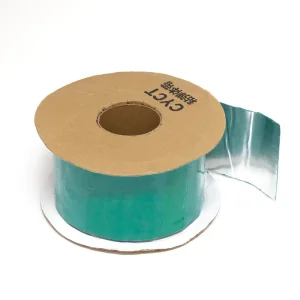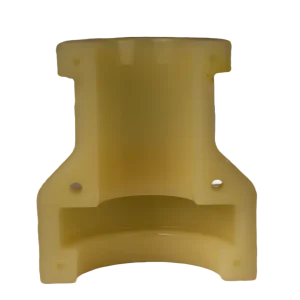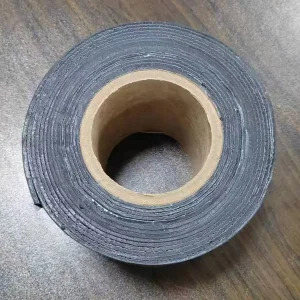
Founded in 2000, CYCT New Materials Company Limited is a state-level high-tech enterprise integrating R&D, production, and sales of pipeline corrosion protection materials. Over several decades of deep specialization, CYCT has built a reputation not just as a manufacturing plant, but as a critical infrastructure partner providing buried pipeline detection and specialized field coating applications. In an era where asset life-extension is paramount, CYCT stands out through its dual focus on material science and empirical field performance.
"By collaborating closely with leading institutions like the CNPC Pipeline Science Research Institute, we deliver integrated, long-term corrosion prevention schemas tailored for demanding geomechanical environments."
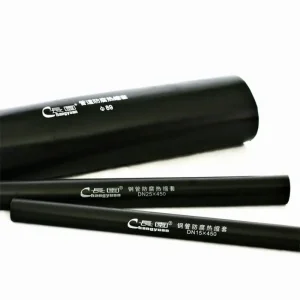
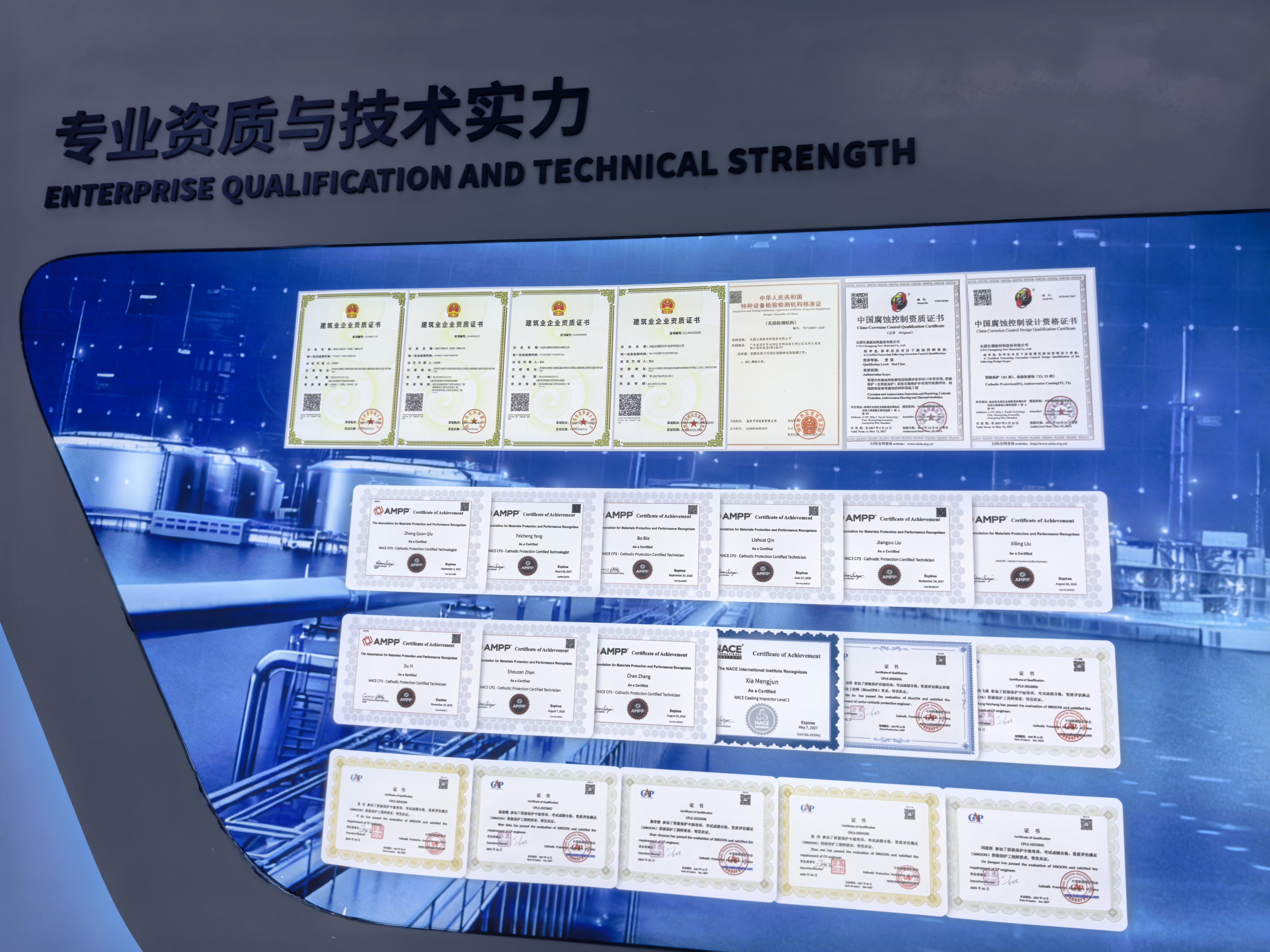
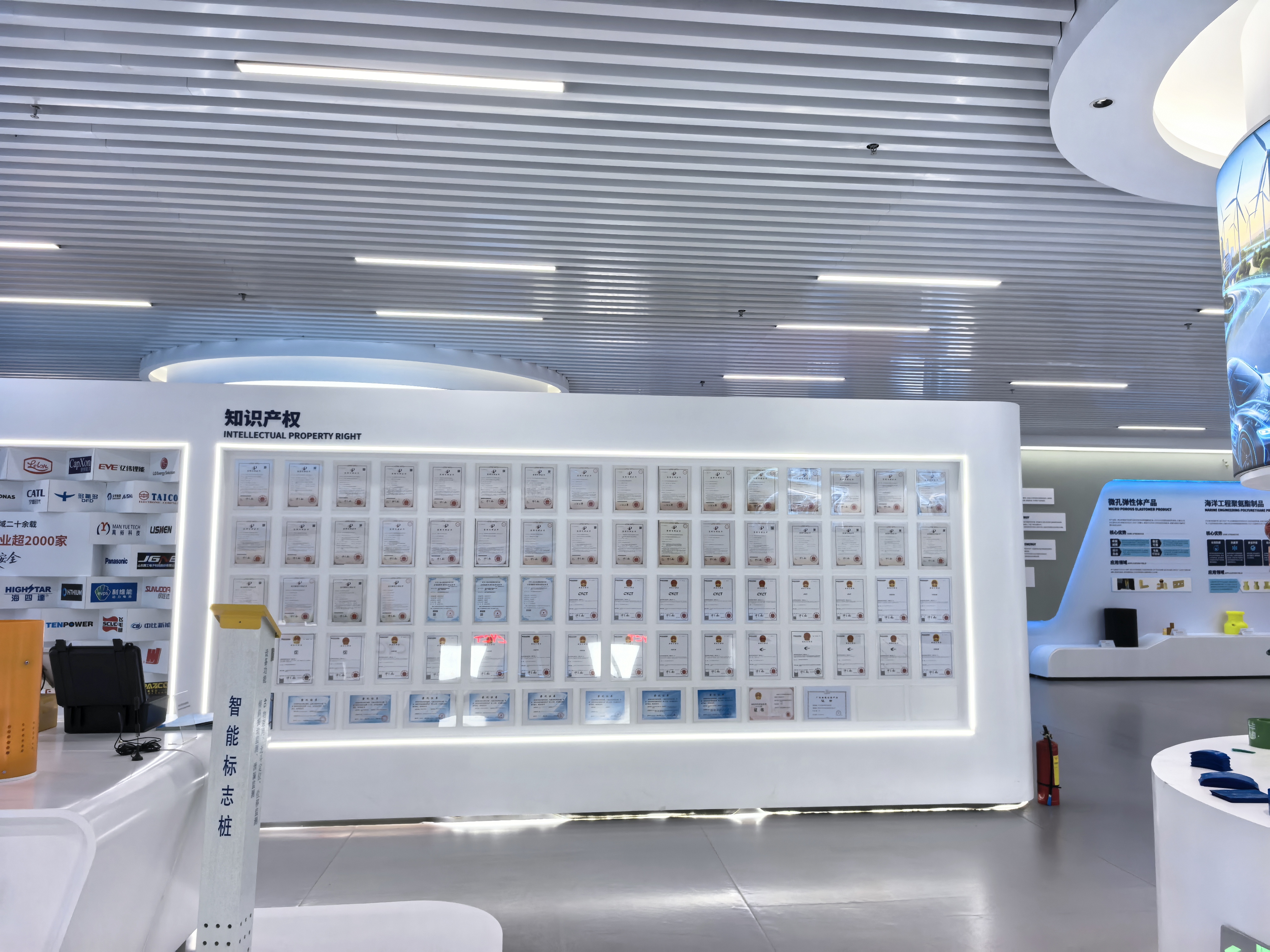
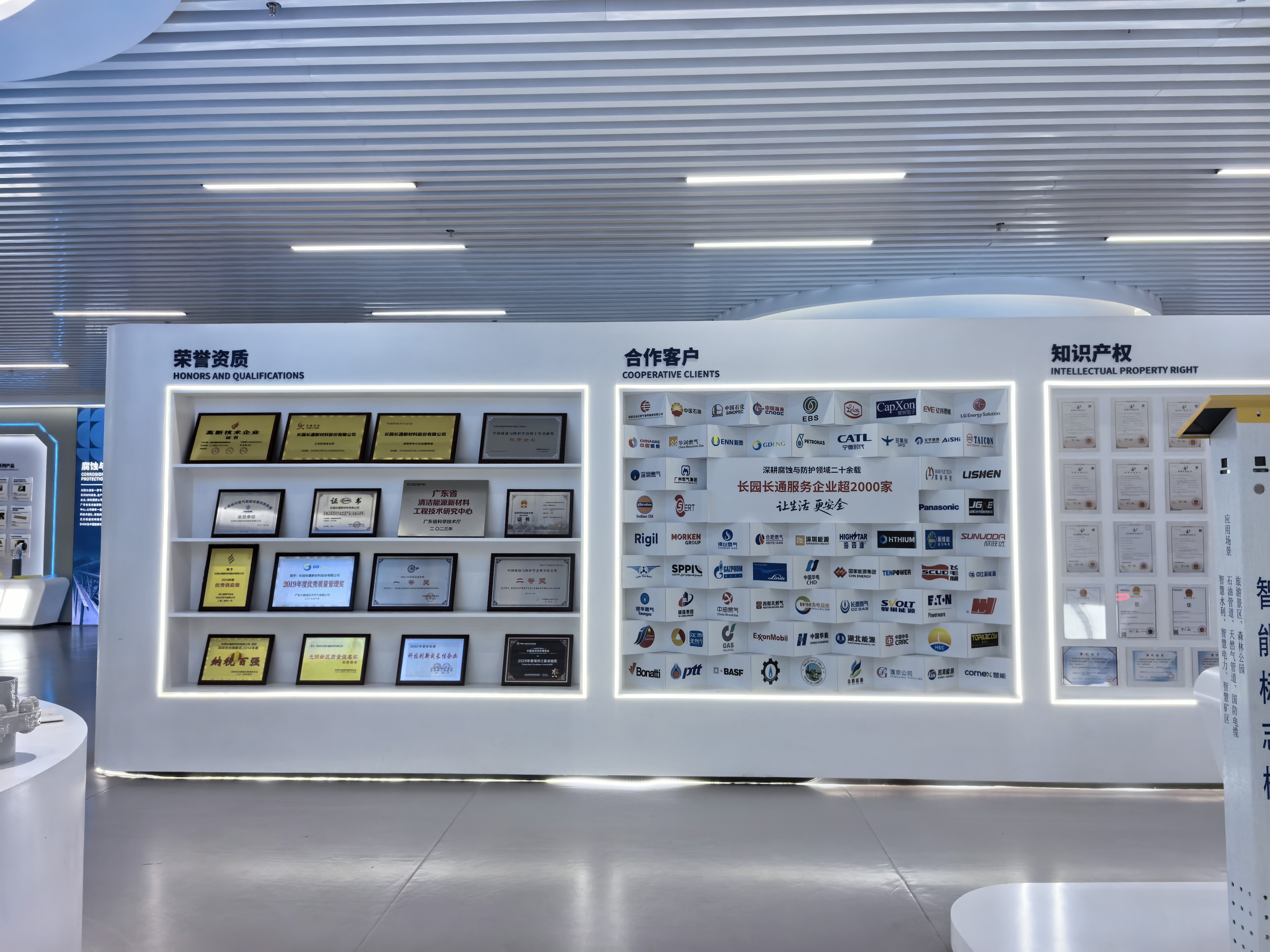
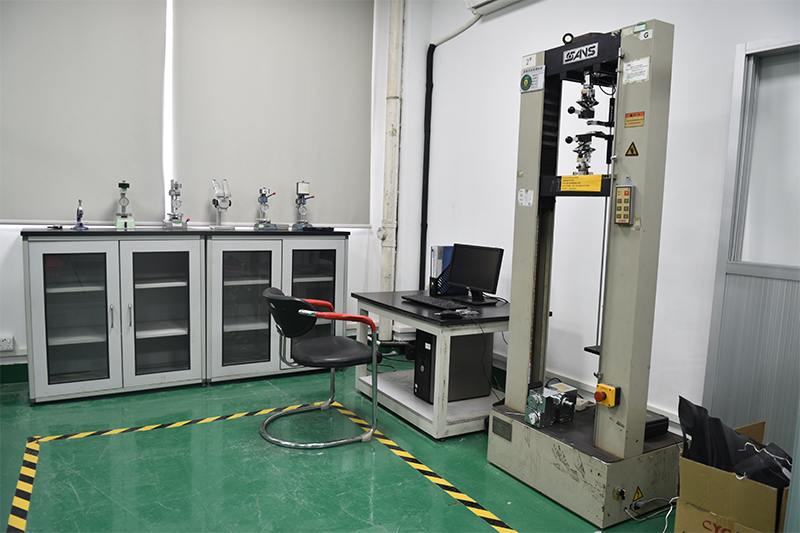
CYCT's technical prowess is verified by its national CNAS-accredited laboratory. This testing environment guarantees that every batch of viscoelastic tape, heat-shrinkable sleeve, and hot melt filler meets international certifications. Our status as a stable supplier of field joint coatings to energy giants such as PetroChina, Sinopec, PipeChina, China Gas Group, and international entities like Indian Oil proves our production consistency and scale capacity.
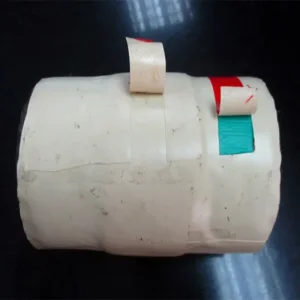
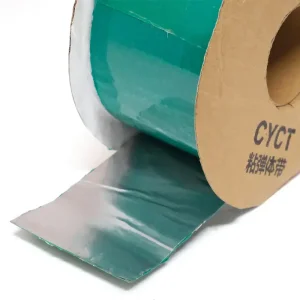
Viscoelastic corrosion prevention systems represent a paradigm shift in material science. Unlike traditional crystalline or highly cross-linked thermosetting barrier coatings (such as epoxy and polyurethane), viscoelastic tape is formulated from an amorphous, apolar, non-crystalline polyolefin compound. This unique chemical formulation grants the coating permanent liquid-like flow properties combined with the physical stability of a solid elastic material.
Viscoelastic materials flow continuously into the microscopic profiles of steel surfaces. This eliminates the risk of air pockets, micro-voids, and moisture entrapment, ensuring 100% surface contact.
Should the outer protective jacket sustain minor mechanical damage, the viscoelastic compound flows back to heal minor punctures and abrasions, retaining coating integrity over decades.
Engineered to bond directly to steel, PE, PP, and FBE without primers, these systems reduce installation steps and eliminate human error linked to improper primer curing times.
Because the apolar polyolefin compound does not undergo chemical curing or cross-linking, it does not crack, embrittle, or degrade over time. It functions as a highly hydrophobic barrier with near-zero water vapor permeability and excellent electrical resistance, which lowers the current demand on cathodic protection (CP) systems.
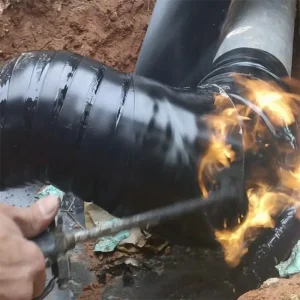
Across the global energy and water distribution networks, infrastructure assets face harsh environments—from subzero Siberian routes to high-temperature pipelines in the Middle East. Standard field joint coatings, like three-layer polyethylene (3LPE) or fusion-bonded epoxy (FBE), require complex heat application. This can lead to issues with quality control when applied on-site in remote locations.
| Property | Viscoelastic Tape | Heat Shrinkable Sleeve |
|---|---|---|
| Surface Prep Req. | St 2 / St 3 (Hand brush) | Sa 2.5 (White metal blast) |
| Preheating Req. | None (Applied cold) | High (typically > 80°C) |
| Self-Healing | Excellent (Continuous) | None |
| Cathodic Disbondment | < 5 mm at 23°C (typical) | Varies, susceptible to tenting |
As the global market shifts toward regional energy security and cost optimization, OEM factories in China, like CYCT, have optimized their production and supply chains. Modern Chinese chemical manufacturing combines raw material access, automated production lines, and high-precision quality control.
CYCT operates advanced co-extrusion machinery that ensures uniform thickness for both the backing layer (such as PVC, PE, or aluminum foil) and the inner viscoelastic compound.
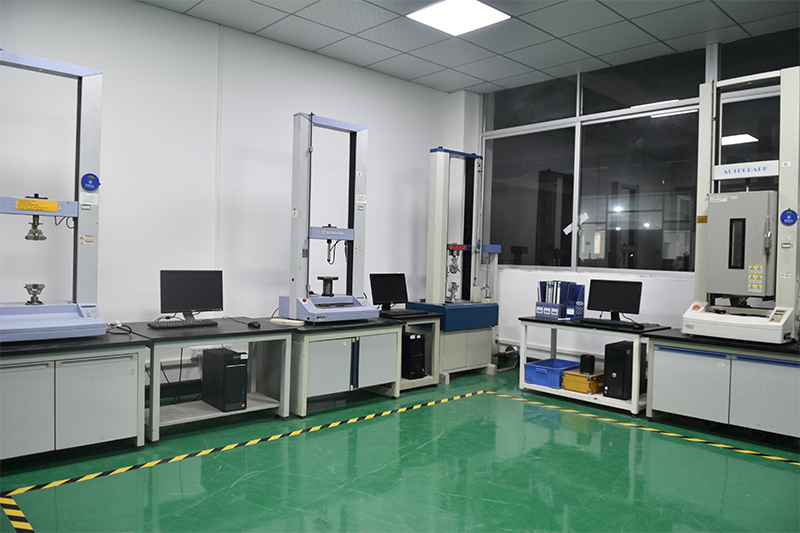
Every batch undergoes testing in our CNAS laboratory for peel strength, shear resistance, thermal aging, chemical resistance, and cathodic disbondment to ensure compliance before shipment.
We tailor backing thicknesses, compound formulations for specific temperatures, and roll dimensions to meet different client specifications and climates.
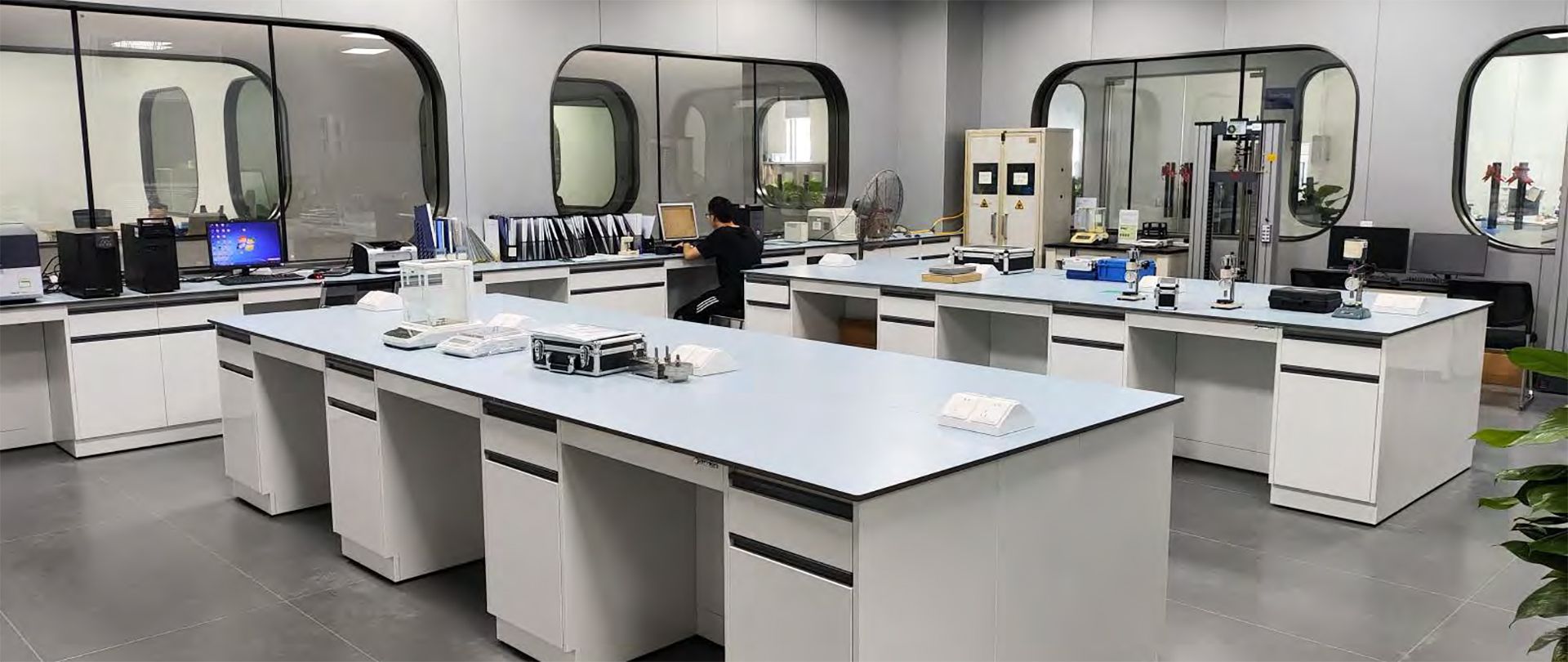
Accredited QA Testing Systems
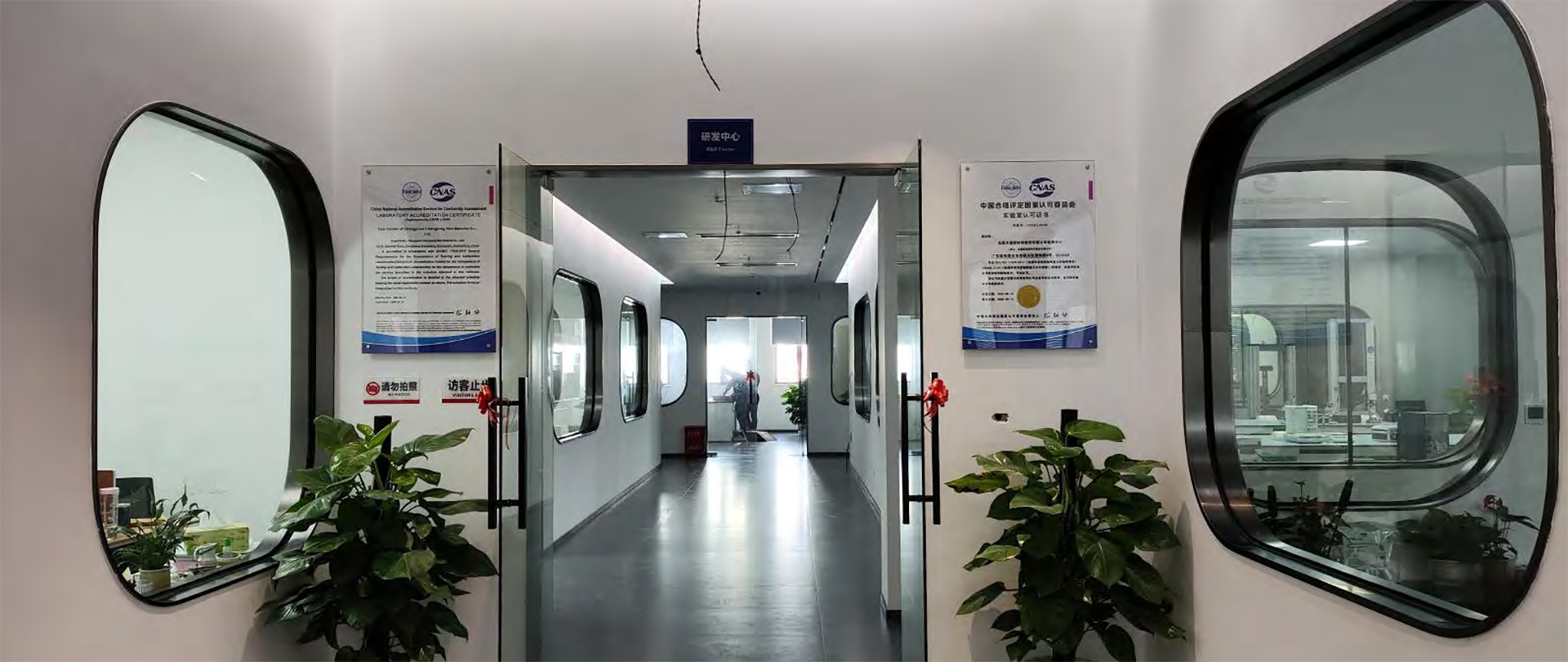
CNAS Laboratory Equipment

Polymer Rheology Characterization
By keeping raw material processing, adhesive formulation, backing extrusion, and packaging under one roof, CYCT controls the entire value chain. This vertical integration allows us to offer shorter lead times and stable pricing, making us a reliable partner for global engineering, procurement, and construction (EPC) companies.
Viscoelastic coating systems are versatile and adapt to different geographic and geomechanical environments. Common industrial use cases include:
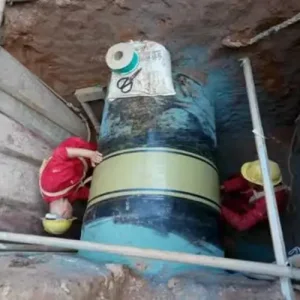
Often used in high-moisture or low-temperature environments where preheating is difficult. Its quick application simplifies pipeline joint wrapping and speeds up pipeline projects.
For HDD operations, pipeline coatings face high shear stresses. Combining a viscoelastic tape with an outer fiber-reinforced wrap (like CYCT's GFRP solutions) protects the primary coating from scratches and gouging.
Irrregularly shaped pipeline fittings are prone to corrosion. The cold-flow properties of viscoelastic mastic and tape allow it to conform to these complex shapes and seal them completely.
Case Highlight: On local pipeline projects managed by PetroChina, using viscoelastic systems for field joints reduced application times by 40% compared to traditional heat-shrinkable sleeves, while providing reliable performance in clay and high-water-table areas.
As the energy sector moves toward lower emissions and longer asset lifespans, the design requirements for protective coatings are changing. Key trends for the next generation of viscoelastic tapes include:
 CYCT
CYCT