Reliable pipeline joint coating and surface protection systems tested for harsh global operations.
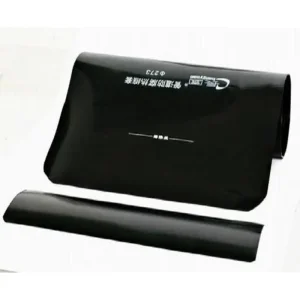
In modern energy logistics, hydrocarbons flow across vast transcontinental networks. Subsurface oil pipelines, marine trunklines, and petrochemical distribution mains encounter intense physical, chemical, and electrochemical stresses. Over time, factors such as moisture ingress, soil movement, operational heat, microbial attacks, and fluctuating cathodic protection voltages cause protective external barriers to deteriorate. Left unchecked, local corrosion can result in catastrophic wall failures, environmental disasters, structural ruptures, and expensive shutdowns.
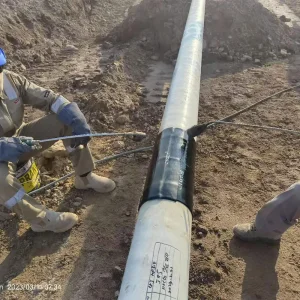
As a leading OEM Oil Pipeline Maintenance Supplier, CYCT understands that field joint coatings (FJC) and rehabilitation coatings represent the primary defense against failure. Engineering standards like ISO 21809, NACE SP0169, and ASME B31.4 mandate high-integrity barrier systems at field girth welds, pipeline bends, and repair areas. CYCT manufactures advanced polymeric tapes, viscoelastic sealants, heat shrinkable materials, and specialty coatings that guarantee decades of service life in the most demanding global geological profiles.
SEO Insight & Information Gain: Traditional pipeline maintenance focuses on reactive spot fixes. Modern asset integrity strategies, however, prioritize preventative, lifetime-extension coatings. These systems integrate with Cathodic Protection (CP) without inducing cathodic shielding, preventing localized moisture traps beneath the coating layer.
Different pipeline segments require distinct material formulations to match their temperature ratings, mechanical loads, and environmental stressors:
In the pipeline integrity industry, supply chains require both consistent quality and high production capacity. Selecting an OEM partner in China, like CYCT, provides distinct operational advantages:
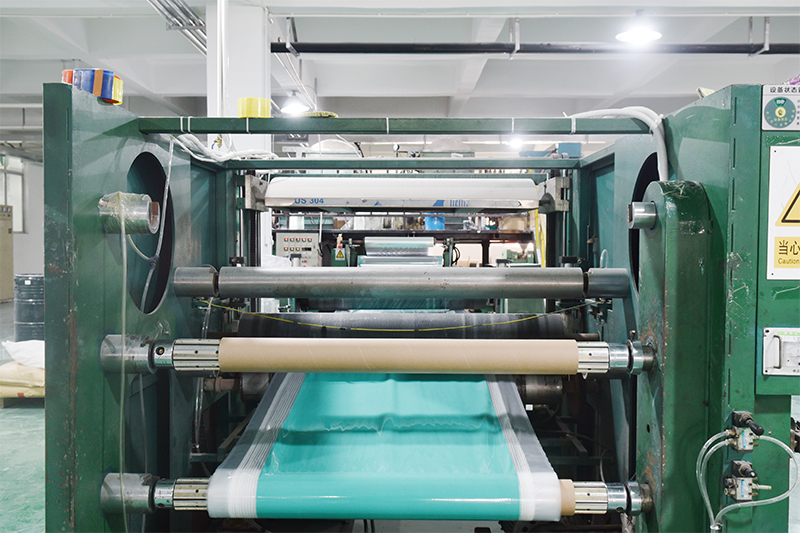
Chinese manufacturers maintain deep relationships with domestic petrochemical suppliers, securing reliable access to premium base resins (PE, PP), advanced elastomers, and specific cross-linking agents. By handling compounding, extrusion, radiation cross-linking, and adhesive application in-house, CYCT avoids third-party supply chain bottlenecks, maintaining consistent batch properties and cost-efficient production scales.
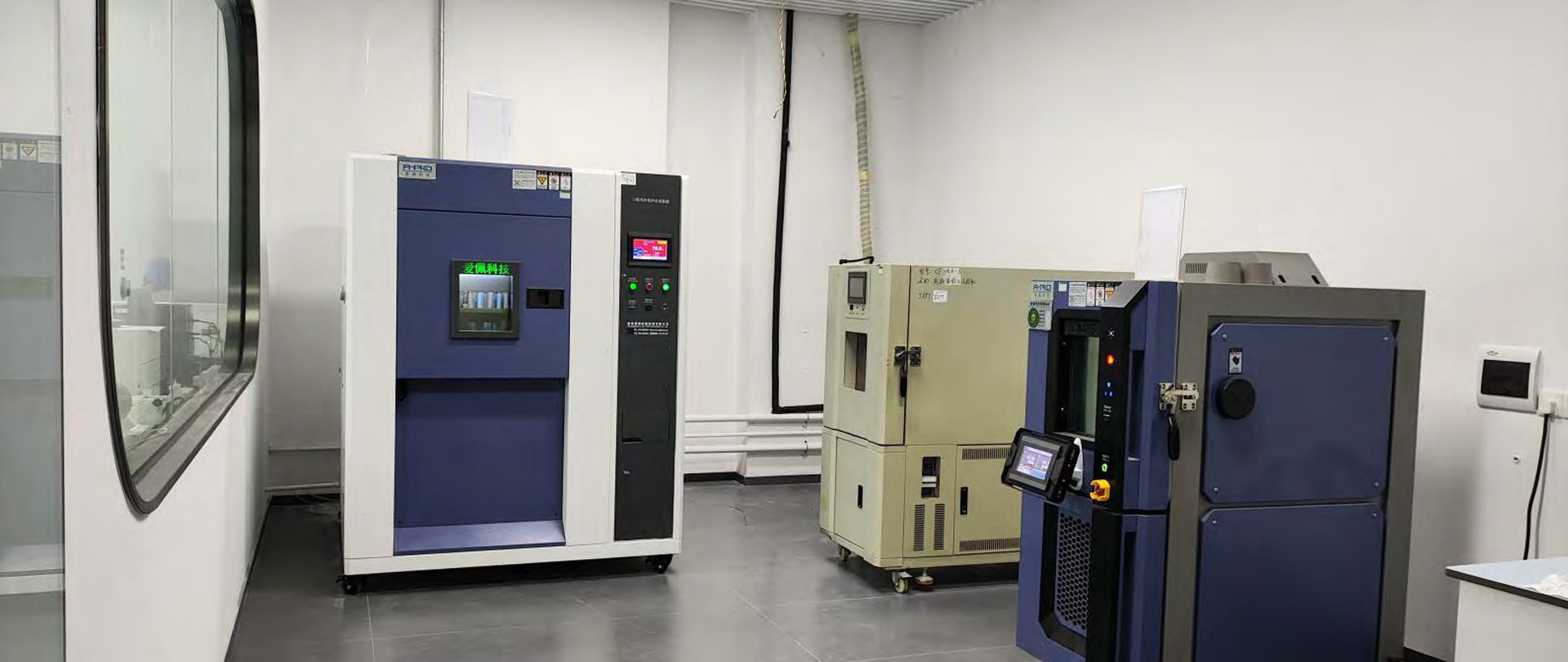
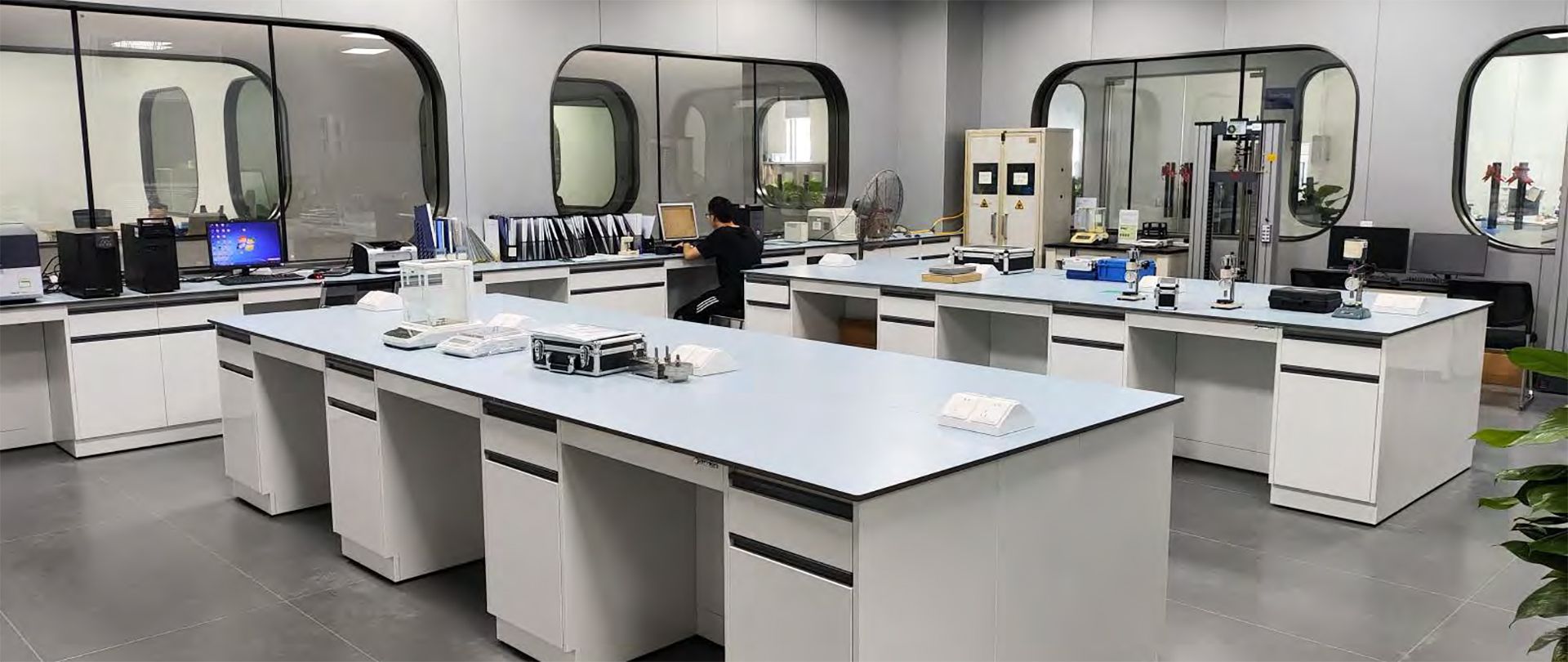
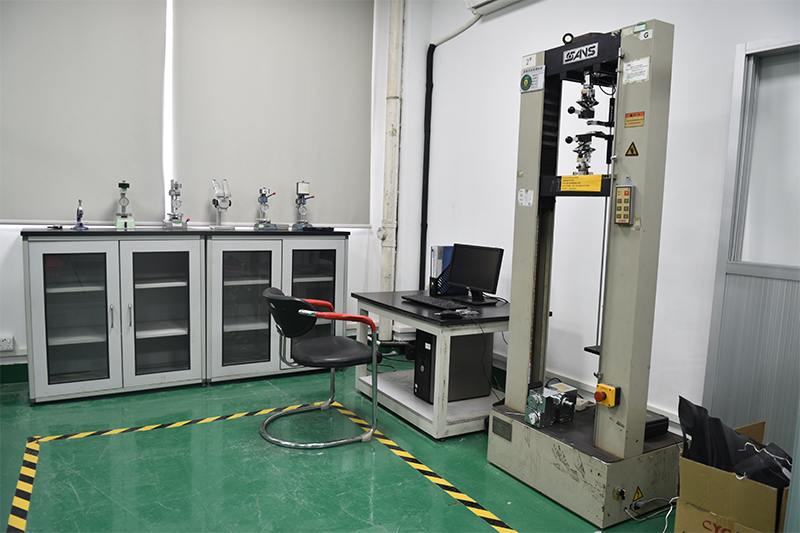
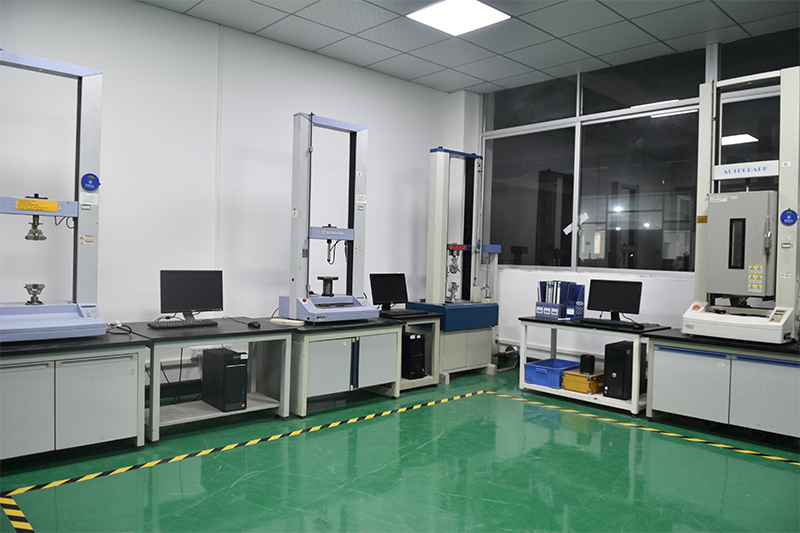
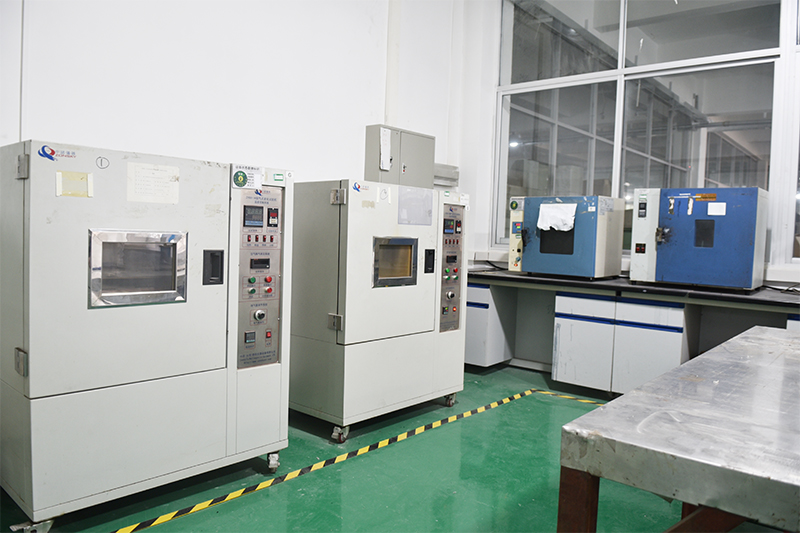
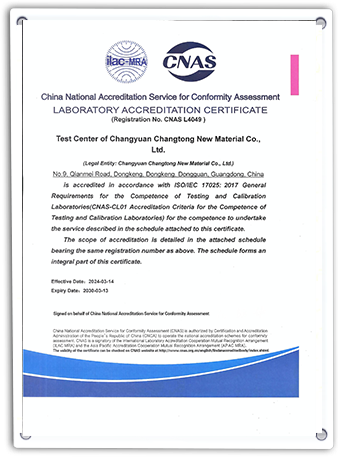
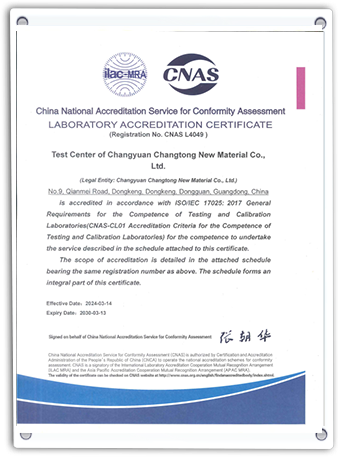
China's pipeline infrastructure boom has spurred advanced domestic research into corrosion mitigation. Partnering with major research centers like the CNPC Pipeline Science Research Institute allows CYCT to formulate and validate advanced coatings. CYCT operates a national CNAS-accredited laboratory, verifying peel strength, cathodic disbondment resistance, impact limits, and thermal aging traits to guarantee performance in critical projects.
Whether projects require customized widths for large-diameter oil lines, unique high-temperature adhesive backings, or custom packaging for offshore vessels, CYCT's manufacturing setups scale rapidly to meet tight project timelines without sacrificing quality control.
Integrated coatings and engineering systems designed for challenging operating environments.
Specially designed bend restrictors and high-impact viscoelastic coatings shield underwater lines from hydrodynamic currents, mechanical wear, salinity, and deep-sea pressures.
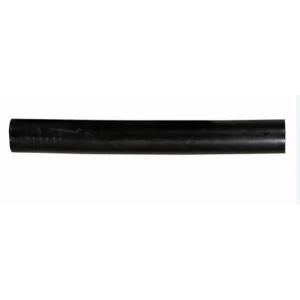
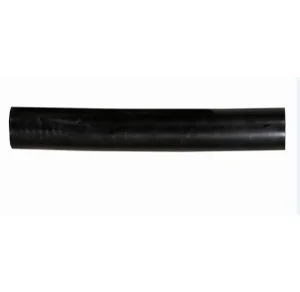
Our PP-based field joint sleeves and specialty hot melt repair systems operate efficiently at temperatures up to 85°C–110°C, resisting softening, degradation, and soil-shear displacement.
For pipeline trenchless installations, our high-durability photo-curing sleeves provide excellent abrasion resistance, ensuring the primary corrosion barrier remains intact during pullback.
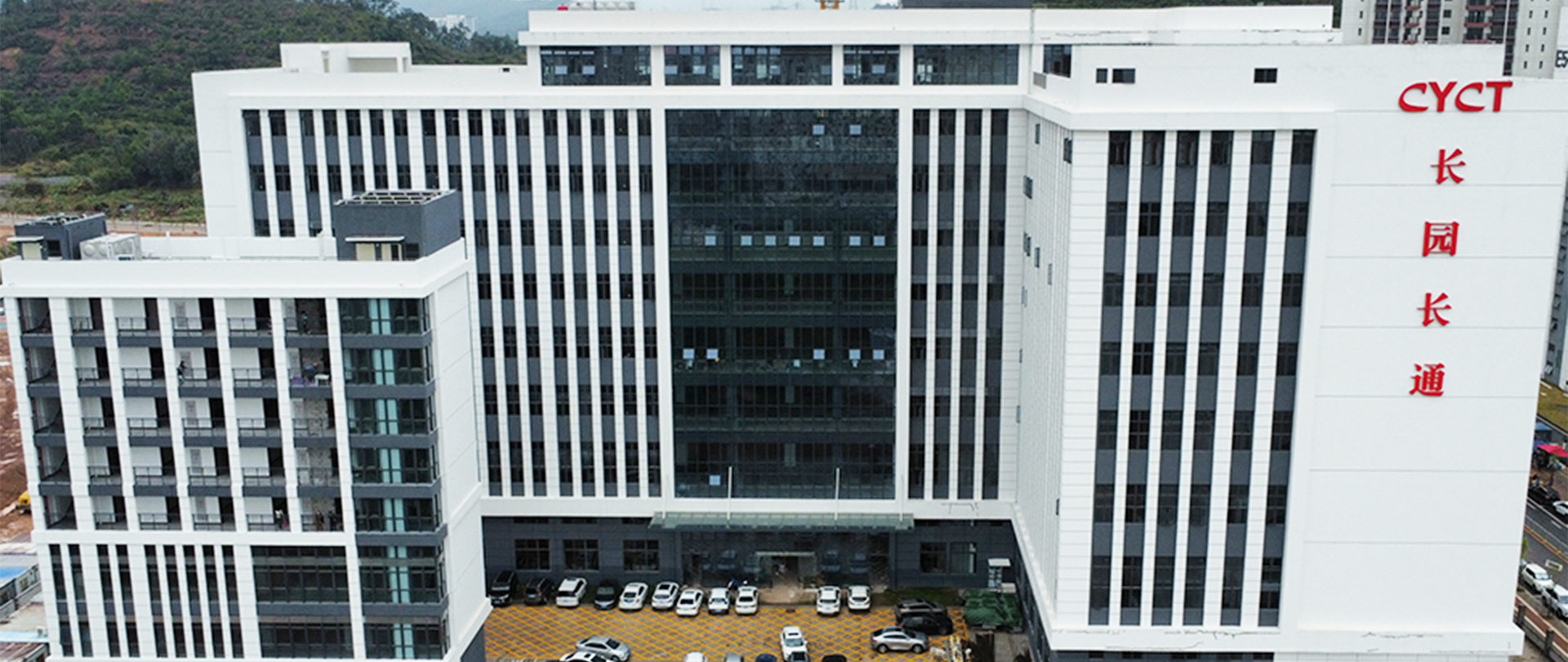
CYCT New Materials Company Limited (for short, CYCT) is a state-level high-tech enterprise integrating R&D, production and sales of pipeline corrosion protection materials as well as buried pipeline detection service and pipeline coating field application service into one. CYCT devotes itself to R&D, production and sales of pipeline corrosion protection materials for decades.
CYCT owns leading testing and R&D capabilities, a professional R&D team, and a national CNAS-accredited laboratory. By partnering with leading R&D institutes such as the CNPC Pipeline Science Research Institute, CYCT is capable of providing in-service pipelines with varied technical services, including buried pipeline detection, design schemes, cathodic protection, rehabilitation projects, and integrated solutions for pipeline safety.
Over the years, CYCT has become a stable supplier of field joint coatings for PetroChina, Sinopec, PipeChina, and local pipeline networks, capturing a substantial market share. Furthermore, CYCT has developed and introduced specialty corrosion protection materials, such as visco-elastic anticorrosion materials, special photo-curing sleeves for HDD protection, and polyurea coatings.
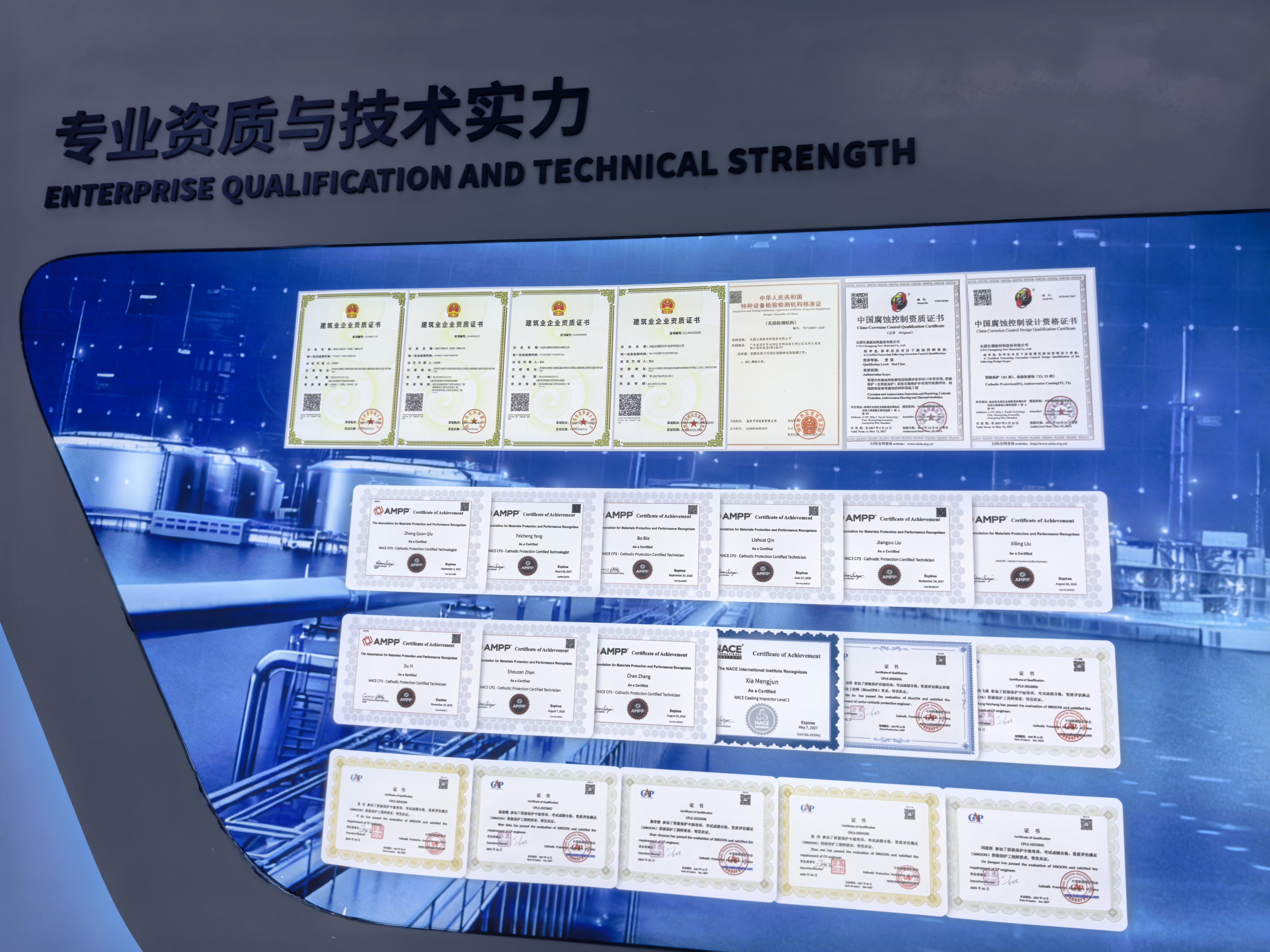
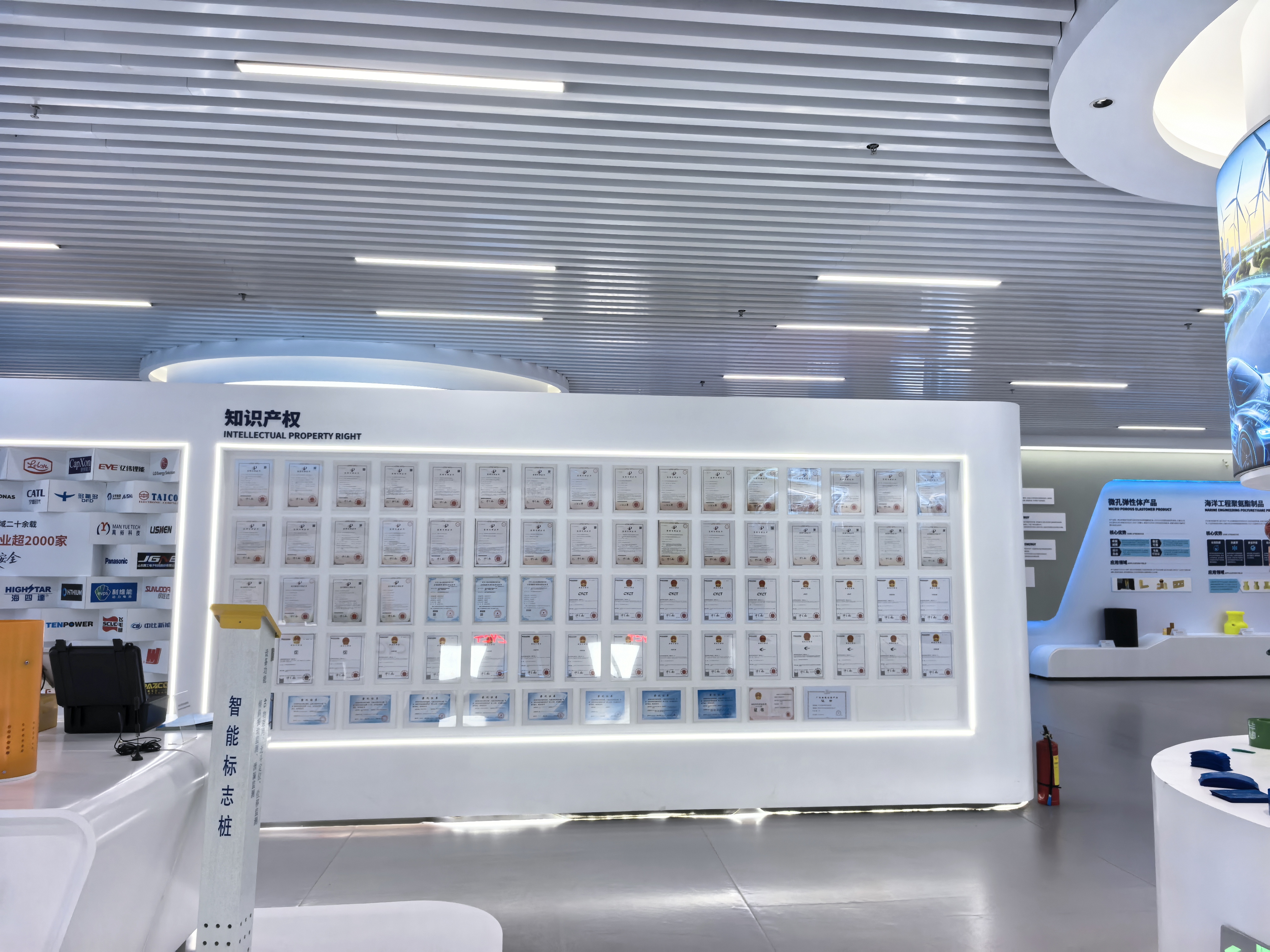
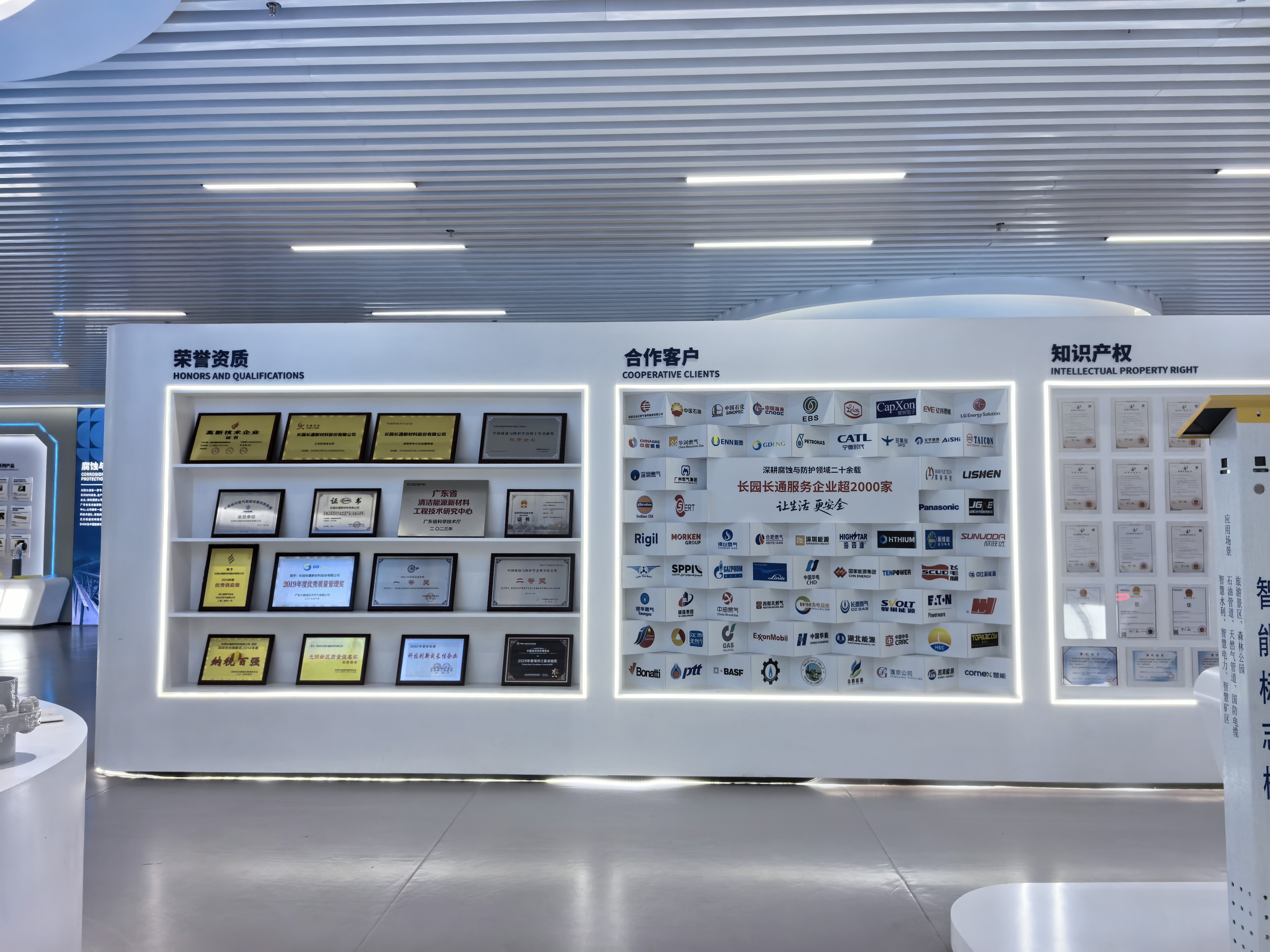
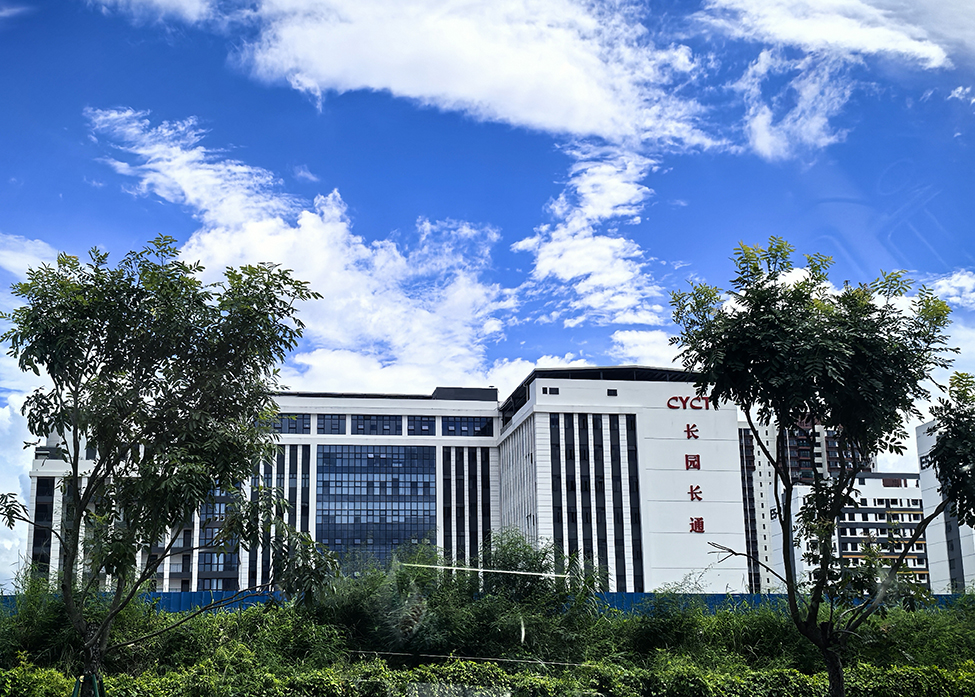
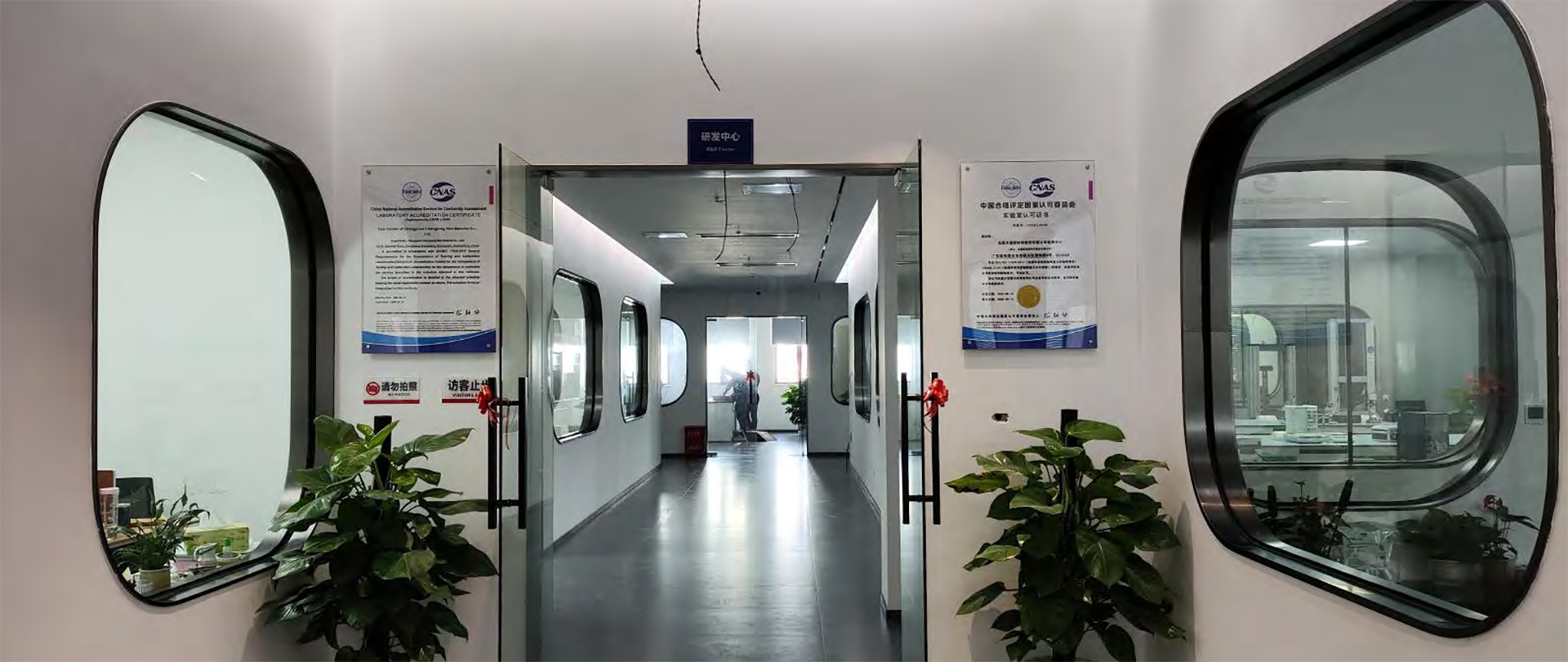
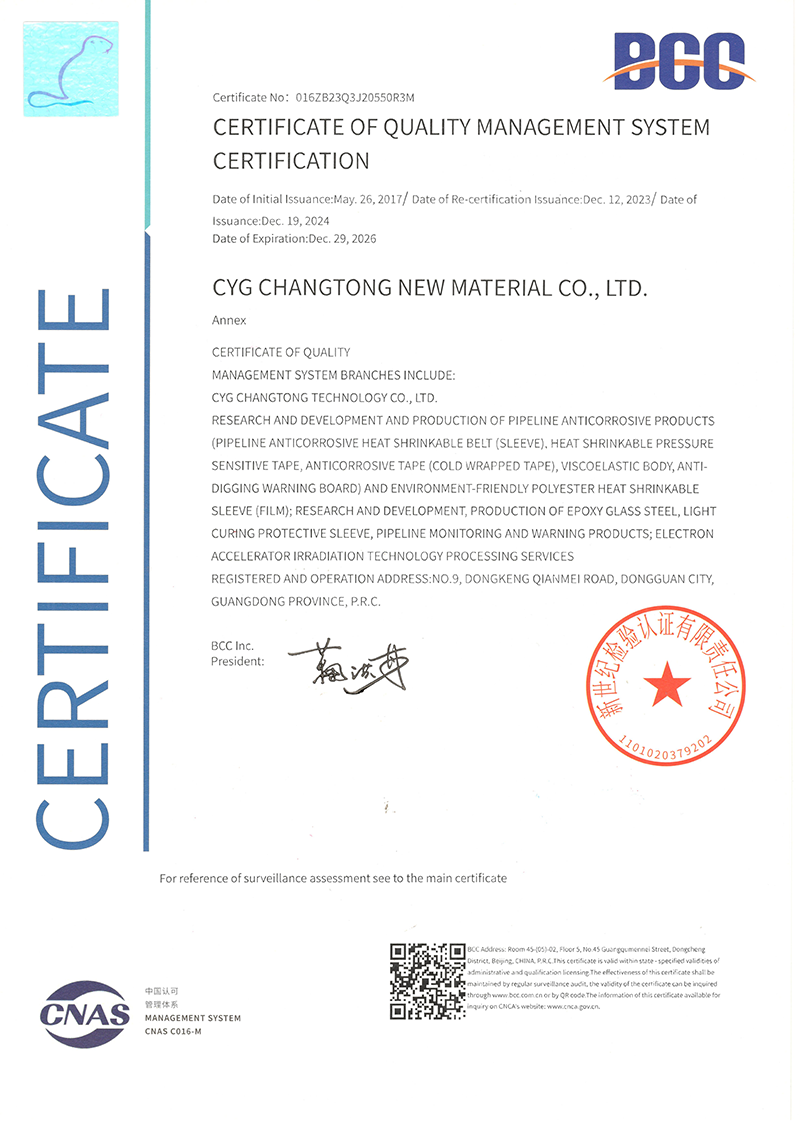
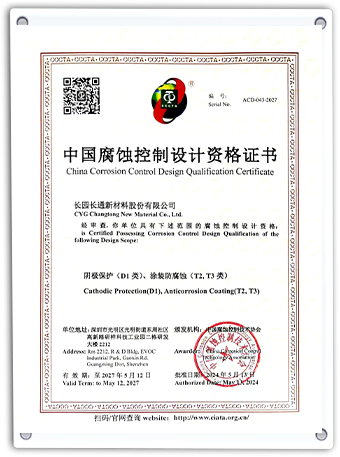
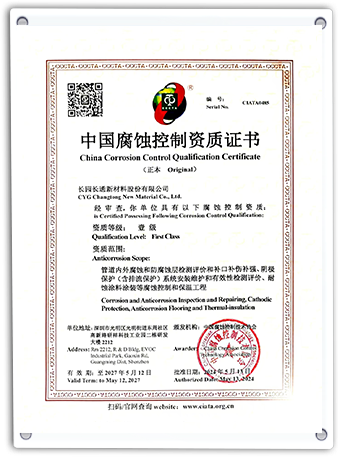
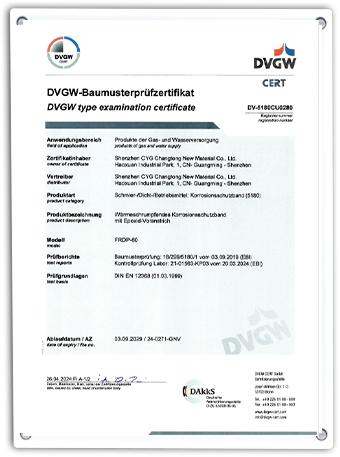
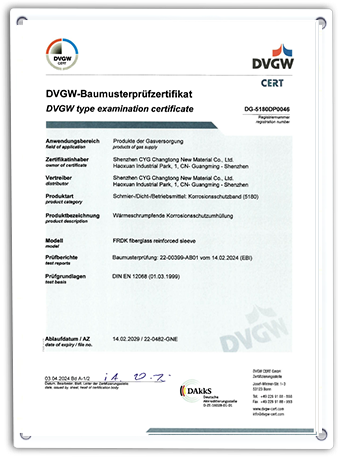
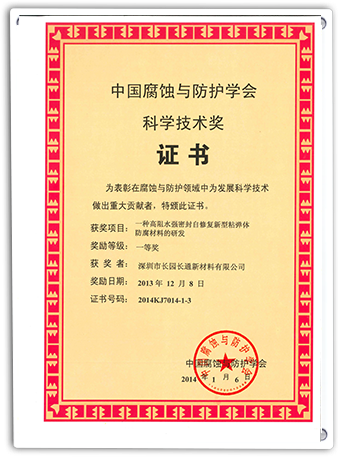
Our commitment to pipeline integrity is backed by domestic and international certifications. CYCT is a Member of the Council in the Chinese Society for Corrosion and Protection (CSCP), holds Qualification Certificates of Corrosion Protection Construction and Pipeline Detection, and is recognized as a Well-known Brand of Pipeline Corrosion Protection in China. Additionally, we are a Corporate Member of the China Association of Petroleum Engineering Construction (CAPEC) and a State-Level High-Tech Enterprise with more than ten proprietary intellectual property rights. CYCT serves as a trusted supplier for PetroChina, Sinopec, China Gas Group, and Indian Oil.
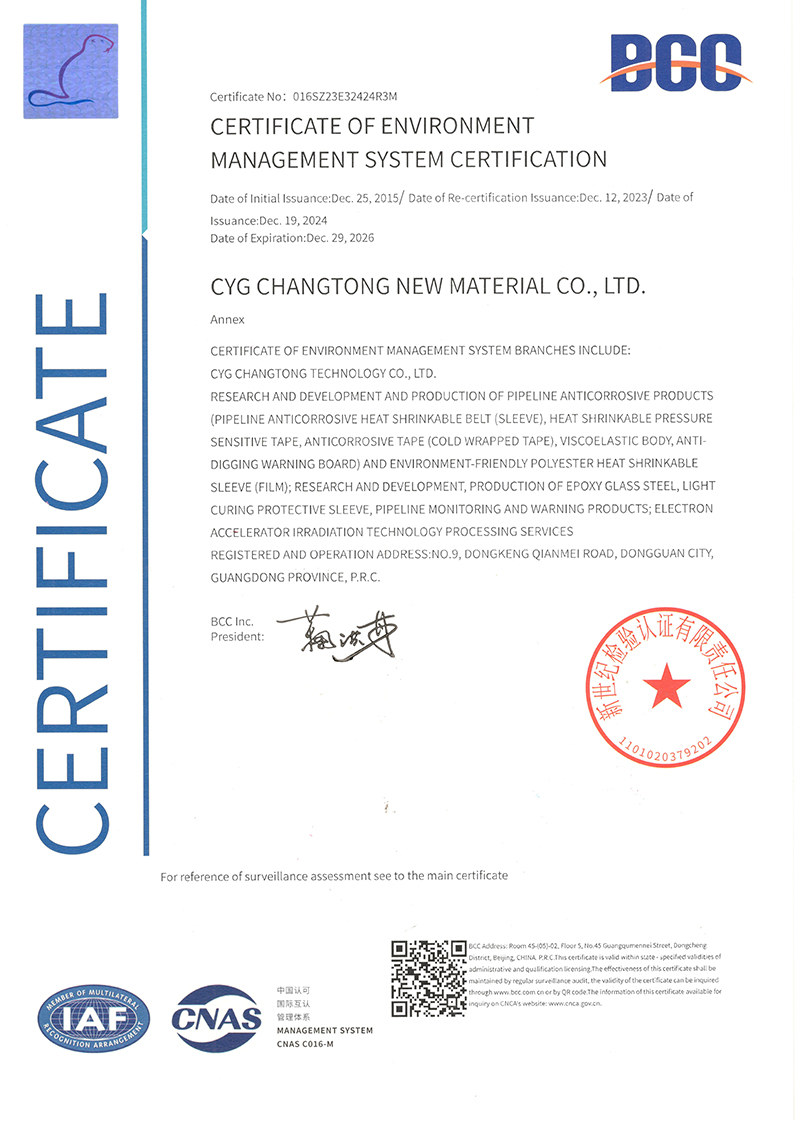
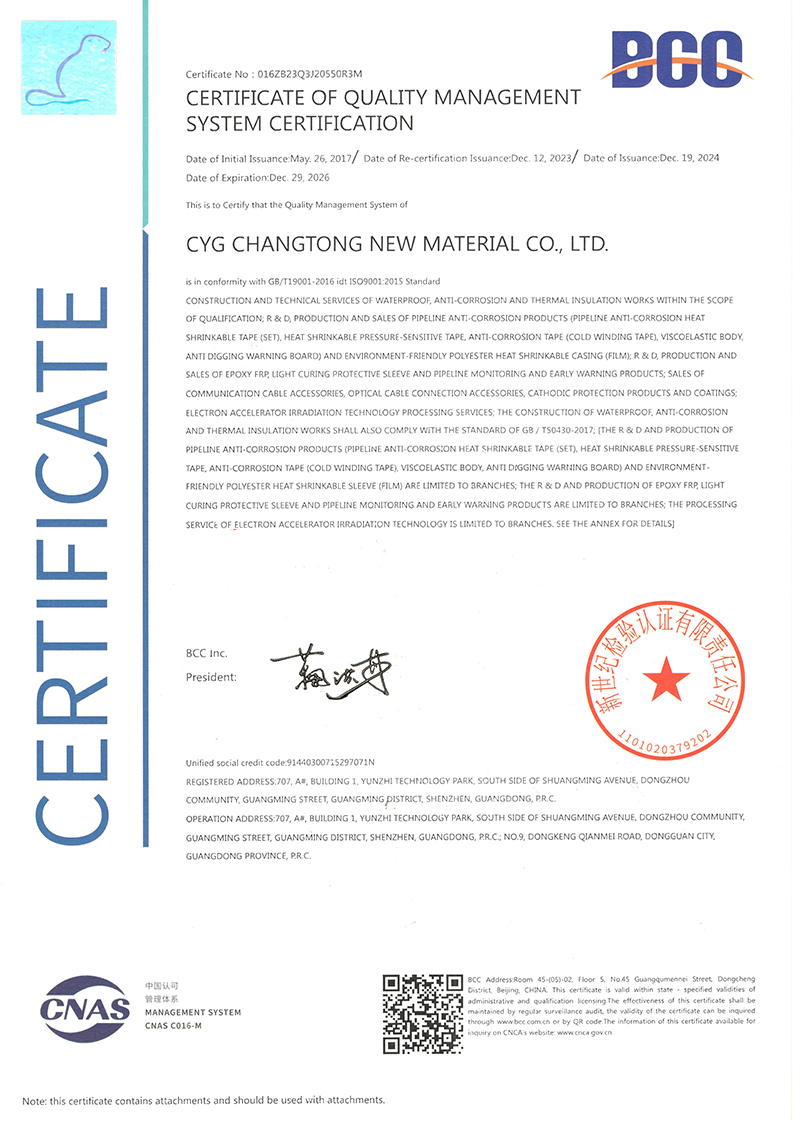
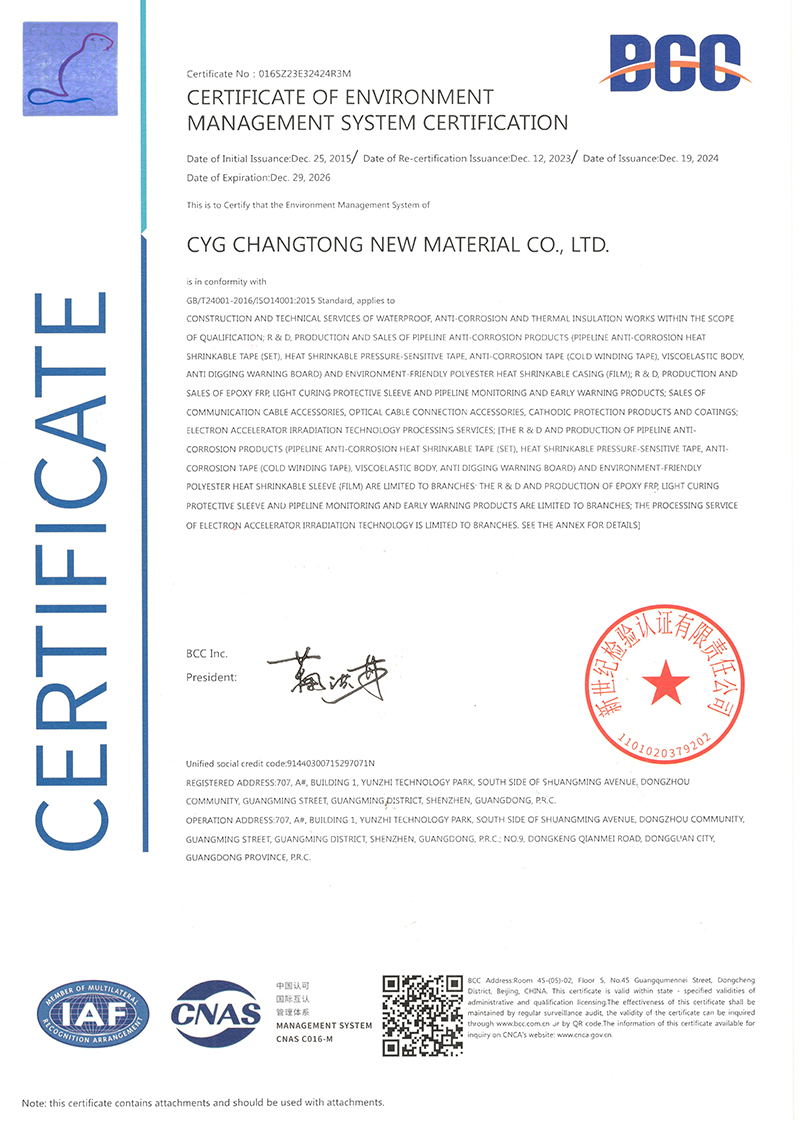
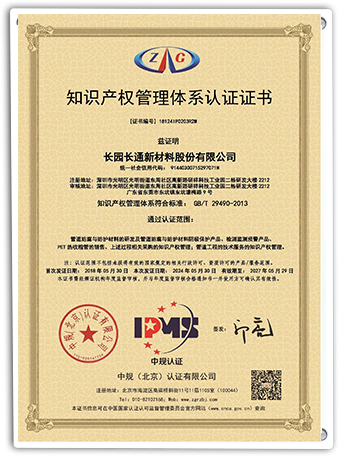
Procurement teams at international oil majors (IOCs) and national energy corporations (NOCs) must balance strict technical criteria with cost efficiency. When evaluating pipeline maintenance suppliers, standard requirements include:
The pipeline sector is evolving toward smart, durable, and environmentally responsible solutions. Key technological trends include:
In-depth technical answers addressing key design and application challenges in pipeline protection.
Polypropylene (PP) has a higher glass transition temperature and melting point than Polyethylene (PE). Consequently, PP heat-shrinkable sleeves provide superior resistance to soil shear, mechanical impact, and thermal degradation at higher operating temperatures (up to 110°C or more). They are designed to match 3LPP mainline coatings, ensuring consistent mechanical properties across the entire pipeline length.
Cathodic shielding occurs when a failed or disbonded pipeline coating prevents cathodic protection (CP) currents from reaching the exposed steel surface, allowing localized corrosion to proceed. CYCT's viscoelastic coatings and high-performance adhesives maintain a permanent chemical bond to the steel surface, preventing moisture ingress and eliminating the voids where shielding typically occurs.
For optimal adhesion, steel surfaces must be abrasive blast-cleaned to a minimum standard of Sa 2½ (ISO 8501-1) or power-tool cleaned to St 3. The surface must be dry, free from dust, oil, and rust scale, and exhibit a suitable anchor profile. Applying a thin coat of compatible primer before wrapping ensures maximum chemical bonding and long-term peel strength.
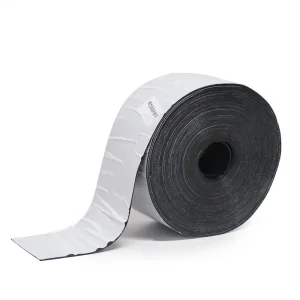
Yes. Viscoelastic materials behave as highly viscous liquids with cold-flow properties. If a minor puncture or scratch occurs in the coating, the compound slowly flows back into the damaged zone to seal the breach. For robust protection, viscoelastic wraps are typically paired with a mechanical outer shield to resist external soil stress and rocky backfill.
CYCT operates a national CNAS-accredited laboratory where we conduct rigorous testing on raw materials and finished products. Every batch undergoes evaluation for peel strength, impact resistance, tensile strength, heat aging, and cathodic disbondment. Our manufacturing processes comply with ISO quality management standards to ensure consistent performance in the field.
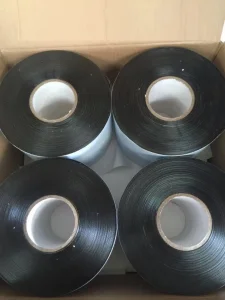
Corrosion protection tapes, viscoelastic systems, and heavy-duty mechanical shields.
 CYCT
CYCT