Next-Generation Photo-Curing Corrosion Protection & High-Quality GRP/GFRP Structural Solutions for Harsh Industrial Infrastructures
Direct supply from state-accredited manufacturing facilities. Proven high durability, fast curing speeds, and mechanical resilience.
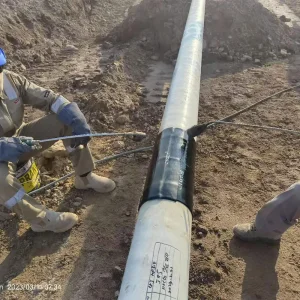
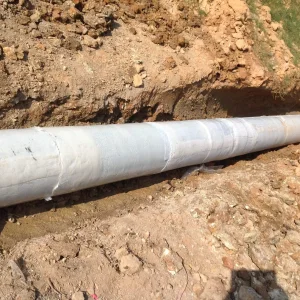
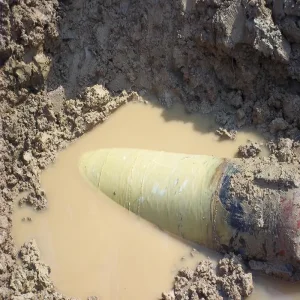
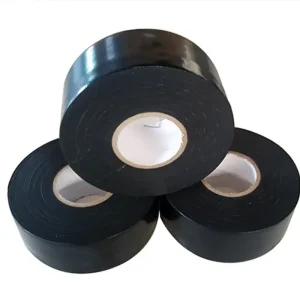
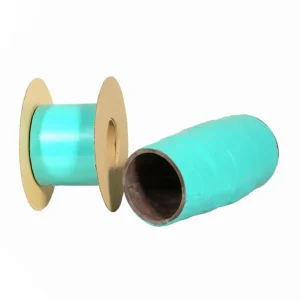
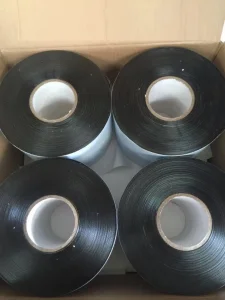
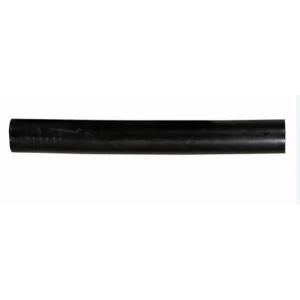
A premier state-level high-tech enterprise integrating R&D, advanced manufacturing, and buried pipeline detection services.
An in-depth analysis of photo-curing composite materials, deployment challenges, and global procurement trends.
In heavy-duty anti-corrosion engineering, particularly in buried pipeline systems, oil & gas lines, and petrochemical infrastructure, traditional thermosetting epoxy coatings have faced ongoing issues. High energy costs, slow curing times, ambient temperature dependence, and toxic chemical emissions have driven the industry toward structural upgrades. This is where Light Activated Epoxy Coating (Photo-Curing Protective Sleeves) comes in.
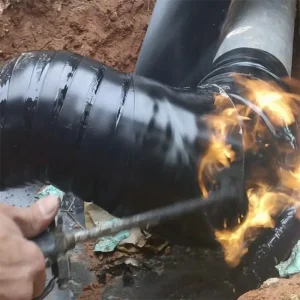
Utilizing specialized Glass Fiber Reinforced Polymer (GRP/GFRP) sheets infused with a photo-curing resin matrix, this technology reacts to specific light wavelengths (mostly UV or near-visible violet light). The polymerization process initiates within minutes, bypassing the prolonged oven-baking or chemical induction phases required by standard epoxy coatings.
The chemical formulation of light-activated coatings consists of multifunctional epoxy acrylates, reactive diluents, and advanced photoinitiators. When exposed to a specialized light source (often UV-A or high-intensity LED light panels), the photoinitiators generate free radicals or cationic species that attack the double bonds of the monomer.
This initiates an instantaneous chain reaction, converting the liquid or semi-solid matrix into a highly cross-linked, three-dimensional polymer network. Reinforced with glass fibers (GRP), the final composite exhibits remarkable flexural strength, superior impact resistance, and an impenetrable barrier against cathodic disbondment, soil stress, and moisture ingress.
As global energy infrastructure expands, horizontal directional drilling (HDD) has become the standard for installing pipelines under rivers, highways, and highly populated urban areas. Conventional coatings like 3-layer Polyethylene (3LPE) or fusion bonded epoxy (FBE) are highly vulnerable to mechanical damage, gouging, and abrasion during the pipeline pulling process.
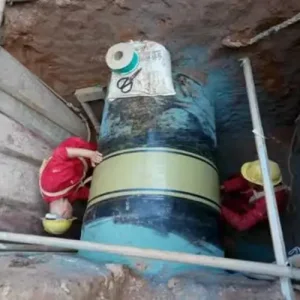
To mitigate this risk, global procurement officers specify GRP sheets or photo-curing protective sleeves as an outer mechanical shield over primary anti-corrosion systems. Our China Photo-Curing Protective Sleeves and Epoxy FRP Solutions are engineered to withstand extreme shear forces during long-distance HDD operations. This reduces the risk of sub-surface pipeline failure and protects capital assets.
When evaluating suppliers for OEM Light Activated Epoxy Coatings, international procurement managers from major energy operators (such as Indian Oil, PetroChina, and Sinopec) focus on the following performance standards:
The GRP matrix must withstand severe scraping and dragging forces. Standard testing includes ASTMD-2240 (Hardness) and ASTMD-256 (Impact strength).
Must meet ISO 21809-3 and CSA Z245.20 requirements to prevent long-term under-film corrosion when paired with active cathodic protection (CP).
Formulations must react to solar radiation (outdoors) or mobile UV arrays. Speed is key—curing must reach 95% Barcol hardness within 10-15 minutes.
In today's volatile economic market, supply chain disruptions can delay major infrastructure projects, costing operators millions. CYCT addresses this concern by utilizing advanced Factory 4.0 production strategies in China.
By integrating raw material synthesis (polyesters, fiberglass fabrics, photoinitiators) with automated coating, cutting, and packaging machinery, CYCT guarantees uninterrupted OEM production capacity. Our state-level production lines maintain tight dimensional tolerances, consistent resin-to-glass ratios, and rapid production turnaround.
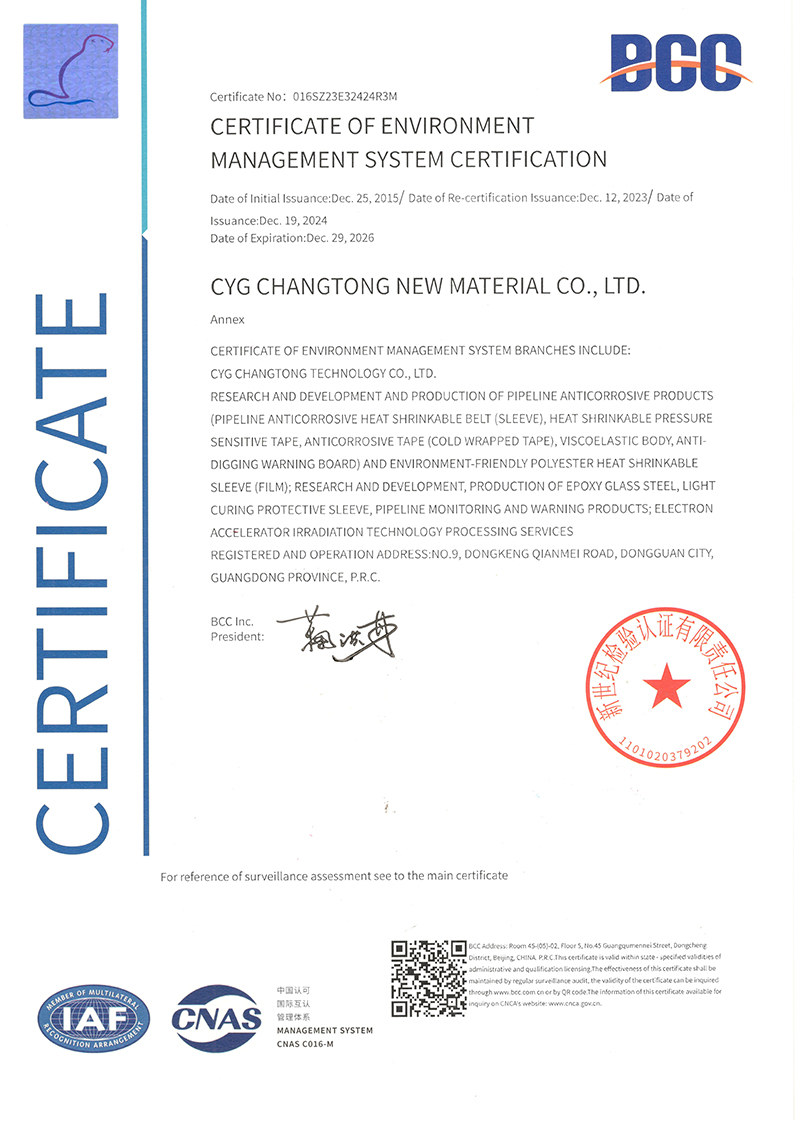
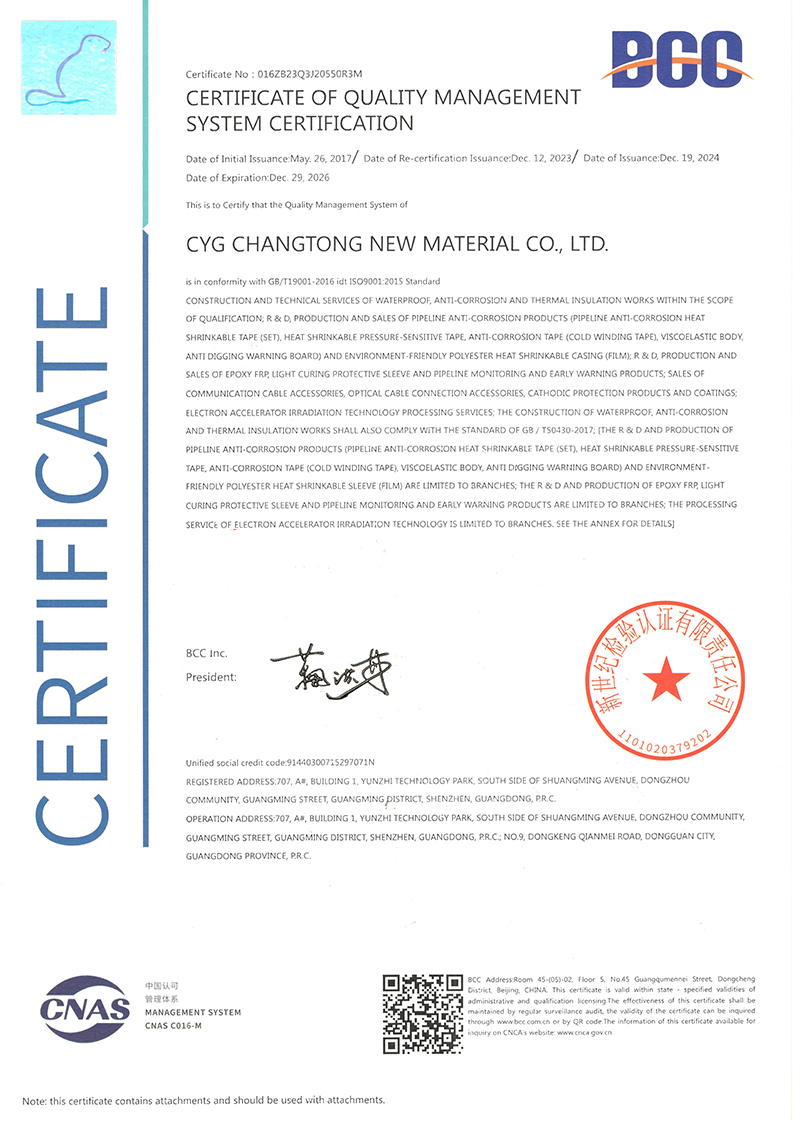
Our logistics partnerships, direct port access, and ISO 9001:2015 quality management system ensure global delivery with minimal lead times. This allows international buyers to reduce local inventory costs while maintaining safety stock levels.
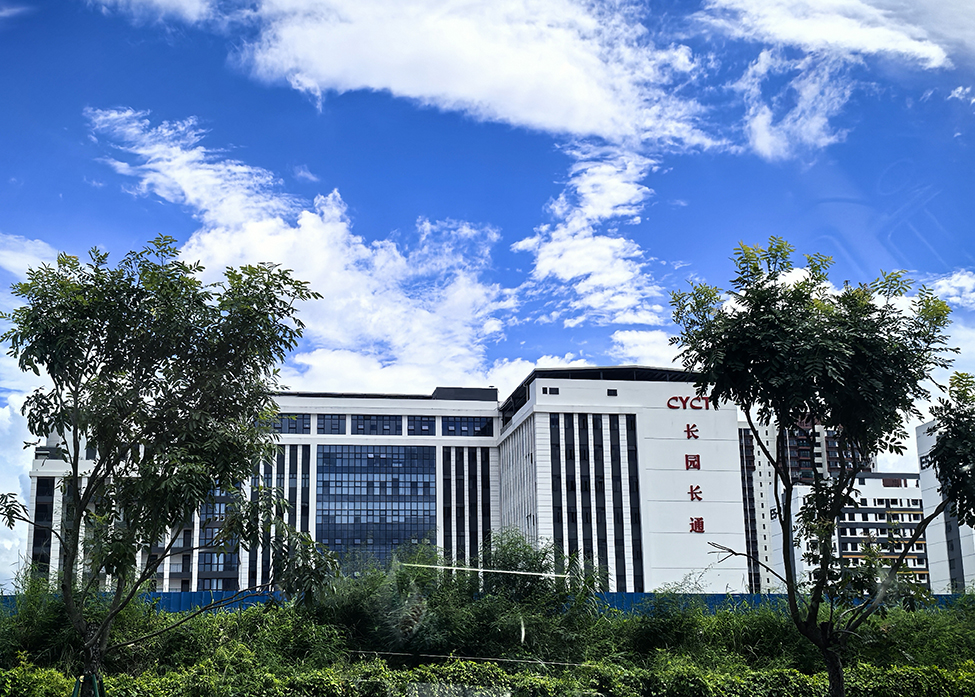
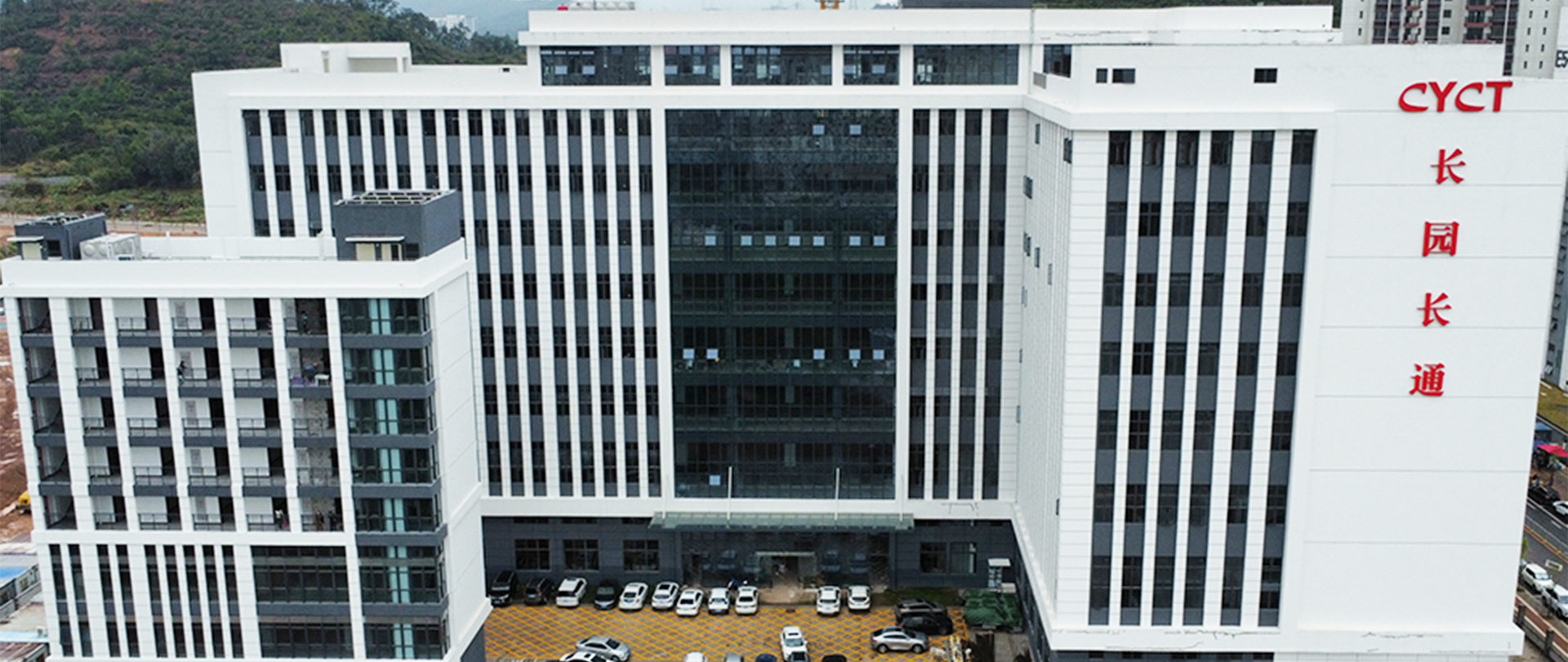
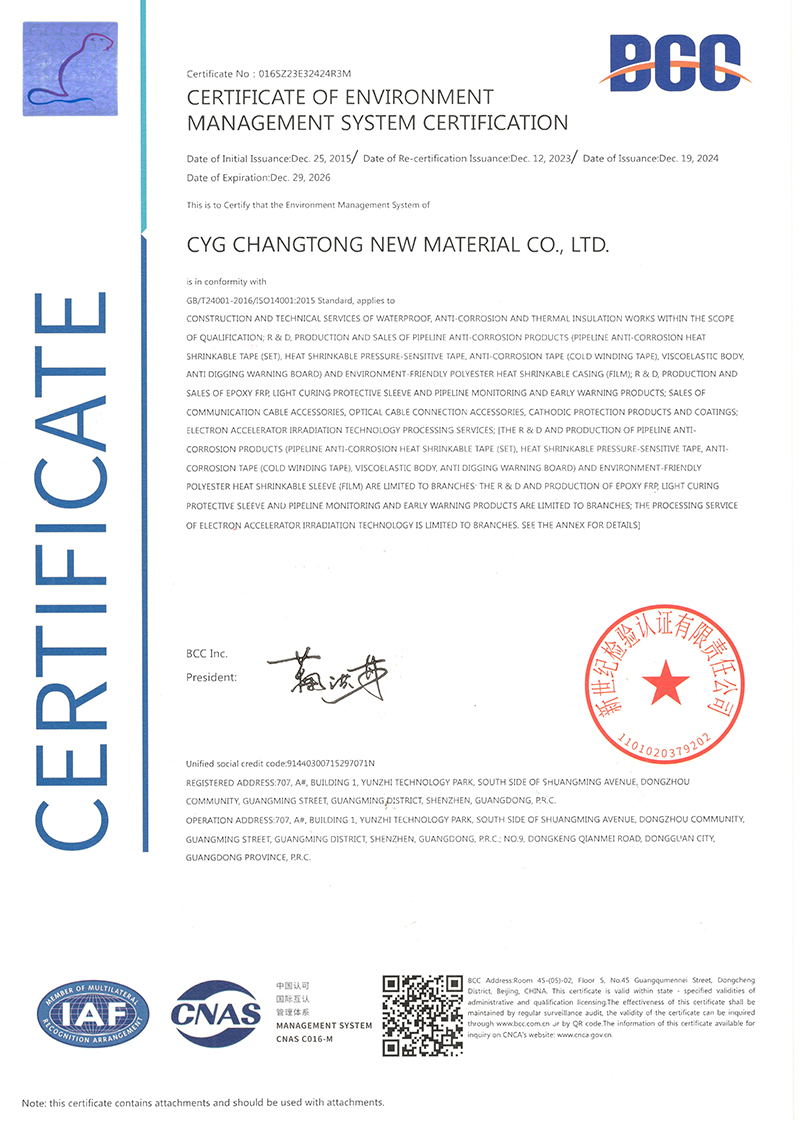
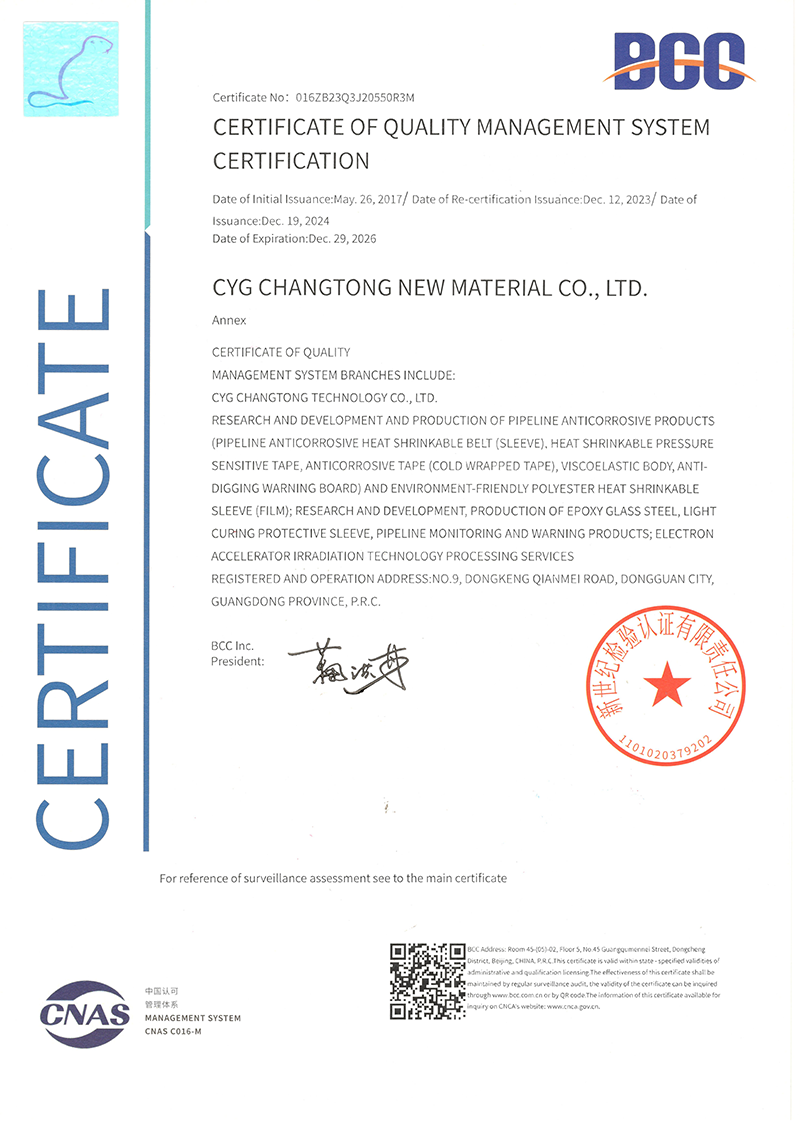
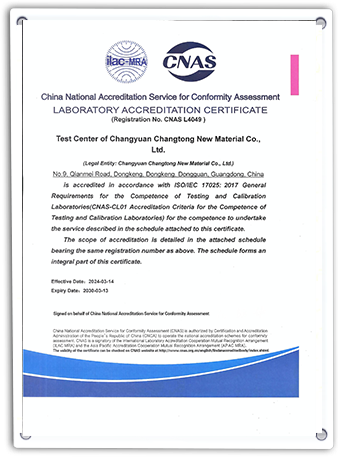
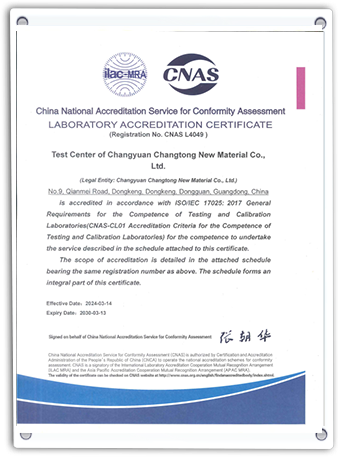
CYCT New Materials Company Limited (CYCT) is a state-level high-tech enterprise founded in 2000. For over two decades, we have focused on pipeline corrosion protection materials, buried pipeline detection services, and pipeline coating field applications. Our CNAS-accredited laboratory ensures that every batch of photo-curing sleeves, viscoelastic tapes, and PE/PP heat shrink sleeves meets international quality standards.
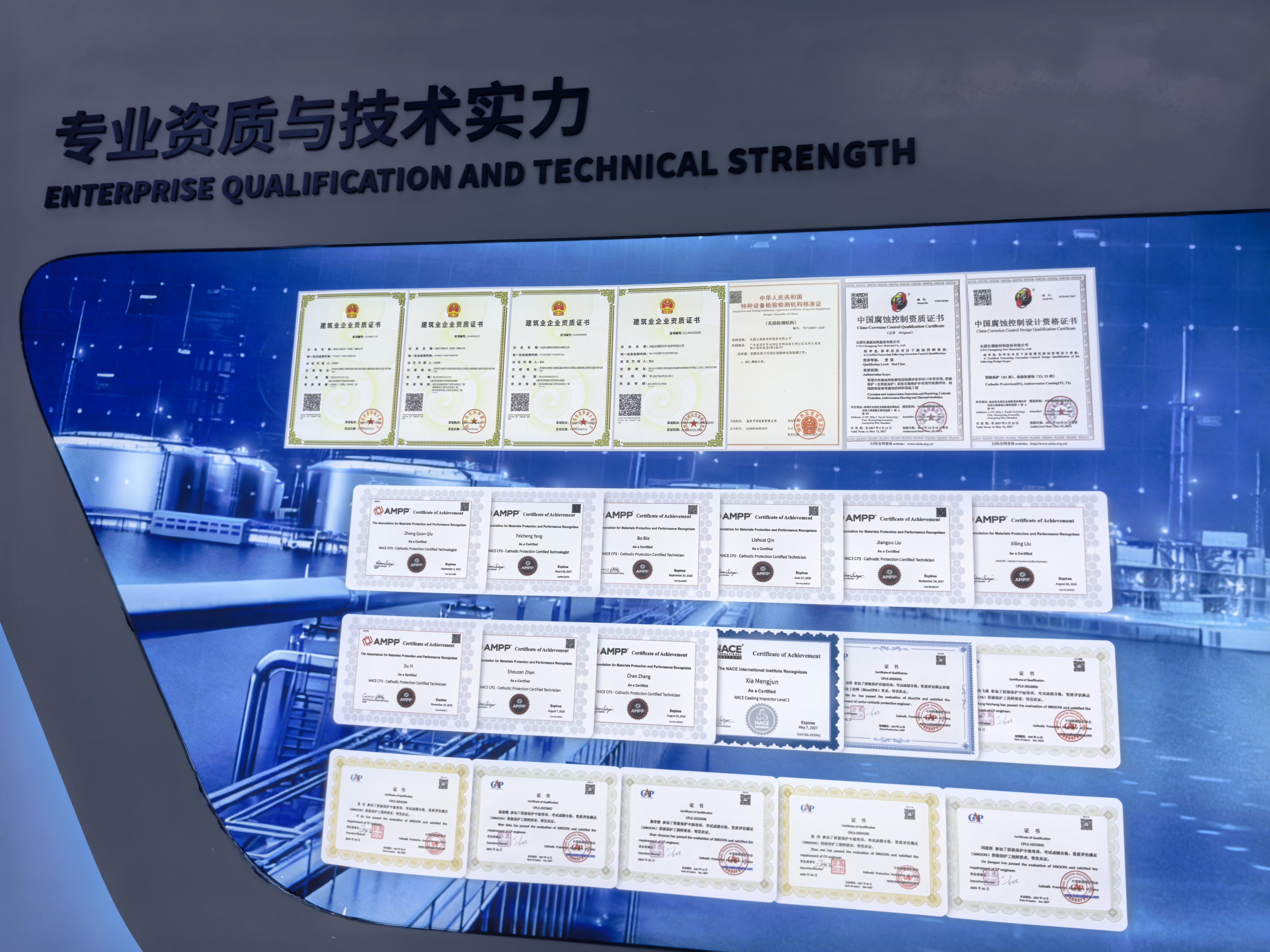
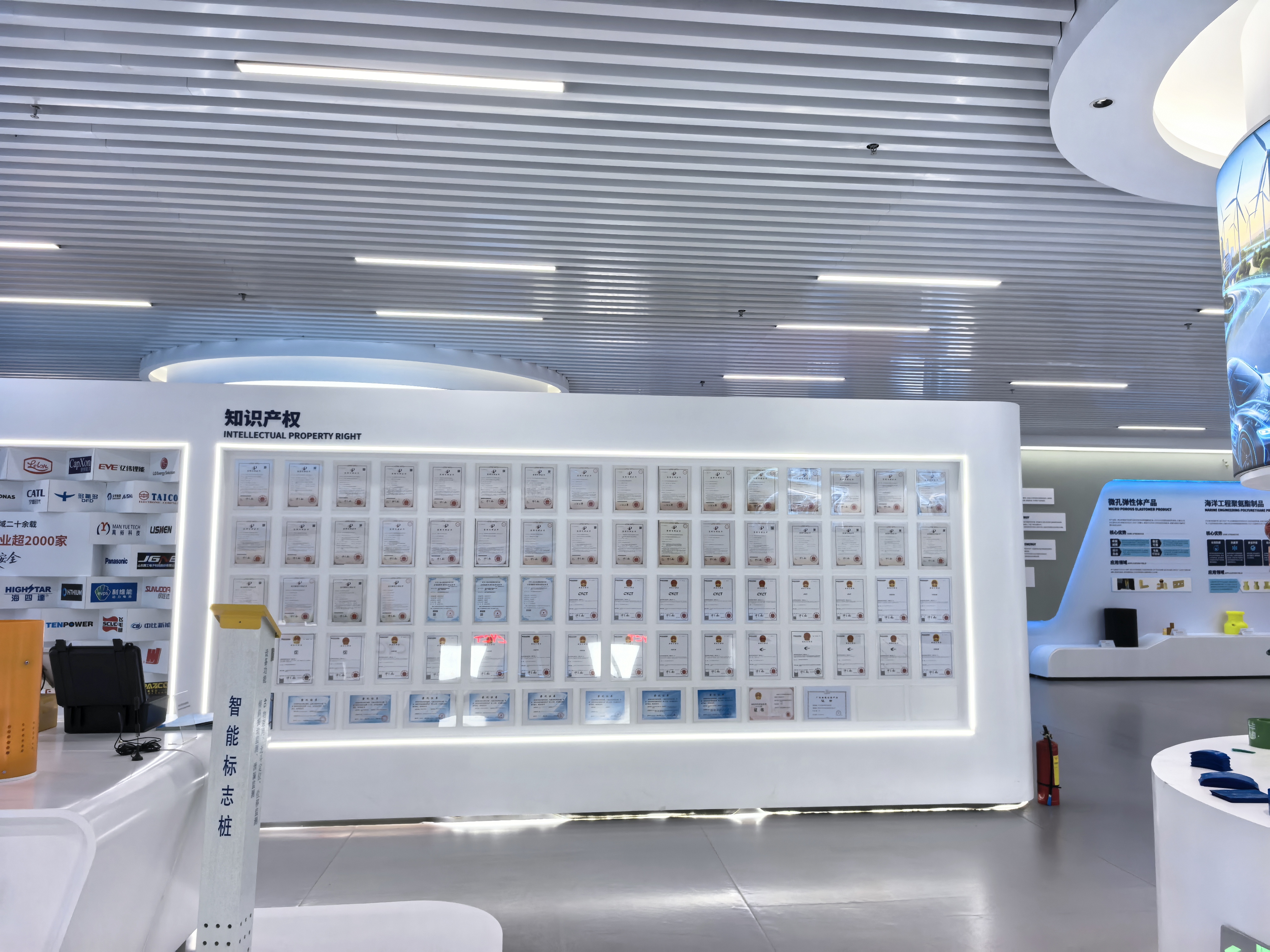
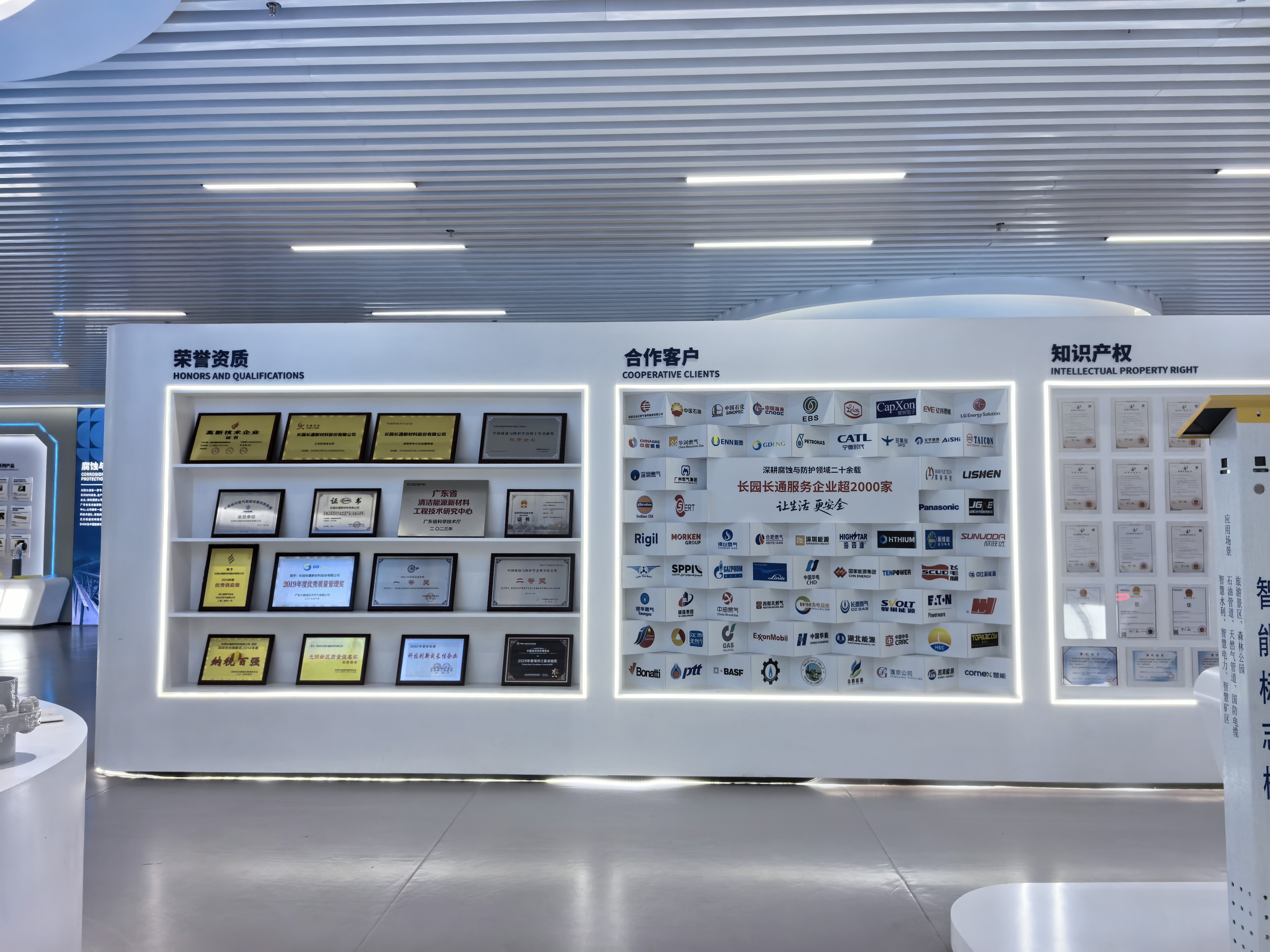
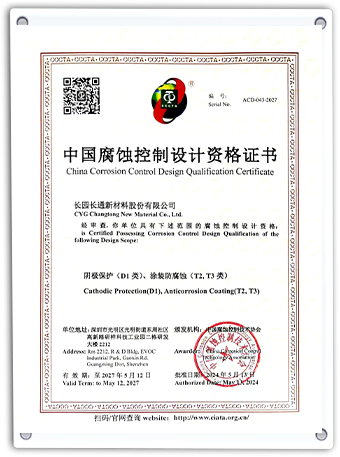
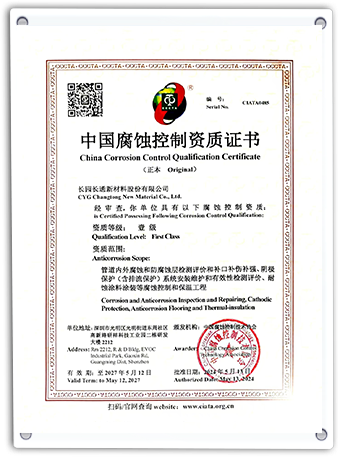
We collaborate with leading scientific research institutes, including the CNPC Pipeline Science Research Institute, to provide custom solutions for operating pipelines. This includes buried pipeline inspections, cathodic protection designs, rehabilitation projects, and integrated pipeline safety systems.
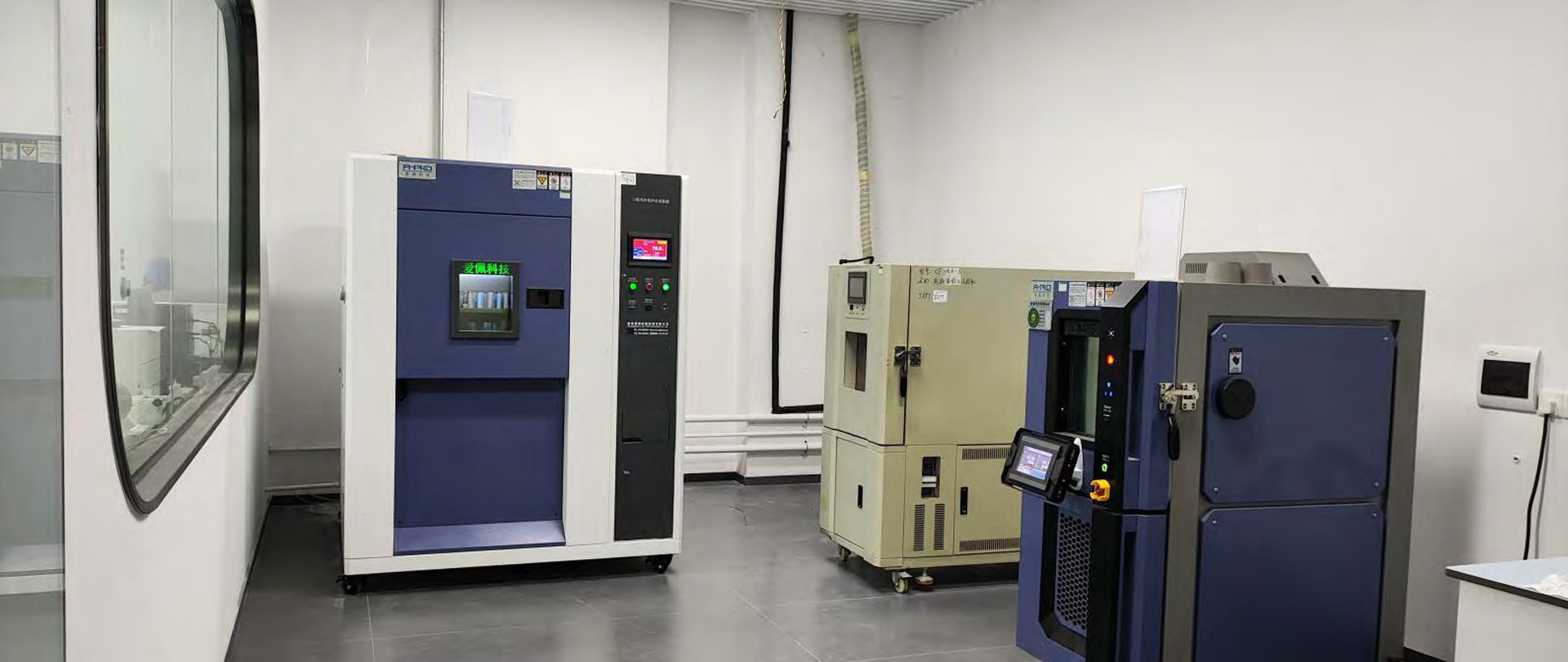
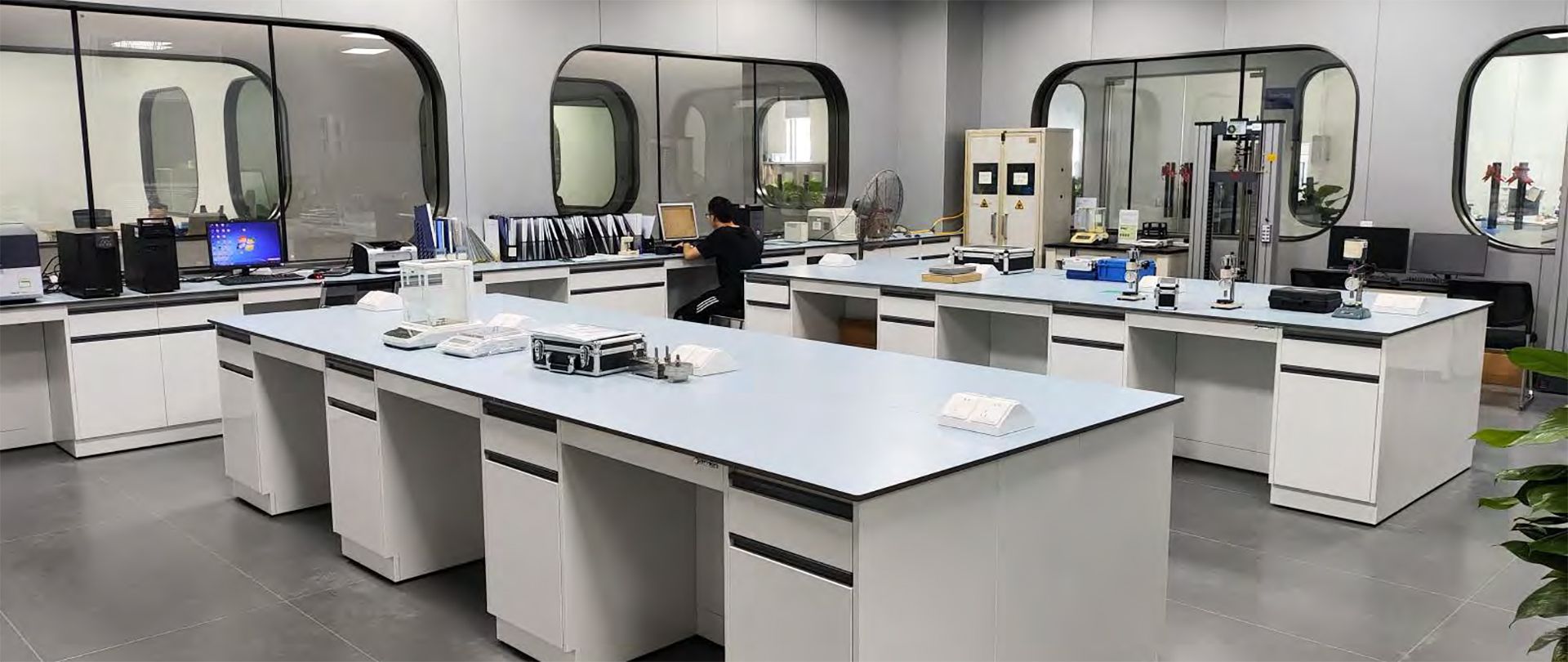
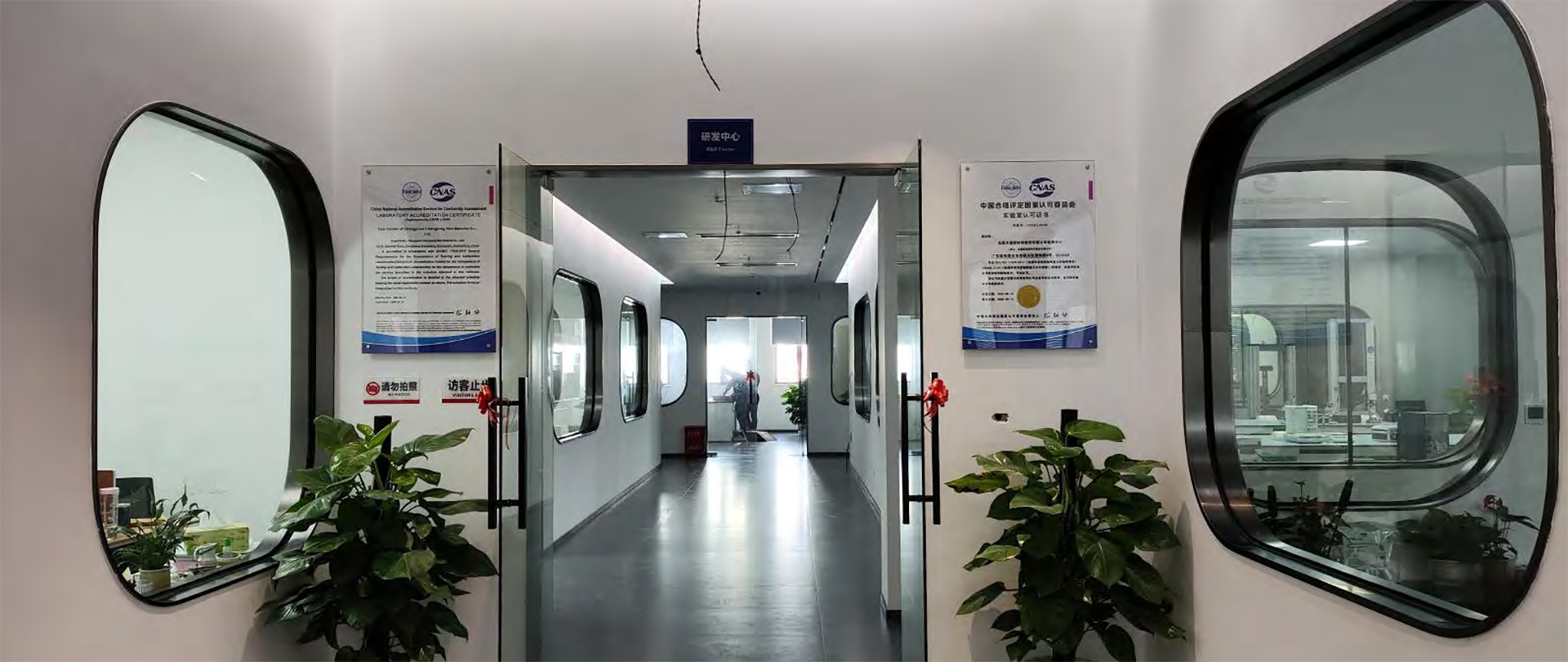
In field conditions, environmental factors like humidity, extreme heat, and sub-zero temperatures can impact coating performance. In high-temperature regions (e.g., Middle East petrochemical fields), we supply our OEM PP Repair Patch for 3LPP Coating and High Temperature PP Outer Tape, which are rated to perform at temperatures up to 85°C.
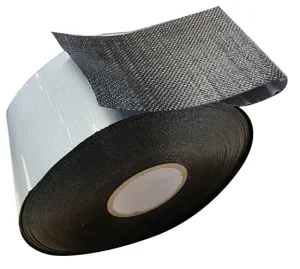
For colder municipal zones in Europe and northern North America, our Viscoelastic Tape (VT95) offers immediate, self-healing protection that bonds well to steel and polymer surfaces without pre-heating. In humid marine field environments, our photo-curing sleeves provide instant, weather-independent mechanical protection, reducing delays caused by rain or damp air.
Expert answers regarding installation, material selection, OEM services, and quality assurance guidelines.
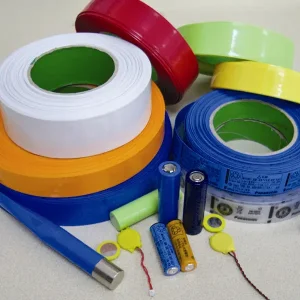
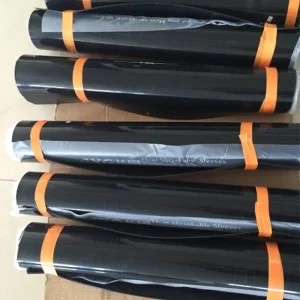
Complete selection of pipeline protection tapes, GRP sheets, and repair patches from CYCT's production line.
 CYCT
CYCT