High-performance viscoelastic tapes, cold applied outer wraps, and joint protection solutions.
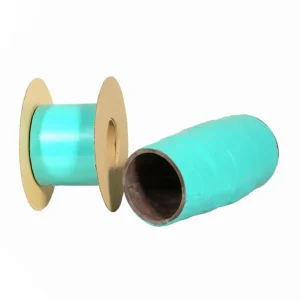
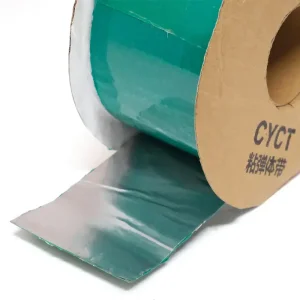
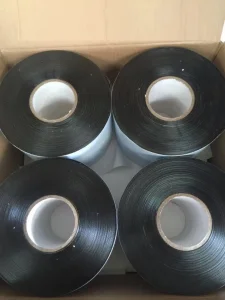
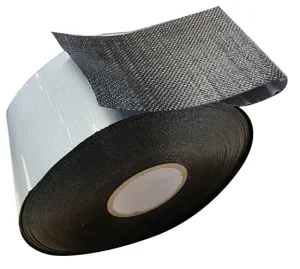
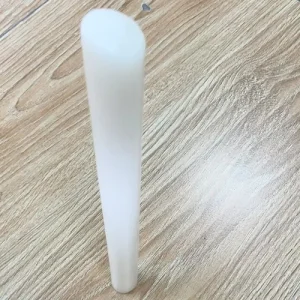
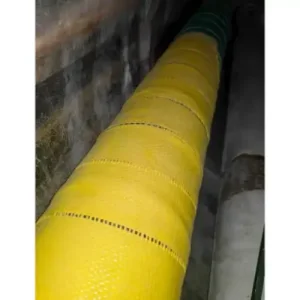
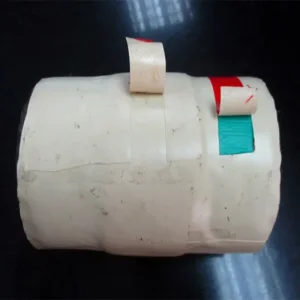
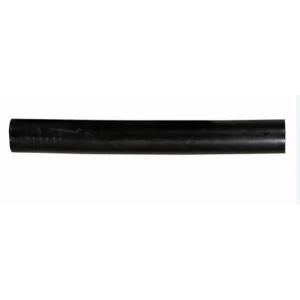
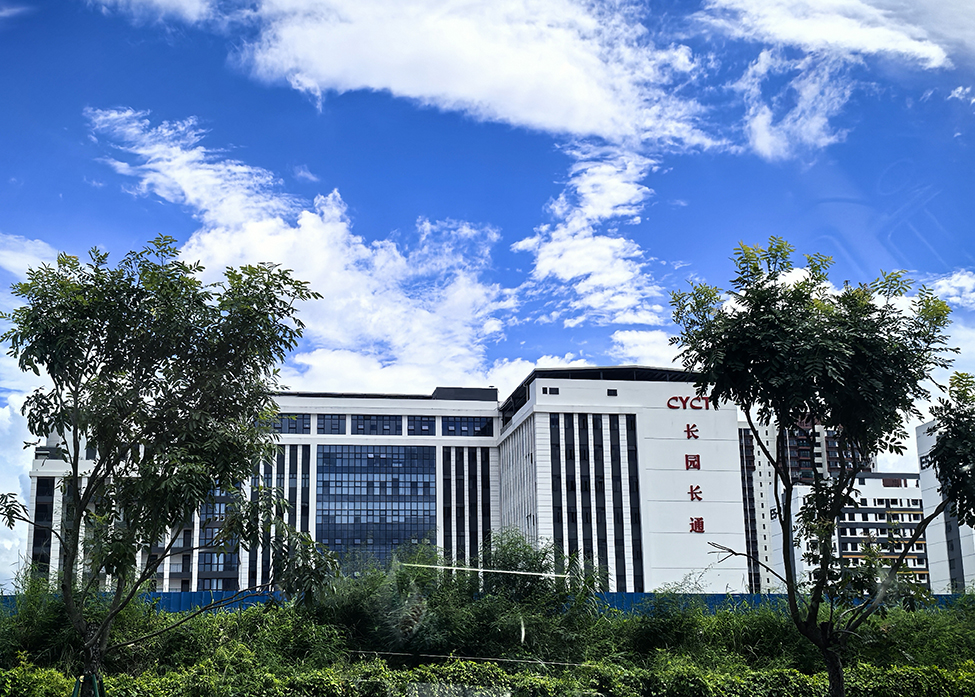
CYCT New Materials Company Limited (for short, CYCT) is a state-level high-tech enterprise integrating the R&D, production, and sales of pipeline corrosion protection materials, buried pipeline detection services, and pipeline coating field application services into a cohesive, high-tech hub.
Over the course of more than two decades, CYCT has committed itself to developing advanced solutions for the most complex corrosion issues globally. By pairing cutting-edge polymer material science with real-world field experience, we have emerged as a premier manufacturer of adhesive-lined heat shrink sleeves, viscoelastic coatings, and thermal repair systems.
An authoritative deep dive into dual-wall cross-linked polyolefin protective systems
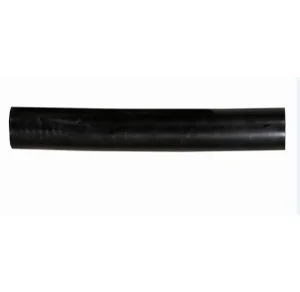
In modern industrial applications, environmental degradation, water ingress, and mechanical stresses represent constant threats to the integrity of piping joints, wiring harnesses, and metal substrates. Adhesive Lined Heat Shrink Tubing (commonly referred to as dual-wall tubing or heat shrink sleeves) serves as the primary barrier method to combat these forces. It combines a semi-rigid or flexible radiation-crosslinked polyolefin outer jacket with an inner lining of specially formulated hot-melt copolymer adhesive.
Upon application of heat exceeding the polyolefin crystalline melting point (typically 110°C to 135°C), the outer jacket shrinks radially to conform tightly to the underlying structure. Concurrently, the inner adhesive layer melts and flows, filling all micro-voids, crevices, and irregularities. As the system cools, the adhesive solidifies into a permanent, moisture-impermeable, and gas-tight environmental seal. This chemical combination delivers high shear resistance, superior peel strength, and electrical insulation properties crucial for offshore, subsea, and subterranean installations.
Our outer polyolefin layer undergoes precise electron-beam radiation crosslinking, giving it shape-memory properties and high resistance to physical abrasion.
Formulated with premium synthetic resins, the internal adhesive adheres aggressively to carbon steel, PE, PP, and epoxy coatings to prevent water migration.
Specifically engineered to resist electrochemical disbondment under cathodic protection (CP) currents, preserving long-term structural integrity.
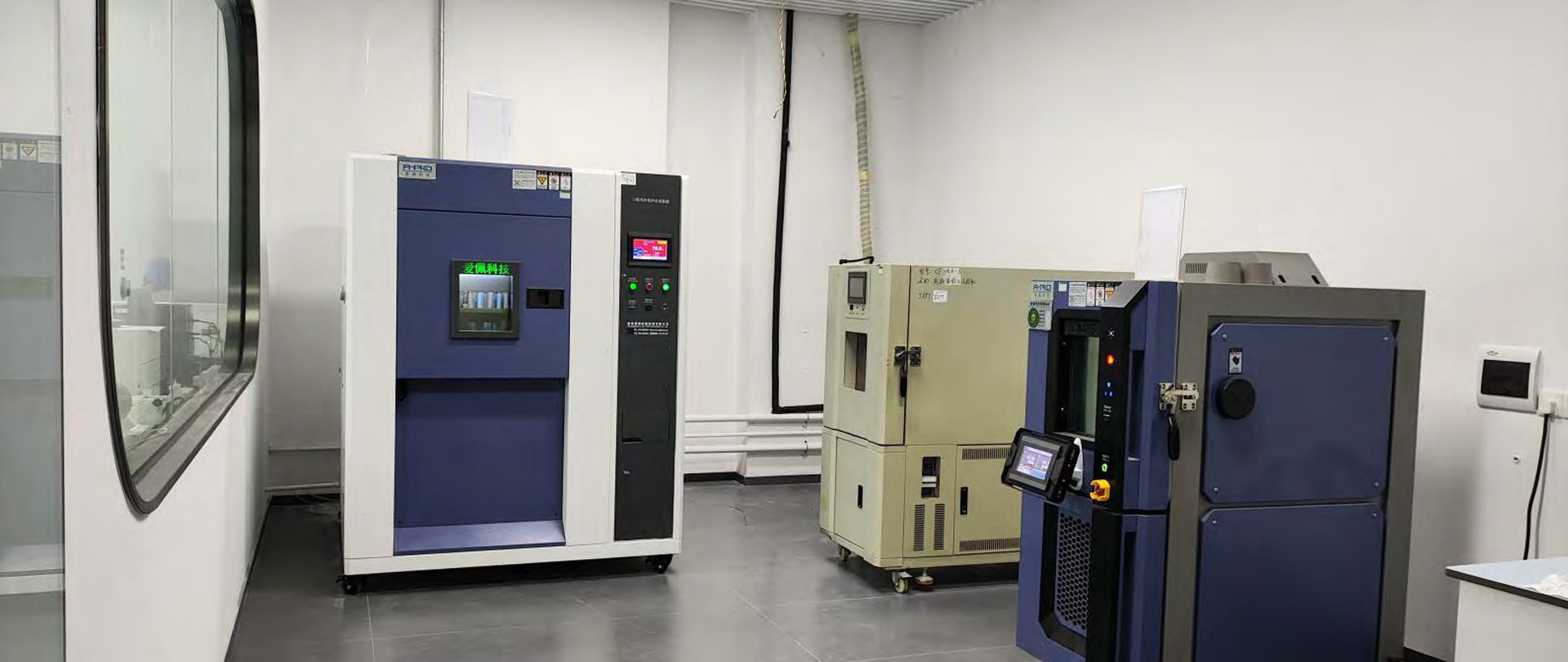
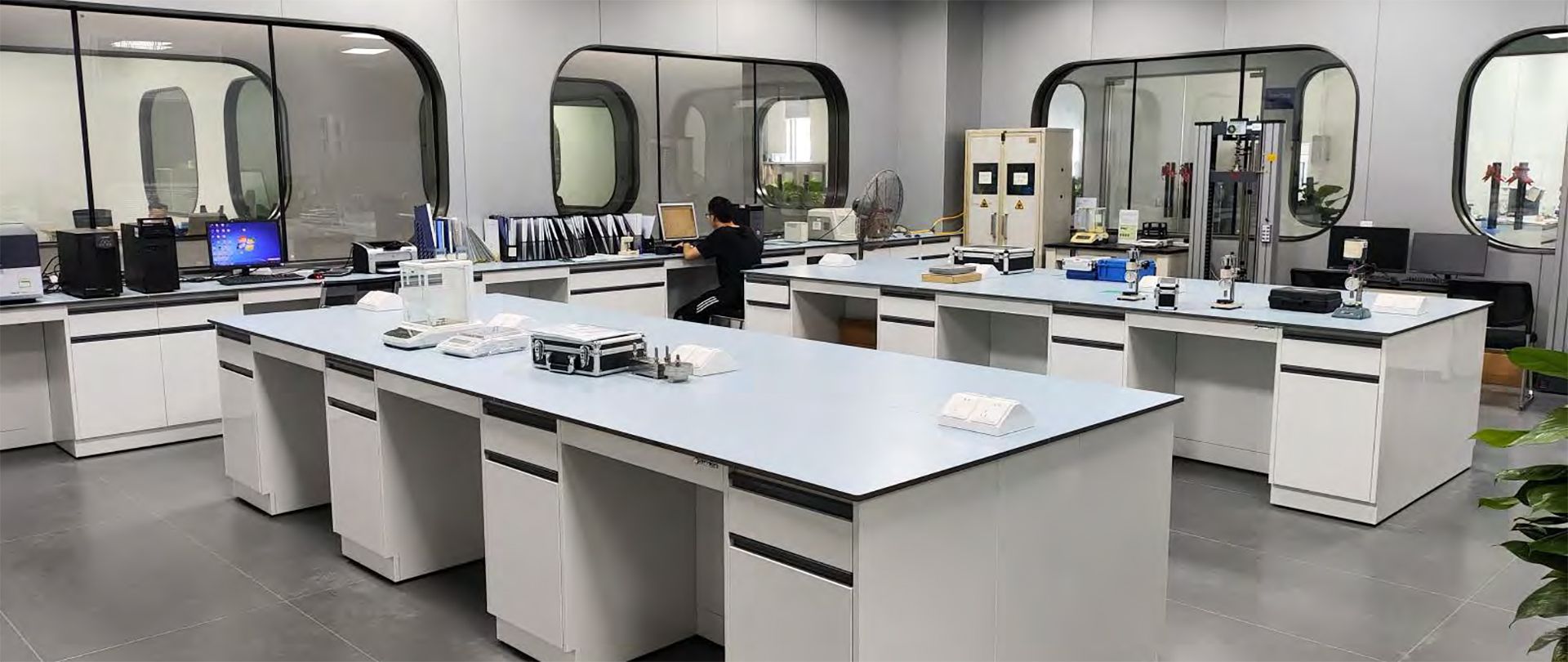
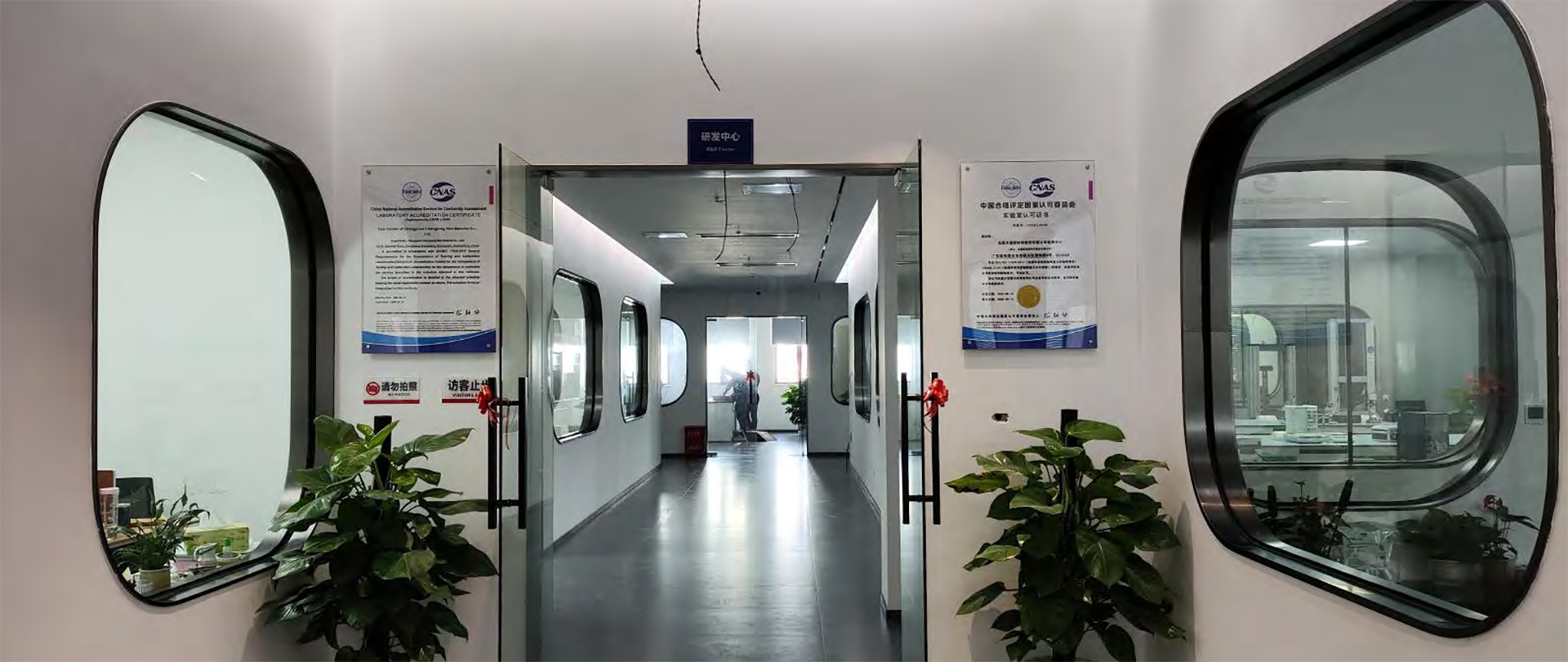
CYCT owns leading testing and R&D capabilities, a professional R&D team, and a national CNAS-accredited laboratory.
Global pipeline asset managers and procurement specialists face a constant challenge: balancing strict engineering safety standards with cost efficiency. Sourcing directly from CYCT, a premier Chinese manufacturer, yields several strategic advantages:
Driving next-generation corrosion prevention and structural reinforcement technologies.
Modern oil and gas pipelines operate at elevated temperatures to reduce oil viscosity. Traditional field joint coatings deteriorate under these conditions. CYCT's high-temperature hot-melt systems are rated for continuous service up to 85°C, preserving mechanical protection and thermal stability over decadal cycles.
Viscoelastic technology represents a major advance in active corrosion mitigation. These materials behave like liquid, wetting the metal surface at a micro-level, while retaining the elasticity of a solid. They never cure, meaning any physical punctures or shear displacements self-heal automatically over time.
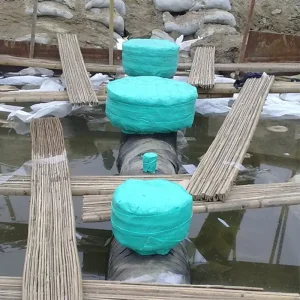
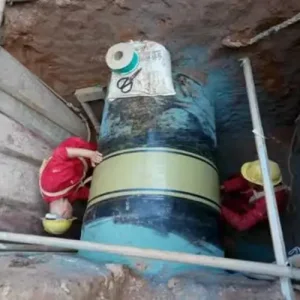
For corroded or mechanically damaged pipelines, Glass Fiber Reinforced Polymer (GFRP) structural wraps offer a trenchless repair option. These systems reinforce weakened steel segments without requiring section replacement, mitigating expensive project shutdowns.
At CYCT, our strategic partnerships with institutions like the CNPC Pipeline Science Research Institute allow us to deliver integrated engineering solutions. We provide in-service pipelines with varied technical services, including buried pipeline detection, custom cathodic protection designs, rehabilitation projects, and safety protection engineering.
Furthermore, our product portfolio spans specialized industries. We supply viscoelastic coatings for valves and fittings, photo-curing sleeves for Horizontal Directional Drilling (HDD) protection, polyurea coatings, and moisture-curing shields for harsh offshore environments.

Supporting large-scale pipeline operators and energy infrastructure developers worldwide.
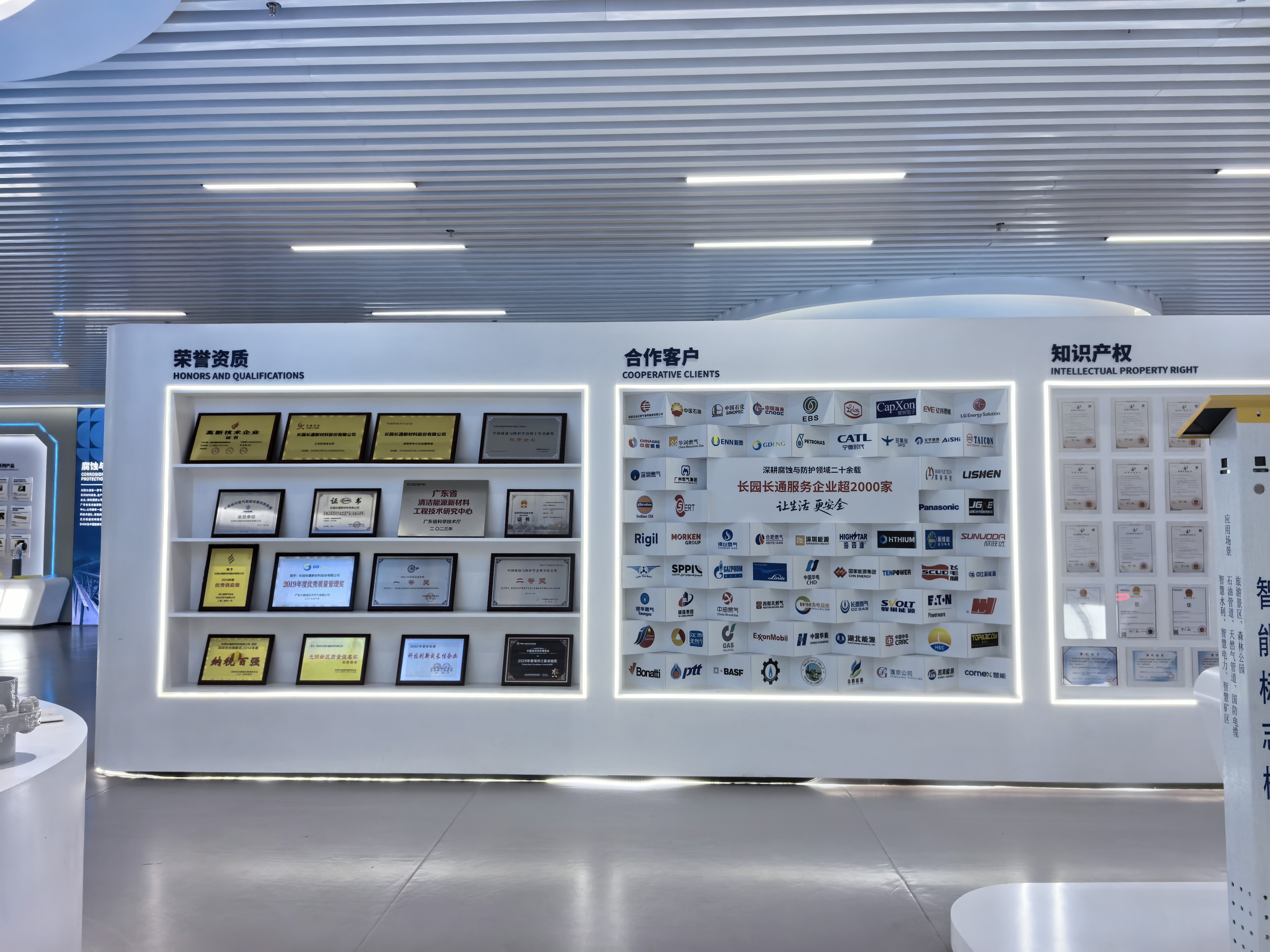
CYCT serves as a qualified and stable field joint coating supplier to major oil and gas players, including PetroChina, Sinopec, PipeChina, Indian Oil, and China Gas Group. Our systems meet or exceed international standards like ISO 21809-3, EN 12068, and AMPP/NACE guidelines.
For global EPC contractors and procurement managers, partnering with CYCT provides:
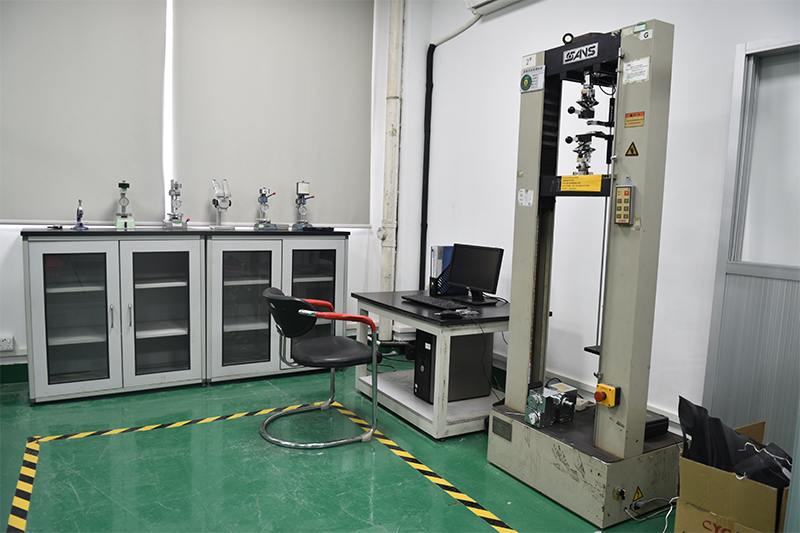
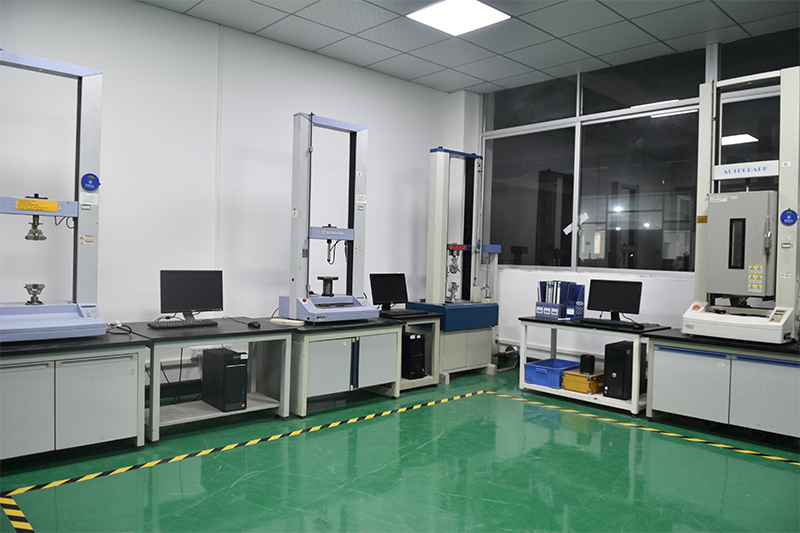
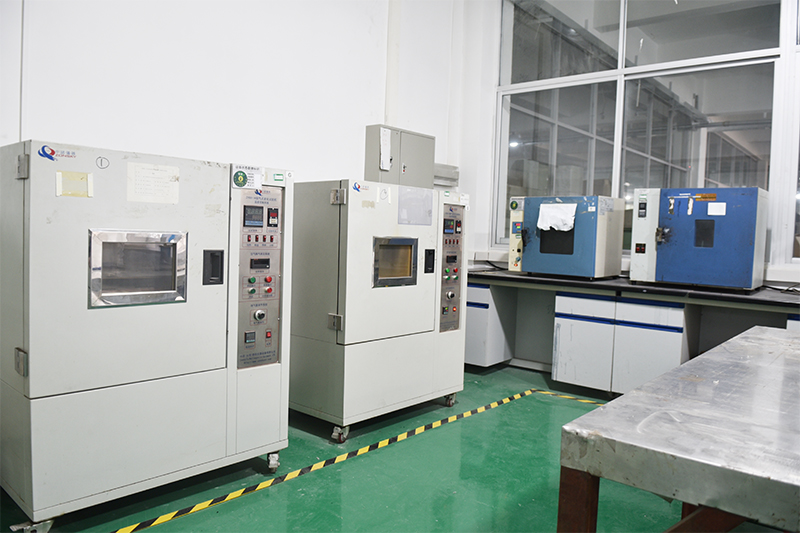
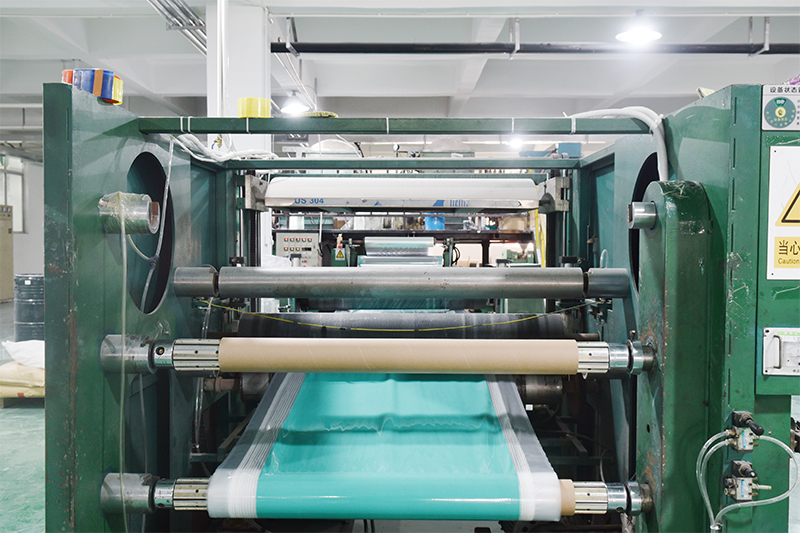
A testament to our commitment to quality, engineering excellence, and international standards.
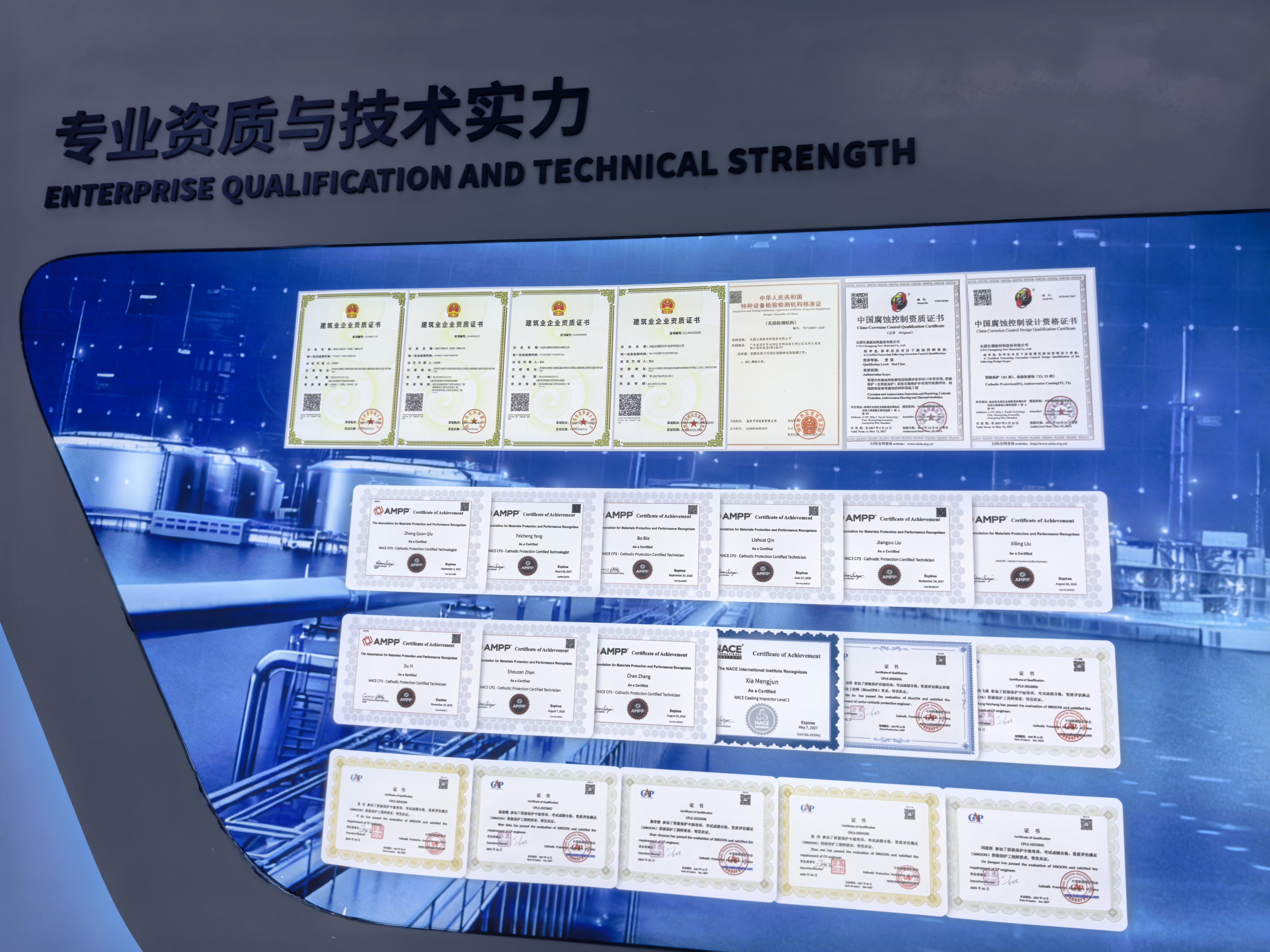
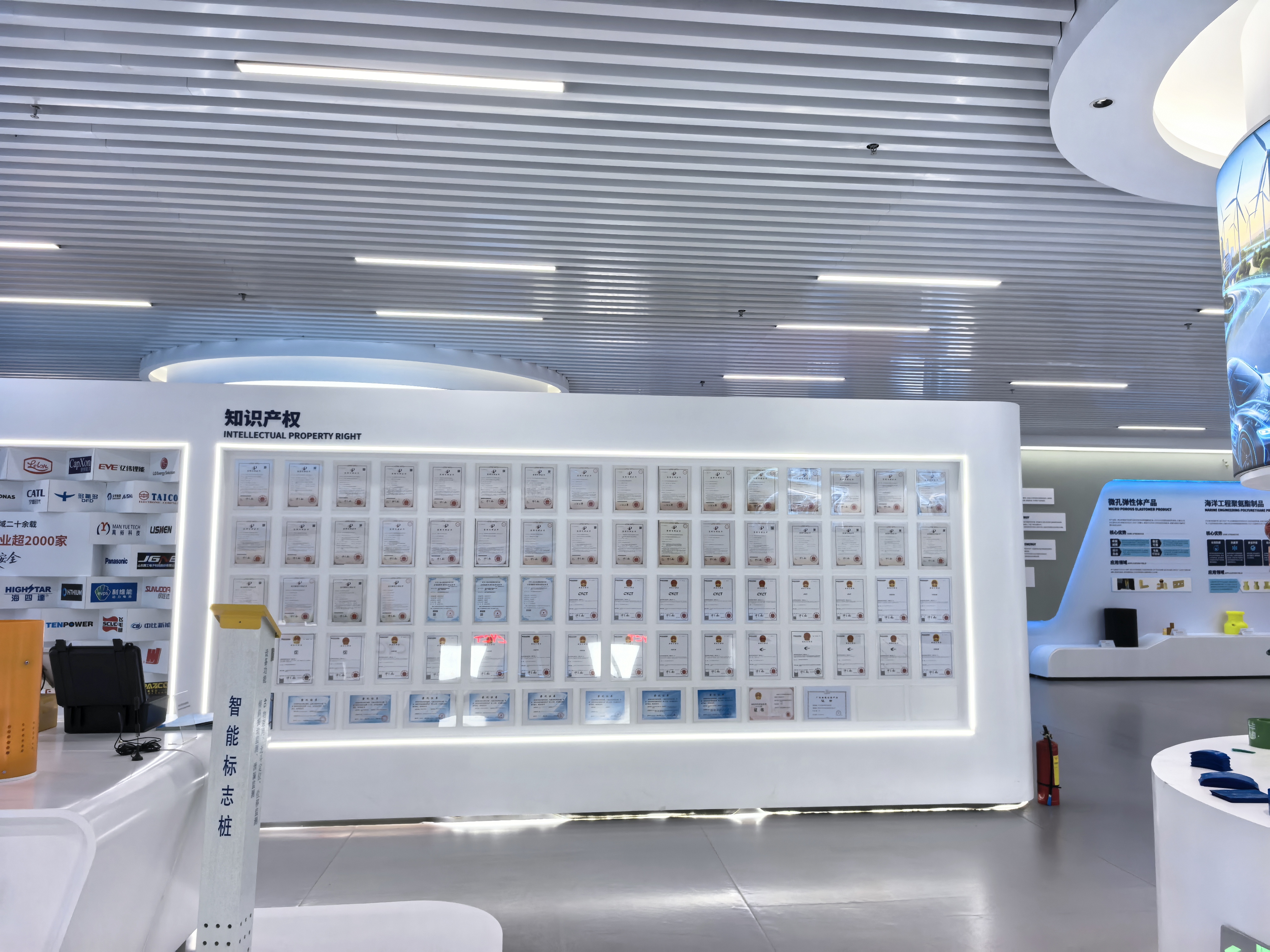
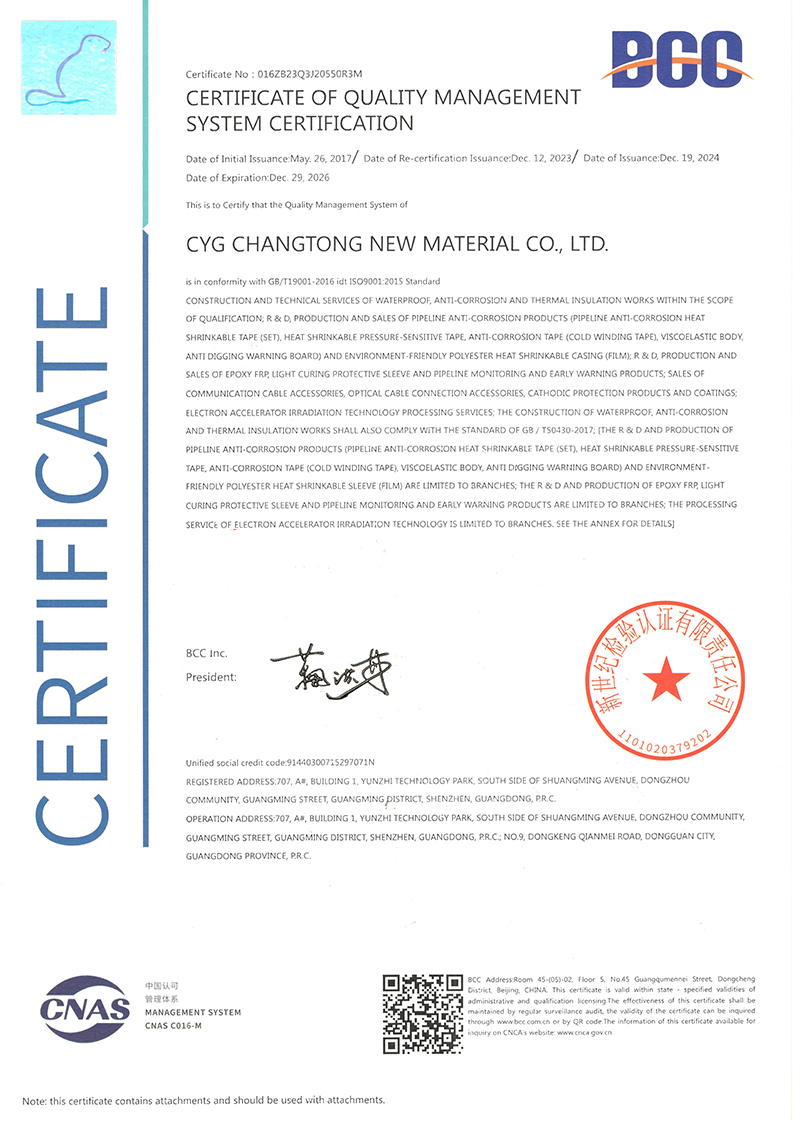
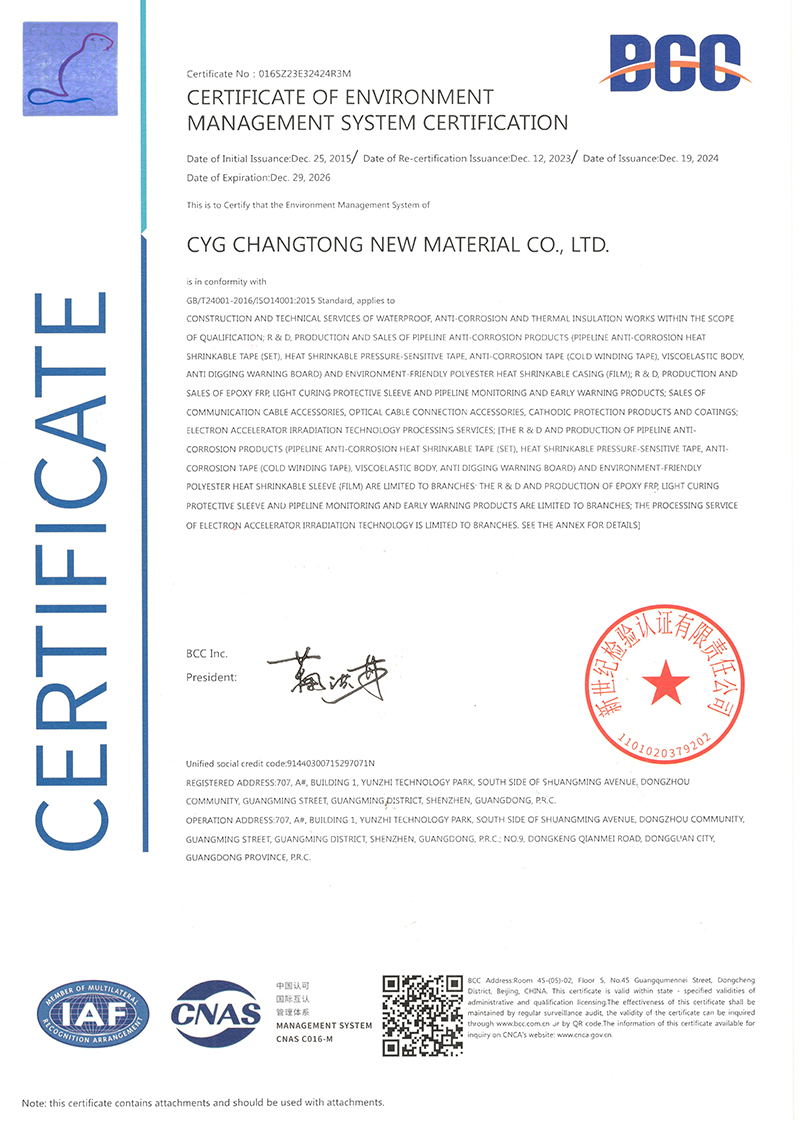
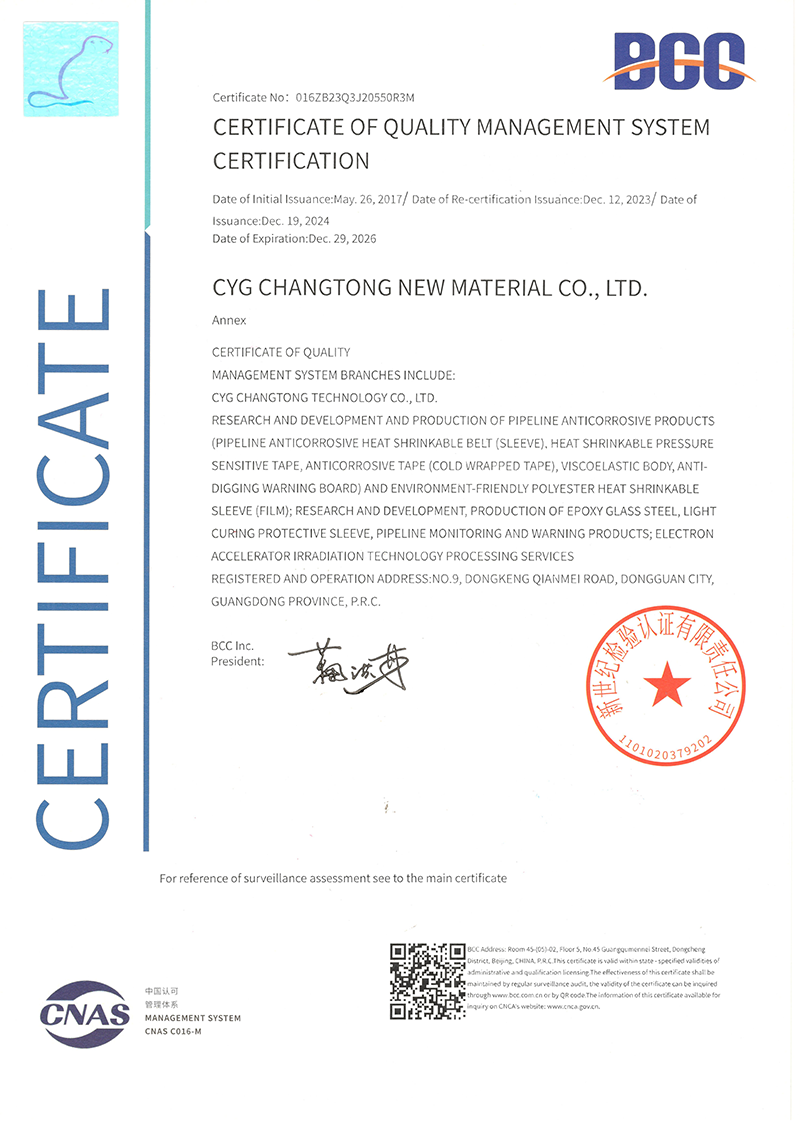
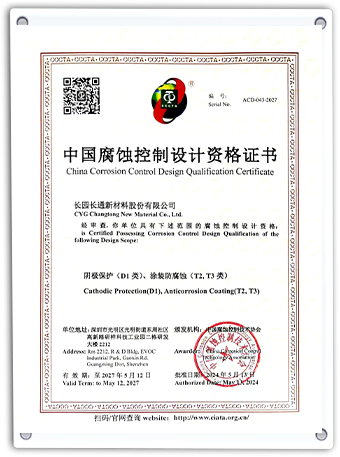
Member of Council in Chinese Society for Corrosion and Protection (CSCP), Qualification Certificate of Corrosion Protection Construction, Qualification Certificate of Pipeline Detection, Well-known Brand of Pipeline Corrosion Protection in China, Corporate Member of China Association of Petroleum Engineering Construction (CAPEC), State-Level High-Tech Enterprise with more than ten proprietary intellectual property rights.
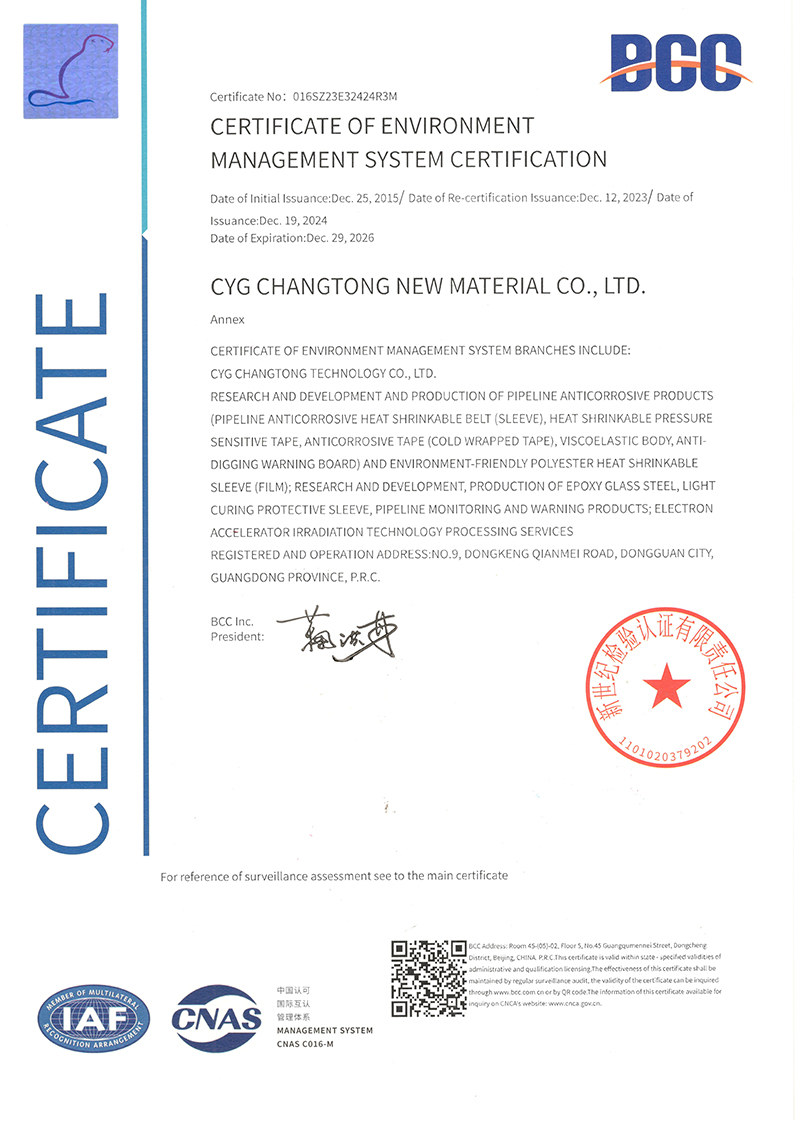
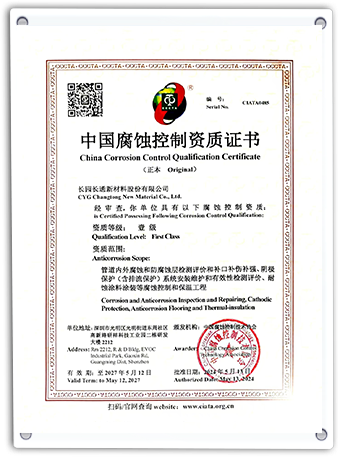
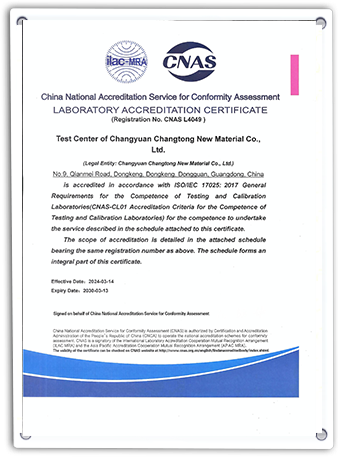
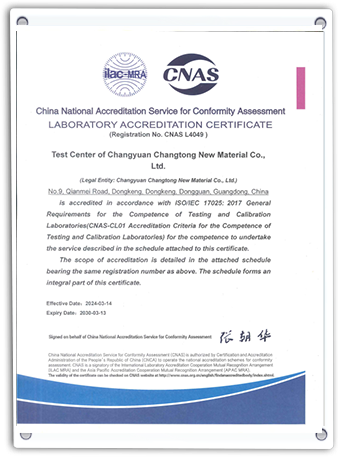
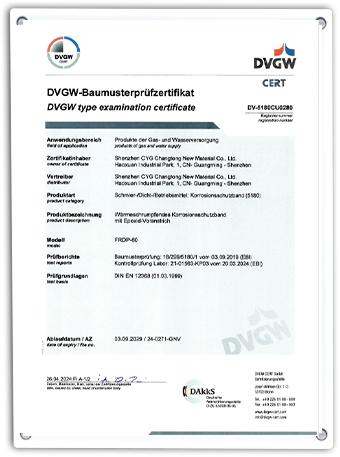
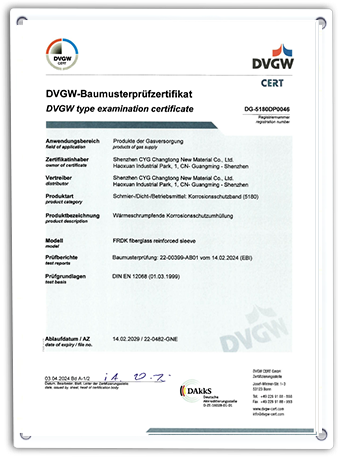
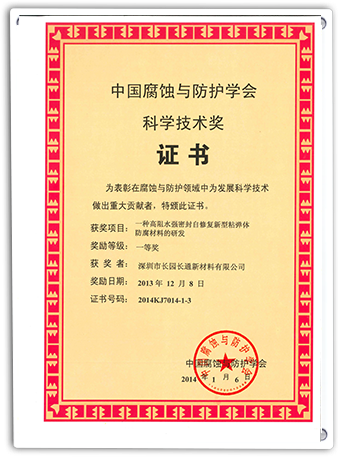
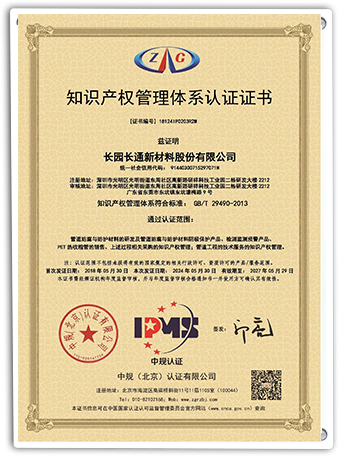
Addressing technical and commercial inquiries for engineering and procurement specialists.
Single-wall heat shrink tubing provides only mechanical protection and basic electrical insulation. Dual-wall, adhesive-lined heat shrink tubing contains an inner layer of hot-melt adhesive. When heated, this adhesive melts and flows to create a water-resistant, gas-tight environmental seal, protecting the substrate from moisture, galvanic corrosion, and chemical ingress.
The shrink ratio represents the ratio of the tubing's internal diameter before and after shrinking. A higher shrink ratio (such as 3:1 or 4:1) is suitable for covering components with large size differentials, such as inline connectors, transition joints, or flanged fittings, ensuring a tight fit over both larger and smaller diameters.
They serve different application profiles. Heat shrink sleeves rely on mechanical tension and hot-melt adhesion, making them excellent for straight field joints. Viscoelastic systems flow continuously to wet the steel substrate, offering a self-healing barrier ideal for complex geometries like valves, tees, flanges, and pipeline repairs.
CYCT manages quality control through a raw material inspection system, online thickness monitoring, and performance validation in our national CNAS laboratory. Tests include cathodic disbondment resistance (per ISO 21809-3), peel-to-steel strength, thermal aging, and impact resistance.
Repair patches, hot melt fillers, and composite reinforcement systems for pipeline rehabilitation.
 CYCT
CYCT