Engineered to prevent asset degradation in high-salinity, high-temperature, and severe soil conditions. Factory-direct solutions.
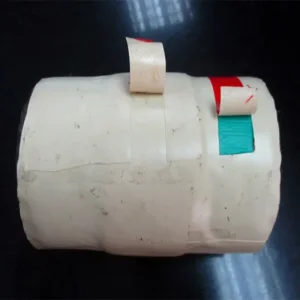
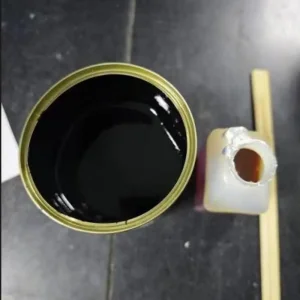
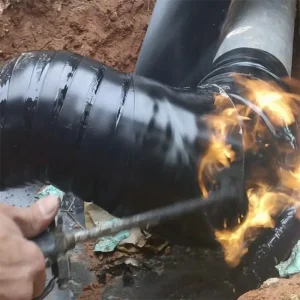
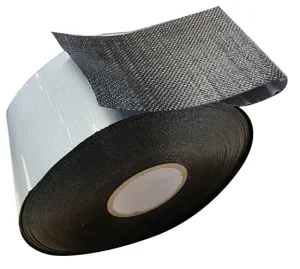
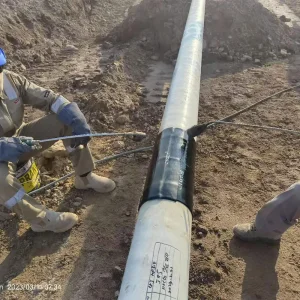
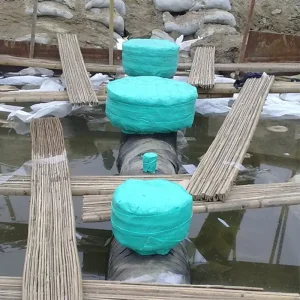
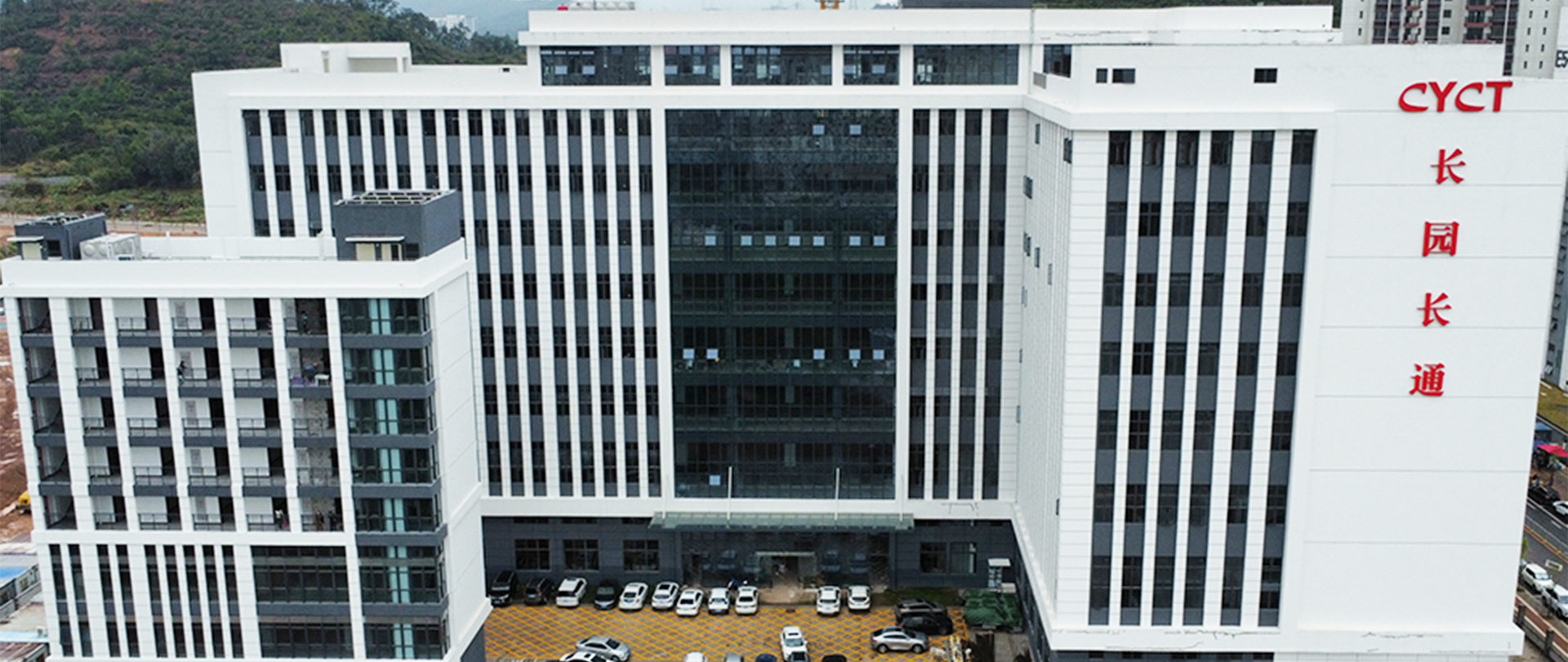
CYCT New Materials Company Limited (for short, CYCT) is a state-level high-tech enterprise integrating R&D, production and sales of pipeline corrosion protection materials as well as buried pipeline detection service and pipeline coating field application service into one. CYCT devotes itself to R&D, production and sales of pipeline corrosion protection materials for decades.
CYCT has grown into a stable, strategic supplier of field joint coatings for years in PetroChina, Sinopec, PipeChina and local pipelines, commanding a major market share in China's petroleum infrastructure space. By developing specialty anti-corrosion materials like viscoelastic systems, photo-curing sleeves for Horizontal Directional Drilling (HDD), and polyurea coatings, we deliver future-proof protection interfaces.
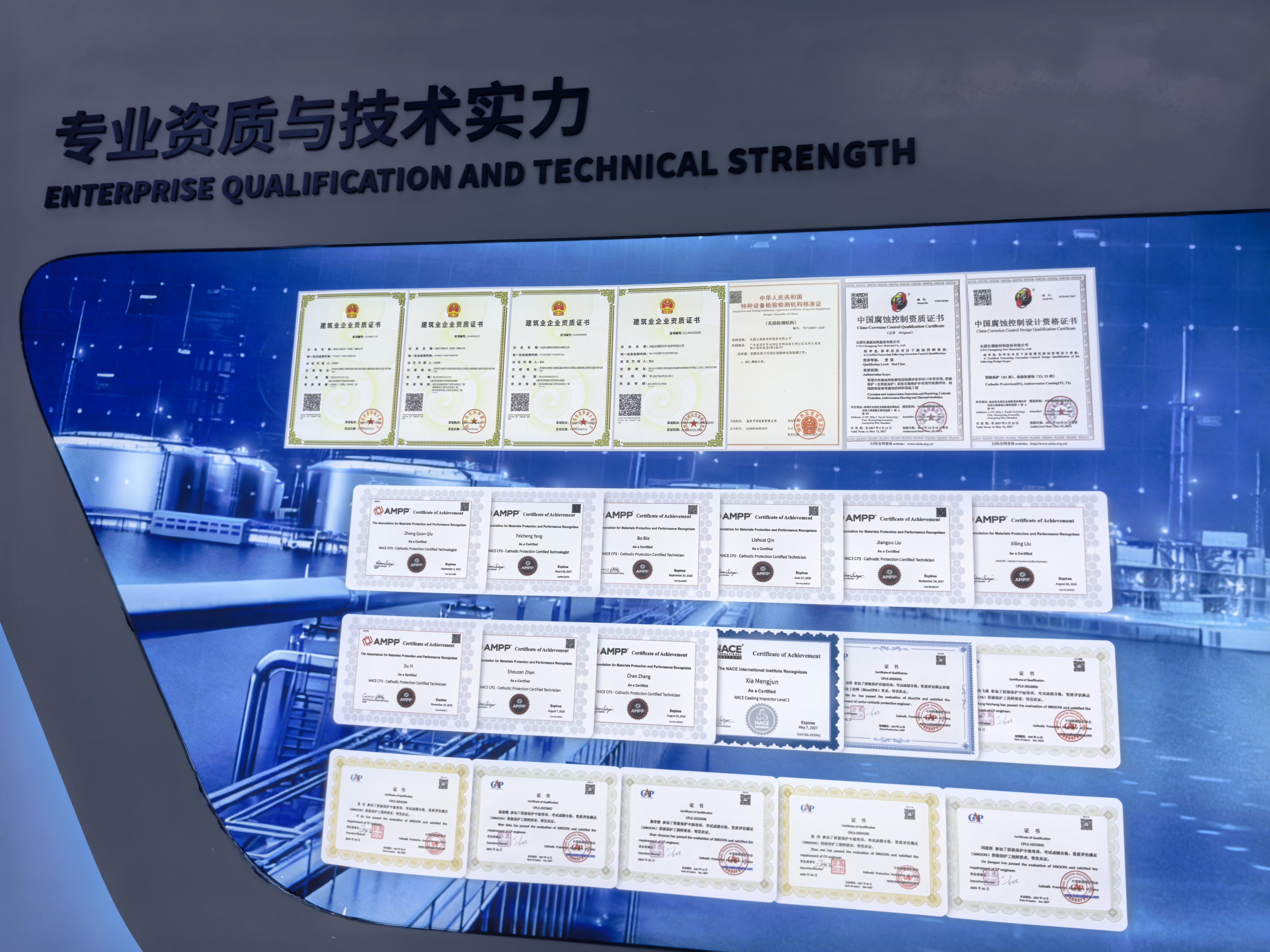
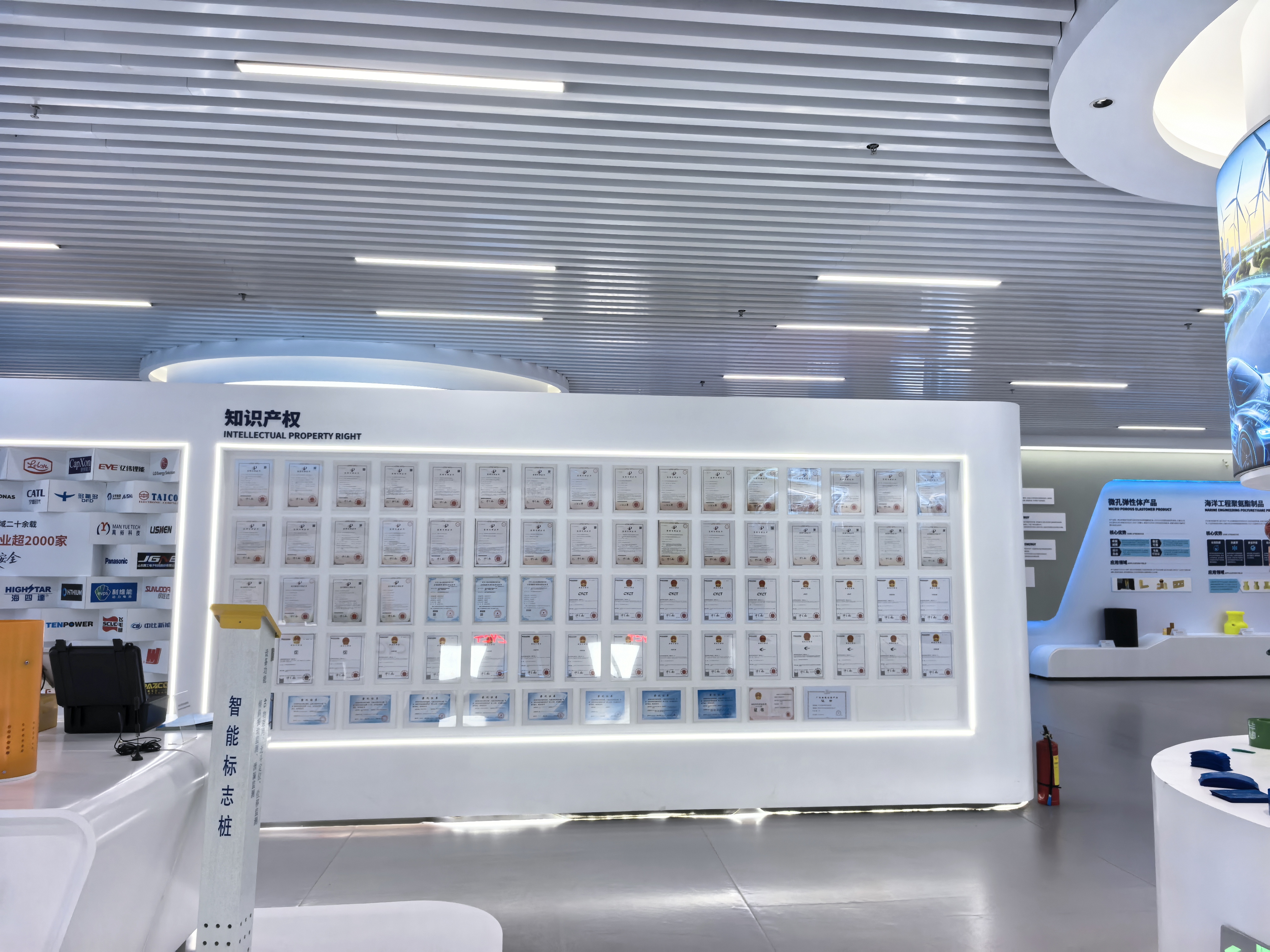
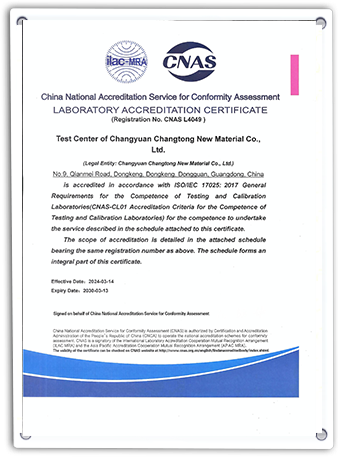
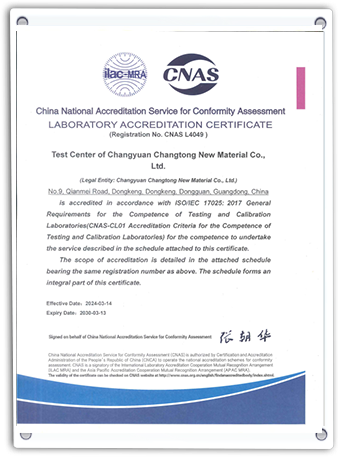
CYCT owns leading testing and R&D capabilities, a professional R&D team, and a national CNAS-accredited laboratory. Our close cooperation with premium research bodies ensures high reliability across standard & extreme applications.
Accredited Lab
Years Experience
Member
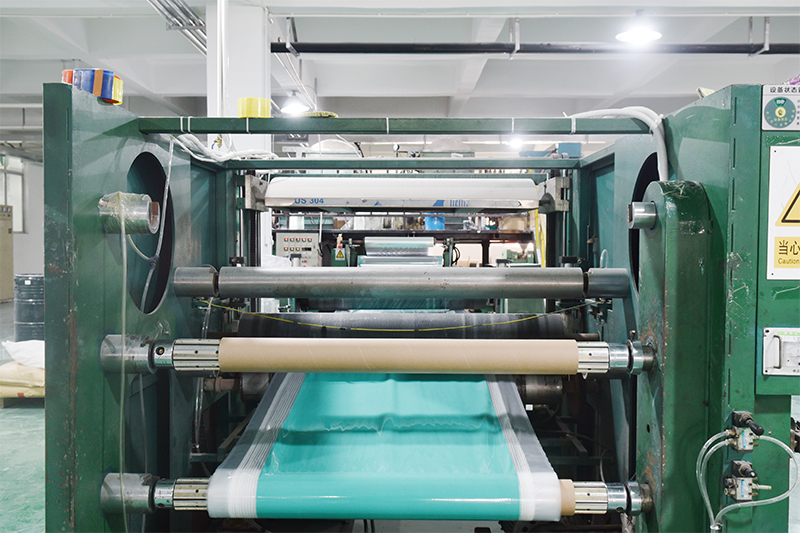
Advanced Production Line
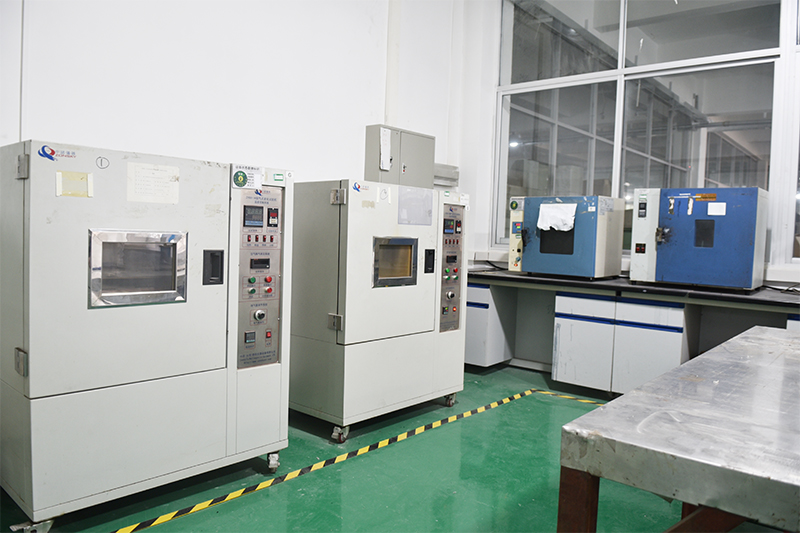
Quality Testing Facility
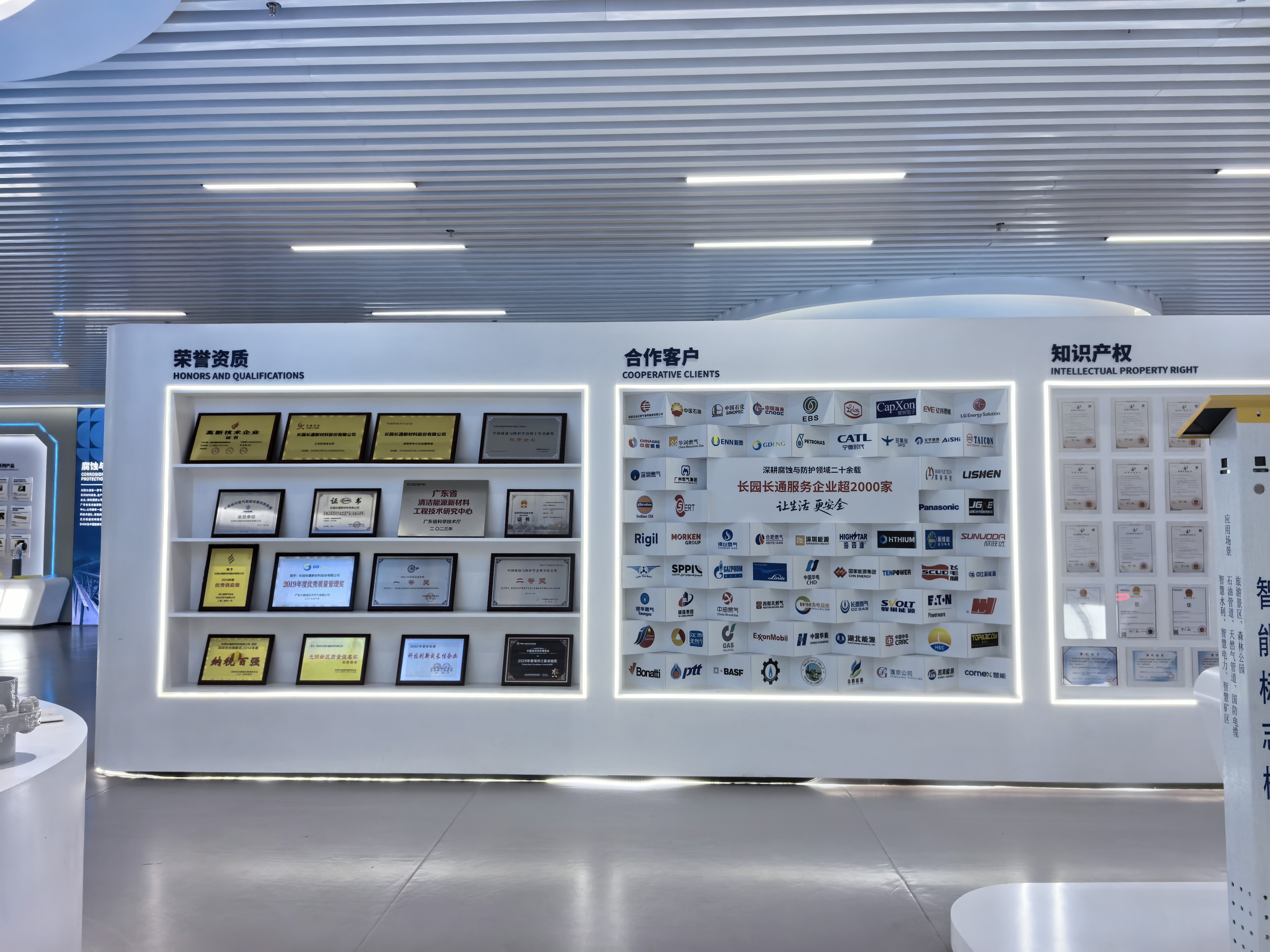
CNAS Certified Laboratory
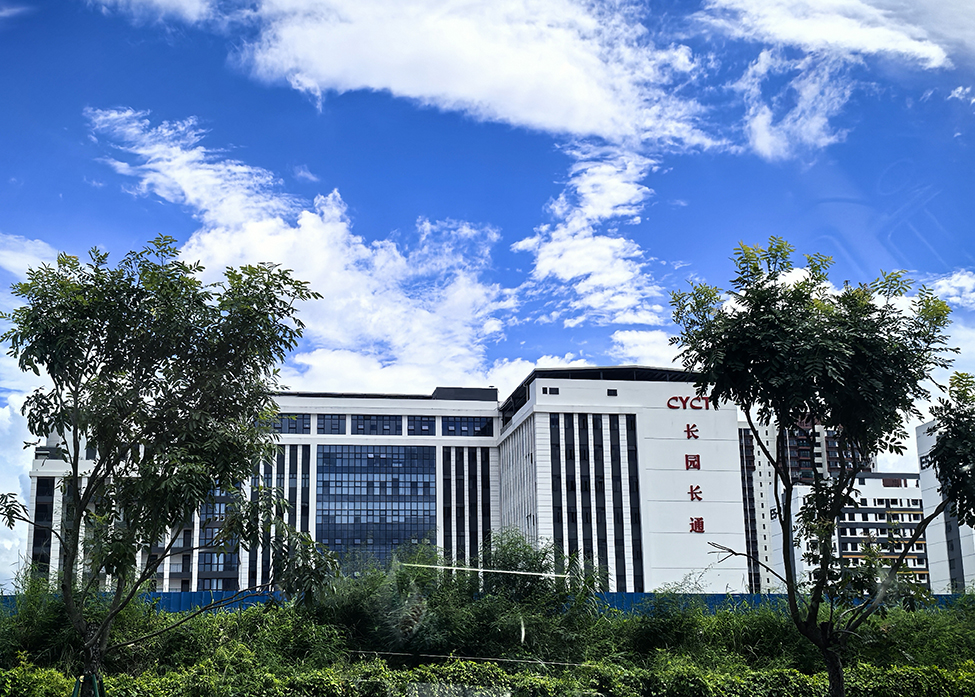
R&D Department
Industrial steel storage tanks, whether used for crude oil, petrochemicals, water utility reservoirs, or liquefied gas, are continuously subjected to severe chemical and electrical forces that trigger oxidation. Bottom plates face soil-side galvanic corrosion, while shell internals encounter acidic condensates, sulfurous compound vapors, and microbial growth.
Sulfate-reducing bacteria (SRB) and acid-producing bacteria thrive at the water-hydrocarbon interface at the bottom of storage tanks, resulting in rapid pitting which can breach carbon steel within months if unprotected.
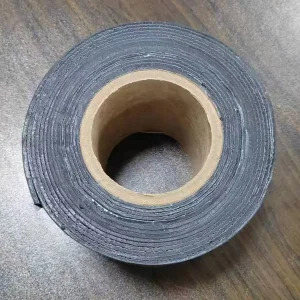
Improper coating application causes high electrical resistance, shielding the cathodic protection (CP) current. Viscoelastic coating materials offer liquid-like flow dynamics, preventing moisture ingress while ensuring CP currents pass effectively.
Tanks expand and contract due to temperature variations during operation. Hard coatings fracture or disbond under shear stresses, whereas viscoelastic primers remain in a liquid-like state, absorbing physical movement without losing adhesion.
China's chemical synthesis and polymer engineering infrastructure offers global operators structural, economic, and logistical advantages that cannot be replicated elsewhere.
By locating facilities adjacent to massive petrochemical refining centers in China, factories like CYCT source specialized polyolefins, high-grade synthetic rubbers, and epoxy monomers directly, buffering global buyers from global supply chain shocks and keeping production costs optimized.
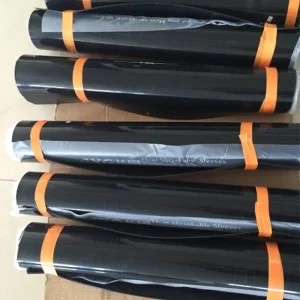
Chinese production lines utilize automated twin-screw extruders and computer-controlled cooling lines to guarantee uniform thickness and mechanical properties across miles of viscoelastic coating sheets and high-temperature PP shrinkable tapes.
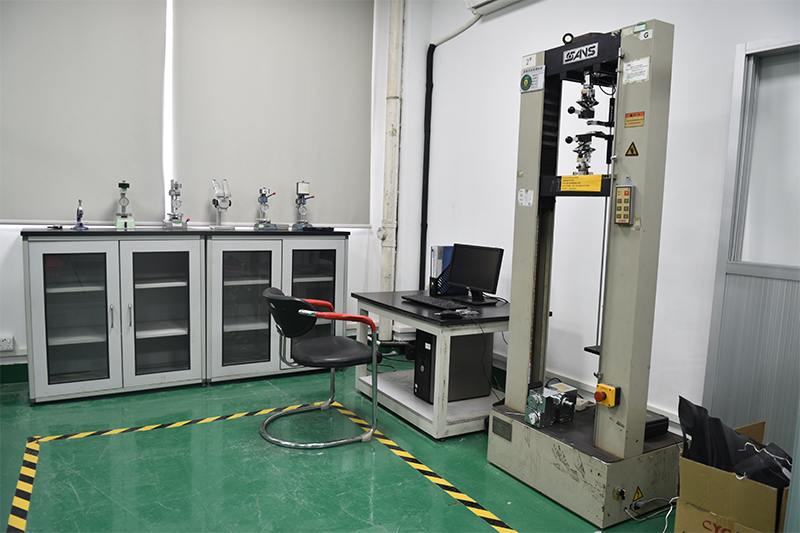
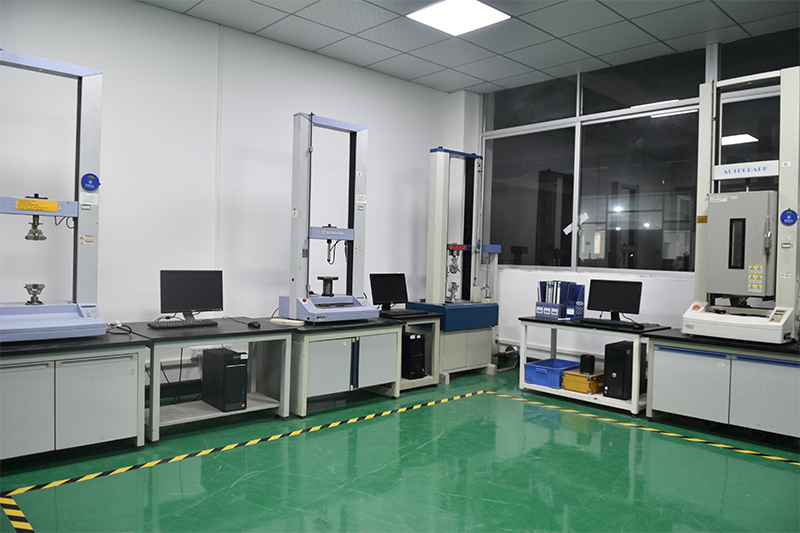
We run all products through strict laboratory testing, assessing cathodic disbondment, shear strength, peel strength, water vapor transmission rates, and heat aging properties to match and exceed global certifications like ISO 21809 and NACE SP0169.
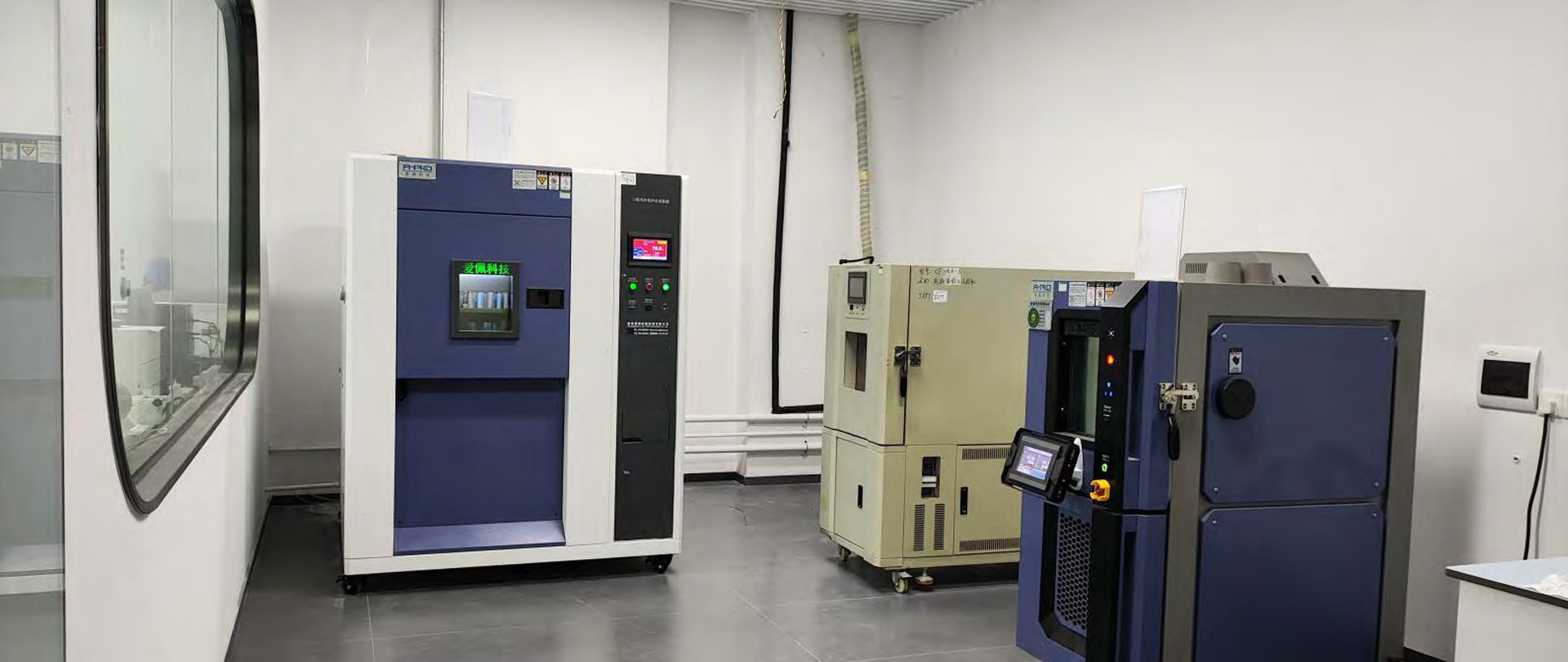
Product Aging Chamber
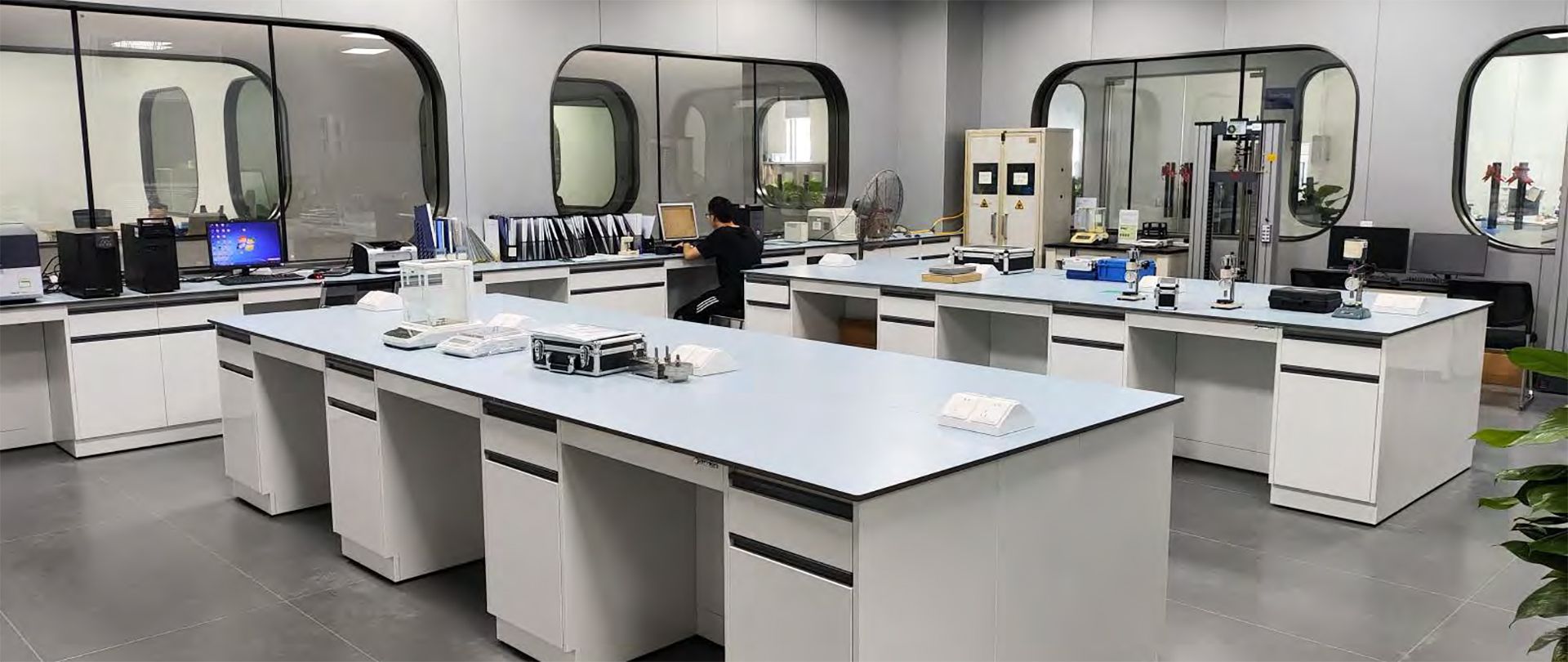
Cathodic Disbondment Tester
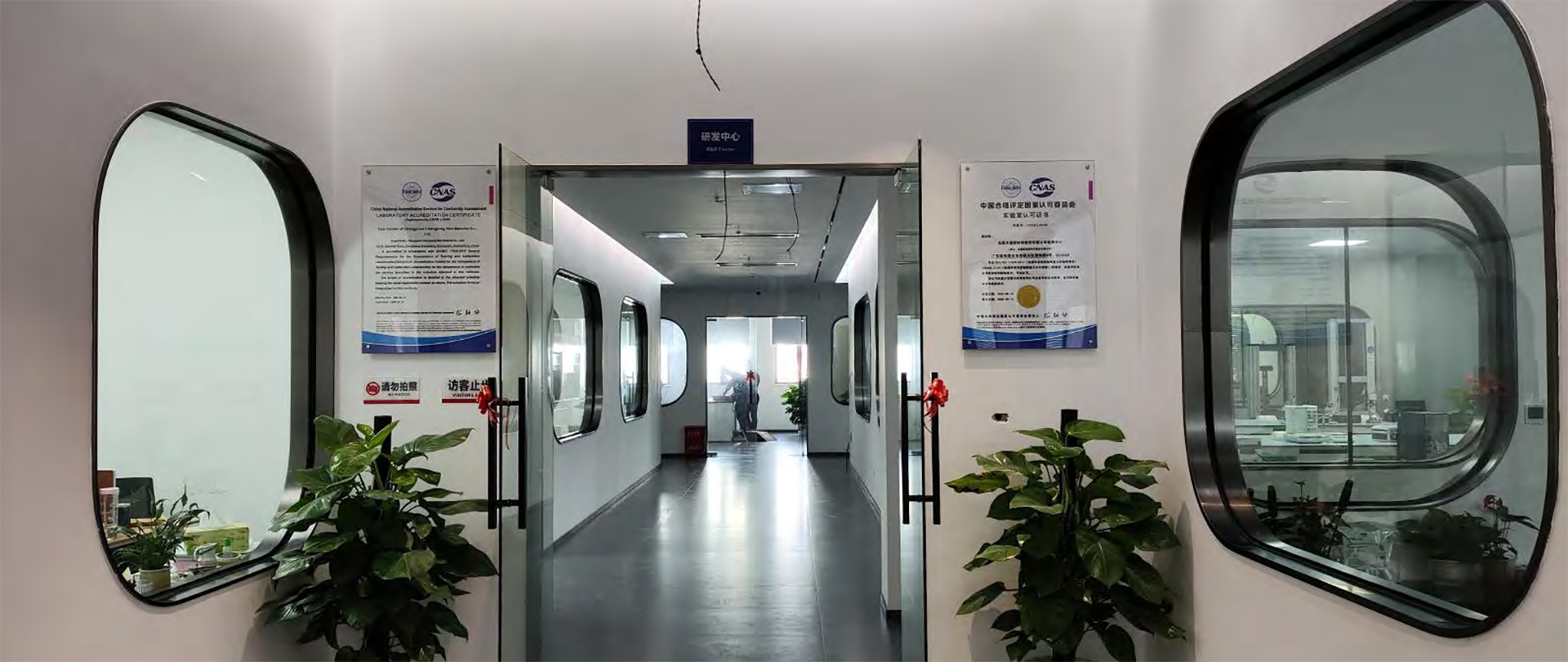
Tensile Strength Analysis
High Temperature Shear Test
Tailored engineering strategies targeting the most demanding operational environments in oil, gas, chemical, and utility industries.
Large diameter pipeline networks face variable soils, elevated operational heat, and dynamic physical pressures. Our Viscoelastic Coating Systems adapt dynamically, healing minor abrasions in-situ to prevent cathodic shield issues.
Tank chime areas (where the tank shell meets the concrete ring wall foundation) are prone to water accumulation. By applying liquid-like viscoelastic sealants protected by specialized outer wraps, we create a barrier that repels water runoff and stops corrosion.
When crossing under rivers, roads, or urban zones, pipeline coatings face friction during pull-back. CYCT provides high-performance photo-curing sleeves and glass-fiber reinforced outer wraps to absorb extreme mechanical friction and rock impact.
By collaborating closely with leading institutions like the CNPC Pipeline Science Research Institute, CYCT provides buried pipeline detection, design schemes, cathodic protection, and rehabilitation projects.
Buried Pipeline Detection Services
Rehabilitation Engineering Works
Field Joint Coating Operations
Cathodic Protection Testing
For international EPC contractors, petrochemical companies, and gas grid utilities, sourcing from Chinese manufacturers must satisfy global standards. All CYCT corrosion mitigation systems undergo rigorous testing to ensure alignment with international bodies.
Covers requirements for field joint coatings of buried or submerged pipelines in oil and gas distribution networks.
Standard practice for control of external corrosion on underground or submerged metallic piping systems.
Standard test methods for pressure-sensitive adhesive-coated tapes used for electrical and electronic applications.
European standard for external organic coatings for corrosion protection of buried steel pipelines.
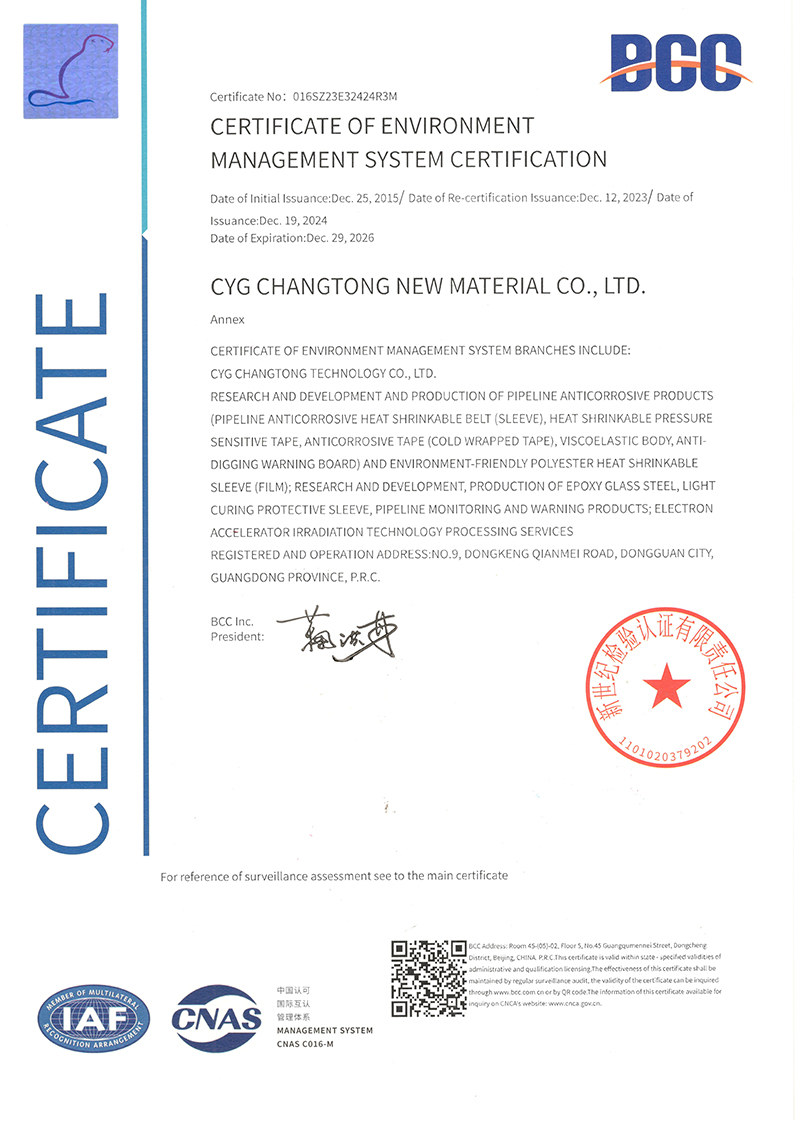
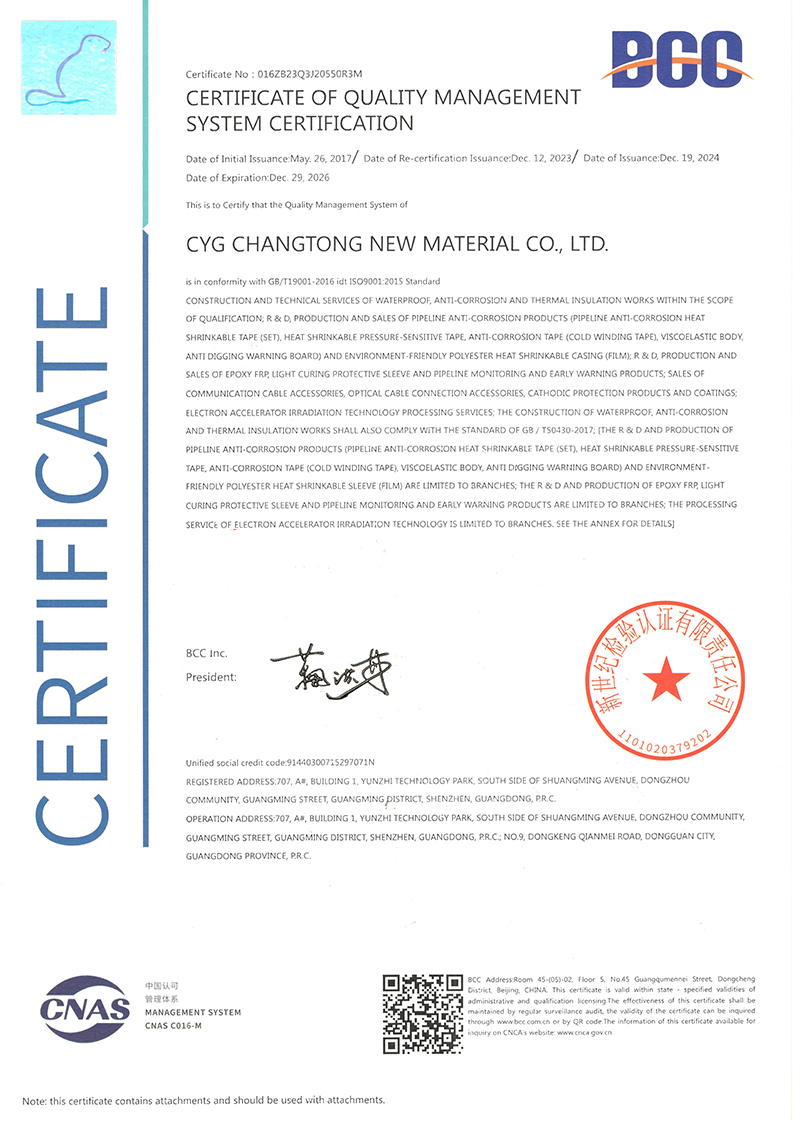
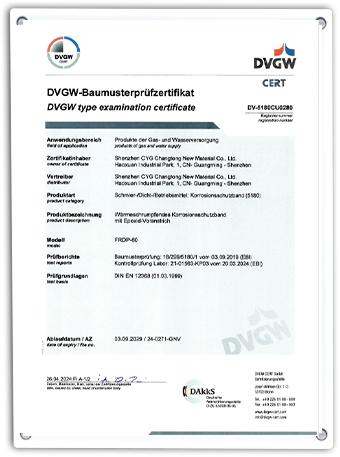
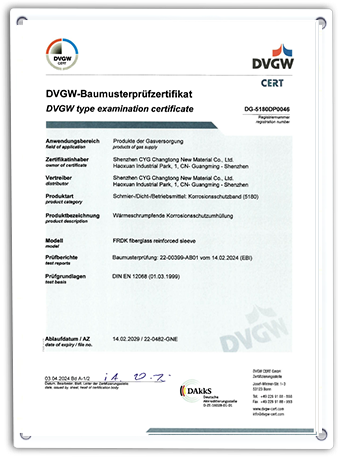
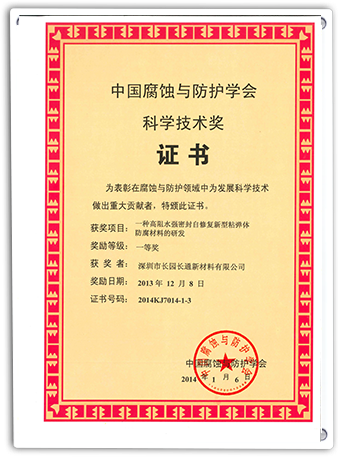
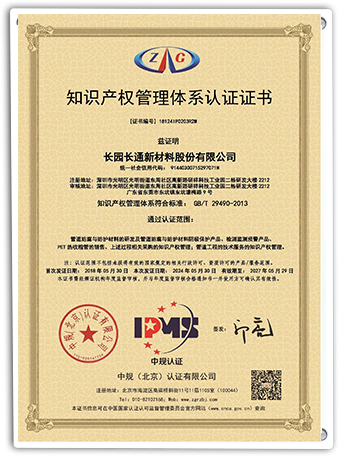
Member of Council in Chinese Society for Corrosion and Protection (CSCP), Qualification Certificate of Corrosion Protection Construction, Qualification Certificate of Pipeline Detection, Well-known Brand of Pipeline Corrosion Protection in China, Corporate Member of China Association of Petroleum Engineering Construction (CAPEC), State-Level High-Tech Enterprise. We are a stable supplier of PetroChina, Sinopec, China Gas Group, and Indian Oil.
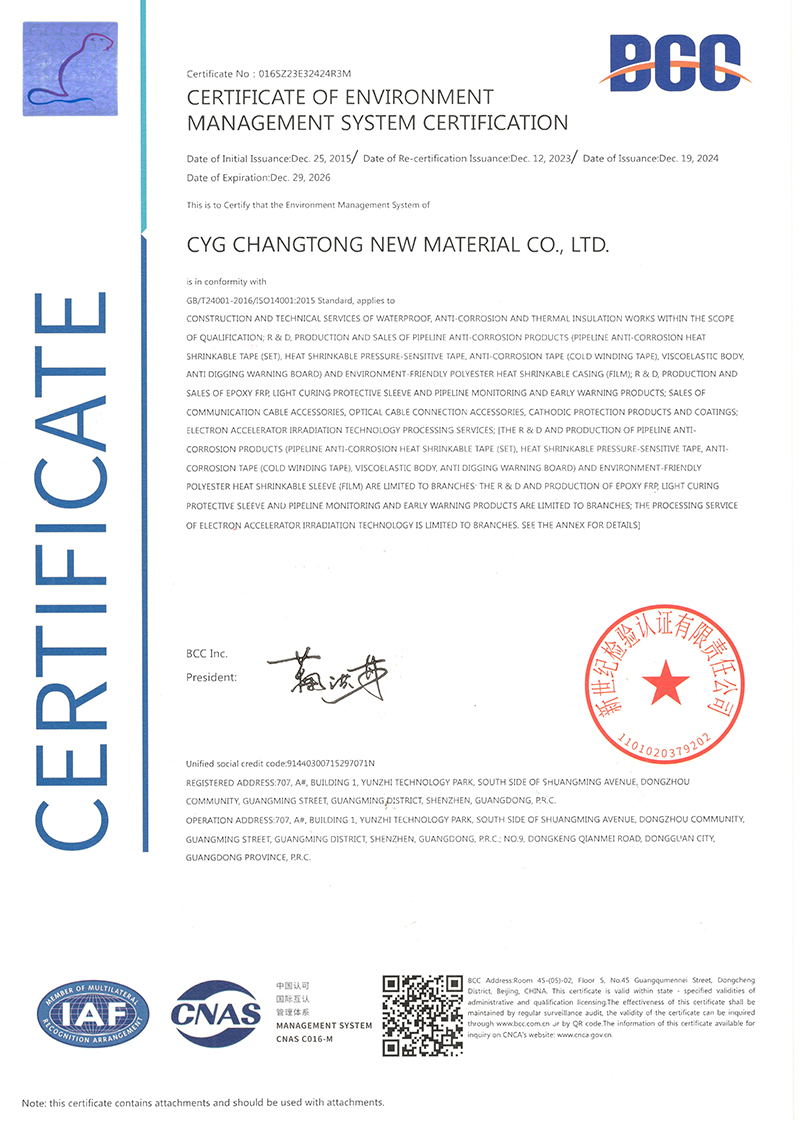
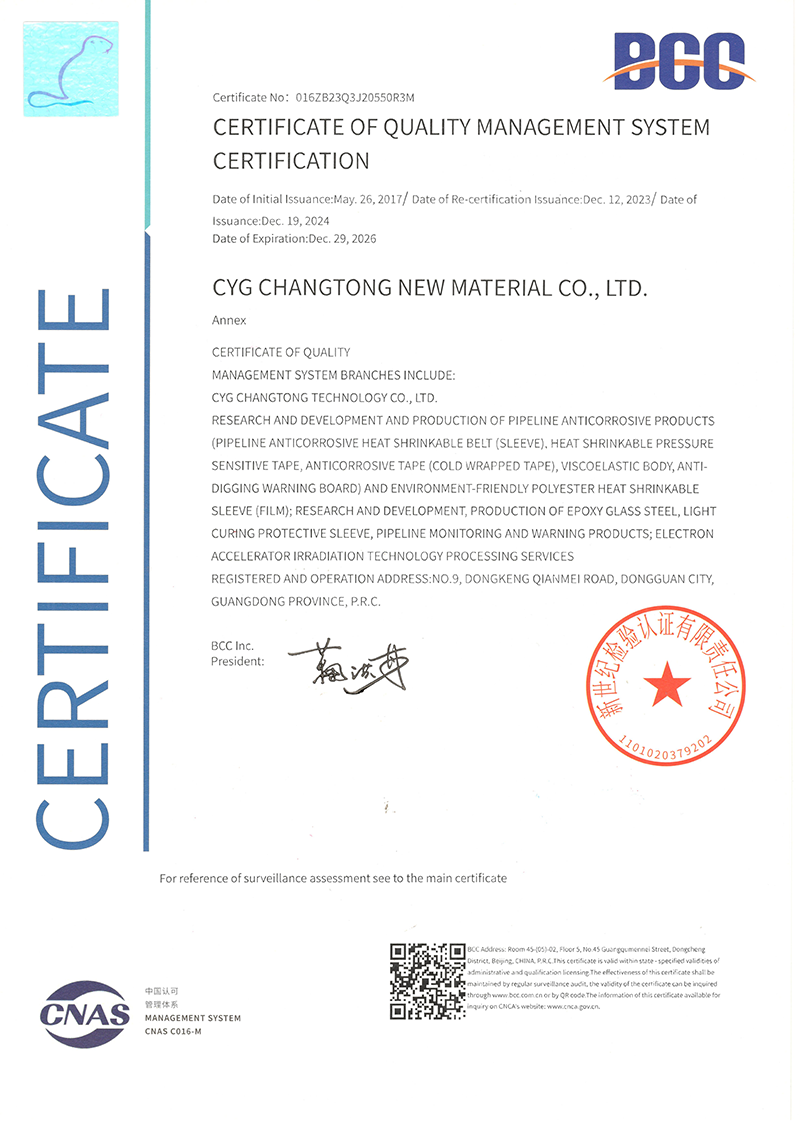
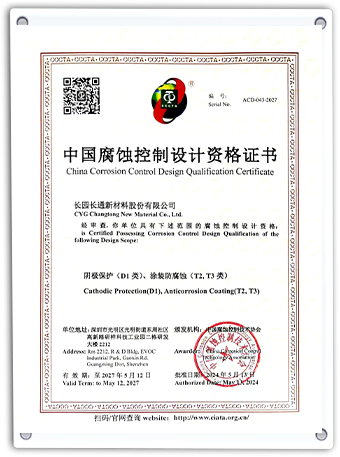
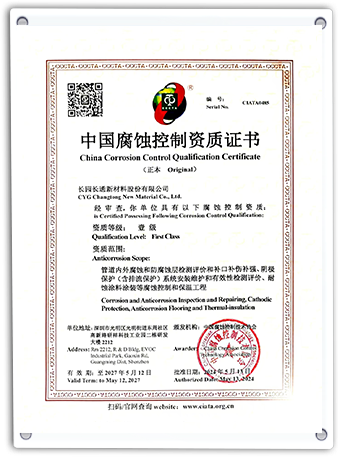
Innovation in coatings is shifting from passive barrier systems to smart, responsive protection strategies.
Self-healing viscoelastic compositions act like non-crystalline viscous liquids, exhibiting cold-flow characteristics that creep into micro-crevices and self-seal small damage sites caused by soil stresses or rocky backfills.
Solvent-free epoxy primers eliminate volatile organic compound (VOC) emissions during application, which protects on-site workers and helps projects comply with strict environmental policies.
As crude oil is transported at higher temperatures to reduce viscosity, protection systems must maintain structural integrity at up to 90°C and 120°C without shear breakdown or adhesive melt.
Technical responses targeting queries from engineering procurement teams, corrosion consultants, and pipeline inspectors.
A: Viscoelastic coatings offer viscous elastic flow, allowing them to adjust dynamically to surface profile variations without requiring primer pre-heating. Traditional PE tapes can suffer from adhesive hardening and localized cracking under soil shear. Viscoelastic materials remain amorphous, providing self-healing protection that prevents cathodic shielding.
A: Because it contains no solvents, this primer releases zero VOCs during curing. This significantly lowers explosion risks and toxic vapor build-up in confined spaces, simplifying ventilation and safety setups during field joint operations.
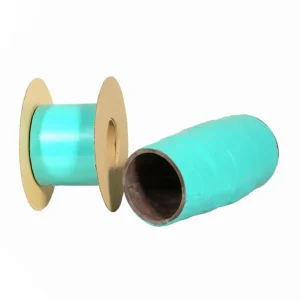
A: PP heat shrink sleeves combine a cross-linked polypropylene backing with a strong, high-shear adhesive. When heated, the backing shrinks to form a tight seal, while the adhesive layer resists soil-induced shear stresses from thermal movement, protecting the underlying steel.
A: Cathodic disbondment tests measure how well a coating stays attached when the cathodic protection system generates hydrogen gas. Low disbondment values (e.g., less than 5mm at 23°C/65°C) mean the coating will keep its strong bond even under high electrical current loads.
A: While viscoelastic coatings have excellent surface wetting properties and can tolerate minor rust, we recommend cleaning steel to a minimum of Sa 2.5 or St 2.0/3.0. Removing loose scale and grease ensures maximum contact and performance.
Factory direct sourcing. High-quality field joint repair, bend restriction, and temperature-tolerant polyolefin coatings.
 CYCT
CYCT