High-Performance Pipeline Field Joint Systems Engineered for Extreme Mechanical, Thermal, and Chemical Environments
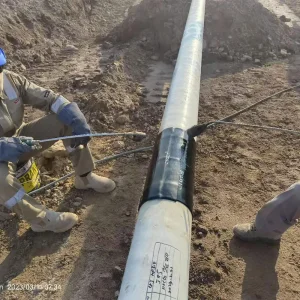
In modern pipeline infrastructure, structural longevity is critical. Pipelines span thousands of kilometers across rugged terrains, highly corrosive marine environments, sub-zero tundra regions, and high-temperature desert soils. While steel lines are factory-coated with advanced systems like three-layer polyethylene (3LPE) or three-layer polypropylene (3LPP), field joints welded on-site remain vulnerable. If these field joints are not properly sealed, moisture and chemicals can seep in, leading to accelerated corrosion, structural failure, and high maintenance costs.
As a leading China Pipe Joint Sealing Manufacturer, CYCT understands the complexities of pipeline design. Factors such as soil friction during backfilling, thermal expansion from transporting hot crude or gas, and chemical exposure from acidic soils or marine environments put stress on field joint coatings (FJC). These joints must handle mechanical shear, maintain high adhesion, and resist cathodic disbondment over a service life that often exceeds 30 years.
Global procurement teams in the oil, gas, water transport, and petrochemical sectors require solutions that minimize on-site installation errors. Poor surface preparation and complex installation procedures are primary causes of coating failures. Consequently, current industry trends focus on field-joint systems that are easier to apply, offer broader tolerance margins, and provide self-healing properties—such as viscoelastic systems—to reduce the risks associated with manual application under challenging field conditions.
Modern pipelines operate at elevated temperatures to reduce viscosity in crude oil transport. Our PP and PE systems withstand continuous operating temperatures from -40°C up to 85°C, and special configurations reach 110°C.
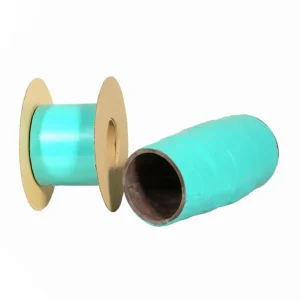
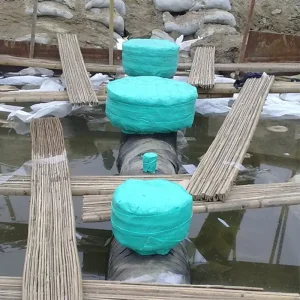
Trench backfilling exposes coatings to sharp rocks and soil settlement. Fiberglass-reinforced sleeves (FRP) provide the necessary mechanical protection for Horizontal Directional Drilling (HDD) installations.
Our viscoelastic tapes (like VT95) offer excellent cathodic disbondment resistance. This ensures that even if the outer backing is breached, the adhesive continues to prevent corrosion without shielding the current.
Developing field joint coatings requires a balance of polymer chemistry, adhesive formulation, and rheology. Manufacturers have introduced several key material configurations to meet diverse pipeline needs:
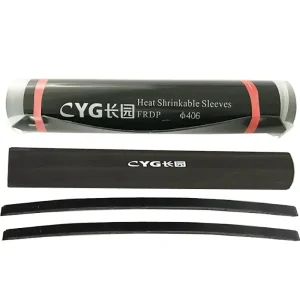
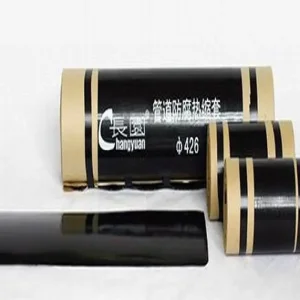
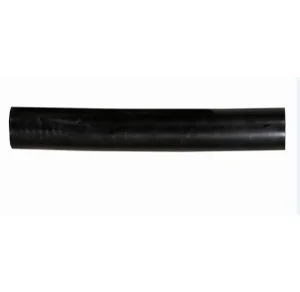
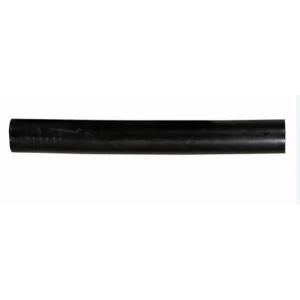
Heat shrinkable sleeves (HSS) consist of a radiation cross-linked polyolefin backing coated with a protective hot-melt adhesive. The backing features elastic memory, allowing it to shrink tightly around the steel joint and adjacent factory coatings when heated. In 3LPE systems, a liquid epoxy primer is applied to the blasted steel surface to protect against corrosion and cathodic disbondment. The hot-melt copolymer adhesive then bonds to the wet epoxy and the outer polyethylene backing, forming a tough, chemical-resistant barrier. For higher-temperature services (up to 110°C), 3LPP (Polypropylene) systems are preferred. Polypropylene provides higher shear resistance, stiffness, and indentation resistance compared to polyethylene, making it suitable for deep wells and challenging soil profiles.
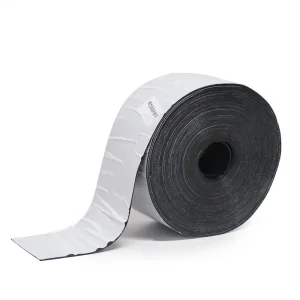
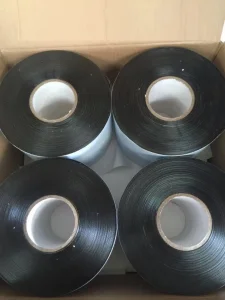
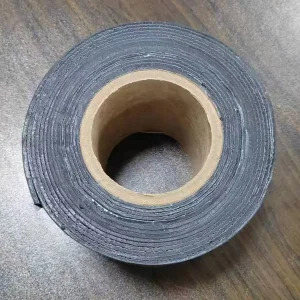
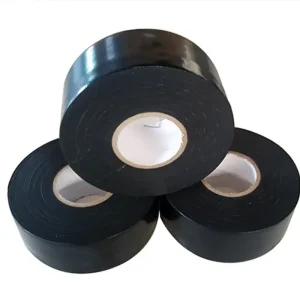
Viscoelastic systems, such as VT95 tape, represent a significant advancement in anti-corrosion technology. Based on non-crystalline, low-molecular-weight polyolefins, these materials exhibit viscoelastic properties: they flow like a high-viscosity liquid to wet the entire steel surface, filling microscopic profiles, while behaving as an elastic solid under mechanical load.
Viscoelastic coatings do not cure or crack over time. They remain flexible, maintaining adhesion to the substrate and self-healing minor mechanical punctures. Additionally, their low surface tension allows them to bond effectively to steel, PE, PP, and polyurethane without requiring a primer, making them highly reliable in damp or low-temperature environments.
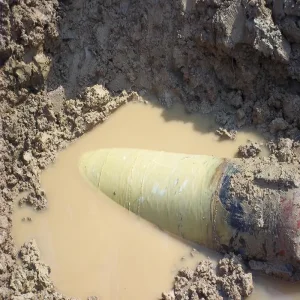
Trenchless construction methods, such as Horizontal Directional Drilling (HDD), subject joint coatings to high friction, scraping, and impact forces as the pipe string is pulled through the borehole. Standard heat-shrink sleeves can peel or tear under these conditions. To address this, we manufacture fiberglass-reinforced sleeves. By layering a thermosetting epoxy-fiberglass composite over the heat-shrink sleeve, we create an outer armor that absorbs shear loads and prevents gouging. This preserves the primary anti-corrosion barrier during installation.
| Material Class | Max Temp Range | Key Strengths | Primary Applications | Standard Compliance |
|---|---|---|---|---|
| PP Heat Shrink Sleeves | Up to 110°C | Excellent shear resistance, stiffness, high temperature resistance | 3LPP coated steel pipelines, offshore lines | ISO 21809-3 Type 14B |
| PE Heat Shrink Sleeves | Up to 80°C | Good flexibility, proven long-term performance, cost-effective | 3LPE coated distribution pipelines, water mains | ISO 21809-3 Type 14A, EN 12068 |
| Viscoelastic Tape (VT95) | Up to 95°C | Self-healing, zero curing time, minimal surface prep required | Valves, flanges, fittings, rehabilitation, joint repair | ISO 21809-3 Type 18, DIN 30672 |
| Fiberglass Sleeves (FRP) | Up to 85°C | High abrasion and impact resistance, handles heavy pull-forces | HDD (Horizontal Directional Drilling) crossings | ASTM D2240, ASTM D4060 |
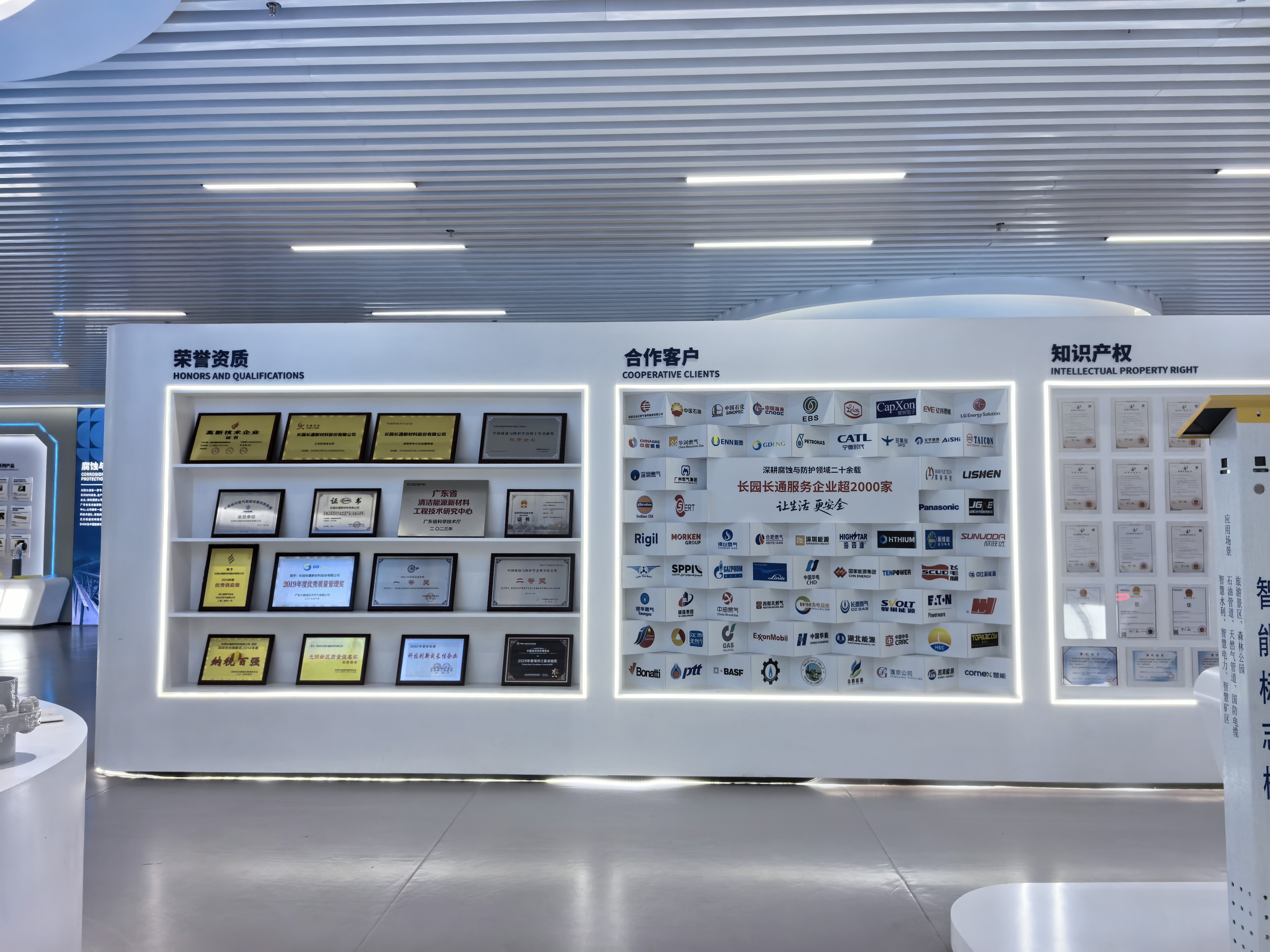
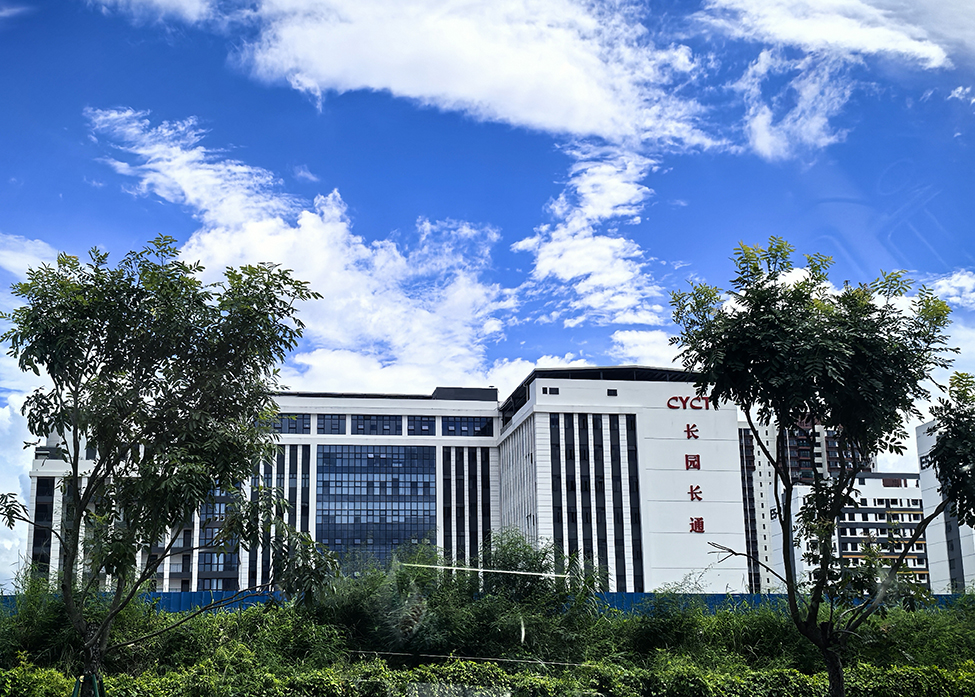
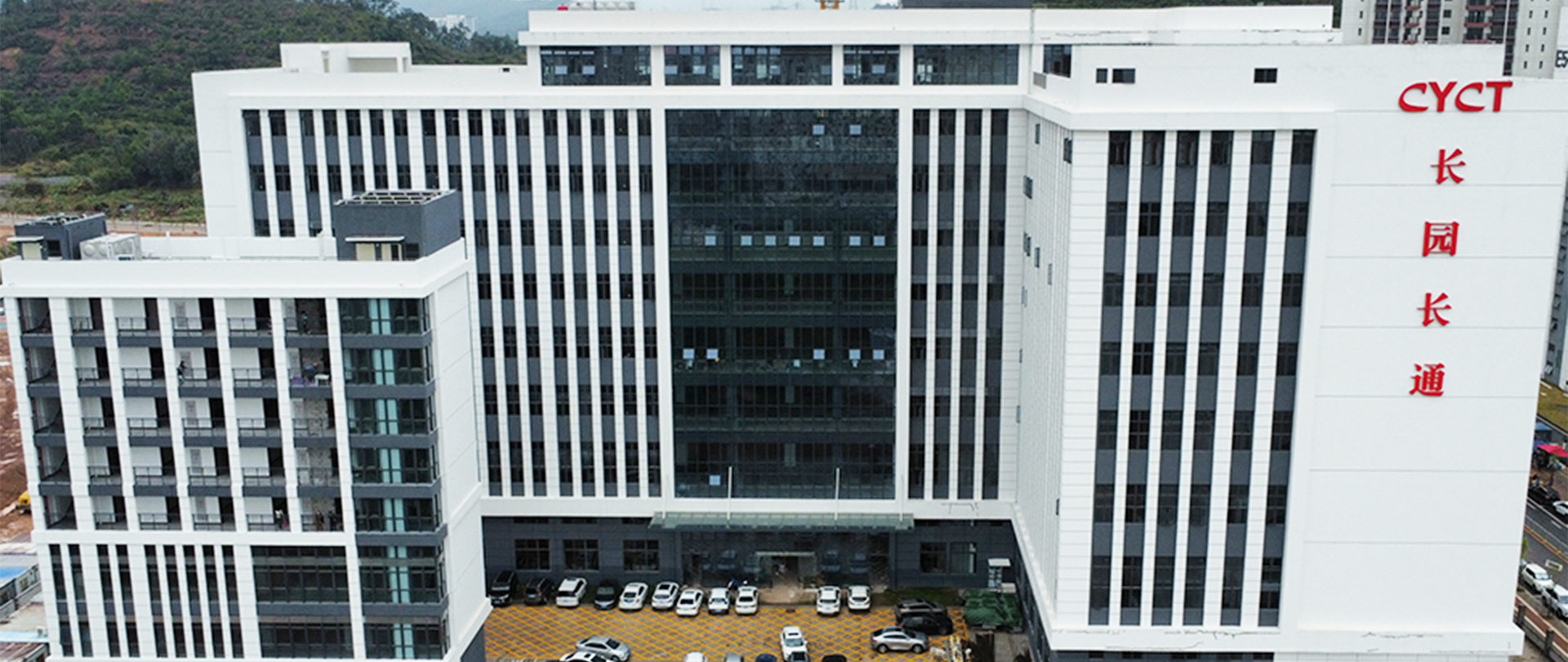
CYCT New Materials Company Limited (for short, CYCT) is a state-level high-tech enterprise integrating R&D, production, and sales of pipeline corrosion protection materials, as well as buried pipeline detection services and pipeline coating field application services. With over two decades of focus, CYCT has developed advanced materials designed to meet the rigorous demands of modern pipeline infrastructure.
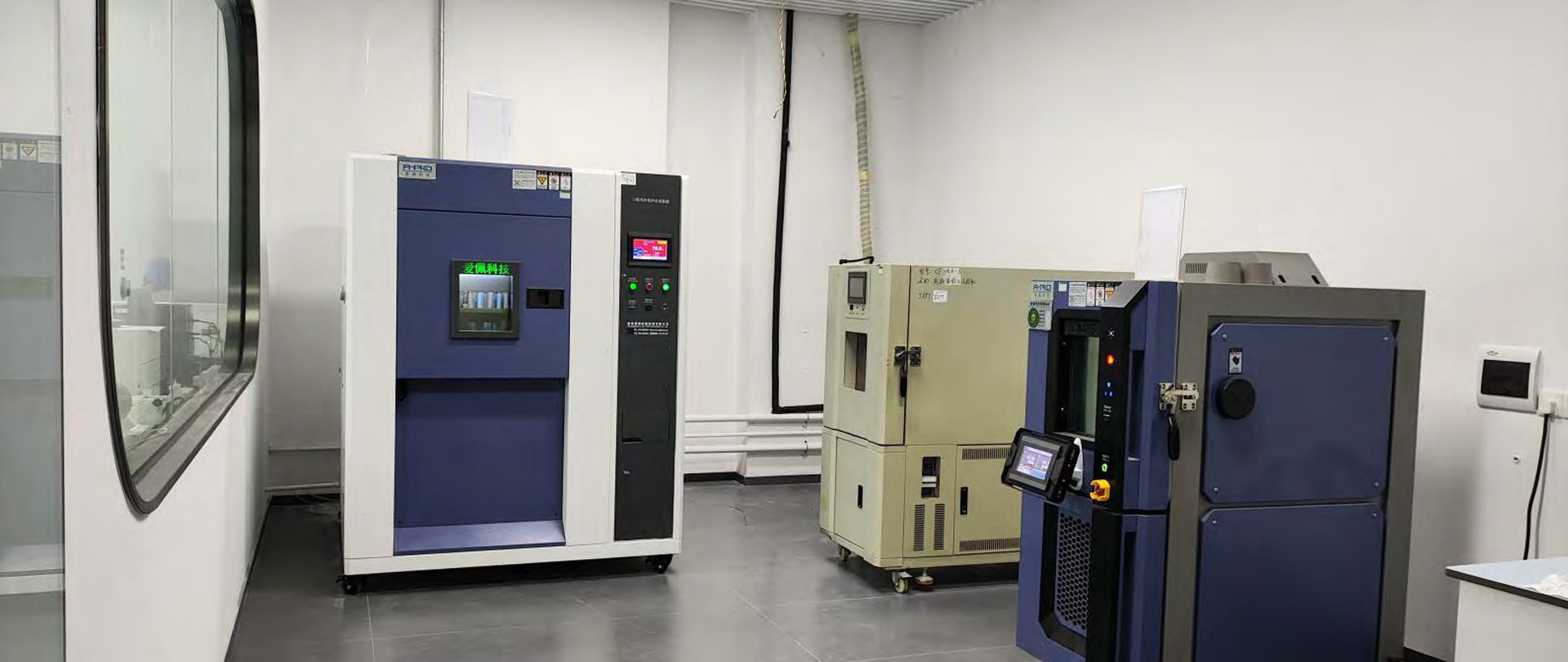
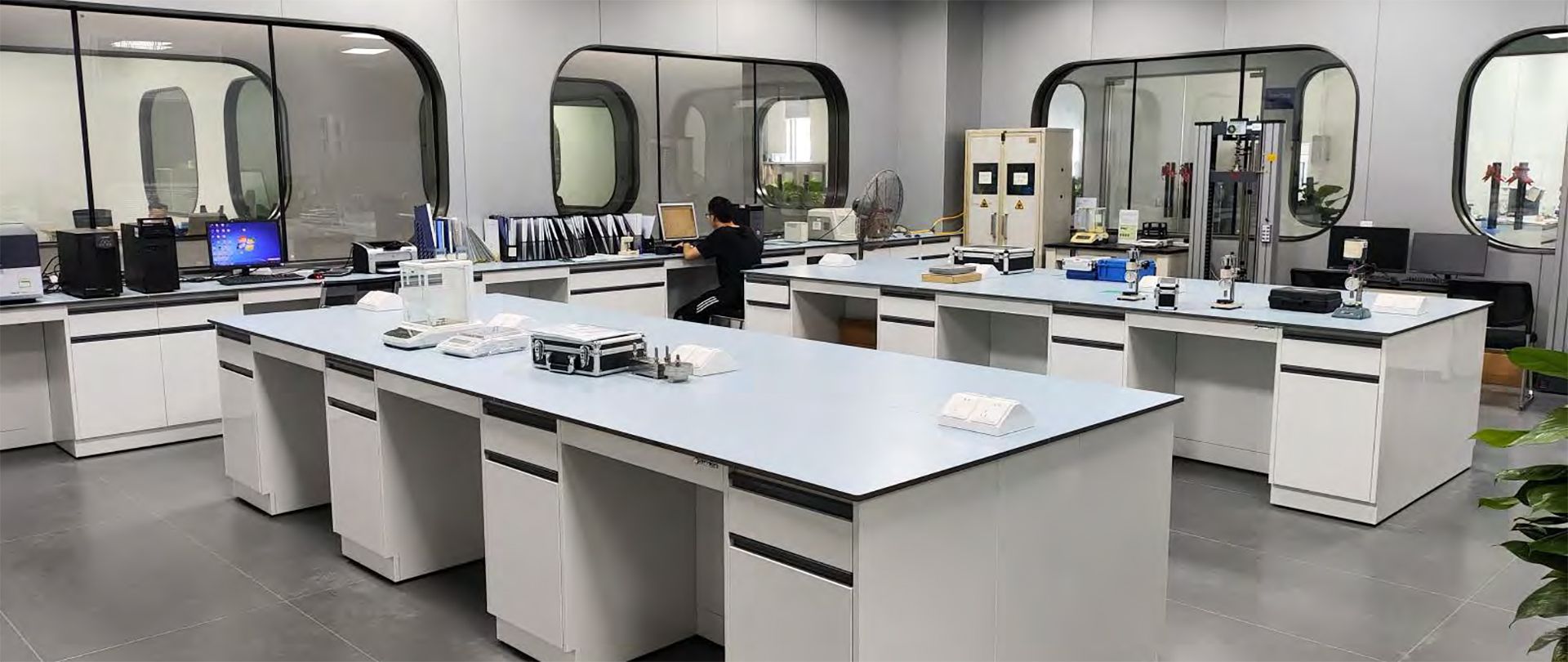
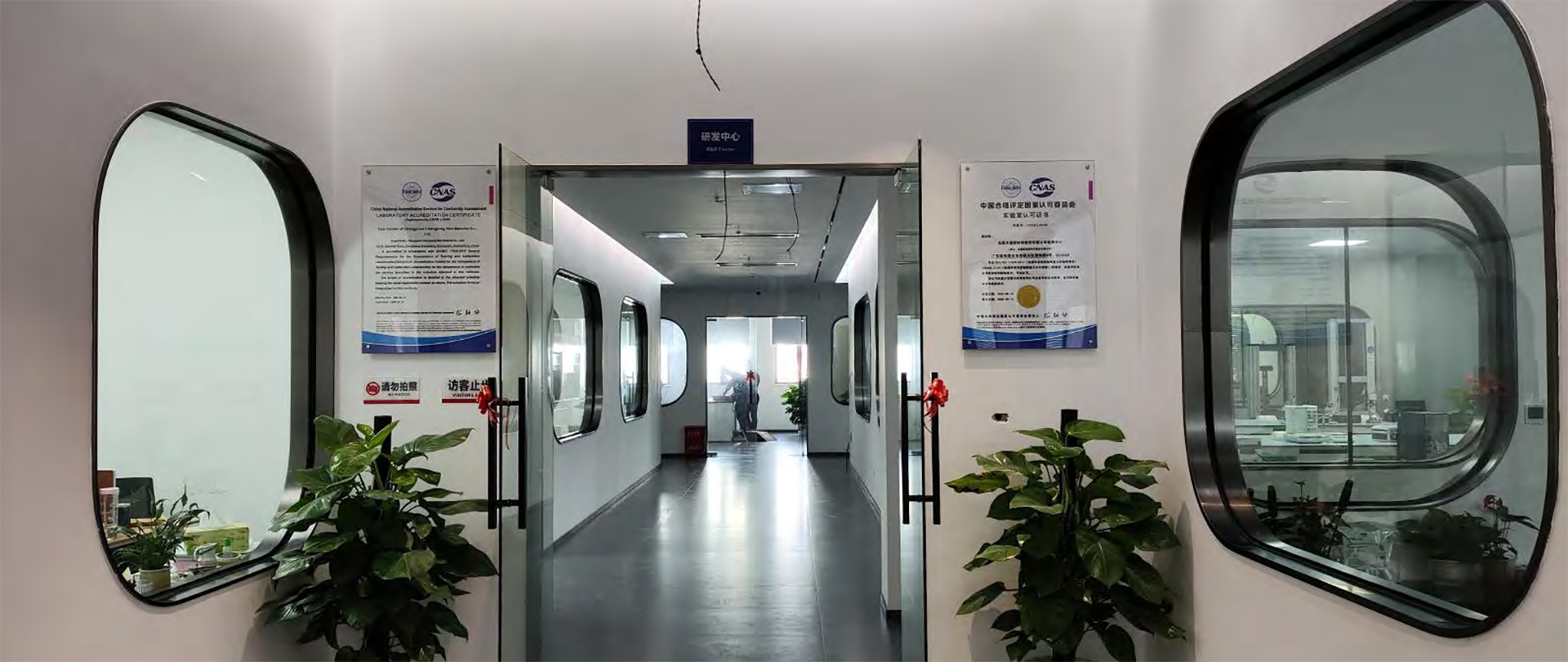
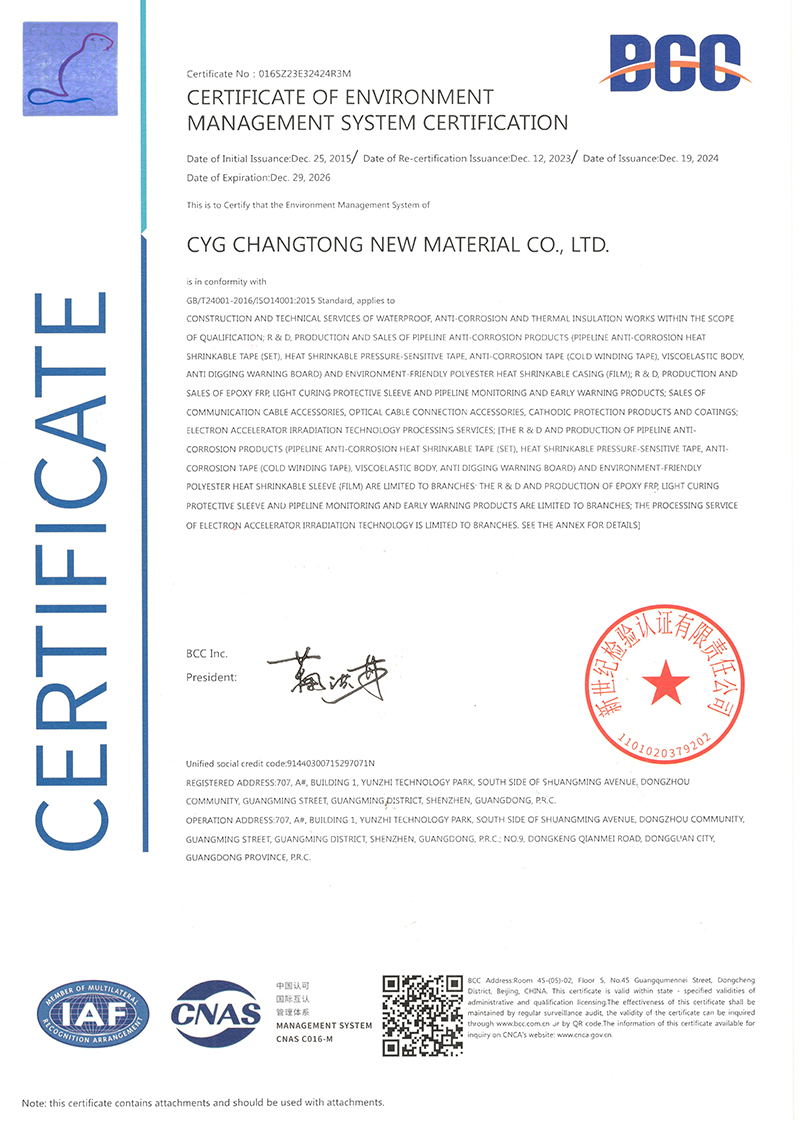
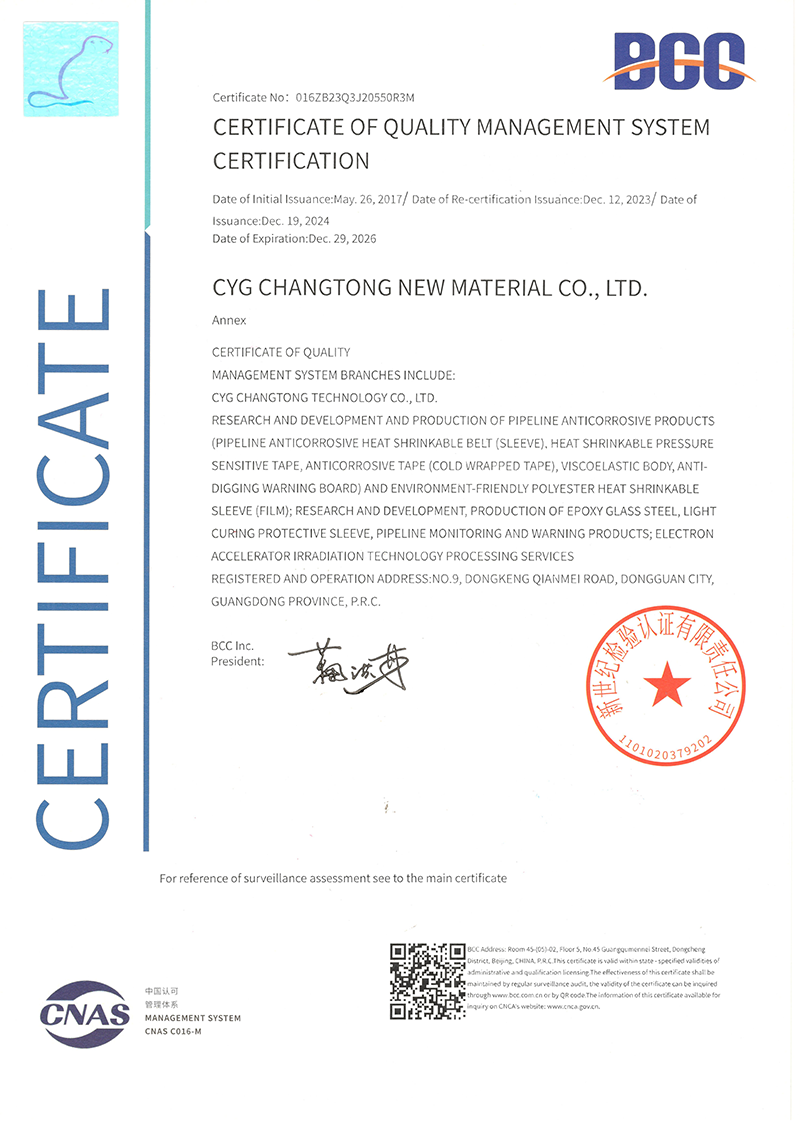
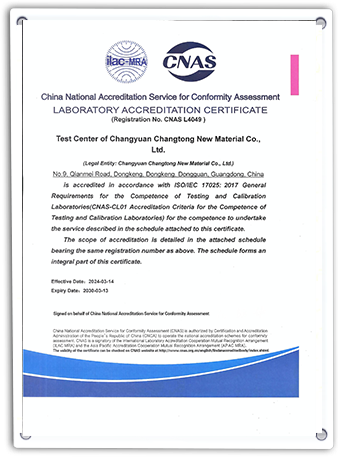
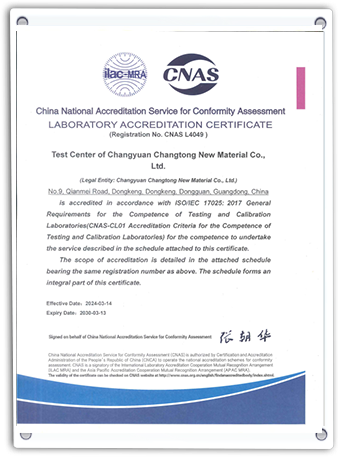
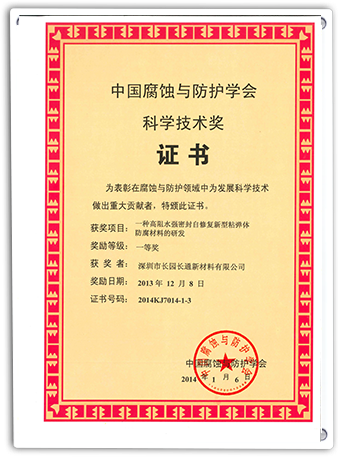
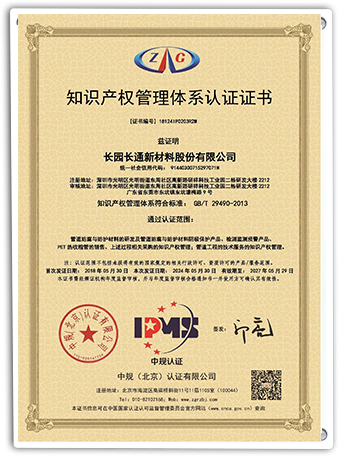
CYCT operates a national CNAS-accredited laboratory, ensuring that all R&D and production phases meet stringent quality controls. We maintain key partnerships with leading research bodies, including the CNPC Pipeline Science Research Institute, to keep our material technology aligned with global standards.
Our materials are qualified and widely used by major energy operators, including PetroChina, Sinopec, PipeChina, and international clients such as Indian Oil, reflecting the reliability of our products under diverse environmental conditions.
In global procurement, product consistency and supply chain reliability are just as critical as material performance. CYCT's manufacturing facility integrates Industry 4.0 principles to maintain quality control across high-volume production runs.
Our facility features automated extrusion lines, computer-controlled radiation cross-linking systems, and precision chemical dosing systems for adhesive compounding. Automated controls monitor parameters like temperature, thickness, and pressure in real-time, reducing batch-to-batch variation and ensuring that every backing meets the specified expansion and recovery ratios.
CYCT's production model is designed for flexibility and resilience. By maintaining direct relationships with domestic petrochemical suppliers and securing a steady supply of high-grade resins, we mitigate raw material price fluctuations and supply disruptions. Our strategic location near major Chinese ports allows us to optimize export logistics, providing reliable lead times for large-scale international pipeline projects.
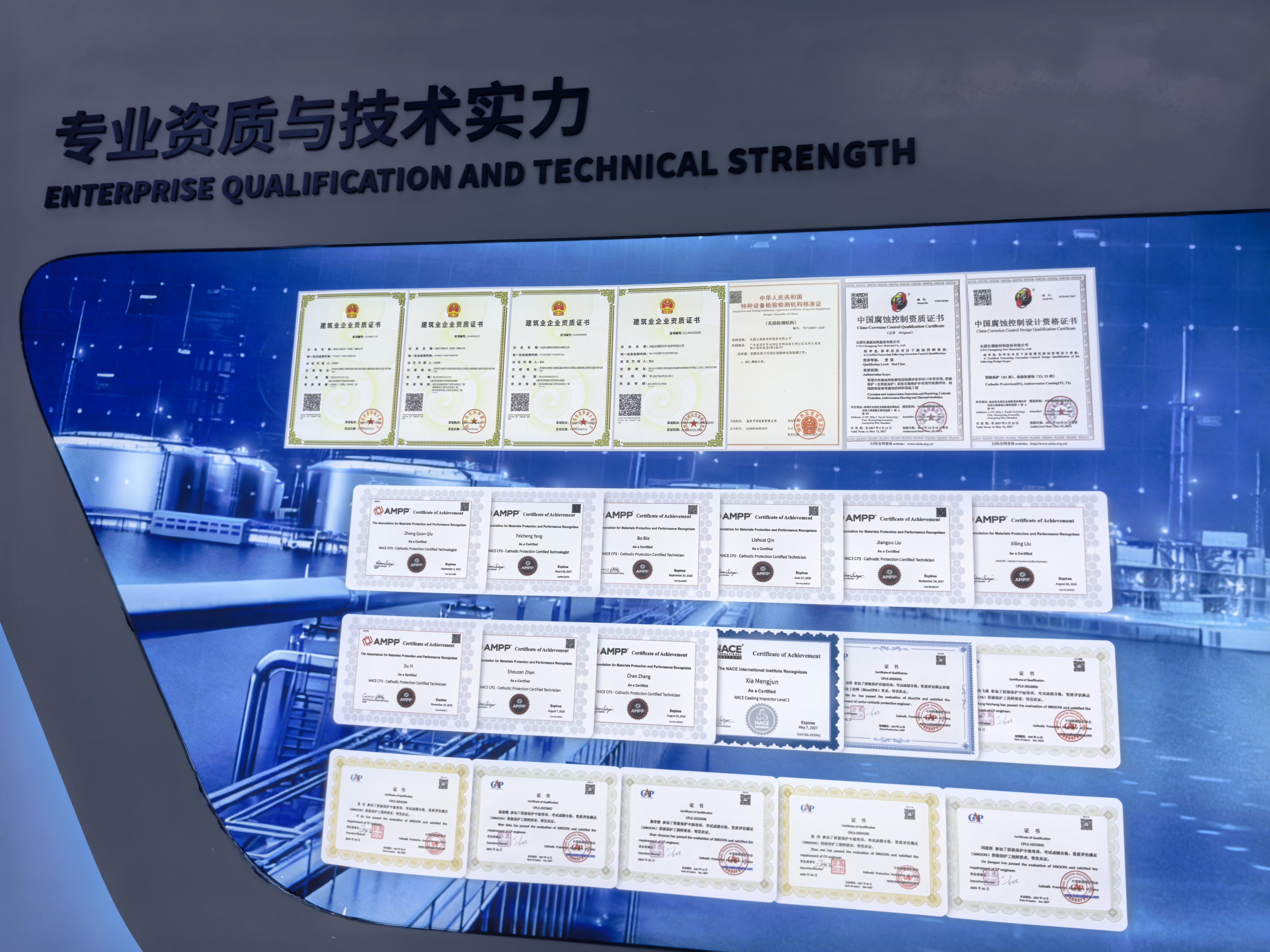
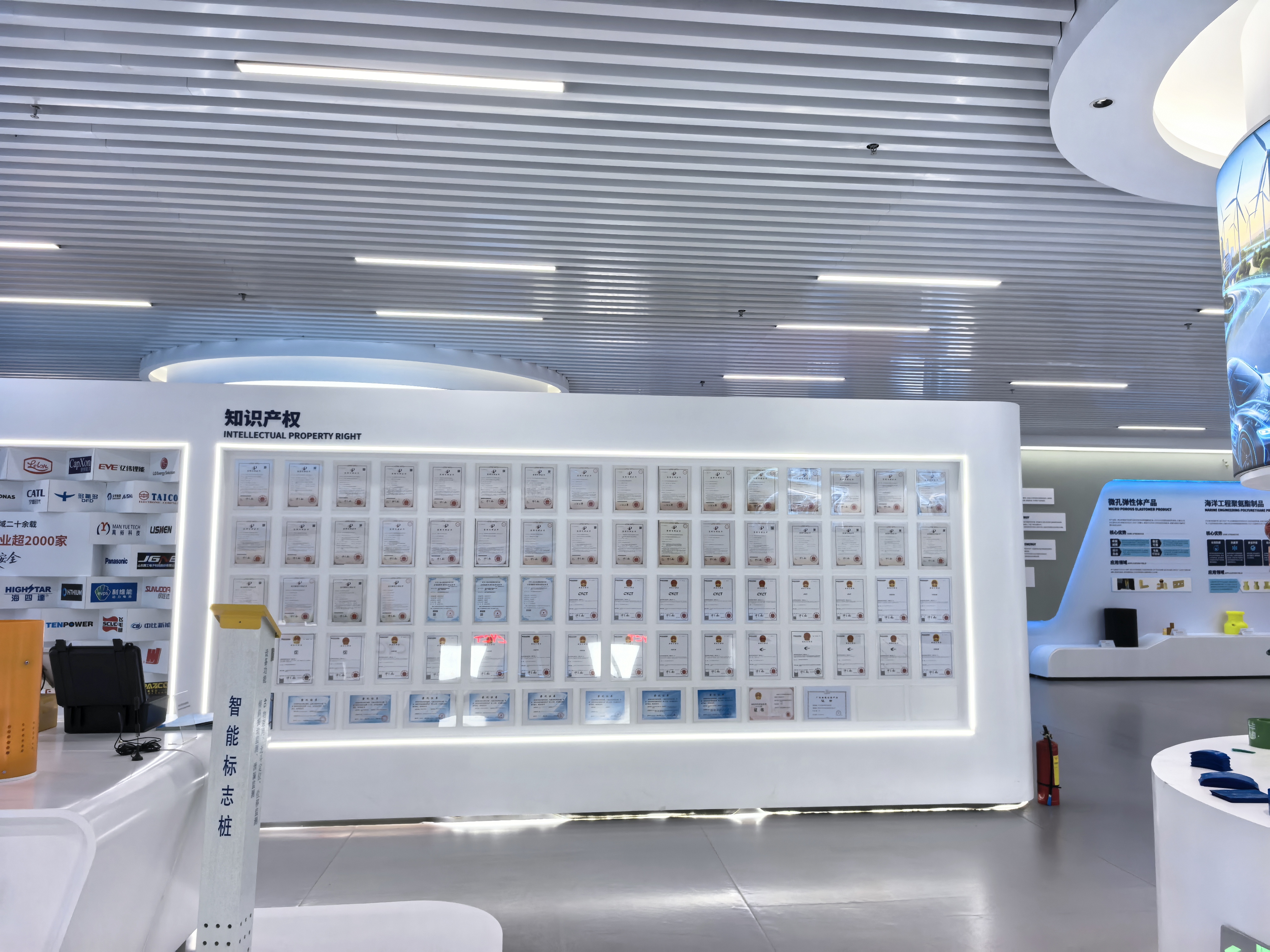
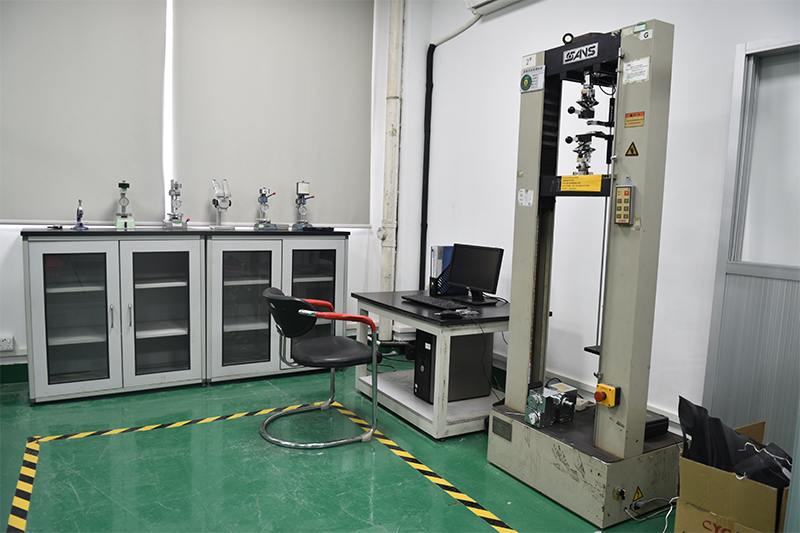
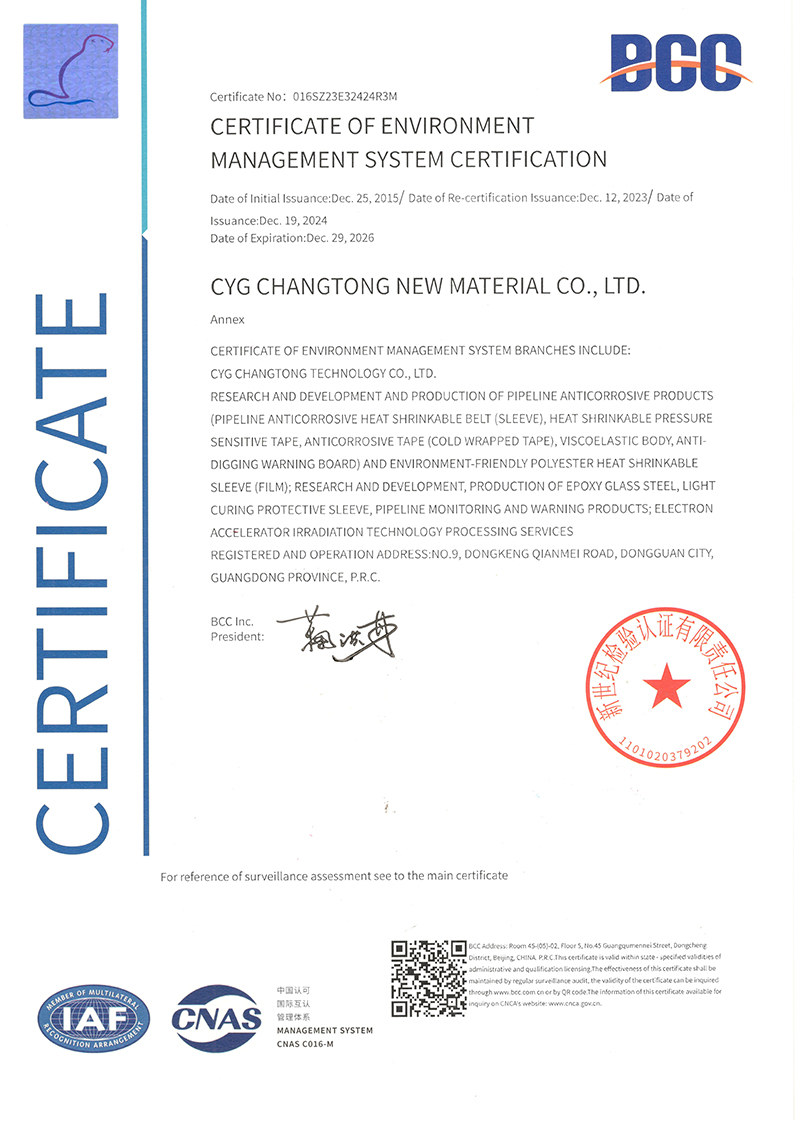
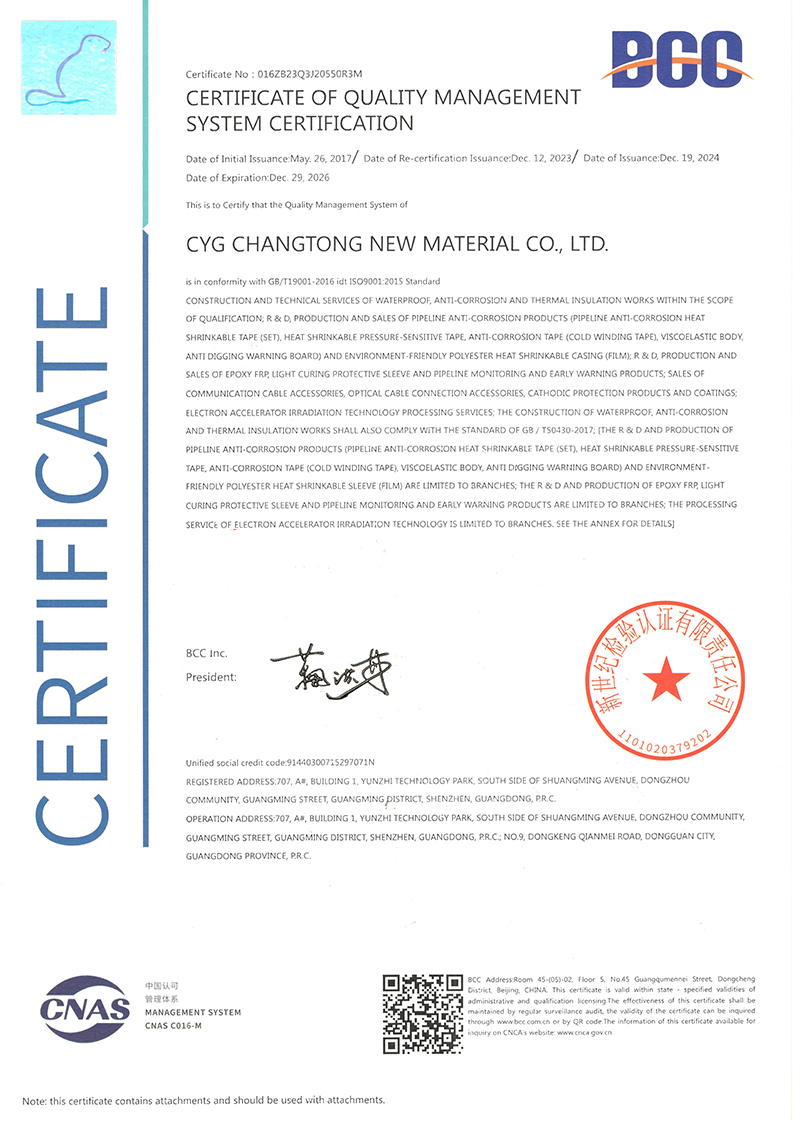
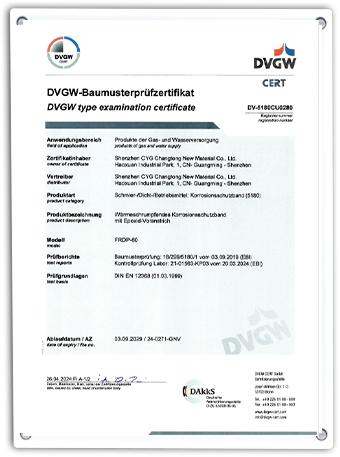
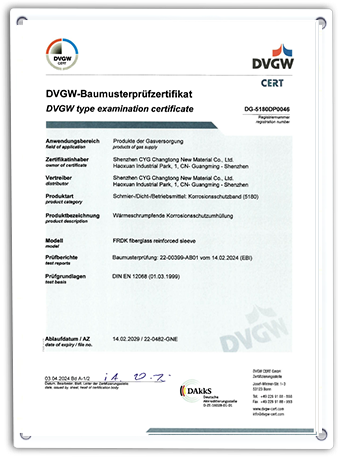
Purchasing agents and asset integrity engineers must navigate complex standards when specifying joint sealing systems. Our manufacturing and testing procedures align with international benchmarks, ensuring compliance across global projects:
To support global projects, CYCT provides comprehensive technical documentation, including raw material certificates (MTCs), batch analysis reports, third-party testing approvals, and detailed installation guidelines. We also offer field application training, surface preparation instructions (ISO 8501-1 Sa 2½ or St 3), and holiday detection training to help project teams achieve proper field installation.
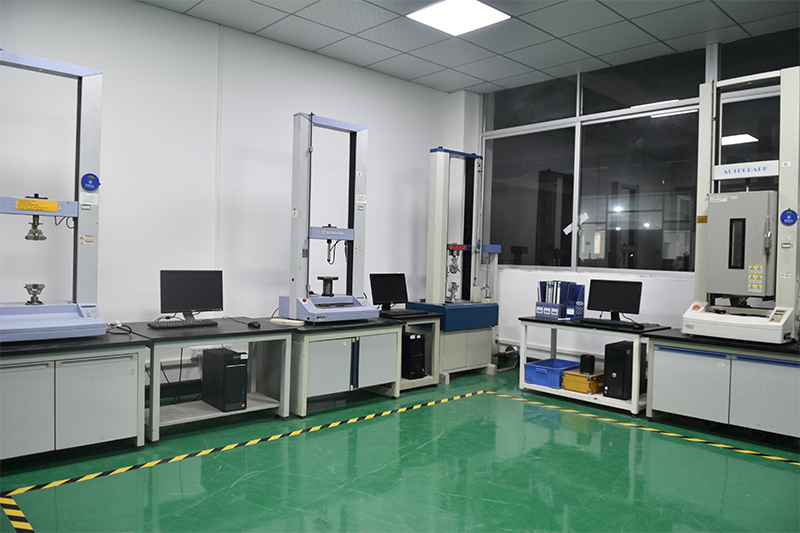
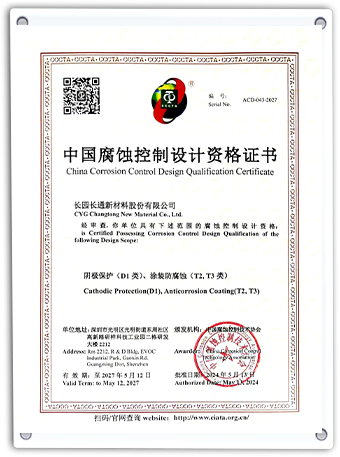
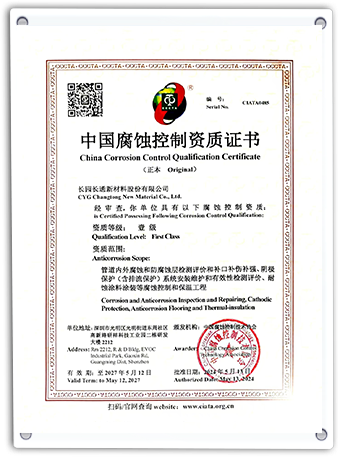
Our commitment extends beyond material manufacturing. By partnering with CNPC Pipeline Science Research Institute, we support projects from early design and cathodic protection schemes through to rehabilitation. We provide buried pipeline detection services, rehabilitation engineering, and integrated corrosion protection plans, serving as a technical partner for energy and industrial projects worldwide.
Modern pipelines operate across diverse geographical regions, each presenting unique environmental challenges. Selecting the right field joint coating is critical to managing local conditions:
In hot desert regions, high soil temperatures and thermal expansion put stress on pipelines. Using standard PE tape can lead to adhesive softening, soil stress-induced shifting, and cathodic shielding. For these environments, we supply high-temperature PP heat-shrinkable sleeves and specialized viscoelastic tape VT95. These systems maintain shear resistance and chemical stability in soil temperatures up to 95°C, resisting degradation under dry, high-salinity conditions.
Trenchless crossings under rivers or highways subject coatings to high friction and shear forces during installation. Our heat-shrinkable fiberglass-reinforced sleeve provides an integrated solution. The base layer provides corrosion protection, while the outer fiberglass-reinforced laminate acts as a wear barrier. This composite system protects the joint coating during the pull-back process, preventing damage from rocky soil or borehole obstructions.
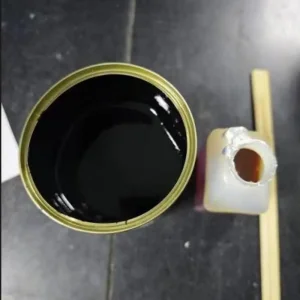
Irregular shapes like valves, tees, and flanges are difficult to seal with standard flat tapes, which can leave air pockets that trap moisture. We address this with viscoelastic paste combined with outer PE tape. The paste flows to fill gaps, voids, and bolts, creating a seamless seal, while the outer tape provides mechanical protection against soil movement.
Common Questions on Selecting, Testing, and Specifying Field Joint Coating Systems
Specialized Solutions for 3LPE/3LPP Repair, Valve Encapsulation, and Severe Trenchless Crossings
 CYCT
CYCT