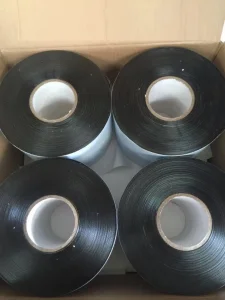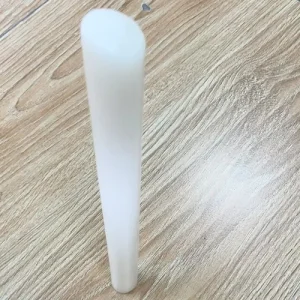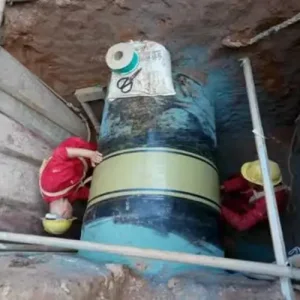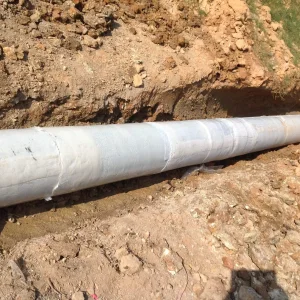
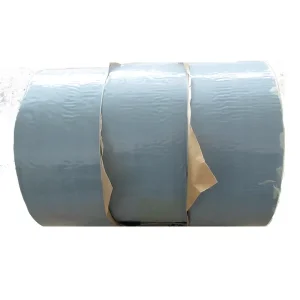
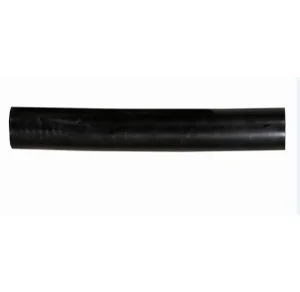
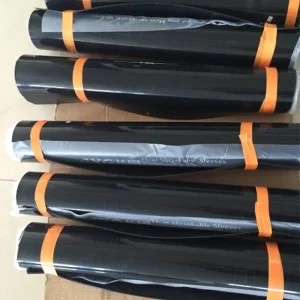
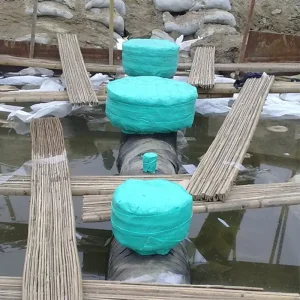
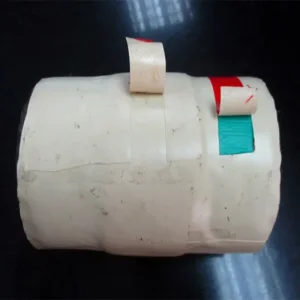
China PE Wrap Around Tape Supplier & Suppliers

Innovative Field Joint Coating Technology & Anti-Corrosion Solutions For Global Pipelines

The Evolution of PE Wrap Around Tape in Modern Infrastructure

Analyzing the critical shift towards advanced polymer coatings for long-term cathodic asset safety.

In the high-stakes arena of transmission pipelines, corrosion remains the single greatest threat to structural longevity and operational security. PE (Polyethylene) Wrap Around Tapes have transitioned from simple protective wraps to complex, highly engineered multi-layer polymer systems. These systems are specifically designed to survive the severe physical, chemical, and thermal stresses that modern pipeline networks undergo. The evolution of this technology reflects a broader push in the global energy sector for zero-maintenance infrastructure, demanding materials that can resist soil stress, water permeation, and chemical degradation for up to 50 years.

Originally, pipeline coatings relied heavily on coal tar enamel and asphalt-based solutions. While these materials provided a basic level of moisture exclusion, their susceptibility to biological degradation, cracking under low temperatures, and environmental toxicity led to their systematic replacement. Polyethylene, with its exceptional chemical inertness and mechanical toughness, emerged as the ideal substrate. Through the integration of radiation cross-linking technology and sophisticated adhesive formulations, China PE wrap around tape manufacturers have optimized these products to offer unmatched shear strength and cathodic disbondment resistance.
Key Technological Milestone: Radiation Cross-linking

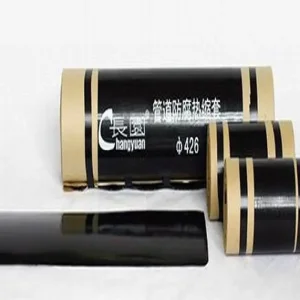
By subjecting the extruded polyethylene backing to high-energy electron beam radiation, the polymer chains are linked into a three-dimensional network. This cross-linking process grants the tape its "elastic memory"—allowing it to shrink tightly and exert constant radial pressure when heated, sealing the joint against moisture and corrosive agents.

1. The Transition to 3LPE Field Joints

As plant-applied 3LPE (Three-Layer Polyethylene) becomes the global standard for mainlines, the field joint coatings must match this level of protection. Modern PE wrap-around systems are designed to seamlessly bond with existing mill-applied 3LPE, forming a continuous, impenetrable protective sheath across the entire pipeline length.

2. Rise of Viscoelastic Self-Healing Systems

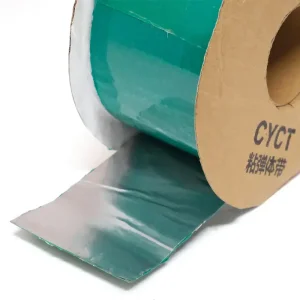
For irregular configurations, valves, and elbows where traditional heat shrink sleeves cannot be easily applied, viscoelastic and cold-applied PE tapes have seen massive adoption. These materials flow into micro-crevices, establishing a molecular bond that self-heals in the event of minor physical damage.

3. Elevated Thermal Performance

With heavy crude and high-pressure gas pipelines operating at elevated temperatures, the thermal limits of adhesives have been pushed forward. Leading Chinese suppliers now engineer PE wrap around tapes capable of withstanding continuous operating temperatures of up to 80°C and above.

Global Procurement Dynamics & Intent Analysis

Understanding the strict compliance, engineering requirements, and logistical variables driving international procurement decisions.

Procuring pipeline protection materials is a multi-layered process subject to stringent international regulatory oversight. Global EPC (Engineering, Procurement, and Construction) contractors do not simply buy "tape"—they buy system certifications, long-term performance assurances, and supply chain reliability. The modern procurement officer must navigate complex specifications such as ISO 21809-3, EN 12068, and ASTM standards. Selecting the wrong supplier can lead to catastrophic field joint failure, resulting in expensive pipeline shutdowns, environmental litigation, and severe brand damage.

To assist global buyers in identifying reliable supply chains, we analyze the primary considerations for pipeline tape selection in key regions. When engineering teams specify PE wrap around tapes, they analyze parameters such as soil shear stress, indentation resistance, peel strength to pipe surface and factory coating, and cathodic disbondment resistance. A true tier-1 partner must provide not only the tape, but also comprehensive technical support, installer training programs, and fully traceable raw material verification.
>35 N/cm
Peel Strength (to Steel)
<5 mm
Cathodic Disbondment (at 60°C)
100%
Water Vapor Impermeability
>30 kV
Dielectric Strength Limit

Localized Industrial Application Scenarios

Arid Desert Oil Transmission Lines

In regions like the Middle East or North Africa, pipelines encounter extreme soil stress caused by temperature fluctuations and shifting sand dunes. Heavy soil load demands high-shear-resistant hot melt adhesives. The PE wrap-around tape must possess high mechanical stiffness to prevent soil movement from pulling the tape off the pipe body, which can compromise the underlying steel substrate.

Trenchless Horizontal Directional Drilling (HDD)

When crossing rivers, highways, or urban areas, pipelines are pulled through drilled subterranean paths. The friction and abrasion against rocks and soil can destroy standard coatings. For these extreme conditions, contractors utilize specialized fiberglass-reinforced or photo-curing protective sleeves over the PE tape to form an incredibly hard outer shell that resists mechanical gouging.

CYCT New Materials: Pioneering Anti-Corrosion Since 2000

Deep dive into a state-level high-tech enterprise dedicated to advanced pipeline safety and engineering excellence.

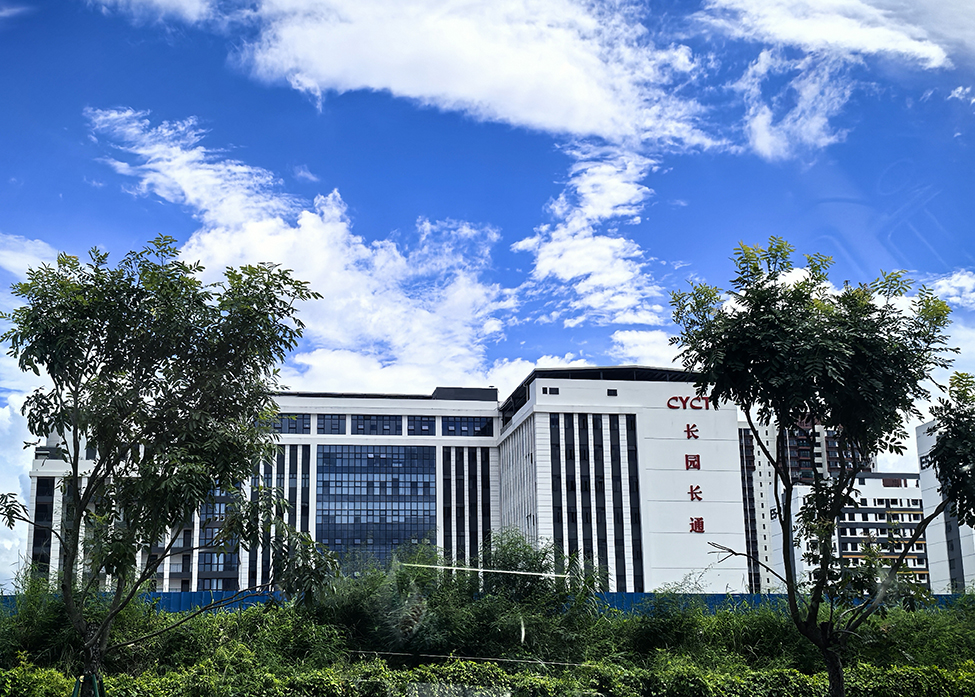
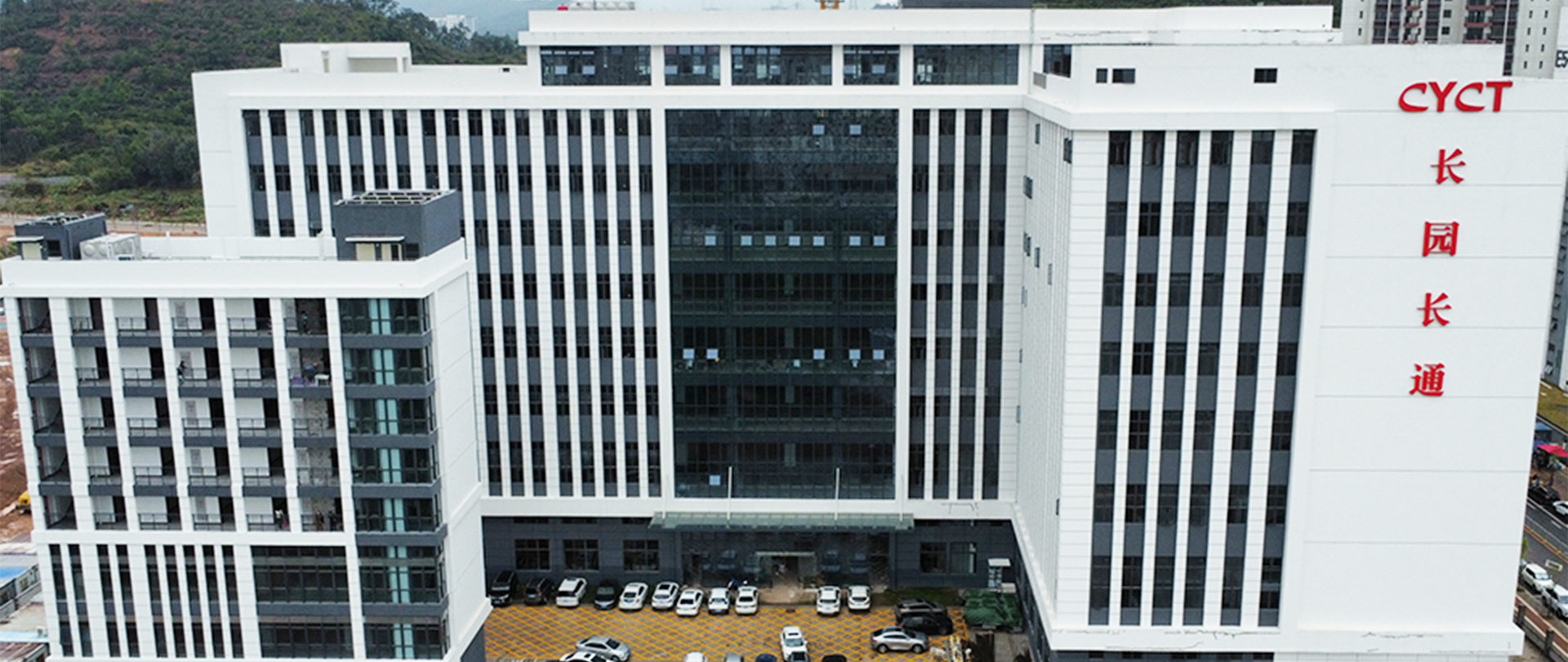
CYCT New Materials Company Limited (for short, CYCT) is a state-level high-tech enterprise integrating R&D, production, and sales of pipeline corrosion protection materials. Our capabilities extend into buried pipeline detection services and professional pipeline coating field application services. With a dedication to innovation spanning decades, CYCT has positioned itself at the forefront of the global industrial safety supply chain.

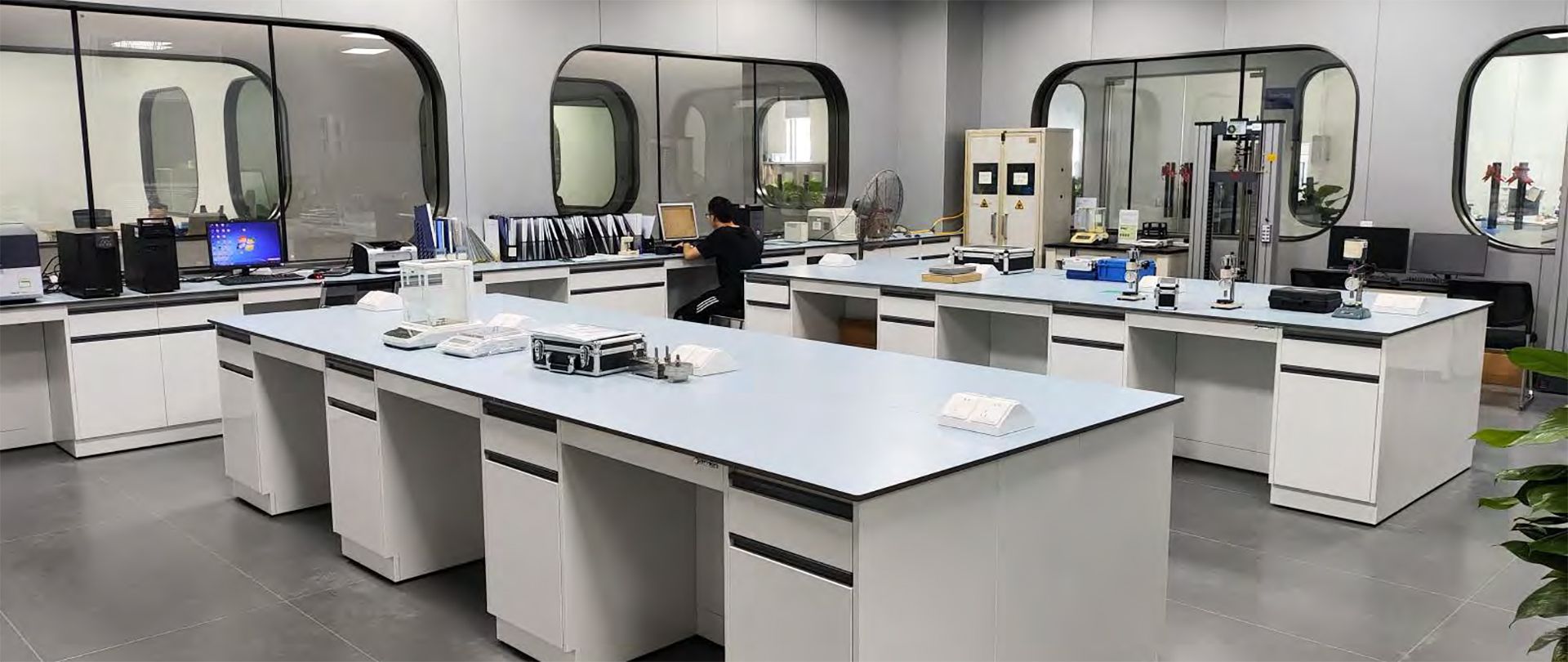
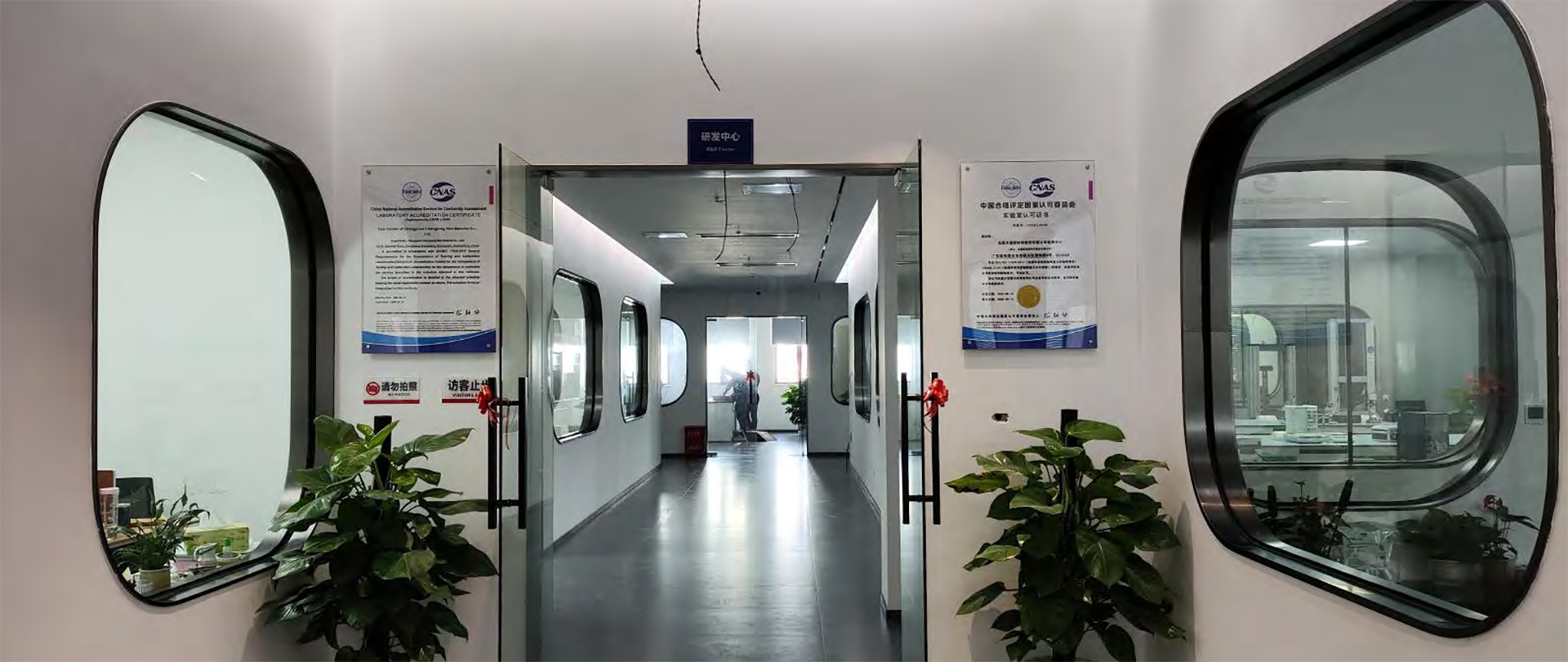
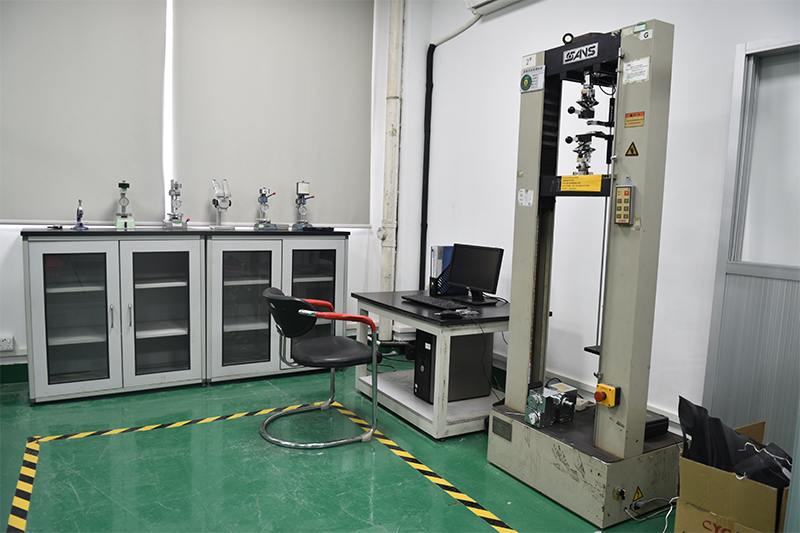
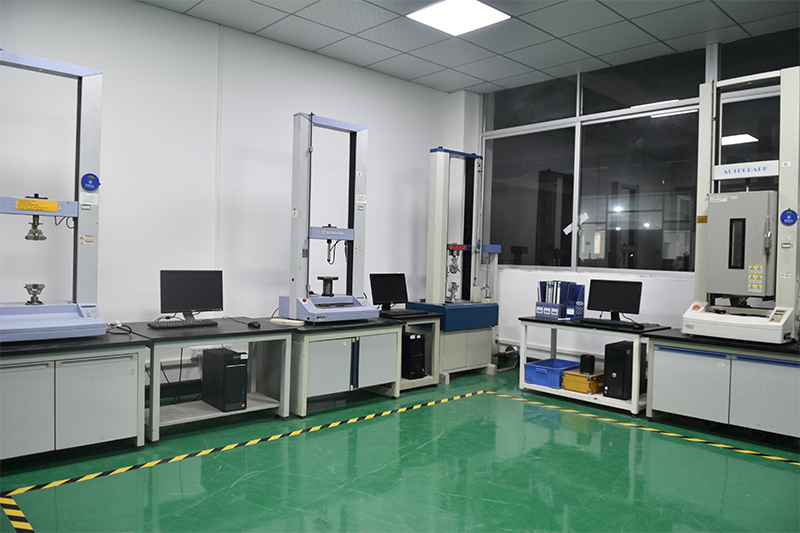
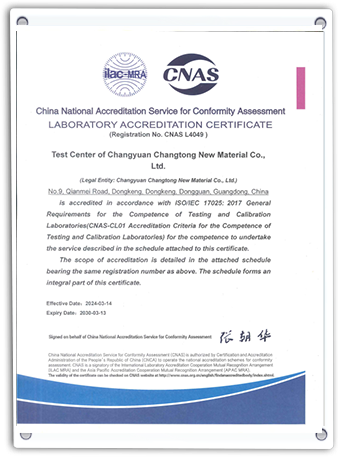
Our company possesses leading testing and R&D capabilities, backed by a professional R&D team and a national CNAS-accredited laboratory. Over the years, CYCT has grown into a stable, long-term supplier of field joint coatings for industry titans including PetroChina, Sinopec, PipeChina, and various regional pipeline authorities, capturing a leading market share.

In cooperation with leading institutes like the CNPC Pipeline Science Research Institute, we provide comprehensive in-service pipeline technical services. These services encompass buried pipeline detection, design scheme optimization, cathodic protection engineering, rehabilitation project execution, and complete integrated safety solutions.

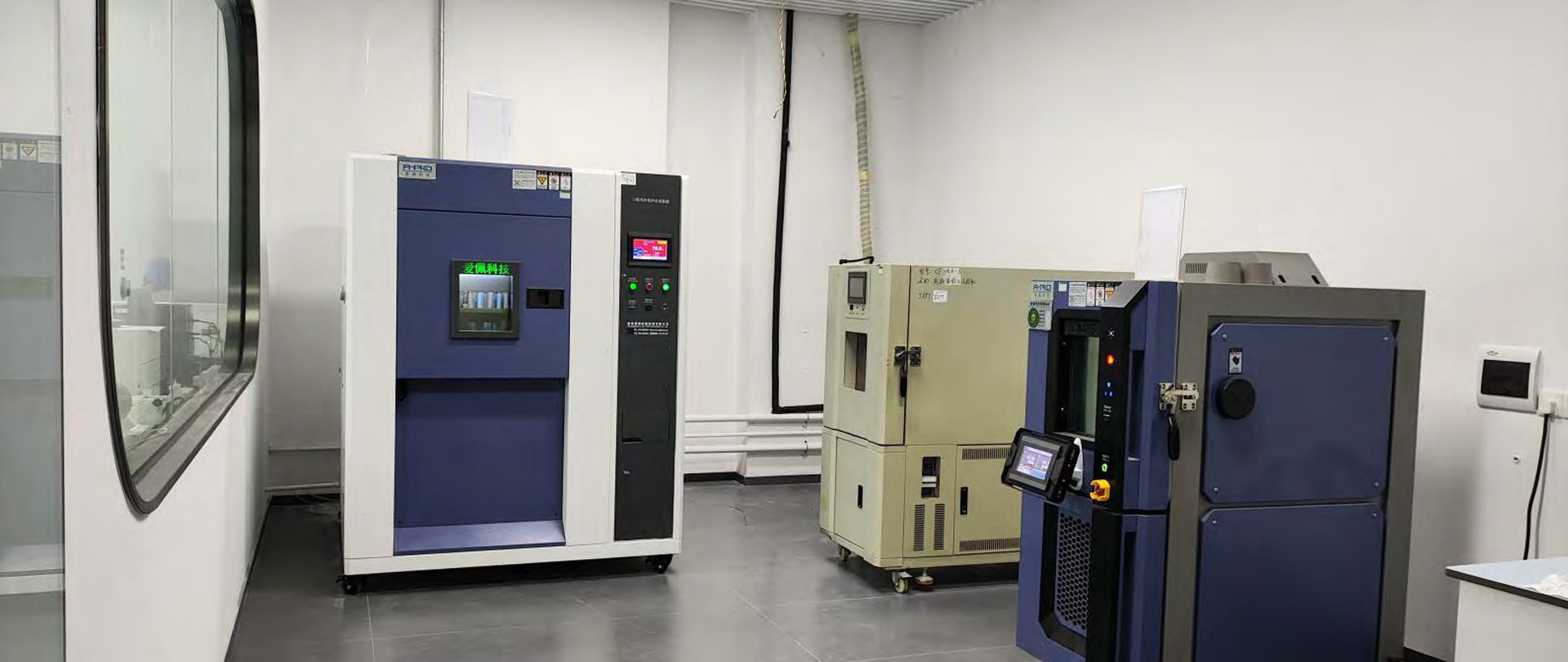
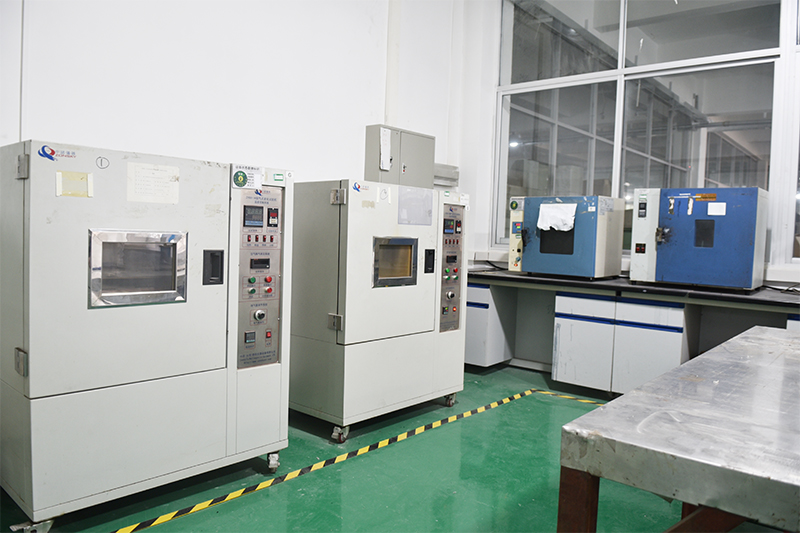
Lab Testing Equipment R&D Innovations Raw Material Analysis Quality Inspection Center Factory Outer View Warehouse Operations Production Line View Shipment Logistics

Honors, Credentials & Global Partnerships

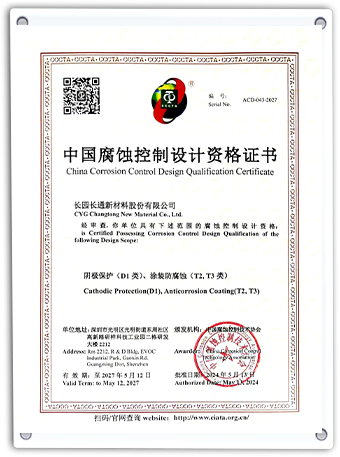
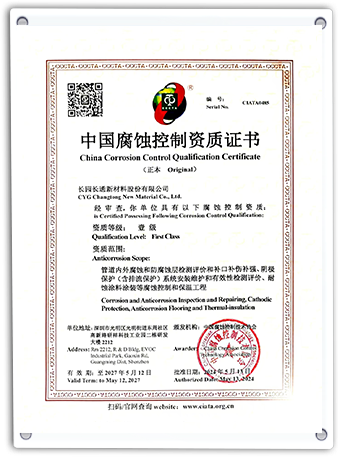
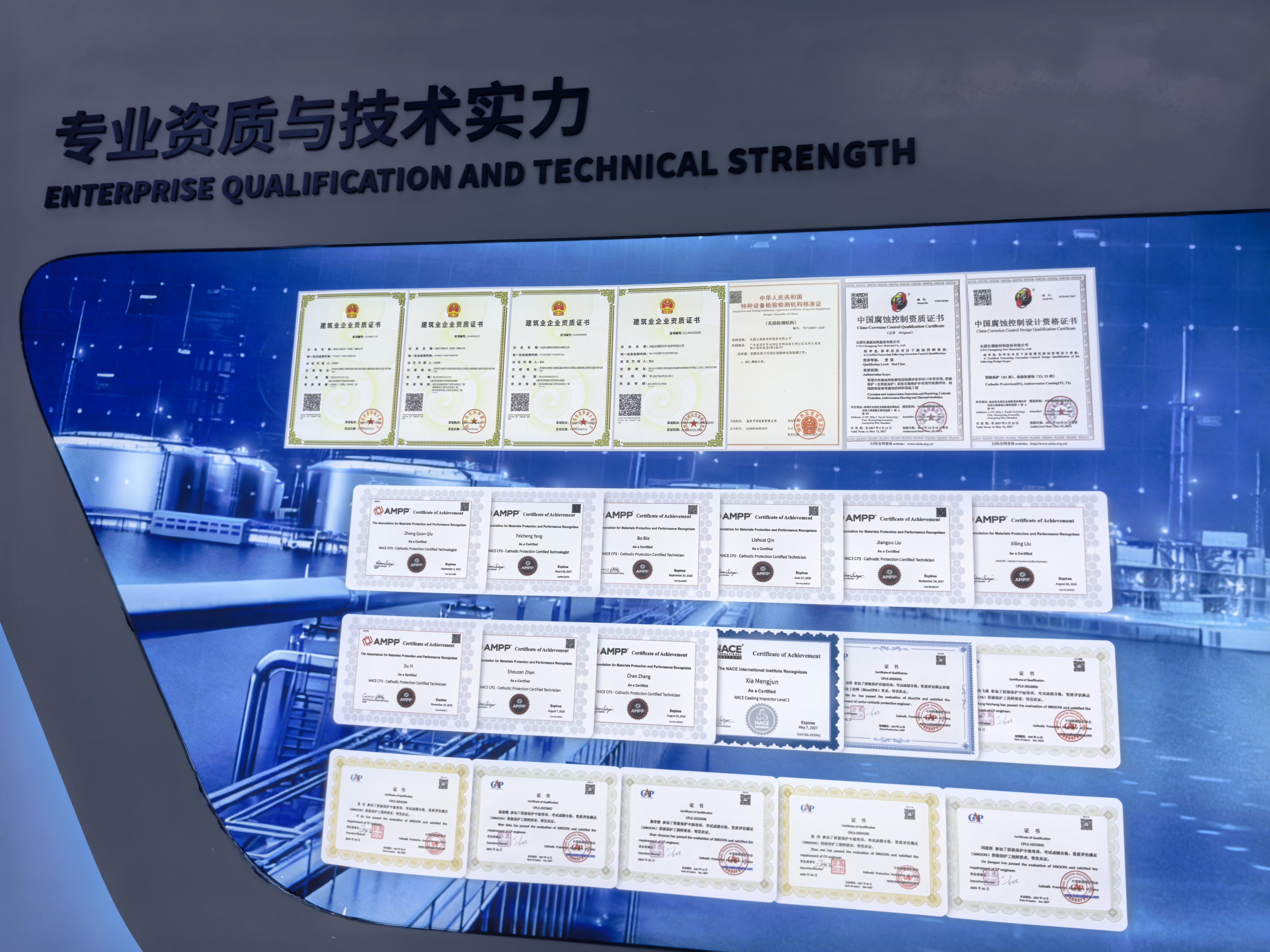
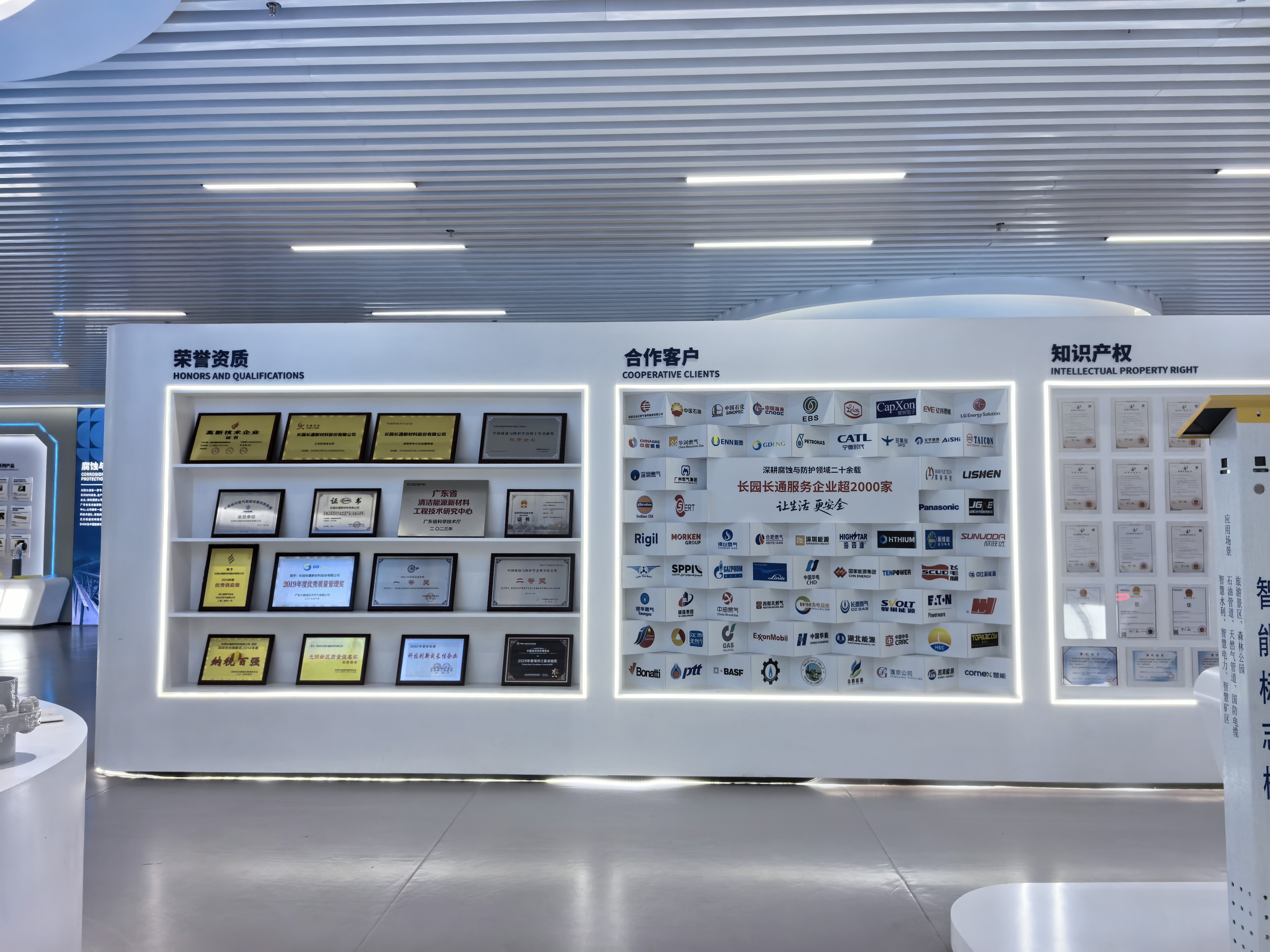
Member of Council in Chinese Society for Corrosion and Protection (CSCP) | Qualification Certificate of Corrosion Protection Construction | Qualification Certificate of Pipeline Detection | Well-known Brand of Pipeline Corrosion Protection in China | Corporate Member of China Association of Petroleum Engineering Construction (CAPEC) | State-Level High-Tech Enterprise with more than ten proprietary intellectual property rights | Stable supplier of PetroChina, Sinopec, China Gas Group, and Indian Oil.

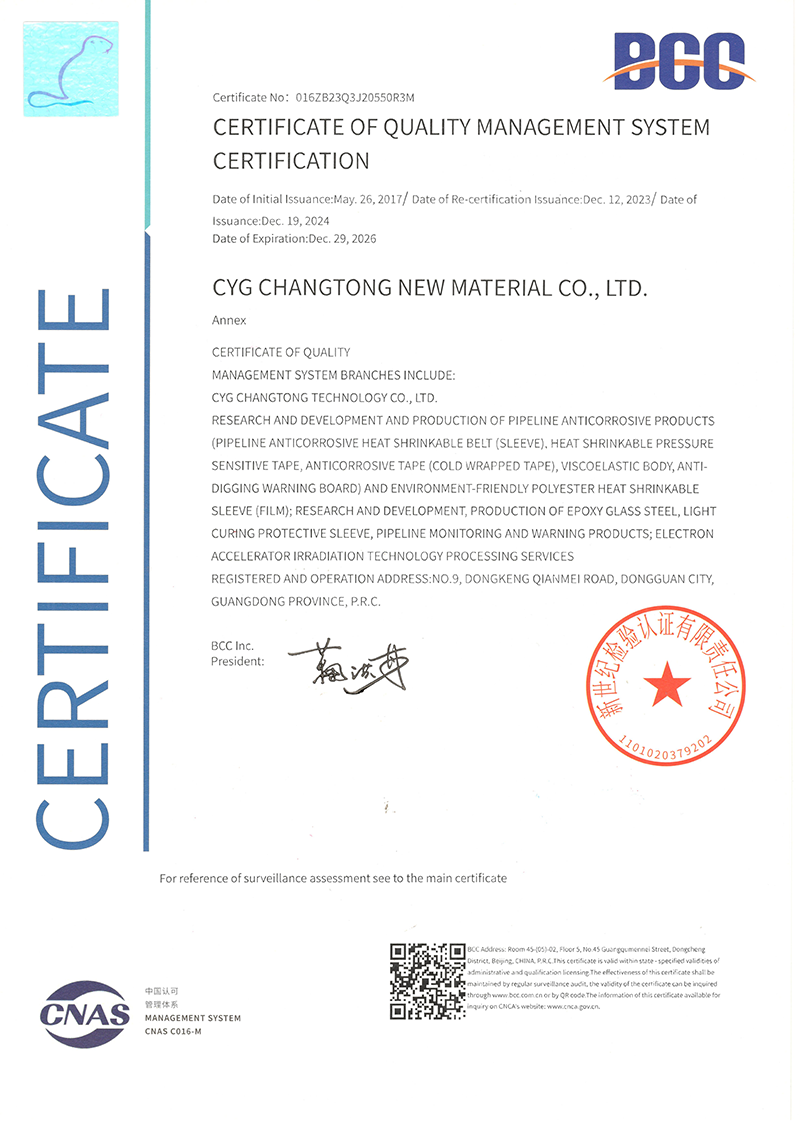
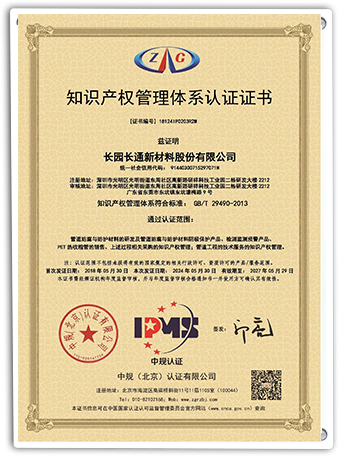
Company Certificate ISO

Company Certificate

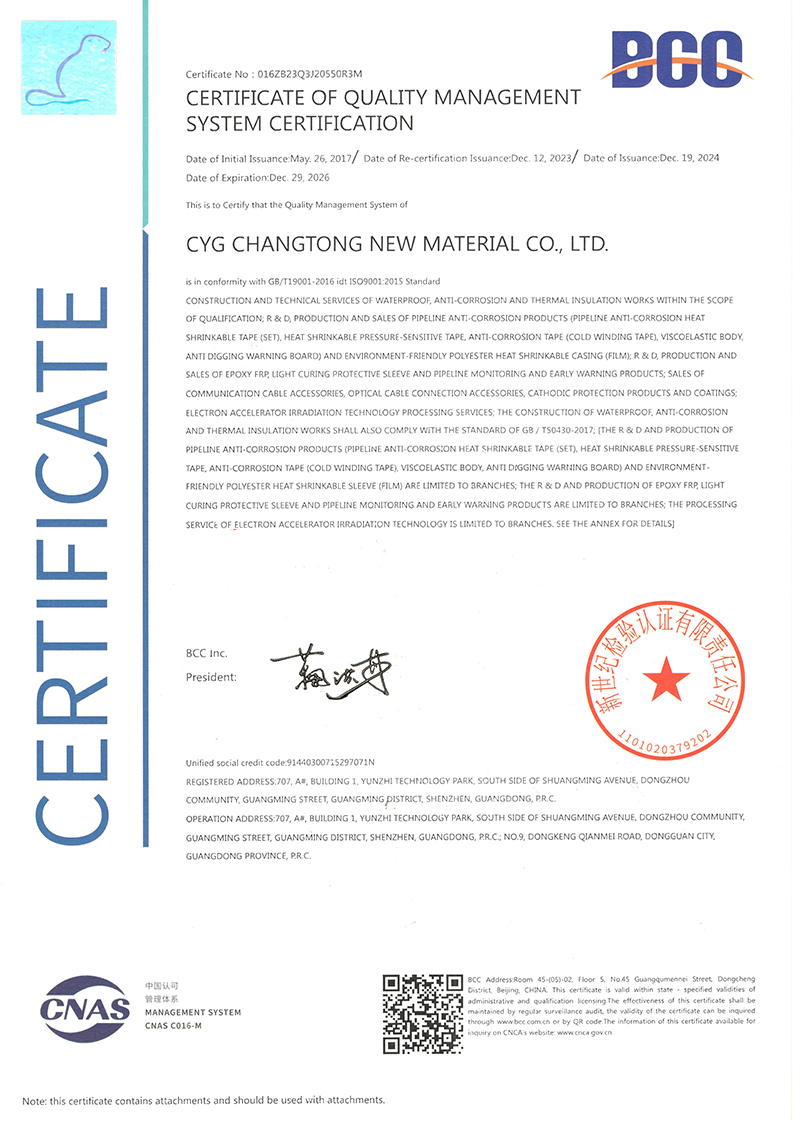
Company Quality Certificate

Company Certificate

Safety Standard Certificate

Company Certificate

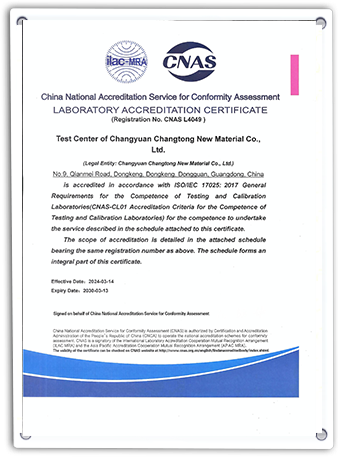
CNAS Laboratory accreditation

Company Certificate

High-Tech Enterprise Honor

Company Certificate

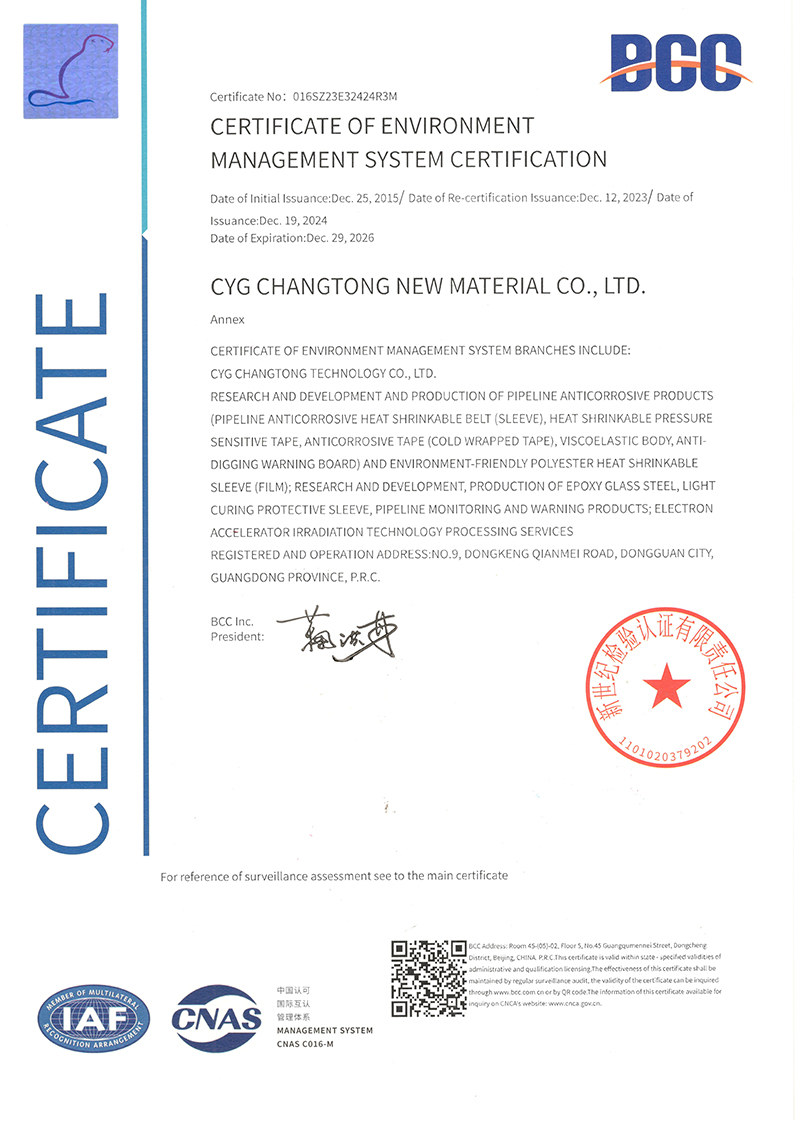
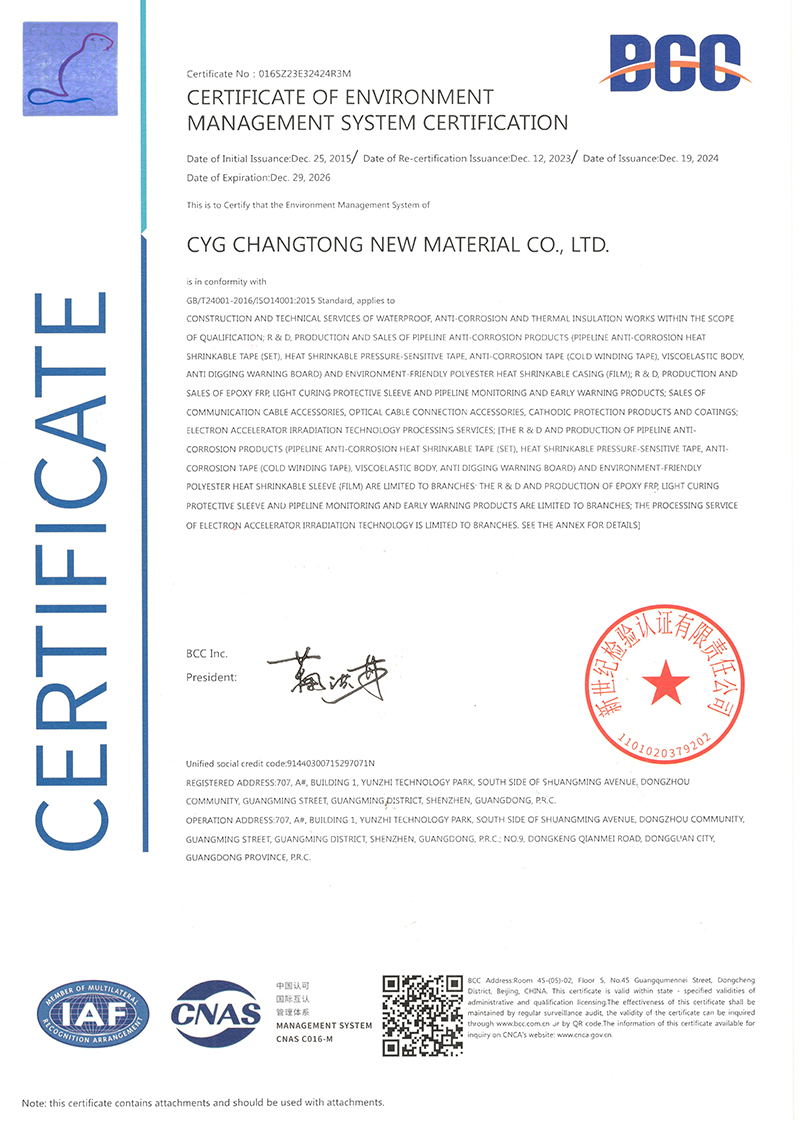
Environmental Management Certificate

Company Certificate

Occupational Health Certificate

Company Certificate

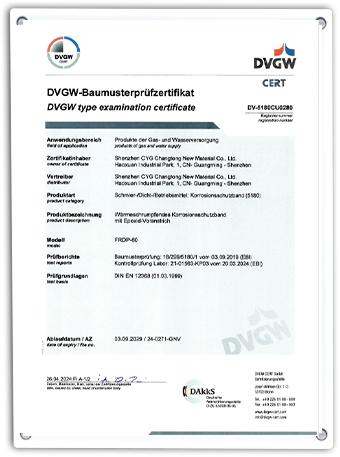
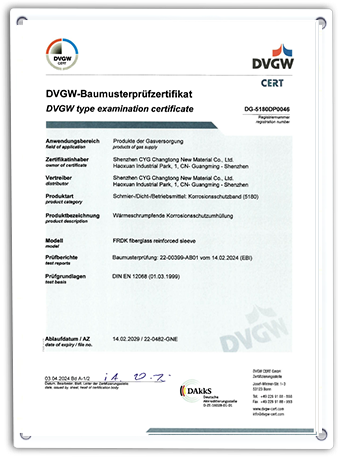
Product Compliance Certificate

Company Certificate

CNPC Verified Supplier

Company Certificate

Sinopec Access Permit

Company Certificate

Product Test Report

Company Certificate

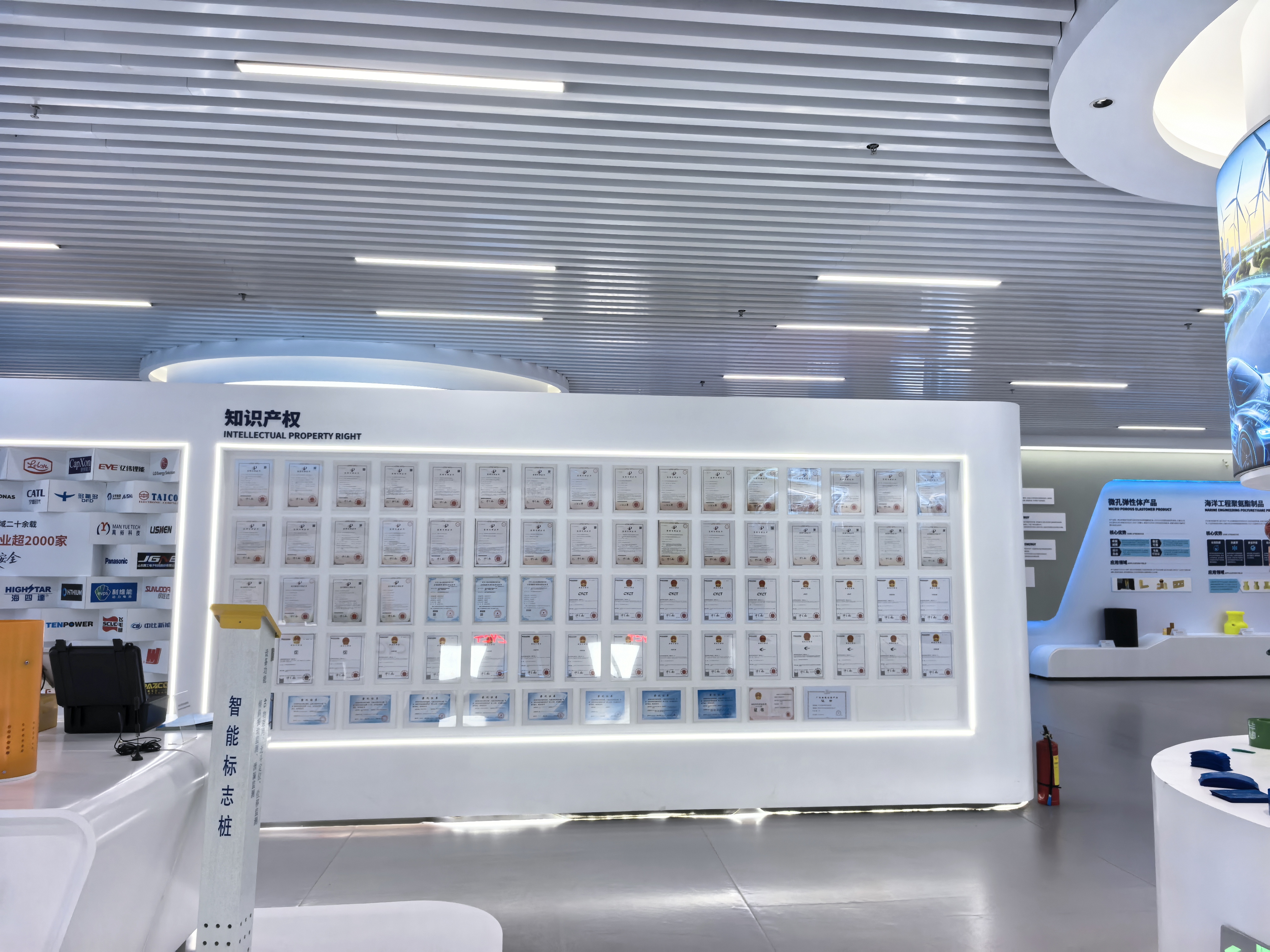
Patent Certificates List

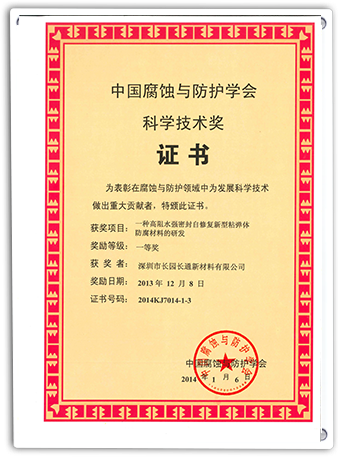
Innovation Patents & Awards

China Factory 4.0: Supply Chain Resilience & Process Excellence

How automated smart manufacturing and CNAS laboratories protect buyers from cost fluctuations and quality defects.

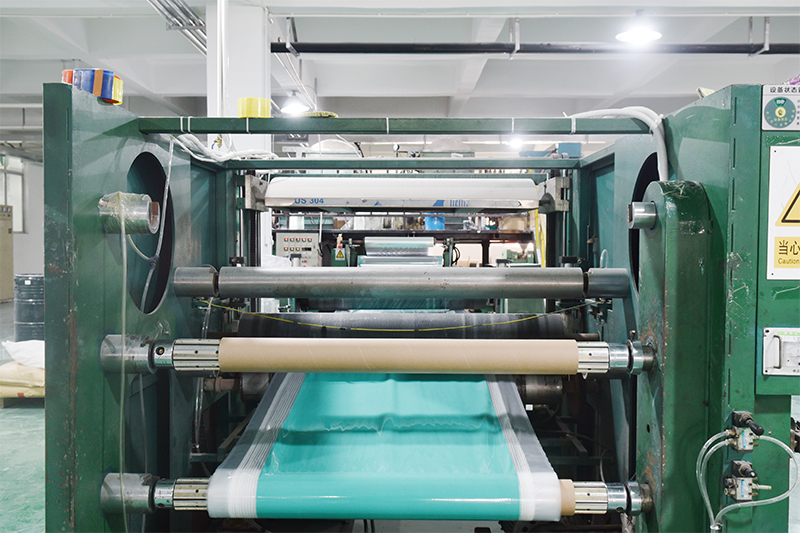
In the current volatile global economic landscape, raw material supply lines and manufacturing precision determine the competitiveness of major pipeline projects. CYCT has embraced the Factory 4.0 paradigm, integrating IoT monitoring systems and automated extrusion lines to minimize human error and material waste. Our state-of-the-art compounding lines ensure that PE base resins and butyl-rubber-based adhesives are blended at optimal pressures and temperatures, preventing the microscopic air pockets that lead to field-applied holiday formation.

Supply chain resilience is not just about keeping machines running; it is about guaranteeing long-term material consistency. Every production batch undergoes rigorous characterization in our CNAS laboratory. Tests include differential scanning calorimetry (DSC) to evaluate polymer crystallinity, tensile strength testing to ensure mechanical resilience under stress, and accelerated thermal aging trials to guarantee long-term performance. This data-driven quality control strategy provides the transparency that international oil and gas corporations demand.

Continuous Automated Thickness Profiling

Our extrusion machinery features online thickness gauges that perform non-destructive testing on every meter of tape produced. This level of verification prevents the thin spots that lead to dielectric breakdown during holiday detection tests in the field.

Raw Material Cost Mitigation

By holding direct supply agreements with leading chemical conglomerates, CYCT limits exposure to polymer pricing volatility. This strategic buffer allows us to maintain price stability for long-term construction projects spanning several years.

Carbon Footprint Optimization

Our production lines integrate green energy and recovery systems to reduce our carbon footprint. This environmental performance aligns with Scope 3 carbon reduction mandates set by international energy firms.

Technical Q&A: Pipeline Corrosion Prevention Systems

Direct answers to the most common engineering and procurement questions regarding PE wraps and viscoelastic coatings.

What is the difference between PE heat shrinkable wrap and viscoelastic tape? +
PE heat shrinkable wrap consists of a radiation cross-linked polyethylene backing coated with a hot-melt adhesive that requires preheating the steel pipe to activate the bond. Viscoelastic tape, conversely, is a cold-applied amorphous polyolefin system that requires no preheating. It displays cold-flow properties, meaning it flows into micro-imperfections on the steel substrate. Heat shrinkable wraps provide higher physical impact resistance, while viscoelastic systems offer superior self-healing capabilities and easier manual application.
How does CYCT prevent cathodic disbondment (CD) in PE wrap around tapes? +
Cathodic disbondment is prevented through the formulation of our proprietary hot melt and copolymer adhesive layers. These adhesives form strong chemical and physical bonds with the steel surface and the liquid epoxy primer. By limiting water molecule migration at the steel-primer interface, the tape maintains its seal even under the electrical potential generated by active cathodic protection systems, satisfying the requirements of ASTM G8/G42.
What preparation standards are required before applying PE wrap tapes? +
To ensure maximum adhesion, the steel pipe surface must be abrasive blasted to a minimum Sa 2.5 cleanliness standard, with a surface profile anchor pattern of 50 to 75 microns. The surface must be free of moisture, dust, oil, and salt contamination. For heat-shrinkable systems, preheating the steel to the specified application temperature (typically between 60°C and 110°C) is required prior to applying the tape.
How does the CNAS laboratory accreditation impact global procurement? +
CNAS (China National Accreditation Service for Conformity Assessment) is a signatory to the ILAC Mutual Recognition Arrangement. This means test reports issued by CYCT's laboratory are recognized internationally. This eliminates the need for expensive third-party pre-shipment testing, accelerating project timelines while confirming that every roll of tape meets contract specifications.