Direct from our state-of-the-art Chinese manufacturing facilities. ISO-certified, field-proven solutions for international oil, gas, and water grid infrastructures.
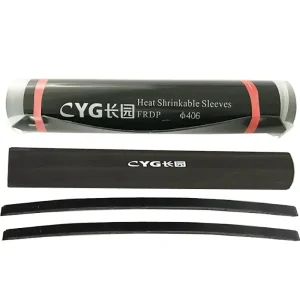
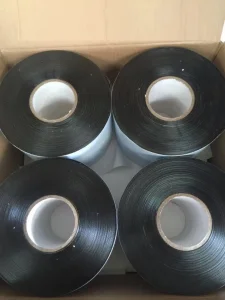
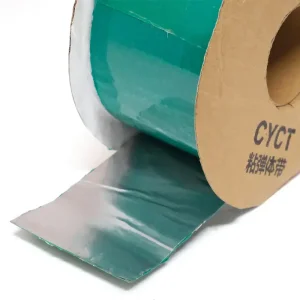
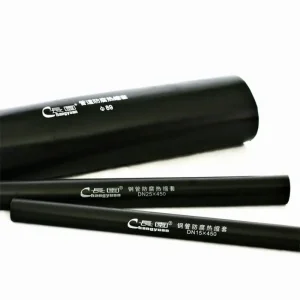
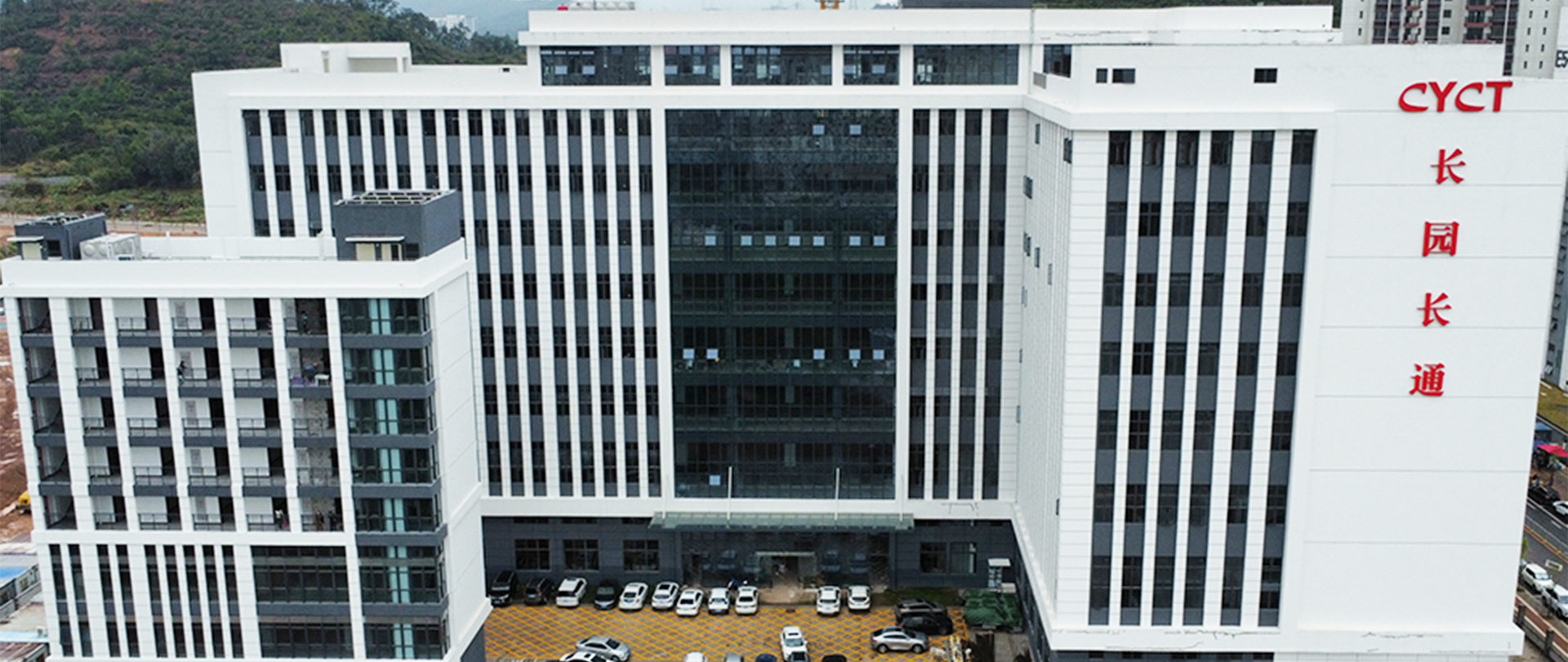
CYCT New Materials Company Limited (for short, CYCT) is a state-level high-tech enterprise integrating R&D, production and sales of pipeline corrosion protection materials as well as buried pipeline detection service and pipeline coating field application service into one.
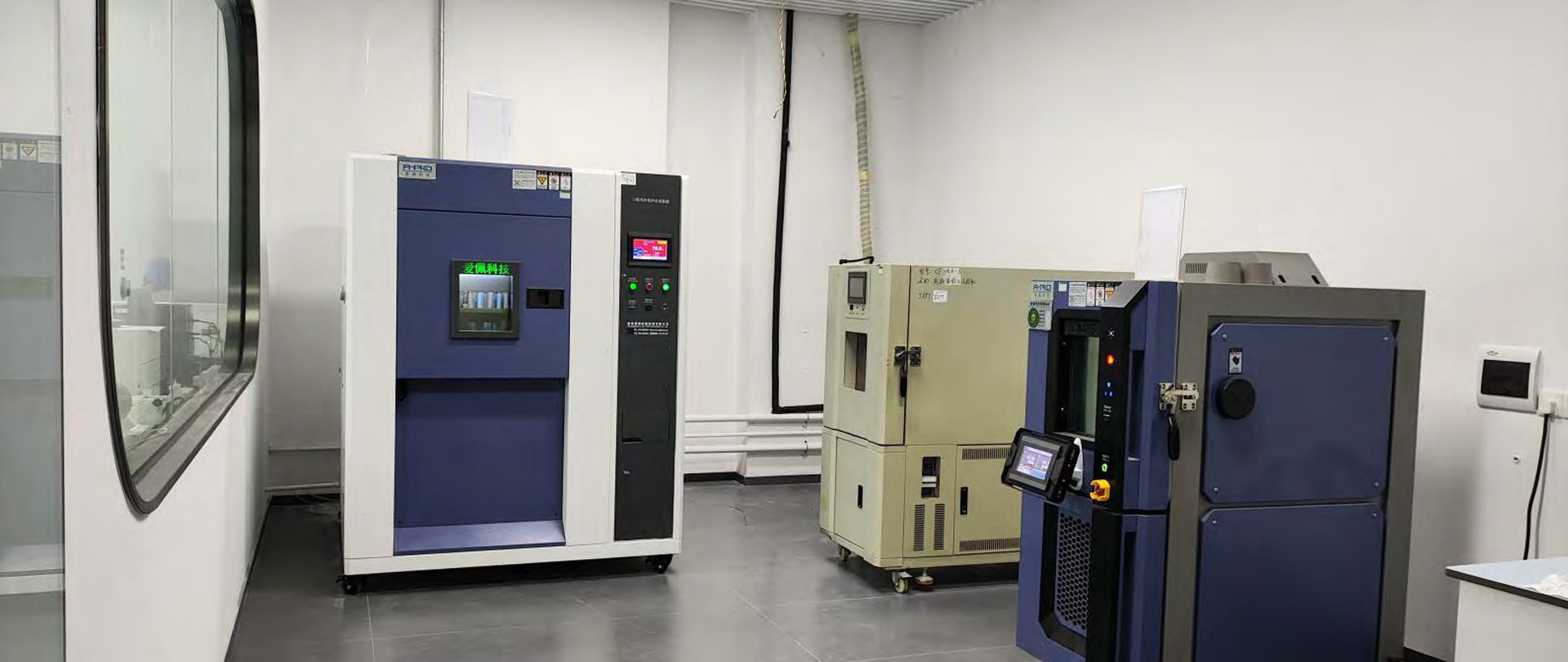
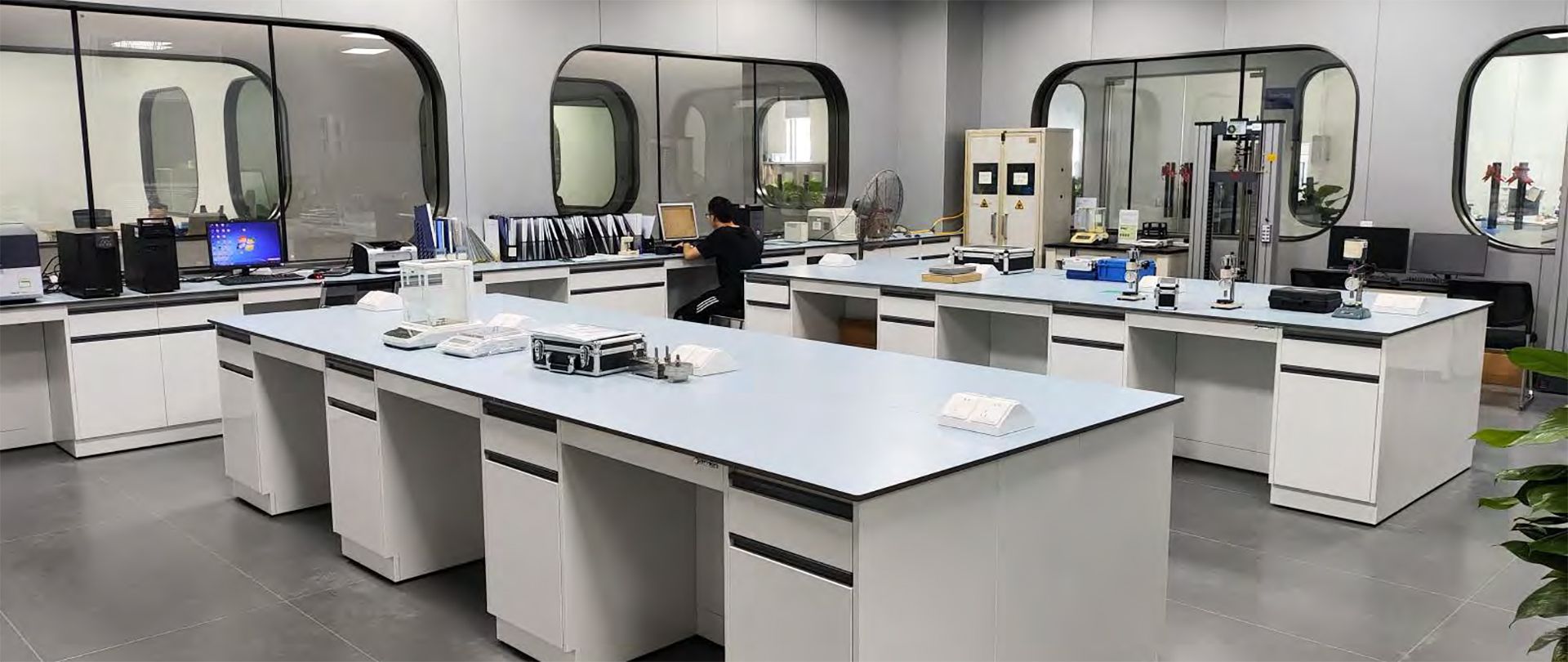
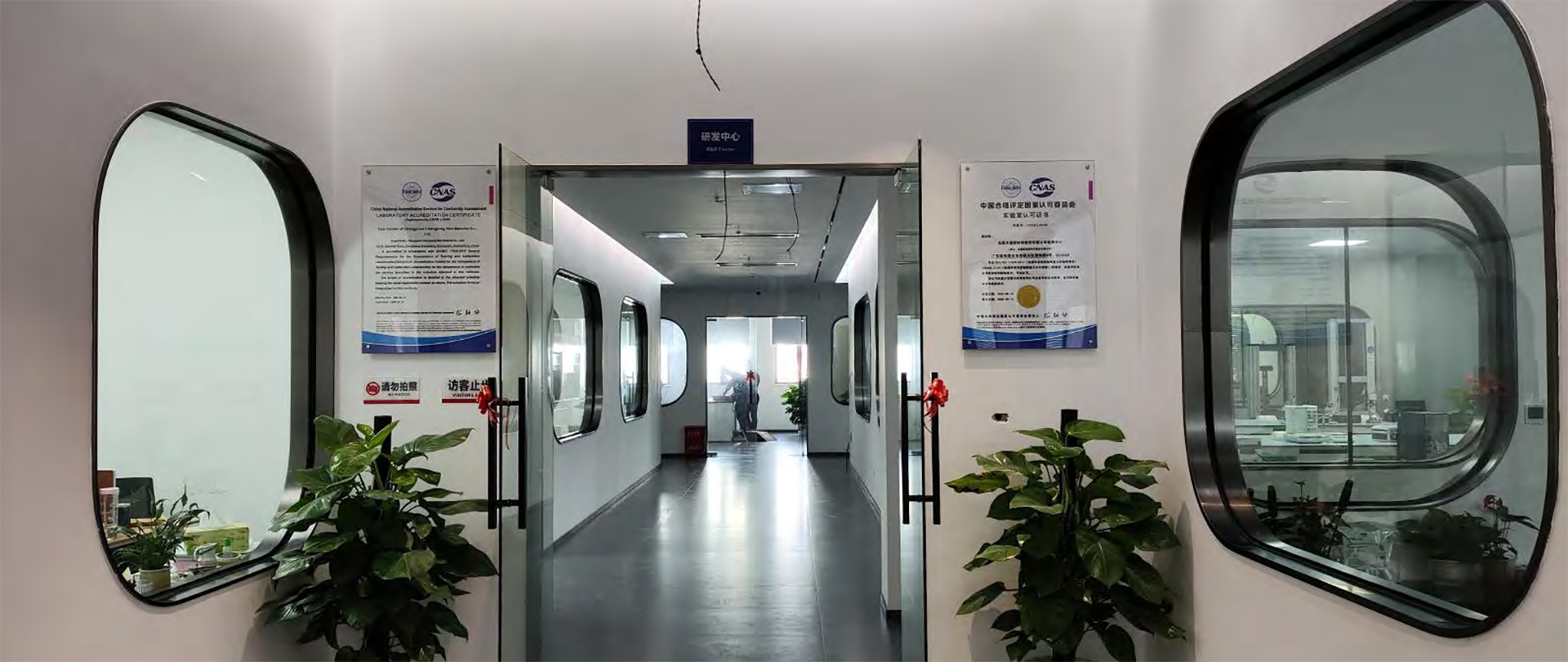
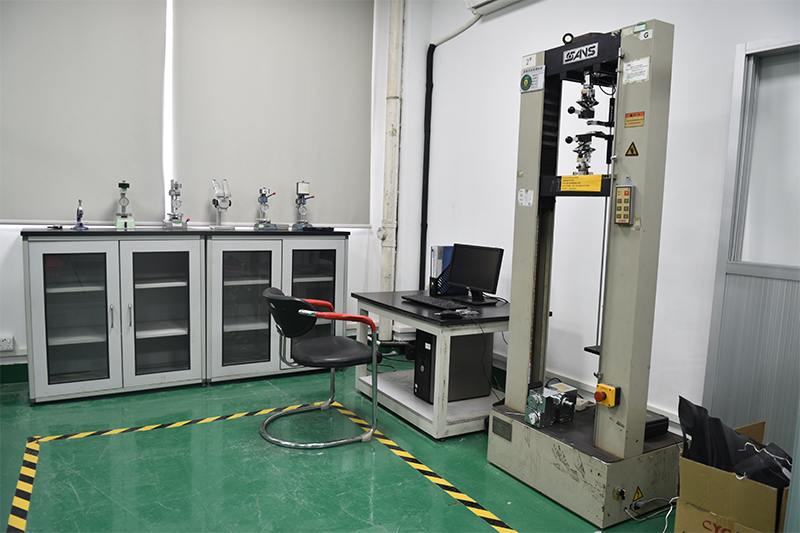
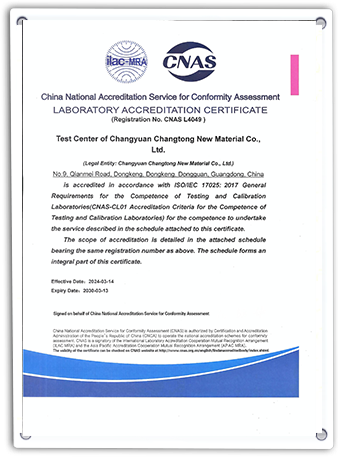
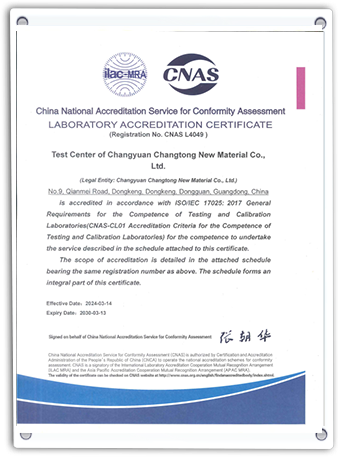
CYCT devotes itself to the R&D, production, and sales of pipeline corrosion protection materials for decades. The company owns leading testing and R&D capabilities, a professional R&D team, and a national CNAS-accredited laboratory.
Over years of engineering field deployment, CYCT has become a stable supplier of field joint coatings in PetroChina, Sinopec, PipeChina, and local municipal gas and water pipelines, capturing a dominant domestic market share. Furthermore, CYCT has successfully developed and introduced a number of specialty corrosion protection materials such as visco-elastic anticorrosion materials, special photo-curing sleeves for Horizontal Directional Drilling (HDD) protection, and high-performance polyurea coatings.
Collaborating with leading research institutions such as the CNPC Pipeline Science Research Institute to pioneer new polymer configurations.
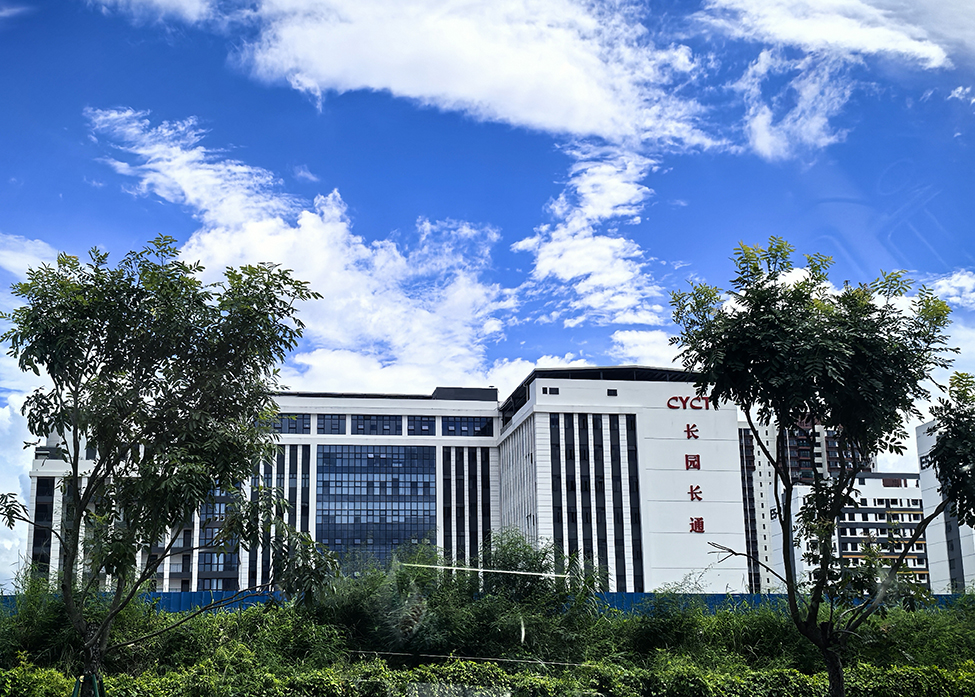
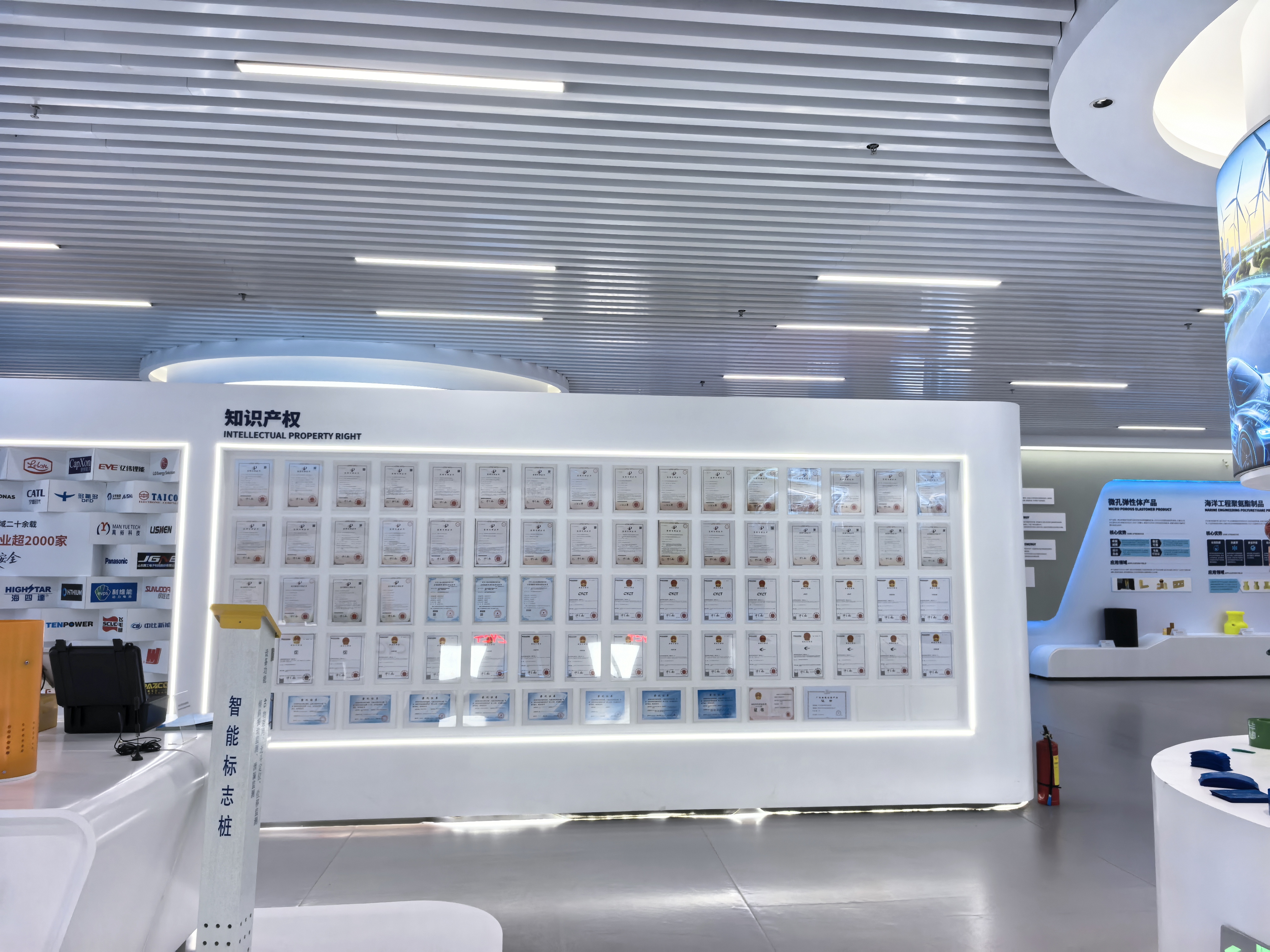
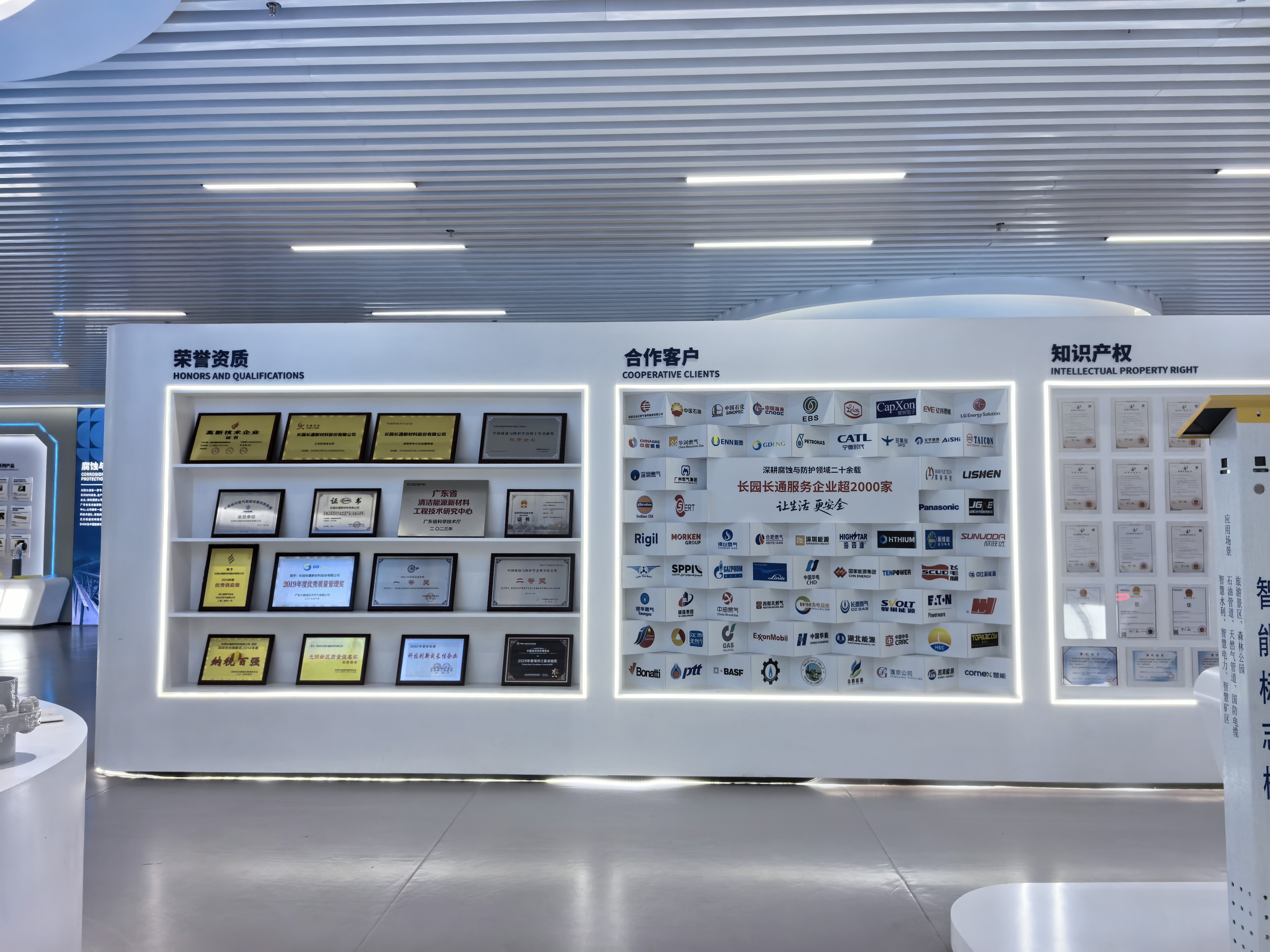
Witness the scale of CYCT production centers, technical workshops, and testing centers designed to verify advanced polymeric behaviors.
An authoritative analysis of radiation cross-linked polyolefin technology, adhesive mechanics, and industrial application standards for high-integrity pipeline systems.
In modern pipeline transport, which handles hundreds of millions of tons of natural gas, crude oil, petrochemical derivatives, slurry, and high-pressure water annually, the structural integrity of buried and submarine steel pipelines is of paramount importance. Pipelines traversing thousands of miles cross multiple geo-climatic environments—from sub-zero Arctic zones to hyper-saline coastal marshes and hyper-arid tropical deserts. The economic and environmental cost of pipeline failures caused by electrochemical or mechanical corrosion runs into billions of dollars annually. To mitigate this risk, the global pipeline industry uses primary factory coatings like 3-Layer Polyethylene (3LPE), 3-Layer Polypropylene (3LPP), Fusion Bonded Epoxy (FBE), and coal tar enamel.
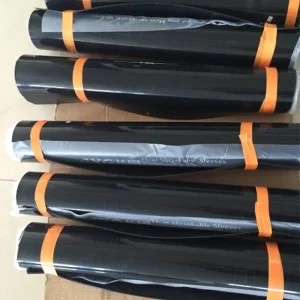
However, during field pipeline construction, field joints (the welded sections linking individual pipe joints) remain uncoated. These field joints, along with sections damaged during transport, handling, or horizontal directional drilling (HDD) activities, present localized corrosion vulnerabilities. This is where Heat Shrink Repair Sleeves (HSRSs) and Heat Shrink Wrap Sleeves serve as the critical line of defense. By providing a continuous barrier that matches or exceeds the performance of the parent factory coating, heat shrink sleeves ensure uniform pipeline protection.
A high-performance heat shrinkable sleeve is not simply a plastic sheet; it is a complex, multi-layered polymer system. The performance of these sleeves depends on two primary technical layers: the backing and the adhesive.
| Layer Component | Material Base | Primary Function | Critical Performance Indicator |
|---|---|---|---|
| Backing | Radiation Cross-linked High-Density Polyethylene (HDPE) or Polypropylene (PP) | Provides mechanical shielding against soil stress, indentation, and environmental stress cracking (ESCR). | Tensile Strength > 18 MPa; Ultimate Elongation > 400%; Shrink Ratio ≥ 30%. |
| Adhesive (Inner Layer) | Viscoelastic Copolymer Hot Melt or Shear-Resistant Mastic | Fills substrate surface profile, wets steel and PE surfaces, and resists cathodic disbondment. | Peel Strength to Steel > 80 N/cm (at 23°C); Shear Strength at operating temperatures. |
| Primer (Optional System) | Liquid Epoxy (Solvent-free) | Reacts chemically with the steel substrate to maximize adhesion and chemical resistance. | Cathodic Disbondment Resistance ≤ 5mm (at 60°C or 80°C). |
The manufacturing process of the backing involves extruding a polyolefin sheet, followed by exposure to a high-energy electron beam. This radiation process cross-links the polymer chains, converting the thermoplastic polyolefin into an elastomer with "shape memory". When heated above its crystalline melting point, this cross-linked matrix expands without melting. It is then cooled in its expanded state. When heat is reapplied during field installation, the polymer's internal elastic memory is triggered, causing it to shrink back to its original extruded dimensions, wrapping tightly around the pipe substrate.
Different pipeline operations run at different temperatures and require specific sleeve configurations to handle varied stresses. Engineering procurement managers must understand these functional classifications:
A corrosion protection sleeve is only as reliable as its field installation. Statistics from the Association for Materials Protection and Performance (AMPP/NACE) indicate that over 80% of coating failures are caused by inadequate surface preparation or incorrect installation. CYCT recommends the following installation protocol for our Heat Shrink Repair Sleeves:
As a leading Chinese supplier, CYCT is committed to maintaining international standards across our supply chain, ensuring compliance and reliability for global pipeline projects.
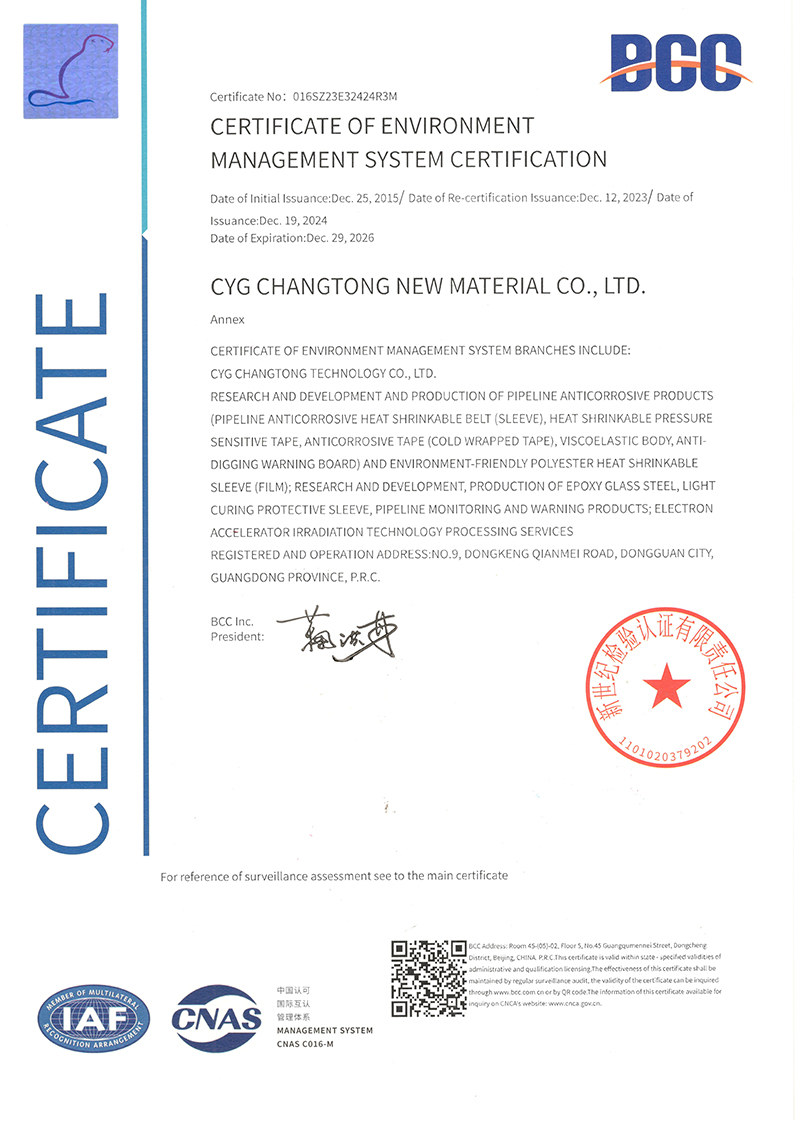
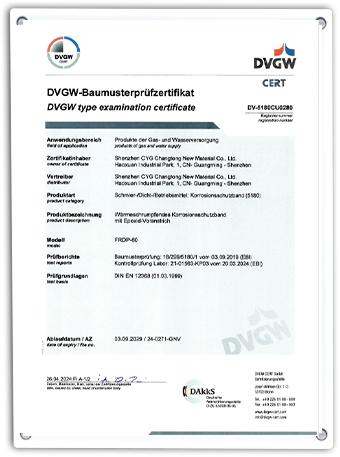
Our CNAS-accredited laboratories test all materials against international standards including ISO 21809-3, EN 12068, ASTM D638, ASTM D1000, and NACE SP0169. This testing ensures that our products meet the technical specifications of major pipeline projects worldwide. With global shipping capabilities, our products are packed and shipped in climate-controlled environments to preserve the properties of our hot melt and viscoelastic adhesives during transit.
We also provide localized technical support. CYCT field application engineers are available to travel to international project sites to train local contractors, verify installation procedures, and ensure optimal performance on-site.
The pipeline corrosion protection industry continues to evolve, driven by the demand for longer design life, harsher operating environments, and lower environmental impact. Key trends shaping the future of this field include:
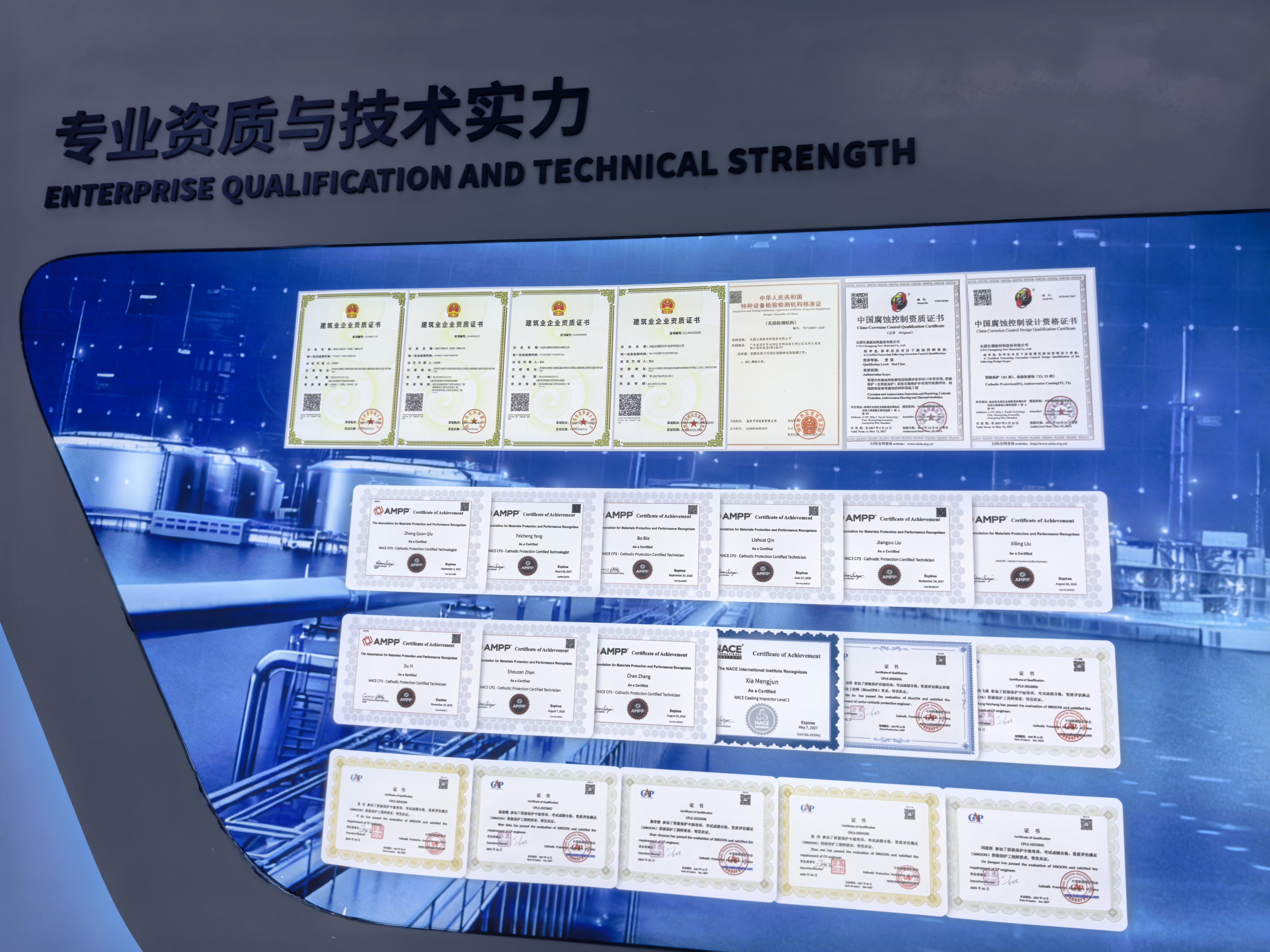
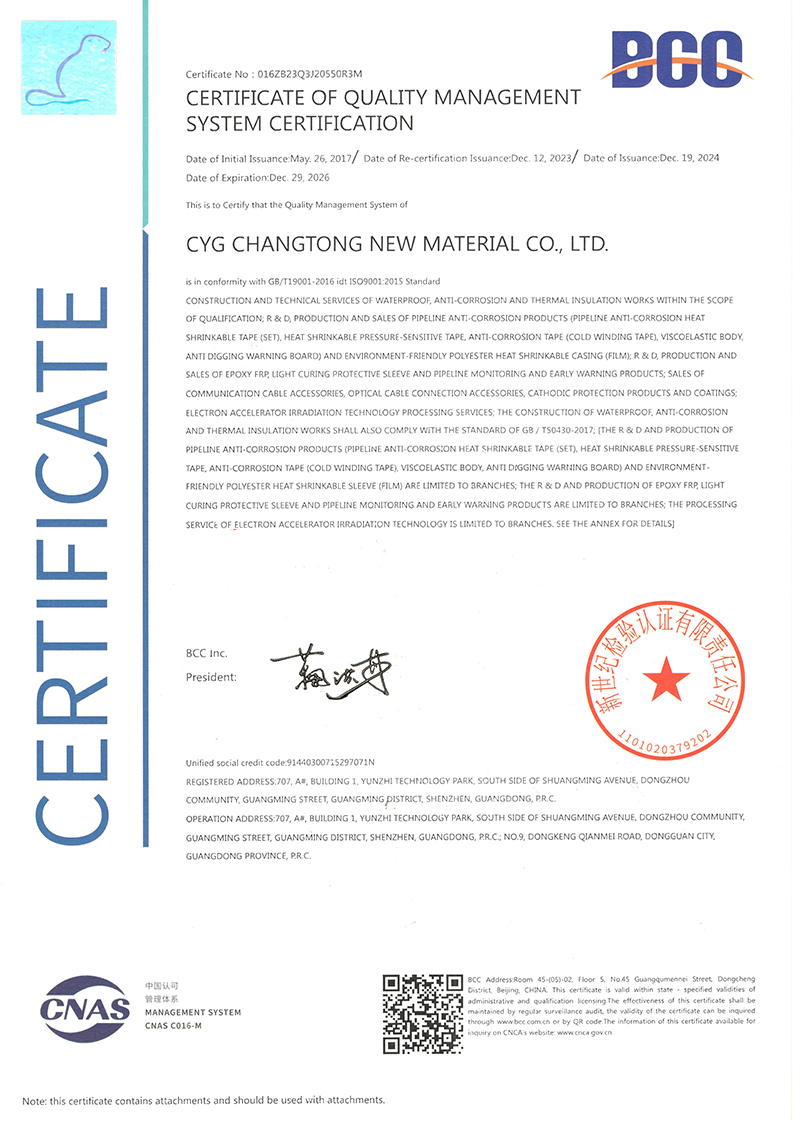
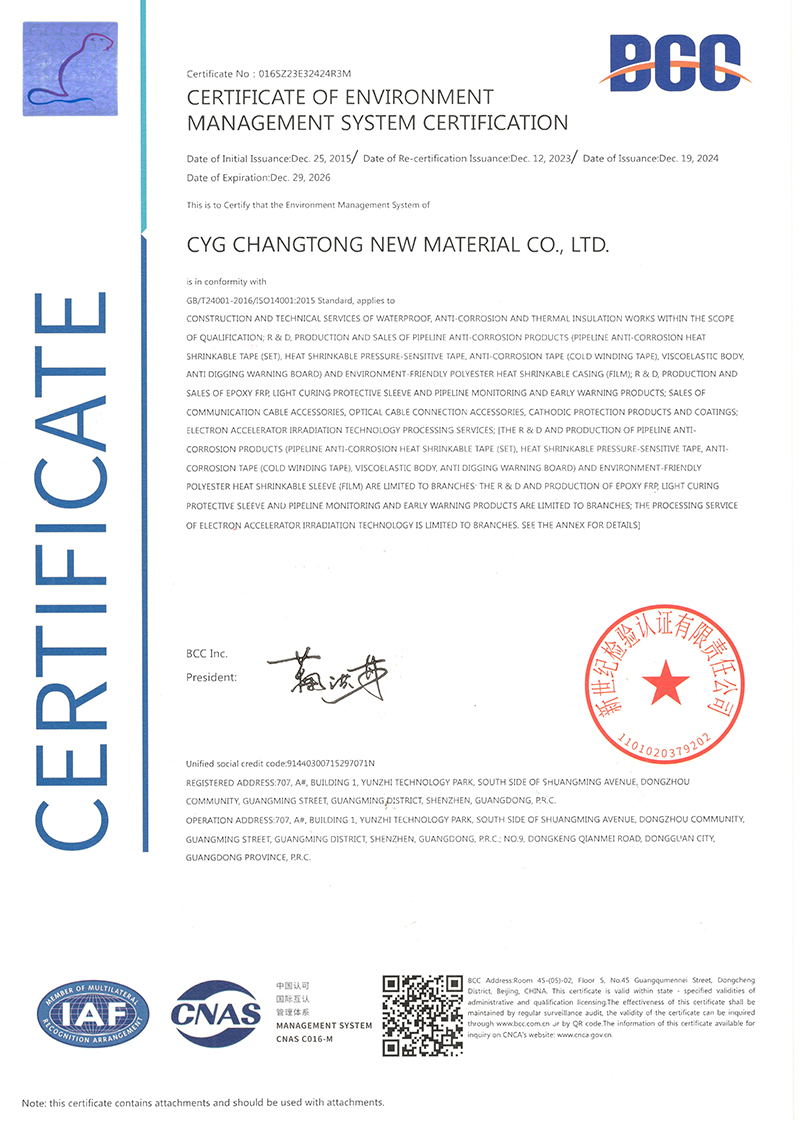
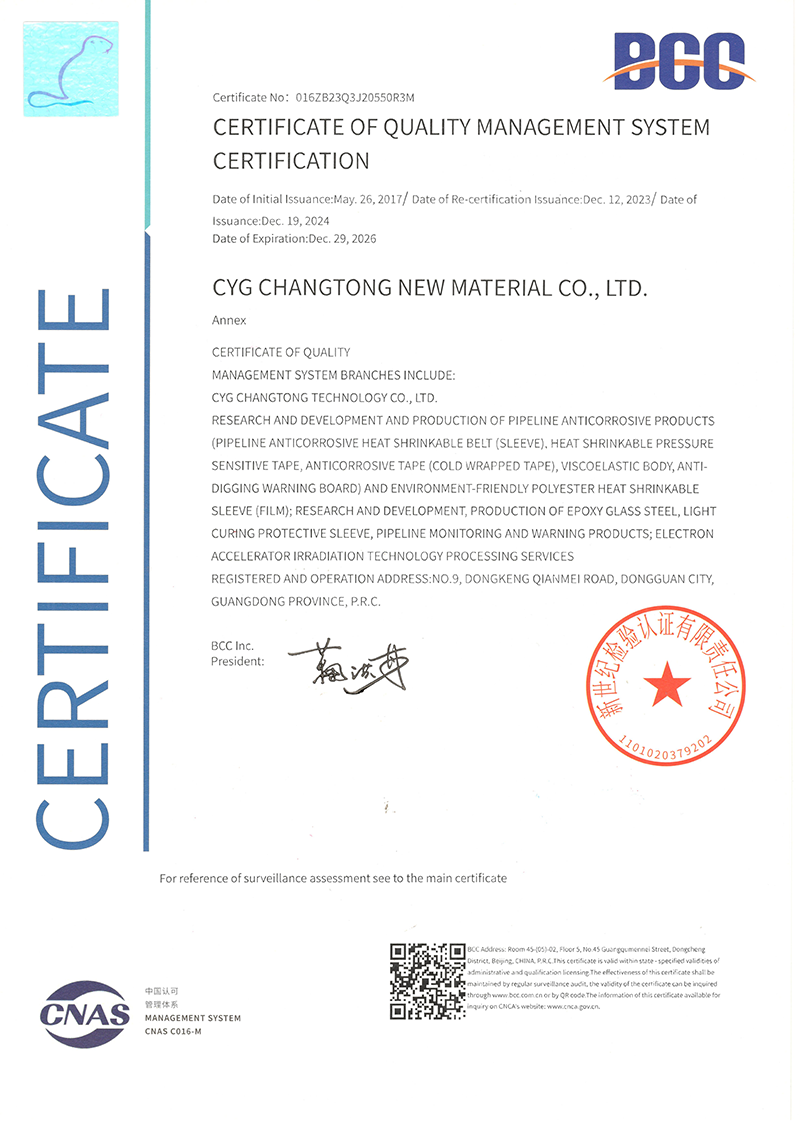
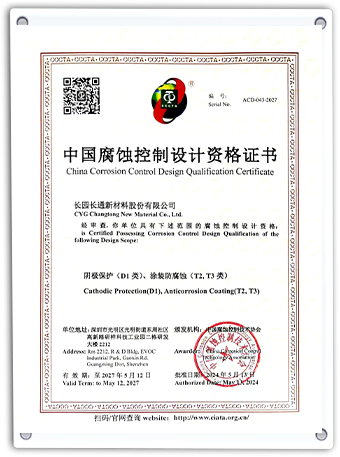
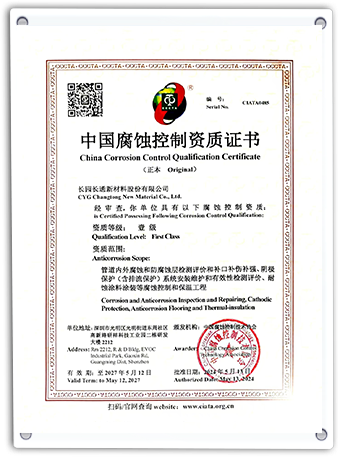
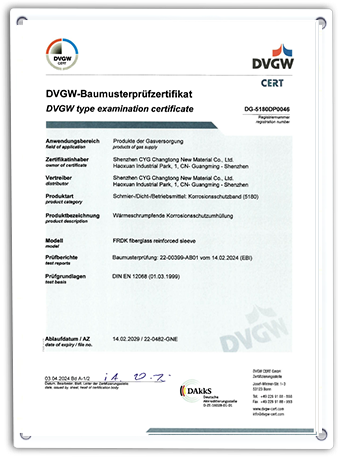
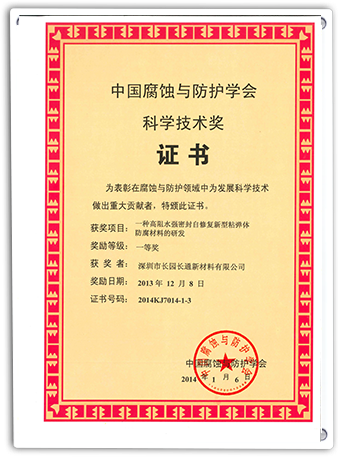
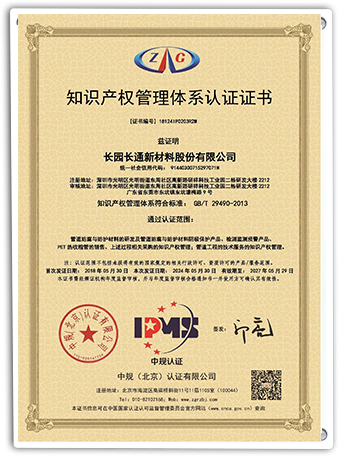
Member of Council in Chinese Society for Corrosion and Protection (CSCP), Qualification Certificate of Corrosion Protection Construction, Qualification Certificate of Pipeline Detection, Well-known Brand of Pipeline Corrosion Protection in China, Corporate Member of China Association of Petroleum Engineering Construction (CAPEC), State-Level High-Tech Enterprise with more than ten proprietary intellectual property rights, stable supplier of PetroChina, Sinopec, China Gas Group, and Indian Oil.
Review standard industrial engineering questions asked by project management units, designers, and cathodic protection personnel.
A 2-layer heat shrinkable sleeve consists of a radiation cross-linked polyolefin backing coated with a hot-melt copolymer adhesive. It is directly applied to the preheated steel pipeline. A 3-layer system includes an additional liquid epoxy primer applied to the bare steel before placing the sleeve. The 3-layer system provides superior resistance to cathodic disbondment and chemical aging, making it the preferred choice for major pipelines.
Polypropylene (PP) coatings are designed for pipelines operating at higher temperatures (typically up to 110°C). Standard polyethylene (PE) based heat shrinkable sleeves cannot bond effectively to PP substrates, which can lead to disbondment and corrosion. Our FRPD-PP system uses a modified polypropylene backing and high-temperature adhesive to ensure a reliable bond and consistent performance.
Our CNAS-accredited laboratory tests these materials against international standards such as ASTM and ISO. Key tests include verification of tensile strength, ultimate elongation, peel strength to steel and PE substrates, cathodic disbondment resistance at temperature limits, and long-term heat aging behavior.
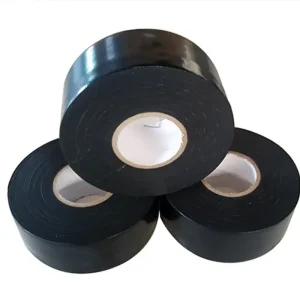
Viscoelastic tape provides excellent corrosion protection, but because it remains cold-flowable, it has low mechanical resistance. For pipelines in areas with high mechanical impact risks, we recommend using a protective outer tape (such as our PE outer tape) or a mechanical shield over the viscoelastic layer.
Preheating is critical to ensure the adhesive flows and bonds properly with the substrate. If the preheat temperature is too low, the adhesive will not melt sufficiently, leading to poor bonding and potential disbondment. If the temperature is too high, it can degrade the factory coating or the primer. Following the manufacturer's specified temperature range is essential for a reliable installation.
Our sleeves are designed to resist cathodic disbondment by using specialized hot-melt adhesives and liquid epoxy primers. These materials form a strong chemical and mechanical bond with the steel substrate, preventing moisture and oxygen from penetrating the interface even under electrical stress.
Under proper storage conditions (cool, dry environment below 35°C, out of direct sunlight), our heat shrink products have a shelf life of up to 2 to 3 years from the date of manufacture without any degradation in polymer memory or adhesive performance.
Complete your project sourcing with our cold-applied tapes, repair patches, visco-elastic putties, and specialty polymer tubes.
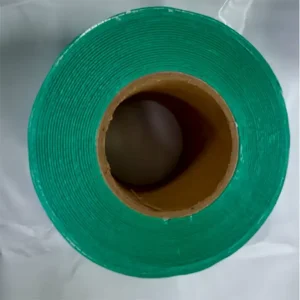
 CYCT
CYCT