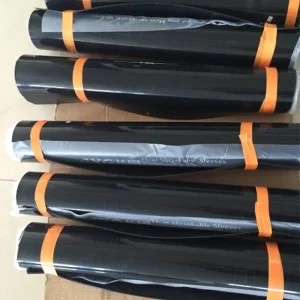
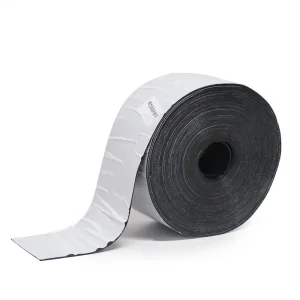
Premium solutions engineered to safeguard critical oil, gas, water pipelines, and heavy industrial assets under severe atmospheric and underground environments.
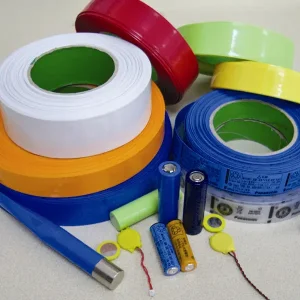
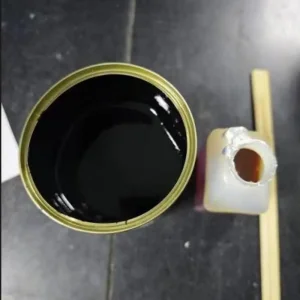
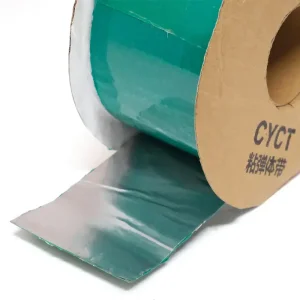
CYCT New Materials Company Limited (for short, CYCT) is a state-level high-tech enterprise integrating R&D, production, and sales of pipeline corrosion protection materials. Over decades of targeted innovation, CYCT has expanded its capabilities to provide comprehensive services including buried pipeline detection, cathodic protection design, and coating field applications.
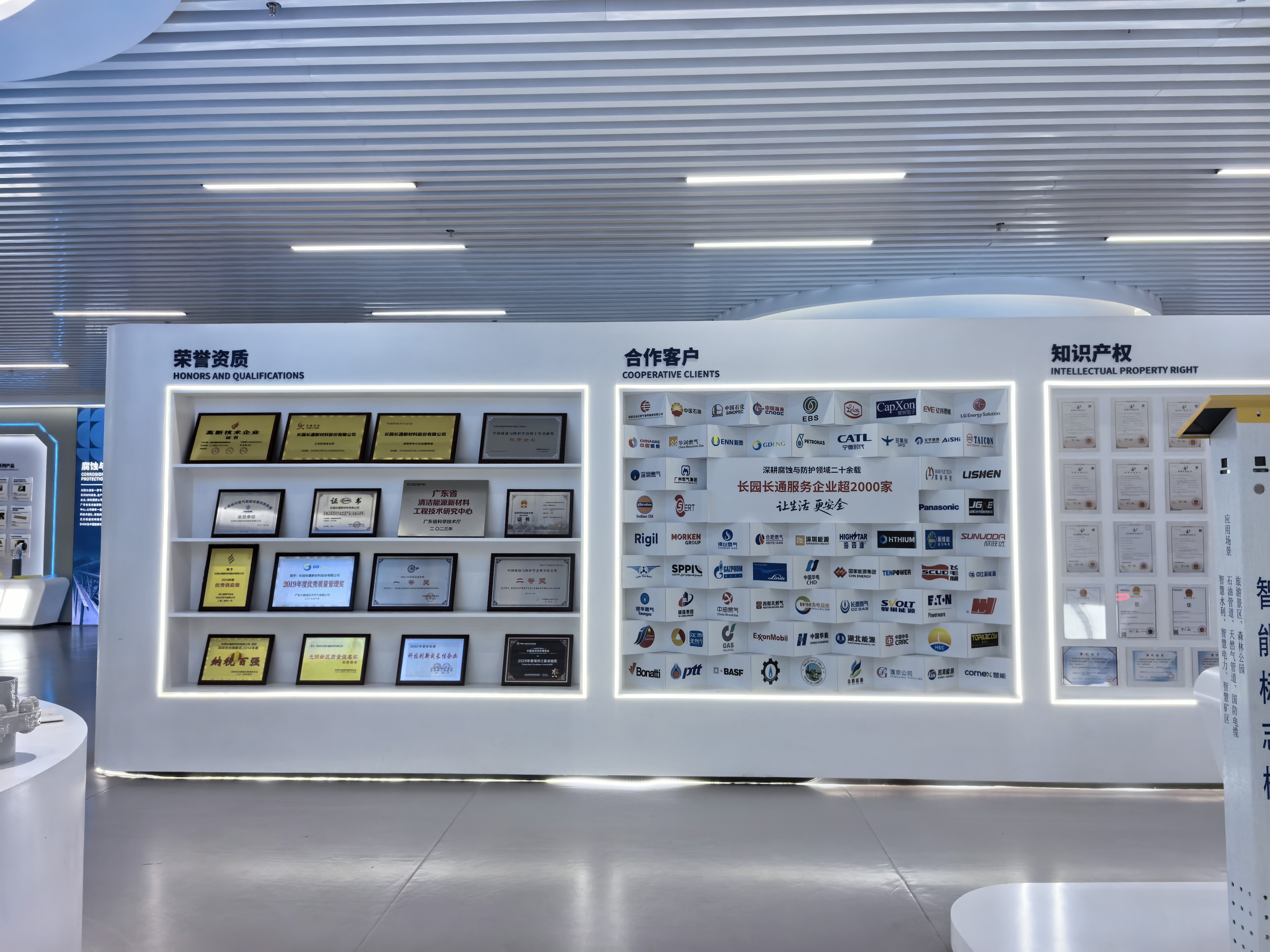
Our relentless focus on engineering and rigorous chemistry has cemented CYCT's position as a stable supplier of field joint coatings for oil and gas megaprojects in cooperation with giants such as PetroChina, Sinopec, PipeChina, and various local networks. Our market-leading position extends globally, exporting critical protection technologies to projects like Indian Oil.
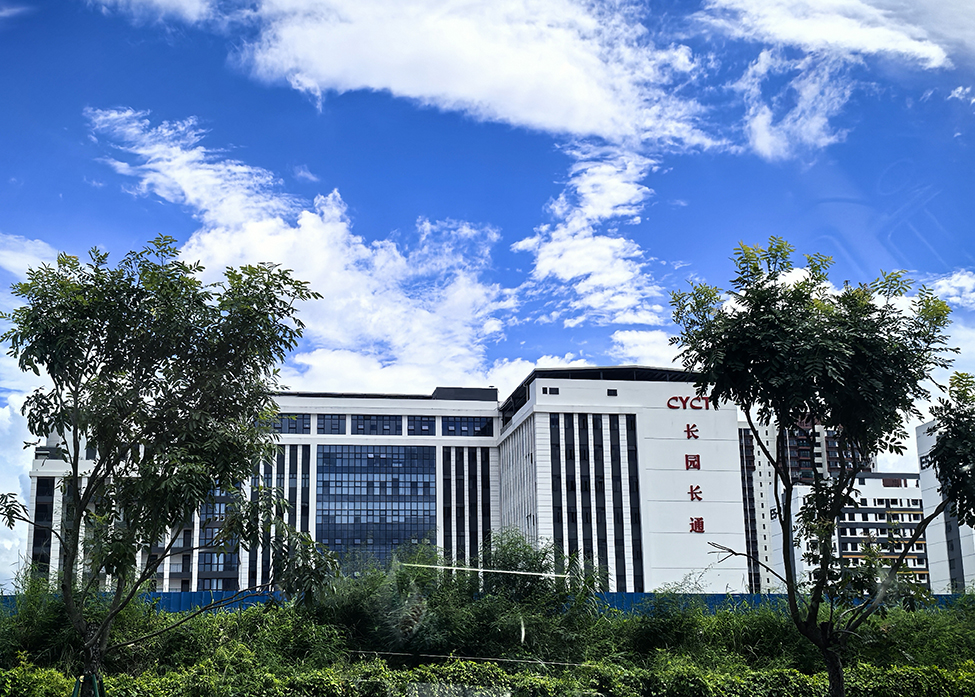
CYCT owns leading testing and R&D capabilities, a professional R&D team, and a national CNAS-accredited laboratory.
A data-backed look into the shifting technological landscape of pipeline transmission infrastructure and materials procurement.
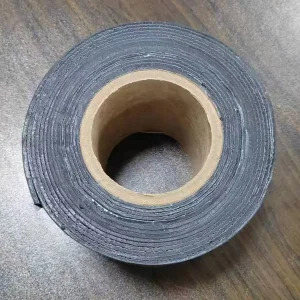
Traditional bitumastic coatings are being rapidly replaced by viscoelastic polyolefin systems due to their unmatched cold-flow behavior and self-healing properties. Viscoelastic materials offer continuous adhesion over decades, eliminating cathodic disbondment and pipeline shield failures common with aging coatings.
Modern extraction techniques mean oil and gas pipelines operate at significantly higher temperatures than before. Standard polyethylene systems often degrade under sustained heat. The industry has shifted towards cross-linked high-temperature polyolefin sleeves and solvent-free epoxy primers capable of maintaining shear strength at continuous temperatures above 80°C.
With massive existing networks globally reaching their designed service life, the demand for pipeline rehabilitation without interrupting operations is at an all-time high. Trenchless technologies require durable mechanical protection systems like GFRP (Glass Fiber Reinforced Polymer) armor wraps to resist directional drilling abrasion.
| Property Parameter | Viscoelastic Coating System (VT95) | Polypropylene Heat Shrink Sleeve (3LPP) | Solvent-Free Epoxy Primer | Fiberglass Reinforced Polymer (GFRP) |
|---|---|---|---|---|
| Operating Temp Range | -45°C to 95°C | -25°C to 110°C | -50°C to 120°C | -60°C to 150°C |
| Surface Prep Requirement | SSPC-SP2 (Minimal scraping) | Sa 2.5 (Abrasive blasting) | Sa 2.5 (Abrasive blasting) | Overwrap only (Mechanical keys) |
| Self-Healing Performance | Excellent (Viscoplastic flow) | None | None | High impact dispersion |
| Cathodic Disbondment | 0 mm (Disbondment resistant) | < 5 mm at high temp | Excellent resistance | Structural overlay (N/A) |
| Primary Application | Irregular fittings, field joints | Field joint girth weld | Steel priming, undercoat | HDD trenchless pull-back protection |
How CYCT leverages advanced manufacturing lines and strategic research alliances to support massive global deployments.
Through long-term cooperation with leading institutions like the CNPC Pipeline Science Research Institute, CYCT continuously develops and implements next-generation safety solutions for in-service pipelines.
Every batch of heat shrinkable sleeves, hot melt sticks, and viscoelastic tapes undergoes comprehensive testing inside our state-of-the-art national laboratory, verifying peel strength, shear resistance, and thermal aging parameters.
We don’t just manufacture materials. CYCT provides turnkey technical diagnostics, cathodic protection layout designs, and specialized field application support to minimize deployment error on critical pathways.
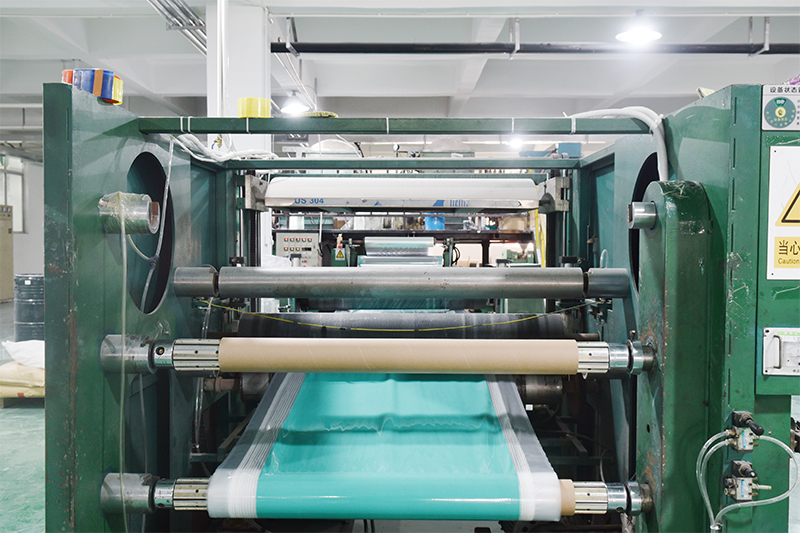
Understanding the strict operational parameters required for different geographic and installation environments.
High moisture content and salinity act as aggressive electrolytes that accelerate galvanic corrosion. By incorporating viscoelastic coatings under heavy-duty outerwraps, our systems provide a completely hydrophobic barrier that prevents water ingress even if the outer mechanical armor suffers physical damage.
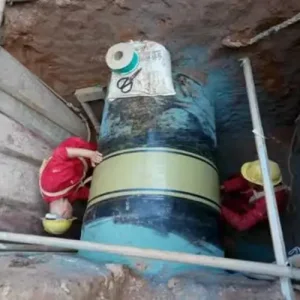
Pulling pipeline strings through long underground boreholes exposes joint coatings to intense friction and shear forces from rocky beds. CYCT's Glass Fiber Reinforced Polymer (GFRP) wraps act as sacrificial shields, ensuring the underlying anti-corrosion coating remains intact throughout the pull-back process.
Ambient soil temperatures in desert regions can spike dramatically, causing standard PE adhesive layers to soften and slip. Our 3LPP-compatible hot melt sticks and high-temperature solvent-free epoxy primers are engineered to retain their mechanical lock and chemical stability at constant operation up to 110°C.
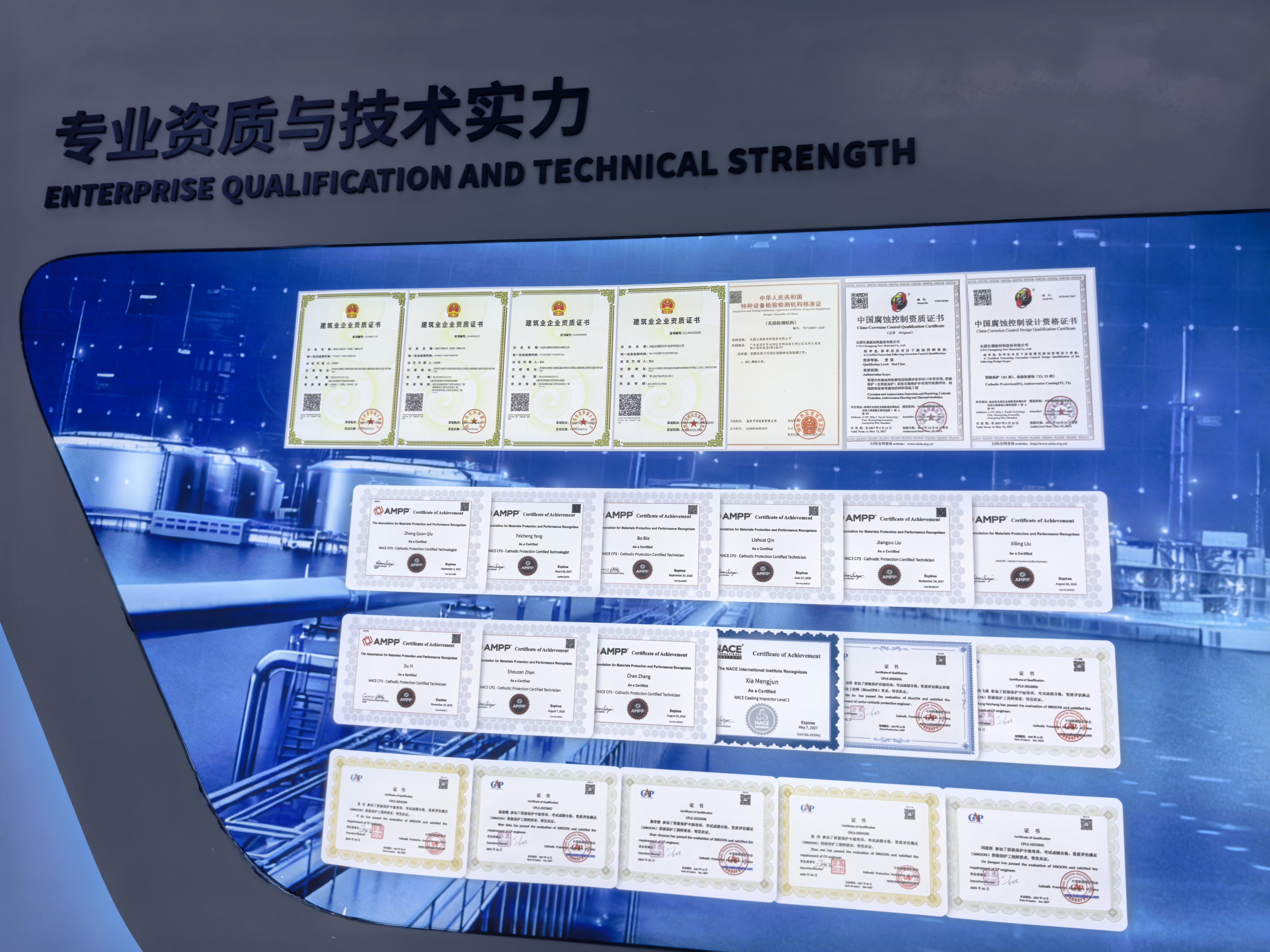
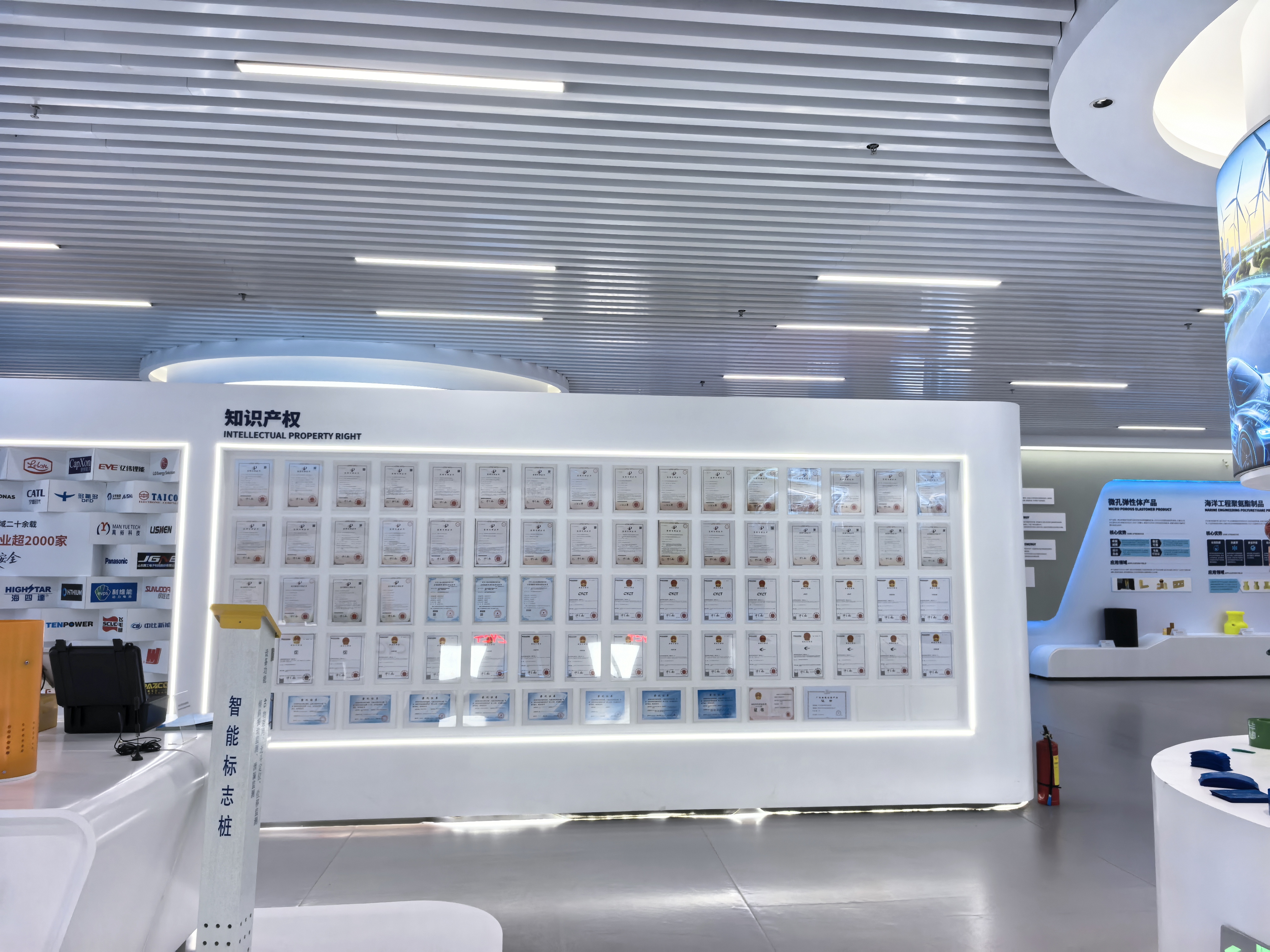
A visual catalog of CYCT New Materials' official honors, standards compliance, and state-level certificates.
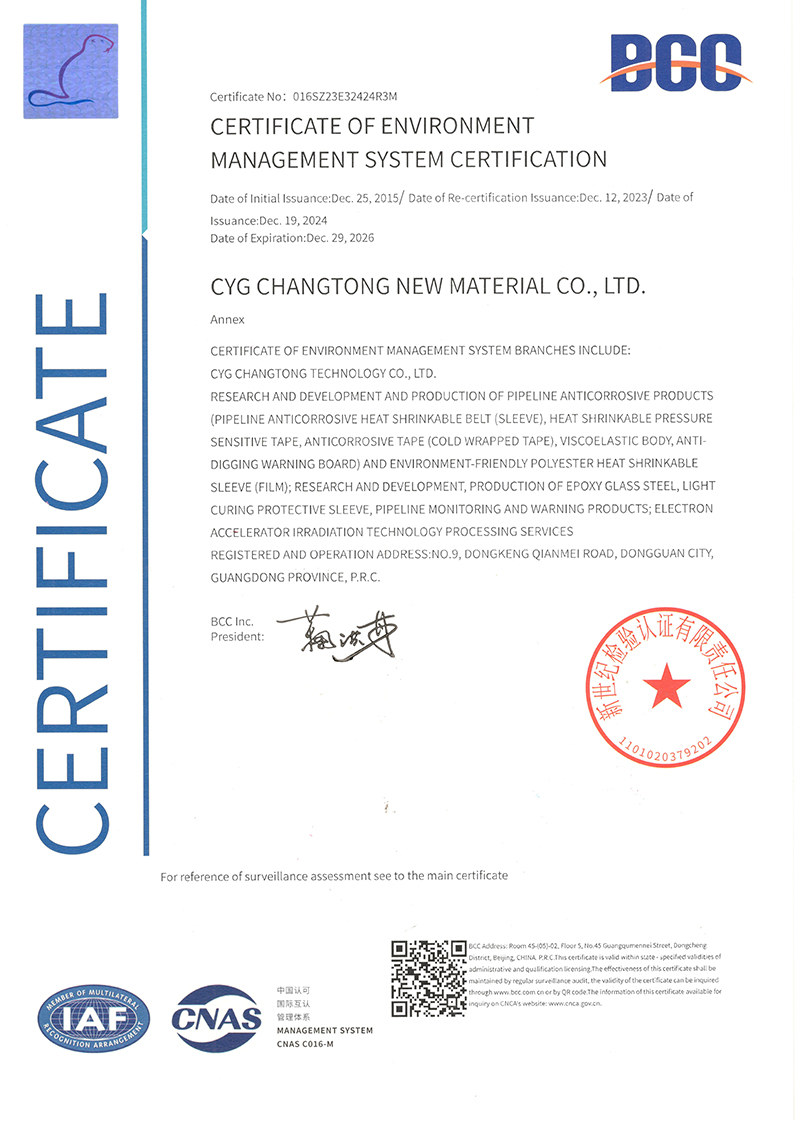
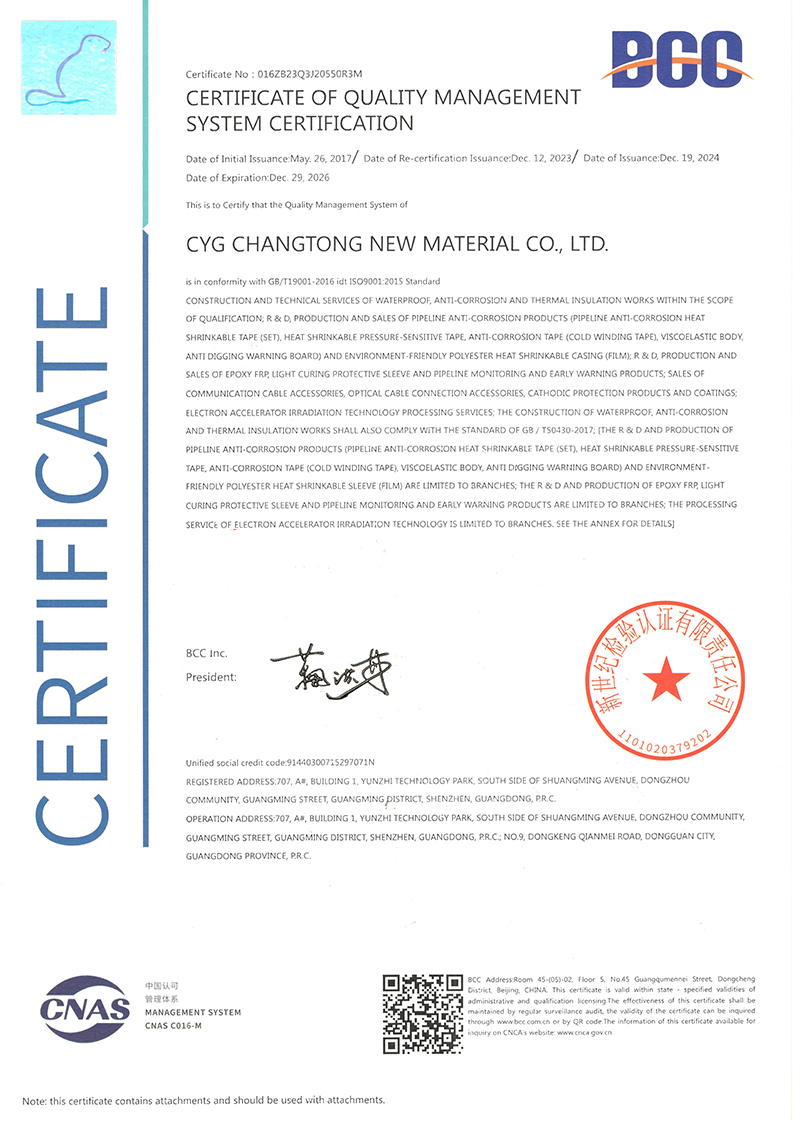
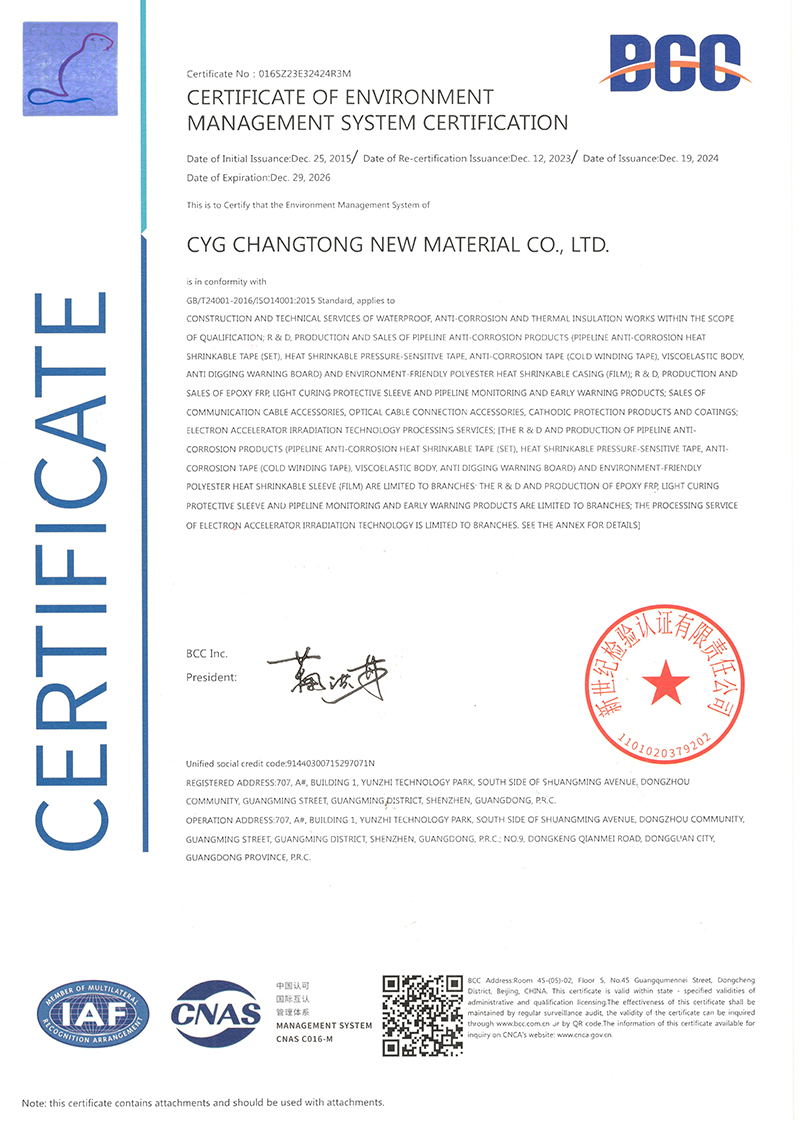
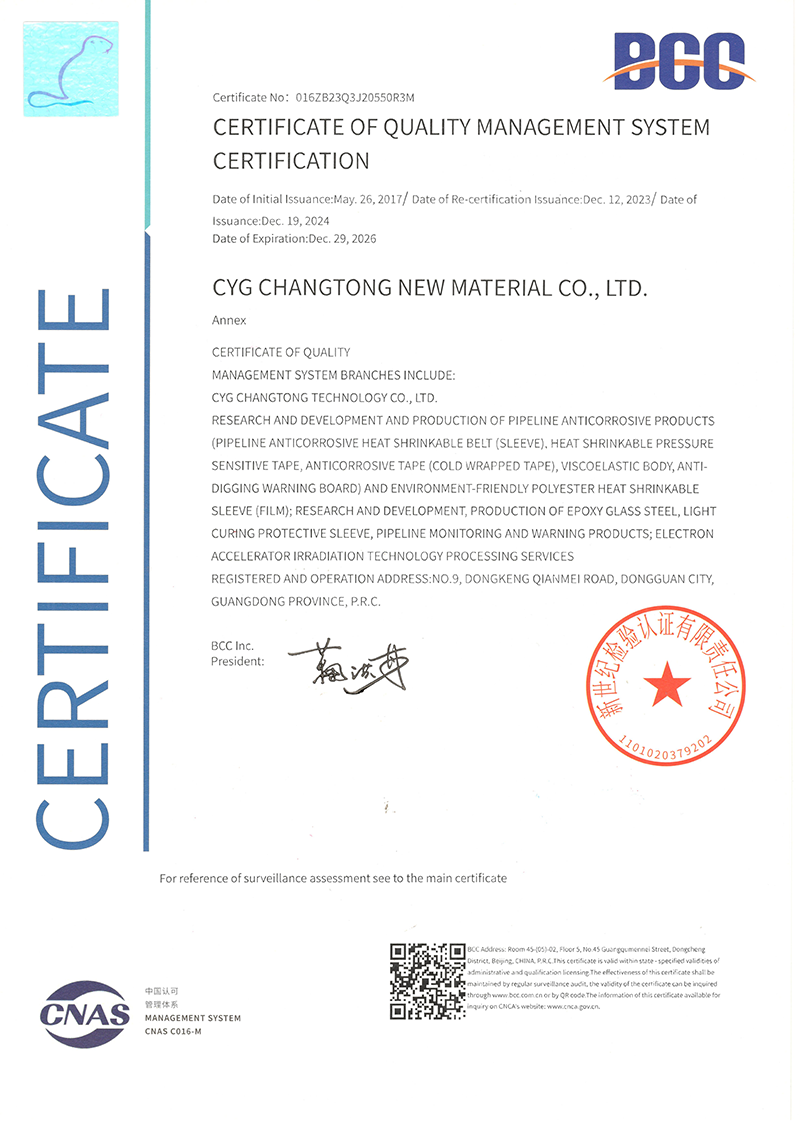
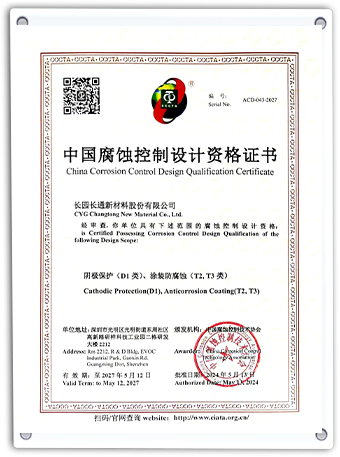
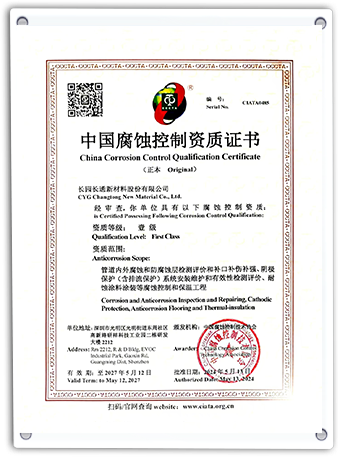
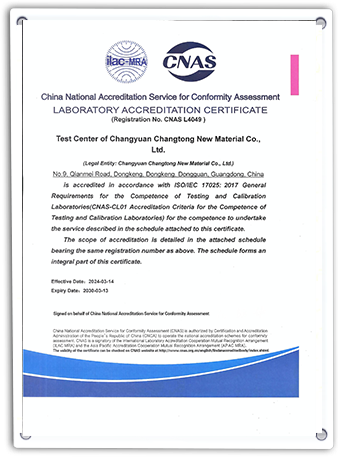
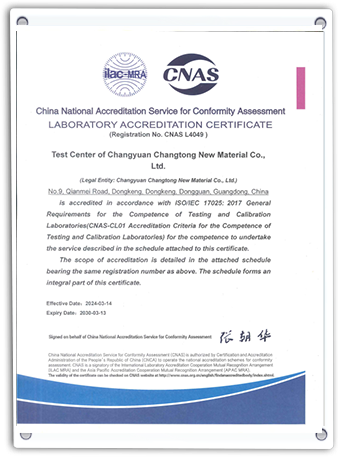
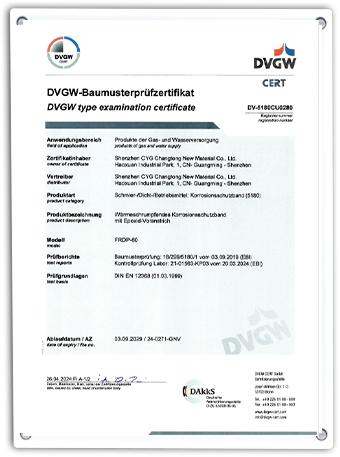
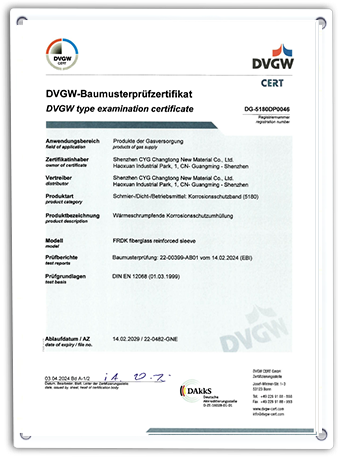
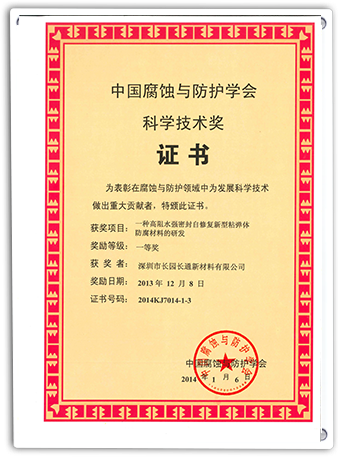
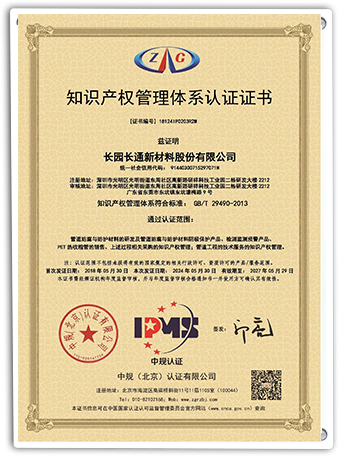
Honor in CYCT: Member of Council in Chinese Society for Corrosion and Protection (CSCP), Qualification Certificate of Corrosion Protection Construction, Qualification Certificate of Pipeline Detection, Well-known Brand of Pipeline Corrosion Protection in China, Corporate Member of China Association of Petroleum Engineering Construction (CAPEC), State-Level High-Tech Enterprise with more than ten proprietary intellectual property rights, Stable supplier of PetroChina, Stable supplier of Sinopec, Stable supplier of China Gas Group, Supplier of Indian Oil.
Expert answers addressing the most common concerns faced by pipeline engineers and procurement officers.
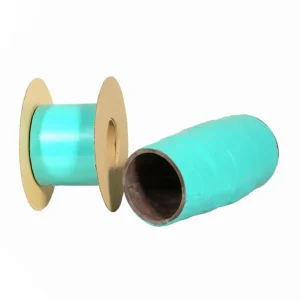
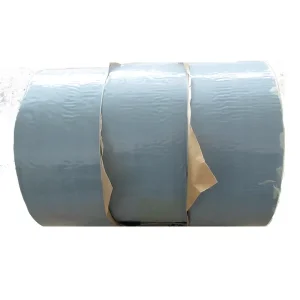
Innovative field joint systems, repair patches, and structural wraps to optimize operational safety and extend lifespan.
 CYCT
CYCT