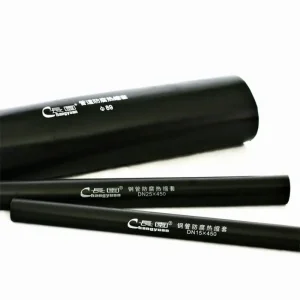
Engineered for High-Stress Pipe Networks, HDD Crossings, and Municipal Utility Infrastructure Across Czechia.
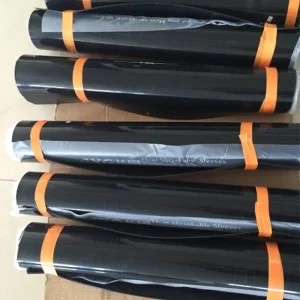
The Czech Republic occupies a central transit position in Central Europe, anchoring critical high-pressure oil and gas corridors. With major operations including the NET4GAS transmission system—which spans over 3,800 km of pipelines—and key crude oil distribution pathways like the Druzhba and IKL (TAL network) pipelines, managing asset integrity and corrosion is paramount.
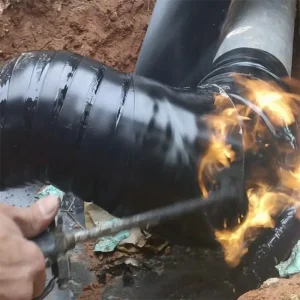
In addition to transit networks, Czechia’s extensive municipal district heating grids (in cities such as Prague, Brno, and Ostrava) require continuous modernization. Pre-insulated pipes operating under high thermal stresses and wet urban soil environments demand joints wrapped in high-temperature polypropylene (PP) and cross-linked polyethylene (PE) heat-shrinkable sleeves to prevent moisture ingress and mechanical damage.
Critical gas transmission lines demanding high-performance EN 12068 Class C coatings.
Hot water networks operating at up to 130°C utilizing advanced PP joints.
Central European geology displays highly varying soil conditions, ranging from heavy clay soils prone to high soil-stress and settlement, to stony rocky subgrades typical of Bohemia and Moravia. Standard anti-corrosion methods often fall short when subjected to seasonal freeze-thaw cycles and high shear stresses caused by thermal expansion in pre-insulated pipes.
Ensuring absolute compliance with EN 12068, ISO 21809-3, and DVGW guidelines for local engineering contractors.
Our joint protection sleeves and viscoelastic wrap systems conform fully to EN 12068 Class C standards, delivering high mechanical resistance, excellent shear strength, and long-term durability in environments with operational temperatures up to 80°C (PE) and 120°C (PP).
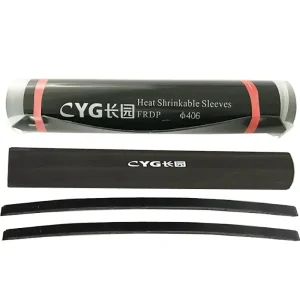
Specifically formulated to line up with factory-applied coatings (3LPE / 3LPP). Our heat-shrinkable sleeves represent Type 14A and Type 14B field joint coatings, showing superior bonding strength to FBE, PE, and PP carrier lines.
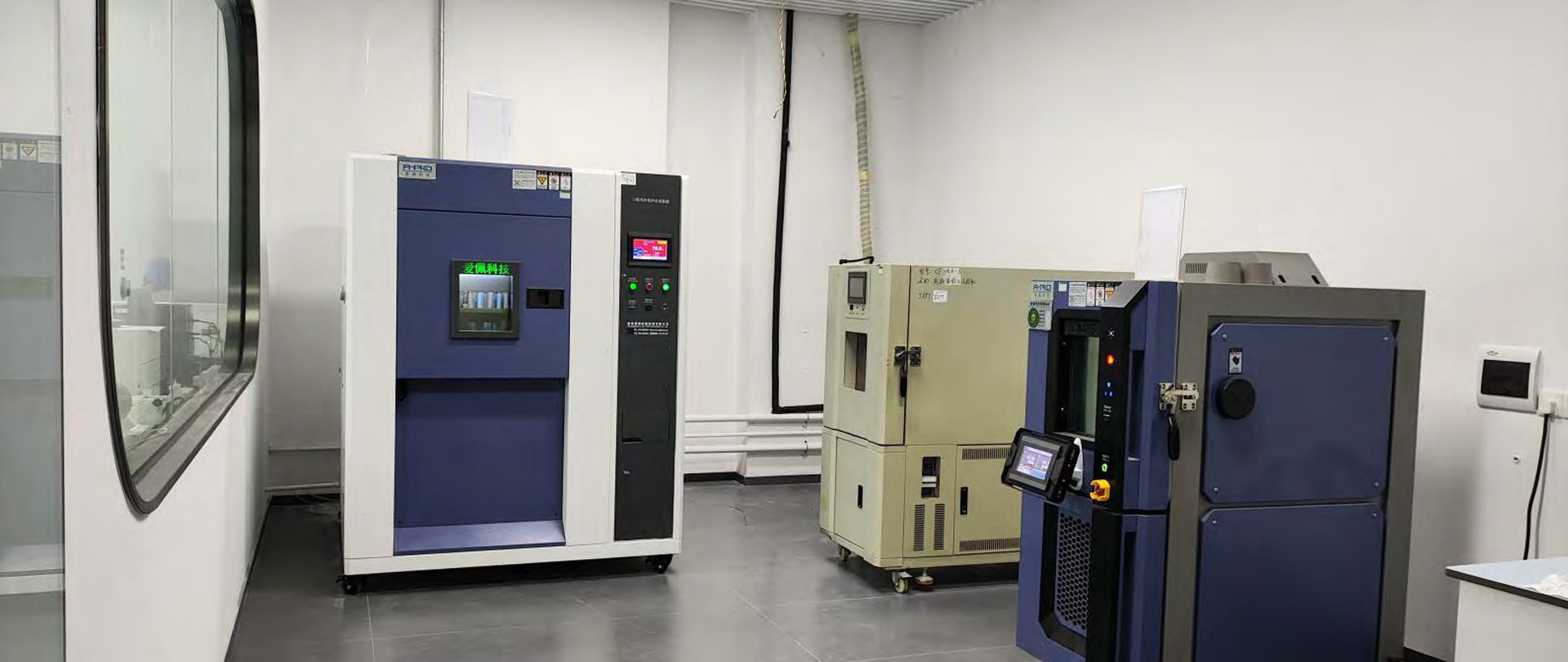
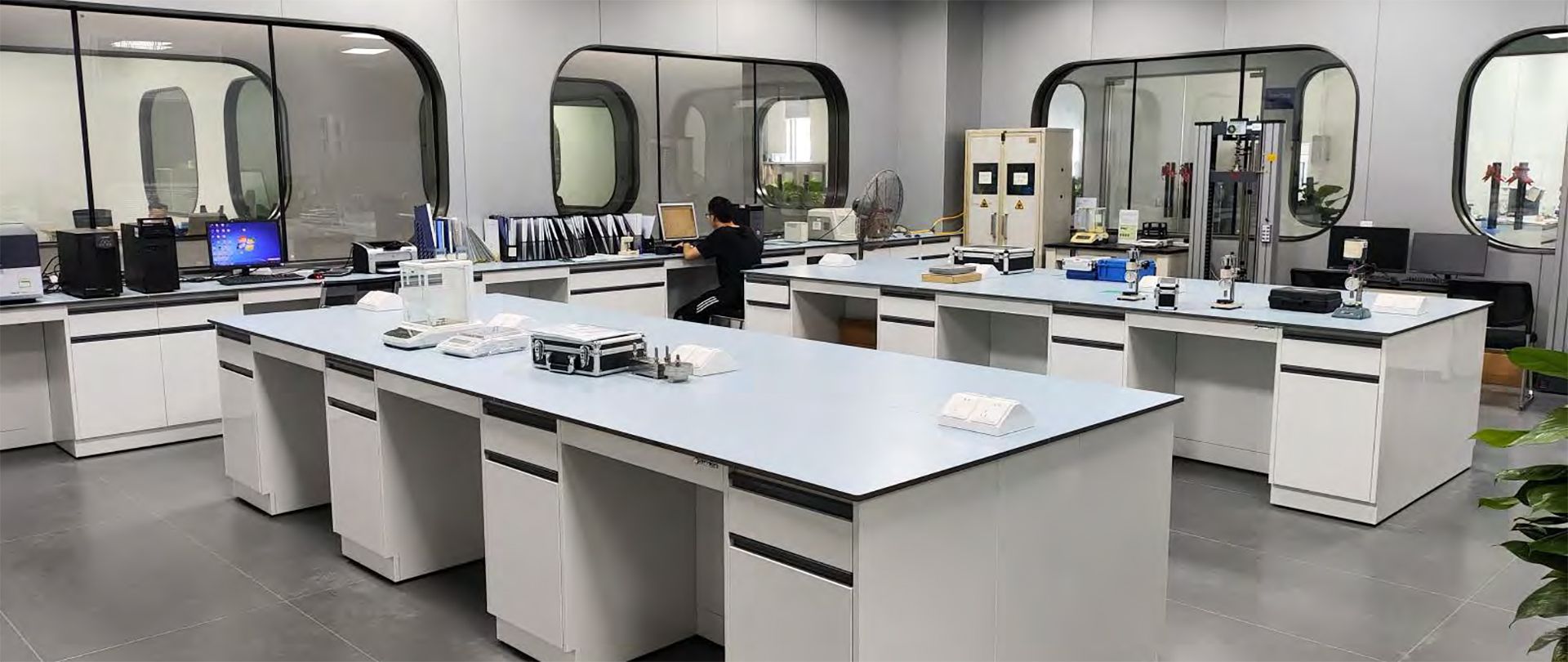
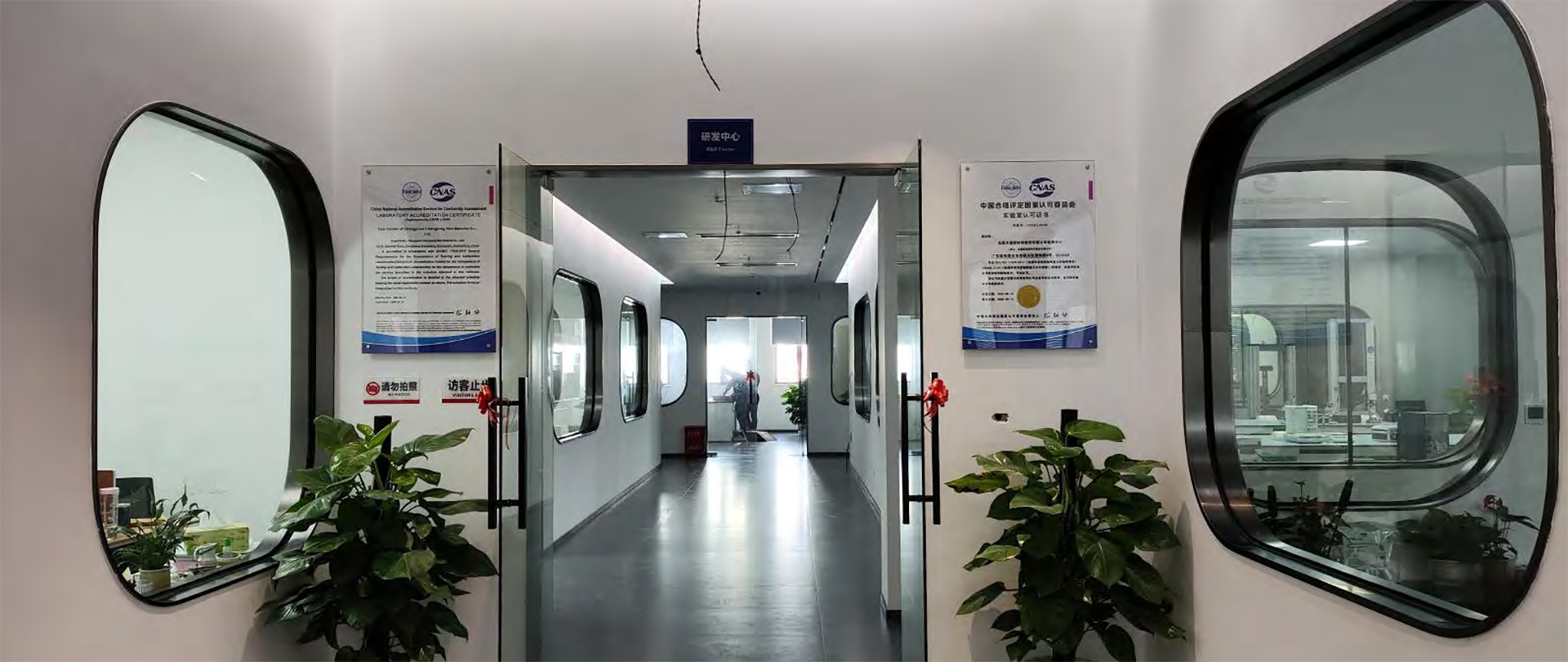
Each batch undergoes strict testing at our national CNAS-accredited laboratory. Testing protocols include peel strength to steel/pipe casing, cathodic disbondment resistance at elevated temperatures, thermal aging, and impact protection.
| System Type | Relevant Standards | Operating Temp. Range | Shear Resistance | Soil Stress Performance | Recommended Applications |
|---|---|---|---|---|---|
| PP Heat Shrink Sleeves (FRPD-PP) | ISO 21809-3 Type 14B, EN 12068 | -20°C to +110°C / 120°C | Excellent (High) | Excellent | High-temp Gas grids, District Heating pipelines |
| PE Heat Shrink Sleeves (FRDP 60) | ISO 21809-3 Type 14A, EN 12068 Class C | -20°C to +60°C / 80°C | High | Very Good | Transmission trunklines, Oil distribution networks |
| Viscoelastic Tape (VT95) | EN 12068 Class B30 / ISO 21809-3 Type 13 | -45°C to +95°C | Moderate (Self-healing) | Good (requires outer tape) | Irregular fittings, Tees, Valves, Rehabilitation |
| Epoxy FRP Mechanical Shield | ASTM D2240, ISO 21809-3 Type 15 | -40°C to +100°C | Extremely High | Outstanding | Horizontal Directional Drilling (HDD) crossings |
Integrating high-volume Chinese chemical manufacturing efficiency with European quality standards.
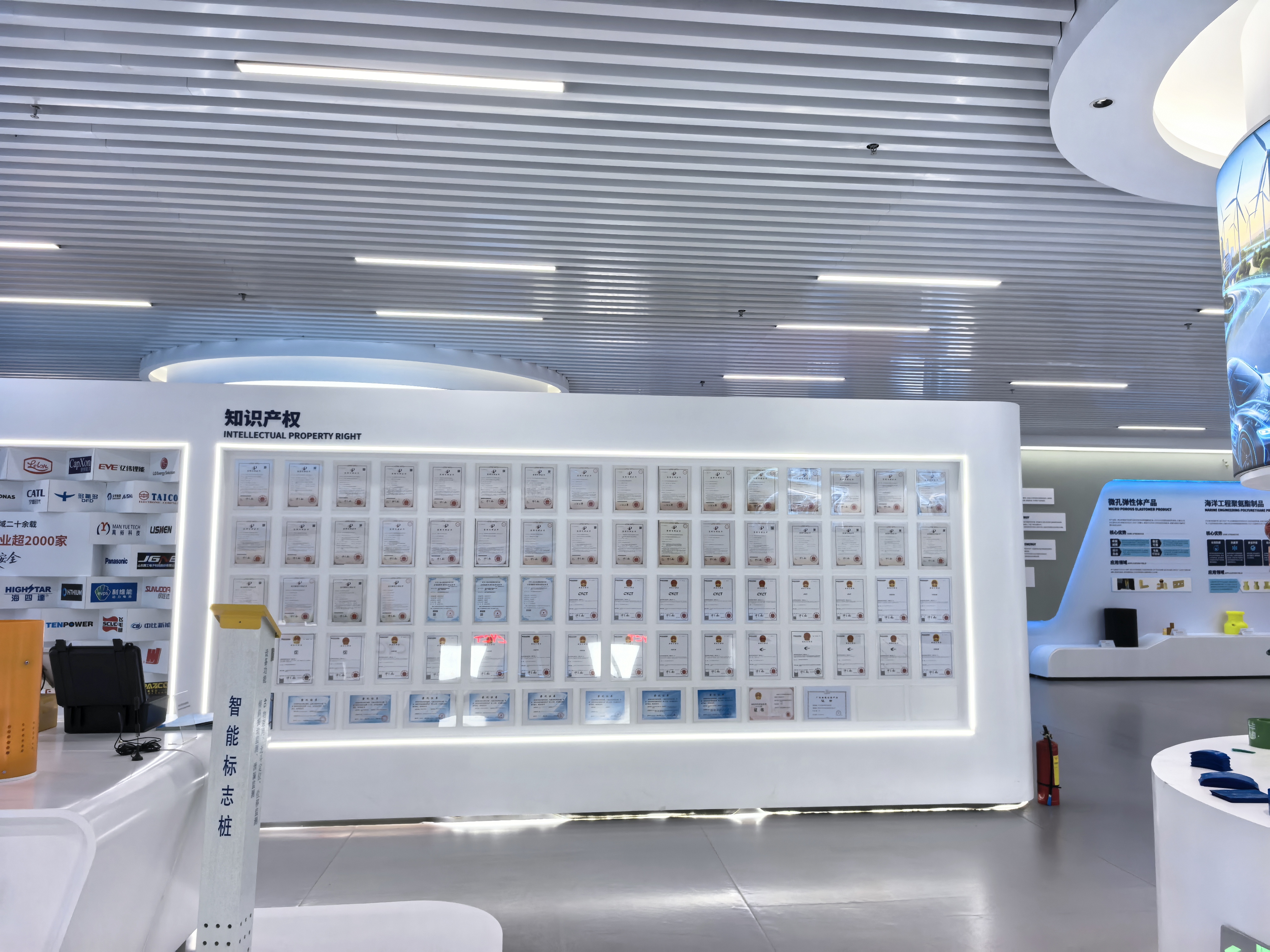
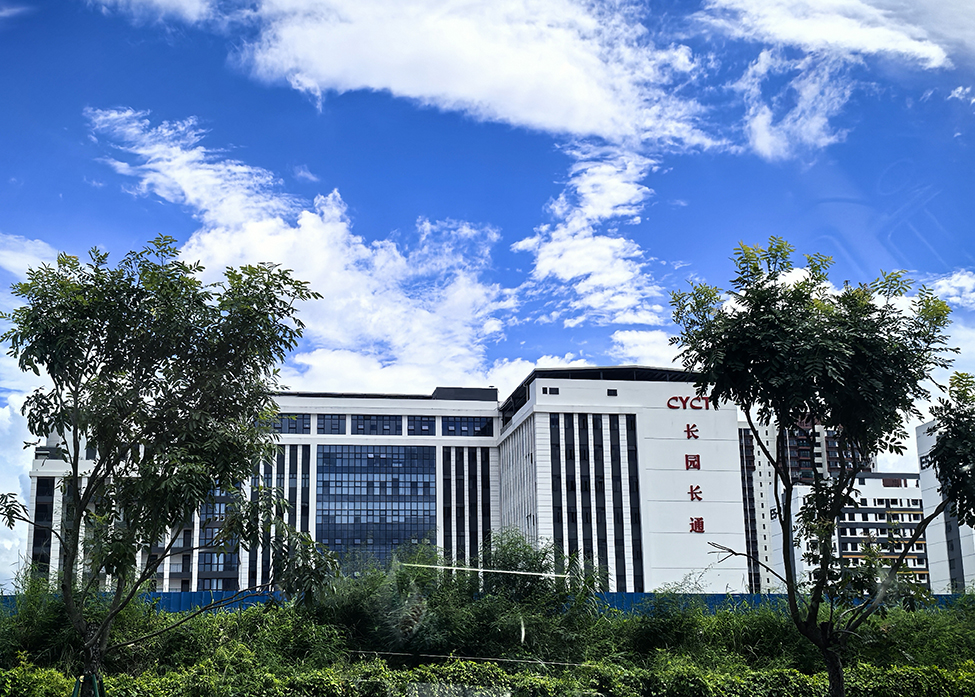
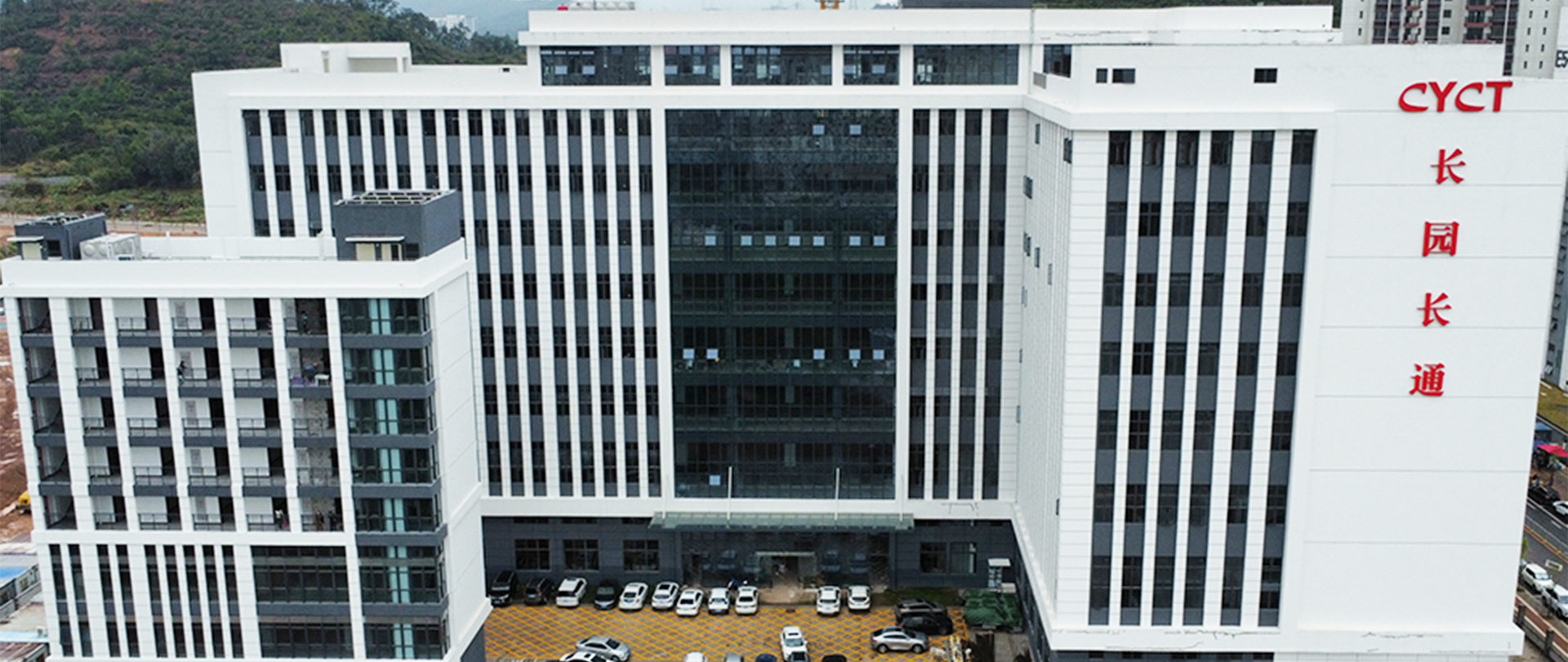
CYCT New Materials Company Limited (for short, CYCT) is a state-level high-tech enterprise integrating R&D, production and sales of pipeline corrosion protection materials as well as buried pipeline detection service and pipeline coating field application service into one.
CYCT devotes itself to R&D, production and sales of pipeline corrosion protection materials for decades. By working in close cooperation with leading research institutes such as the CNPC Pipeline Science Research Institute, CYCT is capable of providing in-service pipelines with varied technical services including buried pipeline detection, design schemes, cathodic protection, rehabilitation projects, and integrated pipeline safety protection solutions.
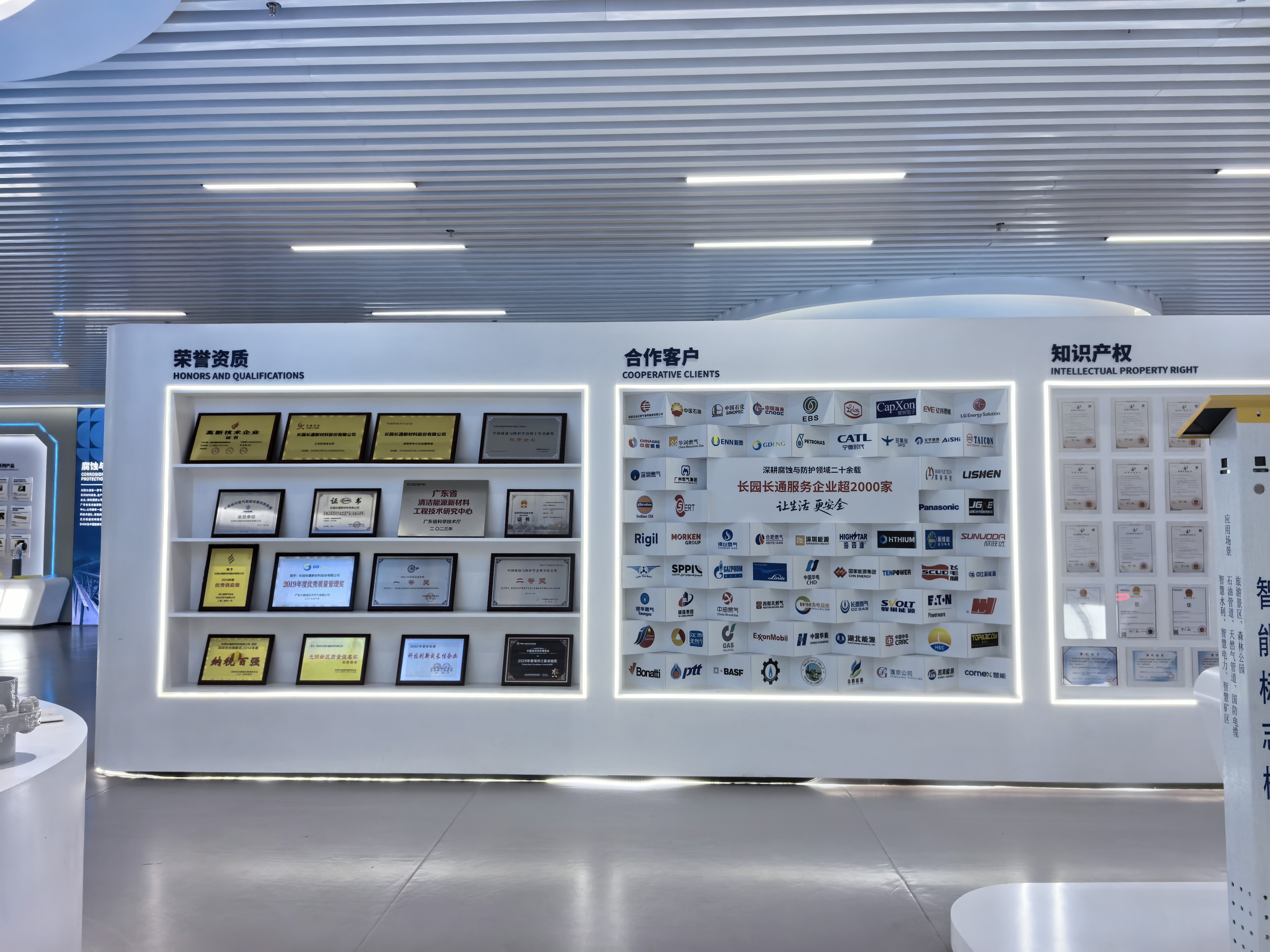
CYCT has been a stable field joint coating supplier for years to PetroChina, Sinopec, PipeChina, local European pipeline contractors, and Indian Oil, maintaining a dominant market share. Our product line has expanded to specialty corrosion protection materials such as viscoelastic anticorrosion materials, special photo-curing sleeves for HDD protection, and polyurea coatings.
How CYCT ensures reliable delivery, cost efficiency, and tailored specs to the Central European market.
Unlike simple converters, we control the entire processing path. From compounding polyolefin backing sheets and manufacturing backing stretch-liners to preparing hot melt co-polymer adhesives, this end-to-end control ensures batch consistency and customized formulations.
Operating high-speed extrusion lines and automated cross-linking setups allows us to handle large-scale municipal bids or national pipeline system expansions smoothly. We keep standard-size sleeves in stock to shorten shipping cycles.
We work directly with major logistics routes. Shipments are moved via the China-Europe Railway Express (New Silk Road) arriving directly at Czech dry ports like Prague, Brno, or Česká Třebová within 15–20 days, or by ocean freight through Hamburg or Koper ports.
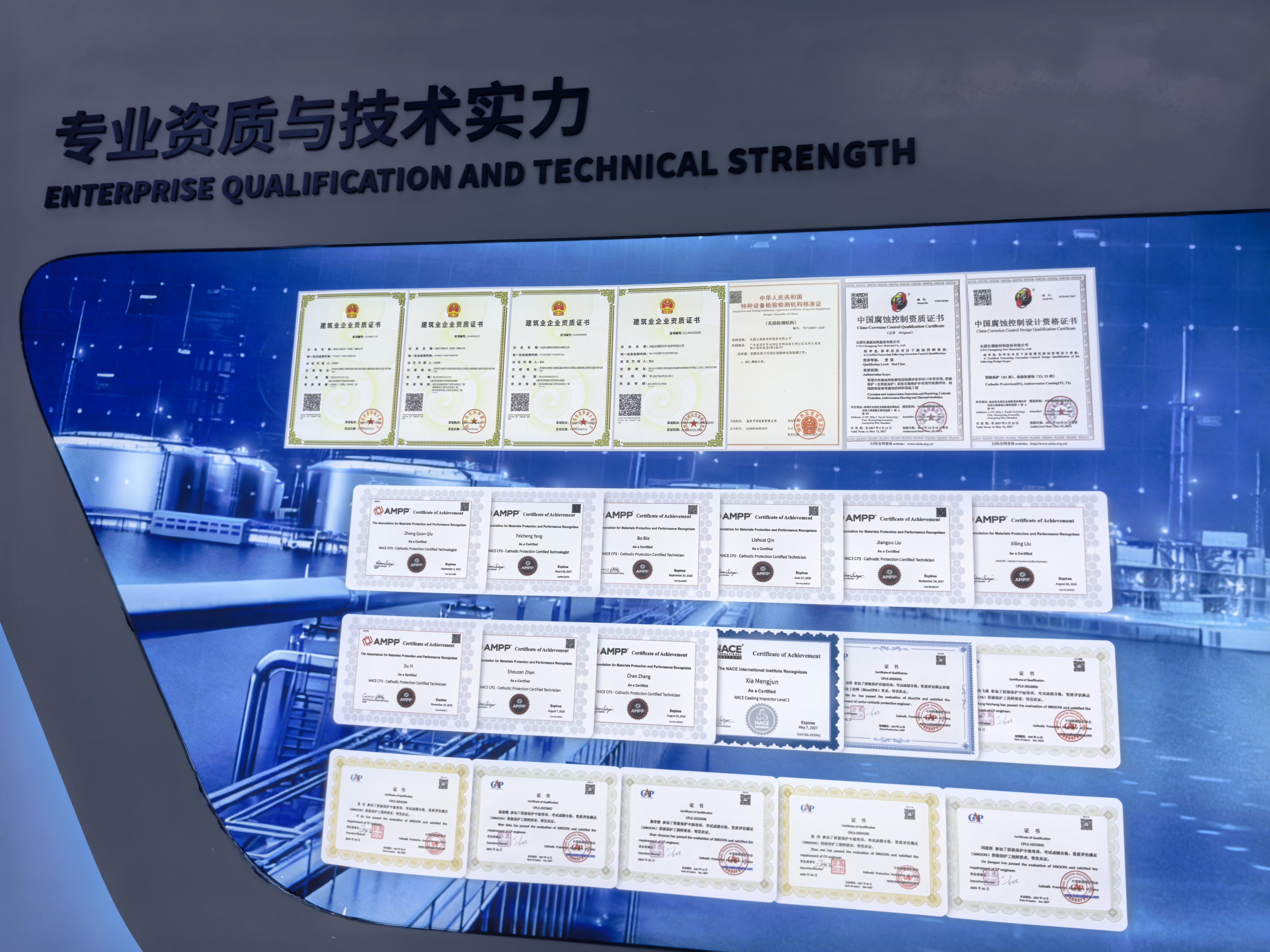
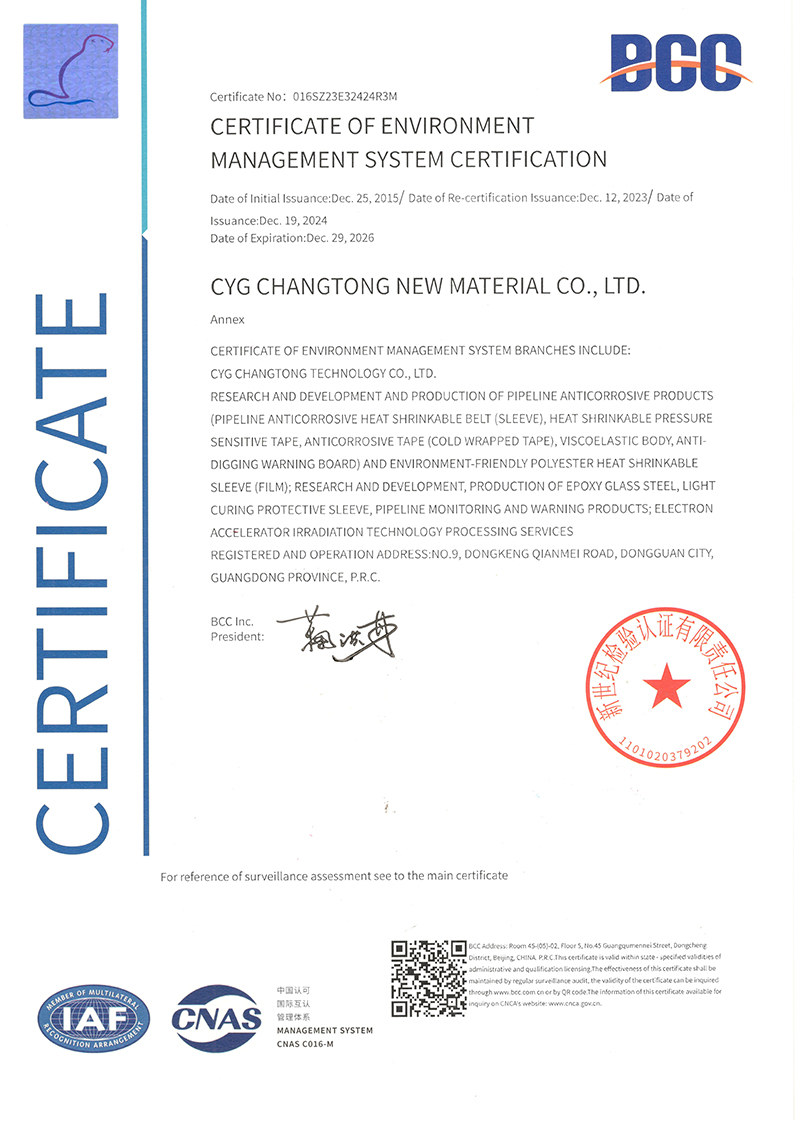
A testimony of quality engineering: Member of CSCP, Council Member of CAPEC, and approved supplier globally.
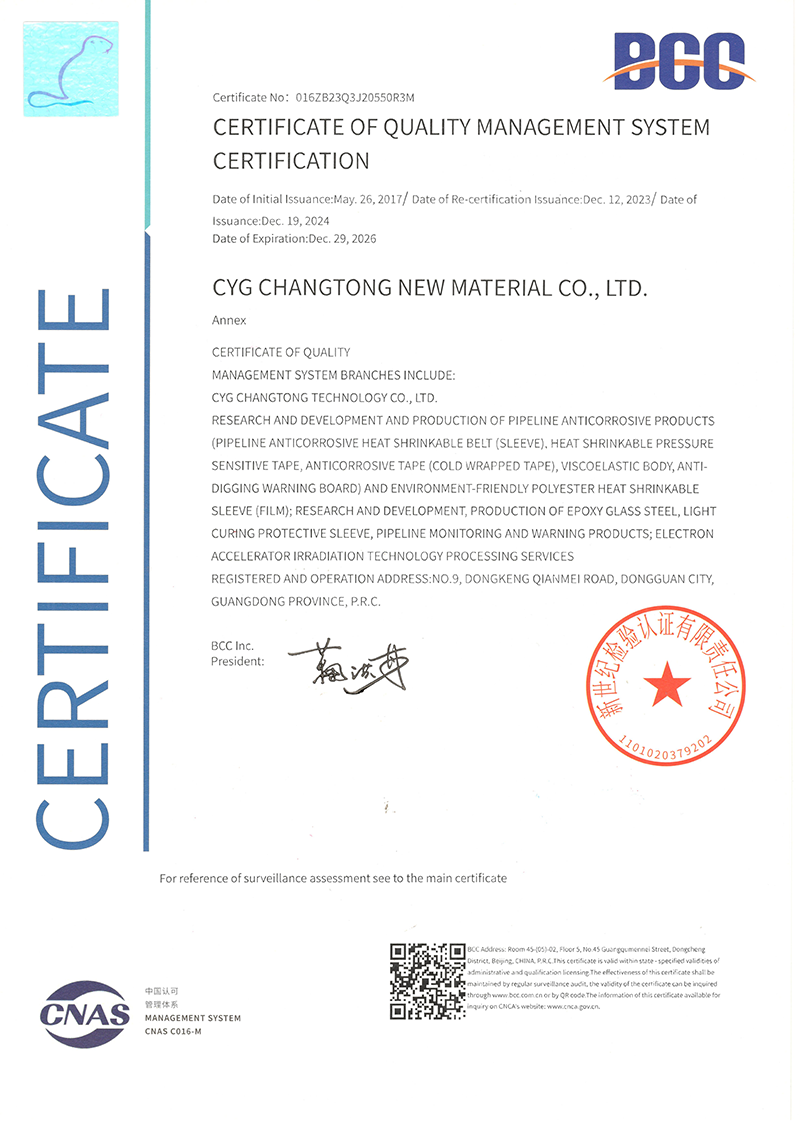
Member of Council in Chinese Society for Corrosion and Protection (CSCP), Qualification Certificate of Corrosion Protection Construction, Qualification Certificate of Pipeline Detection, Well-known Brand of Pipeline Corrosion Protection in China, Corporate Member of China Association of Petroleum Engineering Construction (CAPEC), State-Level High-Tech Enterprise with more than ten proprietary intellectual property rights. Stable supplier of PetroChina, Sinopec, China Gas Group, and Indian Oil.
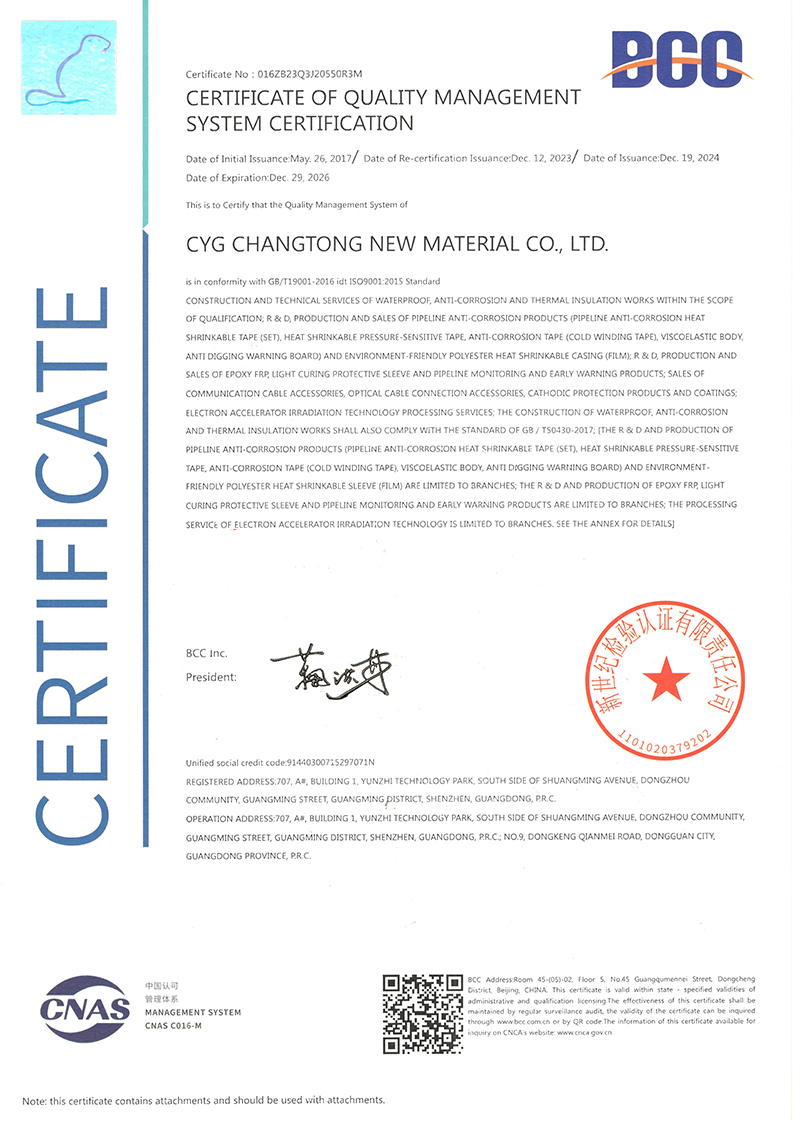
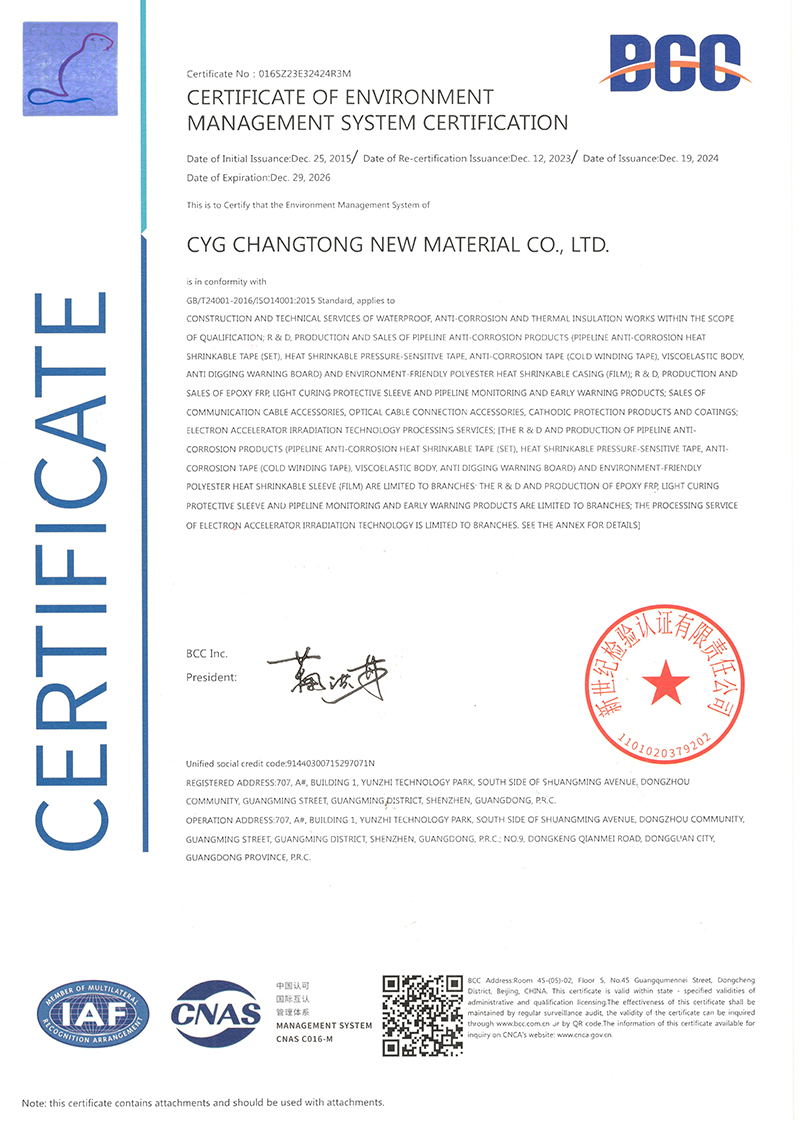
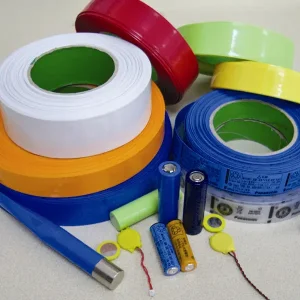
Field joint sleeves, viscoelastic tapes, composite systems, and heavy-duty mechanical shields for the Czech industrial grid.
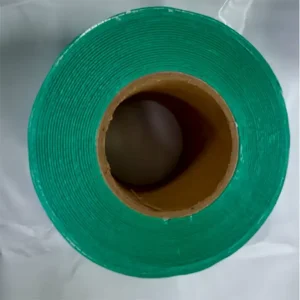
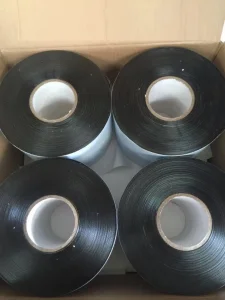
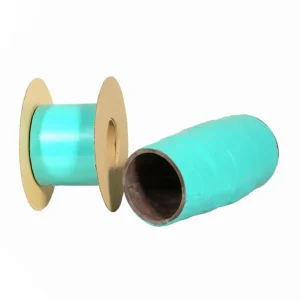
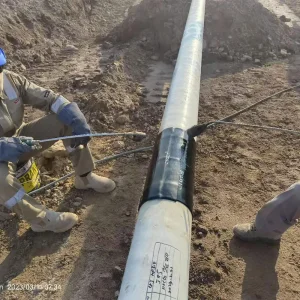
Specific use-cases demonstrating field-proven reliability under demanding installations.
Czech municipal heating lines carry high-temperature steam or pressurized hot water. Traditional mastic adhesives fail at constant temperatures above 80°C. CYCT's PP heat-shrinkable sleeves (FRPD-PP) utilize advanced PP copolymers and high-shear hot melt adhesives, maintaining structural integrity at up to 120°C and resisting wet soil compression.
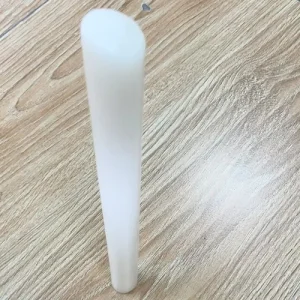
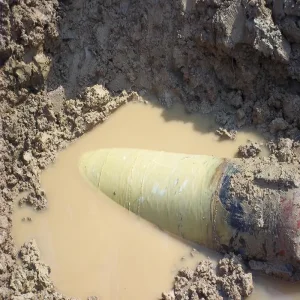
When pulling gas pipe strings under waterways like the Vltava River, coatings endure heavy abrasion. Standard heat-shrink sleeves can peel back or wear thin. Our Epoxy FRP (Fiberglass Reinforced Polymer) mechanical shielding wrap is applied directly over the primary PE/PP joint sleeve, forming an armor-like shell that resists gouging.
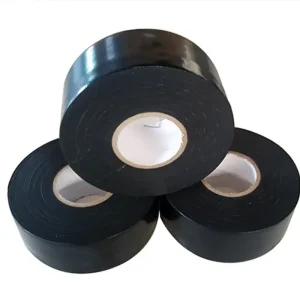
For pipeline repairs on active gas grids where surface preparation to Sa 2.5 is impractical, VT95 Viscoelastic tape is preferred. Designed with cold-flow properties, it fills irregular surfaces (valves, flanges, fittings) and provides continuous protection, requiring only wire-brushed surface prep (St 2 or St 3).
How modern design matches the evolving demands of hydrogen transmission and infrastructure projects.
As the Czech Republic plans to integrate hydrogen into its existing natural gas grid (aiming for hydrogen readiness in core transit lines), materials must handle different chemical stresses. Our high-density cross-linked polyethylene backings act as effective permeation barriers, preventing hydrogen migration into the adhesive matrix, which helps protect steel pipes from localized hydrogen embrittlement.
To support compliance with the EU Corporate Sustainability Due Diligence Directive (CSDDD), CYCT is actively working to lower manufacturing emissions. Our energy-efficient cross-linking accelerators reduce processing energy use by 15% without compromising physical properties, helping partners lower their scope 3 emissions.
A key issue with conventional solid polyolefin backing wraps is "shielding." If the adhesive layer detaches, the solid plastic backing blocks cathodic protection currents from reaching the exposed steel, leading to hidden corrosion.
Our formulation address this through:
Detailed technical answers addressing standard specifications, surface prep, and installation requirements for the Czech market.
 CYCT
CYCT