Premium grade cold-applied tapes, fiberglass composites, and viscoelastic systems optimized for rapid deployment across Chicago's heavy utility sectors.
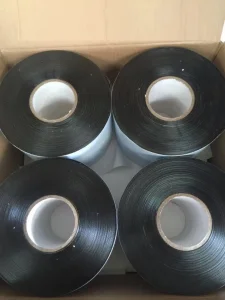
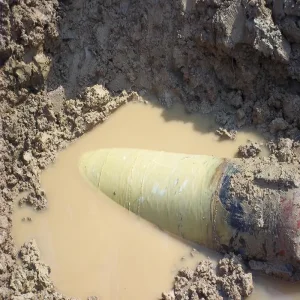
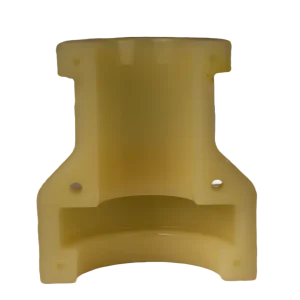
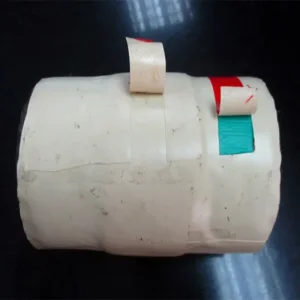
An in-depth look into the mechanical stresses, sub-zero freeze-thaw cycles, and chemical environments governing high-durability pipeline remediation projects.
The Greater Chicago Area represents one of the most critical energy and municipal pipeline intersections in North America. Integrating heavy transit networks, proximity to the Great Lakes, and massive industrial zones like the Calumet corridor requires highly robust pipeline engineering. Geotechnically, northern Illinois is characterized by deep clay layers, high water tables, and severe seasonal freeze-thaw cycles that can cause significant ground shift.
These shifts induce high structural shear stress on buried pipelines. Traditional coatings suffer from cathodic disbondment and mechanical wear due to soil stress. Consequently, local engineering authorities require advanced pipeline reinforcement materials that provide high flexural modulus, chemical stability in polluted soils, and long-term anti-corrosion barrier security.
On a global scale, pipeline integrity remains paramount for energy distribution and municipal safety. Structural deterioration, induced by moisture ingress, mechanical damage from third-party excavation, and soil chemistry, accounts for billions of dollars in maintenance expenses. Industrial pipelines must withstand temperatures ranging from sub-zero Arctic conditions to elevated oil-sand flows.
With the advent of trenchless installation techniques such as Horizontal Directional Drilling (HDD), the requirement for protective outer layers has changed. Pipelines pulled through rock and compacted soil are prone to deep gouges and micro-cracking. Highly engineered fiber-reinforced polymer (FRP) and glass-fiber reinforced polymer (GFRP) coatings provide the high tensile strength and abrasion resistance needed to secure these assets during installation and operation.
The future of pipeline reinforcement lies in smart composite materials. By integrating viscoelastic compounds with fiber-matrix envelopes, modern systems are achieving self-healing capabilities. Viscoelastic coatings retain a constant fluidic behavior, meaning they flow into micro-cavities and self-repair minor surface damages over time.
Looking forward to 2030, the industry is transitioning towards moisture-curing shields and smart field joints that can withstand higher operating temperatures and resist microbial induced corrosion (MIC). In underwater and offshore environments, such as Great Lakes crossings, the development of modular bend restrictors prevents fatigue caused by hydrodynamic forces.
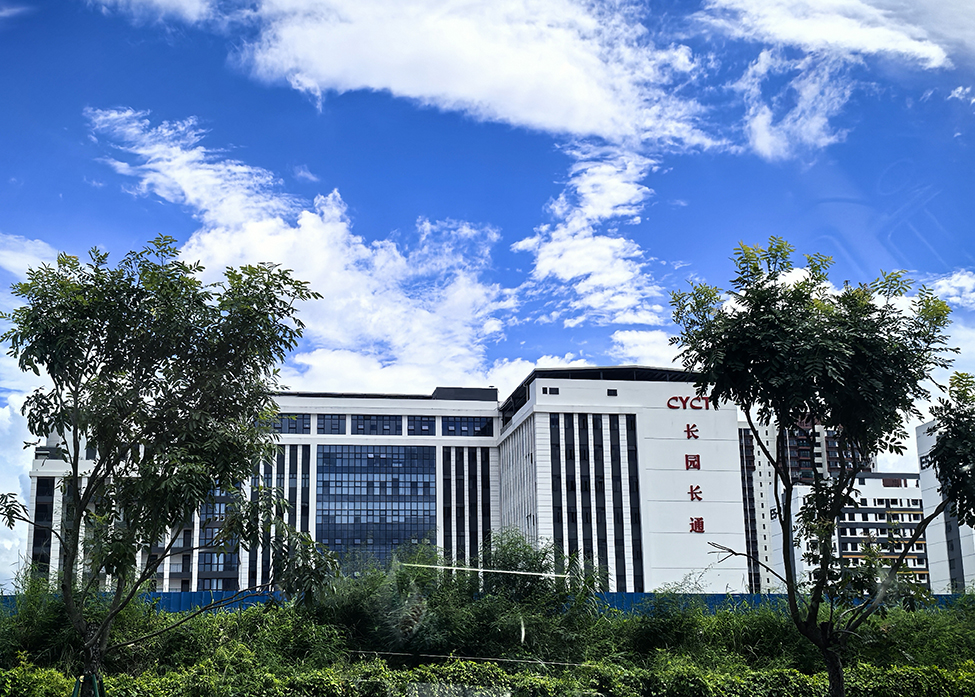
CYCT New Materials Company Limited (for short, CYCT) is a state-level high-tech enterprise integrating R&D, production and sales of pipeline corrosion protection materials as well as buried pipeline detection services and pipeline coating field application services into one integrated dynamic organization.
CYCT has dedicated itself to the R&D, production, and sales of pipeline corrosion protection materials for decades. By maintaining close cooperation with leading research institutions such as the CNPC Pipeline Science Research Institute, CYCT is capable of providing in-service pipelines with varied technical services such as buried pipeline detection, design schemes, cathodic protection, rehabilitation projects, and integrated security solutions.
We are proud to stand as a stable supplier of field joint coatings for PetroChina, Sinopec, PipeChina, and various international utility operators.
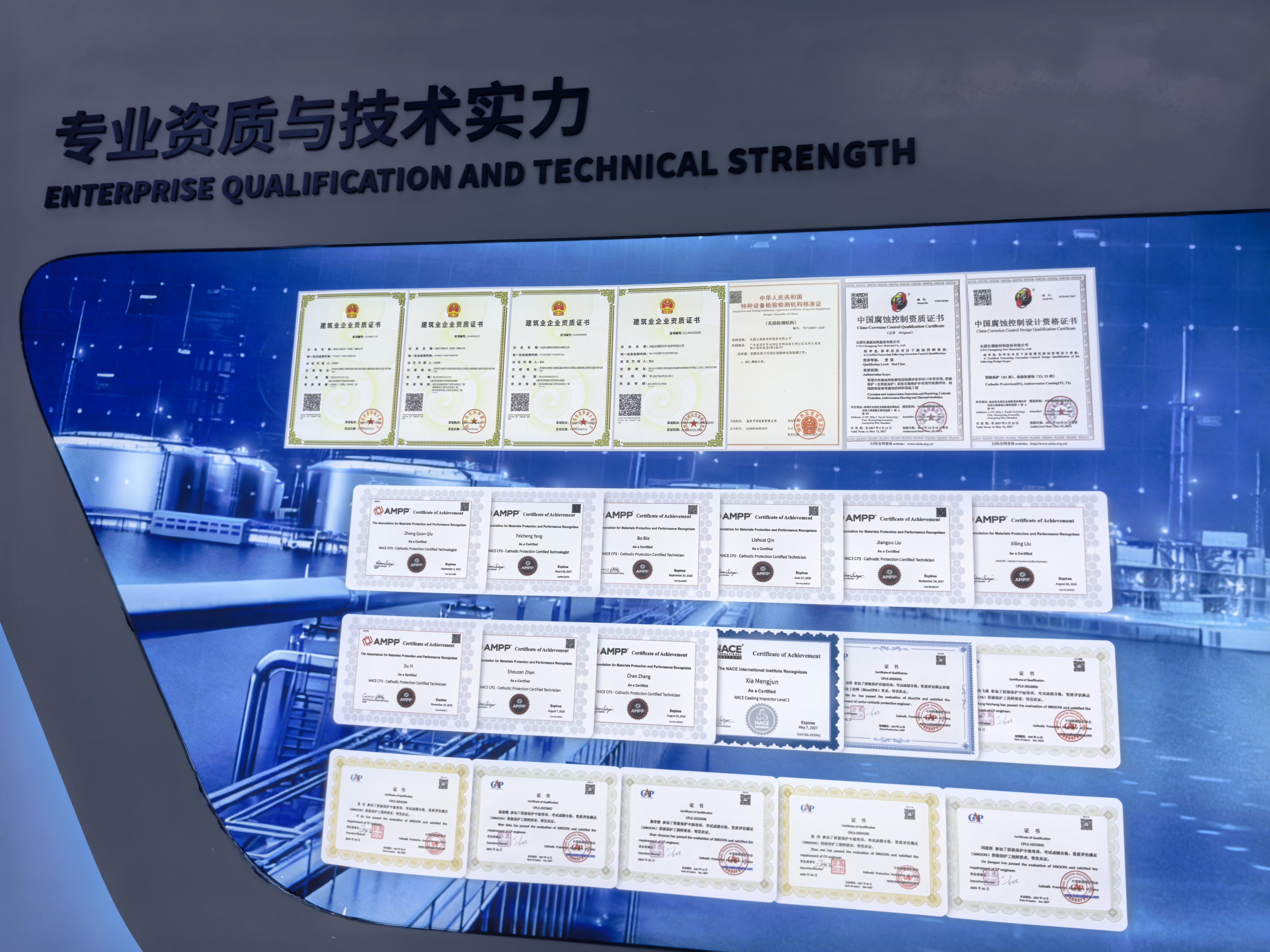
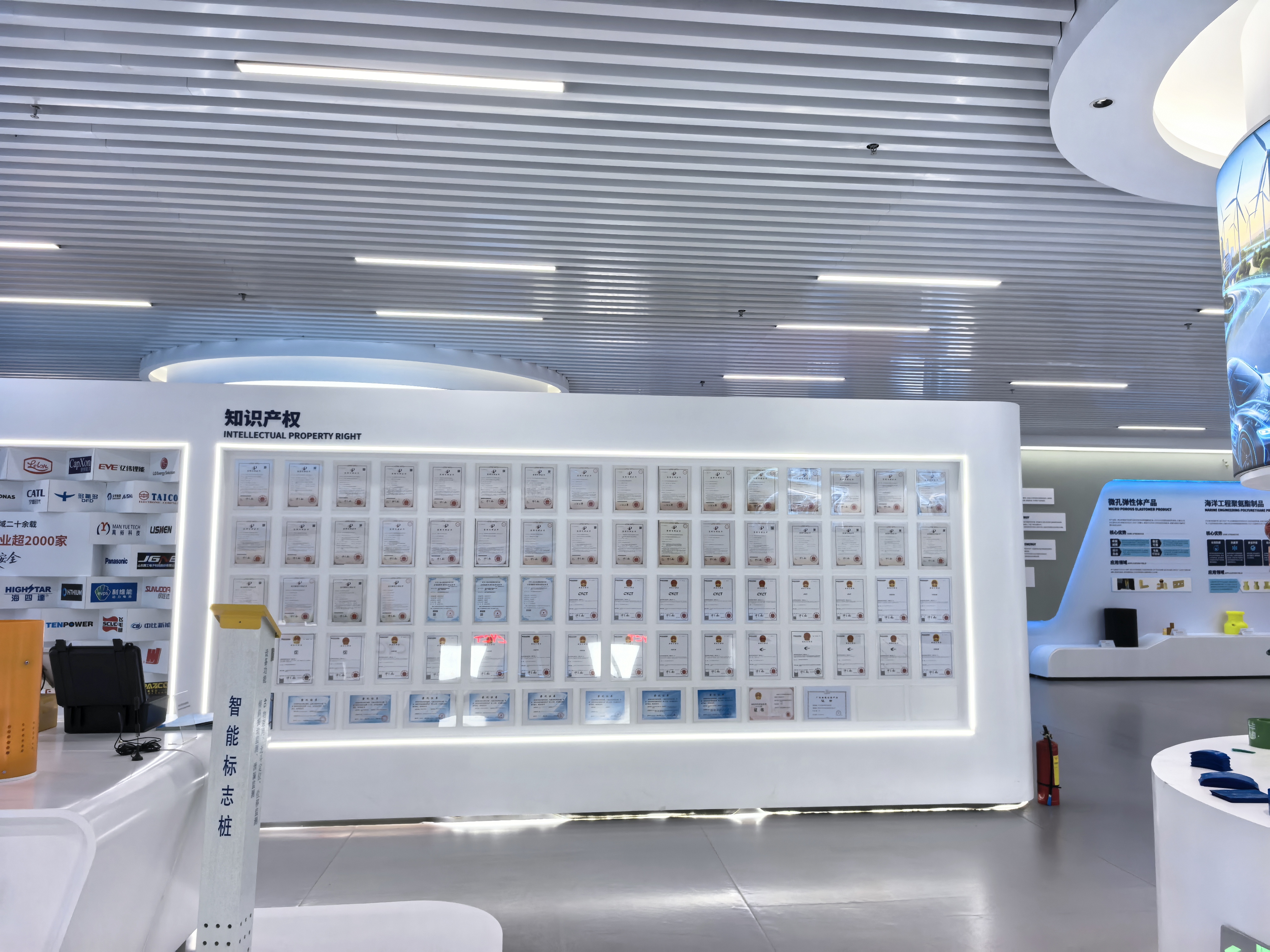
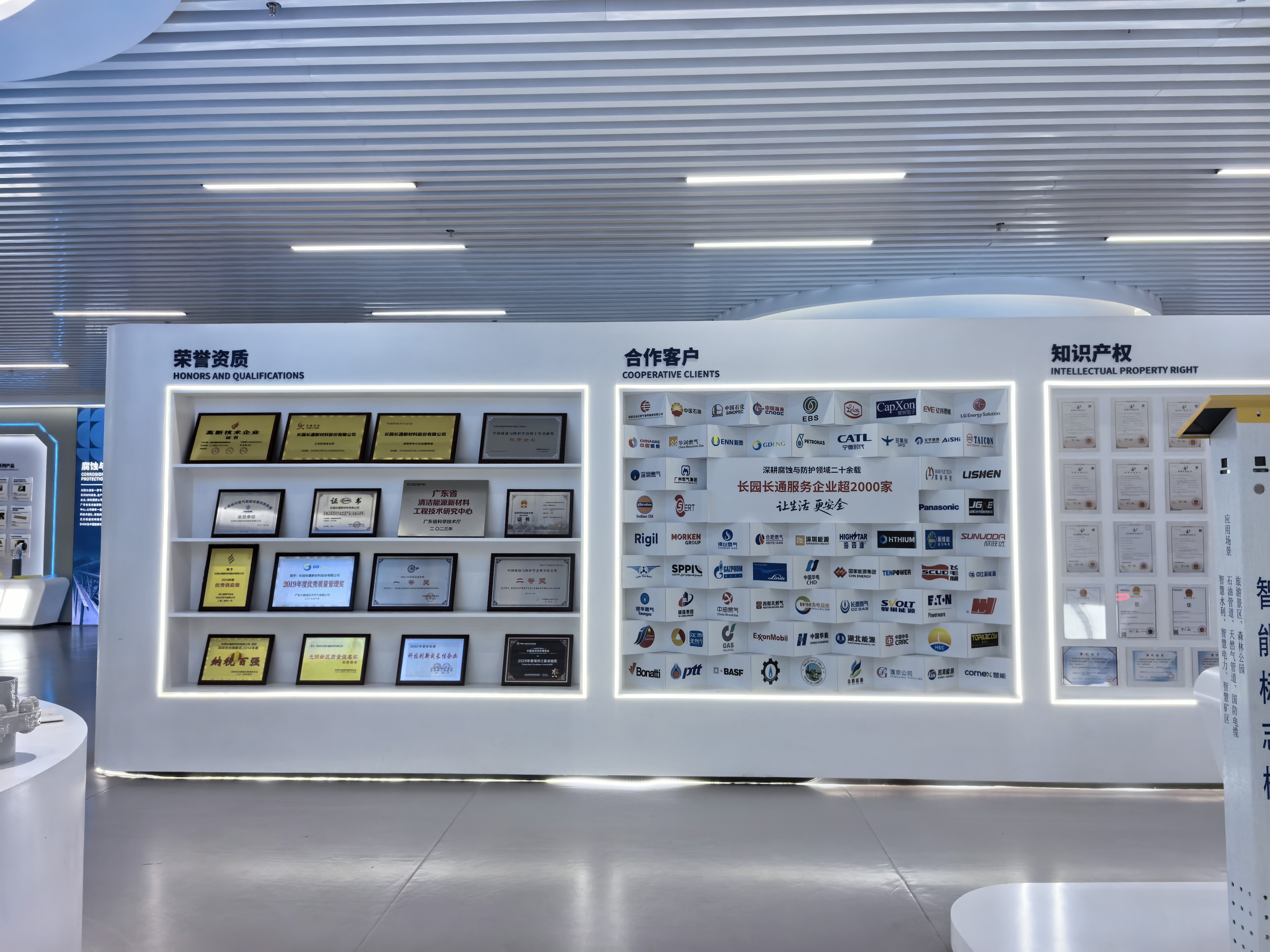
CYCT owns leading testing and R&D capabilities, a professional R&D team, and a national CNAS-accredited laboratory. The enterprise is a member of Council in Chinese Society for Corrosion and Protection (CSCP), holds Qualification Certificate of Corrosion Protection Construction, Qualification Certificate of Pipeline Detection, and is a corporate member of China Association of Petroleum Engineering Construction (CAPEC).
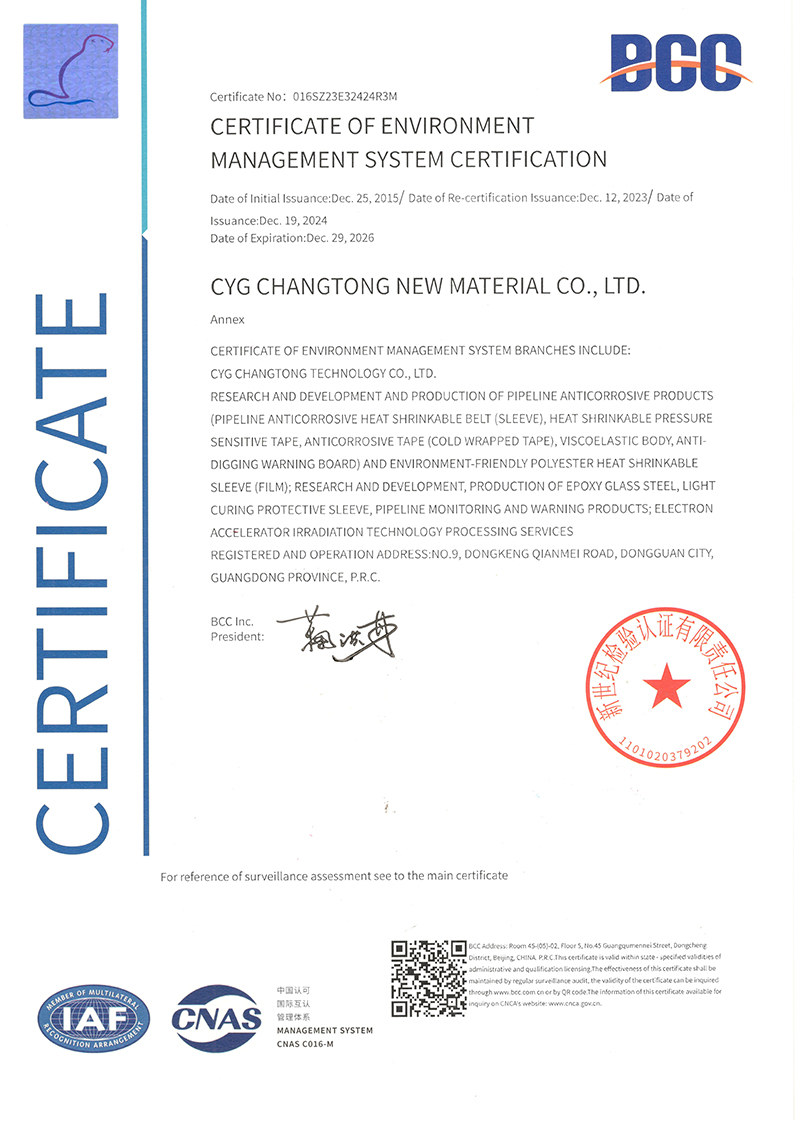
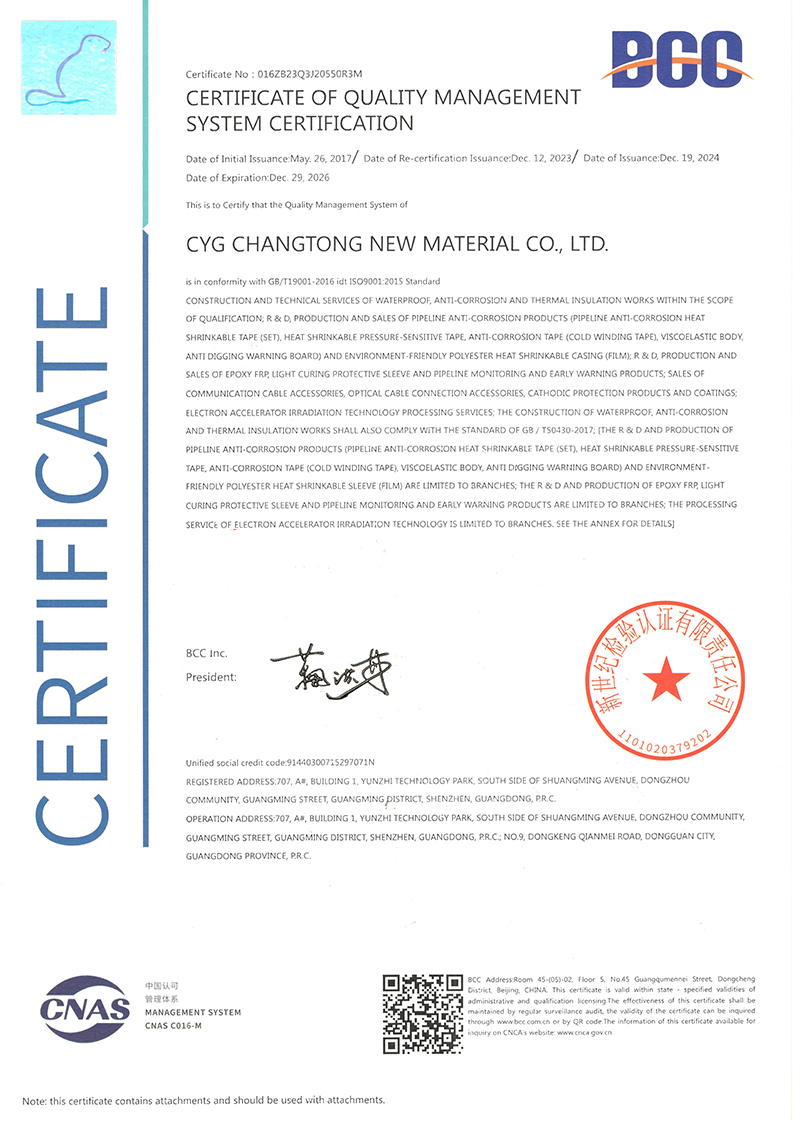
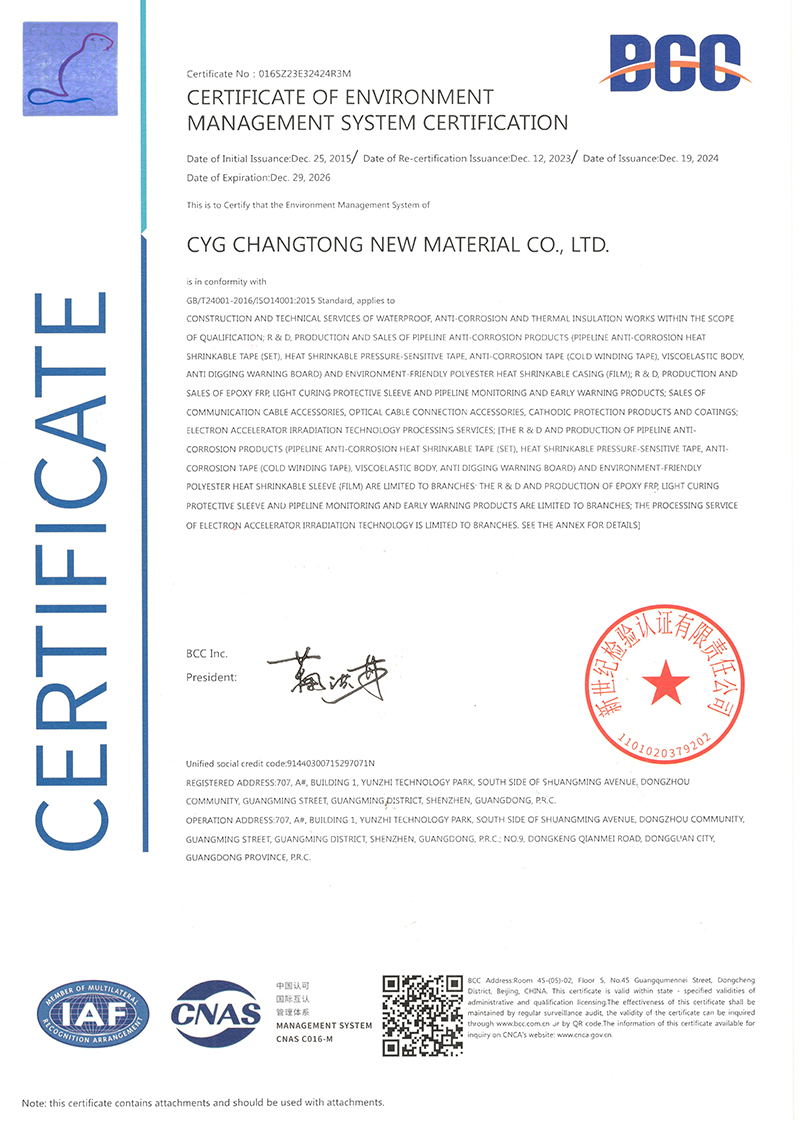
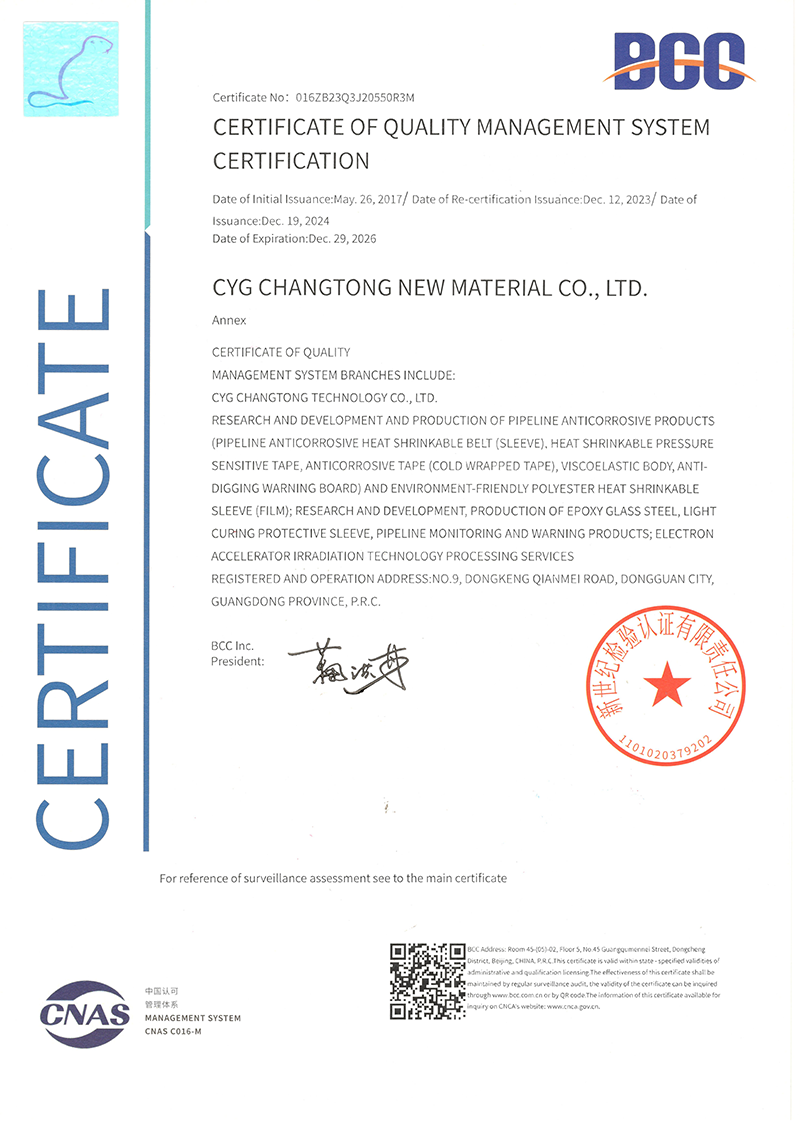
Our solutions meet stringent international norms and hold qualifications validating our laboratory performance and material longevity.
Recognized for outstanding contributions to structural polymer and sealant science.
In-house testing facility certified for compliance to international testing standards.
Active alignment with global Association for Materials Protection and Performance guidelines.
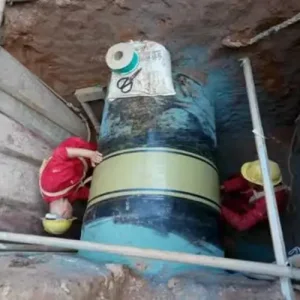
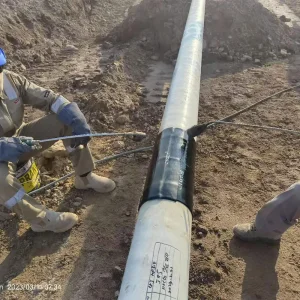
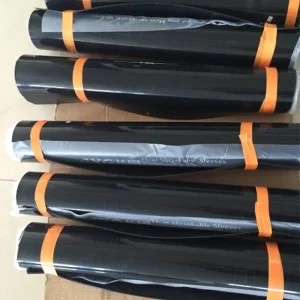
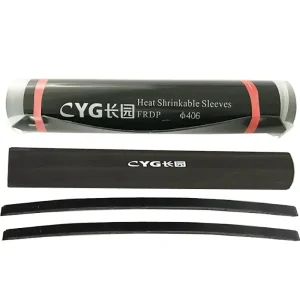
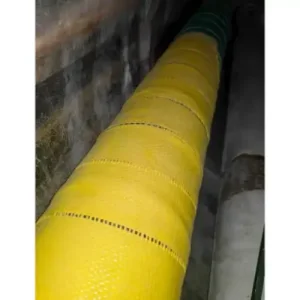
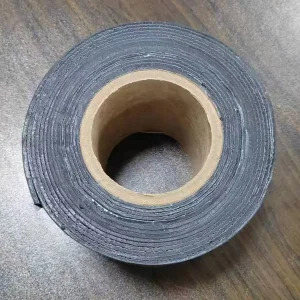
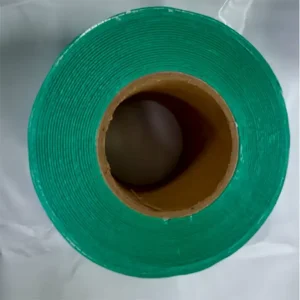
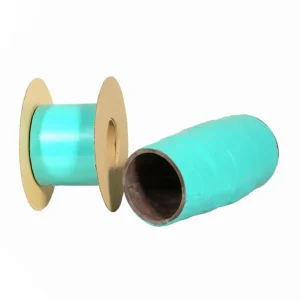
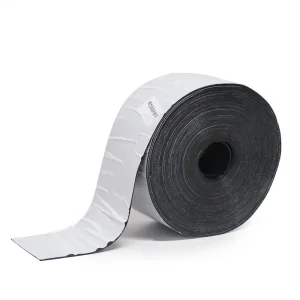
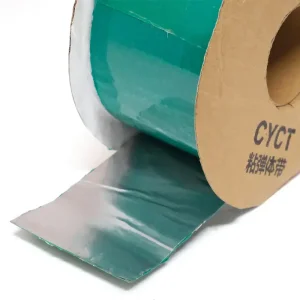
A comprehensive inventory of cold applied tapes, heat shrinkable sleeves, viscoelastic coatings, and custom jointing protection solutions.
Expert insights regarding installation standards, weather tolerances, and geotechnical requirements for composite pipeline casings.
 CYCT
CYCT