Deploying heavy-duty protective compounds engineered for extreme marine salinity and structural shifts in Kansai area geological sites.
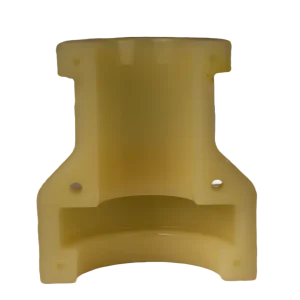
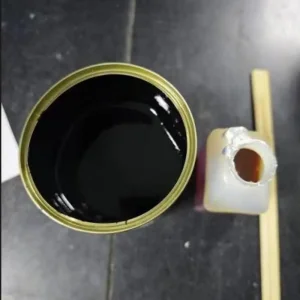
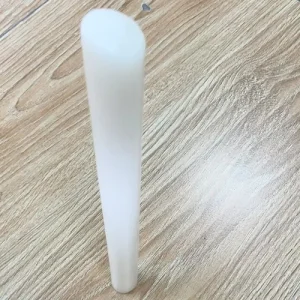
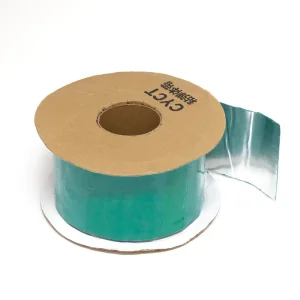
Osaka, as one of Japan's primary economic engines, anchors the Sakai-Senboku coastal industrial zone. Featuring massive petrochemical complexes, chemical processing terminals, LNG import depots, and sophisticated subsea municipal conduits, the Kansai region presents a highly challenging environment for infrastructure longevity. The proximity to Osaka Bay introduces aggressive airborne salinity, elevated ambient humidity, and persistent moisture penetration. In these demanding conditions, standard insulation materials fail prematurely, causing catastrophic corrosion under insulation (CUI) and structural degradation in critical transmission pipelines.
The necessity for advanced cross-linked polyolefin heat shrinkable tubes and sleeves is driven by Japan’s strict disaster-prevention regulations and high quality expectations. In an active tectonic zone like Kansai, subterranean utility networks and industrial distribution lines must withstand constant soil shifting and shear forces. Standard polymer sleeves lack the molecular cohesion to absorb these stresses. By using high-energy electron beam irradiation, manufacturers modify the polymer structure of polyethylene. This cross-linking process changes the material from a thermoplastic to an elastomeric state, providing superior mechanical memory, chemical resistance, and high-temperature tolerance.
"According to NACE SP0169 and ISO 21809-3 standards, field joint protection in high-salinity marine zones requires a barrier that prevents oxygen and moisture penetration while showing high resistance to cathodic disbondment. Cross-linked heat-shrink sleeves provide this protection."
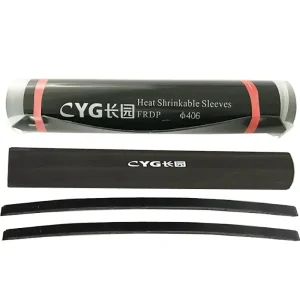
Furthermore, Osaka’s industrial strategy prioritizes sustainable development and long lifecycle management. Energy producers, water utility operators, and civil contractors require corrosion protection systems that guarantee a service life matching the structural lifespan of the carrier pipes—often exceeding 30 to 50 years. This demand makes the FRY series of heat shrinkable products essential. Incorporating advanced viscoelastic compounds, high-performance hot-melt adhesives, and fiberglass reinforcement, these systems ensure zero-leak integrity under demanding conditions.
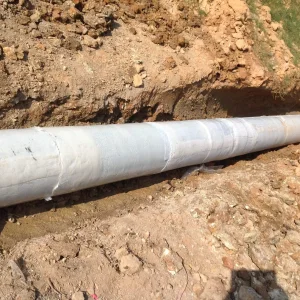
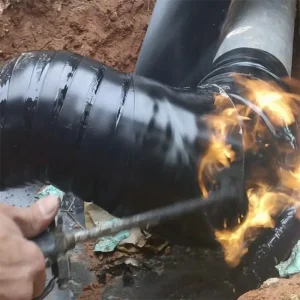
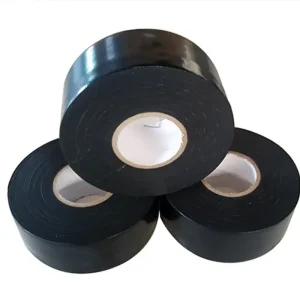
The global pipeline protection industry is shifting from temporary, low-durability coatings to smart, multi-layered protective systems. Modern corrosion protection relies on the three-layer polyolefin (3LPE/3LPP) configuration, which uses a high-performance heat-shrinkable sleeve at the weld joint to match the factory-applied line coating. The market has moved beyond simple vinyl tapes toward heavy-duty, radiation-crosslinked heat-shrink sleeves with specialized adhesive backings. These backings are engineered to bond directly to steel and factory-applied parent coatings, forming a seamless, continuous barrier.
Additionally, the rise of trenchless technologies—such as Horizontal Directional Drilling (HDD) used in dense cities like Osaka—demands extreme resistance to abrasion and shear. When a pipeline is pulled through rocky paths or urban underground corridors, standard protective coatings can shear off, leaving the steel exposed to groundwater. This issue led to the development of fiber-reinforced heat shrinkable sleeves. Incorporating high-tensile fiberglass mesh within the cross-linked polyolefin backing allows these sleeves to withstand the high shear stresses of HDD installations.
Simultaneously, environmental regulations are driving a shift toward solvent-free primers and non-toxic materials. The industry is moving away from volatile organic compound (VOC) heavy primers toward solvent-free epoxy systems and green viscoelastic materials. This shift matches the environmental goals of Japanese municipalities and international energy firms, ensuring that pipeline protection projects meet modern ecological standards without compromising performance.
As global energy markets face supply chain volatility and rising material costs, Chinese manufacturers are integrating Industry 4.0 processes to improve efficiency. CYCT New Materials Company Limited leads this effort, combining advanced manufacturing technologies with rigorous testing frameworks. Rather than relying on simple assembly lines, CYCT operates digital compounding, extrusion, and expansion facilities. These systems ensure consistent wall thickness, uniform adhesive distribution, and precise cross-linking density across every production batch.
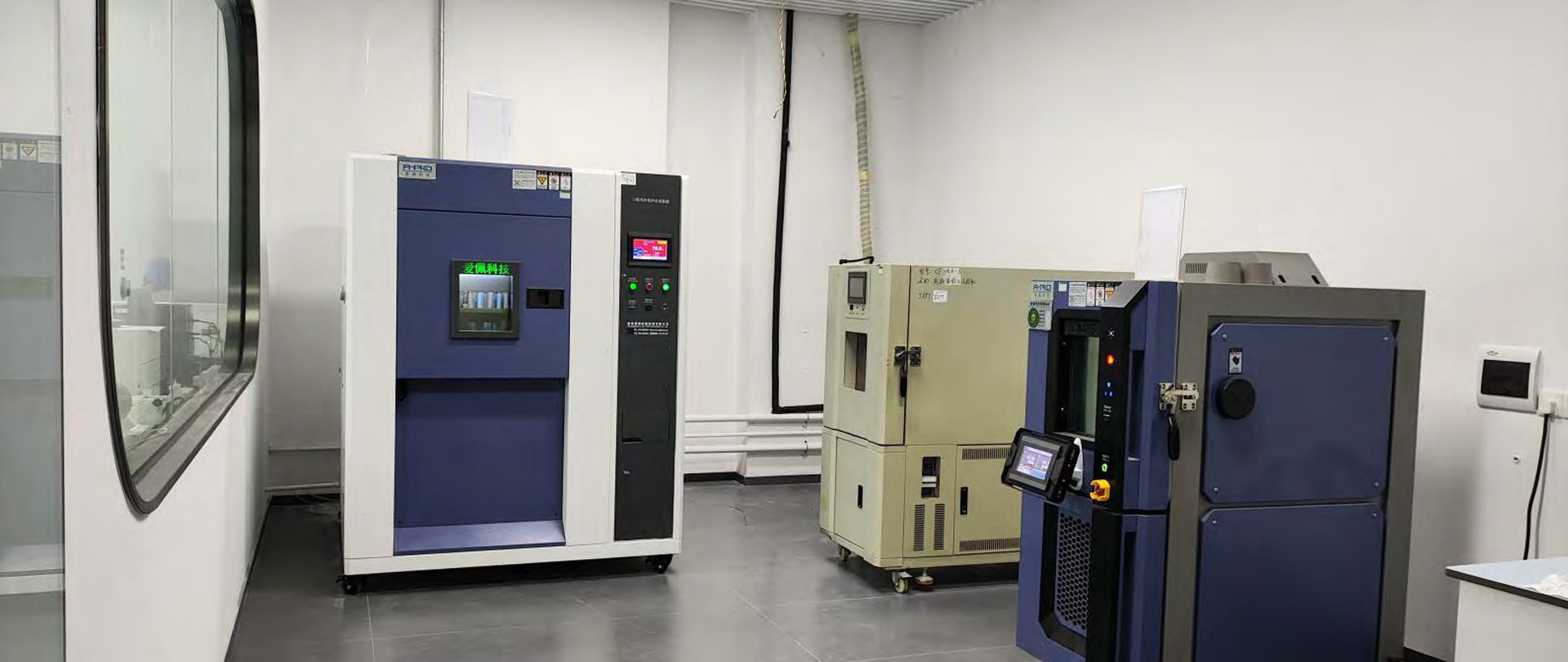
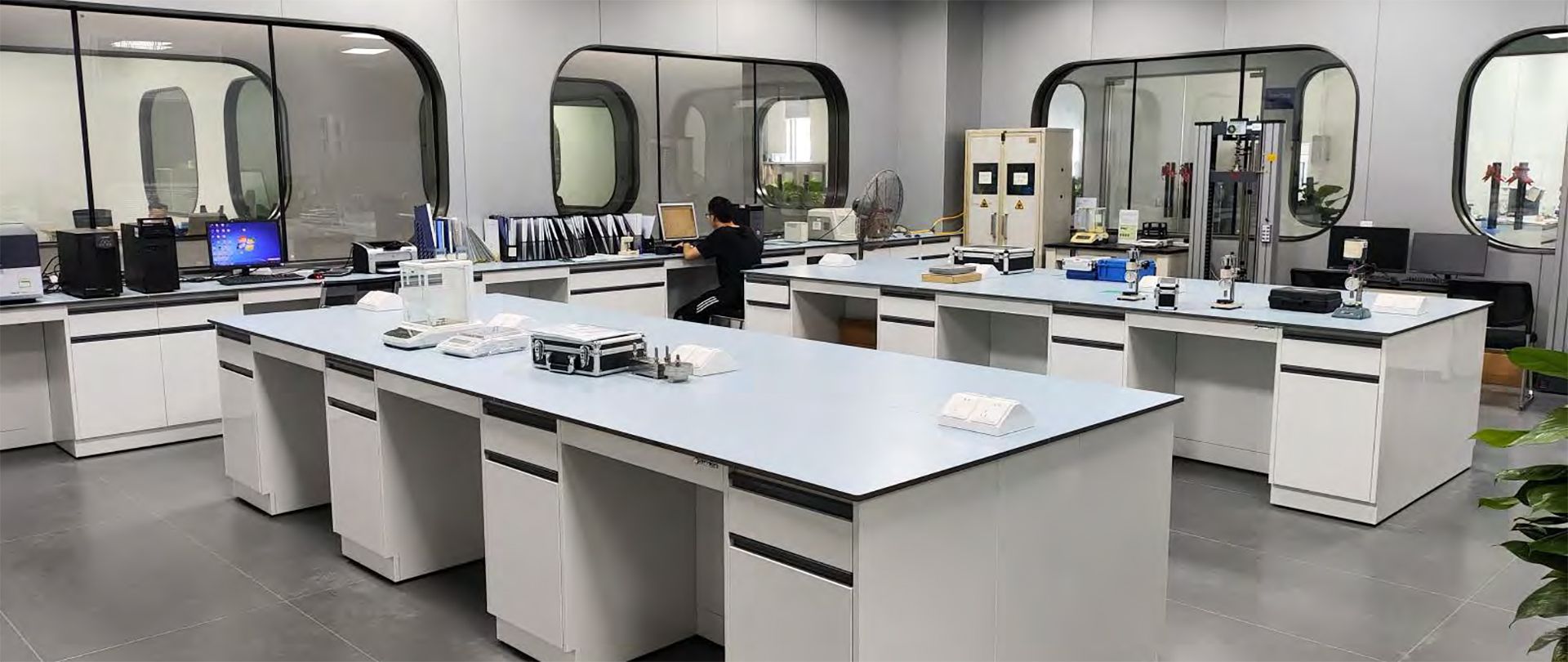
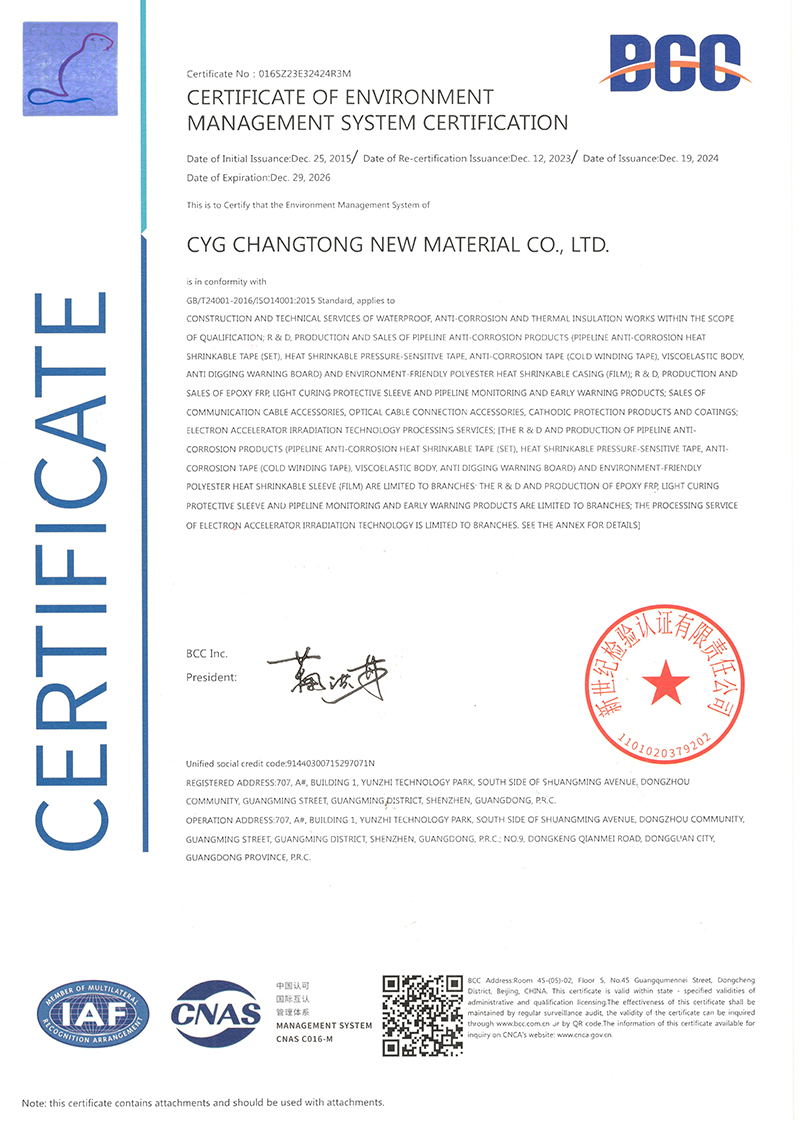
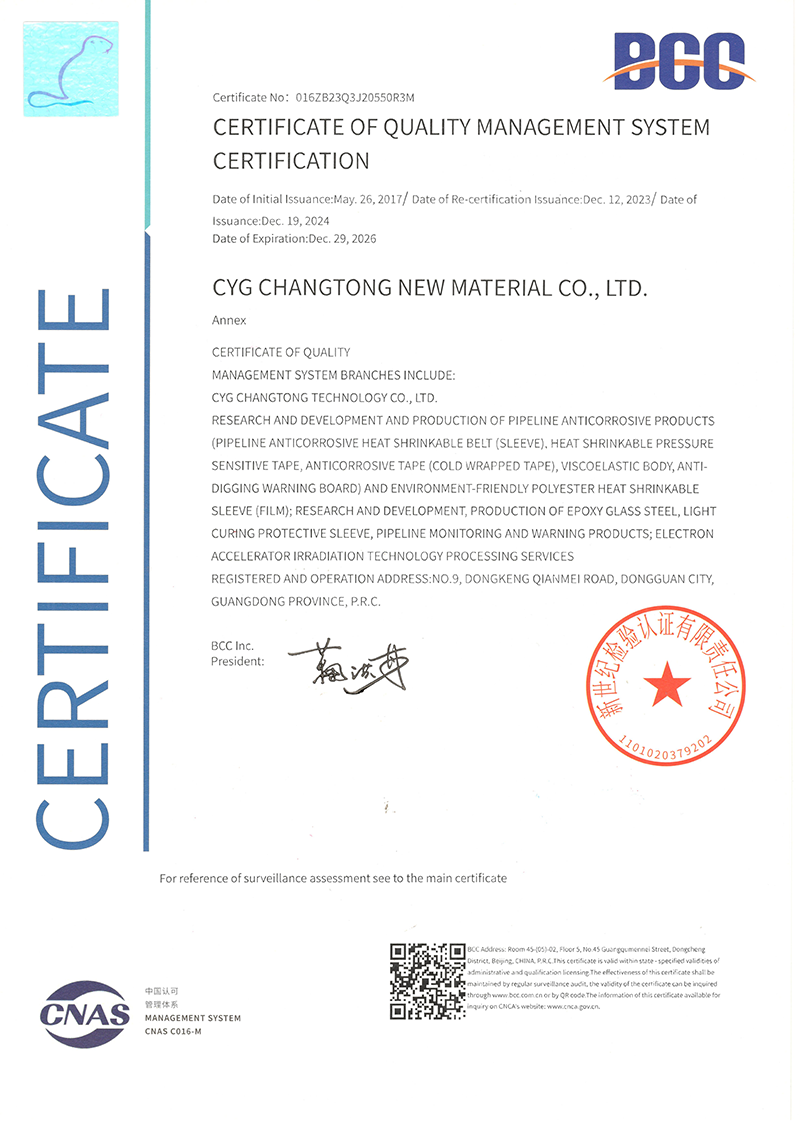
Our manufacturing facility has a national CNAS-accredited laboratory, which tests raw materials and finished products for tensile strength, peel strength, shear resistance, and heat aging. This strict testing process ensures compliance with global specifications, including ISO 21809-3, EN 12068, and NACE SP0169. By managing the entire production process internally—from copolymer compounding to electron beam cross-linking—CYCT reduces raw material loss and improves manufacturing efficiency, passing those cost savings directly to our global partners.
"By utilizing our digital supply chain and large-scale manufacturing facilities, CYCT ensures reliable delivery times for pipeline operators in Japan and worldwide. This approach minimizes the project delays commonly associated with traditional supply networks."
Additionally, our location near major international logistics hubs allows for efficient multimodal shipping to Osaka and other destinations. This logistics network helps us maintain short lead times, allowing EPC contractors to keep their projects on schedule. By matching high-quality manufacturing with dependable supply chains, CYCT serves as a reliable partner for infrastructure projects in Japan and across the globe.
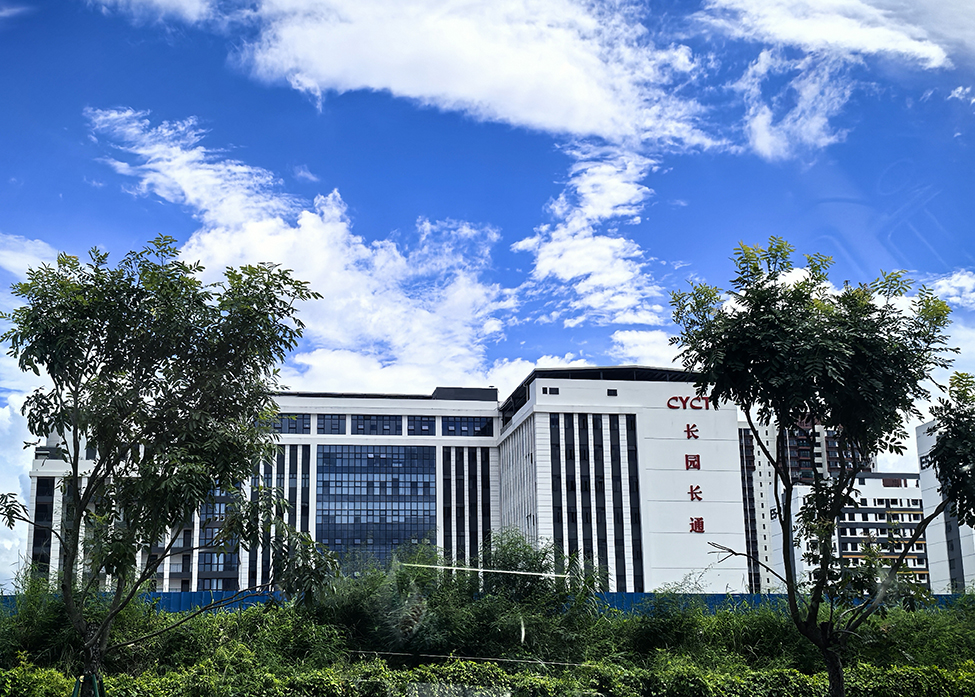
CYCT New Materials Company Limited (CYCT) is a state-level high-tech enterprise founded in 2000. We specialize in the R&D, production, and sales of pipeline corrosion protection materials, as well as buried pipeline detection and coating application services.
Over the decades, CYCT has built advanced testing and R&D capabilities, supported by a professional R&D team and a national CNAS-accredited laboratory. We work closely with leading research bodies, including the CNPC Pipeline Science Research Institute, to provide integrated solutions for the safety and protection of pipeline infrastructure.
CYCT is a trusted supplier of field joint coatings for PetroChina, Sinopec, PipeChina, and various international utilities, maintaining a high market share in key pipeline projects.
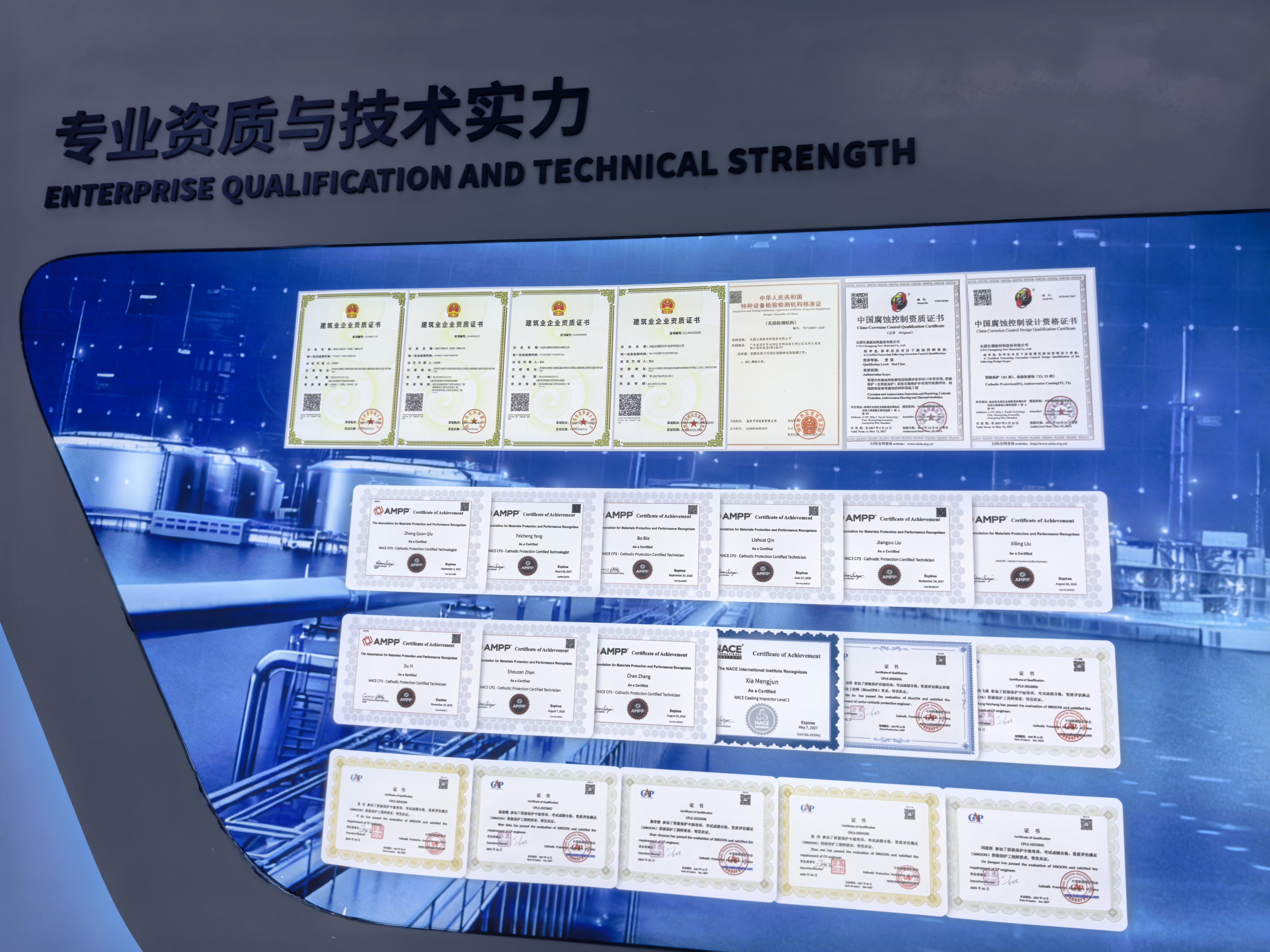
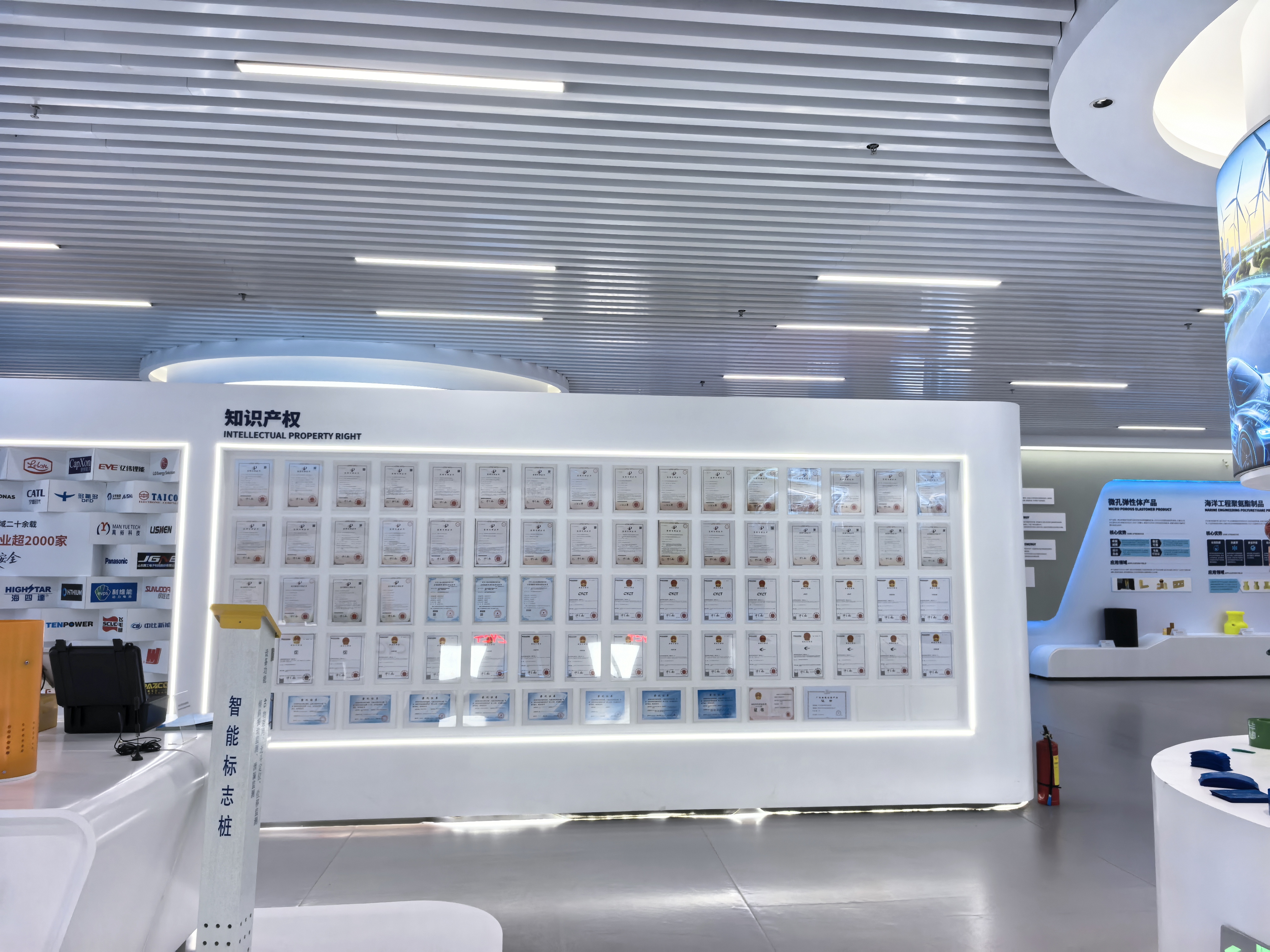
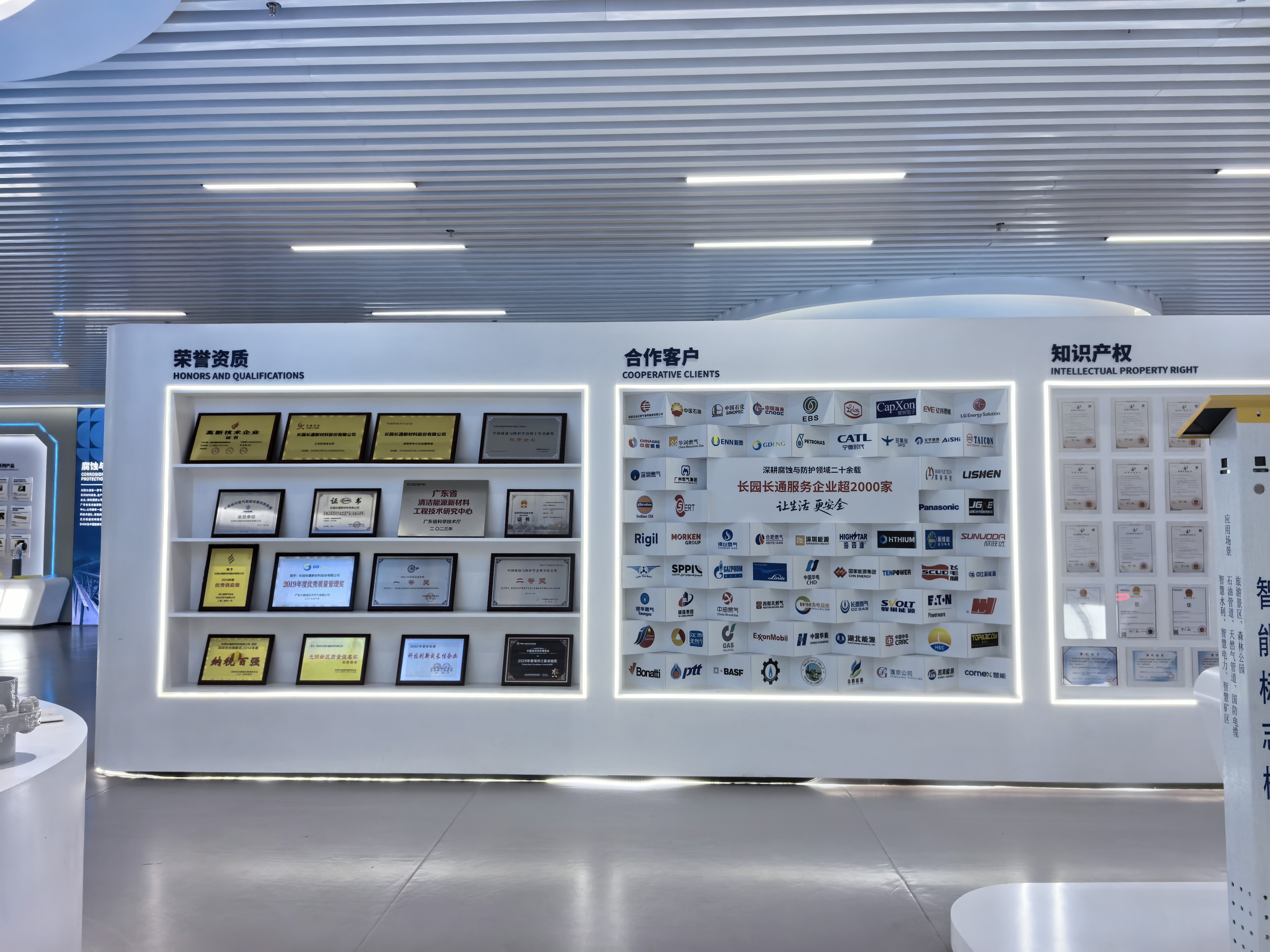
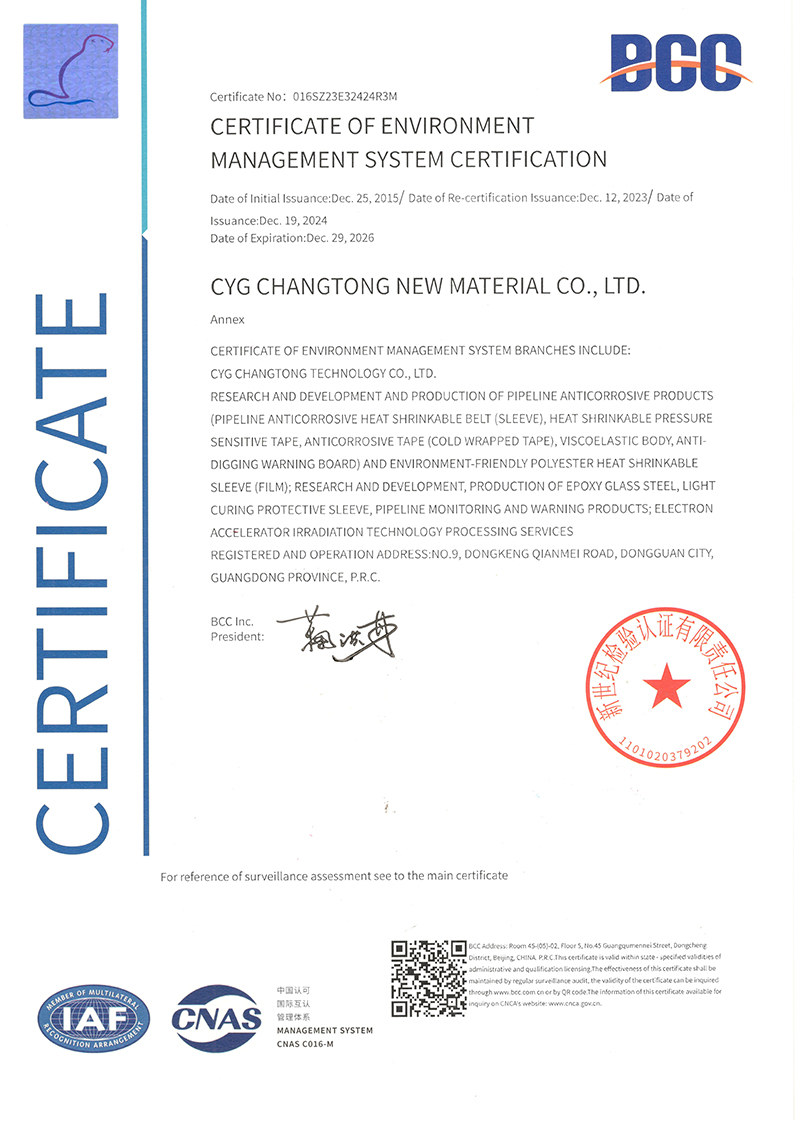
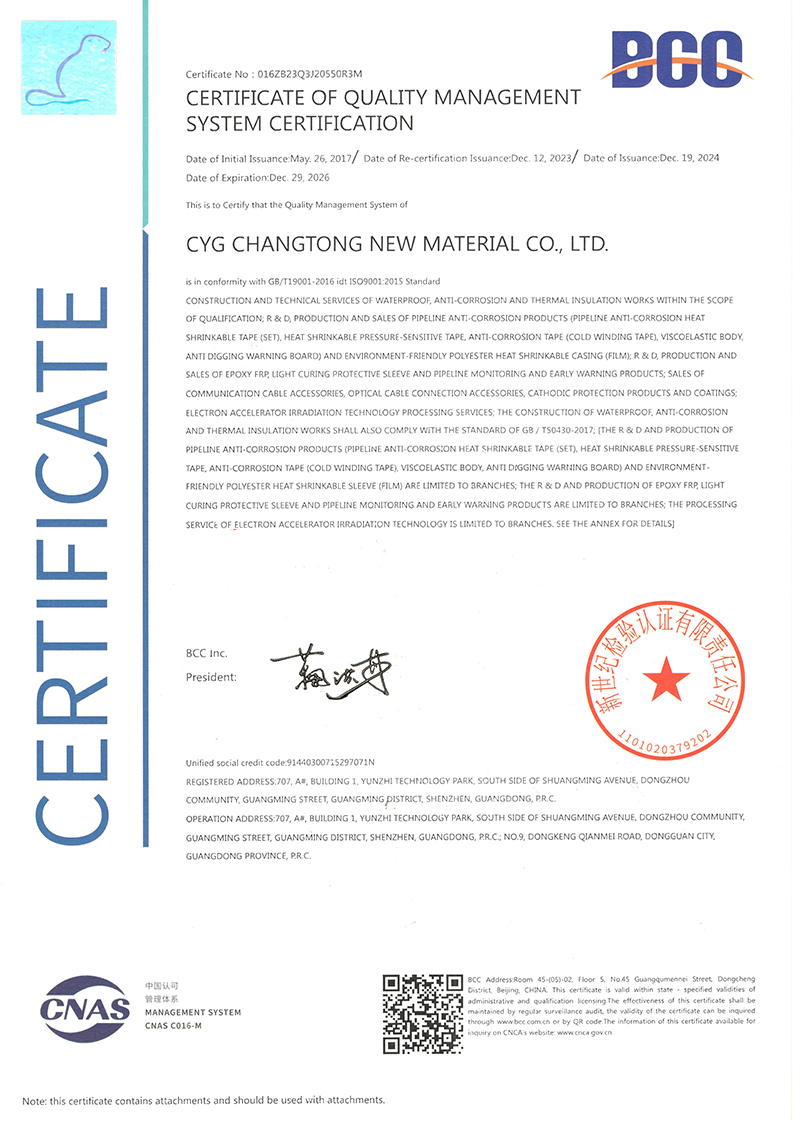
CYCT is a Council Member of the Chinese Society for Corrosion and Protection (CSCP), holds Qualification Certificates for Corrosion Protection Construction and Pipeline Detection, and is recognized as a Well-known Brand in China's pipeline corrosion protection industry. We are a Corporate Member of the China Association of Petroleum Engineering Construction (CAPEC) and a State-Level High-Tech Enterprise with over ten proprietary intellectual property rights.
Browse our full range of field joint coatings, protective sleeves, and repair systems designed for municipal and industrial utility networks.
 CYCT
CYCT