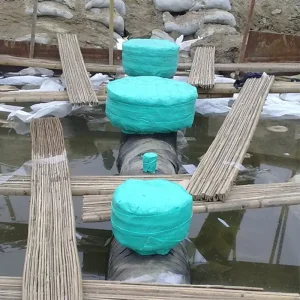
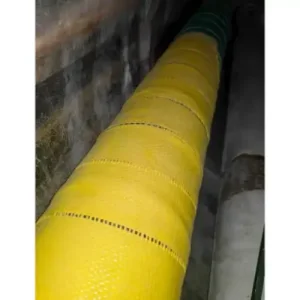
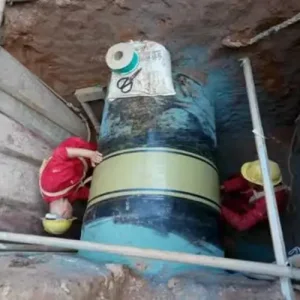
Highly durable mechanical and anticorrosion barrier technologies engineered to withstand the demanding soil and installation environments of Ireland.
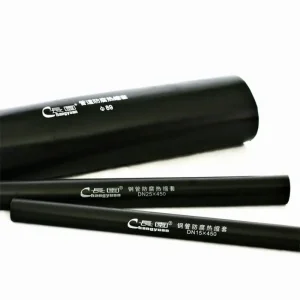
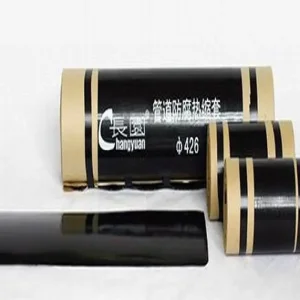
Ireland's energy networks and municipal water grids operate under demanding geographical and environmental conditions. The transition of Gas Networks Ireland toward renewable gas integration (such as biomethane and green hydrogen blends) requires structural updates and rigorous life-cycle protections. Additionally, regional infrastructure initiatives led by Uisce Éireann (Irish Water) demand long-lasting water transport pipelines.
From the damp peat bogs of the Midlands to the rocky, wave-swept coastlines of Galway and Cork, Irish soil profiles vary dramatically. Ground resistivity can fall below 10 Ω·m in saturated, saline environments, presenting high corrosion risks to underground steel structures. Furthermore, the expansion of modern utilities increasingly relies on trenchless installation technologies like Horizontal Directional Drilling (HDD) and micro-tunneling to bypass historic structures, environmentally protected SACs (Special Areas of Conservation), and waterways.
Abrasion Resistant Overlay (ARO) systems serve as a primary safeguard in this context. While traditional Fusion Bonded Epoxy (FBE) or 3-Layer Polyethylene (3LPE) coatings offer baseline anti-corrosion protection, they remain vulnerable to physical damage during HDD pullback operations or backfilling with native stony soil. A robust ARO layer protects the underlying barrier, maintaining coating integrity and preventing future cathodic disbondment.
Pipeline coating technology has progressed to meet escalating regulatory and technical requirements. Selecting the appropriate ARO technology depends on soil topography, installation methods, and operating temperatures:
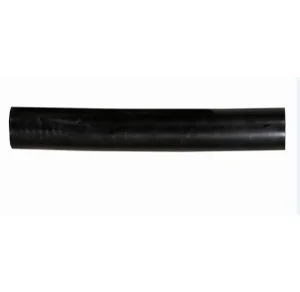
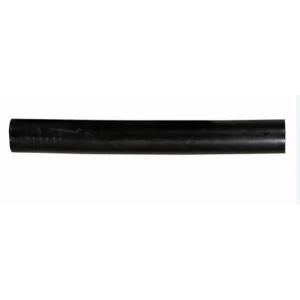
For HDD crossings beneath sensitive environments, such as the River Shannon or urban light-rail corridors in Dublin, the pipeline is pulled through a borehole where it interacts with sharp rock formations. Applying a fiber-reinforced outer sleeve (GRP or photo-curing shield) over the primary corrosion coating prevents gouging, peeling, and impact damage, mitigating the risk of structural failure down the road.
With Ireland's planned wind farm development in the Celtic Sea and Irish Sea, subsea cables and grid connections require specialized mechanical protection. Bend restrictors and GRF moisture-curing shields provide structural reinforcement, dampening hydrodynamic stresses and preventing abrasive wear at critical touchdown areas.
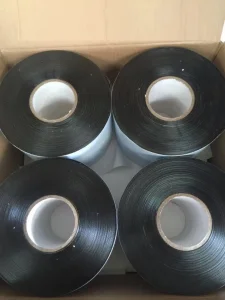
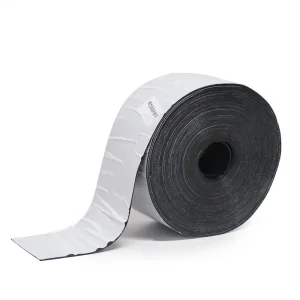
Irregular fittings, tees, and valves are difficult to wrap with standard heat-shrink sleeves. Viscoelastic systems adapt to these profiles. Because they maintain a fluid-like cold-flow behavior, they seal air and moisture out of complex profiles, ensuring consistent protection alongside existing cathodic protection systems.
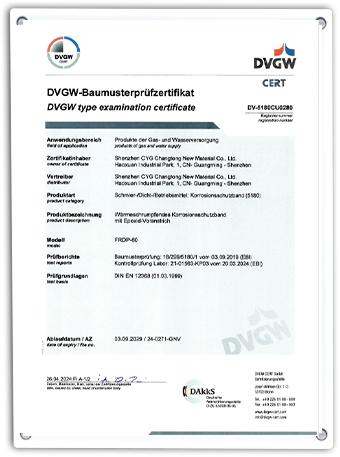
Irish infrastructure relies on European-wide safety norms. Pipeline operators demand verifiable proof of material performance before installation begins. Crucial test procedures include:
CYCT works alongside local testing institutes, providing comprehensive documentation packages, safety data sheets (SDS), and installation manuals to support compliance sign-offs for Irish contractors and inspectors.
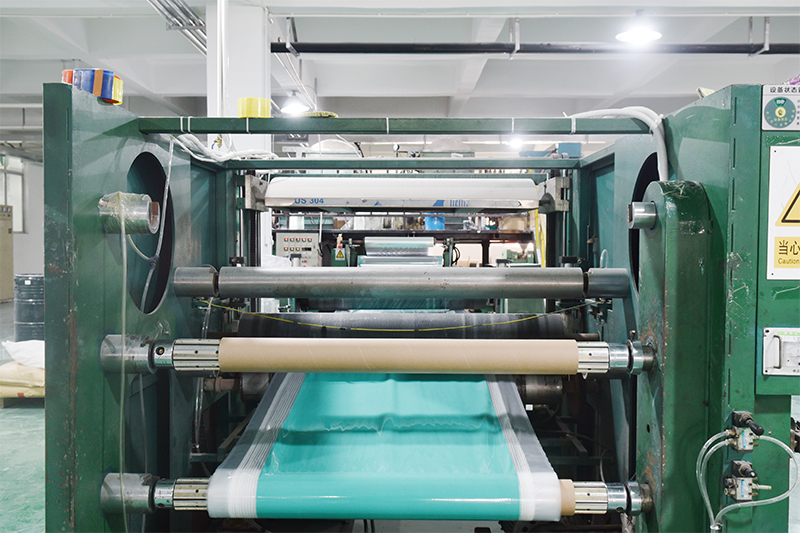
Founded in 2000, CYCT New Materials Company Limited has grown into a high-capacity manufacturing partner for pipeline corrosion protection. Operating under a Factory 4.0 framework, CYCT uses automated extrusion, digital blending systems, and radiation cross-linking machinery to ensure product consistency and scale.
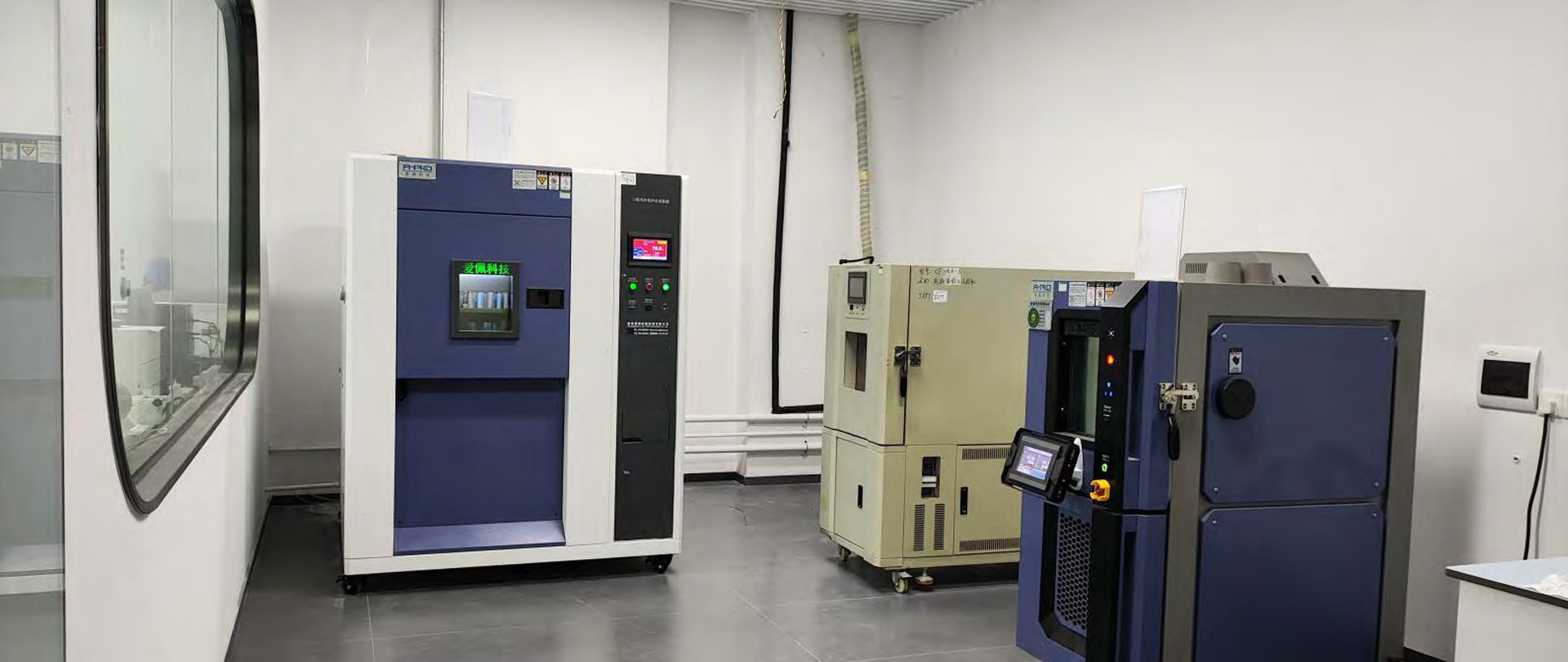
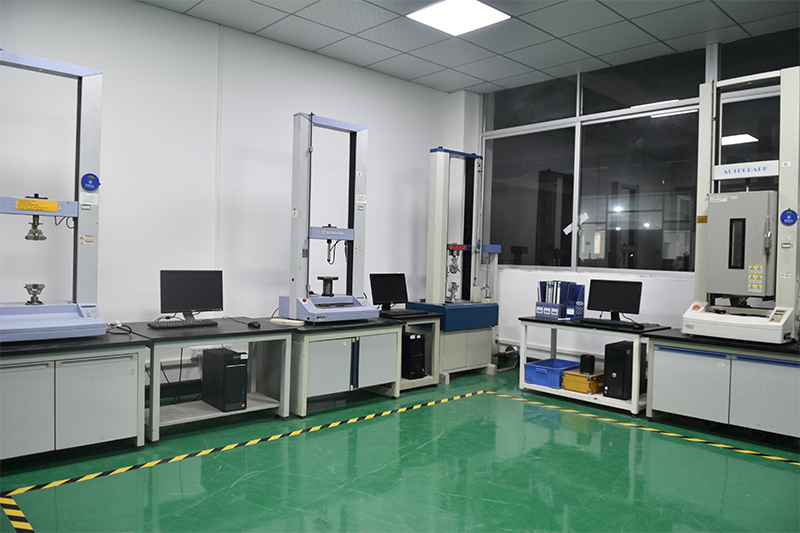
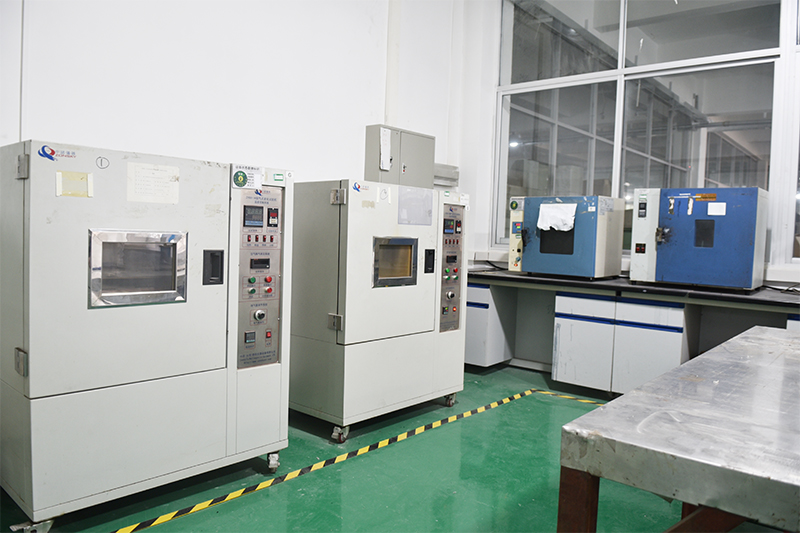
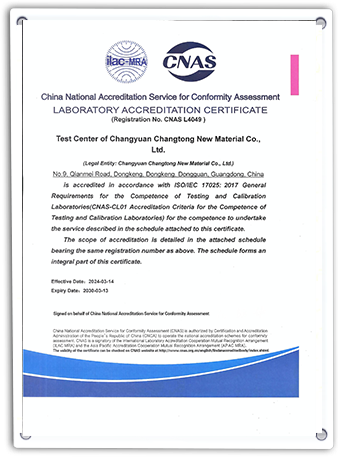
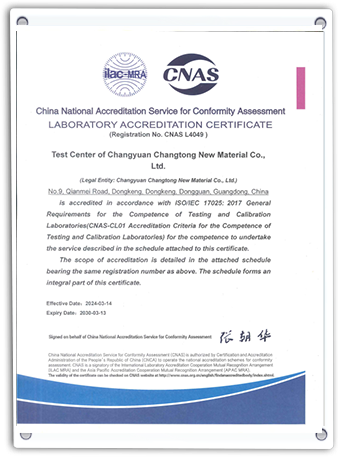
Our in-house CNAS-accredited laboratory conducts chemical, thermal, and mechanical evaluations on every batch. Partnering with the CNPC Pipeline Science Research Institute, we adapt our formulations for diverse environmental applications.
For European project managers, this model balances supply security with cost efficiency. Automated production controls costs, while logistics partnerships facilitate containerized delivery to Dublin Port, Cork Harbour, and Foynes. This setup helps EPC contractors maintain project schedules without compromising quality.
Get in touch with our pipeline protection specialists. We provide technical consultation, tailored CAD designs, and material calculations for Ireland-based energy and water networks.
Send Inquiry NowWhen procuring ARO systems for international infrastructure projects, EPC procurement leads should evaluate the following parameters:
Engineered mechanical protections for offshore energy hubs, deep harbor operations, and subsea interconnectors across Ireland.
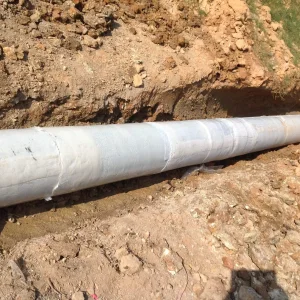
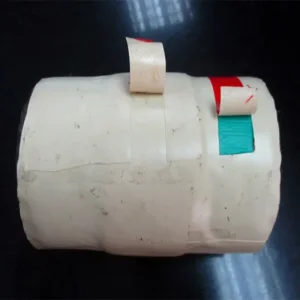
CYCT New Materials Company Limited (CYCT) is a state-level high-tech enterprise integrating the R&D, production, and sale of pipeline corrosion protection materials. We also offer buried pipeline detection services and pipeline coating field application services. Backed by decades of research and production, CYCT remains a stable supplier of field joint coatings and protective systems for major international energy projects.
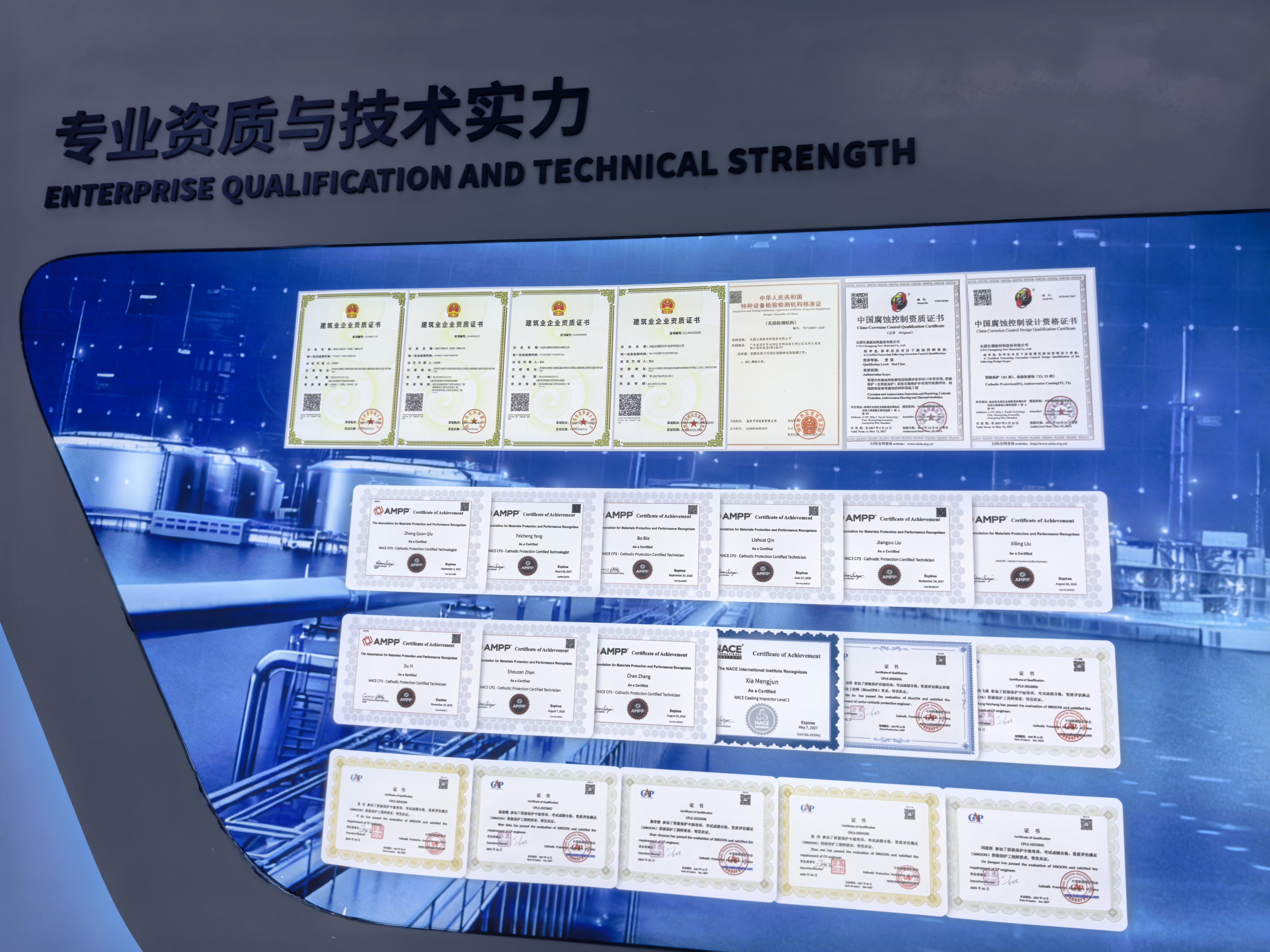
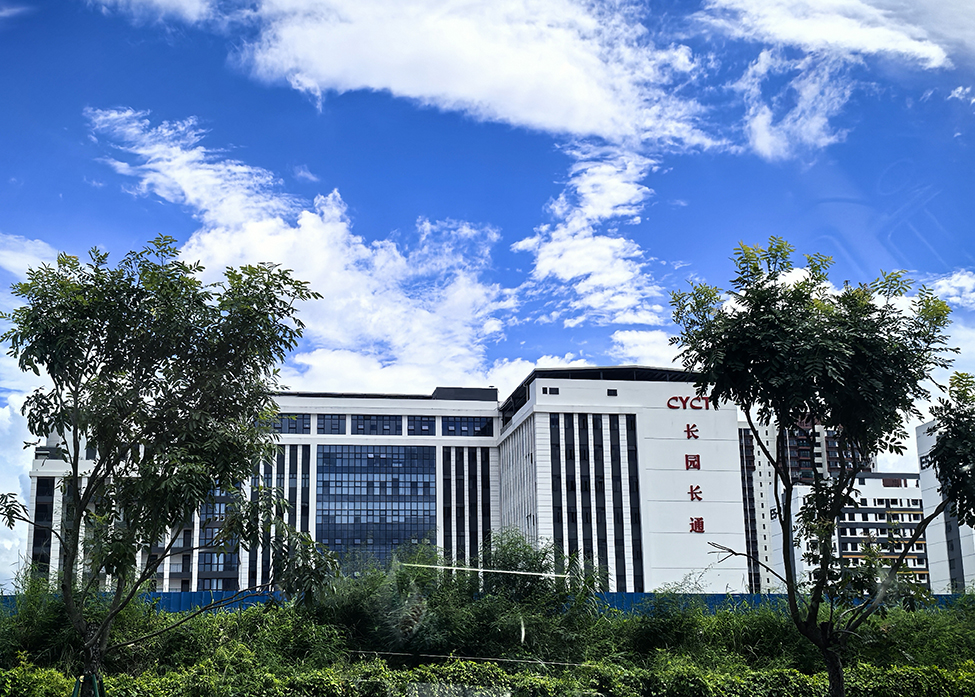
CYCT maintains dedicated testing and development capabilities, featuring a professional research team and an in-house laboratory. By partnering with leading R&D organizations—including the CNPC Pipeline Science Research Institute—we provide comprehensive support for active pipelines. Our capabilities cover buried pipeline detection, system design, cathodic protection configuration, rehabilitation projects, and integrated safety coatings.
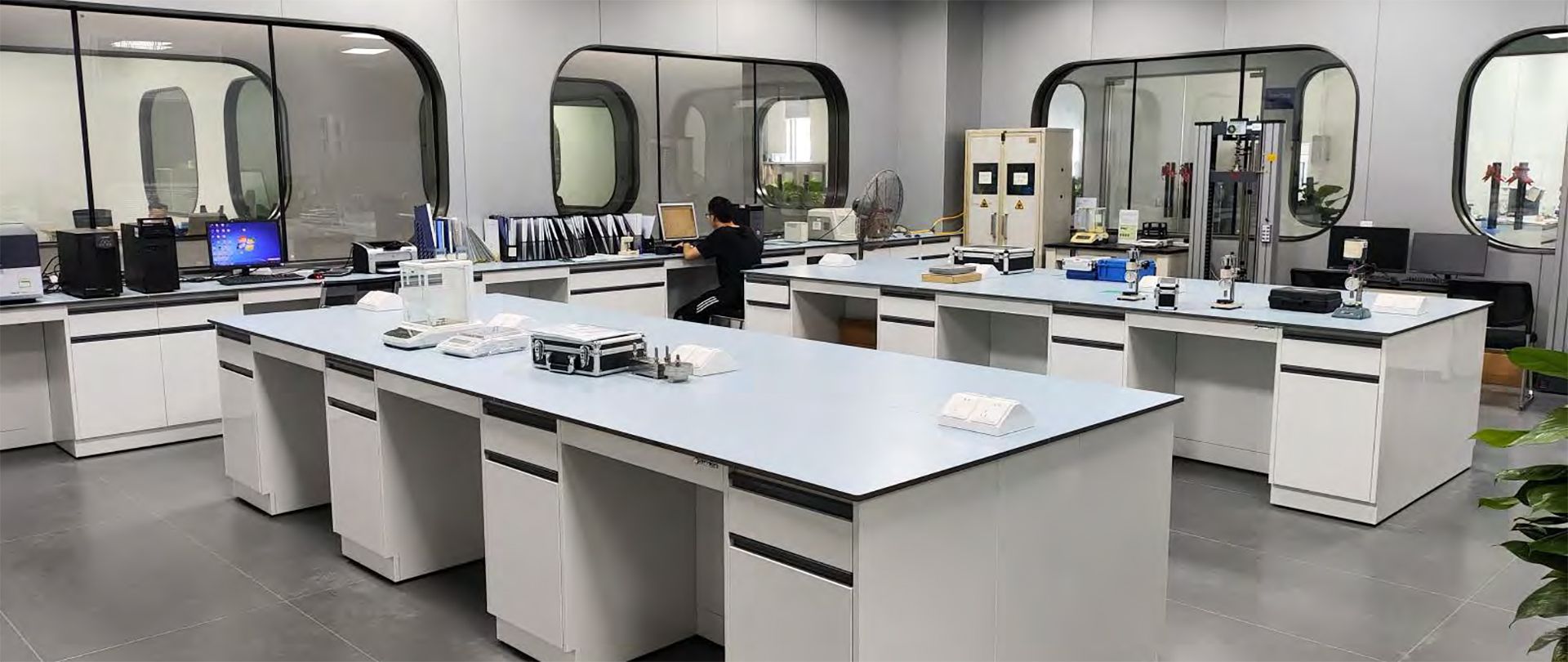
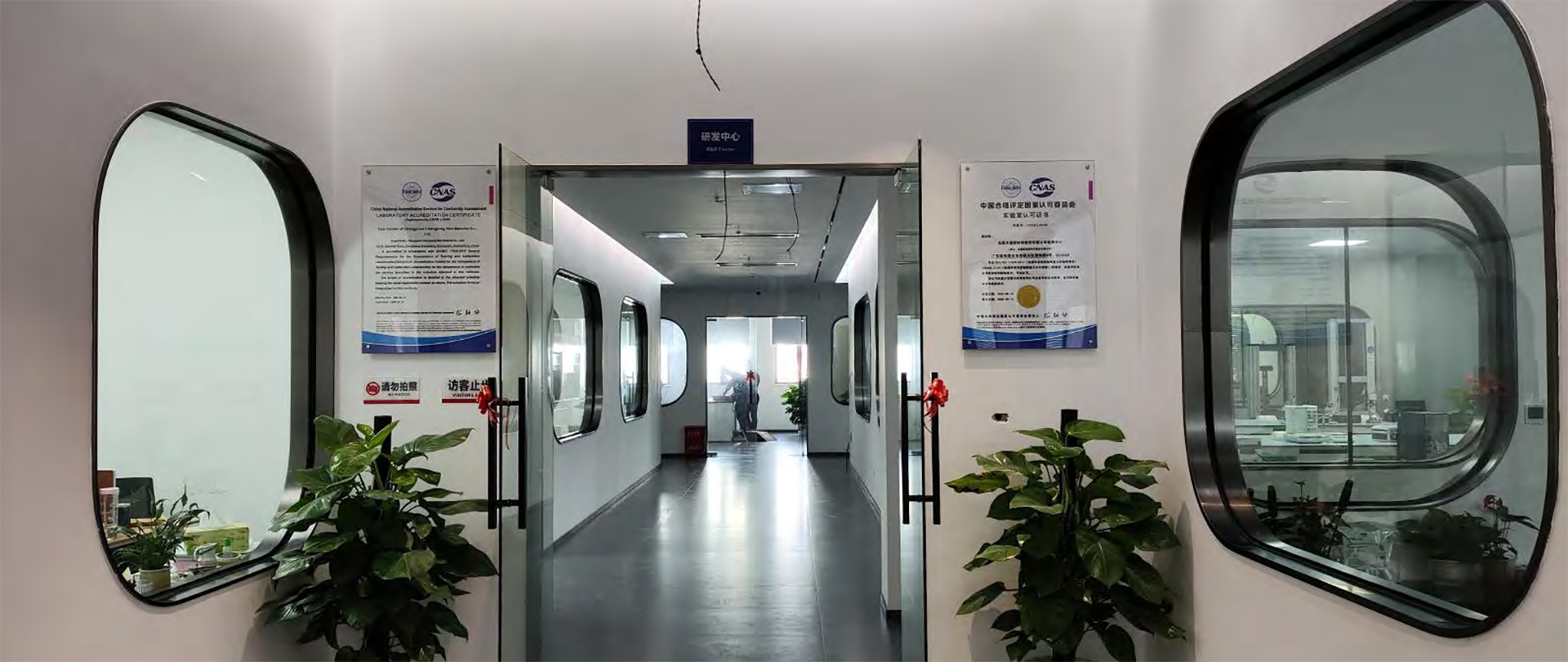
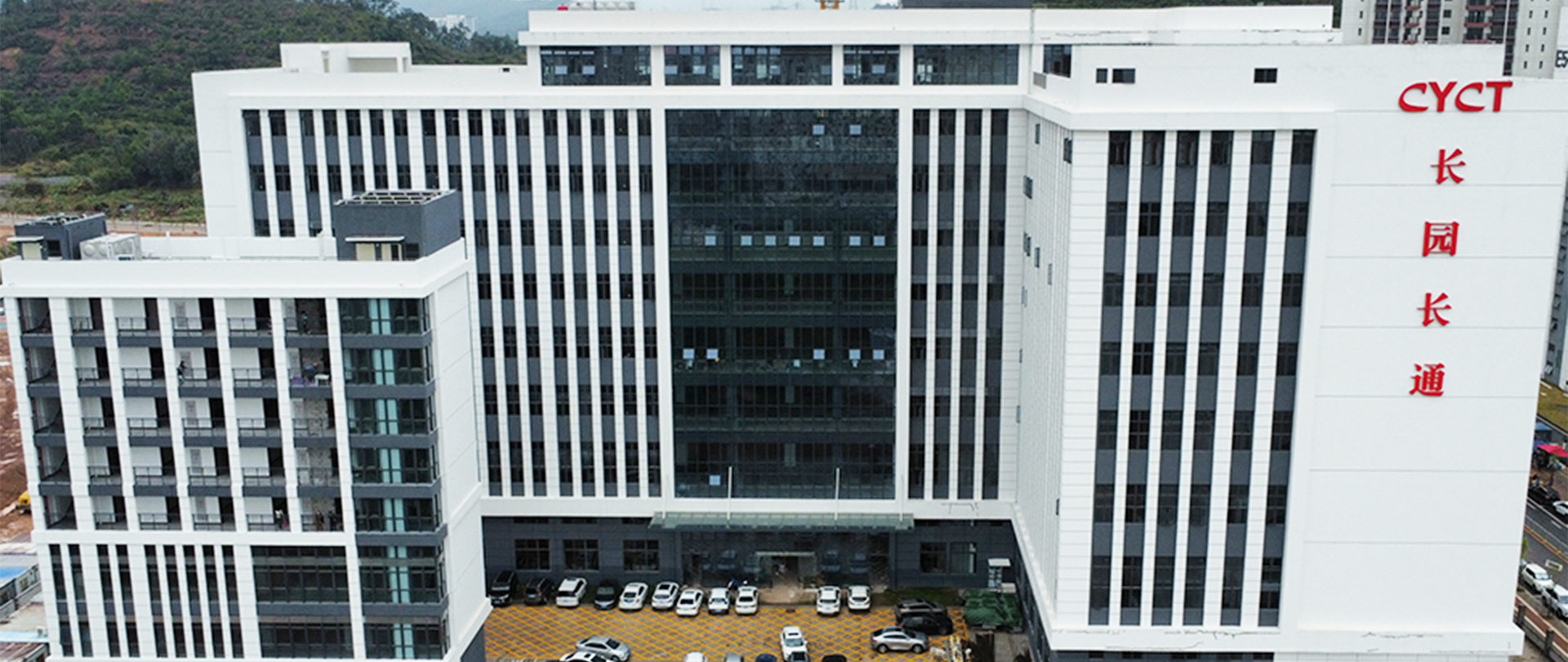
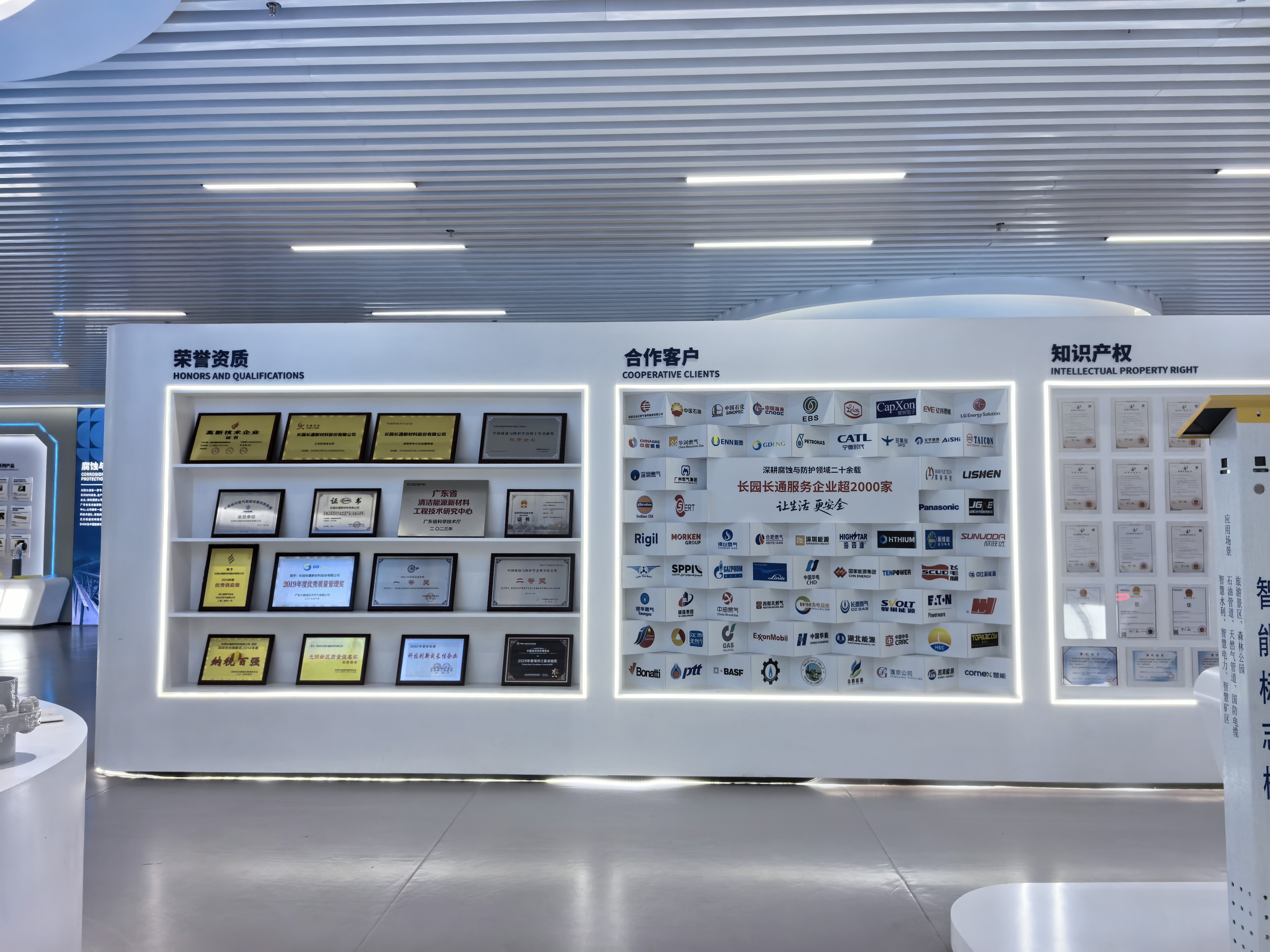
We supply field joint coatings for PetroChina, Sinopec, PipeChina, and various municipal networks. CYCT has also developed and introduced specialty protection materials, including viscoelastic anticorrosion coatings, photo-curing sleeves for HDD protection, and polyurea-based coatings.
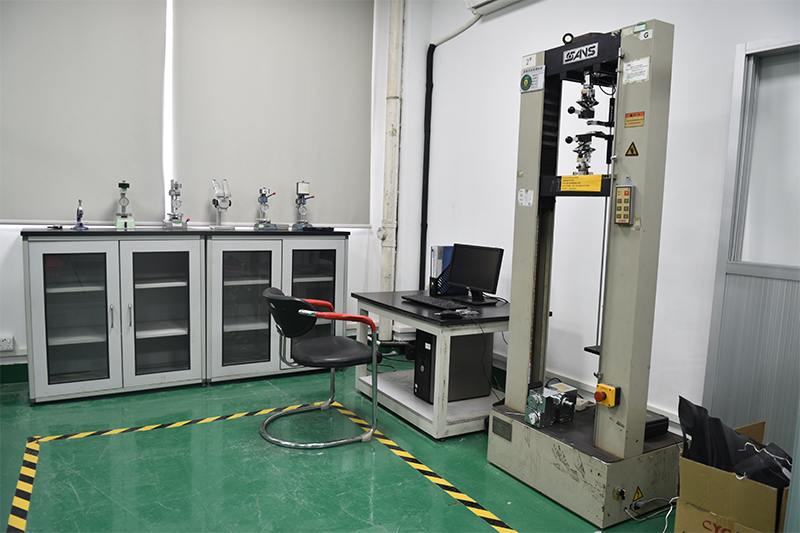
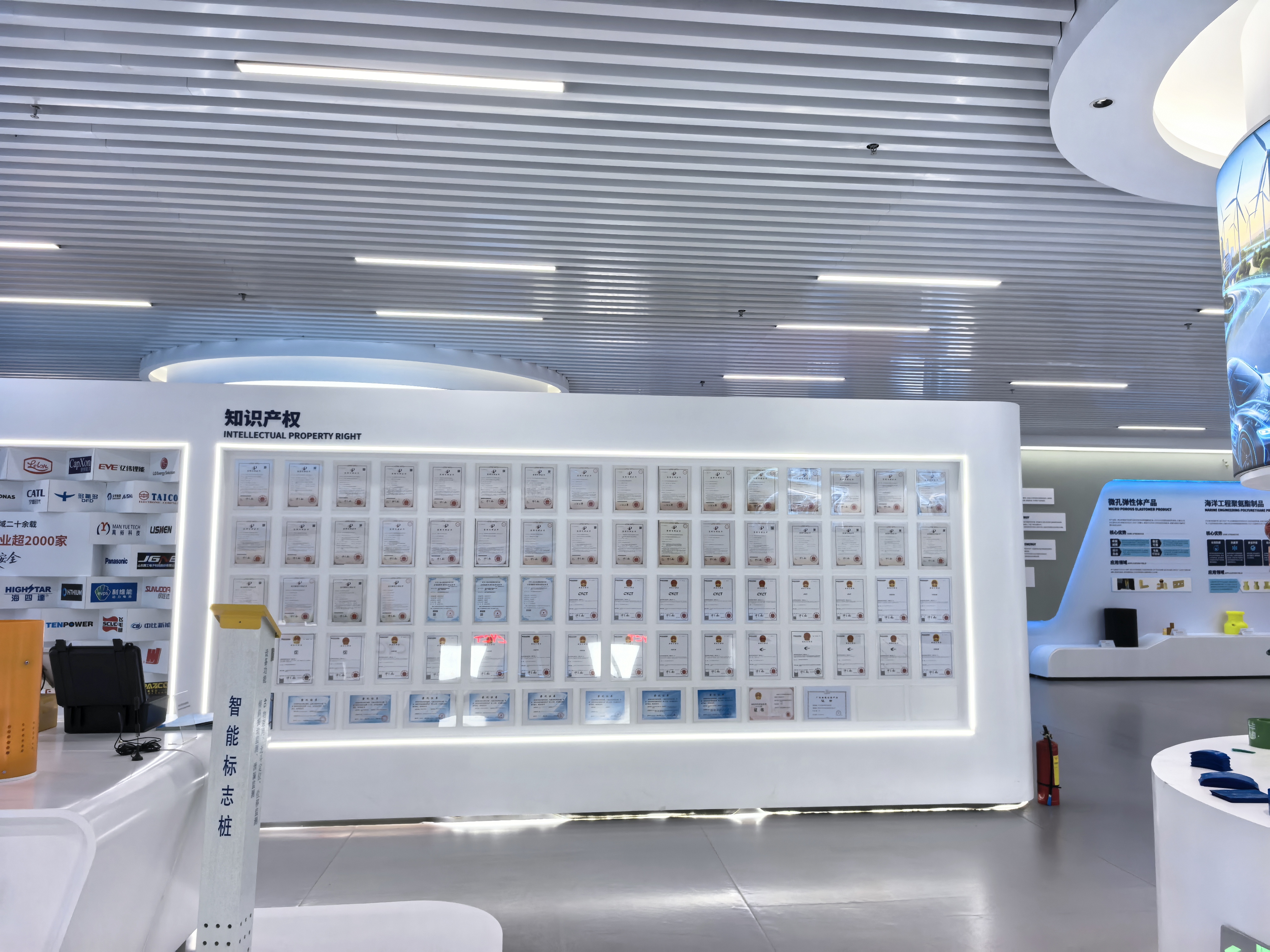
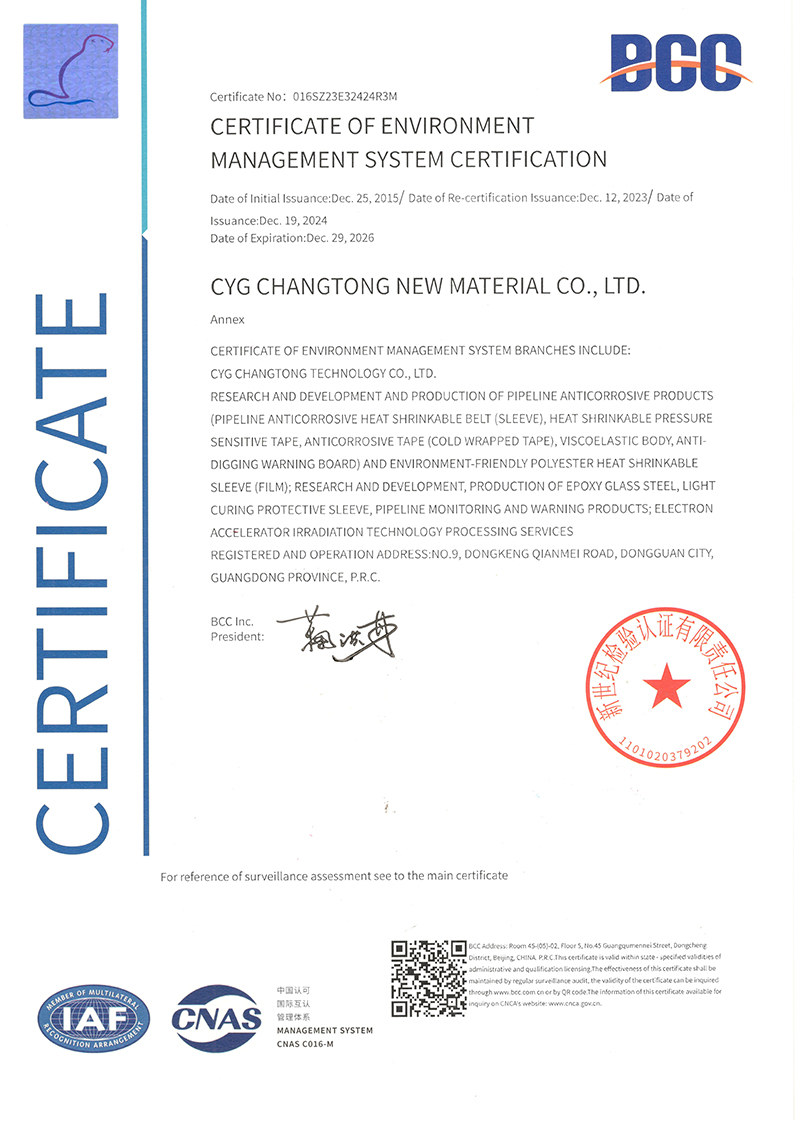
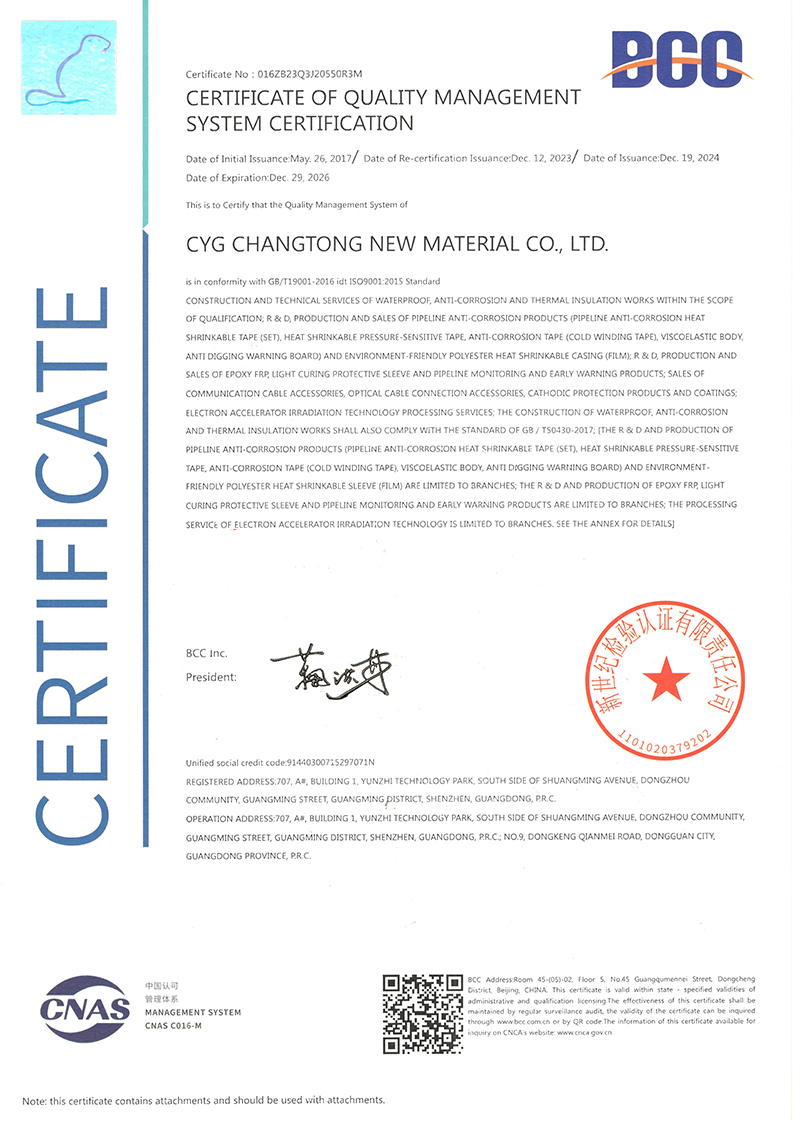
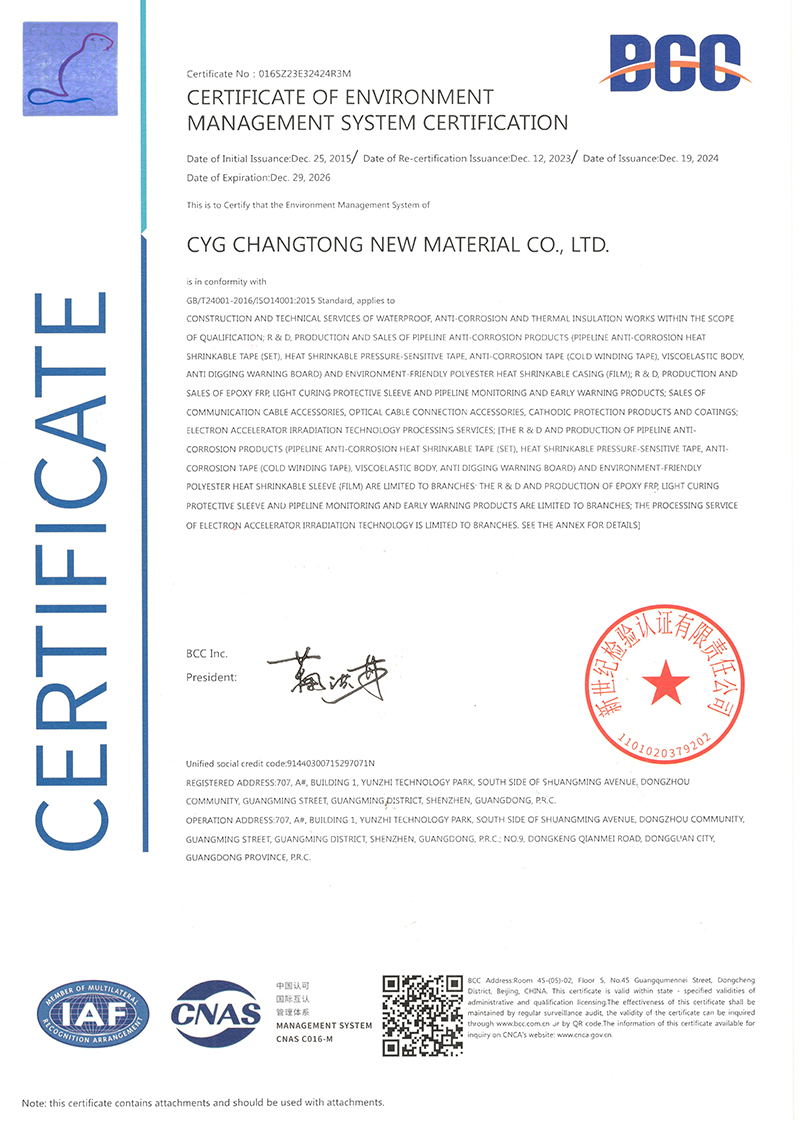
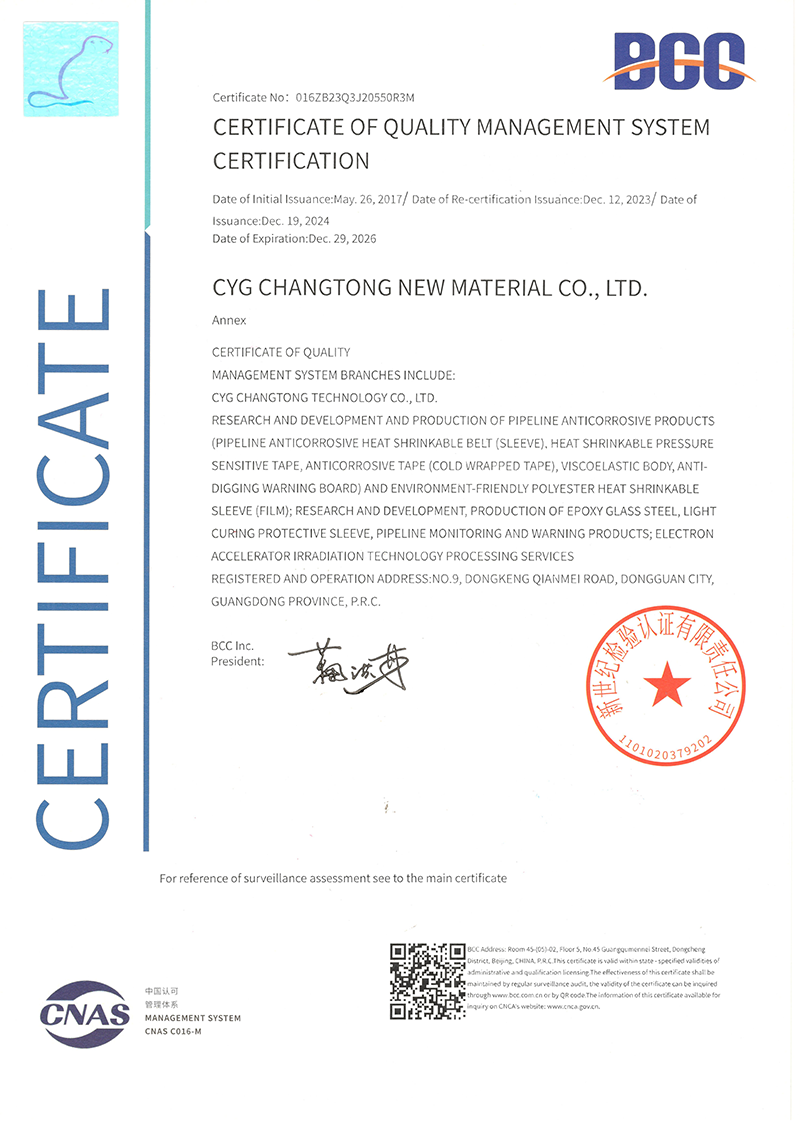
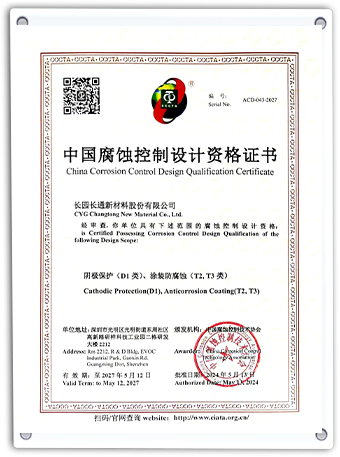
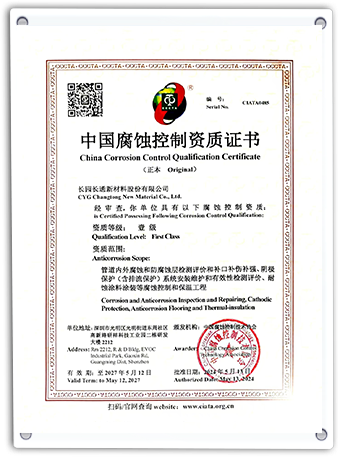
CYCT is a Council Member of the Chinese Society for Corrosion and Protection (CSCP) and a corporate member of the China Association of Petroleum Engineering Construction (CAPEC). We maintain qualification certificates for corrosion protection construction and pipeline detection, backed by more than ten proprietary intellectual property rights.
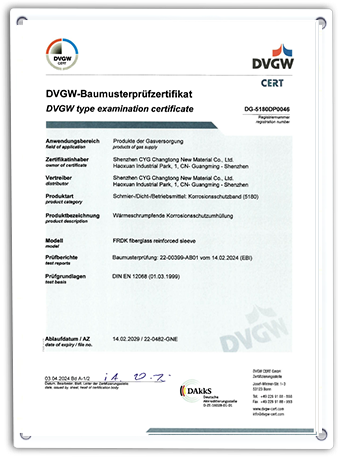
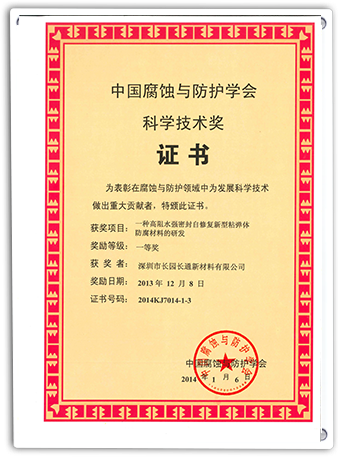
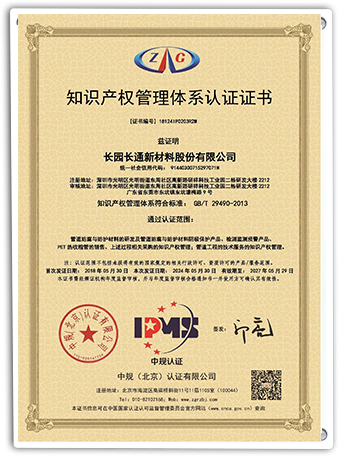
Durable pipeline outer tapes, viscoelastic sealants, and reinforcement systems designed for processing plants, distribution terminals, and pipelines in Ireland.
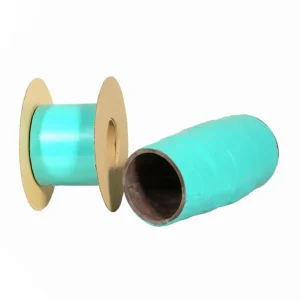
 CYCT
CYCT