Engineered high-performance coatings, wrap-around sleeves, and specialty sealing systems designed for municipal, industrial, and petrochemical pipelines.
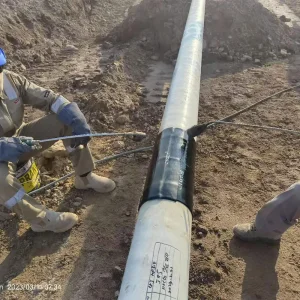
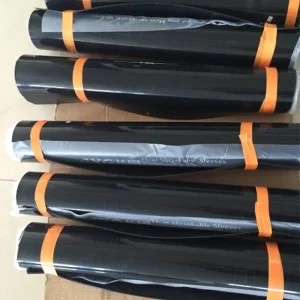
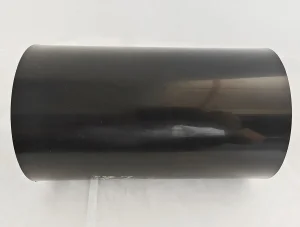
In the macro-infrastructure sectors of petrochemical transmission, municipal water networks, and high-pressure gas distributions, the structural integrity of buried steel pipelines is paramount. Pipelines represent the critical lifelines of modern global economies. However, steel buried under soil or submerged under water faces relentless electrochemical oxidation and chemical degradation. Corrosion mitigation is not merely an engineering challenge; it is a vital safeguard against catastrophic failures, ecological damage, and colossal economic losses. Among the various solutions, wrap around heat shrink tubing and sleeves have emerged as the industry gold standard for field joint coatings (FJC) and pipeline rehabilitation.
CYCT New Materials Company Limited (CYCT) has remained at the vanguard of this engineering domain since its founding in 2000. As a state-level high-tech enterprise, CYCT integrates comprehensive R&D, advanced chemical formulation, state-of-the-art production, and global delivery of premium pipeline corrosion protection systems. With decades of dedicated research and development, we formulate polymer composites designed to endure extreme mechanical stress, thermal fluctuations, and chemical exposure, ensuring long-term underground operation with zero downtime.
Procuring raw materials for international energy and utility corporations is a complex task involving strict quality control and logistical stability. Engineering Procurement and Construction (EPC) contractors and material sourcing managers prioritize materials that offer ease of application, compliance with international standards (such as EN 12068, ISO 21809-3, and ASTM standards), and a low Total Cost of Ownership (TCO).
Global demand patterns reveal critical requirements across regional markets:
As a leading supplier and manufacturer, CYCT aligns with these expectations by maintaining an agile manufacturing pipeline. We offer flexible OEM/ODM contract production, enabling tailored thickness configurations of polyolefin backing and adhesive layers. By working closely with logistics networks, CYCT ensures that critical field joints materials reach project sites in remote oilfields, rugged mountainous terrains, and urban pipeline routes on schedule.
Strategic logistics coordination and secure packaging to prevent early activation of heat-sensitive adhesives during marine transit across high-temperature zones.
Complete traceability from monomer synthesis to raw resin inspection, radiation dosage monitoring, and final peel-test audits in our CNAS laboratory.
Varying width profiles, customized mastic thicknesses, and private labeling options to match international client design specifications.
Modern engineering projects involve diverse geological and operational conditions. A one-size-fits-all approach is inadequate for corrosion protection. CYCT provides targeted systems for varied field environments:
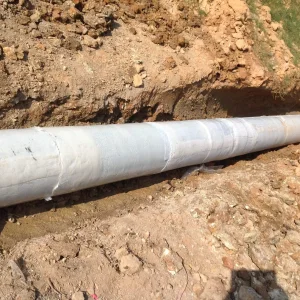
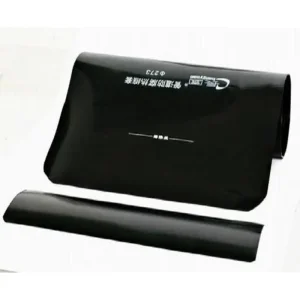
In cross-country petroleum or natural gas pipelines, steel pipes are coated at the factory with 3LPE (Three-Layer Polyethylene) or 3LPP (Three-Layer Polypropylene), leaving the ends bare for welding. Once welded, these field joints must be insulated with the same level of integrity. CYCT's PP/PE heat shrinkable sleeves provide seamless compatibility, merging with the factory coat through heat fusion to form a continuous, impermeable protective layer.
Pulling pipelines under rivers, highways, or structures subjects the coatings to high shear forces and abrasive friction. Regular coatings risk being torn off. CYCT developed a specialty photo-curing protective sleeve for HDD protection, composed of high-strength glass fiber reinforced plastics (GRP). This curing sleeve provides mechanical shielding over the primary corrosion coating, ensuring it remains intact despite high abrasive stress.
Heavy oil lines or high-pressure gas pipelines run at elevated temperatures to maintain flow velocities. Standard adhesives degrade under constant heat. CYCT's FRDP-PP and high-temperature PP heat shrinkable sleeves operate continuously at temperatures up to 80°C or even higher. These systems utilize advanced copolymer adhesives that resist shear creep and thermal aging over extended operating cycles.
Our material science strategy focuses on cross-linked polymer design and functional adhesives. CYCT leverages molecular modifications to continuously improve our product properties:
We use high-energy electron beam radiation to cross-link the PE/PP backing. This permanently restructures the linear polymers into a three-dimensional network, giving the sleeve elastic memory. When reheated, it shrinks uniformly with high radial tension, wrapping tightly around the joint.
CYCT's hot-melt adhesives are formulated to bond firmly to steel, epoxy primers, and factory-applied coatings. They seal out moisture and resist cathodic disbondment, keeping the pipeline protected even if the outer barrier is damaged.
Our cold-applied visco-elastic coatings offer self-healing properties. These amorphous, non-crystalline polymers flow into micro-crevices and self-repair minor mechanical cuts, ensuring a continuous barrier against water and oxygen.
CYCT New Materials Company Limited was founded in 2000 and has grown into a major supplier of pipeline protection materials. Our capabilities extend beyond manufacturing; we provide buried pipeline detection and pipeline coating field services as a state-level high-tech enterprise.
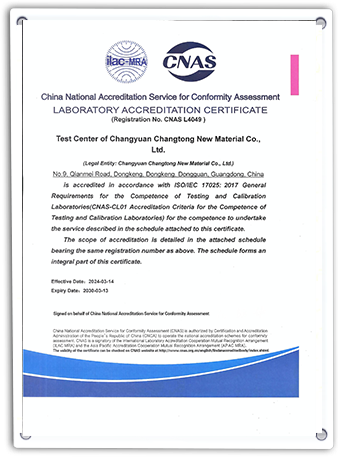
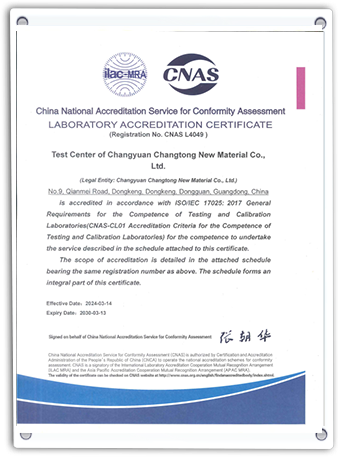
CYCT operates a national CNAS-accredited laboratory and maintains a dedicated R&D team. We work in partnership with research institutions like the CNPC Pipeline Science Research Institute. This collaboration supports our work on high-operating temperature systems, viscoelastic protection, and trenchless installation protection.
We are an active member of the Council in the Chinese Society for Corrosion and Protection (CSCP), a corporate member of the China Association of Petroleum Engineering Construction (CAPEC), and are aligned with AMPP (Association for Materials Protection and Performance) standards. This foundation makes CYCT a trusted vendor for PetroChina, Sinopec, PipeChina, China Gas Group, and Indian Oil.
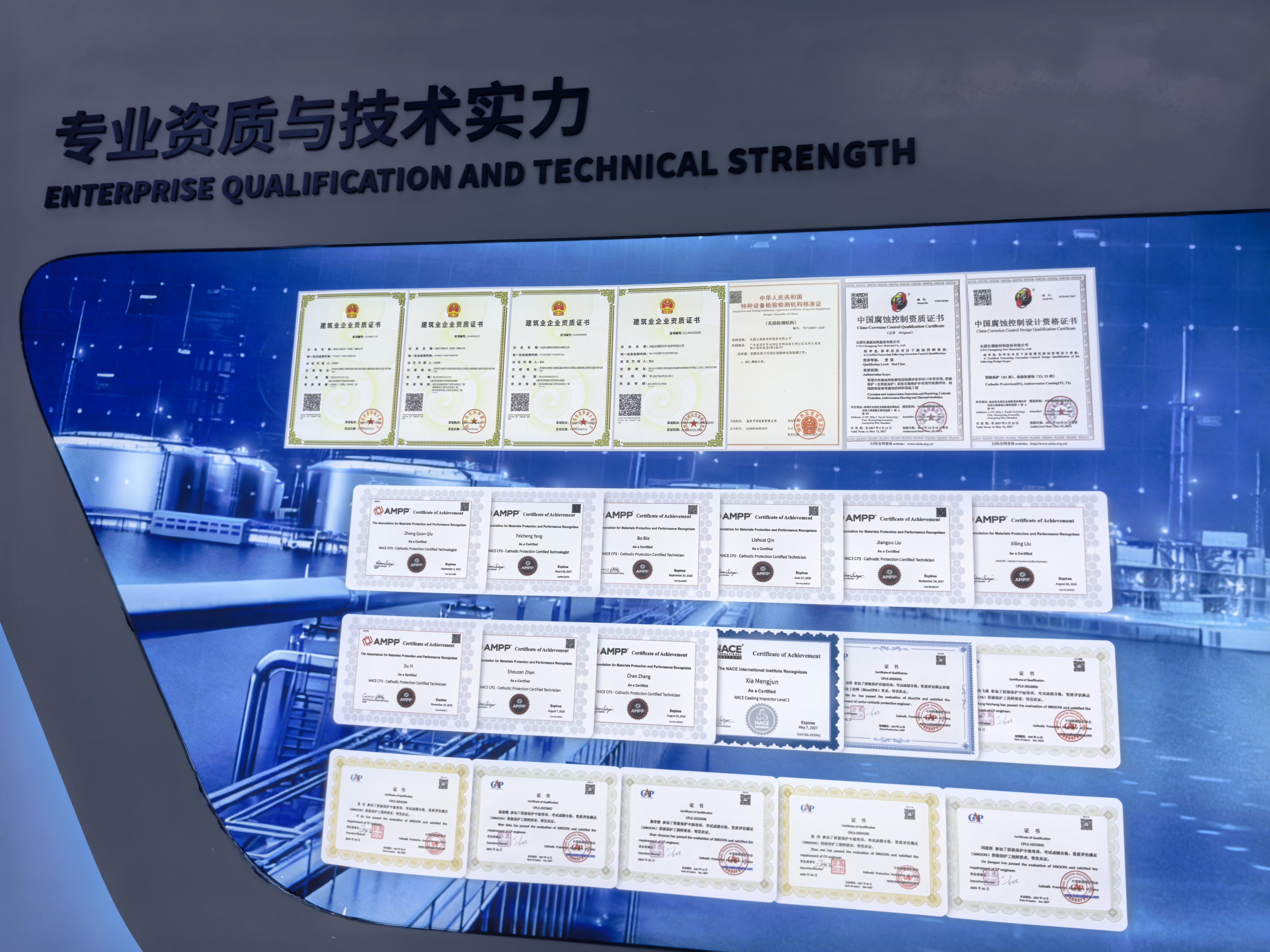
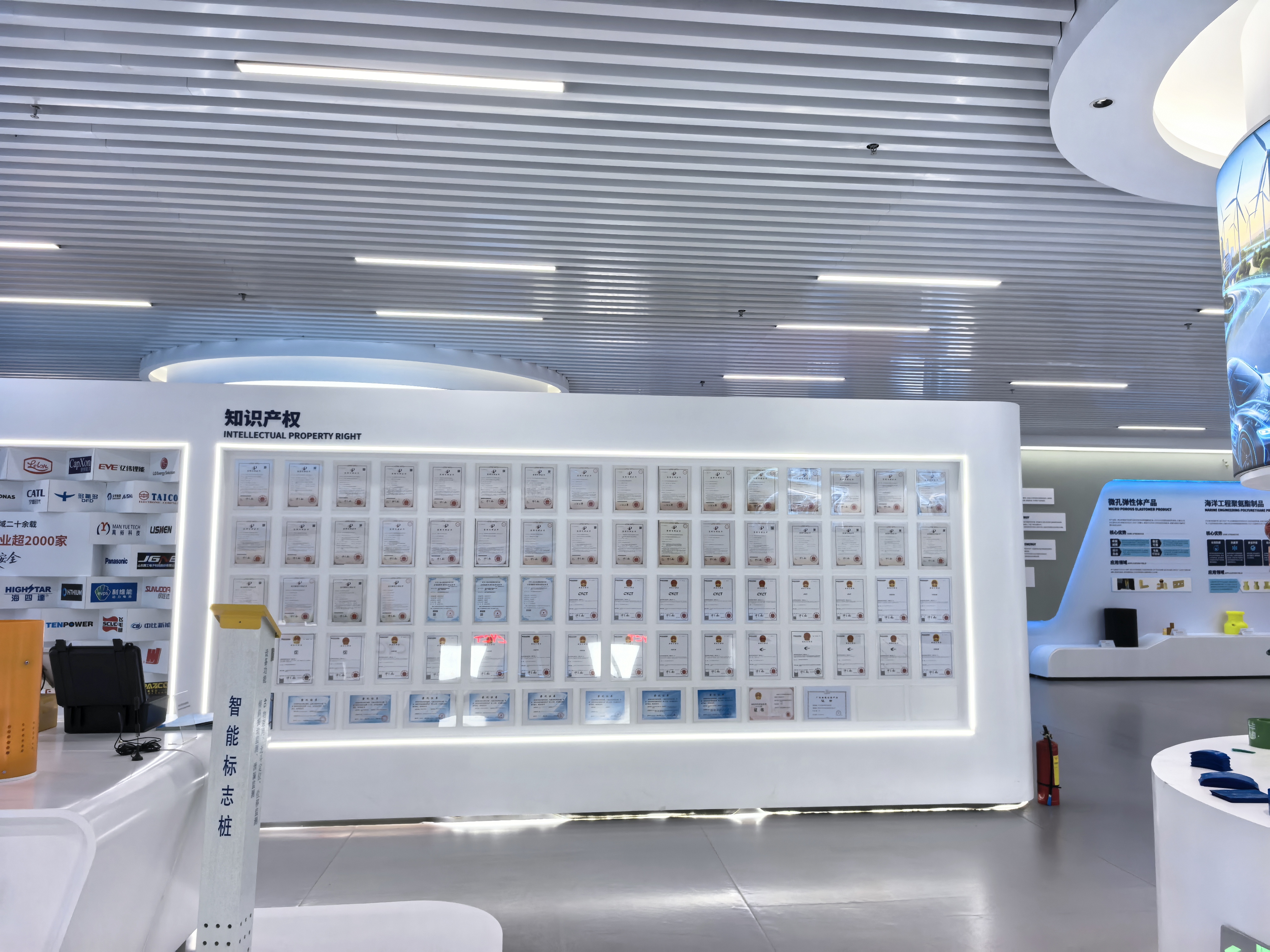
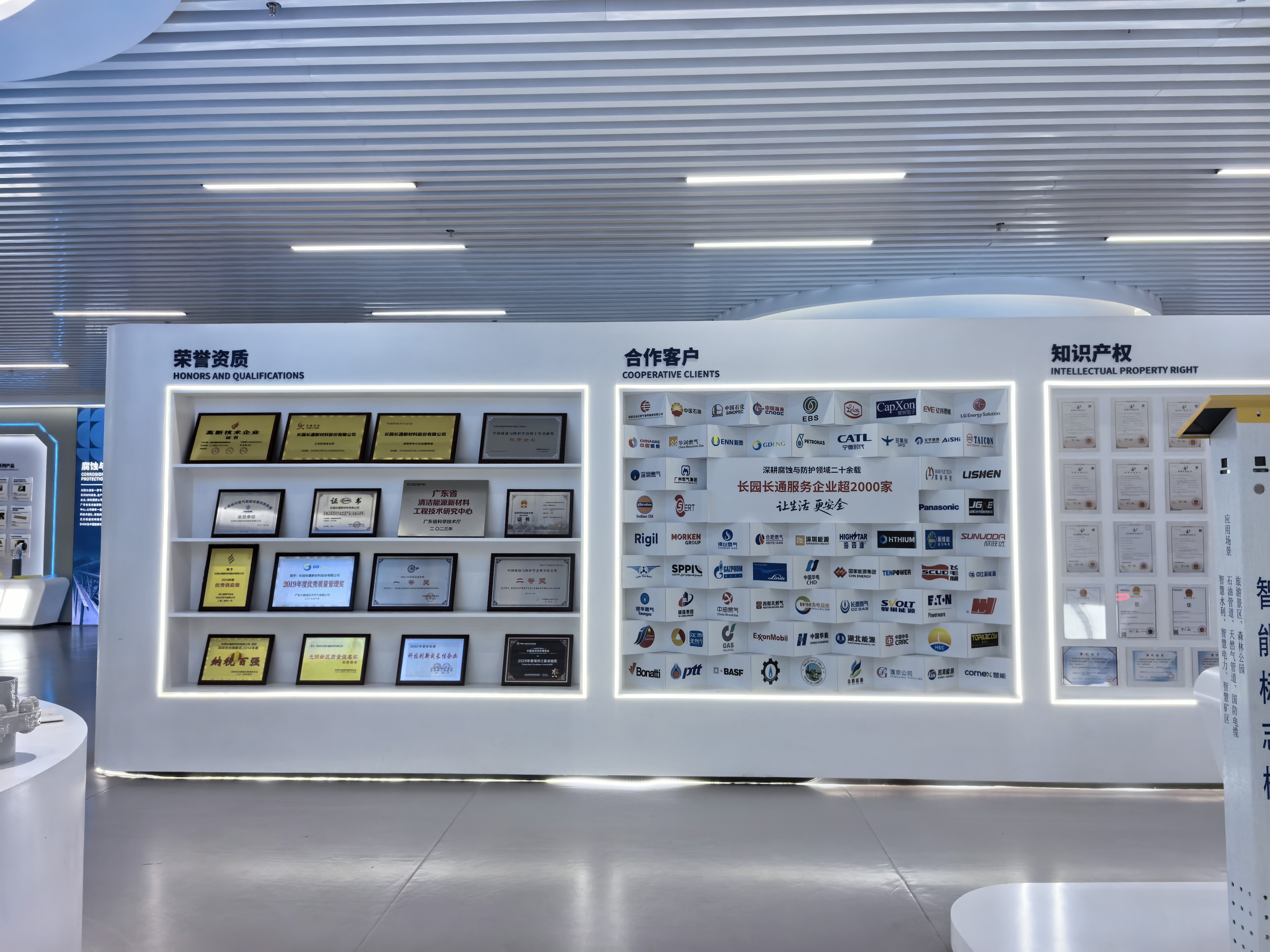
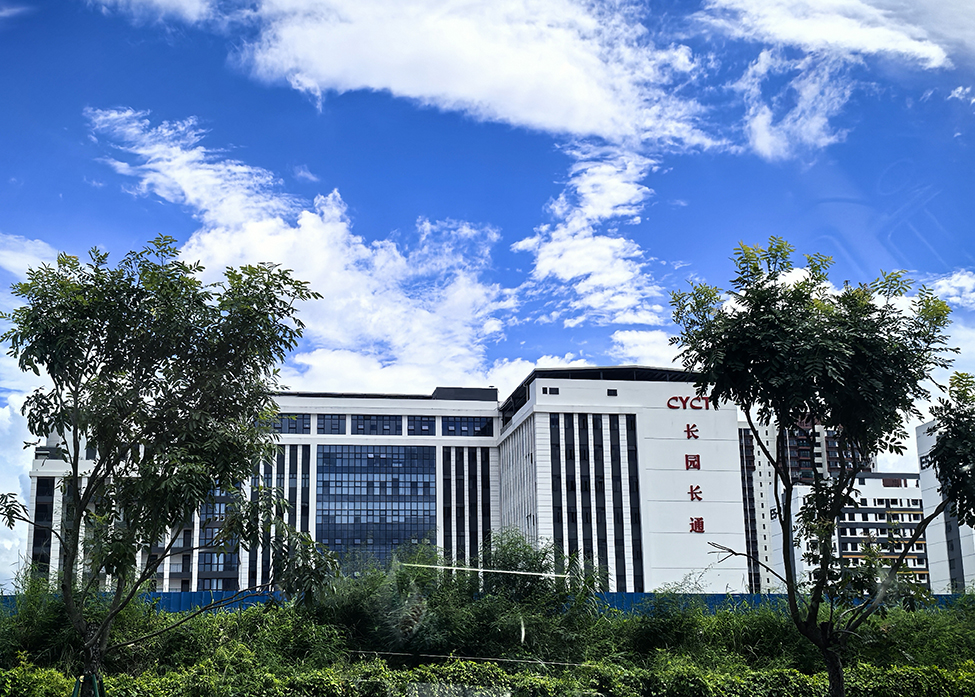
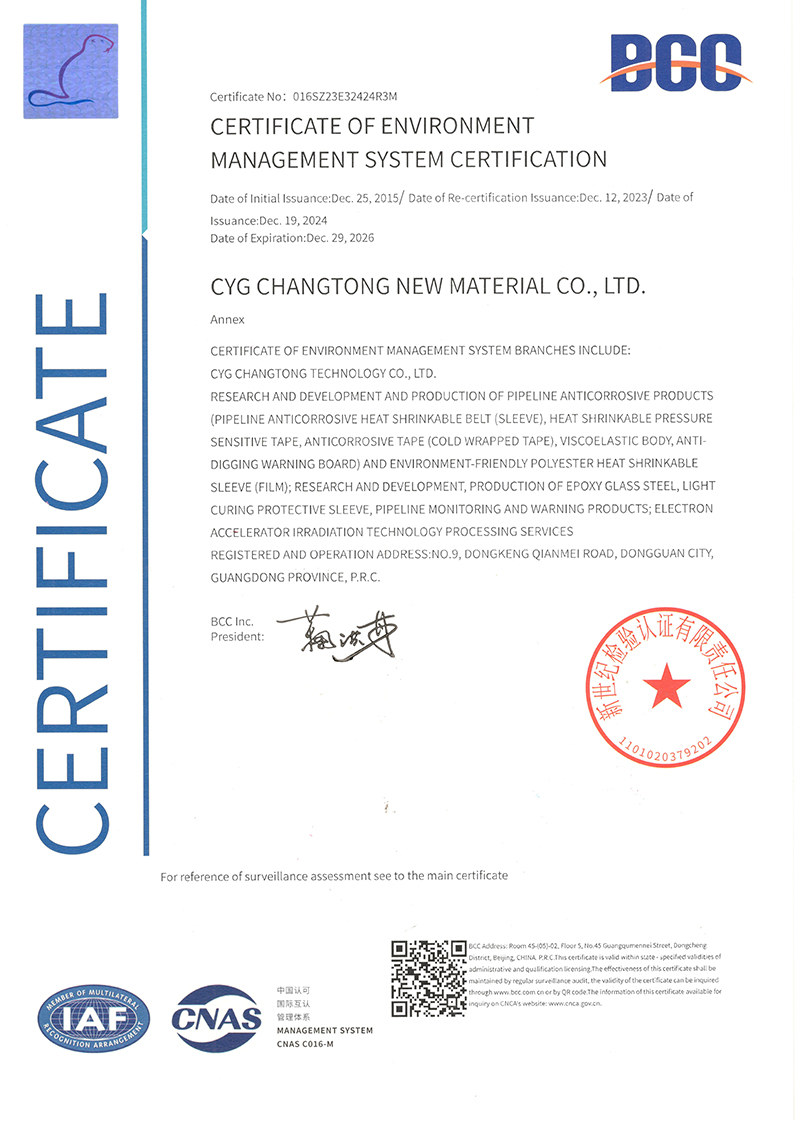
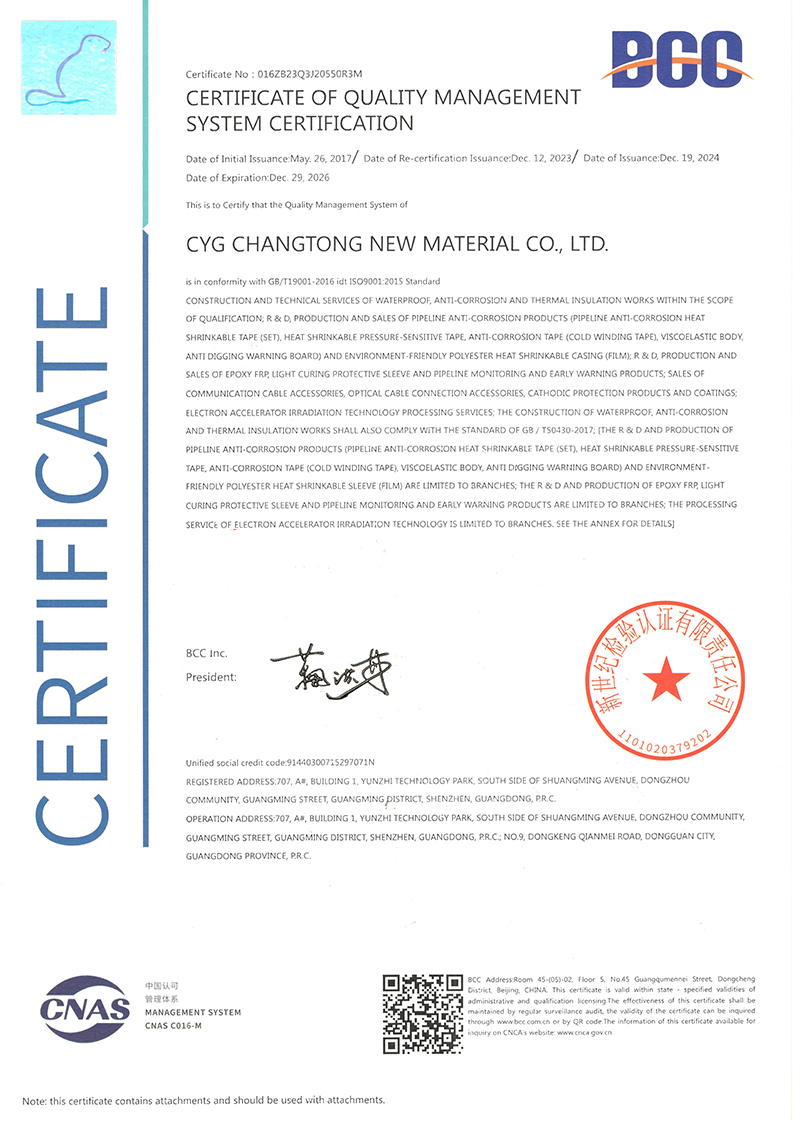
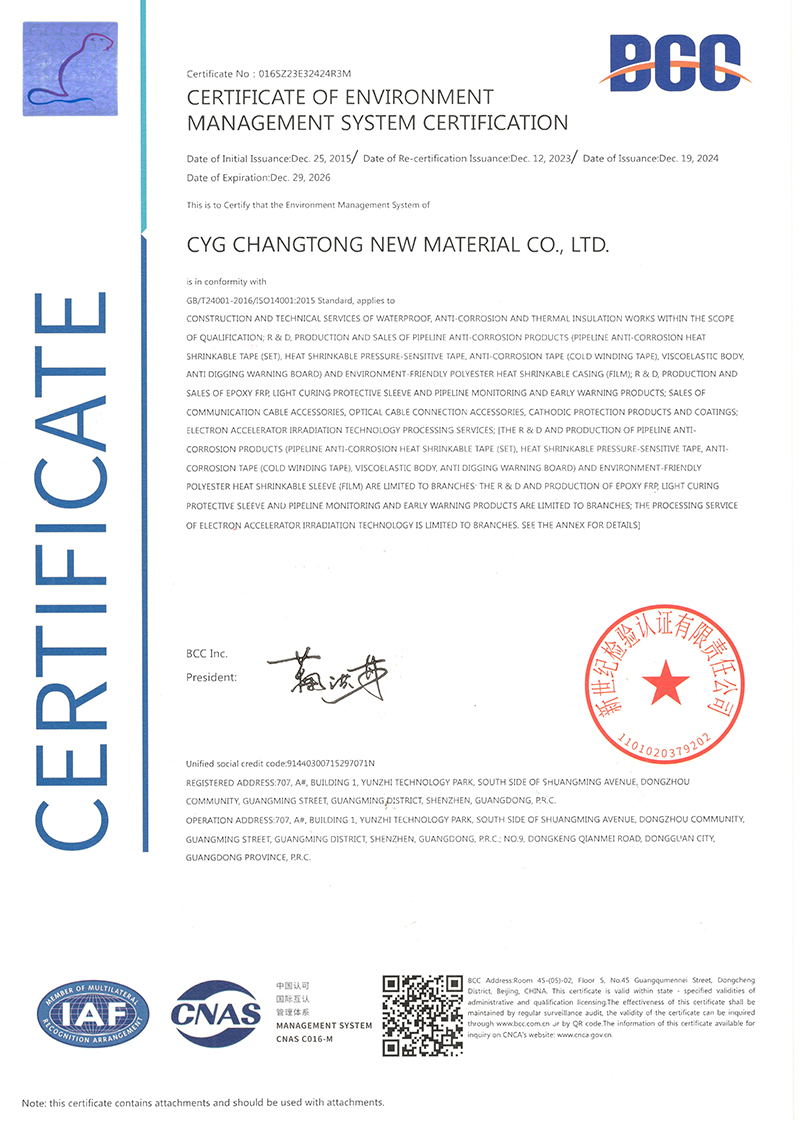
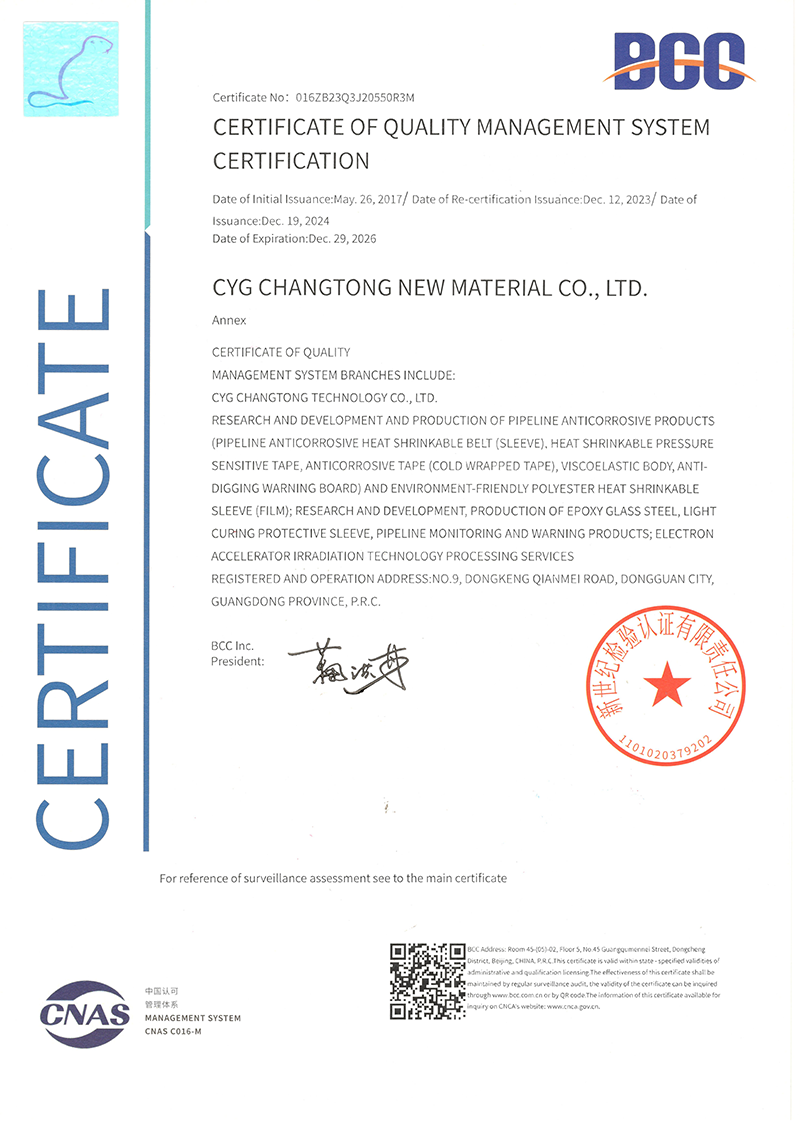
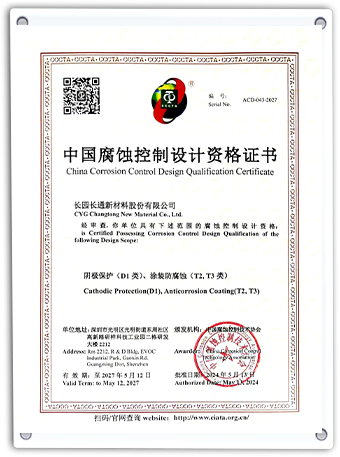
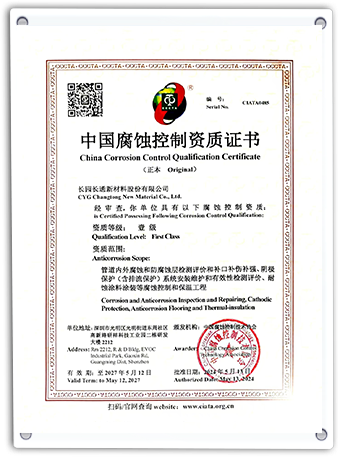
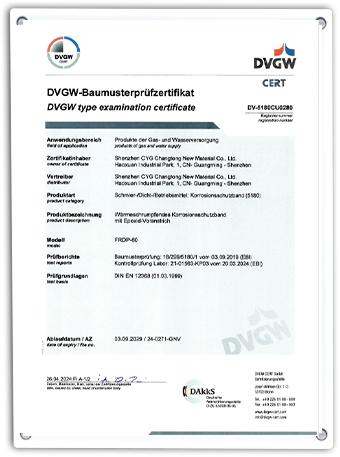
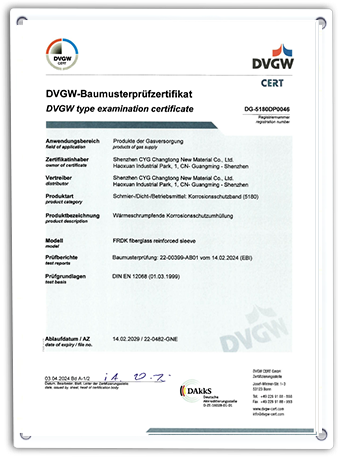
CYCT maintains rigorous quality standards, holding certifications for our manufacturing processes and safety performance across international jurisdictions.
Answers to common technical questions about selecting, installing, and testing wrap-around shrink tubing systems.
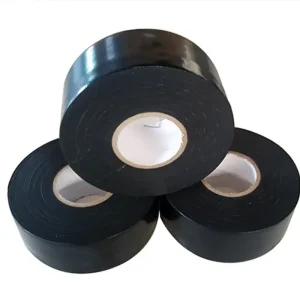
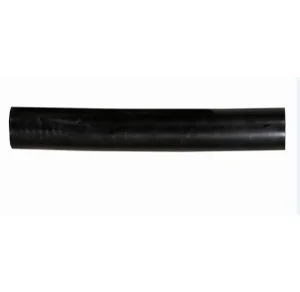
High-performance tapes, repair patches, and specialized sleeves for comprehensive pipeline integrity management.
 CYCT
CYCT