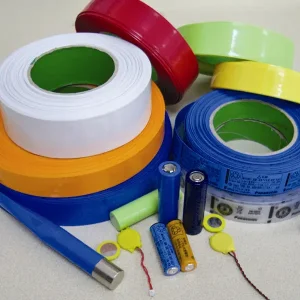
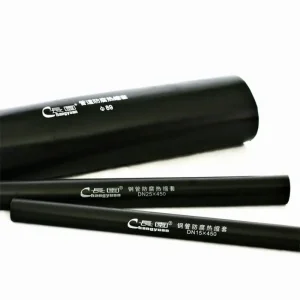
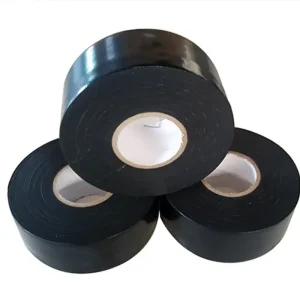
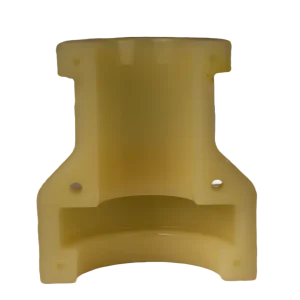
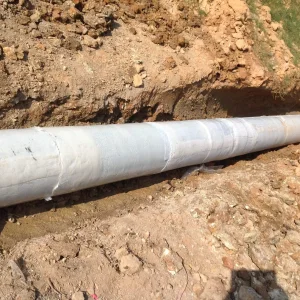
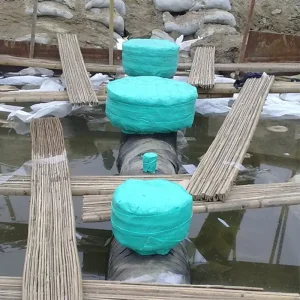
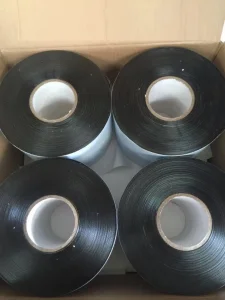
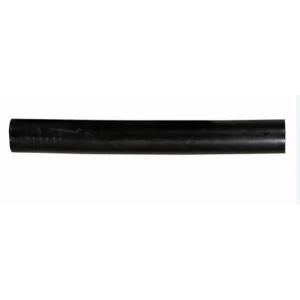
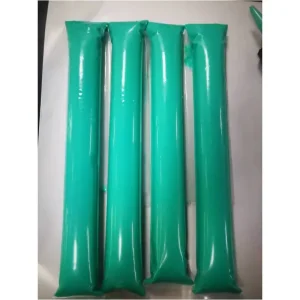
Discover our key factory-manufactured OEM pipeline joint coatings and heat shrinkable products engineered for extreme environmental resistance and high mechanical durability.
Within high-consequence pipeline asset integrity management, field-joint coatings (FJCs) are universally recognized as the critical line of defense against localized failure modes. As national gas grids, regional water transmission lines, and subsea deepwater lines expand across aggressive terrains, the choice of wrapping systems defines the long-term survival of buried infrastructure.
The global demand for high-performance wrap-around heat shrinkable tapes (often specified under ISO 21809-3 standards) has experienced double-digit growth. This expansion is powered by the rapid urbanization in emerging economies, aging pipeline networks requiring massive rehabilitation projects in Western markets, and extreme climate installations in deep oceans, high-salinity wetlands, and permafrost regions.
1. Decarbonization & Hydrogen Blending: Modern wrap-around tapes must prove resistance to micro-permeation under blended-hydrogen conditions where molecular migration poses higher stress profiles.
2. Soil Stress & Backfill Mechanics: Coarse soil backfilling, thermal expansion, and clay movement subject field joint coatings to immense shear forces. Advanced copolymer hot-melts are taking center stage to combat this stress.
3. Low Surface-Preparation Tolerance: Next-generation viscoelastic wrapping systems allow for Sa 2.0 or even St 2/3 wire-brushed surface prep while maintaining exceptional bonding force.
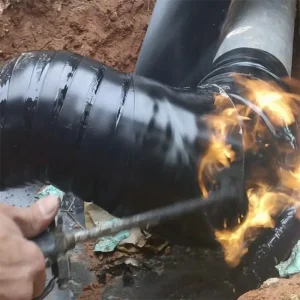
The molecular engineering behind high-performance wrap-around heat tapes combines radiation cross-linked high-density polyethylene (HDPE) backing layers with responsive visco-elastic or copolymer hot-melt adhesives. Below, we break down the chemistry and mechanical configurations of these multi-layer protection systems.
Using electron-beam bombardment, our PE backing develops a dense, three-dimensional network structure. This cross-linking process grants the backing a "shape memory effect"—shrinking tightly upon heat application—while elevating melt temperature and boosting defense against impact, abrasion, and harsh chemical environments.
Engineered to resist cathodic disbondment and prevent moisture migration, the inner adhesive layer flows into micro-imperfections on the steel pipe surface when heated. It remains resilient, absorbing soil-induced shear stresses and maintaining strong peel adhesion across a broad operating temperature spectrum of -20°C to +85°C.
For complex geometries, valves, and elbows, viscoelastic compounds display cold-flow behavior that self-heals minor cuts and tears. Free of volatile organic compounds (VOCs) and highly hydrophobic, these systems represent the peak of modern anti-corrosion innovation.
| Performance Attribute | Copolymer Heat Shrink Wraparound (FRDS/FRY) | Visco-Elastic Anti-Corrosion Wrap | Cold Applied PE Tape | Photo-Curing GRP Protective Sleeves |
|---|---|---|---|---|
| Operating Temp Range | -20°C to +85°C | -45°C to +95°C (continuous) | -10°C to +60°C | -60°C to +120°C |
| Surface Prep Requirement | Sa 2.5 (Sandblasting preferred) | St 2.0 / St 3.0 (Wire brushing) | Sa 2.0 / Sa 2.5 | Mechanically secure, wrapped over base tape |
| Soil Stress Resistance | Outstanding (Excellent shear strength) | Moderate (Requires outer wrap support) | Good | Extreme (Superb impact protection) |
| Self-Healing Capability | No (Relies on mechanical toughness) | Excellent (Viscous cold-flow properties) | No | No (High rigidity structural shield) |
| Standard Certifications | ISO 21809-3, EN 12068 Class C | ISO 21809-3, NACE SP0109 | EN 12068, AWWA C214 | AMPP/NACE HDD protective guidelines |
Founded in 2000, CYCT New Materials Company Limited is a leading Chinese enterprise focused on pipeline corrosion protection. We specialize in R&D, manufacturing, and distribution, while offering field application and buried pipeline detection services to customers worldwide.
Through close technical collaboration with top institutes like the CNPC Pipeline Science Research Institute, we provide comprehensive engineering support. Our capabilities cover inline corrosion detection, material selection, cathodic protection system designs, and complete rehabilitation solutions for in-service pipeline networks.
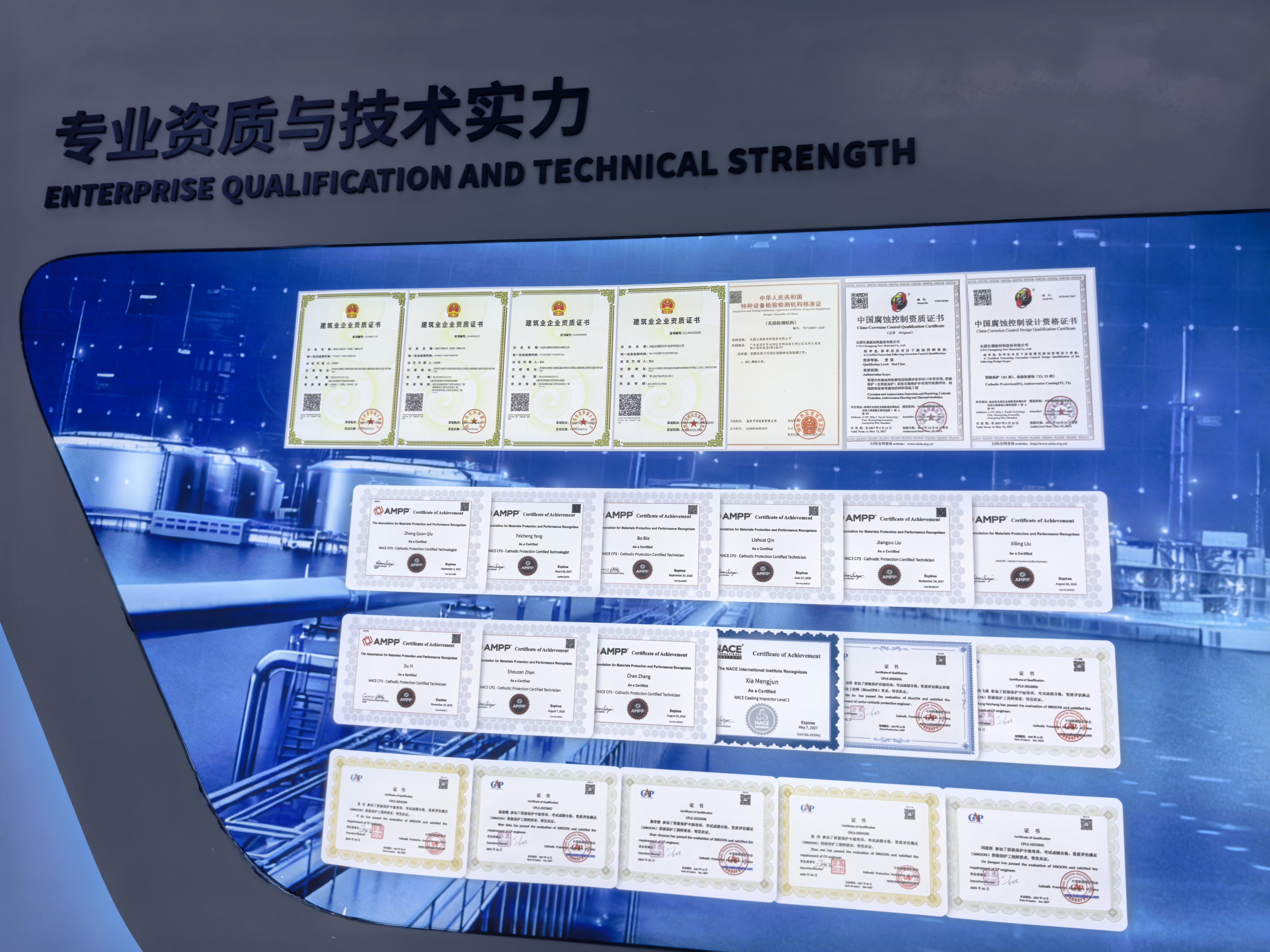
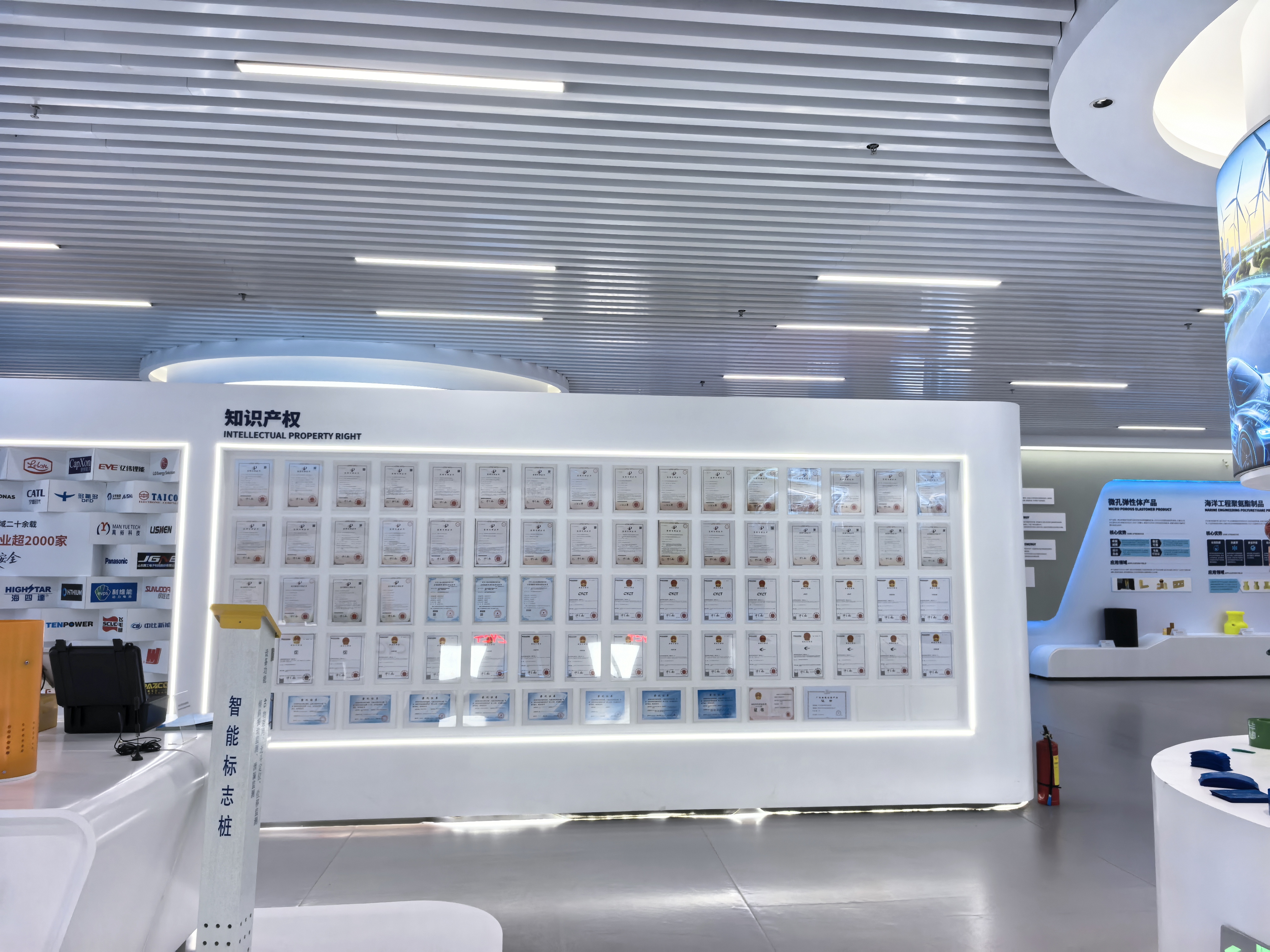
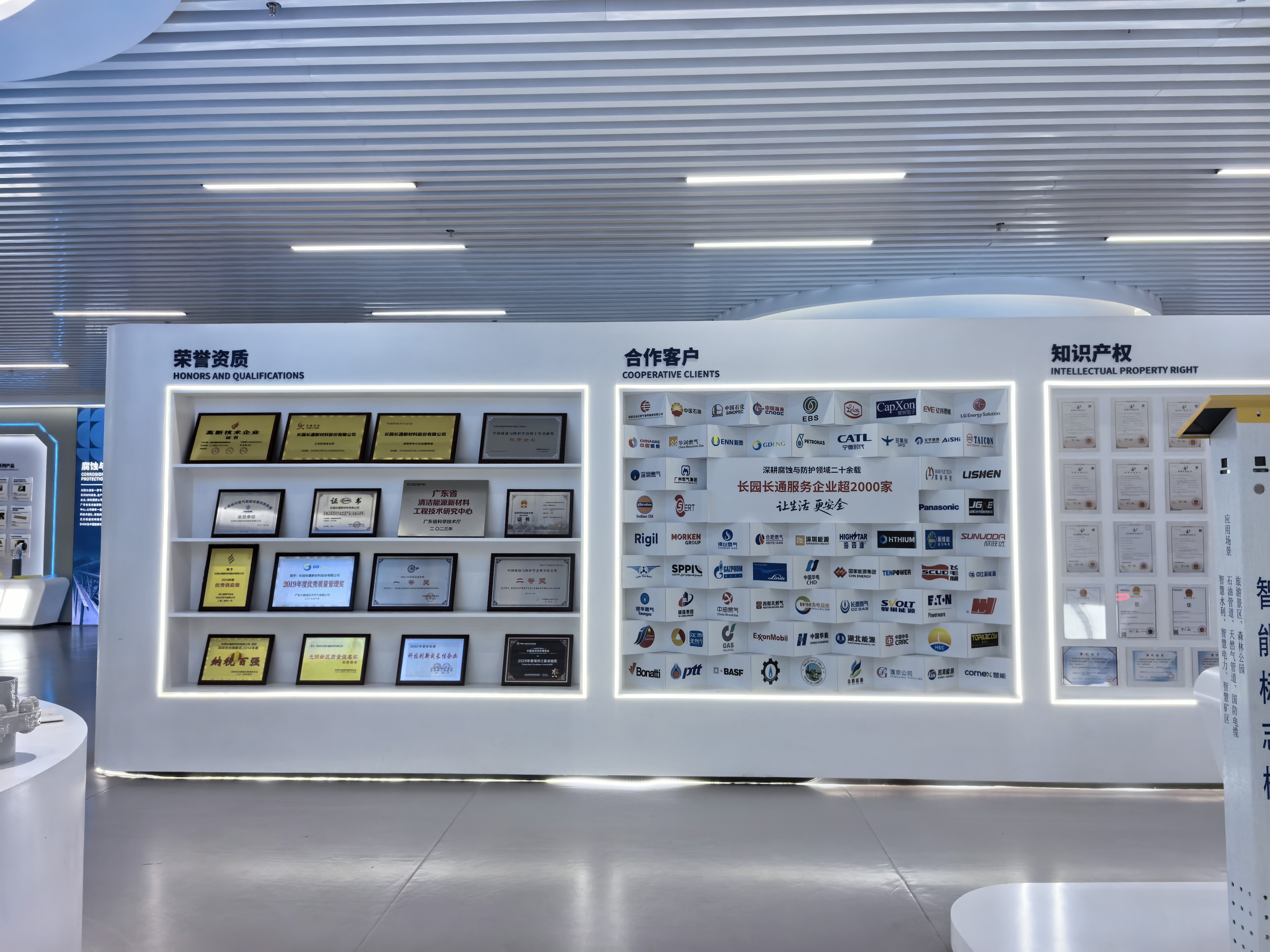
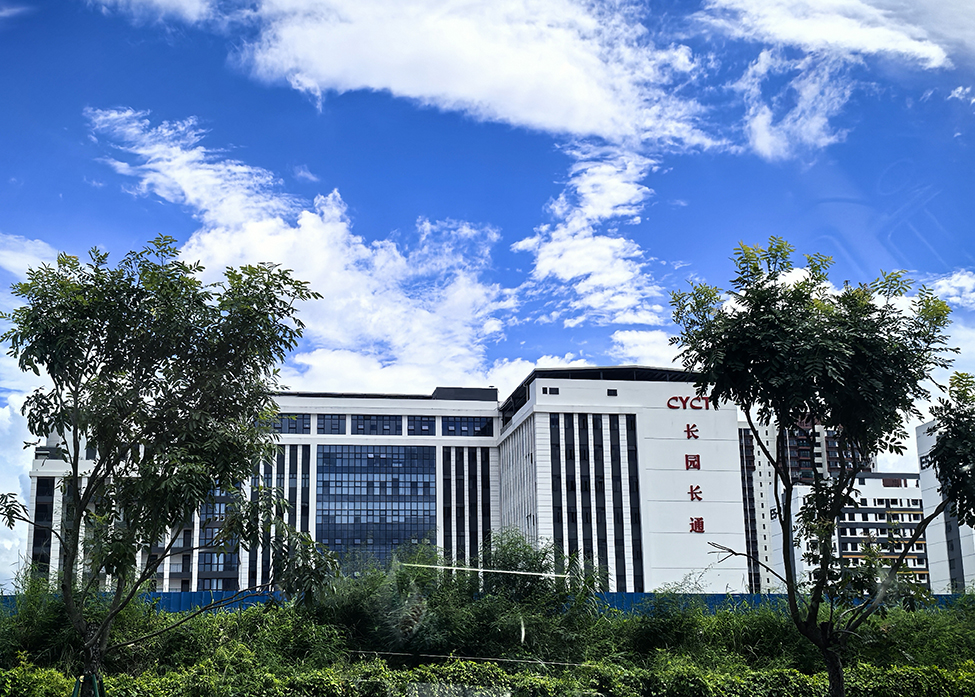
CYCT operates a national CNAS-accredited laboratory and features a highly qualified R&D team. We are a trusted supplier of field joint coatings and protective solutions for major operators, including PetroChina, Sinopec, PipeChina, China Gas Group, and Indian Oil.
Different environments present unique corrosion threats. By designing and tailoring products for localized geographical challenges, CYCT delivers dependable field joint protection under varying regional conditions.
Under-river crossings and urban utility installations utilize Horizontal Directional Drilling, exposing coatings to high friction and shear forces. Standard heat-shrink sleeves can peel back or wear away during installation.
Solution: We combine FRDS Heat Shrinkable Tape with an outer layer of Photo-Curing GRP Protective Sleeves. This hybrid system hardens under ambient sunlight or UV lamps, forming an ultra-rigid shield that protects the underlying corrosion barrier during pull-back operations.
Deepwater offshore environments require materials that resist high hydrostatic pressure and marine micro-organisms, while offering thermal insulation. Our bend restrictors prevent damage from currents and wave action, and viscoelastic putties seal complex subsea valve configurations.
Desert environments subject pipelines to high soil temperatures and severe wind erosion. Under these conditions, basic adhesives can degrade or shift.
Solution: Our 60℃ FRDS Heat Shrinkable Tape and high-temperature PE cold-applied tapes are formulated for high-salinity sands and shifting soil loads, delivering reliable, long-term service.
Complex pipeline configurations, valves, tees, and flanges feature irregular geometries that make traditional tape application difficult, increasing the risk of voids and corrosion.
Solution: Our non-toxic, water-resistant VE Putty seals complex components, filling voids and establishing a continuous protective barrier.
CYCT operates in strict compliance with global quality and regulatory standards. Our materials undergo rigorous testing, ensuring reliable performance on critical international infrastructure projects.
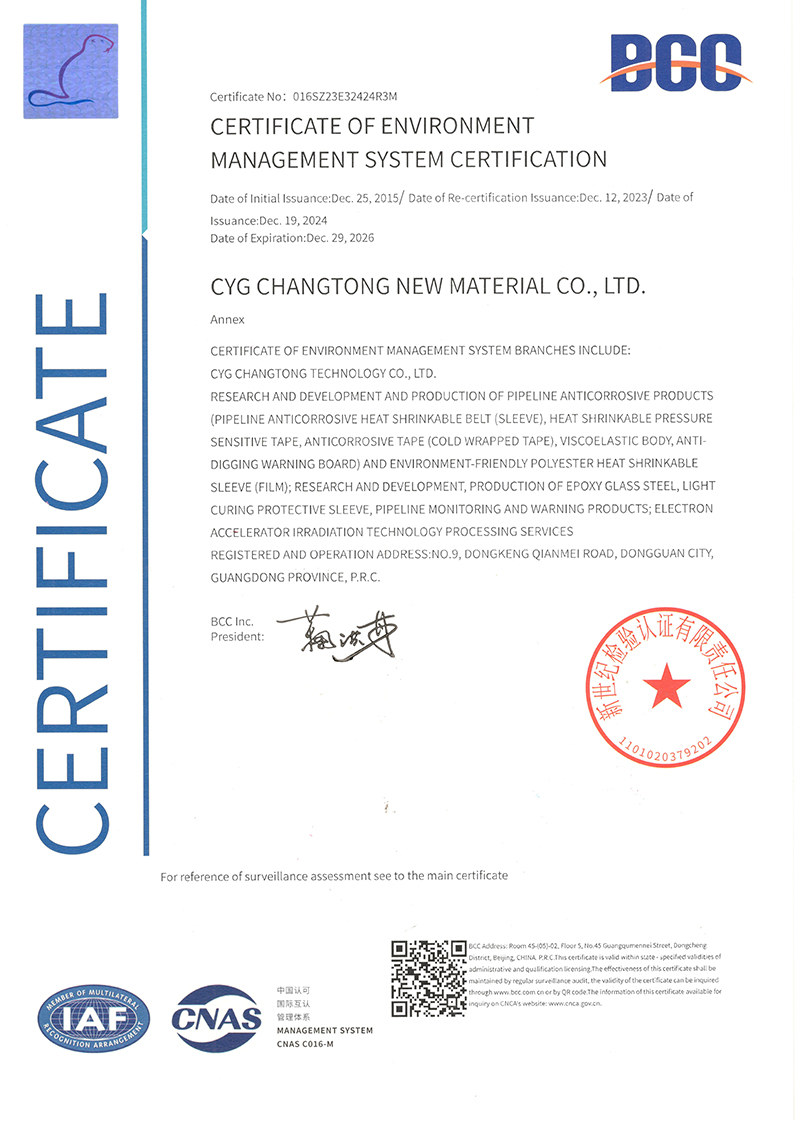
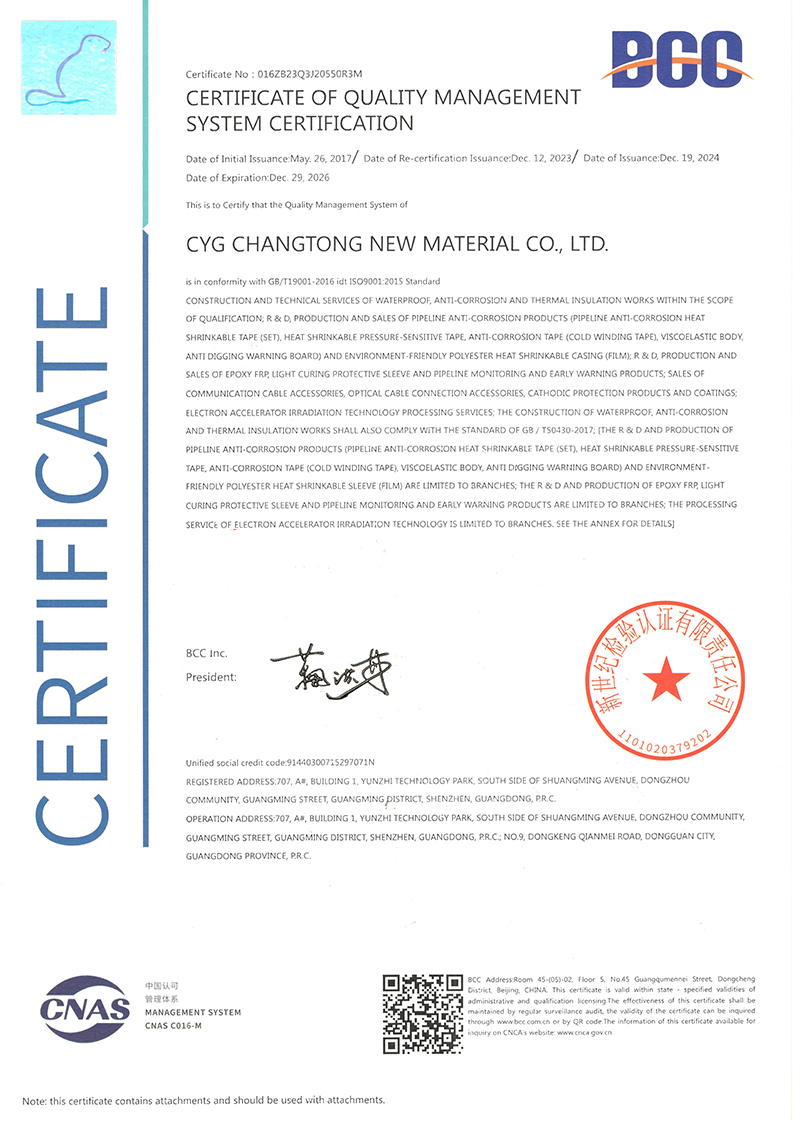
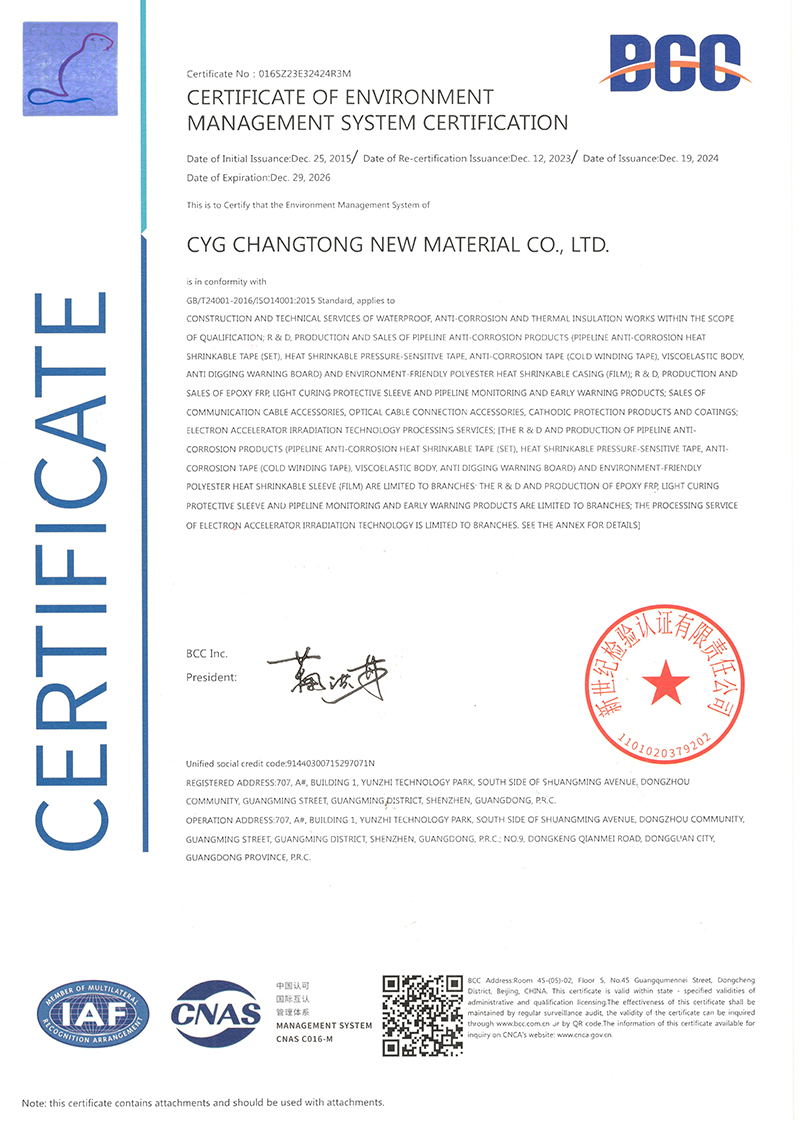
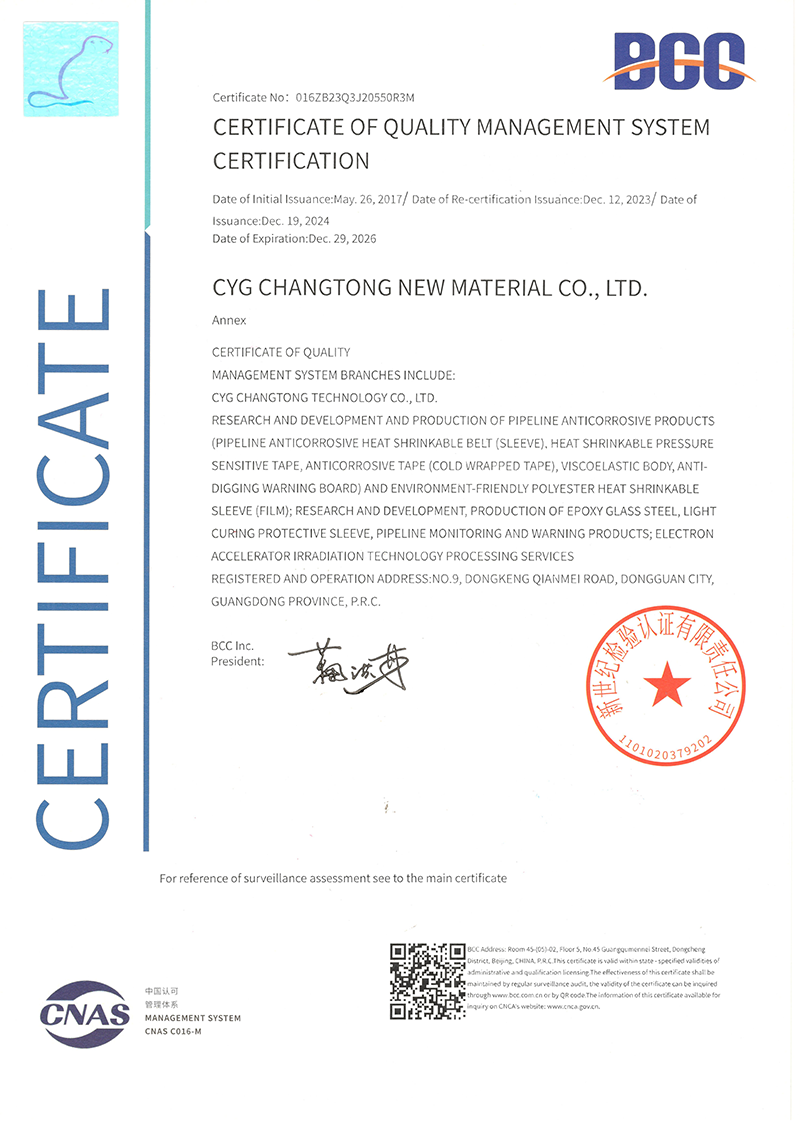
Proud Member of: Council in Chinese Society for Corrosion and Protection (CSCP) | China Association of Petroleum Engineering Construction (CAPEC) | AMPP (Association for Materials Protection and Performance)
Explore detailed explanations on the installation, mechanical testing, and selection criteria of OEM pipeline wrap-around heat tapes.
Browse our complete catalog of pipeline repair patches, hot-melt adhesives, viscoelastic sealants, and cold-applied outer tapes.
 CYCT
CYCT