Premium grade heat shrinkable sleeves, viscoelastic coatings, cold-applied polymeric tapes, and pipeline repair solutions engineered for critical operations.
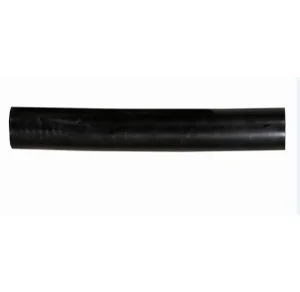
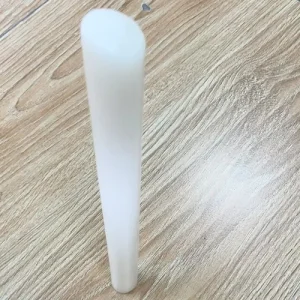
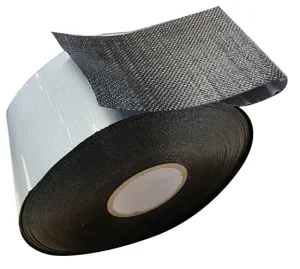
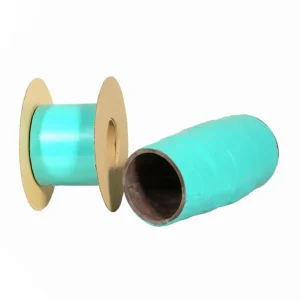
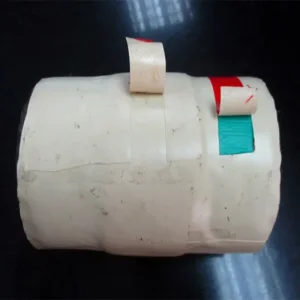
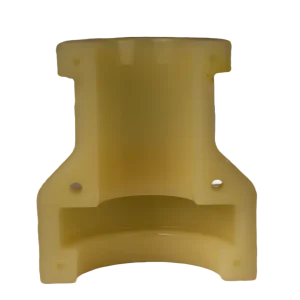
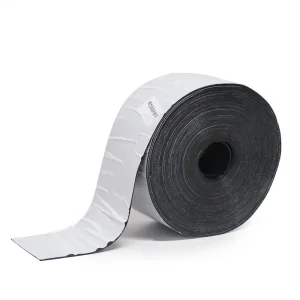
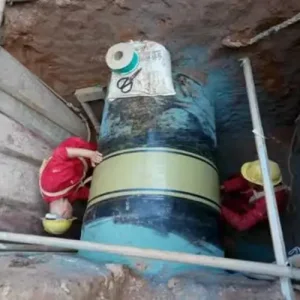
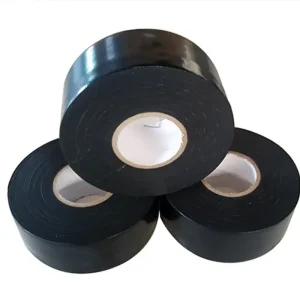
In the modern era of energy transportation and industrial pipeline construction, the threat of corrosion remains a silent, multi-billion-dollar challenge. The integrity of buried, marine, and above-ground pipelines depends heavily on the performance of their field joint coatings (FJC). When mill-applied coatings (such as 3LPE, 3LPP, or FBE) terminate at joint areas for welding, these exposed steel joints become vulnerable. Wrap-around heat shrink tapes (WAHST), also referred to as wrap-around sleeves, represent the industry-standard methodology for sealing field-welded seams, offering heavy-duty structural integrity, mechanical protection, and chemical insulation.
Across continents, oil, gas, water, and chemical pipelines span hundreds of thousands of kilometers under diverse geology. Soil shear stress, high water tables, saline marine conditions, and varying operating temperatures place constant stress on steel piping. Standard cathodic protection (CP) prevents local electro-chemical erosion, but the selection of non-conductive, non-adhering outer wraps can result in cathodic shielding. Cathodic shielding blocks the protective electrical current from reaching the steel surface if water manages to bypass the adhesive layer.
Advanced polymer formulations used by leading manufacturers and suppliers, such as CYCT, feature highly engineered elastomeric mastic or hot-melt adhesives. These adhesive layers flow smoothly during heat activation, bonding with both the steel surface and the adjacent factory coating. This prevents water penetration and ensures cathodic compatibility, eliminating the risk of shielding-related failure.
The global supply chain for wrap-around heat shrink tape relies on certified factories capable of tailoring compounds for specific environmental demands. OEM solutions have become the preferred choice for major engineering procurement construction (EPC) contractors. Standard off-the-shelf options often fail to meet localized regulatory standards or extreme climate variables (such as Siberian sub-zero installations or desert soil conditions in the Middle East).
Industrial factories look for flexible OEM lines to customize backing thickness, adhesive melt flow indices, and width parameters. A high-performance manufacturing plant must conform to global standards, including ISO 21809-3, DIN 30672, EN 12068, and NACE SP0169. Additionally, these suppliers must establish extensive batch-testing protocols to ensure mechanical and chemical properties remain consistent over multi-decade lifespans.
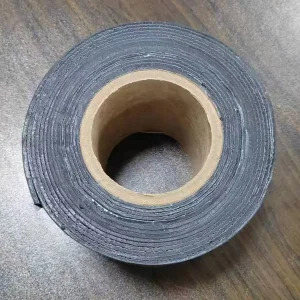
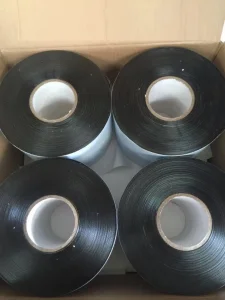
Wrap-around heat shrink tape is a multi-component system designed with precise polymeric dynamics. The backing material consists of radiation-crosslinked high-density polyethylene (HDPE). The cross-linking process creates a chemical network among polymer chains. This modification changes the material from a standard thermoplastic that melts rapidly under heat to an elastomer with a "elastic memory".
When heated, the backing attempts to shrink back to its original extruded dimensions, generating radial pressure over the pipeline joint. Below this backing lies a heavy-duty adhesive layer, typically formulated from a copolymer hot-melt or viscoelastic mastic. The high shear strength of the adhesive prevents the sleeve from shifting when subjected to backfilling forces, soil movement, or thermal expansion.
| Material Property | Standard Reference | Typical Value Range |
|---|---|---|
| Tensile Strength | ASTM D638 / ISO 527 | > 17 MPa |
| Elongation at Break | ASTM D638 / ISO 527 | > 400% |
| Peel Strength (to Steel) | ISO 21809-3 / EN 12068 | > 80 N/cm at 23°C |
| Cathodic Disbondment | ASTM G8 / ISO 21809-3 | < 5 mm radius at 60°C |
| Shrink Ratio | Factory Standard | ≥ 25% |
Field joint coating techniques must adjust to specific environment-driven challenges:
The future of pipeline field joint coatings points toward smart materials and low-carbon production methods. Top-tier R&D laboratories are currently developing next-generation self-healing polymers. When these polymers experience micro-fractures, the incorporated microcapsules rupture, releasing reactive monomers that seal the crack automatically.
Additionally, manufacturers are working to integrate thin-film temperature and moisture sensors directly into the adhesive layer of the wrap-around sleeve. This setup allows asset owners to collect real-time data on the health of the joint interface, transforming reactive maintenance into predictive maintenance.
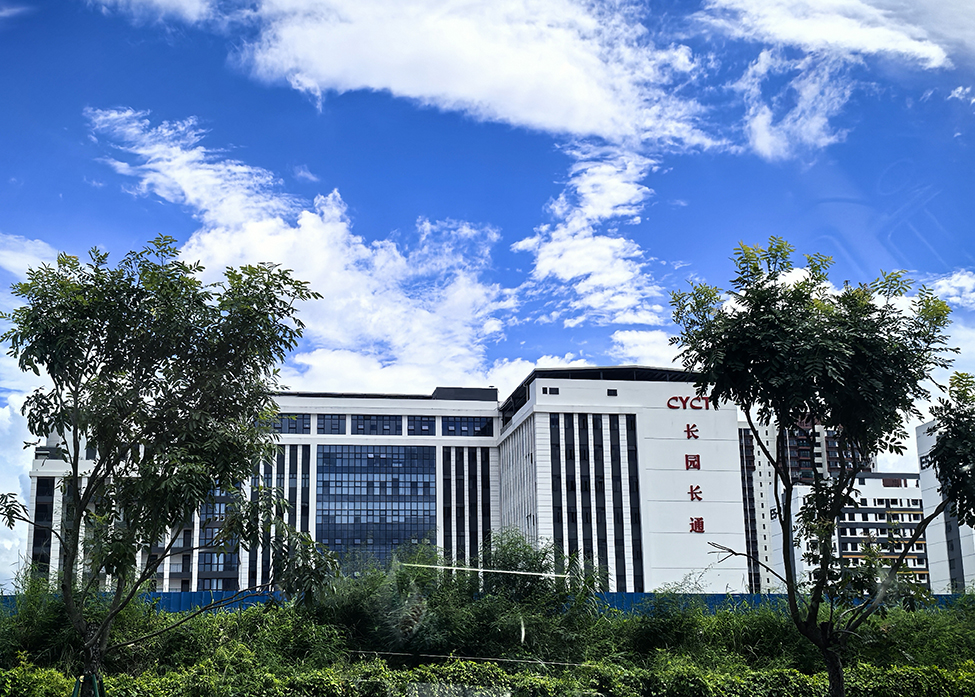
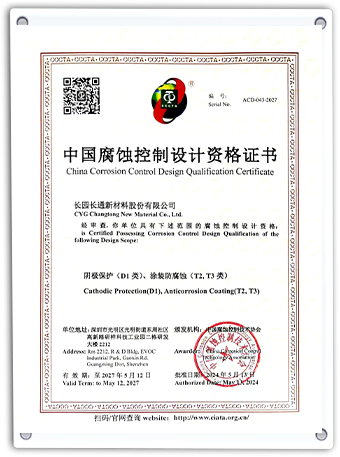
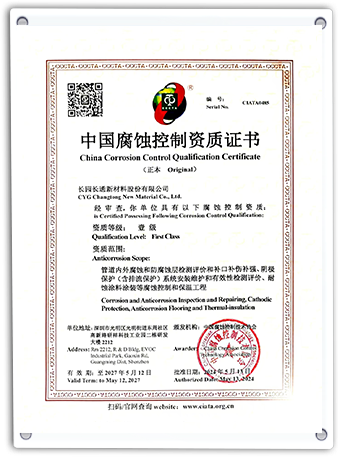
Founded in 2000, CYCT is a state-level high-tech enterprise specializing in R&D, manufacturing, and distribution of pipeline corrosion protection systems.
State-of-the-art facility featuring radiation cross-linking machinery and precise adhesive extrusion lines to ensure consistent product performance.
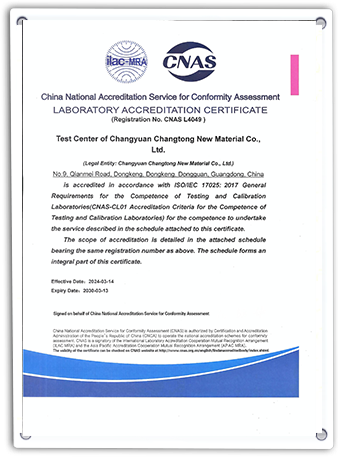
Equipped with testing capabilities to analyze raw materials, polymer structures, thermal characteristics, and long-term aging behavior.
We provide technical support, including field joint coating applications, holiday detection, design scheme consultations, and cathodic protection audits.
Collaborating with institutes like the CNPC Pipeline Science Research Institute, CYCT has developed advanced solutions such as viscoelastic coatings, photo-curing sleeves for HDD, and high-performance polyurea coatings.
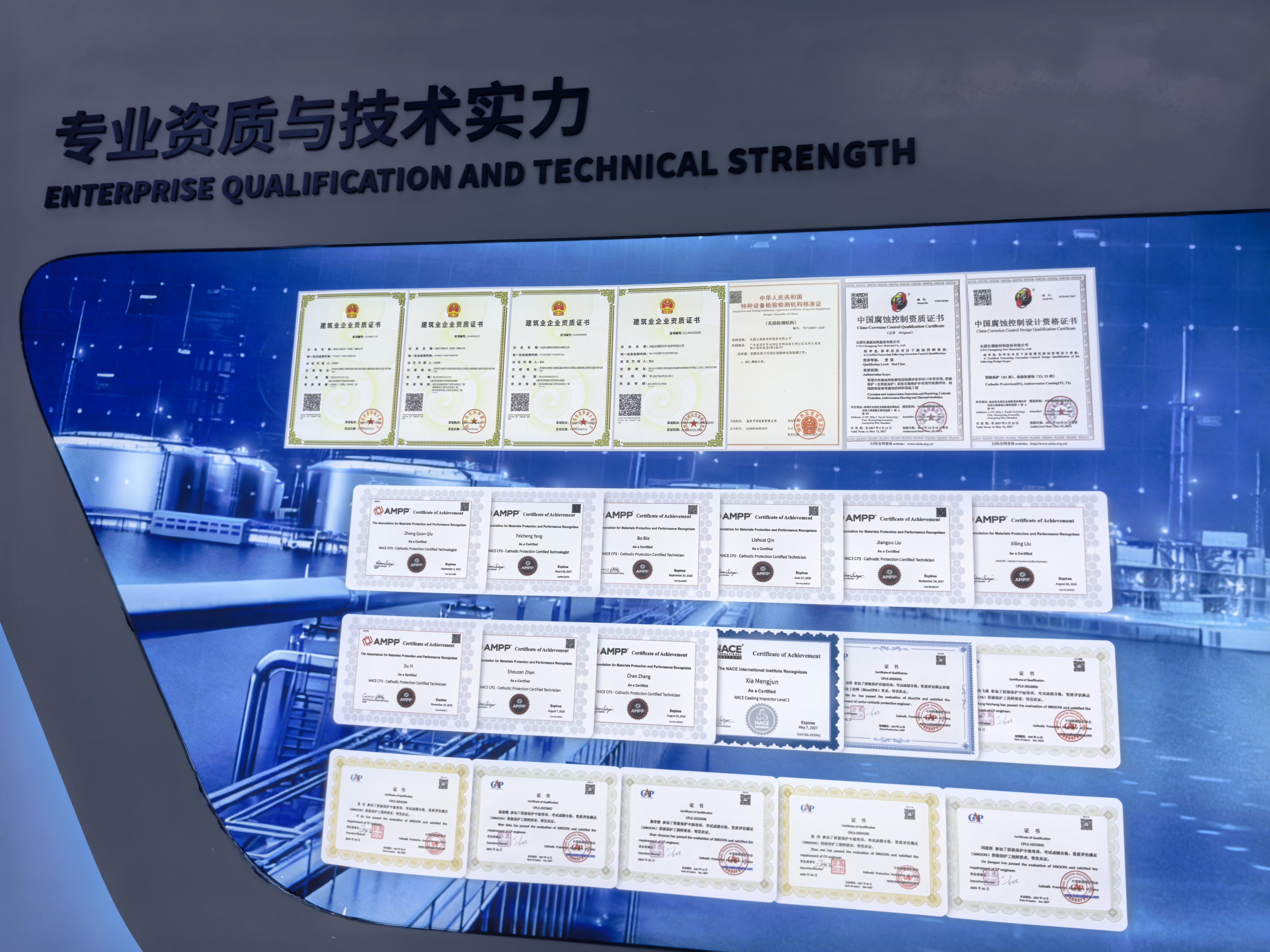
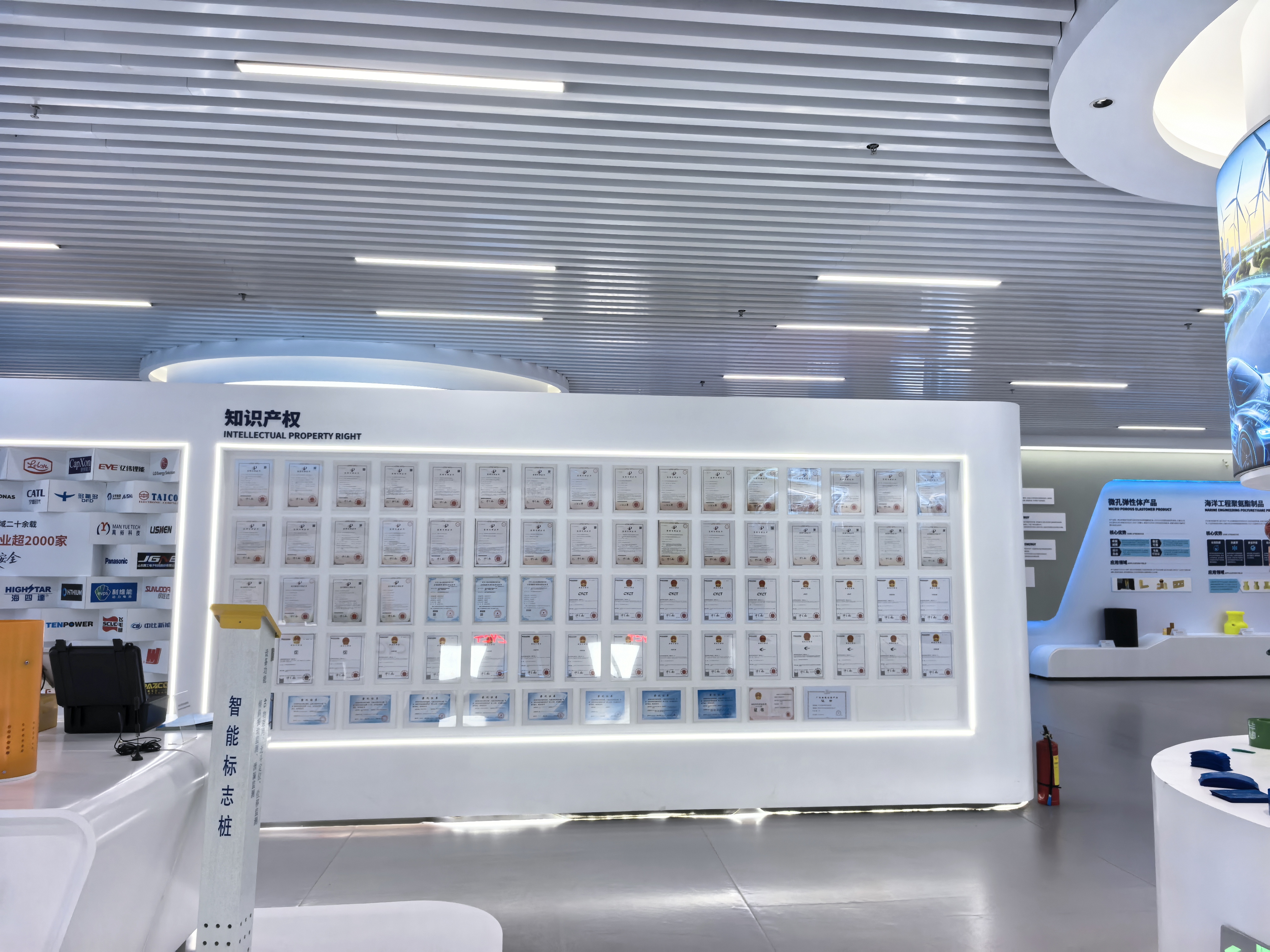
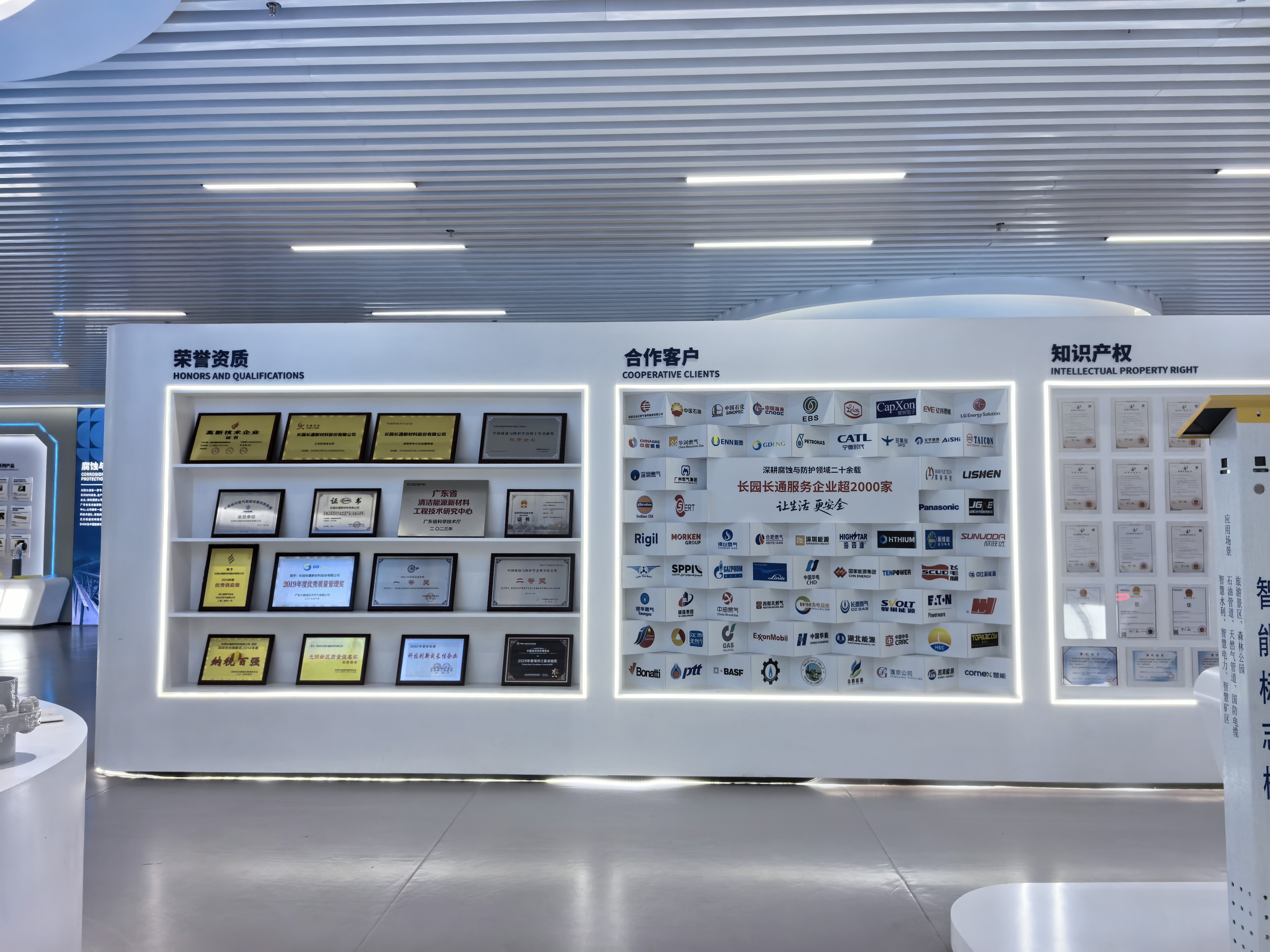
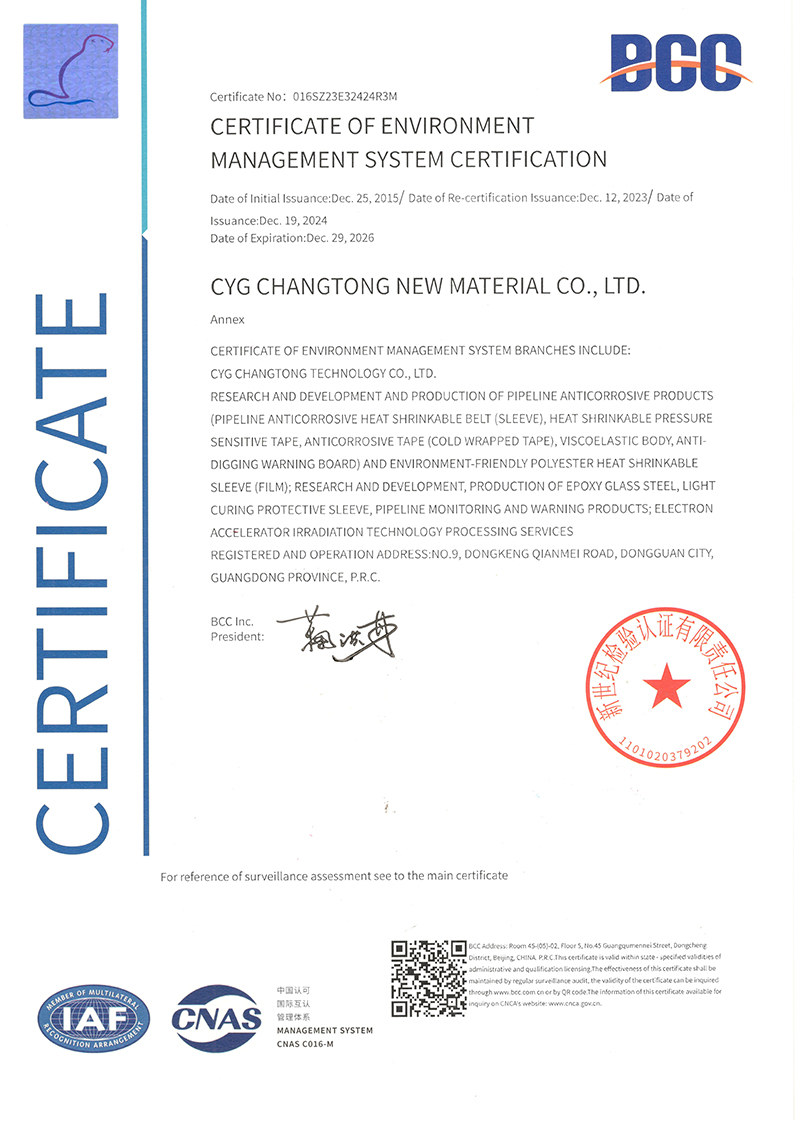
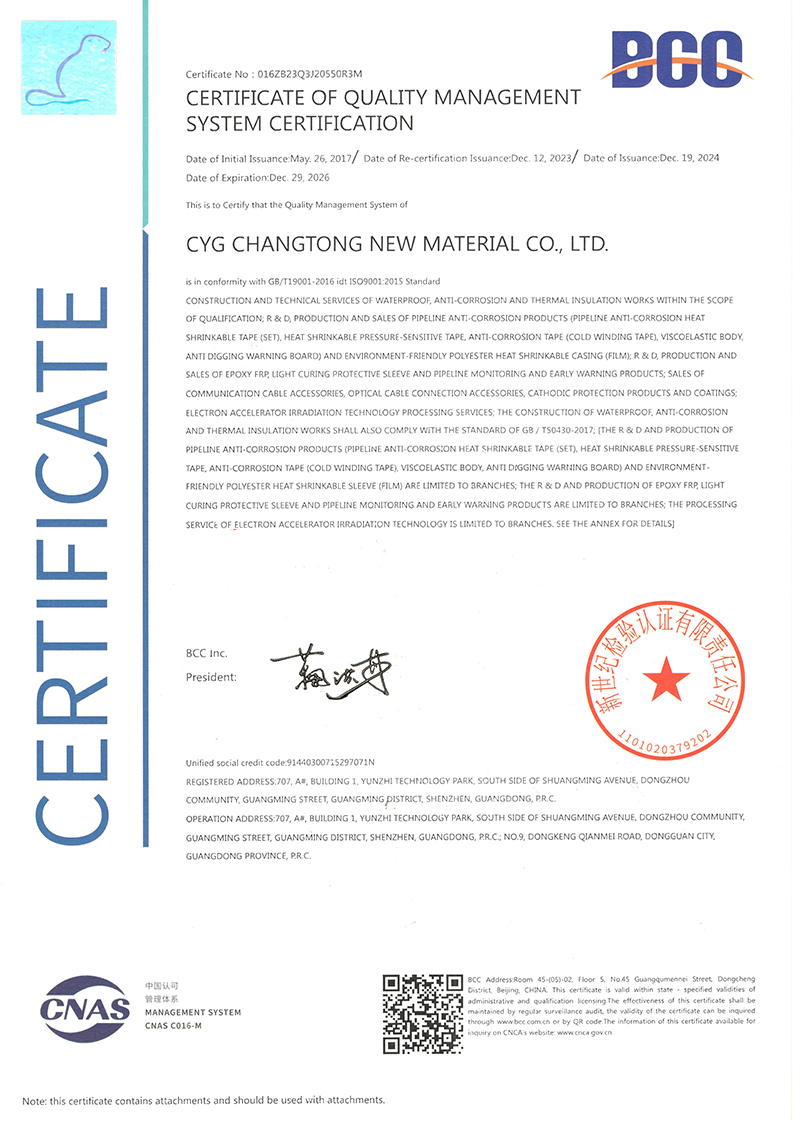
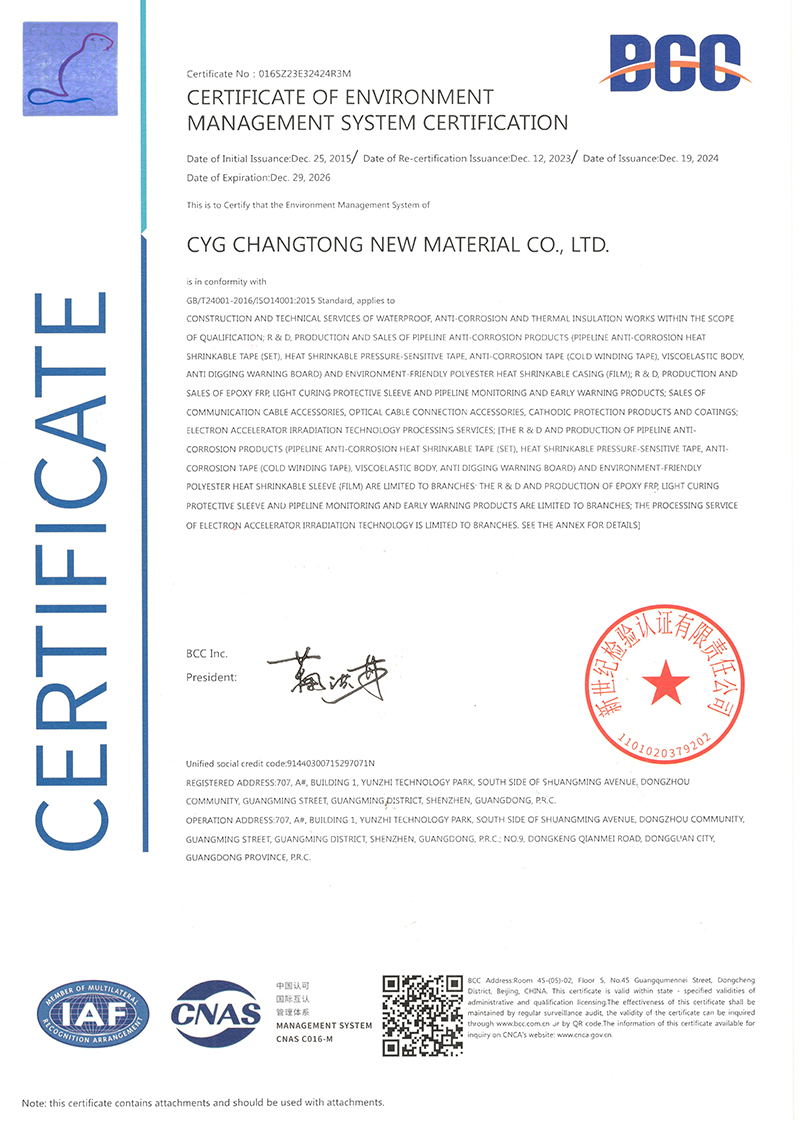
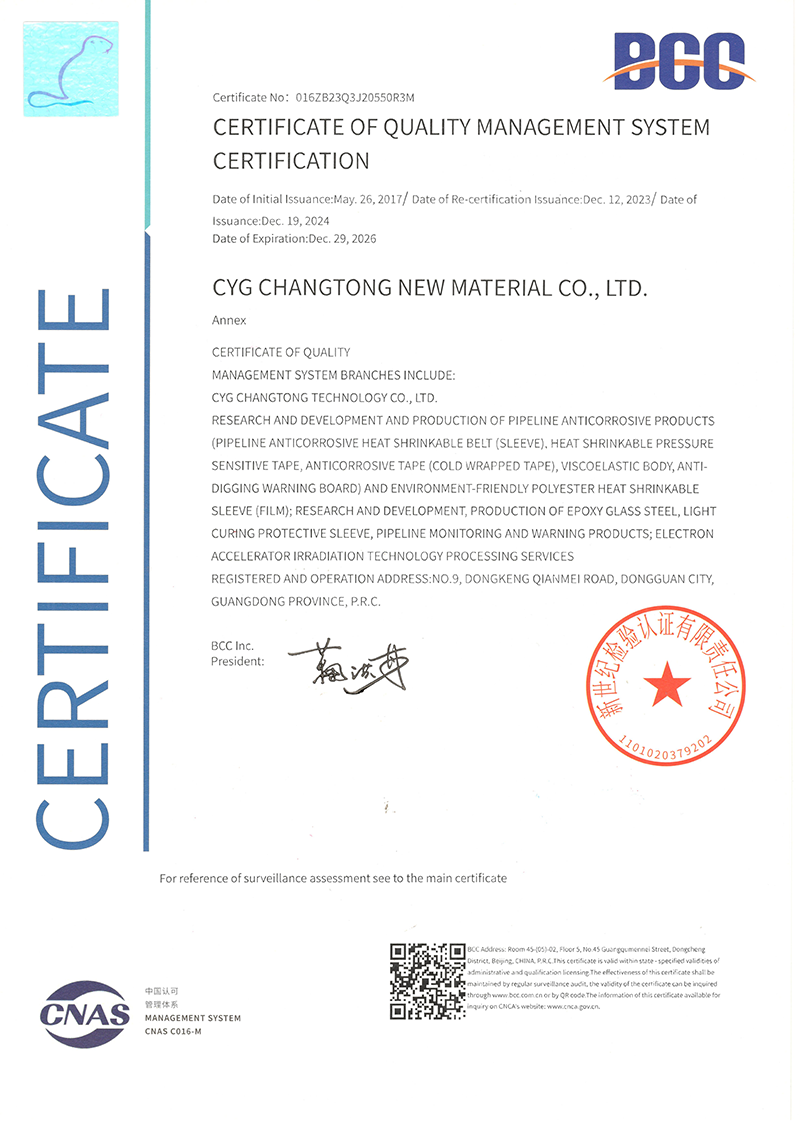
CYCT is a Council Member of the Chinese Society for Corrosion and Protection (CSCP), a member of the China Association of Petroleum Engineering Construction (CAPEC), an AMPP member, and holds over 10 proprietary intellectual property rights.
Technical answers to common questions about pipeline wrap-around heat shrinkable tapes and application methods.
Tubular sleeves are manufactured as continuous tubes and must be slid onto the pipe joint before welding. This requirement limits their use to new installations. In contrast, wrap-around sleeves (wrap-around tapes) are open-style wraps closed with a patch closure. They can be installed at any stage of pipeline construction, including after the pipe is welded, or during in-service rehabilitation projects.
Proper surface preparation is critical to achieving high adhesion. The steel surface must be cleaned of oil, grease, and dirt, followed by abrasive blast cleaning to a Sa 2½ finish (minimum Sa 2 for localized repairs) or power-tool cleaning to an St 3 finish. The surface should also be pre-heated to the temperature specified by the manufacturer (typically 60°C to 80°C) to ensure the adhesive flows and bonds correctly during shrink installation.
Cathodic shielding occurs when a non-conductive, non-adhering outer wrap disbonds from the steel, allowing moisture to seep underneath while blocking the path of the cathodic protection (CP) current. CYCT prevents this by using highly engineered viscoelastic compounds and copolymer hot-melt adhesives that form a strong, void-free bond. If moisture cannot penetrate the seal, corrosion is prevented, even without direct CP current exposure.
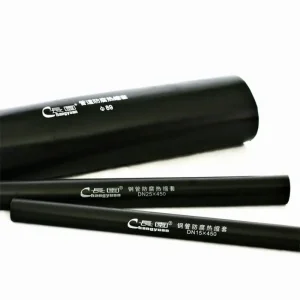
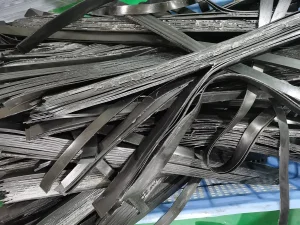
Hot-melt repair sticks consist of copolymer resins matched to the properties of factory-applied 3LPE/3LPP coatings. During repair operations, the damaged spot is cleaned and pre-heated. The repair stick is melted using a propane torch and applied directly to fill the void. After cooling, it forms a flush, continuous, and water-tight seal with the parent coating.
Standard tapes are rated for normal operating temperatures up to 50°C or 60°C. For heavy-duty applications, we offer formulations rated for high-temperature service up to 80°C (PE-based) and up to 120°C (using polypropylene-based chemistry), conforming to international ISO 21809-3 specifications.
Explore our full range of pipeline coatings, cold-applied polymeric wraps, viscoelastic systems, and heavy-duty repair fillers.
 CYCT
CYCT