OEM Polyolefin Heat Shrink Suppliers & Factories

High-Performance Pipeline Anti-Corrosion Systems, Viscoelastic Coatings & Custom Heat Shrink Solutions for Global Infrastructure Projects

The Science Behind Polyolefin Heat Shrink Sleeve Integrity

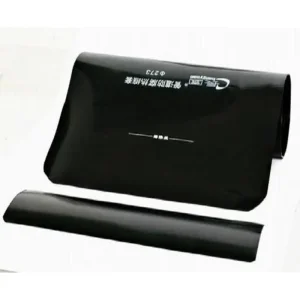
Polyolefin heat shrinkable sleeves (HSS) are the gold standard for field joint coating (FJC) protection in high-integrity pipeline systems worldwide, including 3-Layer Polyethylene (3LPE) and 3-Layer Polypropylene (3LPP) structures. But what gives these materials their exceptional performance characteristics?

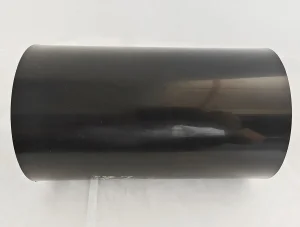
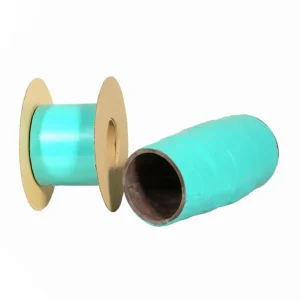
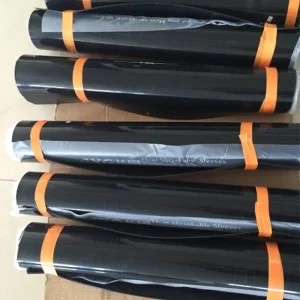
The foundation lies in Radiation Cross-linking technology. Linear polymer chains of polyethylene (PE) or polypropylene (PP) are exposed to high-energy electron beams. This process triggers covalent bonding between adjacent macromolecular chains, creating a three-dimensional networked structure. Unlike traditional thermoplastics, cross-linked polyolefin does not melt when heated but displays an elastic memory. When stretched during fabrication and cooled, it holds its shape. Upon reheating on-site during installation, the backing shrinks to its original dimensions, creating a strong, permanent radial wrapping pressure around the pipeline joint.

Complementing this backing is the functional Hot-Melt Copolymer Adhesive or Viscoelastic Mastic layer. The adhesive flows under heat to fill surface imperfections, ensuring total mechanical bonding to the steel and plant-applied parent coatings, preventing water ingress, oxygen exposure, and cathodic disbondment under extreme mechanical loading.

Key Performance Metrics of Polyolefin Systems

Shear Resistance: Resists severe soil-stress damage caused by thermal cycles and movement in dense clays.

Cathodic Disbondment Resistance: Exceptional performance when evaluated under standards like ASTM G8 and ISO 21809-3, preventing localized under-film corrosion.

Peel Strength: High peel values (>80 N/cm at 23°C to steel and PE) ensure complete adhesion for decadal life spans.

Corporate Pedigree Since 2000

CYCT New Materials Company Limited

A leading, state-level high-tech enterprise dedicated to research, manufacturing, and fields services in pipeline corrosion protection.

Pioneering High-End Corrosion Protection Solutions

Founded in 2000, CYCT New Materials has grown into a major Chinese engineering powerhouse, integrating R&D, high-volume production, and global sales of premium pipeline protection materials. Our capabilities extend to buried pipeline inspection and field application support.

By building strategic R&D partnerships with premier research entities, such as the CNPC Pipeline Science Research Institute, CYCT delivers complete solutions for active pipeline safety, including custom cathodic protection plans, network rehabilitation schemes, and high-performance material design.

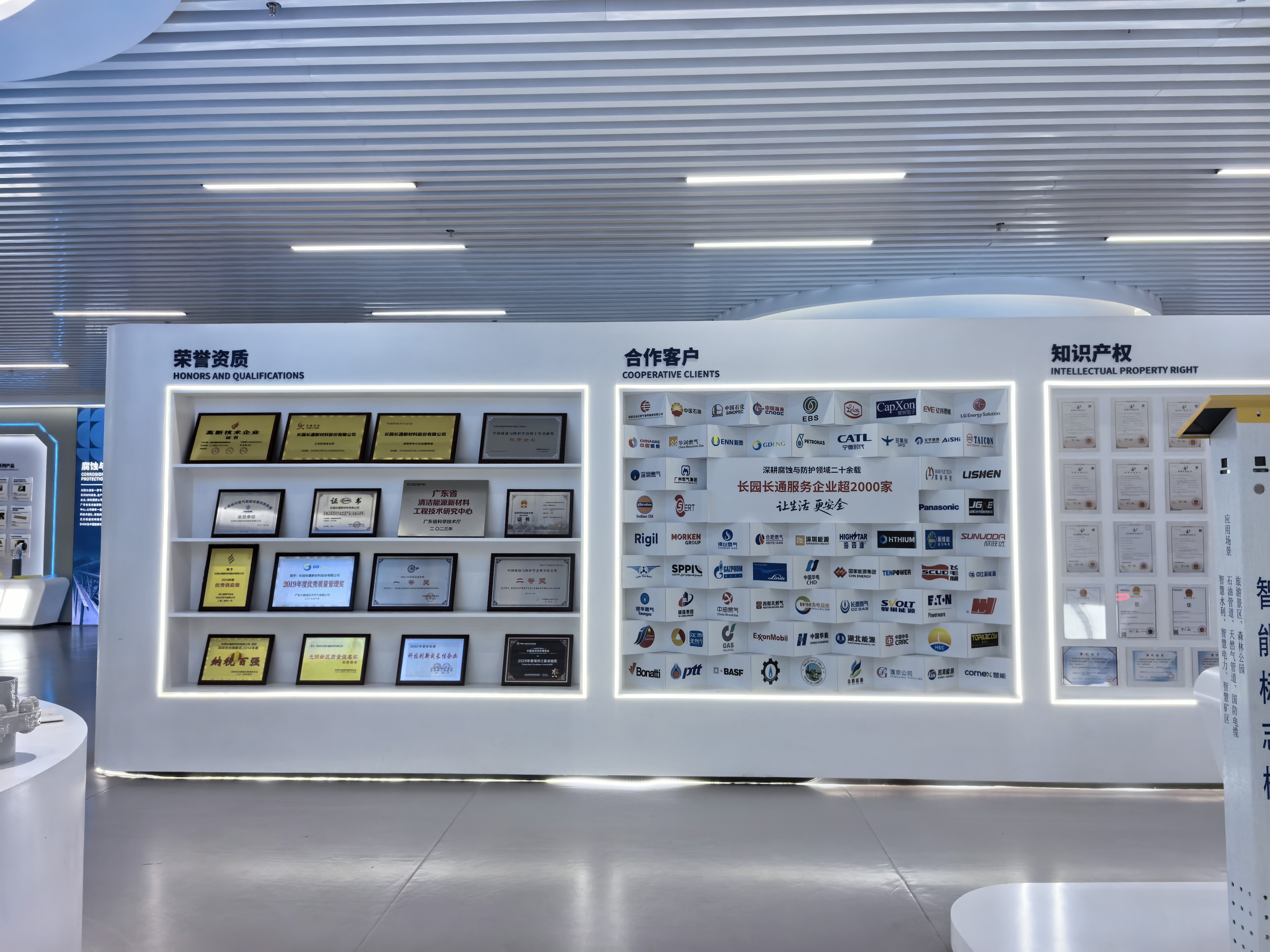
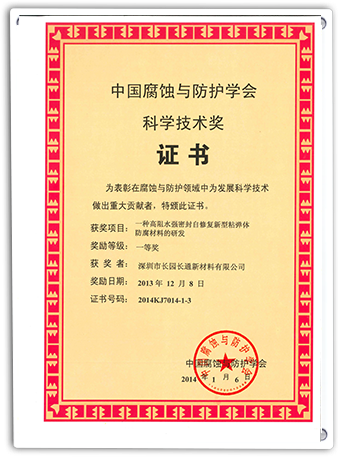
CYCT is a key council member of the Chinese Society for Corrosion and Protection (CSCP) and a corporate member of the China Association of Petroleum Engineering Construction (CAPEC). We maintain stable supplier relations with global energy giants, including PetroChina, Sinopec, PipeChina, China Gas Group, and Indian Oil.

Est. 2000

Over 2 Decades of Heritage

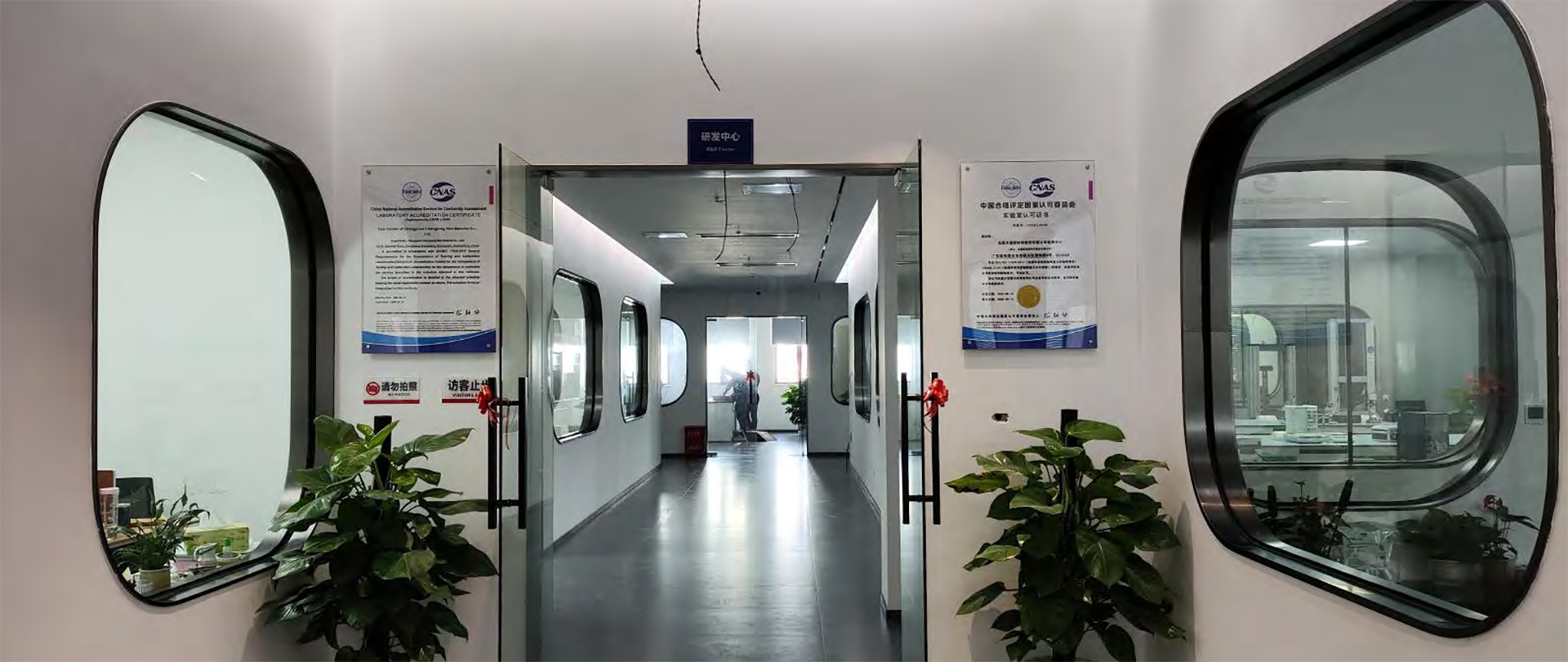
CNAS

National Accredited Lab

10+

Proprietary Patents

AMPP

Active Industry Member

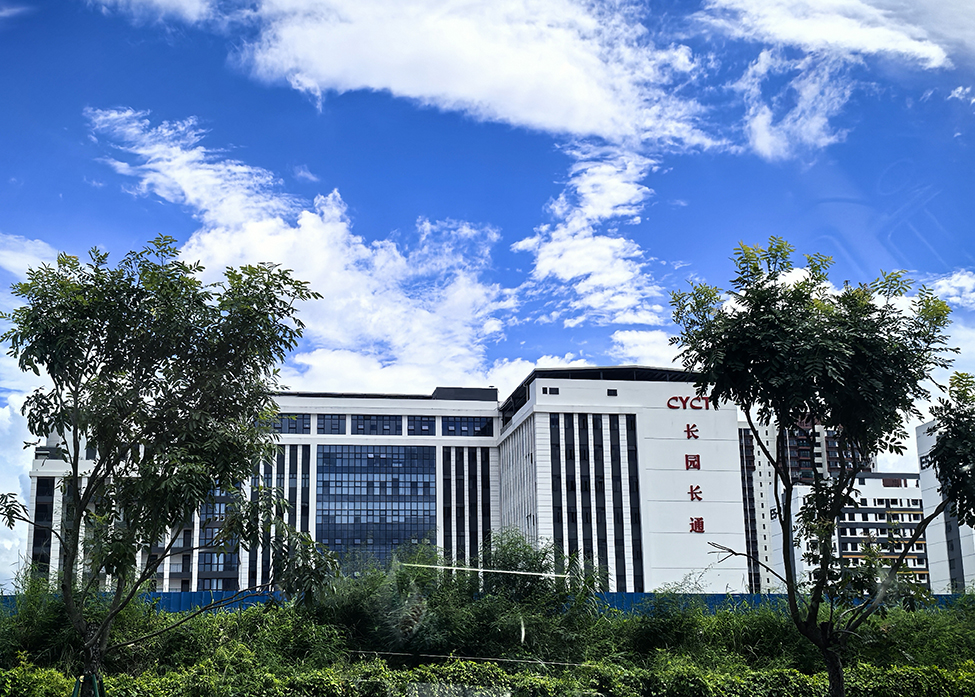
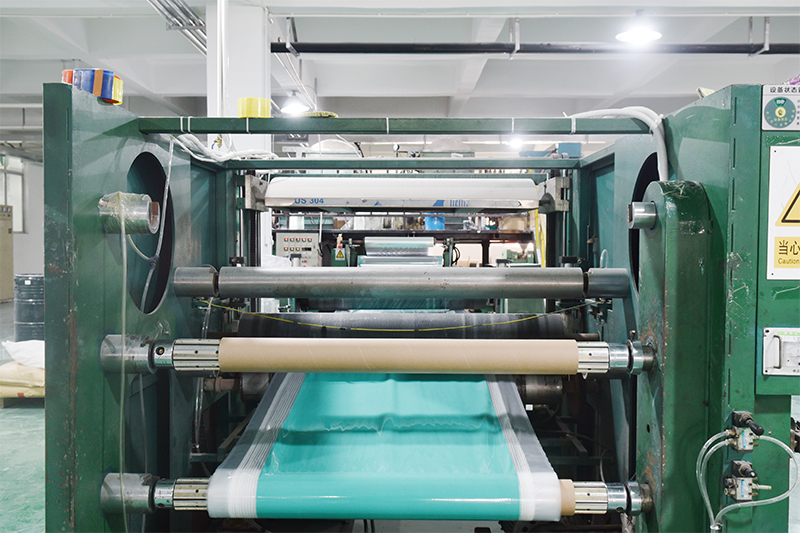
Corporate Style & Facilities

Global Applications

Macro Solutions for Global Critical Infrastructure

Analyzing how premium polyolefin systems protect midstream pipelines, distribution networks, offshore infrastructure, and industrial settings.

Midstream Oil & Gas Pipelines

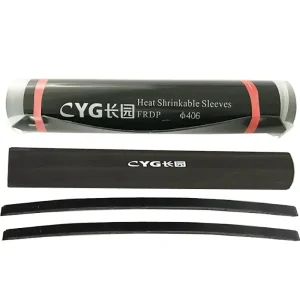
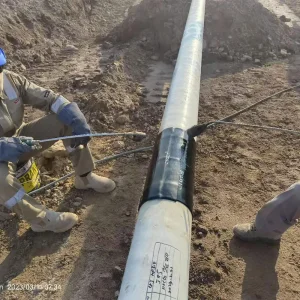
Long-distance pipelines cross complex geological terrains. Our wraparound heat shrink sleeves (FRDP series) protect field joints from soil stress and high temperatures up to 80°C, maintaining pipeline safety under heavy overburdens.

Offshore & Subsea Installations

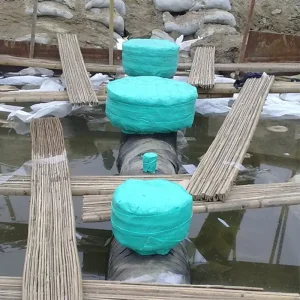
Offshore environments require high resistance to seawater penetration and hydrostatic pressures. Our specialized polypropylene sleeves and bend restrictors provide solid protection for subsea field joints, riser protection, and ocean floor pipelines.

Water & Municipal Infrastructure

Large-diameter water supply lines depend on reliable field joint systems. CYCT viscoelastic coatings, mastic tapes, and PE repair patches prevent soil corrosion, maintaining fresh water systems and sewage mains for decades.

Technical Comparison

Anti-Corrosion System Matrix & Performance

Choosing the correct coating technology depends on temperature, soil conditions, and mechanical threats. Review our performance matrix below.

Coating System Primary Polymeric Matrix Operating Temp. Range Key Strengths & Application Areas Compliant Standards
PE Heat Shrink Sleeves Radiation Cross-linked PE + Hot Melt -40°C to 80°C Excellent mechanical protection, high peel strength, soil-stress resistance for oil/water pipelines. ISO 21809-3, EN 12068 Class C
PP Heat Shrink Sleeves Radiation Cross-linked PP + Polypropylene Adhesive Up to 110°C / 120°C Engineered for high-temp 3LPP steel pipelines; exceptional shear resistance in harsh soil conditions. ISO 21809-3 (Type 14)
Viscoelastic VT95 Tape Non-crystalline polyolefin compound -35°C to 95°C Self-healing, zero curing time, flows into surface micro-cavities, ideal for complex valves and bends. ISO 21809-3, EN 12068
FRDX Repair Patches Fiberglass reinforced PE + Hot-melt Up to 80°C Fast rehabilitation of localized mill-applied PE coating damages. Avoids complete sleeve replacements. ASTM G8, ISO 21809-3

Compliance, Localized Support & Engineering Standards

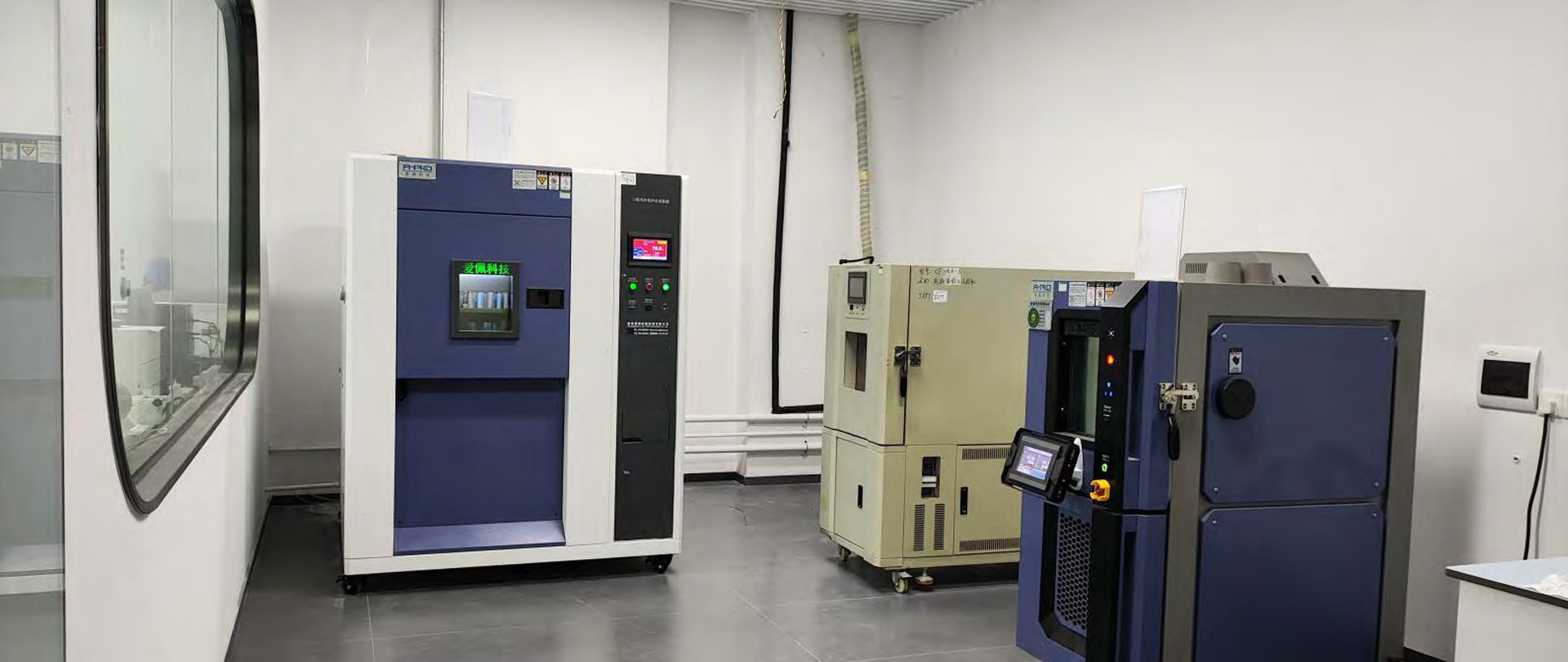
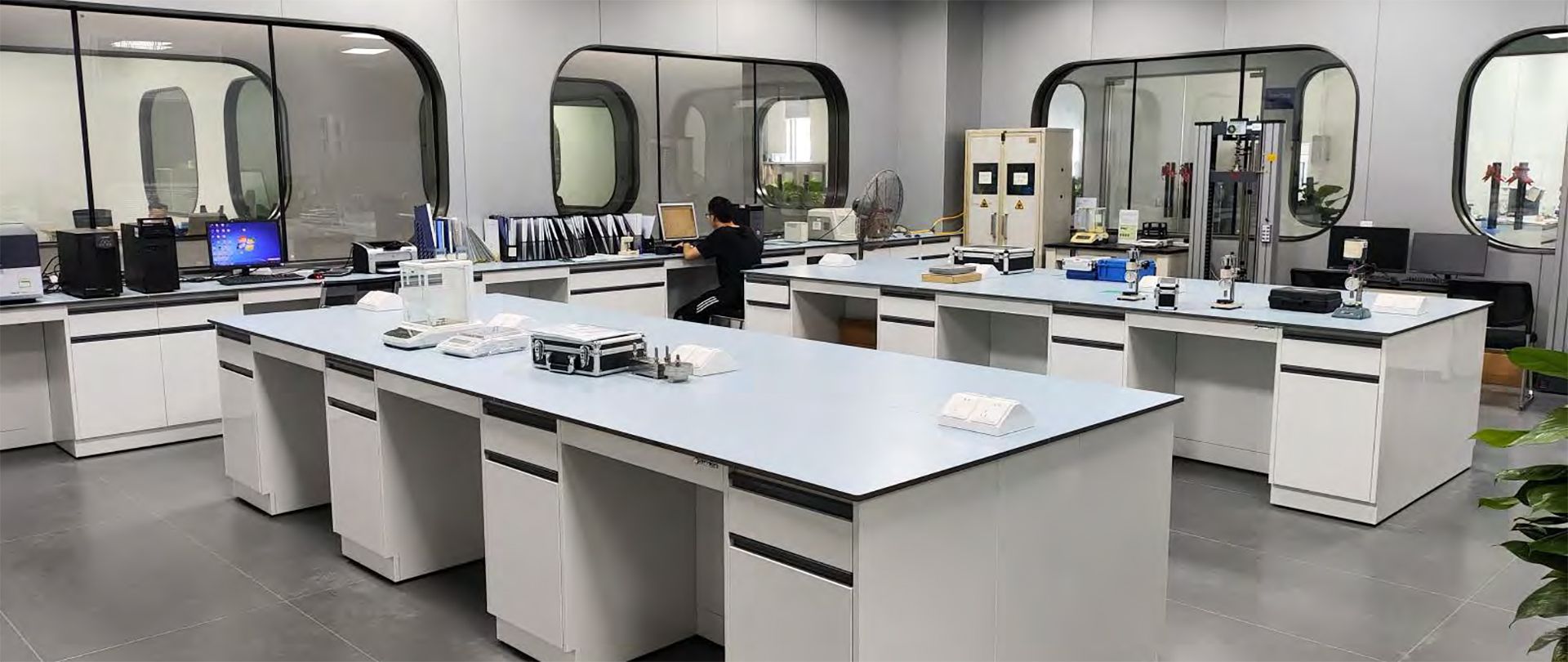
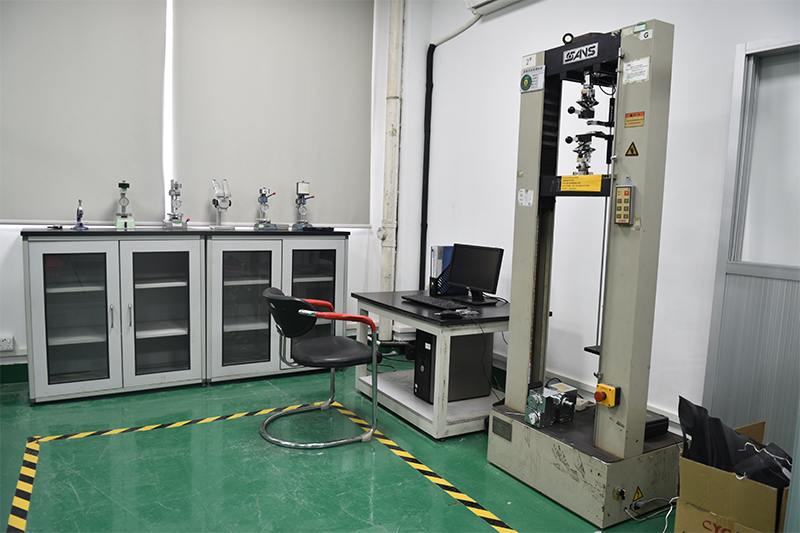
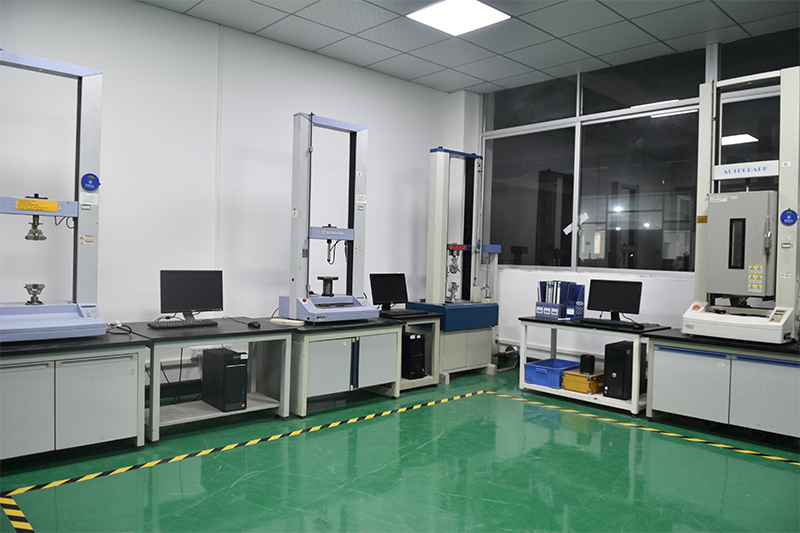
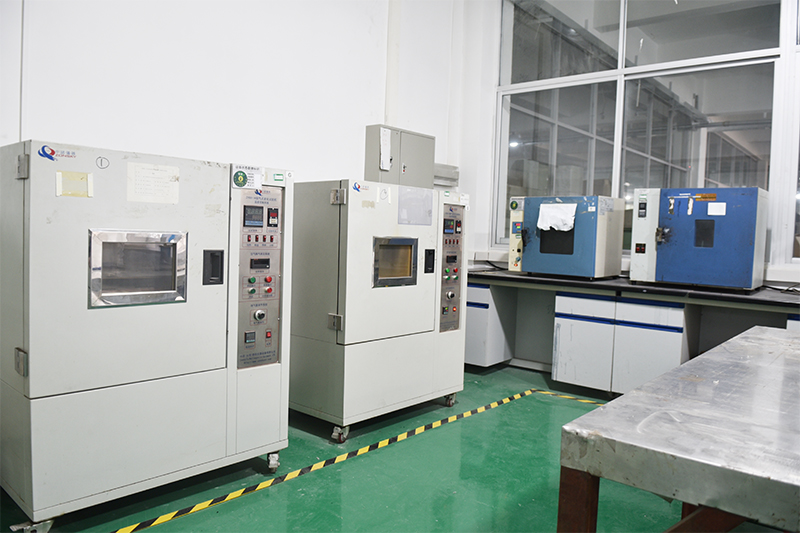
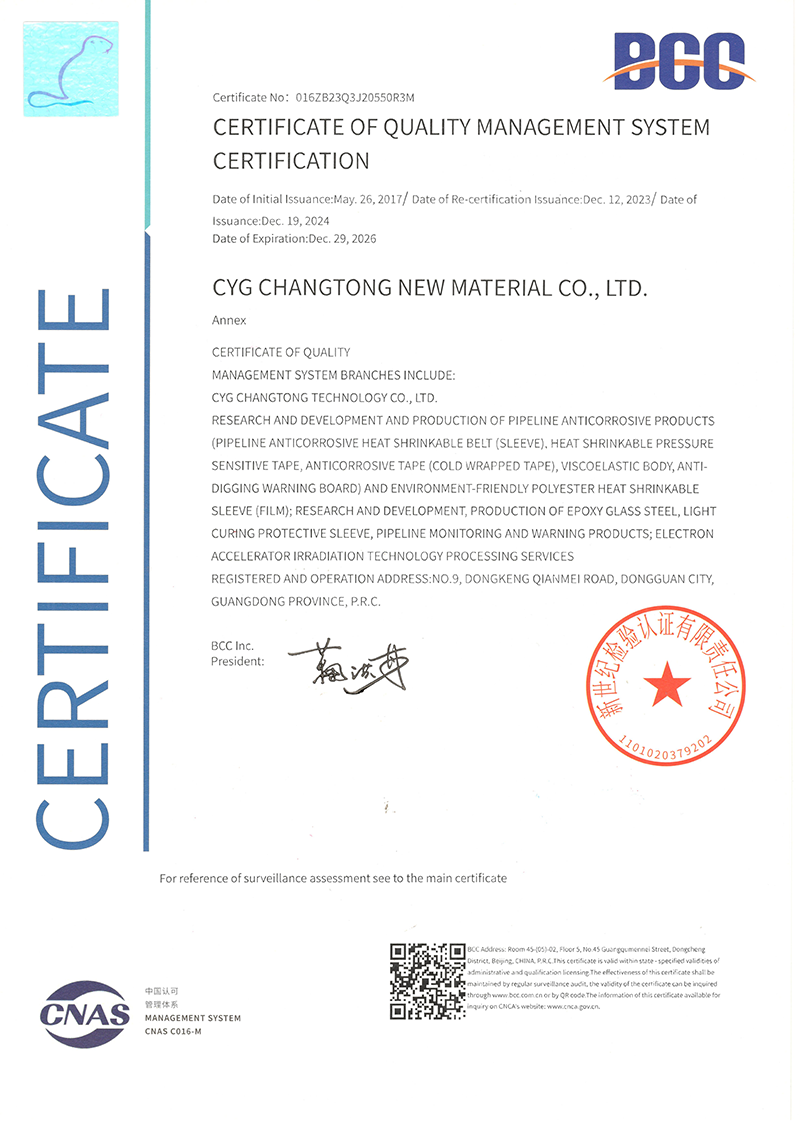
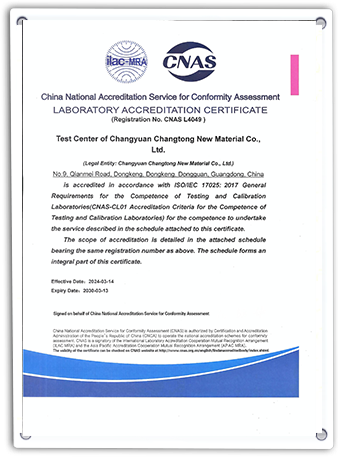
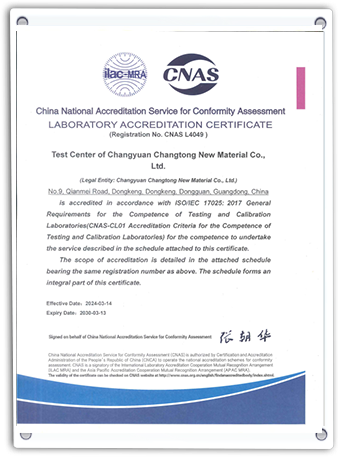
For international infrastructure projects, regulatory compliance is non-negotiable. CYCT ensures all product formulations meet or exceed leading industry standards. Our internal, state-of-the-art testing facility is CNAS-accredited, meaning every production lot undergoes strict quality testing for heat aging, peel strength, shear resistance, cathodic disbondment, and impact performance before shipment.

We work closely with global engineering contractors, delivering detailed design schemes, professional application training, and field support to ensure perfect installation. Our products carry international approvals for gas, oil, and water utility networks across the Middle East, India, Southeast Asia, Central Asia, and Latin America.

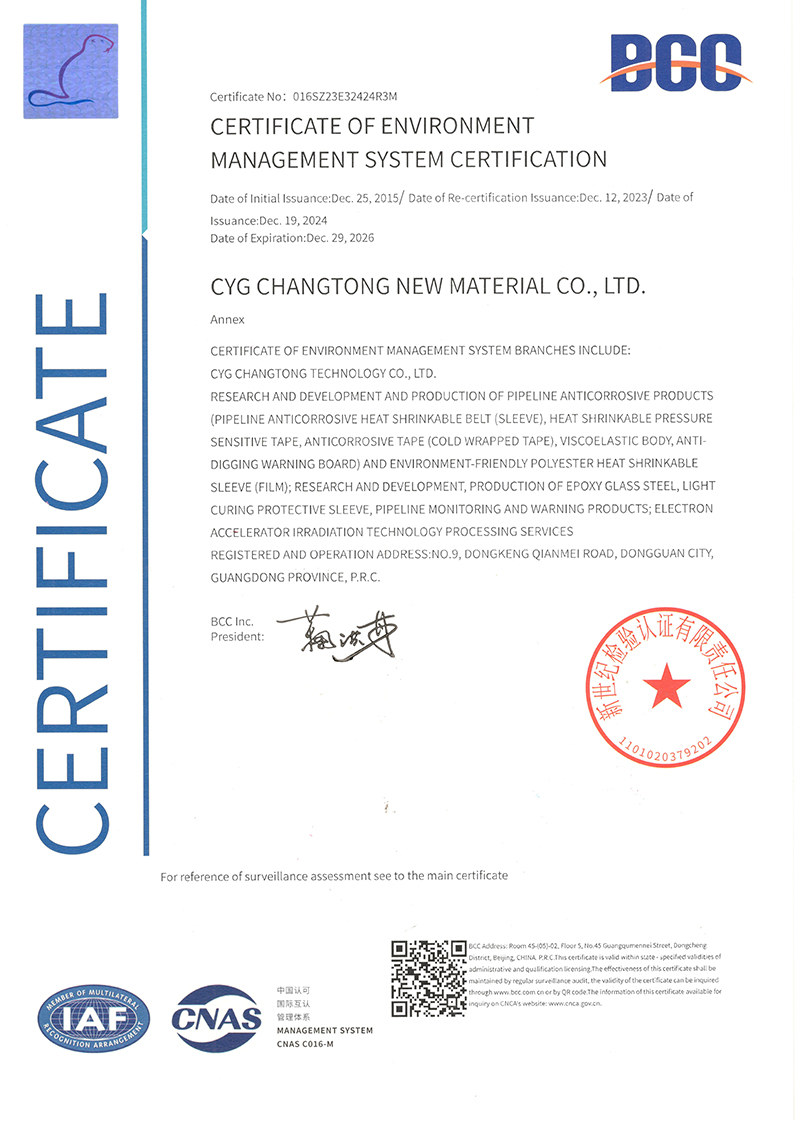
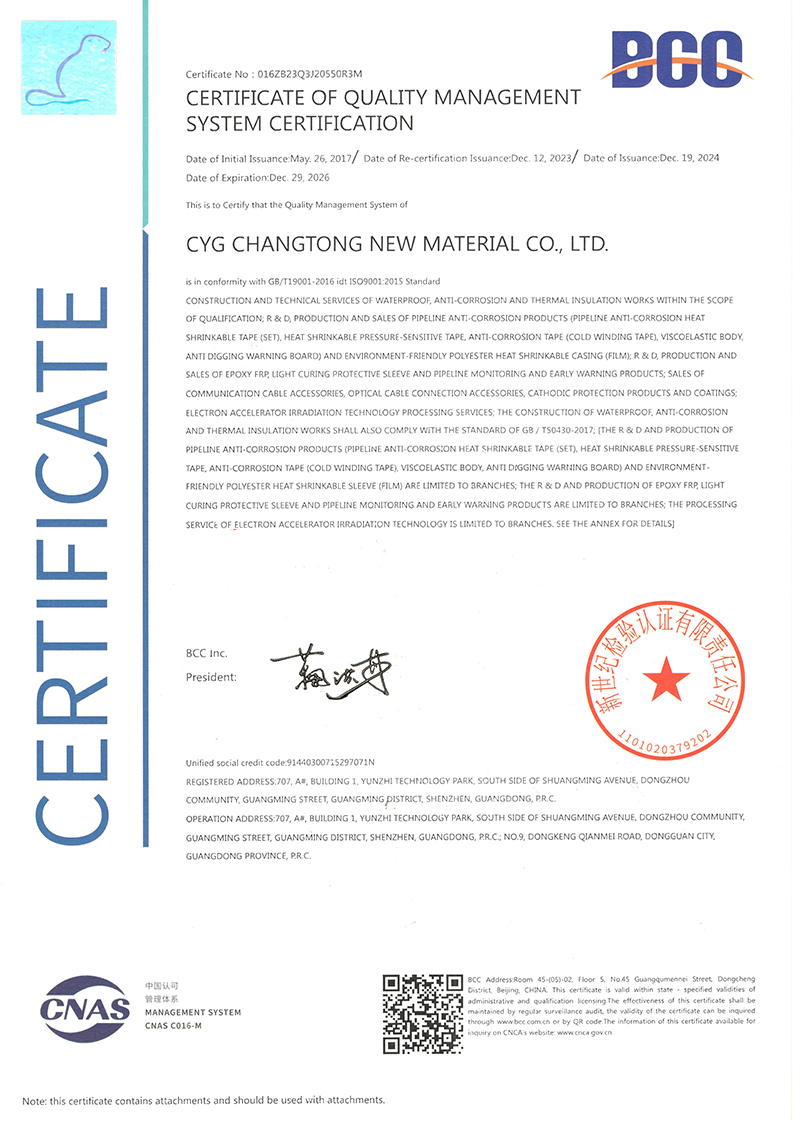
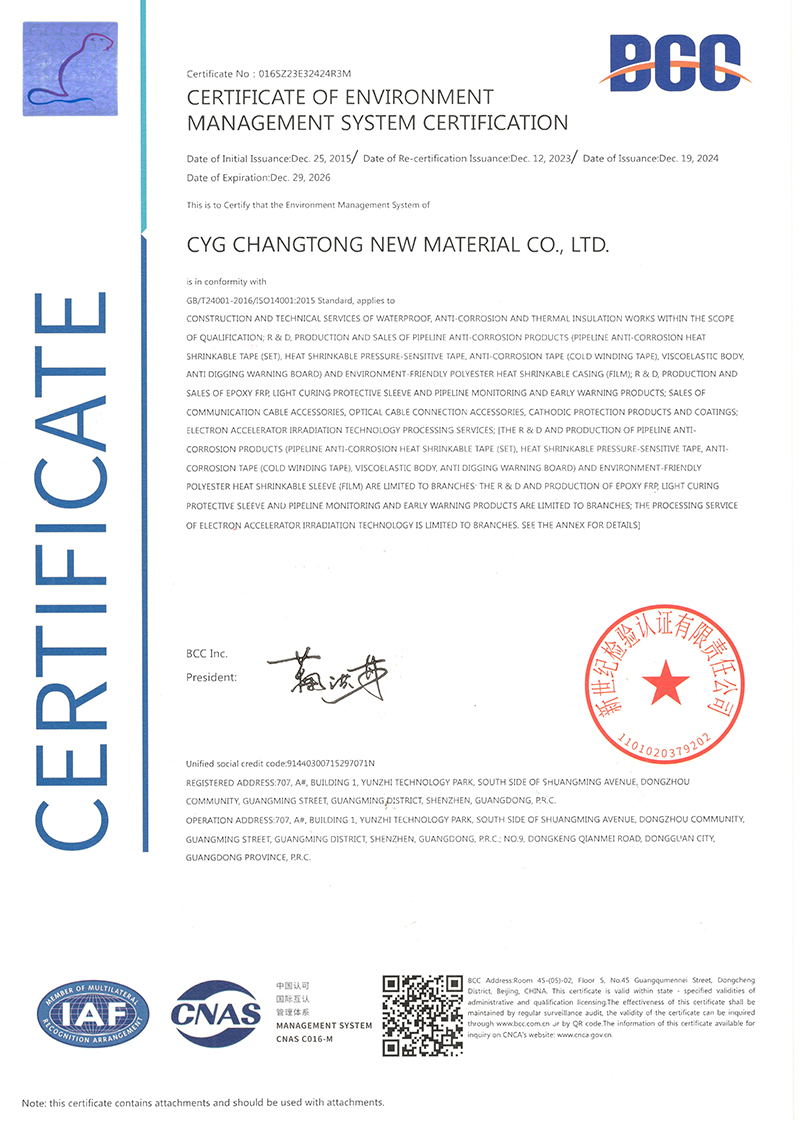
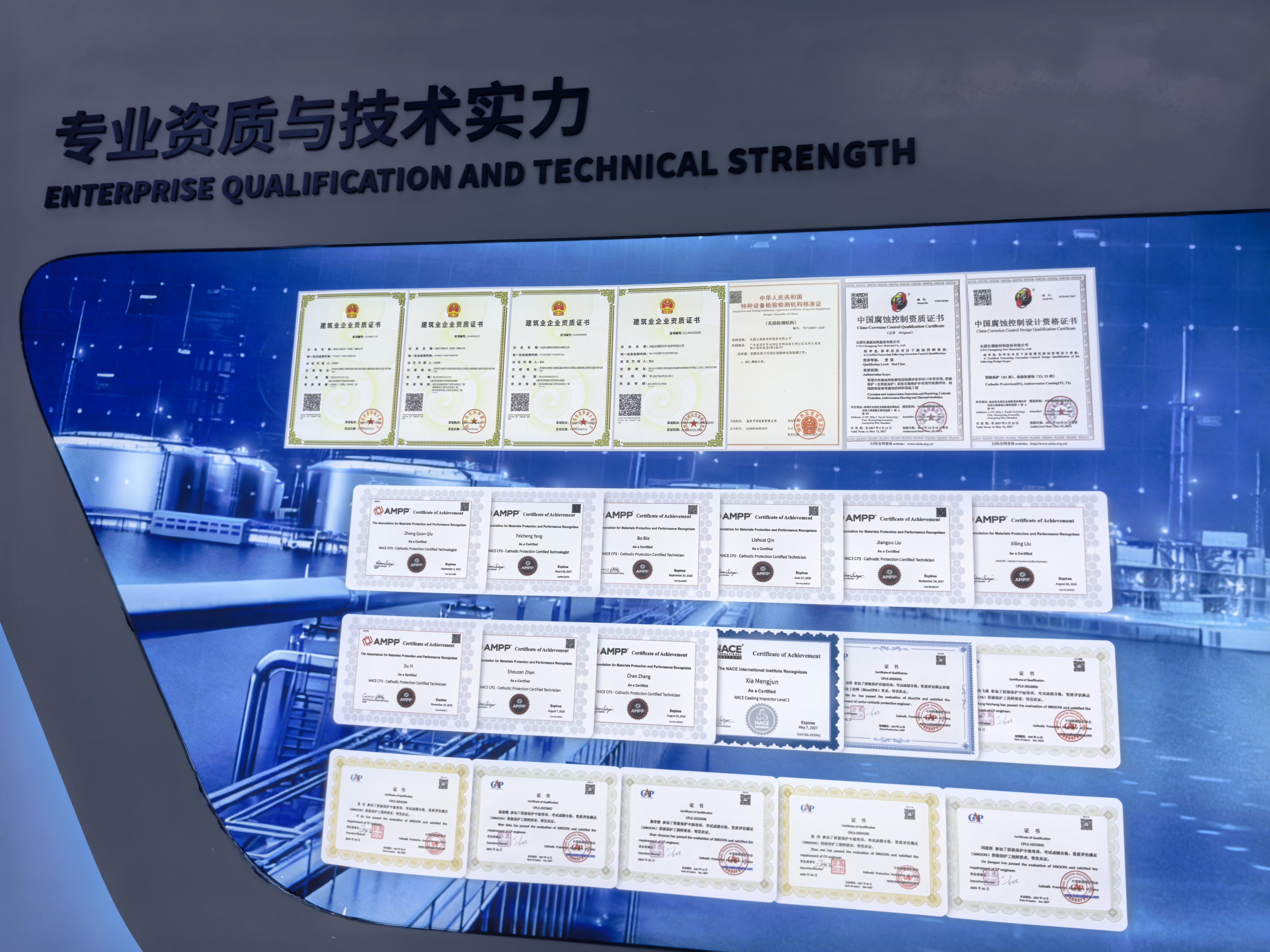
Honor and System Certificates

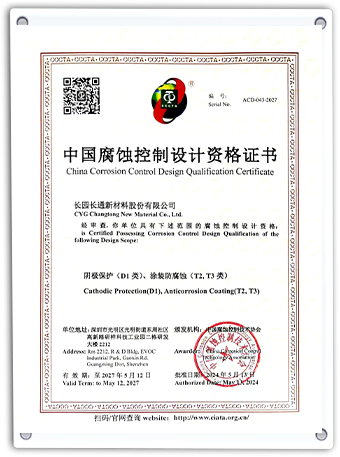
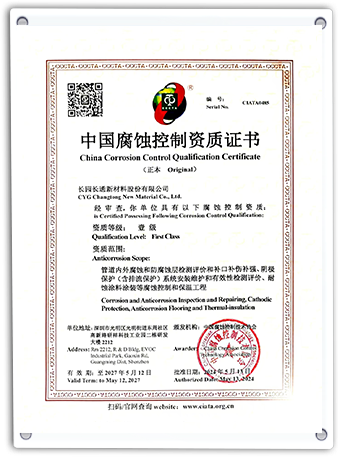
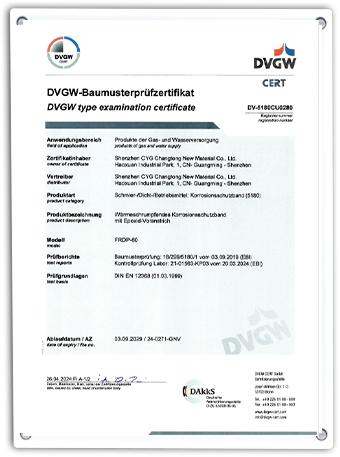
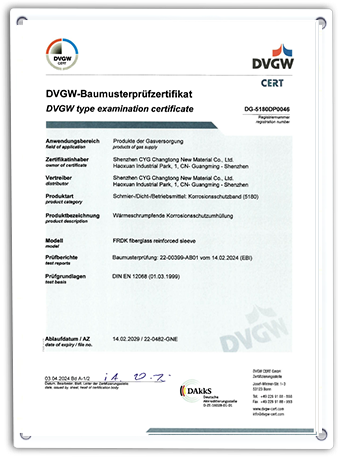
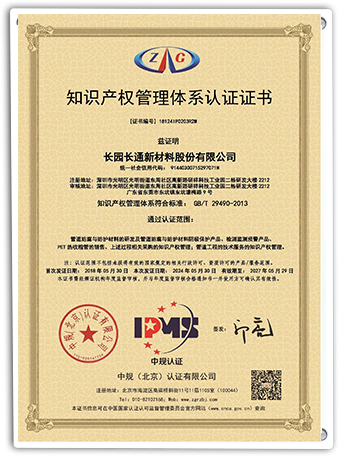
CYCT operates under strict ISO management systems. Below are our key qualifications and product approvals:

Company Certificate

System Certificate

Company Certificate

System Certificate

Company Certificate

System Certificate

Company Certificate

Compliance Certificate

Company Certificate

Compliance Certificate

Company Certificate

Utility Qualification

Company Certificate

Safety Approval

Company Certificate

International Cert

Company Certificate

Factory Standard

Company Certificate

ISO 9001 Cert

Company Certificate

ISO 14001 Cert

Company Certificate

OHSAS 18001 Cert

Strategic Vision

Technical Roadmap & Future Outlook

Exploring the next generation of corrosion prevention, including smart coatings, green materials, and active monitoring systems.

Active Leakage & Damage Detection

CYCT is researching smart polyolefin matrices embedded with optical fibers or carbon nanotube grids. These systems monitor mechanical stress, moisture penetration, and localized cathodic protection levels in real-time, sending data directly to maintenance teams.

Green Polymer Chemistry

We are focused on reducing the carbon footprint of pipeline construction by using bio-based resins and solvent-free adhesives. This transition maintains performance standards like EN 12068 while meeting global carbon reduction goals.

Extreme Temperature Performance

As deep well drilling and geothermal energy production expand, pipelines operate under higher heat profiles. CYCT is developing next-generation polypropylene backings capable of withstanding continuous service temperatures up to 130°C.

Information Gain FAQ

Deep Industry Technical Q&A

Technical answers to common engineering questions regarding polyolefin heat shrinkable materials, viscoelastic tapes, and repair systems.

What is the difference between PE-based and PP-based heat shrinkable sleeves?
PE (Polyethylene) based sleeves, like our FRDP 60C or FRDP 80C, are designed for pipelines operating at low to moderate temperatures (typically up to 80°C). They offer high flexibility and are easier to shrink. PP (Polypropylene) based sleeves are engineered for high-temperature pipelines (up to 110°C or 120°C) often found in high-flow gas transmission or oil lines. PP sleeves provide greater mechanical strength and resistance to soil shear forces but require higher shrinking temperatures during installation.
How does radiation cross-linking improve polyolefin performance?
Un-crosslinked polyolefin melts and flows when heated above its crystalline melting point, losing all mechanical strength. Radiation cross-linking chemically links the polymer chains with covalent bonds. This creates a shape-memory effect: when heated, the backing attempts to return to its original extruded thickness and length. This generates the continuous radial compression necessary to seal the field joint tightly, while improving environmental stress cracking resistance (ESCR) and tensile strength.
What is Cathodic Disbondment (CD), and how do CYCT coatings prevent it?
Cathodic disbondment occurs when cathodic protection systems generate hydrogen gas at holiday (defect) locations, lifting the coating off the steel surface. CYCT prevents this by incorporating high-performance polar adhesives and viscoelastic compounds. These adhesives form strong chemical and physical bonds to the steel substrate, resisting the displacement forces of cathodic reactions and meeting ISO 21809-3 requirements.
How does Viscoelastic VT95 Tape compare to traditional heat shrink sleeves?
Viscoelastic tape (like our VT95) does not require heat activation. It remains in a semi-solid, viscous state, flowing into micro-irregularities on the steel surface. This ensures complete coverage, self-healing capability if damaged, and ease of installation on irregular surfaces like valves, tees, and flanges. Traditional heat shrink sleeves, by contrast, provide greater mechanical impact protection and shear resistance, making them better suited for straight pipeline field joints subject to severe soil movement.
What surface preparation is required before installing polyolefin heat shrinkable materials?
For maximum adhesion, the steel joint must be abrasive blasted to Sa 2.5 (near-white metal) according to ISO 8501-1, with a profile depth of 50-90 microns. The adjacent mill-applied coating must be beveled and cleaned. Preheating the joint to the specified temperature (typically 60°C to 70°C for mastic-based sleeves and 110°C to 130°C for hot-melt copolymer systems) is necessary to ensure proper adhesive flow.
Can viscoelastic materials be used for offshore subsea pipeline protection?
Yes, viscoelastic coatings are highly effective for offshore splash zones, subsea risers, and valve assemblies due to their moisture barrier properties and resistance to water ingress. However, they must be wrapped with a protective outer mechanical shield (such as a fiber-reinforced PE wrap or polyurethane outer jacket) to prevent damage from water currents and marine soil movement.
What is the shelf life of polyolefin heat shrink products, and how should they be stored?
CYCT polyolefin heat shrink sleeves have a typical shelf life of 2 to 3 years when stored in original packaging, out of direct sunlight, in a clean environment between -10°C and 40°C. Keeping them dry and away from heat sources prevents premature shrinking of the backing and contamination of the adhesive layer.
How does the FRDX repair patch restore damaged mill-applied PE coatings?
The FRDX repair patch consists of a cross-linked PE backing coated with a high-shear hot-melt adhesive. When a holiday or damage is identified on the mill-applied 3LPE coating, the area is cleaned and preheated. The patch is applied over the defect, and heated with a torch. A roller is used to remove air bubbles, fusing the patch to the parent coating to restore corrosion protection.