Engineered high-performance polymeric coatings, cold-applied wraps, and heat-shrinkable solutions for global transmission and distribution pipelines.
Why Modern Pipeline Infrastructure Demands Advanced Macromolecular Barriers
Corrosion remains the single greatest threat to global pipeline integrity. According to the World Corrosion Organization, the annual cost of corrosion exceeds $2.5 trillion globally, representing approximately 3.4% of the global GDP. Within the energy, water distribution, and heavy industrial processing sectors, sub-surface and overland carbon steel pipelines require robust exterior protection systems to prevent electrolytic degradation and chemical oxidation.
The Evolution of Protection Technologies:
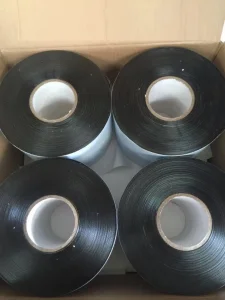
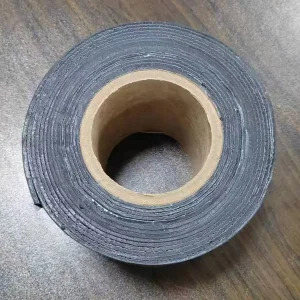
Historically, coal tar enamel and asphalt coatings were the industry standards. Today, these materials have been phased out due to environmental hazards and physical brittleness. Modern engineers prioritize polymeric corrosion-resistant tapes—comprising Polyethylene (PE), Polypropylene (PP), and viscoelastic polymers—which offer self-healing properties, thermal adaptability, and exceptional electrical resistance.As deep-well exploration and cross-continental pipelines extend into hyper-arid, sub-zero, and high-salinity marine environments, polymeric protection solutions must fulfill stricter performance criteria. They are designed to withstand severe cathodic disbondment, resist shear stress from soil movement, and remain chemically stable under operating temperatures ranging from -40°C to over 100°C.
Understanding the differences in compound behavior, adhesion strength, and environmental suitability.
| Material Category | Key Chemical Structure | Adhesive Mechanism | Temperature Resistance | Ideal Application Scenario | |
|---|---|---|---|---|---|
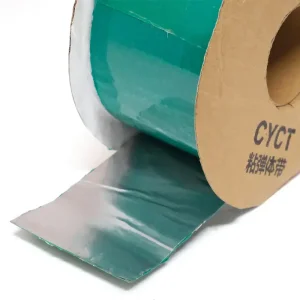
| PE Cold-Applied Tape | Cross-linked Polyethylene backing with butyl rubber adhesive | Pressure-sensitive mechanical bonding | -20°C to +60°C | Long-distance oil/gas mainlines, water distribution pipes | ISO 21809-3 Type 1A |
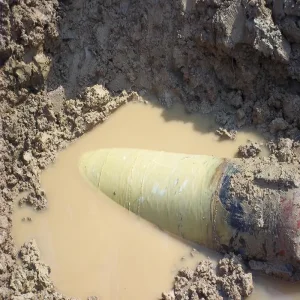
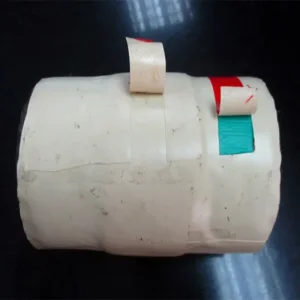
| Viscoelastic Tape | Amorphous apolar polyolefin compound | Cold-flow wetting action, 100% surface contact | -45°C to +95°C | Irregular fittings, valves, flanges, rehabilitation wraps | ISO 21809-3 Type 1D |
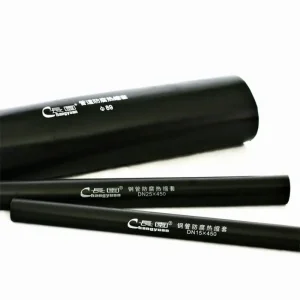
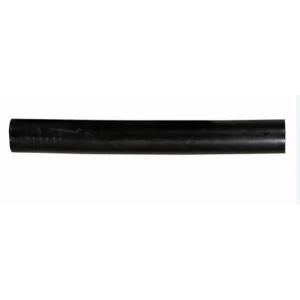
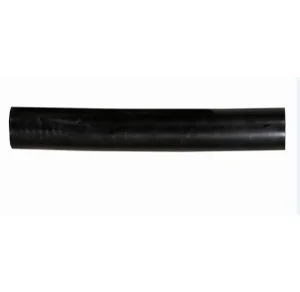
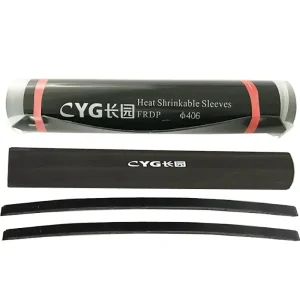
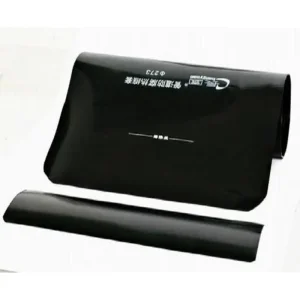
| Heat Shrinkable Sleeve | Radiation cross-linked PE backing with hot-melt copolymer | Thermal activation and shrinkage compression | -30°C to +85°C | Girth weld field joint coating (FJC) for 3LPE/3LPP pipes | EN 12068 Class C |
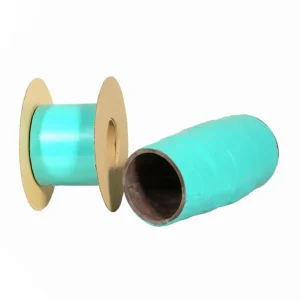
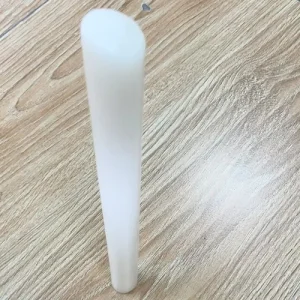
| Epoxy FRP Wrapper | Fiberglass reinforced polymer with epoxy matrix | Thermosetting chemical cure | Up to +120°C | Horizontal Directional Drilling (HDD) mechanical protection | ASTM G14 Impact Grade |
A trusted, state-level high-tech enterprise integrating R&D, advanced manufacturing, and engineering field service.
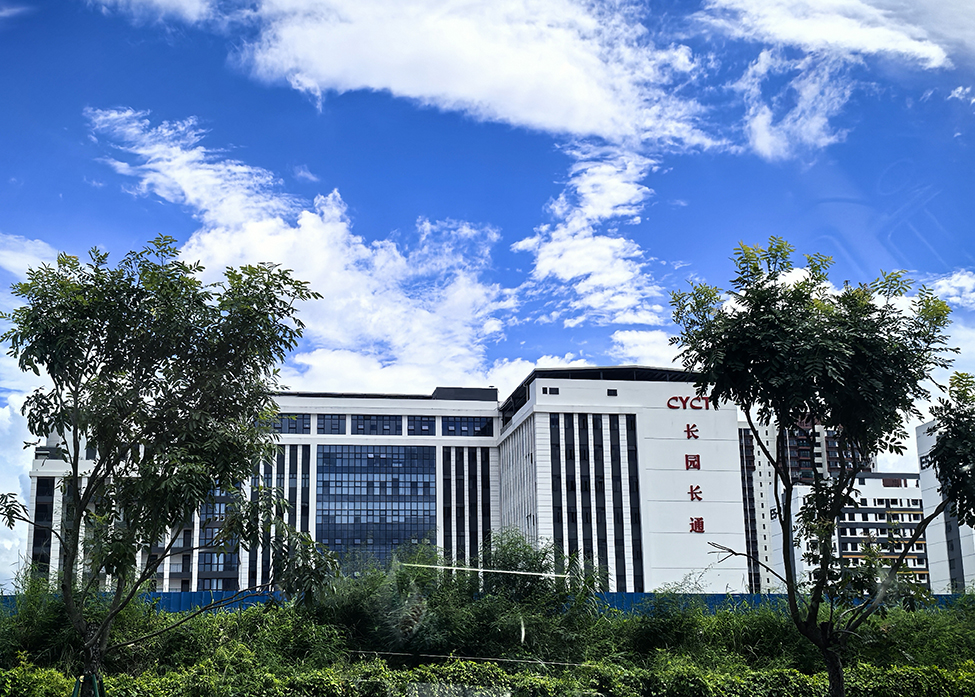
CYCT New Materials Company Limited (for short, CYCT) is a state-level high-tech enterprise integrating R&D, production, and sales of pipeline corrosion protection materials, as well as buried pipeline detection services and pipeline coating field application services into one integrated dynamic framework.
CYCT has devoted itself to the R&D, production, and sales of pipeline corrosion protection materials for decades. By maintaining active cooperation with leading research institutions such as the CNPC Pipeline Science Research Institute, CYCT is capable of providing in-service pipelines with varied technical services, including buried pipeline detection, design schemes, cathodic protection system deployment, rehabilitation projects, and integrated safety protection solutions.
Today, CYCT is an established, stable supplier of field joint coatings for PetroChina, Sinopec, PipeChina, and regional local networks, holding a significant share of the national pipeline infrastructure market. Additionally, CYCT has developed and introduced a wide range of specialty corrosion protection materials, such as viscoelastic anti-corrosion systems, photocurable sleeves for HDD protection, and polyurea protective coatings.
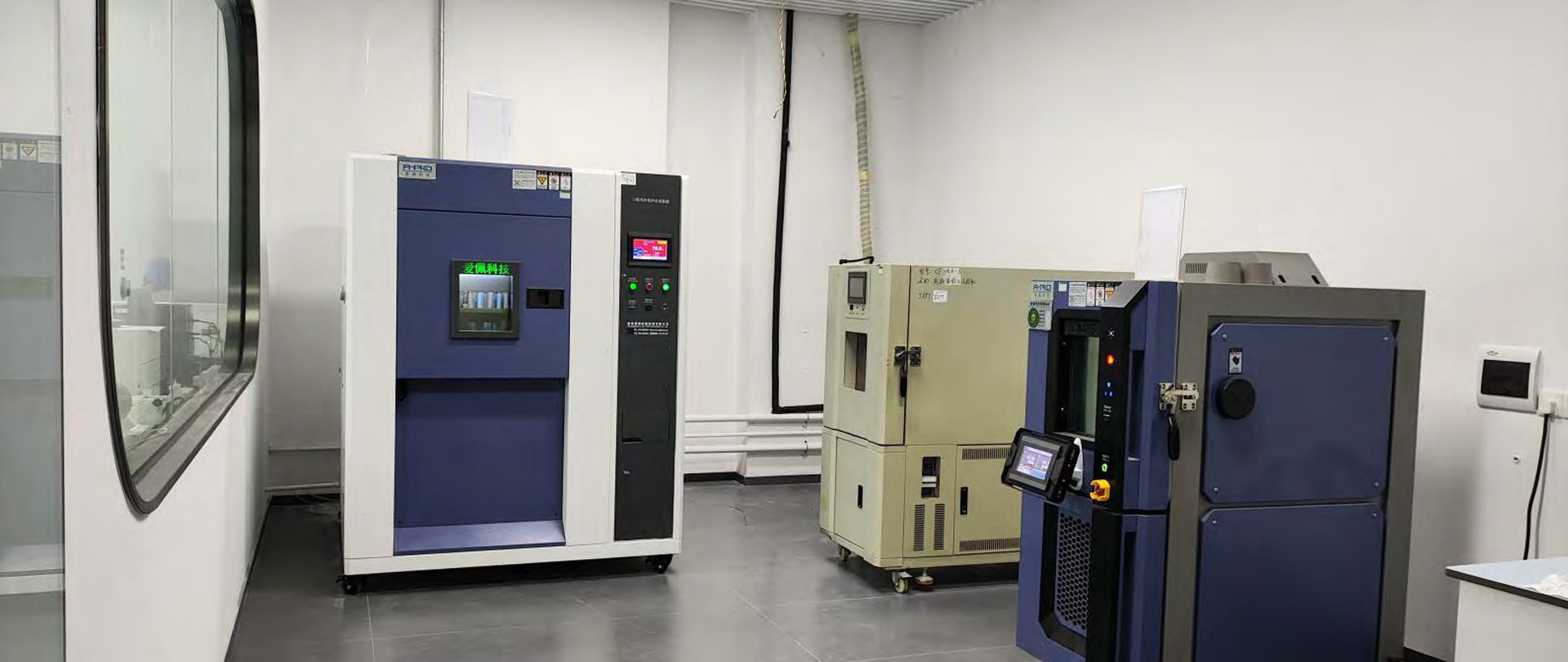
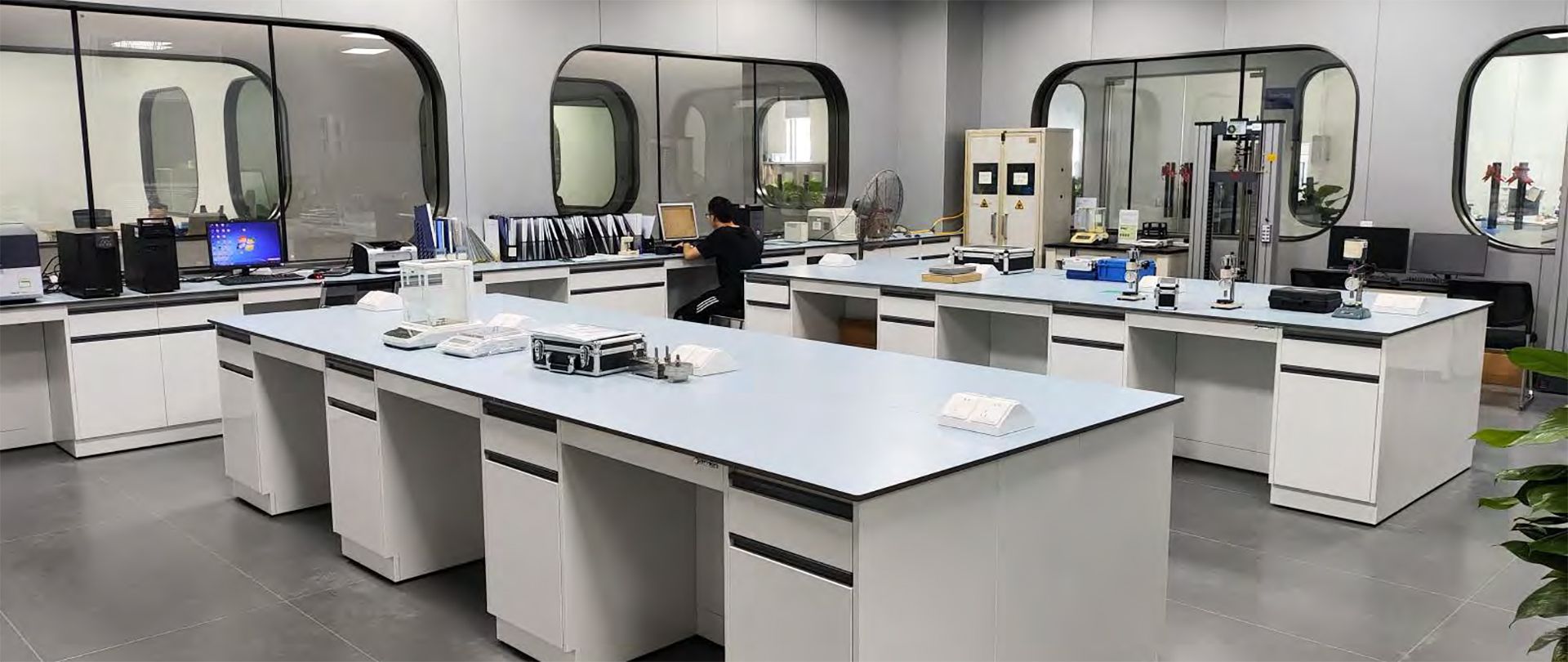
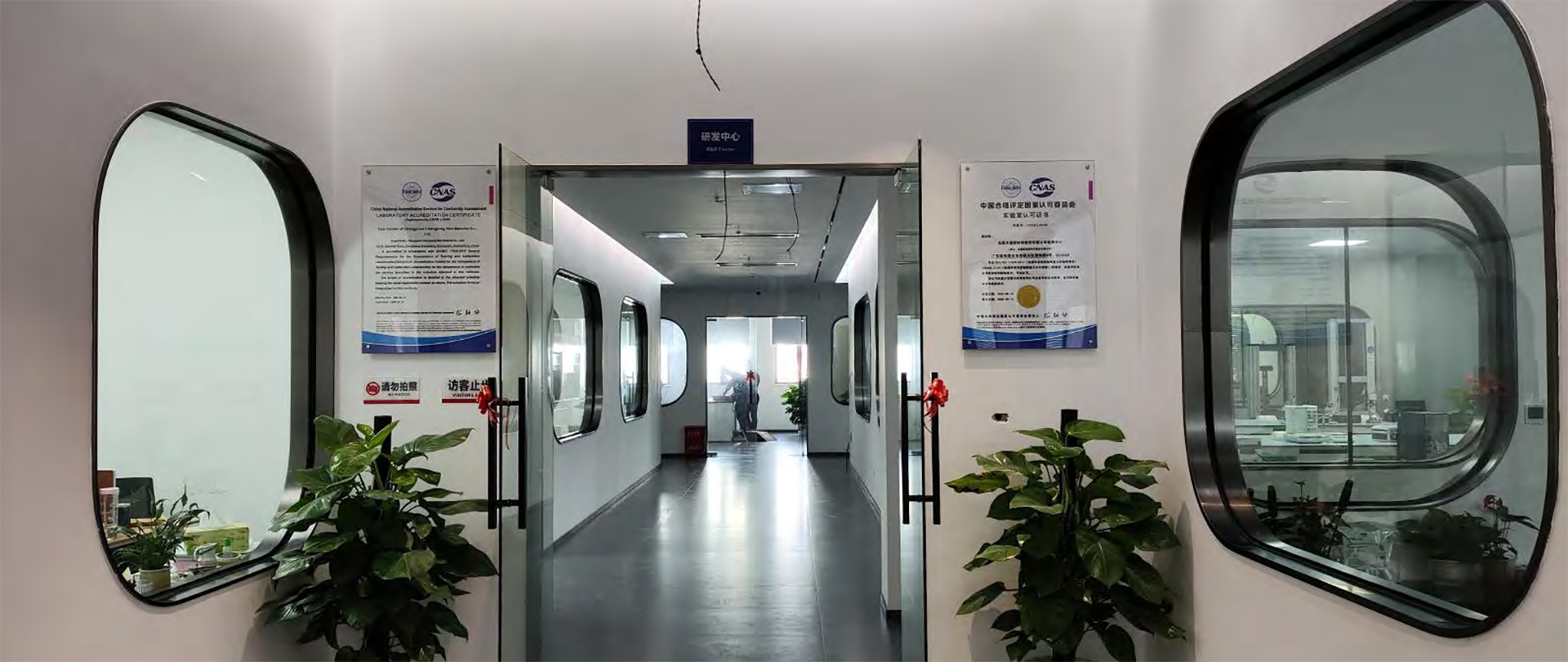
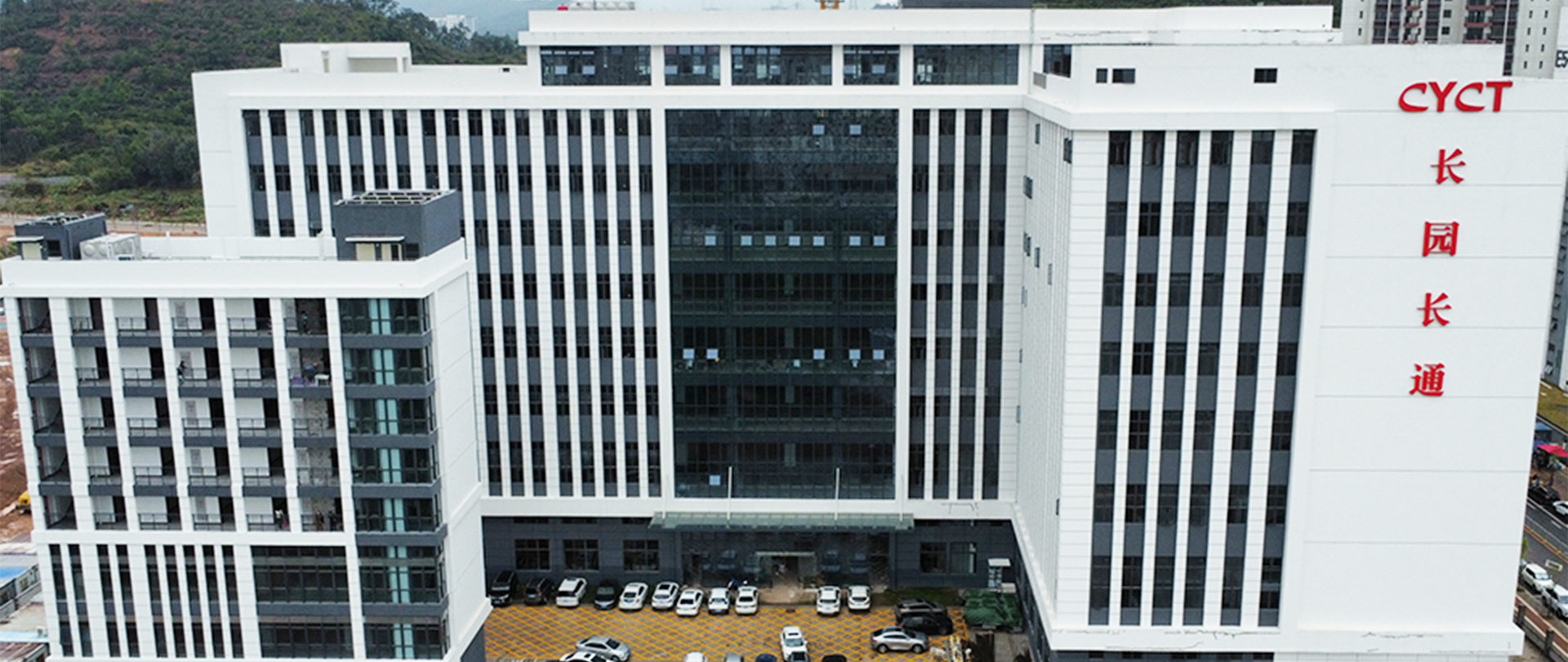
How domestic raw material ecosystems and lean manufacturing deliver cost efficiency and quality control.
Our factory is located near major petrochemical hubs, granting direct access to premium PE resins, viscoelastic polymers, and synthetic rubbers. This minimizes transportation costs and safeguards against supply chain bottlenecks.
By utilizing automated, wide-format extrusion lines, CYCT ensures uniform thickness control across all adhesive and backing layers. This level of precision minimizes thin spots that are susceptible to voltage breakdowns.
Every product batch undergoes testing in our CNAS-accredited laboratory. Testing includes peel strength, cathodic disbondment resistance, impact resistance, and elongation tests to verify alignment with ASTM, NACE, and ISO specifications.
For global procurement teams, sourcing from a Chinese OEM factory like CYCT does not mean compromising quality for cost. The combination of localized resource availability, skilled chemical engineers, and strict testing protocols yields an average 25-35% cost reduction compared to European or North American counterparts, while offering matching or superior performance specifications.
High-throughput extrusion lines, testing labs, and raw material storage areas.
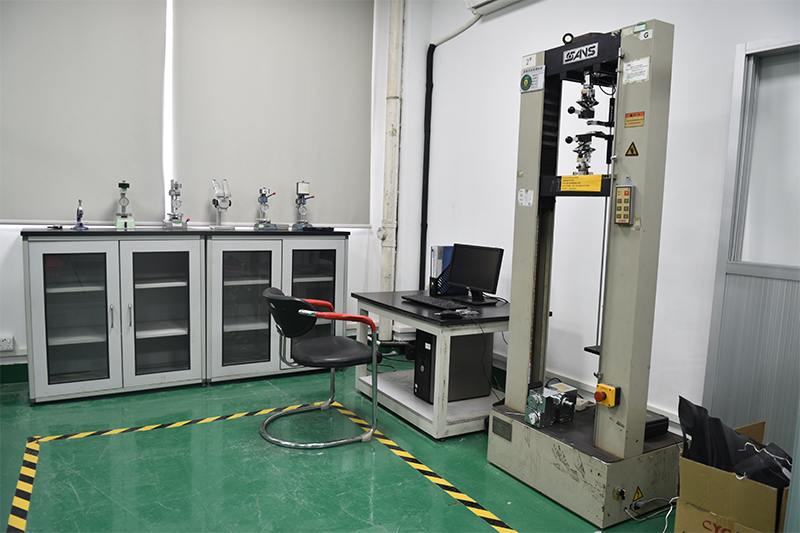
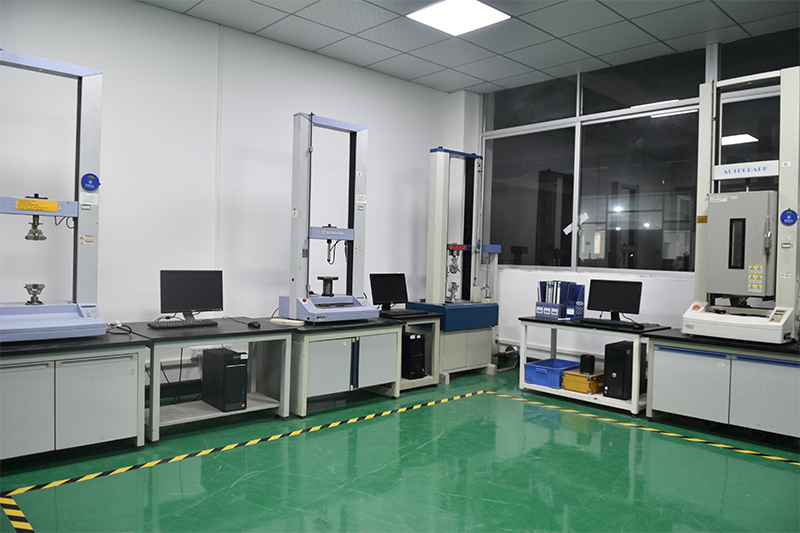
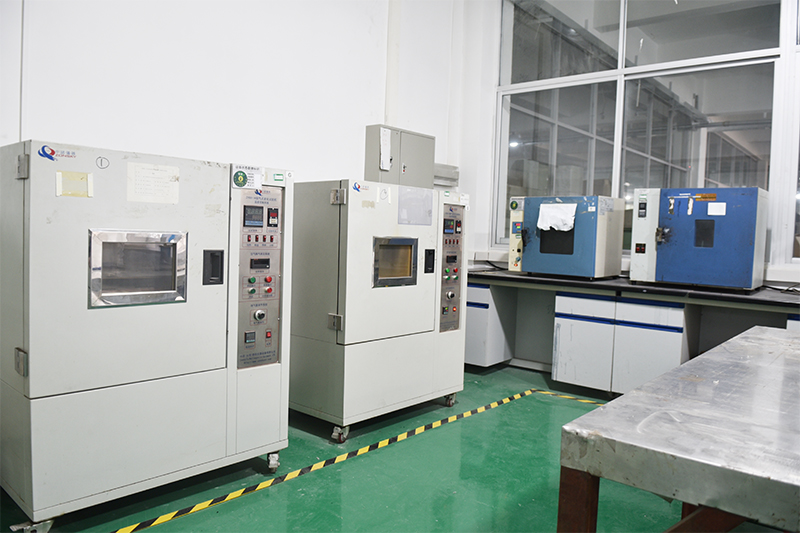
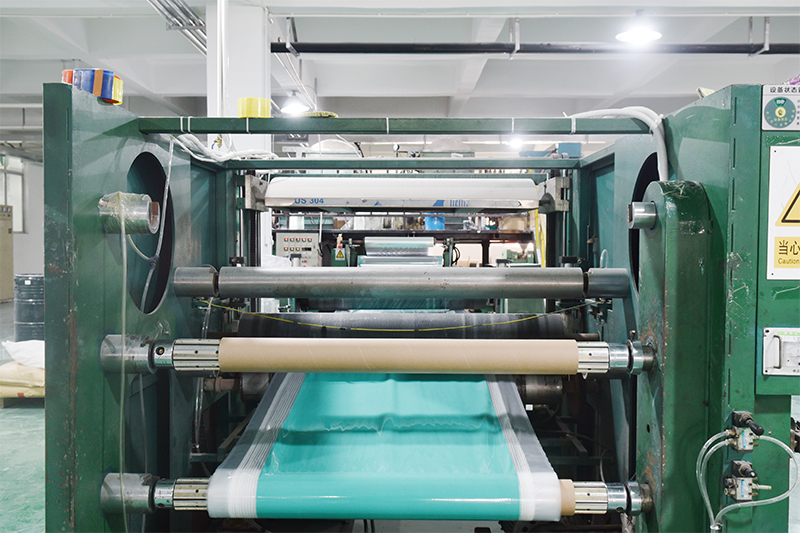
From horizontal directional drilling to desert transmission lines: where polymeric tapes perform best.
When pulling steel pipe strings through rocky boreholes, the shear force can scratch or strip away standard factory-applied PE coatings. To counter this, engineers install an outer sheath of Epoxy FRP (Fiberglass Reinforced Polymer) over the field joint coatings. The high hardness and structural rigidity of the FRP wrap prevent abrasion and scratching, preserving the integrity of the primary corrosion-resistant coating underneath.
Arid desert environments feature dry sandy soils, high soil-stress levels, and ambient temperatures that can raise pipe surface temperatures to 80°C or higher. Standard butyl adhesives can lose shear strength and sag under these conditions. CYCT addresses this with specialized 85°C high-temperature hot-melt sticks and heat-shrinkable sleeves designed to maintain bond strength and resist soil movement at elevated temperatures.
In water distribution and low-temperature gas networks, pipelines often run through water-saturated soils or muddy trenches. Cold-applied PE and viscoelastic tapes are highly effective in these environments due to their cold-flow performance and ease of field application, which does not require specialized pre-heating equipment.
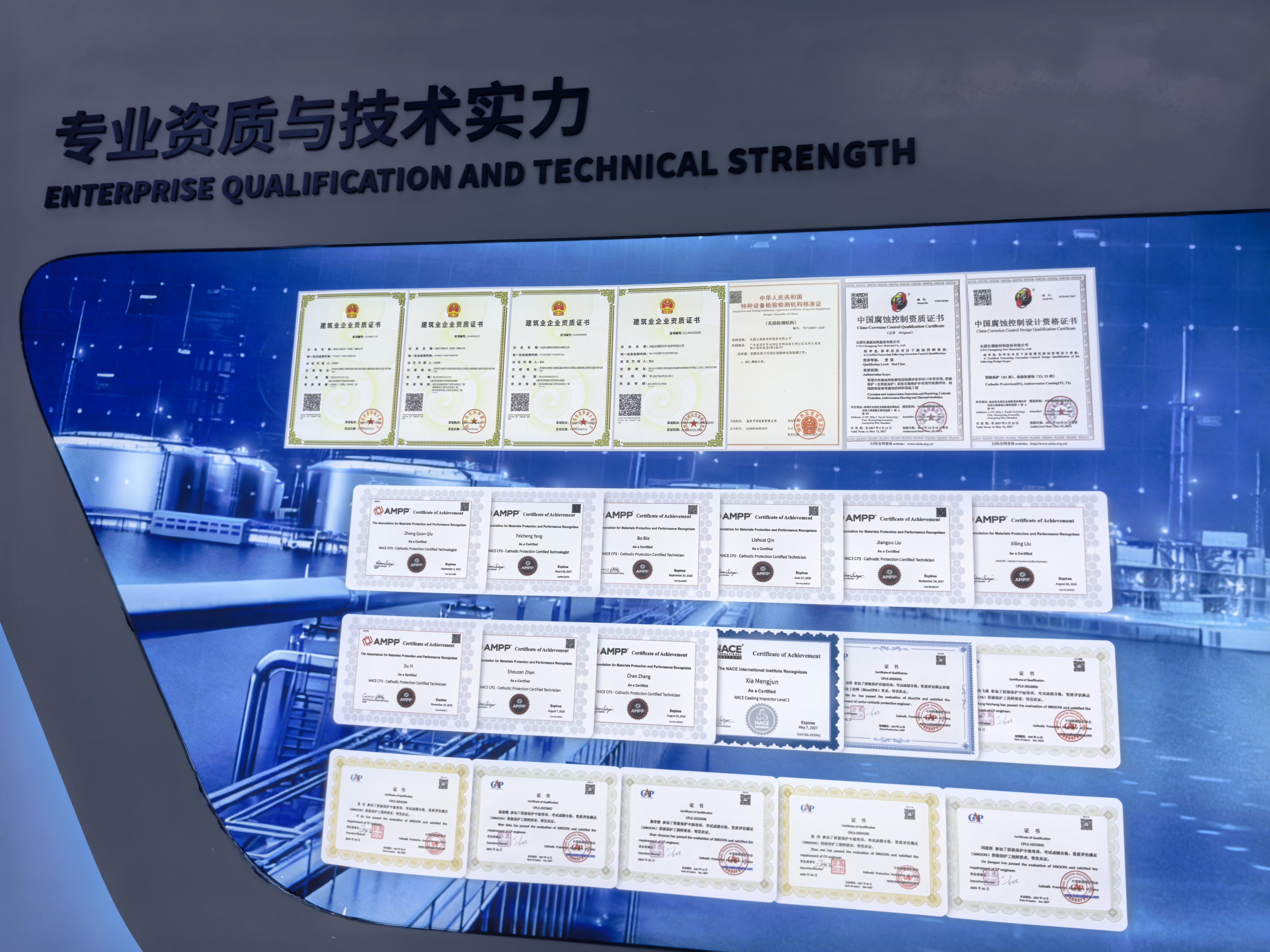
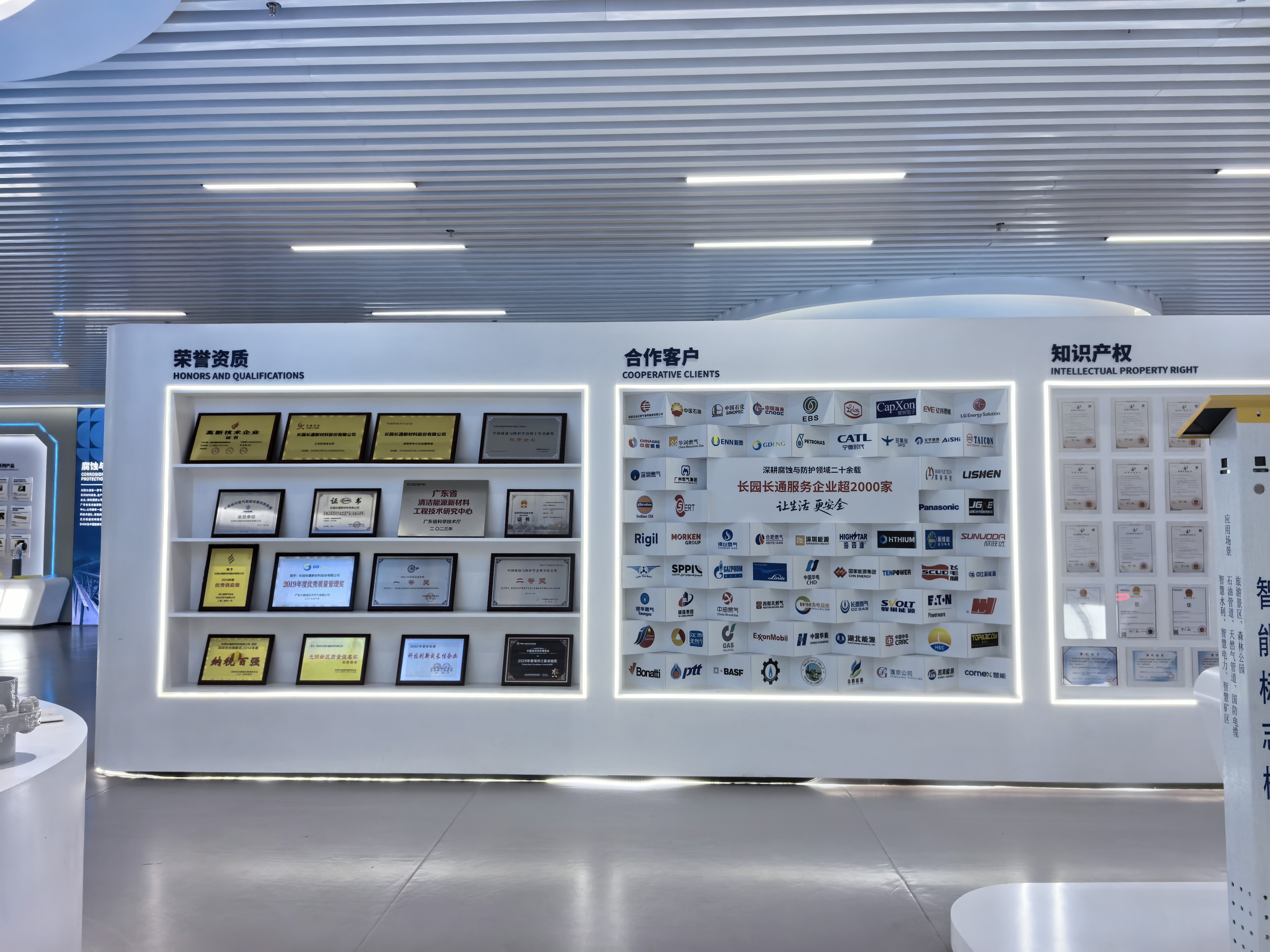
Accredited member of the Chinese Society for Corrosion and Protection (CSCP) and stable supplier to PetroChina, Sinopec, and China Gas.
Organizational Affiliations & Distinctions:
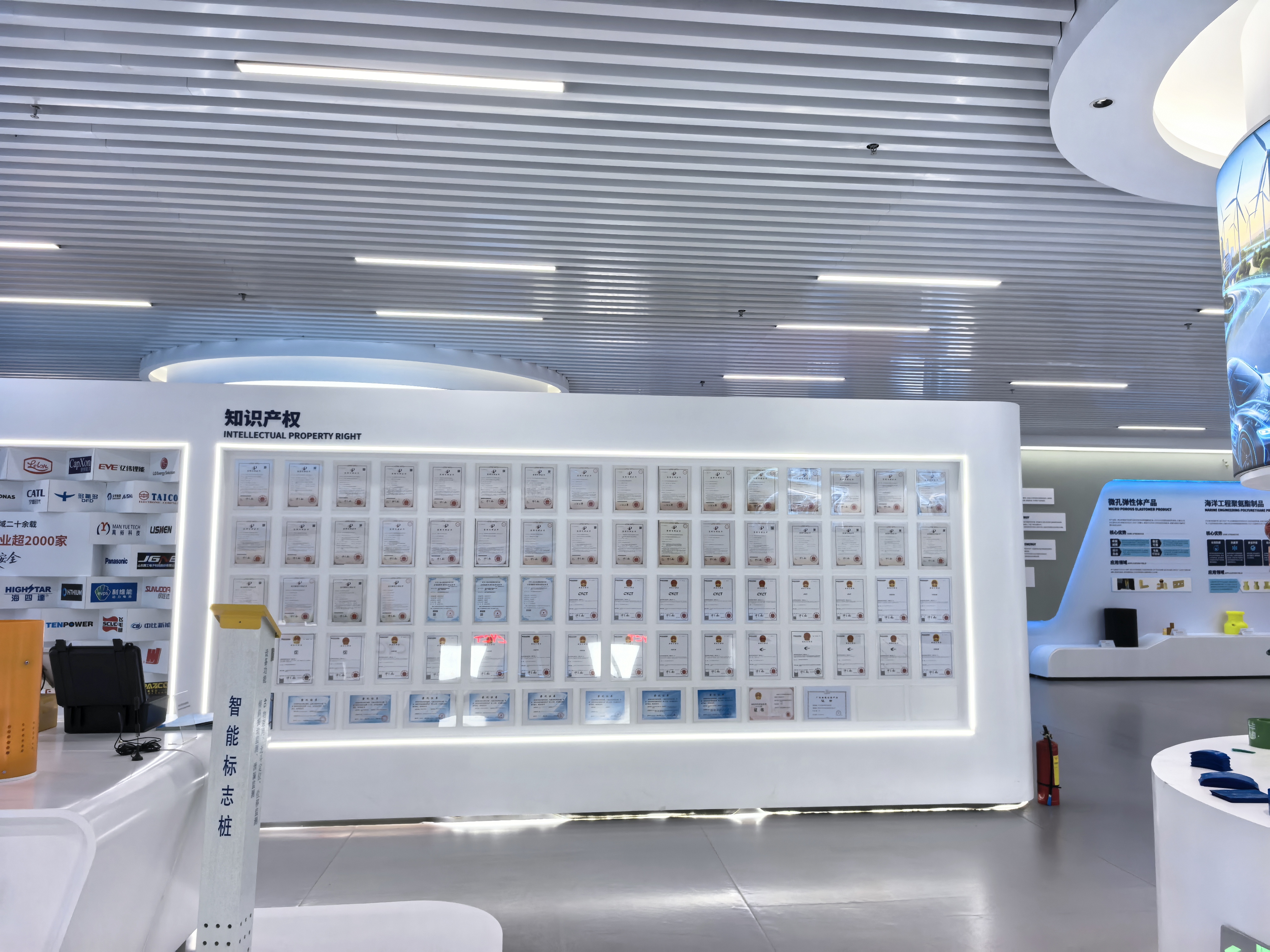
Member of Council in Chinese Society for Corrosion and Protection (CSCP) | Qualification Certificate of Corrosion Protection Construction | Qualification Certificate of Pipeline Detection | Well-known Brand of Pipeline Corrosion Protection in China | Corporate Member of China Association of Petroleum Engineering Construction (CAPEC) | State-Level High-Tech Enterprise with more than ten proprietary intellectual property rights | Supplier of Indian Oil.
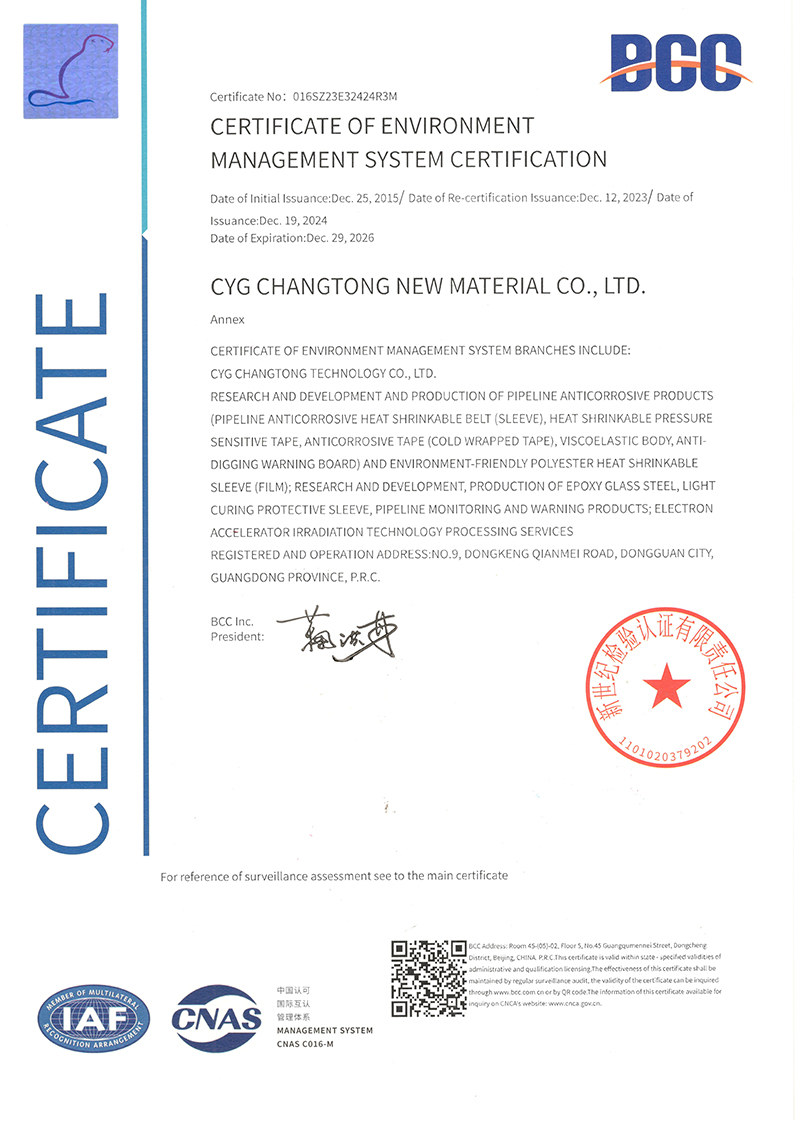
Company Certificate
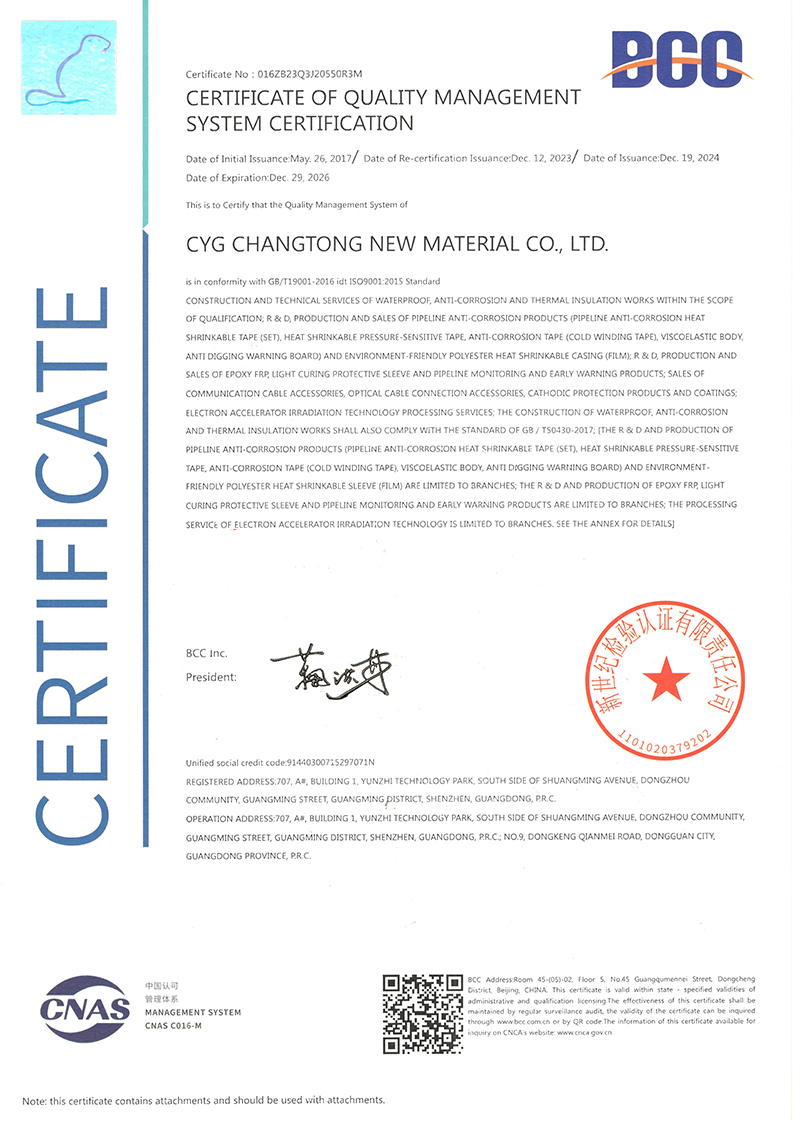
Company Certificate
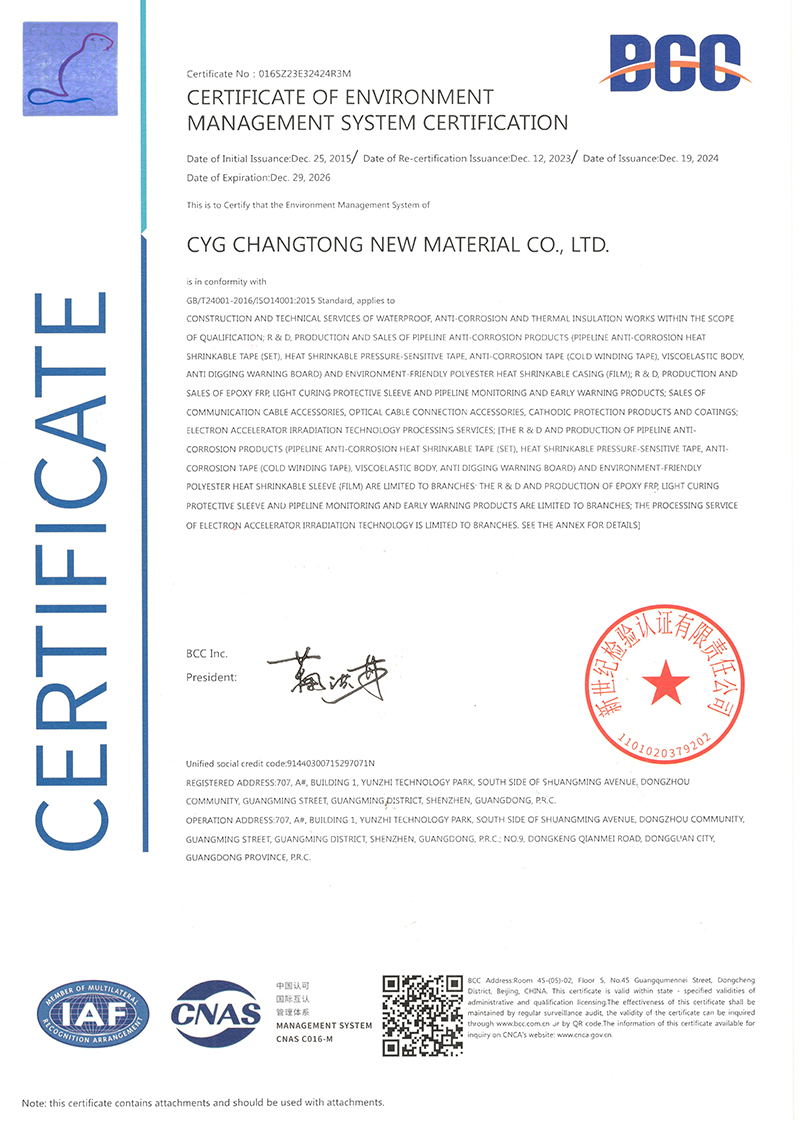
Company Certificate
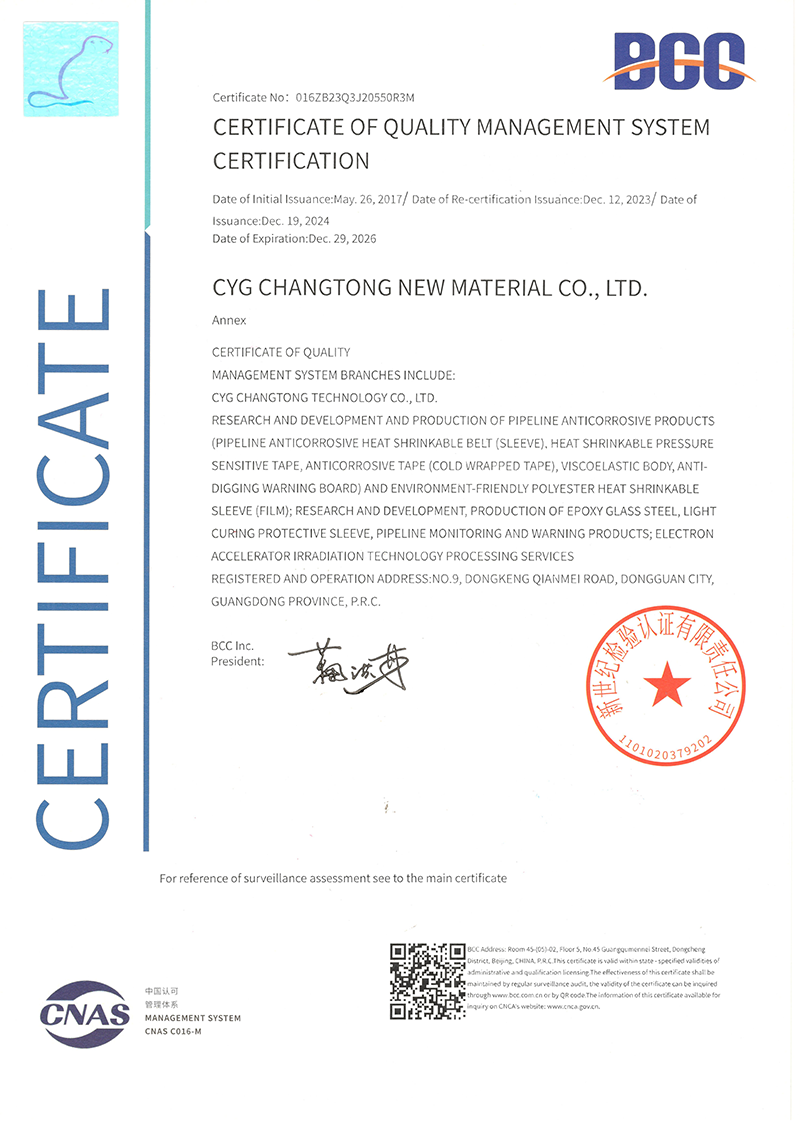
Company Certificate
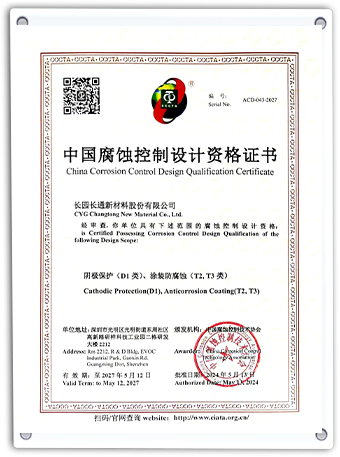
Company Certificate
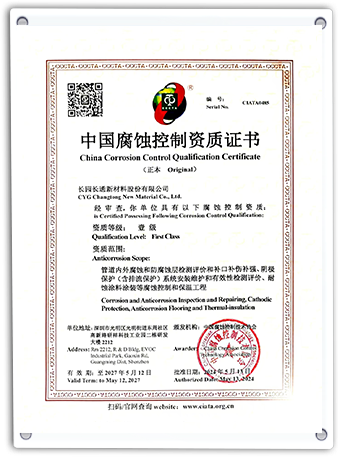
Company Certificate
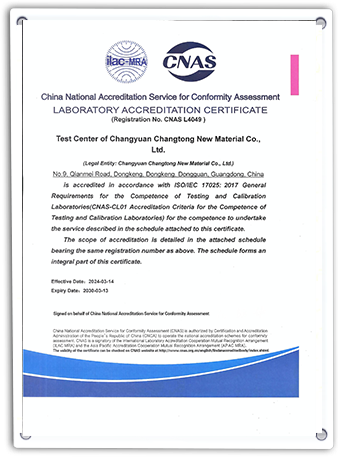
Company Certificate
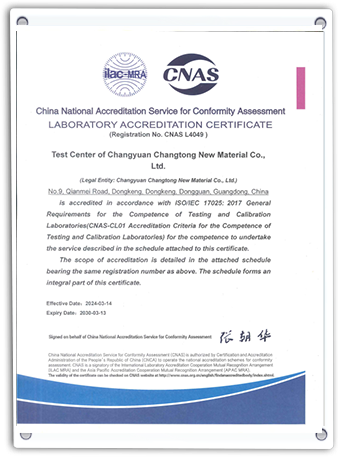
Company Certificate
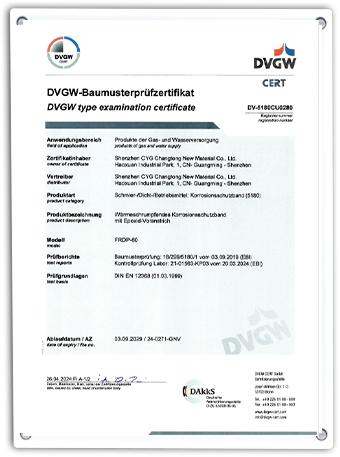
Company Certificate
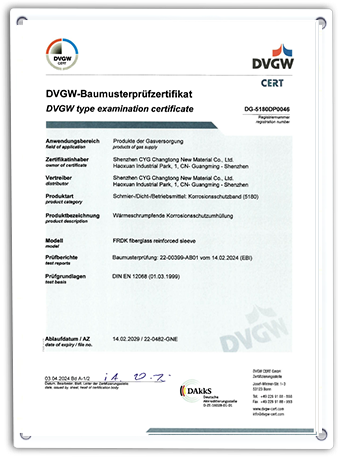
Company Certificate
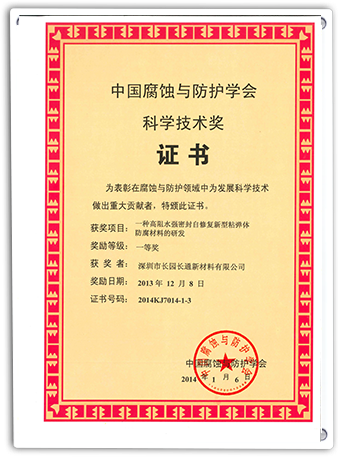
Company Certificate
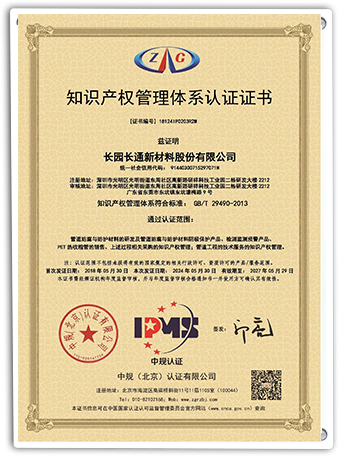
Company Certificate
How procurement managers mitigate risk and ensure compliance during factory audits.
B2B procurement managers and material engineers face strict project timelines and zero-tolerance quality margins. When importing polymeric corrosion-resistant tapes or field joint coatings, it is critical to verify the supplier's technical compliance. The following checklist highlights key sourcing considerations:
Technical answers to key questions about polymeric corrosion-resistant tape selection, installation, and performance.
High-performance polymer formulations for challenging field repairs and pipe protection applications.
 CYCT
CYCT