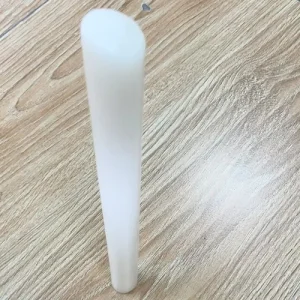
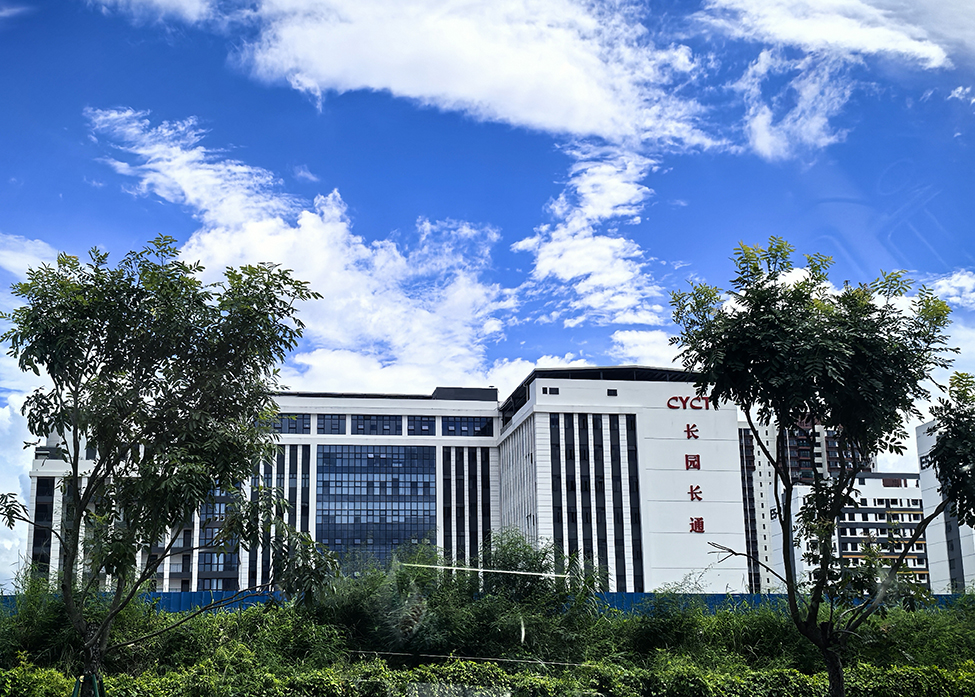
Founded in 2000, CYCT New Materials Company Limited (for short, CYCT) has grown into a world-class state-level high-tech enterprise. We seamlessly integrate the research & development, production, and worldwide sales of advanced pipeline corrosion protection materials. Beyond product supply, we deliver high-value technical services, including buried pipeline structural detection services and pipeline field joint coating field application services.
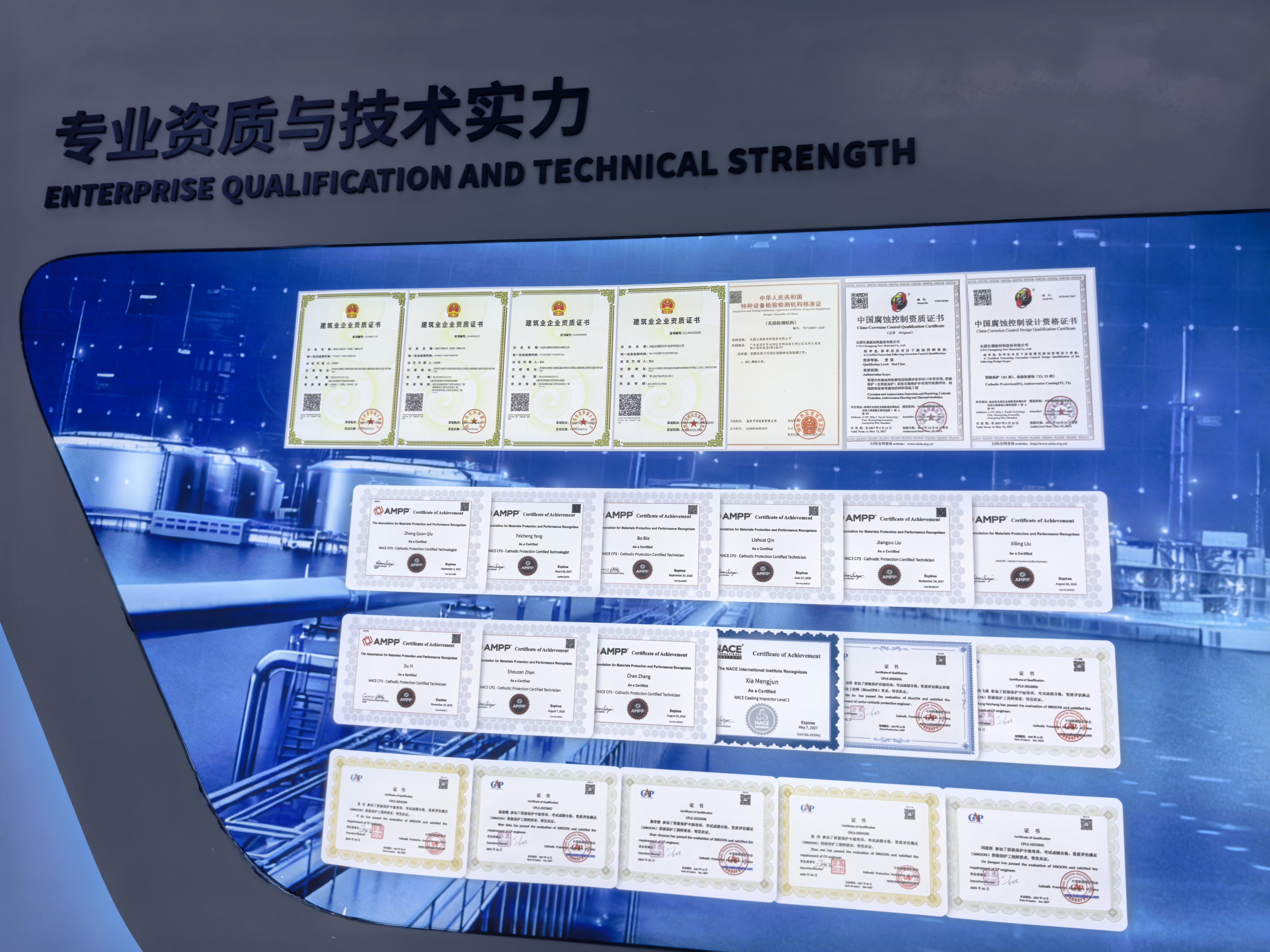
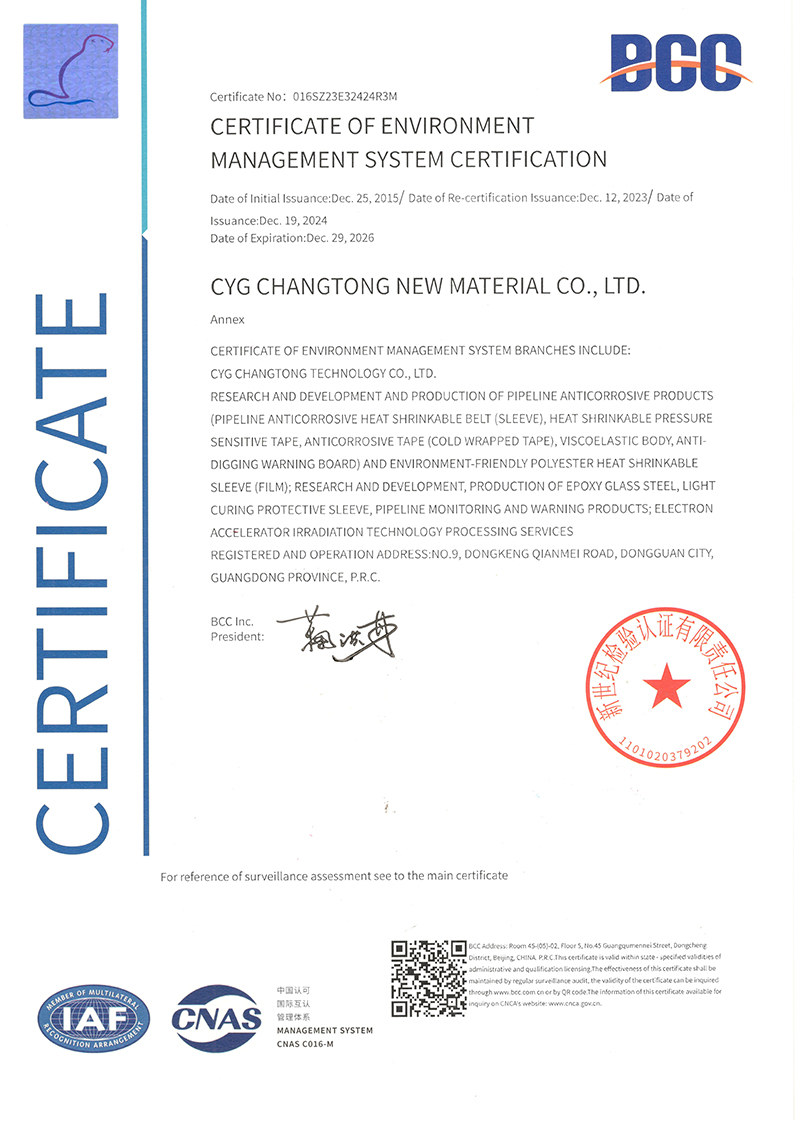
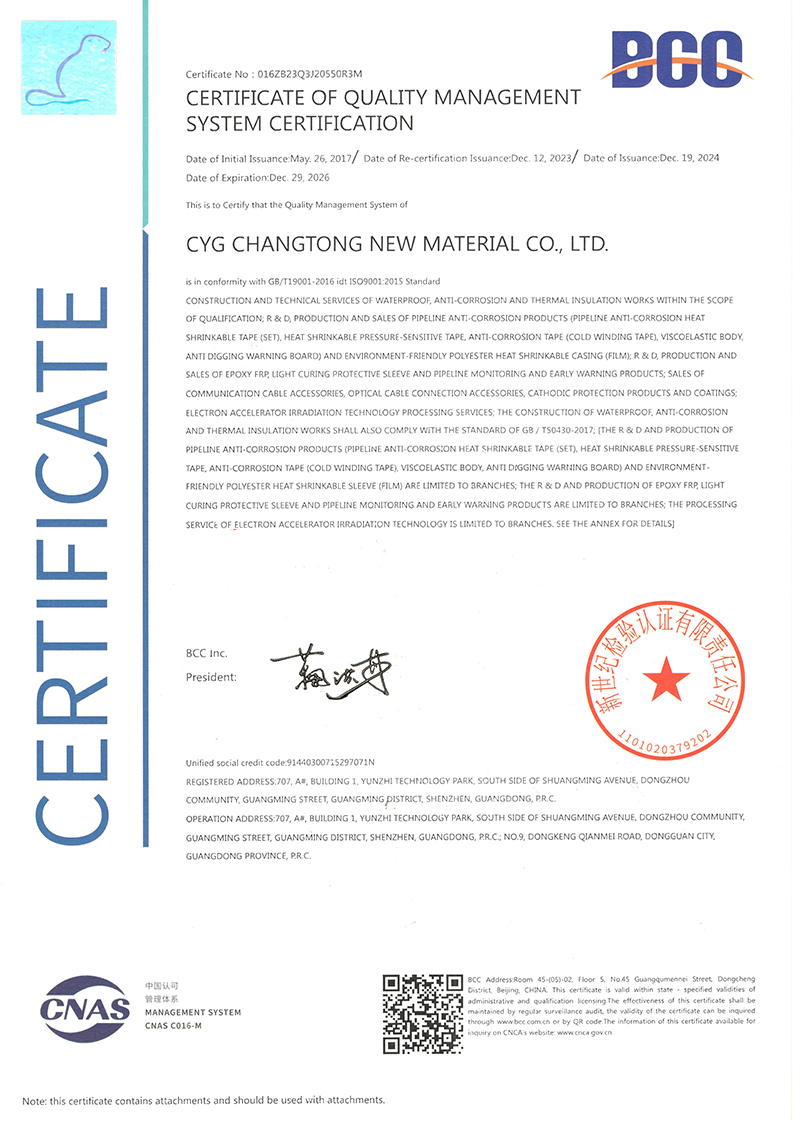
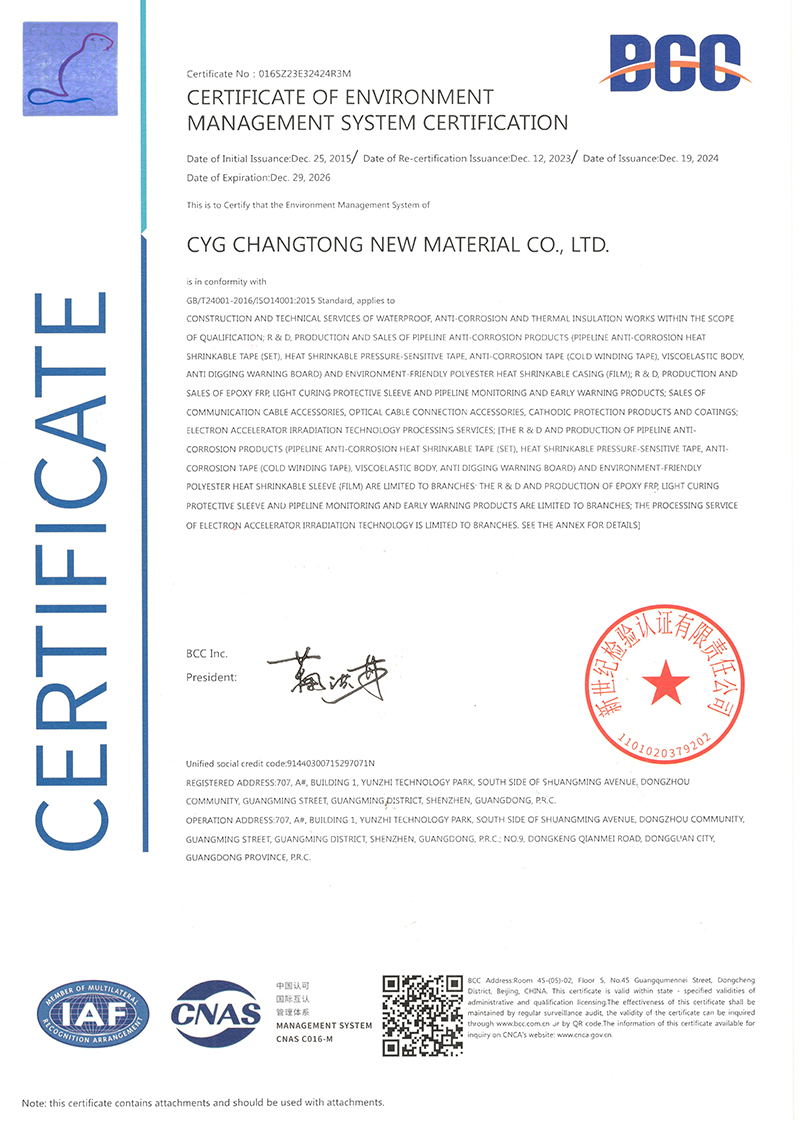
Over several decades of rigorous specialization, CYCT has developed an industry-leading capability framework. Supported by a highly specialized engineering R&D team and a state-of-the-art laboratory accredited by China National Accreditation Service (CNAS), we ensure that every square meter of hot melt heat shrink tape meets and exceeds the stringent standards of the modern global energy infrastructure.
Pipeline joints and field repairs are the weakest points of buried pipeline systems. Industrial anti-corrosion science highlights that field joint coatings (FJC) are subject to immense soil shear stress, cathodic disbondment pressures, and thermal dynamics. OEM Hot Melt Heat Shrink Tapes represent the pinnacle of modern barrier systems, designed to address these challenges with extreme material reliability.
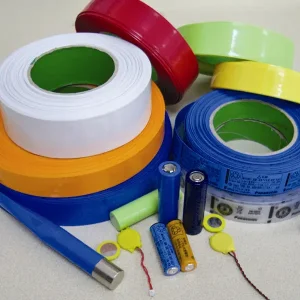
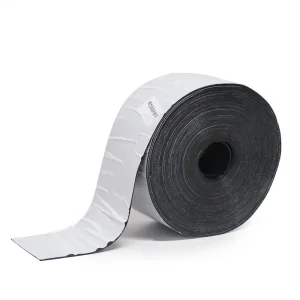
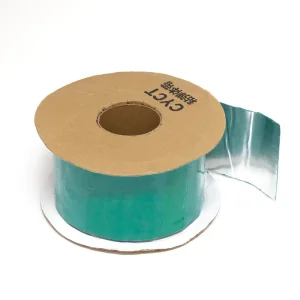
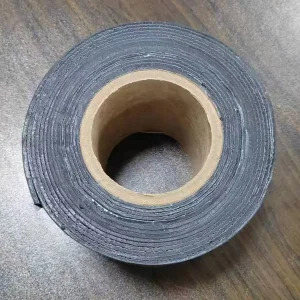
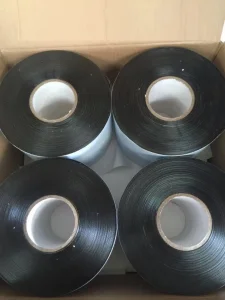
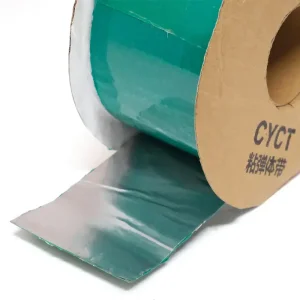
Structurally, our hot melt heat shrink tapes consist of an irradiated, cross-linked high-density polyethylene (HDPE) backing laminated with a specially formulated copolymer hot melt adhesive. When heat is applied during installation, the backing shrinks to its original form, creating a strong radial tension. Simultaneously, the copolymer adhesive melts, flow-filling any microscopic imperfections on the steel surface and curing to form an impenetrable mechanical and chemical barrier against moisture, oxygen, and corrosive compounds.
| Performance Characteristic | Material Standard Requirement | CYCT OEM Specification | Target Environmental Protection Value |
|---|---|---|---|
| Backing Tensile Strength | ≥ 17 MPa (ISO 21809-3) | ≥ 22 MPa | High resistance to mechanical impacts and soil stress |
| Elongation at Break | ≥ 400% | ≥ 600% | Ensures high flexibility without crack initiation |
| Peel Strength to Steel | ≥ 80 N/cm at 23°C | ≥ 120 N/cm | Superb shear transfer and interface adhesion |
| Cathodic Disbondment (28 Days) | ≤ 10 mm at 65°C | ≤ 4.5 mm | Prevents corrosion under degraded coating structures |
Our raw polymer materials, radiation-sensitive masterbatches, and elastomer formulas are sourced and processed under our direct control. This integration prevents external market disruptions and guarantees consistent raw material characteristics across all production runs.
By employing high-capacity electron beam accelerators, we control the precise level of cross-linking density in the polyethylene backing. This cross-linking process optimizes the elastic memory of our shrink sleeves, providing stable shrinking force during installations.
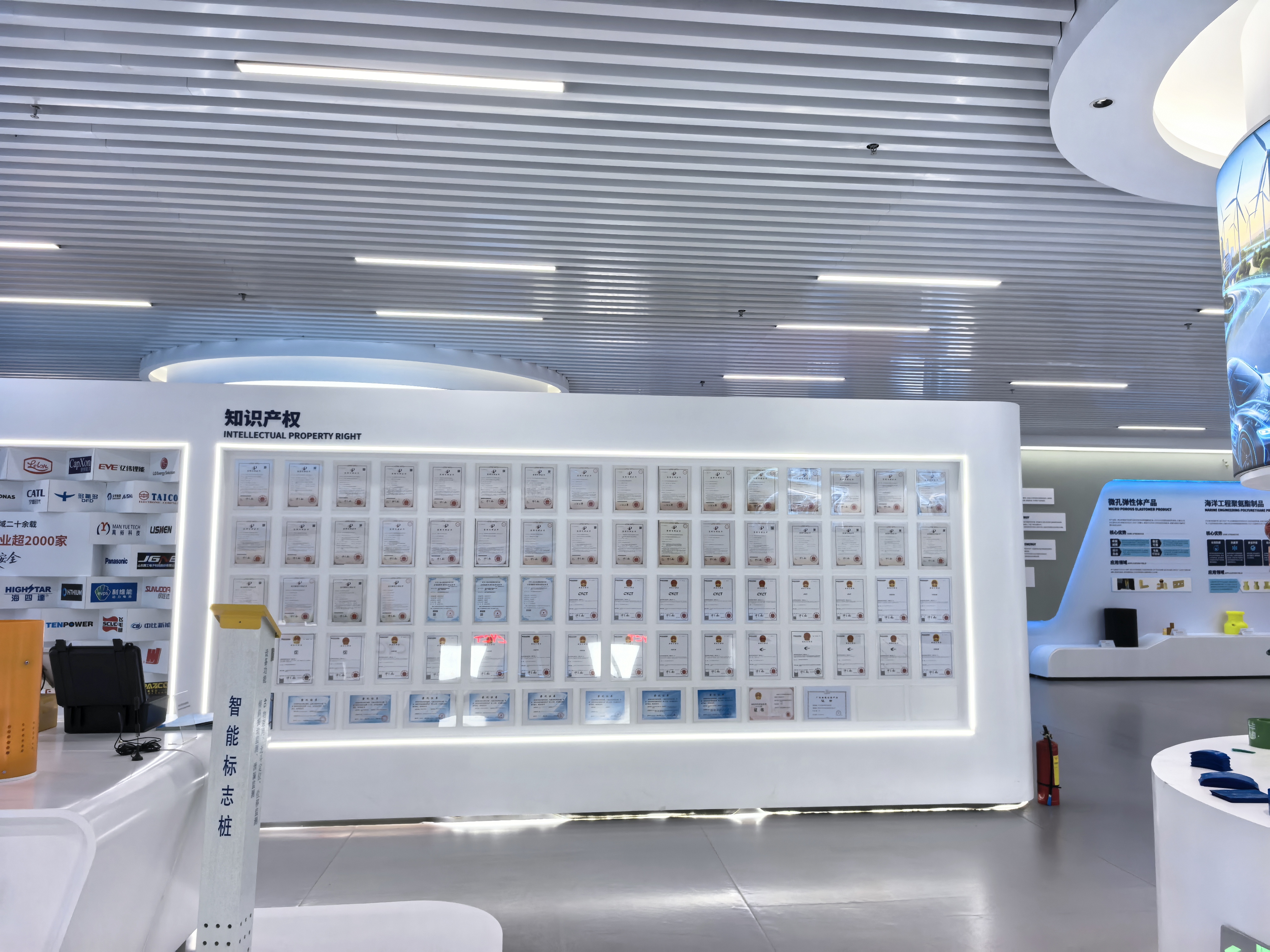
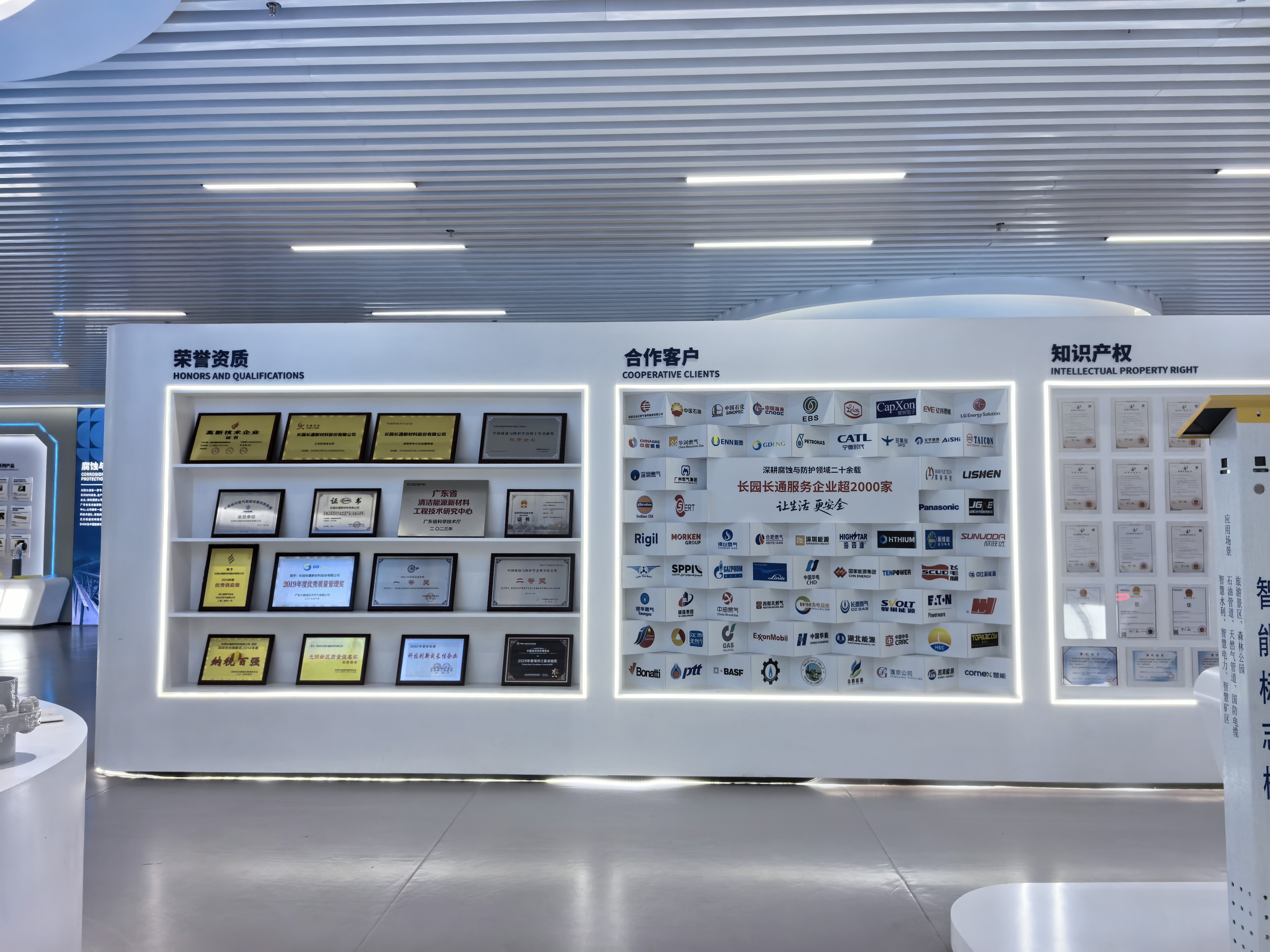
We are a member of the Council in Chinese Society for Corrosion and Protection (CSCP) and maintain stable supplier qualifications for Sinopec, PetroChina, PipeChina, and Indian Oil, complying with AMPP and international testing standards.
Hot Melt Heat Shrink Tapes are engineered to provide maximum performance across complex engineering installations. Our materials are developed to optimize installation efficiency and extend service life across diverse operating environments.
In large-diameter distribution lines, pipeline joint protection is critical. Our heat shrink tapes form a protective seal over field joint welds. By utilizing specialized primer bases and copolymer adhesives, they form a cohesive bond with the factory 3-layer polyethylene (3LPE) or 3-layer polypropylene (3LPP) coating, creating a continuous, seamless protective layer.
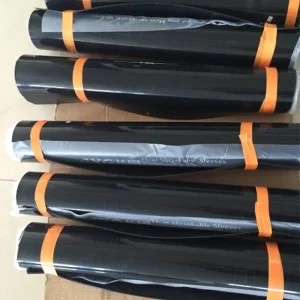
For Horizontal Directional Drilling (HDD) projects, pipelines are pulled through abrasive rock formations and hard soil. Standard joint protection coatings can peel off during pull-back. Our specialized photo-curing sleeves and heat shrinkable fiberglass-reinforced sleeves offer high mechanical strength and shear resistance to protect joints from damage under intense soil friction.
Heating pipelines require insulation joint protection that resists thermal expansion and water intrusion. Our tapes provide a robust waterproof barrier, protecting the inner polyurethane foam layer from environmental degradation over long service lives.
For repairing mechanical damage, pinholes, and soil-stress micro-cracks in mill-applied pipeline coatings, CYCT provides PE repair patches and hot melt repair sticks. These solutions seal defects quickly and restore the pipeline’s original barrier performance.
B2B procurement departments must look beyond standard pricing to calculate the Total Cost of Ownership (TCO) of pipeline protection projects. Failure of a single field joint coating can lead to millions of dollars in repair costs, localized pipeline shutdowns, and environmental fines. When evaluating OEM Hot Melt Heat Shrink Tape manufacturers, engineering groups should prioritize the following compliance metrics:
Verify that materials meet ISO 21809-3 (standards for field joint coatings) and EN 12068 (classes B and C). These verify the material's mechanical strength, soil stress resistance, and long-term performance under thermal loads.
Different applications demand specific temperature grades. Match the pipeline's operational temperature (up to 50°C, 80°C, or 120°C for high-temp pipelines) with the corresponding PE or PP backing and hot melt adhesive grade.
Ensure that performance claims are backed by testing from ISO/IEC 17025 accredited labs. CYCT’s national CNAS accredited lab supports our material performance data with transparent testing reports.
Through cooperation with leading research institutes, such as the CNPC Pipeline Science Research Institute, CYCT provides technical services for in-service pipelines. This includes buried pipeline detection, cathodic protection, rehabilitation design, and comprehensive pipeline integrity management.
The shrink force is determined by the cross-linking density of the backing material, achieved through controlled electron beam irradiation. This alters the molecular structure of the polyethylene, giving it elastic memory. When heated, the backing reverts to its original, smaller extruded dimension, applying continuous radial pressure to the joint.
Our copolymer hot melt adhesives are formulated with polar functional groups that bond with both the steel surface and the epoxy primer layer. This strong adhesive bond prevents moisture from migrating underneath the coating, even under cathodic protection voltage, minimizing the risk of cathodic disbondment.
For optimal adhesion, the steel pipe joint should be abrasive blast-cleaned to a minimum standard of Sa 2½ (ISO 8501-1), with an anchor profile between 50 to 90 microns. Before applying the shrink sleeve, preheat the joint area to the temperature specified in the installation guide to ensure the hot melt adhesive flows properly.
PE-based sleeves are suitable for pipelines operating up to 80°C and are commonly used with 3LPE systems. PP-based sleeves are designed for high-temperature pipelines operating up to 110°C–120°C and are typically matched with 3LPP coatings. PP-based systems provide higher mechanical resistance but require higher installation preheat temperatures.
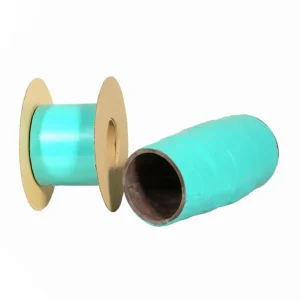
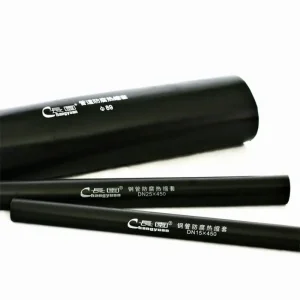
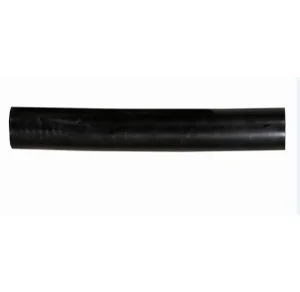
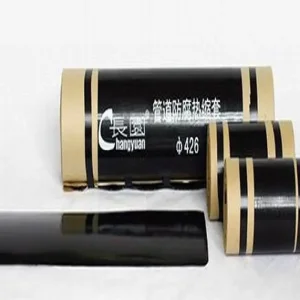
Yes. As a direct OEM manufacturer, CYCT can customize the width, backing thickness, and adhesive formulation to match your project specifications. We produce custom-engineered rolls, wrap-around sleeves, and tubular sleeves for non-standard pipe diameters, bends, and fittings.
 CYCT
CYCT