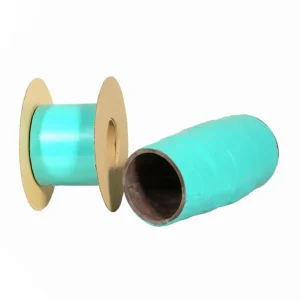
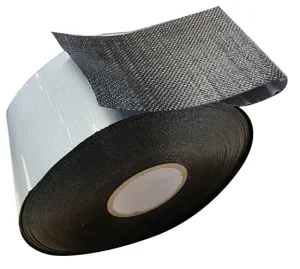
OEM Heavy Wall Heat Shrink Tubing Factory & Factories

Decentralized Global Supply, Industrial Grade Heavy-Duty Pipeline & Cable Protection Engineering Whitepaper

Heavy Wall Heat Shrink Tubing: Engineering Handbook

A comprehensive guide on materials, specifications, and pipeline integrity applications.

1. Material Science and Cross-Linking Polyolefin Advancements

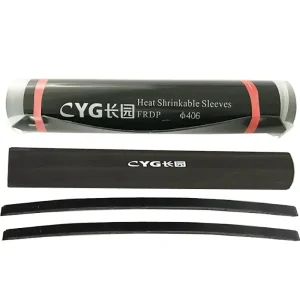
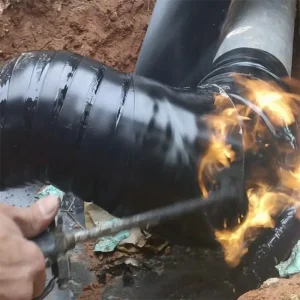
Heavy wall heat shrinkable tubing acts as the primary barrier against severe mechanical forces, water ingress, and chemical corrosion in critical infrastructure. The high-performance protective jacket is composed of a modified semi-crystalline polyolefin matrix that undergoes atomic structure modification. The process of radiation cross-linking reconfigures the linear molecular chains of polyethylene into a robust three-dimensional molecular network. This permanent spatial grid structure ensures that the polymer does not melt or drip during heating, providing a strong elastic memory response.

During manufacturing, the cross-linked tubing is heated to its crystalline melting point, expanded radially under precise differential pressure, and rapidly cooled. This locks the expanded state into a metastable phase. When field heating is applied, the locked thermal strain energy is released, prompting the tubing to shrink back to its original extruded dimensions.

"The mechanical performance of heavy wall heat shrink systems is defined by the cross-linking density (measured via gel fraction analysis) and the formulation of the co-polymer hot-melt adhesive layer. Our premium compounds ensure a minimum 70% gel fraction, translating to exceptional thermal aging profiles and resistance to environmental stress cracking (ESCR)."

⚙️
Mechanical Durability
Tensile strength exceeding 14 MPa ensures robust protection under high-stress conditions.
🔥
Thermal Recovery
Designed for optimal installation with a minimal recovery temperature of 120°C.
🛡️
Chemical Resistance
Maintains structural integrity during continuous exposure to salts, acids, and alkalis.

2. Technical Roadmap & Future Outlook

The global pipeline and power grid landscapes are shifting toward environments with high temperature, elevated pressure, and increased chemical exposure. The technical roadmap for modern heavy wall tubing centers on smart material integration. Leading R&D divisions are focusing on three main technological goals:

  • Smart Chromatic Thermal Indicators: Heat-sensitive dyes integrated into the outer backing change color when the ideal installation temperature is reached. This helps eliminate under-heating (which causes poor adhesive flow) or overheating (which degrades the polymer).
  • Self-Healing Barrier Coatings: Incorporating micro-encapsulated active corrosion inhibitors into the inner mastic layer allows the adhesive to flow back and seal minor mechanical punctures automatically.
  • Low-Preheat Application Systems: Standard heavy wall sleeves require preheating steel pipe substrates to 60°C–80°C. The next generation of hot-melt adhesives is designed to form strong chemical bonds with steel surfaces at ambient temperatures down to 10°C, significantly reducing installation time and energy consumption.

3. Macro Industry Solutions

Heavy wall heat shrink systems are vital in high-consequence pipeline and infrastructure sectors:

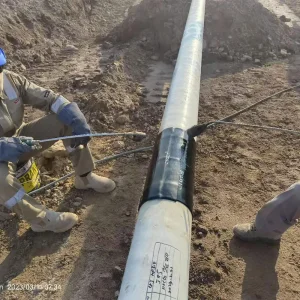
  • Oil & Gas Transmission Pipeline Joint Protection: During field joint coating (FJC) of steel pipelines protected with 3-Layer Polyethylene (3LPE) or 3-Layer Polypropylene (3LPP), wrap-around heavy wall sleeves create a continuous water-impermeable barrier that prevents moisture ingress and cathodic disbondment.
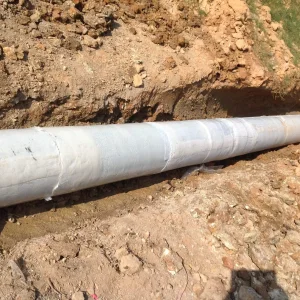
  • Trenchless Horizontal Directional Drilling (HDD): Mechanical shear forces during HDD pull-back can destroy standard coatings. Heavy wall systems, combined with reinforced glass fiber outer wraps, protect the pipeline joints from abrasion against rocks, gravel, and compacted soil.
  • Offshore Splashing Zone & Subsea Line Protection: Subsea pipelines operate in highly saline environments under extreme hydrostatic pressure. Heavy wall sleeves with thick viscoelastic mastic block salt ingress, preventing corrosion from seawater.
Company Profile

CYCT · Was Founded In 2000

CYCT New Materials Company Limited (for short, CYCT) is a state-level high-tech enterprise integrating R&D, production, and sales of pipeline corrosion protection materials, as well as buried pipeline detection services and pipeline coating field application services. CYCT has dedicated decades to the development, production, and sales of high-performance pipeline corrosion protection materials.

By collaborating with leading research institutes such as the CNPC Pipeline Science Research Institute, CYCT provides in-service pipelines with varied technical services. This includes buried pipeline detection, design schemes, cathodic protection, rehabilitation projects, and integrated pipeline safety solutions.
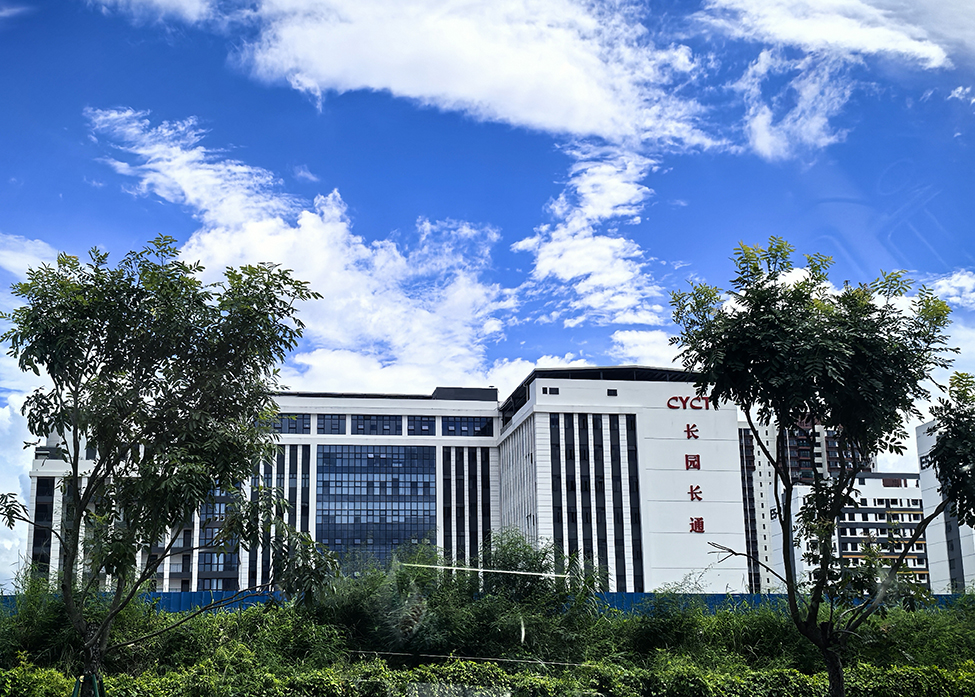
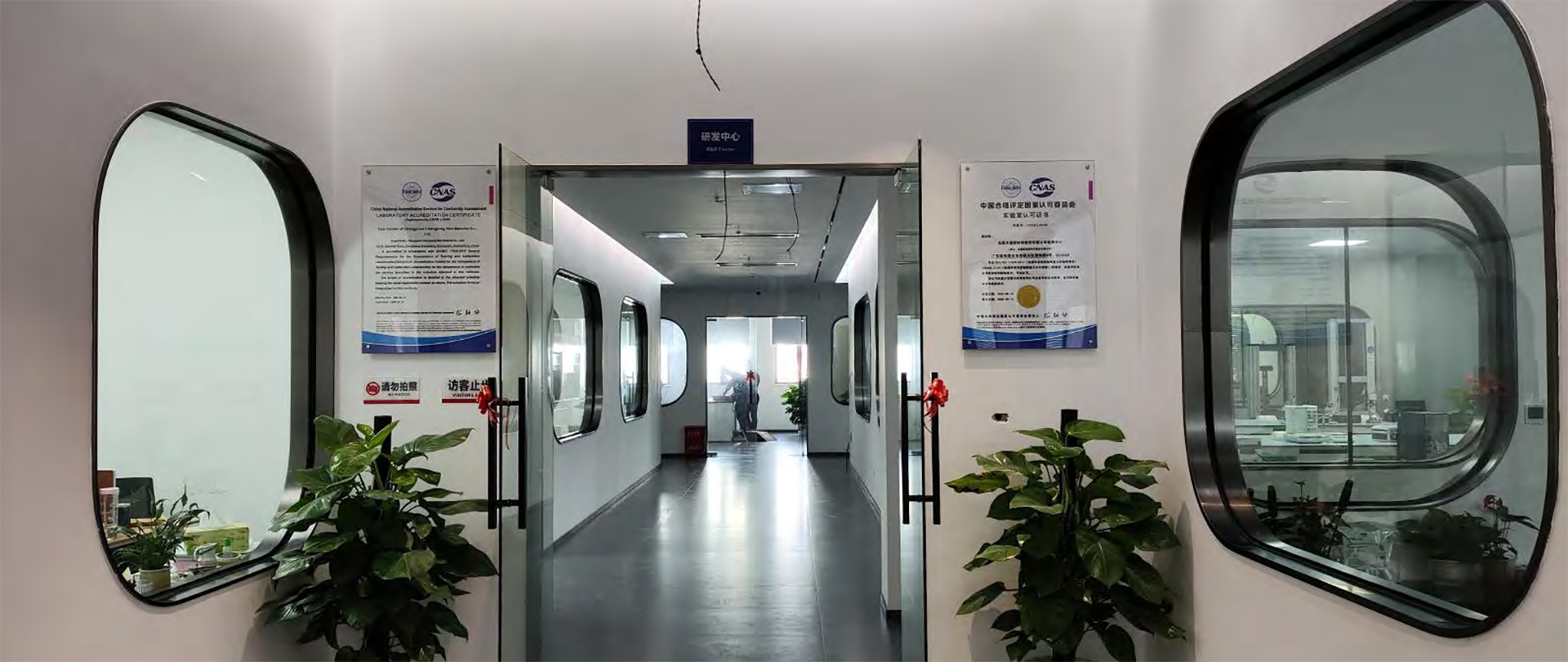
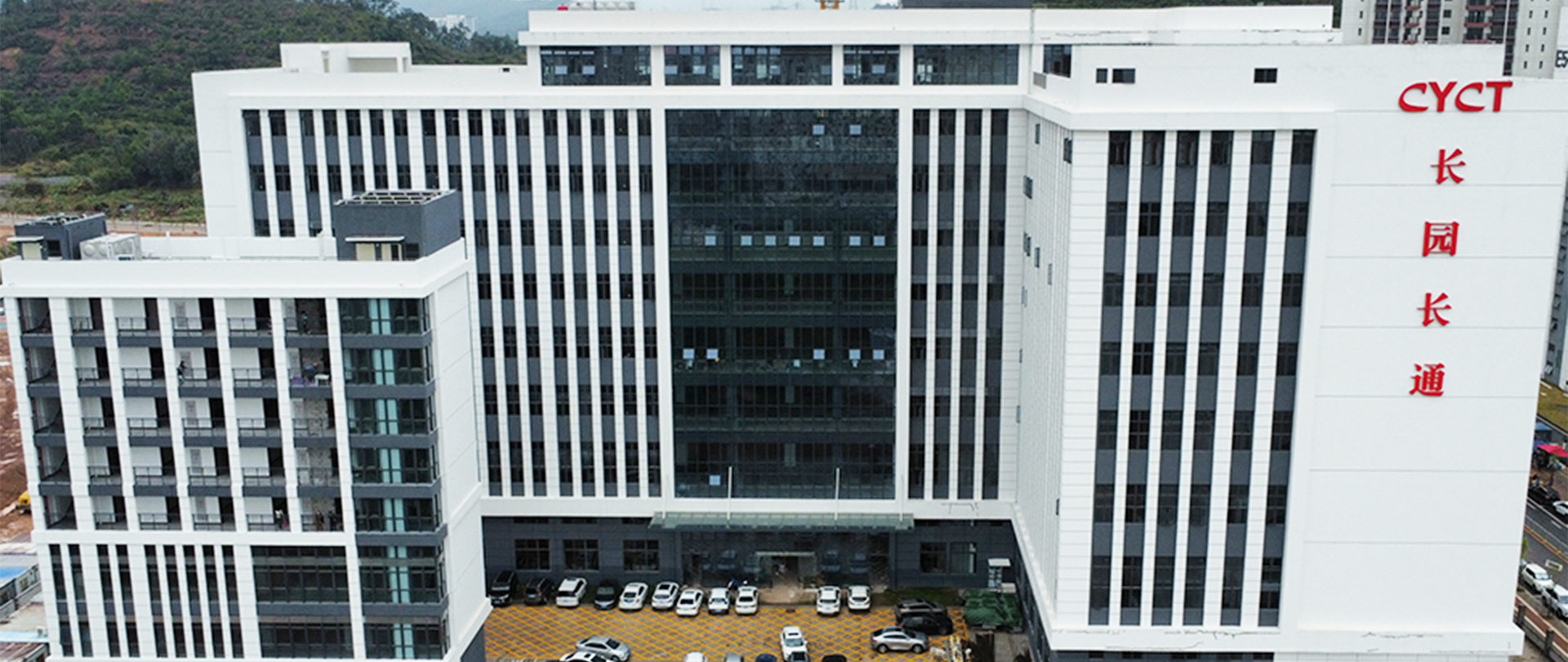
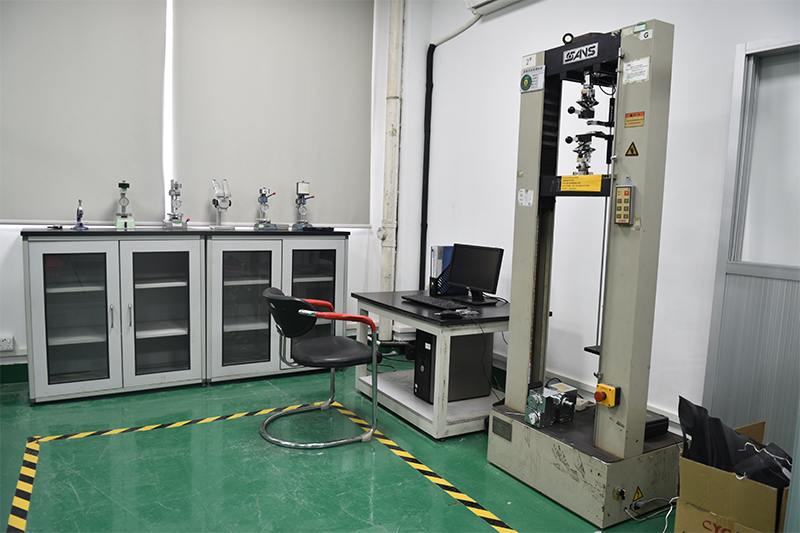
CYCT Facility 1 CYCT Facility 2 CYCT Research Center CYCT Laboratory
2000
Established Year
CNAS
National Lab
10+
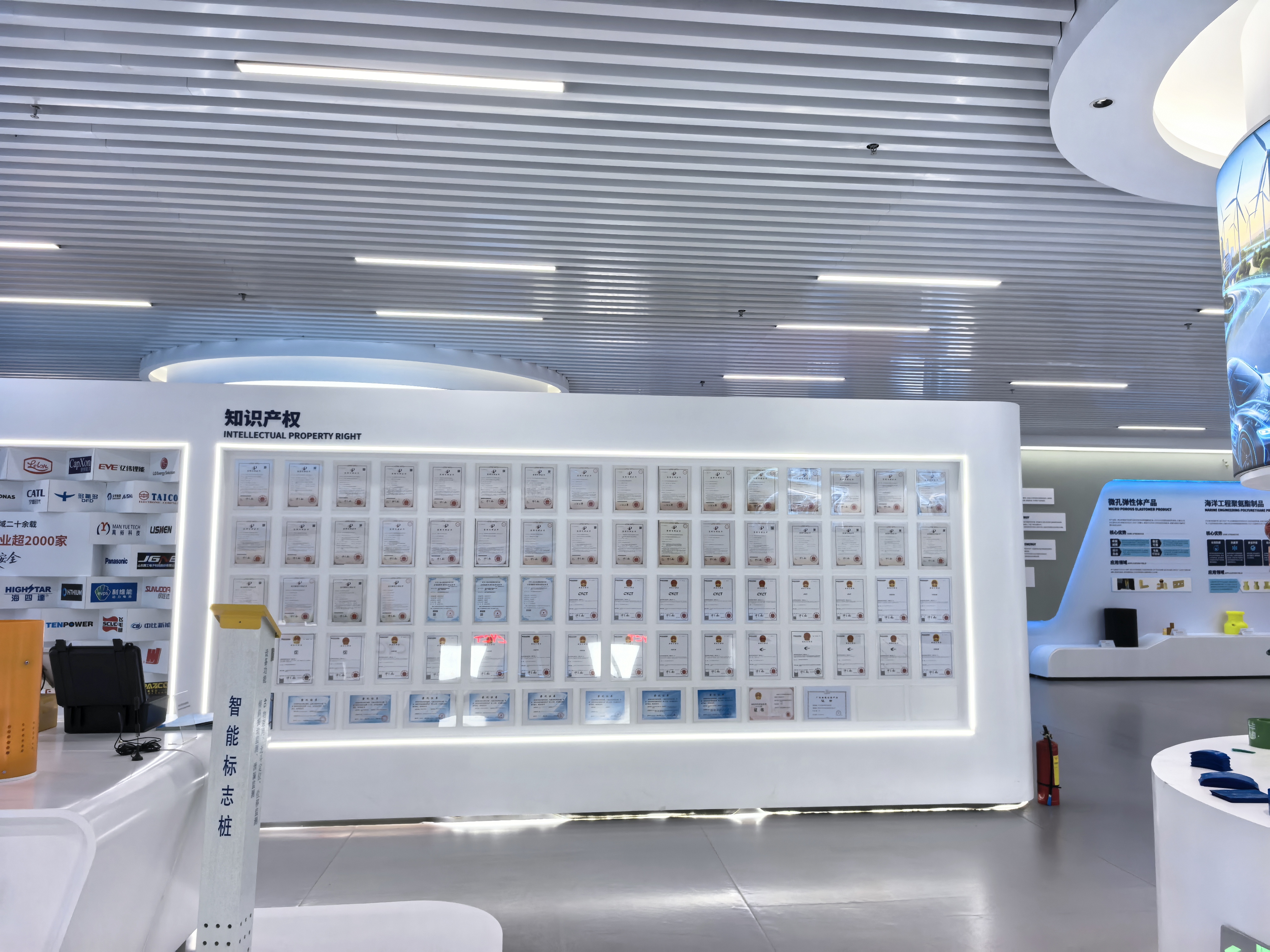
Intellectual Patents
Global
Supply Network

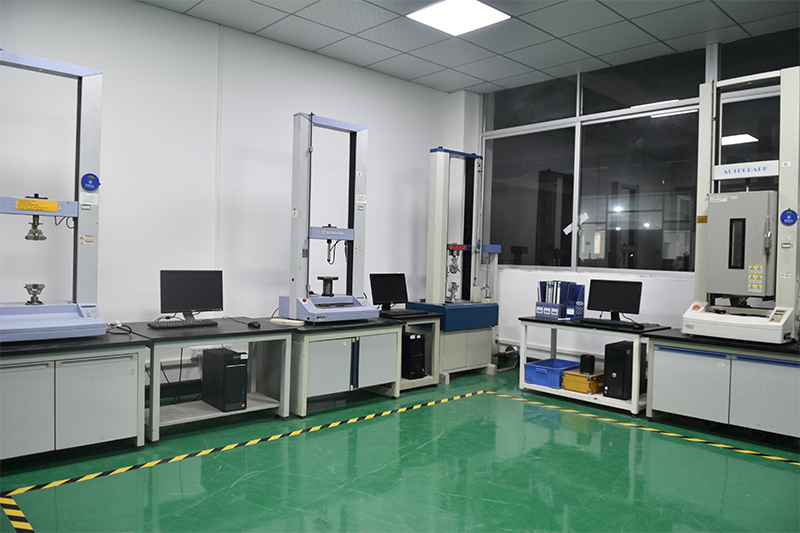
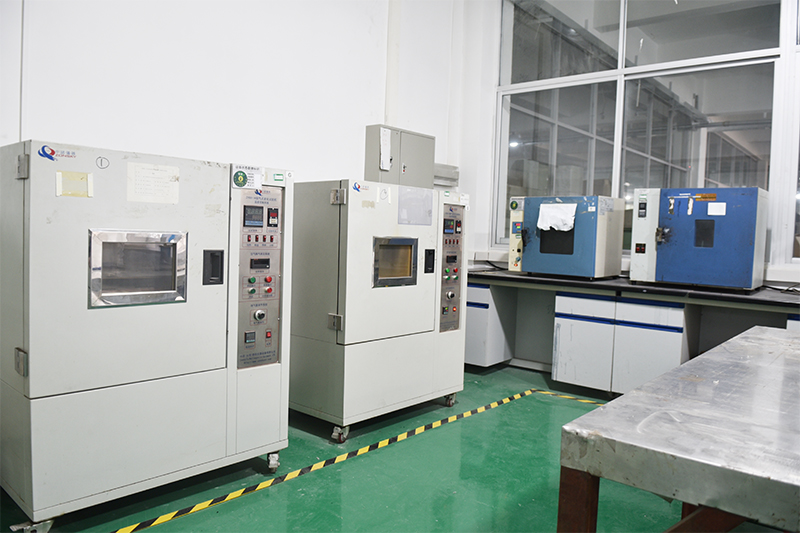
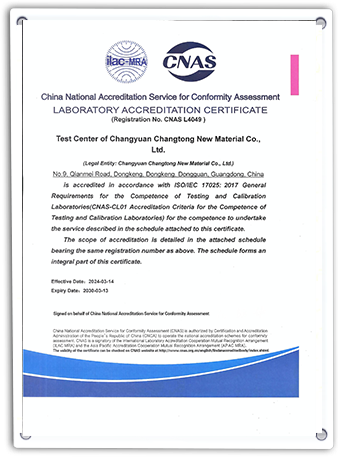
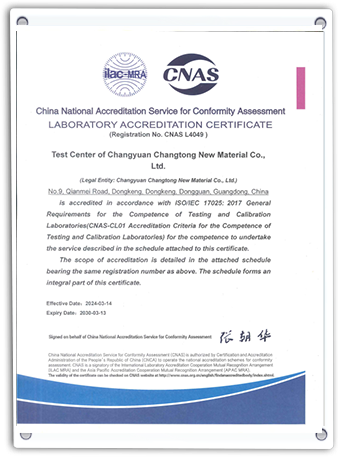
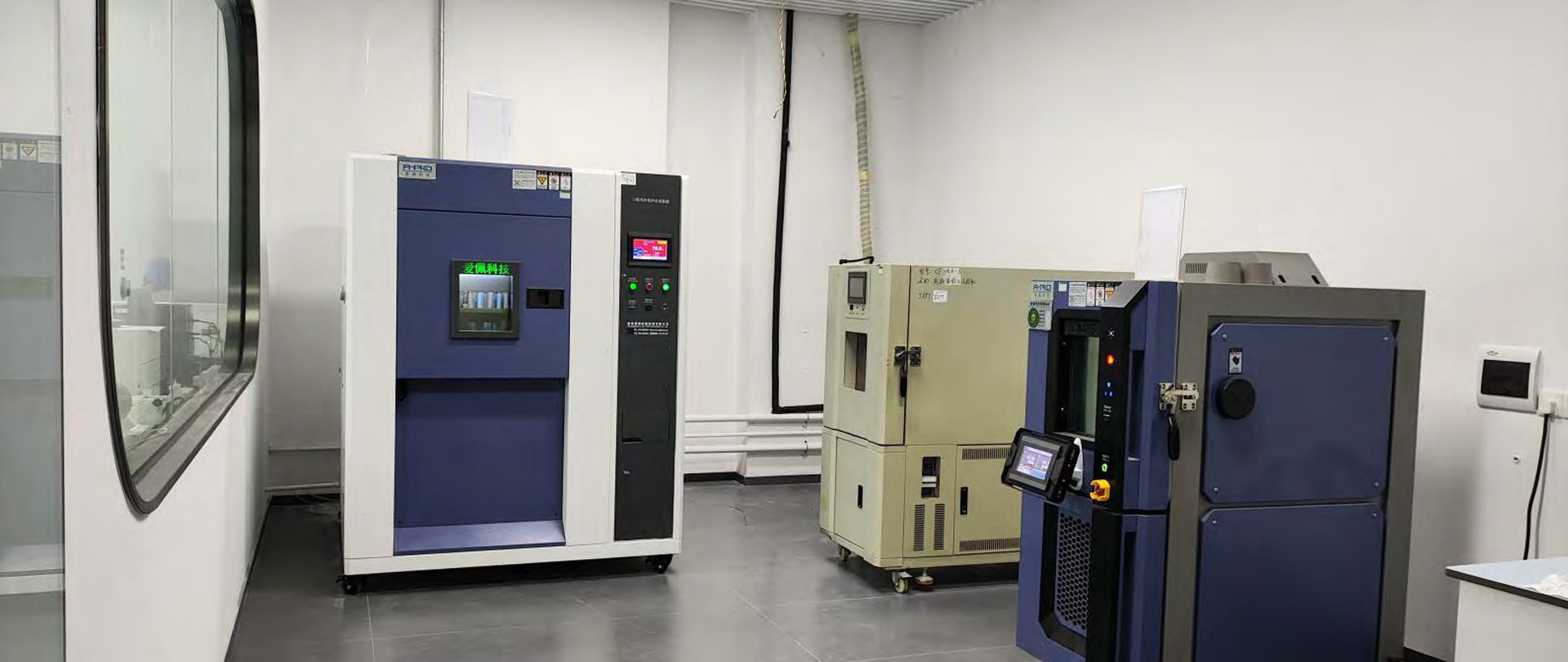
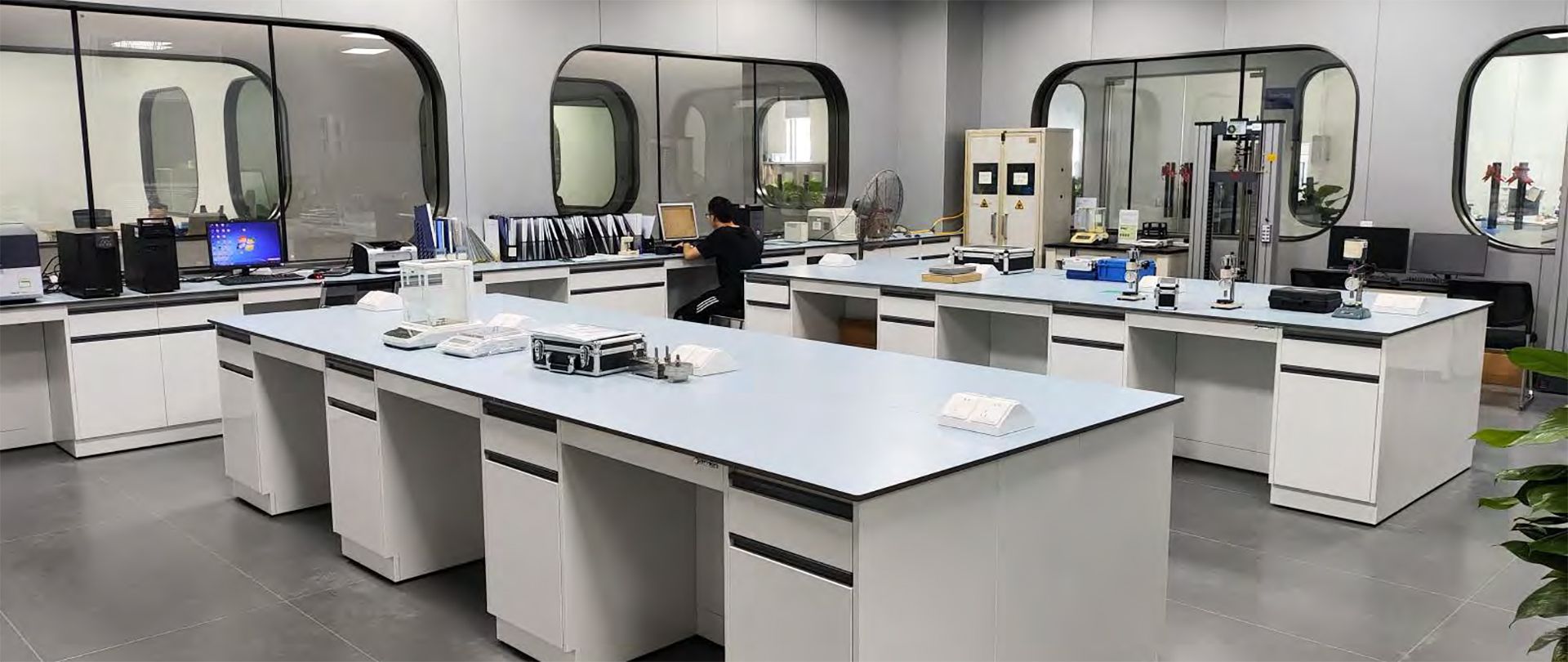
CYCT has leading testing and R&D capabilities, supported by a professional R&D team and a national CNAS-accredited laboratory. Over the years, CYCT has served as a stable supplier of field joint coatings for PetroChina, Sinopec, PipeChina, and local pipeline networks, maintaining a strong market share. Furthermore, CYCT has successfully developed and introduced several specialty corrosion protection materials, including viscoelastic anticorrosion materials, special photo-curing sleeves for HDD protection, and polyurea coatings.
CYCT Facility Detail 1 CYCT Facility Detail 2 CYCT Facility Detail 3 CYCT Facility Detail 4 CYCT Production 1 CYCT Production 2 CYCT Production 3 CYCT Production 4

Honors & Company Certificates

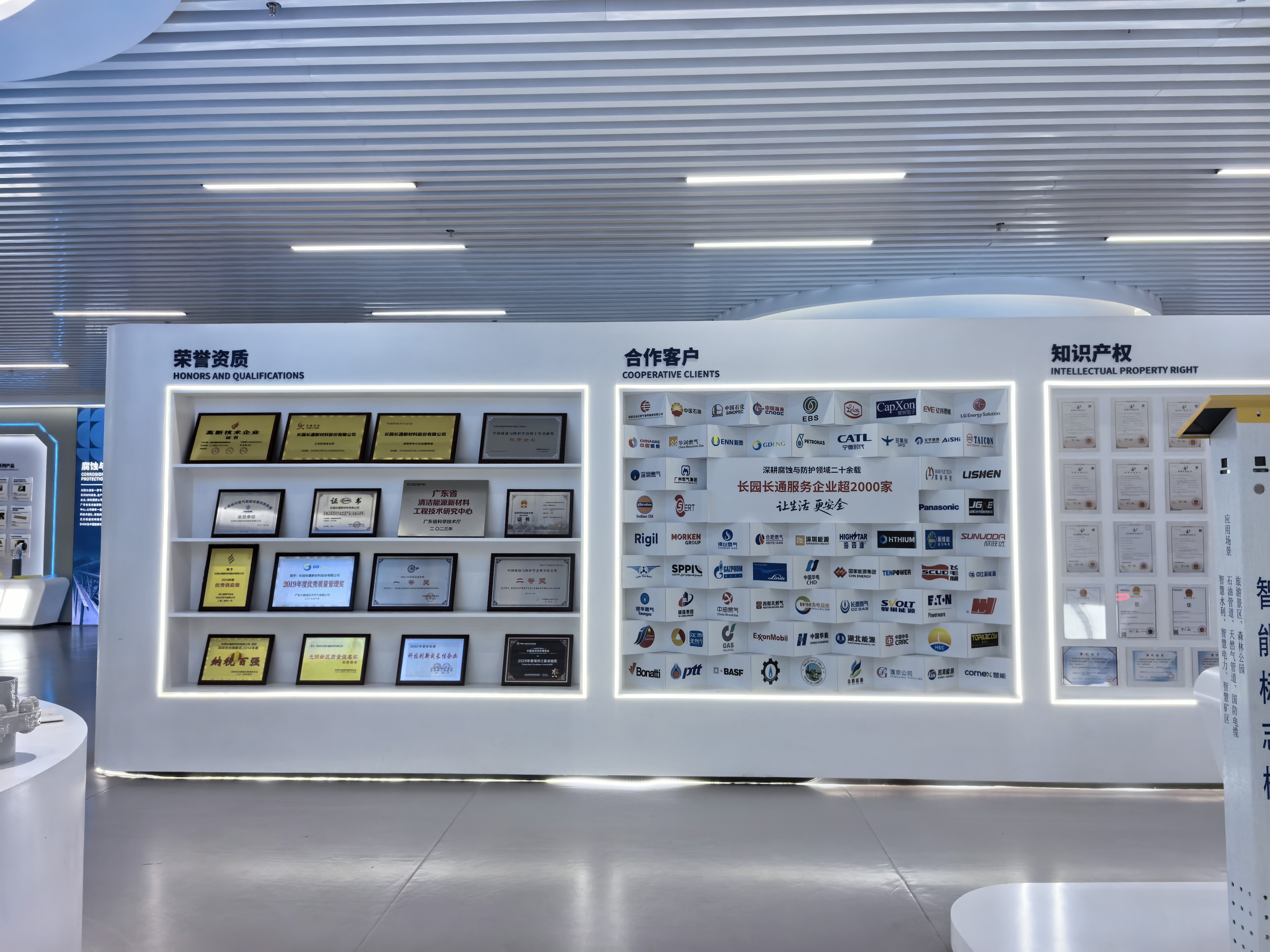
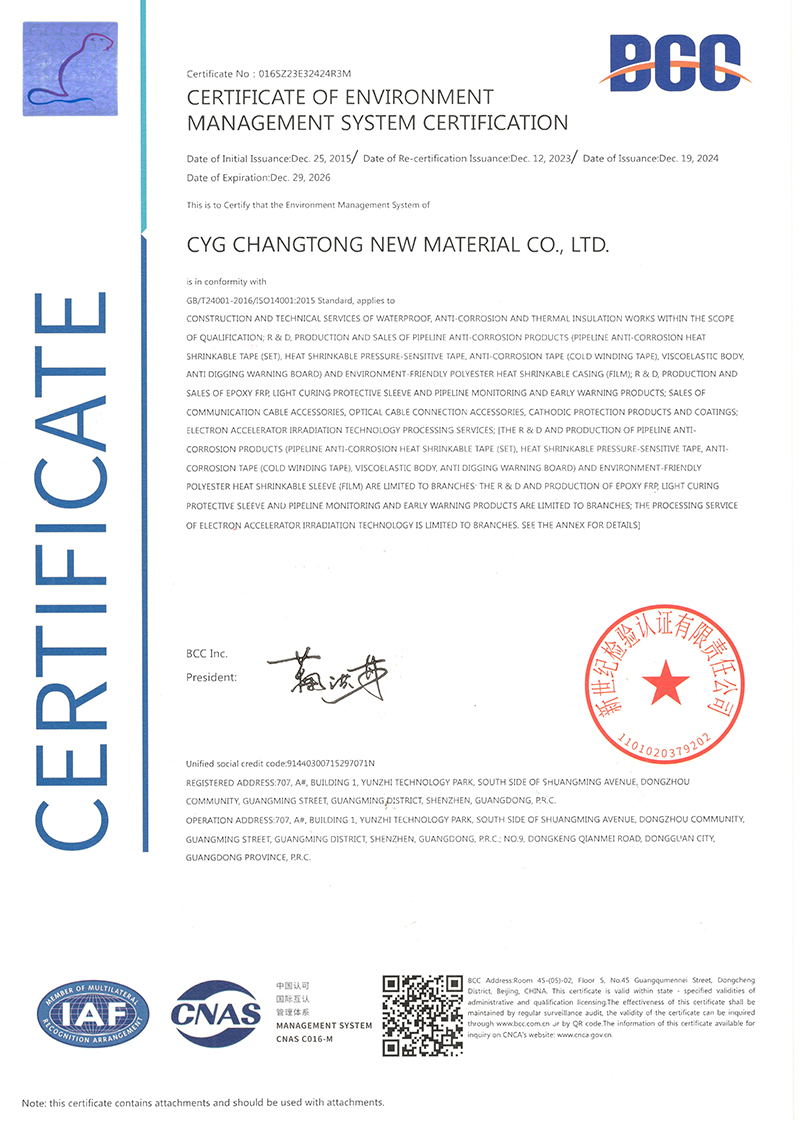
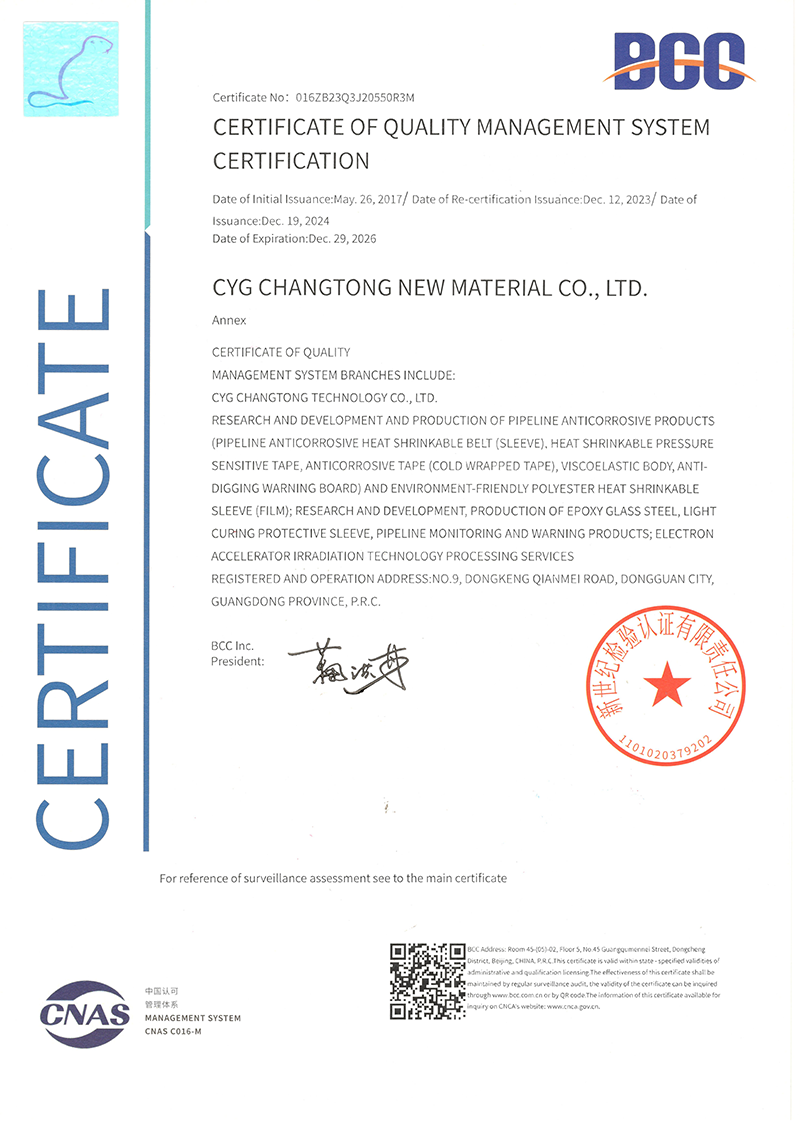
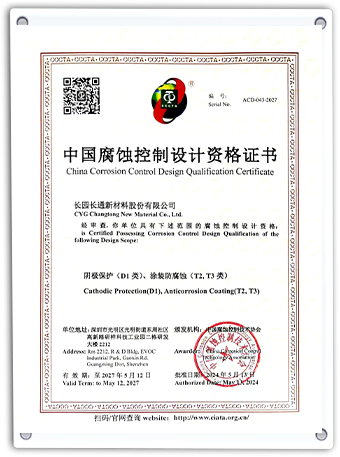
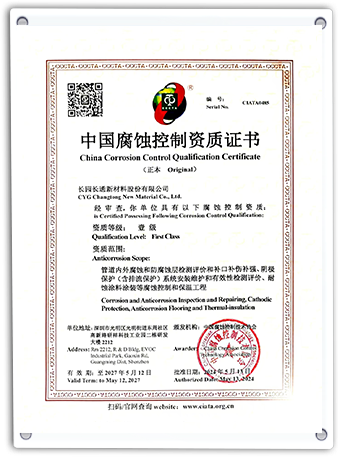
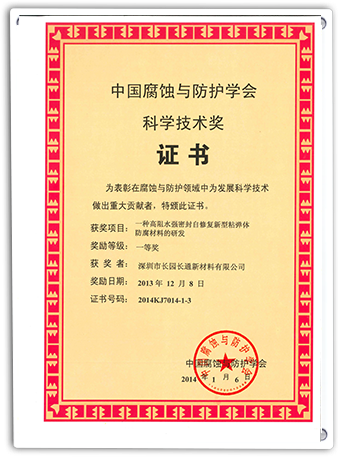
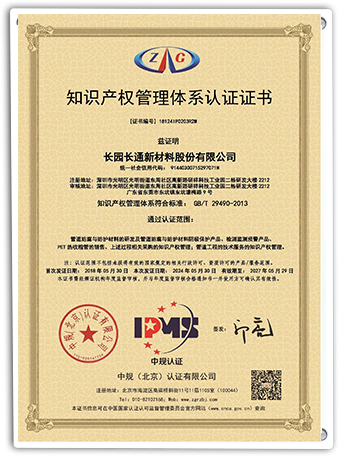
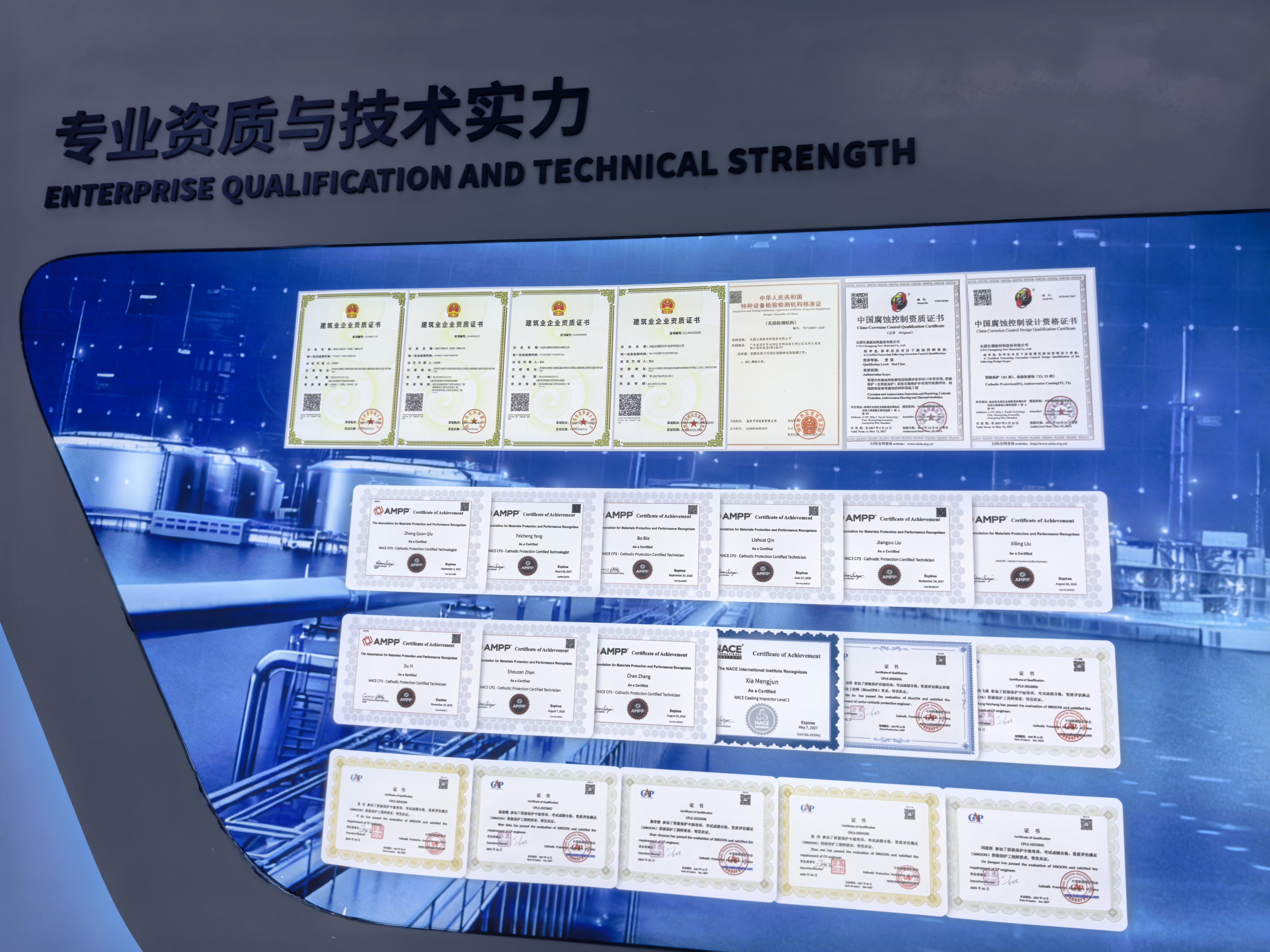
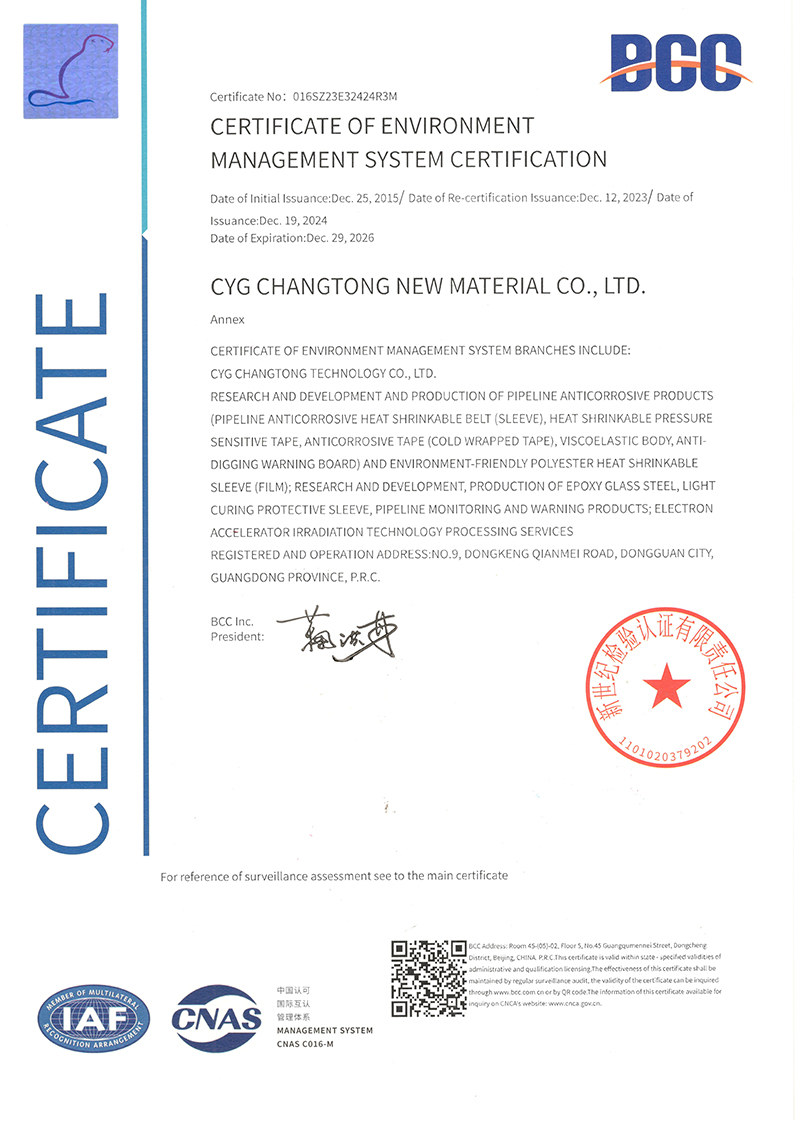
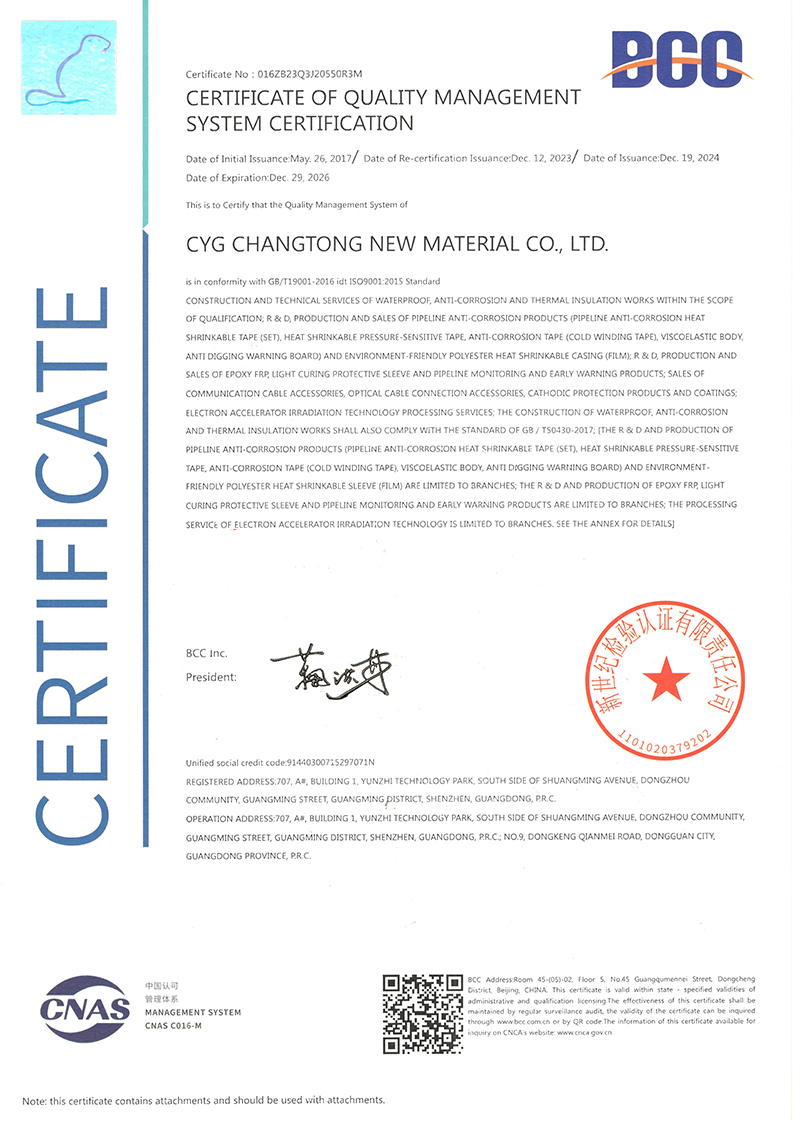
Council Member of the Chinese Society for Corrosion and Protection (CSCP), holder of the Qualification Certificate of Corrosion Protection Construction and Pipeline Detection. CYCT is recognized as a Well-known Brand of Pipeline Corrosion Protection in China, a Corporate Member of the China Association of Petroleum Engineering Construction (CAPEC), and a State-Level High-Tech Enterprise supplying PetroChina, Sinopec, China Gas Group, and Indian Oil.
Company Certificate - CYCT

Company Certificate

Company Certificate - CYCT

Company Certificate

Company Certificate - CYCT

Company Certificate

Company Certificate - CYCT

Company Certificate

Company Certificate - CYCT

Company Certificate

Company Certificate - CYCT

Company Certificate

Company Certificate - CYCT

Company Certificate

Company Certificate - CYCT

Company Certificate

Company Certificate - CYCT

Company Certificate

Company Certificate - CYCT

Company Certificate

Company Certificate - CYCT

Company Certificate

Company Certificate - CYCT

Company Certificate

4. China Factory 4.0: Supply Chain Resilience & Efficiency Advantages

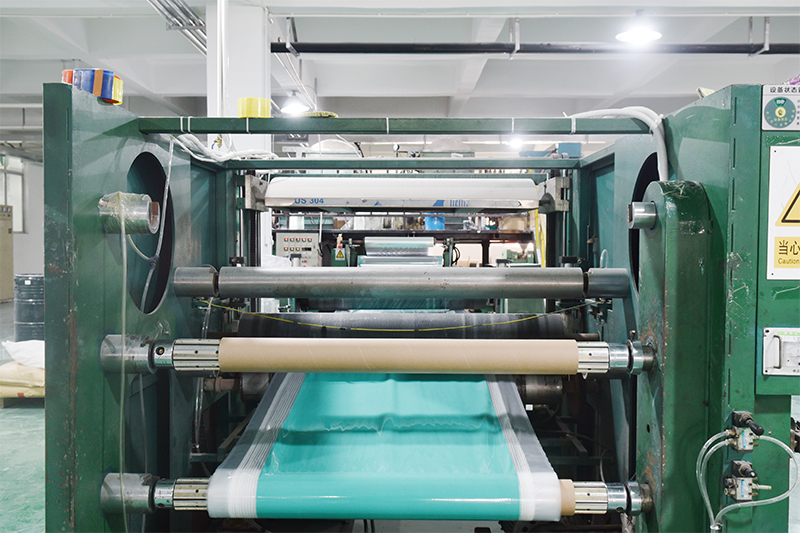
Manufacturing high-performance heavy wall heat shrink tubing requires precise process control. At CYCT, our Factory 4.0 infrastructure integrates polymer formulation compounding, extrusion, radiation cross-linking, expansion, and adhesive coating into a single connected workflow.

Our electronic radiation accelerators use closed-loop feedback systems to monitor dosage consistency. This guarantees uniform cross-linking across the tubing wall, eliminating weak spots. By utilizing automated extrusion lines, we maintain strict dimensional tolerances, ensuring that every batch exhibits consistent longitudinal shrinkage and wall thickness. This high level of manufacturing consistency provides global project managers with reliable quality, reducing installation errors in the field.

5. Localization Support & Compliance Assurance

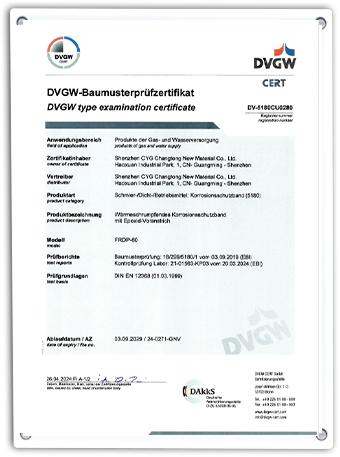
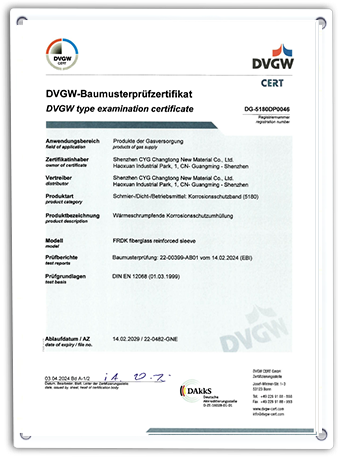
Operating globally means meeting varying international standards. CYCT products comply with international specifications including ISO 21809-3, EN 12068, ASTM, and DVGW. Our on-site testing laboratories are CNAS accredited, allowing us to perform critical testing in-house:

  • Peel Strength Tests: Verifying strong bonding performance to both steel and PE substrates under various service temperatures.
  • Thermal Aging Performance: Aging tests at elevated temperatures confirm that the material retains its physical properties over a 30-year operational life.
  • Cathodic Disbondment Resistance: Ensuring the coating maintains its bond even under cathodic protection current stress.

6. Strategic Sourcing for Global Procurement Officers

When sourcing heavy wall heat shrink tubing, procurement officers should evaluate parameters beyond cost. Key technical aspects to verify include:

  1. Peel Strength Kinetics: High-performance coatings should maintain a minimum peel strength of 80 N/cm to steel at 23°C.
  2. Adhesive Flow and Thickness: The hot-melt adhesive must be applied at a consistent thickness (typically 0.8mm to 1.2mm) to ensure all surface irregularities on the steel substrate are completely filled.
  3. Optimal Shrink Ratio: A shrink ratio of 3:1 or 4:1 is recommended to ensure complete coverage over transition steps at the joint area.

Frequently Asked Questions

Expert answers to common technical queries about heavy wall heat shrinkable tubing.

What is the difference between medium wall and heavy wall heat shrink tubing?
Heavy wall tubing is designed for superior mechanical protection, featuring a recovered wall thickness of 3.0mm to 4.5mm. Medium wall tubing typically ranges from 1.5mm to 2.5mm. Heavy wall tubing is preferred for direct-buried applications, horizontal directional drilling (HDD), and high-stress environments where mechanical damage is a risk.
How does cross-linking affect the performance of heavy wall tubing?
Cross-linking changes the polymer's molecular structure from linear chains to a three-dimensional network. This ensures the material does not melt during installation heating, improves tensile strength, enhances chemical resistance, and provides the elastic recovery force needed for a tight shrink fit.
Why is the hot-melt adhesive layer critical in pipeline corrosion protection?
The adhesive layer bonds the polyolefin backing to the steel pipe and adjacent coatings. It serves as a moisture barrier and prevents cathodic disbondment. The adhesive must flow and seal all surface irregularities when heated during installation.
What preparation is required on steel pipe surfaces before installing the tubing?
The steel surface should be blast-cleaned to a near-white finish (Sa 2.5) and preheated to the temperature specified by the adhesive manufacturer (usually 60°C to 80°C) to ensure a strong chemical bond.
What is the typical shelf life of heavy wall heat shrinkable sleeves?
Under proper storage conditions (cool, dry environment below 35°C, away from direct sunlight), the shelf life of these products is typically up to 2 years, during which they retain their full recovery performance.
Are CYCT heat shrink materials compatible with 3LPE pipeline coatings?
Yes, our heavy wall sleeves and tapes are formulated to bond to both the steel pipe and PE/PP factory-applied coatings, creating a continuous, seamless protective layer across the field joint.
Can these products be used in cold climate installations?
Yes, our wide-temperature viscoelastic and heat-shrinkable systems are designed to perform across a broad range of operating temperatures. Specialized formulations are available for cold-climate installations, ensuring flexibility during handling.
How does CYCT ensure the quality of its heat shrink products?
We maintain quality control through our CNAS-accredited laboratory. Testing is performed at every stage of production—from raw materials to extrusion, cross-linking, and final adhesive coating—to meet international standards.