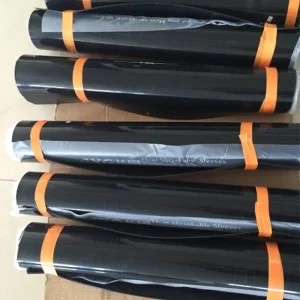
Explore our range of high-performance viscoelastic tapes, moisture-curing shields, and heat shrinkable pipeline solutions.
In contemporary heavy industry, modern pipeline systems act as the primary circulatory pathways for energy resources, chemical products, and water supplies. Maintaining the operational efficiency and physical integrity of these networks demands extreme-performance materials capable of countering dynamic thermal environments and aggressive chemical corrosion. This is where high-specification heat protection sleeves and thermal barrier tapes show their critical worth.
Across the Americas, the Middle East, the Asia-Pacific region, and the North Sea basin, global infrastructure pipelines face distinct challenges. From extreme subsea pressures to blistering desert temperature variations and sub-zero arctic soil environments, industrial piping requires more than simple isolation. It demands active chemical and thermal shields. Advanced OEM factories now fabricate specialized polymeric, fiber, and metallic composite heat sleeves designed to withstand high operational temperatures while maintaining structural integrity.
"Thermal protection and corrosion prevention are no longer separate engineering scopes. Today’s industrial projects utilize integrated systems where mechanical strength, chemical resistance, and thermal insulation work concurrently."
By addressing the heat mitigation issue alongside physical and electro-chemical corrosion, manufacturers can prolong pipeline lifespans to over 30 years, drastically lowering life-cycle cost structures and preventing environmentally hazardous catastrophic failures.
The global market for pipe coating, joint repair, and heat protection is undergoing a transition driven by regulatory bodies and environmental conservation agencies. International safety guidelines, such as those maintained by the Association for Materials Protection and Performance (AMPP, merging NACE and SSPC) and the International Organization for Standardization (specifically ISO 21809 for pipeline external coatings), dictate the performance criteria for modern field coatings.
The rapid emergence of hydrogen-blended natural gas transport, geothermal energy recovery, and deep-well offshore drilling has pushed operational temperatures past traditional limits. Historical insulation mechanisms are no longer sufficient; they often risk Cathodic Protection (CP) shielding, where the outer sleeve blocks the protective currents of cathodic protection, rendering the pipe vulnerable to unnoticed micro-biological or galvanic corrosion underneath the sleeve.
To solve this, advanced manufacturers focus on developing smart heat-shrinkable wraps, viscoelastic polymeric formulations, and moisture-cured glass fiber jackets. The goal is to maximize physical adhesion and shear resistance while remaining compatible with CP currents. This ensures that even if moisture somehow breaches the outer mechanical sleeve, the underlying metal remains shielded.
Years of R&D Experience
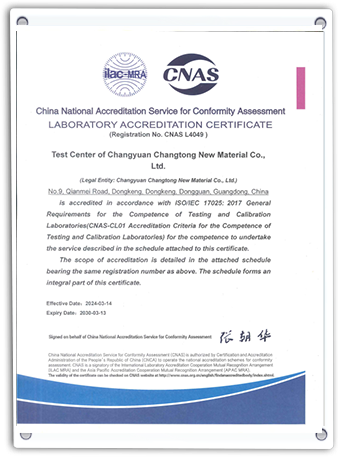
Accredited Laboratory
Proprietary Patents
Countries Serviced
Industrial installation practices vary significantly depending on localized environmental stressors. When executing field joint coating applications, engineering teams must evaluate three main environmental archetypes:
The evolution of thermal and corrosion protection sleeves is anchored in polymer chemistry and molecular cross-linking technology. Modern high-temperature wraps rely on radiation-cross-linked high-density polyethylene (HDPE) or polypropylene (PP) backing layers. Irradiation modifies the thermoplastic structure, converting it into a thermoset-behaving elastic memory material. When heated, the backing shrinks, exerting uniform pressure over the underlying mastic or hot-melt adhesive.
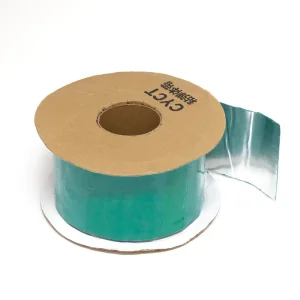
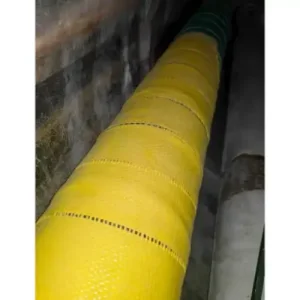
Simultaneously, viscoelastic technologies represent a major shift in cold-applied coating. By using non-crystalline, low-viscosity polyolefins, the material behaves like a high-viscosity fluid that never cures. It maintains continuous wetting contact with the steel substrate. This cold-flow behavior ensures that if the tape is scratched, the compound slowly flows back to repair the void, protecting the steel from moisture.
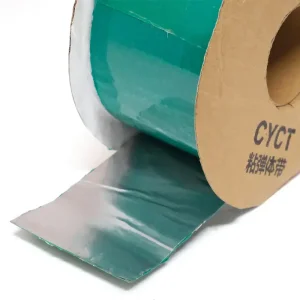
For pipelines operating under extreme heat (e.g. steam lines or heavy-crude pipes), aluminum-laminated viscoelastic tapes reflect radiant heat, keeping the inner anti-corrosion mastic within its optimal temperature envelope, preventing thermal degradation.
Installing a pipeline sleeve is not just a product application; it is part of a multi-stage field engineering process. Without proper substrate preparation and thermal management, even the most advanced materials can fail. The macro-solution framework encompasses:
Surface Preparation: Cleaning the pipeline steel surface to Sa 2.5 or St 3 cleanliness levels, ensuring the removal of mill scale, rust, and moisture.
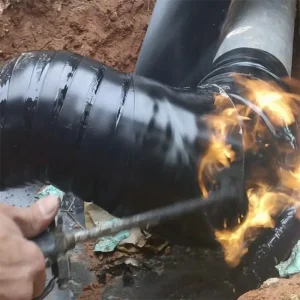
Substrate Pre-Heating: Applying induction heating or flame heating to reach the specified temperature profile. This is crucial for PP and PE hot-melt systems to ensure proper adhesive flow and bond strength.
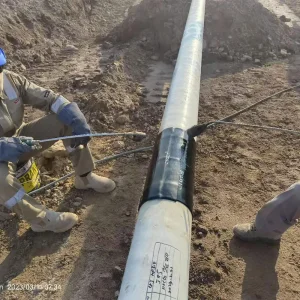
Application and Shrinkage: Wrapping the sleeve around the joint area, applying a closure patch, and shrinking it from the center outward to displace air and prevent wrinkles.
Quality Assurance Testing: Using Holiday Detection (typically at 15kV to 25kV depending on thickness) to verify the absence of pinholes, and conducting peel tests to confirm adhesion strength.
CYCT New Materials Company Limited (CYCT) is a state-level high-tech enterprise founded in 2000. For over two decades, CYCT has integrated the R&D, manufacturing, and distribution of pipeline corrosion protection materials with specialized on-site technical field services, buried pipeline detection, and pipeline rehabilitation solutions.
By collaborating with leading research institutes like the CNPC Pipeline Science Research Institute, CYCT offers an integrated service envelope for operating pipelines. This includes cathodic protection design, rehabilitation construction, and structural integrity analysis.
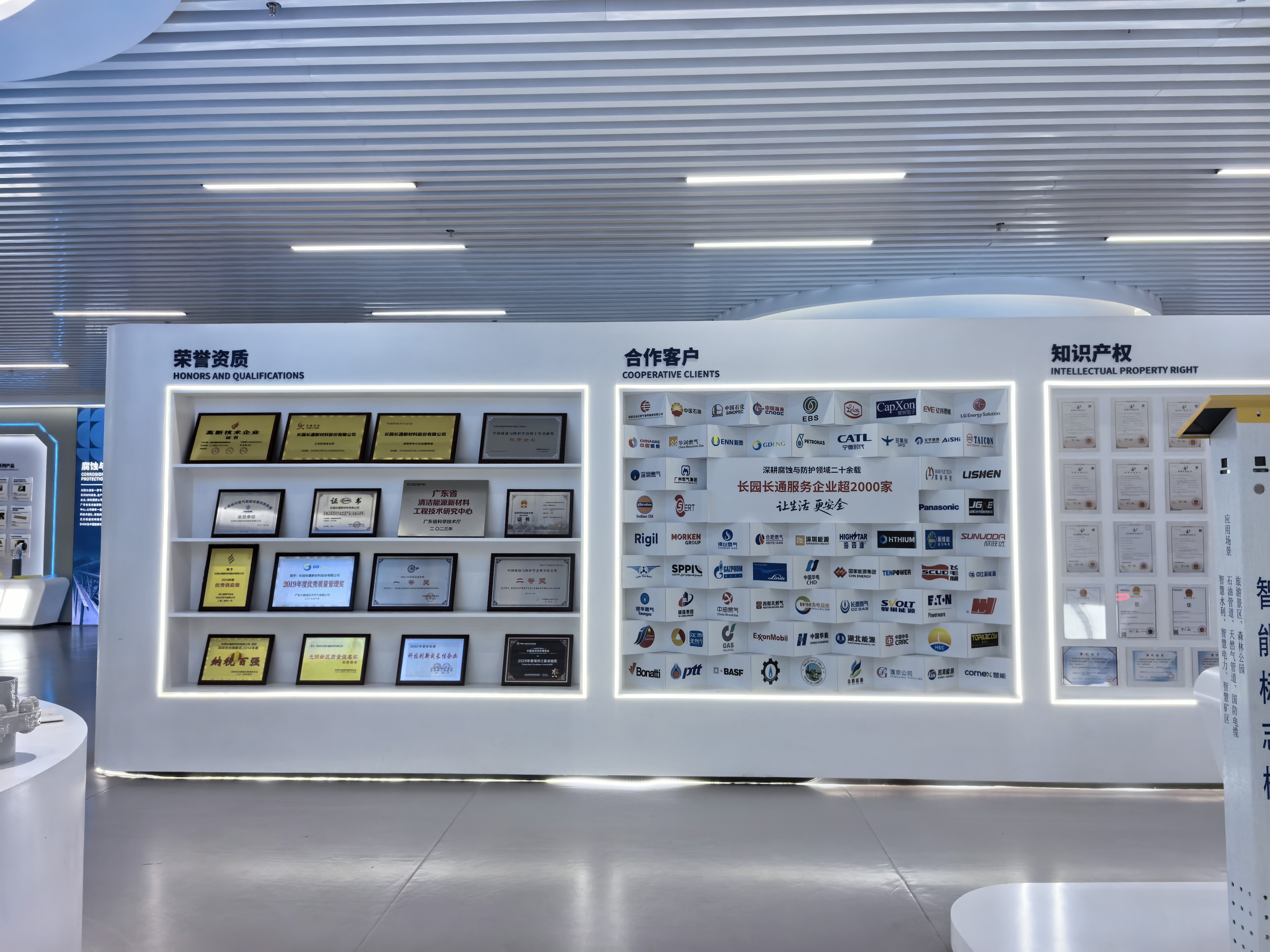
Over the years, CYCT has established itself as a qualified field joint coating supplier for major global and domestic corporations, including PetroChina, Sinopec, PipeChina, China Gas Group, and Indian Oil. The company maintains a leading domestic market share in critical pipeline networks.
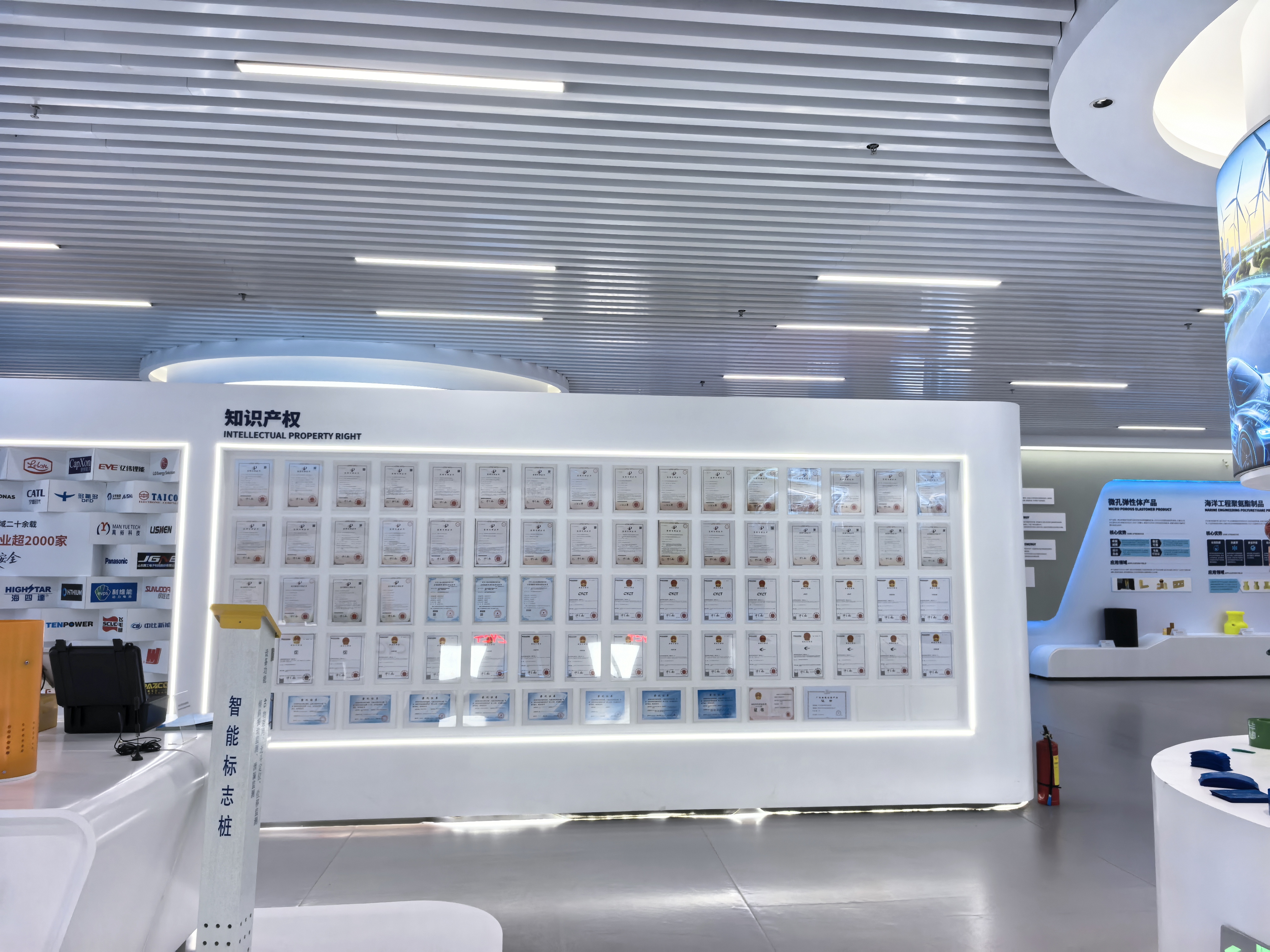
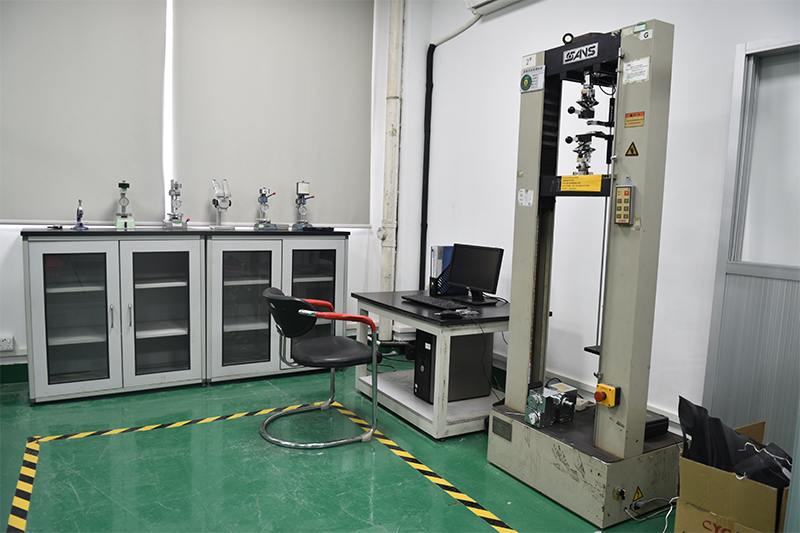
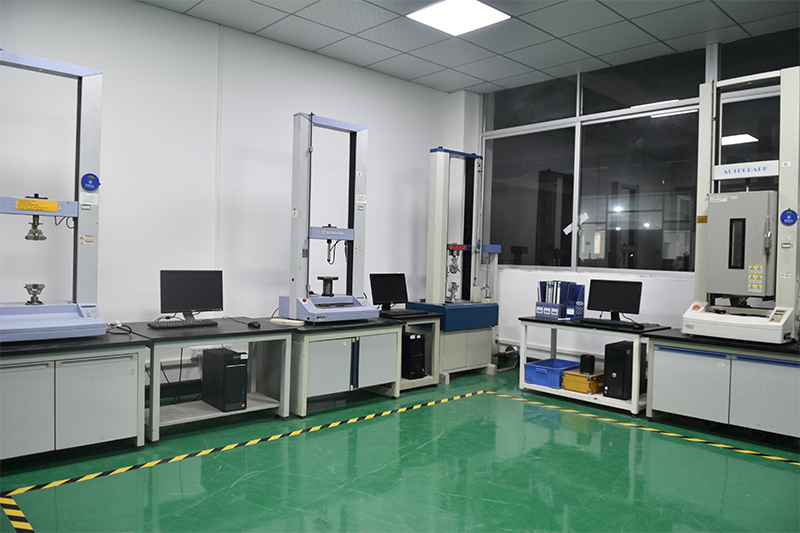
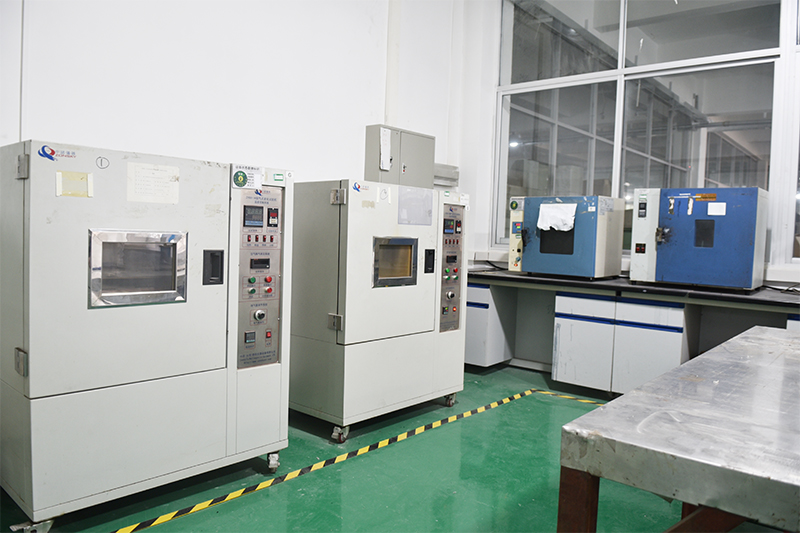
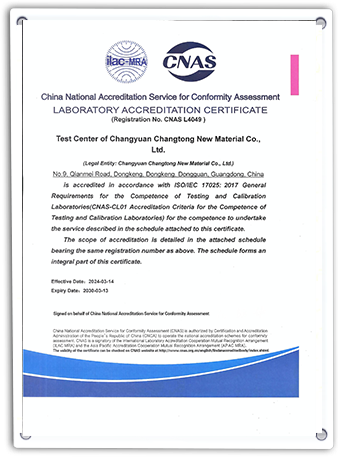
CYCT's technical capabilities are anchored by its professional R&D staff and its national CNAS-accredited laboratory. Through continuous innovation, the company has introduced viscoelastic coatings, photo-curing sleeves for HDD protection, polyurea protective linings, and custom thermal insulation wraps.
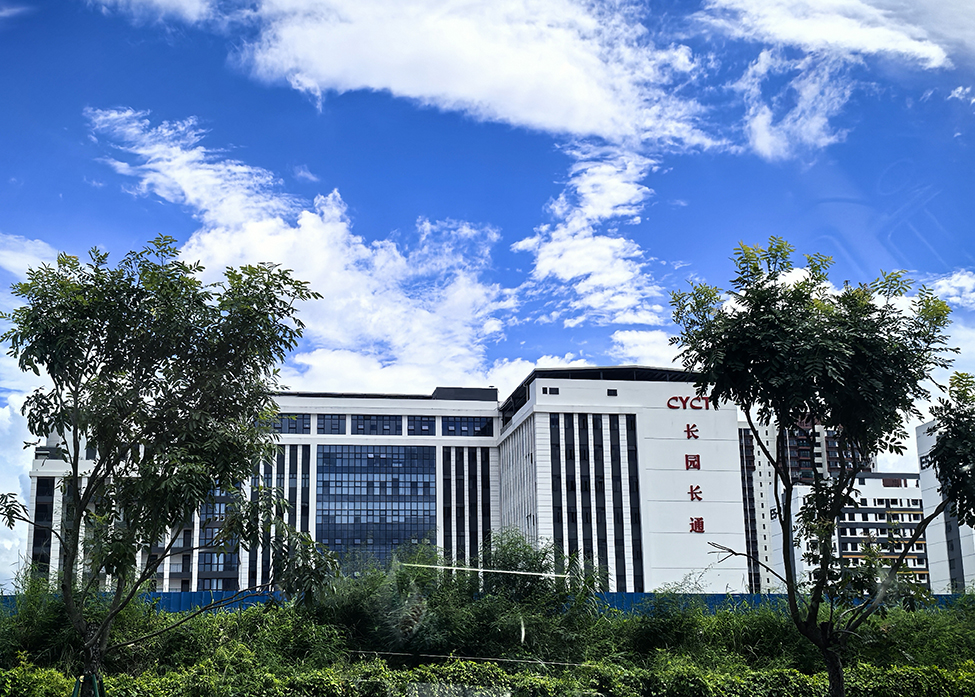
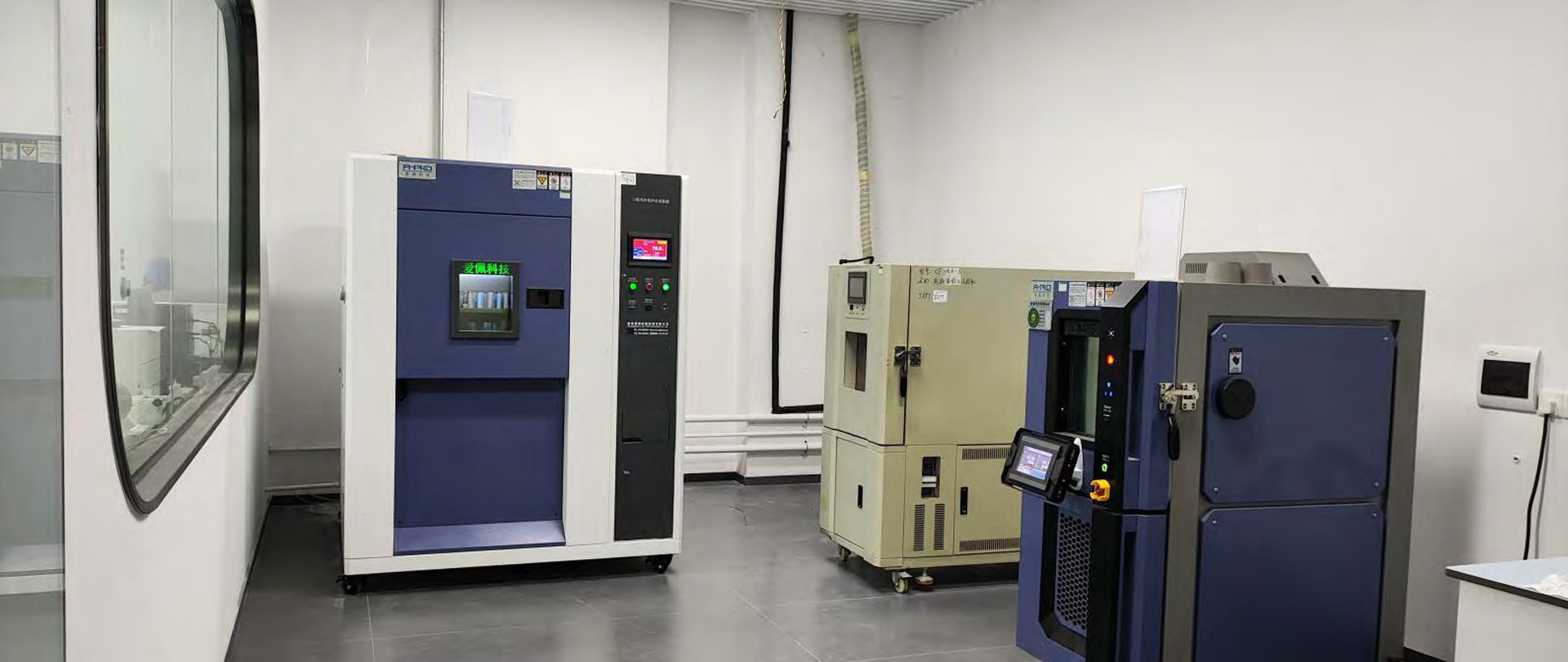
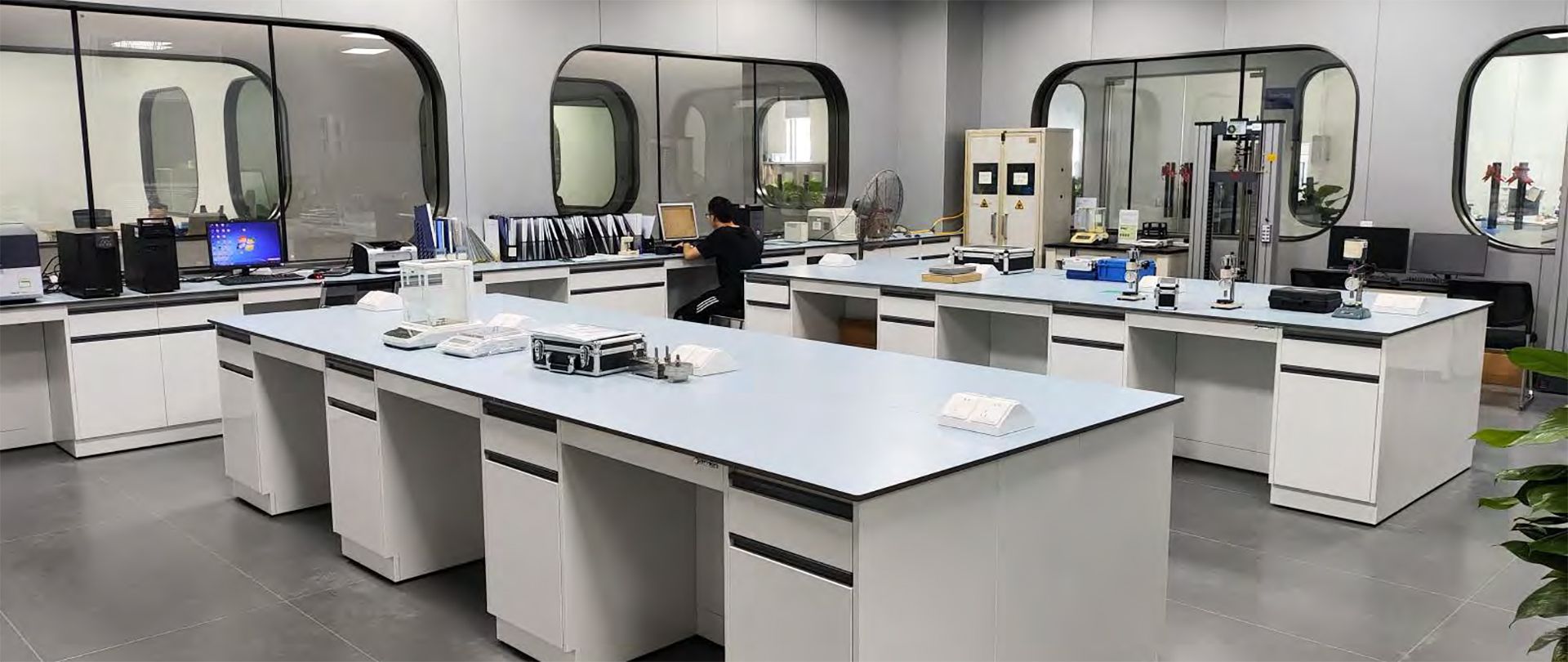
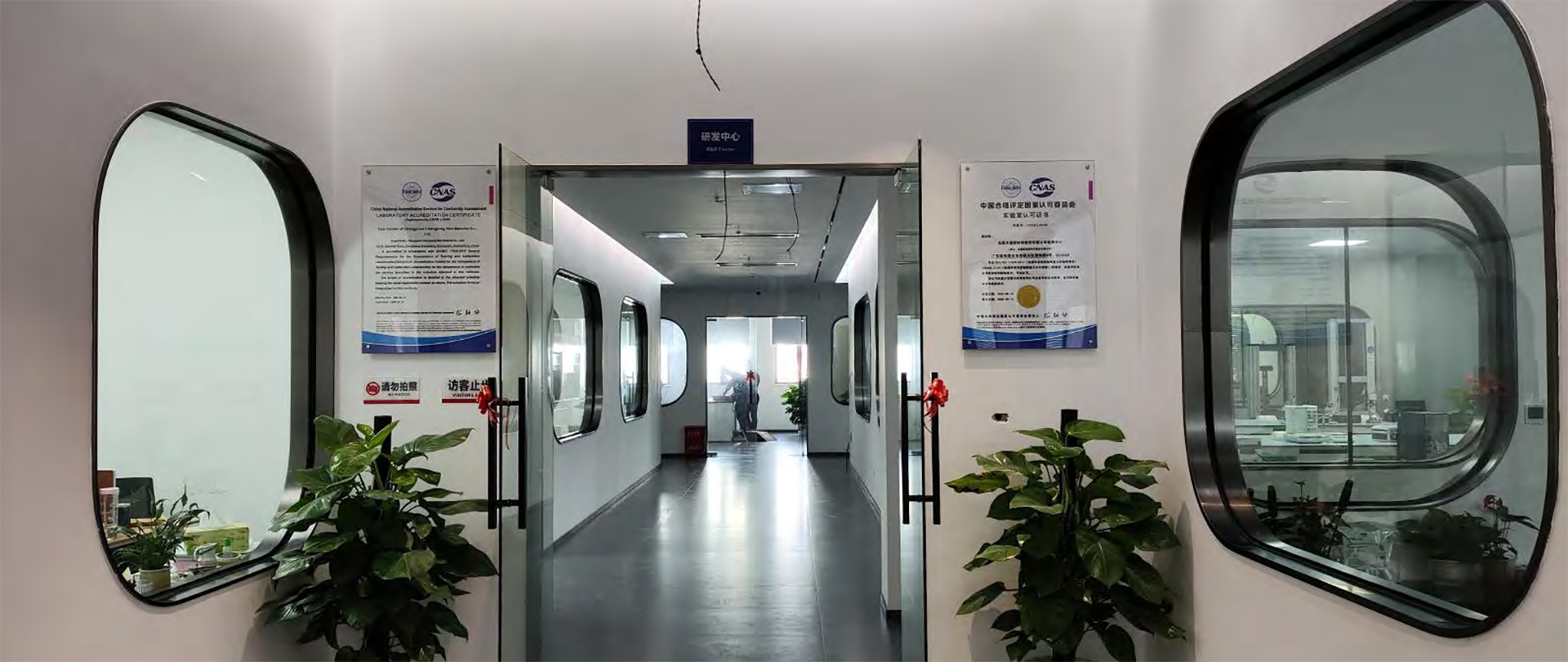
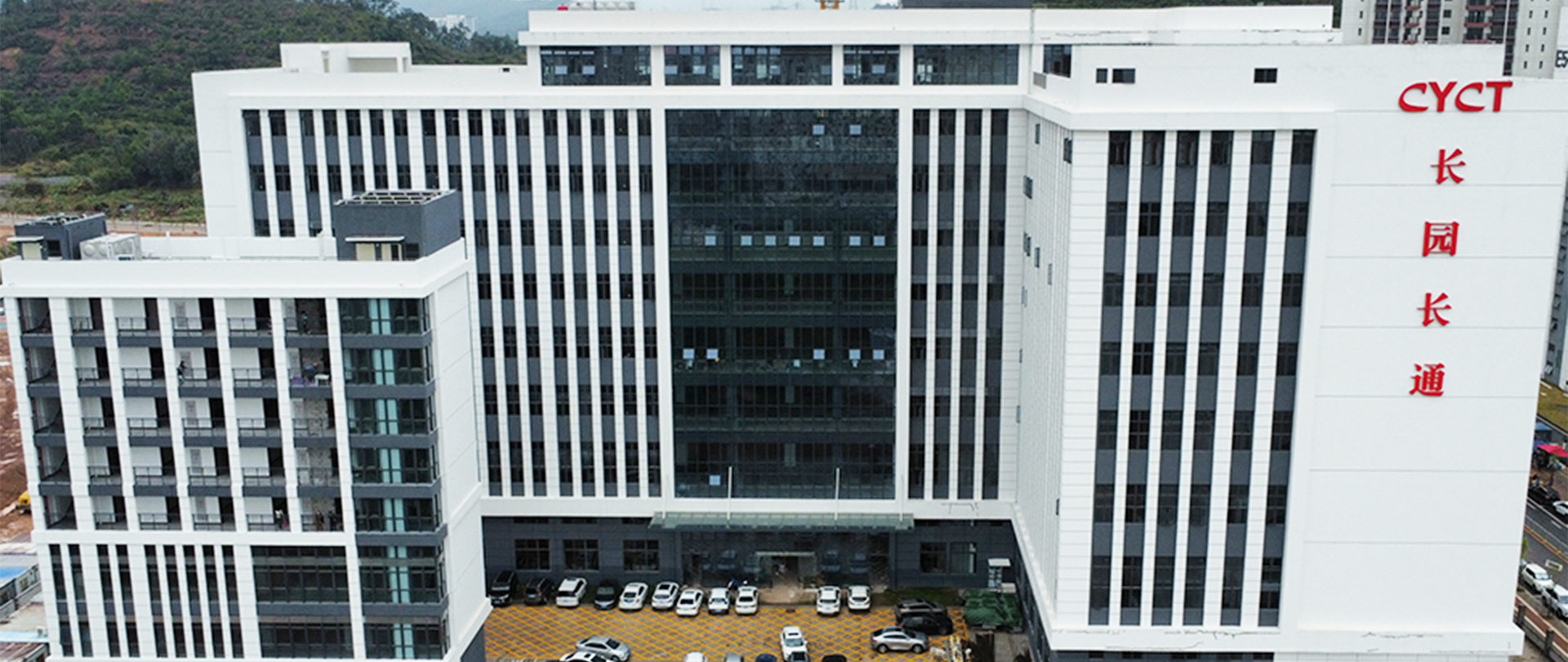
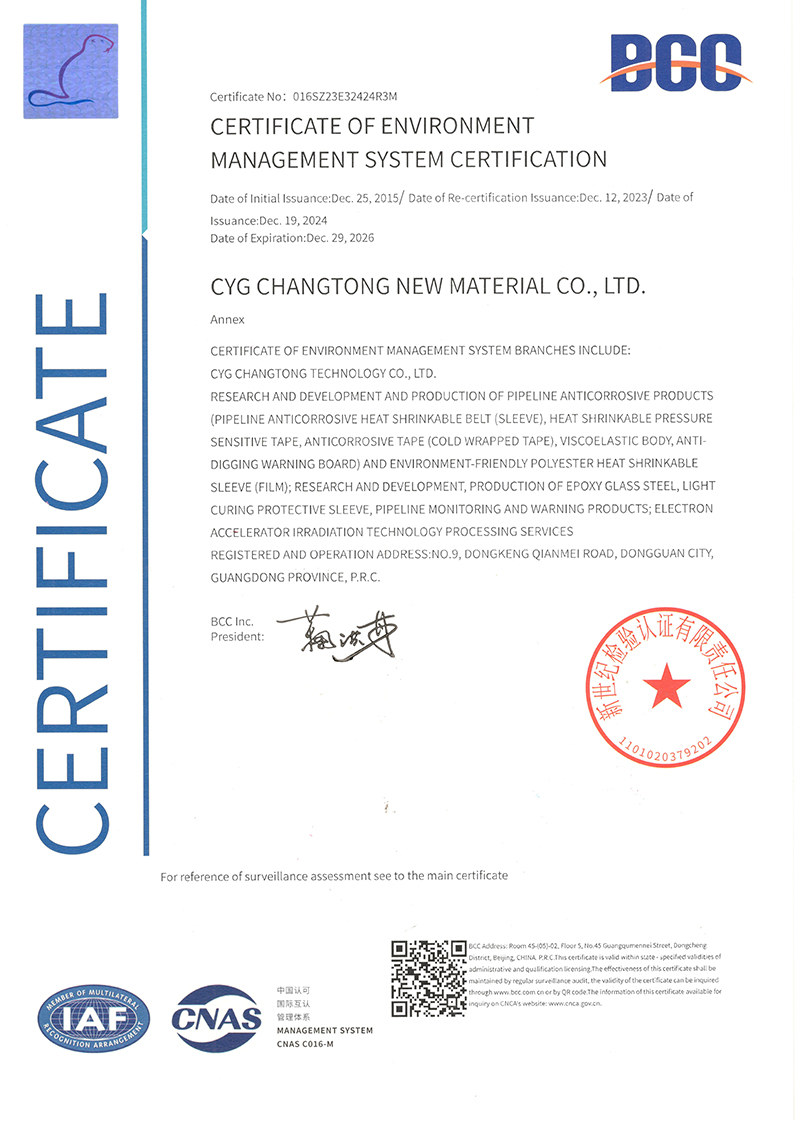
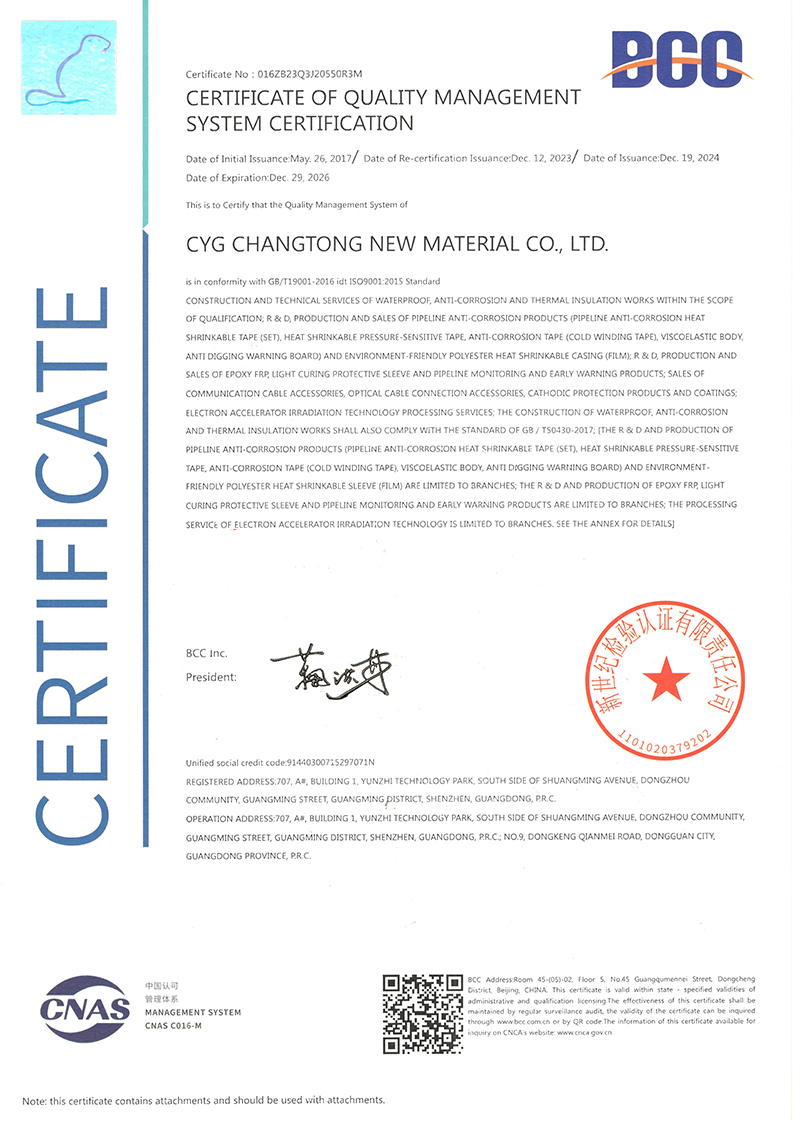
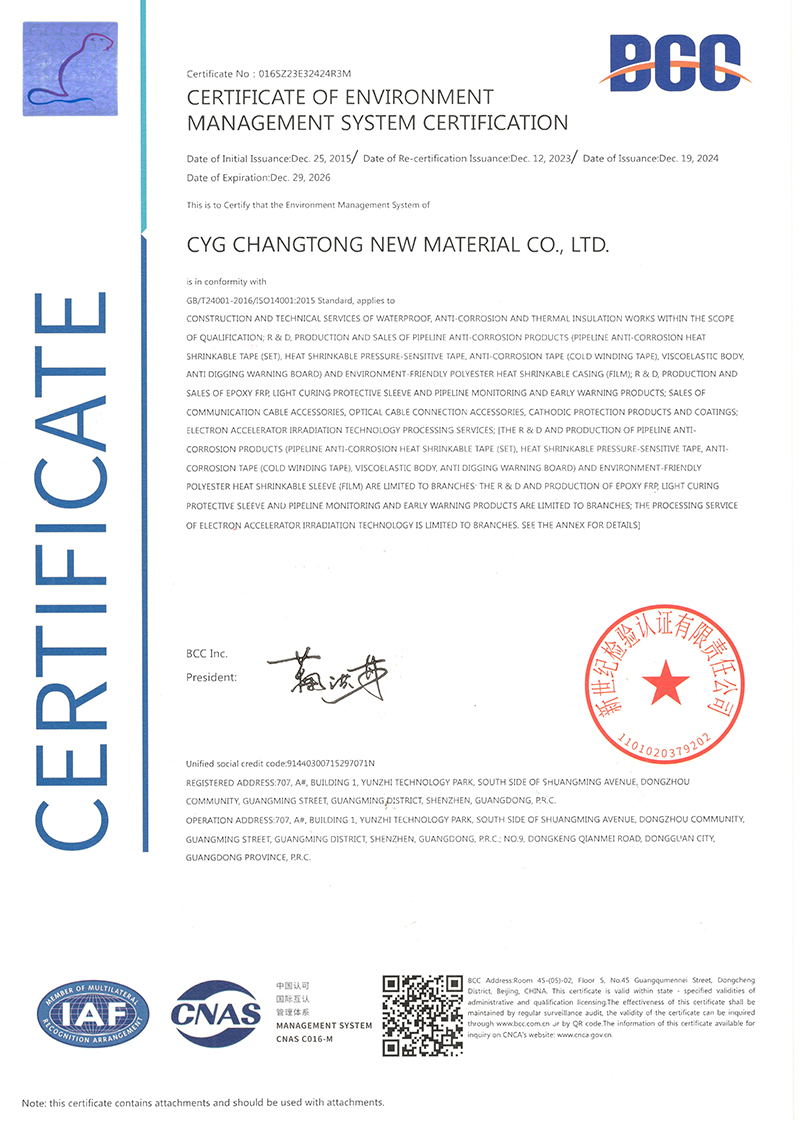
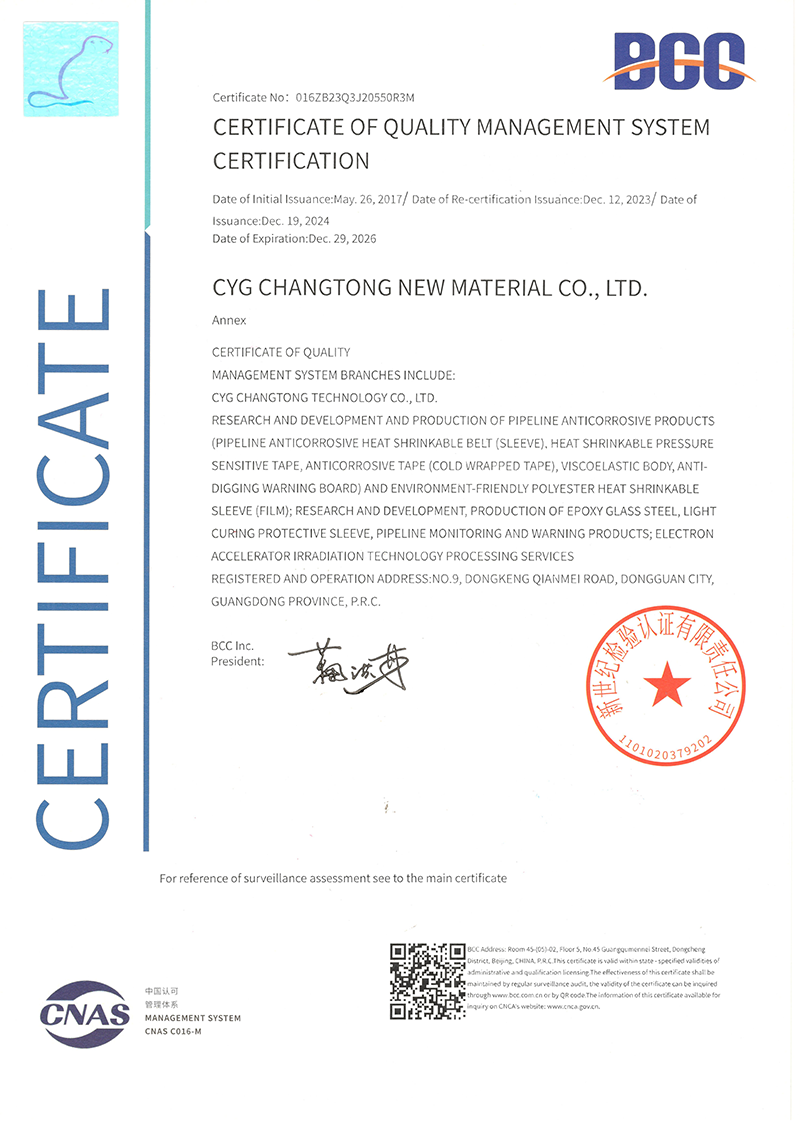
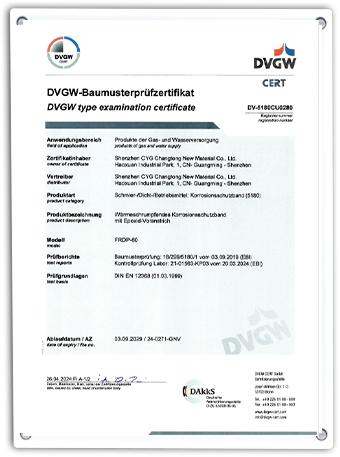
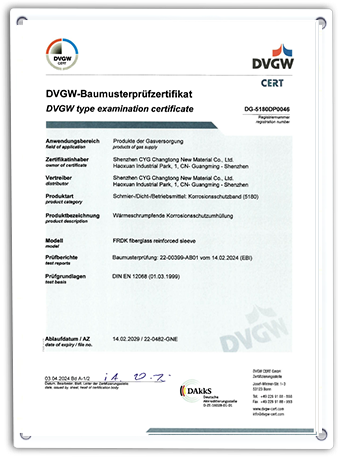
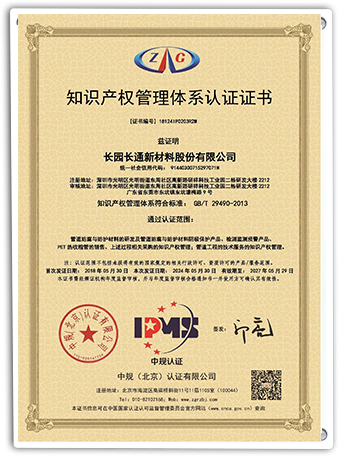
Our manufacturing site operates under ISO 9001, ISO 14001, and ISO 45001 management systems. Every production batch undergoes strict quality control, including testing for peel strength, lap shear strength, impact resistance, and cathodic disbondment resistance.
CYCT's field-applied coatings and viscoelastic tapes protect steel pipes, valves, tees, and bends from moisture ingress, electrochemical corrosion, and mechanical stress. The company's products are designed to survive the high soil shear loads of modern infrastructure projects.
CYCT is a key contributor to China's energy corridors, including the West-East Gas Pipeline Project and the Russia-China East Natural Gas Pipeline. The company provides corrosion protection and thermal mitigation sleeves for high-consequence areas, river crossings, and complex geographical zones.
In addition to domestic projects, CYCT has expanded its reach globally, supplying corrosion protection products to national oil corporations in India, Southeast Asia, Central Asia, and North Africa.
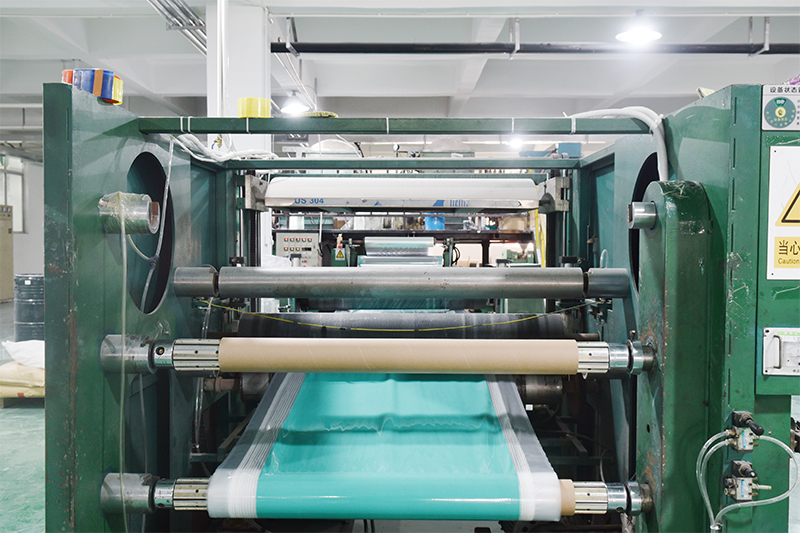
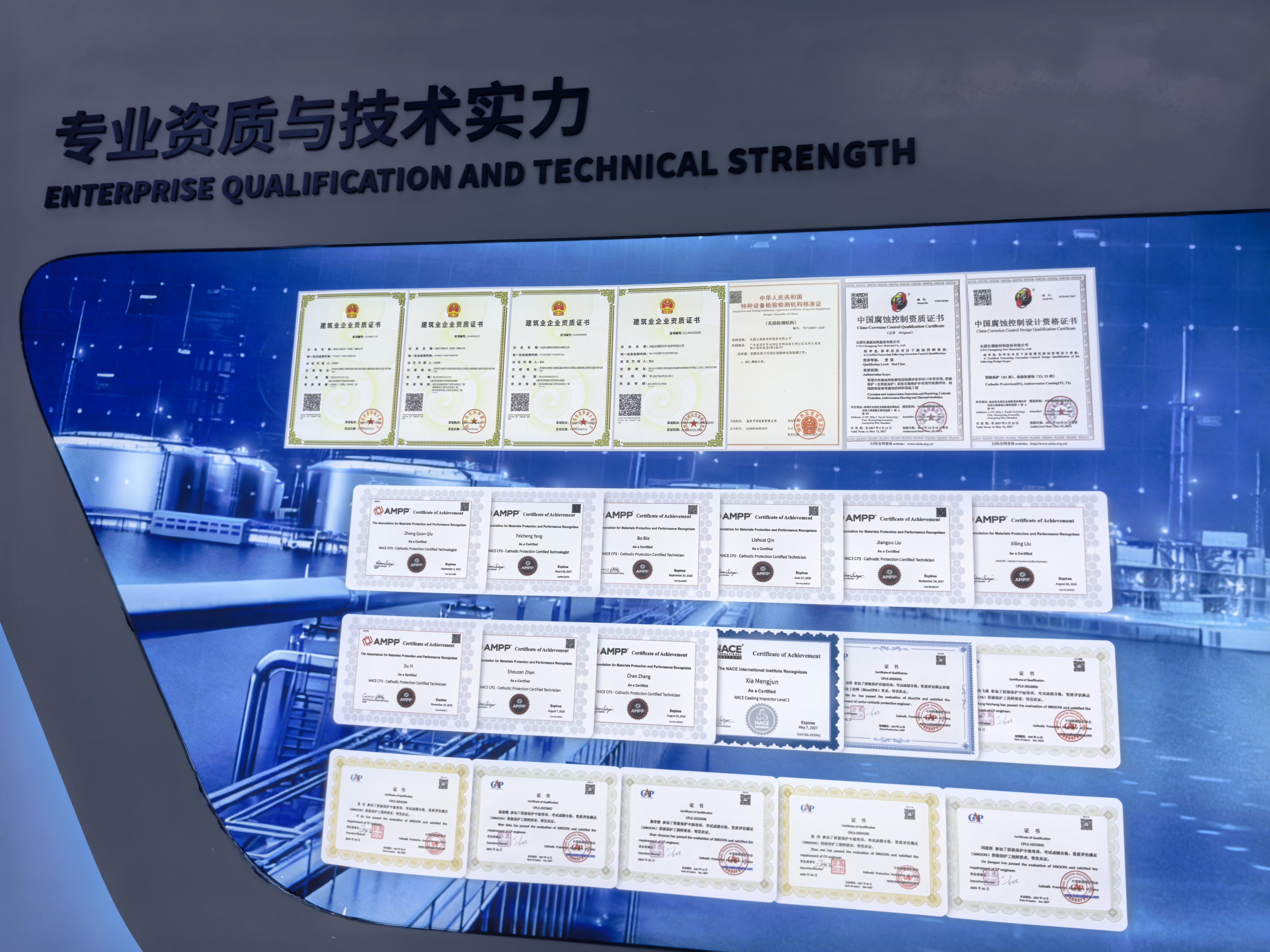
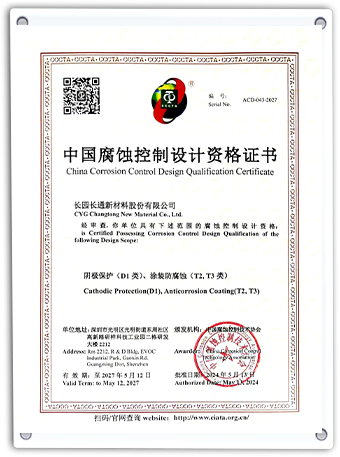
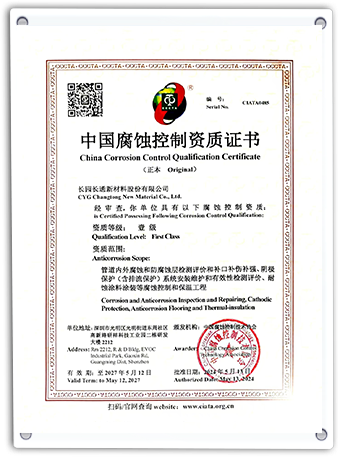
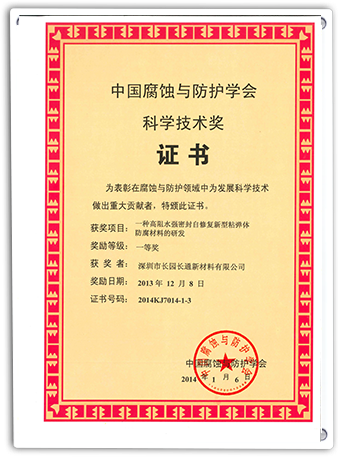
As a member of the Council in the Chinese Society for Corrosion and Protection (CSCP), and a member of the China Association of Petroleum Engineering Construction (CAPEC), CYCT holds multiple qualifications for pipeline corrosion protection design, construction, and detection.
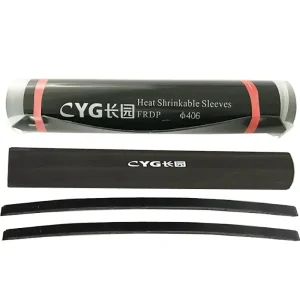
Examine our specialized PP heat shrinkable joint systems, fabric viscoelastic tapes, and repair fillers.
 CYCT
CYCT