Engineered to withstand extreme environments, municipal stress, and deep buried pipeline configurations.
Uncompromising barrier protection for buried hydrocarbon transmission, high-capacity water infrastructure, and process piping.
Modern industrial piping operations face harsh chemical, mechanical, and thermal pressures. The transition from legacy tar-based wraps to advanced epoxy sealers and hybrid polyolefin protection systems represents a significant milestone in pipeline engineering. For decades, global pipeline network infrastructure in North America, the Middle East, and Asia has required robust, long-term barrier protection to prevent corrosion and structural degradation. With estimated annual global losses due to corrosion exceeding $2.5 trillion USD, industrial engineering firms and pipeline operators are increasingly adopting active-barrier materials to achieve operational life spans of 50 years or more.
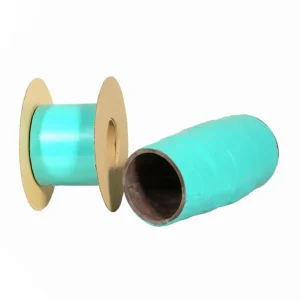
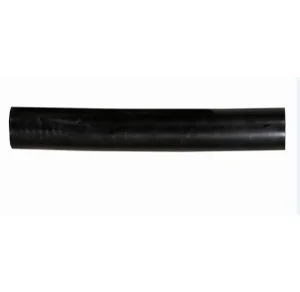
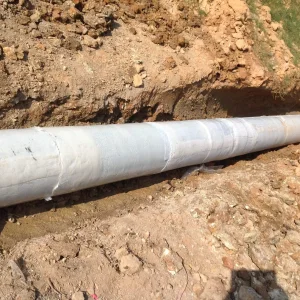
In this ecosystem, OEM Epoxy Pipe Sealers and complementary field-joint coatings represent a primary defense mechanism. Applied as liquid epoxies, viscoelastic sealants, or heat-shrinkable cross-linked polymers, these materials insulate high-strength steel pipelines from atmospheric moisture, saline soils, stray currents, and aggressive chemicals. Key performance criteria, including high lap shear strength, cathodic disbondment resistance, and outstanding flexibility, define the quality threshold for tier-one infrastructure projects globally. As global networks expand across varying terrains, the demand for adaptable formulations—designed and produced by specialized OEMs—continues to grow.
Designed for engineers looking for long-term corrosion prevention solutions.
Protects metal substrates from peeling under cathodic protection currents, even at elevated temperatures.
Designed to cold-flow into micro-fissures and mechanical scrapes, providing continuous protection.
Formulations optimized for service temperatures ranging from -40°C up to 80°C and higher.
Solving complex corrosion problems across oil, gas, municipal, and trenchless HDD installations.
When pipes are pulled through rock formations and packed soil under waterways, standard protective coatings face extreme friction. Our Photo-Curing Protective Sleeve (UV-curing GRP sheet) provides a hard, armored outer layer that shields the primary corrosion-protection coating from gouging, tearing, and abrasion during pullback. This system protects pipelines from mechanical damage before they enter long-term service.
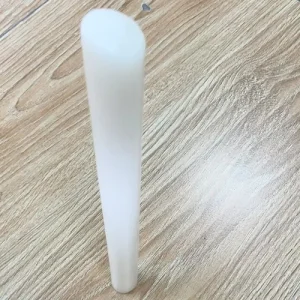
Crude oil and gas transmission pipelines often operate at high temperatures. High-temperature conditions speed up electrochemical corrosion. Using standard repair systems at these temperatures can cause adhesive failures and peeling. Our high-temperature polyolefin systems, combined with repair tools like the CYG PP Hot Melt Stick, are designed to work effectively with 3LPP and 3LPE coatings, maintaining a tight seal at temperatures up to 80°C.
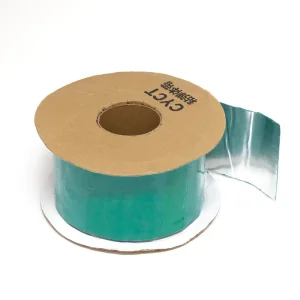
Salt spray, high humidity, and marine air create highly corrosive conditions. During the field welding of pipe joints, the original factory coating is removed, leaving the steel exposed. Standard epoxies can cure slowly in humid coastal conditions. Our VT95 Viscoelastic Tape provides instant adhesion with zero cure time, immediately sealing the field joint from moisture and oxygen.
Urban pipe systems face traffic vibrations, stray electrical currents from transit systems, and fluctuating water table levels. Liquid-applied epoxy pipe sealers and repair patches provide a reliable insulation barrier, preventing galvanic corrosion and sealing joints against high-pressure leaks.
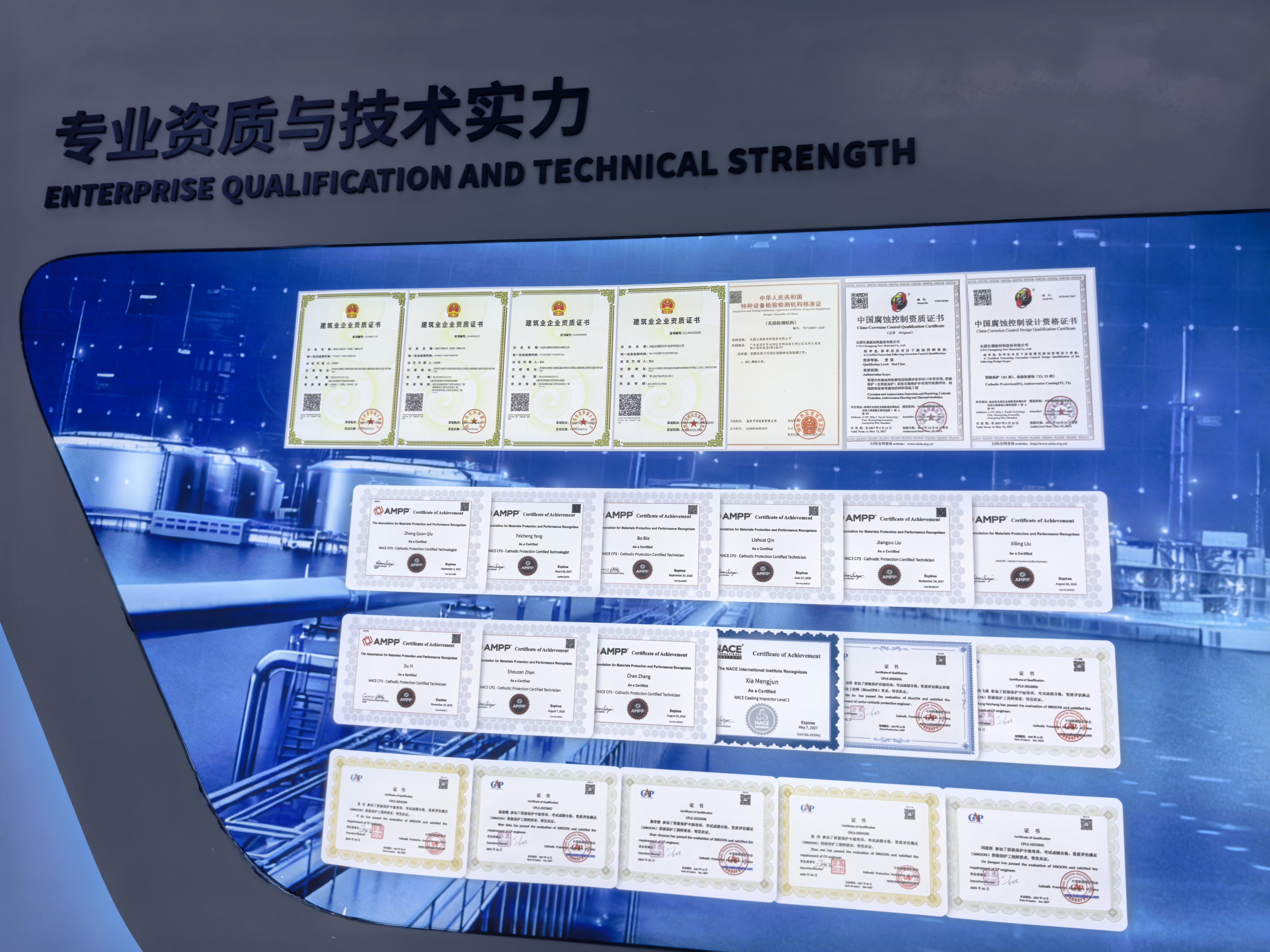
A State-Level High-Tech Enterprise and Council Member of the Chinese Society for Corrosion and Protection.
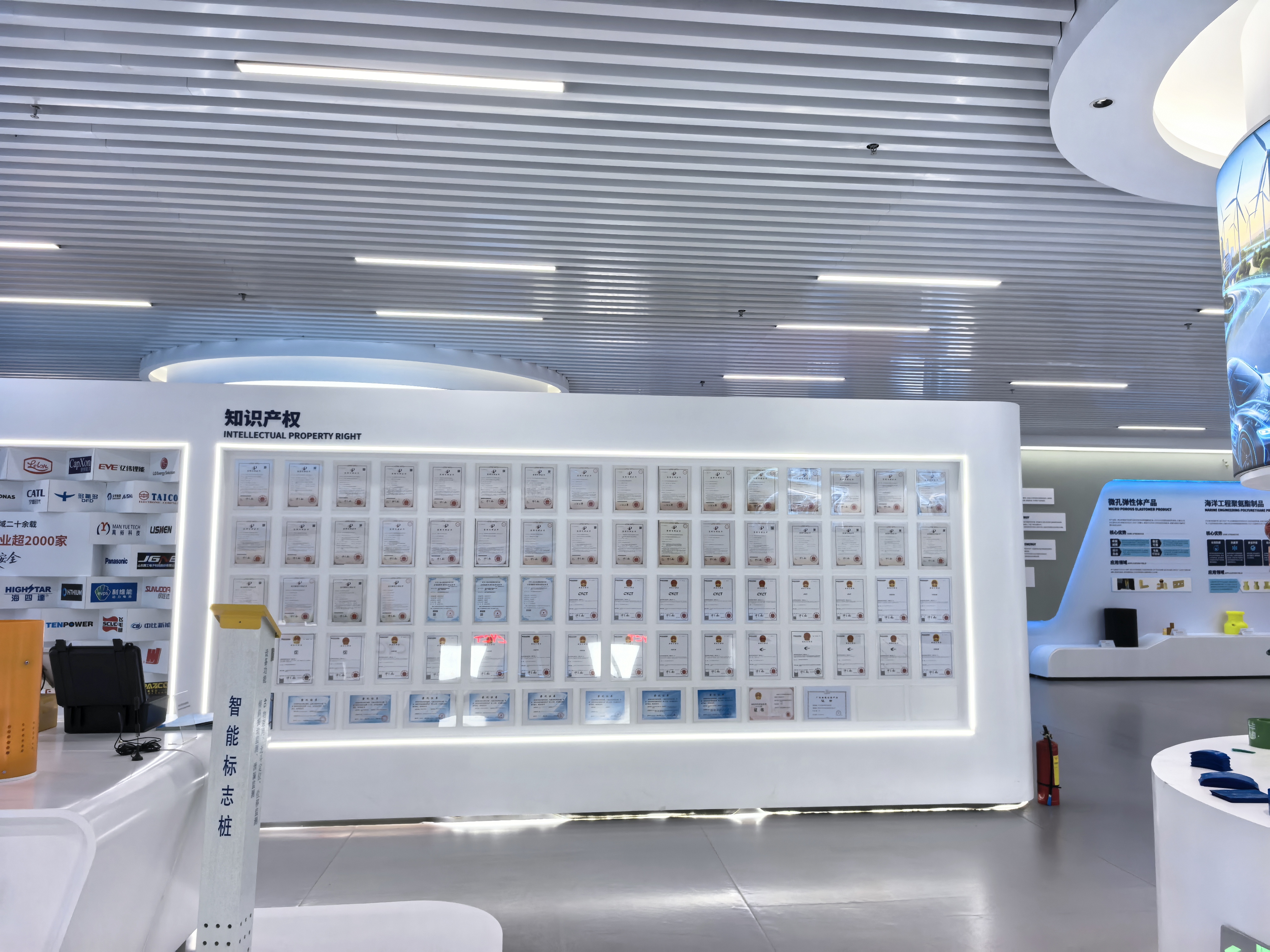
CYCT New Materials Company Limited (CYCT), founded in 2000, integrates research and development, manufacturing, sales, and service for pipeline corrosion protection. As a state-level high-tech enterprise, CYCT operates a national CNAS-accredited laboratory and maintains corporate status with the Association for Materials Protection and Performance (AMPP). Over its history, the company has developed proprietary intellectual property rights to address pipeline integrity issues.
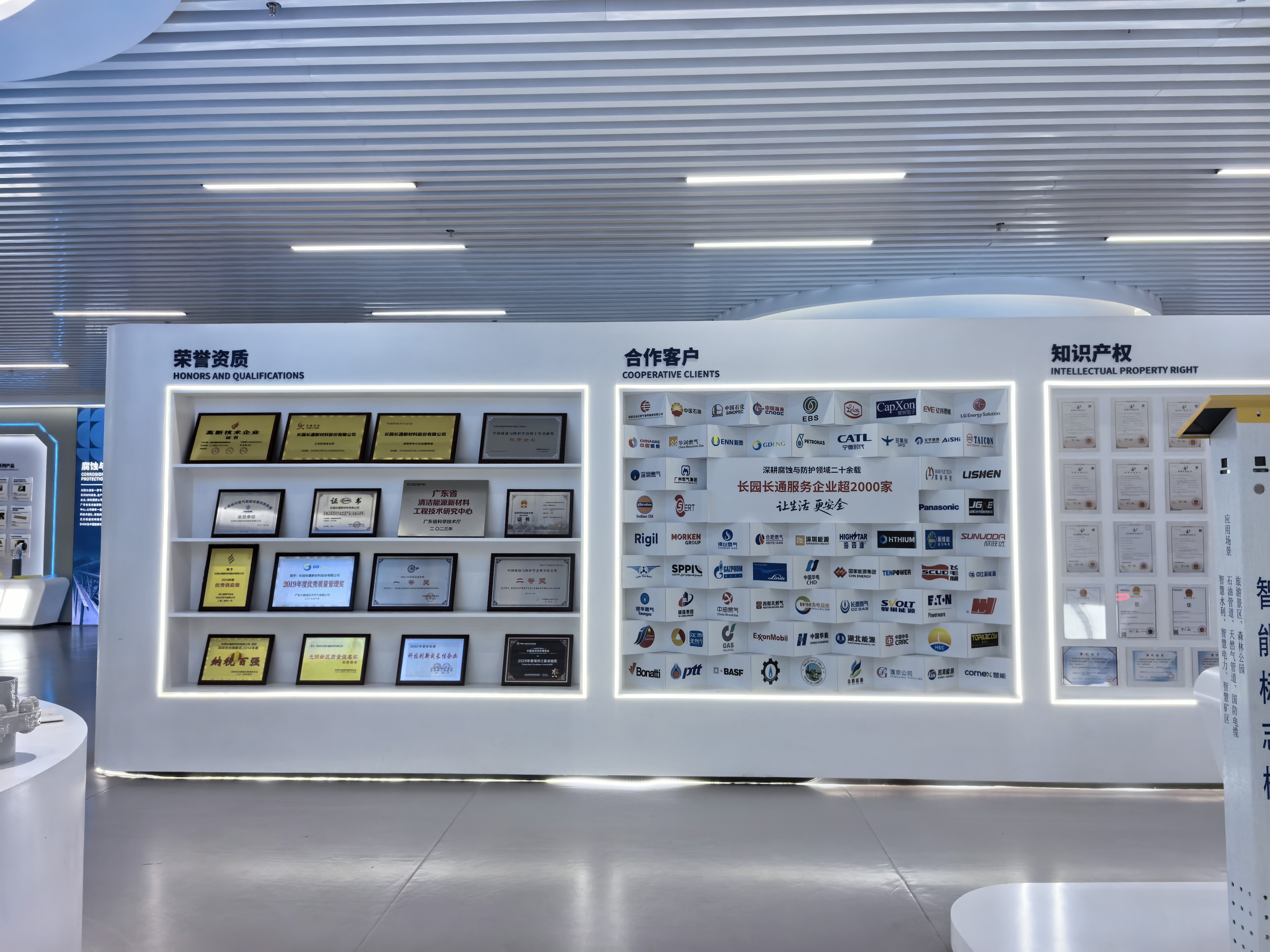
Our solutions have supported long-term projects for national energy companies, serving as a verified supplier to PetroChina, Sinopec, PipeChina, China Gas Group, and Indian Oil. In addition to material manufacturing, CYCT provides technical services, including buried pipeline condition assessments, custom engineering designs, cathodic protection analysis, and field rehabilitation support.
Ensuring quality, cost-efficiency, and on-time global delivery for infrastructure projects.
Our facility leverages localized sourcing for high-purity polymer resins, cross-linking agents, and specialized additives. This localized supply chain reduces exposure to global shipping delays and material shortages. Advanced manufacturing automation, along with electron-beam radiation cross-linking facilities, allows us to maintain consistent product quality while optimizing production costs. This combination enables us to offer competitive pricing to OEM clients without compromising on international standards.
CYCT's production processes meet ISO quality, environmental management, and occupational health systems standards. By managing everything from base compounding to final packaging in-house, we can support custom OEM requirements, coordinate logistics, and keep pace with demanding project schedules.
Pipeline engineering is evolving toward materials that are faster to install, offer longer service lives, and have a lower environmental impact. Our R&D roadmap focuses on:
• Bio-Sourced and Eco-Friendly Epoxies: Replacing petroleum-based precursors with renewable bio-resins to lower the carbon footprint of infrastructure projects.
• Smart Self-Healing Polymers: Developing micro-encapsulated active agents that automatically rupture and seal minor scratches or physical damage.
• Low-Prep Adhesive Systems: Formulating sealants that bond securely to surfaces with minimal manual preparation, reducing field labor requirements.
Practical answers regarding chemical compatibility, installation parameters, and standard compliance.
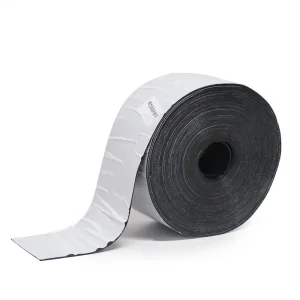
Epoxy sealers provide a rigid, chemically cross-linked barrier with high shear strength and puncture resistance. Viscoelastic tapes, such as our VT95, offer a flexible, self-healing layer that does not cure, remaining pliable to absorb soil stress and dynamic pipe movements. They are often used together in multi-layer protection systems.
For typical repair patches (like the FRDX PE Patch) and hot melt sticks, surfaces should be cleaned, dried, and abraded. A light preheating of the steel or PE coating area to approximately 60°C to 80°C is recommended to ensure optimal molecular bonding and prevent cold joints.
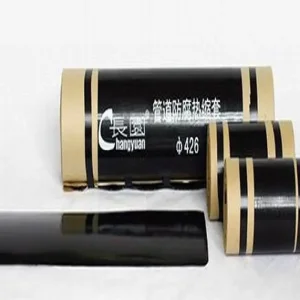
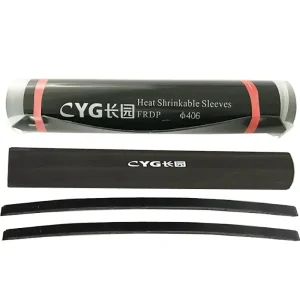
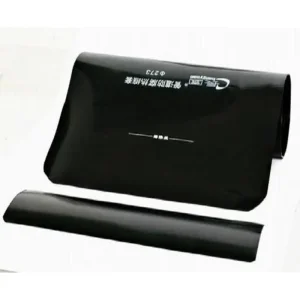
Yes, our specialized FRDP and CYG PP formulations are designed for high-temperature service. The polypropylene-modified hot melt sticks and reinforced heat shrink sleeves maintain mechanical stability and peel strength at continuous service temperatures of 80°C.
Yes. Our products are formulated to resist cathodic disbondment. They insulate the steel substrate without shielding the cathodic protection currents at holiday locations, preventing localized corrosion.
Complete product range for specialized, heavy-duty applications.
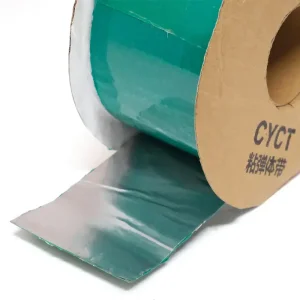
 CYCT
CYCT