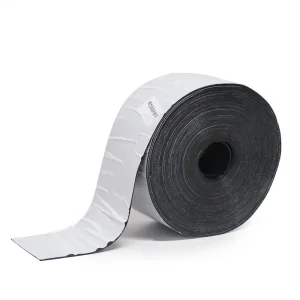
Premium OEM and factory-engineered solutions designed for high reliability, long service life, and extreme environmental durability.
Modern industrial operations face mounting pressure to protect capital-intensive infrastructure from chemical degradation, environmental wear, and moisture. Steel pipelines, deepwater subsea flowlines, and processing valves form the backbone of global oil, gas, water, and petrochemical systems. The integrity of these pipelines is critical, driving the growth of the global epoxy and anti-corrosion coating industry. These specialized coatings prevent environmental and chemical degradation, reducing downtime, structural failure risks, and environmental hazards.
To survive modern operating pressures—ranging from high shear stresses in Horizontal Directional Drilling (HDD) to extreme high-temperature fluid flows—coating technologies have evolved from basic coal-tar paints to highly engineered multi-layer polymer matrices. Fusion-bonded epoxy (FBE), viscoelastic polymer sheets, moisture-cured wraps, and glass-fiber reinforced polymer (GRP) sleeves are critical solutions used by pipeline engineers worldwide to protect asset investments for decades.
Epoxy and polymer protection technologies are critical across several key application areas:
CYCT New Materials Company Limited (for short, CYCT) was founded in 2000. It is a state-level high-tech enterprise integrating R&D, production, and sales of pipeline corrosion protection materials, alongside buried pipeline detection and field application services.
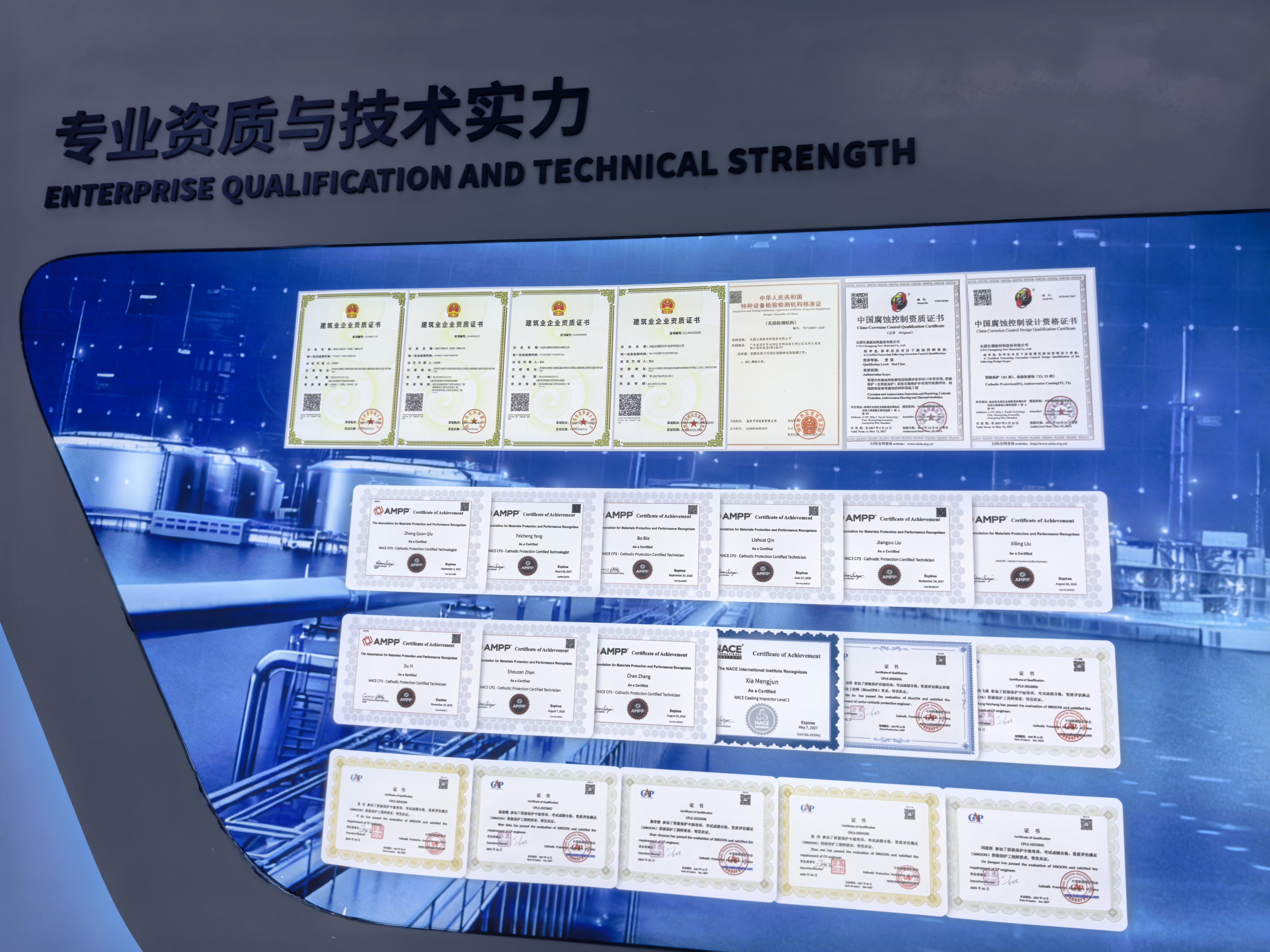
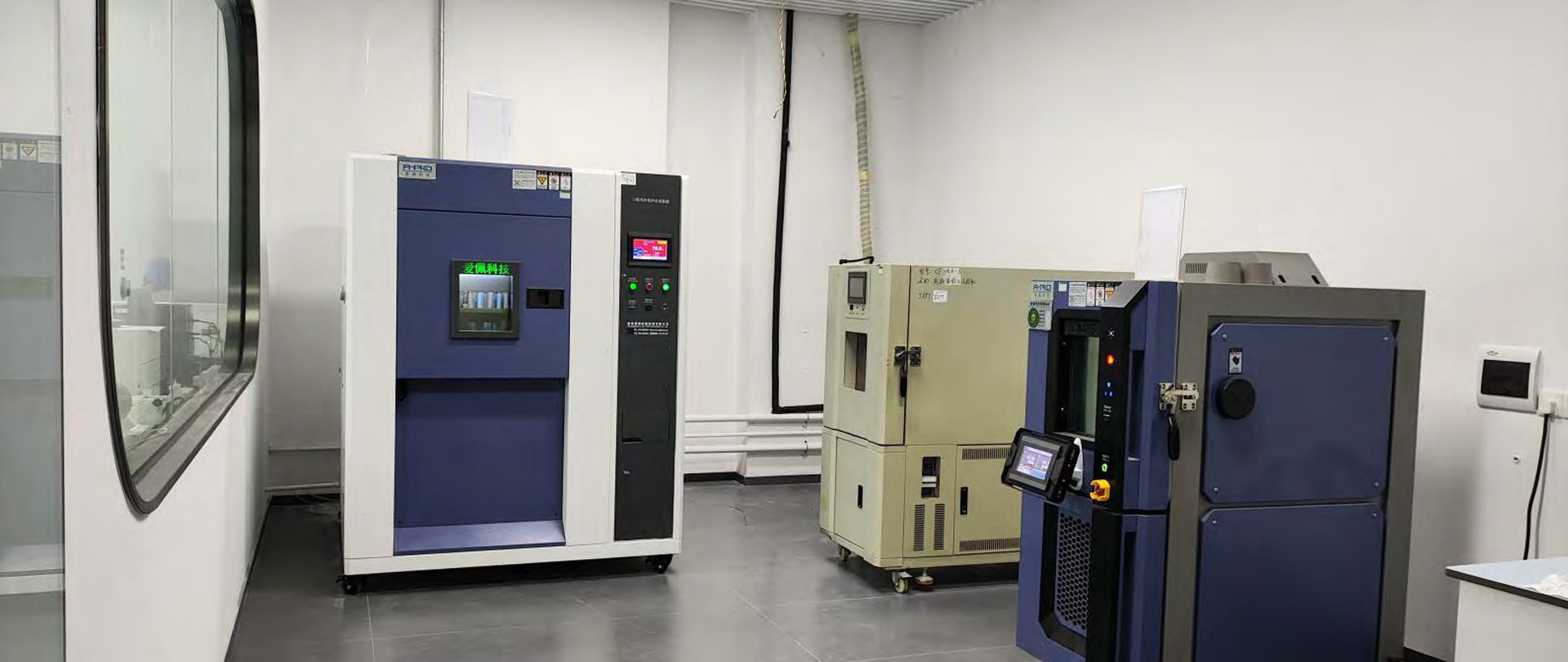
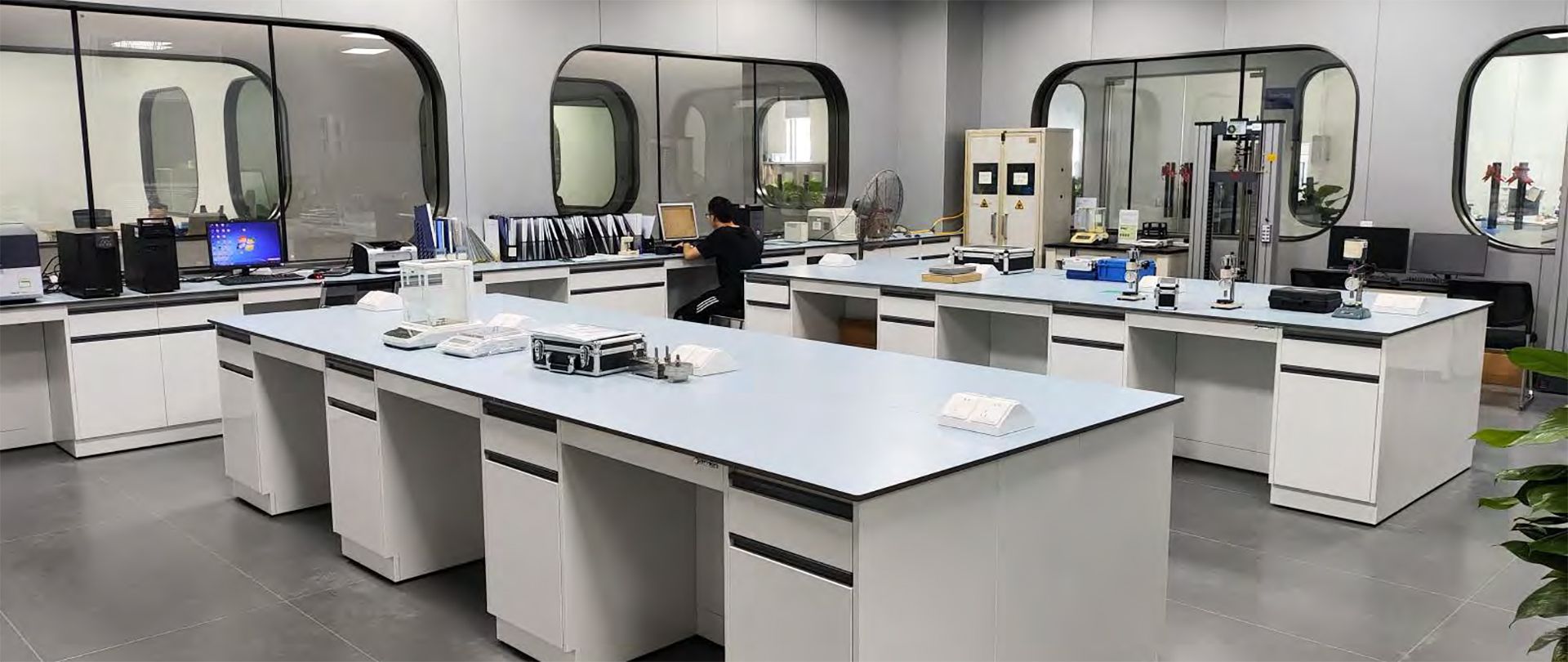
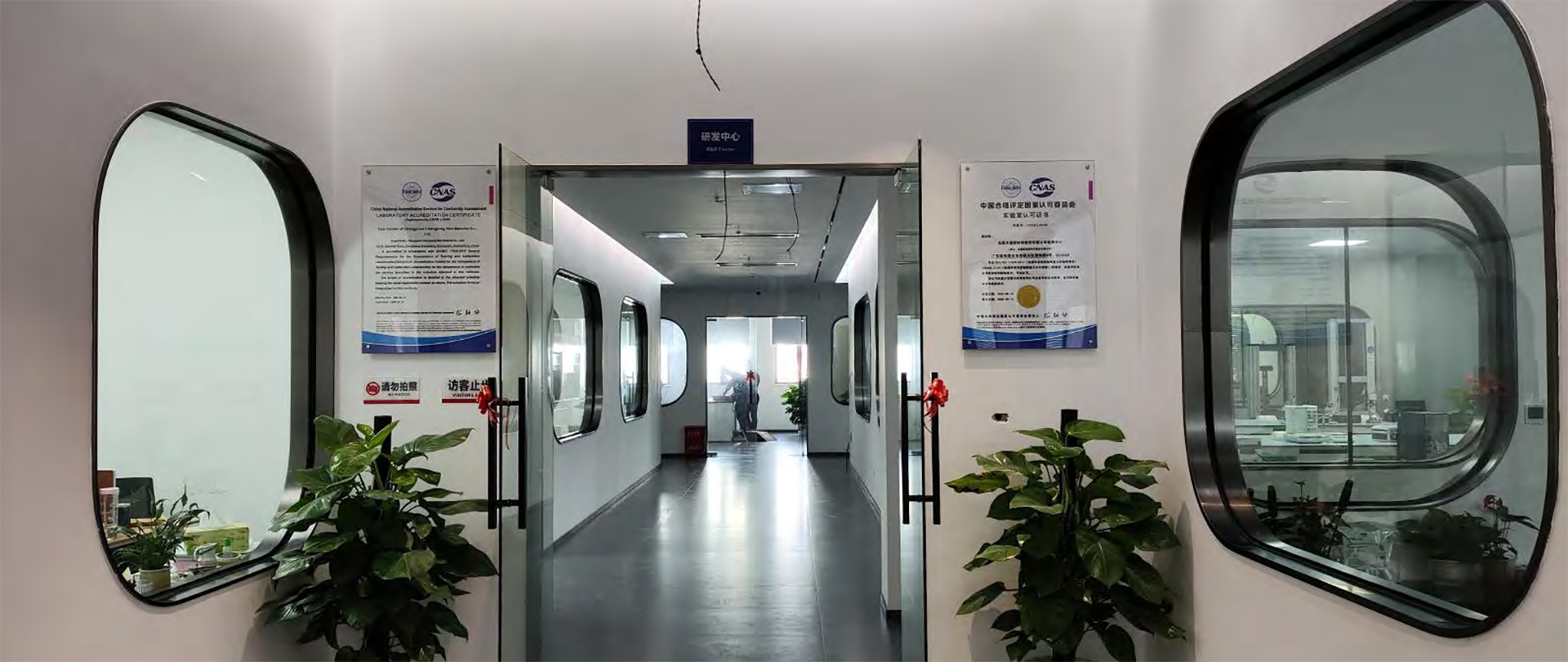
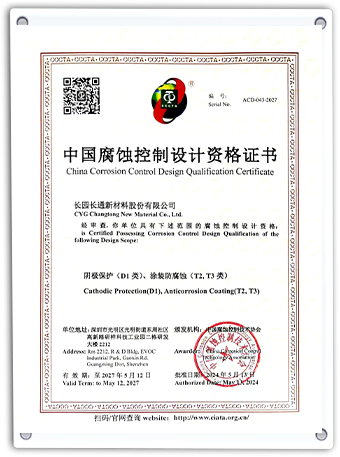
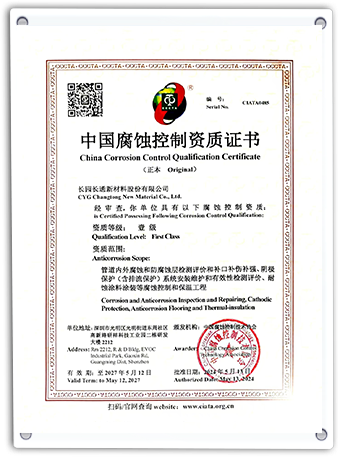
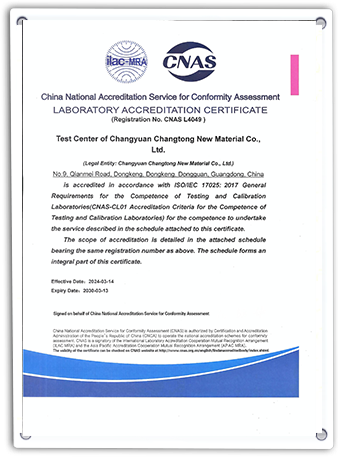
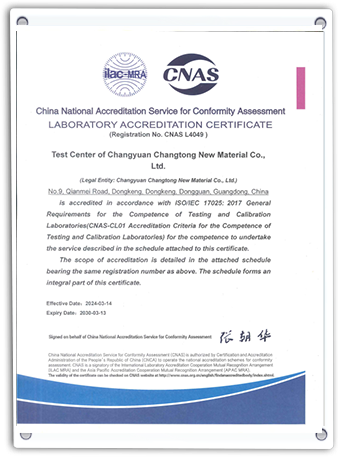
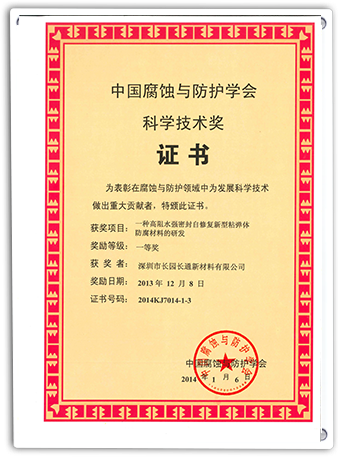
Over the decades, CYCT has built a reputation for reliable anti-corrosion engineering. As a council member of the Chinese Society for Corrosion and Protection (CSCP), the company maintains a dedicated focus on R&D, operating a national CNAS-accredited laboratory. This allows us to perform rigorous material characterization, environmental simulation, and quality control, ensuring every batch meets international standards (including ISO, ASTM, and NACE/AMPP).
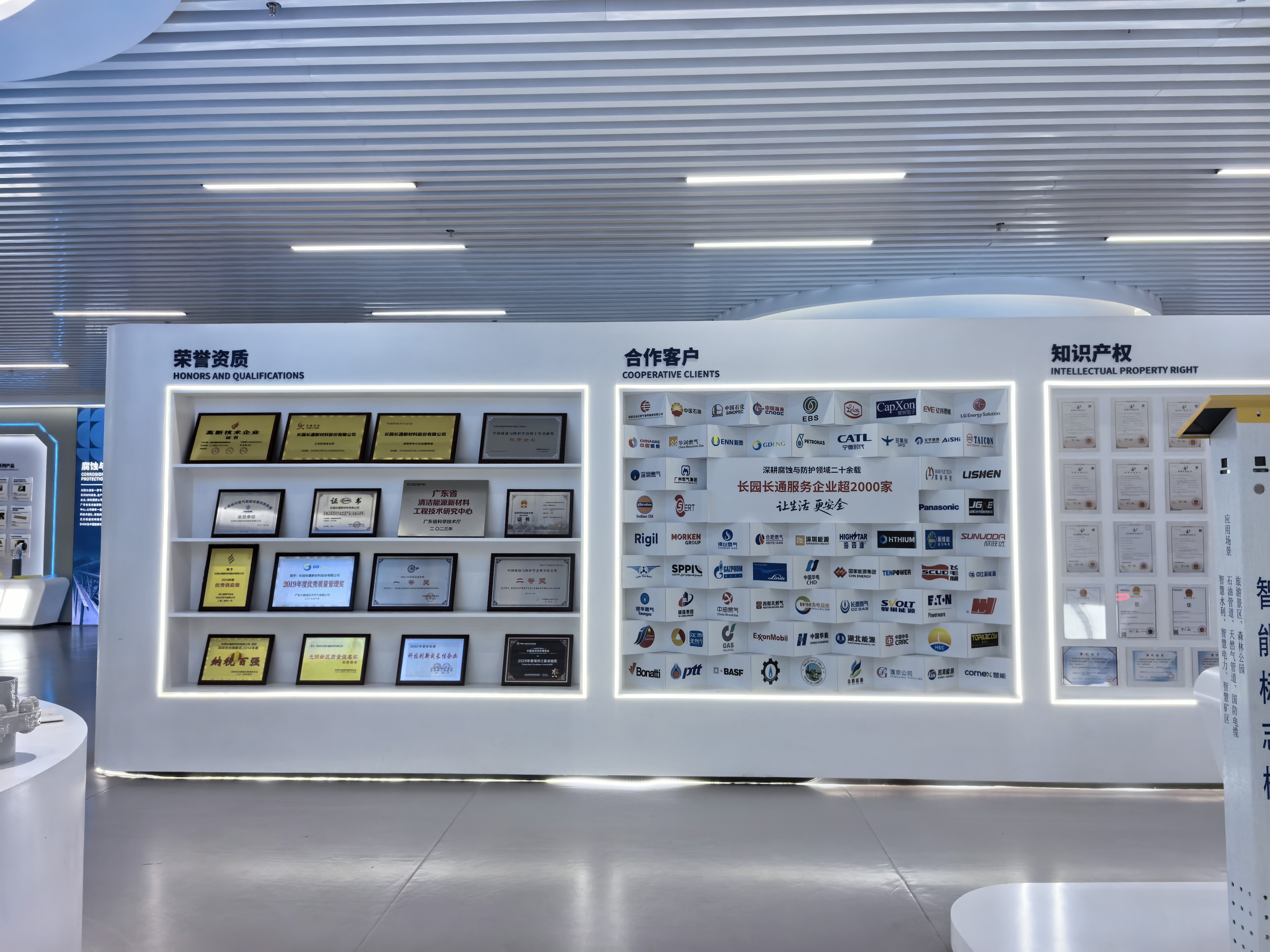
CYCT is an approved supplier of field joint coatings for major energy corporations, including PetroChina, Sinopec, PipeChina, China Gas Group, and Indian Oil. We have developed and introduced several specialty corrosion protection systems, such as viscoelastic anti-corrosion tapes, photo-curing GRP sleeves for HDD installations, and high-performance polyurea coatings.
Analyzing anti-corrosion coating challenges and requirements across different operating environments.
Epoxy and anti-corrosion coatings are deployed in diverse climates, each presenting unique engineering challenges:
The global industrial coating sector is shifting toward sustainable, long-term performance. Key developmental trends include:
How pipeline protection is transitioning toward multi-layered, chemical-cured, and intelligent composite systems.
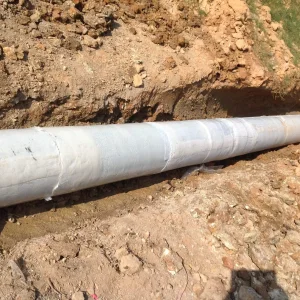
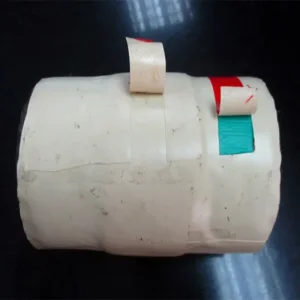
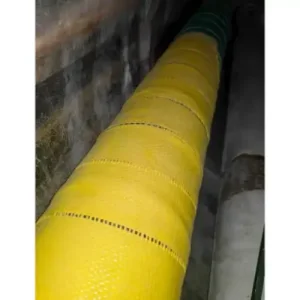
Viscoelastic coatings utilize amorphous, non-crystalline polyolefin backbones that exhibit liquid-like cold flow behavior combined with elastic solid properties. These materials require minimal surface preparation (St2/St3) and wet the steel surface dynamically, maintaining a corrosion barrier even on irregular valve surfaces.
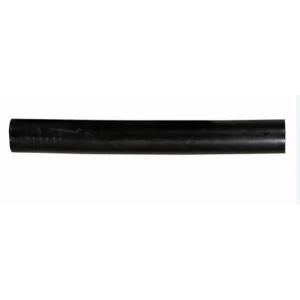
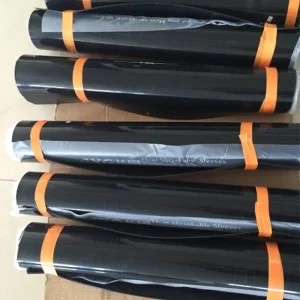
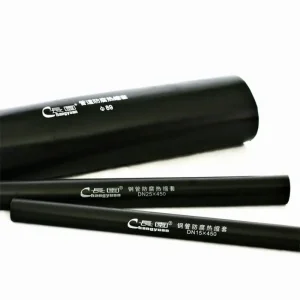
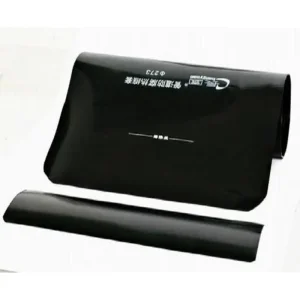
Combining radiation-crosslinked high-density polyethylene backing with heavy-duty copolymer hot-melt adhesives provides reliable protection for field joint coating (FJC). These systems shrink under heat to form a tight, moisture-resistant barrier compatible with standard mill-applied 3PE (Three-Layer Polyethylene) coatings.
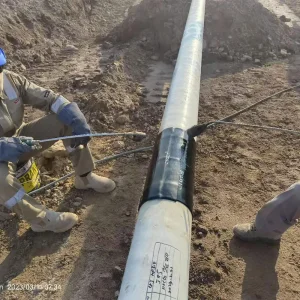
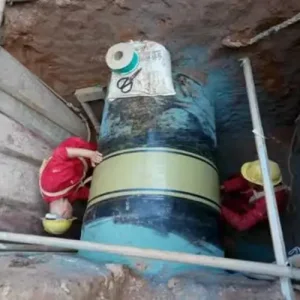
For trenchless installations and HDD crossings, outer mechanical protection is critical. GRP sleeves are wrapped over primary anti-corrosion coatings and cured using UV radiation or sunlight. The resulting composite sleeve resists high shear, puncture, and abrasion forces.
Comprehensive technical services and end-to-end protective design schemes.
Field joint coatings are the most vulnerable parts of a pipeline network. CYCT provides high-performance hot-melt sticks, PE repair patches, and PP heat-shrinkable sleeves to maintain continuous protection across weld joints. This system matches the performance of the main pipeline coating, reducing the risk of localized corrosion.
Horizontal Directional Drilling (HDD) subjects pipelines to significant mechanical shear and abrasion when pulled through soil and rock. Our GRP photo-curing sleeves act as a protective barrier, shield the underlying anti-corrosion coating from scratch damage and moisture ingress.
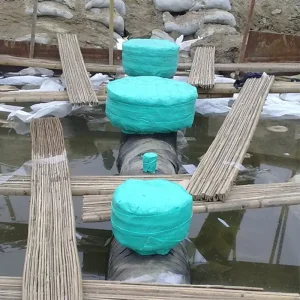
Valves, tees, flanges, and complex fittings present challenging profiles for standard coatings. Our viscoelastic anti-corrosion pastes and tapes flow into these irregular shapes, eliminating air pockets and preventing moisture ingress under the insulation layer.
In cooperation with R&D institutes like the CNPC Pipeline Science Research Institute, CYCT offers an integrated service package: Buried Pipeline Detection ➔ Protective Design Schemes ➔ Cathodic Protection Coupling ➔ Rehabilitation Application.
Expert answers to common engineering questions about anti-corrosion coatings.
Unlike traditional crystalline polymer tapes that degrade or lose adhesion under shear stresses, viscoelastic coatings remain in an amorphous state. They exhibit cold-flow properties, allowing them to wet the steel surface down to a microscopic level. These coatings are self-healing, maintain contact without curing, and require only minimal surface preparation (St2/St3) before application.
Glass-Fiber Reinforced Polymer (GRP) sleeves are wrapped over the primary anti-corrosion coating. Upon exposure to UV light or natural sunlight, the resin matrix cures into a hard shell. This structural wrap absorbs shear forces, scrapes, and rocky impacts during trenchless pipeline pulling, protecting the inner barrier from damage.
PE (Polyethylene) heat-shrinkable sleeves are suitable for continuous operating temperatures up to 60°C or 80°C (such as our OEM FRDP 80°C sleeves). For higher operating temperatures, PP (Polypropylene) heat shrinkable sleeves are recommended, as they can withstand operating conditions up to 110°C or 120°C, matching the thermal profiles of deep-well extraction lines.
If an anti-corrosion coating has poor cathodic disbondment resistance, the electrical current from the cathodic protection (CP) system can cause the coating to detach from the steel at defect locations. CYCT coatings are designed to resist cathodic disbondment, keeping the protective film intact even in the presence of electrical currents.
As a direct manufacturer, CYCT offers comprehensive OEM options. We can customize the thickness, backing material, adhesive layer chemistry, roll width, and length to meet specific project guidelines. Custom branding and packaging are also available for bulk industrial shipments.
Explore our targeted solutions for rehabilitation, joint sealing, and subsea application.
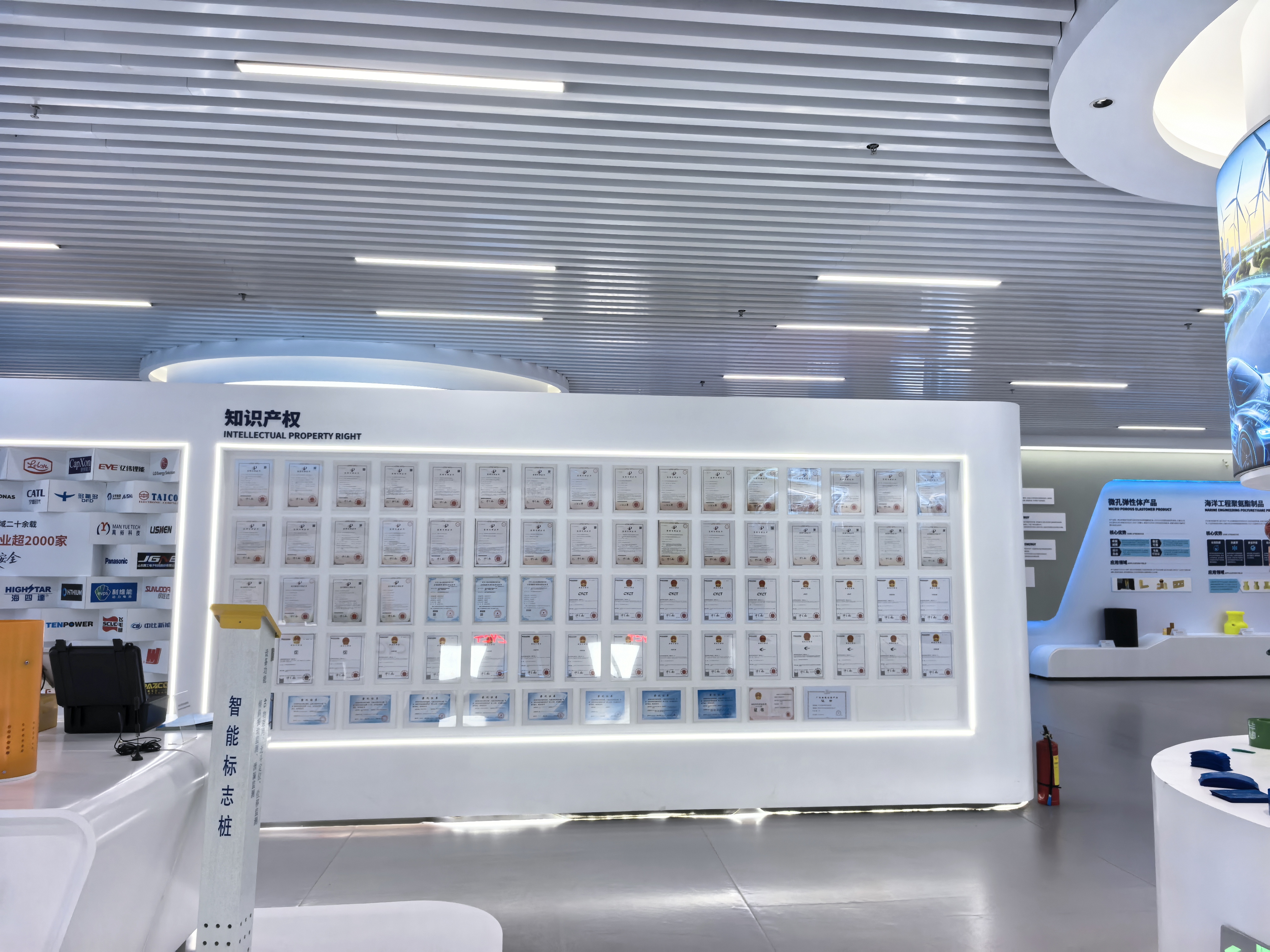
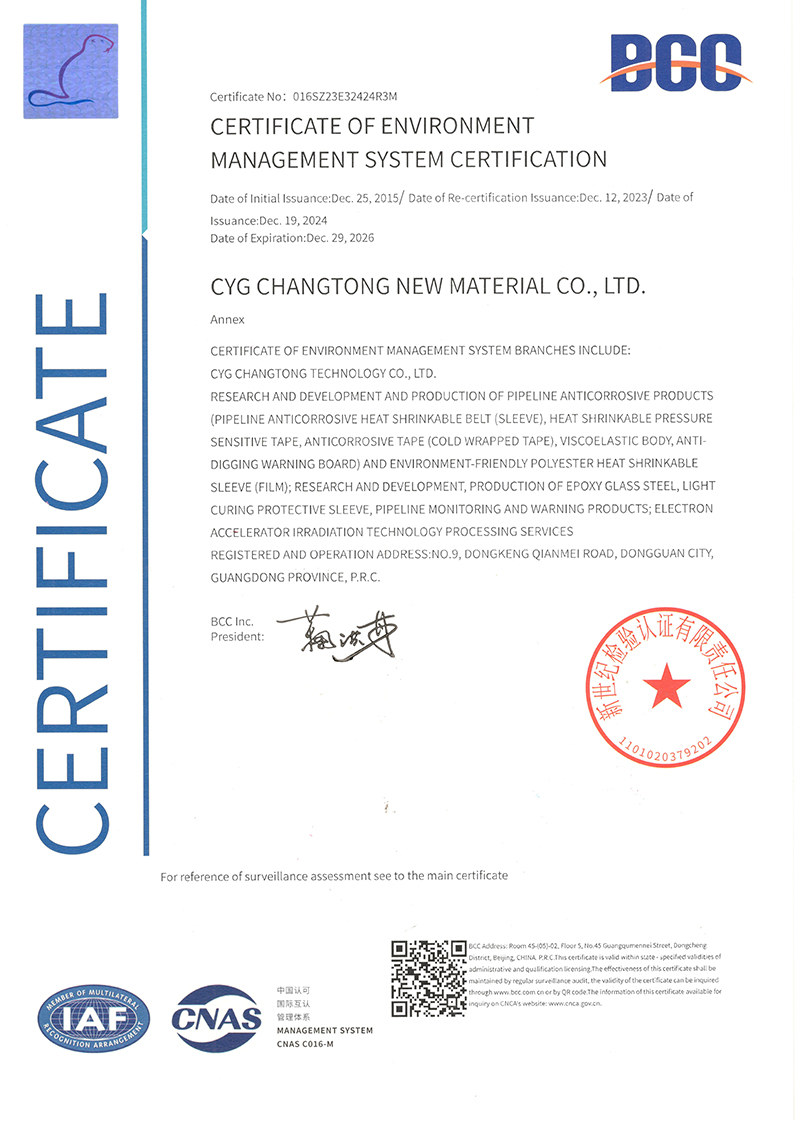
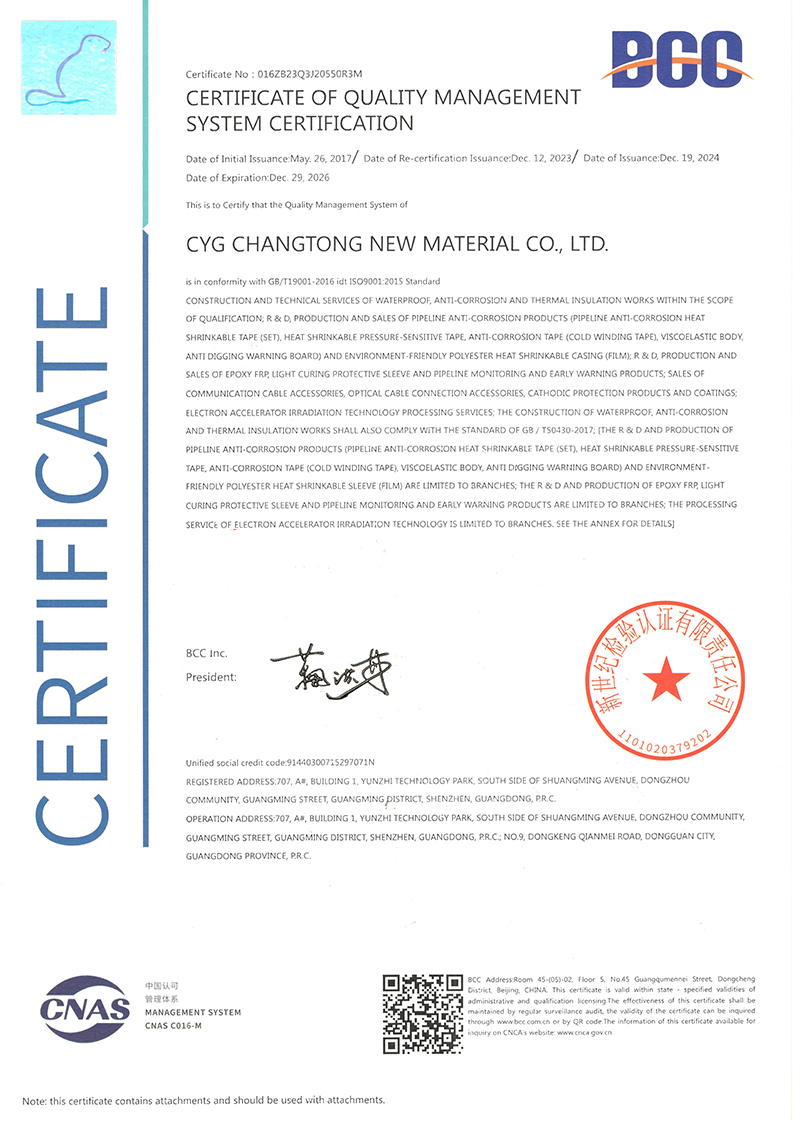
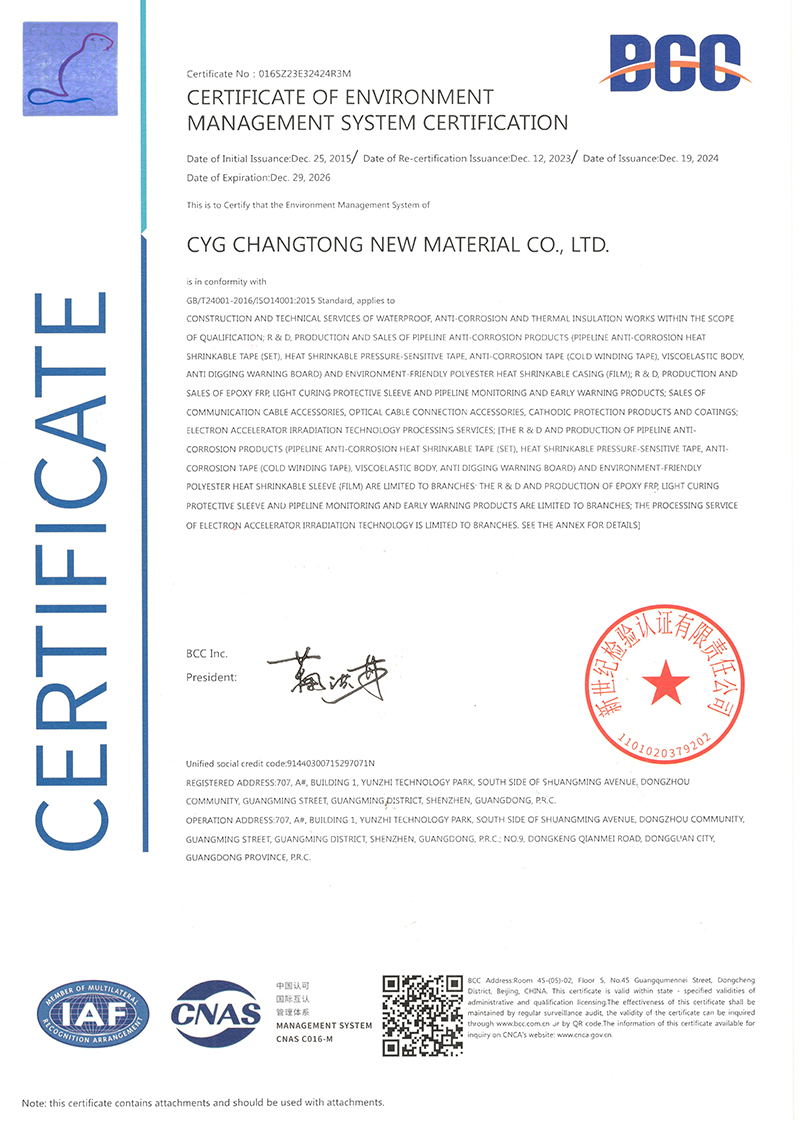
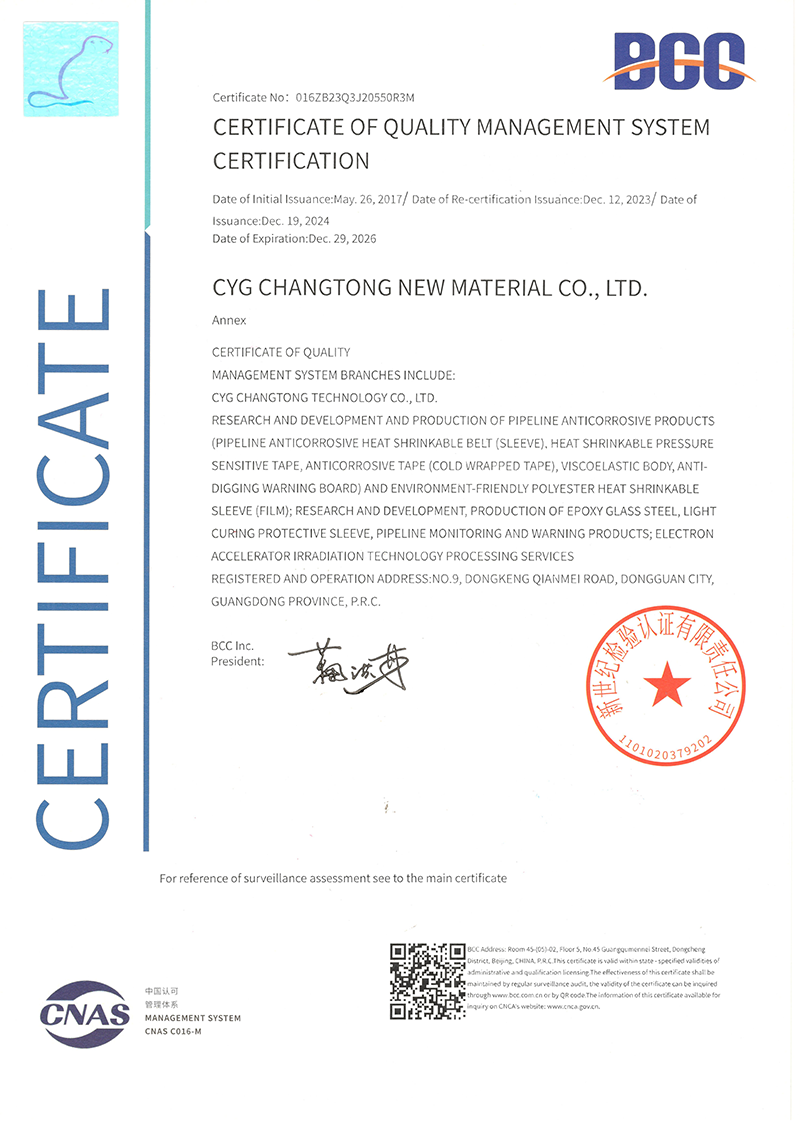
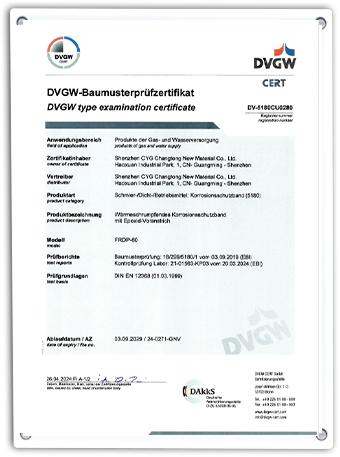
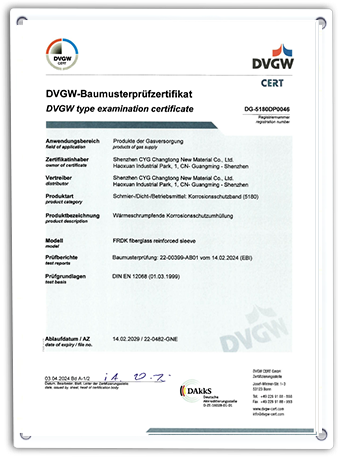
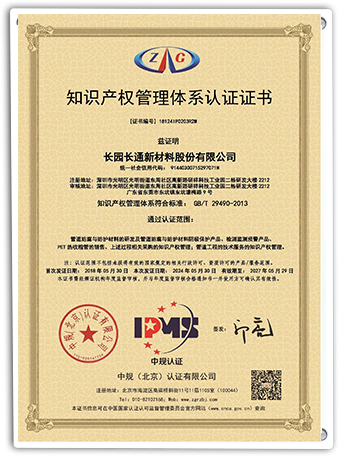
Our commitment to quality, engineering standards, and international certifications.
Industry Recognition & Supplier Memberships
 CYCT
CYCT