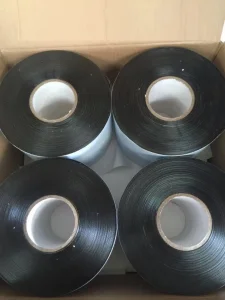
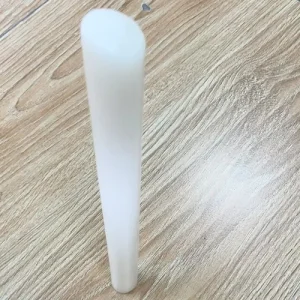
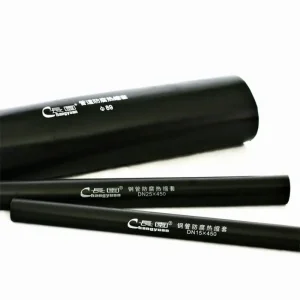
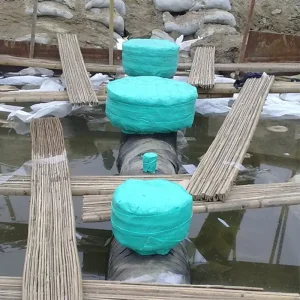
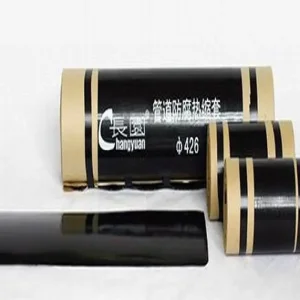
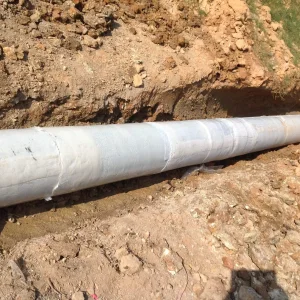
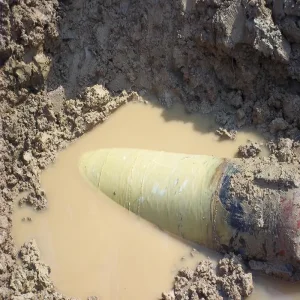
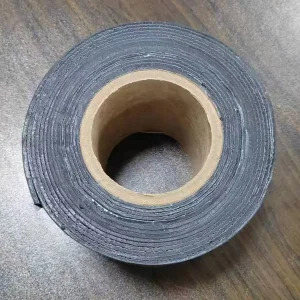
Engineered to mitigate risk, extend system lifespan, and protect high-value critical industrial pipeline assets.
In modern industrial operations, pipeline infrastructure serves as the primary circulation system for global energy resources, municipal utilities, and petrochemical distribution networks. Preserving the physical integrity of these buried and exposed pipelines against severe corrosion is an operational and regulatory necessity. OEM Adhesive Protection Suppliers & Factories stand at the forefront of this effort, engineering advanced polymer compounds and viscoelastic barriers that insulate metal structures from harsh environmental agents.
Corrosion mitigation requires an understanding of polymer chemistry, environmental degradation mechanisms, and geological stresses. When choosing field joint coatings (FJC), line pipe wraps, or specialty repair patches, procurement officers and engineering directors must evaluate materials under rigorous testing criteria. This technical paper examines the mechanics of modern pipeline coatings, manufacturing benefits of sourcing from China's advanced polymer hubs, and criteria for deploying robust adhesive protection systems.
Core Structural Protection Principle: Effective adhesive protection prevents oxygen, water molecules, and dissolved salts from reaching the underlying steel substrate, while remaining compatible with active cathodic protection (CP) systems.
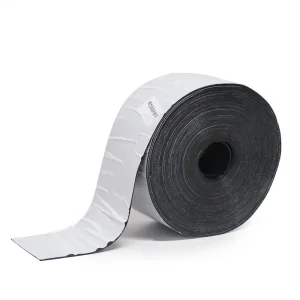
Adhesive protection is not a single-product solution. Demands vary based on installation environment, temperatures, mechanical stresses, and geological conditions. Leading OEM factories manufacture four primary material classes:
China's adhesive protection manufacturing sector has shifted from basic material supply to advanced polymer engineering and R&D. State-level high-tech enterprises like CYCT New Materials Company Limited integrate raw material sourcing, chemical synthesis, performance testing, and logistical networks. This ecosystem offers distinct technical and economic advantages:
CYCT New Materials Company Limited: A Legacy of Technical Excellence in Pipeline Preservation since 2000.
CYCT New Materials Company Limited (for short, CYCT) is a state-level high-tech enterprise integrating R&D, production, and sales of pipeline corrosion protection materials. The company also provides buried pipeline detection services and pipeline coating field application services. CYCT has dedicated itself to the R&D, production, and sales of pipeline corrosion protection materials for decades.
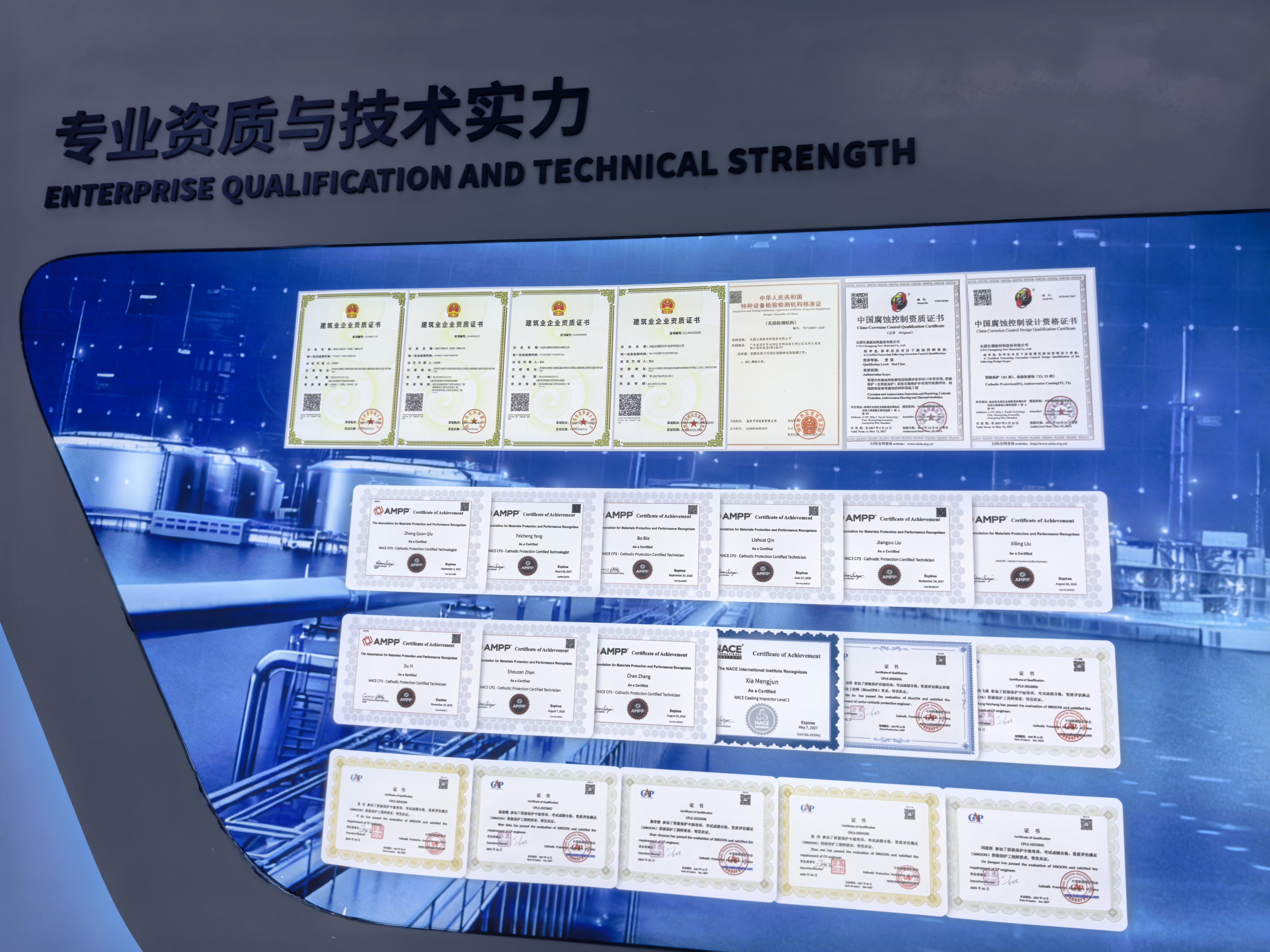
CYCT owns leading testing and R&D capabilities, supported by a professional R&D team and a national CNAS-accredited laboratory for testing polymer mechanical properties and thermal degradation characteristics.
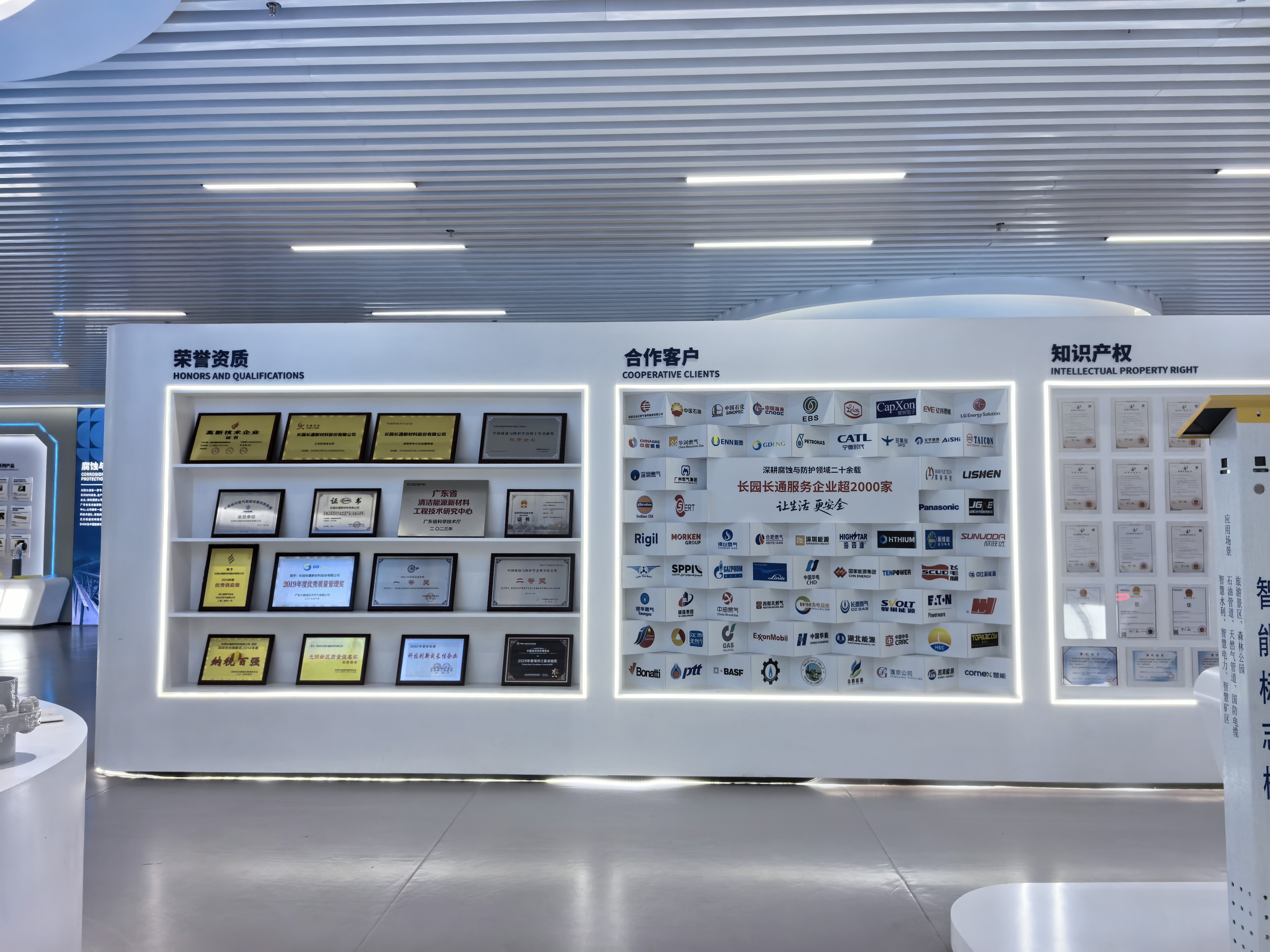
CYCT is a stable, long-term supplier of field joint coatings for PetroChina, Sinopec, PipeChina, and local pipeline operators, maintaining a substantial domestic market share.
CYCT has developed specialty corrosion protection materials including viscoelastic coatings, specialized photo-curing sleeves for HDD protection, and polyurea-based protective systems.
By cooperating with research institutes such as the CNPC Pipeline Science Research Institute, CYCT provides operators of in-service pipelines with technical services including buried pipeline detection, custom design schemes, cathodic protection engineering, rehabilitation projects, and integrated pipeline safety solutions.
The global pipeline corrosion protection sector is adapting to shifting regulatory environments, deeper installation depths, and extreme temperature conditions. Several primary trends shape development at OEM factories:
Procuring adhesive protection materials for capital-intensive infrastructure projects requires thorough evaluation. Procurement managers look beyond material costs, focusing on total cost of ownership (TCO) and long-term risk mitigation. The following criteria guide global material qualification:
Pipeline assets degrade over time. Comprehensive cathodic protection and rehabilitation strategies require a combination of field joint repair patches, mastic tapes, and active electronic detection services. By partnering with organizations like the CNPC Pipeline Science Research Institute, leading manufacturers combine advanced materials with field diagnostics to restore structural integrity to aged infrastructure without interrupting operations.
Direct technical answers to common queries regarding industrial pipeline protection selection and application.
Cold-applied PE tapes rely on pressure-sensitive elastomeric butyl adhesives applied at ambient temperature. They are efficient to install over long, continuous runs. Heat shrinkable sleeves utilize a cross-linked backing and hot-melt copolymer adhesive that melts and bonds under direct heat (e.g., from a propane torch). This creates a highly rigid, mechanically resilient barrier suited for field joint coating on welded pipe connections.
Traditional polymer wraps struggle to conform to irregular profiles, leaving voids that can trap air and moisture. Viscoelastic mastic compounds exhibit liquid-like flow properties, filling every gap on irregular surfaces. They maintain constant contact with the substrate, are self-healing, and do not cure or harden over time, simplifying future maintenance inspections.
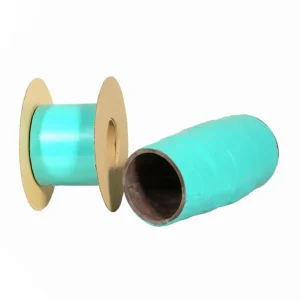
HDD pulls pre-assembled pipe strings through long boreholes, exposing them to abrasive rock, shale, and soil. A photo-curing protective GRP sleeve is applied over the primary anti-corrosion coating. Upon exposure to ambient UV light or specialized curing lamps, the glass-reinforced polymer hardens into a high-strength composite armor that absorbs abrasive forces and prevents mechanical damage to the underlying corrosion barrier.
AMPP (Association for Materials Protection and Performance, merging NACE and SSPC) sets the global standard for corrosion control. CNAS laboratory certification ensures that manufacturer testing processes—such as measuring peel strength, cathodic disbondment, and thermal aging—conform to international ISO standards. This verification guarantees consistent product performance and reliability for critical global projects.
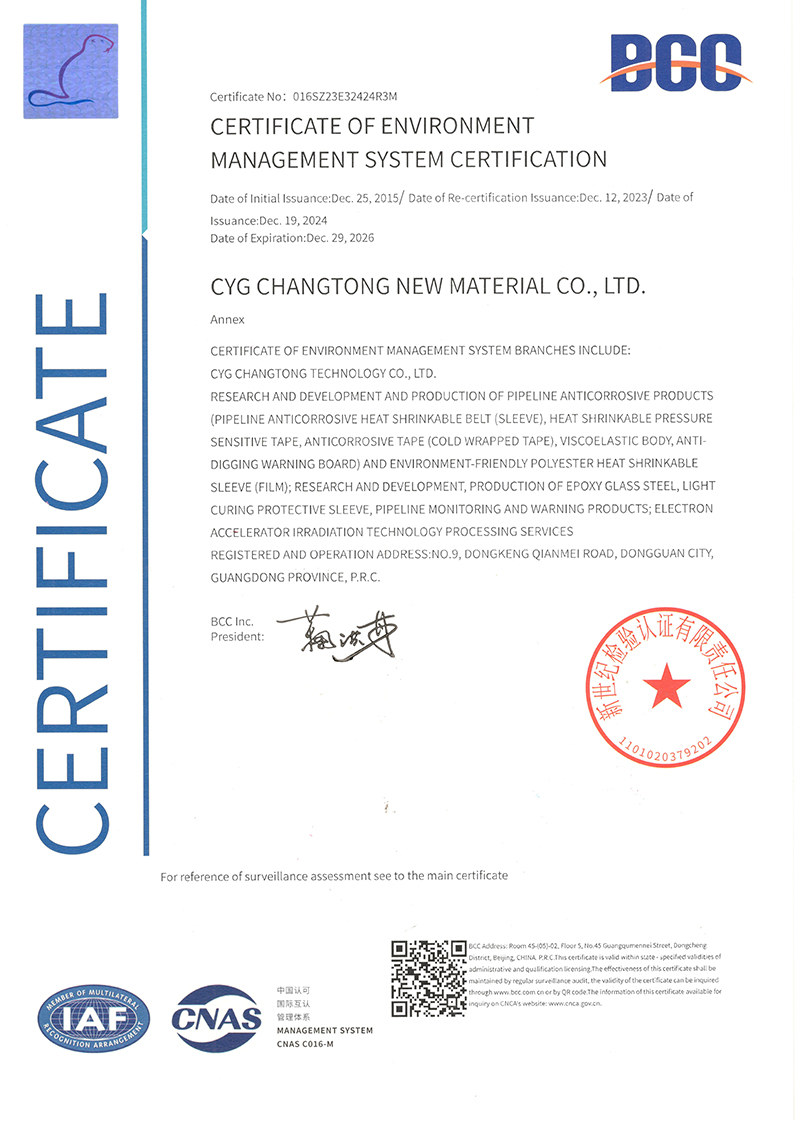
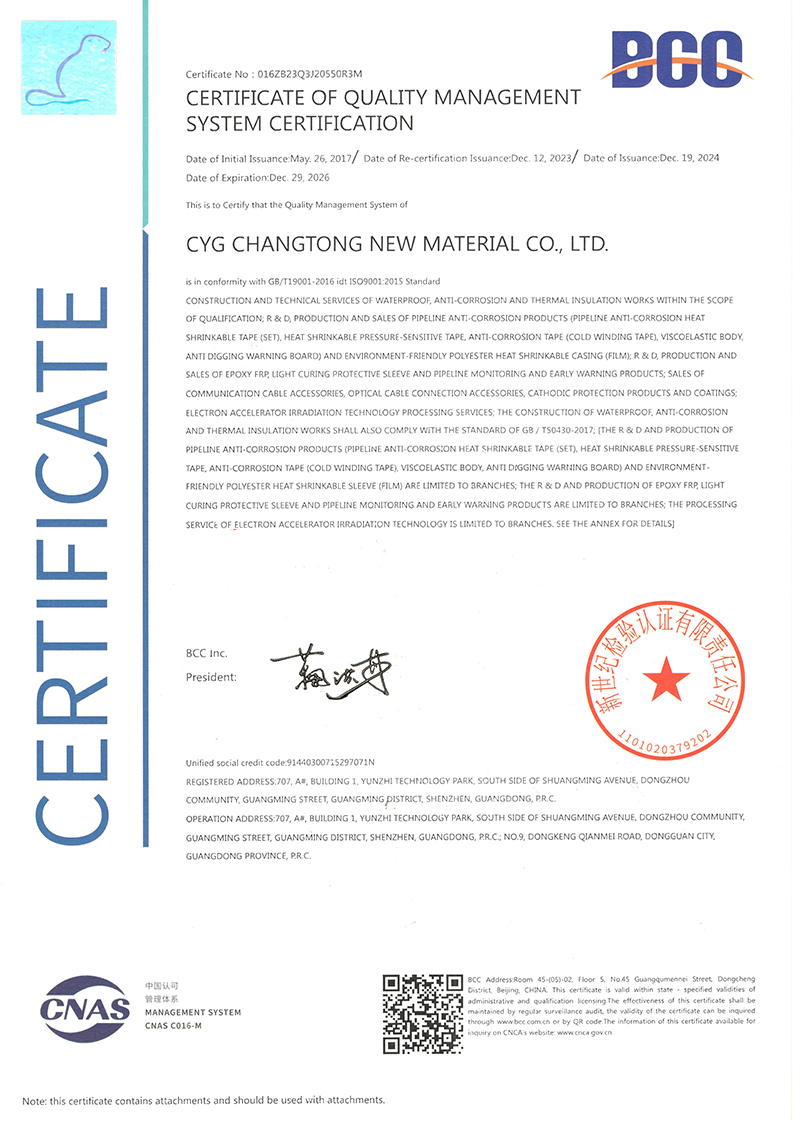
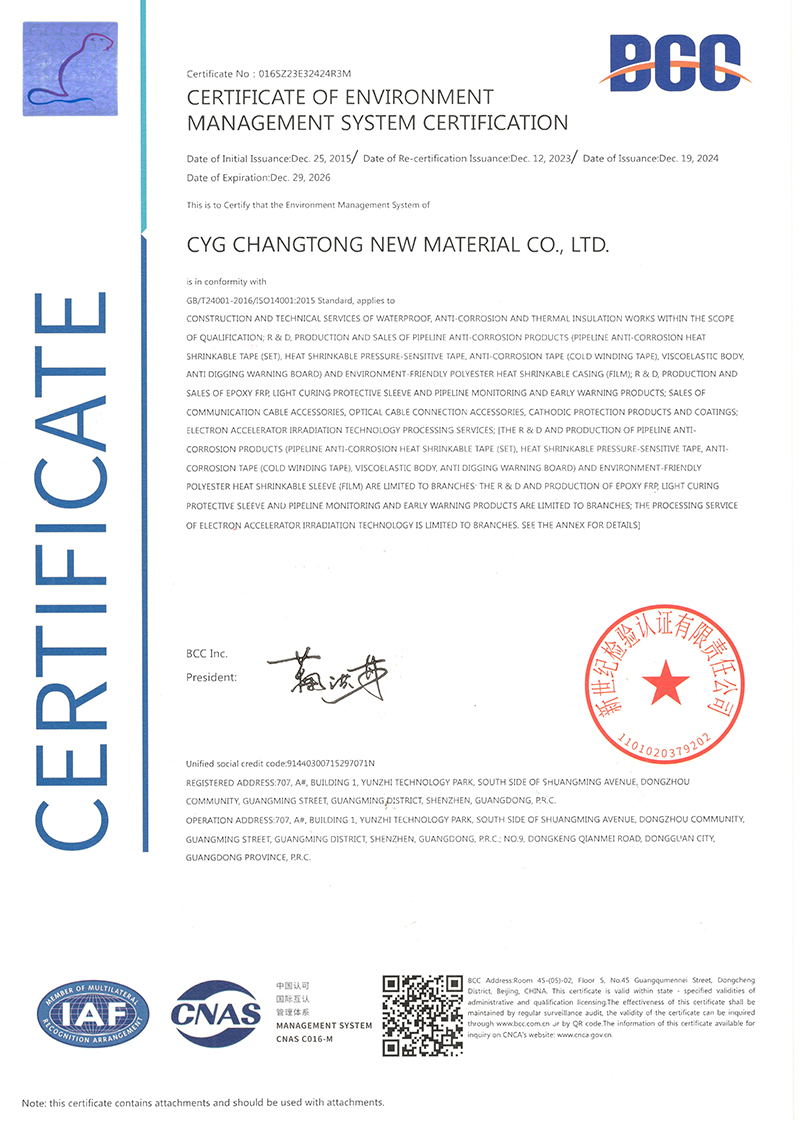
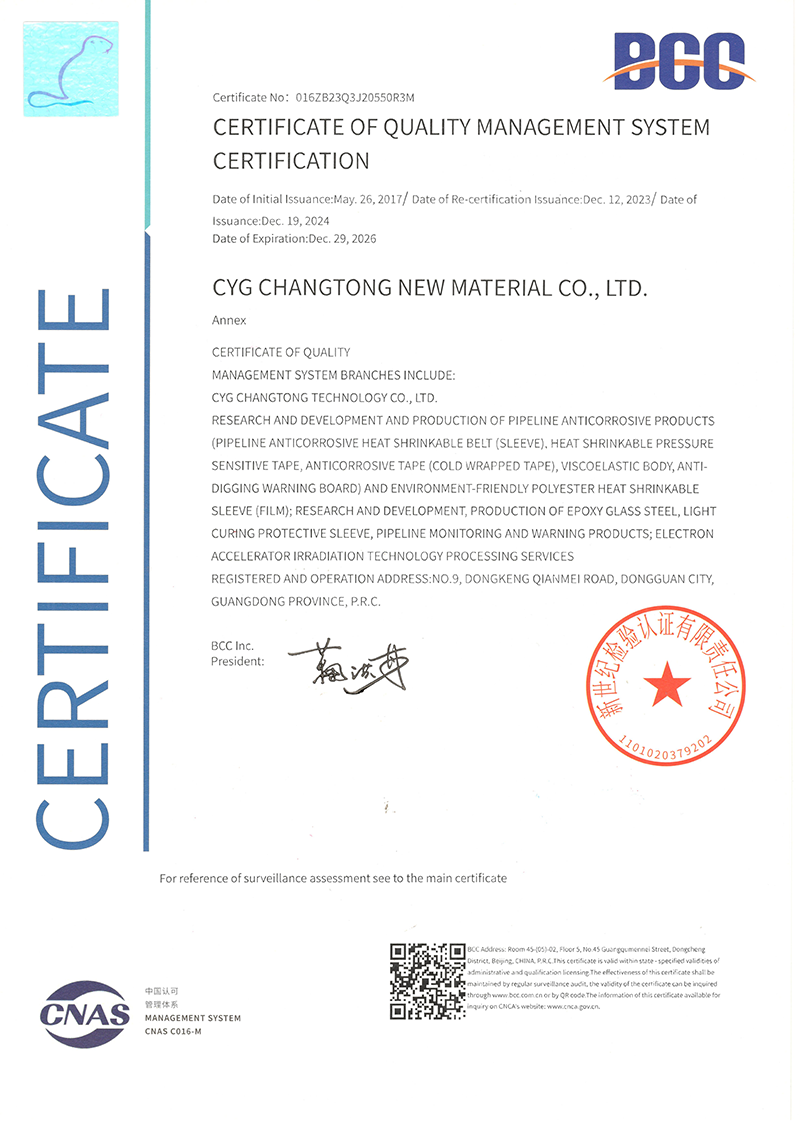
Recognized for quality and compliance by leading authorities and state energy enterprises.
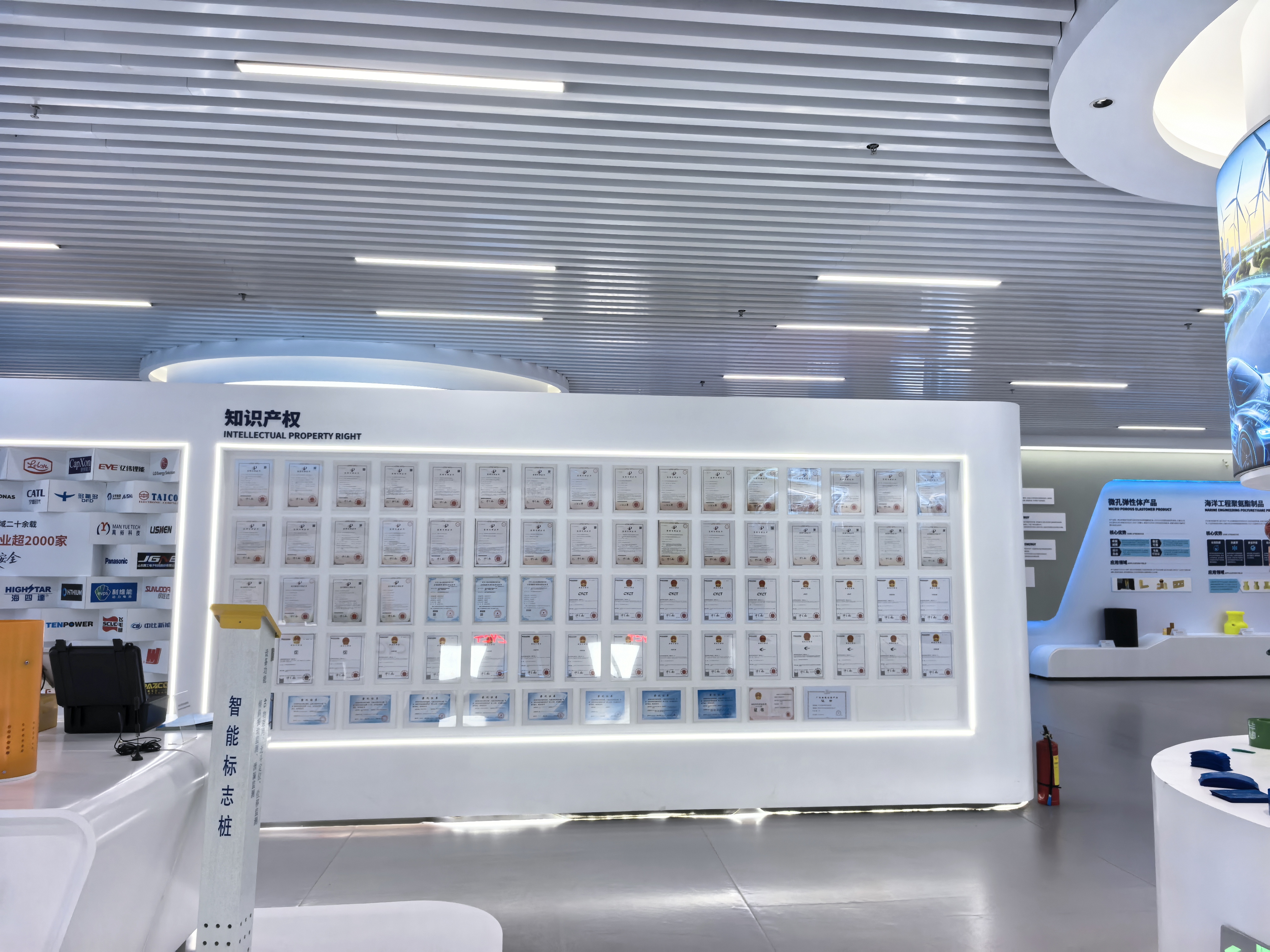
Member of the Council in Chinese Society for Corrosion and Protection (CSCP) | Qualification Certificate of Corrosion Protection Construction | Qualification Certificate of Pipeline Detection | Well-known Brand of Pipeline Corrosion Protection in China | Corporate Member of China Association of Petroleum Engineering Construction (CAPEC) | State-Level High-Tech Enterprise | Approved Supplier to PetroChina, Sinopec, China Gas Group, and Indian Oil Corporation.
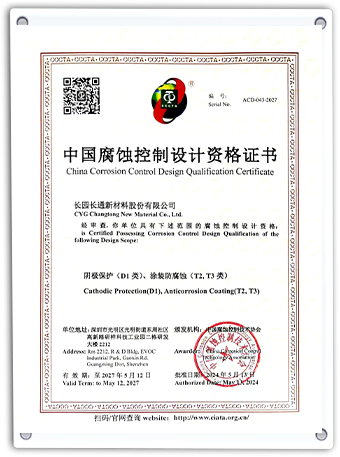
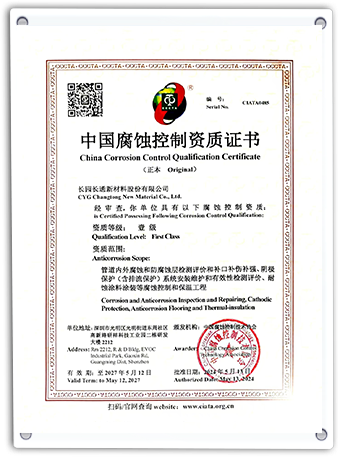
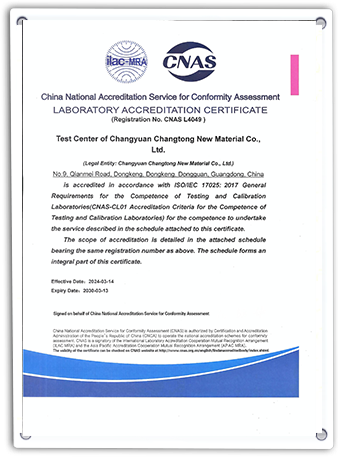
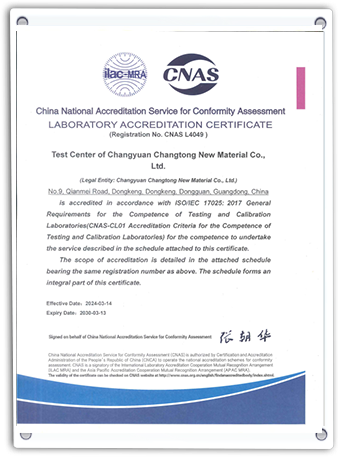
Deploying specialized polymer shields for pipeline field joint coatings and directional drilling applications.
 CYCT
CYCT