Engineered for high mechanical stress, extreme soil conditions, and exceptional temperature profiles.
Understanding the transition toward higher operating temperatures and stricter mechanical integrity standards in global pipeline infrastructure.
Modern offshore and high-depth onshore pipelines increasingly operate under elevated temperature regimes (up to 110°C - 140°C) to facilitate crude oil viscosity reduction. Standard 3LPE systems fail to resist continuous thermal aging at these levels. 3LPP (3-Layer Polypropylene) technology has emerged as the definitive global standard to maintain long-term shear strength and mechanical integrity under extreme heat conditions.
The manufacturing process for high-grade 3LPP backing layers relies heavily on radiation cross-linking. Intermolecular cross-linking allows the semi-crystalline polypropylene structure to retain elastic memory while demonstrating superior resistance to chemical attack, environmental stress cracking, and localized indentation from backfill aggregates.
Field Joint Coatings (FJC) are historically the most vulnerable zones of buried pipelines. Global EPC contractors now insist on complete system compatibility where the OEM heat shrink sleeve matches the factory-applied linepipe coating seamlessly. For 3LPP-coated pipelines, a corresponding 3LPP sleeve with a compatible copolymer hot-melt adhesive ensures a cohesive, monolithic protective layer across the entire network length.
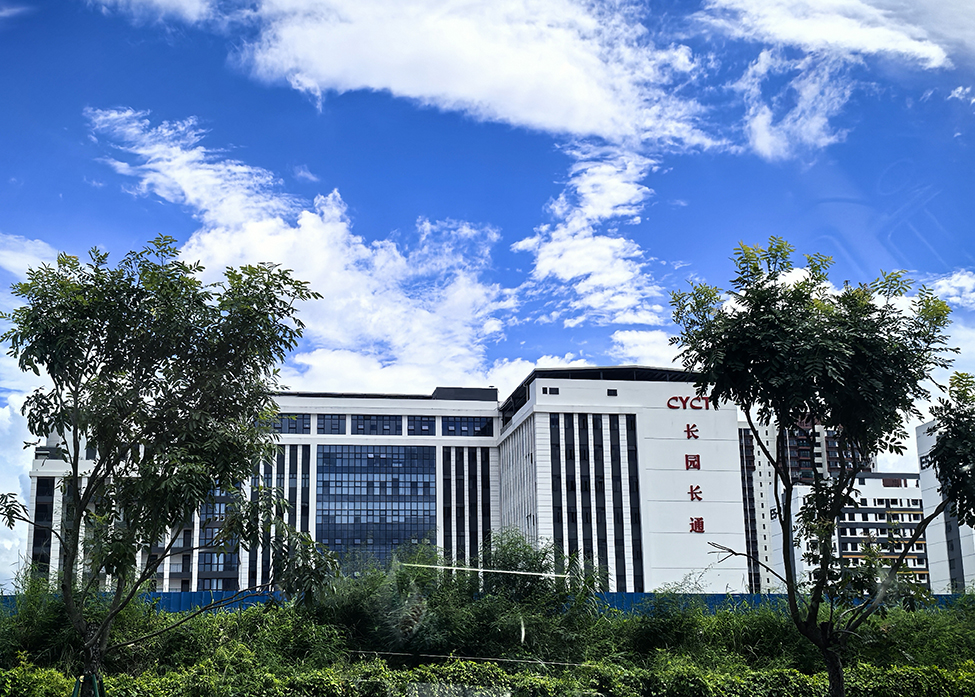
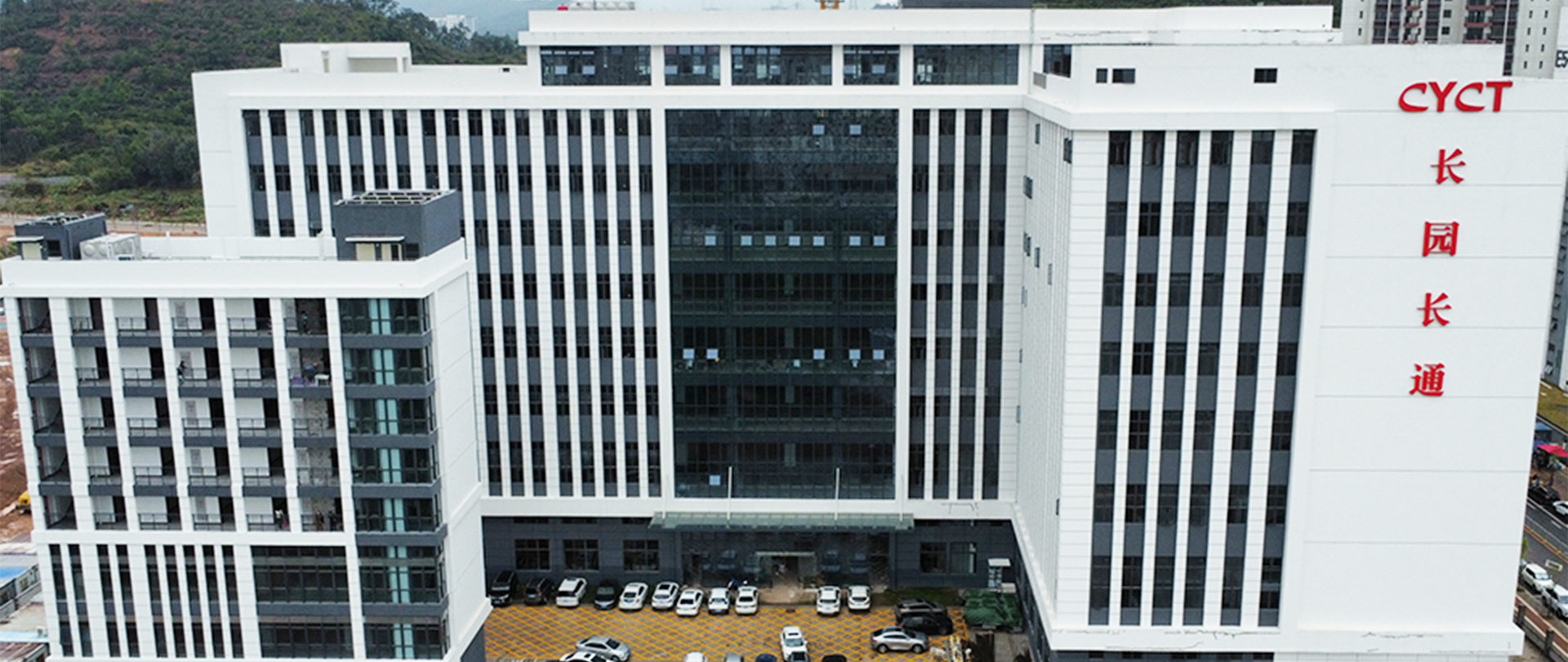
CYCT New Materials Company Limited is a premier, state-level high-tech enterprise integrating R&D, advanced chemical manufacturing, and technical sales of high-performance pipeline corrosion protection materials. Over several decades of deep industry specialization, CYCT has developed an industry-leading position by combining manufacturing with comprehensive field-joint application and buried pipeline detection services.
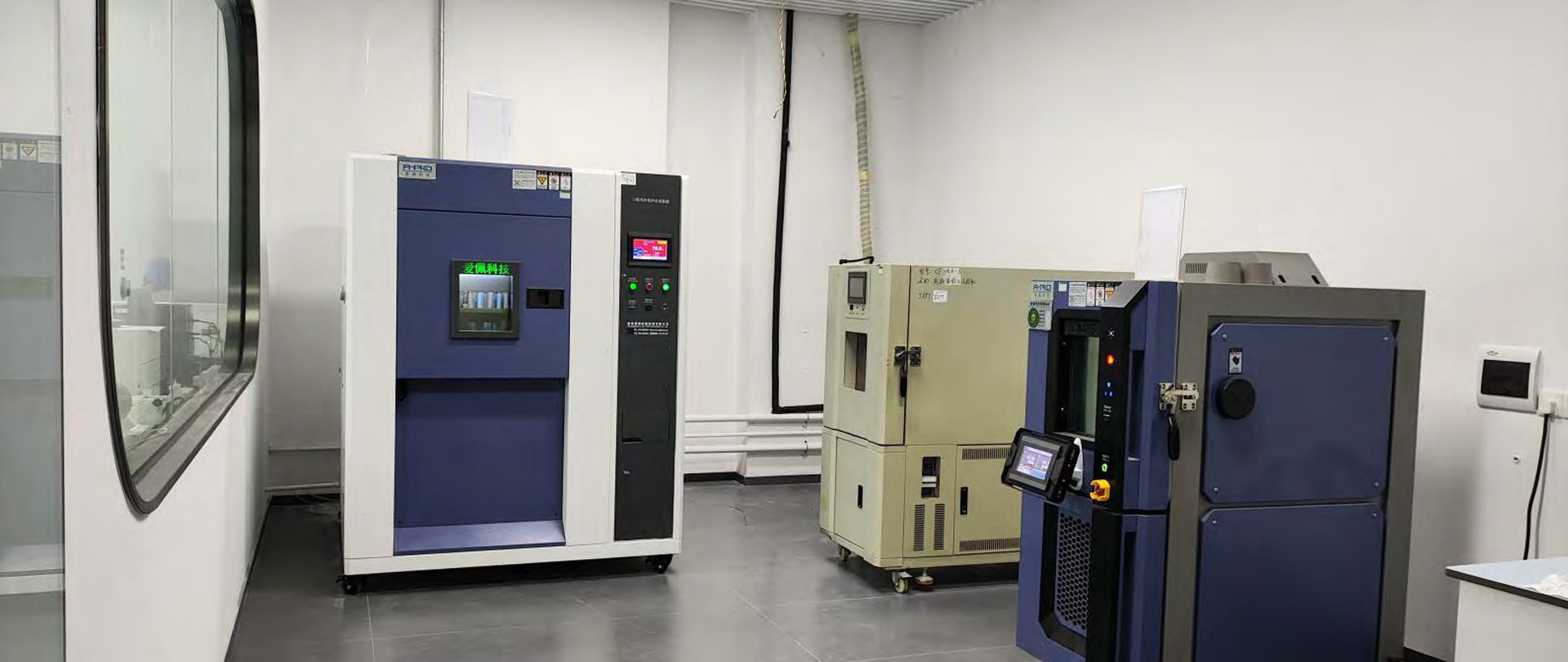
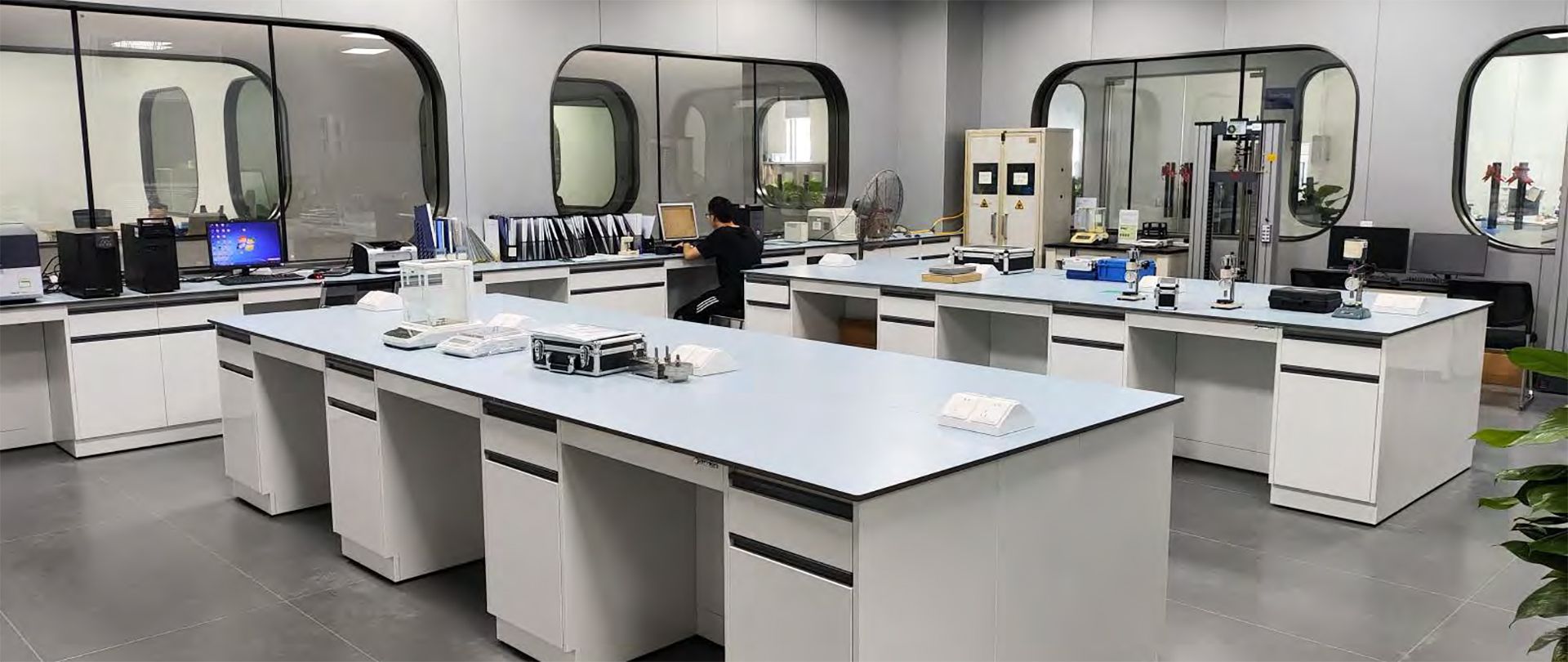
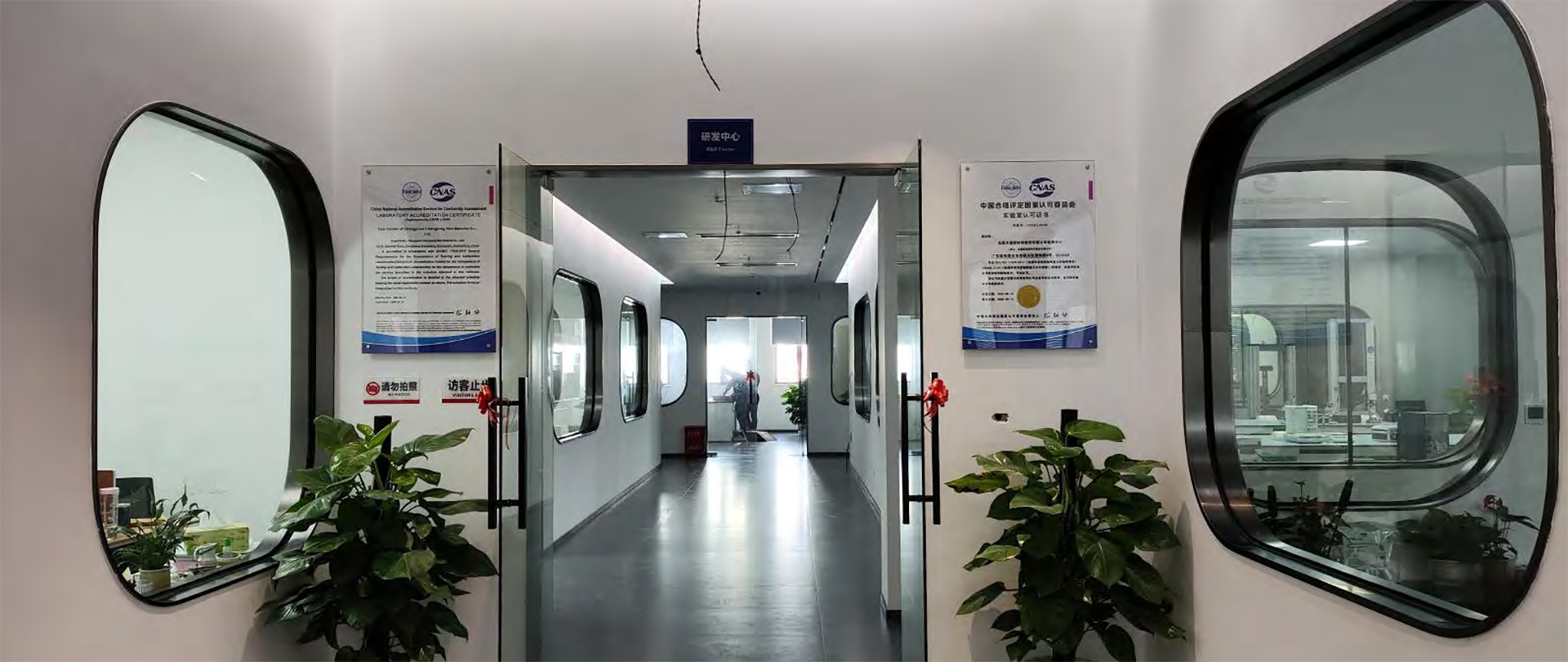
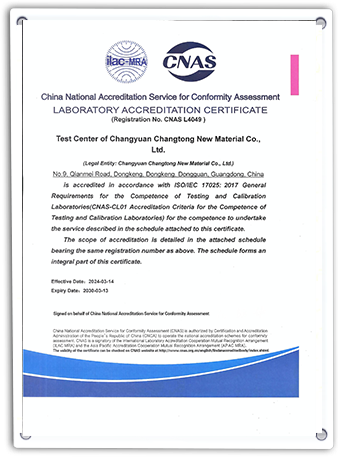
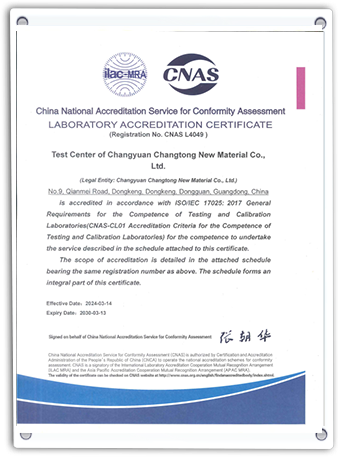
Equipped with a professional, multi-disciplinary R&D team and a national CNAS-accredited laboratory, CYCT ensures that all raw materials, extrusion processes, and finished heat shrinkable sleeves undergo rigorous mechanical and thermal verification.
"As a trusted council member of the Chinese Society for Corrosion and Protection (CSCP) and an active corporate member of the China Association of Petroleum Engineering Construction (CAPEC), CYCT provides high-performance field-joint systems that secure long-term durability for national gas networks and high-risk deepwater crossings."
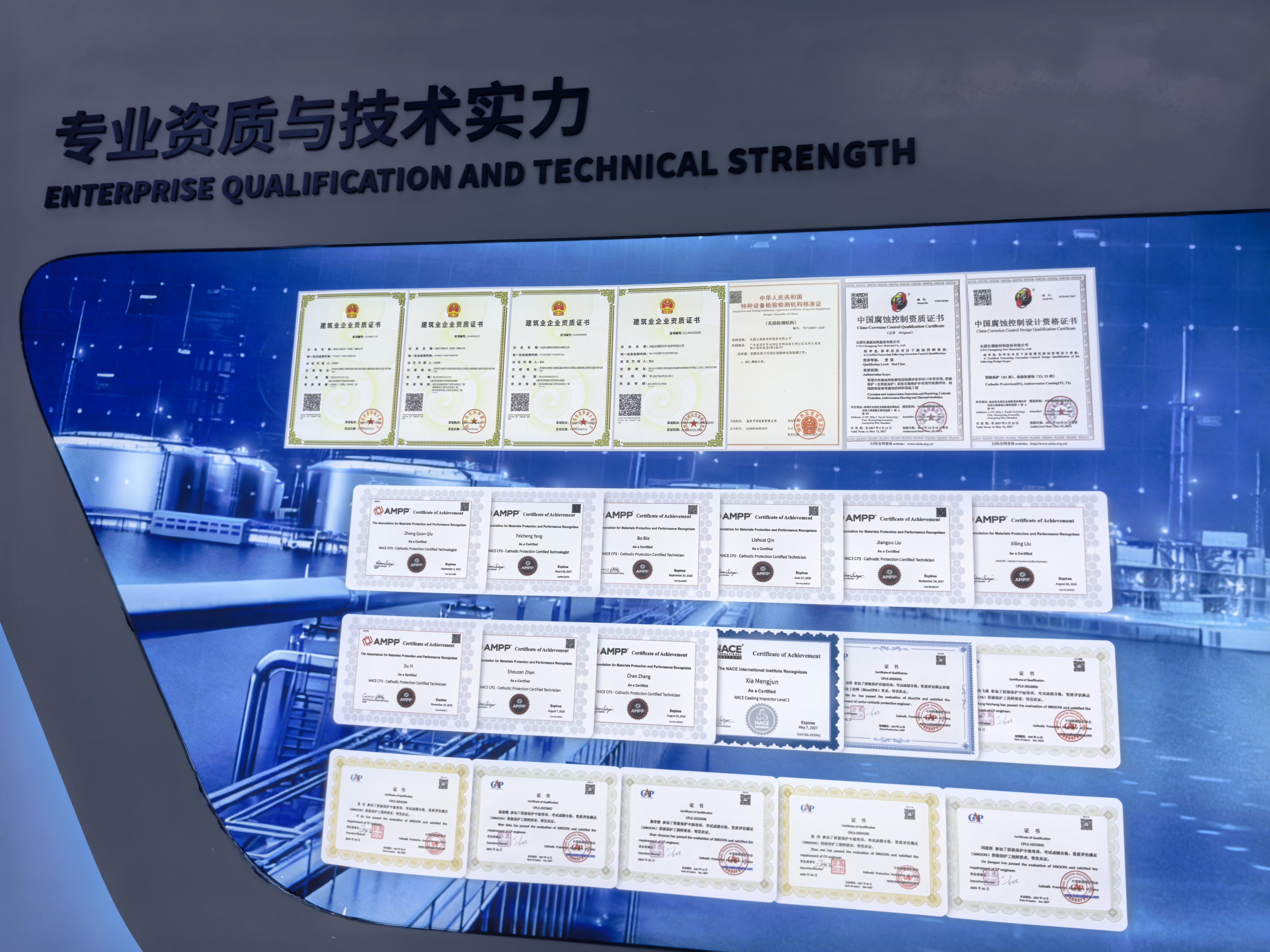
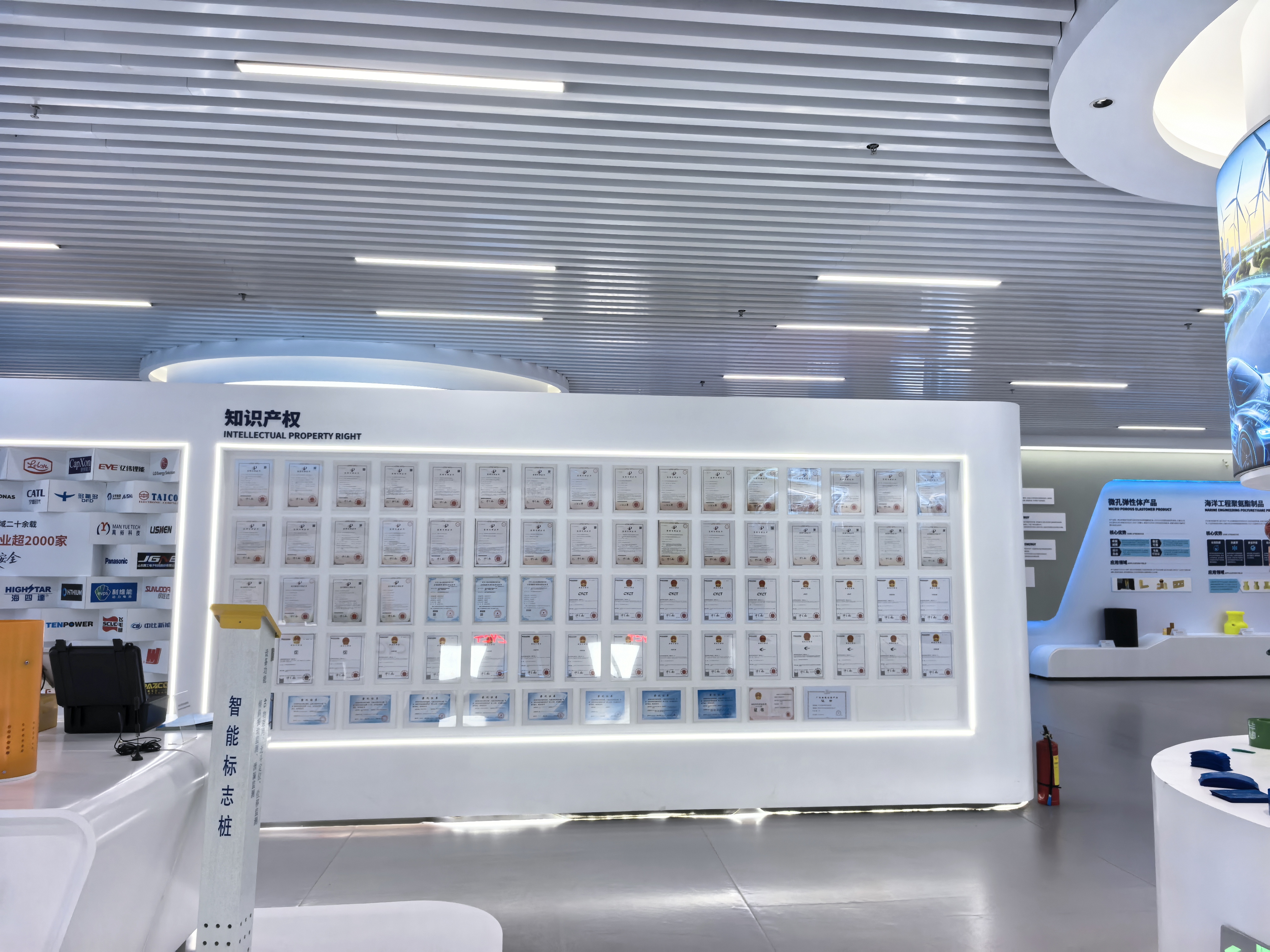
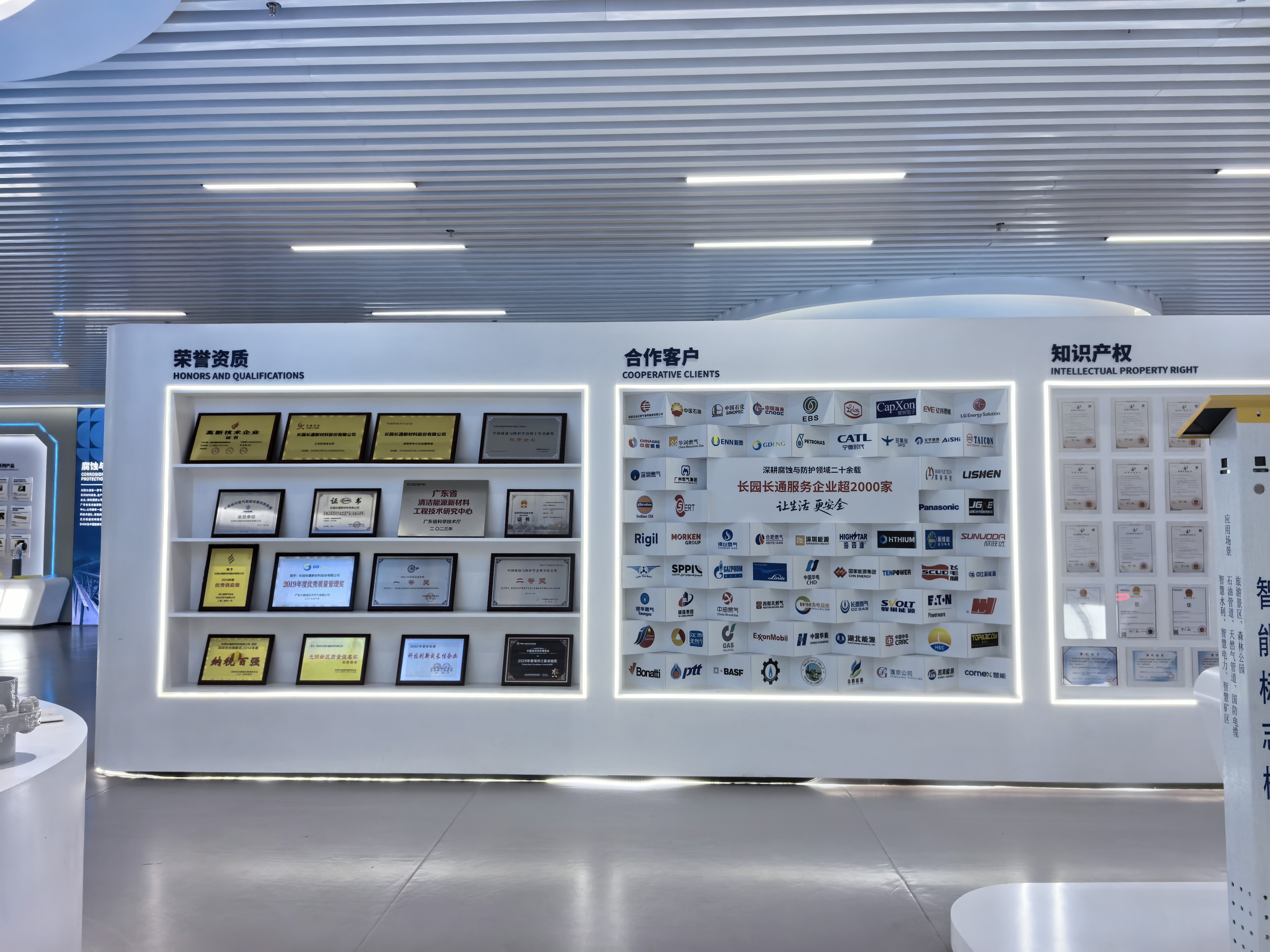
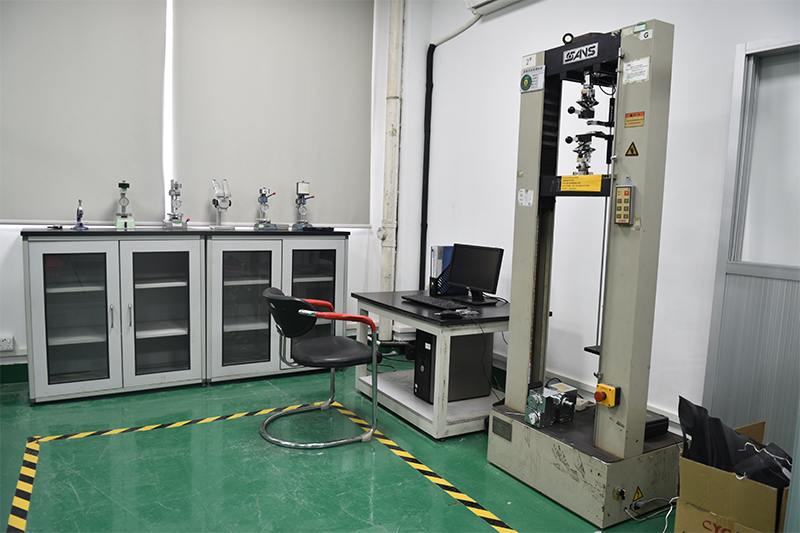
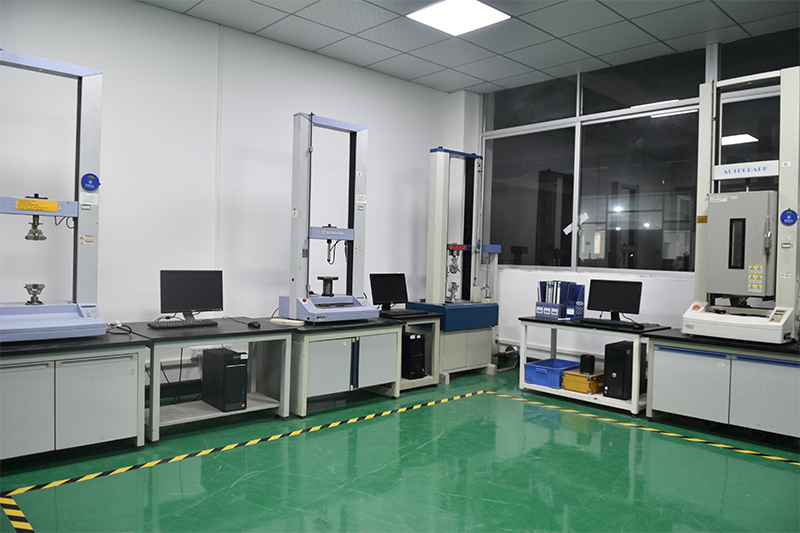
Ensuring technical compatibility and rigorous design checks to meet national and international standards.
Procuring raw materials and specialized heat shrink sleeves for international oil and gas projects requires compliance with global codes such as ISO 21809-3 (Type 5B & 5C), EN 12068, and NACE SP0169. Our manufacturing plants operate strictly within these parameters. We guarantee peel strength over polypropylene at elevated temperatures, ensuring no disbondment occurs even when subjected to intense shear stress from soil movement.
A key aspect of E-E-A-T and operational safety is complete supply chain visibility. Every batch of 3LPP heat shrink sleeves leaving our factory is coded with full raw material batch records. Our high-performance backing layer is compounded from selected PP resins with optimal melt index, coupled with high-efficiency thermal stabilizers to ensure structural stability over a 30+ year design life.
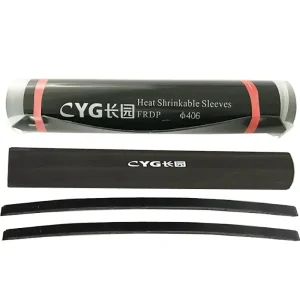
We work closely with engineering design firms to customize backing thickness (up to 2.5mm or higher) and adhesive thickness (up to 1.8mm) based on project-specific backfilling methods, local soil stresses, and operating pressures. Standard models like FRPD-PP are tailored to fit seamless linepipe connections with complex geometry and high preheating tolerances.
Within our CNAS laboratory, we conduct regular tests simulating localized soil pressure, hot-water immersion tests, and Cathodic Disbondment (CD) test runs at 120°C for 28 days. These tests provide absolute engineering reliability and assurance for procurement offices representing global oil majors like Sinopec, PetroChina, and Indian Oil.
From Horizontal Directional Drilling (HDD) to deep-sea gas pipelines, our integrated products protect high-risk joints.
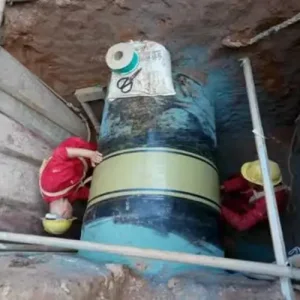
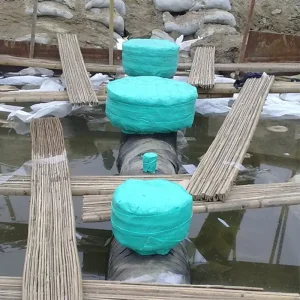
Traditional heat shrink sleeves frequently fail during HDD pull-back operations because of mechanical abrasion and rocky soils. Our high-performance fiberglass reinforced sleeve combined with GFRP reinforcement patches is engineered to provide extreme shear and impact resistance. This combination shields the primary corrosion barrier, eliminating any risk of coating tear-off.
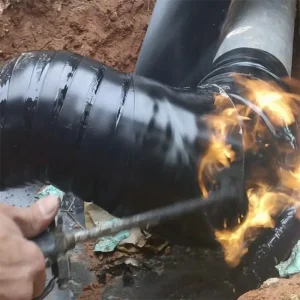
For cross-country pipelines running through varying soil compositions, clay shifts exert continuous shear forces on the field joints. By implementing 3LPP heat shrink sleeves with a heavy-duty copolymer hot-melt adhesive, the joint becomes structurally cohesive with the main pipeline, preventing long-term slippage and moisture ingress.
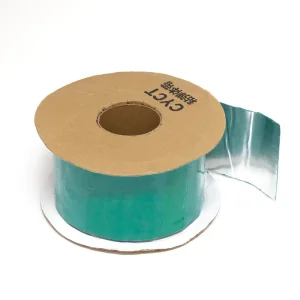
Protecting complex components like T-joints, bends, and valves requires specialized materials. We provide viscoelastic coatings and aluminum foil tapes designed for wide temperature applications. These materials flow directly into minor structural cavities, guaranteeing absolute moisture-proof protection for joints that cannot easily accommodate conventional sleeves.
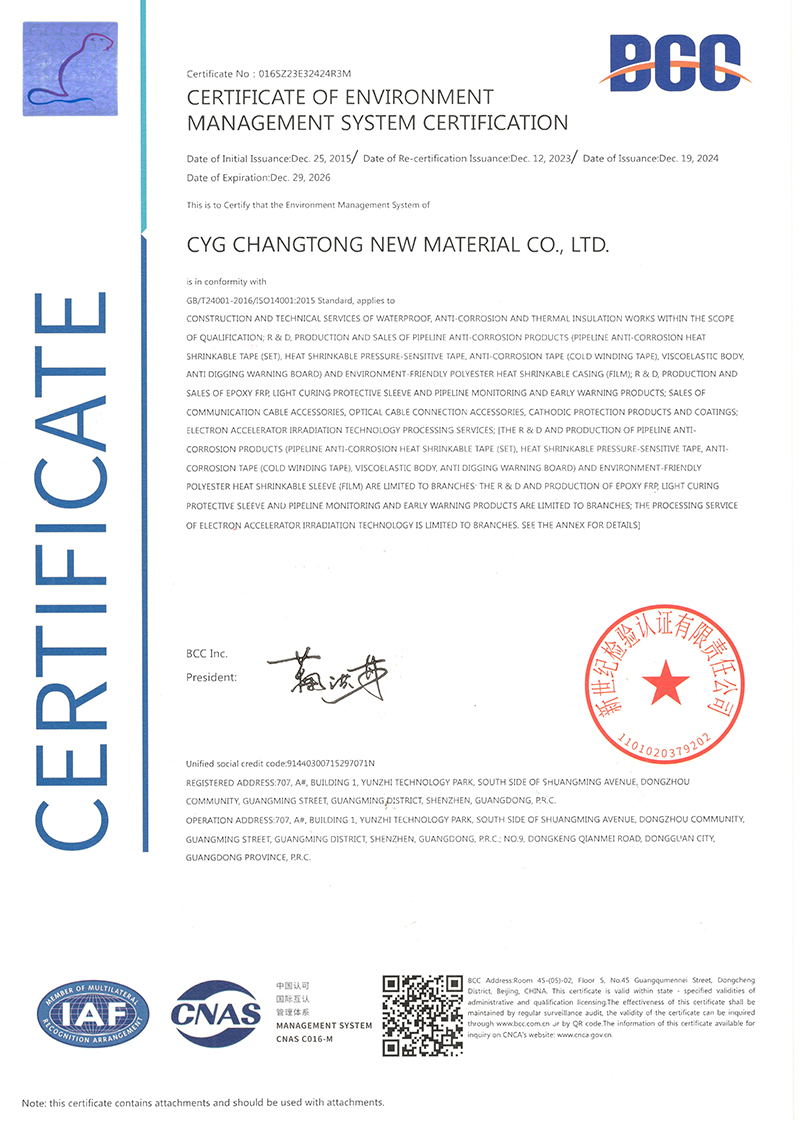
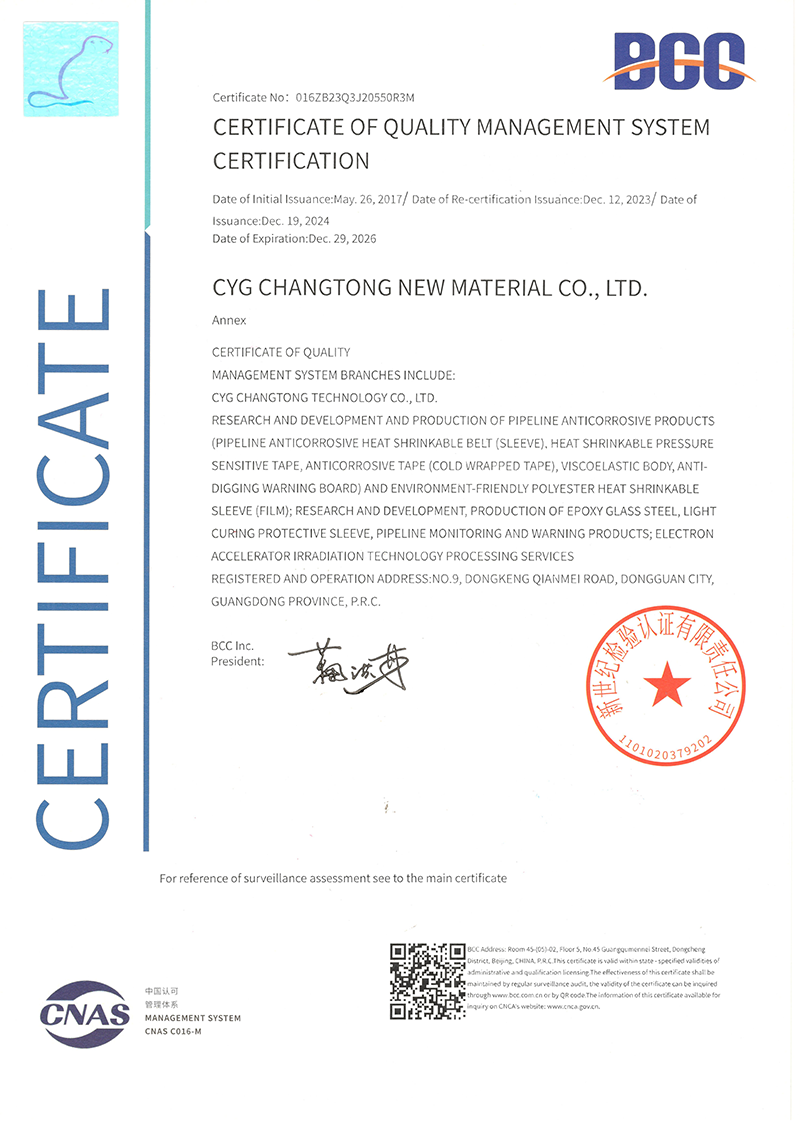
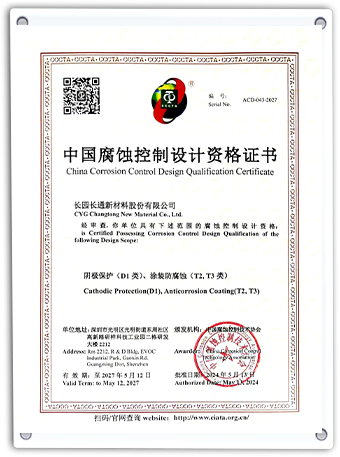
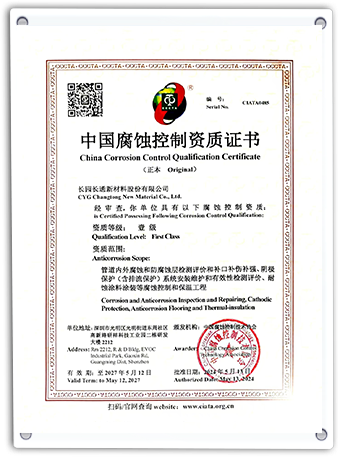
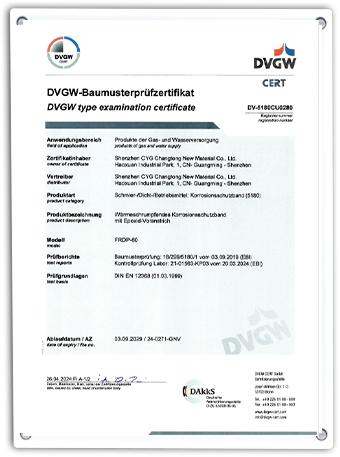
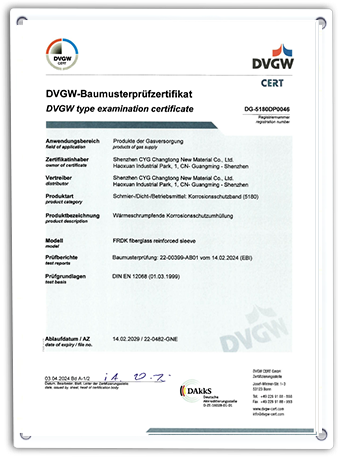
Verified certificates proving our compliance with global quality management systems and technical performance indexes.
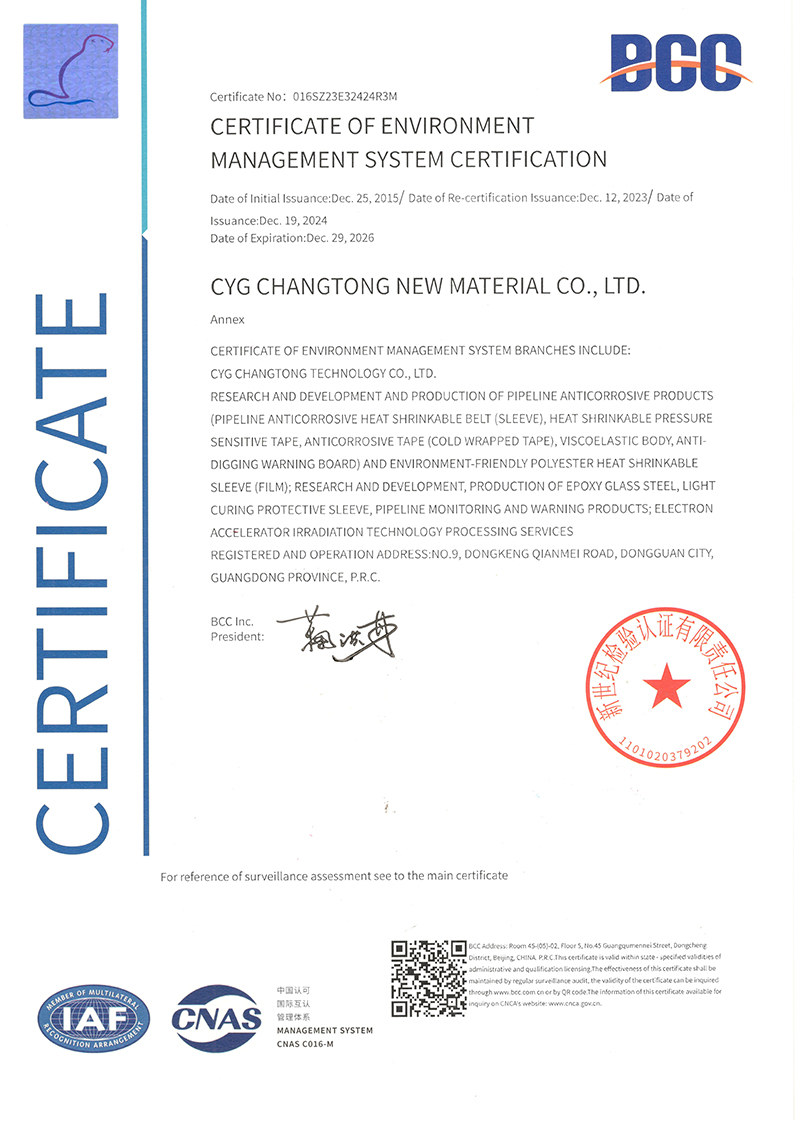
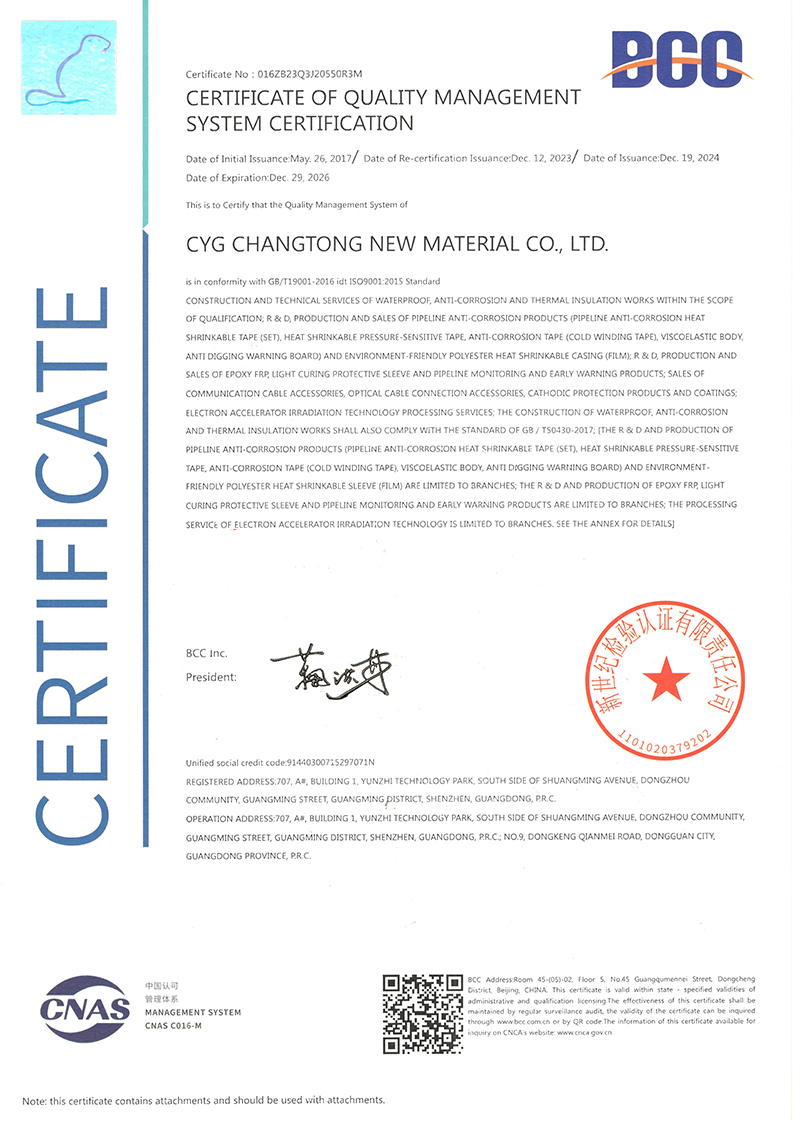
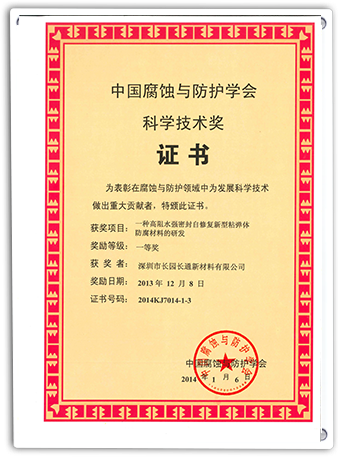
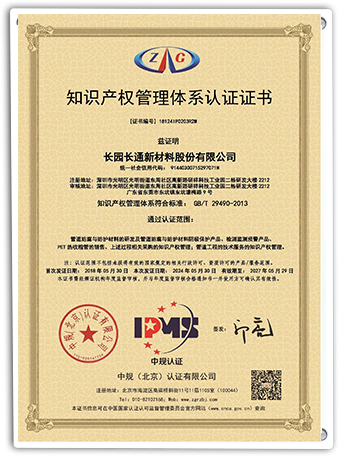
Aligning with next-generation energy infrastructure demands and sustainable chemical processes.
CYCT is actively testing bio-based polypropylene polymers to reduce the carbon footprint of field joint applications. By replacing traditional petroleum-derived monomer resins with plant-derived alternatives, we aim to deliver sustainable pipeline anti-corrosion protection without compromising mechanical or thermal performance.
Preheating is critical for proper adhesion, but high preheat temperatures (often exceeding 200°C for PP) are energy-intensive and can cause safety hazards on offshore barges. Our future product line focuses on modified hot-melt adhesives that achieve complete structural bonding at lower preheat levels (150°C-170°C), speeding up cycles and lowering energy consumption.
Future iterations of our high-temperature 3LPP sleeves will integrate thin-film optical fiber sensors. These sensors can measure local temperature changes, cyclic strain, and structural shift at the field joint in real-time, providing digital status reports to pipeline operator control rooms via remote telemetry.
Get professional answers regarding the design, installation, and raw material specifications of 3LPP heat shrink sleeves.
The main difference is temperature resistance and mechanical strength. 3LPE (Three-Layer Polyethylene) is generally rated for maximum continuous operating temperatures of 60°C to 80°C. 3LPP (Three-Layer Polypropylene) features high-crystallinity PP backing and modified copolymer adhesives, allowing it to withstand operating temperatures from 110°C up to 140°C. Additionally, 3LPP provides higher indentation resistance and is better suited to withstand rocky soils and deep-water installation stress.
Polypropylene is a semi-crystalline polymer with a high melting point. To achieve chemical bonding and prevent future disbondment under shear stress, the linepipe surface must be preheated. Typically, induction heating coils bring the surface to 180°C - 210°C before applying the FBE primer and the sleeve. Insufficient preheating can lead to adhesive crystallization before proper wetting occurs, resulting in premature peel strength failure.
CYCT maintains strict compliance with ISO 9001 and holds a CNAS-accredited national laboratory. Every batch of 3LPP sleeve material undergoes Differential Scanning Calorimetry (DSC) testing, tensile strength evaluation, peel strength verification under simulated operating temperatures, and cathodic disbondment verification. This ensures our products consistently meet international pipeline engineering standards.
The copolymer hot-melt adhesive acts as the bonding layer between the pipeline's FBE primer and the cross-linked polypropylene backing. It is engineered with maleic anhydride grafts that chemically bond to both the polar epoxy groups of the FBE and the non-polar PP backing. This provides high shear resistance and protects the joint against moisture ingress and soil stress.
During HDD pull-back, the field joint experiences intense friction and impact against rock and soil. Traditional sleeves can peel or tear. A fiberglass-reinforced sleeve (such as our HDD-specific model) incorporates glass fiber mesh within the backing layer. This mesh distributes impact energy and resists tearing, preserving the underlying anti-corrosion barrier through the installation process.
Explore our full range of cold tapes, viscoelastic materials, repair patches, and specialty heat shrink sleeves.
 CYCT
CYCT