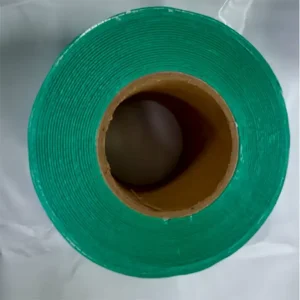
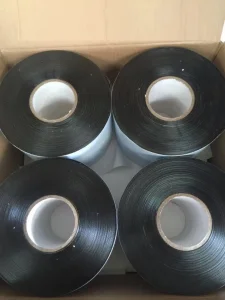
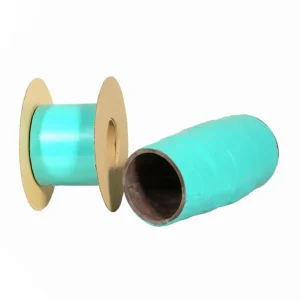
Explore our industrial-grade anti-corrosion line, manufactured to perform under extreme sub-surface environments.
Viscoelastic anti-corrosion paste represents a monumental paradigm shift in how global pipeline assets are insulated from aggressive degradation. Formulated typically with a highly-stable, fully saturated polyisobutylene (PIB) matrix combined with selected fillers and custom rheology-controlling additives, viscoelastic paste exhibits a unique dual behavior: liquid-like viscosity to wet surfaces completely at a microscopic scale, and solid-like elasticity to absorb structural stresses and resist displacement.
Unlike traditional coatings that rely on chemical curing, crystallization, or strict thermal application windows, viscoelastic paste remains in a permanent, non-crystalline state. It provides zero-penetration moisture barriers and possesses inherent self-healing qualities. If the physical outer wrap is damaged, the viscoelastic paste cold-flows to reseal the defect automatically, preventing localized corrosion and maintaining uninterrupted cathodic protection compatibility.
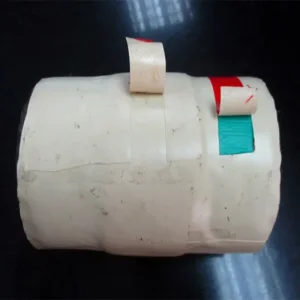
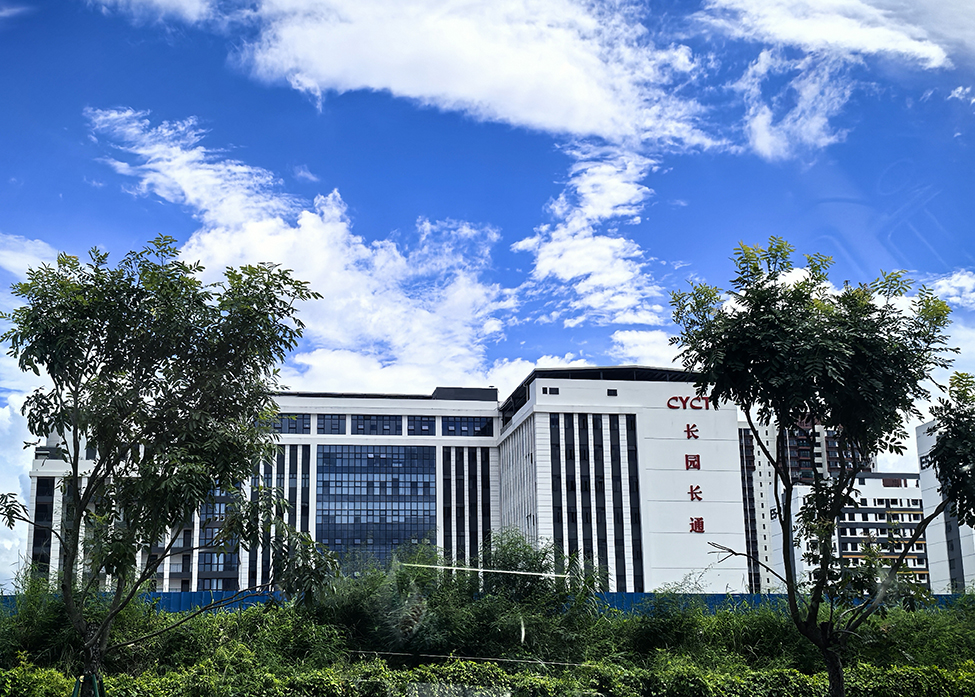
CYCT New Materials Company Limited (for short, CYCT) is a state-level high-tech enterprise integrating R&D, production and sales of pipeline corrosion protection materials as well as buried pipeline detection service and pipeline coating field application service into one.
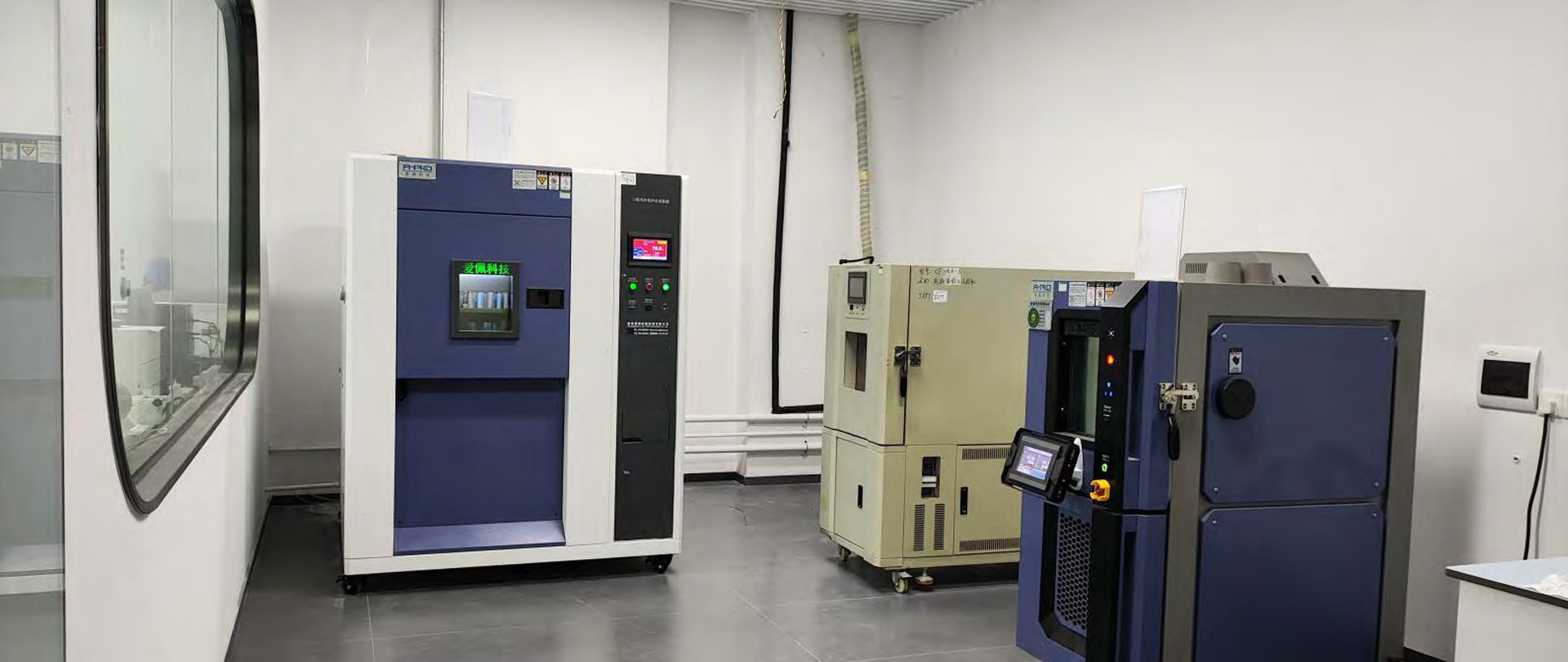
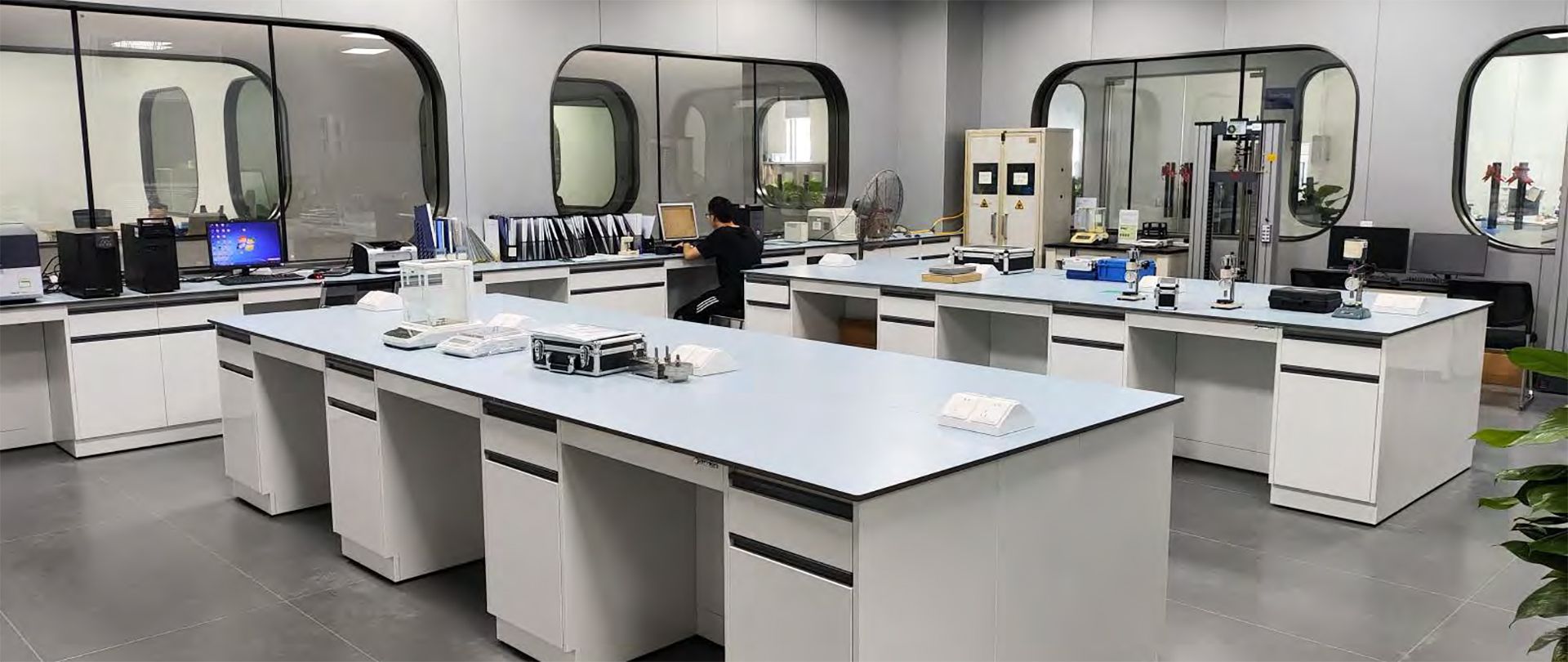
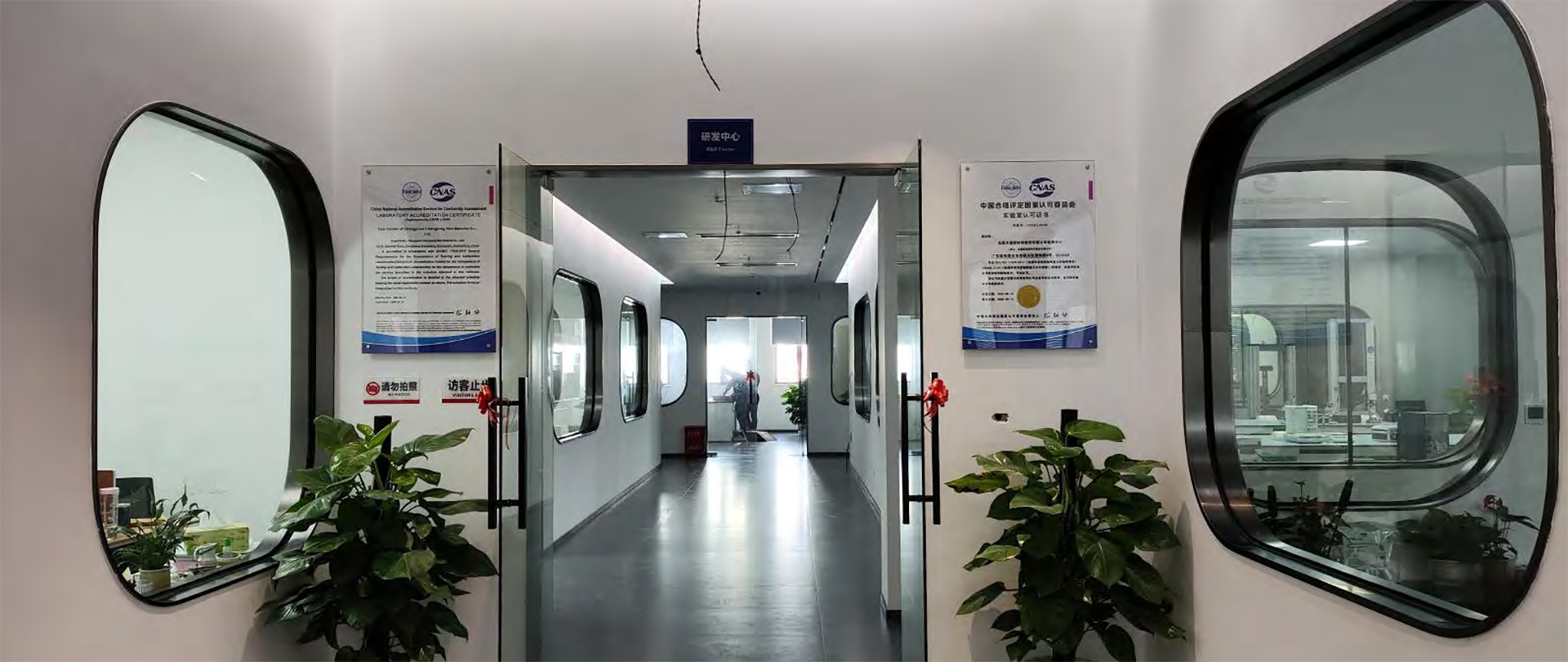
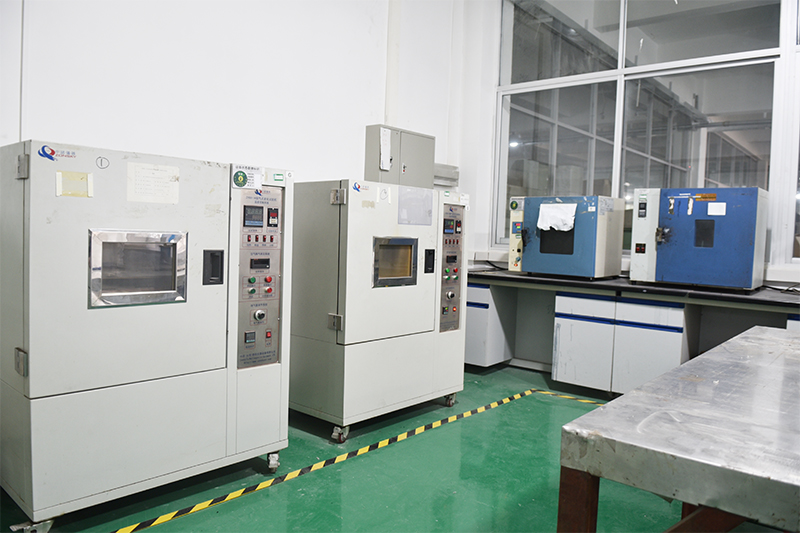
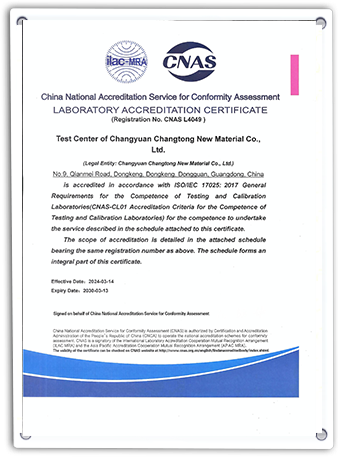
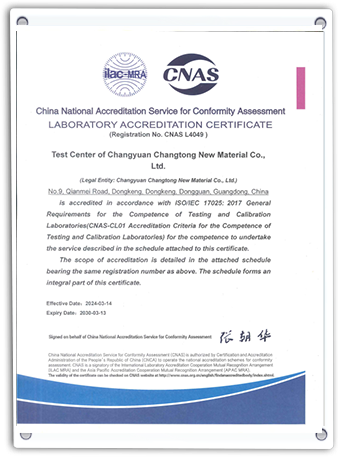
CYCT devotes itself to R&D, production, and sales of pipeline corrosion protection materials for decades. The company owns leading testing and R&D capabilities, a professional R&D team, and a national CNAS-accredited laboratory, ensuring that every batch of viscoelastic paste and related polymer systems complies with rigorous ISO standards.
CYCT has been a stable supplier of field joint coatings for years to prominent state enterprises like PetroChina, Sinopec, PipeChina, and various municipal/international networks, maintaining an dominant domestic market share. In addition, CYCT has successfully developed and commercialized specialty materials such as visco-elastic anti-corrosion coatings, special photo-curing sleeves for Horizontal Directional Drilling (HDD) protection, and high-performance polyurea coatings.
By working in close collaboration with leading institutes like the CNPC Pipeline Science Research Institute, CYCT is capable of providing in-service pipelines with varied technical services including buried pipeline inspection, custom engineering designs, cathodic protection planning, rehabilitation projects, and integrated safety protection solutions.

Why Tier-1 engineering consultants and operators trust our systems to survive demanding geological conditions.
Global energy majors and utility infrastructure developers prioritize materials that adhere strictly to international criteria. Viscoelastic pastes are evaluated under rigorous performance matrices. Chief among these is ISO 21809-3 Section 13, which outlines specification and verification procedures for field joint coatings of buried and submerged pipeline systems. Our viscoelastic materials achieve optimal results in critical tests:
| Evaluation Parameter | Standard Test Reference | Required Limits (ISO / ASTM) | CYCT Material Performance |
|---|---|---|---|
| Drip Resistance | ISO 21809-3 / Annex M | No dripping or sliding at 70°C / 95°C | Passed (Up to 95°C) |
| Cathodic Disbondment | ASTM G8 / ISO 21809-3 | < 5 mm radius disbondment at 23°C | 0 mm (Self-healing interface) |
| Water Vapor Permeability | ASTM E96 | < 0.2 g/m² per 24 hours | 0.05 g/m² (Impervious) |
| Shear Resistance | ISO 21809-3 Annex G | No displacement under axial load | High Structural Stability |
| Peel Strength to Steel | ISO 21809-3 Annex D | Cohesive separation required | 100% Cohesive Fracture |
Impregnated with high-performance barrier pigments. Block oxygen, moisture, and corrosive ions from reaching bare steel substrates, establishing permanent chemical isolation.
Formulated to withstand localized stresses and point loads from backfilling operations. Performs reliably even in uneven trench environments without losing thickness.
Perfect cohesion compatibility with 3LPE, 3LPP, FBE, Coal Tar Enamel, and Asphalt-based coatings, making it ideal for repairs and complex field joint configurations.
How CYCT leverages deep industrial integration to deliver cost efficiency, scale, and uncompromising quality.
Proximity to first-tier polyisobutylene (PIB) refineries and elastomer producers provides CYCT with consistent access to high-purity polymers. This chemical consistency yields superior long-term viscosity indexes and stability in finished pastes.
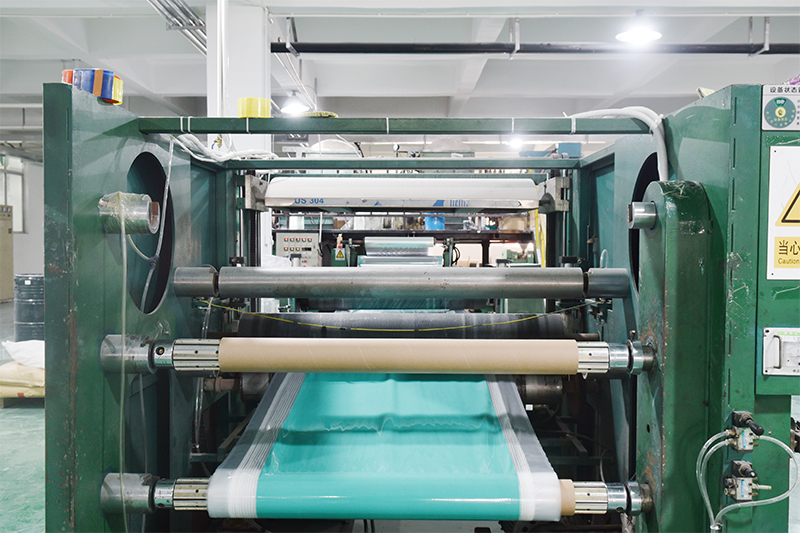
Operating out of highly modern, large-capacity production zones, CYCT achieves precise temperature-controlled mixing and extrusion. This guarantees zero voids, minimal micro-bubbles, and uniform density across large batch runs.
Backed by sophisticated maritime networks and export zones near major Chinese shipping ports, CYCT ships directly to the Middle East, Central Asia, South America, and Europe with robust, seaworthy packaging and short transit times.
A key factor in ensuring anti-corrosion efficacy is **field adaptation**. Standard materials cannot simply be shipped to sites without assessing local variables: trench temperature, humidity, backfill grain sizing, and soil salinity.
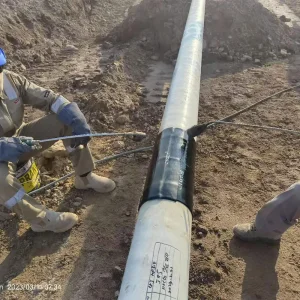
CYCT provides complete on-site guidance and localization services. Whether in the arid deserts of the Middle East, sub-zero Siberian pipeline routes, or coastal tropical networks, our technical staff works with client engineering teams to configure the right visco-elastic tape backing and thickness.
Key Application Fields include:
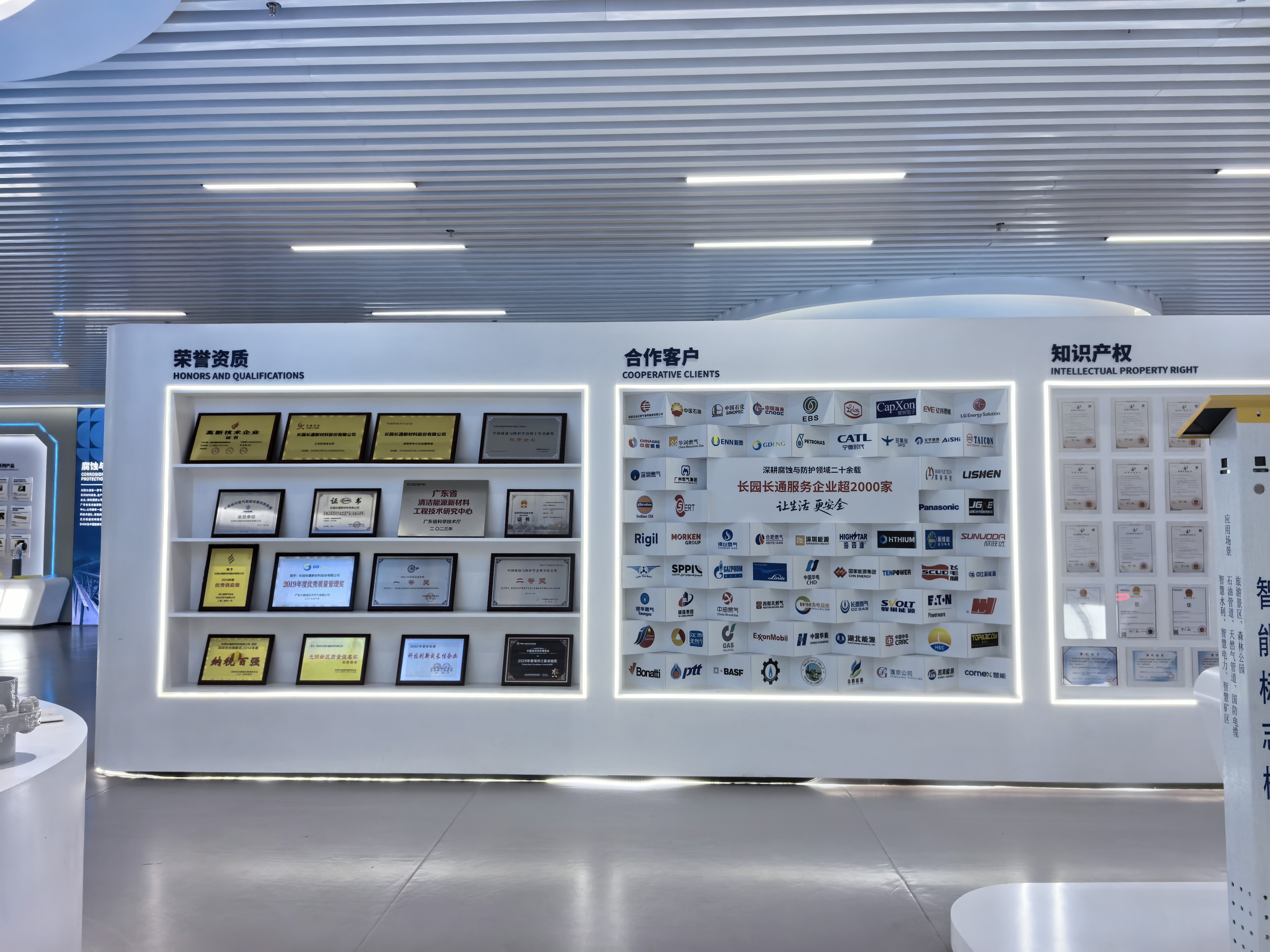
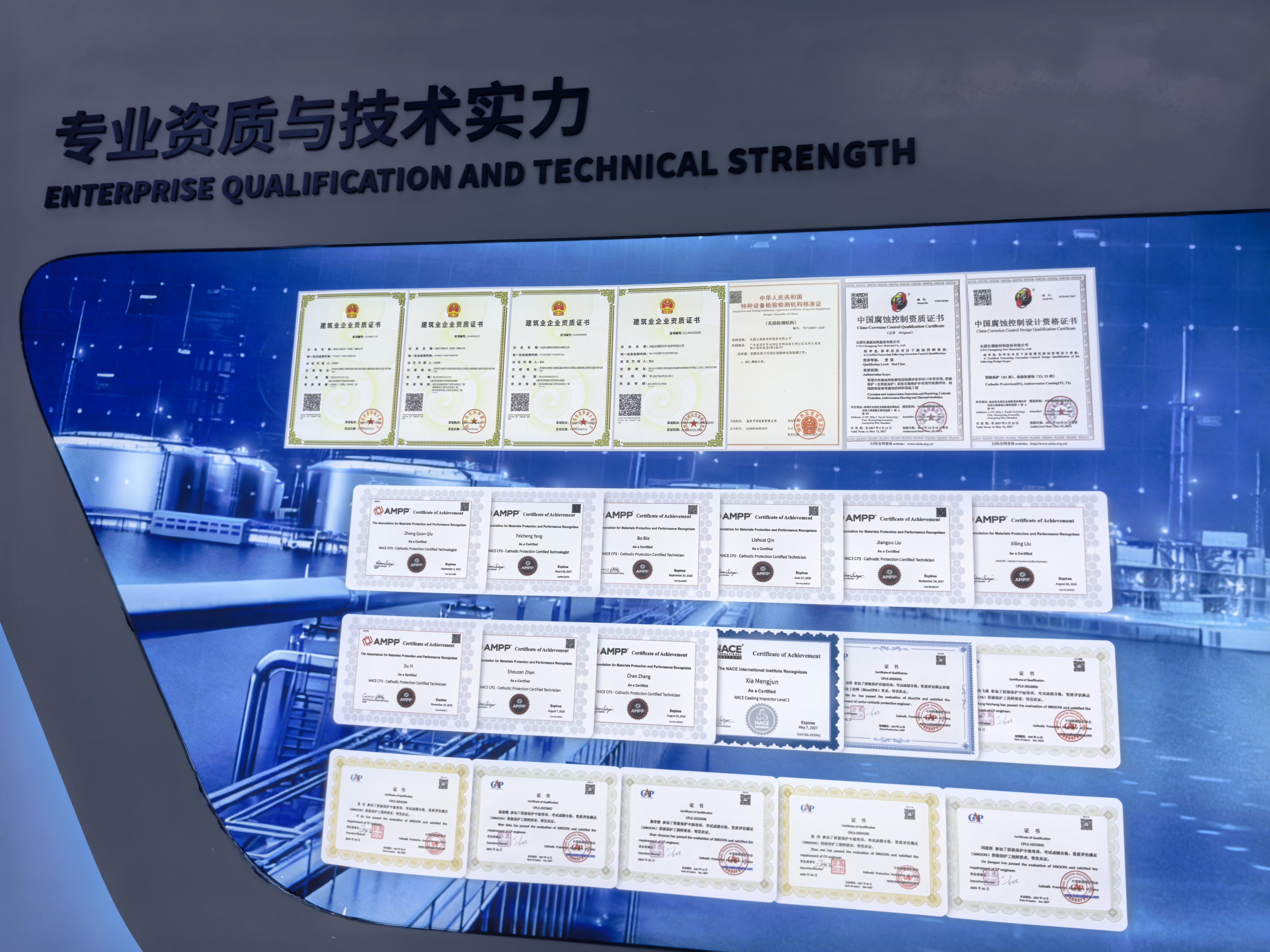
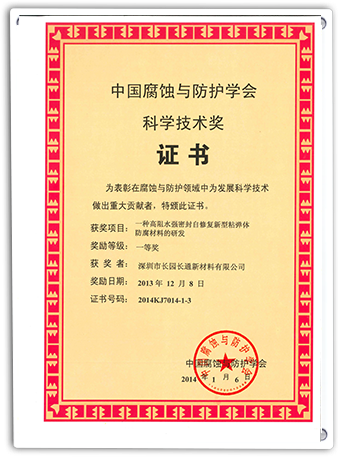
Member of Council in Chinese Society for Corrosion and Protection (CSCP). Qualified and audited supplier to top energy networks.
Recognized Global Partnerships & Memberships:
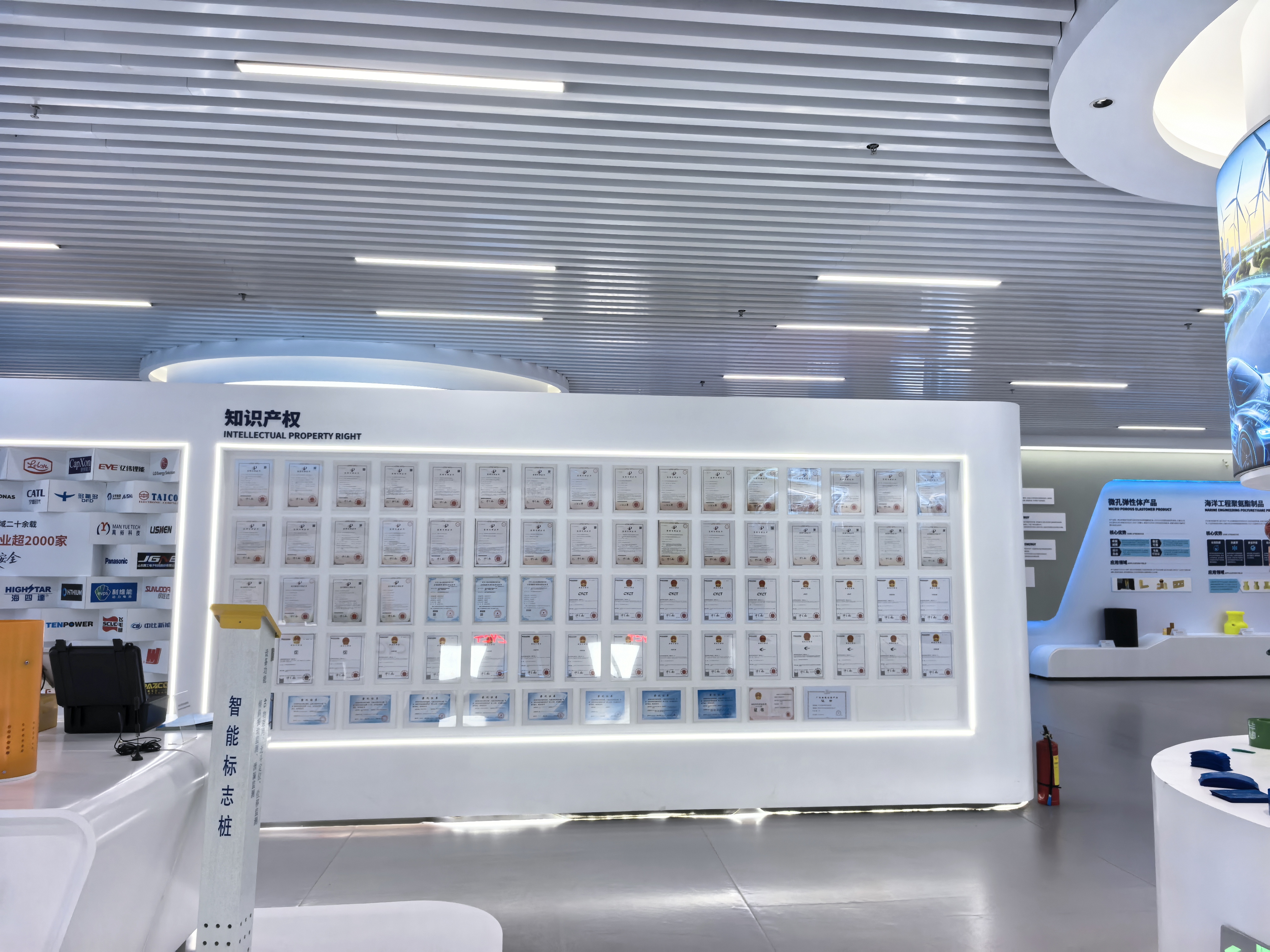
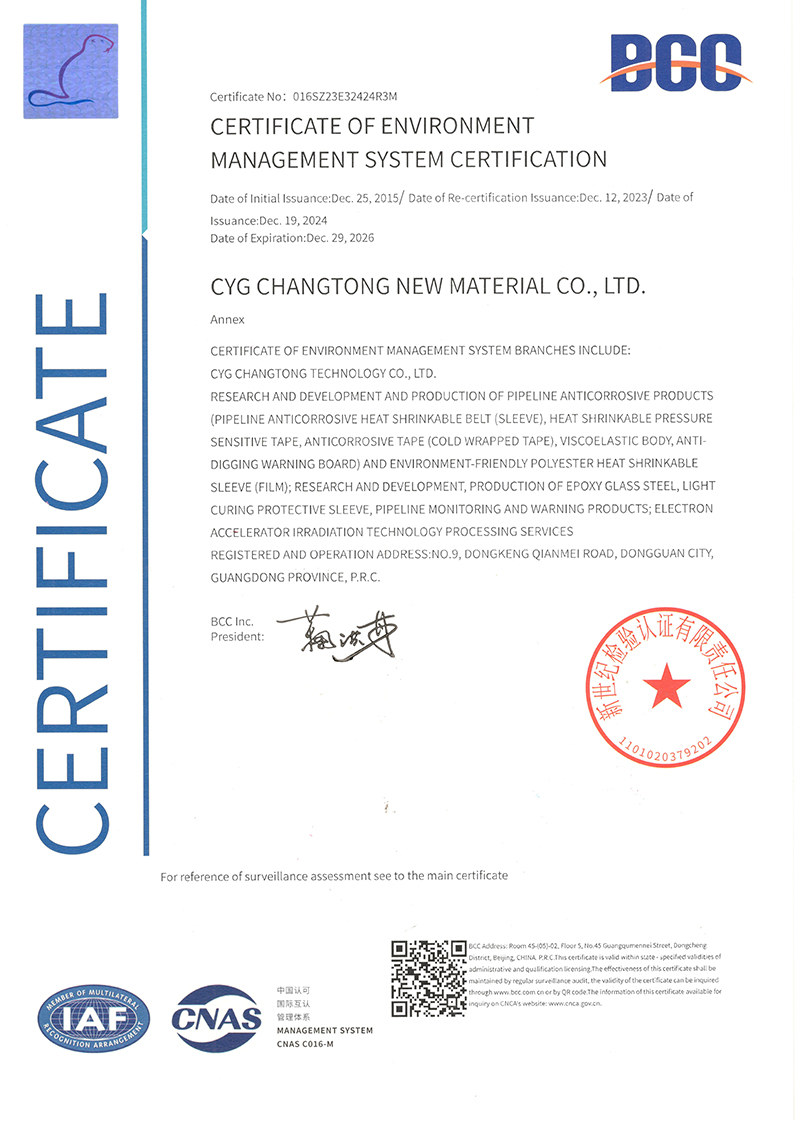
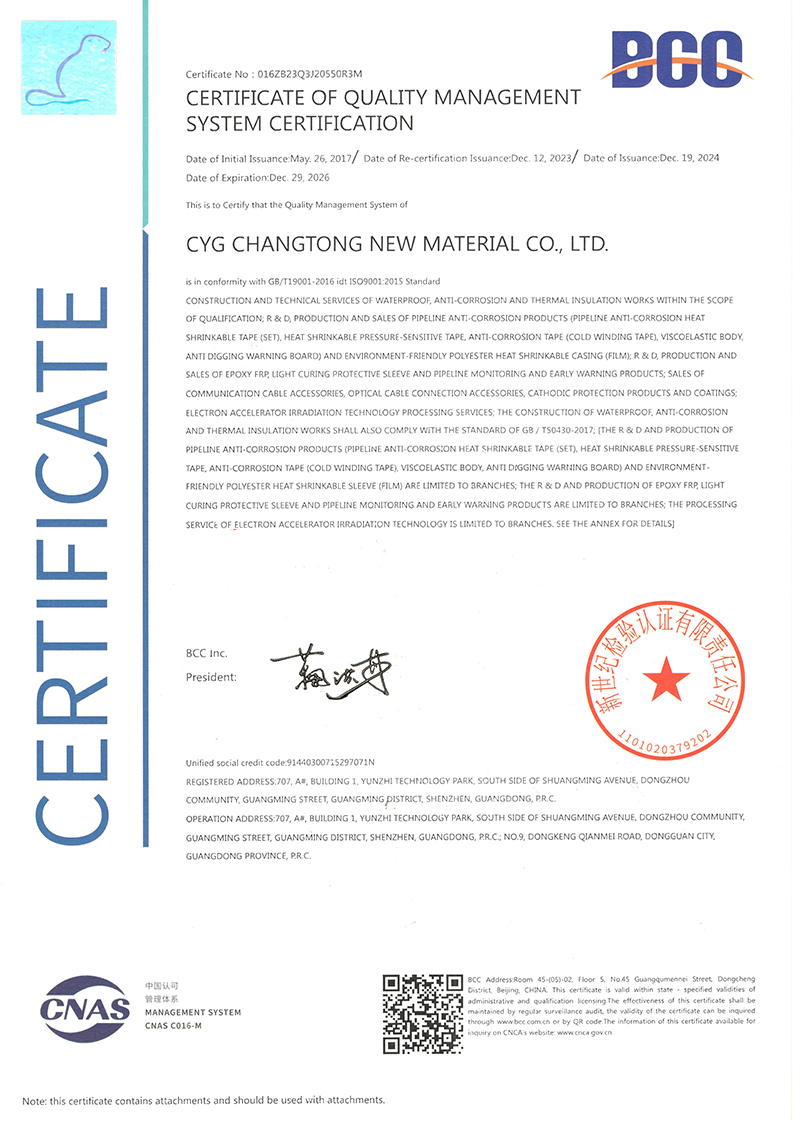
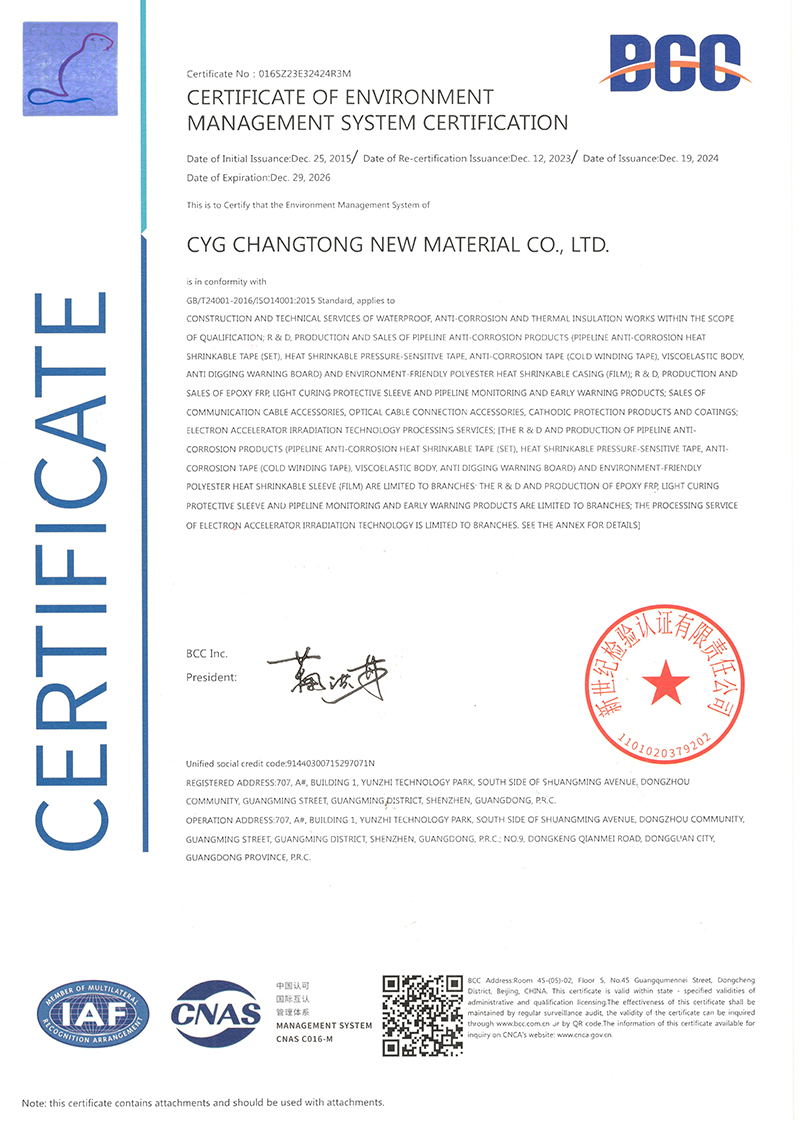
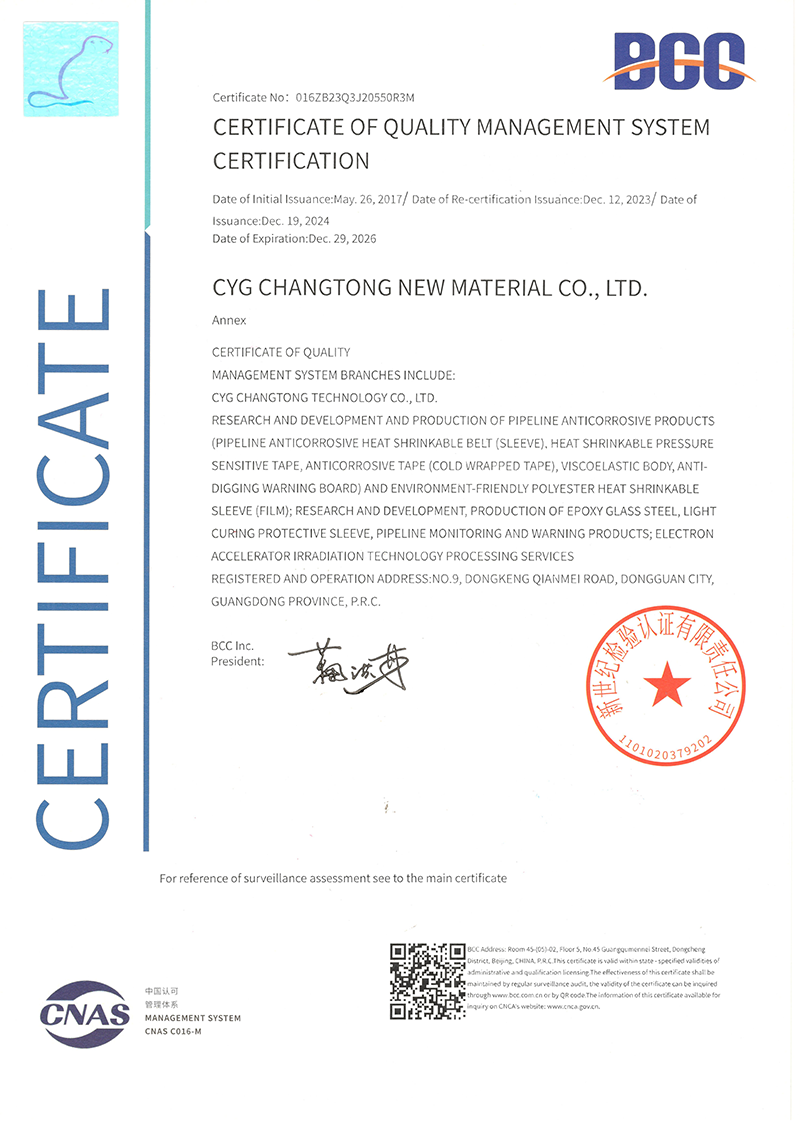
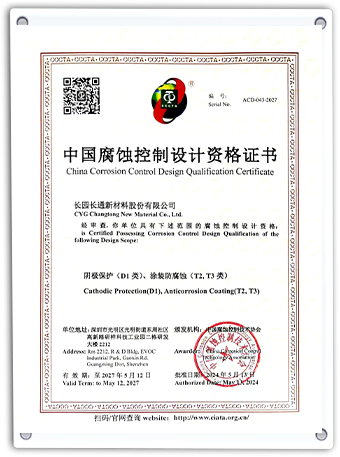
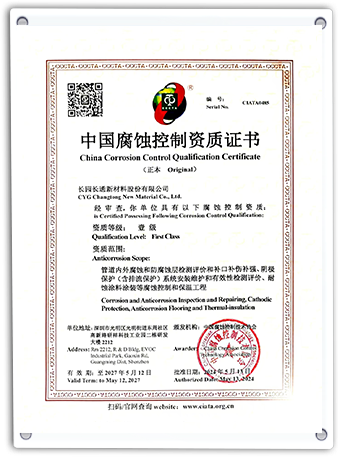
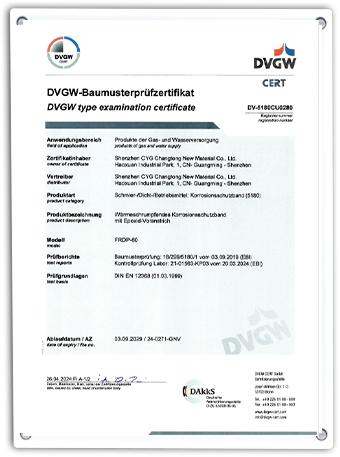
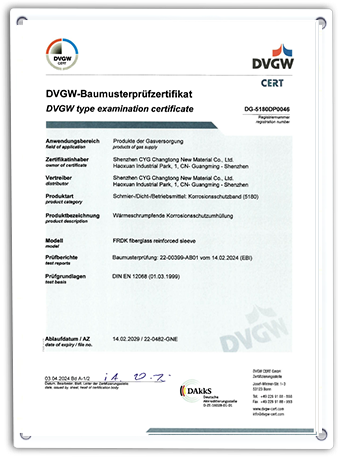
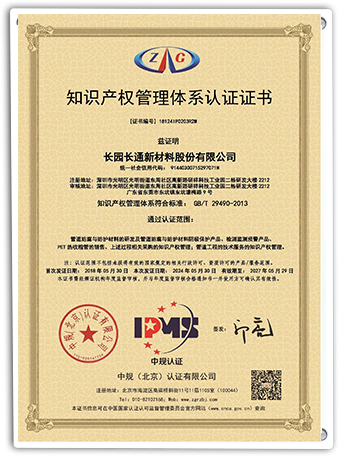
Member of Council in Chinese Society for Corrosion and Protection (CSCP), Qualification Certificate of Corrosion Protection Construction, Qualification Certificate of Pipeline Detection, Well-known Brand of Pipeline Corrosion Protection in China, Corporate Member of China Association of Petroleum Engineering Construction (CAPEC), State-Level High-Tech Enterprise with more than ten proprietary intellectual property rights. Stable supplier of PetroChina, Sinopec, China Gas Group, and Indian Oil.
Where the industry is moving and how CYCT is positioning its R&D for tomorrow's infrastructure requirements.
Future iterations of viscoelastic pastes will incorporate smart indicators that reveal micro-cracks or pressure anomalies via electrical resistance changes, enabling faster inspections by remote field sensors.
Refining polymer synthesis processes to reduce volatile organic compounds (VOCs) during factory production. CYCT is actively researching bio-sourced tackifiers and inert mineral filler optimization.
As deep-well extraction and heavy crude transportation increase, pipelines run hotter. Development of modified polyolefin matrices that withstand up to 120°C continuous service limits is underway at our CNAS facilities.
In-depth responses from our senior research team regarding technical challenges, application, and compliance.
Viscoelastic paste is a solvent-free synthetic polyolefin compound. The compound does not dry out, cure, or harden over time. Because it behaves like a highly viscous liquid, it achieves complete surface contact (wetting) by flowing into the steel's micro-ridges. This excludes oxygen and moisture, effectively stopping the electrochemical process required for corrosion. Its elastomeric behavior provides stress dissipation and resistance to localized shifts in soil.
One of the greatest engineering advantages of viscoelastic systems is their surface preparation tolerance. Unlike epoxy systems requiring Sa 2.5 near-white metal grit blasting, viscoelastic paste can be applied to surfaces prepared to ISO 8501-1 St 2 or St 3 levels using simple hand-wire brushing. It requires only the removal of loose rust, mill scale, and dirt, plus a solvent wipe to remove moisture and oil residues.
No, our viscoelastic paste has been tested and certified as non-shielding. In the rare event that moisture reaches the surface (due to extreme mechanical damage to the backing), the electrical resistance of the thin polymer layer allows cathodic protection currents to pass through and protect the pipe, preventing typical risks associated with liquid epoxy or traditional polyolefin shrink sleeves.
Through our national CNAS laboratory, we can adjust the polymer loading, tackiness, and viscosity indices to match local operating parameters. We supply documentation, including Certificate of Analysis (COA), ISO quality reports, and detailed application guidelines. Shipping is optimized via specialized industrial cargo networks.
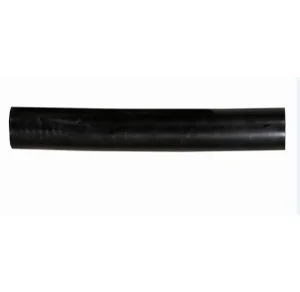
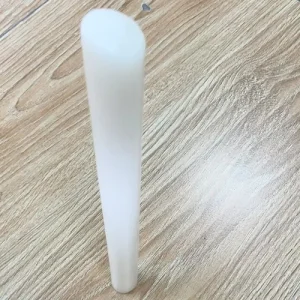
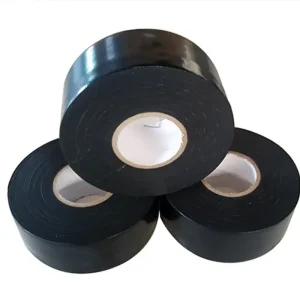
Discover our range of heavy-duty tapes, viscoelastic wrappers, and repair sticks engineered for pipeline infrastructure.
 CYCT
CYCT