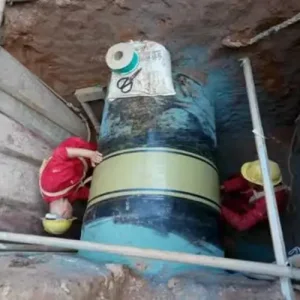
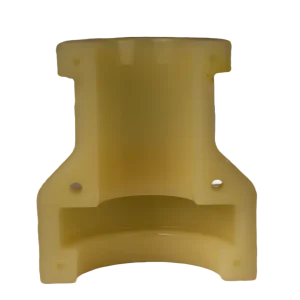
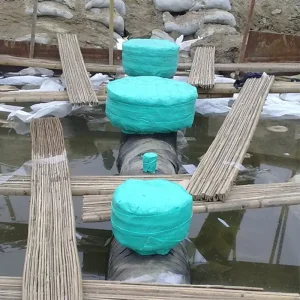
Explore our flagship structural sealing and pipeline joints coating systems engineered for critical offshore, underground, and HDD operations.
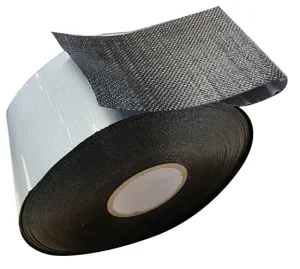
CYCT New Materials Company Limited (founded in 2000) is a state-level high-tech enterprise integrating R&D, production, and sales of pipeline corrosion protection materials, buried pipeline detection services, and pipeline coating field application services into one integrated system.
CYCT owns leading testing and R&D capabilities, a professional R&D team, and a national CNAS-accredited laboratory. By maintaining tight cooperation with leading scientific institutions such as the CNPC Pipeline Science Research Institute, CYCT is capable of providing in-service pipelines with varied technical services including buried pipeline detection, custom design schemes, cathodic protection, rehabilitation projects, and complete structural safety protection.
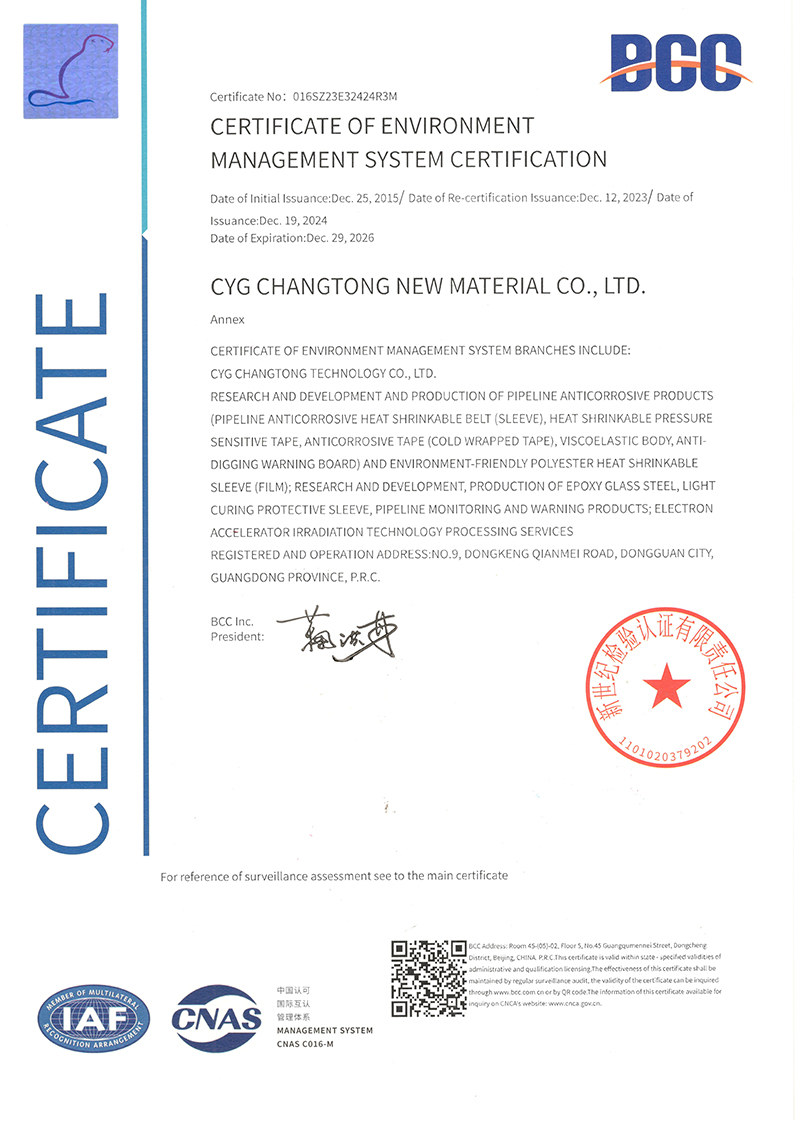
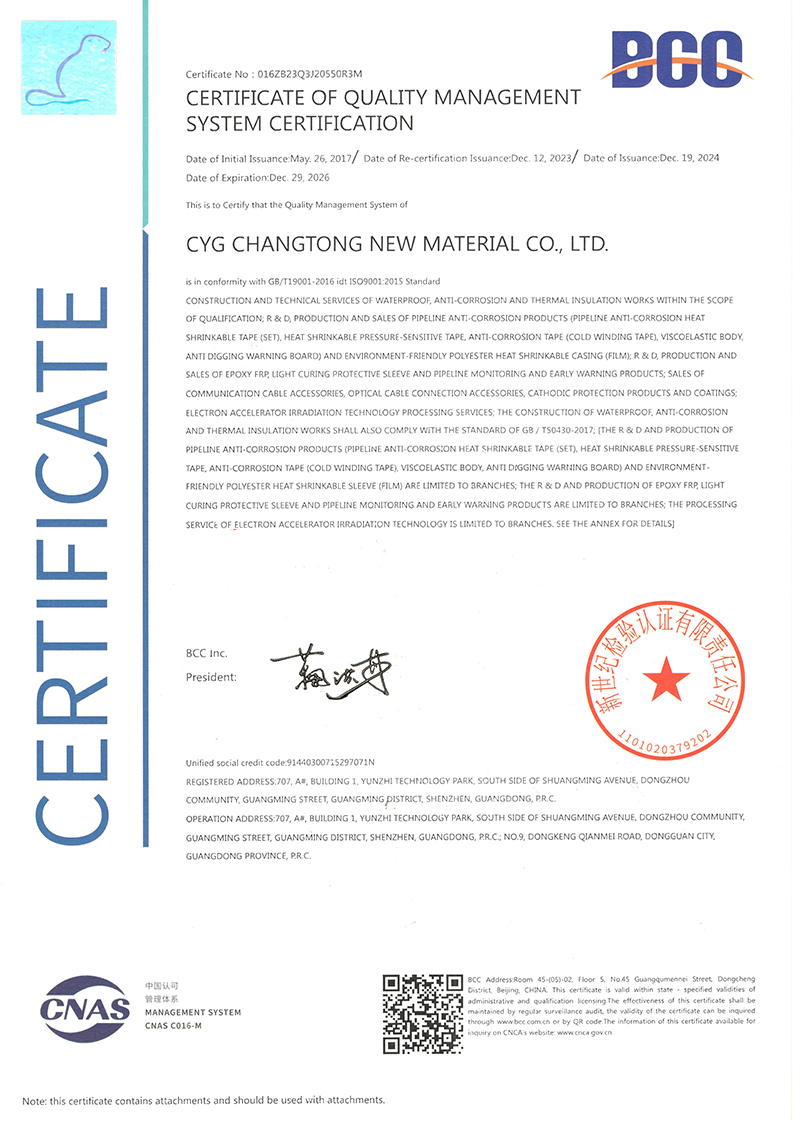
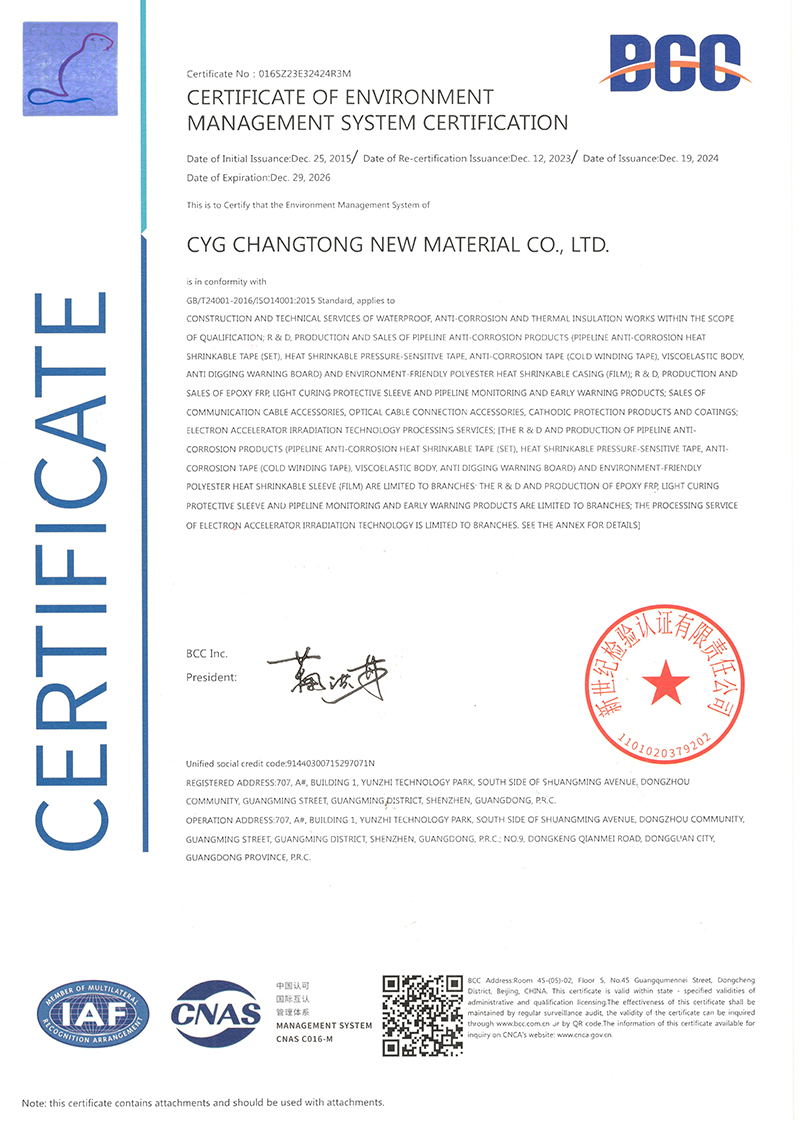
CYCT is a Member of the Council in the Chinese Society for Corrosion and Protection (CSCP), holds Qualification Certificates of Corrosion Protection Construction and Pipeline Detection, and is recognized as a Well-known Brand of Pipeline Corrosion Protection in China. As a Corporate Member of the China Association of Petroleum Engineering Construction (CAPEC), CYCT serves as a stable supplier to PetroChina, Sinopec, China Gas Group, PipeChina, and Indian Oil.
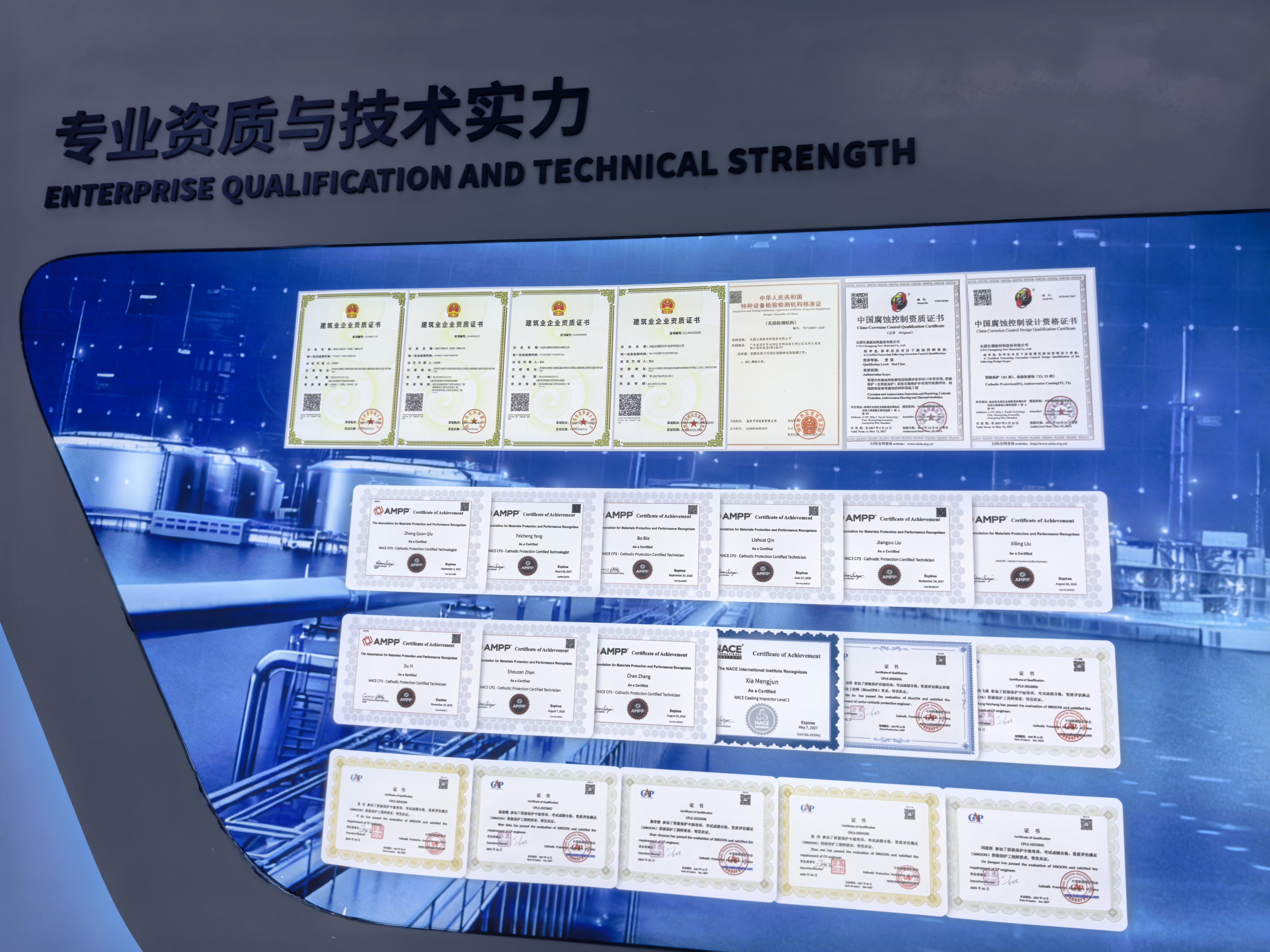
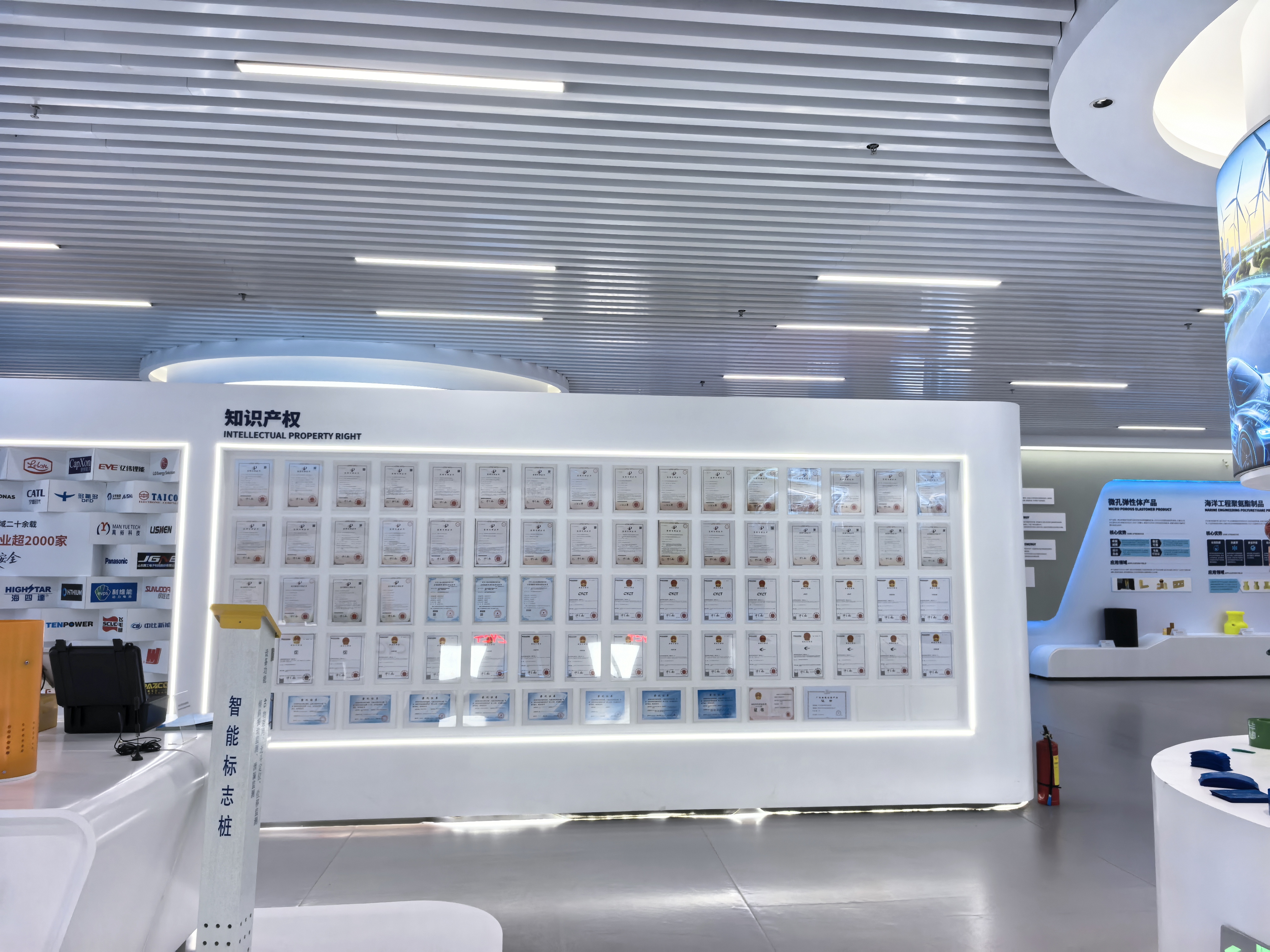
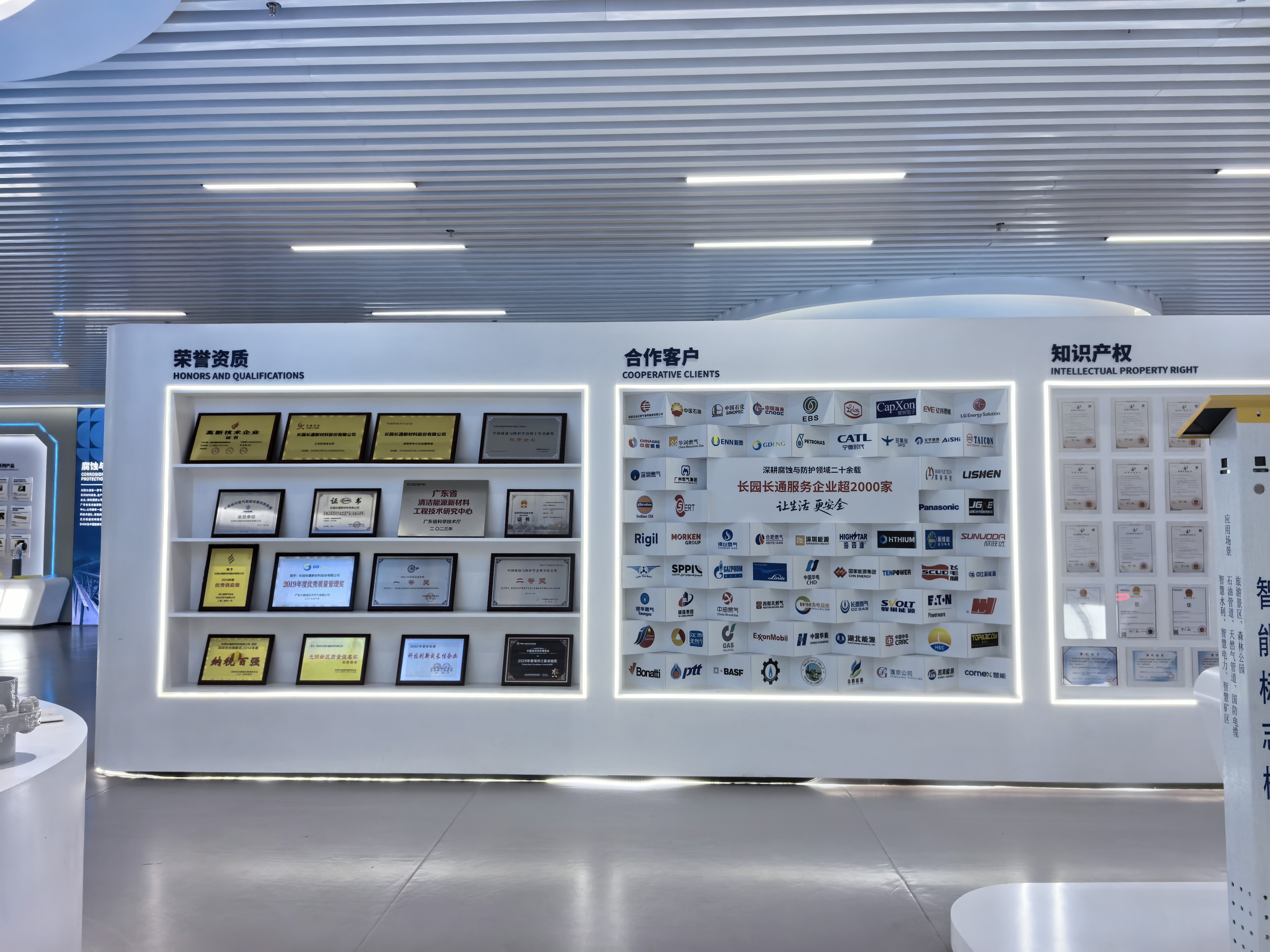
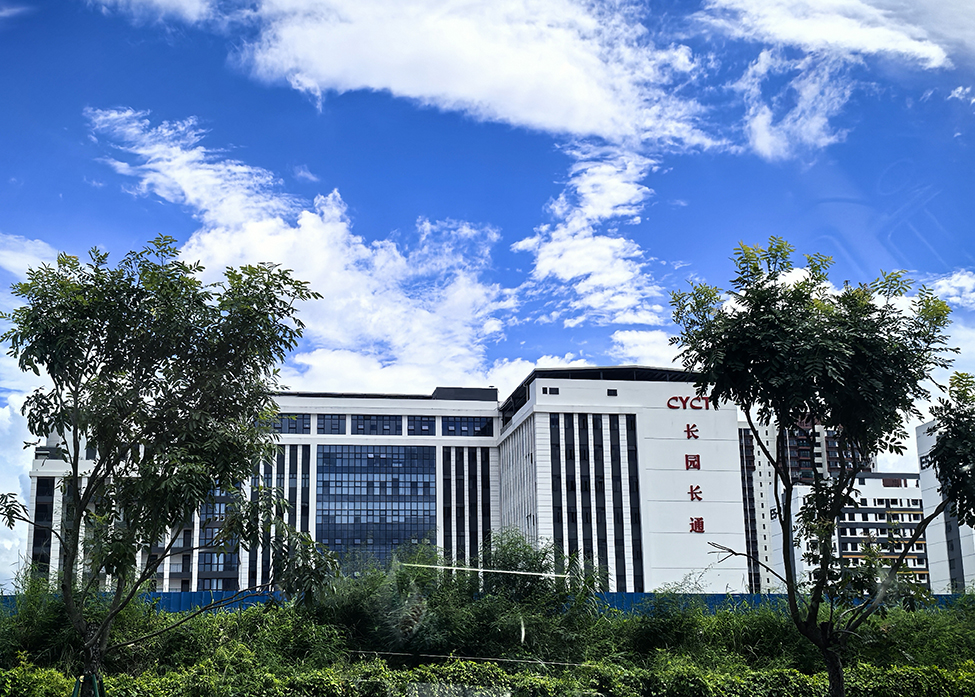
A statistical breakdown of CYCT's position as a reliable supplier in the international heat shrink and pipe protection sector.
In structural engineering, municipal piping, and heavy industrial protection, the term "Thin Heat Shrink Tubing" refers to a broad taxonomy of cross-linked polyolefin sleeves and protective layers designed to form robust, air-tight, and moisture-impermeable barriers. Initially developed for wiring harness insulation and low-voltage electrical termination, the underlying molecular cross-linking technology has scaled rapidly.
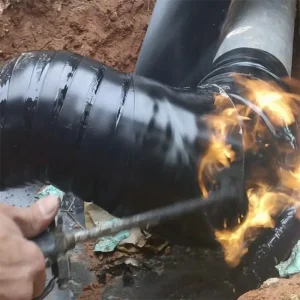
Modern heat-shrinkable systems utilize high-energy electron beam irradiation or chemical cross-linking methods to modify the structure of polyethylene (PE) or polypropylene (PP). This molecular alteration imparts a "shape memory" effect, enabling the expanded polymeric sleeves to shrink tightly around irregular substrates, field joints, and valves when heat is applied. In major oil, gas, and water transport infrastructure, this provides a seamless, monolithic protective shield against corrosive chemicals, soil stress, cathodic disbondment, and moisture ingress.
Field joint coatings (FJCs) represent the most critical vulnerability in buried pipeline networks. While the main body of a pipe is coated under controlled mill environments (using 3LPE, 3LPP, or FBE), field welding points must be insulated and protected under harsh, site-specific conditions.
| Material System | Standard Compliance | Operating Temp. Range | Primary Application Environment | Key Advantage |
|---|---|---|---|---|
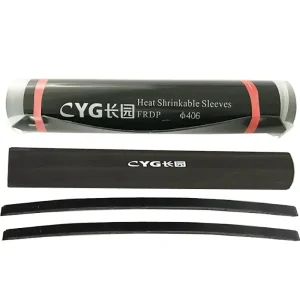
| FRDP Heat Shrink Sleeve | ISO 21809-3 / EN 12068 | -50°C to 85°C | Onshore Buried Pipelines / Joint Coatings | High shear resistance, easy application |
| VT95 Viscoelastic Tape | ISO 21809-3 Type 1B | -45°C to 95°C | Valves, flanges, irregular pipeline fittings | 100% self-healing, no primer required |
| FRP Reinforcement Wrap | ASTM D3039 / ISO 24817 | -60°C to 120°C | HDD (Horizontal Directional Drilling) Crossings | Extreme abrasion and indentation resistance |
| PP Outer Tape System | EN 12068 Class C50 | Up to 110°C | High-temperature industrial processing lines | Superior chemical and heat aging stability |
Global EPC (Engineering, Procurement, and Construction) contractors are shifting their sourcing models toward integrated solutions providers in China. Historically, procurement officers divided contracts between material suppliers, testing labs, and field application contractors. Today, the demand is for vertically integrated entities like CYCT that provide a single pipeline safety package: from formulation design at a CNAS-accredited lab to field installation supervision and buried pipeline defect scanning.
Key technical factors driving international procurement evaluation include:
Industrial field joint coatings and heat-shrink sleeves play a critical role in large-scale utility operations, including:
As infrastructure projects extend into harsher environments, the research direction for polymer chemistry is evolving:
Complete range of heat-shrinkable materials, hot melt fillers, and epoxy primers designed for global infrastructure compliance.
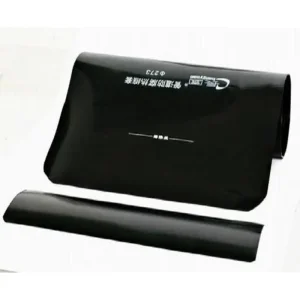
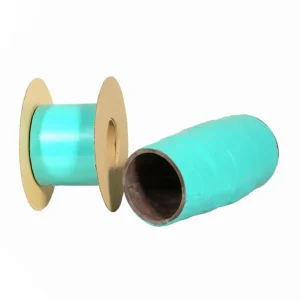
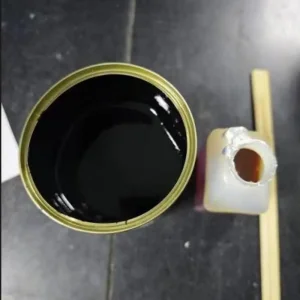
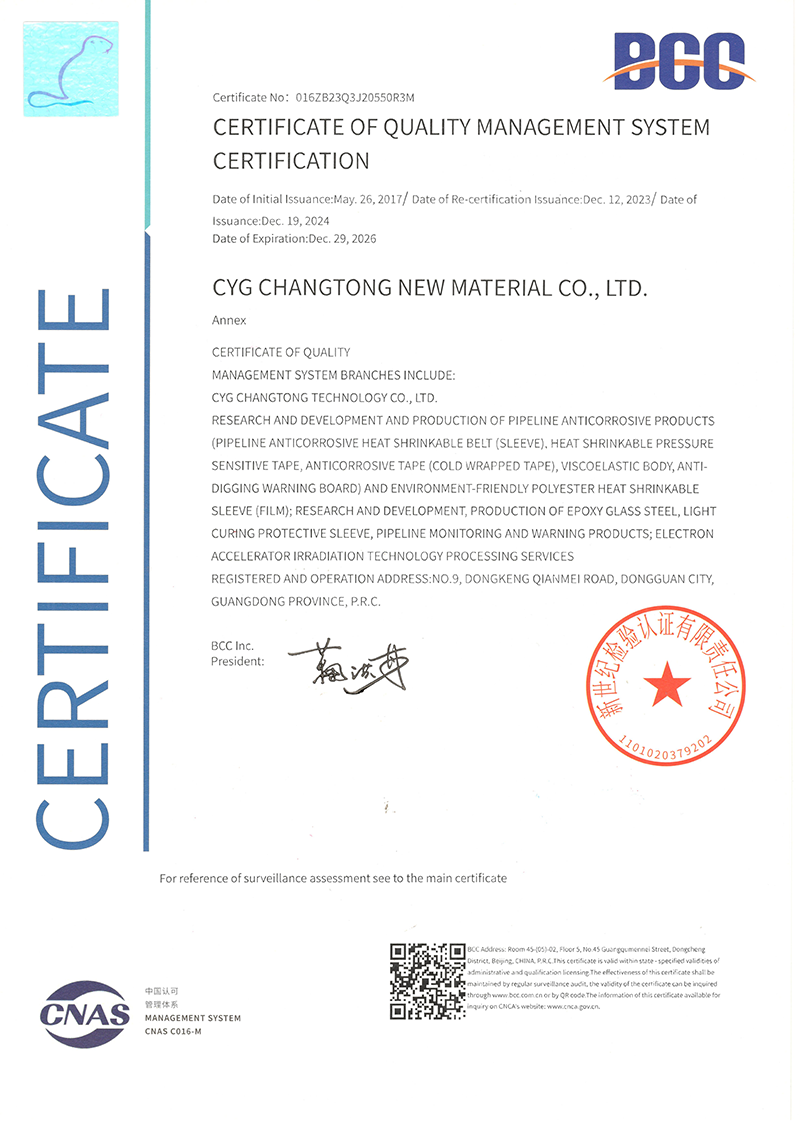
Verified regulatory alignments, memberships, and operational compliance certifications of CYCT.
 CYCT
CYCT