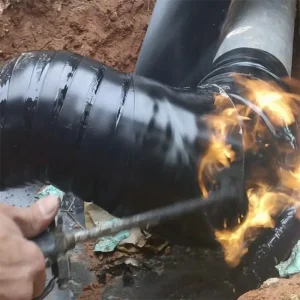
Explore our industrial-grade, certified pipeline joint protection, viscoelastic systems, and heavy-duty shrink sleeves.
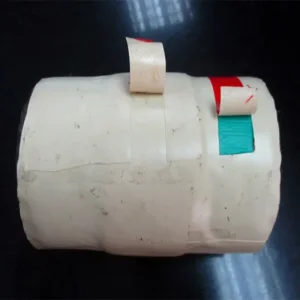
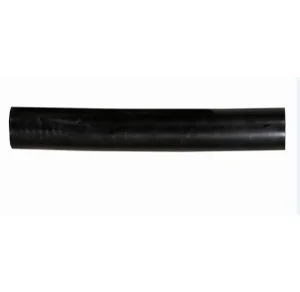
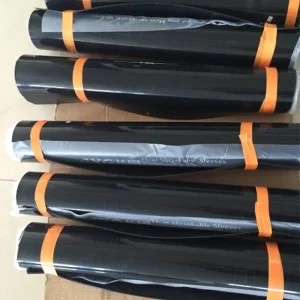
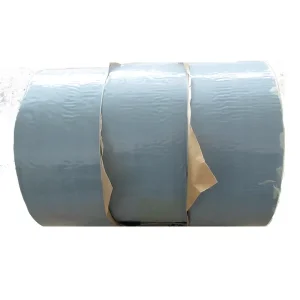
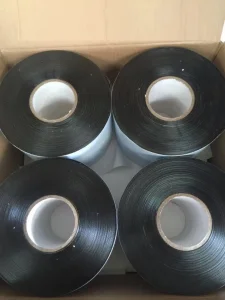
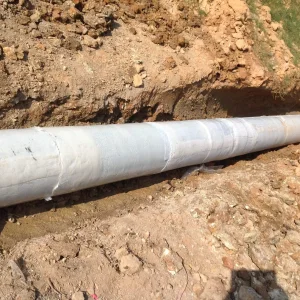
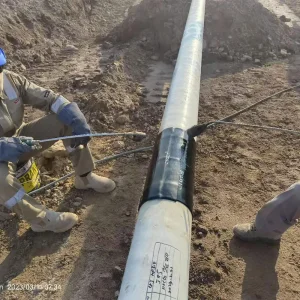
Heat shrinkable wrap tubing and field joint sleeves are critical components in maintaining the structural integrity of global midstream pipelines, electrical distribution grids, and offshore installations. As infrastructure networks expand into ultra-deep waters, highly corrosive soils, and extreme thermal environments, standard insulation materials fail. High-performance cross-linked polyolefin, polypropylene (PP), and polyester (PET) shrink systems have emerged as the industry baseline for sealing and long-term protection.
From pipeline field joint coatings (FJC) in petroleum networks to structural component wraps in municipal water systems, the market demands strict mechanical properties, high shear resistance, and excellent cathodic disbondment resistance. Leading infrastructure operators prioritize supply chains that balance materials expertise, testing capabilities, and commercial scale. The focus is shifting toward systems that guarantee quick field installation, reduced project downtime, and zero-defect longevity under cyclic thermal loads.
Utilizing high-density, radiation cross-linked polymers that provide high mechanical strength, chemical resistance, and thermal memory during application.
Formulated with high-strength copolymeric adhesives that bond aggressively to steel, PE, PP, and FBE surfaces, preventing moisture ingress.
Providing cold-applied fluid-like flow properties that exhibit 100% self-healing capability, wrapping odd-shaped components seamlessly.
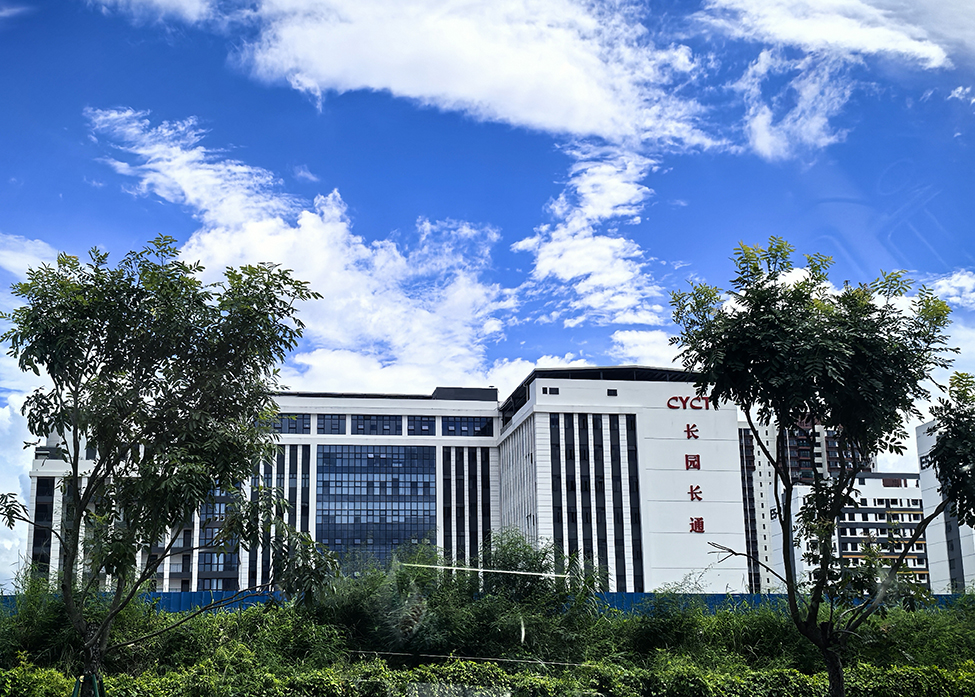
CYCT New Materials Company Limited (for short, CYCT) is a state-level high-tech enterprise integrating R&D, production, and sales of pipeline corrosion protection materials. We support industrial systems globally with premium pipeline joint protection, buried pipeline detection services, and pipeline coating field application services. With a production footprint established over two decades, CYCT devotes itself to R&D, production, and sales of pipeline corrosion protection materials.
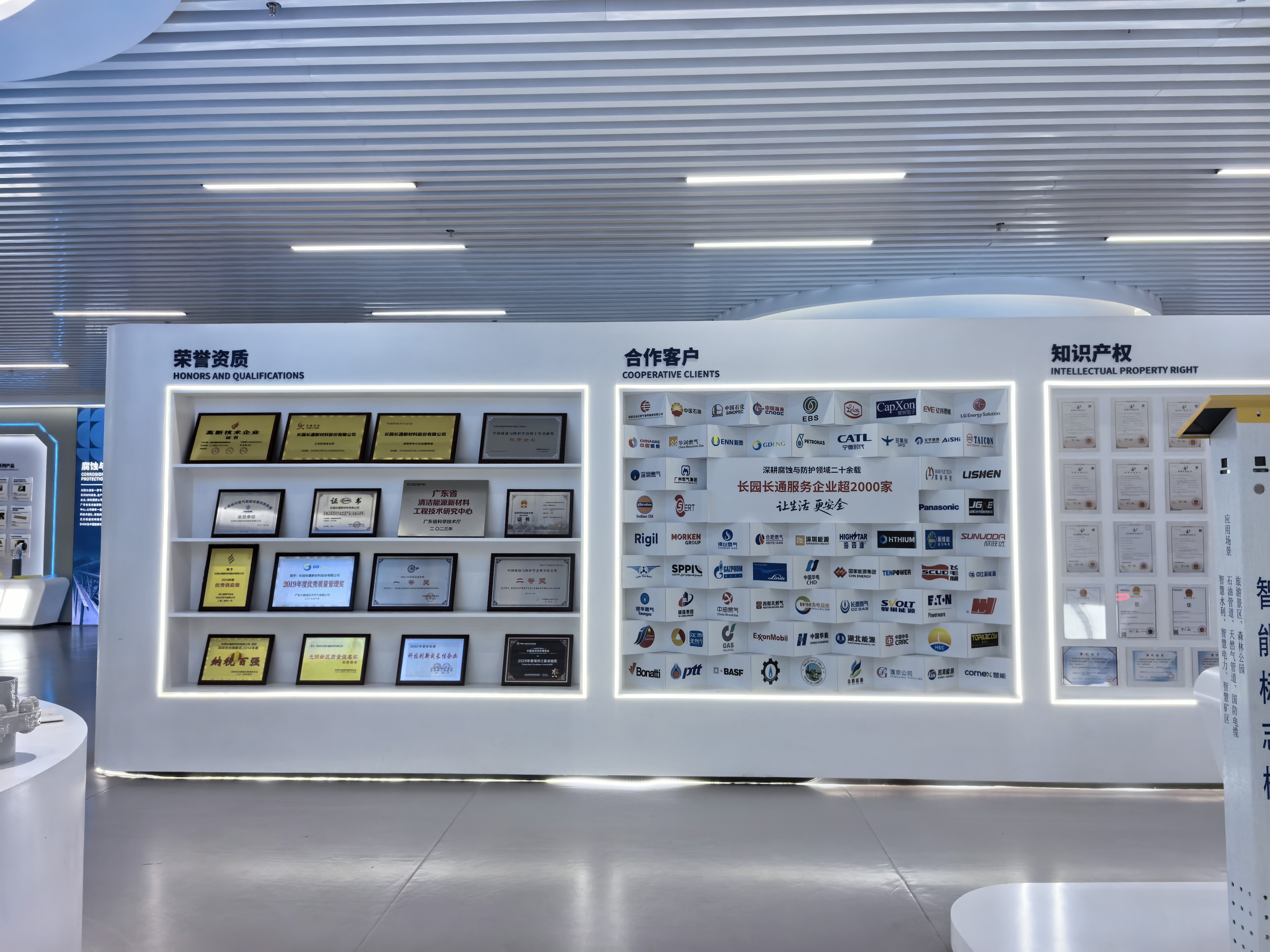
Our commitment to technical excellence has positioned us as a stable supplier of field joint coatings for years in PetroChina, Sinopec, PipeChina, China Gas Group, and Indian Oil, securing a very high market share in key infrastructure projects. Beyond conventional heat-shrink sleeves, CYCT has successfully developed and introduced specialized corrosion protection systems, including viscoelastic coatings, UV-curing glass-reinforced plastic (GRP) sheets for horizontal directional drilling (HDD) protection, and high-performance polyurea coatings.
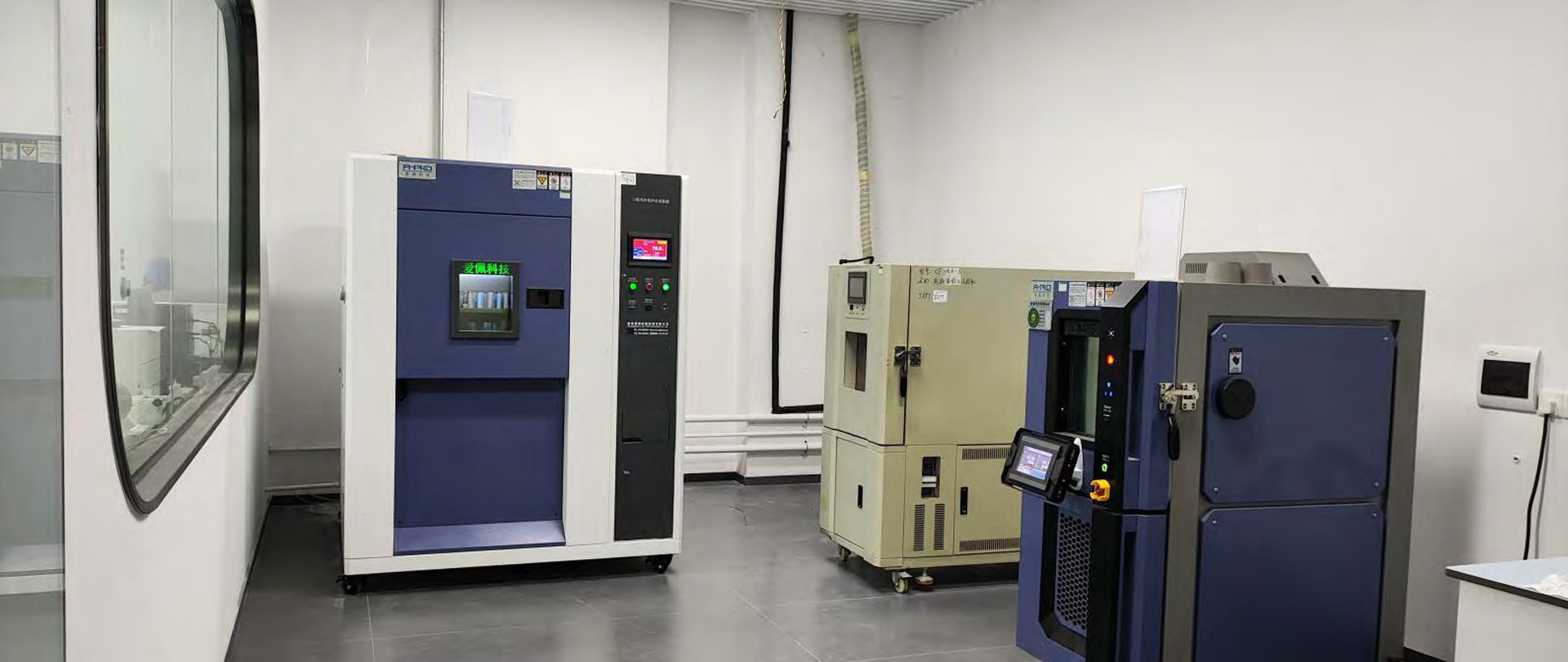
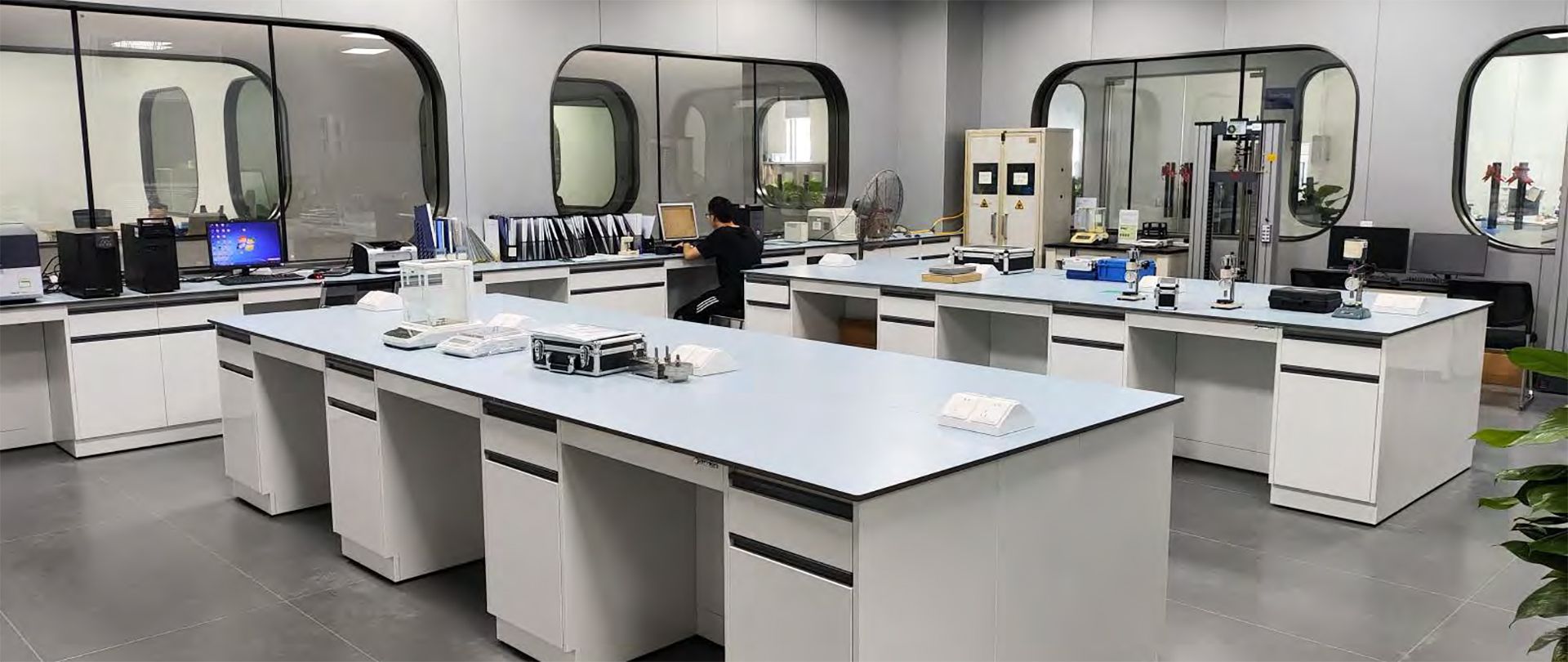
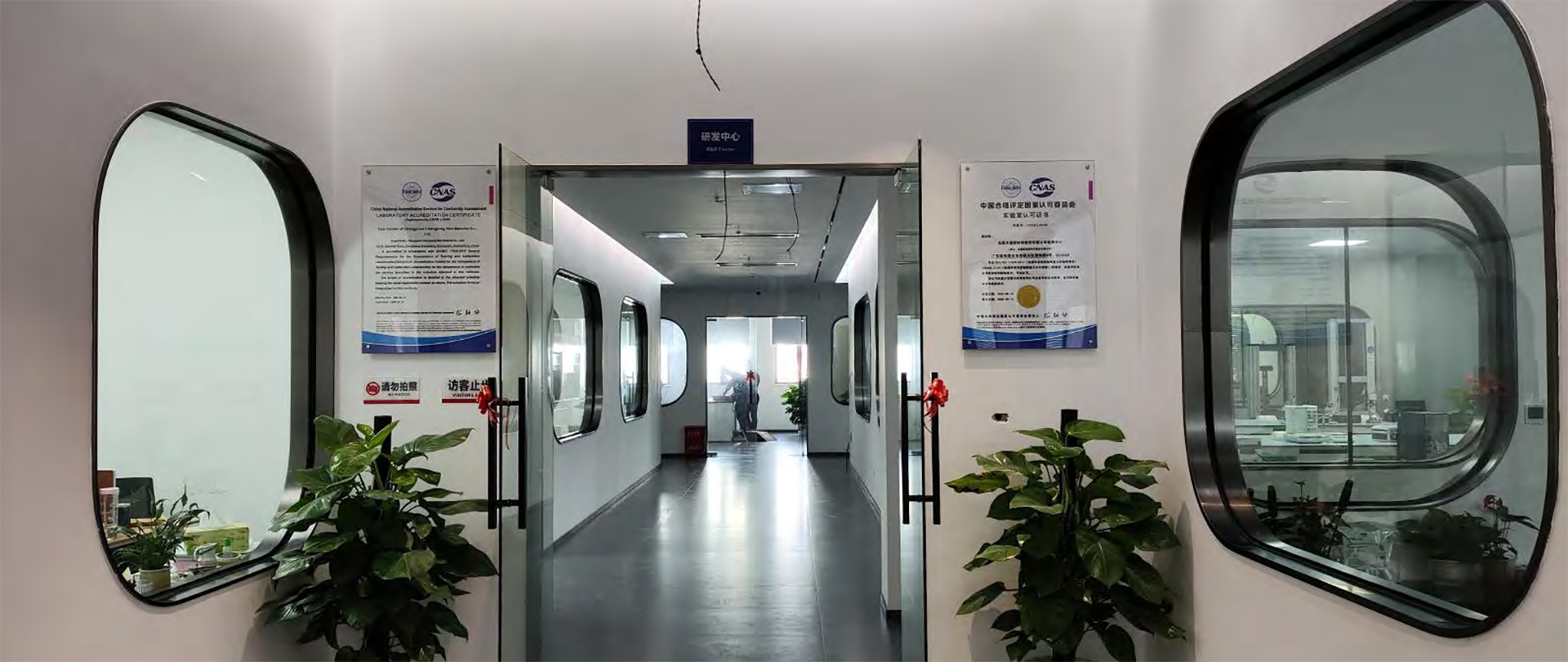
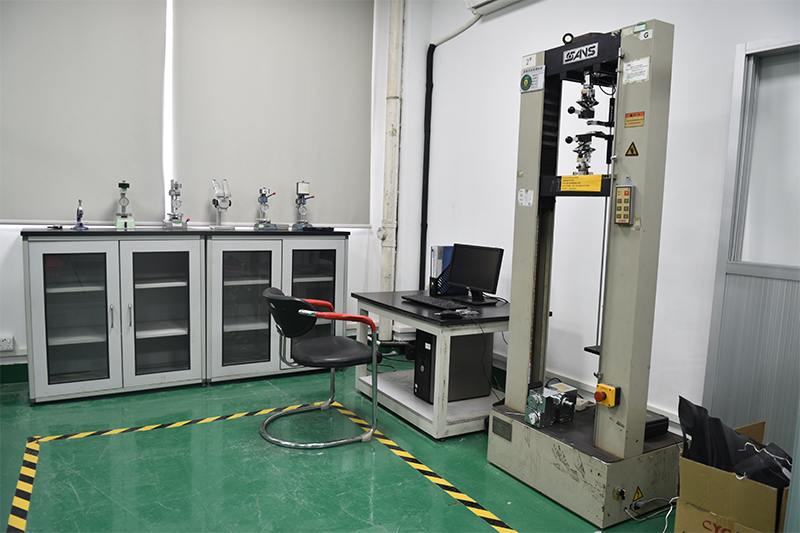
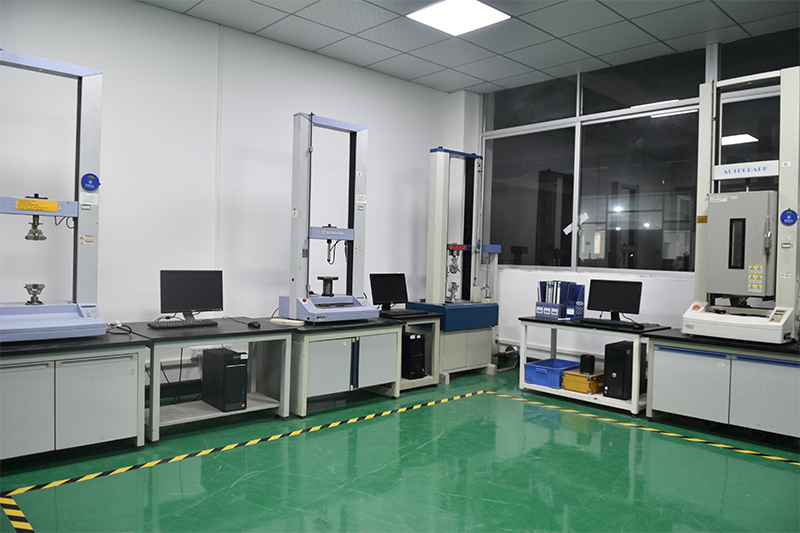
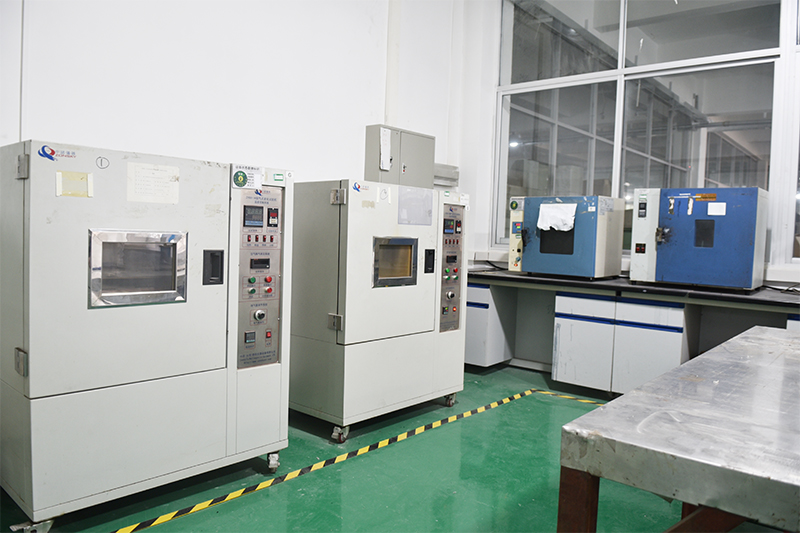
CYCT owns leading testing and R&D capabilities, backed by a professional R&D team and a national CNAS-accredited laboratory. By maintaining strategic cooperation with elite institutes like the CNPC Pipeline Science Research Institute, CYCT is capable of providing in-service pipelines with varied technical services. Our solutions encompass buried pipeline detection, design scheme formulation, cathodic protection optimization, rehabilitation project engineering, and integrated safety solutions for pipelines globally.

To support localized requirements in global regions, CYCT designs shrink wrap tubing and sleeves that target specific climate zones and installation techniques. By customizing raw polymer resins and adhesive weights, our materials match localized operational standards across dynamic geographies:
Scenario: Extreme ambient temperatures (exceeding 50°C) with dry, sandy soil conditions that trigger soil stress.
Technical Solution: High-temperature PP heat shrink sleeves and viscoelastic systems engineered with high shear resistance and resistance to thermal degradation up to 85°C.
Scenario: Sub-zero installation and freeze-thaw cycles that place severe tension on pipeline coatings.
Technical Solution: Cold-applied viscoelastic viscoelastic tapes and low-temperature transition PE sleeves that retain flexibility and prevent micro-cracking during ground settlement.
Scenario: High-pressure, saline marine environments demanding long-term resistance to cathodic disbondment.
Technical Solution: CYG Changtong GRF moisture-curing shields and heavy-wall GRP UV-curing sleeves protecting field joint coatings during offshore pipe-laying S-lay/J-lay operations.
CYCT is investing in smart-monitoring anti-corrosion barriers. Our R&D division, in collaboration with national research groups, is exploring the incorporation of micro-encapsulated self-healing polymers within hot-melt adhesives. When mechanical damage occurs, the friction-induced heat triggers microcapsules to release cross-linking agents, restoring insulation integrity instantly. Furthermore, we are developing low-activation heat shrink tubing that shrinks rapidly at lower temperature ranges, mitigating the risk of overheating thin-walled PE pipe coatings.
As a leading Chinese manufacturer, CYCT harnesses the country’s complete petrochemical upstream supply chain to offer robust lead times, rigorous quality checks, and exceptional economic value. The strategic concentration of raw polymer producers, radiation processing machinery builders, and specialized adhesive compounding units allows us to remain immune to global component shortages.
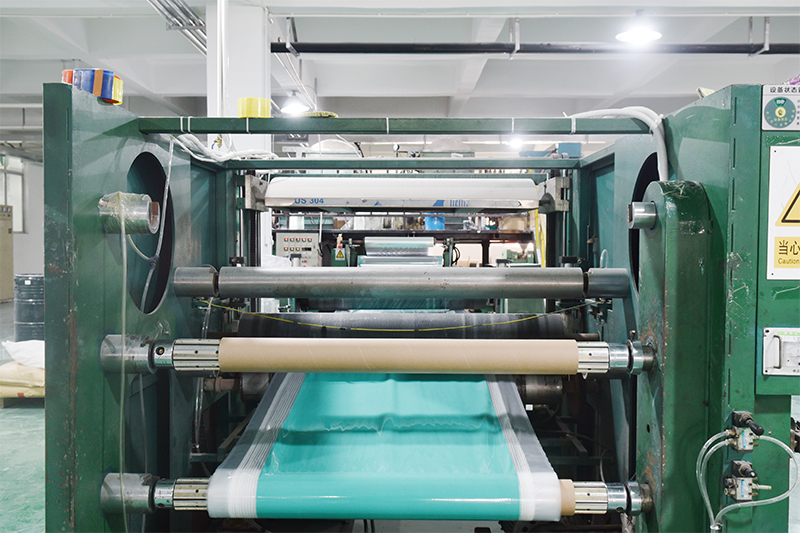
CYCT executes compounding, extrusion, electron-beam radiation cross-linking, adhesive coating, and cutting under a unified manufacturing site. This integration limits transport risk and reduces turnaround time, enabling large-volume production of custom-sized PET heat shrink tubes and PP sleeves.
Every production batch undergoes comprehensive testing at our national CNAS laboratory, testing parameters like heat shock resistance, tensile strength, elongation at break, peel strength to steel/PE, and cathodic disbondment resistance. This matches or exceeds international expectations.
Whether you require specific thicknesses, custom sleeve dimensions, private labeling, or distinct temperature-rated hot melt adhesives, our expert engineering team translates custom parameters directly into physical prototypes ready for project qualification.
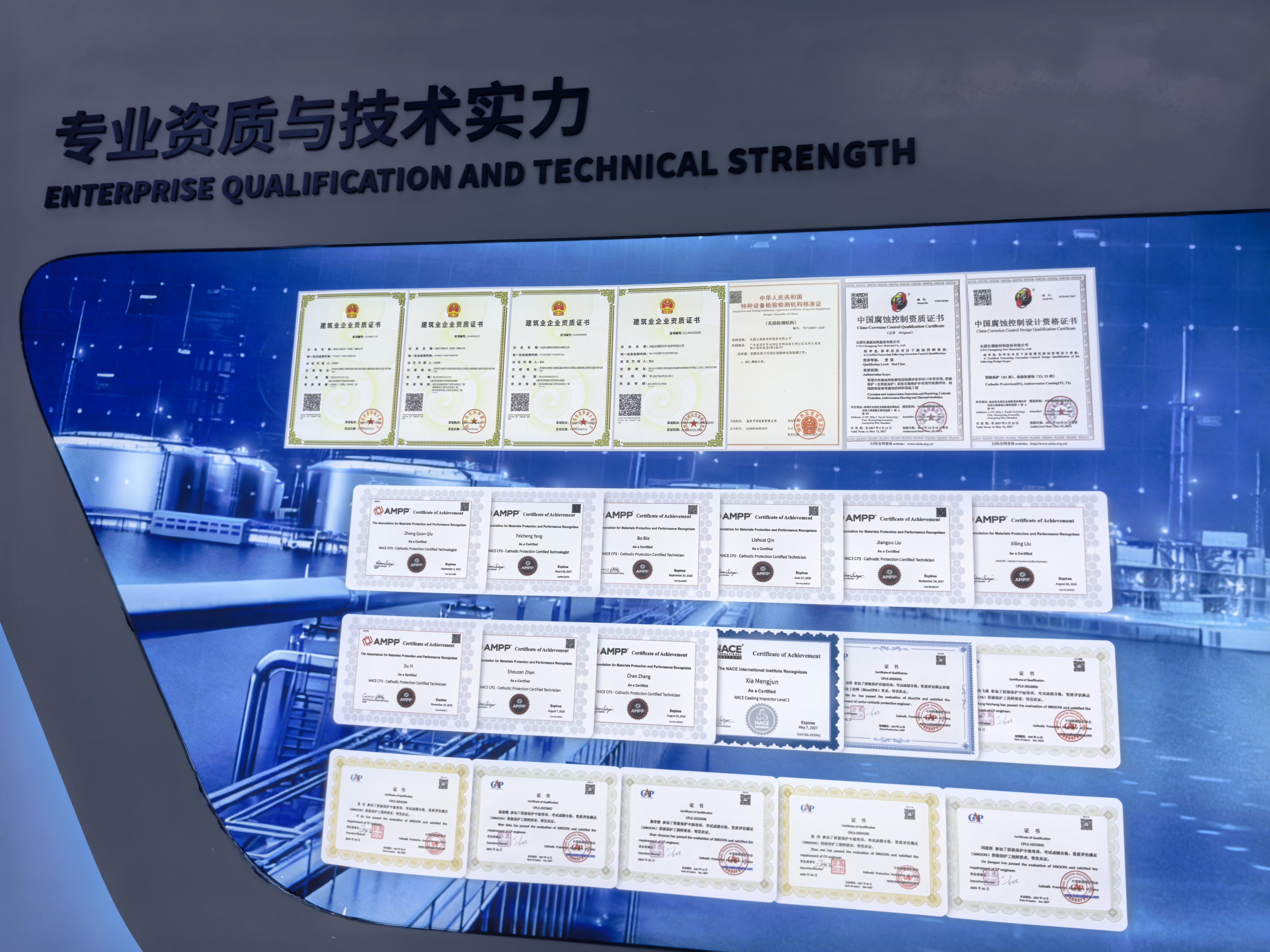
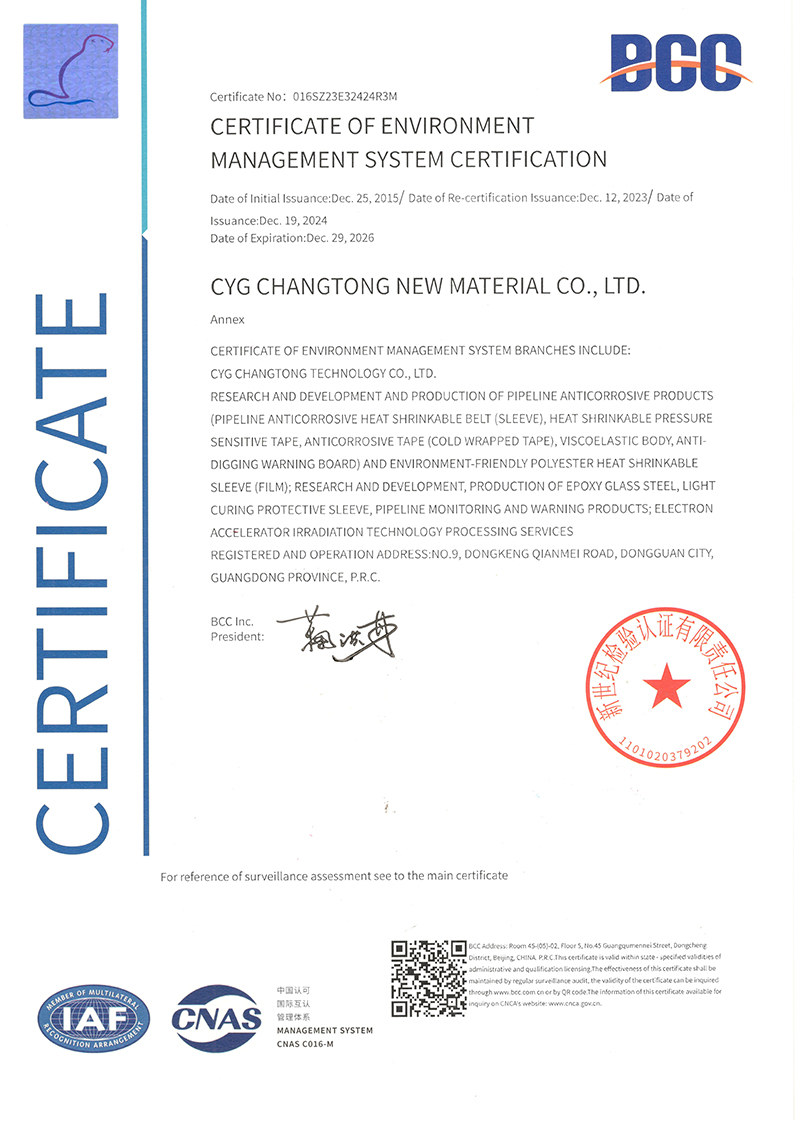
CYCT’s technical prestige is backed by key industry representations and compliance awards. We are proud members and partners in the global corrosion prevention network:
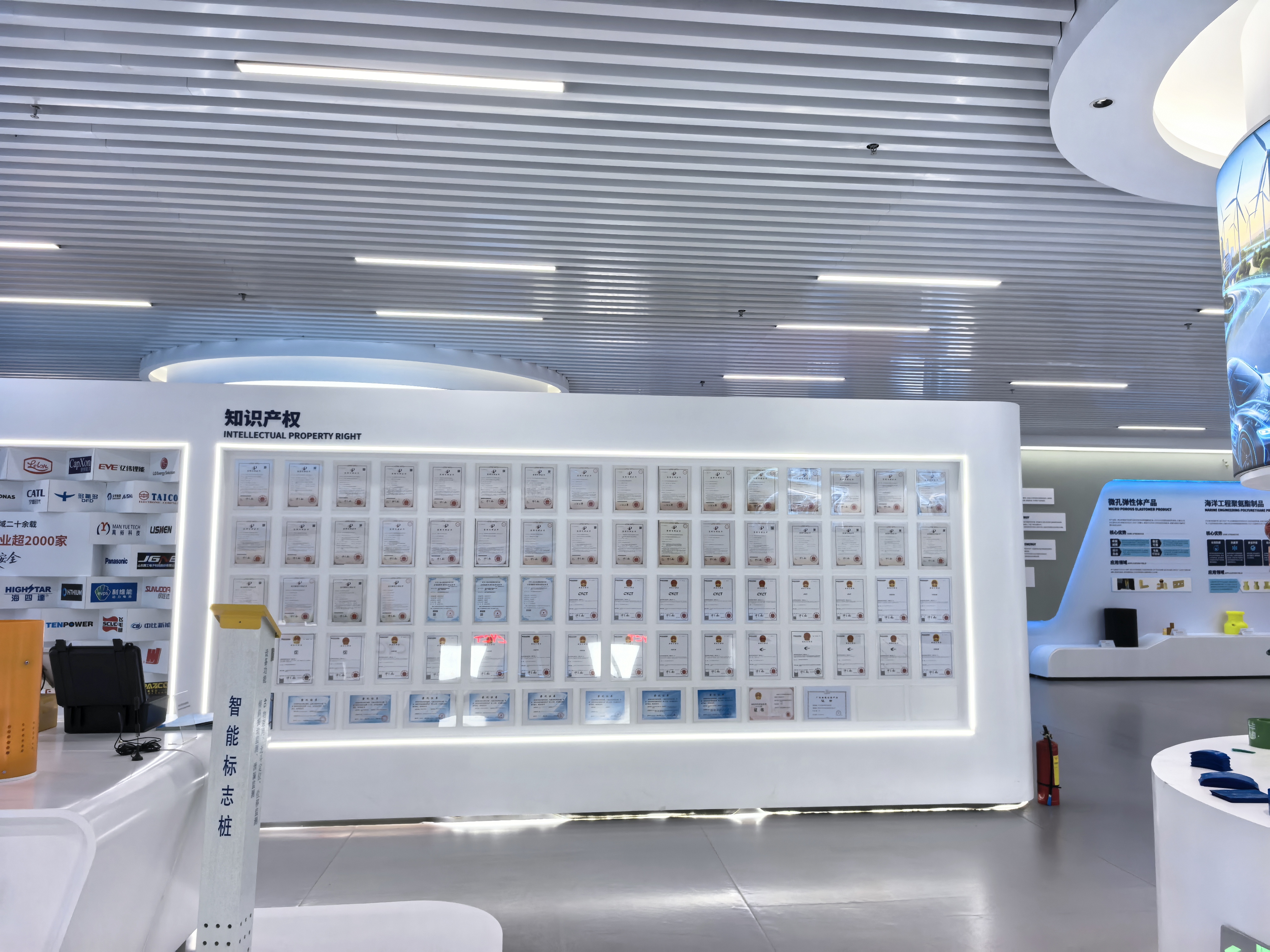
Member of Council in Chinese Society for Corrosion and Protection (CSCP) | Qualification Certificate of Corrosion Protection Construction | Qualification Certificate of Pipeline Detection | Well-known Brand of Pipeline Corrosion Protection in China | Corporate Member of China Association of Petroleum Engineering Construction (CAPEC) | State-Level High-Tech Enterprise with more than ten proprietary intellectual property rights | Approved Supplier of PetroChina, Sinopec, China Gas Group, and Indian Oil.
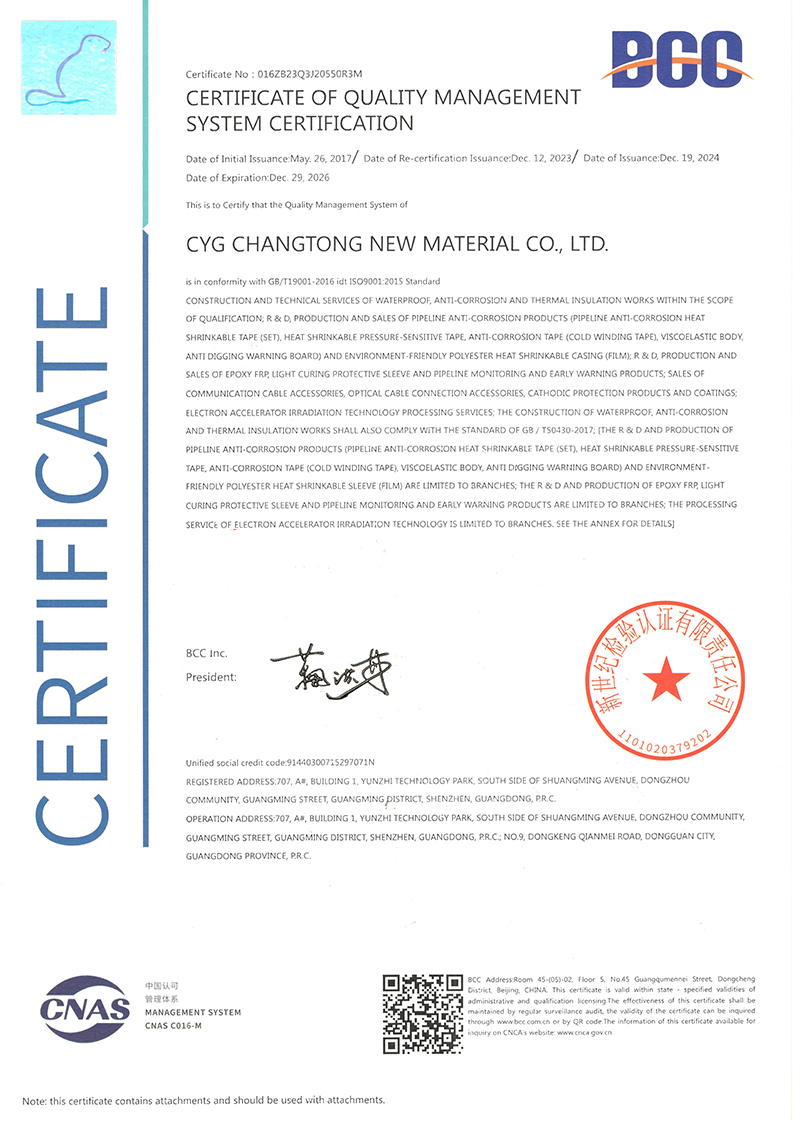
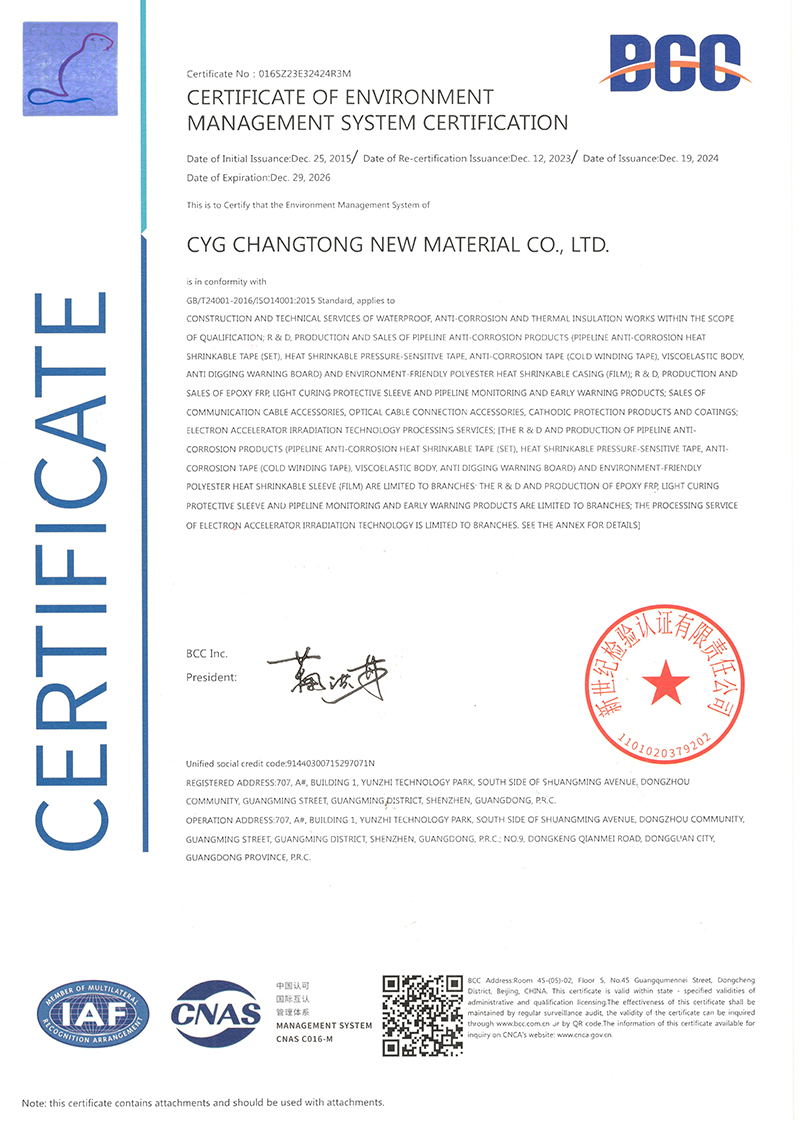
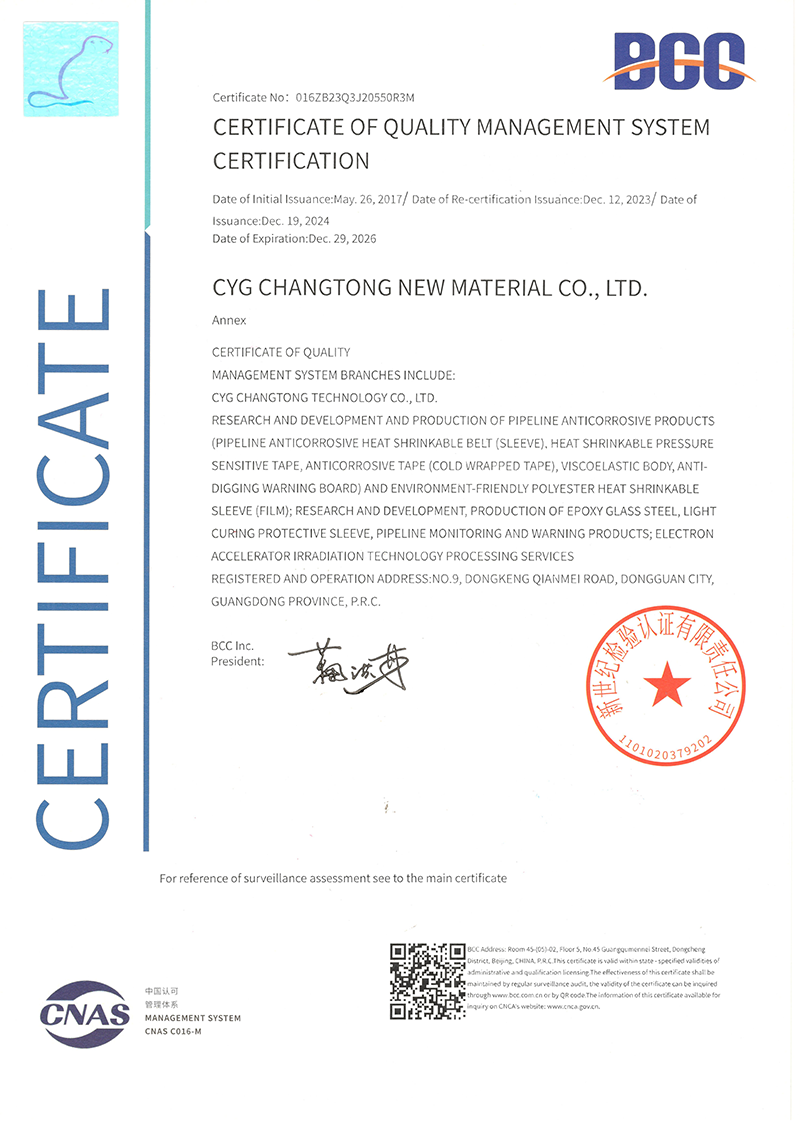
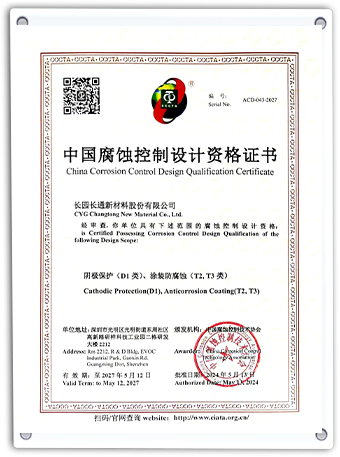
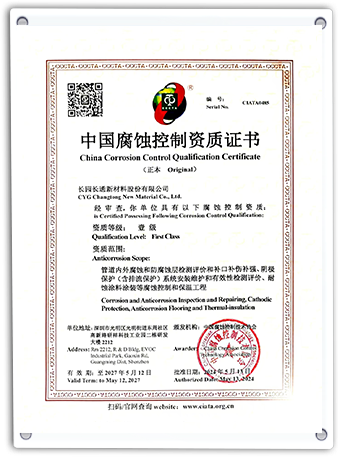
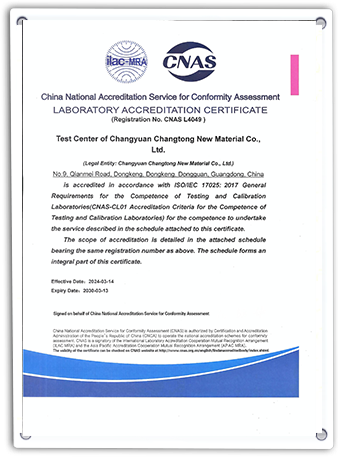
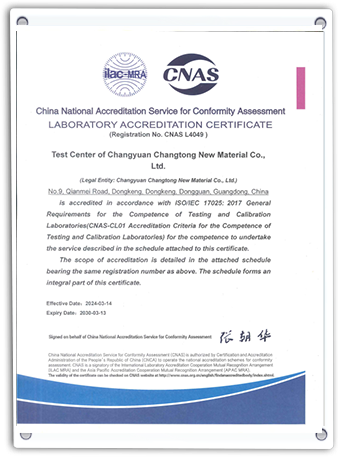
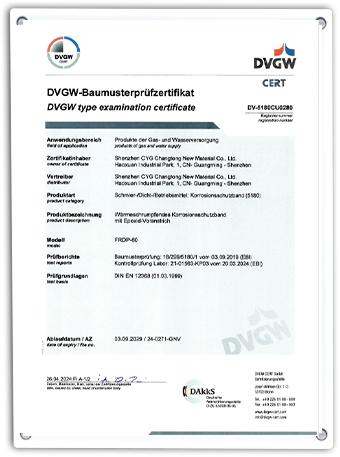
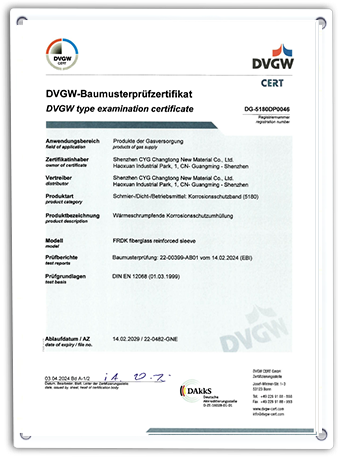
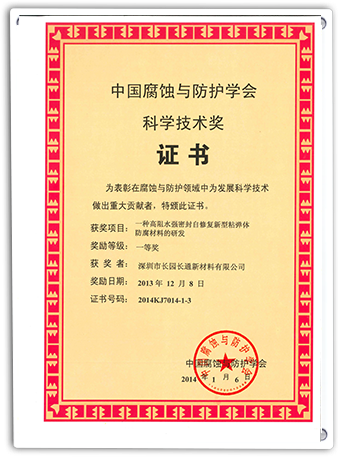
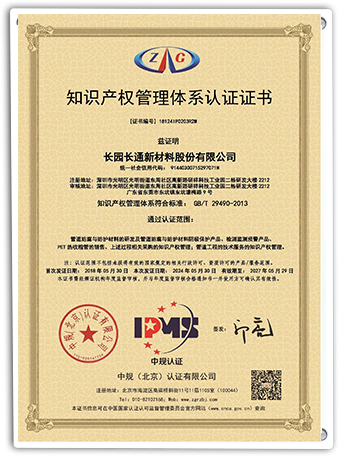
CYCT products are engineered to conform with major global anti-corrosion, electrical, and petrochemical standards. Our quality assurance pipelines match the requirements of ASTM, ISO, EN, and national standards:
| Material Class | Reference Standards | Key Properties Tested | Primary Industrial Application |
|---|---|---|---|
| PP Heat Shrink Sleeves | EN 12068 Class C, ISO 21809-3 | Indentation resistance, peel strength at 80°C | High-temperature gas pipeline field joints |
| PE Heat Shrink Tape | ASTM D1000, EN 12068 Class B | Tensile strength, elongation at break, impact resistance | Standard soil pipeline weld protection & rehabilitation |
| PET Shrink Tubes | IEC 60684, ASTM D2671 | Dielectric strength, volume resistivity, heat shock | Electrical component insulation & chemical barriers |
| Viscoelastic Tapes | ISO 21809-3, DIN 30672-2 | Glass transition temp, flow behavior, water absorption | Complex fitting isolation, flange protection, valve coatings |
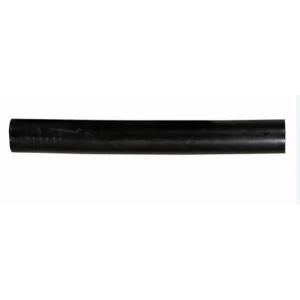
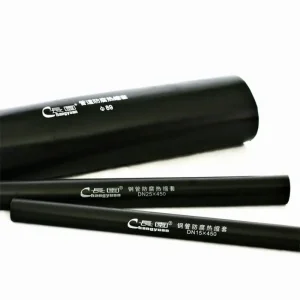
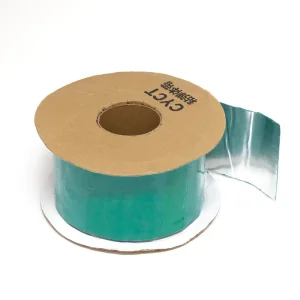
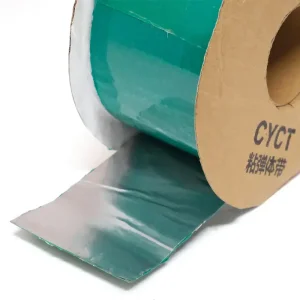
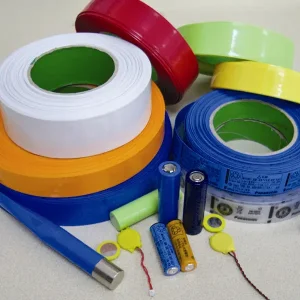
Discover our range of hot melt sticks, viscoelastic tapes, custom PET shrink tubes, and offshore moisture shields.
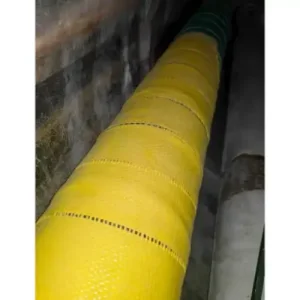
Our engineering division answers the most common queries regarding shrink wrap tubing selection, implementation, and quality assurance standards.
 CYCT
CYCT