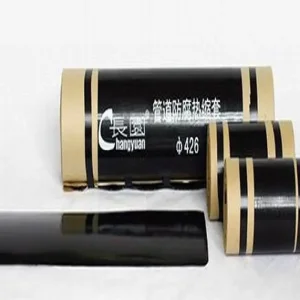
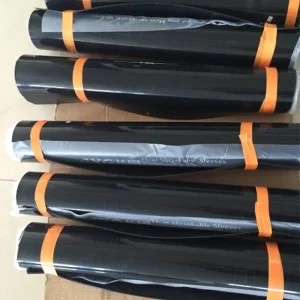
Premium solutions engineered for corrosion resistance, mechanical protection, and high-temperature pipeline integrity.
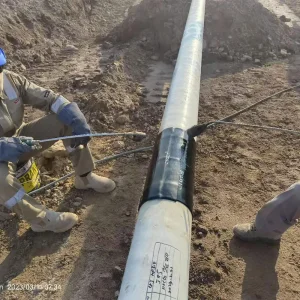
Analyzing industry dynamics, standard compliance, and structural shifts in high-value infrastructure pipelines.
Global pipeline projects are moving toward integrated corrosion prevention systems. The traditional approach of buying generic tapes has transformed into specifying systems that match the design life (often 30 to 50 years) of the pipelines. Engineers now require validation parameters for soil stress, thermal cycling, and cathodic disbondment before approving supplier agreements.
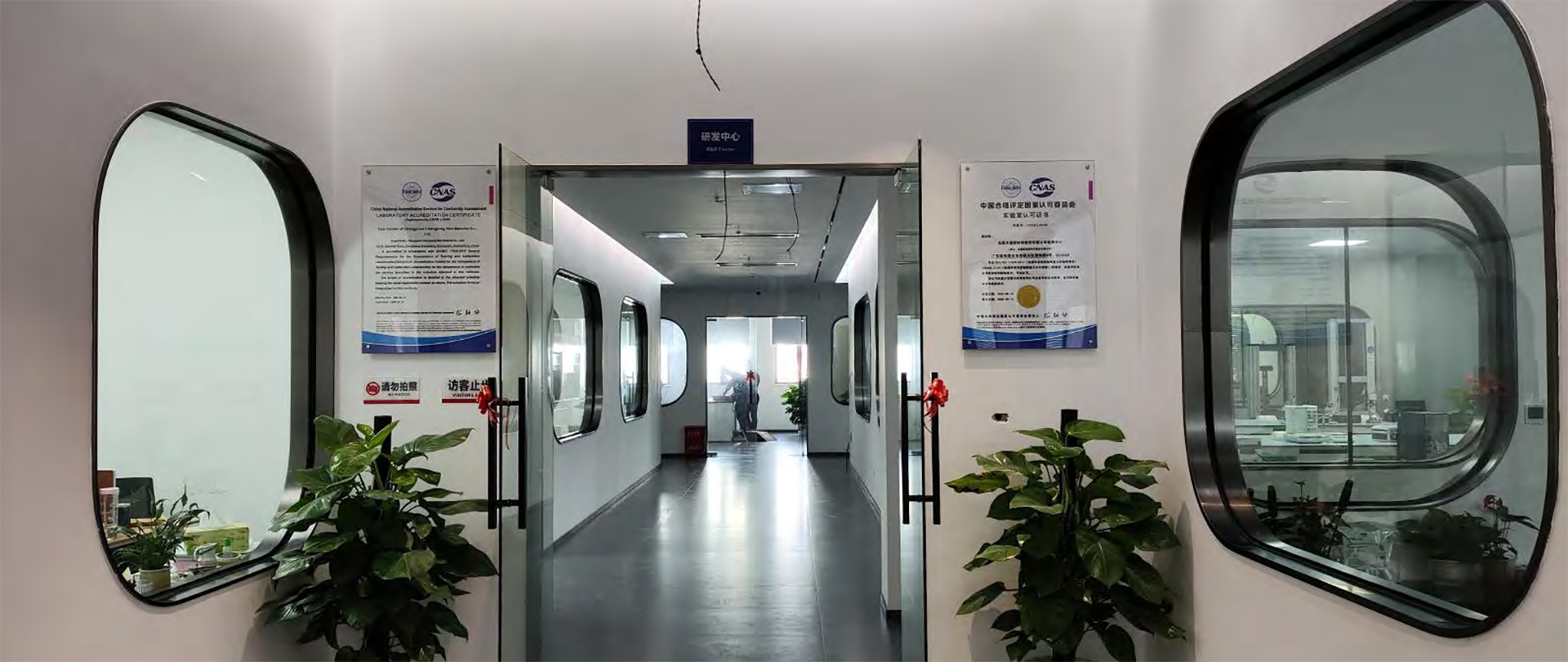
Compliance with ISO 21809-3, EN 12068, and DIN 30672 is now standard across international projects. Sourcing divisions require ISO/IEC 17025 CNAS certified laboratories to confirm technical data sheets. This rigorous verification minimizes field joint failures, which represent over 80% of all pipeline corrosion incidents globally.
From high-temperature desert environments (+85°C design temperature) to sub-zero offshore conditions, pipeline protection systems must withstand intense temperature fluctuations. Traditional single-layer tapes are increasingly replaced by three-layer heat shrinkable sleeves (3LPE/3LPP) and viscoelastic self-healing systems that dynamically adjust to thermal cycles.
Cathodic protection (CP) prevents corrosion at coating holidays by applying direct current. However, if the adhesive has weak chemical resistance or poor surface wetting, the CP current can cause cathodic disbondment. Highly cross-linked hot-melt adhesives and viscoelastic compounds with cold-flow properties block moisture and resist disbondment, ensuring long-term integrity.
Decades of engineering leadership in pipeline corrosion protection materials, field application services, and safety detection.
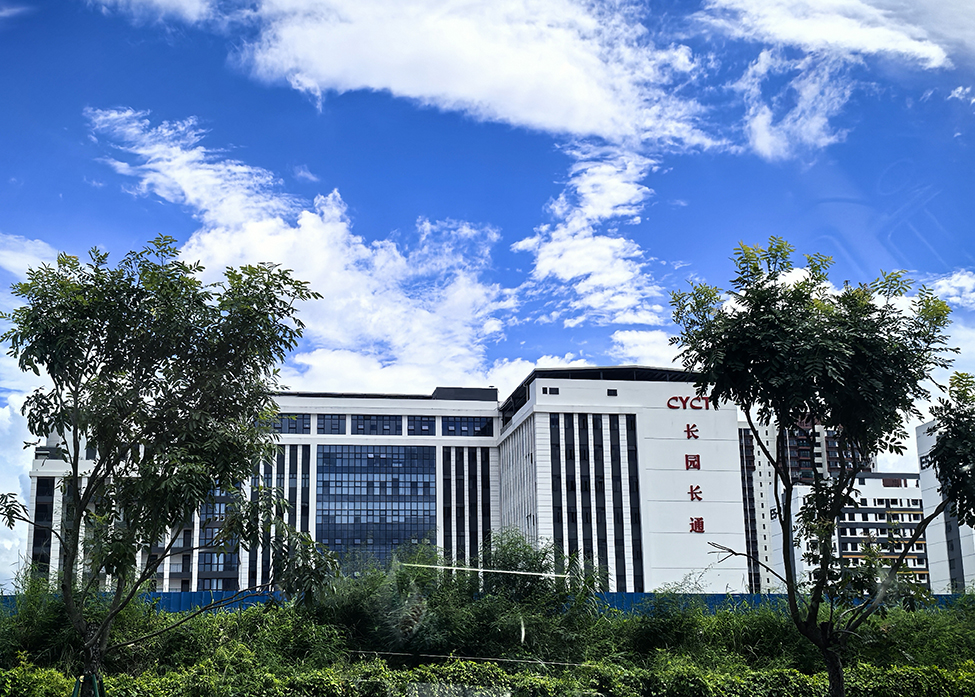
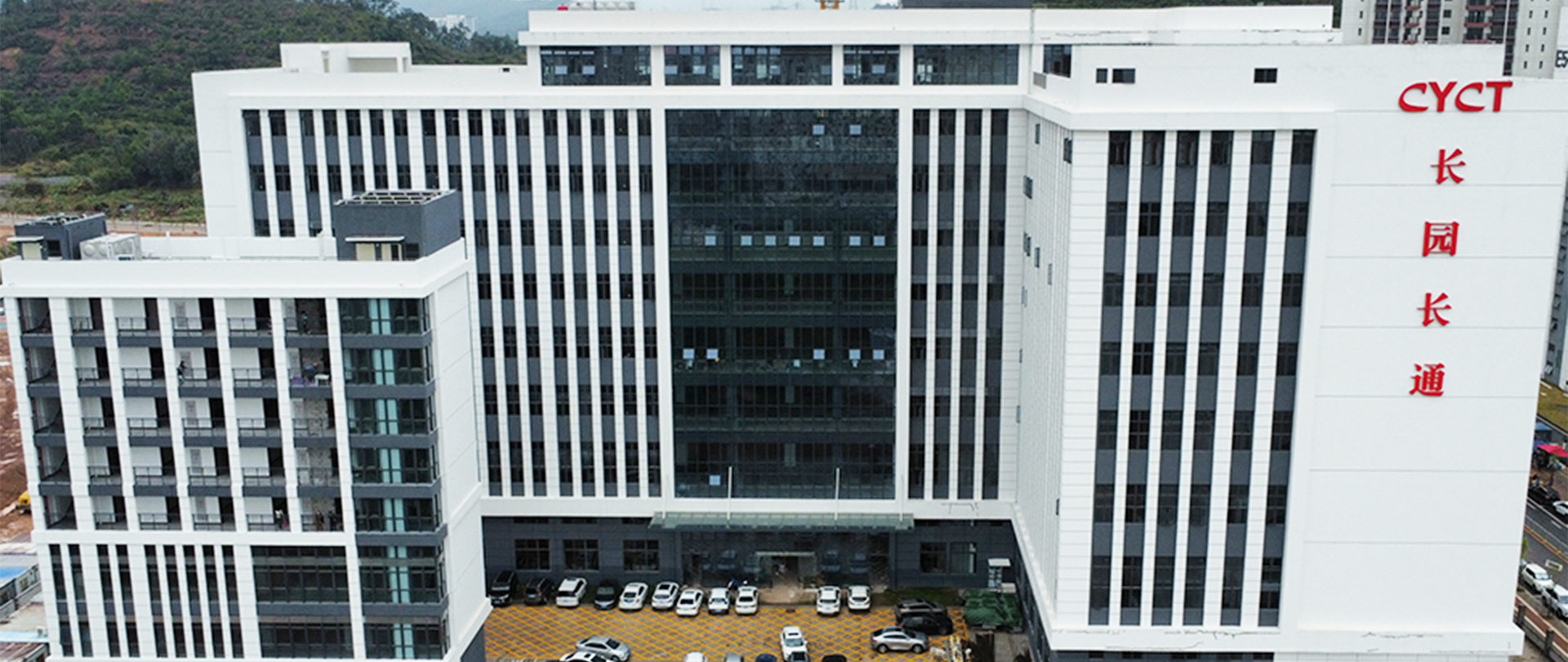
CYCT New Materials Company Limited (CYCT) integrates R&D, manufacturing, sales of pipeline corrosion protection systems, buried pipeline detection, and pipeline coating field services. Since 2000, we have engineered coatings that protect energy transmission pipelines under challenging geological and climatic conditions.
By collaborating with leading research institutes like the CNPC Pipeline Science Research Institute, CYCT provides operators with complete safety solutions, including cathodic protection design, pipeline rehabilitation, and long-term corrosion monitoring.
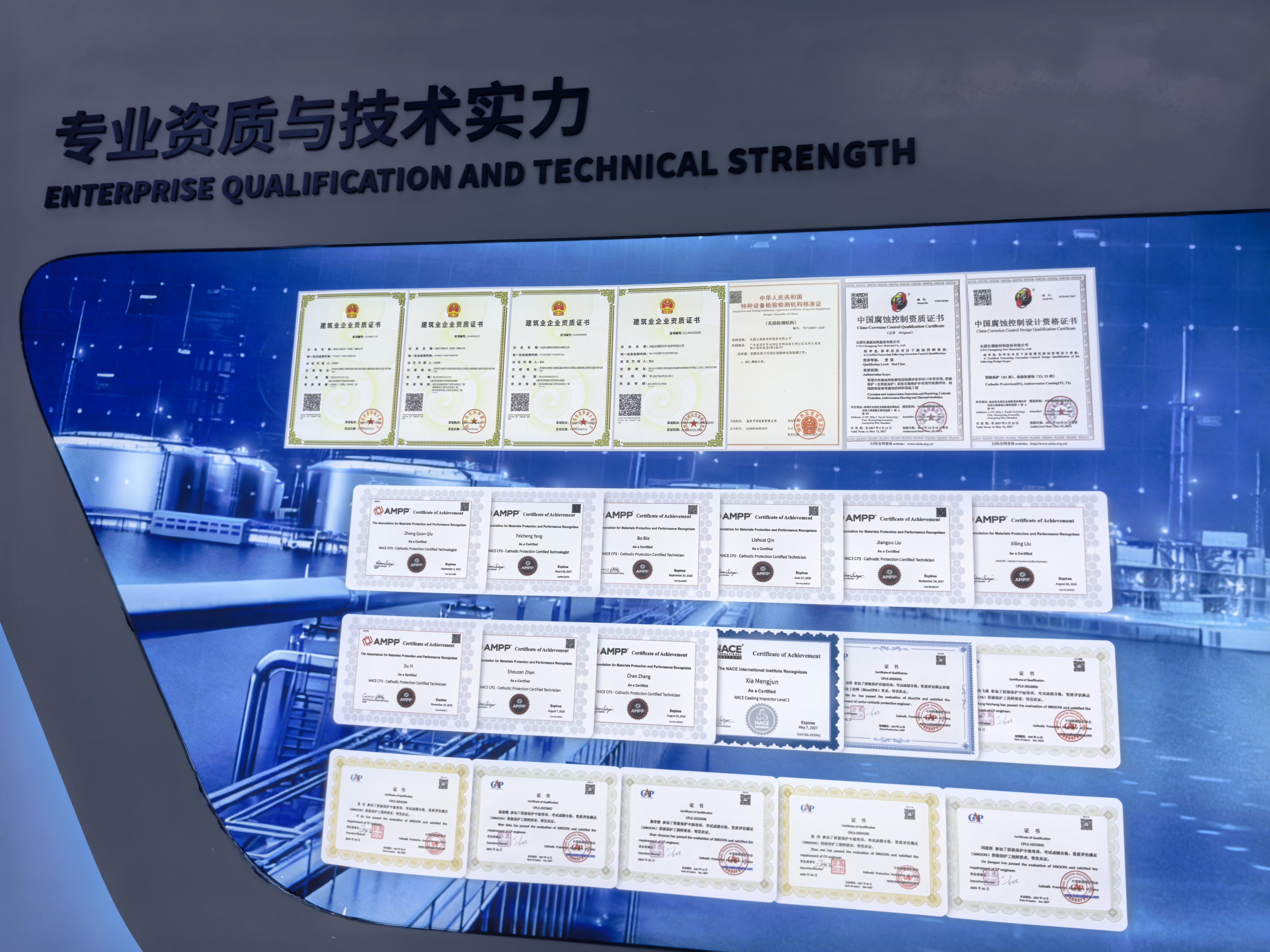
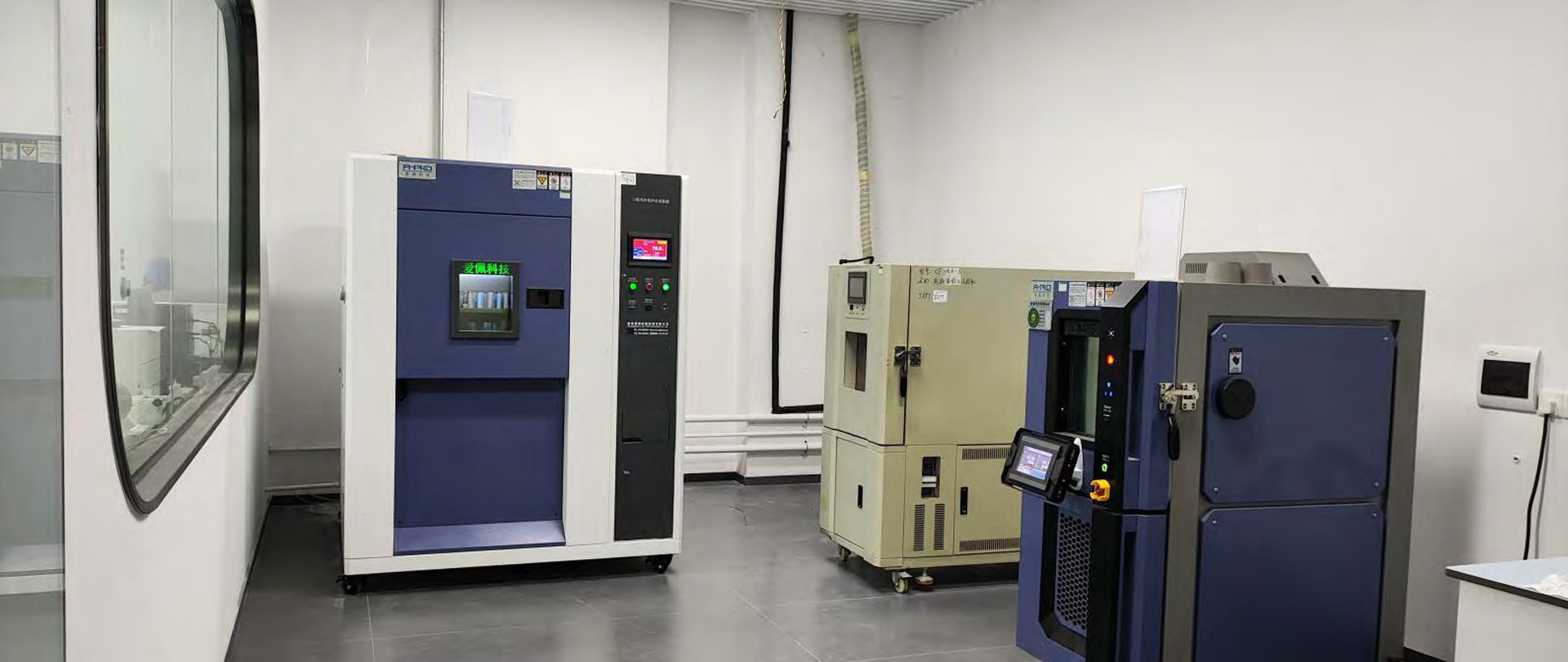
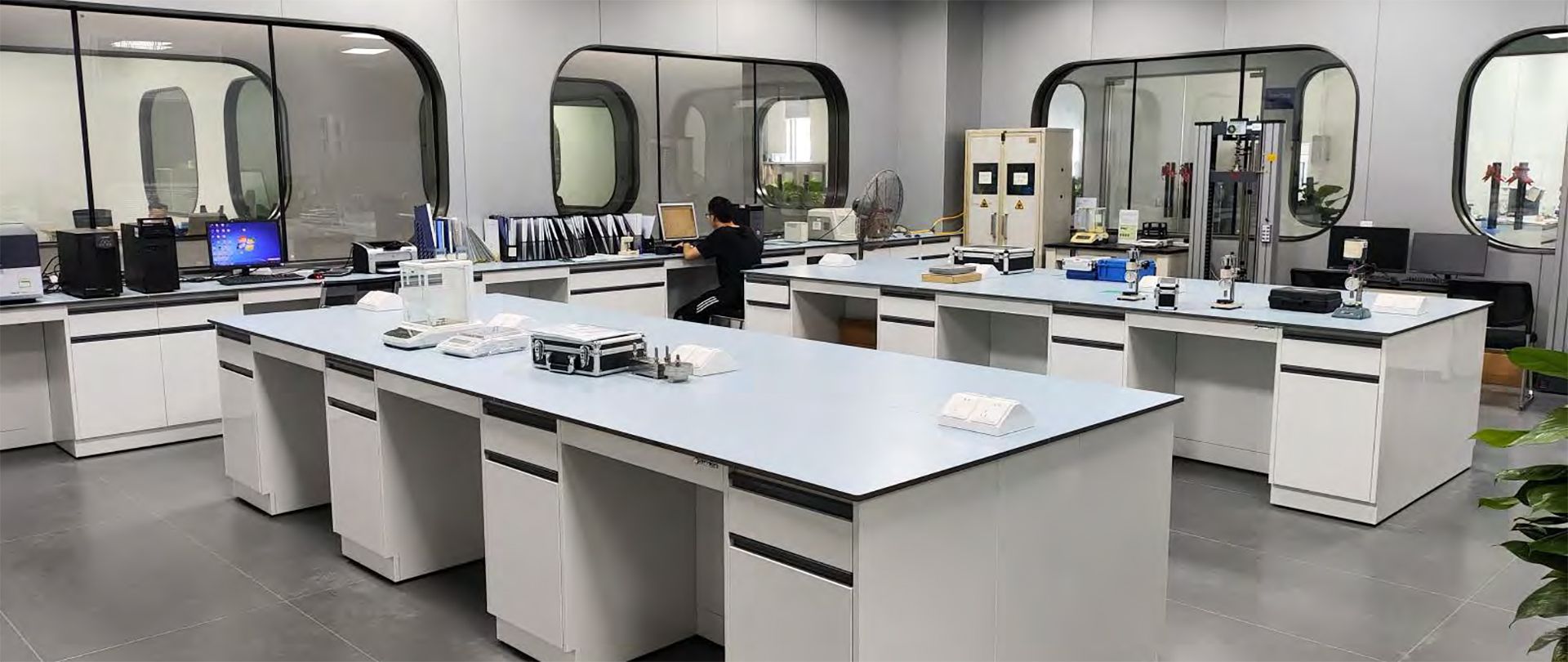
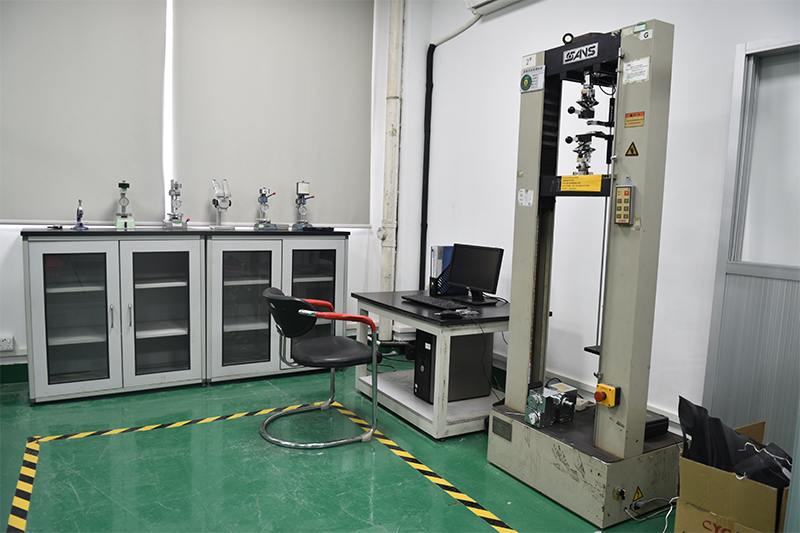
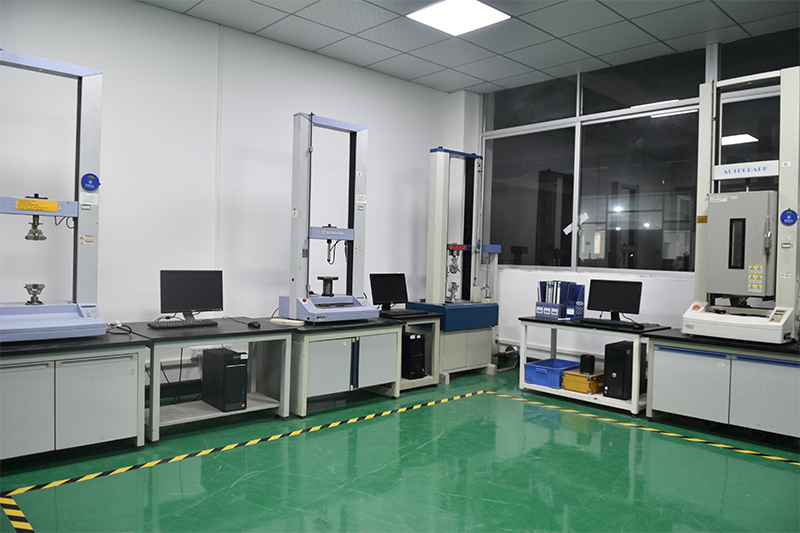
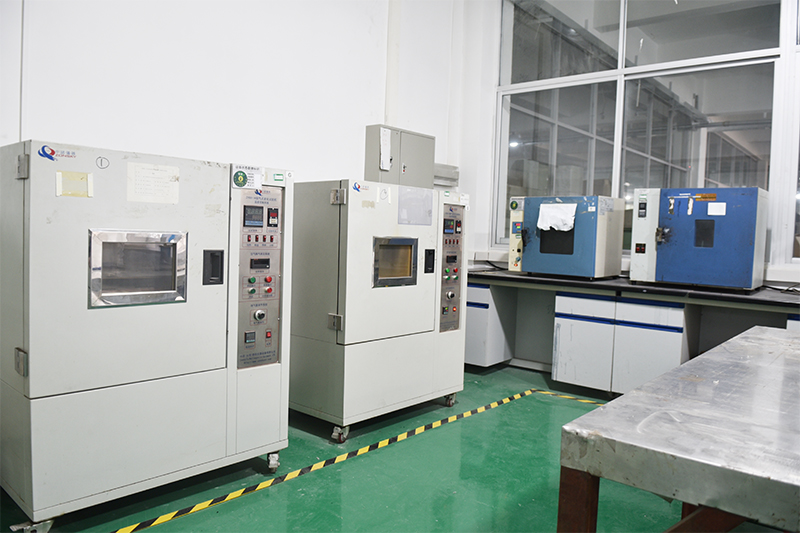
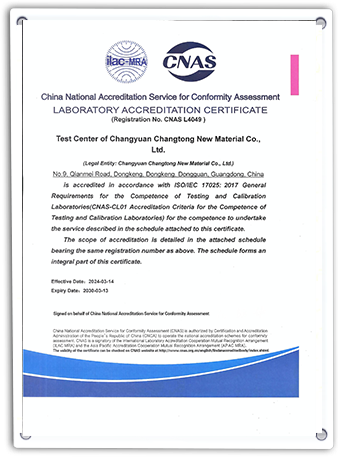
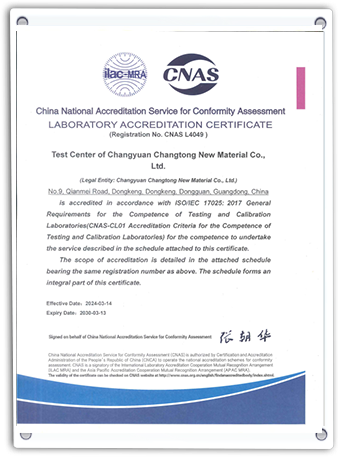
CYCT operates a national CNAS-accredited laboratory for testing materials under simulated field conditions. Our testing programs measure shear resistance, peel strength, impact resistance, and long-term thermal aging to verify that every production run meets international quality standards before dispatch.
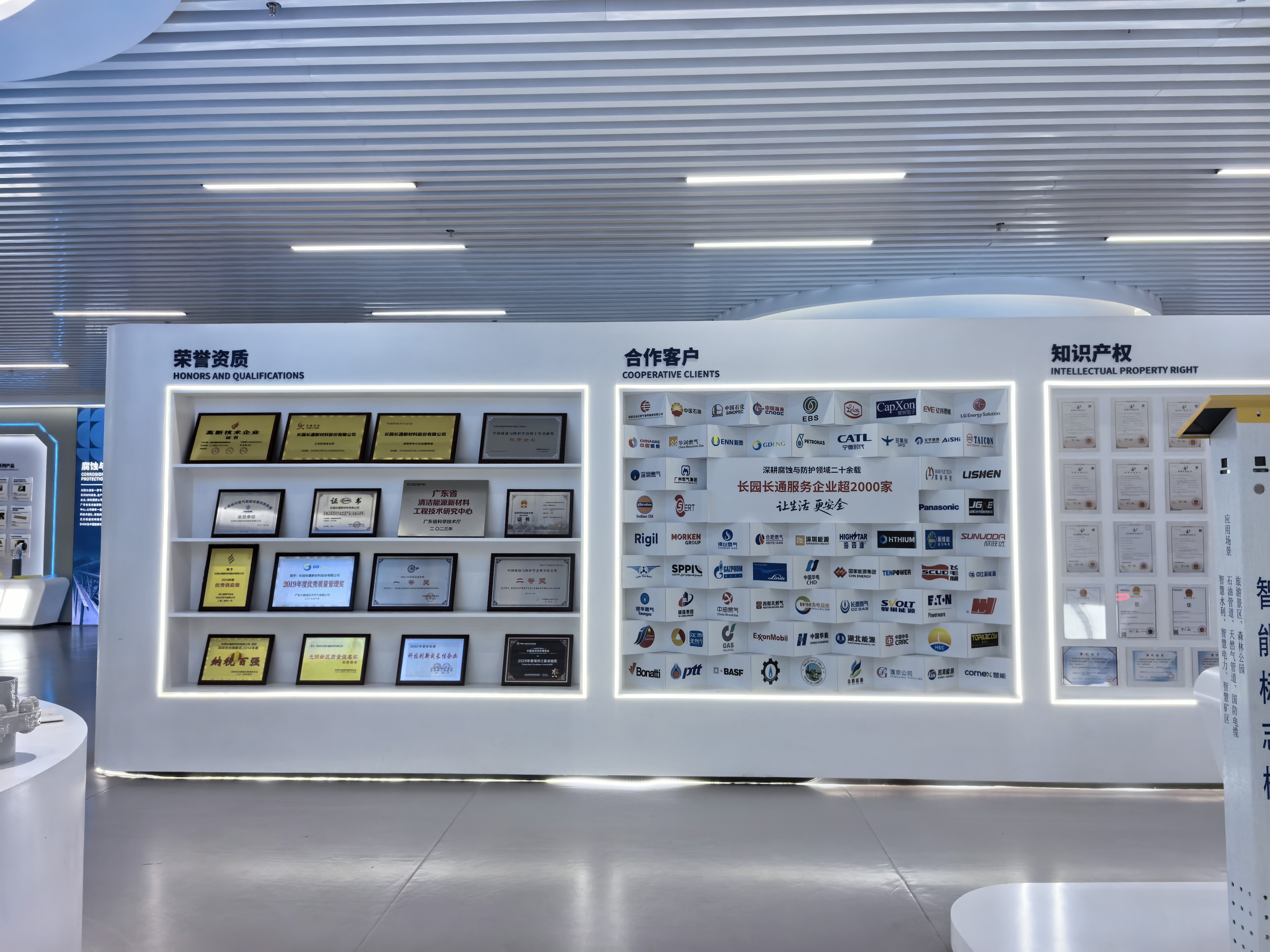
CYCT is an approved field joint coating supplier for major national grid operators, including PetroChina, Sinopec, PipeChina, and Indian Oil. Our specialty line of corrosion protection materials includes viscoelastic anti-corrosion systems, high-temperature PP heat shrinkable sleeves, and photo-curing protective sleeves (GRP Sheets) for horizontal directional drilling (HDD) crossings.
Applying automated manufacturing and digital quality control to secure long-term value for pipeline projects.
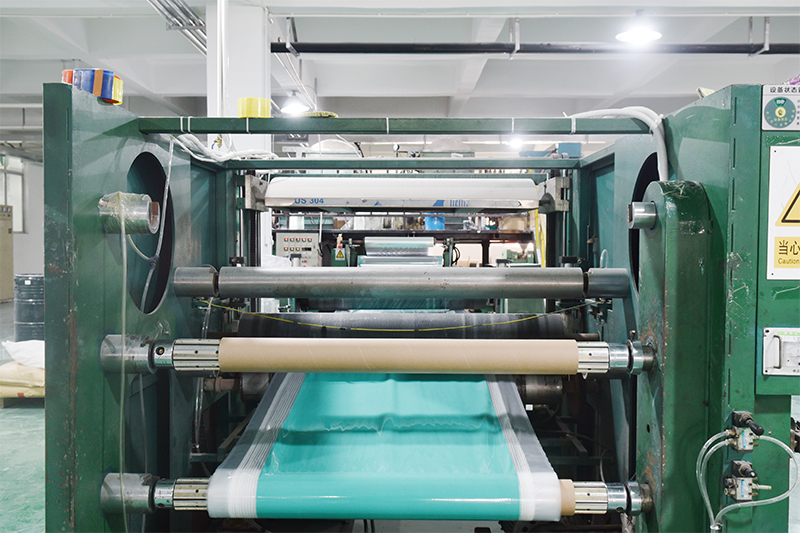
CYCT's production lines feature automated extrusion systems that regulate backing thickness and adhesive distribution. This control ensures consistent material application, eliminating thin spots that could compromise mechanical protection or lead to early coating holidays in the field.
From chemical blending to final packaging, every step is logged in our production system. Each product batch is traceable back to its raw material source, giving pipeline operators complete quality assurance for project audits and regulatory inspections.
Our production facilities scale output to meet demanding project schedules. By managing raw material inputs and maintaining automated inventory levels, CYCT consistently supports large-scale infrastructure builds on time.
Adapting pipeline coatings to withstand extreme physical stresses, high temperatures, and rugged terrain.
Trenchless construction methods drag pipelines through highly abrasive rocky soils. Traditional coatings can shear, leaving the pipe vulnerable to groundwater corrosion. CYCT's fiberglass-reinforced sleeves (FRDP) and photo-curing GRP sheets cure into a hard outer shell, providing the mechanical protection required to survive tough pull-back operations.
Hydrocarbon transport can raise pipeline operating temperatures to +80°C or higher. Standard mastic or cold-applied tapes can soften under these conditions, leading to sagging and failure. Our special PP shrink sleeves and hot melt repair systems maintain their mechanical and chemical properties at design temperatures up to 85°C.
Rehabilitating older pipelines requires surface-tolerant coatings that apply easily in wet trench conditions. Viscoelastic VT95 tapes require minimal surface preparation (SSPC-SP2/SP3 hand-tool clean) and flow directly into steel profiles, sealing out moisture immediately without the need for primer.
Our commitment to reliable pipeline protection is backed by national memberships, patents, and global product certifications.
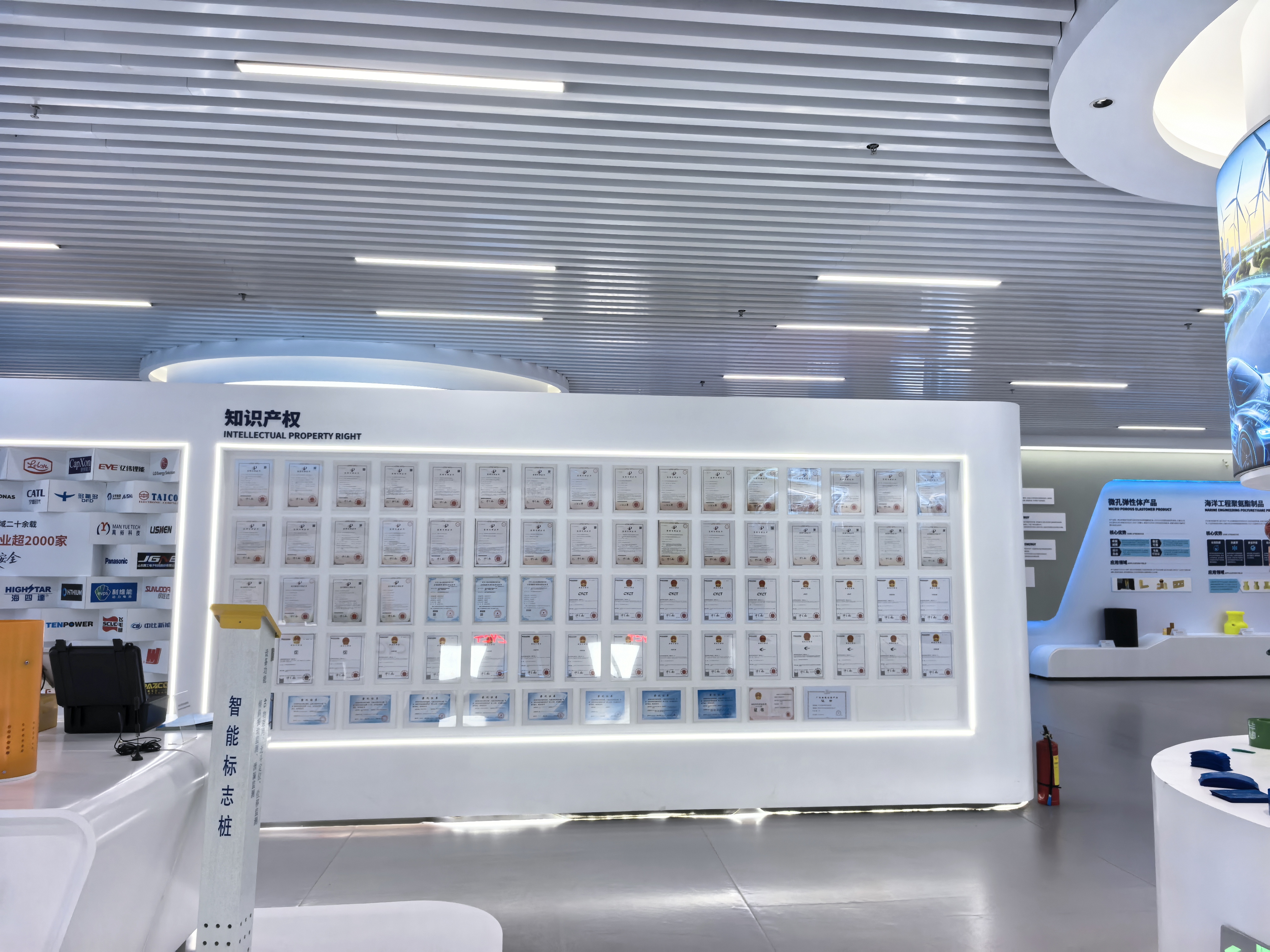
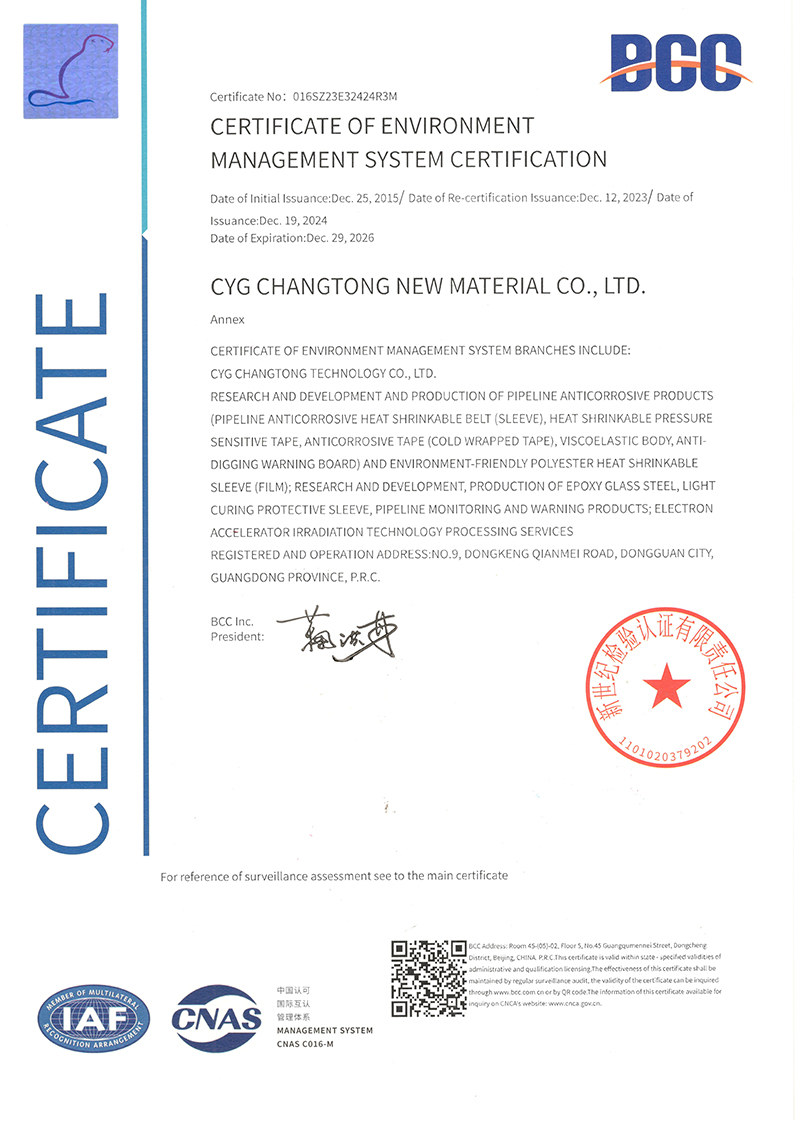
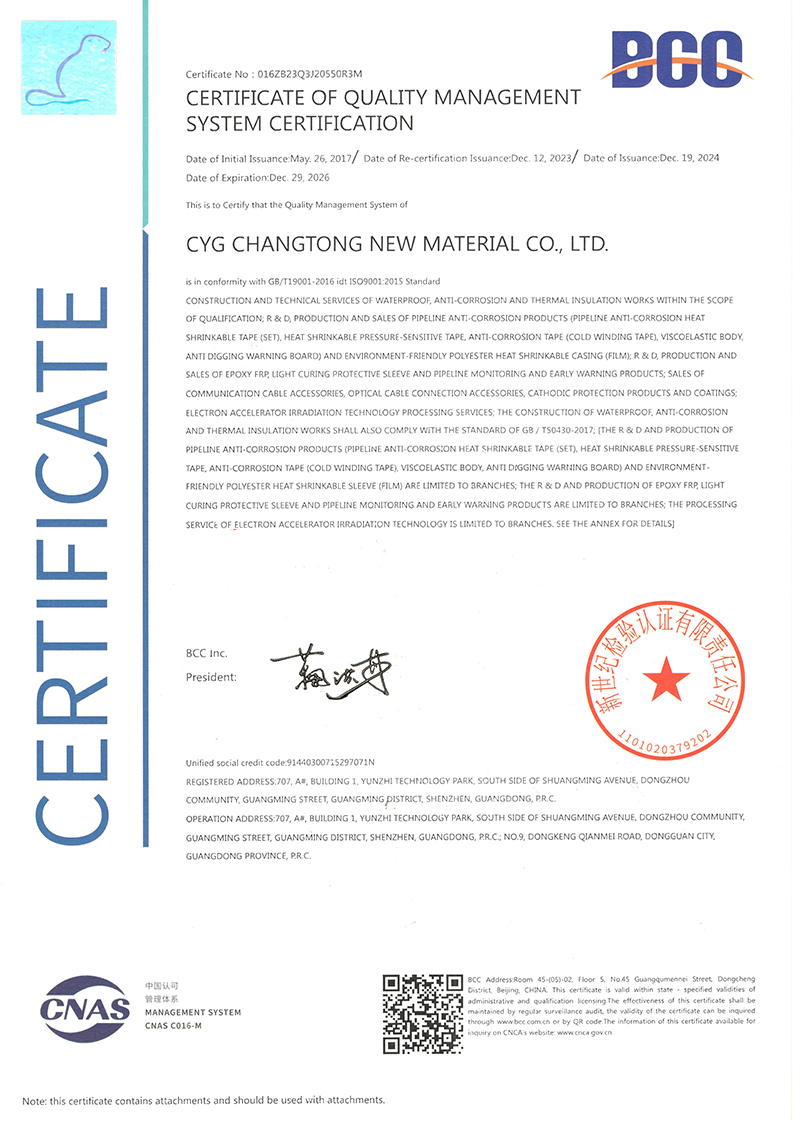
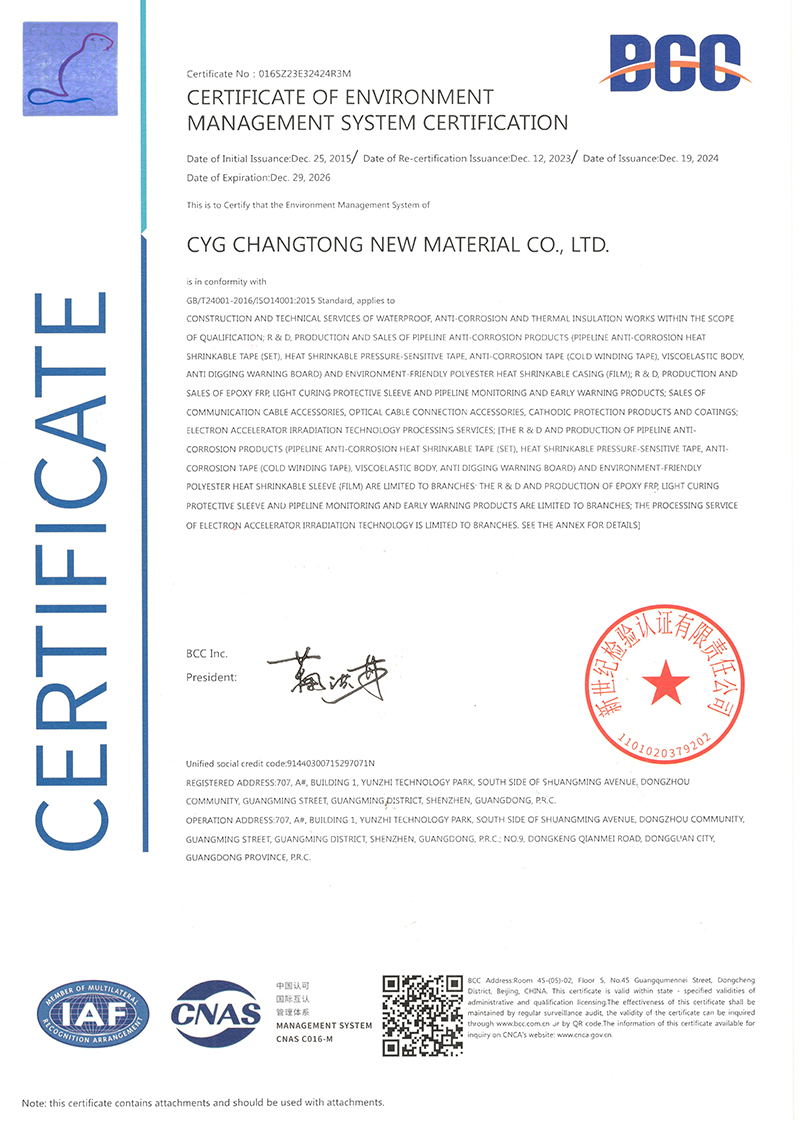
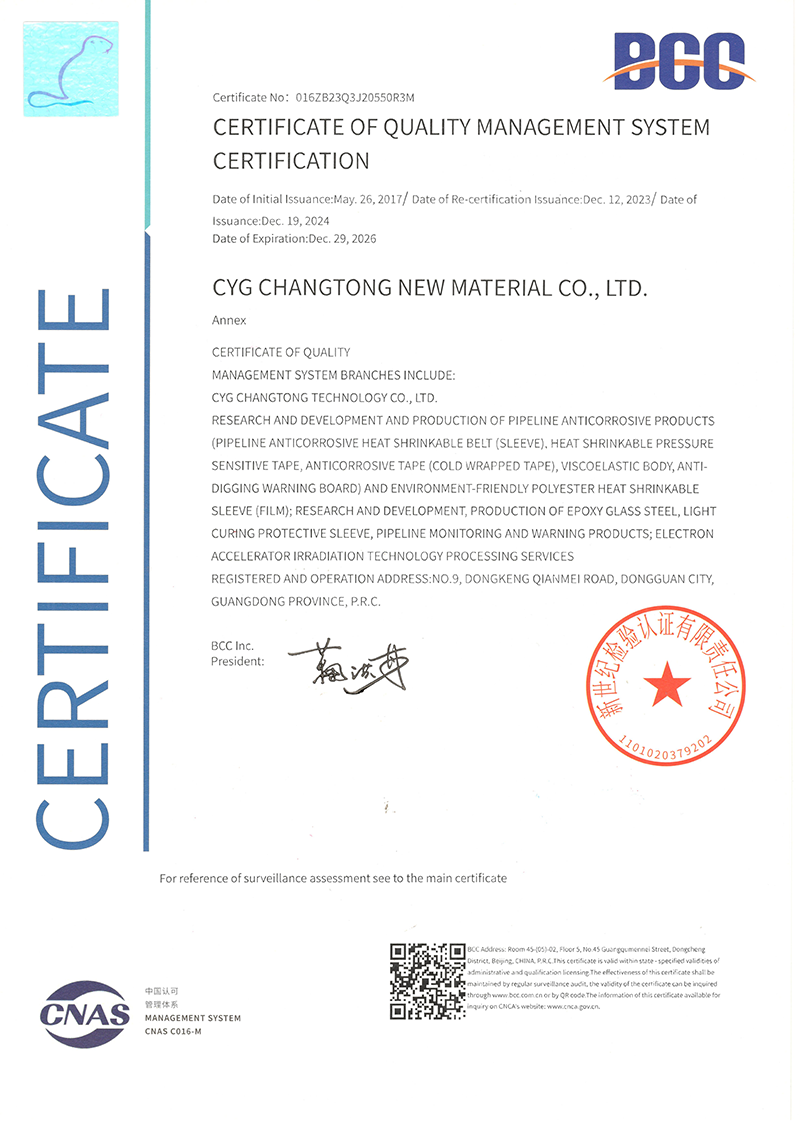
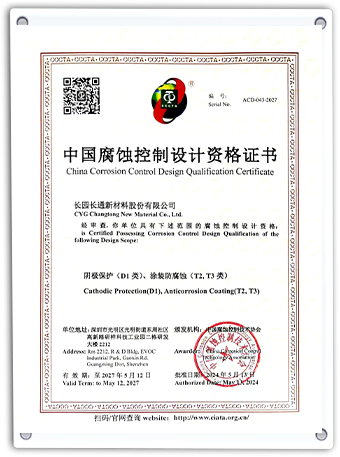
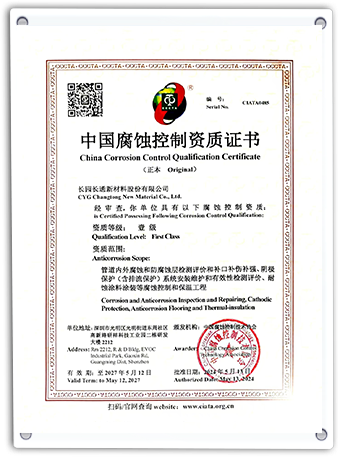
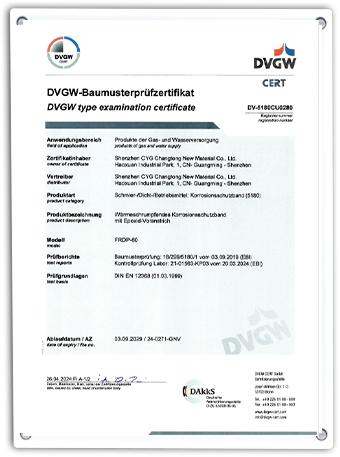
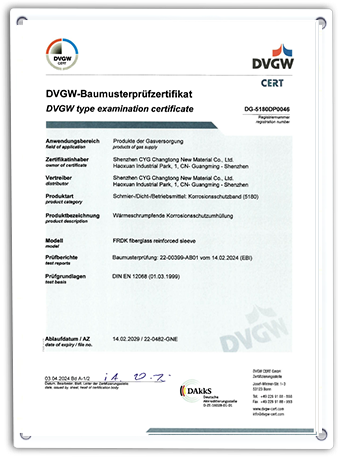
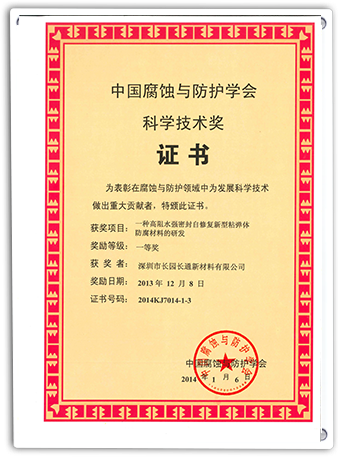
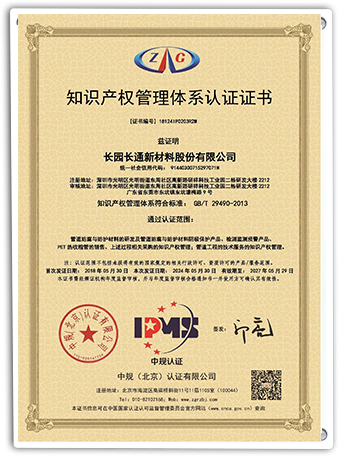
CYCT is an active Council Member of the Chinese Society for Corrosion and Protection (CSCP) and a Corporate Member of the China Association of Petroleum Engineering Construction (CAPEC). We maintain qualification certificates for pipeline detection and corrosion control construction, and hold stable supplier relationships with Sinopec, PetroChina, China Gas Group, and Indian Oil.
Detailed insights from our engineering and R&D teams to help clarify specification selection and installation standards.
PP (Polypropylene) Heat Shrink Sleeves are designed for higher continuous operating temperatures (typically up to +110°C or +120°C) and provide high resistance to mechanical stresses and soil shear. PE (Polyethylene) sleeves are generally rated for temperatures up to +60°C or +80°C.
Choosing between them depends on the pipeline design temperature, surrounding soil conditions, and the mainline coating material (3LPE vs 3LPP) to ensure chemical compatibility.
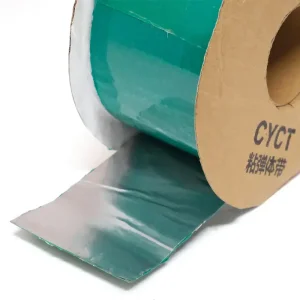
Viscoelastic tapes (such as VT95) use a non-crystalline, cold-flowing polyolefin compound that behaves like a high-viscosity liquid. This structure allows the tape to flow directly into the steel surface profile, achieving 100% surface wetting and forming a tight physical bond without chemical primers.
This design simplifies installation in the field by reducing prep time and cutting down on emission concerns from primer solvents.
The primary standards are ISO 21809-3, EN 12068, and DIN 30672. CYCT complies by verifying raw materials and finished products through our national CNAS-accredited laboratory.
We perform standard verification tests, including peel-to-steel strength, cathodic disbondment resistance (CD), and impact resistance, ensuring compliance with international project specifications.
Horizontal Directional Drilling (HDD) drags pipelines through abrasive soils and rock. Standard polymer coatings can scratch or tear during this process. Photo-curing GRP (Glass Reinforced Plastic) sleeves use a UV-curable resin that hardens into a high-strength outer shell.
This protective layer absorbs impact and resists abrasion, protecting the primary anti-corrosion layer during pull-back operations.
VE (Viscoelastic) Putty is used to fill irregular surface contours, such as flanges, valves, bolt heads, and weld beads. By filling these gaps, it creates a smooth transition profile for outer wrapping tapes.
This prevents air pockets and voids where moisture could accumulate, reducing the risk of localized corrosion at complex fittings.
A comprehensive range of repair tapes, fillers, and mechanical shields designed to maintain pipeline coating integrity.
 CYCT
CYCT