Pipeline infrastructure serves as the lifeblood of global economic activity, transporting millions of barrels of crude oil, cubic meters of natural gas, petrochemicals, slurry, and potable water across continents. However, these systems face a relentless, multi-fronted chemical and mechanical threat: environmental corrosion.
According to estimates from the Association for Materials Protection and Performance (AMPP), the annual cost of global corrosion exceeds $2.5 trillion USD, representing approximately 3.4% of global GDP. For transmission pipelines buried in complex soils, laid in subsea trenches, or pushed through HDD (Horizontal Directional Drilling) paths, mitigating this degradation is not simply a matter of structural preservation; it is critical for environmental protection, regulatory compliance, and community safety.
Historically, anti-corrosion strategies relied heavily on basic coal-tar enamels or sacrificial anodes. Today, the demands of high-operating temperatures, high-pressure environments, and aggressive soil chemistries require multi-layered, synergistic polymer systems. The modern standard utilizes a combined approach consisting of high-performance coatings, passive insulation, and active cathodic protection (CP). When these components function in harmony, the operational lifespan of a steel pipeline can exceed 50 years.
As the world transitions toward hydrogen gas mixtures, deeper offshore oil fields, and highly congested urban utility corridors, the demand for adaptable field joint coatings, heavy-duty structural reinforcement wrap systems (like GFRP), and self-healing visco-elastic polymers has grown exponentially.
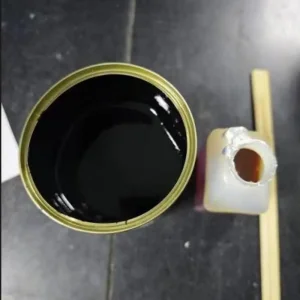
High-operating temperatures cause standard adhesives to degrade, leading to Cathodic Disbondment (CD). CYCT's liquid solvent-free epoxy primers, combined with high-temp PP or PE sleeves, yield low CD values tested up to 80°C under ISO 21809 guidelines.
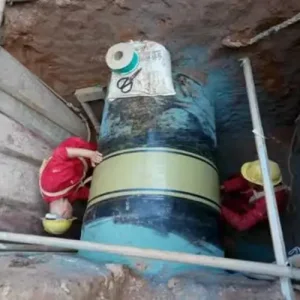
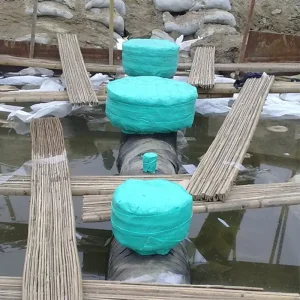
HDD crossings subject the pipe coating to severe shear forces and abrasion against soil, rocks, and cobbles. Using a photo-curing Glass Fiber Reinforced Plastics (GRP) sleeve as an outer protective armor prevents physical damage to the primary anti-corrosion barrier.
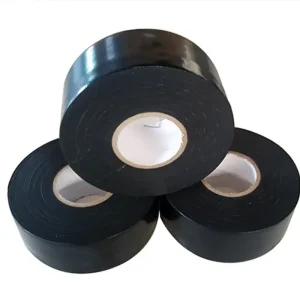
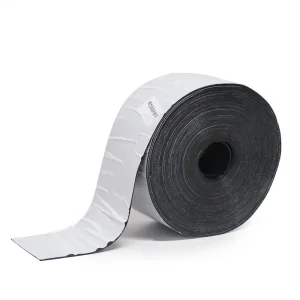
Flanges, tees, bends, and valves are prone to premature corrosion due to their complex geometries. Self-healing viscoelastic tapes and mastic filler compounds provide cold-applied, cold-flow coverage that flows into micro-crevices, achieving complete exclusion of moisture.
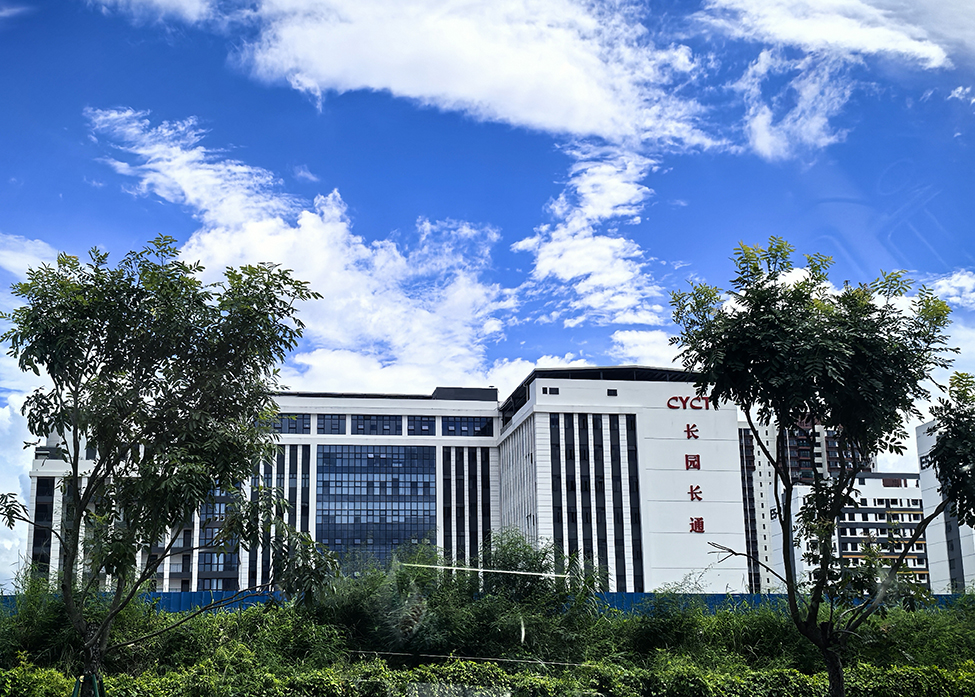
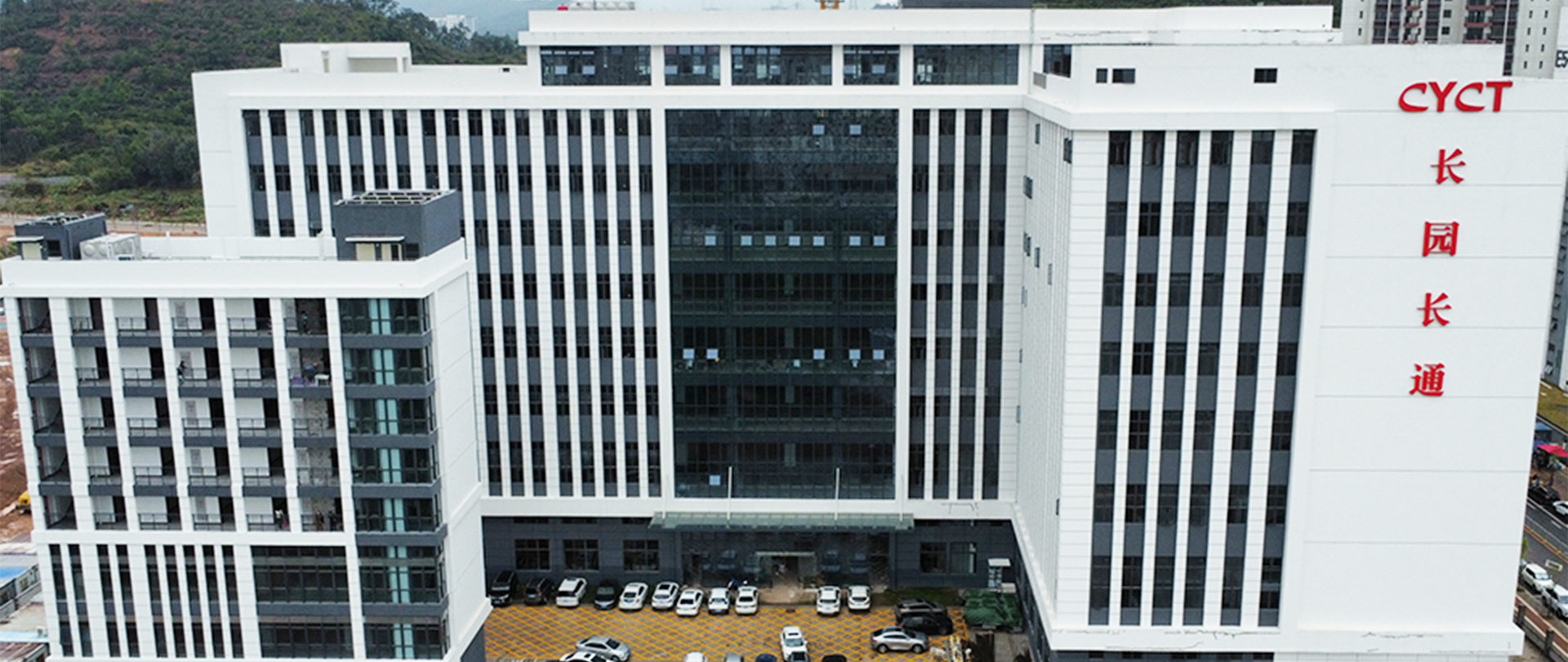
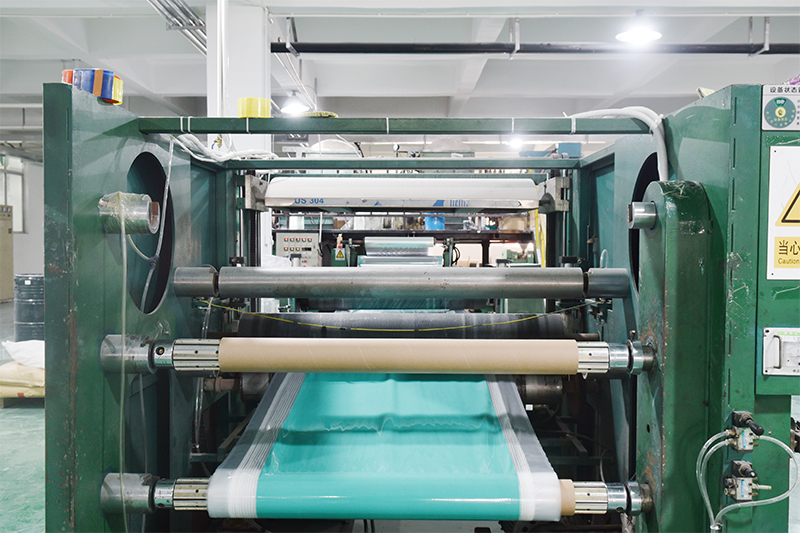
CYCT New Materials Company Limited (for short, CYCT), founded in 2000, stands as a state-level high-tech enterprise integrating R&D, production, and sales of pipeline corrosion protection materials. Over decades of refinement, the company has grown into a leading industry authority, offering buried pipeline detection services and pipeline coating field application solutions.
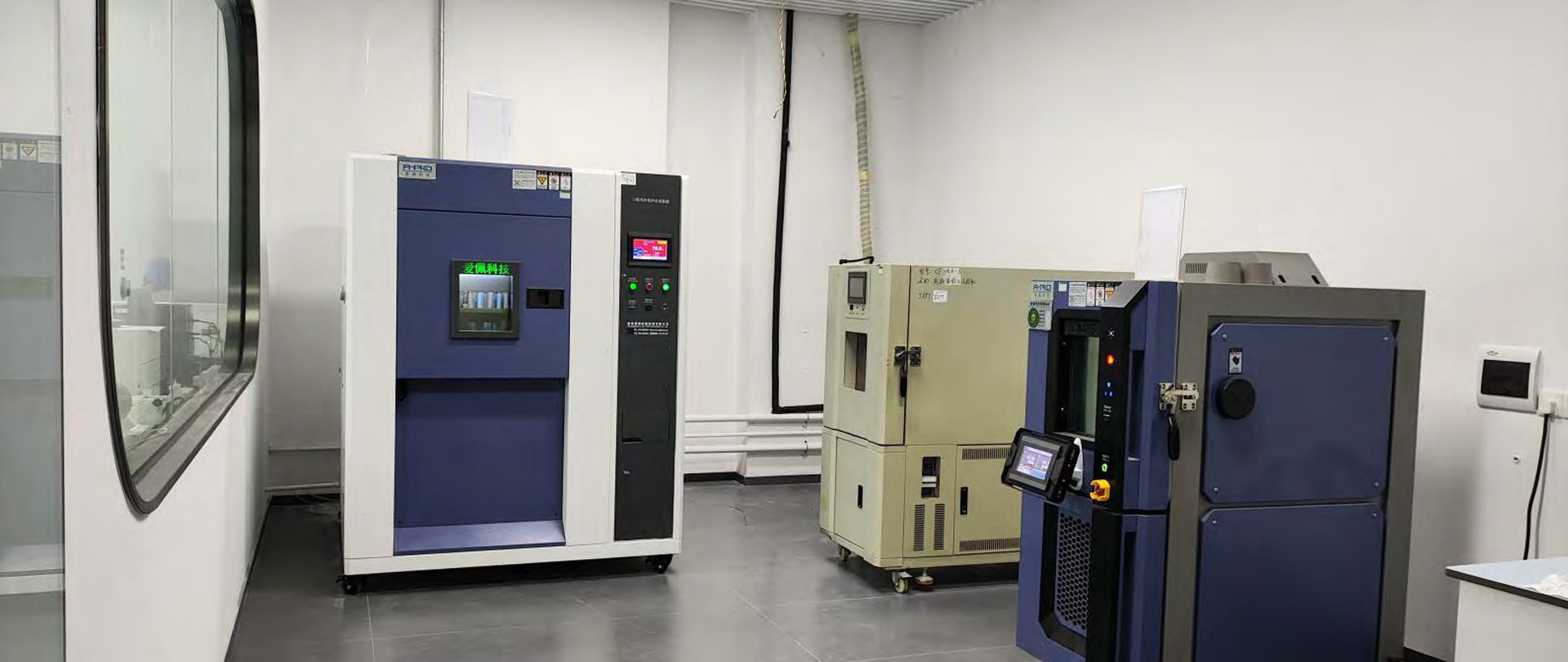
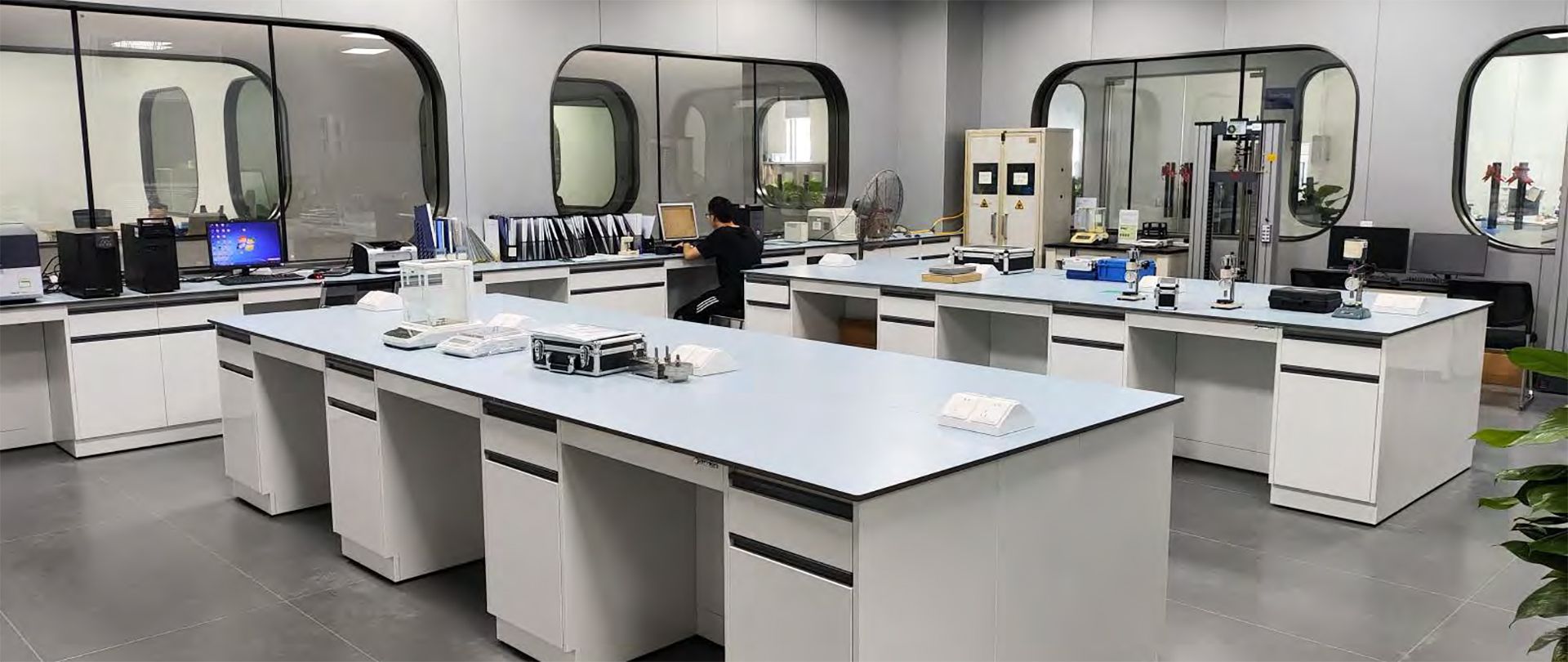
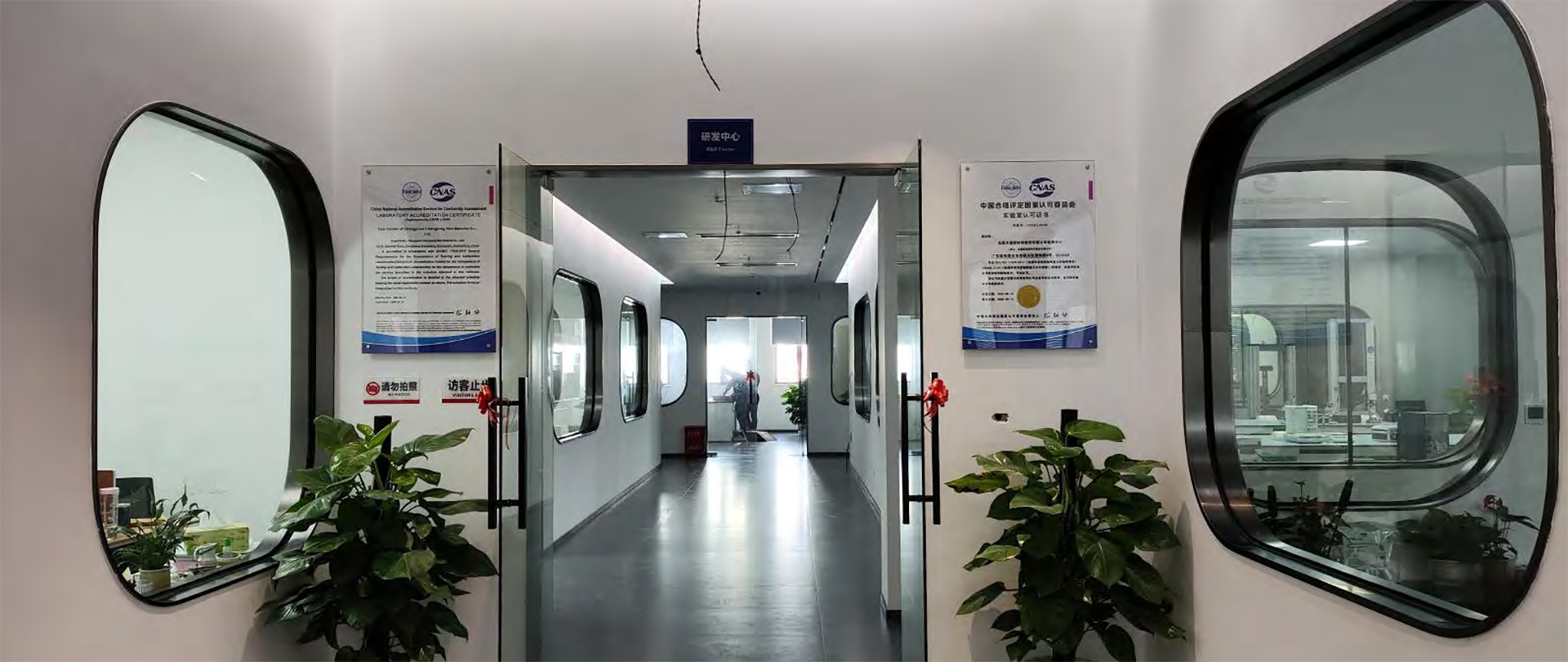
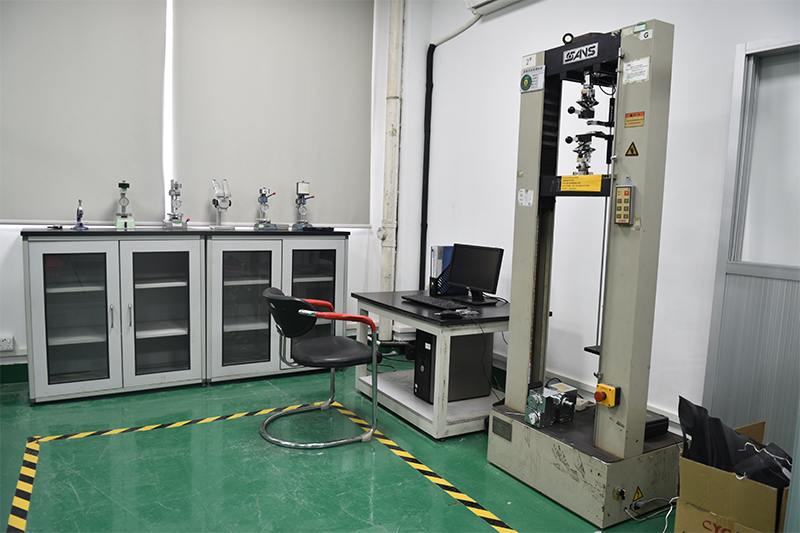
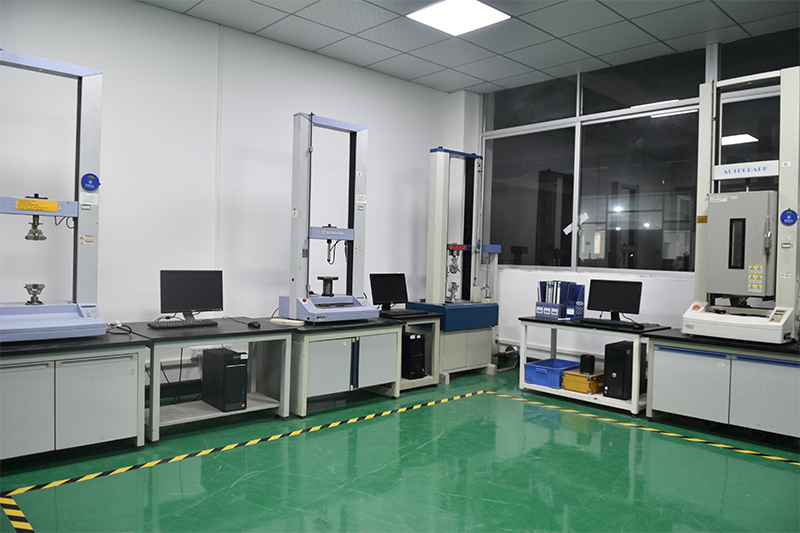
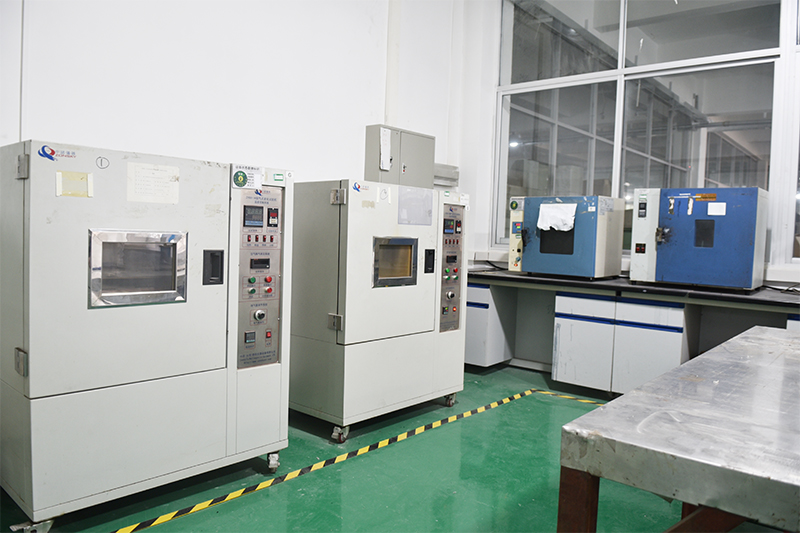
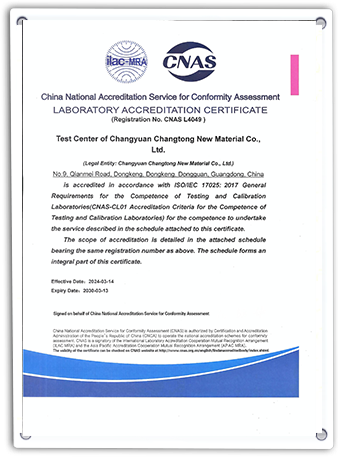
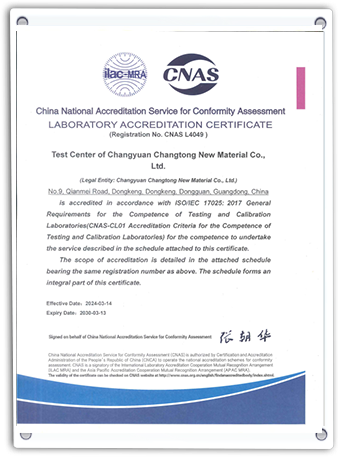
By establishing long-term strategic relationships with leading academic and industrial institutions, including the CNPC Pipeline Science Research Institute, CYCT delivers integrated solutions that ensure the safe operation of critical infrastructure. CYCT owns state-of-the-art testing and R&D facilities, including a professional R&D team and a national CNAS-accredited laboratory, allowing for precise verification of shear, peel strength, impact resistance, and long-term thermal aging properties of pipeline coatings.
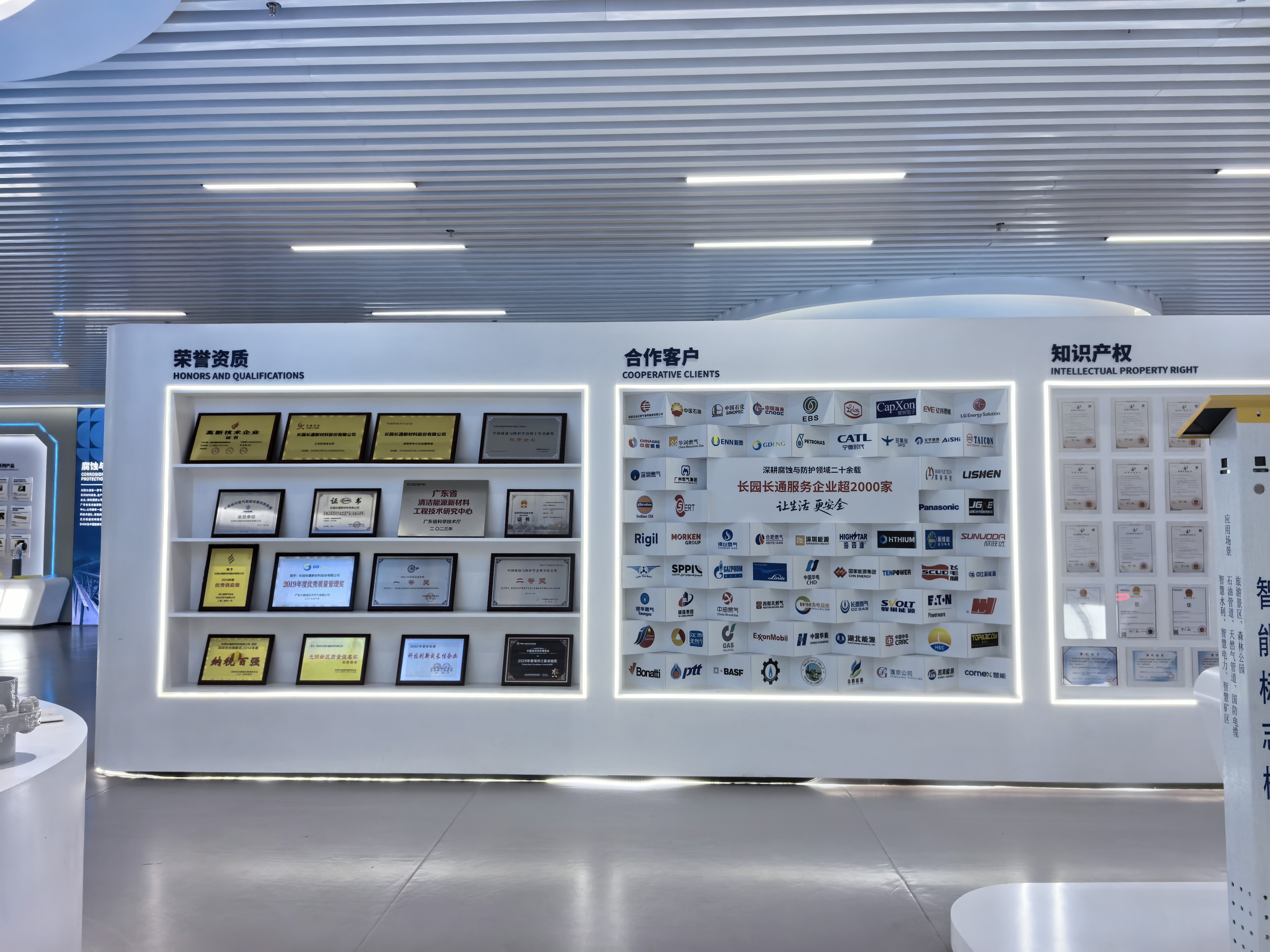
CYCT is a stable, long-term supplier of field joint coatings for oil and gas giants such as PetroChina, Sinopec, PipeChina, China Gas Group, and Indian Oil. Their products cover massive pipeline projects across varied topographies, from deserts to subsea crossings, securing a significant market share in critical pipeline engineering projects.
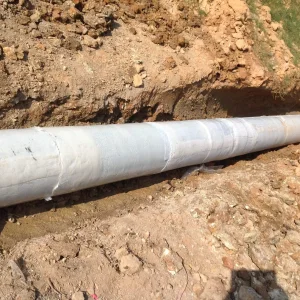
Understanding the physics and chemistry of field joint coatings is critical to selecting the appropriate material for specific projects. The interface between the factory-applied mill coating (usually 3LPE, 3LPP, or FBE) and the field-applied joint coating represents the most vulnerable zone on any pipeline.
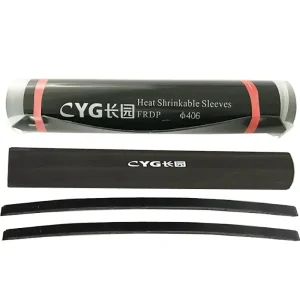
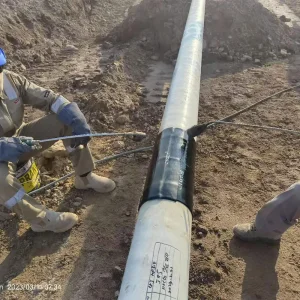
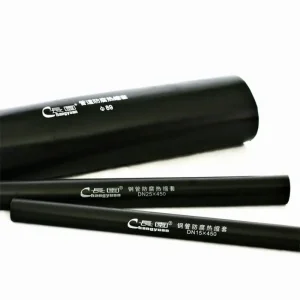
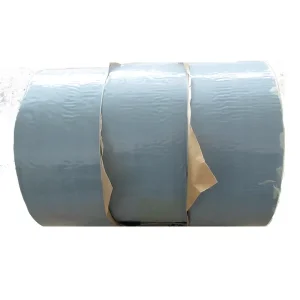
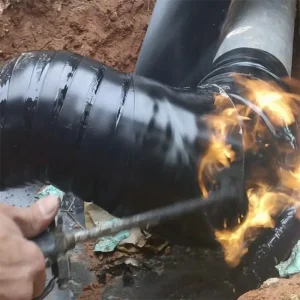
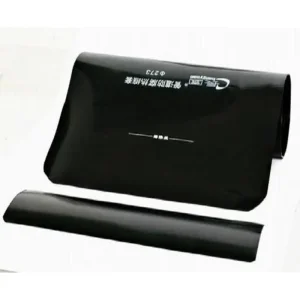
CYCT's FRDP and FRDS series represent the pinnacle of heat-shrinkable technology. These sleeves utilize a radiation-crosslinked polyolefin backing coated with an aggressive shear-resistant hot melt adhesive. Upon application of heat, the backing's elastic memory causes it to shrink, squeezing the molten adhesive into all surface imperfections of the steel and the adjacent mill coating.
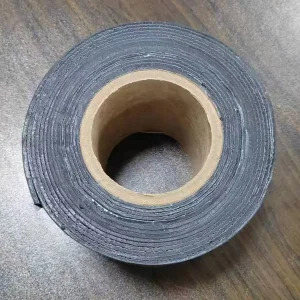
Viscoelastic coatings consist of a non-crystalline, low-viscosity, non-crosslinked polyolefin block copolymer. They behave as a liquid that never cures, retaining permanent cold-flow properties. This ensures the adhesive is self-healing, automatically filling micro-fissures or mechanical scratches.
These systems require minimal surface preparation (often SSPC-SP2/SP3 wire brushing is sufficient, rather than heavy sweep blasting) and are ideal for valve bodies, field joints on buried utilities, and areas where open-flame installations are prohibited.
Designed primarily for mechanical reinforcement and protection during Horizontal Directional Drilling (HDD) applications, CYCT's GRP sheets are composed of glass fiber fabrics impregnated with photo-reactive resins. When wrapped over the primary corrosion coating and exposed to solar or artificial UV light, the resin cures into an exceptionally hard, impact-resistant protective shell. This prevents damage to the primary anti-corrosion barrier when the pipeline is pulled through narrow rock formations.
As pipeline engineering enters a more complex regulatory and environmental landscape, CYCT is committed to developing solutions that address emerging operational challenges.
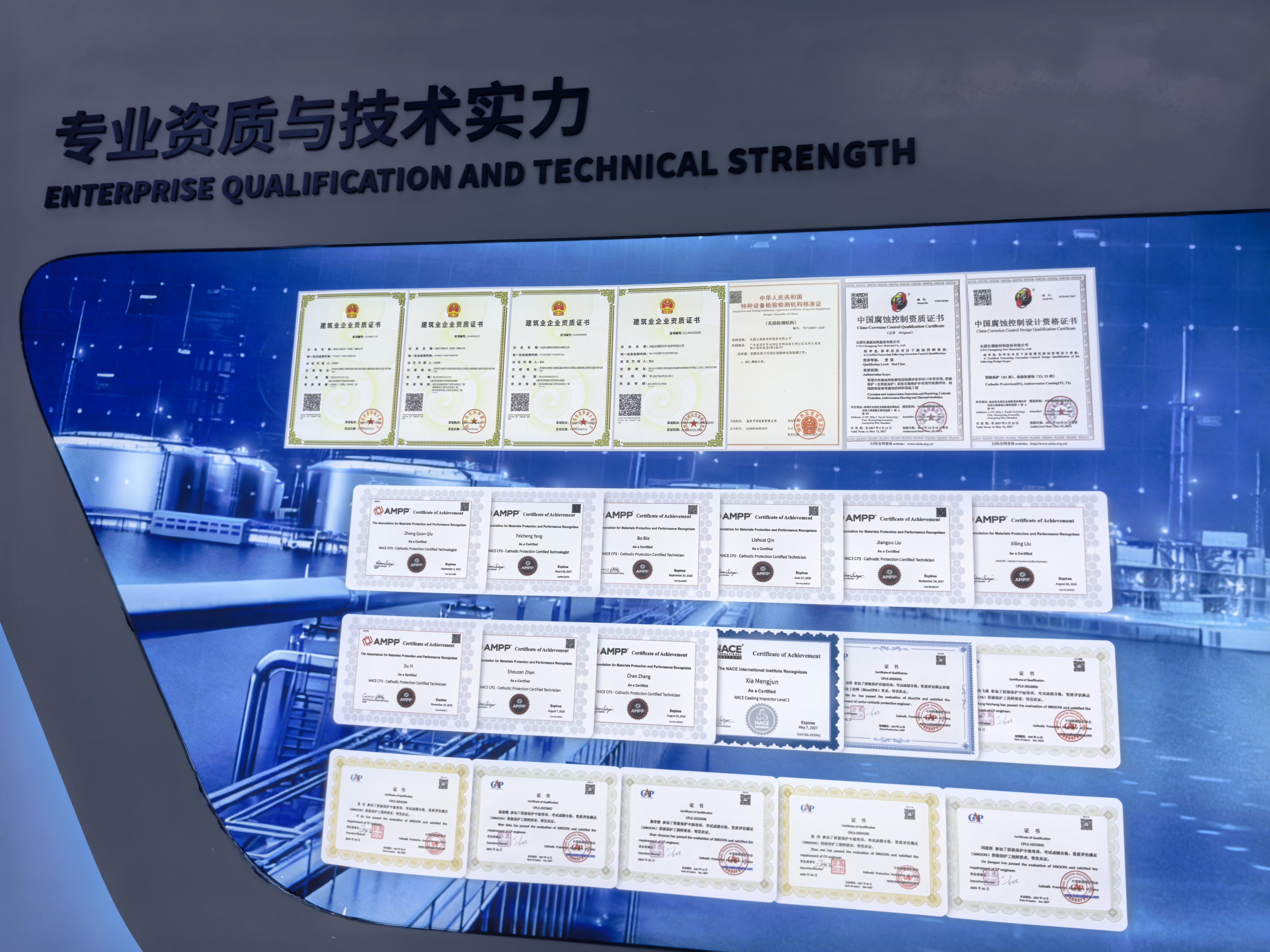
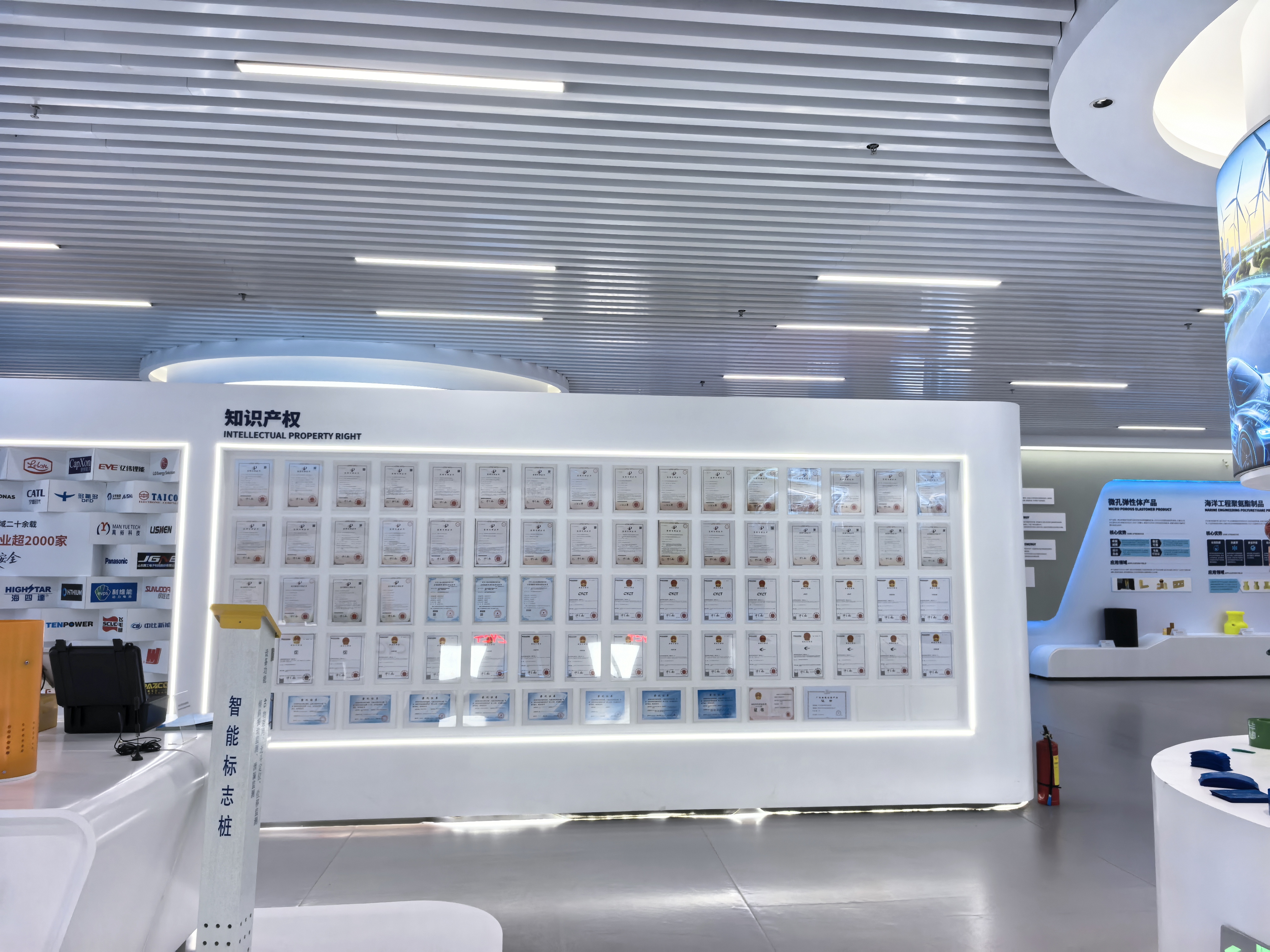
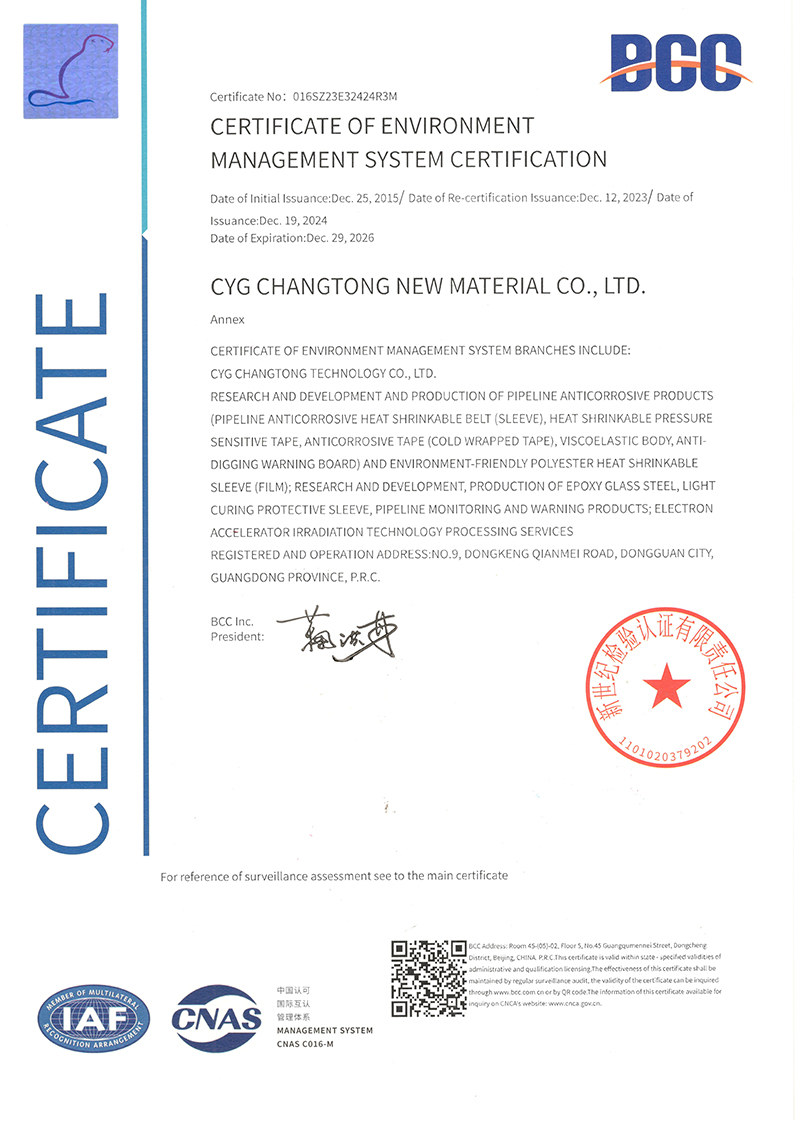
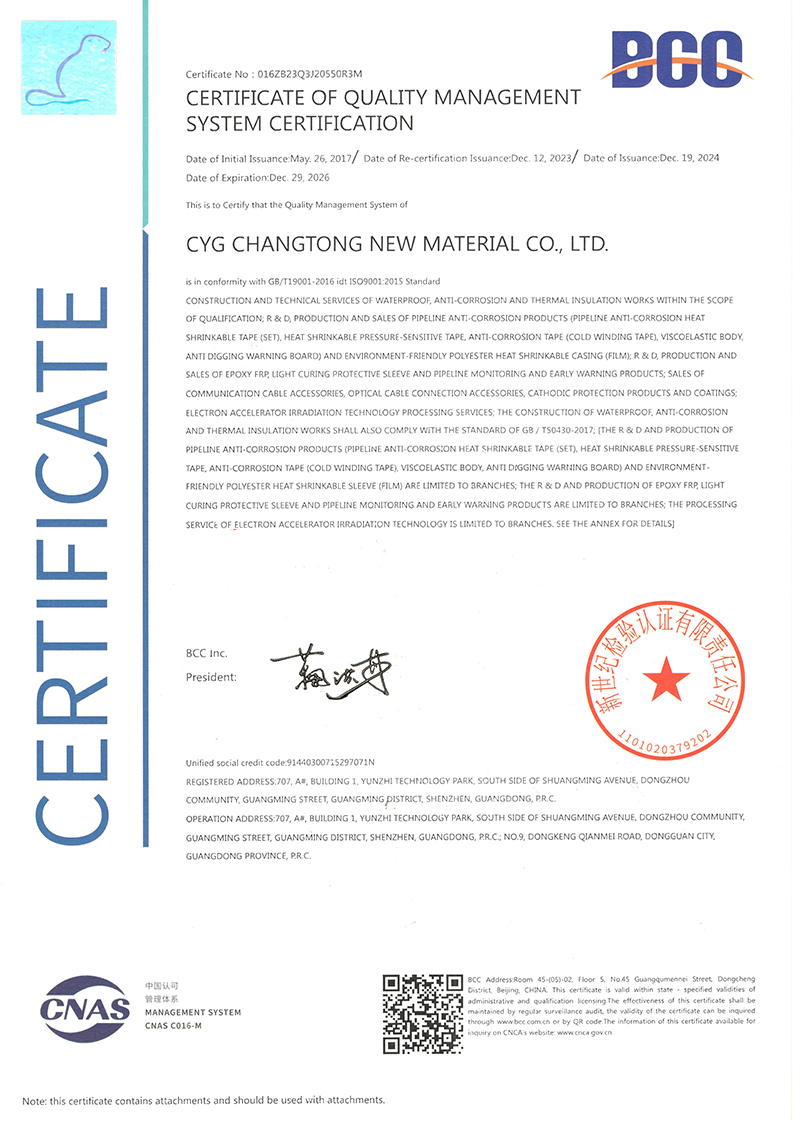
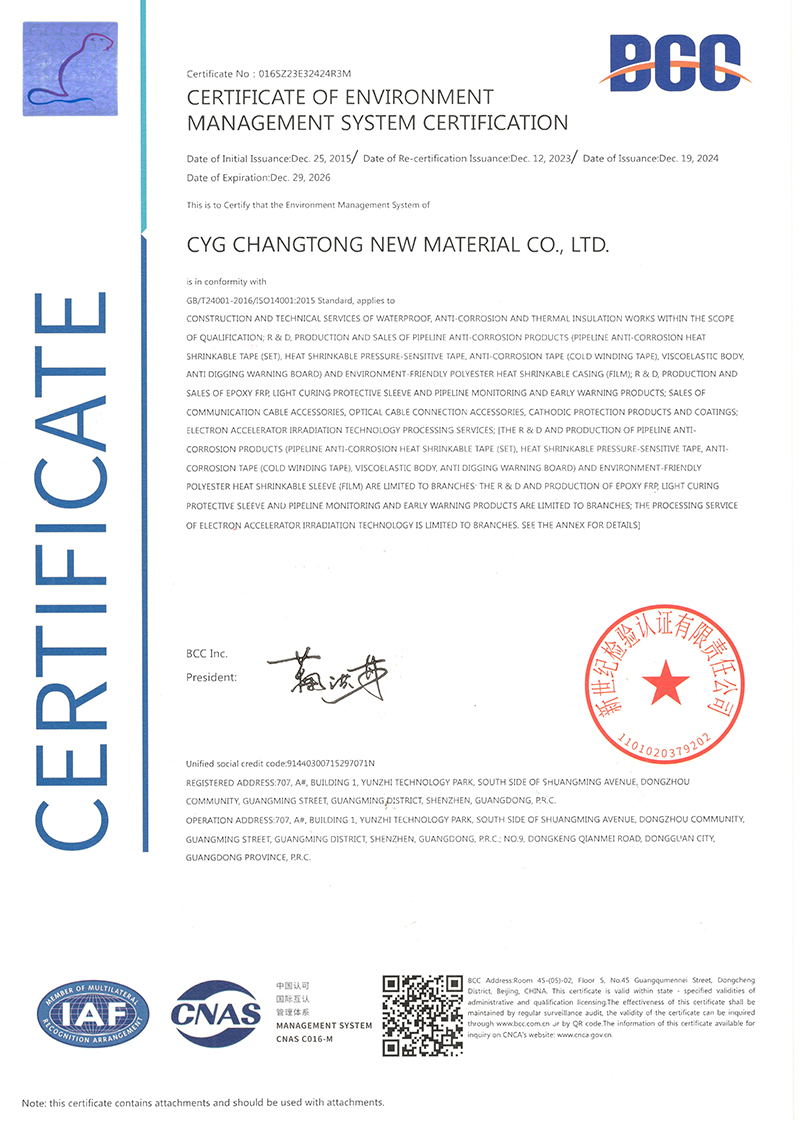
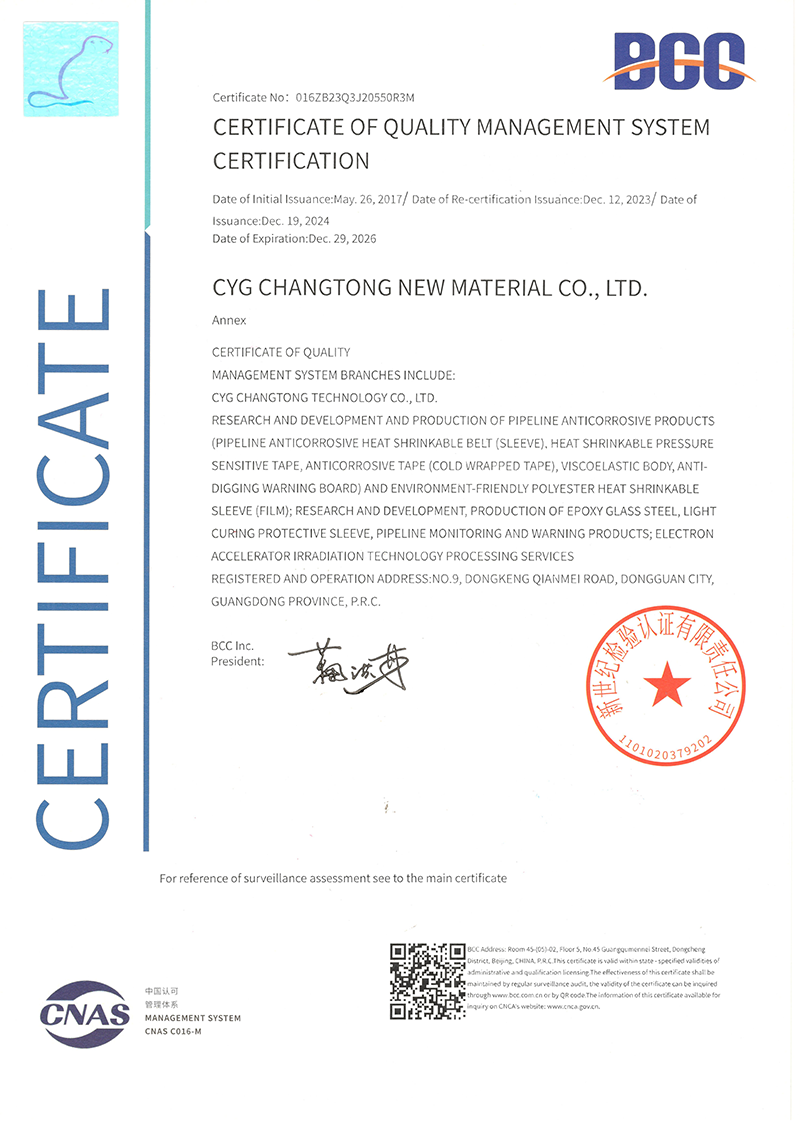
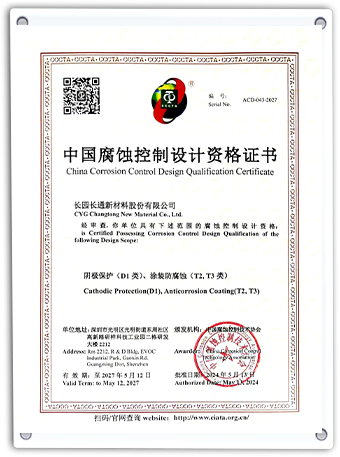
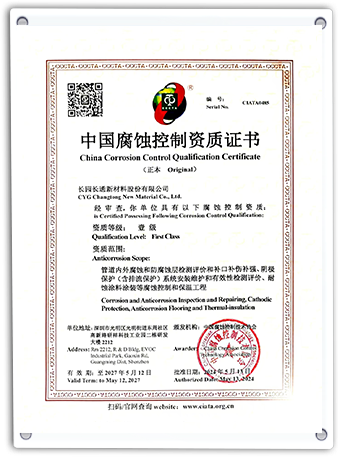
In pipeline integrity management, engineering trust is established through empirical verification and strict adherence to international testing standards. CYCT's long-standing industry position is supported by numerous credentials, active research participation, and field-tested performance.
These accreditations confirm that every production run of heat shrinkable sleeves, viscoelastic tapes, and epoxy primers is manufactured to meet rigorous quality standards, ensuring predictable performance under challenging field conditions.
Get answers to common technical questions regarding pipeline field joint coatings, application processes, and testing compliance.
 CYCT
CYCT