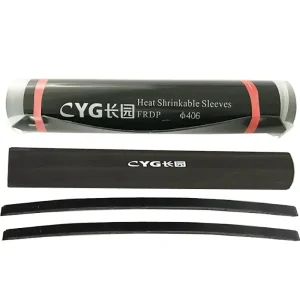
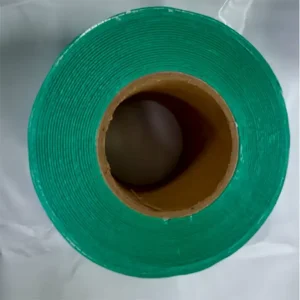
In modern industrial operations, structural integrity and corrosion protection at high operating temperatures are critical for process safety, regulatory compliance, and economic feasibility. The global market for high-temperature pipeline coatings and anti-corrosion solutions is experiencing rapid growth, driven by deep-water offshore exploration, long-distance petrochemical transport lines, high-pressure steam distribution systems, and specialized infrastructure projects.
Historically, standard polyethylene (PE) coatings were sufficient for pipelines operating at temperatures below 60°C. However, as extraction technologies advance, operators are tapping into deeper, higher-pressure reservoirs where crude oil and gas flow at temperatures exceeding 80°C, often reaching up to 120°C or even 150°C. In these demanding thermal domains, conventional materials lose mechanical strength, experience accelerated oxidation, and suffer from cathodic disbondment. Consequently, specialized materials like polypropylene (PP) heat shrinkable sleeves, viscoelastic polyolefin wraps, and high-build epoxy composite shields have emerged as the benchmark systems for joint protection and repair.
The geopolitical shifting of manufacturing hubs and the concentration of high-quality raw materials have positioned Chinese suppliers at the center of the global industrial coating supply chain. Utilizing advanced polymer synthesis and extrusion engineering, China-based factories supply high-performance joint coatings that conform to international standards such as ISO 21809-3 and EN 12068, offering cost-effective and operationally efficient logistics models to energy operators worldwide.
"The longevity of a high-temperature pipeline depends not on the mill-applied parent coating, but on the field-joint coating system. If the field joint fails at elevated temperatures, the entire line's integrity is compromised."
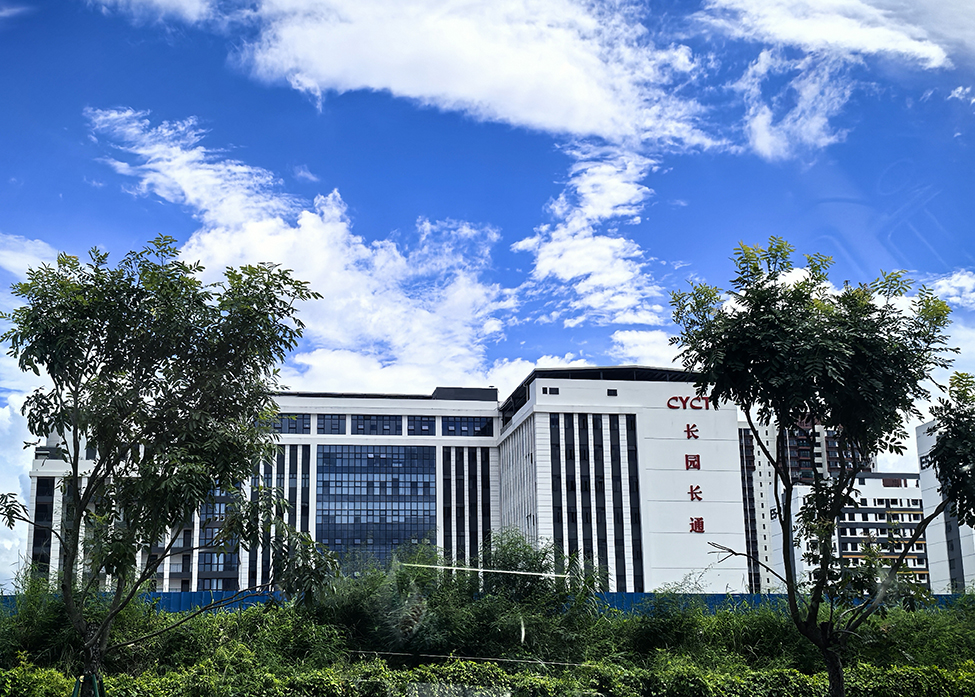
CYCT New Materials Company Limited (for short, CYCT) is a state-level high-tech enterprise integrating R&D, production and sales of pipeline corrosion protection materials as well as buried pipeline detection service and pipeline coating field application service into one. CYCT devotes itself to R&D, production and sales of pipeline corrosion protection materials for decades.
CYCT owns leading testing and R&D capabilities, a professional R&D team, and a national CNAS-accredited laboratory. By partnering with leading research institutes such as the CNPC Pipeline Science Research Institute, we are capable of providing in-service pipelines with varied technical services, including buried pipeline detection, design scheme, cathodic protection, rehabilitation project, and integrated solutions for the safety protection of pipelines.
CYCT has been a stable supplier of field joint coatings for years to PetroChina, Sinopec, PipeChina, and local pipelines, capturing a very high market share. Furthermore, CYCT has successfully developed and introduced a number of specialty corrosion protection materials such as viscoelastic anticorrosion materials, special photo-curing sleeves for HDD protection, and polyurea coatings.
The development path of high-temperature anti-corrosion coatings is defined by advances in polymer science. By tailoring the molecular architecture of polyolefins, epoxies, and elastomeric viscoelastic materials, modern research labs have pushed the boundaries of heat resistance, mechanical flexibility, and self-healing properties.
To ensure optimal field execution, designers must map environmental conditions directly to material specifications. Standard systems and their performance indicators include:
Anti-corrosion materials are only as effective as the system design and field application. CYCT provides fully integrated, project-specific systems tailored to the pipeline's geographic region, environmental footprint, and mechanical demands.
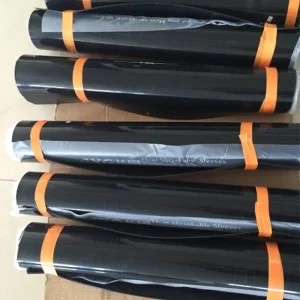
During pipeline construction, the steel sections are welded together, leaving a cutback area of bare metal. Replicating the factory-applied 3-Layer Polypropylene (3LPP) or 3-Layer Polyethylene (3LPE) coating in field conditions is a major engineering challenge. CYCT's PP heat-shrinkable sleeves and hot melt sticks match the performance of parent line coatings. These systems resist soil stress, shear forces caused by thermal expansion, and cathodic disbondment.
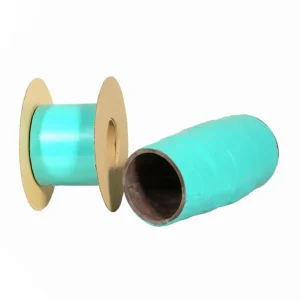
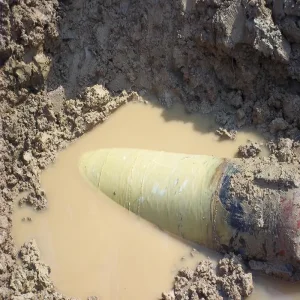
When pipelines cross rivers, highways, or urban centers, open trenching is impossible. Operators rely on HDD, pulling the pipe string through long, pre-reamed underground paths. This process exposes the outer coating to gravel, rock formations, and friction. Our OEM Epoxy FRP (Fiberglass Reinforced Polymer) systems are applied over the primary anti-corrosion coating, acting as a sacrificial wear layer that protects the underlying barrier from deep scratches and exposure to soil.
Offshore structures are exposed to severe atmospheric salinity, constant wave action, and UV radiation. The splash zone is particularly vulnerable to corrosion. CYCT's Moisture Curing Shields and Bend Restrictors provide structural support and barrier protection. They prevent mechanical failure, joint degradation, and subsea current fatigue on riser pipes and cables.
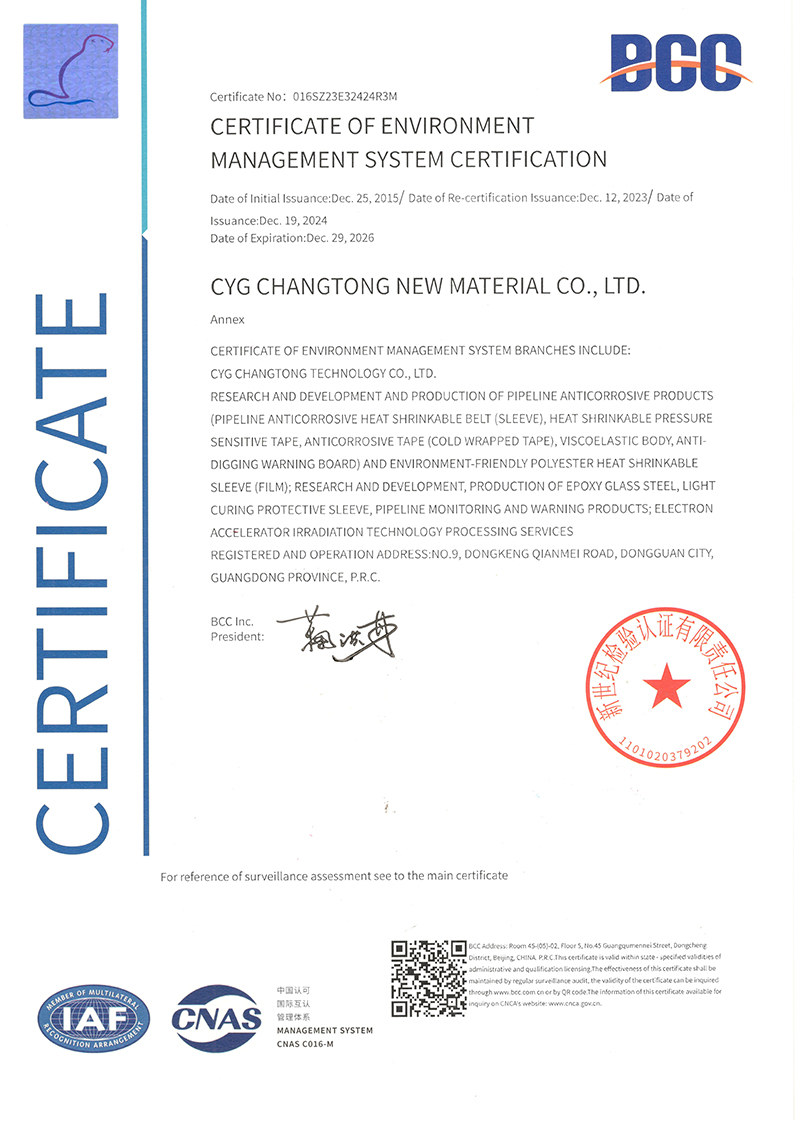
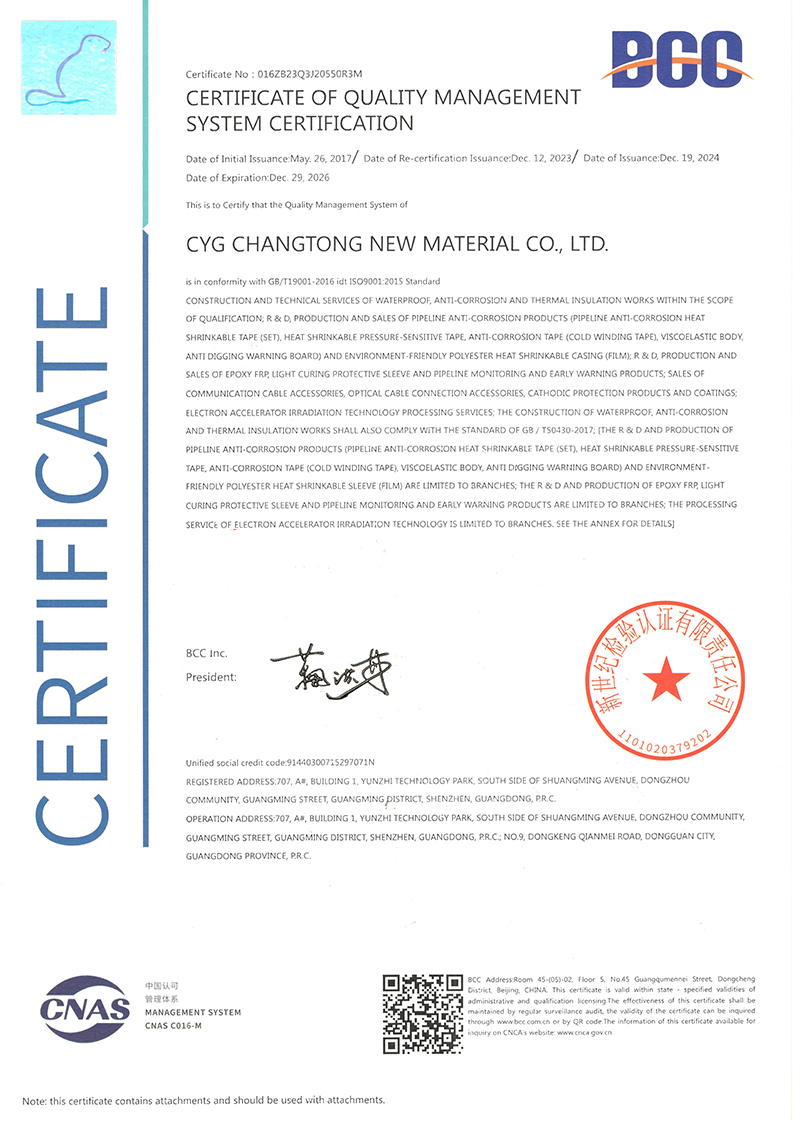
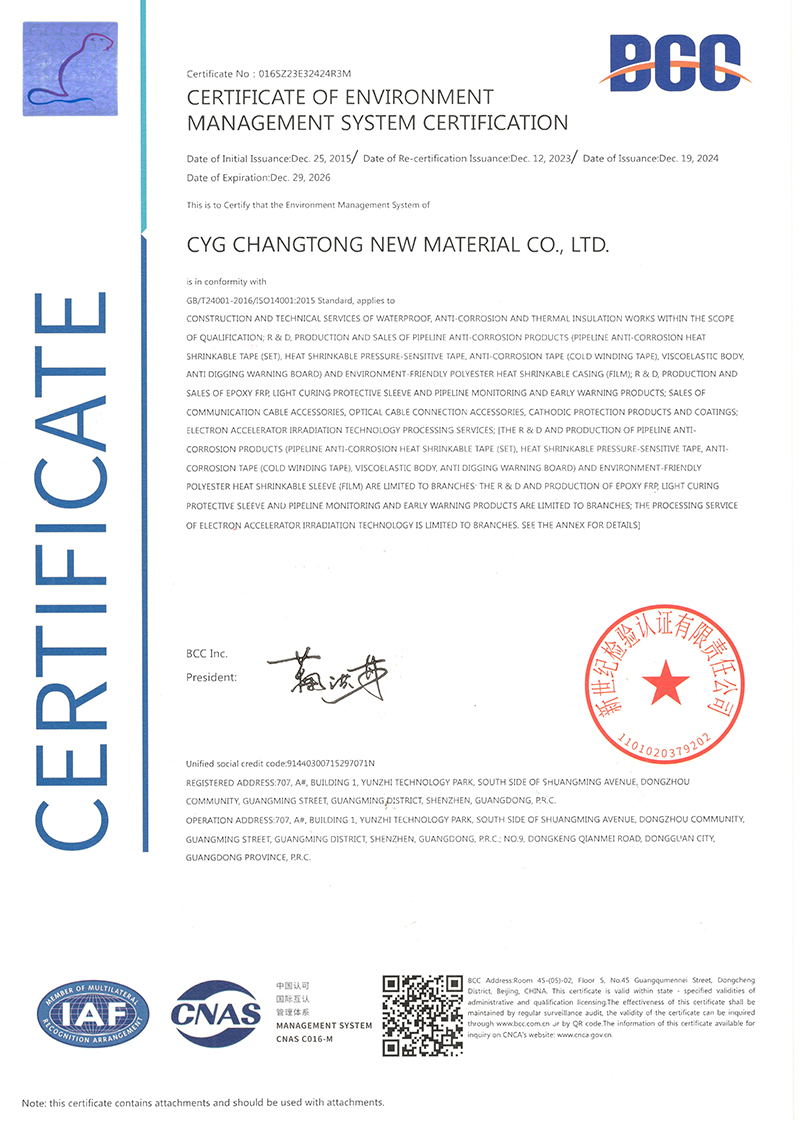
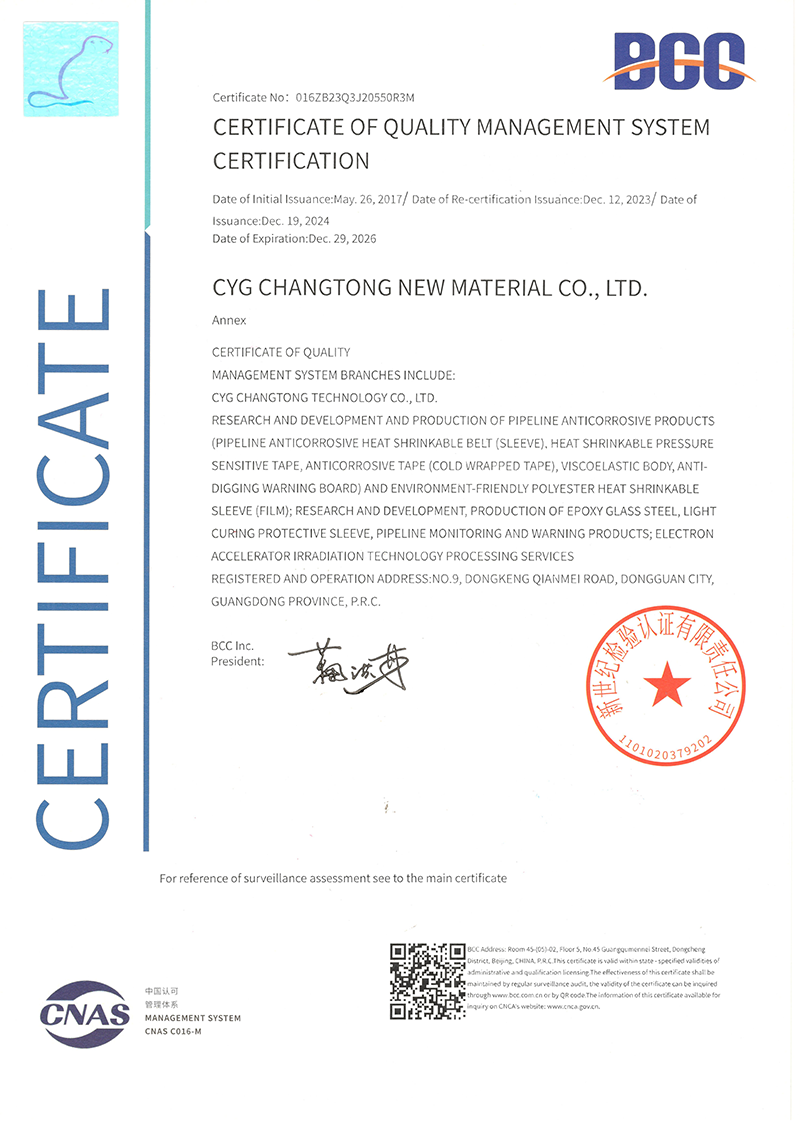
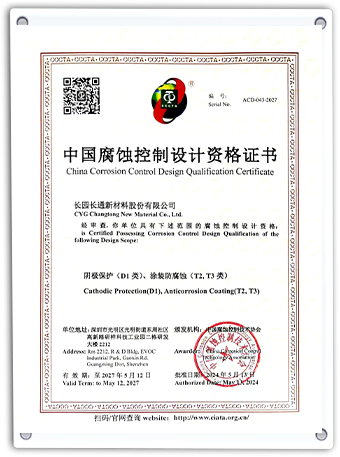
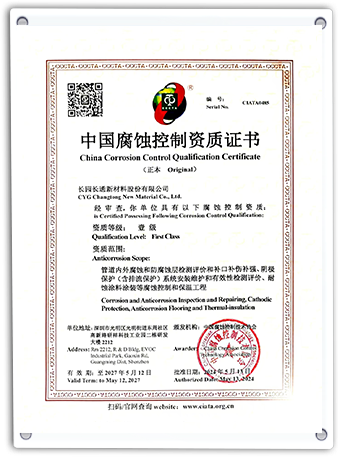
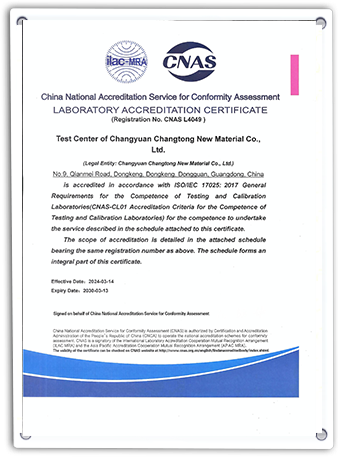
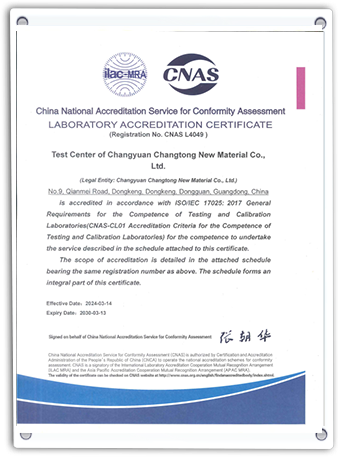
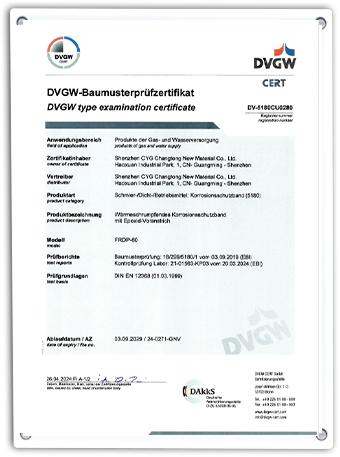
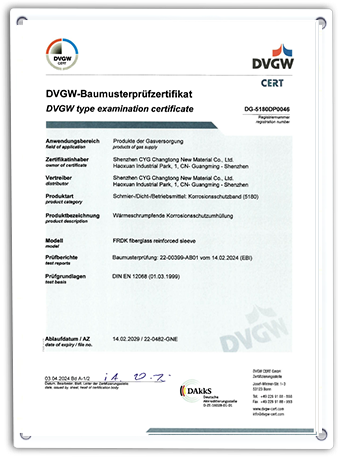
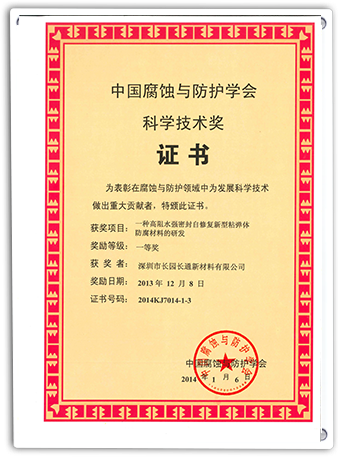
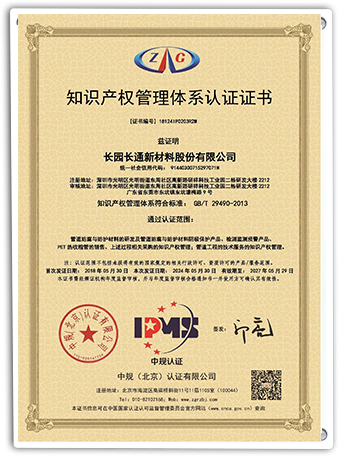
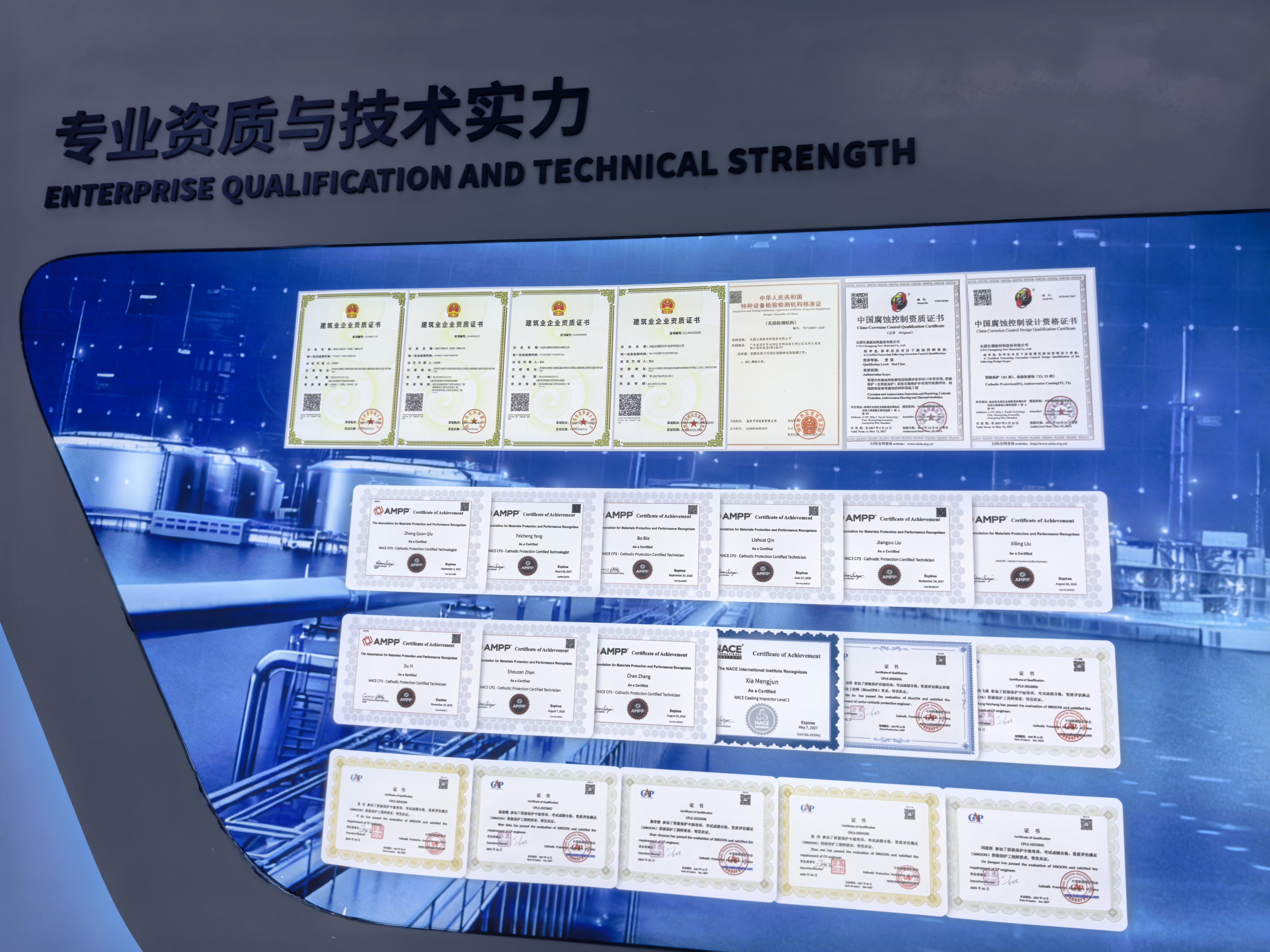
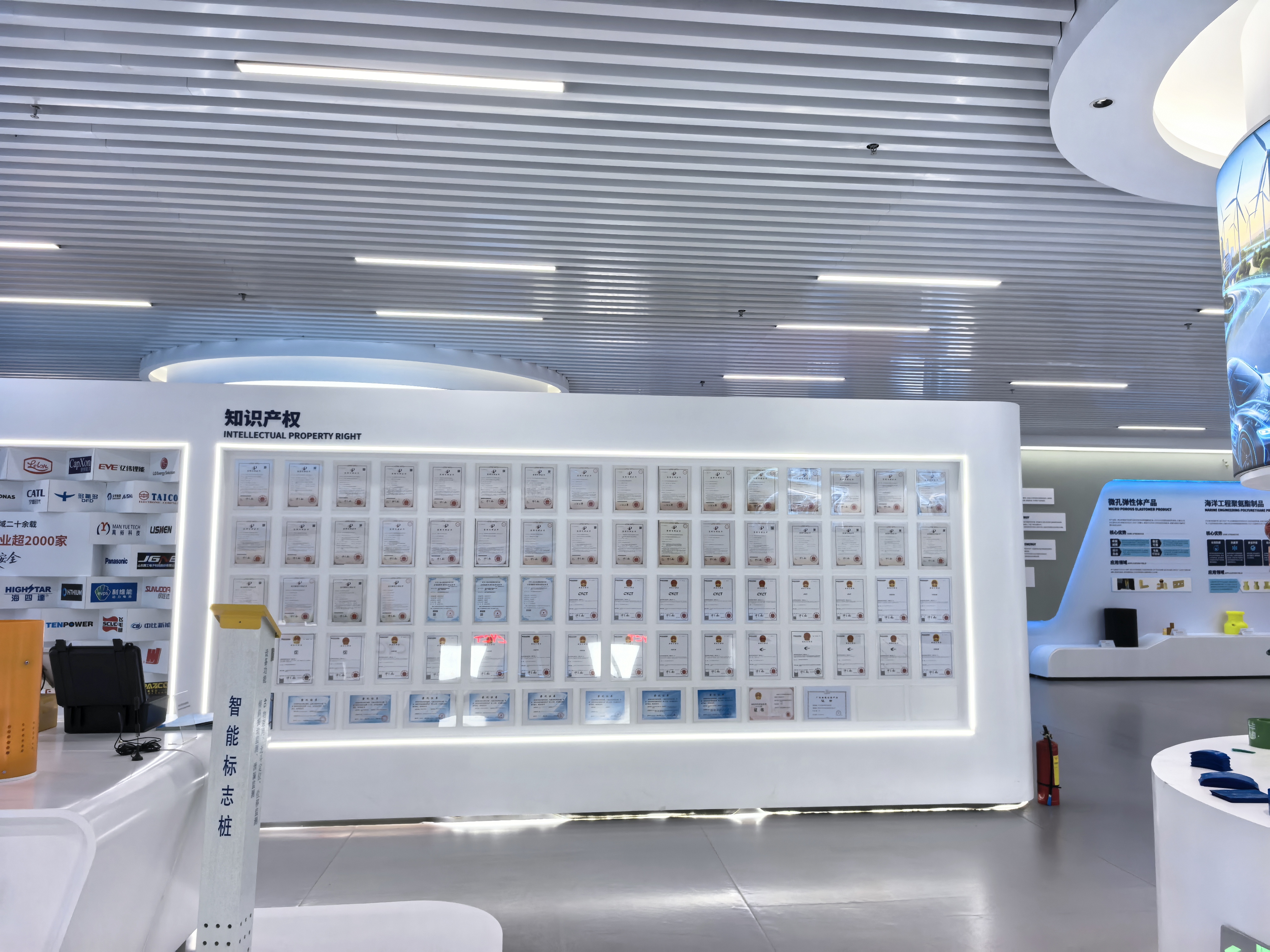
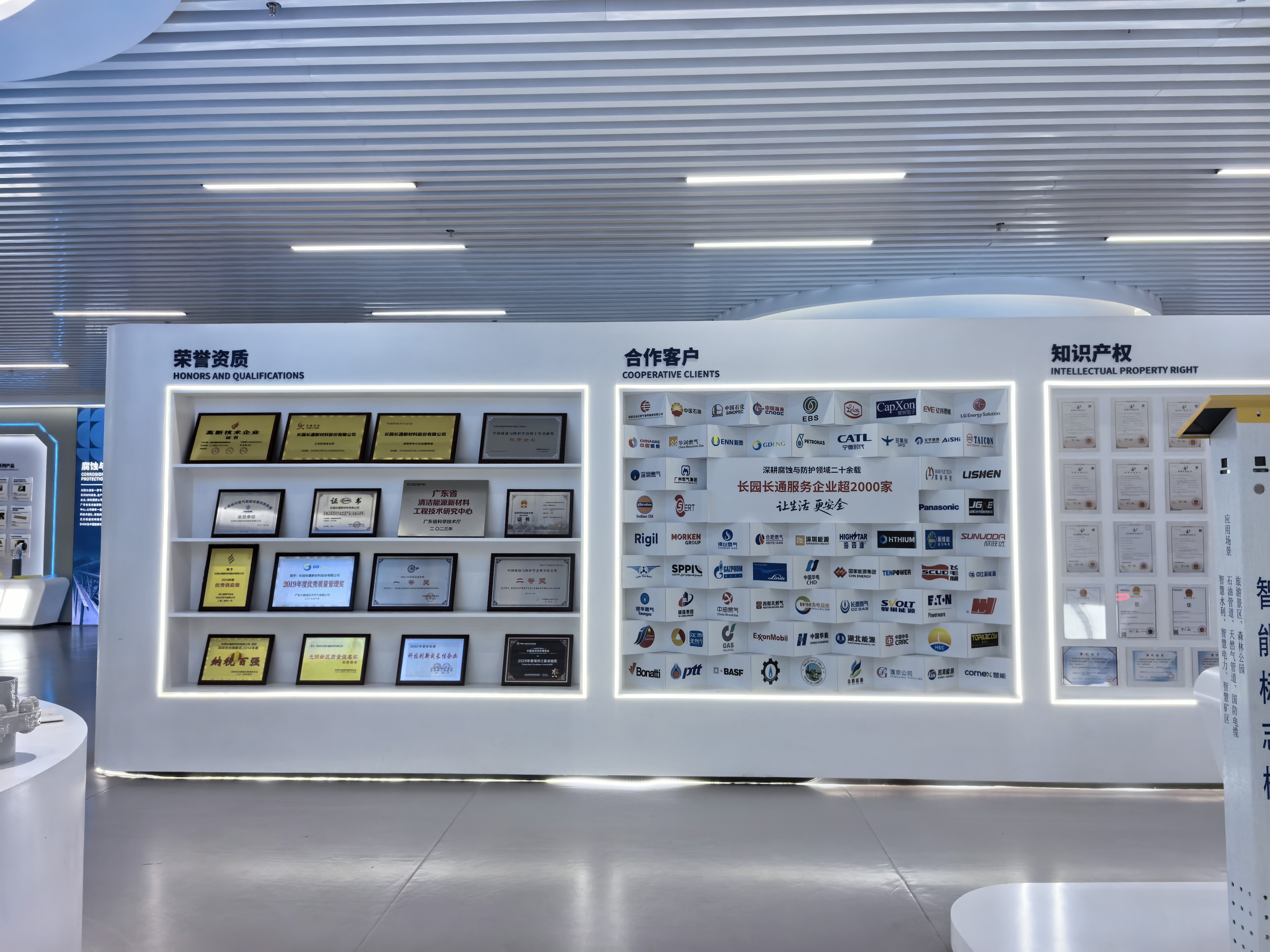
Credentials & Memberships: Member of Council in Chinese Society for Corrosion and Protection (CSCP), Qualification Certificate of Corrosion Protection Construction, Qualification Certificate of Pipeline Detection, Well-known Brand of Pipeline Corrosion Protection in China, Corporate Member of China Association of Petroleum Engineering Construction (CAPEC), State-Level High-Tech Enterprise with more than ten proprietary intellectual property rights. We are a verified, stable supplier to PetroChina, Sinopec, China Gas Group, and Indian Oil.
Awards & Designations: Innovative small and medium-sized enterprise, High-tech enterprise, Outstanding Enterprise Award, Technology Development Award, Clean Energy Research Center, AMPP Corporate Member.
The primary differences lie in thermal resistance and mechanical strength. Polyethylene (PE) sleeves are generally rated for continuous operating temperatures up to 60°C or 80°C. Polypropylene (PP) sleeves, such as the FRPD-PP or PP-hot melt systems, withstand elevated temperatures ranging from 110°C to 120°C. Additionally, PP offers higher mechanical hardness and penetration resistance than PE, making it ideal for deep-water pipelines and high-temperature steam lines.
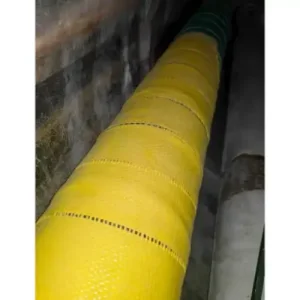
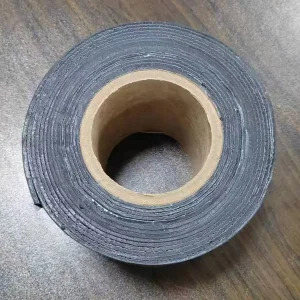
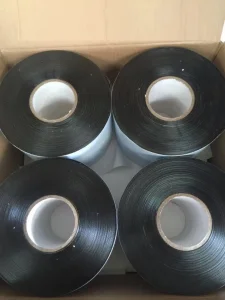
Viscoelastic tape (VT95) consists of an amorphous, non-crystalline polyolefin-based compound. Because it maintains a cold-flow state, the polymer naturally flows into all micro-cavities on the steel surface, achieving complete intimate contact without requiring a separate liquid primer. This viscous fluid behavior provides immediate adhesion and self-healing properties if the coating is subjected to minor mechanical impacts.
During HDD crossings, pipelines are pulled through long underground boreholes. Rocks, soil debris, and frictional forces can easily scrape off standard anti-corrosion coatings. The OEM Epoxy FRP (Fiberglass Reinforced Polymer) acts as a high-strength, sacrificial mechanical shield. It protects the primary anti-corrosion layer from gouging, abrasion, and impact, ensuring the pipeline's integrity is not compromised during installation.
Yes. The CYG Changtong GRF Moisture Curing Shield uses specialized prepolymer resins that react with water or ambient atmospheric humidity to cure. This makes it suitable for offshore structural joints, piling protection, subsea splash zones, and wet underground environments where standard hot-applied coatings cannot be effectively applied or cured.
CYCT materials are designed, tested, and manufactured in accordance with strict international standards, including ISO 21809-3 (standard for field joint coatings), EN 12068 (standards for external organic coatings), and ASTM performance testing parameters. Our CNAS-accredited laboratory verifies all mechanical, thermal, and chemical resistance parameters before dispatch.
Solvent-free epoxy primers do not contain volatile organic compounds (VOCs) that evaporate during curing. Consequently, the cured layer is dense and free of micro-pores. This prevents moisture, salts, and electric currents from penetrating to the steel surface, reducing the risk of cathodic disbondment under high-temperature conditions.
Through partnerships with leading research institutes like the CNPC Pipeline Science Research Institute, CYCT provides pipeline inspections, field joint application training, design scheme generation, cathodic protection design, and turnkey rehabilitation support for long-distance pipelines.
 CYCT
CYCT