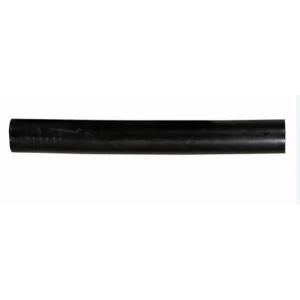
Premium solutions certified for national and international infrastructure projects, supporting 3LPE, 3LPP, and FBE coatings.
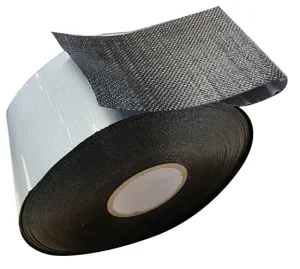
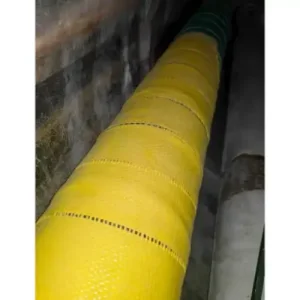
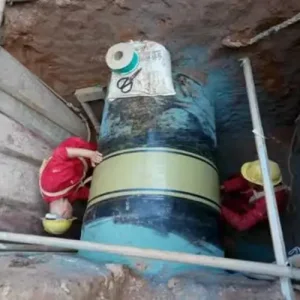
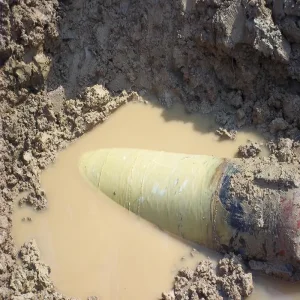
In modern global energy transmission, oil, gas, and water pipelines span thousands of kilometers across extreme geological terrains. The structural integrity of these conduits is continuously threatened by corrosion, soil shear, and temperature fluctuations. While standard mill-applied coatings like 3-Layer Polyethylene (3LPE) or 3-Layer Polypropylene (3LPP) provide robust protection along the main pipe body, the Field Joint Coating (FJC) area—where individual pipe segments are welded together on-site—remains the most vulnerable to corrosion.
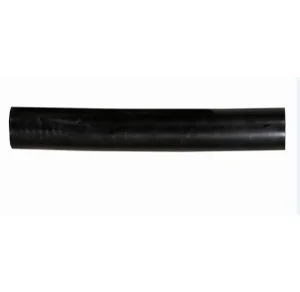
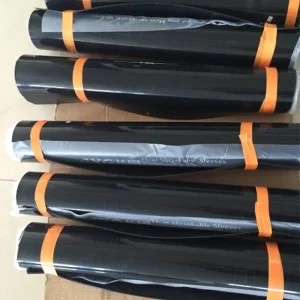
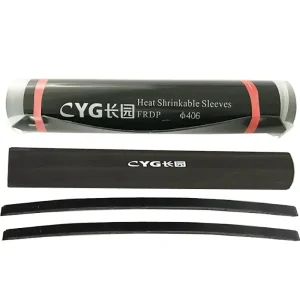
As a leading China heat shrinkable sheath manufacturer, CYCT New Materials has developed radiation cross-linked polyolefin sleeves that act as an impermeable, mechanically resistant barrier. Our heat shrinkable sheaths combine heavy-duty polyolefin backing with advanced mastic or hot-melt co-polymer adhesives, ensuring absolute sealing, outstanding shear resistance, and compliance with severe operating conditions worldwide.
Environmental stressors require high-performance, specialized Field Joint Coatings to mitigate catastrophic failures:
Expert-level engineering is required to manipulate polymer memory and adhesive rheology for long-term corrosion prevention.
Standard polyethylene has a linear molecular chain structure that breaks down at high temperatures. CYCT utilizes high-energy electron beam radiation to chemically link adjacent carbon atoms. This forms a robust 3D network structure with "elastic memory," enabling the sheath to shrink tightly onto the pipe during heating.
CYCT's heat shrinkable sleeves feature a dynamic dual-layer construction: a radiation cross-linked polyethylene backing that provides mechanical protection, paired with a formulation-optimized hot melt copolymer or viscoelastic mastic adhesive layer. This provides excellent self-healing properties against minor mechanical damage.
Upon heating, the adhesive layer melts and is forced into the microscopic crevices of the steel and mill coating. The resulting bond strength meets ISO 21809-3 and EN 12068 standards, demonstrating high resistance to peel and shear forces during subsequent pipe laying operations.
Over the past two decades, China has transitioned from a high-volume manufacturing center to a global leader in high-end specialty petrochemical materials. A key driver is our fully integrated industrial ecosystem, which ranges from raw monomer production to precision extrusion and irradiation.
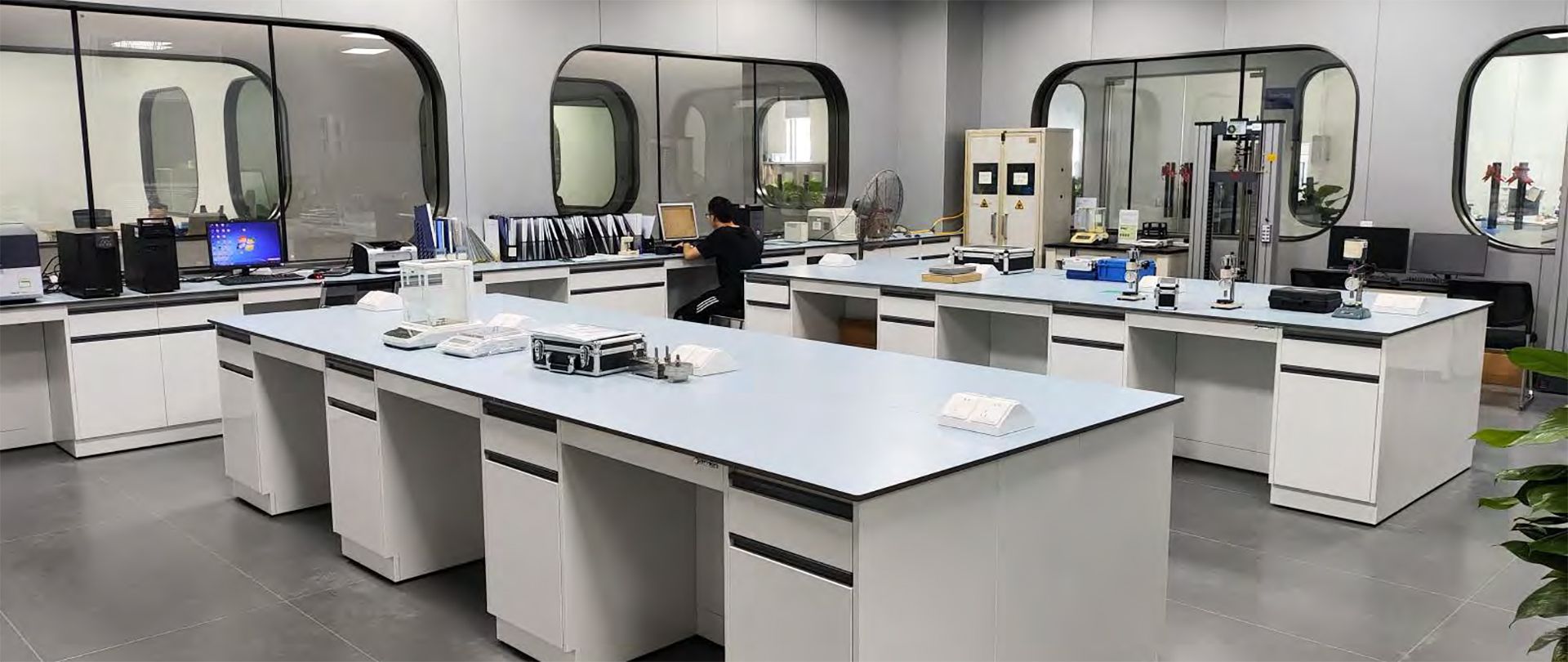
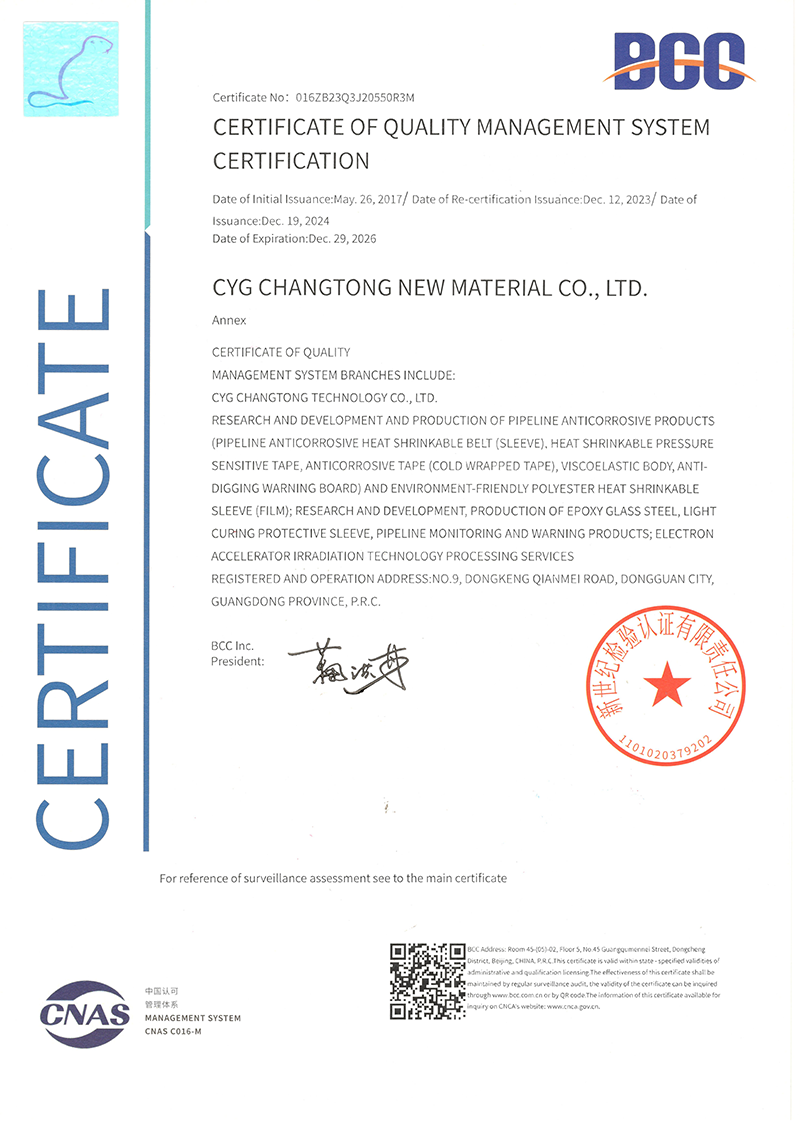
CYCT New Materials combines scale, strict quality management, and cost efficiency. With our in-house national CNAS-accredited laboratory and partnerships with CNPC Pipeline Science Research Institute, we provide advanced quality assurance and cost efficiency without compromising technical standards.
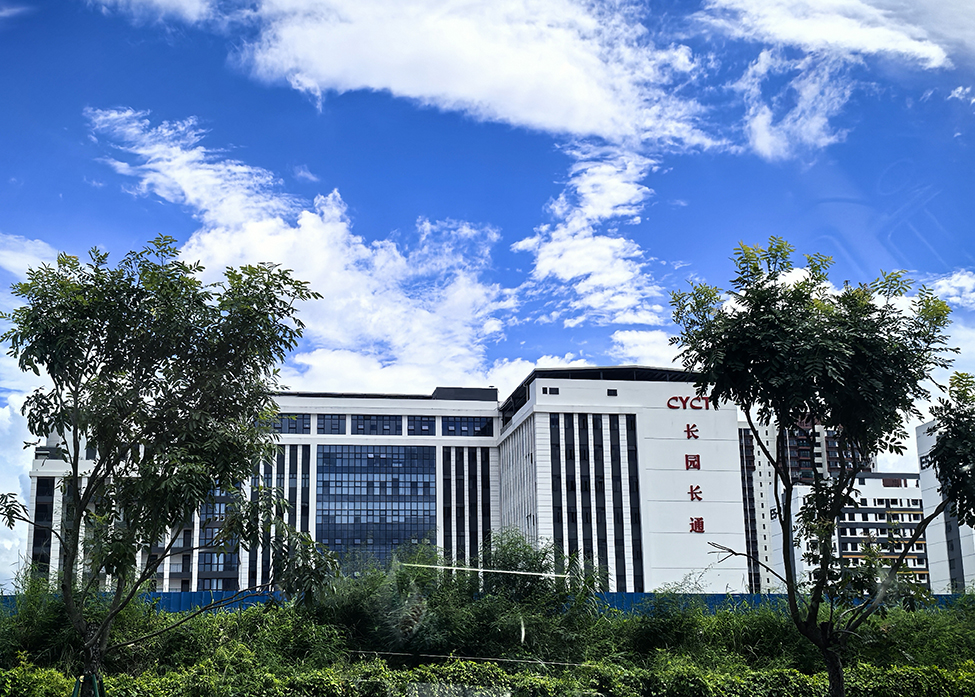
CYCT New Materials Company Limited (for short, CYCT) is a state-level high-tech enterprise integrating R&D, production, and sales of pipeline corrosion protection materials. We also offer buried pipeline detection services and pipeline coating field application services. With a dedication to R&D, production, and sales of pipeline corrosion protection materials spanning decades, CYCT has built a reputation for engineering excellence and reliability.
By collaborating with leading research institutes like the CNPC Pipeline Science Research Institute, CYCT provides in-service pipelines with varied technical services. These include buried pipeline detection, design schemes, cathodic protection, rehabilitation projects, and integrated solutions for pipeline safety.
CYCT is a stable, long-term supplier of field joint coatings for PetroChina, Sinopec, PipeChina, China Gas Group, and Indian Oil, holding a high domestic market share. In addition, we have developed specialty corrosion protection materials, including visco-elastic materials, special photo-curing sleeves for HDD protection, and polyurea coatings.
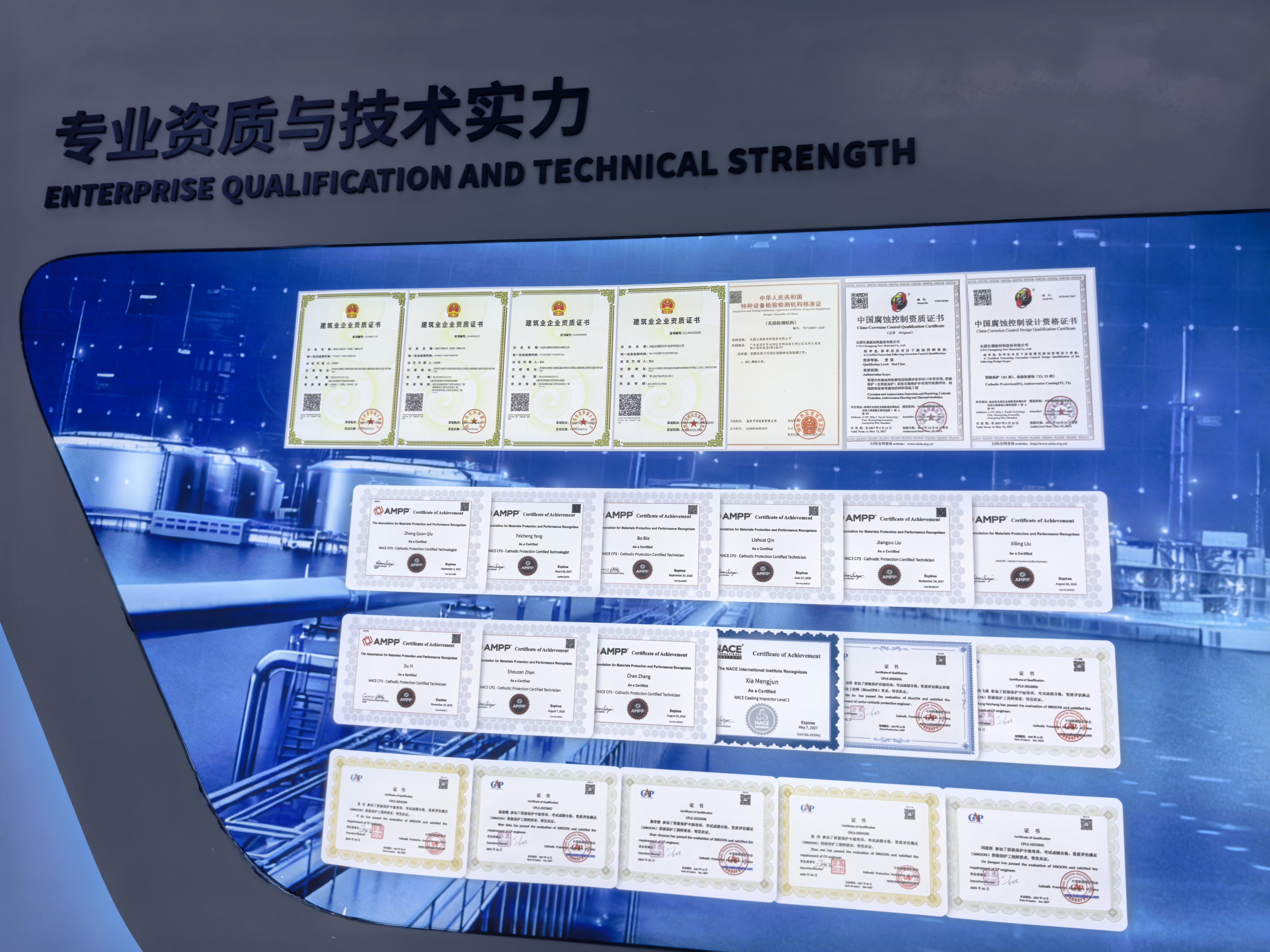
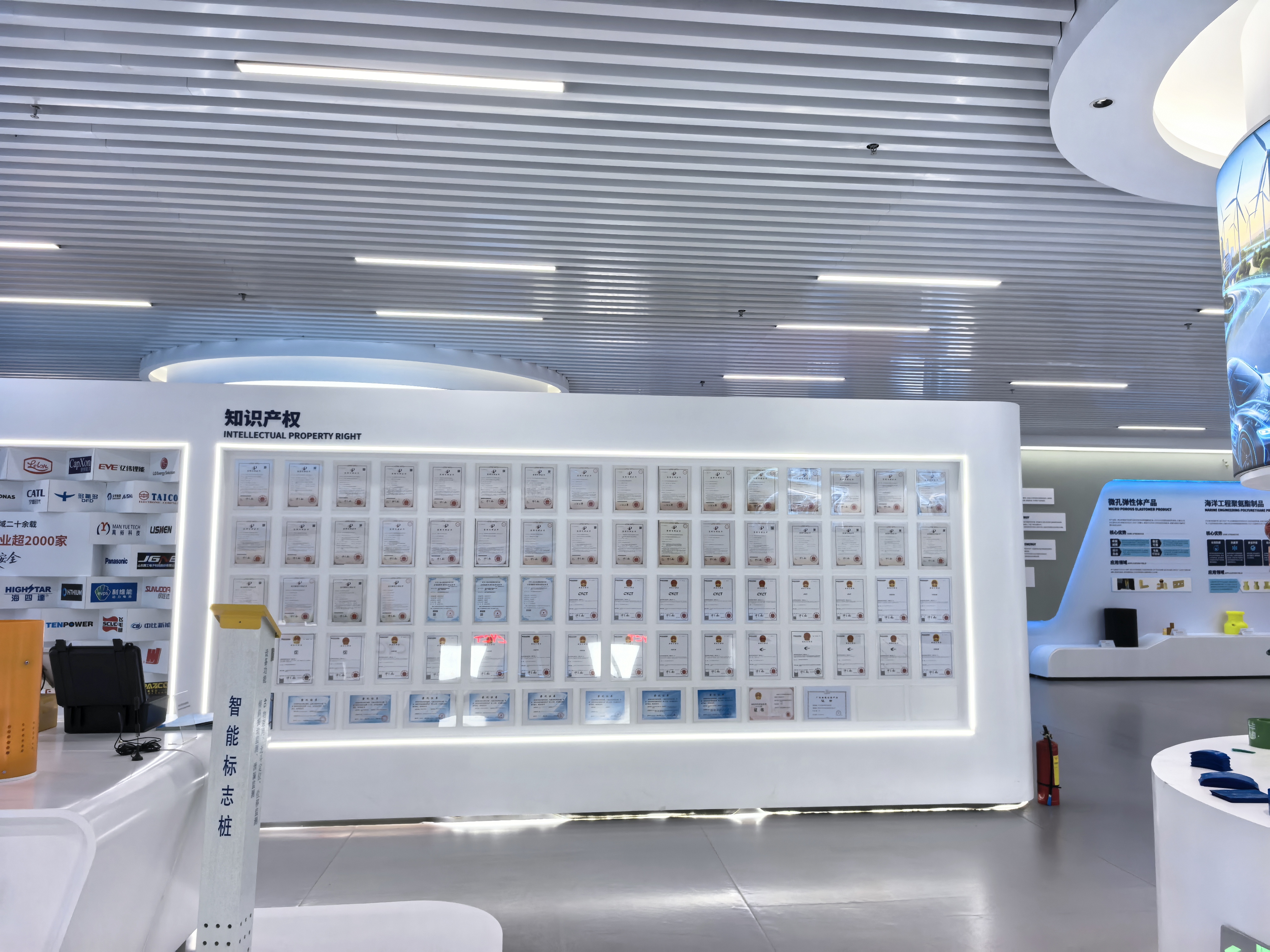
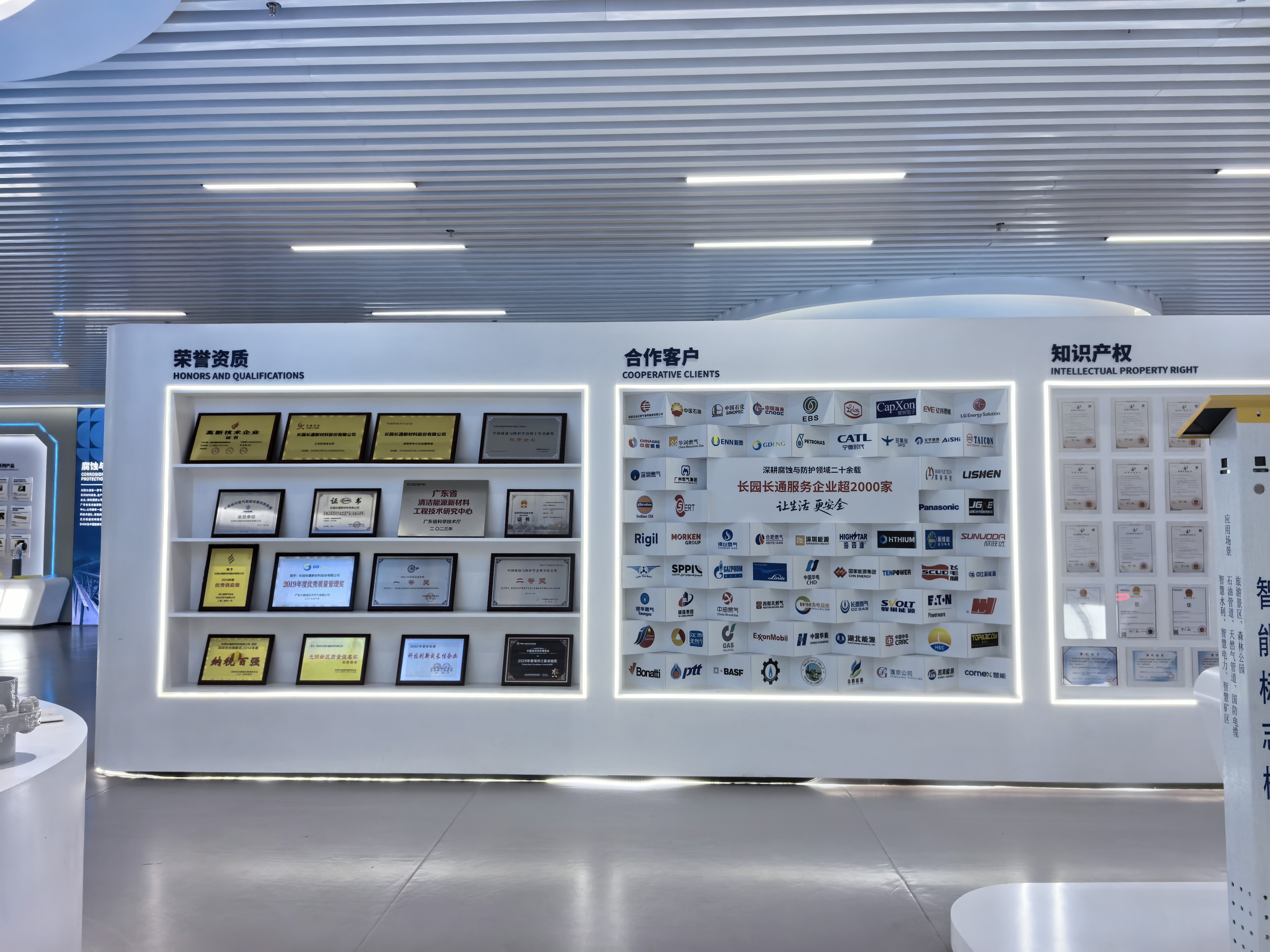
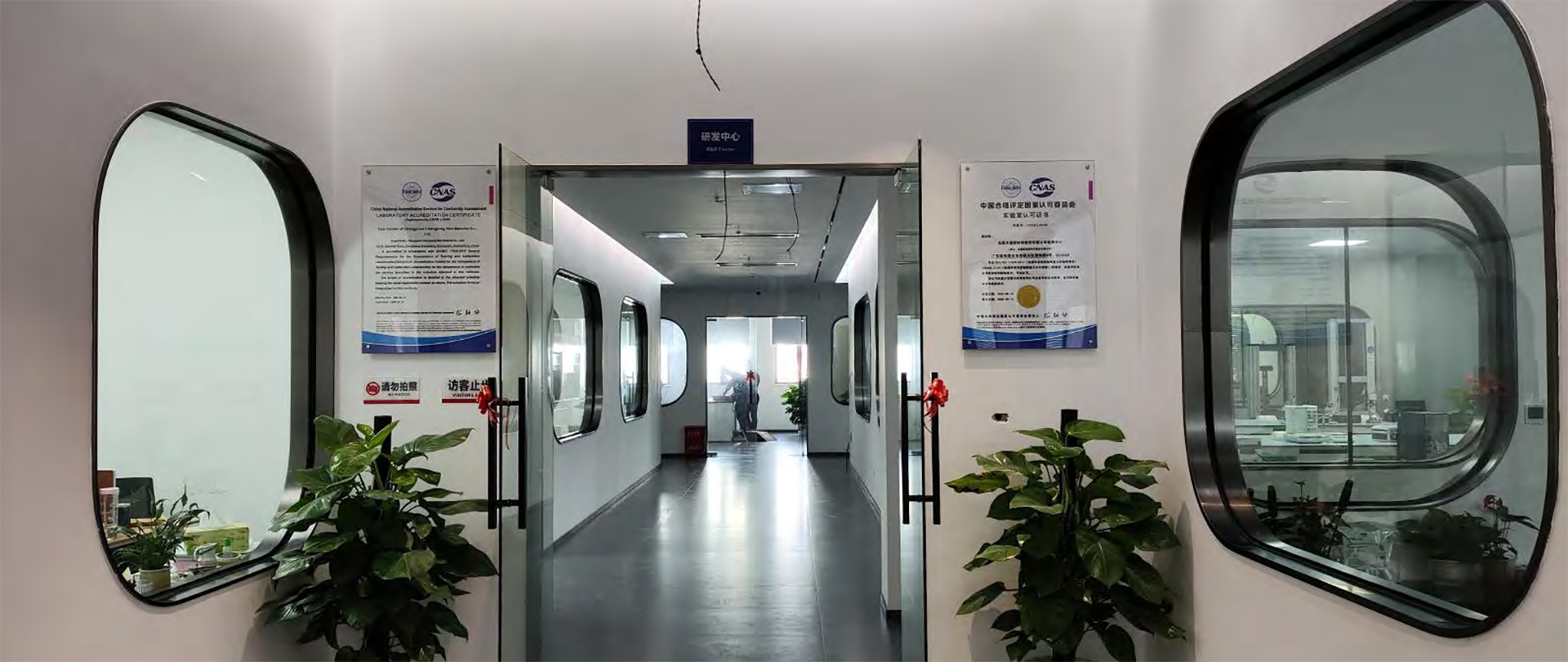
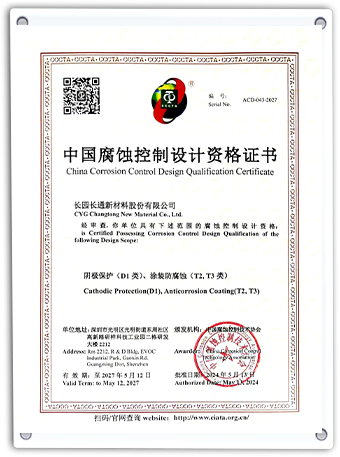
Member of Council in Chinese Society for Corrosion and Protection (CSCP) • Qualification Certificate of Corrosion Protection Construction • Qualification Certificate of Pipeline Detection • Well-known Brand of Pipeline Corrosion Protection in China • Corporate Member of China Association of Petroleum Engineering Construction (CAPEC) • State-Level High-Tech Enterprise with more than ten proprietary intellectual property rights.
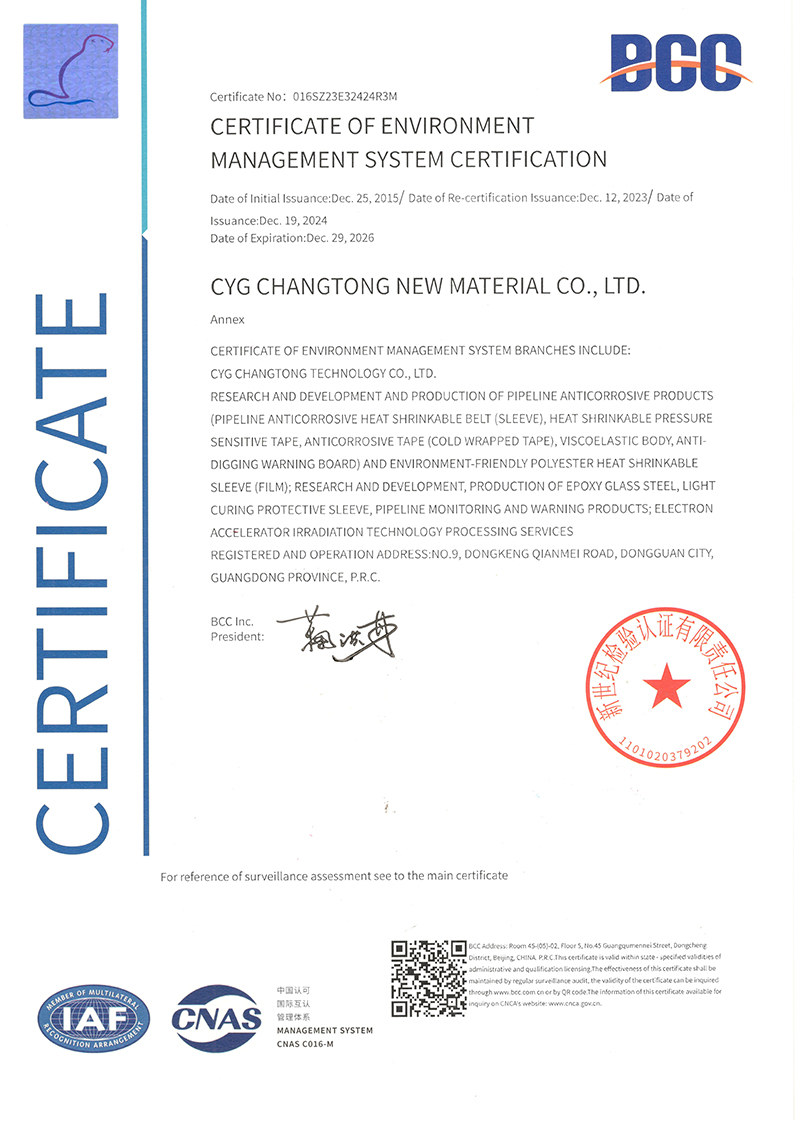
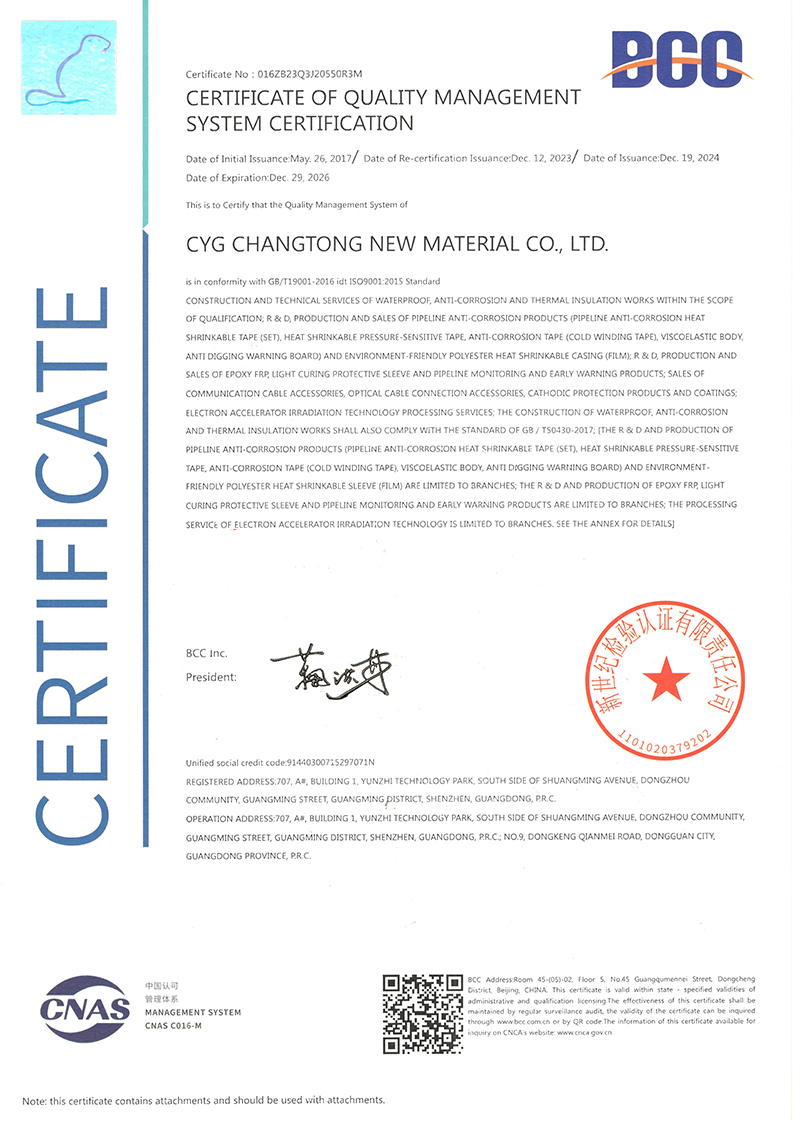
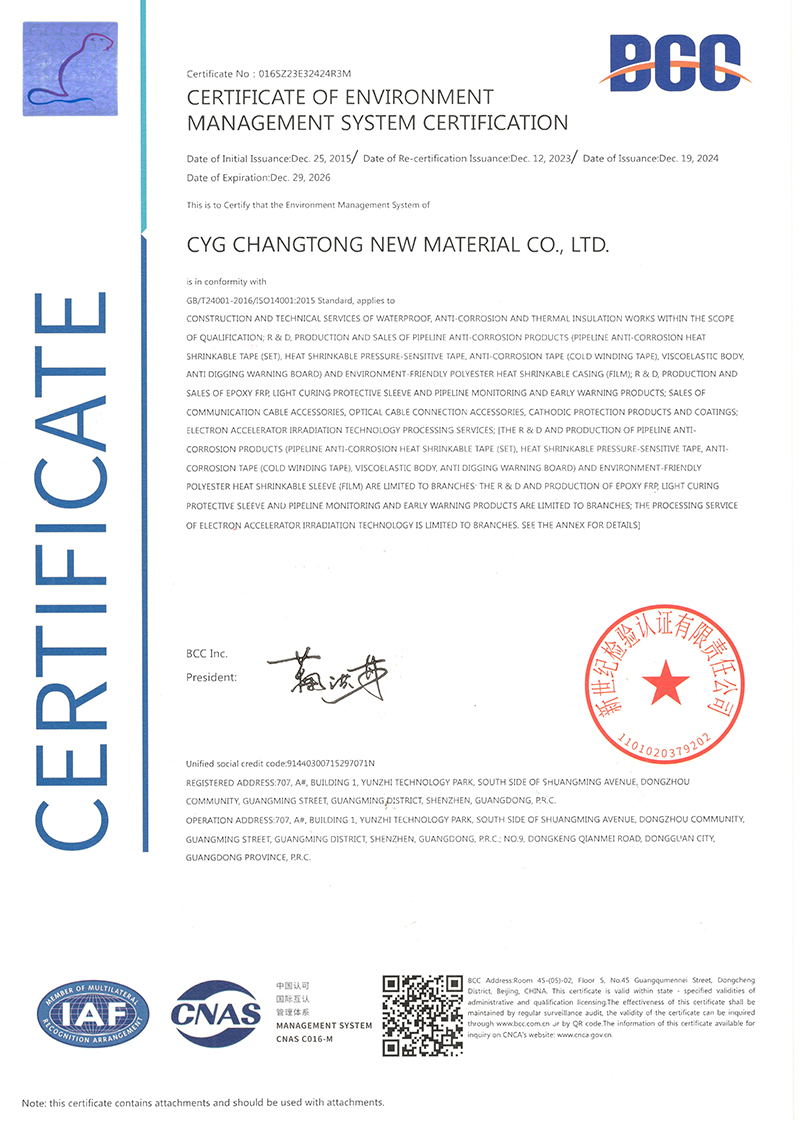
Different installation environments require tailored engineering properties for field joint protection.
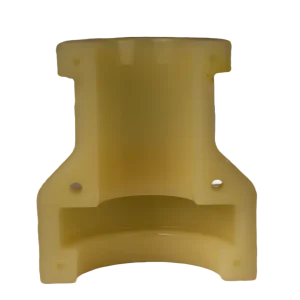
When pulling pipes through drilled boreholes, friction and shear forces can damage the coating. We offer specialized photo-curing sleeves and fiberglass-reinforced (Epoxy FRP) outer shields to provide high resistance against gouging and mechanical abrasion.
Offshore marine pipelines require resistance to seawater penetration and hydrostatic pressure. Our composite systems, including moisture-curing shields, are designed to prevent chloride ion ingress and perform reliably in saline underwater environments.
Heavy clay backfills generate high soil stress during temperature cycles. Our high-temperature heat shrinkable sleeves feature a high-shear-strength copolymer adhesive layer to resist displacement under physical load.
Technical procurement managers prioritize the following verification parameters when selecting a heat shrinkable sheath manufacturer:
Field joint coating failure is a primary cause of pipeline downtime, which can lead to high remediation costs. Our QA/QC protocols verify that every heat shrinkable sheath maintains performance margins beyond nominal operational requirements.
We provide comprehensive testing documentation for all international shipments, including tensile strength, elongation at break, thermal aging resistance, and cathodic disbondment performance. This technical support ensures straightforward qualification for gas grid and heavy industrial projects.
Addressing engineering, installation, and compliance considerations for heat shrinkable pipeline solutions.
Radiation cross-linking modifies linear polyethylene molecules into a three-dimensional network structure. This prevents the polyolefin backing from melting or flowing at high installation temperatures, creating a robust "elastic memory." When heated, the sheath shrinks uniformly, exerting constant pressure on the adhesive layer.
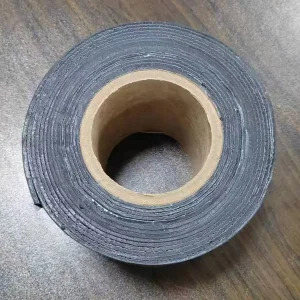
Hot melt copolymer adhesives offer high mechanical shear strength and are ideal for high-temperature and high-stress pipelines. Viscoelastic mastics provide excellent self-healing properties and ease of installation, sealing effectively without a primer on moderately prepared steel surfaces (Sa 2.0).
For high-stress systems (EN 12068 Class C), we recommend abrasive blasting to Sa 2.5 cleanliness with an anchor profile of 50-75 microns. For viscoelastic mastic sleeves, hand wire brushing or power tool cleaning to Sa 2.0 is often sufficient, though checking specific project criteria is advised.
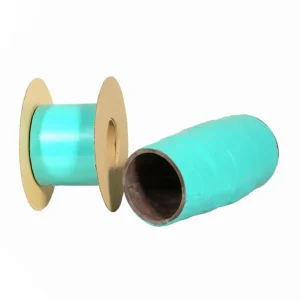
Yes. We offer rolls and pre-cut sleeves configured to match custom pipe diameters, from 2 inches up to 80 inches. We also adapt backing thickness (1.5mm to 3.0mm) and adhesive layers to meet specific mechanical load and terrain requirements.
Our pipeline protection materials comply with ISO 21809-3, EN 12068, ASTM D638, and ASTM G8. Testing is conducted in our CNAS-certified laboratory to ensure compliance with global engineering specifications.
Complete corrosion protection systems designed for specialized field conditions.
 CYCT
CYCT